First International Trip Mistakes: 12 Common Errors Beginners Should Avoid in 2026

- Planning your first international trip is exciting, but it can also feel overwhelming. Between passports, visas, flights, accommodation, money, mobile data and airport procedures, even a small oversight can create unnecessary stress.
- Most first-time travellers do not face problems because they are careless. Problems usually happen because international travel involves rules and situations they have never experienced before. A domestic trip may allow some flexibility, but crossing international borders requires more preparation.
- The good news is that most travel mistakes are preventable. Understanding the following common errors can help you plan confidently, protect your budget and enjoy your first journey abroad without avoidable complications.
1. Choosing a Destination Without Proper Research
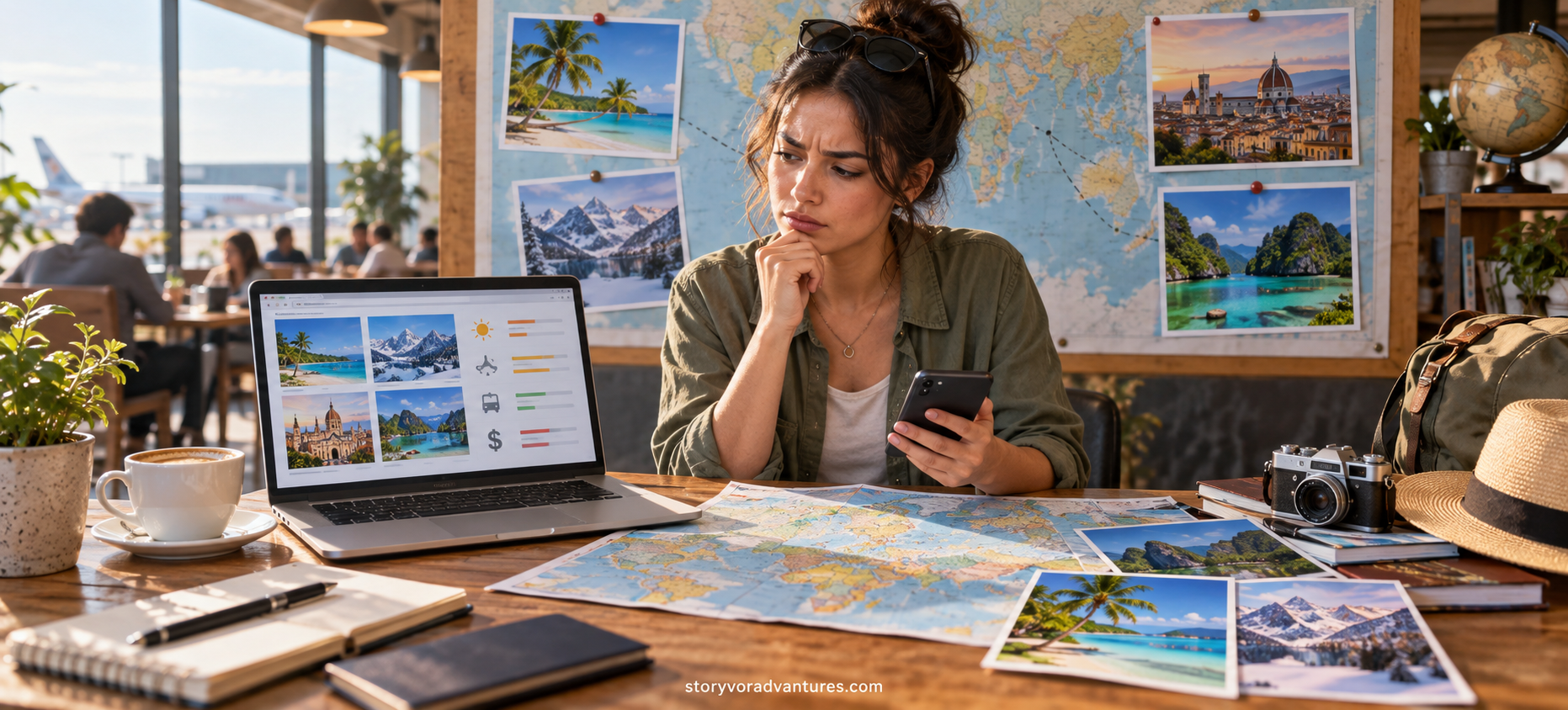
- A destination may look perfect in photographs while being unsuitable for your budget, available travel dates or experience level. Some travellers select a country because it is popular online without researching its climate, transportation, entry requirements or local costs.
- Before booking anything, examine the complete travel experience. Check the expected weather, average accommodation prices, local transportation, language barriers, safety conditions and distance between the places you want to visit. A beautiful destination can become exhausting if attractions are widely separated or public transport is limited.
- Also consider whether the destination suits your interests. Someone who enjoys quiet natural landscapes may not feel comfortable in a crowded nightlife district, while an active traveller may find an isolated resort too restrictive.
- Your first international destination does not need to be the most famous or adventurous place. It should be somewhere you can explore comfortably within your available time, experience and budget.
2. Booking Flights Before Checking Entry Requirements
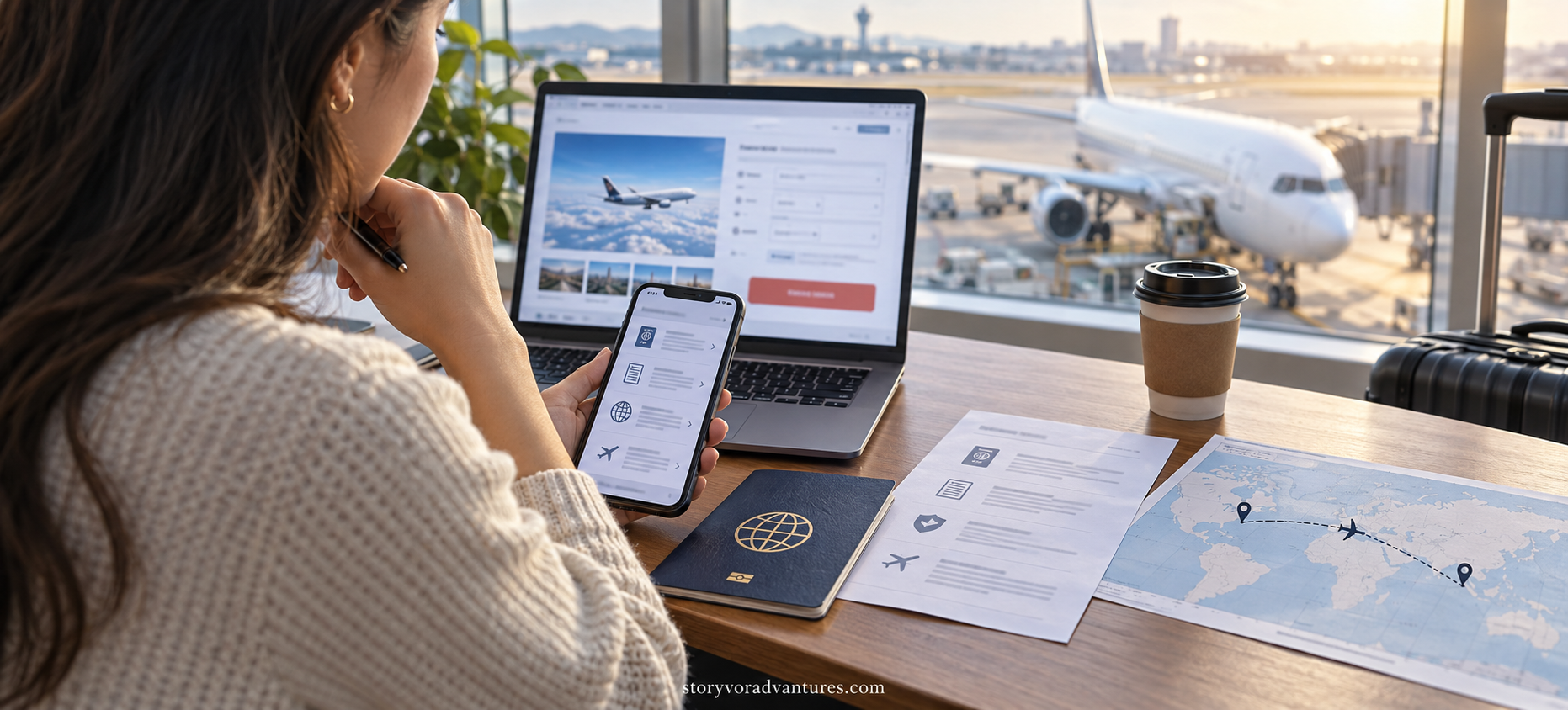
- A low airfare can create pressure to book immediately, but purchasing a ticket before checking passport and visa requirements is risky. Entry rules may depend on your nationality, travel purpose, passport validity, transit route and intended length of stay.
- Some countries require travellers to obtain a visa before departure. Others may request proof of onward travel, confirmed accommodation, sufficient funds or travel insurance. Your passport may also need to remain valid for a specific period beyond your travel dates.
- Transit requirements are equally important. A journey involving a connection in another country may require additional documents, even if you do not plan to leave the airport. Rules can differ according to your passport, airport and whether you must collect and recheck your baggage.
- Always confirm current requirements through official government, immigration, embassy or airline sources before making a non-refundable booking. Travel rules can change, so verify them again shortly before departure.
3. Creating an Unrealistic Travel Budget

- Many beginners calculate flights and hotels but forget the smaller expenses that accumulate throughout a trip. Airport transfers, public transport, meals, attraction tickets, taxes, mobile data, baggage fees, currency conversion and emergency purchases can significantly increase the final cost.
- Create separate estimates for transportation, accommodation, food, activities, insurance, communication and daily spending. Research realistic prices instead of assuming that every destination will cost approximately the same.
- Your budget should also contain an emergency reserve that is separate from your planned spending money. This reserve can help if you miss a connection, need an additional hotel night, replace an essential item or arrange unexpected transportation.
- A realistic budget is not designed to limit enjoyment. It helps you understand where your money is going and prevents financial stress from controlling the journey.
4. Planning Every Hour of the Trip
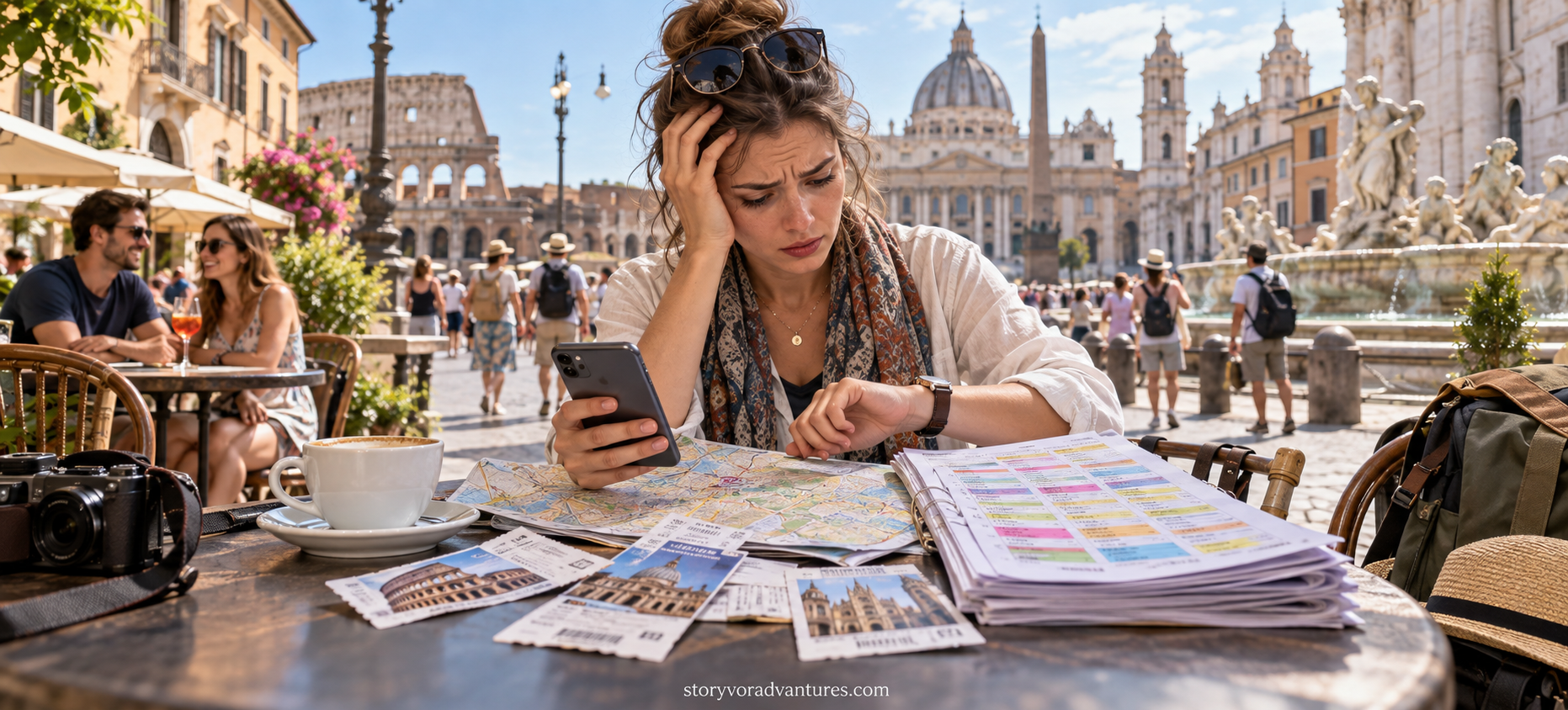
- A detailed itinerary can provide confidence, but an overly strict schedule can make travel feel like a race. Transport delays, weather changes, fatigue and unexpected discoveries can quickly disrupt a plan that leaves no flexibility.
- Instead of filling every hour, choose one or two main priorities for each day. Group nearby attractions together and leave time for meals, transportation and rest. Avoid scheduling an important activity immediately after arriving on a long international flight.
- Flexible time is especially valuable during a first trip. You may discover a local market, viewpoint, museum or neighbourhood that was not included in your original plan. Leaving space in the itinerary allows you to explore without constantly worrying about the next reservation.
- A good itinerary provides direction while still allowing the trip to unfold naturally.
5. Selecting Accommodation Based Only on Price

- The cheapest room is not always the most economical choice. Accommodation located far from public transport or major attractions may increase daily travel costs and waste valuable time. A poorly reviewed property can also create safety, cleanliness or check-in problems.
- Study the exact location on a map before booking. Check the distance from public transport, airport connections and the areas you plan to visit. Read recent reviews from different travellers and pay attention to repeated comments about cleanliness, security, noise and staff support.
- Confirm the check-in time, reception availability, cancellation terms and any additional taxes or deposits. If your flight arrives late, contact the property in advance to ensure someone can receive you.
- Suitable accommodation should balance safety, convenience, comfort and price. Spending slightly more for a well-connected location can sometimes reduce the total cost of the trip.
6. Ignoring Travel Insurance Details
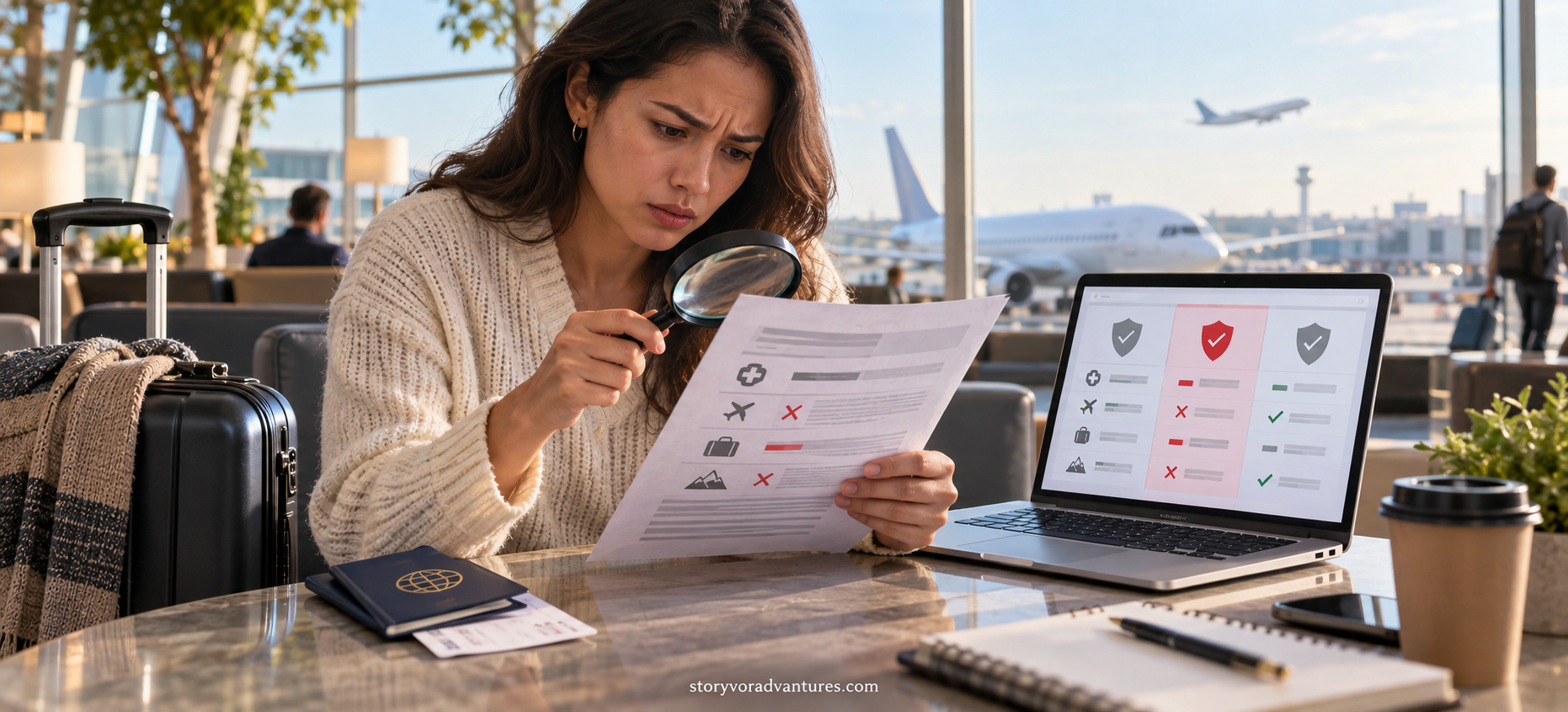
- Some travellers avoid travel insurance because they believe nothing will go wrong. Others purchase the cheapest policy without understanding what it covers. Both approaches can leave a traveller vulnerable when dealing with medical treatment, cancellations, lost baggage or unexpected disruptions.
- Insurance policies have different limits, exclusions and claim requirements. A policy may cover emergency medical treatment but exclude certain adventure activities or pre-existing conditions. Cancellation protection may apply only under specific circumstances.
- Choose coverage according to your destination, planned activities, personal needs and total trip cost. Read the policy wording and save both digital and printed copies of the important information. Keep the emergency assistance number accessible during the journey.
- Travel insurance does not prevent problems, but suitable coverage may reduce their financial impact.
7. Packing Too Much or Packing the Wrong Items

- First-time international travellers often pack for every possible situation. An overloaded suitcase becomes difficult to carry, may exceed airline baggage limits and leaves little space for anything purchased during the trip.
- Begin with the expected weather, trip length and planned activities. Select clothing that can be combined in different ways and pack comfortable shoes that you have already worn. Essential medicine, documents, valuables and one basic change of clothes should remain in your carry-on where airline rules permit.
- Check the baggage allowance for every flight in your itinerary. Weight and size limits can differ between airlines, especially when separate carriers operate different sections of the journey.
- Research restrictions on liquids, batteries, food, medication and other controlled items. Do not assume that something allowed in your home country will automatically be permitted at your destination.
- Smart packing is about carrying what you are likely to use, not preparing your suitcase for every imaginable possibility.
8. Depending on Only One Payment Method
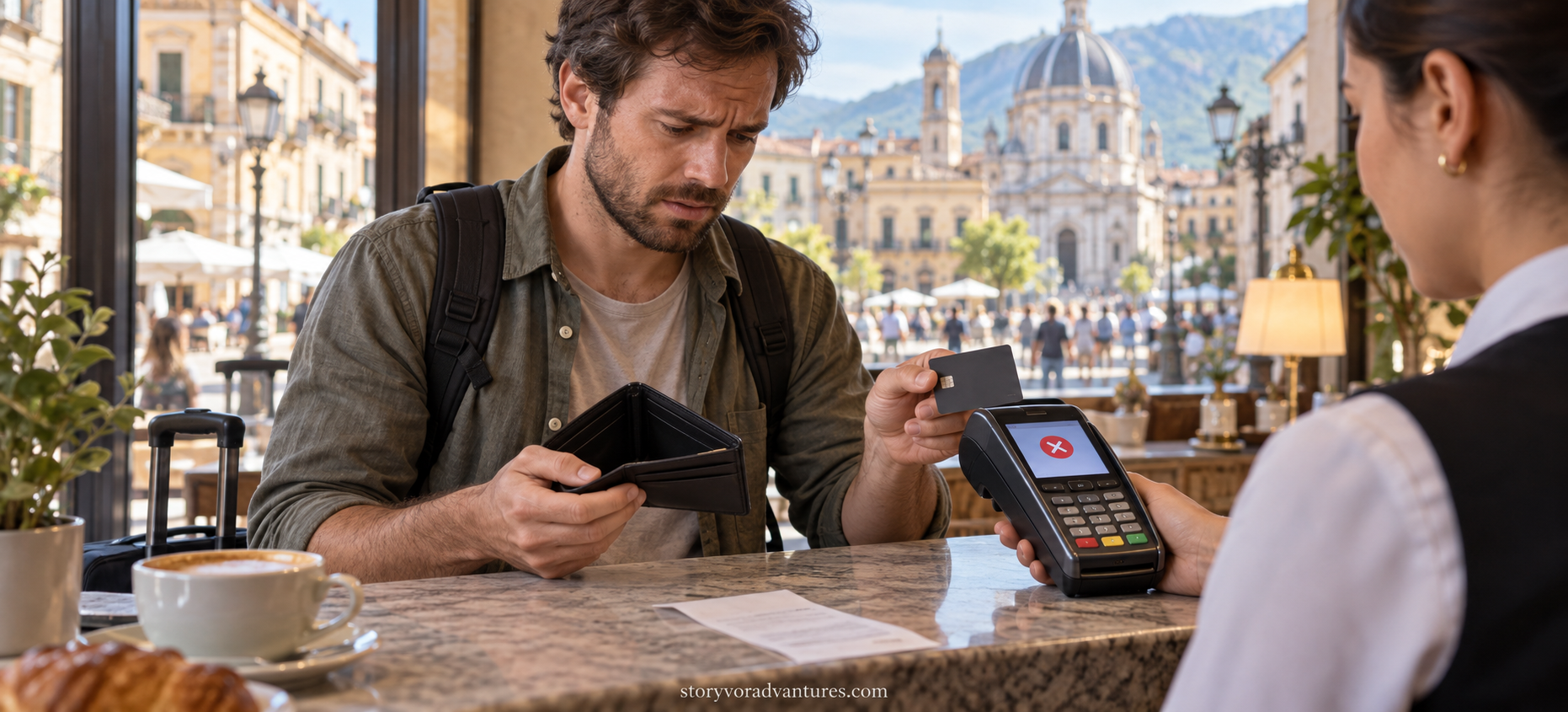
- A single bank card can be lost, blocked or rejected. Cash may also be difficult to exchange in an emergency. Depending entirely on one payment method can therefore create serious problems abroad.
- Carry a practical combination of payment options. This may include a primary card, a backup card stored separately and a modest amount of local currency. Inform your bank about your travel plans if required and confirm international transaction settings before departure.
- Review foreign transaction fees and ATM charges. When a payment terminal offers to convert the purchase into your home currency, examine the rate carefully because local-currency payment may sometimes provide a better conversion. The best option can depend on your card provider and the transaction.
- Never carry all your money and cards in the same wallet. Keep backups secure and save your bank’s international contact information separately.
9. Arriving at the Airport Without Understanding the Process
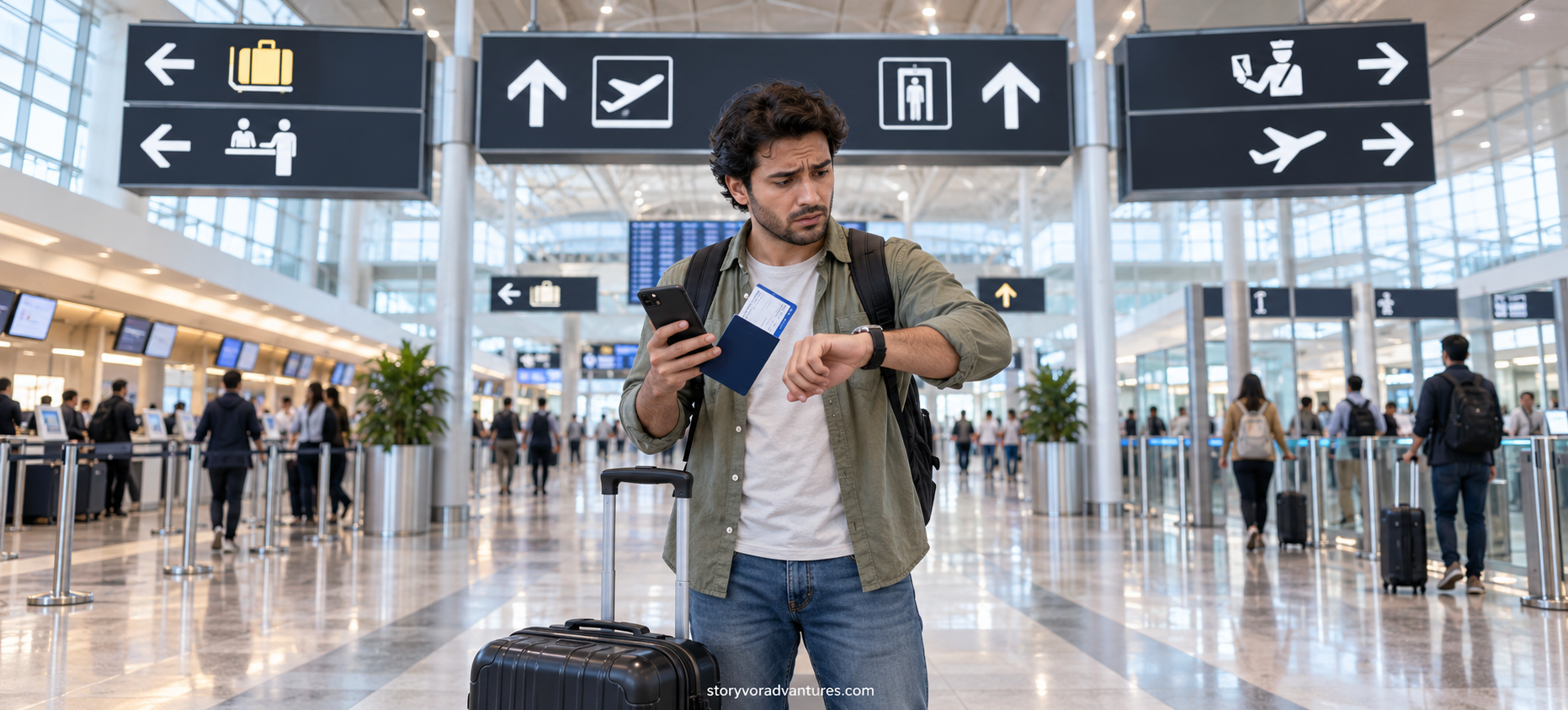
- International airports can appear confusing when you encounter check-in, baggage drop, immigration, security and boarding procedures for the first time. Arriving late makes every unfamiliar step more stressful.
- Check your airline’s recommended arrival time and reach the airport with a comfortable margin. Confirm the correct terminal before leaving for the airport, because large airports may have several terminals located far apart.
- Keep your passport, visa documents and boarding information easily accessible. At security, follow local instructions regarding liquids, electronics, belts and jackets. After immigration and security, check the departure screen because gates and boarding times can change.
- Do not wait until the final boarding call to reach your gate. Some international terminals require a long walk or an internal train journey.
- Understanding the general process helps you move through the airport calmly and reduces the likelihood of missing your flight.
10. Travelling Without Reliable Mobile Data or Offline Information
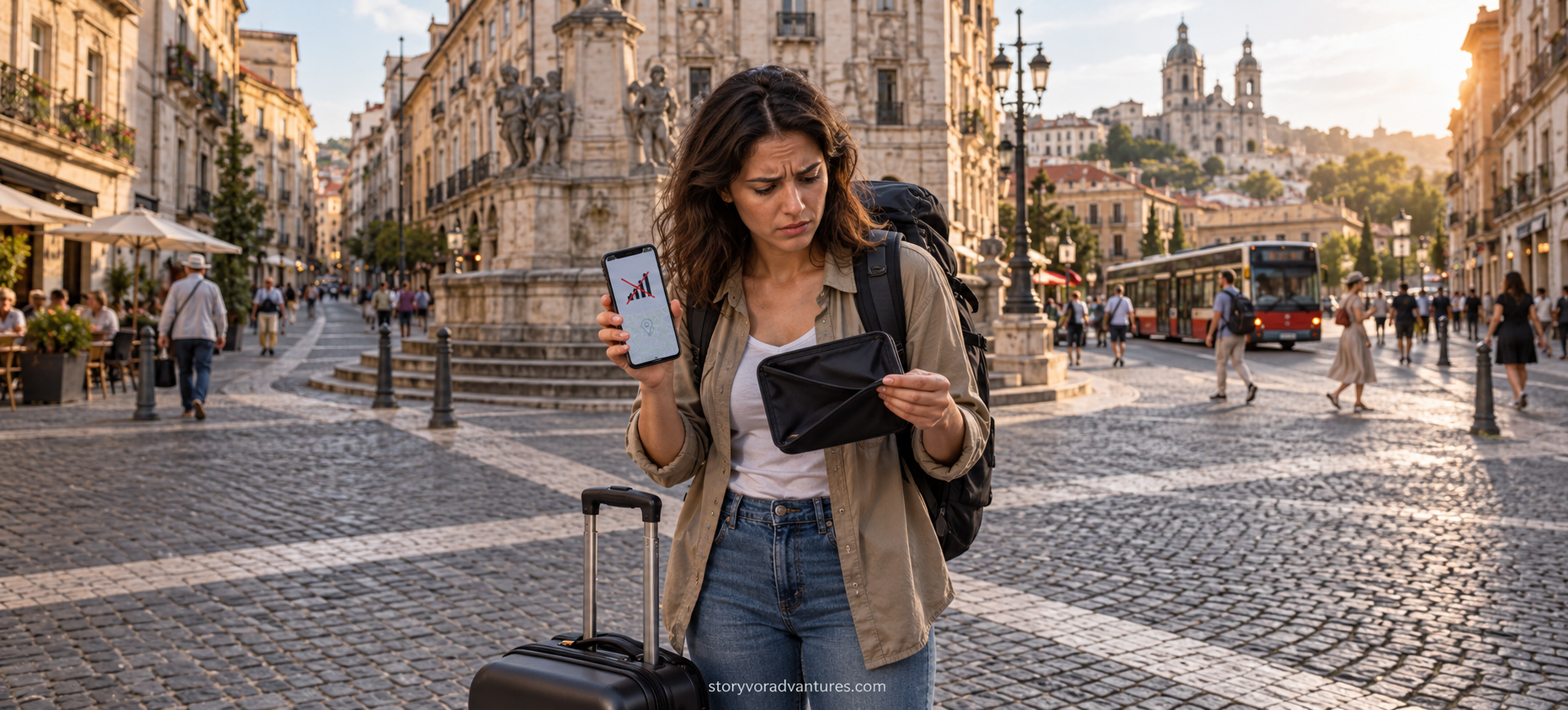
- Mobile internet helps with maps, translation, transportation, accommodation communication and emergency information. Assuming that your regular phone plan will work affordably abroad can lead to high roaming charges or no connection at all.
- Before travelling, compare international roaming, local SIM cards and eSIM options compatible with your phone. Check the activation process and save the necessary instructions before departure.
- Download offline maps, flight details, hotel addresses, transport information and important confirmations. Save essential documents securely on your phone, but also keep a backup that does not depend on the same device.
- Write down the accommodation address and an emergency contact number. If your phone is lost, damaged or out of power, this simple backup can become extremely useful.
- Technology makes international travel easier, but it should not be the only place where essential information is stored.
11. Ignoring Local Laws, Customs and Safety Advice
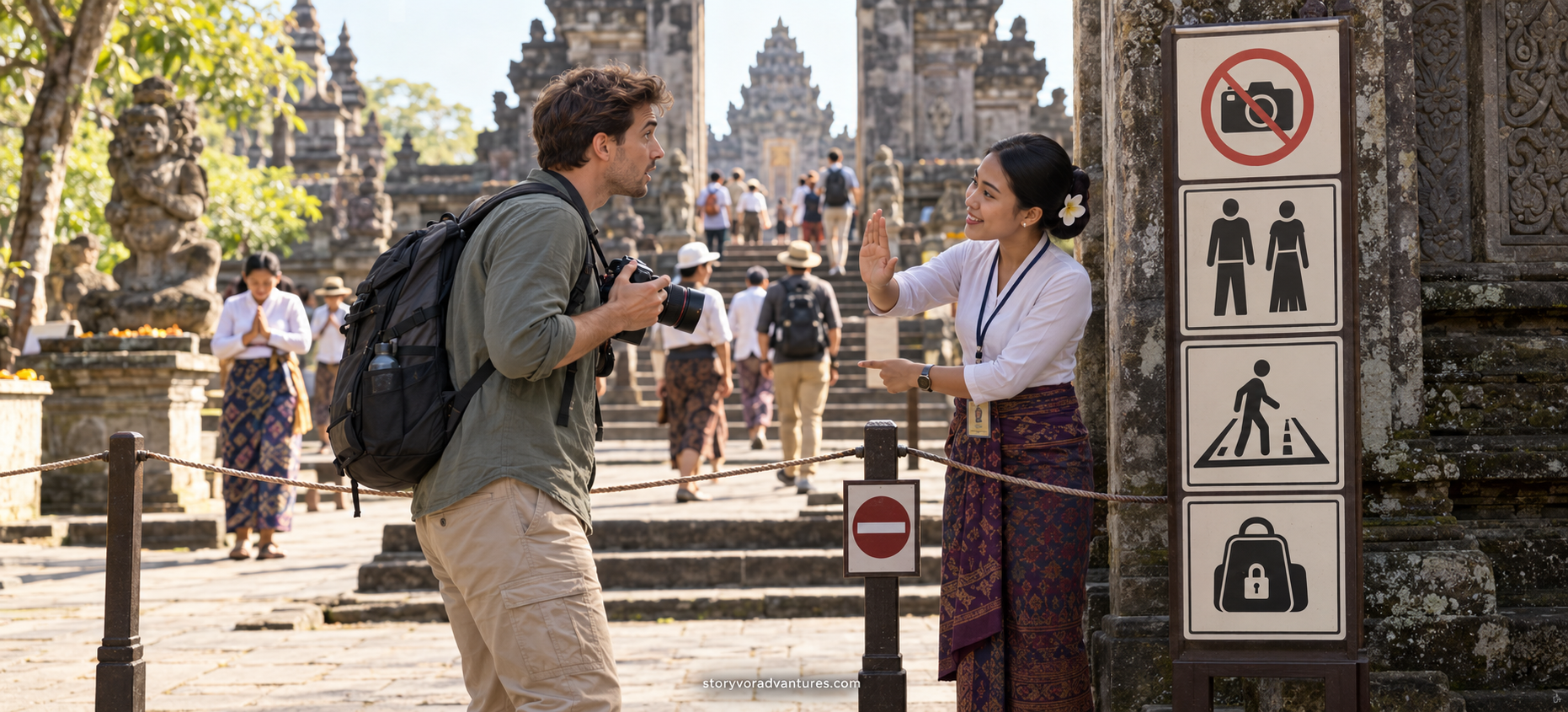
- Behaviour that seems normal at home may be restricted or considered disrespectful elsewhere. Rules may apply to clothing, photography, medication, alcohol, public conduct, drones, religious sites and protected natural areas.
- Research important local laws before travelling and follow official safety guidance. Learn a few basic phrases, understand common cultural expectations and observe how local residents behave in public places.
- Do not photograph people without permission, enter restricted areas for social-media content or ignore warning signs to obtain a dramatic picture. Respecting a destination protects both the traveller and the community.
- Basic safety habits also remain important. Use licensed transportation where recommended, protect valuables in crowded locations and avoid sharing your accommodation details or real-time location publicly.
- Responsible travellers do not need to understand every local custom perfectly. They should, however, make a sincere effort to learn and behave respectfully.
12. Forgetting to Prepare for the Unexpected
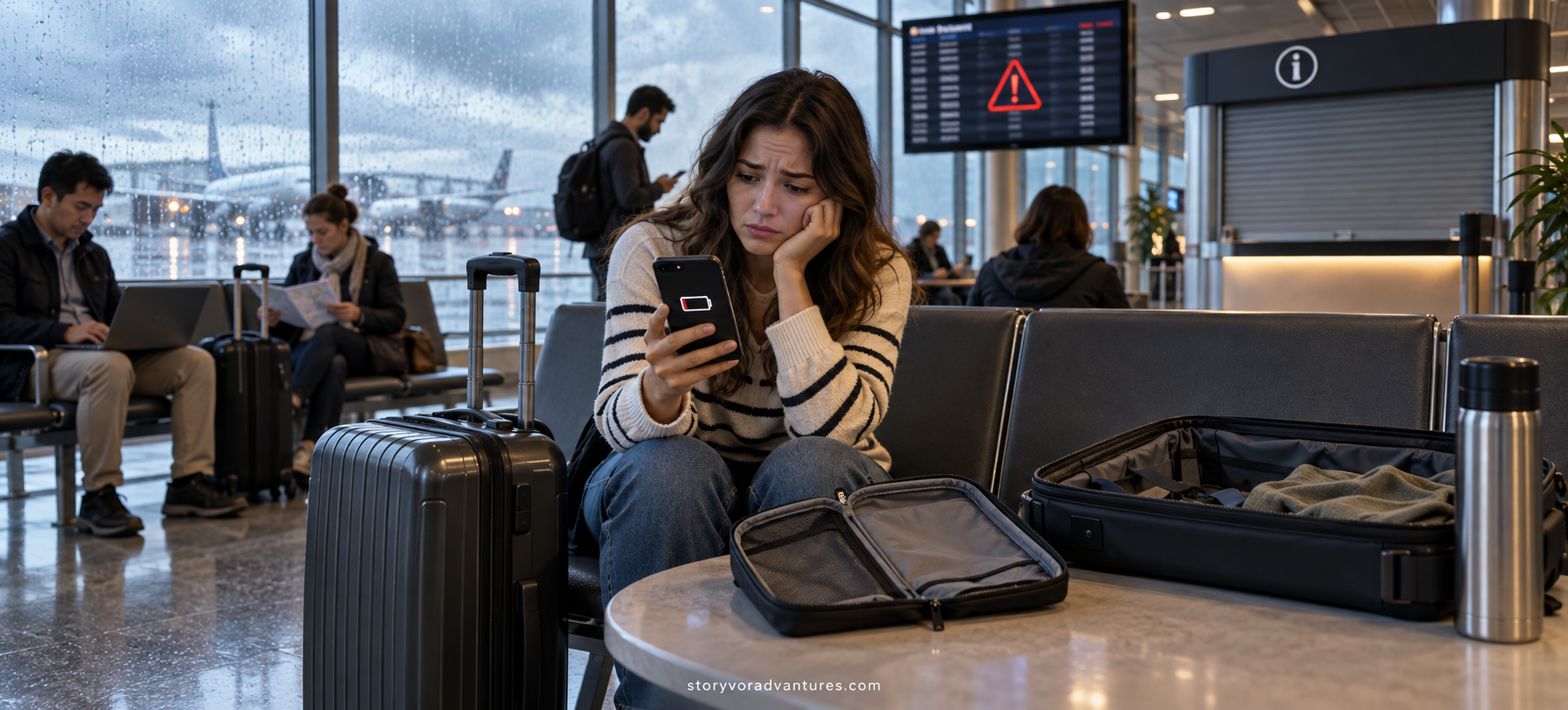
- Even a carefully planned trip can change. Flights may be delayed, weather can affect activities, luggage may arrive late and a planned attraction may close without warning.
- Prepare a simple backup plan for the most important parts of the journey. Know how to reach your first accommodation if the preferred transport option is unavailable. Keep essential items in your carry-on and maintain access to emergency funds.
- Share your itinerary with someone you trust and save relevant embassy or consular contact information. Keep copies of your passport, visa and insurance details stored securely and separately from the originals.
- If something goes wrong, pause before making a rushed decision. Contact the airline, accommodation, insurer or appropriate local authority through verified channels. Remaining calm and working through the problem one step at a time is often more useful than trying to control every possibility in advance.
- Preparation cannot guarantee a perfect journey, but it can make unexpected situations easier to manage.
A Simple Pre-Departure Check
Before leaving home, confirm that your passport and required entry documents are ready. Recheck flight times, terminals, accommodation details, airport transportation and baggage limits.
Make sure you have suitable payment options, mobile connectivity, travel insurance and secure copies of important documents. Review the weather forecast and any current official travel notices that may affect your plans.
Charge your phone and power bank, download offline information and share your itinerary with a trusted person. Completing this final check can prevent many last-minute problems.
Frequently Asked Questions
How early should I start planning my first international trip?
For many trips, beginning several months ahead provides enough time to research documents, compare flights and arrange accommodation. However, the ideal planning period depends on the destination, visa process, travel season and availability. Start earlier when entry permission or limited transport options may require additional preparation.
Should I book flights or accommodation first?
Check entry requirements and overall affordability before booking either one. Travellers commonly compare flight options first and then confirm accommodation, but the best order depends on cancellation policies and availability. Avoid committing to expensive non-refundable bookings until you understand the complete trip requirements.
How much emergency money should I carry?
There is no single amount suitable for every traveller. Your emergency reserve should reflect the destination, trip duration, insurance coverage and possible cost of an additional hotel night or alternative transportation. Keep it separate from your daily spending budget.
Are digital copies of travel documents enough?
Digital copies are helpful backups, but they may not replace original documents or printed evidence when authorities, airlines or accommodation providers require them. Carry the original documents required for travel and keep secure backups separately.
Is travel insurance necessary for every international trip?
Some destinations or visas may require insurance, while others may not. Even when it is optional, suitable coverage can help with certain medical expenses, cancellations and travel disruptions. Read the policy carefully because coverage and exclusions vary.
Final Thoughts
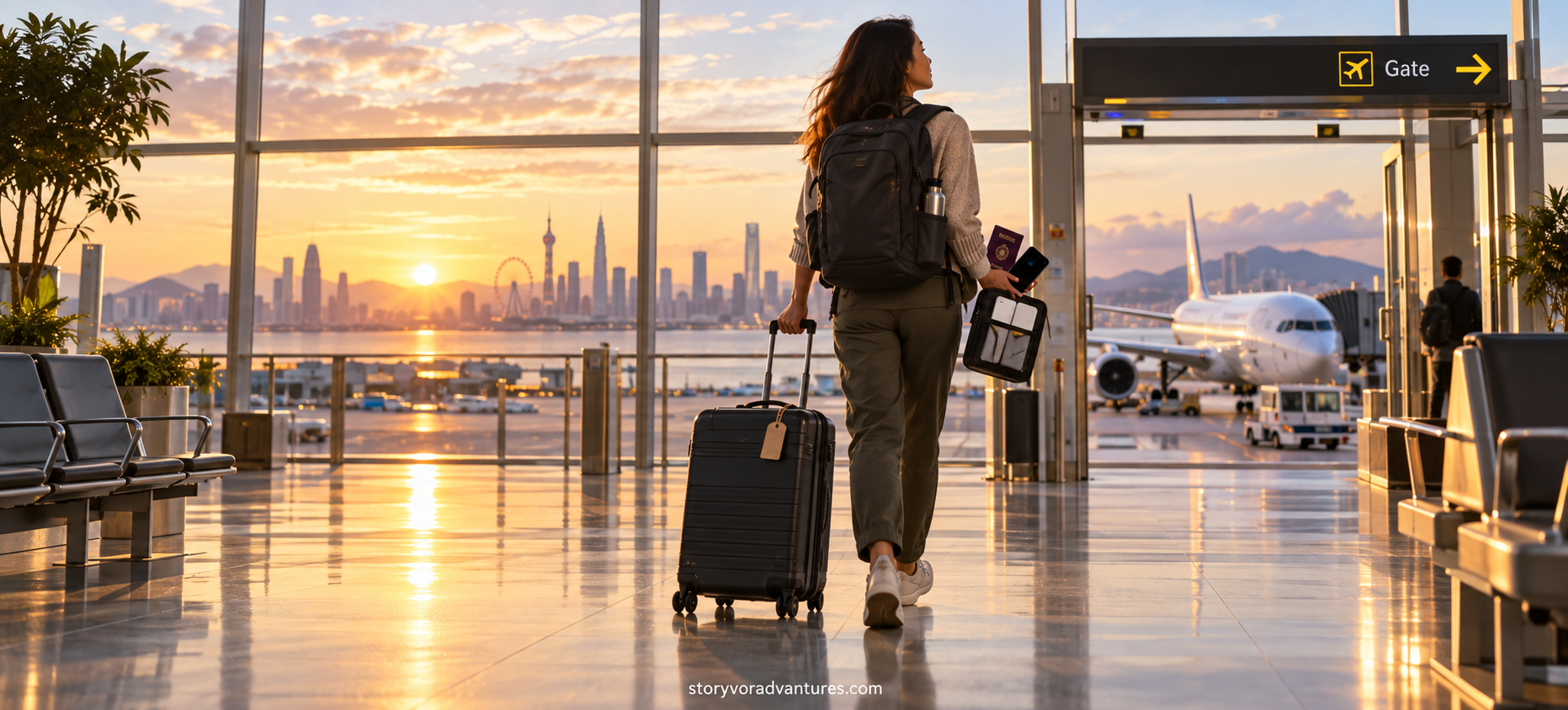
Your first international trip does not need to be perfectly planned. It needs to be thoughtfully prepared.
Mistakes become more likely when travellers rush bookings, ignore official requirements or try to fit too much into a limited schedule. By researching carefully, keeping a realistic budget and preparing backups, you can reduce unnecessary stress without removing the excitement of discovery.
Travel with curiosity, but also with respect for local communities, laws and environments. Stay flexible when plans change and remember that confidence usually grows with experience.
The purpose of good preparation is not to control every moment. It is to give yourself enough security and freedom to enjoy the journey.
Important: Entry rules, visa requirements, health guidance, transportation schedules, prices and safety conditions can change. Always verify current information through relevant official authorities and service providers before booking or travelling.
© 2026 storyvoradvantures