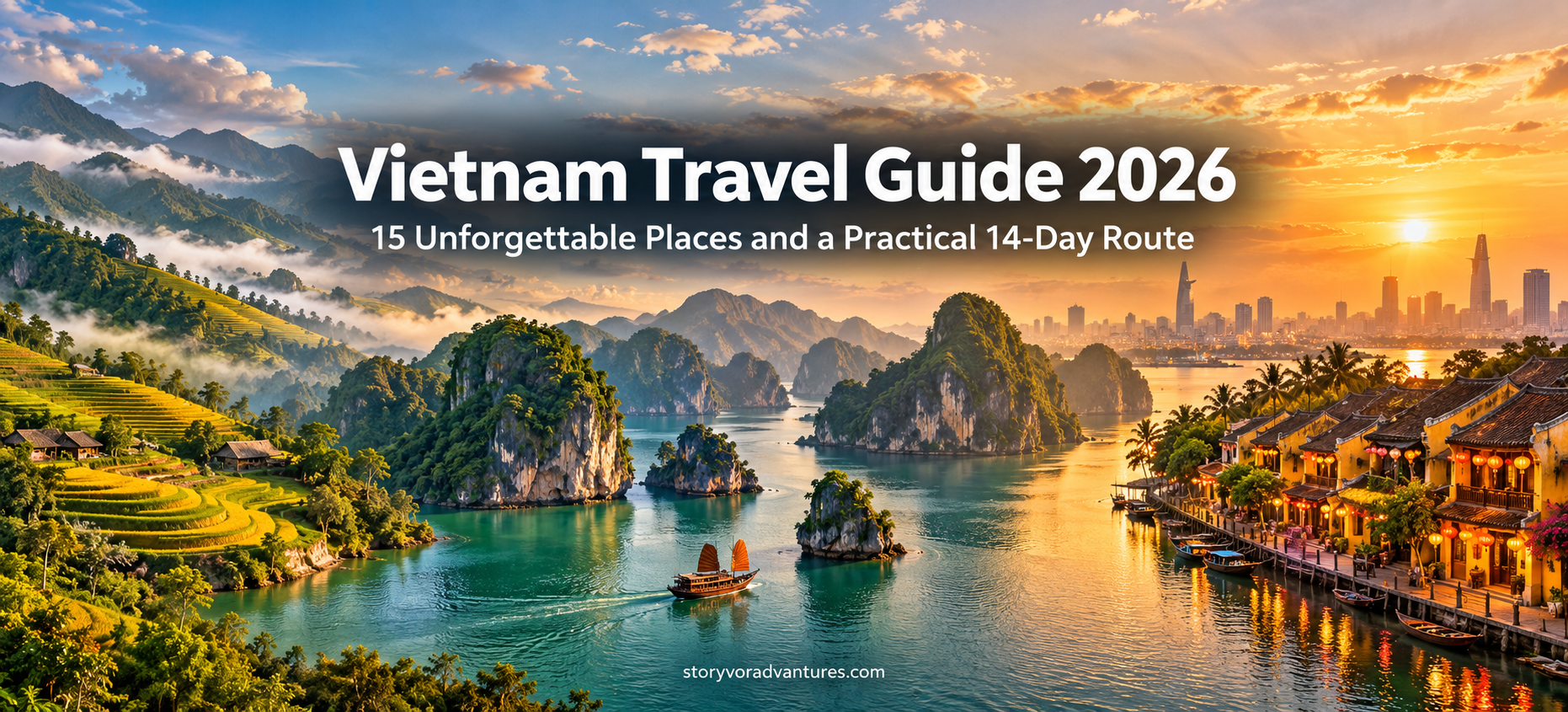
Vietnam Travel Guide 2026: 15 Unforgettable Places and a Practical 14-Day Route
Explore 15 unforgettable places in Vietnam with a practical 14-day itinerary, transport options, currency, costs, visa guidance and useful travel tips.
Vietnam is a country where every region feels noticeably different. Hanoi introduces visitors to old neighbourhoods and traditional food, the northern mountains provide winding roads and deep valleys, central Vietnam contains imperial buildings and historic towns, while the south offers energetic cities, tropical islands and the waterways of the Mekong Delta.
The biggest planning mistake is trying to cover the entire country during one short holiday. Vietnam looks compact on a map, but the distance between its northern and southern regions is considerable. A comfortable first trip should focus on a sensible route, leaving enough time to experience each destination rather than constantly travelling between hotels.
This guide covers 15 worthwhile places across Vietnam and explains how to organise a practical 14-day journey. It also includes information about visas, currency, trains, buses, domestic flights, mobile data, accommodation, food and realistic travel costs.
Vietnam Travel Essentials
Capital: Hanoi
Official currency: Vietnamese đồng
Currency code: VND
Main international airports: Hanoi, Da Nang and Ho Chi Minh City
Official language: Vietnamese
Suggested first-trip duration: 10–14 days
Best route for first-time visitors: Hanoi to central Vietnam and Ho Chi Minh City
Official tourism website: Vietnam Tourism
Official electronic visa website: Vietnam E-Visa Portal
Official railway booking website: Vietnam Railways
Visa and Entry Requirements
Visa requirements depend on a traveller’s nationality, intended duration and purpose of travel. Some passport holders may qualify for visa-free entry, while others need an electronic visa before departure.
Vietnam’s electronic visa system may permit eligible visitors to apply for single or multiple entry. However, travellers should not rely on an old blog, social-media post or unofficial visa agency because entry rules can change.
Check the latest requirements and submit applications through the official Vietnam E-Visa Portal. The name, passport number, intended entry point and other information must match the traveller’s passport and itinerary.
Keep a printed and digital copy of the approved visa. The passport should remain valid for the period required by Vietnamese authorities, and travellers should also confirm whether proof of onward travel, accommodation or sufficient funds is needed.
1. Hanoi
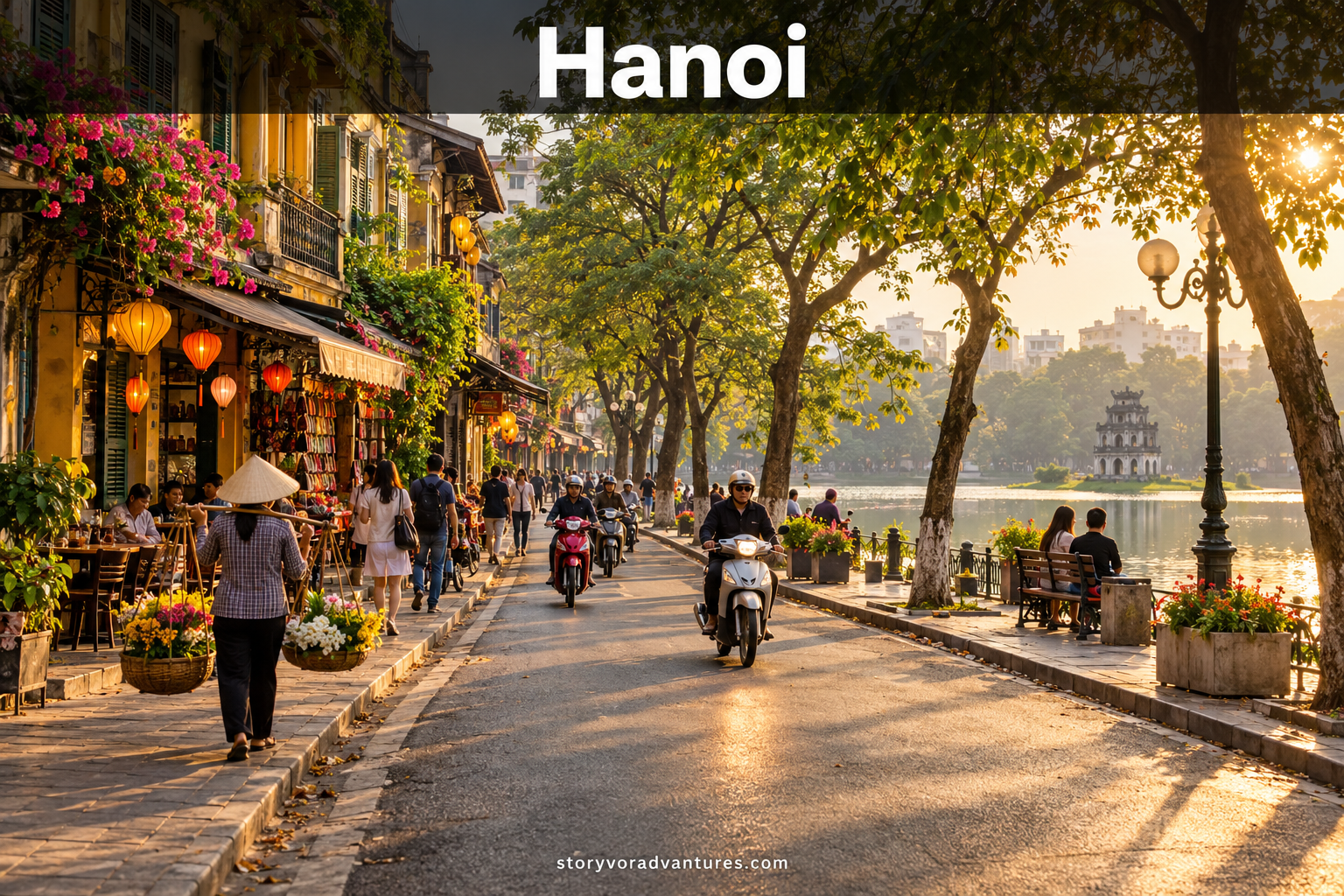
Hanoi is a practical starting point for a first journey through Vietnam, but it should not be treated only as a gateway to the north. The city brings together old commercial streets, lakes, temples, French-influenced buildings, museums and a food culture that is closely connected with everyday street life.
The Old Quarter is the busiest part of the visitor experience. Its narrow streets contain small restaurants, workshops, shops, cafés and guesthouses. Walking without a strict route can be enjoyable, although pedestrians need to remain alert while crossing roads.
Hoàn Kiếm Lake provides a calmer space close to the old streets. Visitors interested in history can also explore the Temple of Literature and the Imperial Citadel of Thăng Long. Museums can add valuable context to the city, but opening days should be checked before visiting.
Hanoi is an excellent place to try phở, bún chả, bánh cuốn and egg coffee. Busy food stalls with good customer turnover are usually preferable to dishes that have been sitting uncovered for long periods.
Allow at least two full days for Hanoi. Staying near the Old Quarter is convenient for first-time visitors, while the French Quarter and West Lake offer comparatively calmer surroundings.
2. Ninh Binh

Ninh Binh combines limestone formations, rivers, rice fields, temples and rural landscapes within easy reach of Hanoi. It is sometimes described as an inland version of Ha Long Bay, but its farmland and historic sites give it a separate identity.
The Tràng An Landscape Complex is explored by small boat. Routes pass between high limestone cliffs and through natural caves. Tam Cốc provides another river journey surrounded by fields and rocky formations. The appearance of the landscape changes with the farming and rainy seasons, so visitors should not expect the fields to remain bright green throughout the year.
Hang Múa viewpoint offers a wide view over the river and surrounding countryside. Reaching the top requires climbing steep steps, making early morning or late afternoon more comfortable than the middle of a hot day.
Tam Cốc is a convenient accommodation base with restaurants, bicycle rentals and access to nearby attractions. Two nights allow visitors to enjoy the scenery without squeezing everything into a rushed day trip from Hanoi.
3. Ha Long Bay and Bai Tu Long Bay

Ha Long Bay is one of Vietnam’s most recognisable landscapes. Thousands of limestone formations rise from the water, creating a setting explored through sightseeing boats and overnight cruises.
Cruise quality varies considerably. Before booking, compare the actual vessel, cabin category, included meals, safety information, activities and cancellation conditions. Promotional photographs may show a room or ship that is different from the one included in the lowest advertised fare.
Bai Tu Long Bay can be considered by travellers looking for a route beyond the most heavily visited sections of Ha Long Bay. It should not be described as completely empty, but certain itineraries may feel less congested.
Weather can affect visibility and sailing schedules. Travellers who experience motion sickness should prepare before boarding. Choosing an operator with clear environmental and safety practices is more important than simply choosing the cheapest cruise.
4. Ha Giang
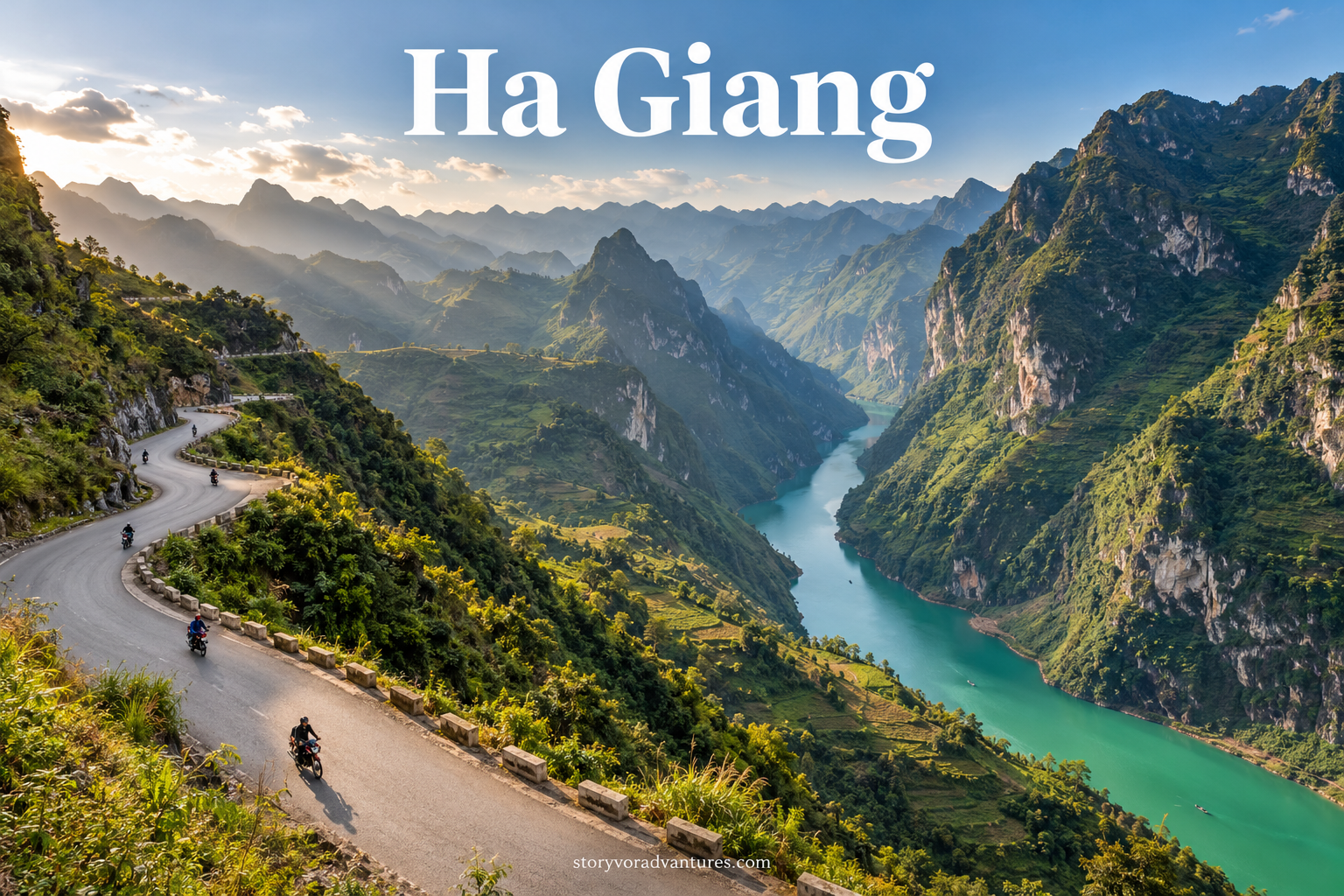
Ha Giang contains some of northern Vietnam’s most dramatic mountain landscapes. Roads pass through valleys, rocky plateaus, high mountain passes and communities close to the Chinese border.
The famous Ha Giang Loop is often promoted as a motorbike adventure, but the route should be approached seriously. Sharp bends, fog, rain, landslides and large vehicles can create difficult riding conditions. Travellers without suitable experience, insurance and legal riding documents can hire a properly licensed local driver.
Major stops may include Quản Bạ, Yên Minh, Đồng Văn, Mã Pí Lèng Pass and the Nho Quế River. The journey should not be rushed simply to complete the loop quickly.
Village homestays can provide useful accommodation, but local communities must be treated respectfully. Ask permission before photographing residents and avoid presenting ordinary village life as a tourist performance.
Three or four days are generally needed for a meaningful Ha Giang journey. Carry warm layers and rain protection because conditions can change quickly in the mountains.
5. Sapa and the Muong Hoa Valley
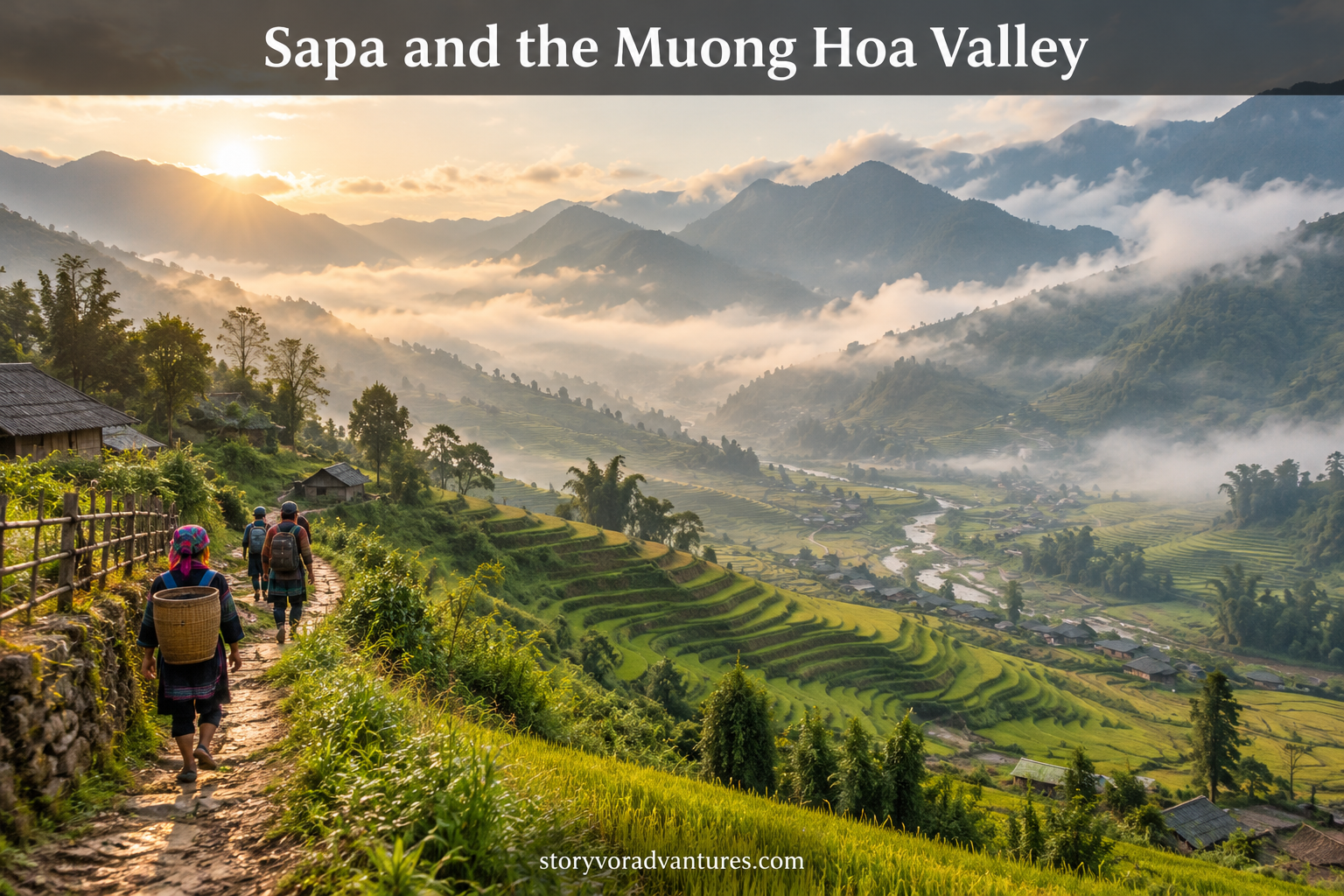
Sapa is surrounded by terraced fields, mountains and villages inhabited by several ethnic communities. The town itself has developed rapidly, but the surrounding landscape continues to attract walkers and photographers.
Guided walks through the Muong Hoa Valley can pass through farmland, village paths and hillside viewpoints. A responsible local guide can explain the area more meaningfully while helping travellers avoid routes that cross private land without permission.
The fields look different throughout the year. Anyone travelling specifically for bright green or golden terraces should research the agricultural season rather than relying on edited photographs.
Fansipan can be reached through a cable-car system, but clouds may cover the mountain even when the weather in Sapa town appears clear. Temperatures can also be considerably lower at higher elevations.
Visitors purchasing crafts should look for locally made products and fair prices. Photographs of residents, particularly children, should never be taken without consent.
6. Phong Nha-Ke Bang National Park

Phong Nha-Ke Bang National Park is known for its enormous cave systems, rivers and forested limestone landscape. It offers experiences ranging from accessible boat journeys to physically demanding expeditions.
Phong Nha Cave can be visited by boat, while Paradise Cave has developed walkways through a huge underground chamber. Specialised cave tours may involve trekking, swimming, climbing and camping.
Travellers should never enter restricted caves independently. Advanced expeditions must be booked through authorised operators with proper safety procedures and equipment.
Rain can raise water levels and cause tour cancellations, particularly during wetter periods. Anyone planning a specific cave experience should keep an extra day available in case weather affects the schedule.
Phong Nha village provides accommodation, restaurants and access to the national park. Two or three nights work well for most visitors.
7. Hue
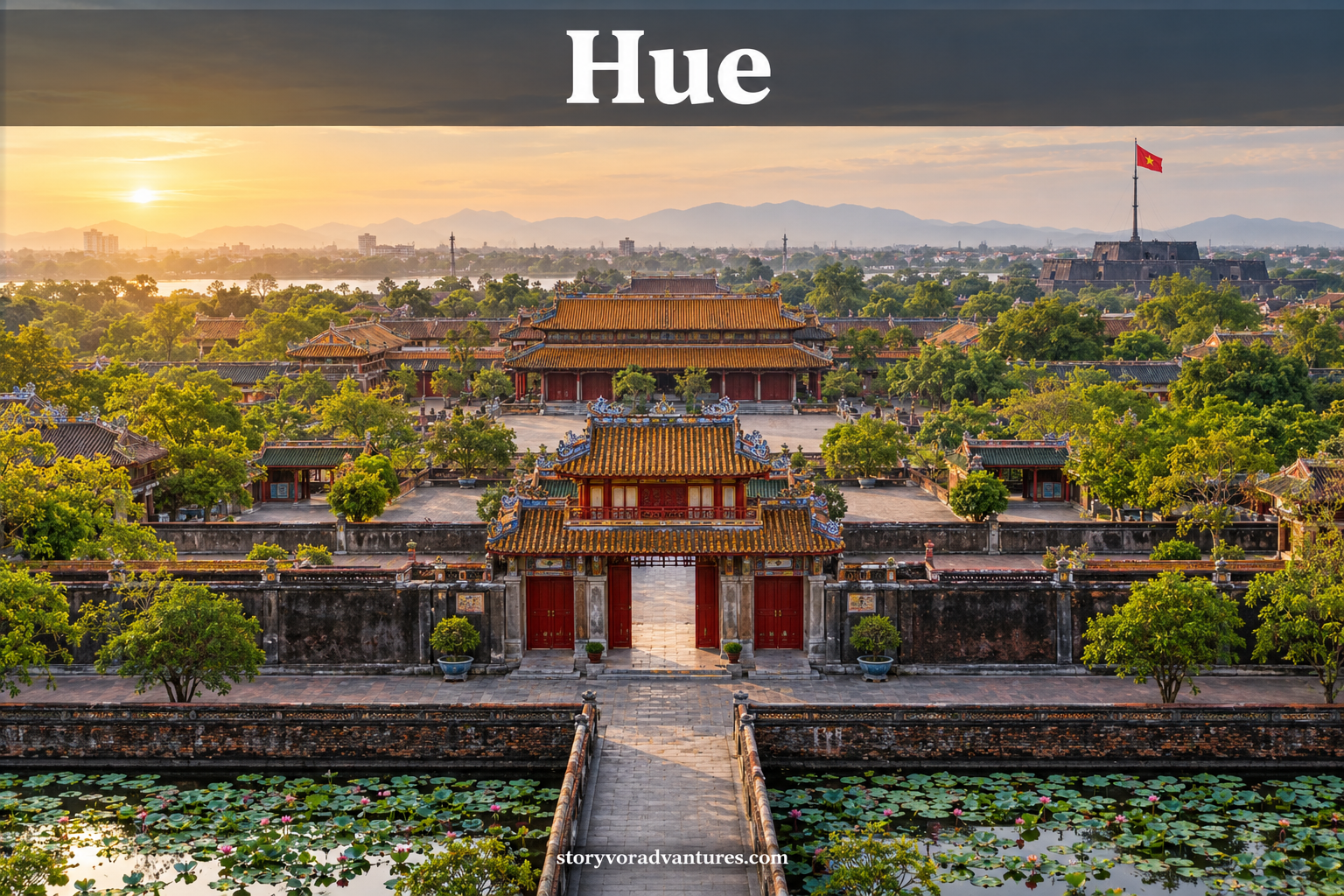
Hue was Vietnam’s imperial capital and remains an important destination for understanding the country’s royal history. The Imperial City contains gates, courtyards, temples and restored structures connected with the Nguyễn dynasty.
The complex is much larger than it first appears. Visitors should carry water, wear comfortable shoes and allow several hours instead of rushing through the main gate and leaving.
Several royal tombs are located outside the city. The tombs of Minh Mạng, Khải Định and Tự Đức have different architectural styles. Visiting two carefully is usually more rewarding than trying to see every tomb in one day.
Hue also has a distinctive regional food culture. Bún bò Huế, bánh bèo and several smaller savoury dishes make the city worthwhile even for visitors who are not deeply interested in royal monuments.
Two nights provide enough time for the Imperial City, selected tombs and an evening spent trying local food.
8. Da Nang
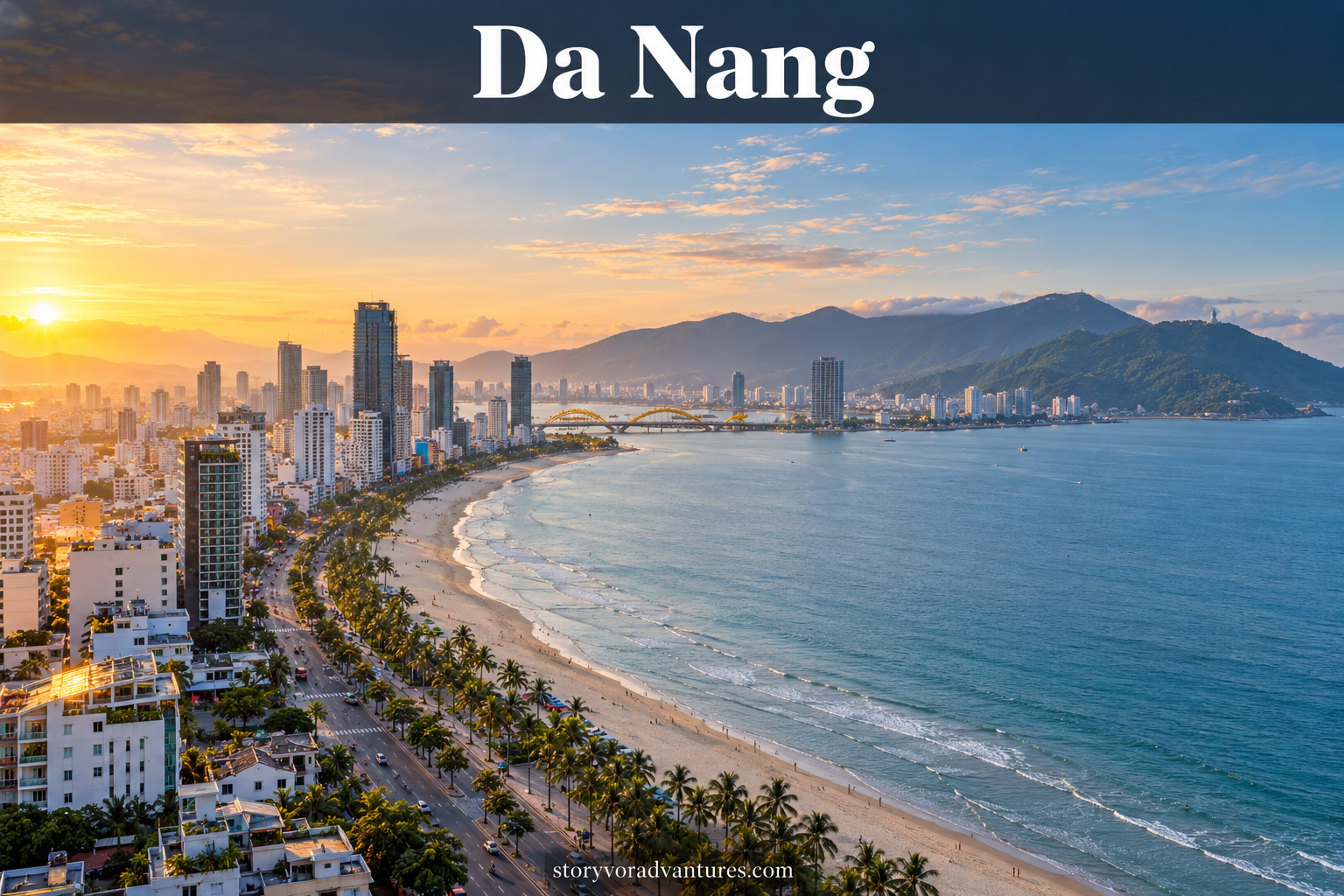
Da Nang is a modern coastal city situated between Hue and Hoi An. Its international airport and railway station make it a convenient transport base, but the city also offers beaches, local restaurants and surrounding natural attractions.
My Khe Beach is easily accessible, although swimming conditions should always be checked. The Marble Mountains contain religious structures, caves, viewpoints and steep stairways. Some surfaces can become slippery, so suitable footwear is important.
The Sơn Trà Peninsula offers forest and coastal scenery. Wildlife should be observed quietly and never fed or approached for photographs.
Da Nang is suitable for visitors who want a beach stay with strong transport connections. It can also be used as a base for visiting Hoi An, Hue or My Son Sanctuary.
9. Hoi An
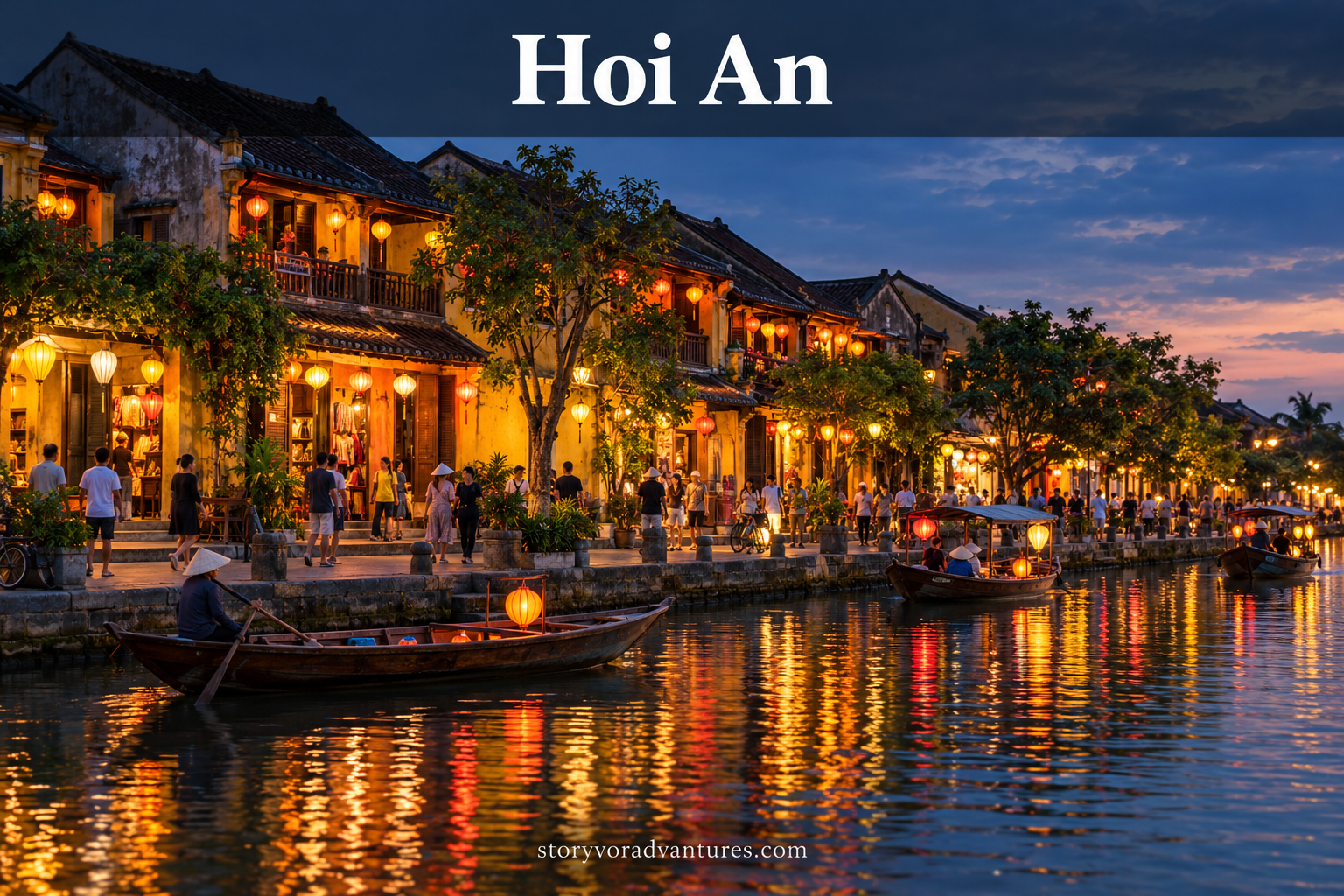
Hoi An is known for its preserved merchant houses, assembly halls, temples, lanterns and riverside streets. Its beauty has also made it one of Vietnam’s busiest destinations.
Early morning is an excellent time to explore the historic centre because the temperature is cooler and the streets are quieter. Visitors can use the afternoon for nearby countryside, craft villages or An Bàng Beach before returning to the old town in the evening.
Hoi An has a well-established tailoring industry. Quality differs between shops, so the fabric, price, fitting schedule and required alterations should be agreed upon before paying the full amount.
Lanterns create an attractive evening atmosphere, but releasing unnecessary objects into the river should be avoided. Staying two or three nights makes it possible to experience Hoi An beyond its most crowded hours.
10. My Son Sanctuary
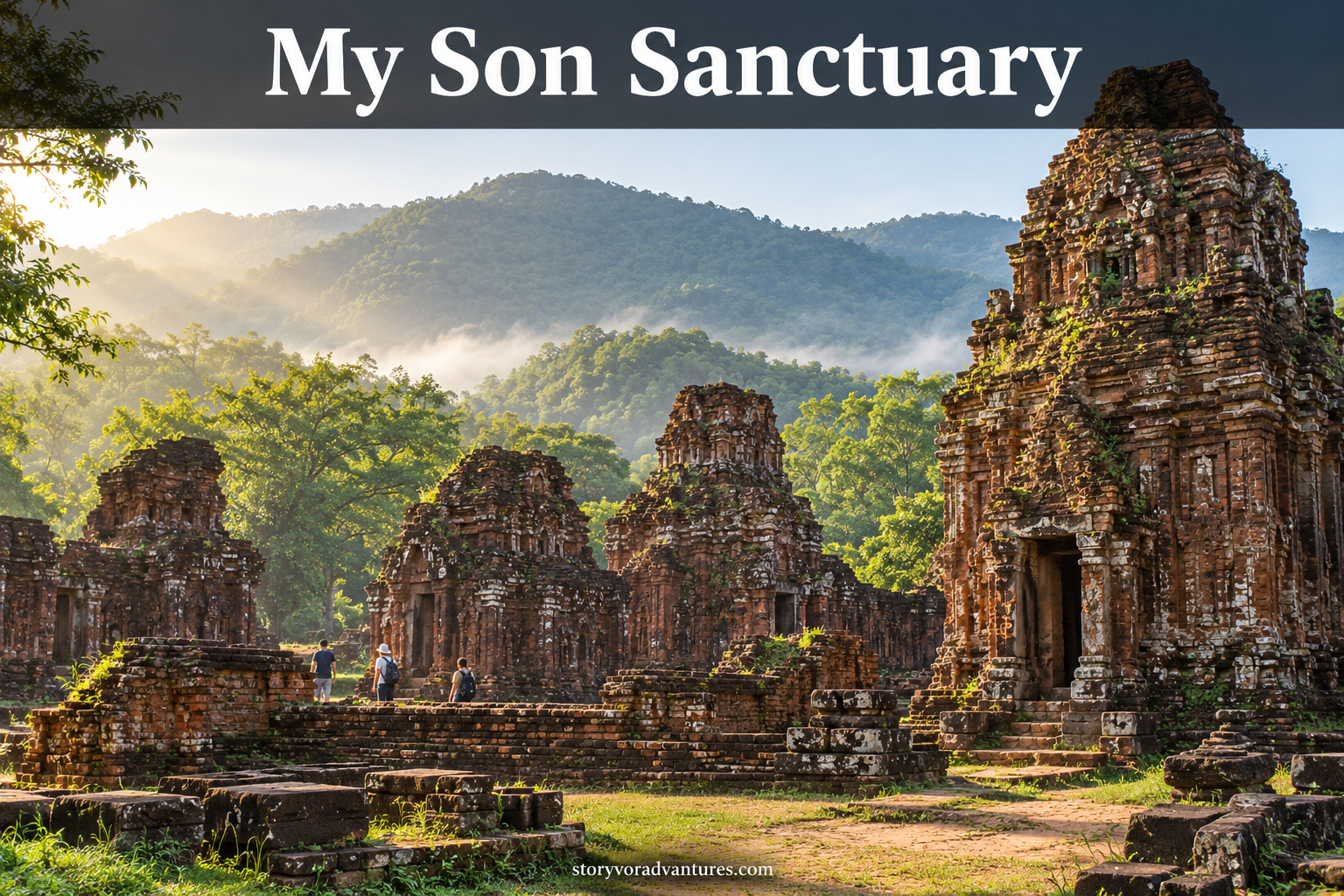
My Son Sanctuary contains the remains of temples built by the Champa civilisation. The structures sit in a green valley west of Hoi An and provide insight into a period of history that is sometimes overlooked during a first Vietnam trip.
Some buildings were heavily damaged during conflict, while others retain distinctive brickwork and decorative details. A knowledgeable guide can explain the site’s religious and architectural importance more clearly than a quick self-guided walk.
The site can become hot and humid, so an early visit is preferable. Carry drinking water and allow enough time to read the available historical information.
My Son can be visited as a half-day excursion from Hoi An or Da Nang.
11. Da Lat

Da Lat sits at a higher elevation in Vietnam’s Central Highlands and has a cooler climate than many coastal cities. Pine forests, flower gardens, lakes, farms and coffee-growing areas create a different atmosphere from the rest of this itinerary.
The city is suitable for visitors interested in cafés, fresh produce, countryside journeys and slower travel. Local markets provide an introduction to regional fruit, vegetables and everyday food.
Nearby waterfalls vary from heavily developed attractions to quieter natural settings. Travellers should research the exact experience before paying for transport or entry tickets.
Adventure activities should only be booked with operators that explain equipment, insurance and safety procedures clearly. Two or three nights allow enough time to explore the city and surrounding countryside.
12. Ho Chi Minh City
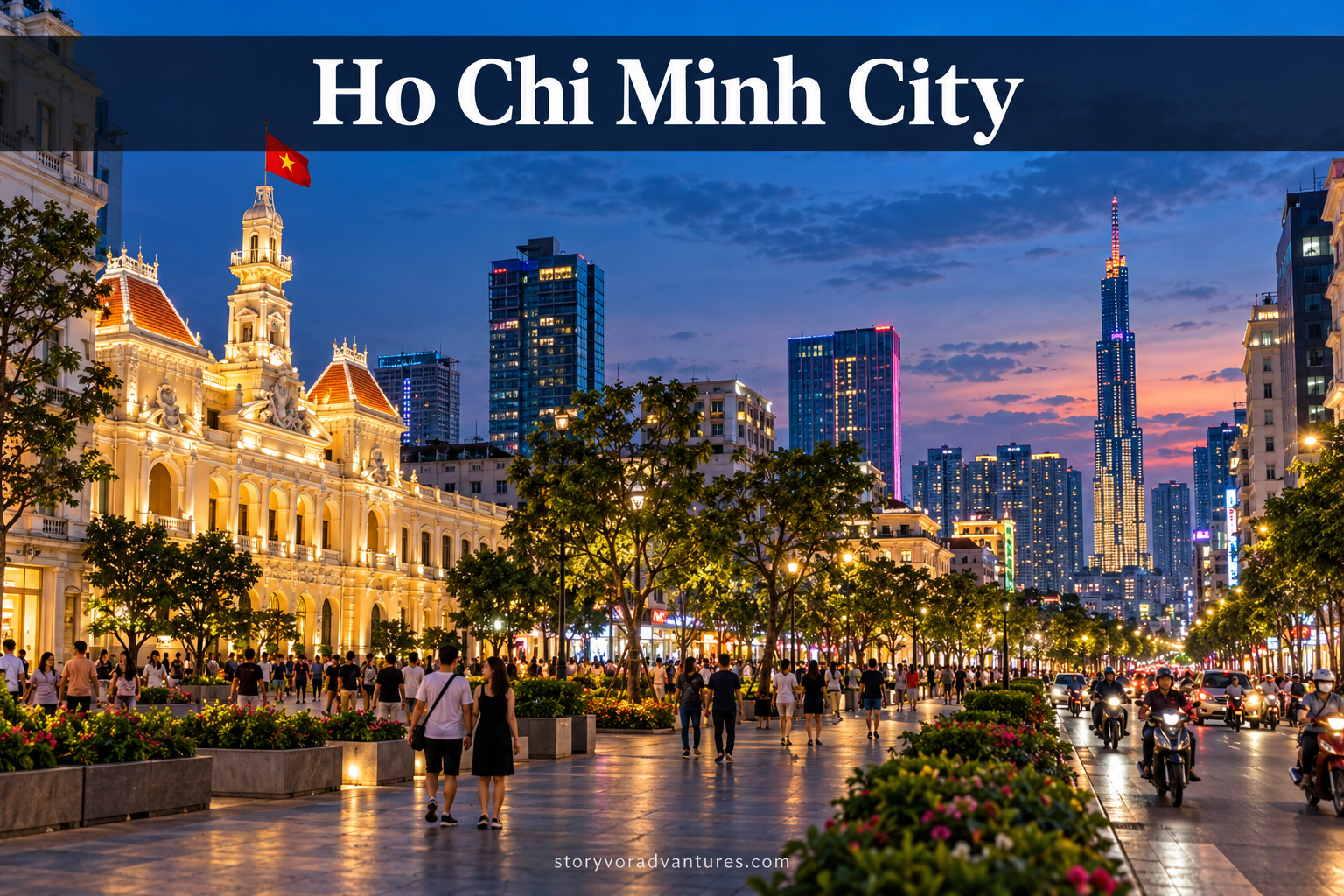
Ho Chi Minh City is Vietnam’s largest urban centre and the main gateway to the south. Historic buildings, modern towers, markets, museums and busy food streets are spread across a large metropolitan area.
The War Remnants Museum presents difficult information about conflict and its effects. Visitors should allow enough time to understand the exhibitions rather than treating the museum as a quick photo stop.
Other important attractions include the Independence Palace, the area around the Central Post Office and Nguyễn Huệ Walking Street. Bến Thành Market is famous, but prices should be confirmed before purchasing.
Because the city is large, group attractions by district. This prevents unnecessary journeys through heavy traffic and makes each day less tiring.
13. The Mekong Delta
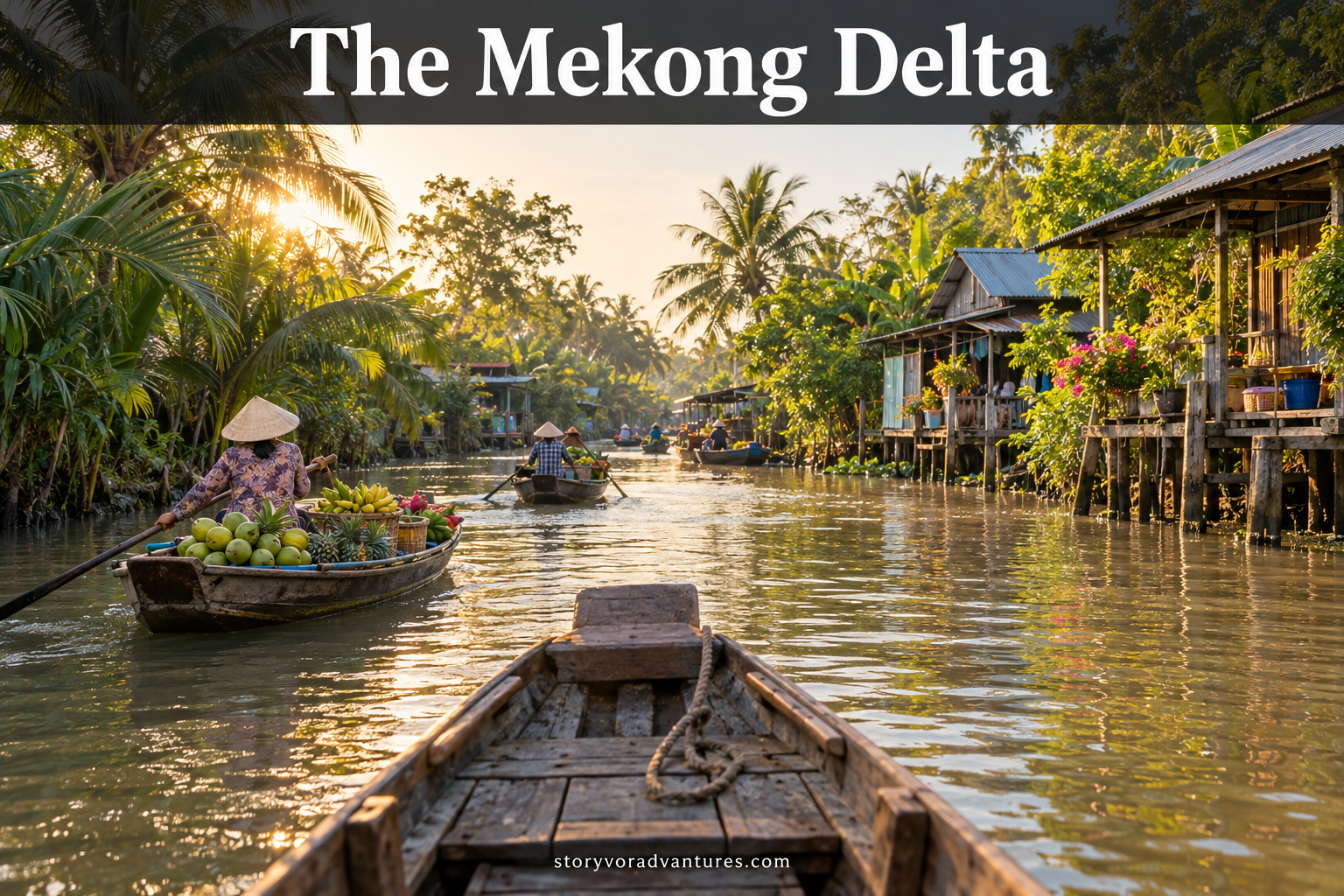
The Mekong Delta is a broad region of waterways, farms, towns, orchards and communities rather than one single attraction. Trying to understand it through a few hours on an organised day trip can feel rushed.
Cần Thơ is a useful base for exploring part of the delta. Boat trips can reveal local river traffic, businesses and agricultural activity, although the experience depends on the route and operator.
Traditional floating markets have changed as roads, supermarkets and modern supply networks have developed. Travellers should not expect every market to look like an old tourism poster.
Spending two nights in the delta makes an early boat journey and a slower countryside visit possible. Avoid tours that use captive wildlife or intrude into homes without clear permission.
14. Phu Quoc

Phu Quoc is a large tropical island with beaches, resorts, fishing communities and forested areas. Rapid development means that different parts of the island can provide very different experiences.
Long Beach offers restaurants, accommodation and sunset views. Travellers searching for a quieter stay should research the exact area because construction, road access and seasonal conditions may affect nearby beaches.
Snorkelling and boat tours are widely available. Visitors should not stand on coral, touch marine life or leave waste behind. Responsible behaviour remains important even when an operator provides limited environmental guidance.
Phu Quoc works well as a relaxed ending to a longer Vietnam journey, particularly for travellers who do not want another complex overland route.
15. Con Dao
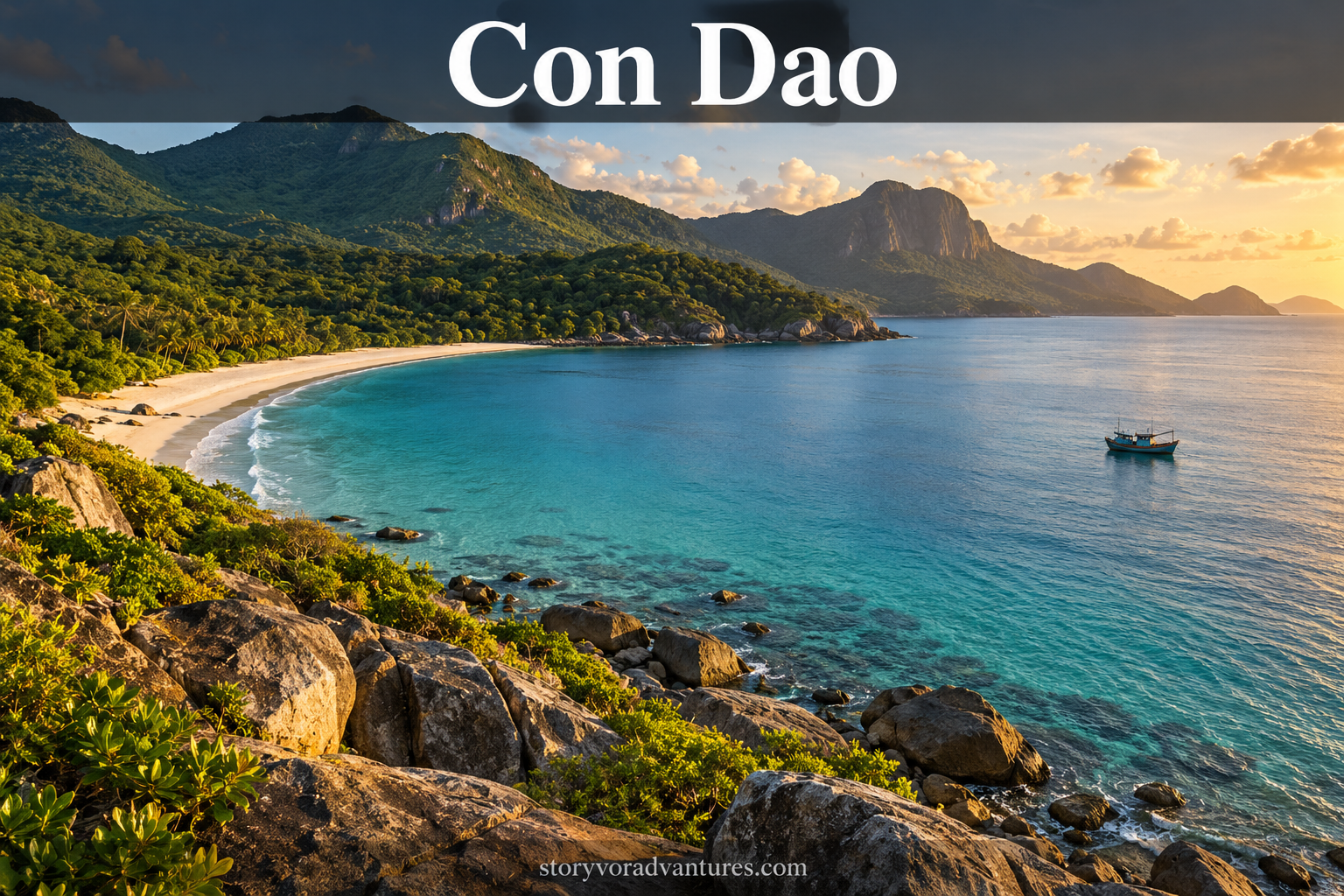
Con Dao combines beaches and protected natural areas with an important and difficult historical legacy. The islands were associated with a former prison system, and several preserved locations now explain the experiences of people held there.
Prison buildings, cemeteries and memorial areas must be visited respectfully. Con Dao should not be presented only as an untouched tropical escape.
Con Dao National Park protects forest and marine environments. Wildlife experiences should be arranged through responsible organisations, and nesting animals must never be disturbed for photographs.
Flights and accommodation may be more limited than at major Vietnamese destinations. Advance planning is useful during popular travel periods.
A Practical 14-Day Vietnam Itinerary
A two-week journey cannot comfortably include all 15 destinations. The following route combines important cities, natural landscapes and historical areas without changing accommodation every night.
Days 1–2: Hanoi
Use the first day to explore Hoàn Kiếm Lake and the Old Quarter at a relaxed pace. On the second day, visit selected historical sites, museums and local food areas.
Days 3–4: Ninh Binh
Travel from Hanoi to Ninh Binh and stay near Tam Cốc. Use one day for Tràng An or Tam Cốc and another for Hang Múa, temples or countryside cycling.
Days 5–6: Ha Long Bay or Bai Tu Long Bay
Choose a carefully reviewed overnight cruise. Confirm whether transport from Hanoi or Ninh Binh is included before booking a separate bus.
Days 7–8: Hue
Return to Hanoi and take a domestic flight or overnight train towards central Vietnam. Explore the Imperial City on one day and selected royal tombs on the next.
Days 9–10: Hoi An and My Son
Travel through Da Nang to Hoi An. Explore the historic centre during quieter hours and use the second day for My Son Sanctuary, the countryside or a nearby beach.
Days 11–12: Ho Chi Minh City
Fly from Da Nang to Ho Chi Minh City. Divide attractions by district and keep enough time for museums, local food and evening walks.
Day 13: Mekong Delta
Travel to Cần Thơ or join a carefully selected overnight delta experience. An overnight stay is preferable to spending most of the day returning to Ho Chi Minh City.
Day 14: Departure
Return to Ho Chi Minh City with a generous time allowance before an international flight.
Travellers with three weeks can add Ha Giang, Sapa, Phong Nha or Da Lat. Those who prefer a beach ending can replace the Mekong Delta section with Phu Quoc or Con Dao.
Vietnamese Currency and Managing Money
Vietnam’s official currency is the Vietnamese đồng, written as VND or ₫. Frequently used notes include 10,000, 20,000, 50,000, 100,000, 200,000 and 500,000 đồng.
The large numbers can initially feel confusing. Travellers should check the number of zeros and colour of each note before paying, especially in dark taxis, markets or busy shops.
Exchange rates change daily. Check the latest approximate value through a reliable tool such as the XE Currency Converter before travelling.
Cash is useful at street-food stalls, markets, small guesthouses and businesses outside major cities. Hotels, larger restaurants and established tour operators may accept cards, but card payment should not be assumed.
ATMs are widely available in major destinations. Both the ATM operator and the traveller’s bank may charge fees. When an ATM offers to convert the withdrawal into the home currency, selecting Vietnamese đồng will generally allow the traveller’s own bank or card provider to process the conversion.
Carry at least two payment methods and store them separately. International card usage should be activated before departure, and the traveller should check foreign transaction and cash-withdrawal fees with their bank.
Travelling Around Vietnam by Train
Vietnam’s railway network connects several important cities along the country’s north-to-south route. Trains can be slower than flights but provide useful overnight connections and views of the countryside.
The main line connects Hanoi, Ninh Binh, Dong Hoi, Hue, Da Nang, Nha Trang and Ho Chi Minh City. Seating can include hard seats, soft seats and sleeper berths. A soft sleeper is generally more comfortable for overnight journeys.
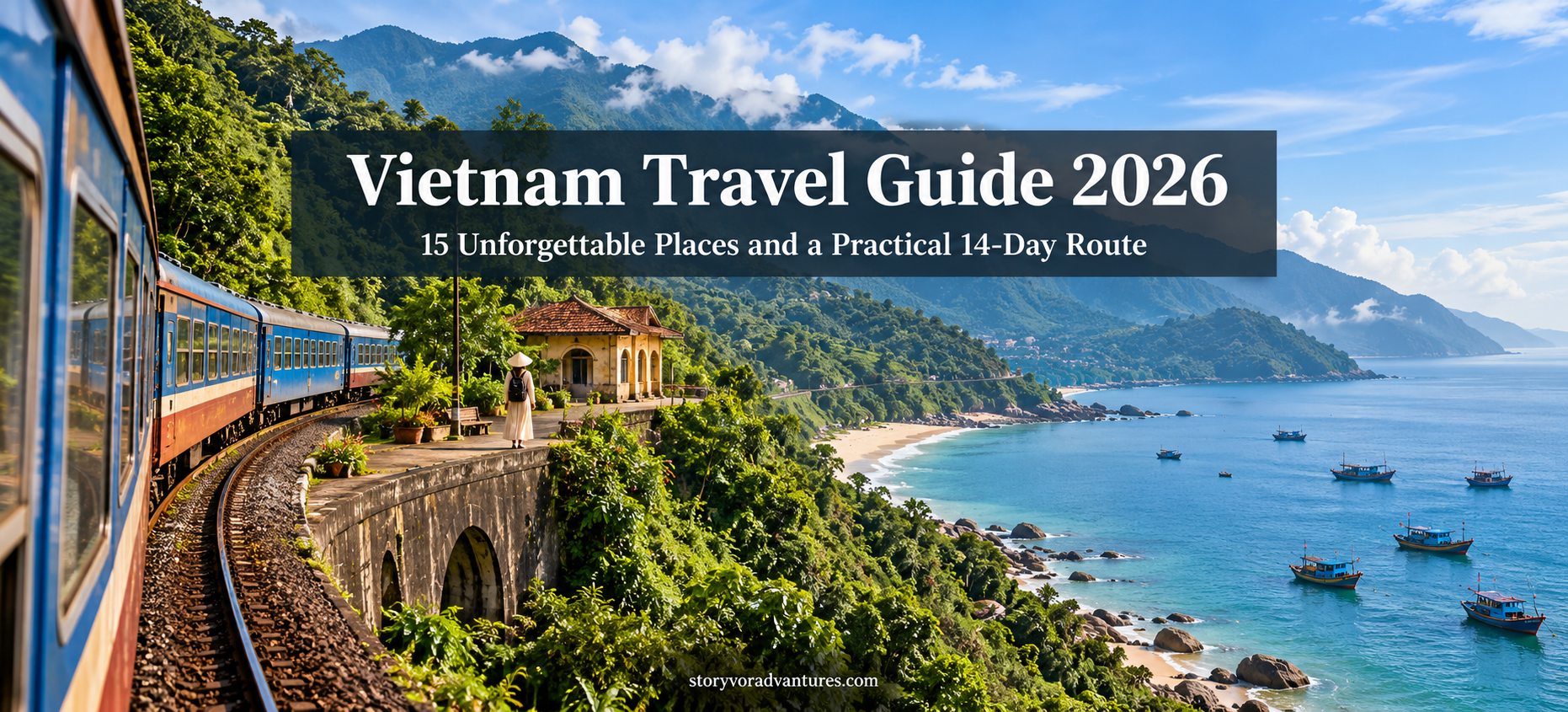
The route between Hue and Da Nang is particularly scenic because it passes through coastal and mountain landscapes near the Hải Vân Pass.
Check schedules and purchase tickets through the official Vietnam Railways website. Enter passenger names and passport details exactly as they appear on the travel document.
Keep the ticket available offline and carry the passport used for booking. Arrive at the correct station around 30 minutes before departure, allowing additional time during holidays.
Travelling Around Vietnam by Bus
Buses and shared vans connect destinations that are not conveniently served by trains. Standard coaches are usually cheaper, while limousine vans often have fewer passengers, larger seats and more convenient pickup points.
Common approximate journey times include:
- Hanoi to Ninh Binh: 2–3 hours
- Hanoi to Ha Long: 2.5–3.5 hours
- Hanoi to Ha Giang: 6–8 hours
- Da Nang to Hoi An: 45–90 minutes
- Hue to Hoi An: 3–4 hours
- Ho Chi Minh City to Can Tho: 3–4 hours
- Ho Chi Minh City to Da Lat: 6–8 hours
These are planning estimates rather than guaranteed times. Traffic, weather, rest stops and passenger pickups can make journeys longer.
Bus and van services can be compared through Vexere. Before paying, check the operator, vehicle type, luggage allowance, pickup point and final destination.
Some buses stop at terminals outside the city centre. Confirm the exact drop-off point instead of assuming the vehicle will stop near the accommodation.
Domestic Flights in Vietnam
Domestic flights are useful when travelling between distant regions. They are particularly practical for Hanoi to Da Nang, Hanoi to Ho Chi Minh City and Ho Chi Minh City to Phu Quoc.
Airlines operating domestic routes include:
The lowest advertised fare may exclude checked baggage, meals, seat selection and flexible changes. Compare the final price after adding everything required.
Avoid very short connections between separately booked domestic and international flights. Delays or schedule changes could cause the second flight to be missed without protection from the airline.
Local Transport in Vietnamese Cities
Cities offer public buses, licensed taxis, app-based cars and motorbike taxis. Walking is practical within compact neighbourhoods, but distances across Hanoi and Ho Chi Minh City can be substantial.
Grab Vietnam can be used in supported locations to request a car or motorbike taxi and view an estimated price. Confirm the vehicle registration and driver details before entering.
When using an ordinary taxi, select an established company and check that the meter is working. Accommodation staff can help write the destination in Vietnamese when necessary.
Visitors should not rent a motorbike unless they possess appropriate experience, insurance and legally accepted documents. Busy city traffic and mountain roads should not be used as places to learn riding skills.
Important Transport Connections
Hanoi to Ninh Binh: Travel by train, coach or shared van. The train is straightforward, while some vans provide hotel-area pickup.
Ninh Binh to Ha Long Bay: Direct tourist vans can avoid returning to Hanoi. Confirm the correct cruise terminal before boarding.
Hanoi to Hue: An overnight train provides a slower experience, while a domestic flight is more suitable for a two-week itinerary.
Hue to Da Nang: The train offers attractive coastal scenery. Buses and private vehicles are alternatives.
Da Nang to Hoi An: Hoi An has no major commercial airport or railway station. Continue by bus, van or taxi from Da Nang.
Da Nang to Ho Chi Minh City: Flying is the most practical option during a short trip.
Ho Chi Minh City to Can Tho: Coaches and shared vans generally take around three to four hours, depending on traffic and pickup arrangements.
Mobile Data and SIM Cards
A working mobile connection is useful for maps, translation, transport bookings and contacting accommodation.
Vietnam’s major mobile networks include:
Tourist SIM cards may be available at airports and authorised city outlets. Compare the data allowance, validity, calls and hotspot conditions before purchasing.
Buy from an authorised provider and carry the passport if registration is required. Avoid unknown sellers offering extremely cheap unregistered cards.
Download hotel addresses, transport tickets and offline maps before travelling into mountains, caves, protected areas or remote islands where coverage may be limited.
Accommodation Advice
Vietnam offers hostels, family guesthouses, homestays, boutique hotels and luxury resorts. Prices depend heavily on location and season.
Check recent guest reviews instead of relying only on the overall rating. Pay attention to comments about noise, cleanliness, construction, lift access, room windows and distance from public transport.
Accommodation close to an attraction is not always close to the correct bus terminal, railway station or airport. Check the location on a map before confirming a non-refundable booking.
Homestays can provide valuable local interaction, but the term does not always mean that guests will live directly with a family. Read the property description carefully to understand what is actually included.
How Much Does a Vietnam Trip Cost?
Travel expenses vary according to the season, route, accommodation and activities.
A budget traveller using guesthouses, local restaurants and shared transport may spend approximately US$30–50 per day, excluding international flights.
A mid-range traveller choosing comfortable hotels, domestic flights, organised excursions and a mixture of local and international restaurants may spend roughly US$70–140 per day.
Overnight cruises, specialist cave tours, private vehicles, premium resorts and island flights can increase the cost significantly. Prices should be checked immediately before booking because rates change throughout the year.
Keep a separate emergency fund for medical needs, replacement transport or unexpected accommodation changes.
Food, Drinking Water and Health
Vietnamese food changes from region to region. Hanoi, Hue, Hoi An, Ho Chi Minh City and the Mekong Delta each have distinctive dishes worth trying.
Choose food stalls with good customer turnover and ingredients that appear fresh. Drink sealed or properly filtered water and avoid ice when its source is uncertain.
Travellers with food allergies can carry a translated card clearly listing the ingredients that must be avoided. Simply translating the name of the allergy may not be sufficient.
Travel insurance should cover medical treatment, planned activities and appropriate emergency transport. Personal vaccination and medication questions should be discussed with a qualified medical professional before departure.
Best Time to Visit Vietnam
Vietnam does not have one perfect nationwide travel season because northern, central and southern regions experience different weather patterns.
Northern Vietnam can have cooler winters and hot, rainy summers. Central Vietnam may experience heavy rain and storms during certain periods. The south generally has distinct wetter and drier seasons.
Check the forecast for each destination shortly before travelling. Regional floods, storms, heat and fog can affect trains, flights, cruises and mountain roads.
Building one flexible day into the itinerary can prevent a weather-related change from disrupting the entire journey.
Responsible Travel in Vietnam
Dress respectfully at temples, pagodas, cemeteries and memorial sites. Follow signs and local instructions even when other visitors ignore them.
Ask permission before photographing people. Homes, markets and religious events should not be treated as staged tourism attractions.
Avoid touching coral, feeding wildlife or supporting performances involving poorly treated animals. Waste should never be left on beaches, trails, boats or mountain roads.
Using locally operated accommodation, restaurants, guides and craft businesses allows a greater share of tourism spending to remain within the community.
Useful Vietnam Travel Websites
- Official Vietnam Tourism Website
- Official Vietnam E-Visa Portal
- Official Vietnam Railways Booking
- Vietnam Transport Information
- Vietnam Airlines
- VietJet Air
- Bamboo Airways
- Vexere Bus and Train Search
- Grab Vietnam
- XE Currency Converter
Transport schedules, prices, weather conditions and entry requirements can change. Every important detail should be confirmed directly with the relevant authority or operator before departure.
Final Thoughts
Vietnam is best experienced as a collection of different regions rather than a checklist of famous attractions. A meal in a small Hanoi restaurant, a quiet morning beside the fields of Ninh Binh, a train journey along the central coast or a boat ride through the Mekong Delta can become just as memorable as the country’s major landmarks.
For a first visit, choose one practical north-to-south route and resist the temptation to add every possible stop. Leaving enough time for local food, short walks and unexpected discoveries creates a more enjoyable journey than constantly rushing towards the next hotel.
With realistic travel times, careful transport planning and respect for local communities, Vietnam can offer an excellent combination of history, landscapes, cities, food and coastal scenery.