Destination Dupes in 2026: 10 Beautiful Alternatives to the World’s Most Crowded Tourist Places
Discover 10 beautiful destination dupes for 2026 that offer memorable scenery, culture and experiences beyond the world’s most crowded tourist places.
- Famous destinations become famous for good reasons. Paris offers extraordinary architecture, Switzerland has dramatic Alpine landscapes, and Bali combines beaches, temples and a distinctive island culture. However, popularity can also bring higher prices, crowded viewpoints, long queues and pressure on local communities.
- This is why many travellers are becoming interested in “destination dupes.” A destination dupe is not an exact copy of another place. It is an alternative that offers some comparable qualities, such as mountain scenery, historic streets, coastal landscapes or cultural experiences, while providing a different identity of its own.
- Choosing an alternative destination should never mean expecting a cheaper or completely empty version of somewhere famous. Visitor numbers, accommodation prices and seasonal conditions can change quickly. The smarter approach is to identify what you genuinely want from a journey and then search for places that provide that experience in a different way.
- Here are ten beautiful destination alternatives worth considering when planning international travel in 2026.
1. Explore Slovenia Instead of Following Switzerland’s Busiest Routes
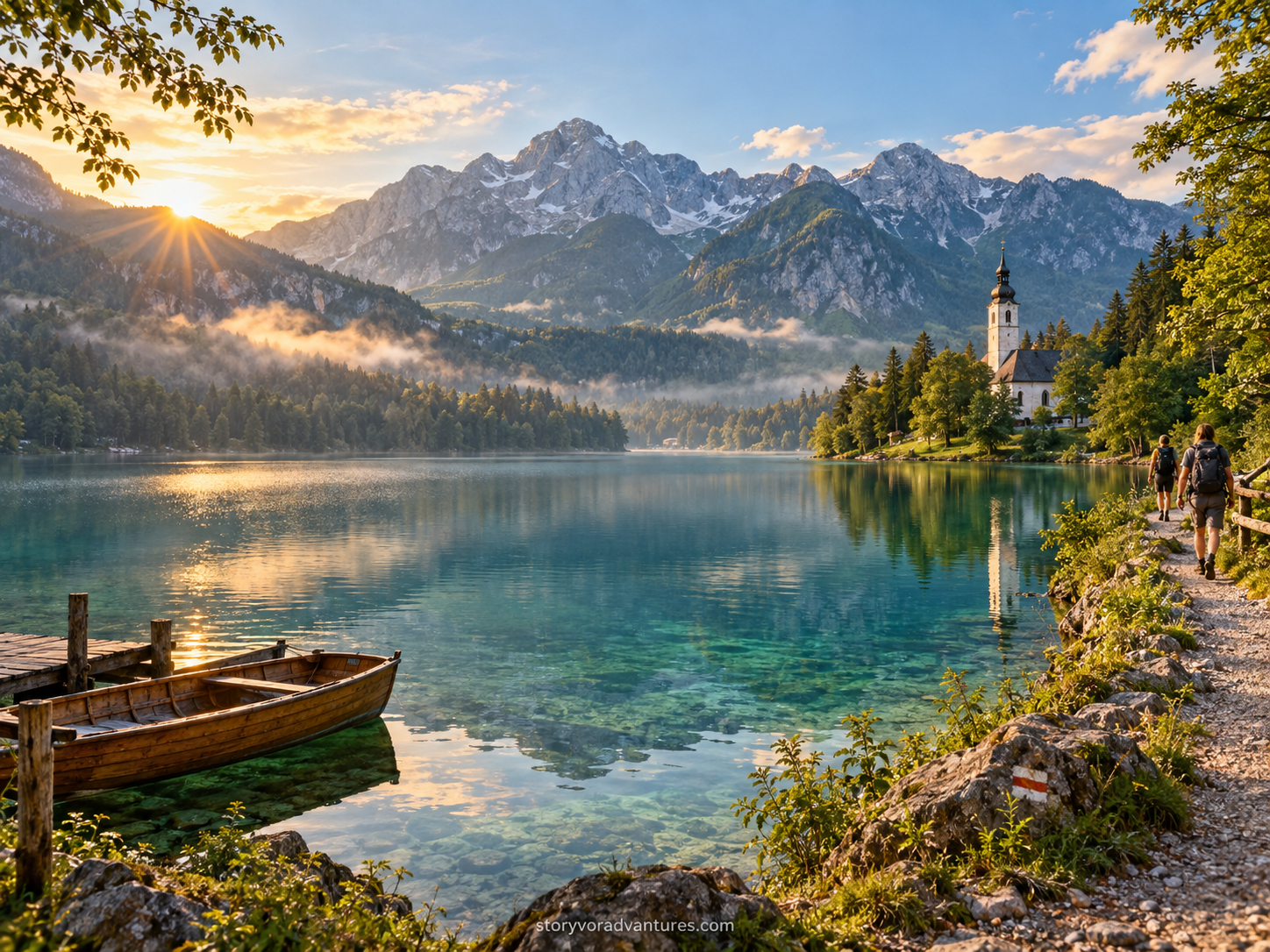
Switzerland is celebrated for snow-covered mountains, scenic railways, green valleys and clear lakes. Travellers looking for a different Alpine experience can consider Slovenia, a compact Central European country with mountains, forests, rivers, historic towns and outdoor adventures.
Lake Bled is Slovenia’s best-known landscape, but the country extends far beyond one famous viewpoint. Lake Bohinj offers access to the Julian Alps, while the Soča Valley attracts visitors with its striking river scenery and opportunities for hiking, cycling and other outdoor activities. Ljubljana provides a relaxed city experience that can be combined with nature without requiring extremely long journeys.
Slovenia is not a miniature Switzerland, and it should not be treated as one. Its character comes from its combination of Alpine, Mediterranean and Central European influences. Travellers who stay in smaller communities, use established trails and explore beyond a single photograph can discover a destination with its own food, history and pace of life.
The country’s official tourism platform places considerable emphasis on green and active travel, making Slovenia particularly relevant to visitors who want to combine scenery with responsible outdoor exploration.
2. Consider the Albanian Riviera Instead of the Most Famous Greek Islands
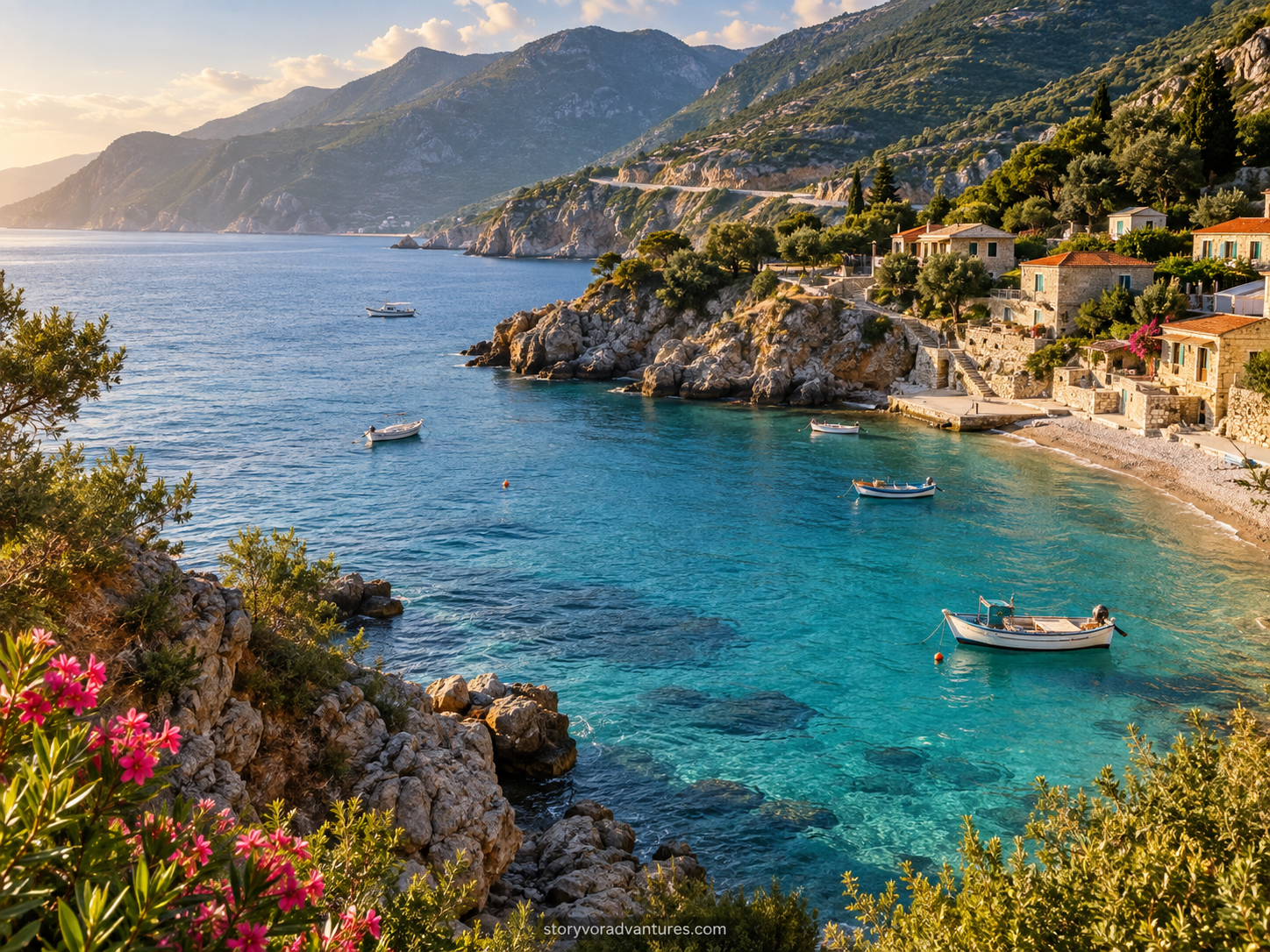
The Greek islands remain among Europe’s most recognisable summer destinations. Their whitewashed buildings, beaches and evening views attract enormous international interest. Travellers seeking another experience along the Mediterranean and Adriatic region can look towards Albania’s southern coastline.
The Albanian Riviera includes coastal settlements, mountain-backed roads and access to clear water. Places such as Himarë and the surrounding villages can form part of a longer journey that also includes inland cultural destinations. Instead of limiting the trip to beaches, travellers can explore historic towns such as Berat and Gjirokastër or learn about Albania’s complex past through its archaeological locations.
Albania should not be presented as a replacement for Greek culture. Its language, traditions, architecture and history are different. That difference is precisely what makes the journey worthwhile. A thoughtful itinerary allows visitors to appreciate the coast without ignoring the communities and heritage behind the scenery.
Tourism is developing quickly in parts of Albania, so travellers should not assume every area will be quiet or inexpensive. Booking conditions, transport connections and construction activity should be researched before travelling.
3. Visit Matera Instead of Spending Your Entire Italian Trip in Rome
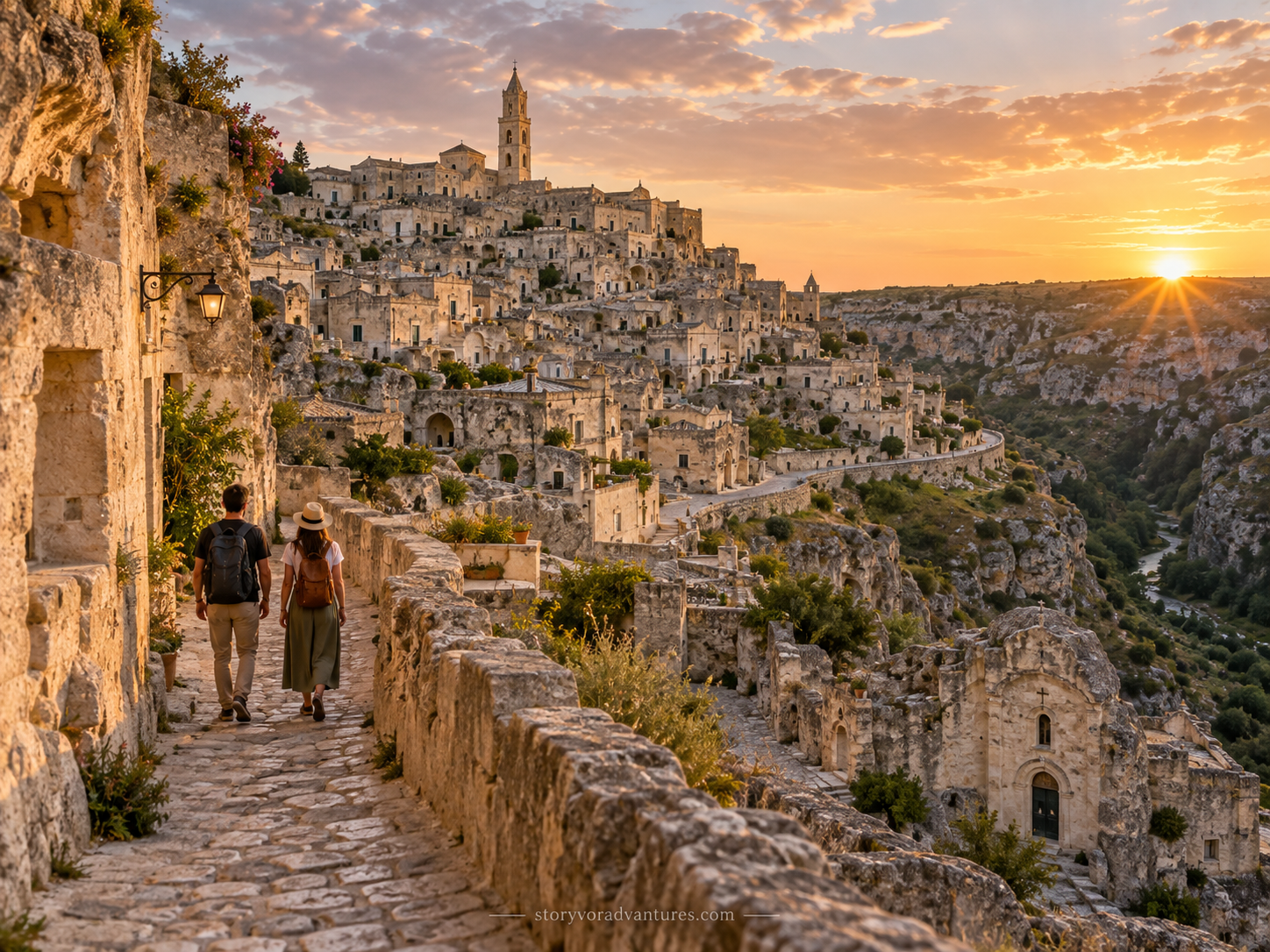
Rome offers monumental history on an extraordinary scale, but it is not the only Italian destination where the past feels present in everyday life. Matera, located in the southern region of Basilicata, provides a very different encounter with Italy’s long human story.
Matera is known for the Sassi, historic districts shaped around cave dwellings, stone buildings and rock-cut spaces. Walking through the area reveals homes, stairways, churches and passages that appear to grow from the landscape itself. UNESCO recognises the Sassi and the Park of the Rupestrian Churches of Matera as a World Heritage property.
The city works well for travellers interested in architecture, photography and slow exploration. Rather than racing between a long list of monuments, visitors can spend time understanding how the landscape influenced settlement and how the historic neighbourhoods have changed over generations.
Matera is increasingly well known, so it should not automatically be described as an undiscovered destination. Staying overnight, visiting respectfully and avoiding obstruction in narrow residential areas can create a more meaningful experience than treating it as a quick photograph stop.
4. Choose Porto as an Alternative to Another Barcelona City Break
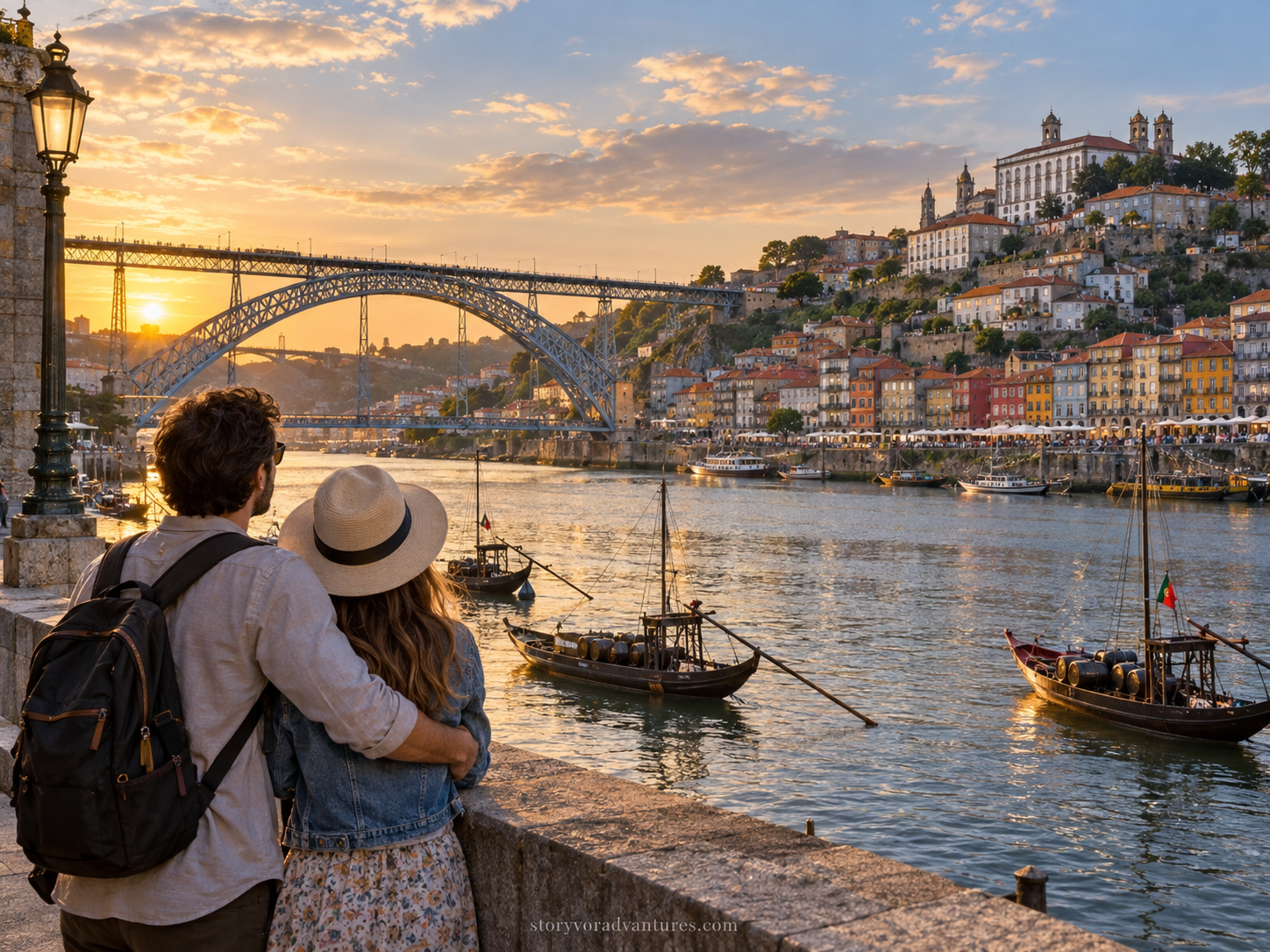
Barcelona brings together architecture, beaches, food and energetic street life. Travellers interested in a European city beside the water may also enjoy Porto, although the Portuguese city offers a distinct atmosphere rather than a direct imitation.
Porto’s historic centre rises above the Douro River through sloping streets, tiled façades, viewpoints and neighbourhoods shaped by the city’s trading history. Across the river, Vila Nova de Gaia is associated with Port wine cellars, while bridges connect different perspectives of the urban landscape.
The appeal of Porto lies in its manageable combination of history, local food, river scenery and nearby excursions. Travellers can explore the city on foot where appropriate, take public transport and allow time for neighbourhoods beyond the most photographed riverfront areas.
Porto has become highly popular and can be crowded during busy periods. Visiting on weekdays, travelling outside major holiday dates and staying for several nights may help visitors experience more than its central attractions. Anyone consuming alcohol should do so legally and responsibly.
5. Explore Montenegro Instead of Limiting an Adriatic Trip to Croatia
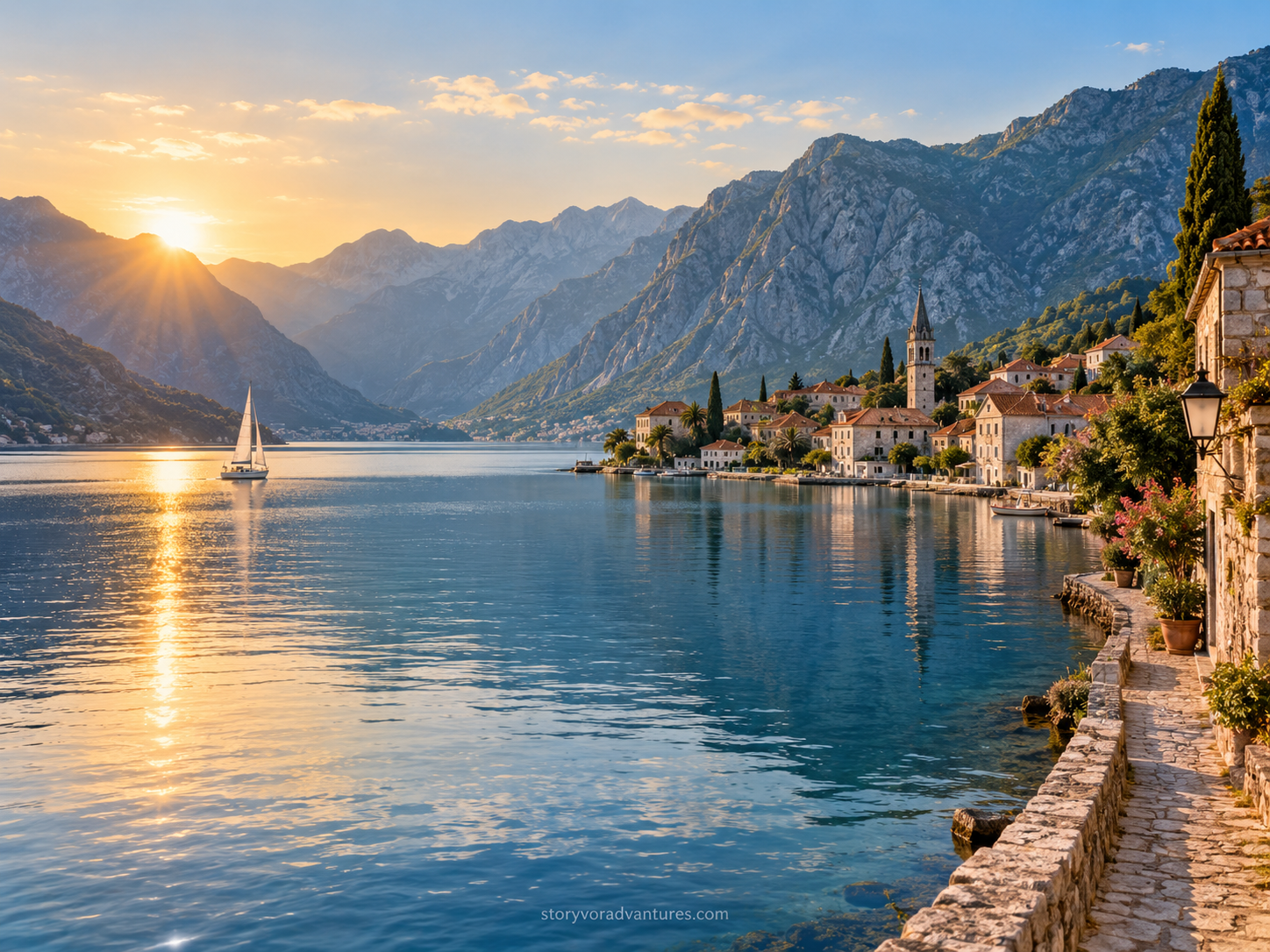
Croatia’s historic coastal cities and islands have become major international attractions. Montenegro offers another way to explore the Adriatic region, combining fortified towns, mountain landscapes, bays and national parks within a relatively small country.
The Bay of Kotor is one of Montenegro’s most recognisable areas. Its waterside settlements and steep surrounding mountains create dramatic scenery, while Kotor’s old town introduces visitors to layers of maritime and architectural history. Travellers who move inland can experience a completely different side of the country through forests, lakes and mountain terrain around Durmitor National Park.
Montenegro is not necessarily quiet everywhere. Kotor can become extremely busy, particularly when large numbers of visitors arrive at similar times. An alternative destination can develop the same pressure as a famous one when everyone follows identical itineraries.
Visitors can reduce their impact by travelling outside peak hours, staying in locally operated accommodation and exploring responsibly beyond a single coastal stop. Mountain activities should always be planned according to weather, trail conditions, personal fitness and official safety guidance.
6. Discover Lombok Instead of Returning Only to Bali
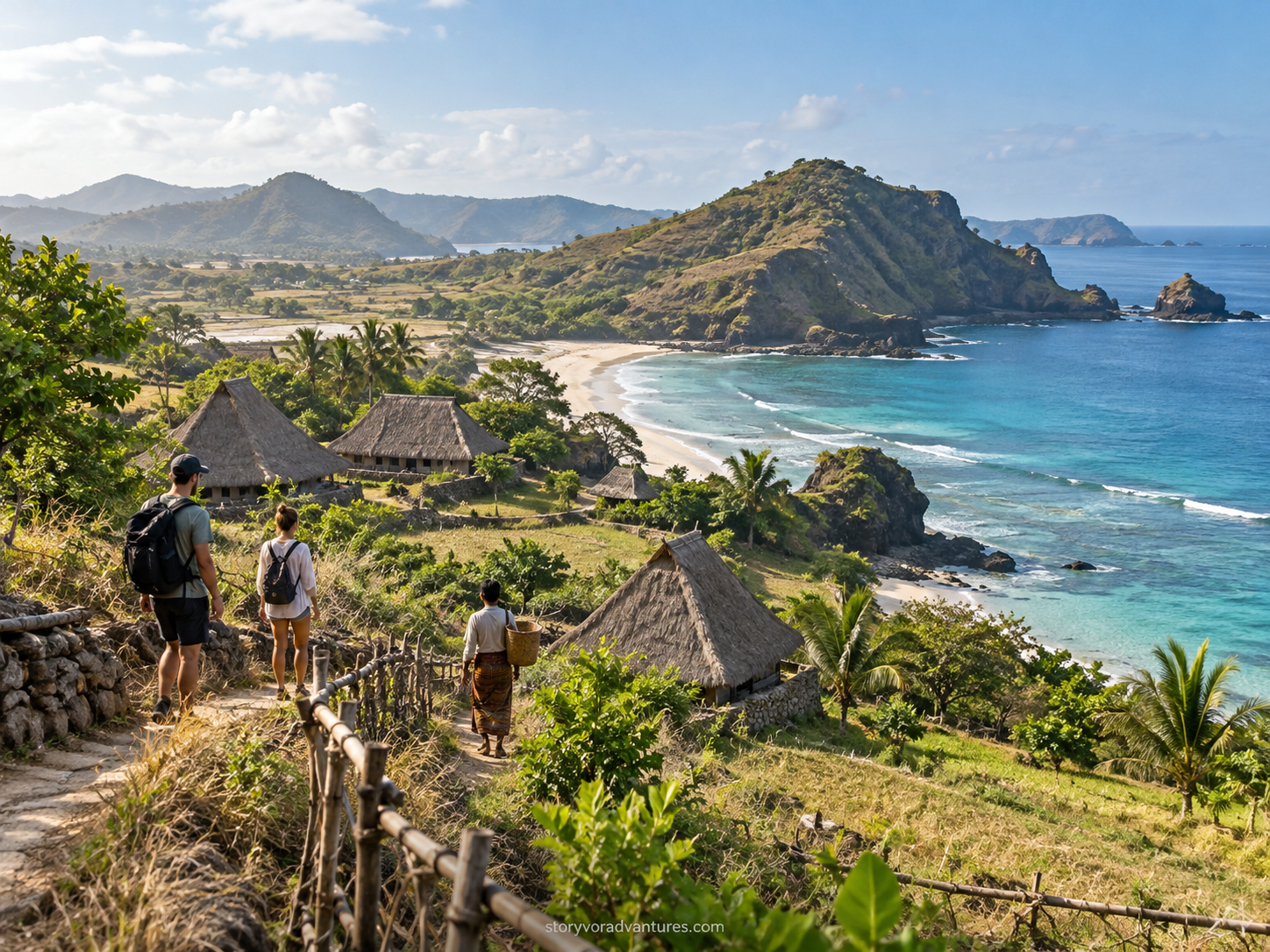
Bali is known worldwide for its temples, beaches, rice landscapes, wellness retreats and creative communities. Its popularity has also concentrated tourism in several heavily visited areas. Travellers who want to experience another Indonesian island can consider neighbouring Lombok.
Lombok offers beaches, villages, waterfalls and mountain scenery, but its culture should not be treated as an extension of Bali. The island has its own communities and traditions, including a strong Sasak cultural identity. Taking time to learn basic local etiquette can make the visit more respectful and rewarding.
Some travellers use Lombok only as a transit point for nearby islands. Staying longer creates opportunities to explore different regions, support local businesses and understand everyday life beyond resort areas. Visitors considering mountain trekking should choose reputable operators and check current access, weather and safety information.
Lombok is developing as a tourism destination, and popular locations may still become busy. The goal should not be to find an untouched paradise. It should be to travel with realistic expectations and avoid placing unnecessary pressure on fragile coastal and natural areas.
7. Experience Oman Instead of Choosing Only Dubai for an Arabian Journey
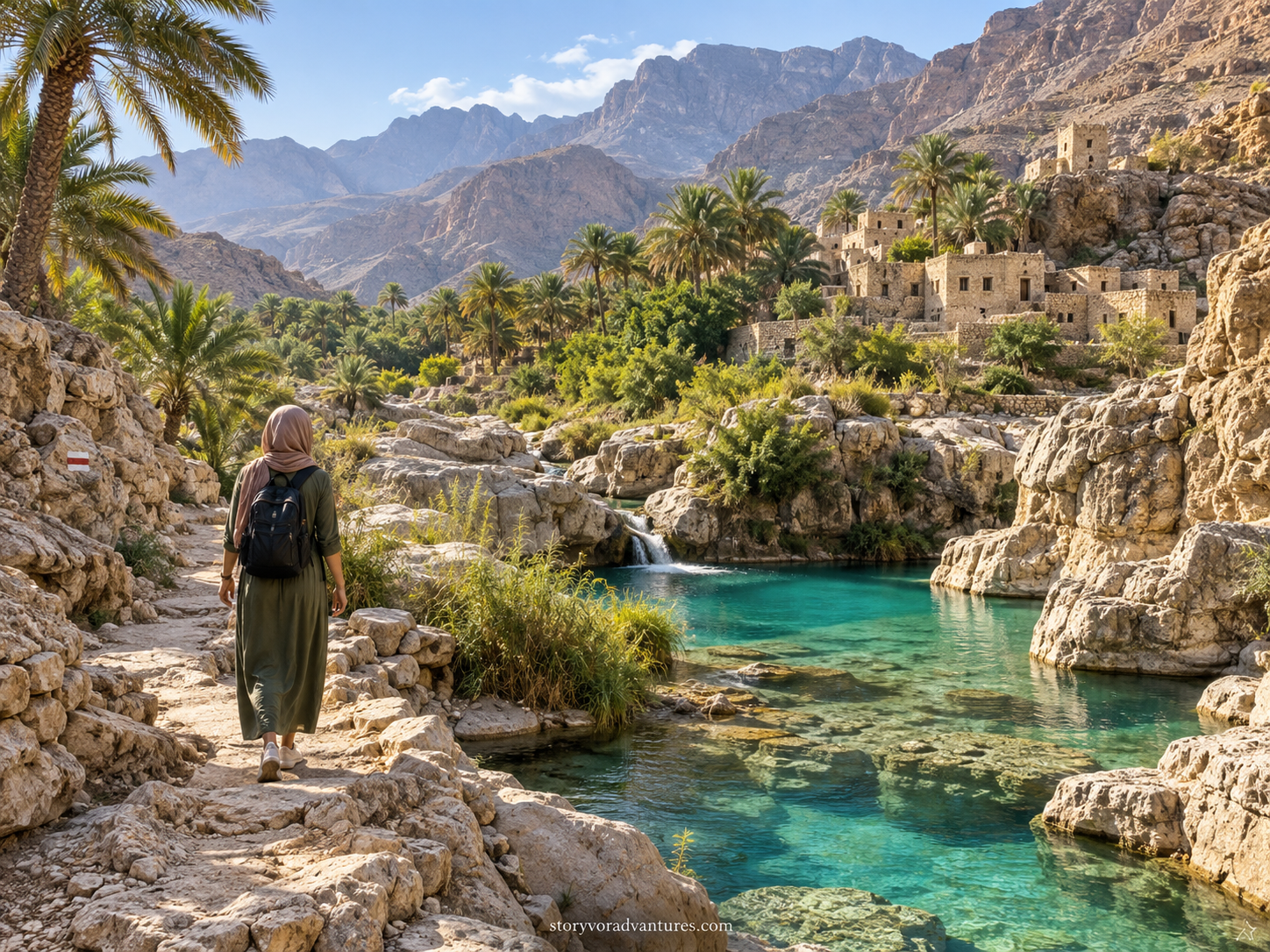
Dubai appeals to travellers through modern architecture, shopping, entertainment and highly developed visitor infrastructure. Those who want to experience another side of the Arabian Peninsula can consider Oman.
Oman combines historic settlements, mountain roads, desert landscapes, wadis and a long coastline. Muscat offers mosques, museums, markets and waterfront scenery, while journeys outside the capital can introduce travellers to forts, villages and dramatically different natural environments.
This alternative is suitable for people who value road trips, landscapes and a slower itinerary. However, desert and mountain travel requires serious preparation. Heat, water availability, road conditions and distance between services should never be underestimated. Remote routes may require appropriate vehicles or experienced local guidance.
Oman has different laws and social customs from many travellers’ home countries. Modest clothing, respectful photography and responsible behaviour are important. Visitors should always check current entry requirements and official advice rather than relying entirely on social-media videos.
8. Discover Gyeongju and Jeonju Instead of Making Tokyo Your Only East Asian City Experience
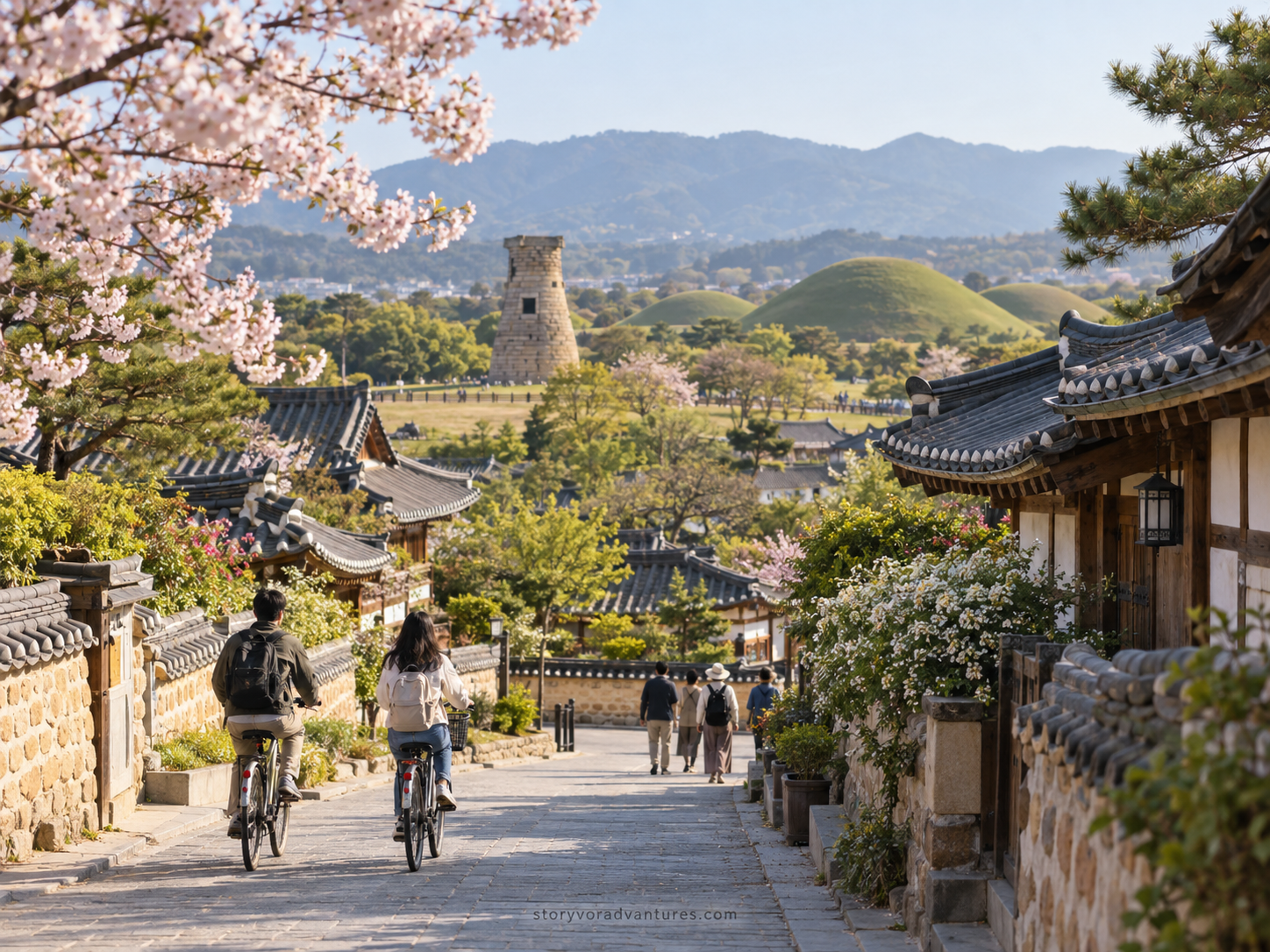
Tokyo delivers an extraordinary mix of transport, technology, food, neighbourhood life and popular culture. Travellers searching for a quieter historical and cultural journey in East Asia could consider South Korean cities such as Gyeongju and Jeonju.
Gyeongju is closely connected with Korea’s ancient Silla heritage and offers historic sites, traditional landscapes and opportunities to explore by foot or bicycle. Jeonju is known for areas of traditional architecture, regional food and cultural activities. These cities can be combined with Seoul or Busan to create a broader South Korean itinerary.
Neither destination should be marketed as a substitute for Japanese culture. Korea and Japan possess different languages, histories, customs and identities. The useful comparison is based on the type of experience: organised transport, excellent food, urban discovery and access to deep cultural history.
Visitors should behave respectfully in religious and historic locations, avoid treating residential areas as photography sets and follow local guidance. Learning a few basic Korean expressions can also make ordinary interactions more considerate.
9. Consider Québec City Instead of Planning Another Paris-Only Holiday
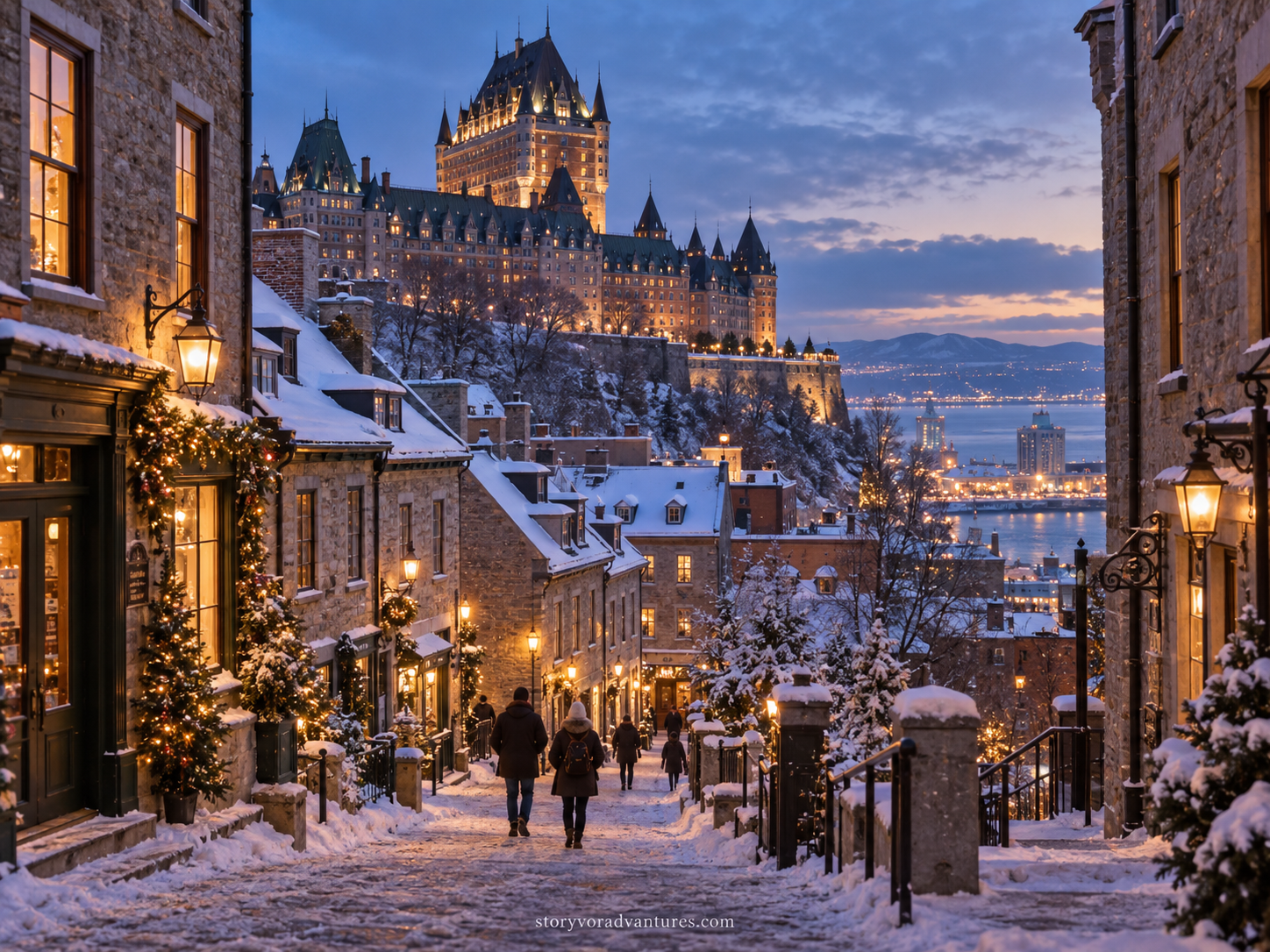
Paris attracts travellers through its boulevards, museums, cafés, historic buildings and French language. For visitors looking for a French-speaking destination in North America, Québec City offers an entirely different cultural setting with its own strong identity.
The historic centre includes stone buildings, fortified areas and streets shaped by centuries of local history. Seasonal changes also influence the experience considerably. Summer creates opportunities for walking and outdoor events, while winter brings cold conditions that require appropriate clothing and preparation.
Québec City is not “Paris in Canada.” Its culture developed through Indigenous, French, British and North American histories, and visitors should approach it on its own terms. Local food, neighbourhoods and museums provide a more meaningful understanding than simply searching for European-looking photographs.
Travellers should research weather carefully because conditions can affect transport and outdoor plans. They should also remember that a French-speaking environment does not mean every cultural expectation will be the same as in France.
10. Explore Tasmania Instead of Following Only New Zealand’s Famous Routes
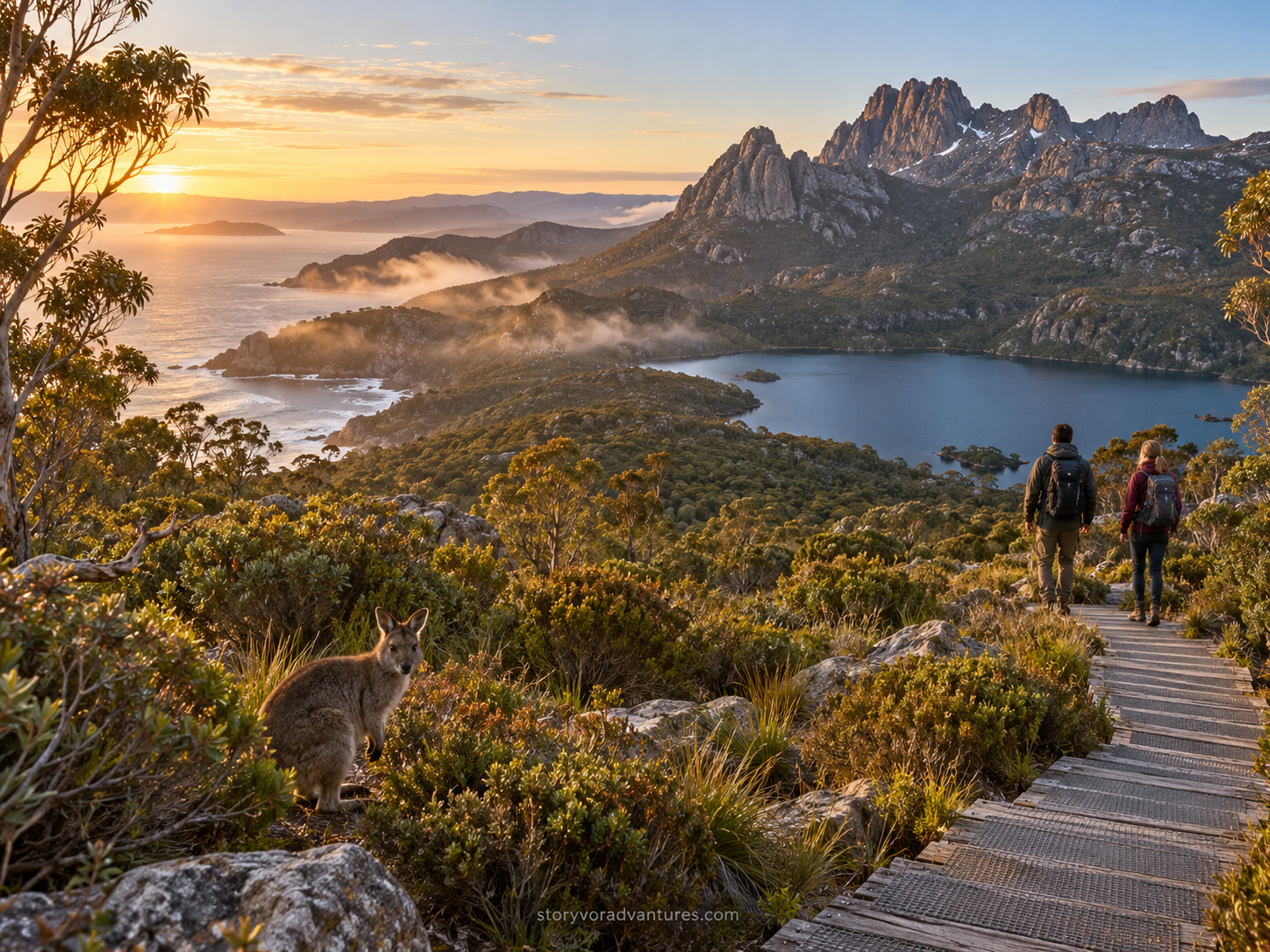
New Zealand is widely admired for mountains, lakes, coastlines and road-trip scenery. Travellers planning a nature-focused journey in the Southern Hemisphere can also consider Tasmania, the island state south of mainland Australia.
Tasmania offers national parks, rugged coastlines, forests, wildlife, small towns and a growing food culture. Hobart provides an urban starting point, while longer journeys can connect walking areas, historic locations and coastal landscapes.
Road distances may appear short on a map, but winding routes, weather and wildlife can affect travel time. A slower schedule is usually more sensible than attempting to cover the entire island quickly. Some walks require registration, suitable equipment or advance planning, and conditions can change rapidly.
Tasmania’s natural environments are not simply backgrounds