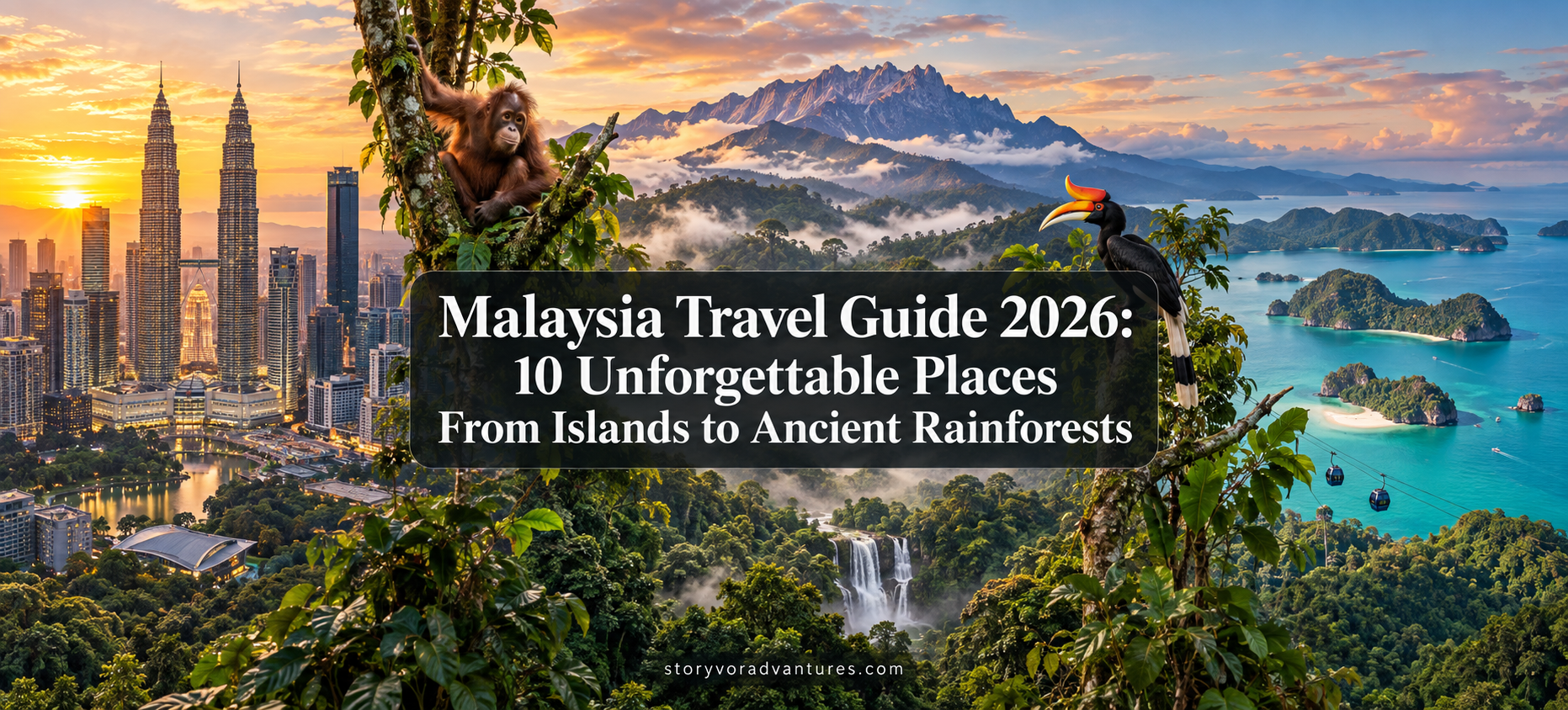
Malaysia Travel Guide 2026: 10 Unforgettable Places From Islands to Ancient Rainforests
Discover 10 unforgettable places in Malaysia, from Kuala Lumpur and Langkawi to ancient rainforests, wildlife habitats and the caves of Borneo.
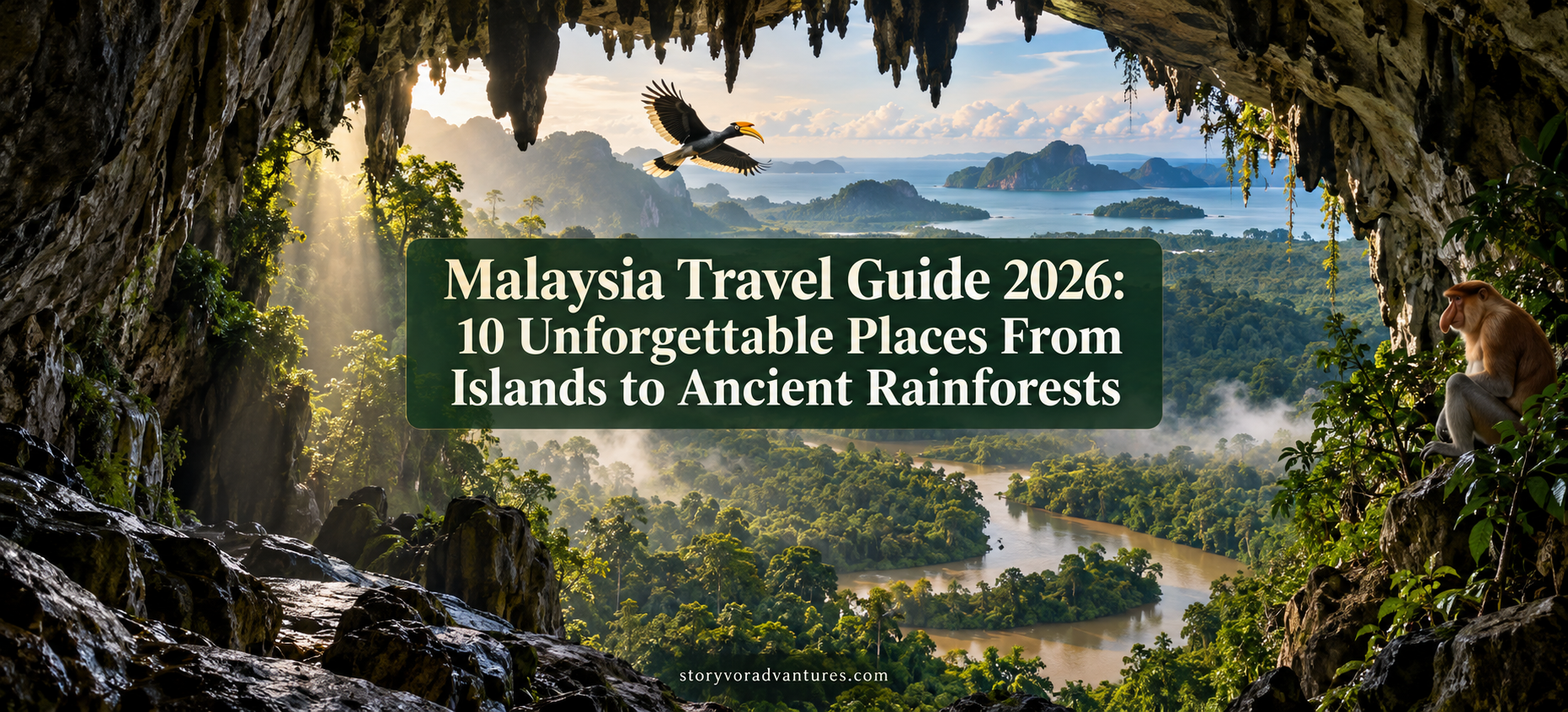
Malaysia is a country of striking contrasts. Modern city skylines stand beside historic neighbourhoods, tropical islands rise from clear seas, and some of Southeast Asia’s most remarkable rainforests extend across the Malaysian part of Borneo. This variety allows travellers to experience food, culture, beaches, mountains and wildlife within a single journey.
The country is divided into two main regions. Peninsular Malaysia contains destinations such as Kuala Lumpur, Penang, Melaka and the Cameron Highlands. East Malaysia occupies part of the island of Borneo and includes the states of Sabah and Sarawak, where travellers can discover national parks, caves and extraordinary wildlife habitats.
Trying to see every region in one short holiday can result in too much time being spent in transit. A well-planned trip should therefore focus on a realistic combination of destinations. These ten places provide a balanced introduction to Malaysia while encouraging safe, respectful and responsible travel.
1. Kuala Lumpur
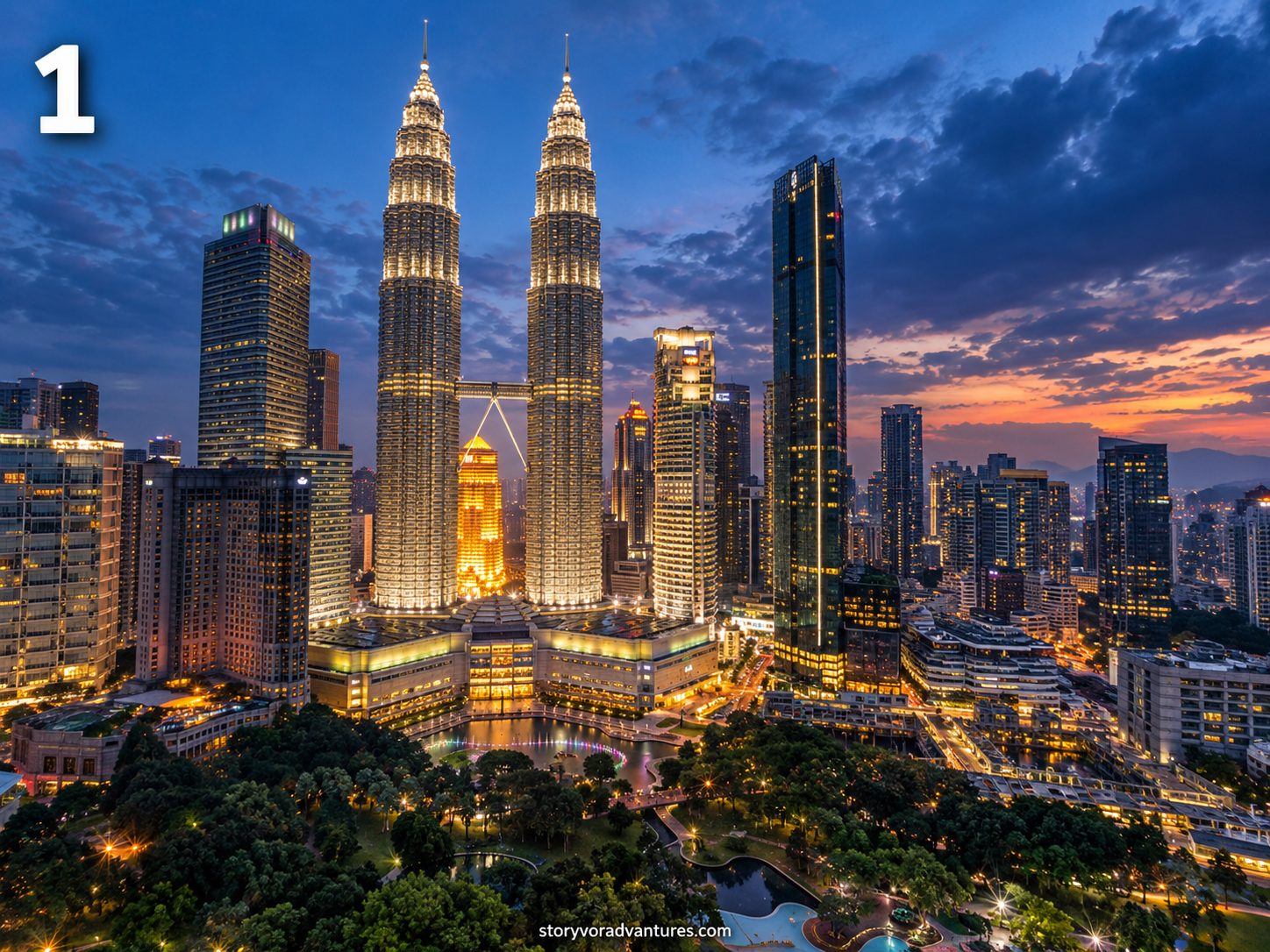
Kuala Lumpur is the main arrival point for many international travellers and an ideal introduction to modern Malaysia. Its skyline includes the famous Petronas Twin Towers, while street markets, religious buildings and traditional neighbourhoods reveal the cultural diversity beneath the city’s modern appearance.
Visitors can explore the parks and architecture around the city centre before discovering food districts such as Jalan Alor. Chinatown, Brickfields and Kampung Baru each present a different side of Kuala Lumpur through their shops, restaurants and places of worship.
The Batu Caves, located outside the central area, are another popular attraction. They are an active religious site rather than simply a photography location, so visitors should dress respectfully, follow posted instructions and avoid feeding or approaching monkeys.
Kuala Lumpur’s rail network can be more convenient than driving through busy traffic. Travellers should still allow extra time during peak hours and protect their belongings in crowded stations, markets and tourist areas.
2. George Town, Penang
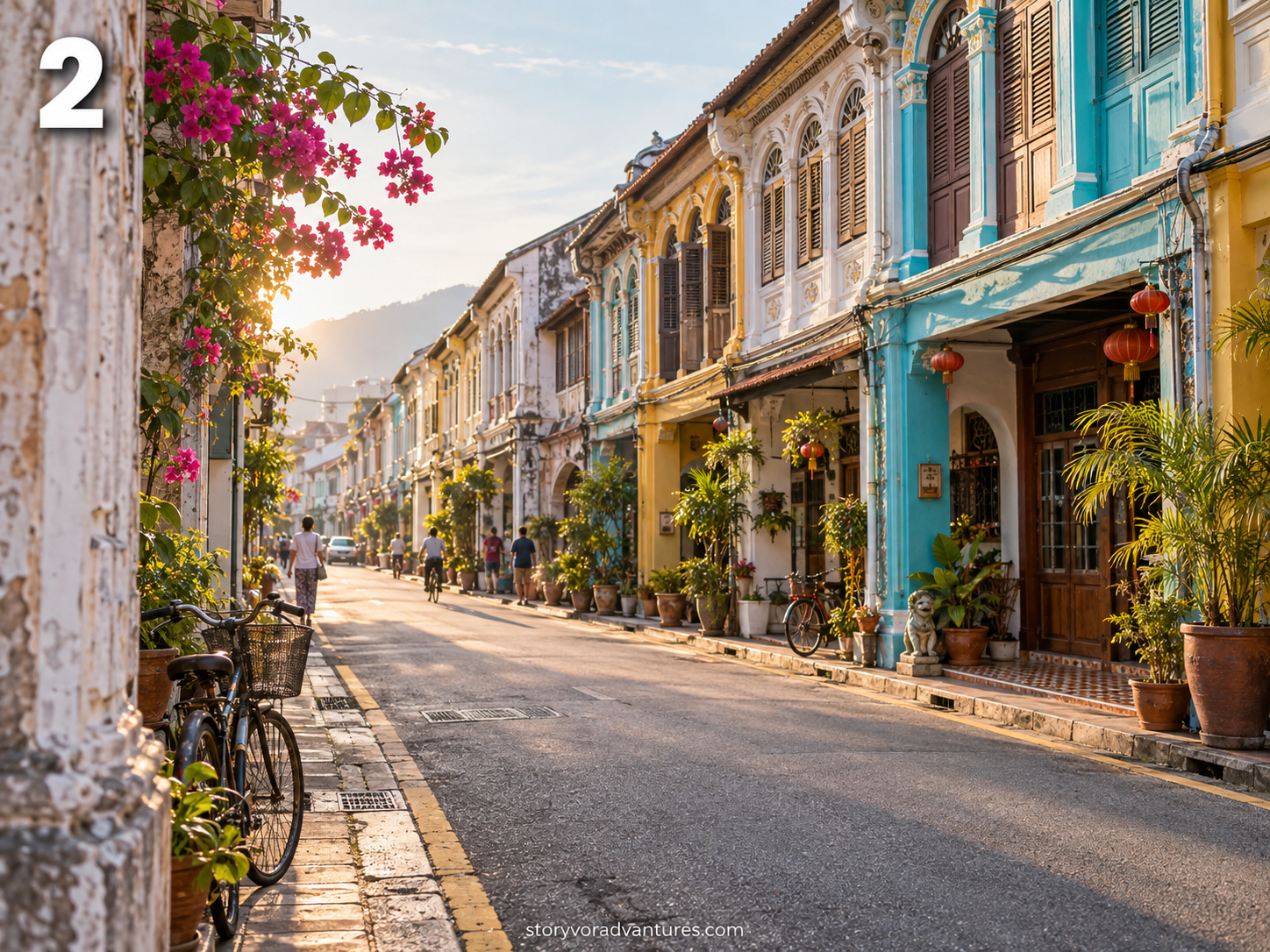
George Town is celebrated for its multicultural heritage, historic streets and distinctive food culture. Chinese clan houses, mosques, Hindu temples, churches and colonial-era buildings stand within walking distance of one another, reflecting centuries of trade and migration.
Street art has become one of the city’s most photographed attractions, but George Town offers far more than painted walls. Visitors can explore traditional shophouses, local markets, family-run businesses and places of worship that remain part of everyday community life.
Food is central to the Penang experience. Hawker centres and small restaurants serve dishes influenced by Malay, Chinese and Indian traditions. Travellers with allergies or dietary restrictions should ask about ingredients, because sauces and cooking methods may not always be obvious.
George Town and Melaka are jointly recognised by UNESCO for their historic role along the Straits of Malacca. Visitors can help protect this living heritage by respecting private properties, supporting local businesses and avoiding disruptive behaviour in residential streets.
3. Langkawi
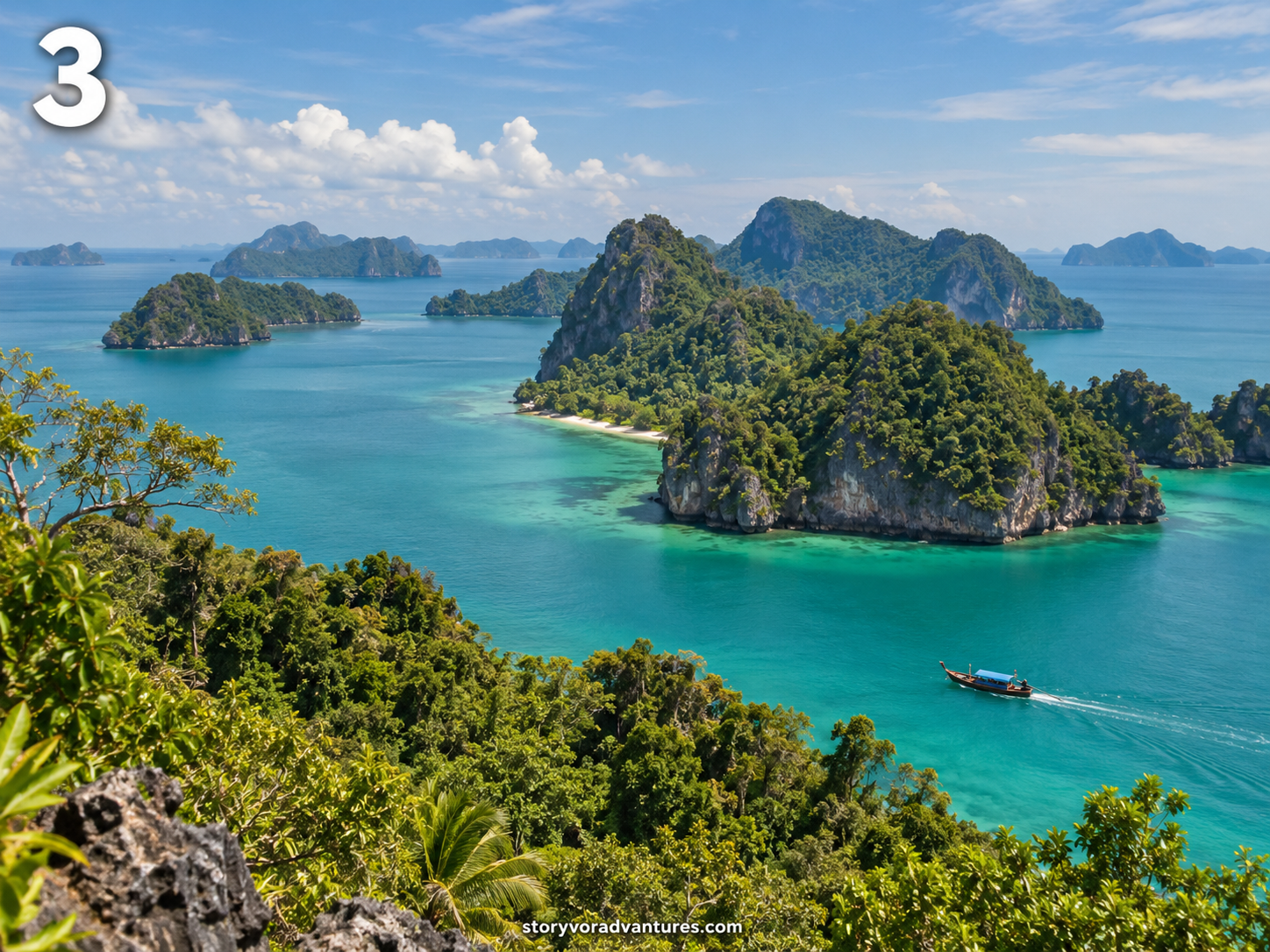
Langkawi is an island destination known for beaches, forested hills, mangroves and views across the Andaman Sea. It can suit travellers seeking relaxation as well as those interested in kayaking, nature tours and elevated viewpoints.
Pantai Cenang is one of the island’s busiest coastal areas, offering accommodation and restaurants near the beach. Travellers wanting a quieter experience can investigate less-developed parts of the island, although transport and dining options may be more limited.
Langkawi’s mangrove ecosystems are environmentally important. Responsible boat tours should follow designated routes, avoid chasing wildlife and prevent passengers from feeding animals. Feeding may alter natural behaviour and encourage wildlife to approach boats or people.
Weather and sea conditions can affect island activities. Travellers should use licensed operators, wear life jackets when required and avoid entering the water when warning signs or local advice indicate unsafe conditions.
4. Melaka
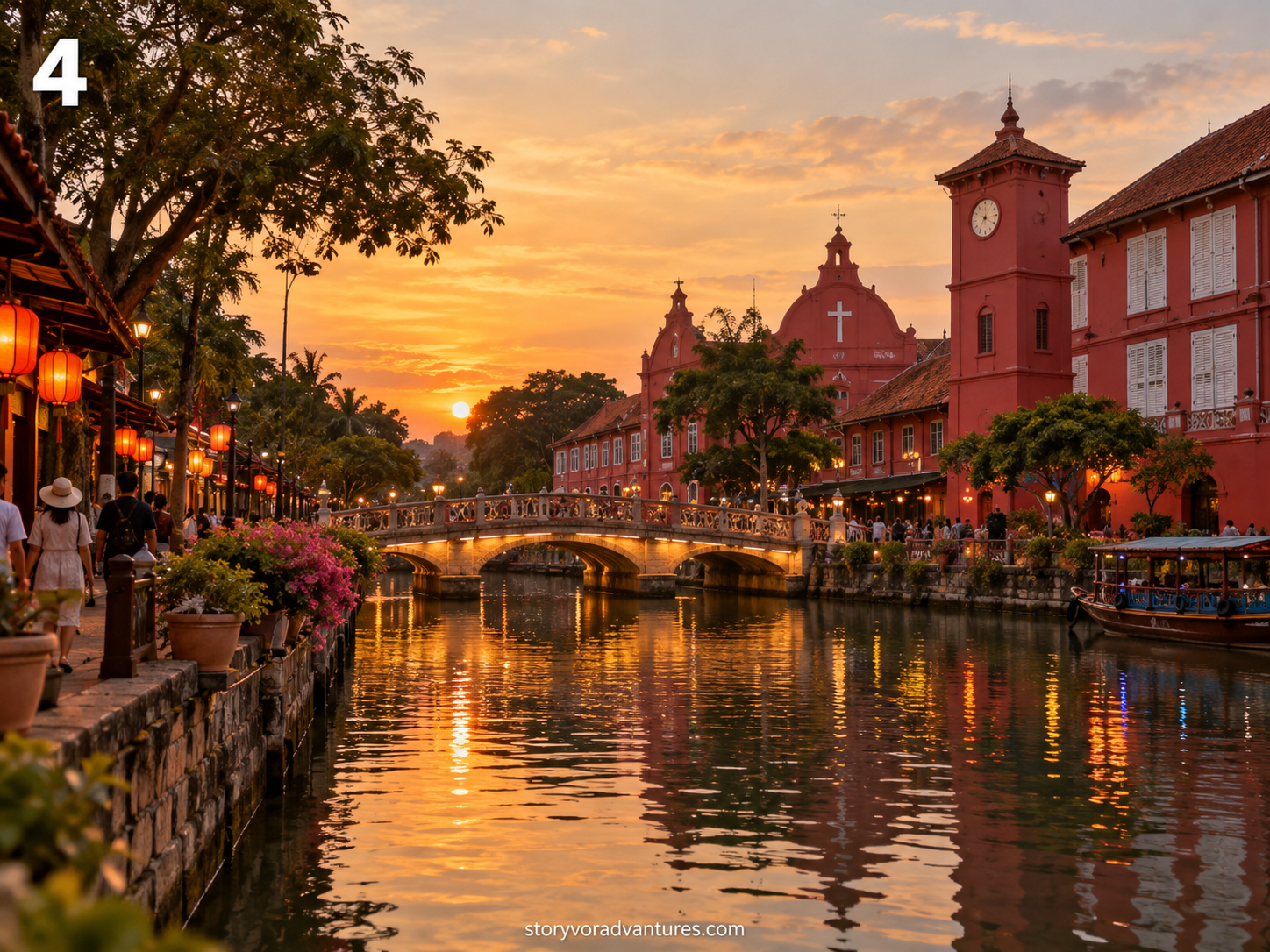
Melaka developed as an important trading port, and its architecture reflects Malay, Chinese, Indian and European influences. The historic centre contains old religious buildings, museums, traditional houses and streets shaped by several periods of maritime history.
Dutch Square is one of the city’s most recognisable areas, while Jonker Street is known for shops, food and evening activity. However, the most rewarding experience often comes from exploring slowly and observing the smaller details found in courtyards, façades and traditional businesses.
Melaka can be visited from Kuala Lumpur, but staying overnight allows travellers to experience the city after many day visitors have left. Early mornings also provide quieter conditions for walking through heritage areas.
The historic centre remains a functioning urban community. Visitors should avoid blocking doorways, photographing people without permission or treating religious sites as decorative backdrops. Respectful behaviour helps tourism exist alongside local daily life.
5. Cameron Highlands
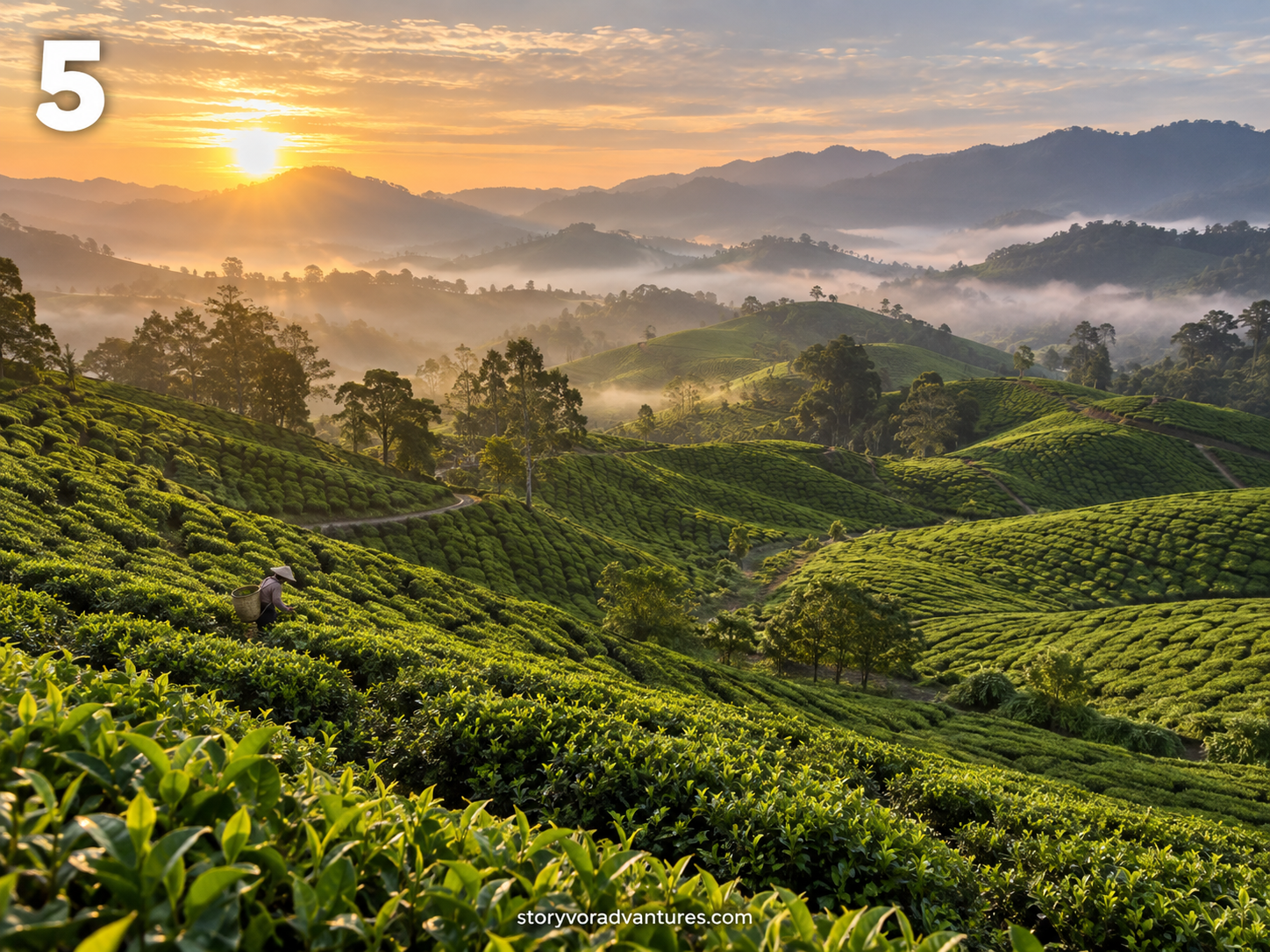
The Cameron Highlands provide cooler temperatures, rolling hills and agricultural landscapes that feel very different from Malaysia’s tropical coastlines. Tea estates are among the region’s best-known sights, while farms, forest trails and small towns attract visitors throughout the year.
Viewing a tea plantation from an established viewpoint can be beautiful, especially when morning light moves across the slopes. However, travellers should not walk between crops unless access is specifically permitted. These fields are working agricultural environments rather than unrestricted public parks.
Traffic can become heavy during weekends and holidays, so visiting on quieter weekdays may create a more relaxed experience. Rain and mist can also affect roads and trails, making suitable footwear and flexible timing important.
Development and visitor pressure have affected parts of the highlands. Choosing responsible operators, carrying reusable items and staying within approved areas can reduce the impact of a visit.
6. Taman Negara
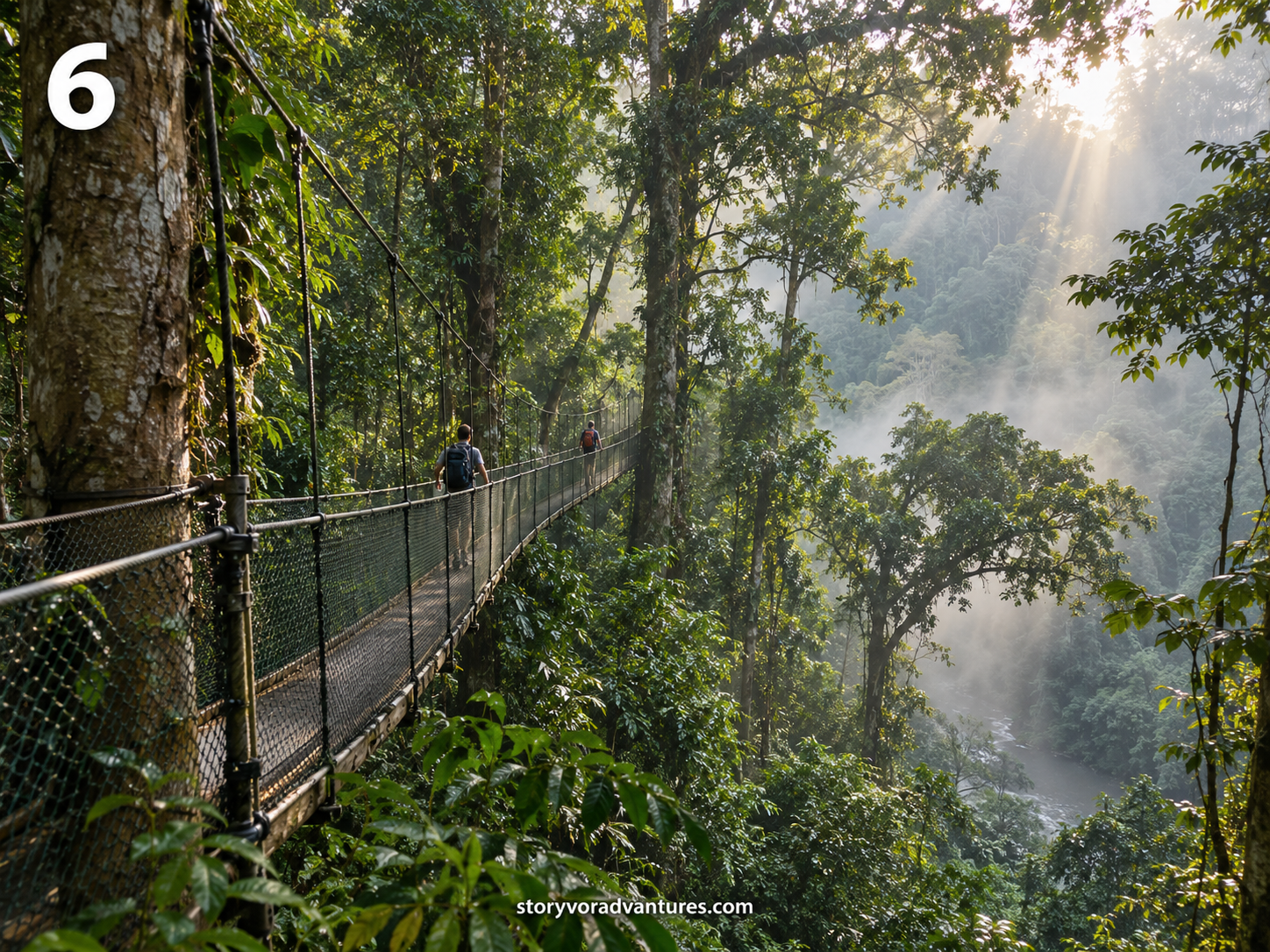
Taman Negara protects an extensive tropical rainforest landscape in Peninsular Malaysia. Travellers visit for guided forest walks, river journeys, wildlife observation and the opportunity to experience a complex ecosystem that has developed over an immense period of time.
The rainforest is not a controlled wildlife park. Animals may remain hidden, and sightings cannot be guaranteed. The sounds, plant life and changing atmosphere of the forest are valuable parts of the experience even when large animals do not appear.
Visitors should use authorised guides where required, stay on recognised trails and carry sufficient drinking water. Humidity, insects, sudden rain and uneven ground can make short walks more demanding than expected.
Wildlife must never be attracted with food or disturbed for photographs. Using a quiet voice, keeping a respectful distance and avoiding bright lights around nocturnal animals creates a safer experience for both visitors and the forest’s inhabitants.
7. Kinabalu Park
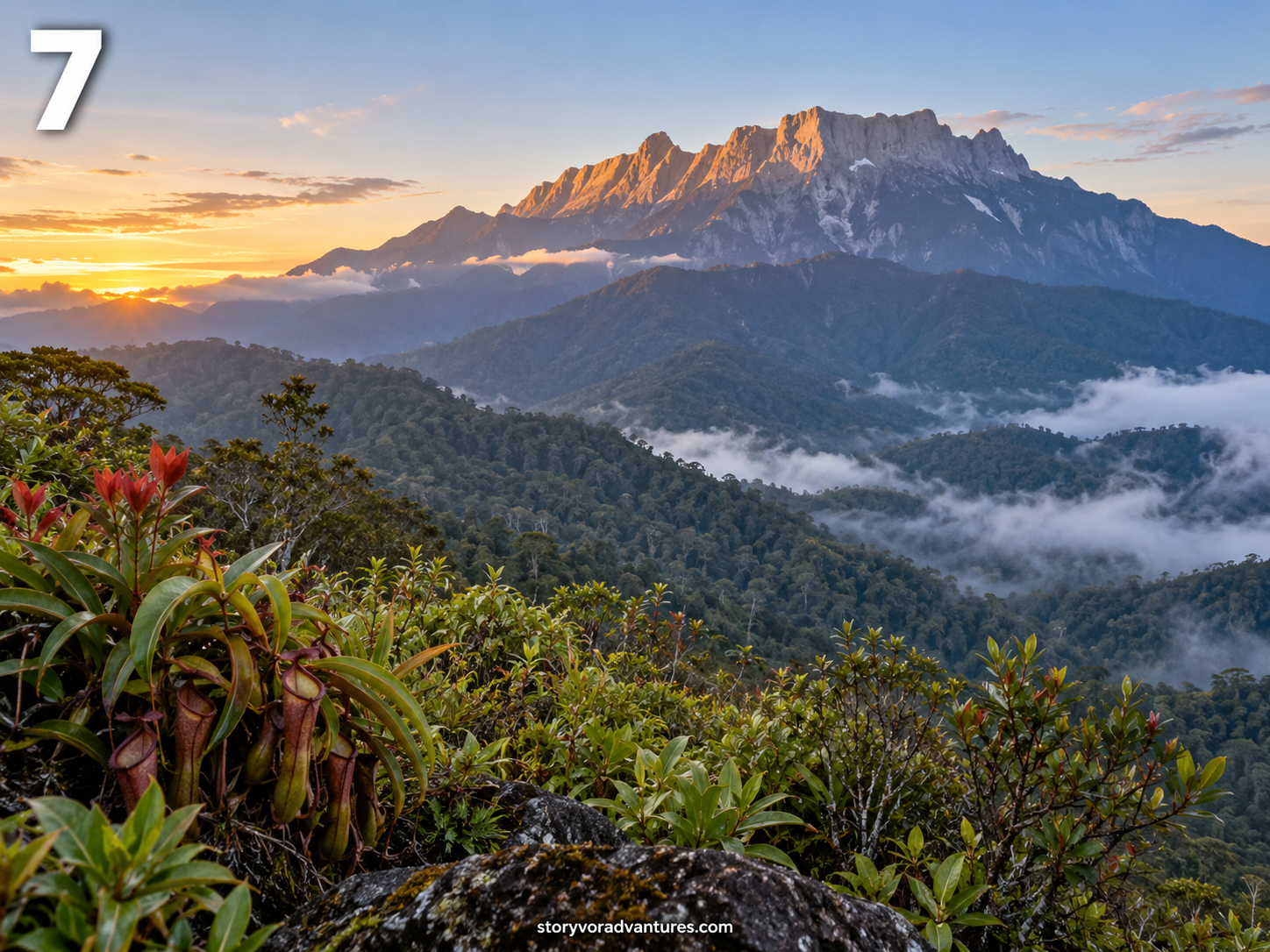
Kinabalu Park in Sabah is centred around Mount Kinabalu and protects habitats ranging from lower-elevation forest to alpine environments. The mountain’s granite form creates one of Malaysia’s most dramatic natural landscapes.
Travellers do not need to climb the summit to appreciate the park. Botanical walks, viewpoints and lower trails can introduce visitors to its remarkable variety of plant life. Weather may change rapidly, particularly at higher elevations, so warm and waterproof layers are useful.
Climbing Mount Kinabalu requires advance preparation and compliance with current park procedures. Places may be limited, authorised arrangements may be required, and the ascent should not be attempted without suitable health, equipment and guidance.
Visitors must not enter closed or restricted routes. Mountain regulations exist to protect travellers and a sensitive natural environment, not simply to control access.
8. Sepilok and the Kinabatangan River
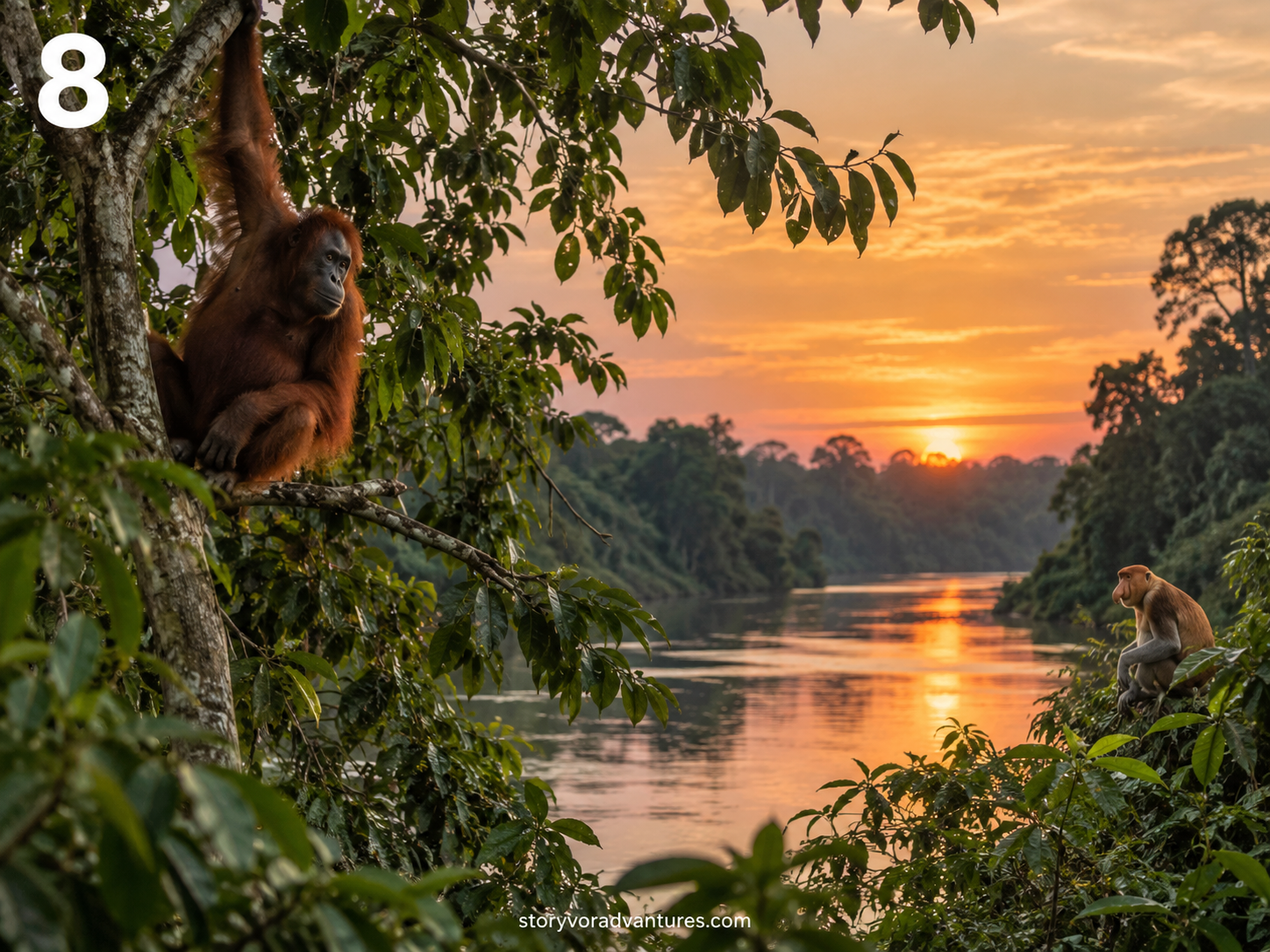
Sabah offers opportunities to learn about Borneo’s wildlife and the challenges involved in protecting its remaining habitats. Sepilok is widely associated with orangutan rehabilitation, while the Kinabatangan River region supports proboscis monkeys, hornbills, crocodiles and many other species.
A rehabilitation centre should not be treated like a zoo or guaranteed close-contact experience. Visitors must follow staff instructions, remain quiet and avoid touching or feeding animals. The goal of responsible rehabilitation is to support wildlife, not to create performances for tourists.
Along the Kinabatangan River, small-boat wildlife tours can provide memorable observations when operators keep appropriate distances and avoid surrounding animals. Binoculars or a camera with a longer lens are better choices than asking a boat to move dangerously close.
Travellers should select accommodation and tour companies that demonstrate responsible waste management, wildlife practices and respect for nearby communities.
9. Gunung Mulu National Park
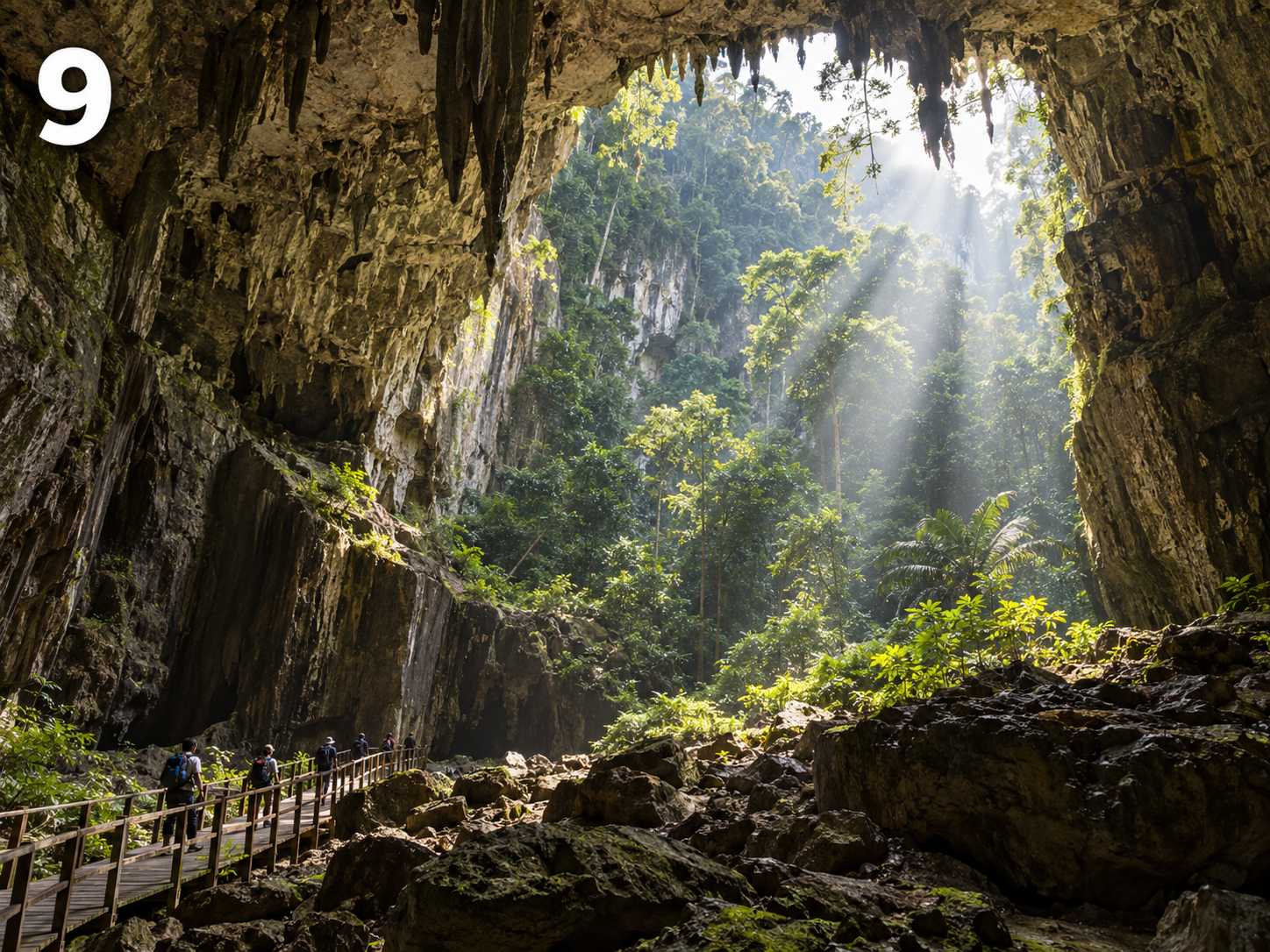
Gunung Mulu National Park in Sarawak is internationally recognised for its tropical karst landscape, biodiversity and immense cave systems. Rainforest trails lead towards geological formations that reveal an extraordinary world beneath the surface.
Some accessible experiences involve boardwalks and guided cave visits, while more demanding routes require significant fitness, advance booking and specialist guidance. The famous limestone Pinnacles should not be treated as an easy sightseeing excursion.
Inside caves, visitors should avoid touching formations or disturbing wildlife. Even minor physical contact can damage delicate surfaces that developed over extremely long periods. Appropriate shoes are important because paths and steps may be wet.
Mulu’s remote setting means transport and activities should be arranged carefully. Heavy rain can affect plans, so travellers benefit from building flexibility into their schedule rather than relying on a tightly timed visit.
10. The Perhentian Islands
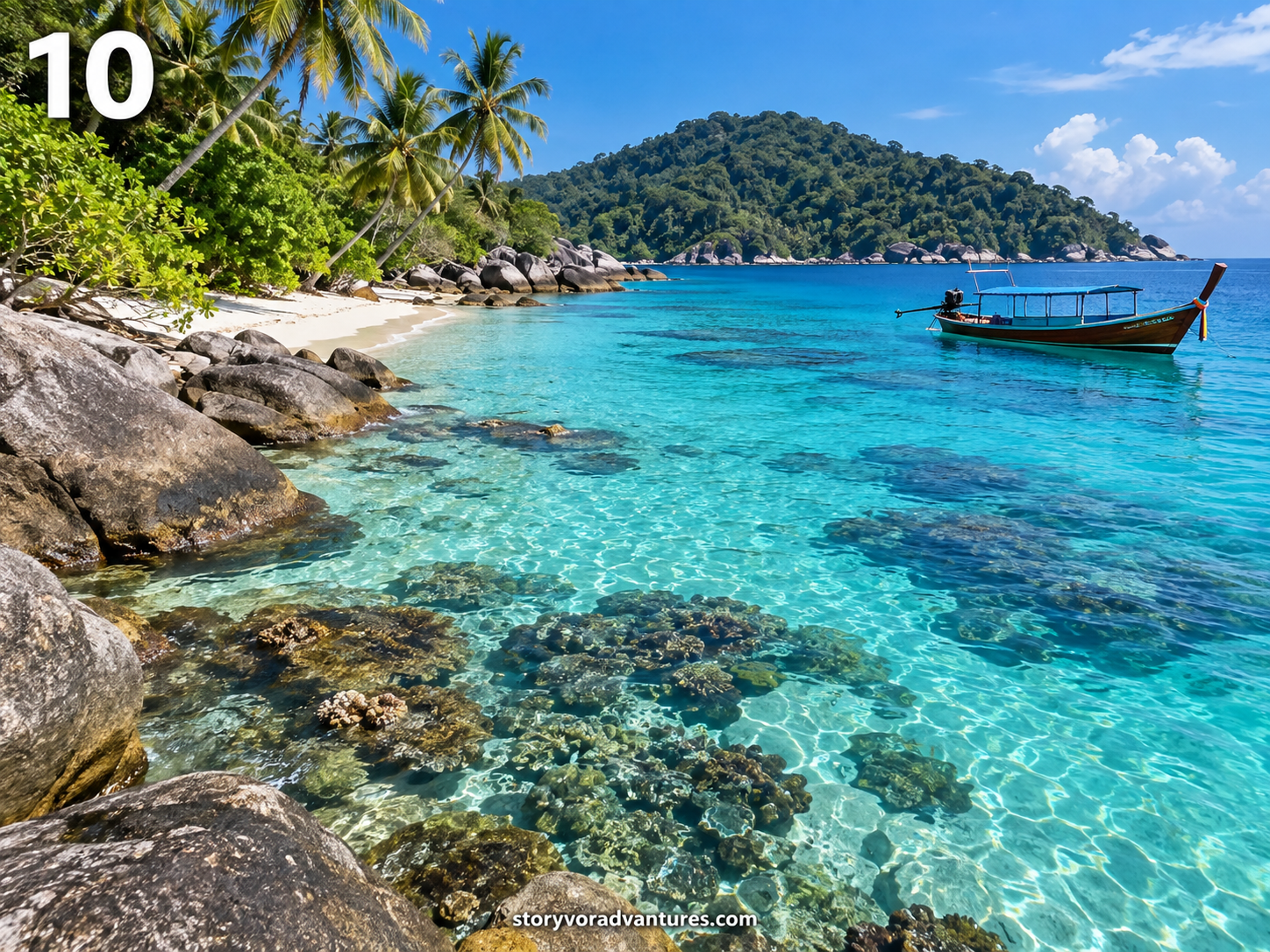
The Perhentian Islands are known for clear water, beaches and opportunities for snorkelling and diving. They can provide a peaceful conclusion to a journey through Malaysia when visited under suitable seasonal and sea conditions.
Coral reefs and marine animals are easily harmed by careless behaviour. Travellers should never stand on coral, chase turtles, collect shells or leave waste on the beach. Reef-safe practices and responsible operators are essential for protecting the environment visitors have travelled to enjoy.
Accommodation and transport services may be more limited outside the main visitor season. Boats can also be affected by rough weather, so travellers should confirm operating schedules before making fixed connections.
A beach destination should still be treated as a living ecosystem. Choosing reusable items, conserving fresh water and reducing unnecessary plastic can make a meaningful difference on small islands where resources and waste facilities are limited.
How Many Days Are Needed for Malaysia?
A first journey of seven to ten days can combine Kuala Lumpur with two additional destinations, such as George Town and Langkawi or Melaka and the Cameron Highlands.
Travellers with approximately two weeks can add part of Sabah or Sarawak, but flights and transfer times must be included in the itinerary. Visiting both Peninsular Malaysia and Borneo is possible, although rushing through too many regions can reduce the quality of the experience.
An example route could include three nights in Kuala Lumpur, three nights in George Town, three nights in Langkawi and several additional days in Sabah. This should be treated only as a planning example, because the ideal route depends on interests, weather, transport and available time.
Best Time to Visit Malaysia
Malaysia has a tropical climate, with warm temperatures, humidity and rainfall possible throughout the year. However, weather patterns differ between the west coast, east coast and Borneo.
This means there is no single perfect month for every destination. Conditions suitable for Langkawi may differ from those affecting the Perhentian Islands or Sarawak. Travellers should check regional forecasts and seasonal transport information instead of relying on one national weather summary.
Rain does not necessarily prevent travel, but severe conditions may affect hiking, boat journeys and island transfers. A flexible itinerary and suitable travel insurance can be valuable.
Important Travel Planning Advice
Before departure, travellers should confirm passport validity, visa requirements and any digital arrival procedures that apply to their nationality. Entry rules can change, so official Malaysian immigration information should be checked instead of relying solely on older travel articles or social-media posts.
Travel insurance should cover planned activities such as hiking, diving or wildlife excursions. Travellers should also verify whether medical evacuation is included when visiting remote islands or national parks.
Malaysia is culturally diverse, and respectful clothing is appropriate at mosques, temples and conservative communities. Alcohol rules and social customs can vary between locations. Asking permission before photographing people is a simple way to show respect.
Prices, transport schedules, attraction access and park regulations may change. Confirming essential details directly with official authorities or service providers shortly before travelling will help prevent avoidable problems.
Final Thoughts

Malaysia cannot be understood through one skyline, beach or rainforest. Its identity emerges from the relationship between many cultures, landscapes and communities.
A carefully planned trip can move from Kuala Lumpur’s modern city centre to George Town’s historic streets, Langkawi’s coast and the rainforests of Borneo. Each destination offers something different, yet all require the same responsible approach.
Travel slowly, respect religious and natural sites, support local businesses and view wildlife without interference. When approached with curiosity and care, Malaysia can become far more than another holiday destination—it can be one of Southeast Asia’s most varied and memorable journeys.
Important: Entry requirements, weather conditions, prices, opening times, transport services and park regulations can change. Always confirm current details through official government, tourism and attraction websites before making travel decisions.