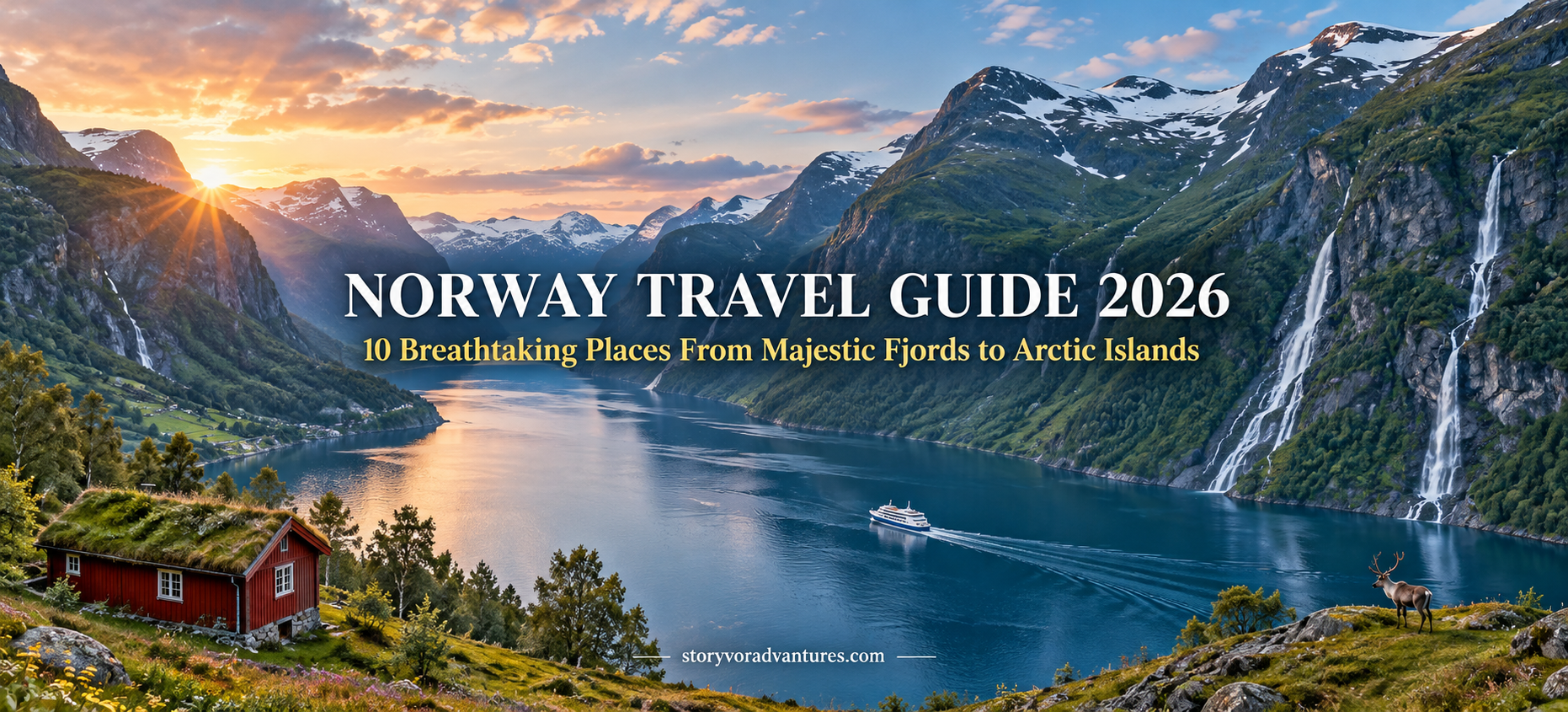
Norway Travel Guide 2026: 10 Breathtaking Places From Majestic Fjords to Arctic Islands
Explore 10 breathtaking places in Norway in 2026, from majestic fjords and scenic hikes to Arctic islands, northern lights and Svalbard.
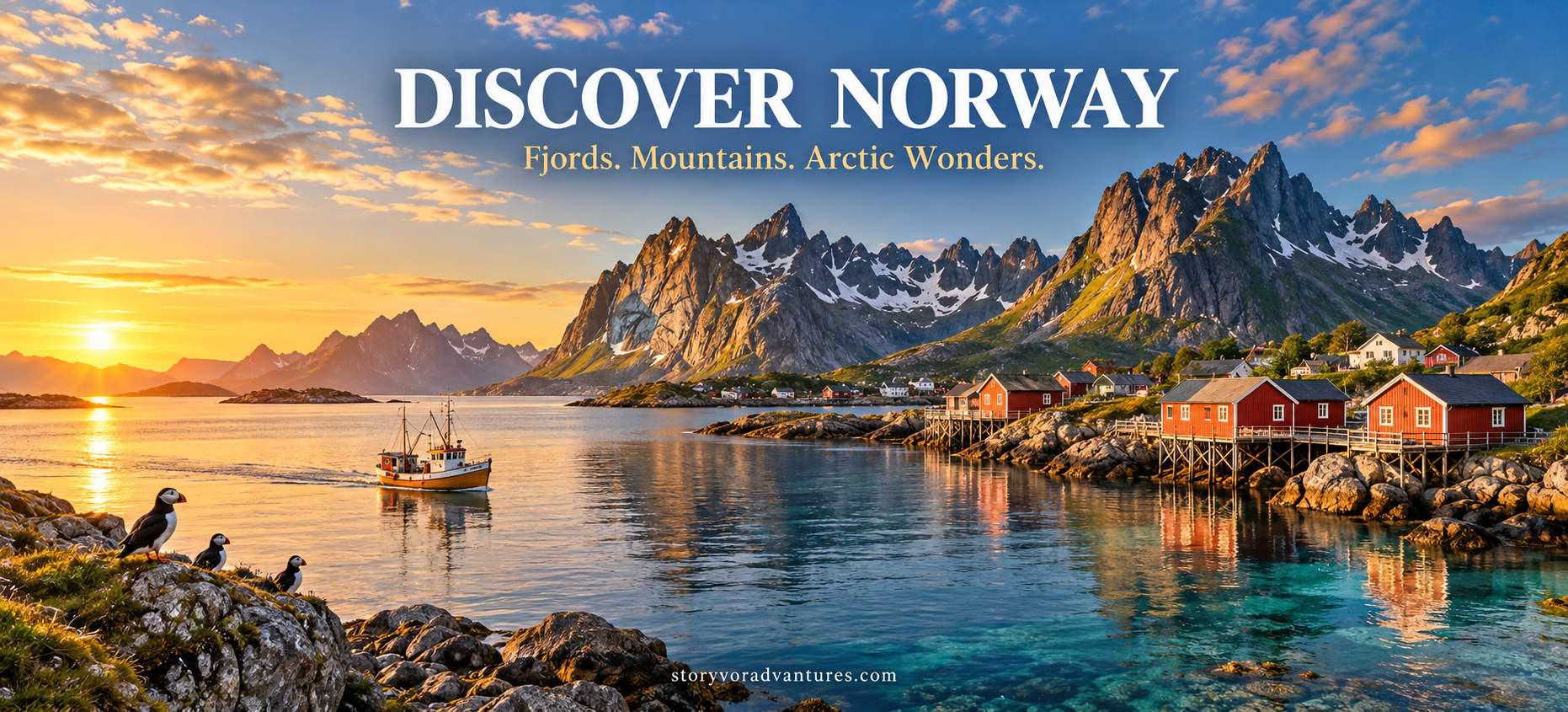
Norway is a destination where geography shapes almost every journey. Deep fjords cut between mountains, fishing villages sit beside Arctic water, waterfalls descend from high cliffs and scenic roads connect communities across remote landscapes.
The country attracts travellers for many different reasons. Some come to hike above dramatic fjords, while others want to experience colourful coastal cities, northern lights, midnight sun or High Arctic wilderness. Norway can offer all of these experiences, but distances, weather and seasonal transport make careful planning essential.
A successful Norway trip should not be built around photographs alone. Famous viewpoints such as Trolltunga and Preikestolen require preparation, while Arctic destinations such as Tromsø and Svalbard demand respect for weather and wildlife. Even a scenic road trip can become difficult when ferries, mountain closures or changing conditions are ignored.
This Norway travel guide introduces ten breathtaking places for 2026 and explains how to explore them responsibly. Transport schedules, road access, hiking conditions and tour operations can change, so verify essential information through official sources before travelling.
Why Visit Norway in 2026?
Norway combines outdoor adventure with organised public services and well-connected cities. Travellers can move between modern urban areas, isolated islands, traditional fishing villages and mountain landscapes within the same journey.
The country changes dramatically between seasons. Summer offers long daylight hours, green valleys and broader hiking access. Winter creates opportunities for snowy landscapes, northern lights and Arctic activities, but it also brings shorter days and more demanding conditions.
Norway can be expensive compared with many destinations. However, careful planning, public transport, supermarket meals, guesthouses and slower itineraries can make the trip more manageable. The goal should not be to visit every famous place, but to choose a route that matches your time, fitness and budget.
Quick Planning Guide for Norway
A first-time visitor should avoid combining southern fjords, Lofoten, Tromsø and Svalbard in one short trip. These destinations are separated by considerable distances and may require flights, ferries, trains or long road journeys.
Seven to ten days can work for Bergen, Flåm, Geirangerfjord and one major hiking region. Northern Norway deserves a separate trip or at least an additional week. Svalbard should be treated as its own Arctic destination rather than a quick extension.
Weather changes quickly throughout Norway, especially in mountain and coastal areas. Carry waterproof outer layers, warm clothing and reliable footwear even when the forecast appears favourable.
1. Geirangerfjord
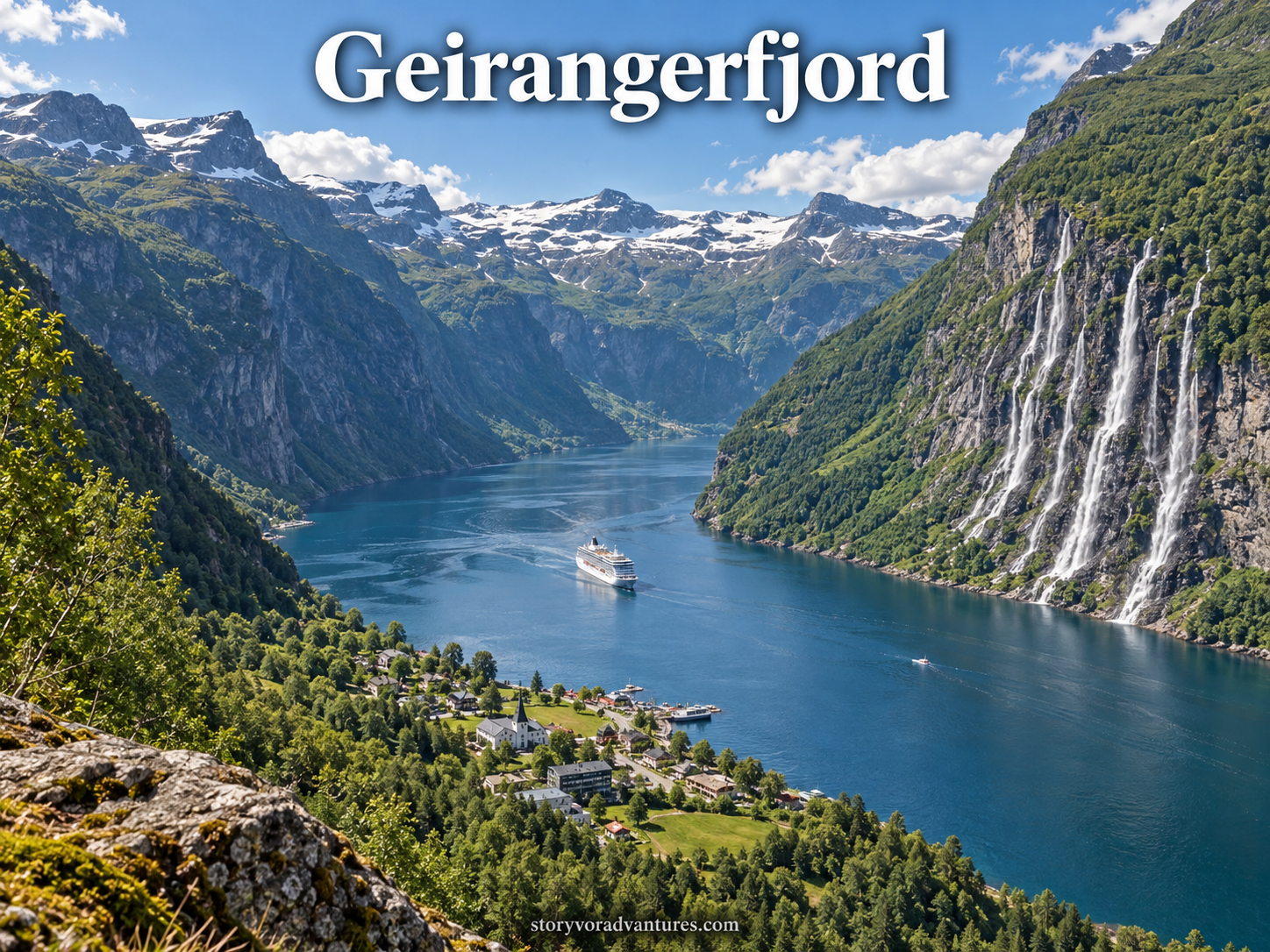
Geirangerfjord is one of Norway’s most recognised natural landscapes. Steep mountains rise directly from deep water, while waterfalls descend from high cliffs toward isolated farms and small settlements.
The Seven Sisters waterfall is among the fjord’s best-known features. Its appearance varies with rainfall and snowmelt, meaning the scene can look very different depending on the season.
A ferry or sightseeing boat provides the classic water-level perspective. Elevated viewpoints offer a wider understanding of the fjord’s scale, but access to mountain roads and viewpoints can be affected by snow, maintenance or weather.
Geiranger can become crowded when cruise ships and tour groups arrive at the same time. Staying overnight may allow travellers to experience quieter mornings or evenings after day visitors have departed.
Driving requires concentration because roads may be narrow, steep and winding. Stop only in designated parking or viewing areas rather than blocking traffic for photographs.
The surrounding environment is sensitive. Use marked paths, dispose of waste properly and choose lower-emission transport options when practical.
2. Lofoten Islands
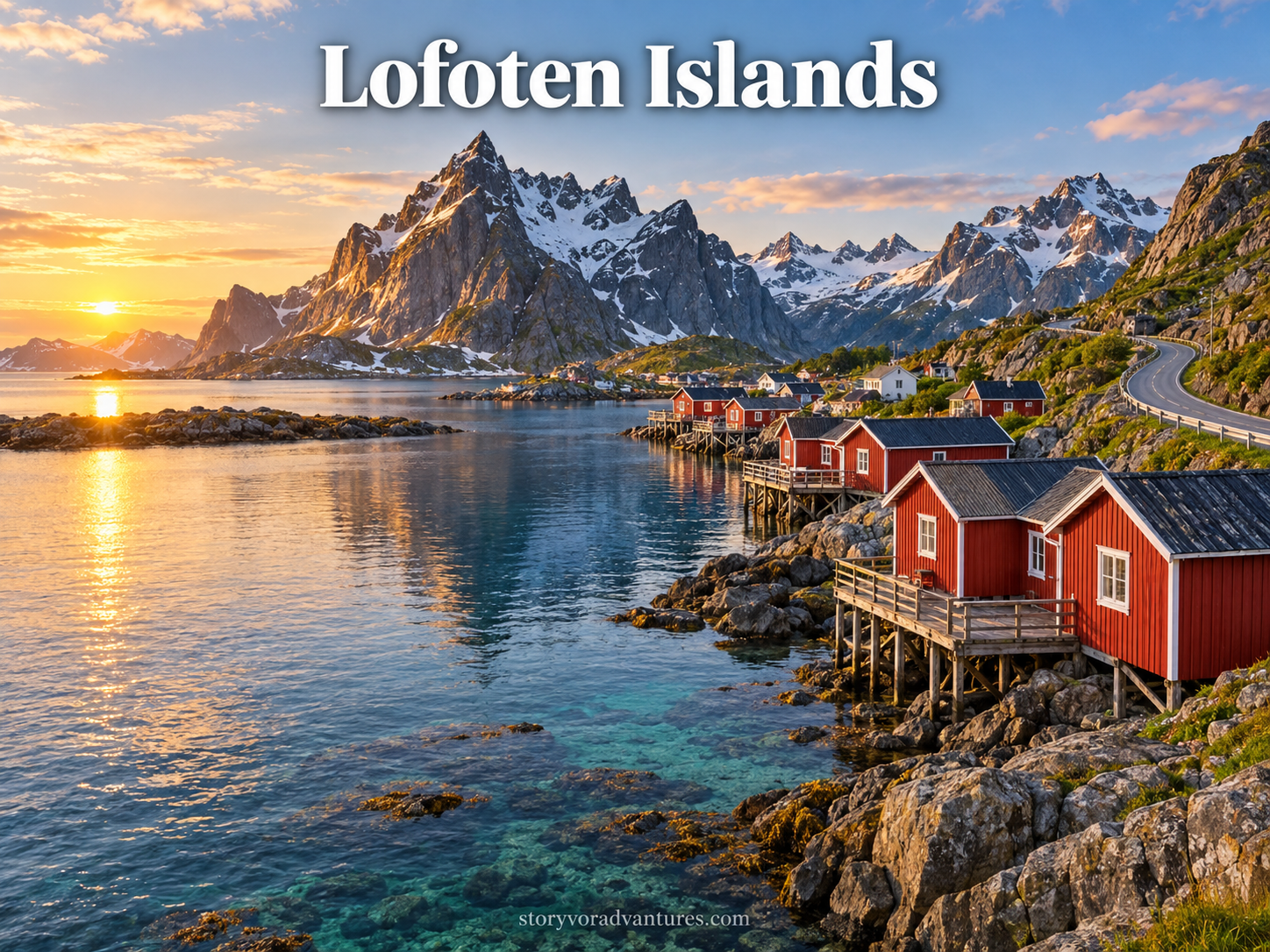
The Lofoten Islands combine jagged mountains, clear Arctic water, sandy beaches and red fishing cabins known as rorbuer. Small communities remain closely connected with the sea and fishing traditions.
A road trip provides flexibility, but driving distances can take longer than expected. Narrow roads, bridges, weather and frequent photography stops make rushing between villages unrealistic.
Reine, Hamnøy, Henningsvær and other settlements each offer a different atmosphere. Instead of attempting to photograph every famous viewpoint, choose a smaller area and explore it more carefully.
Summer brings extended daylight and the possibility of experiencing the midnight sun. Winter provides dramatic snow-covered scenery and chances to see the northern lights, but roads and outdoor activities become more demanding.
Popular parking areas, campsites and trails can experience significant pressure. Never park on private land, block emergency access or camp where overnight stays are prohibited.
Local weather can shift from calm sunshine to strong wind and rain within a short period. Check marine and mountain forecasts separately because conditions may differ across the islands.
3. Bergen
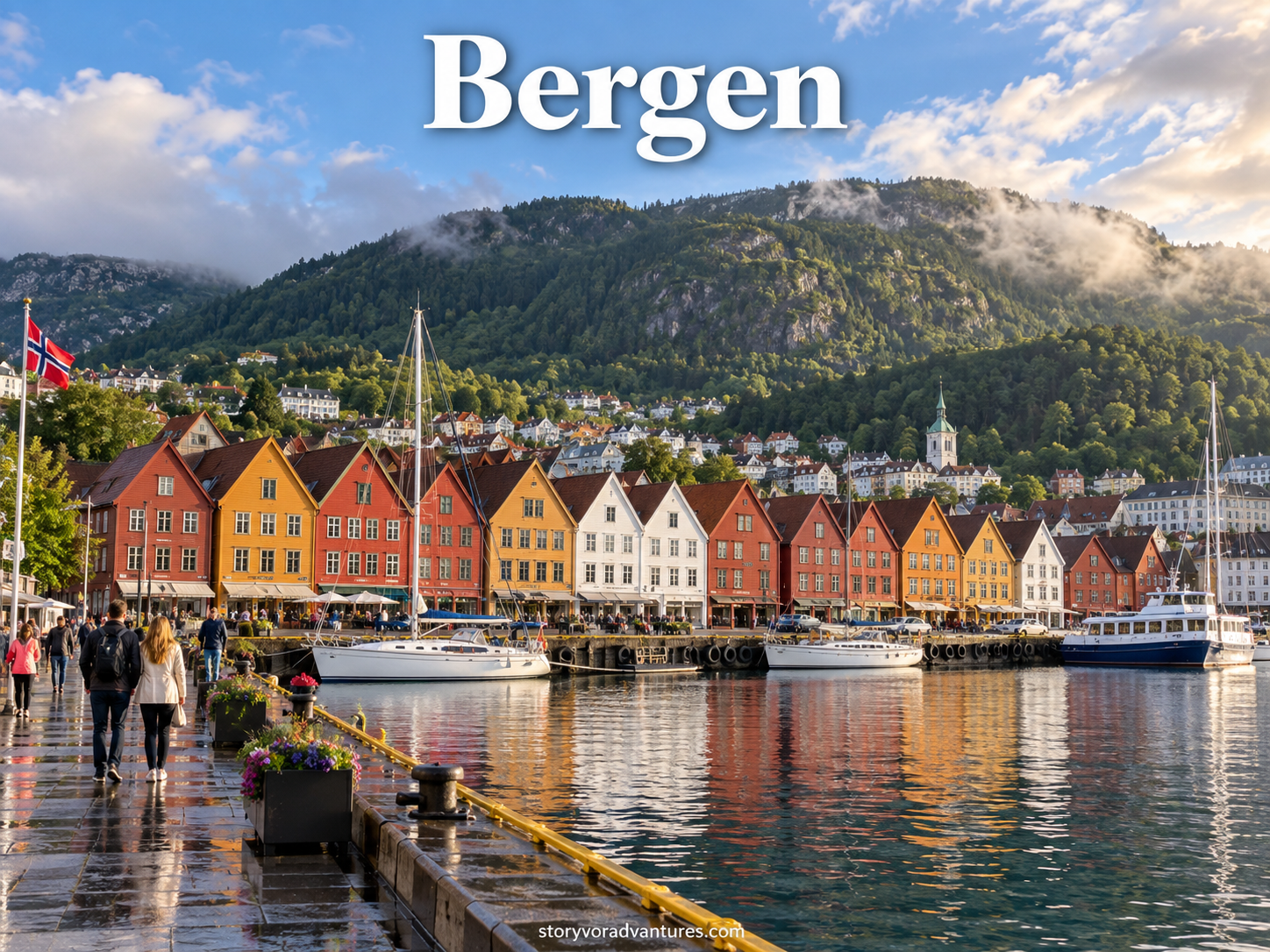
Bergen is often described as a gateway to Norway’s fjords. Its harbour, surrounding mountains and transport connections make it a practical base for exploring the western region.
Bryggen is the city’s most recognisable historic area. Its colourful wooden buildings reflect Bergen’s long commercial history and connection with the Hanseatic trading network.
The narrow passages behind the waterfront reveal workshops, galleries and architectural details that are easy to miss when viewing only the main façade. Because the wooden structures are vulnerable, visitors should follow all fire-safety rules and avoid smoking in restricted areas.
Bergen is also known for frequent rain. Waterproof clothing is more useful than relying on an umbrella during strong coastal wind. Wet cobblestones can become slippery, so shoes with good grip are recommended.
The Fløibanen funicular provides convenient access to an elevated city view, while hiking routes allow active visitors to explore the surrounding mountains. Conditions can still change quickly above the city.
Spend enough time beyond the harbour. Bergen has museums, neighbourhood cafés and cultural venues that make it more than simply a starting point for a fjord excursion.
4. Trolltunga
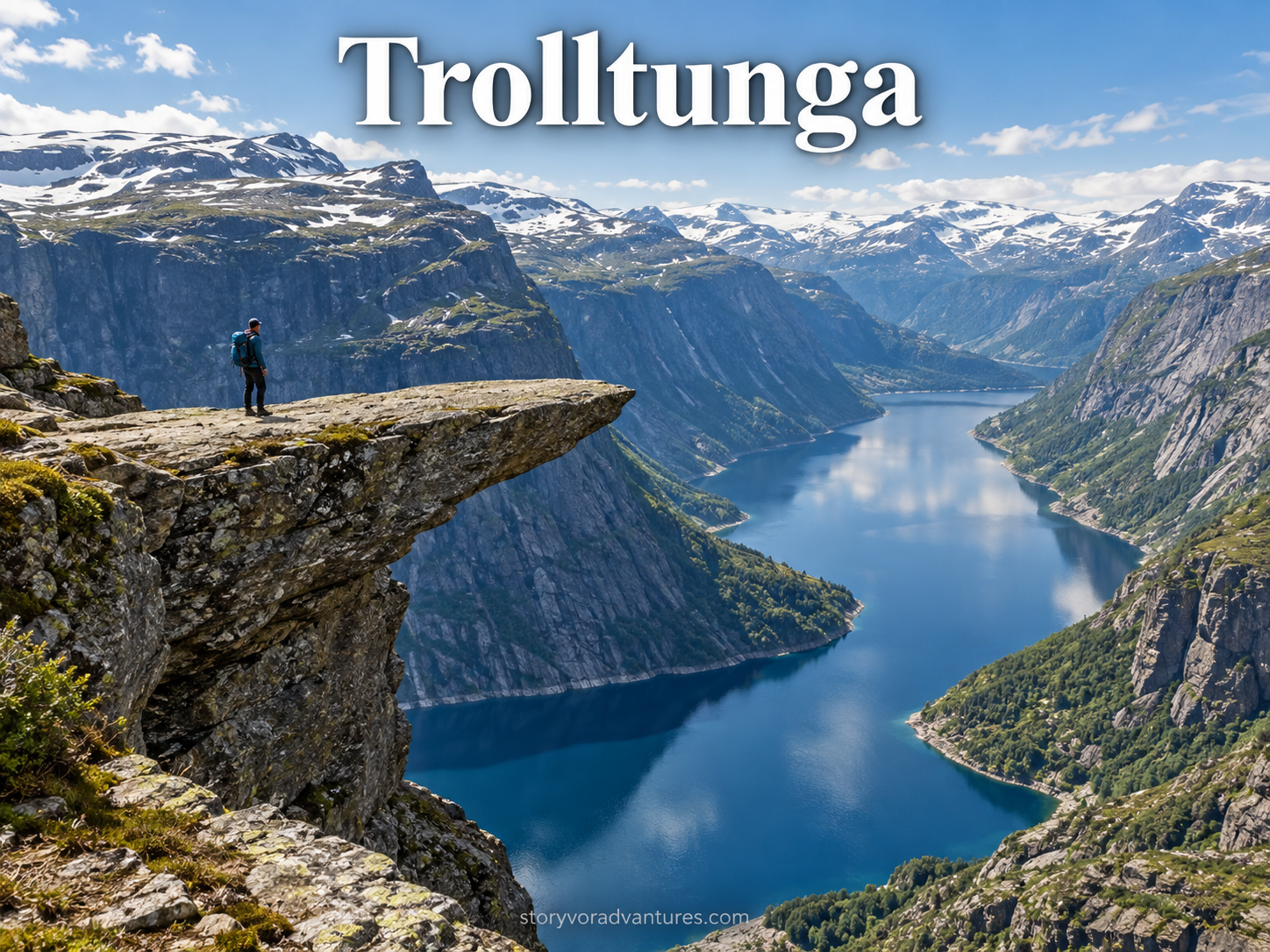
Trolltunga is a dramatic rock formation projecting above Ringedalsvatnet lake. Its unusual shape and elevated position have made it one of Norway’s most photographed hiking destinations.
The hike is long and physically demanding. Depending on the starting point and chosen transport arrangement, visitors may spend most of the day on the mountain. It should never be treated as a casual walk simply because it appears frequently on social media.
Hikers need proper boots, waterproof and windproof clothing, food, sufficient water, navigation information and an emergency light source. Starting late can create serious problems if the return journey continues after darkness.
Weather can change rapidly at high elevation. Turn back if conditions deteriorate, even when the summit appears close. Reaching the viewpoint is not more important than returning safely.
Outside the main recommended hiking period, snow and ice may require specialised equipment and a qualified guide. Follow official closures and current local advice.
At the rock formation, wait patiently and avoid unsafe poses close to the edge. No photograph is worth putting yourself or another traveller in danger.
5. Preikestolen
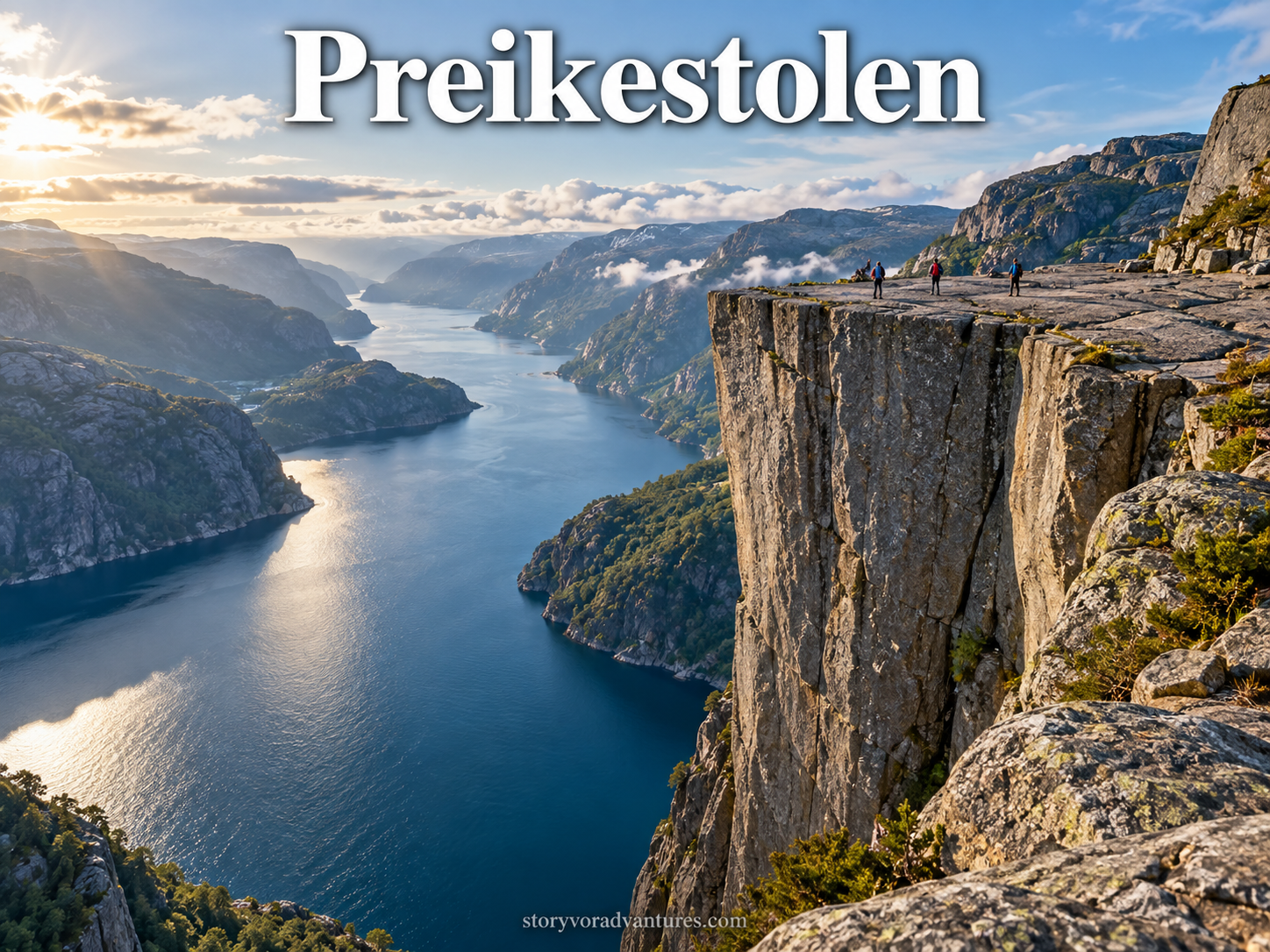
Preikestolen, also called Pulpit Rock, rises above Lysefjord and offers one of Norway’s most dramatic viewpoints. The broad cliff platform is reached through a mountain trail containing stone steps, exposed sections and uneven terrain.
The hike is shorter than Trolltunga but still requires preparation. Rain can make rocks slippery, while fog may reduce visibility and make navigation more difficult.
Crowds can build during popular summer hours. Beginning early may provide a quieter trail, but hikers should consider available daylight, transport schedules and current conditions before choosing a departure time.
Winter access requires additional experience and equipment. Travellers unfamiliar with snow, ice or rapidly changing mountain weather should join a guided hike rather than copying a summer itinerary.
There are no protective barriers across most of the cliff edge. Remain a safe distance back, supervise children closely and never ask someone to move into a dangerous position for a photograph.
Visitors who cannot complete the hike can still experience Lysefjord through appropriate boat trips or alternative viewpoints. A trip does not become unsuccessful simply because one famous trail is unsuitable.
6. Flåm and the Aurlandsfjord
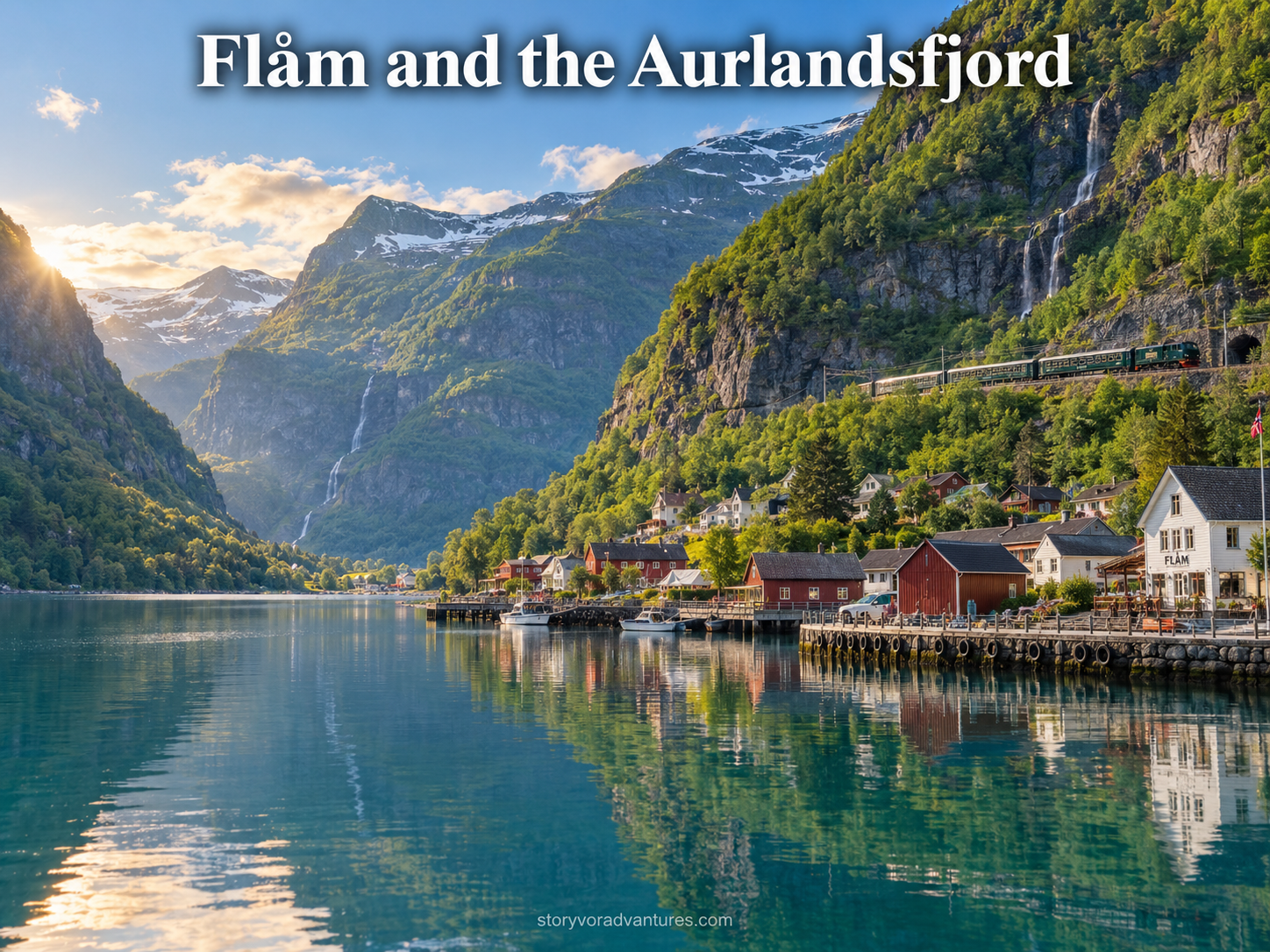
Flåm sits at the end of Aurlandsfjord and is surrounded by mountains, waterfalls and small settlements. It is a popular stop on railway, ferry and cruise itineraries.
The Flåm Railway is famous for its steep route and changing scenery. It connects the fjord-level village with the mountain railway at Myrdal, passing valleys, tunnels and waterfalls.
Seats and preferred departure times can sell out during busy periods. Book through authorised channels and check whether your ticket includes a return journey or onward connection.
The nearby fjord can be explored by passenger boat, guided kayak or electric vessel where available. Choose an activity suited to the weather and your experience.
Flåm can become crowded when several transport services arrive together. Staying overnight allows more time for walks and quieter views outside the busiest part of the day.
Aurlandsfjord connects with the wider Sognefjord system, so travellers should read routes carefully. Not every boat follows the same itinerary or stops at the same villages.
7. Atlantic Ocean Road
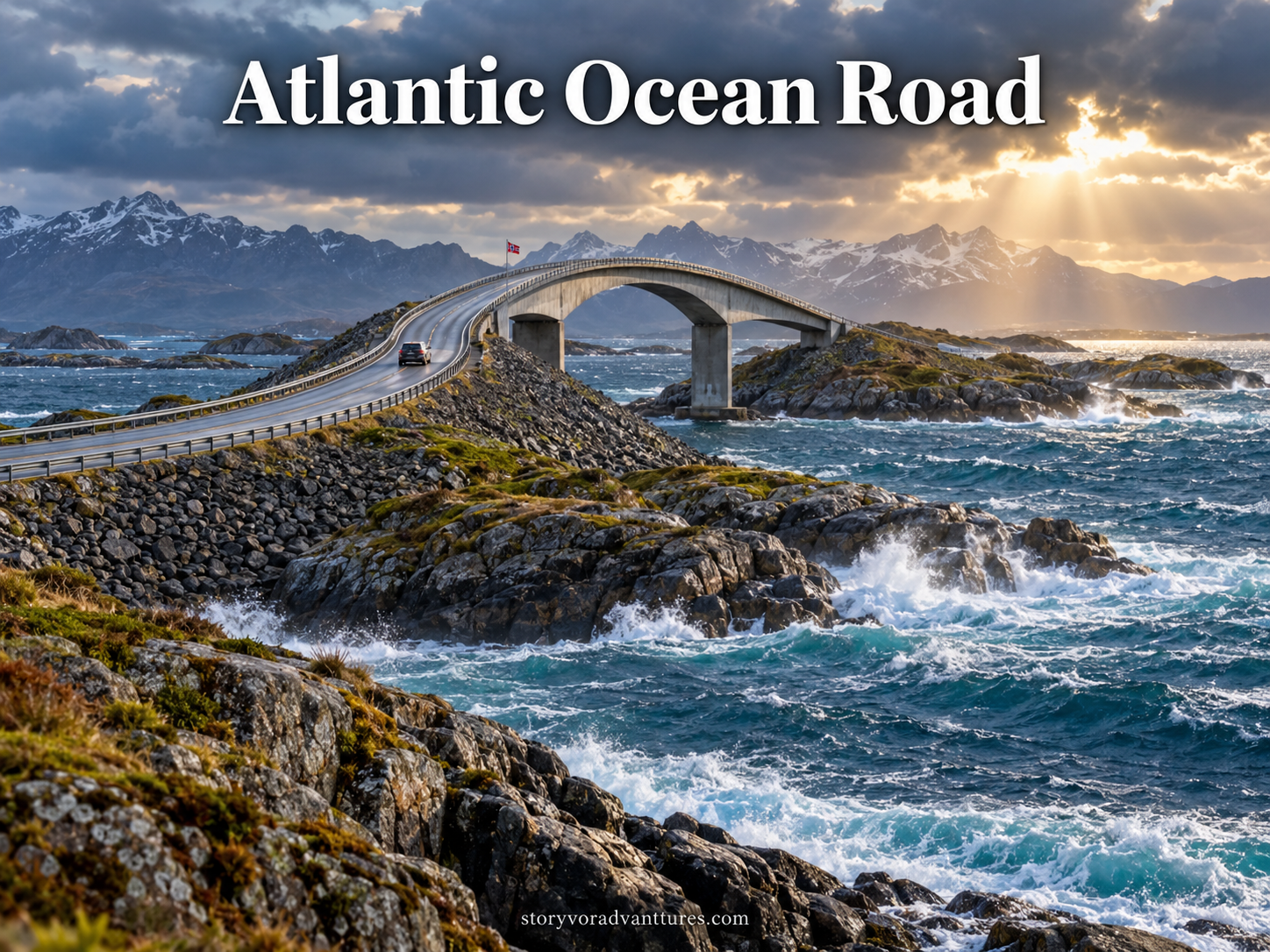
The Atlantic Ocean Road crosses small islands and exposed coastal landscapes through a series of bridges. Its most famous structure, Storseisundet Bridge, appears to curve dramatically above the water.
The road itself is relatively short, but the surrounding region deserves more time. Viewing platforms, coastal paths and nearby communities provide a fuller experience than driving across without stopping.
Weather strongly influences the atmosphere. Calm sunlight reveals islands and distant mountains, while storms show the power of the Atlantic. Visitors should never approach unsafe rocks or exposed shorelines during rough conditions.
Drivers must focus on the road instead of attempting to photograph while moving. Use designated parking areas and allow other vehicles to pass safely.
Cycling is possible, but traffic and strong wind can make the route challenging. Cyclists should wear visible clothing, check conditions and understand that scenic roads are still active transport routes.
The road is far from Oslo and Bergen, making it unsuitable as a quick detour. Build it into a western Norway or coastal road trip instead of underestimating the journey required to reach it.
8. Senja Island
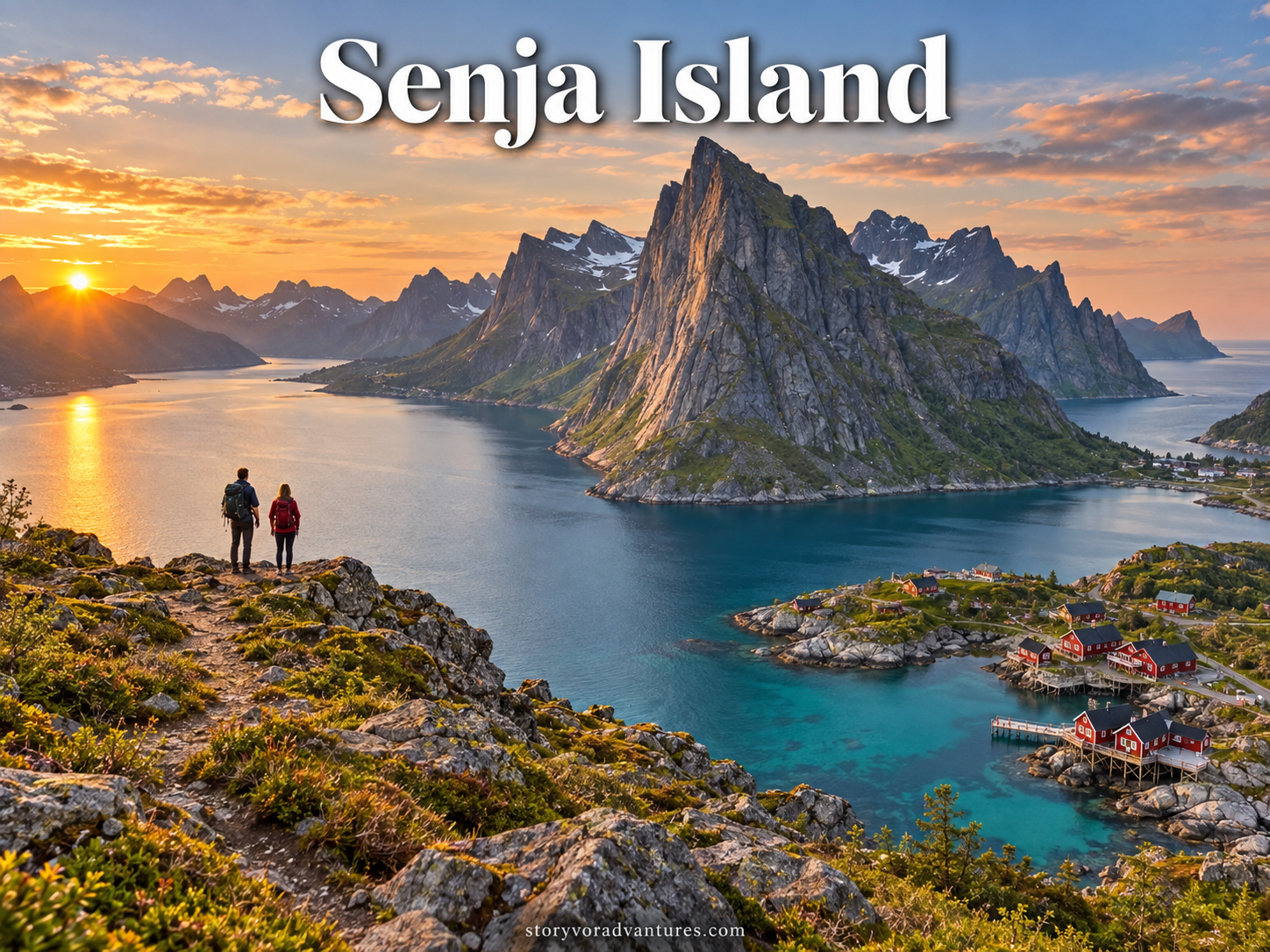
Senja offers dramatic mountains, fjords, beaches and fishing communities without requiring travellers to visit only the most famous parts of northern Norway.
The island’s National Scenic Route connects several impressive landscapes. Mountain viewpoints can appear close together on a map, but narrow roads and frequent weather changes slow the journey.
Segla is one of Senja’s recognisable peaks. Several viewpoints and hikes in the area differ in difficulty, so confirm which trail leads to the view you expect before beginning.
Coastal weather can change quickly, and low cloud may cover mountain summits. Keep the itinerary flexible rather than forcing a hike during unsafe conditions.
Senja is better explored over several days. Staying in one or two bases reduces repeated packing and allows time to adjust plans according to weather.
Respect quiet communities by parking legally, keeping noise low and avoiding private docks or gardens. Remote scenery does not mean that land is unowned or unrestricted.
9. Tromsø
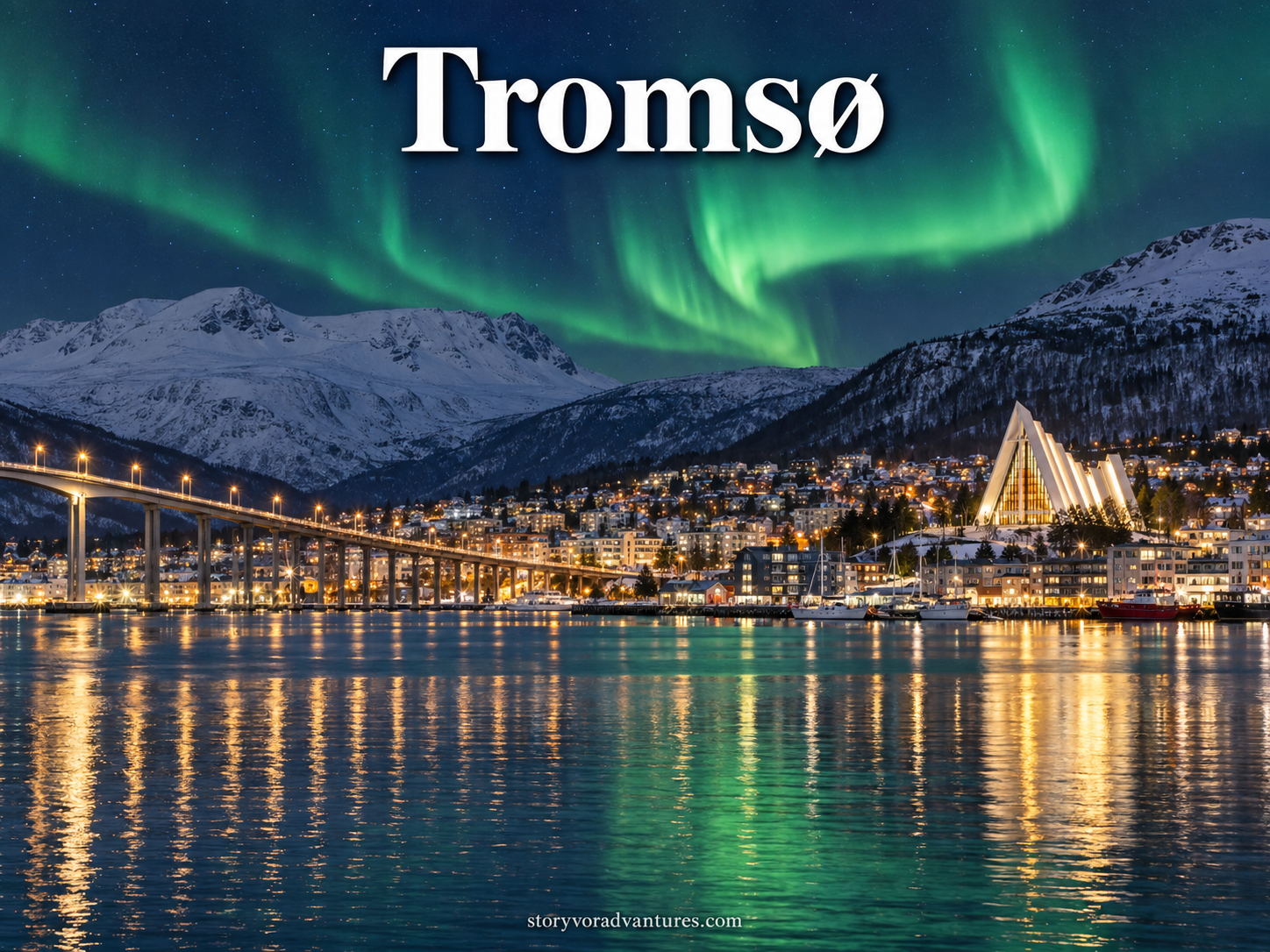
Tromsø is a practical base for experiencing Arctic Norway. It offers museums, restaurants, transport connections and organised outdoor activities within a city surrounded by mountains and water.
Winter visitors often hope to see the northern lights. However, aurora visibility depends on solar activity, darkness, cloud cover and local conditions. No responsible operator can guarantee a display on a specific evening.
Allow several nights if the northern lights are a major priority. A longer stay improves the chance of encountering suitable conditions but still cannot promise success.
Summer brings a completely different experience as the midnight sun extends daylight and creates opportunities for hiking and coastal exploration.
The Arctic Cathedral, harbour and elevated viewpoints contribute to the city’s visual identity. Visitors should also spend time learning about northern culture and history rather than treating Tromsø only as an aurora departure point.
Wildlife and dog-sledding experiences should be chosen carefully. Select operators that explain animal welfare, environmental practices and safety procedures clearly.
10. Svalbard
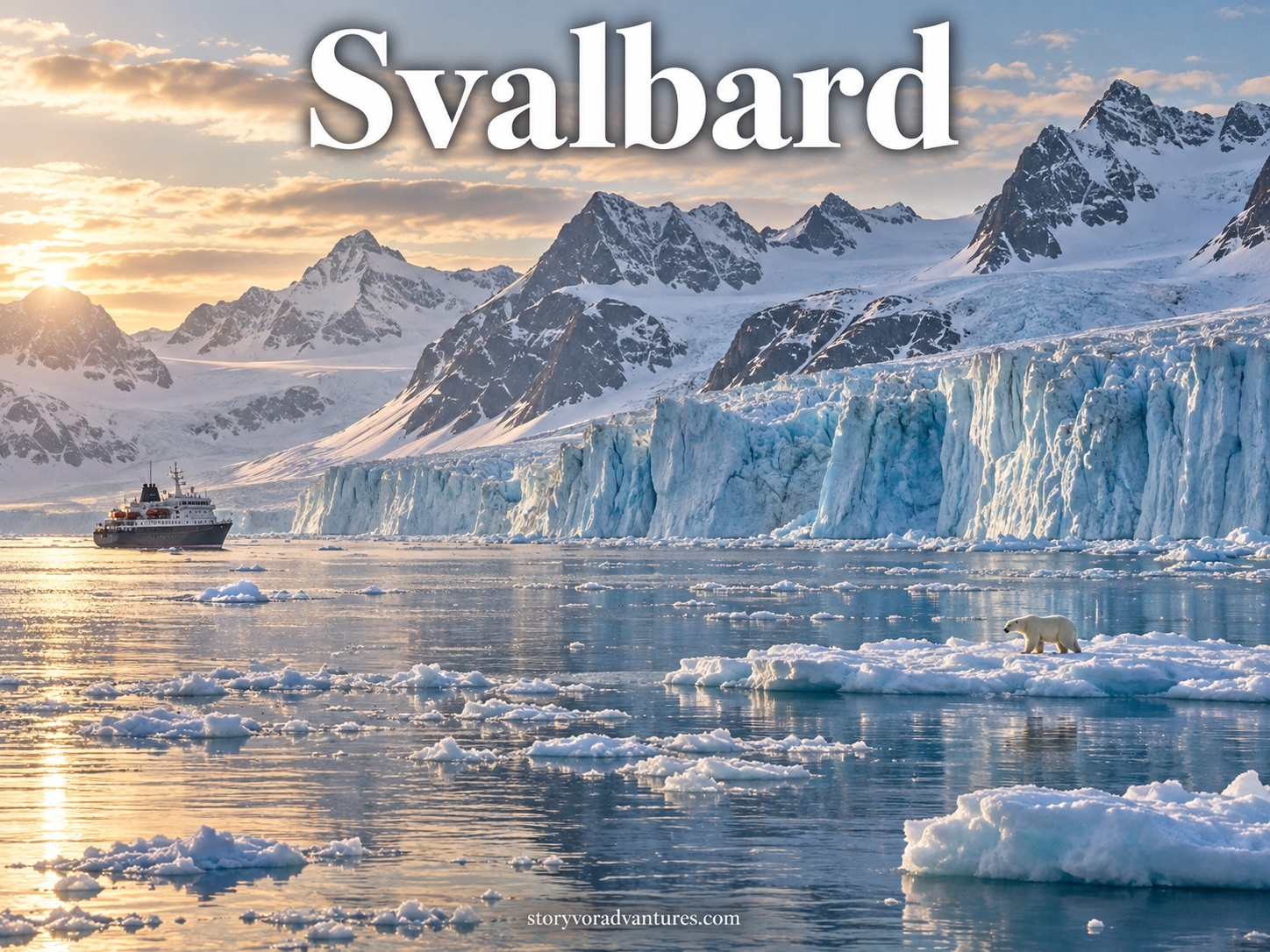
Svalbard is a Norwegian Arctic archipelago located far north of the mainland. Glaciers, mountains, sea ice and isolated settlements create an environment unlike the rest of the country.
Longyearbyen is the main arrival point and provides accommodation, restaurants, museums and organised activities. Outside the settlement’s designated safe area, Arctic travel requires specialised local knowledge.
Polar bears are wild predators, not tourist attractions. Visitors should not leave settlements independently in areas where encounters are possible. Join an organised excursion with an experienced local guide who understands current safety regulations.
Tour operators are not allowed to chase, attract, feed or guarantee sightings of polar bears. Choose companies that protect wildlife rather than advertising close encounters.
Weather, sea ice and visibility can change rapidly. Boat, snowmobile and hiking routes may be adjusted or cancelled for safety reasons. Flexibility is essential.
Svalbard’s vegetation and archaeological remains are highly vulnerable. Follow instructions about where to walk, never remove natural or historic objects and maintain a safe distance from all wildlife.
Best Time to Visit Norway
There is no single best season for every Norwegian destination. Summer generally offers longer daylight, improved hiking access and broader road connections. It is also the busiest season in many fjord and island destinations.
Spring can bring waterfalls strengthened by snowmelt, but higher mountain trails may still contain snow. Autumn offers changing colours and fewer visitors, although daylight and operating schedules begin to reduce.
Winter is suitable for northern lights, snow activities and Arctic landscapes. Driving and hiking become more difficult, while storms can affect flights, ferries and roads.
Choose the season according to your main activity rather than expecting one trip to provide midnight sun, open summer trails, deep snow and northern lights simultaneously.
How Many Days Do You Need?
A seven-day fjord itinerary could include Bergen, Flåm and nearby fjord routes. Adding Geirangerfjord or a major hike may require ten days, depending on transport connections.
Lofoten and Senja work better as a separate northern road trip of approximately one week. Tromsø can be added if flight or ferry schedules align.
Svalbard deserves at least three or four full days beyond arrival and departure time. Weather-related cancellations are possible, so an itinerary with no flexibility may lead to disappointment.
Combining southern fjords, Lofoten, Tromsø and Svalbard properly could require three weeks or more.
Travelling Around Norway
Norway’s trains, buses, ferries and domestic flights can connect many destinations, but remote regions may have limited daily departures. A missed connection can affect the rest of the day.
Book important routes early during popular travel periods. Check whether a ferry accepts reservations or operates on a first-come basis.
Rental cars provide flexibility in Lofoten, Senja and scenic-road regions. Drivers must understand local speed limits, road signs and winter-equipment requirements.
Never stop in a traffic lane for photographs. Use marked viewpoints and parking areas, even when a location appears empty.
Driving times shown by navigation applications may not include ferries, weather delays or long stops. Add extra time rather than designing a schedule with no margin.
Accommodation and Budget Planning
Norway offers hotels, hostels, cabins, campsites and holiday apartments. Prices vary significantly by location and season.
Accommodation in Lofoten, Geiranger, Flåm, Tromsø and Svalbard can sell out during popular periods. Reserve early if your itinerary depends on specific dates.
Guest kitchens and supermarket meals can reduce food costs. Local restaurants can still be included selectively rather than avoided entirely.
Check whether bedding, cleaning, parking and breakfast are included in cabin or apartment prices. A low advertised rate may not represent the final cost.
Wild camping is governed by access rights and responsibilities. Visitors must respect distance requirements, cultivated land, fire restrictions and local rules. Freedom to access nature does not permit damaging land or disturbing residents.
Hiking Safety in Norway
Choose trails according to your actual fitness and experience. A famous trail is not automatically suitable for every traveller.
Check the local weather forecast and trail status immediately before departure. Mountain forecasts are more relevant than city-level weather information.
Carry waterproof clothing, warm layers, food, water, navigation tools and an emergency light. Mobile coverage should never be treated as guaranteed.
Tell someone where you are going and when you expect to return. Turn back when conditions, health or remaining daylight create doubt.
Qualified guides can make unfamiliar, winter or technically difficult routes safer. Booking a guide is responsible planning, not a sign of weakness.
Northern Lights and Midnight Sun
Northern lights occur when charged solar particles interact with the Earth’s atmosphere. A clear, dark sky and sufficient auroral activity are required for visibility.
Photographs often exaggerate colours through long exposures and editing. The display seen by the human eye may appear softer, especially during weaker activity.
The midnight sun occurs during summer at sufficiently northern latitudes. Extended daylight can affect sleep, so accommodation with effective curtains or a sleep mask can be helpful.
Neither phenomenon should be treated as guaranteed entertainment. Weather and natural conditions remain outside the control of travellers and tour companies.
Responsible Wildlife Experiences
Observe wildlife from a distance and use binoculars or a telephoto lens instead of approaching animals. Never feed wildlife or attempt to change its movement for a photograph.
Choose whale-watching and wildlife operators that explain distance rules, group size and environmental practices. Boats should not surround or chase animals.
In Svalbard, polar-bear safety rules protect both humans and bears. Never support an operator or online personality encouraging close encounters.
Keep dogs controlled where required and follow seasonal restrictions designed to protect nesting birds and grazing animals.
Common Mistakes to Avoid
The first mistake is trying to see the whole country in one short trip. Norway’s shape and geography create long travel times even when destinations appear reasonably close on a map.
Another mistake is treating mountain hikes as simple photo stops. Trolltunga and other routes require fitness, equipment and sufficient daylight.
Ignoring rain, wind or temperature changes can quickly make an outdoor activity uncomfortable or unsafe. Pack layers rather than relying on one heavy item.
Travellers also underestimate food, accommodation, fuel, parking and transport costs. Prepare a realistic budget before confirming a complex itinerary.
Finally, avoid measuring the trip only by whether the northern lights appear or a mountain summit remains visible. Cloud, rain and route changes are normal parts of travelling through Norway.
Suggested Fourteen-Day Norway Itinerary
Begin with two nights in Bergen and explore Bryggen, the harbour and a nearby viewpoint. Continue toward Flåm for two nights, including the railway and a carefully selected fjord journey.
Use the following days for a western fjord route toward Geiranger, allowing time for ferries and scenic stops. Add Preikestolen or Trolltunga only if the chosen hike fits your location, season and fitness.
Fly north for the second part of the trip rather than driving the entire distance. Spend several days in Lofoten or Senja, choosing one region if time is limited.
Finish with Tromsø for Arctic city experiences and seasonal activities. Svalbard should be added only by extending the trip rather than squeezing it into the same fourteen days.
Final Thoughts
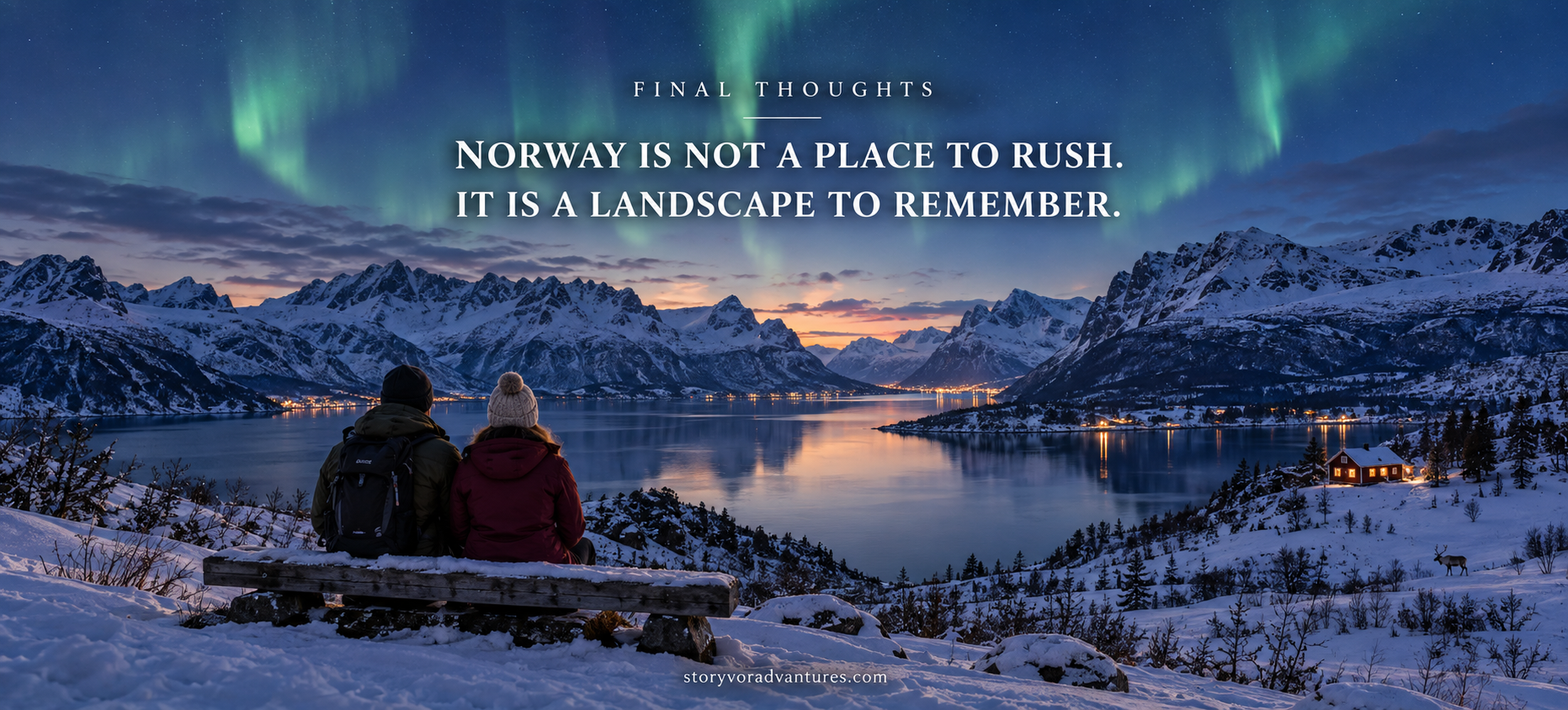
Norway’s beauty comes from scale, contrast and constant change. A calm fjord can sit below exposed mountain weather, while a fishing village can become the starting point for a demanding wilderness journey.
Geirangerfjord, Flåm and Bergen reveal the character of western Norway. Trolltunga and Preikestolen provide rewarding views for properly prepared hikers. Lofoten, Senja and Tromsø introduce the landscapes of the north, while Svalbard offers a rare glimpse of the High Arctic.
The best Norway itinerary is not the one containing the most famous names. It is the one that respects distance, weather, personal ability and the natural environment.
Travel slowly, use established paths, support responsible operators and accept that nature controls the final plan. With that approach, Norway becomes more than a collection of beautiful viewpoints—it becomes an unforgettable journey through some of Europe’s most powerful landscapes.
Important travel notice: Weather conditions, hiking access, road closures, ferry schedules, wildlife regulations, visa requirements and tour operations may change. Always confirm essential information through official authorities and service providers before booking or travelling.