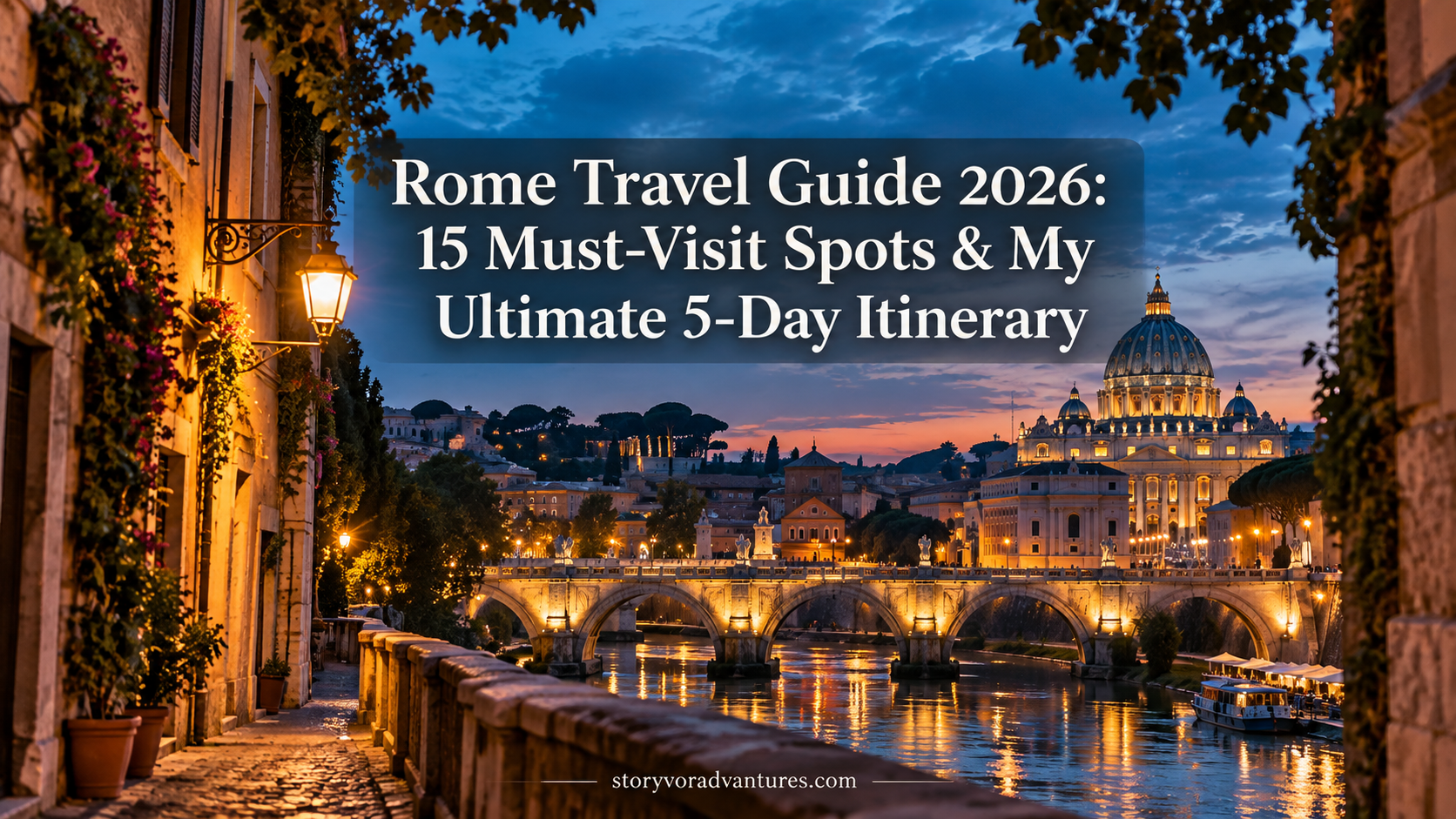
Rome Travel Guide 2026: 15 Must-Visit Spots & My Ultimate 5-Day Itinerary
Explore 15 Rome attractions with a practical five-day itinerary, where to stay, airport transport, food tips and important 2026 ticket information.
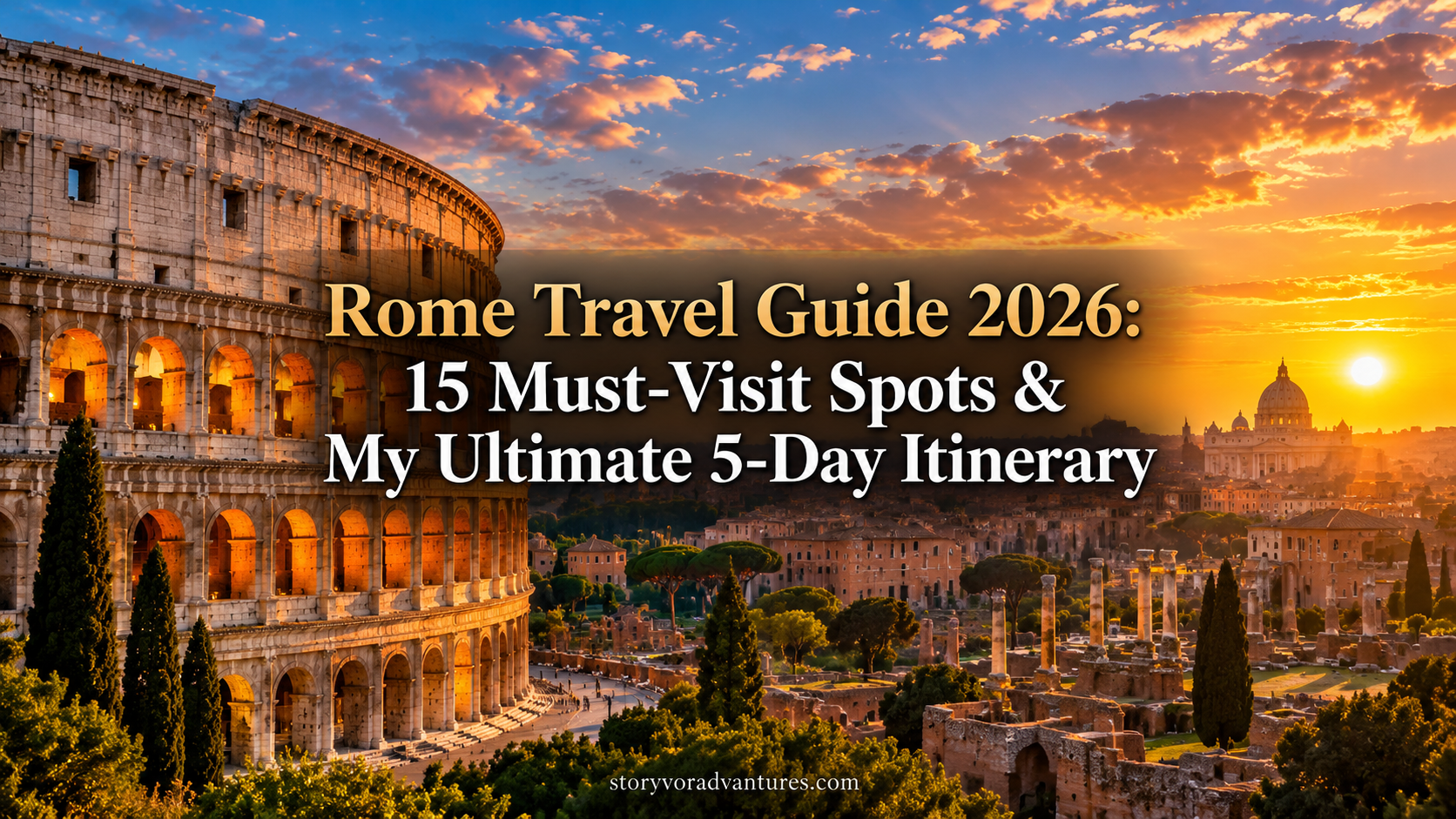
Rome isn’t just a city; it is a sprawling, chaotic, incredibly beautiful open-air museum. It’s the kind of place where you can spend your morning exploring 2,000-year-old ruins, your afternoon eating gelato in a Renaissance square, and your evening drinking wine down a narrow, cobblestone alleyway.
The biggest mistake first-timers make in Rome is treating it like a checklist. If you try to sprint from the Colosseum to the Vatican in a single afternoon, you will end up exhausted. The secret to doing Rome right is grouping nearby places together and leaving plenty of blank space in your itinerary to just wander.
This guide covers 15 important places, a realistic five-day itinerary and practical information for planning a first visit to Rome.
Before You Go: The Survival Essentials
- Currency: Euro (€). Card is king, but keep some coins for small espresso bars and street markets.
- Airports: Fiumicino (FCO) is the massive international hub; Ciampino (CIA) is smaller and mostly for budget airlines.
- Getting Around: You will walk more here than almost anywhere else. Rome also has a metro, buses, and trams for longer distances.
- Visas & Entry: Italy is in the Schengen Area. Check the European Commission’s visa guidance before booking. Also, keep an eye on the new ETIAS system (the EU’s electronic travel authorization), which is expected to launch in the last quarter of 2026. You can find official updates on the official ETIAS website.
- The Golden Rule: Book your tickets ahead! You absolutely must secure timed-entry tickets for the Colosseum and Vatican Museums weeks in advance, or you will spend half your trip waiting in lines.
When to Visit & What to Pack
Spring and Autumn are the undisputed best times to visit Rome. The weather is perfect for the massive amount of walking you’ll be doing. Summer gets insanely hot and crowded—if you go in July or August, do your outdoor sightseeing at 8:00 AM and take a long afternoon nap during the peak heat. Winter is quieter and cheaper, just be prepared for shorter daylight hours.
Essential packing tip: Bring the most comfortable walking shoes you own. Rome’s streets are covered in uneven sampietrini (cobblestones). A route that looks like a quick 10-minute walk on your map will take twice as long once you factor in the crowds and the terrain.
The 15 Places You Cannot Miss
1. The Colosseum
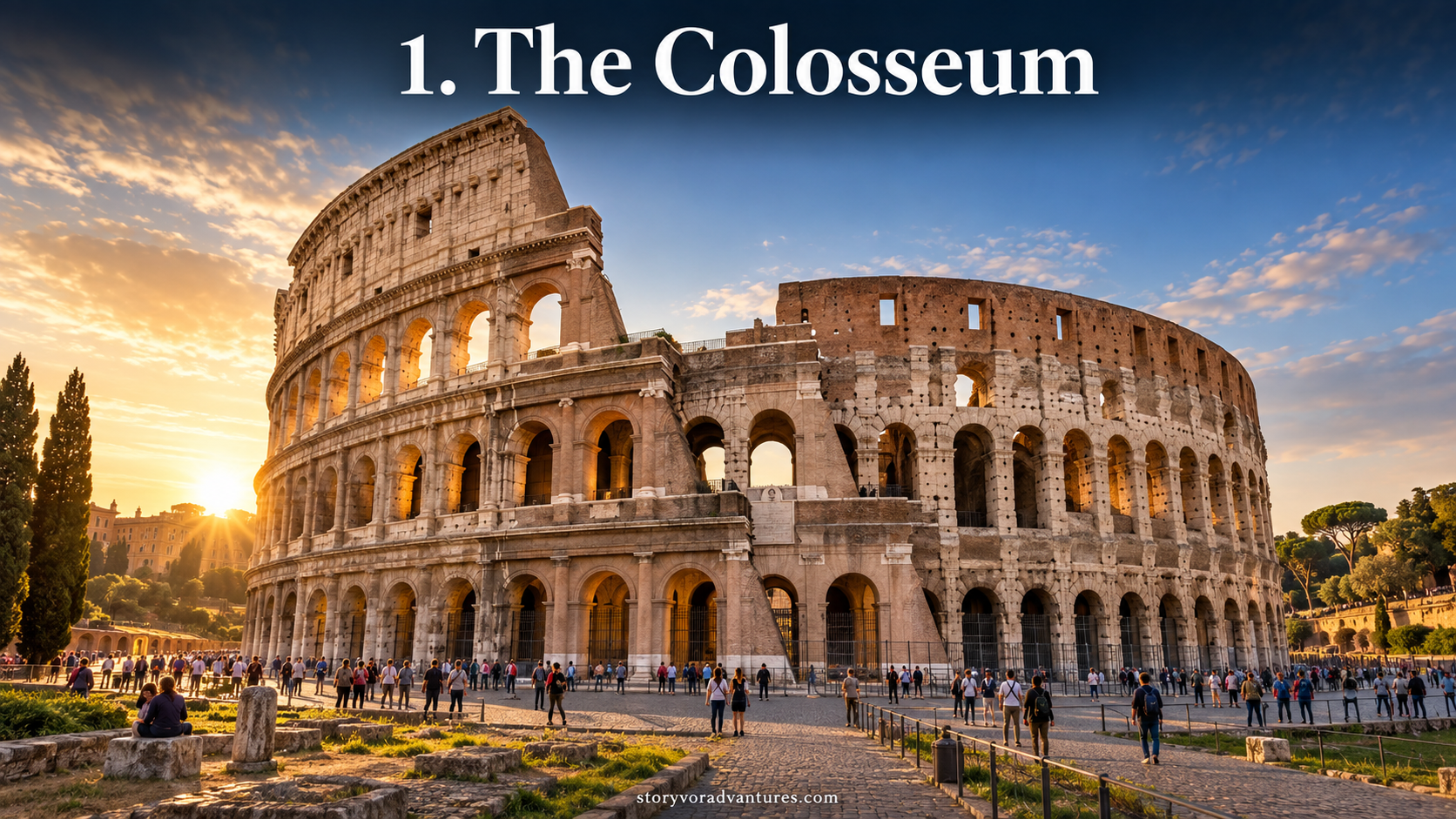
This is usually everyone’s first stop, and for good reason. It’s a jaw-dropping structure, but please don’t just take a selfie from the outside. Walking through the interior walkways where gladiators once stood is surreal.
- Planning tip: Book your timed-entry tickets directly through the official Colosseum Archaeological Park website. Do not schedule anything else immediately after this; give yourself time to breathe.
2. The Roman Forum
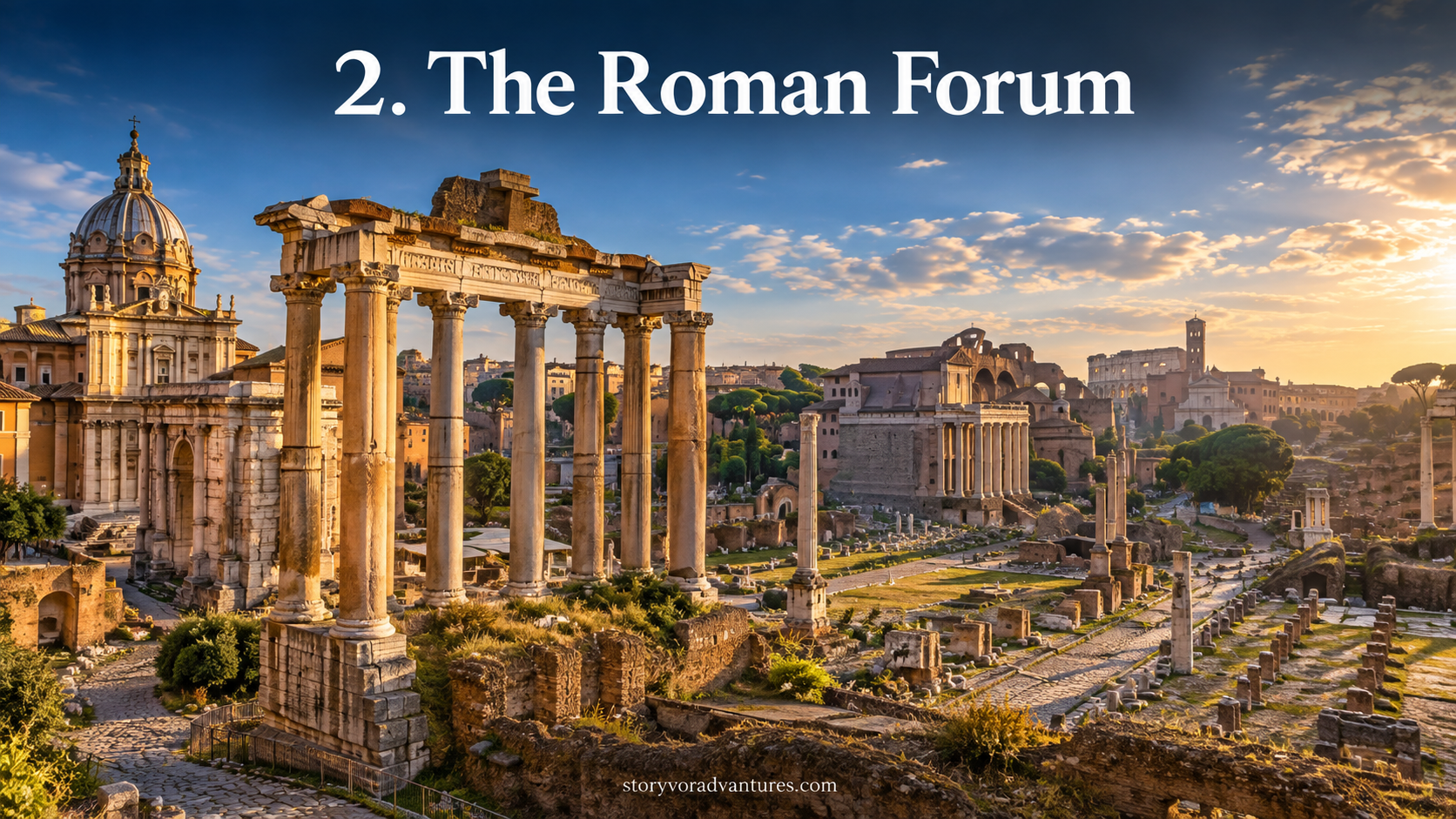
Right next to the Colosseum is the Roman Forum—the ancient downtown of the Roman Empire. Rather than looking at it as a pile of broken columns, try to picture it as the bustling center of public life, politics, and trade.
- Planning tip: Bring a refillable water bottle and take your time. You can find more info on the official Rome tourism site to see exactly what your ticket covers.
3. Palatine Hill
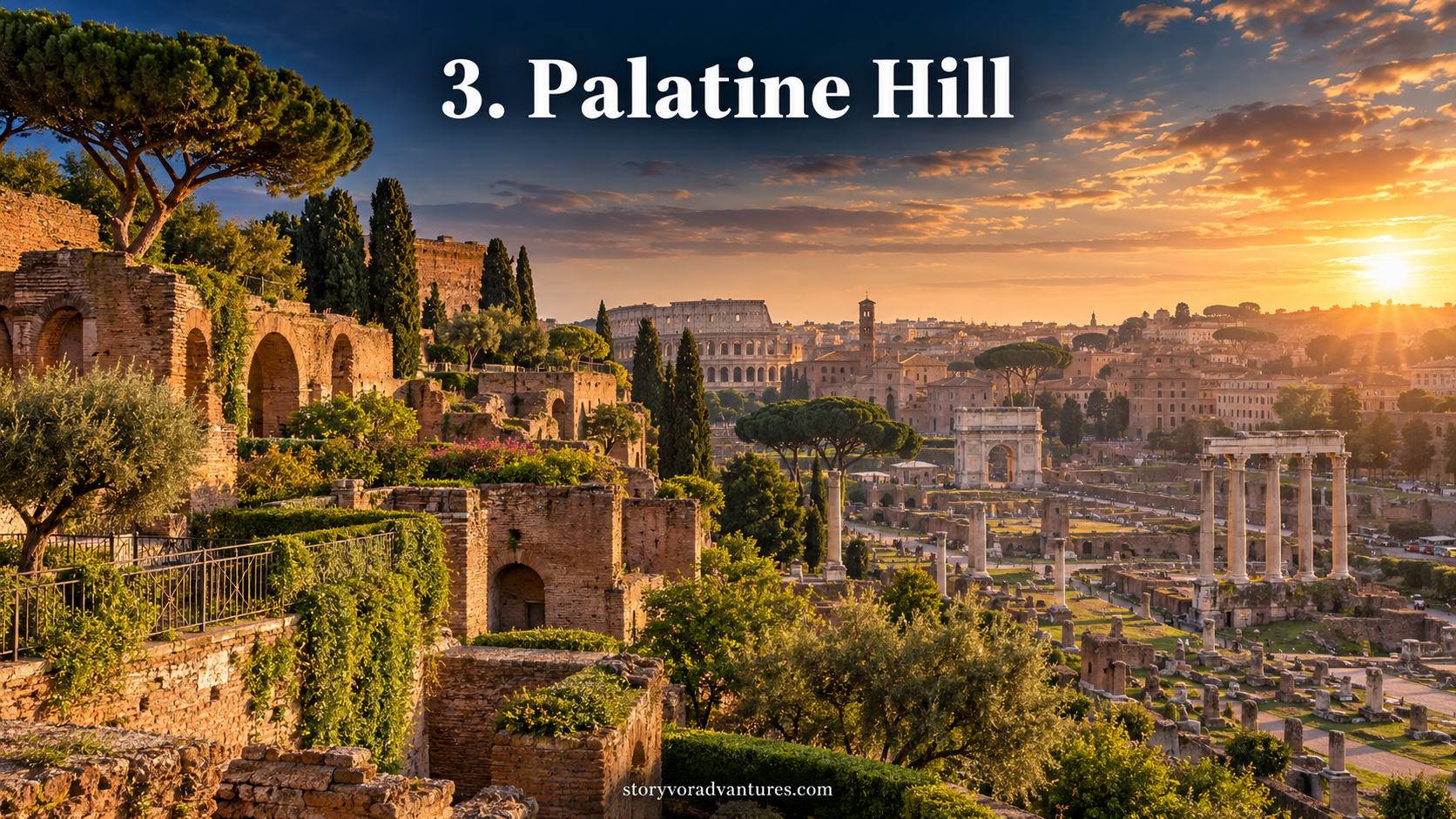
Usually included in your Colosseum/Forum ticket, Palatine Hill towers over the ruins. It’s where Rome’s emperors built their massive palaces.
- Planning tip: Head up here for the absolute best panoramic views of the Forum from above. Check Turismo Roma for the latest entrances and visitor arrangements before you go.
4. The Pantheon
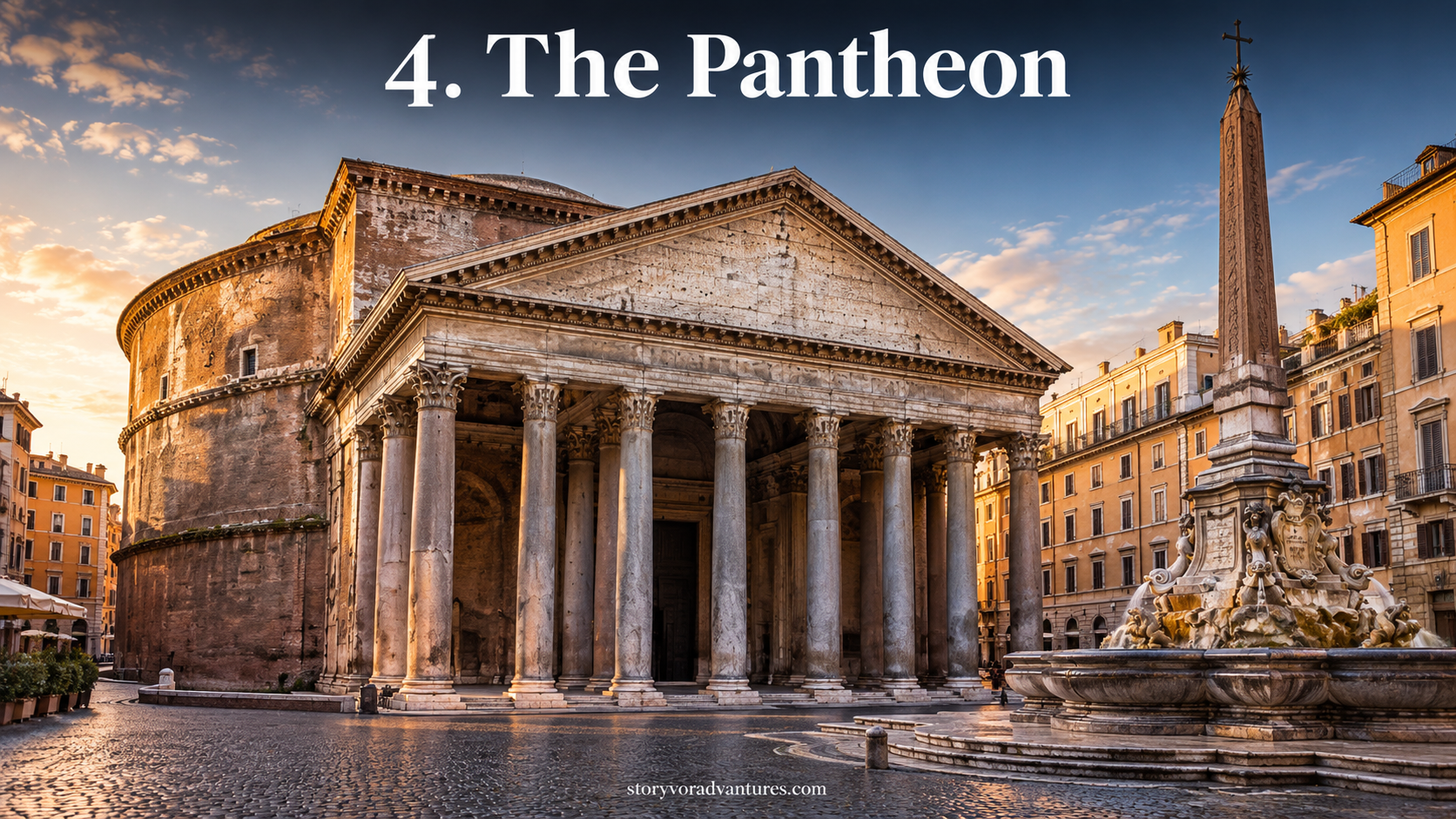
Walking through a maze of narrow streets and suddenly stumbling upon the Pantheon is one of the best experiences in Rome. When you go inside and look up at that massive, open-air dome (the oculus), it completely takes your breath away.
- Planning tip: They recently introduced an entry fee. Check the official tourism guide for current opening hours and to book your admission, especially around holidays.
5. Piazza Navona
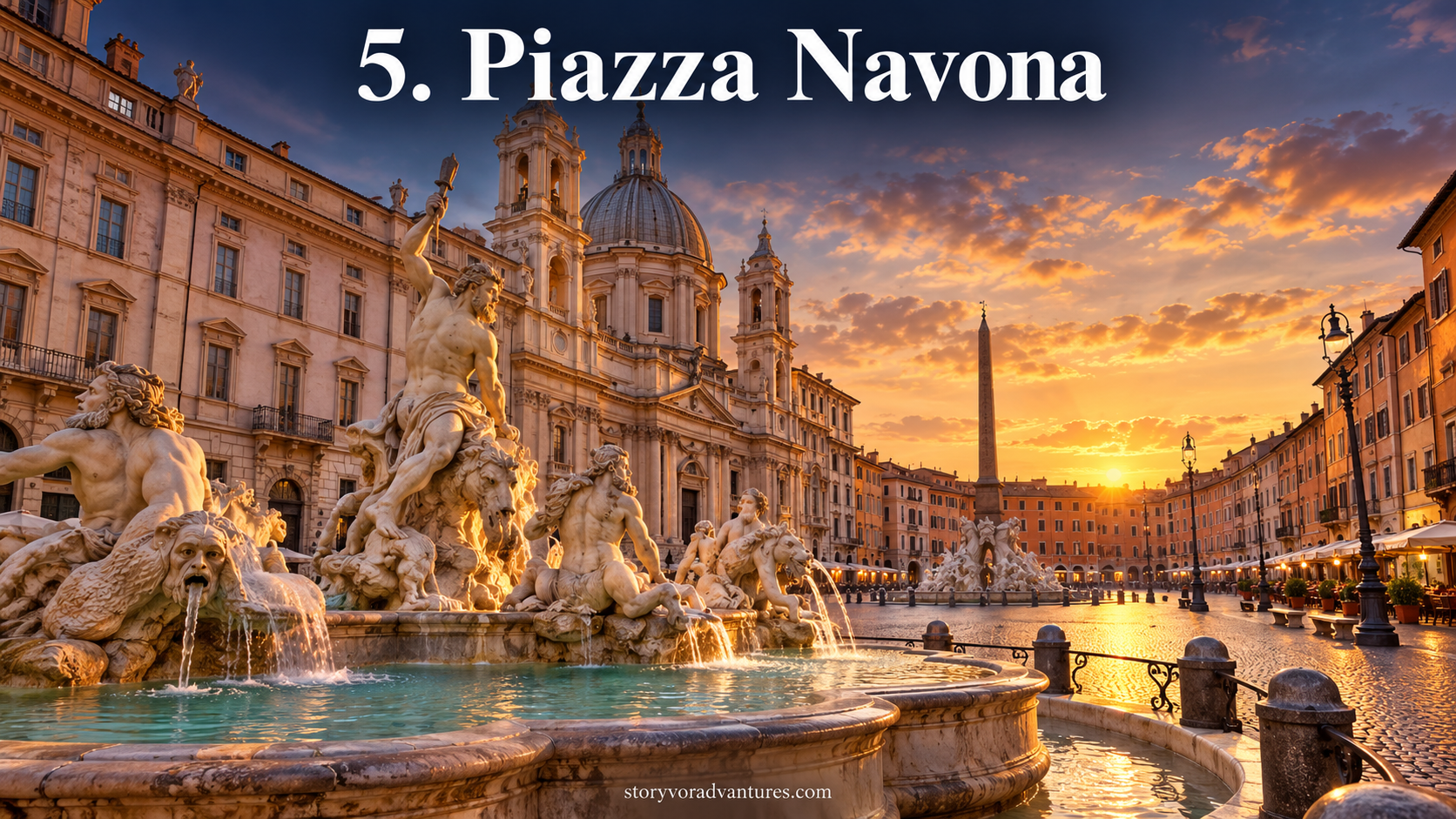
Just a short walk from the Pantheon is Rome’s most elegant square, built directly over the footprint of the ancient Stadium of Domitian. It’s lined with restaurants, street artists, and three incredible fountains.
- Planning tip: Don’t overplan this stop. Grab a gelato, find a bench, and just people-watch for an hour.
6. Trevi Fountain (The 2026 Update)
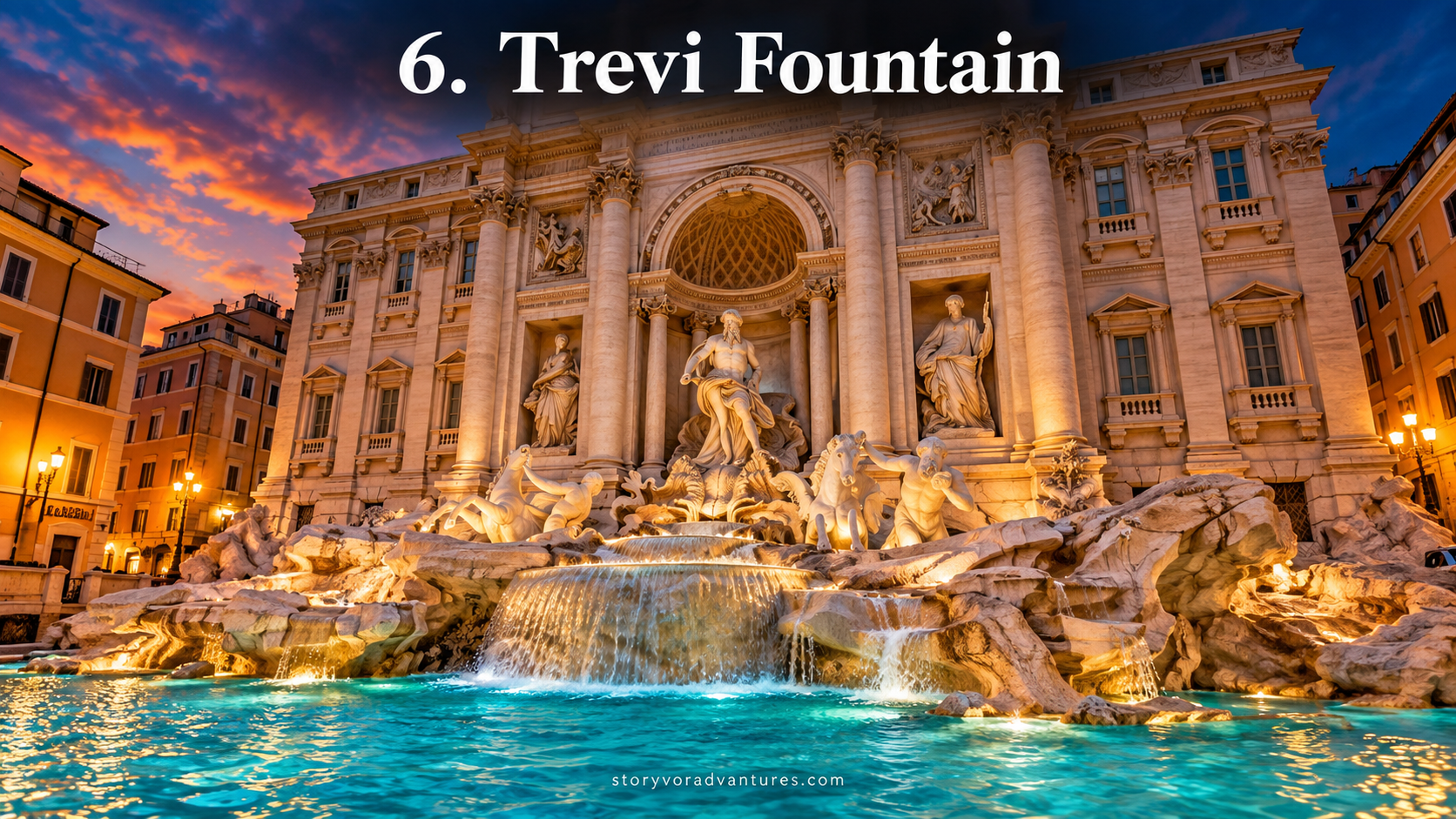
Yes, it is as beautiful as the pictures, and yes, it is always packed with people.
- Planning tip: In 2026, Rome implemented a new rule to manage crowds: if you want to walk down into the lower basin right next to the water, tourists now need a €2 ticket. You can still see it from the surrounding upper square for free, but if you want that classic coin-tossing photo right on the edge, check the latest access arrangements and plan for the ticket!
7. The Vatican Museums & Sistine Chapel
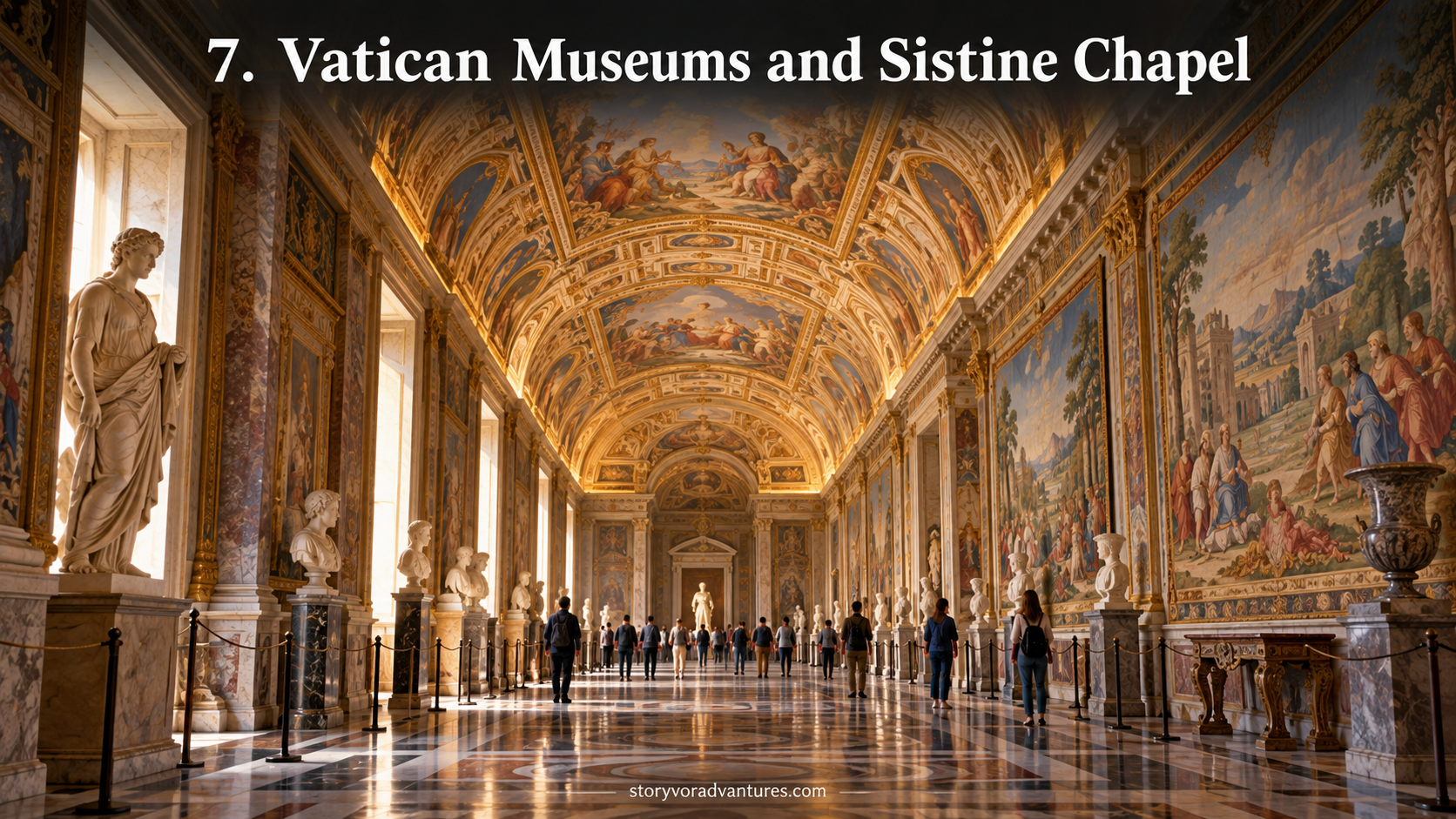
The sheer size of the Vatican’s art collection is overwhelming. You could spend three days here and not see everything.
- Planning tip: Don’t try to look at every single painting. Pick a few galleries and make your way to Michelangelo’s Sistine Chapel. Always book strictly through their official Vatican Museums website to avoid third-party markups.
8. St. Peter’s Square & Basilica
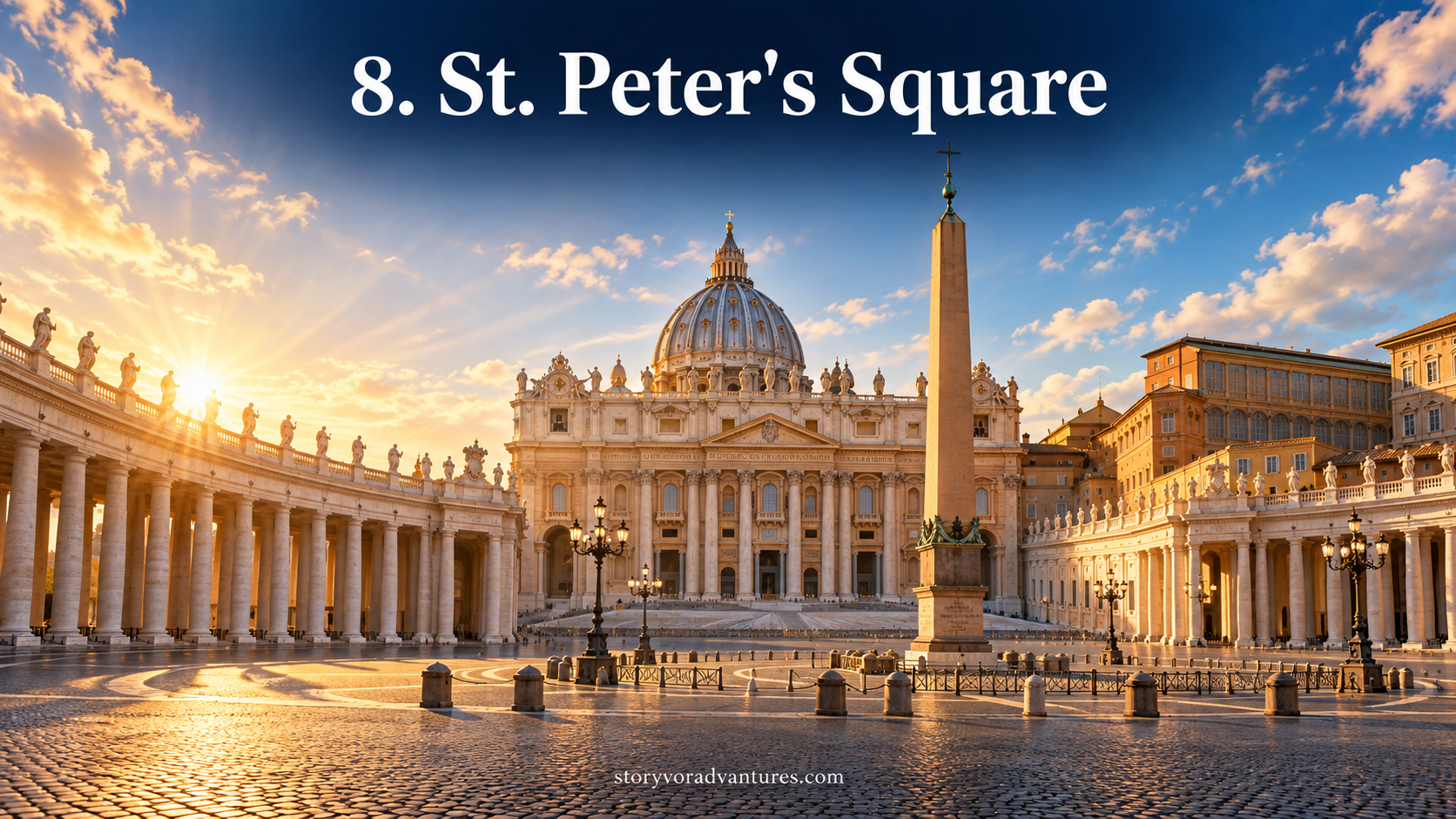
Stepping into St. Peter’s Square really puts the scale of the Vatican into perspective. It is gigantic.
- Planning tip: Entry to the main Basilica is free, but the security line wraps all the way around the square. Go first thing in the morning to beat the rush, then spend your afternoon relaxing in the nearby Prati neighborhood.
9. Trastevere
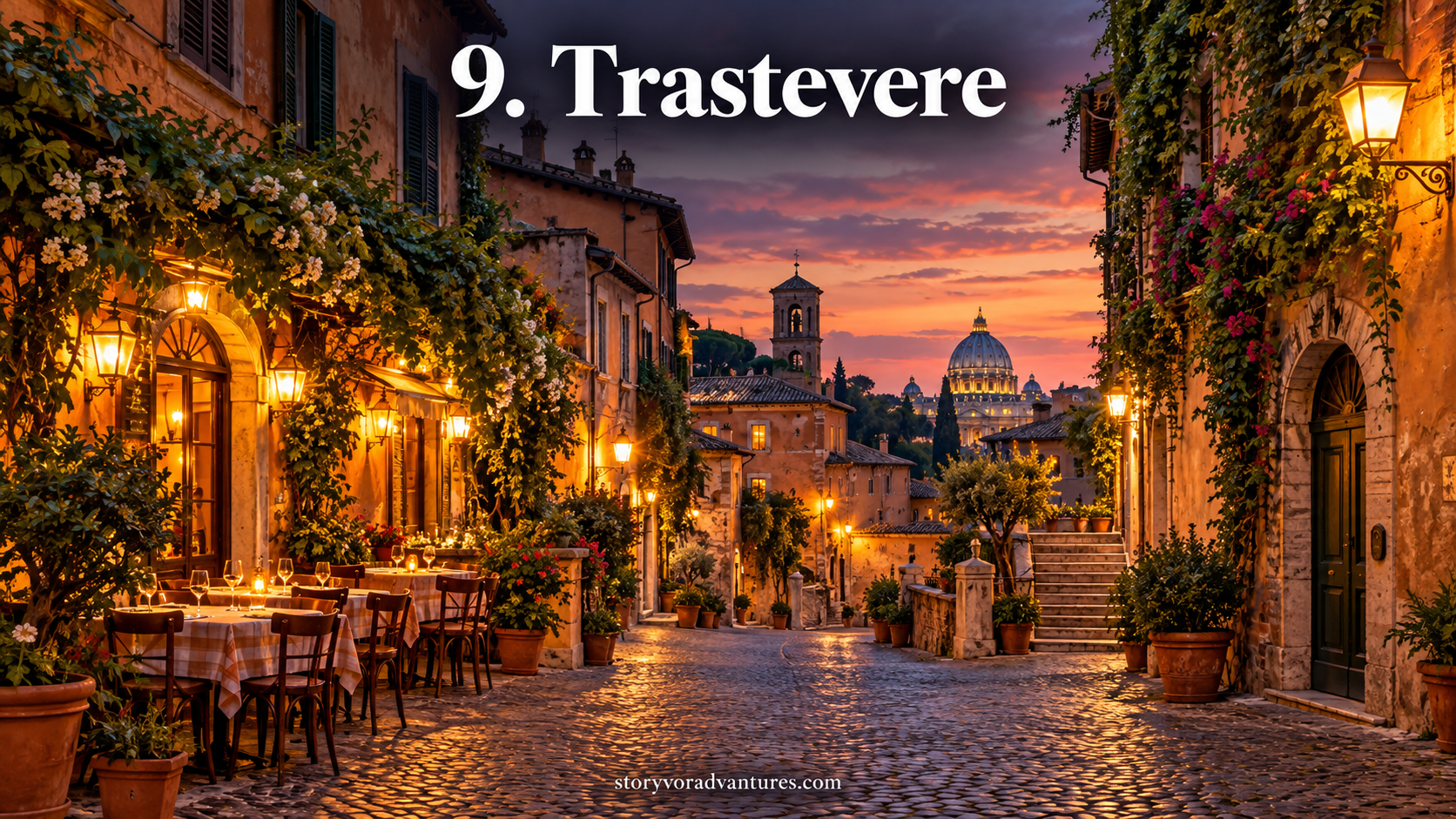
If you cross the river, you’ll find Trastevere, Rome’s most charming and photogenic neighborhood. It’s a maze of ivy-covered buildings, tiny piazzas, and incredible food.
- Planning tip: Come here in the late afternoon. Wander the cobblestone streets around Piazza di Santa Maria while it’s quiet, and stay for a long, relaxed dinner. The official neighbourhood guide lists plenty of churches and art sites to see before you eat.
10. Villa Borghese
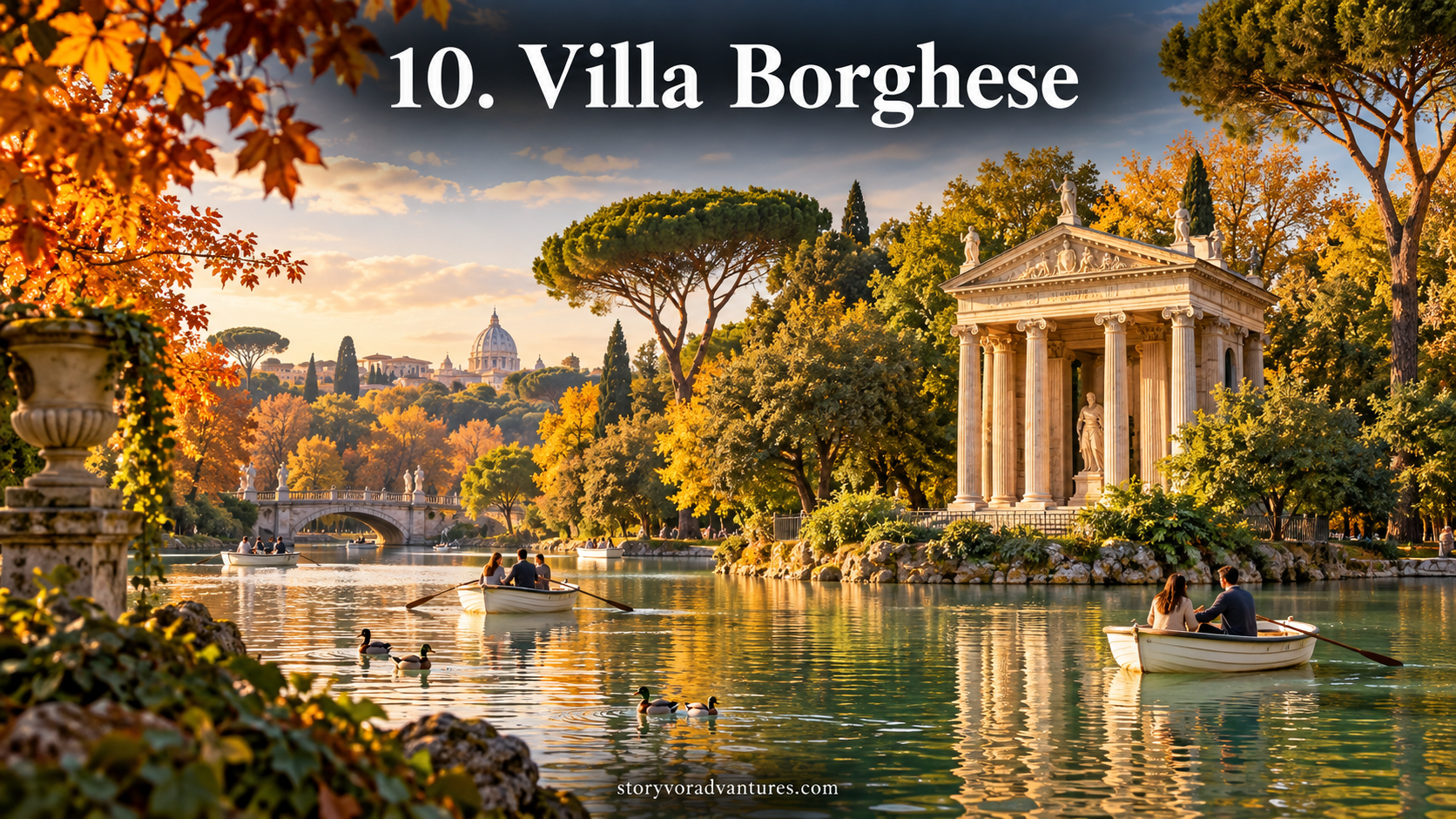
After a few days of staring at stone monuments and fighting through crowds, your brain will crave some greenery. Villa Borghese is Rome’s version of Central Park.
- Planning tip: Rent a rowboat on the little lake or just take a nap under a pine tree. If you want to visit the stunning Galleria Borghese art museum located inside the park, you must book tickets weeks in advance.
11. The Spanish Steps & Piazza di Spagna
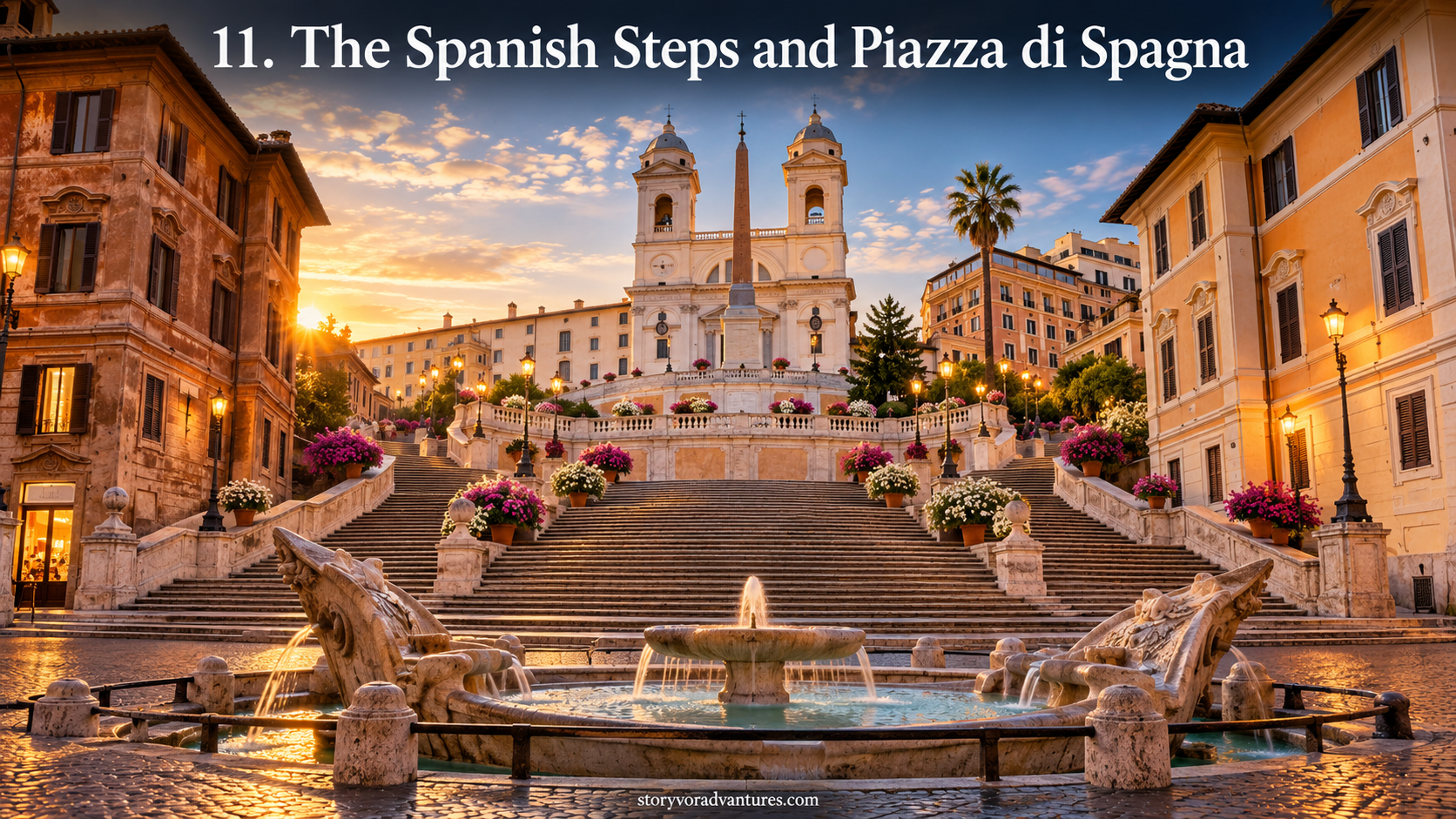
This sweeping staircase connects the Piazza di Spagna at the bottom to the Trinità dei Monti church at the top. It’s a great historic meeting point and connects you to Rome’s high-end shopping streets.
- Planning tip: Pair this with your Trevi Fountain visit since they are a short walk from each other.
12. Castel Sant’Angelo
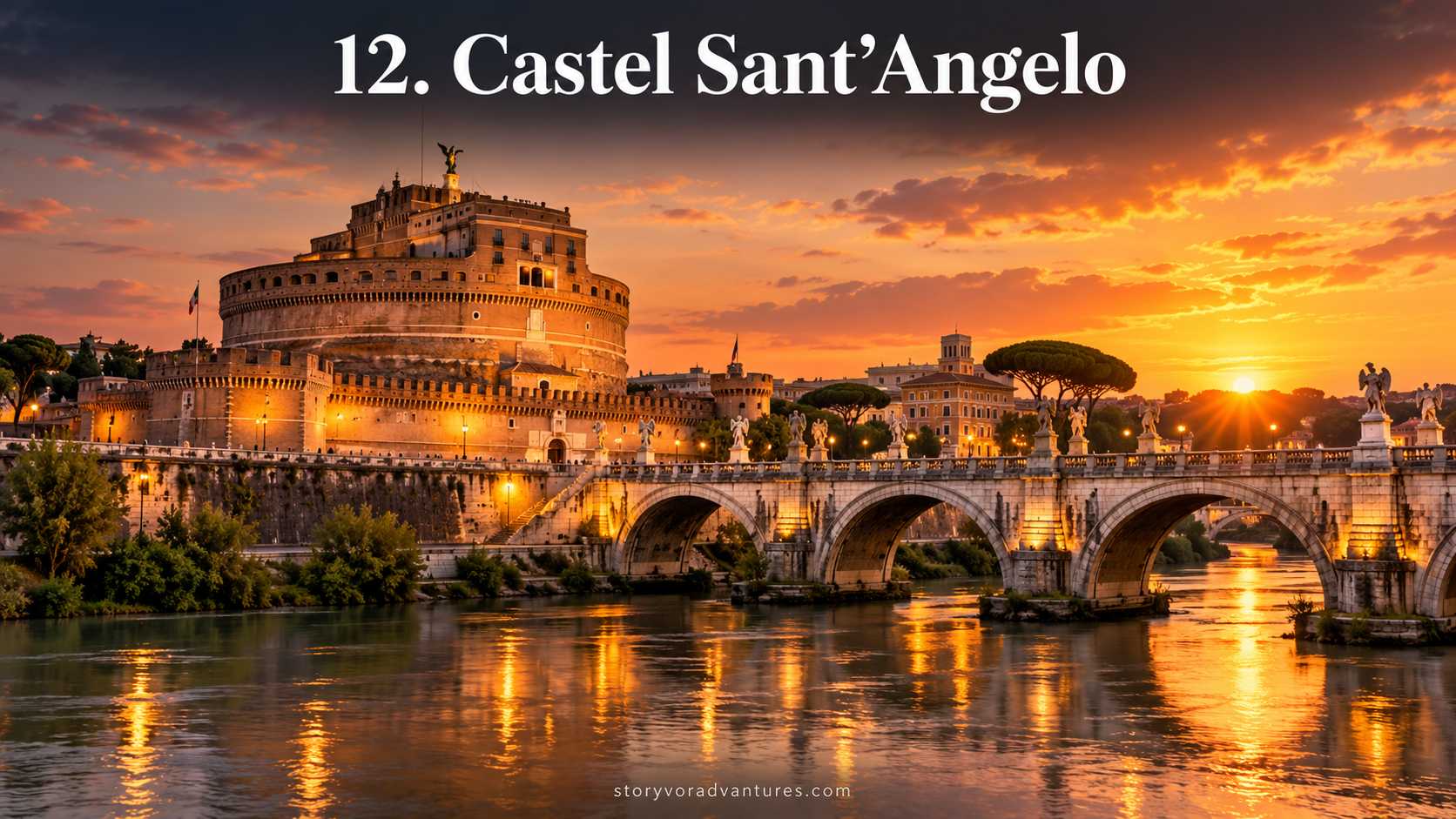
Originally built as a tomb for Emperor Hadrian, this massive cylindrical fortress sits right on the river near the Vatican.
- Planning tip: The bridge leading up to it, lined with angel statues, is one of the best photo spots in the city. If your Vatican day hasn’t completely drained your energy, the views from the roof of the castle are phenomenal.
13. The Capitoline Museums
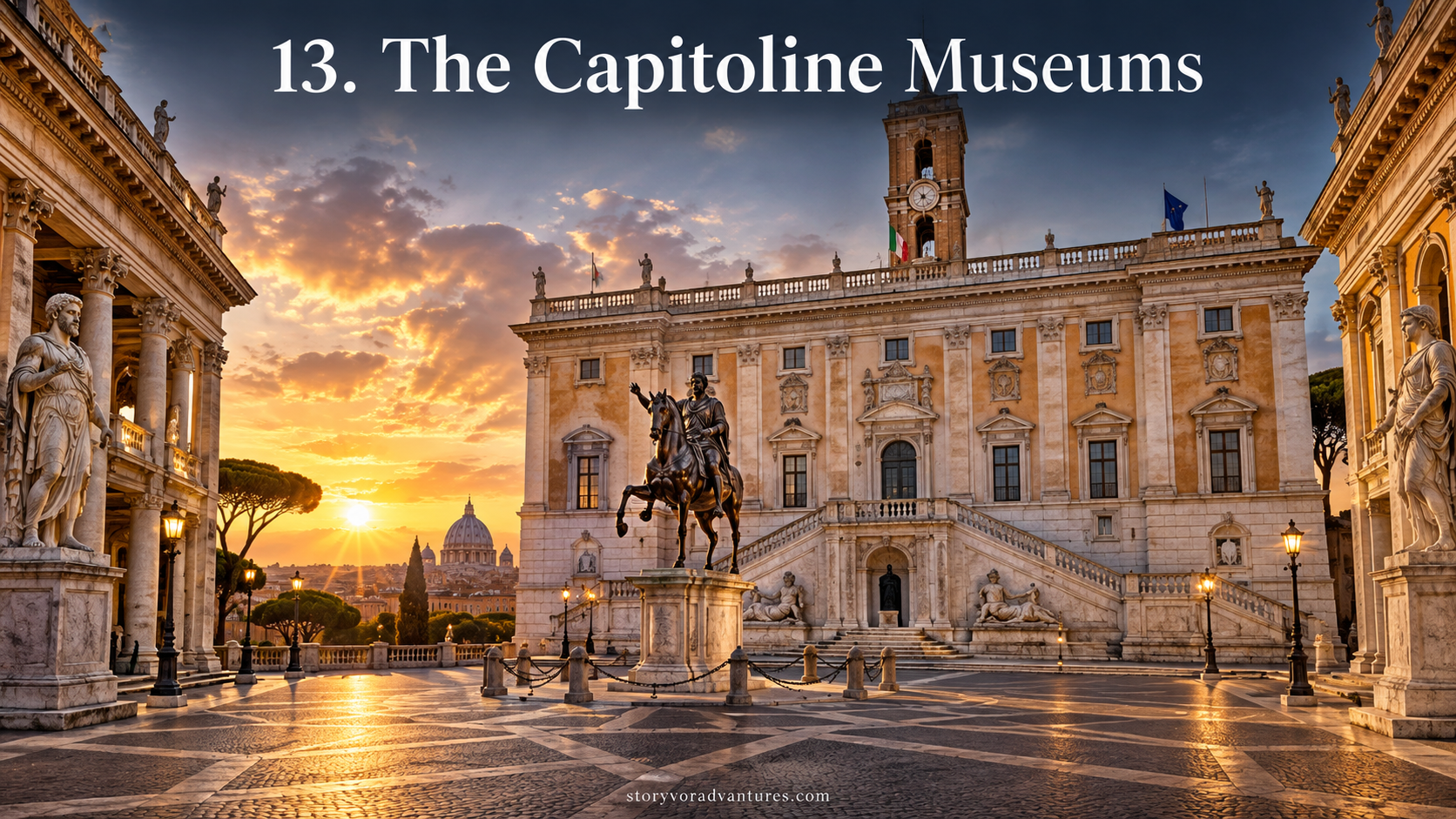
If you finish the Roman Forum and find yourself wanting more ancient history, head up the hill to the Capitoline Museums.
- Planning tip: It’s an indoor museum, which makes it a perfect escape if you catch a rainy day or a blistering hot afternoon.
14. The Appian Way (Via Appia Antica)
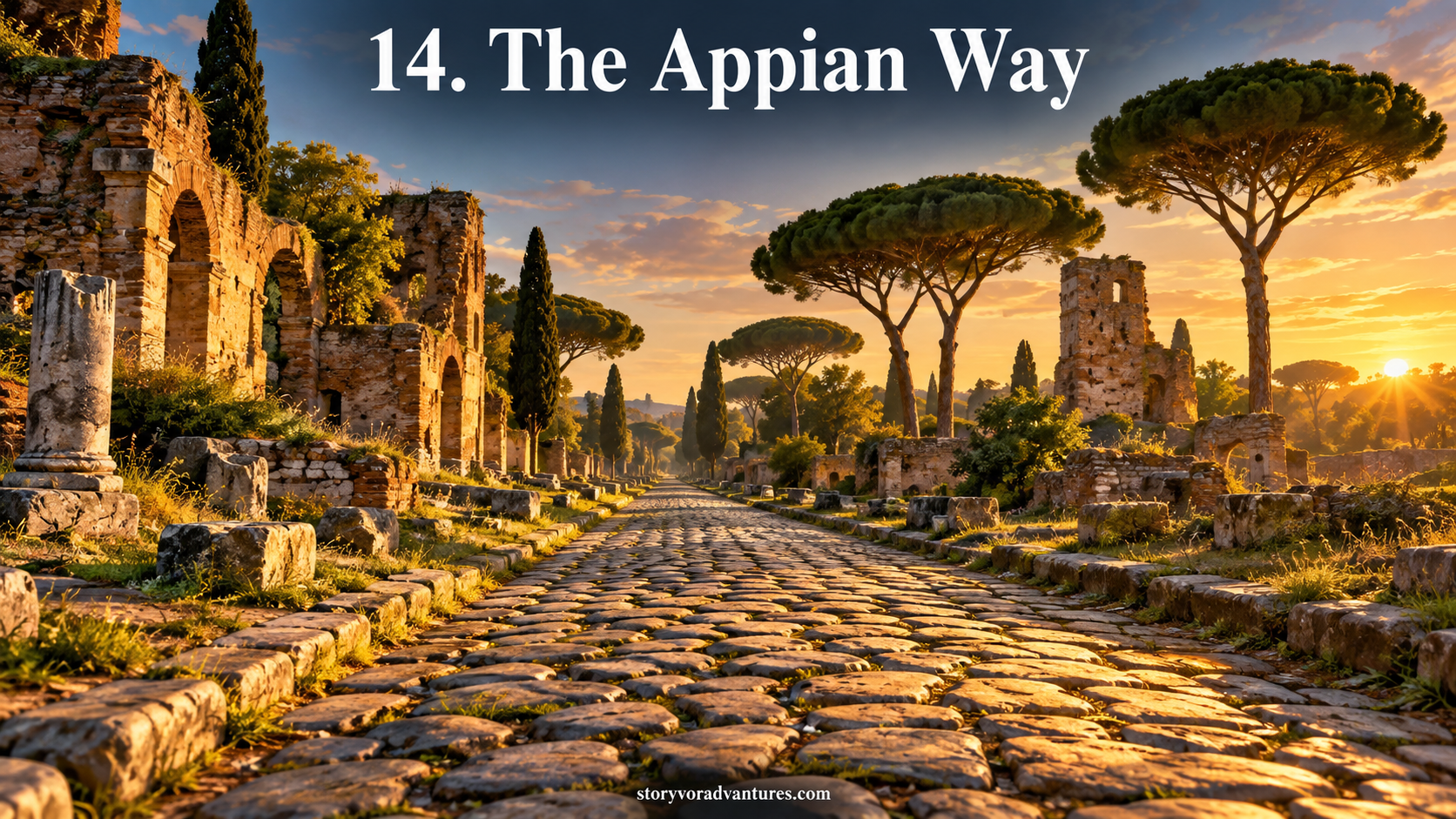
Want to escape the city entirely? Spend a half-day exploring one of the most important ancient Roman roads. It’s lined with ruins, catacombs, and rolling fields.
- Planning tip: Rent an e-bike! It’s the absolute best way to explore this massive archaeological park without exhausting yourself.
15. Campo de’ Fiori
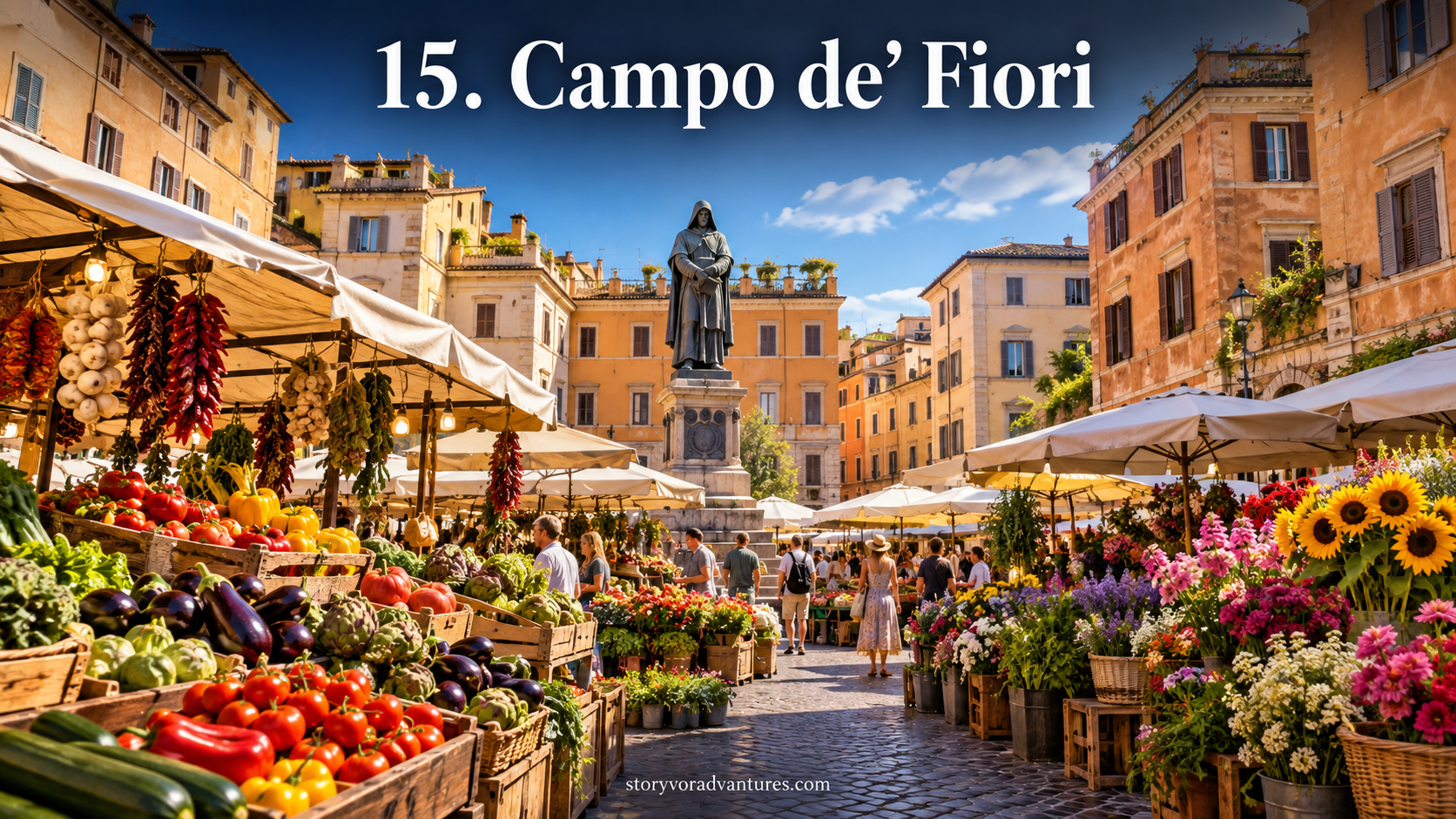
By day, this square is a bustling, chaotic open-air market selling produce, spices, and flowers. By night, it turns into a lively spot for drinks.
- Planning tip: It sits right between Piazza Navona and Piazza Farnese. Stroll through in the morning to check out the market stalls before picking up some fresh fruit for breakfast.
Where to Base Yourself
- Centro Storico: Stay here if you want to walk out your front door and immediately see the Pantheon or Piazza Navona. It’s expensive, but the location is unbeatable.
- Monti: A suitable choice for travellers seeking a lively neighbourhood atmosphere. It has a hip, local, village-like vibe, incredible restaurants, and is just a 10-minute walk from the Colosseum.
- Prati: A quieter, slightly more modern residential neighborhood right next to the Vatican.
- Trastevere: Perfect if your main priorities are nightlife, atmospheric evening walks, and endless food options.
- Near Termini Station: The most practical option if you are taking lots of day trips or have an early flight, but it lacks the romantic charm of the historic center.
Navigating the City & Airport
If you land at Fiumicino (FCO), the fastest and easiest way into the city is the Leonardo Express train. It takes exactly 32 minutes to reach Roma Termini station. Just remember to map out how you’re getting from Termini to your actual hotel! You can verify the latest timetables on the official tourism site.
Once you’re in Rome, walking is the best way to get around. You will see so much more by getting lost in the alleys. When your feet finally give out, Rome has a metro, buses, and trams. Check out the ATAC official website to compare single tickets and multi-day passes.
What to Eat
Skip the restaurants right next to major monuments (if the menu has pictures of the food, run away).
- For a quick lunch between sights, grab Pizza al Taglio (pizza baked in massive rectangular trays and sold by weight).
- For dinner, you have to try Rome’s famous pasta dishes: Carbonara, Cacio e Pepe, or Amatriciana.
Practical 5-Day Rome Itinerary
| Day | The Plan |
| Day 1: Arrival & Settle In | Land, drop your bags, and take an easy, agenda-free walk around your neighborhood. Grab a quick slice of pizza and some gelato to wake yourself up. |
| Day 2: Ancient Rome | Dive straight into history. Tackle the Colosseum, Roman Forum, and Palatine Hill. Keep the evening super relaxed—your feet will be tired. |
| Day 3: The Classic Center | Spend the day walking. Hit Campo de’ Fiori in the morning, then the Pantheon, and Piazza Navona. Wind your way toward the Trevi Fountain and finish at the Spanish Steps. |
| Day 4: The Vatican | Get up early for the Vatican Museums and St. Peter’s Square. In the afternoon, walk across the river to see Castel Sant’Angelo. |
| Day 5: Choose Your Own Adventure | Need peace? Rent a bike on the Appian Way or stroll through Villa Borghese. Want more history? Hit the Capitoline Museums. End your trip with a massive farewell dinner in Trastevere. |
Note: Build this itinerary around your timed tickets. If your Colosseum ticket is booked for Day 4, swap the days around!
Final Thoughts
Rome is at its absolute best when you let it surprise you. Yes, reserve your tickets for the big attractions, but leave plenty of time to just wander. Some of Rome’s most memorable experiences can come from taking an unplanned turn, discovering a quiet piazza or watching the city begin its day from a local café. You won’t see all 15 of these places on your first trip—and that’s okay. It just gives you an excuse to throw a coin in the Trevi Fountain so you can come back.