Switzerland Travel Guide 2026: 15 Unforgettable Places From Alpine Villages to Scenic Train Journeys
Discover 15 unforgettable places in Switzerland, including alpine villages, beautiful lakes, historic cities and world-famous scenic train journeys
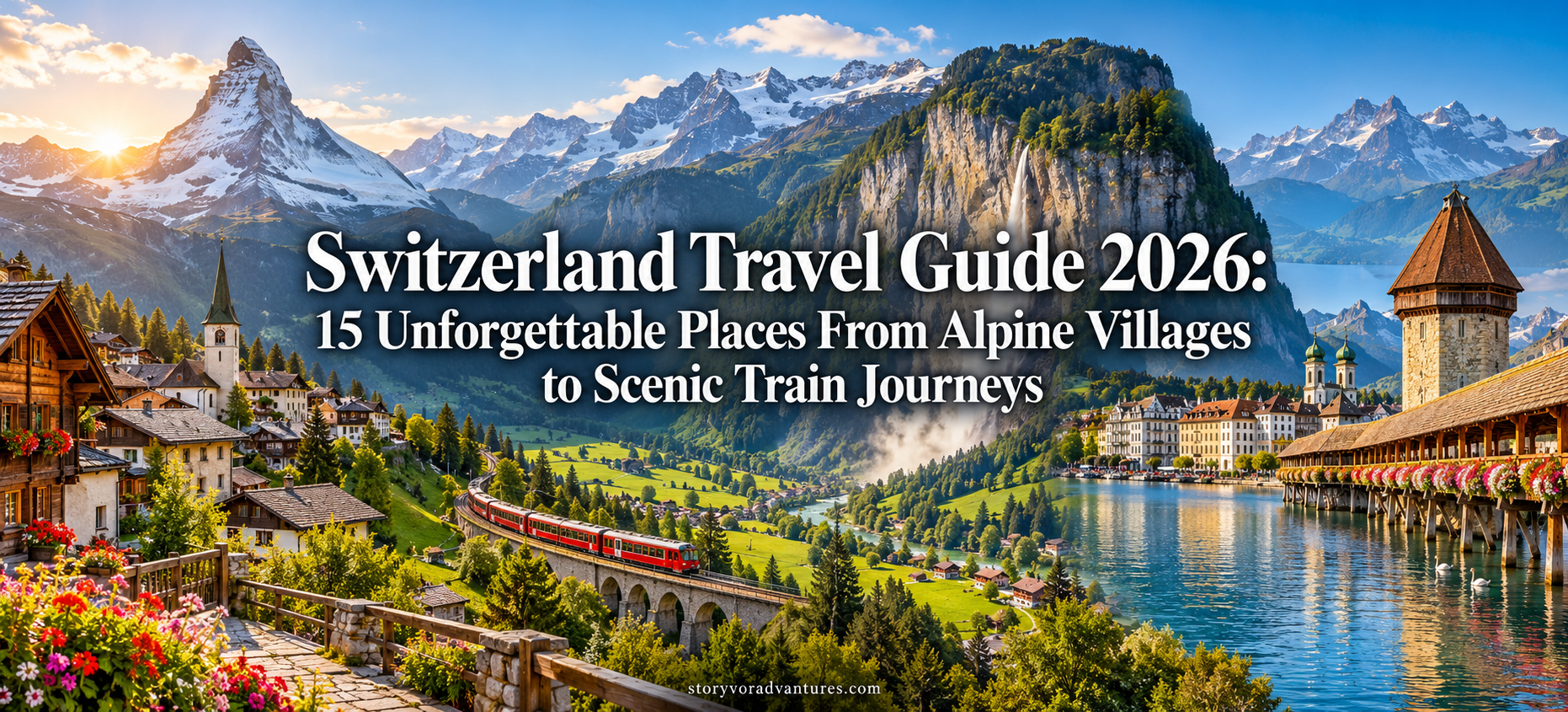
Switzerland often appears in photographs as a perfect combination of snowy mountains, blue lakes, wooden villages and remarkably clean cities. However, the country becomes far more interesting when the journey moves beyond a simple checklist of famous viewpoints. One day may begin beside a peaceful lake in Lucerne, continue on a mountain railway and finish in a historic town where most places can be explored on foot.
The country is particularly convenient for travellers who prefer public transport. Trains, buses, boats and mountain railways connect major cities with many smaller destinations. Switzerland is expensive compared with many European countries, but careful route planning, early accommodation bookings and the right transport pass can make the overall cost easier to manage.
This guide covers 15 memorable places, transportation, currency, accommodation, approximate costs and a practical ten-day itinerary. Opening times, fares and mountain conditions can change, so confirm important details through the linked official websites before travelling.
Switzerland Travel Essentials
| Travel detail | Useful information |
|---|---|
| Capital | Bern |
| Currency | Swiss franc (CHF) |
| Common languages | German, French, Italian and Romansh |
| Main international airports | Zurich, Geneva and Basel |
| Public transport | Trains, buses, trams, boats and mountain railways |
| Best general period | May to October |
| Winter travel | December to March for snow activities |
| Suggested first trip | 7–10 days |
| Electricity | Type C and Type J plugs |
| Emergency number | 112 |
1. Zurich
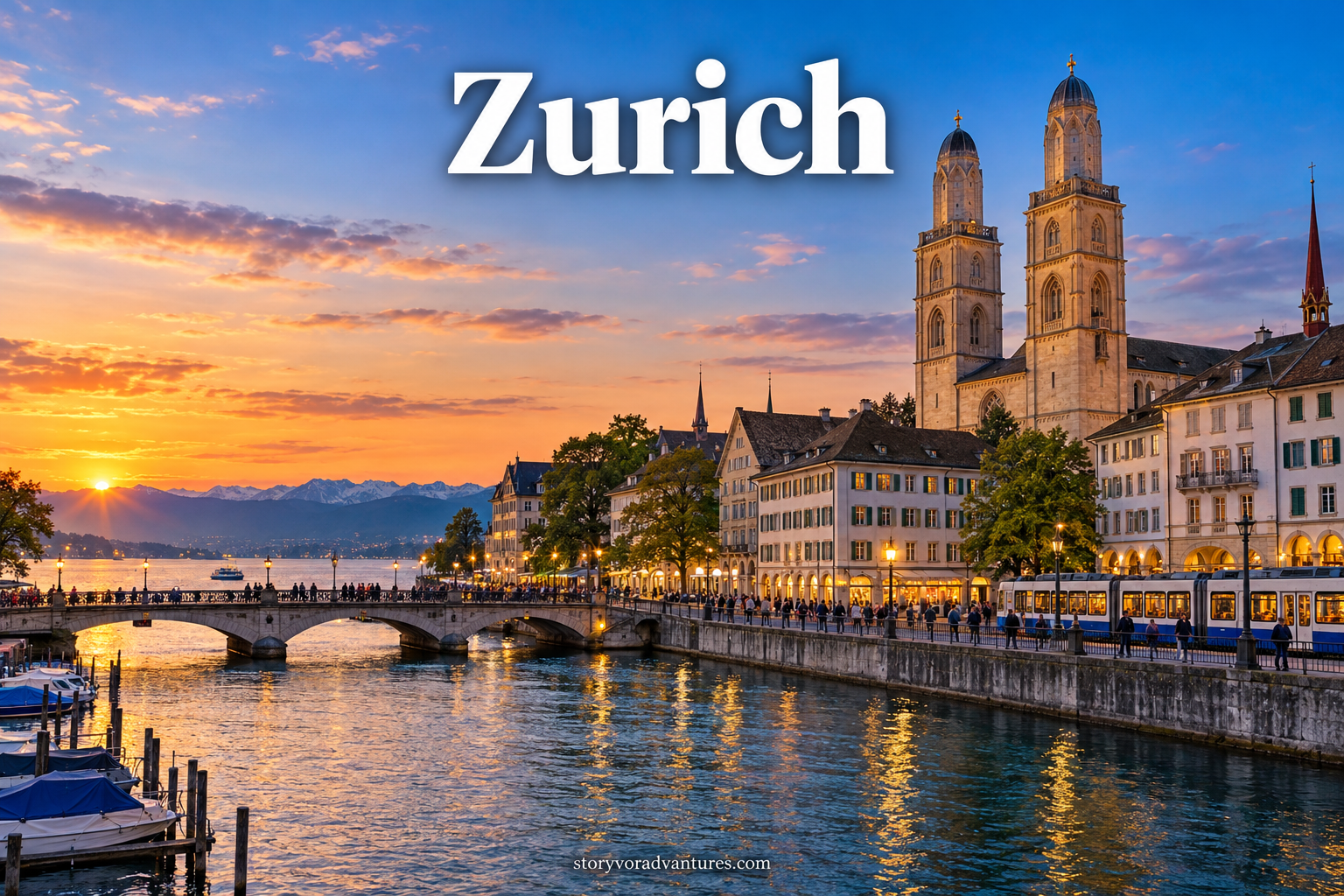
Zurich is often treated only as an arrival point, but it deserves at least one complete day. The compact Old Town spreads along both sides of the Limmat River, where narrow lanes lead past historic buildings, small courtyards, cafés and churches. Bahnhofstrasse offers a more polished side of the city, while the lakefront provides space to slow down after sightseeing.
The Lindenhof viewpoint is a good place to understand the layout of central Zurich. From here, it is easy to continue toward the twin towers of Grossmünster, cross the river and walk through the lanes surrounding Fraumünster. Travellers interested in museums can consider the Swiss National Museum or Kunsthaus Zürich.
Zurich can also serve as a base for a short visit to Rhine Falls. However, accommodation near the centre is often expensive. Staying close to a tram or suburban railway station outside the Old Town can provide easier prices without making transportation difficult.
The official Zurich tourism website provides attraction information, neighbourhood ideas and current local events.
2. Lucerne and Lake Lucerne
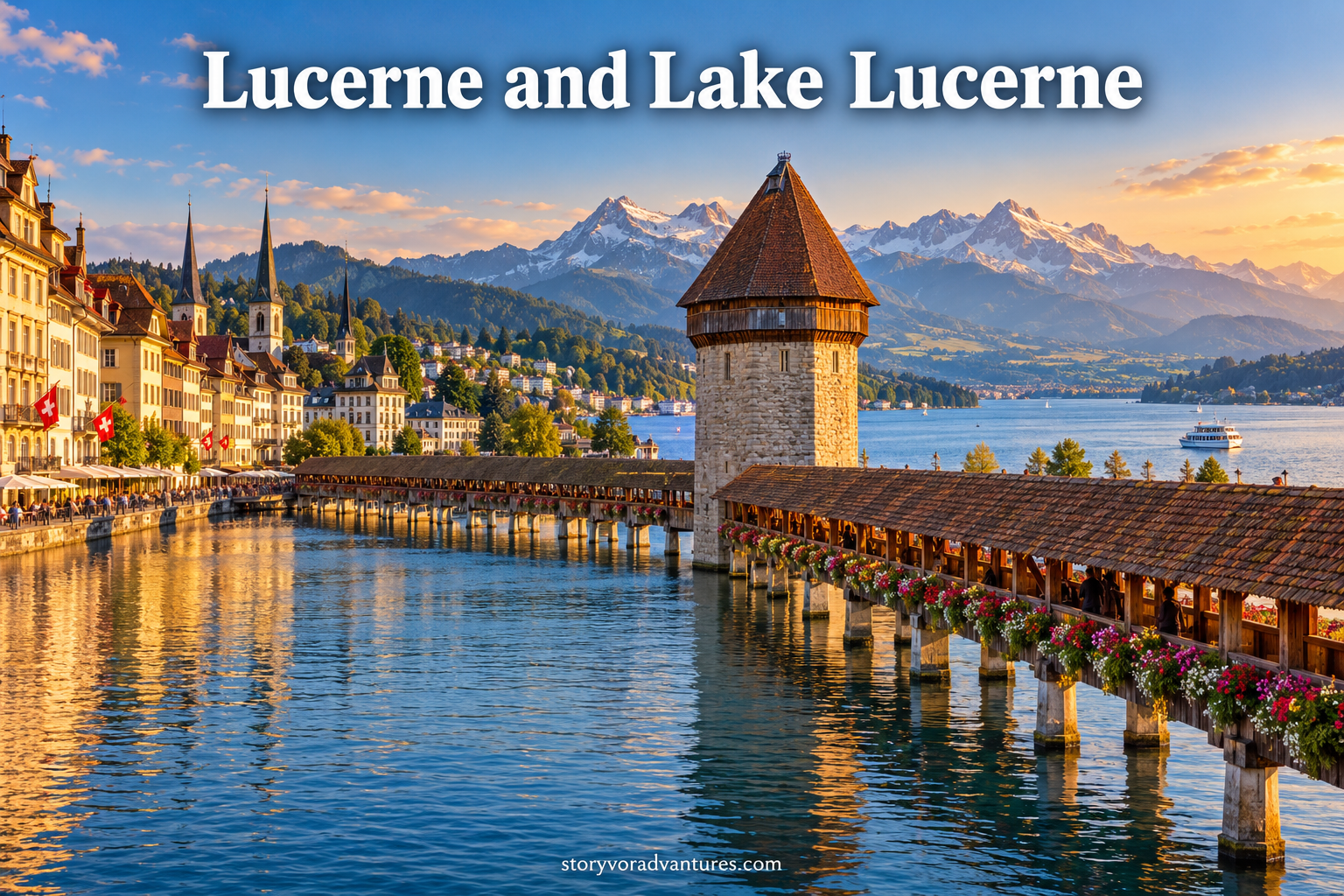
Lucerne offers one of Switzerland’s most balanced combinations of historic architecture, mountains and water. The Chapel Bridge crosses the Reuss River near the Old Town and is especially attractive during the quieter morning hours. From the bridge, travellers can continue through painted squares and pedestrian lanes before walking along the lake.
Lake Lucerne is not simply a background attraction. A boat journey provides a different view of the surrounding mountains and can be combined with excursions to Mount Pilatus, Mount Rigi or Stanserhorn. This makes Lucerne an excellent base for travellers who want several experiences without changing hotels every night.
Two nights are useful if the plan includes both the city and a mountain excursion. Travellers with only one day should explore the Old Town in the morning and reserve the afternoon for the lakefront or a shorter boat ride.
Schedules and local activity information are available through Lucerne Tourism.
3. Mount Pilatus
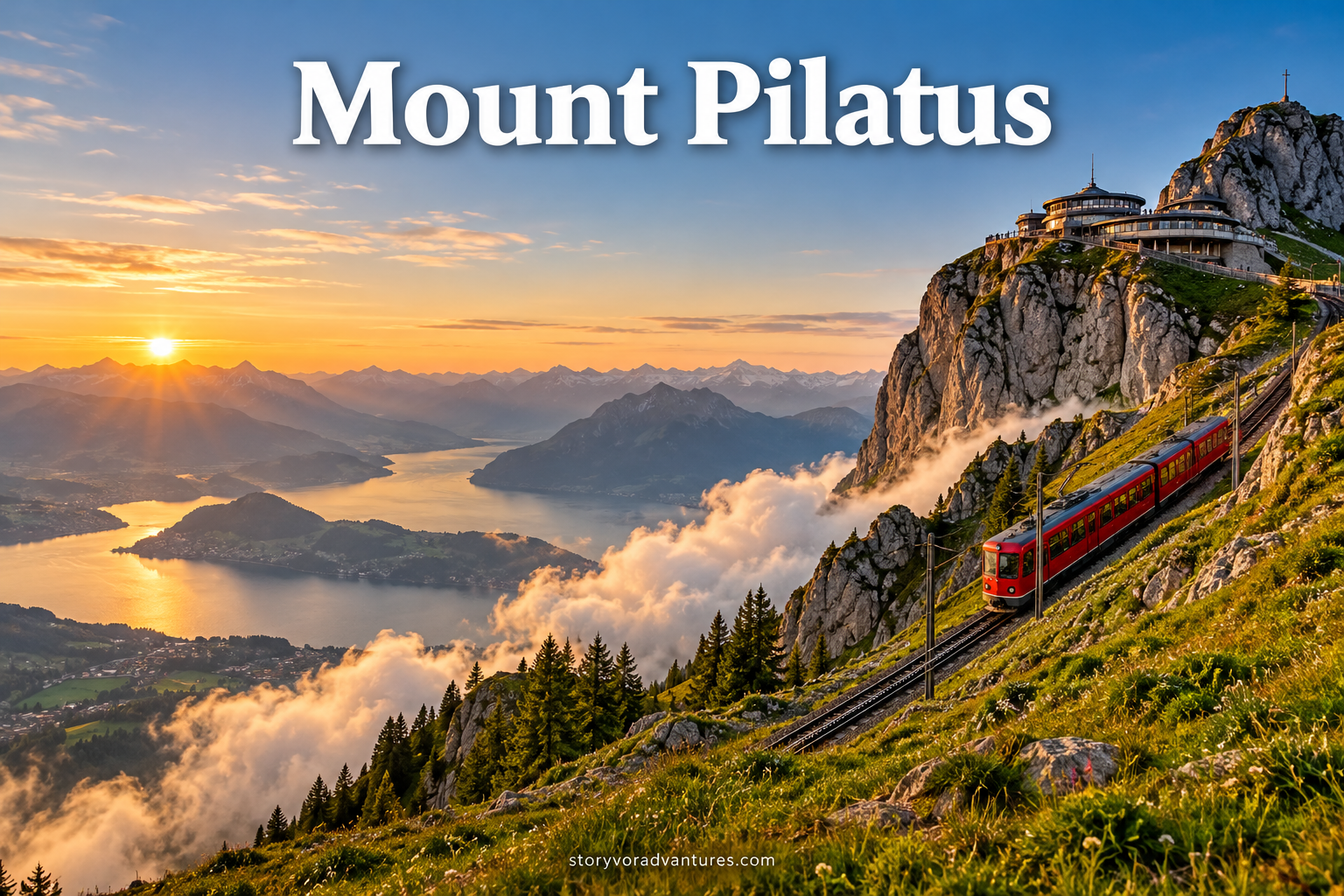
Mount Pilatus is one of the most accessible alpine experiences near Lucerne. Depending on the season and operating schedule, visitors can travel using a combination of boat, cogwheel railway, gondola and cable car. The complete circular journey is commonly known as the Golden Round Trip, although not every section operates throughout the year.
The summit offers walking paths and panoramic viewpoints across Lake Lucerne and the surrounding peaks. Conditions at the top can differ greatly from those in the city, so carrying an extra layer is sensible even when Lucerne feels warm.
Mountain visibility is important. Purchasing an expensive excursion without checking the forecast may result in reaching a summit hidden by clouds. Check the webcam and operating status before leaving the hotel, then book through the official Pilatus website.
4. Interlaken
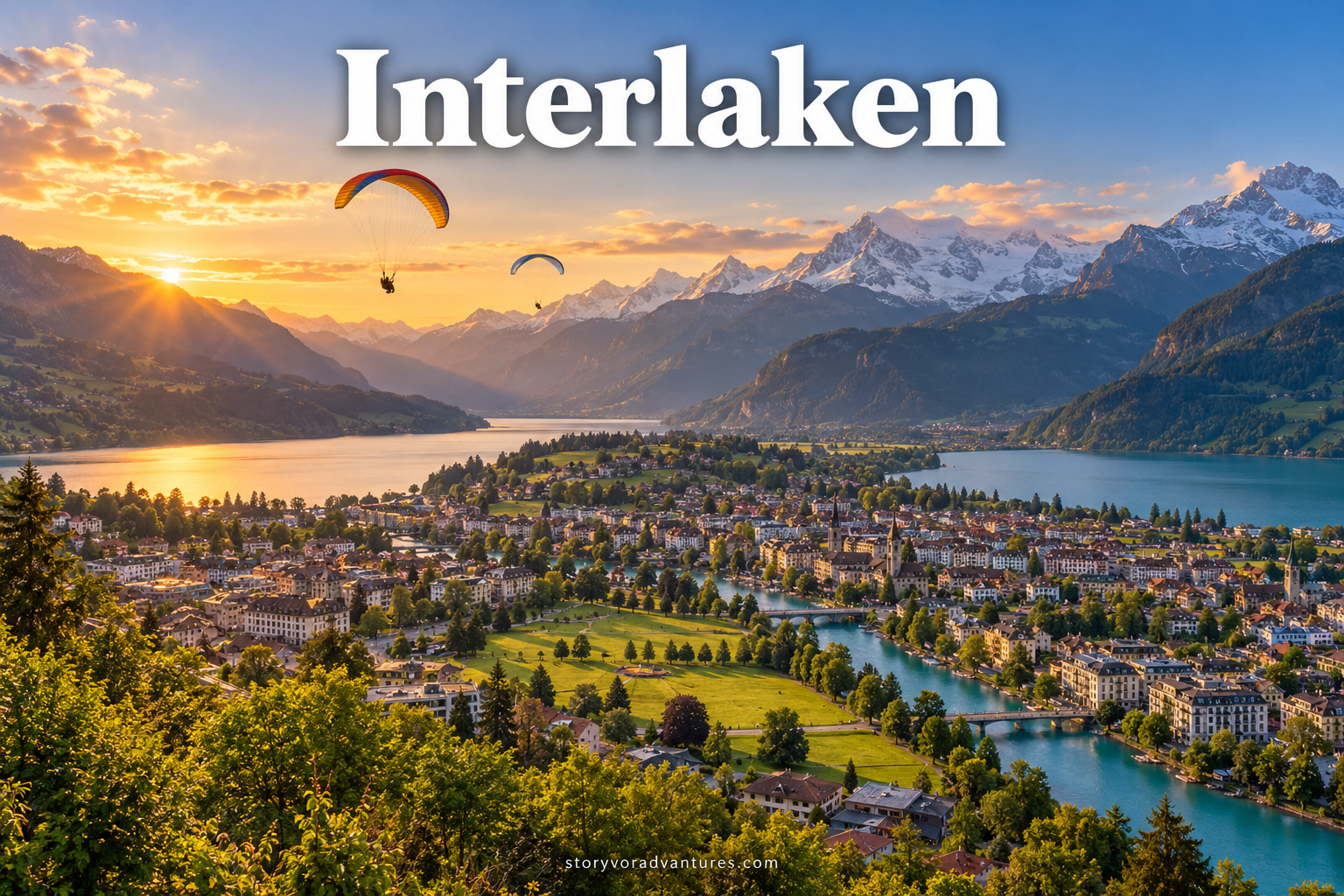
Located between Lake Thun and Lake Brienz, Interlaken functions as a practical gateway to the Bernese Oberland. The town itself has hotels, restaurants, shops and transport connections, but its greatest advantage is the number of day trips available from Interlaken Ost railway station.
Lauterbrunnen, Grindelwald and the routes toward Jungfraujoch are all accessible from this area. Travellers can also take a boat trip, visit nearby waterfalls or watch paragliders landing around Höhematte Park.
Interlaken is convenient but busy during the main travel season. Visitors wanting a quieter atmosphere may prefer to stay in Lauterbrunnen, Wengen or Grindelwald. Interlaken remains a good choice for travellers carrying more luggage or following an itinerary that involves several different routes. The regional tourism office describes it as a base for excursions throughout the Jungfrau area. www.interlaken.swiss
Trip ideas and current regional information can be found on the official Interlaken website.
5. Lauterbrunnen Valley
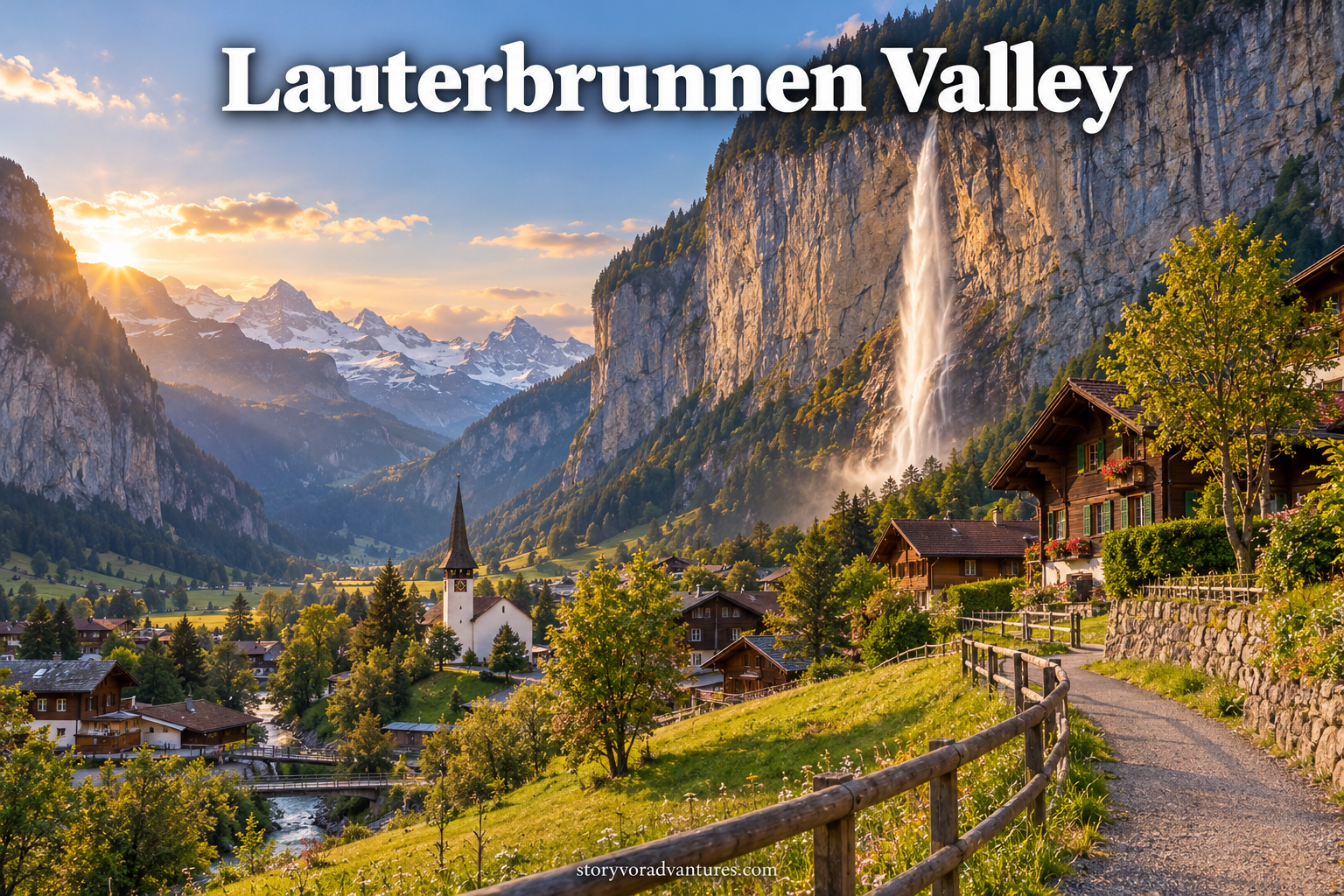
Lauterbrunnen is surrounded by steep cliffs, mountain villages and numerous waterfalls. Staubbach Falls is visible close to the village, while Trümmelbach Falls carries glacial water through the interior of a mountain and normally requires a separate admission ticket.
The valley is best appreciated slowly. Instead of arriving only to take a photograph and immediately leaving, travellers can walk or cycle through the valley floor toward Stechelberg. The route passes traditional houses, farmland and waterfalls, with frequent views of the cliffs.
Lauterbrunnen also connects visitors to Wengen and Mürren. These car-free mountain villages are worth considering when the weather is clear. Official regional information describes Lauterbrunnen as a valley of 72 waterfalls and identifies it as a gateway to locations including Mürren and the wider Jungfrau Region. www.jungfrau.ch
See transportation and activity details through the Jungfrau Region website.
6. Grindelwald
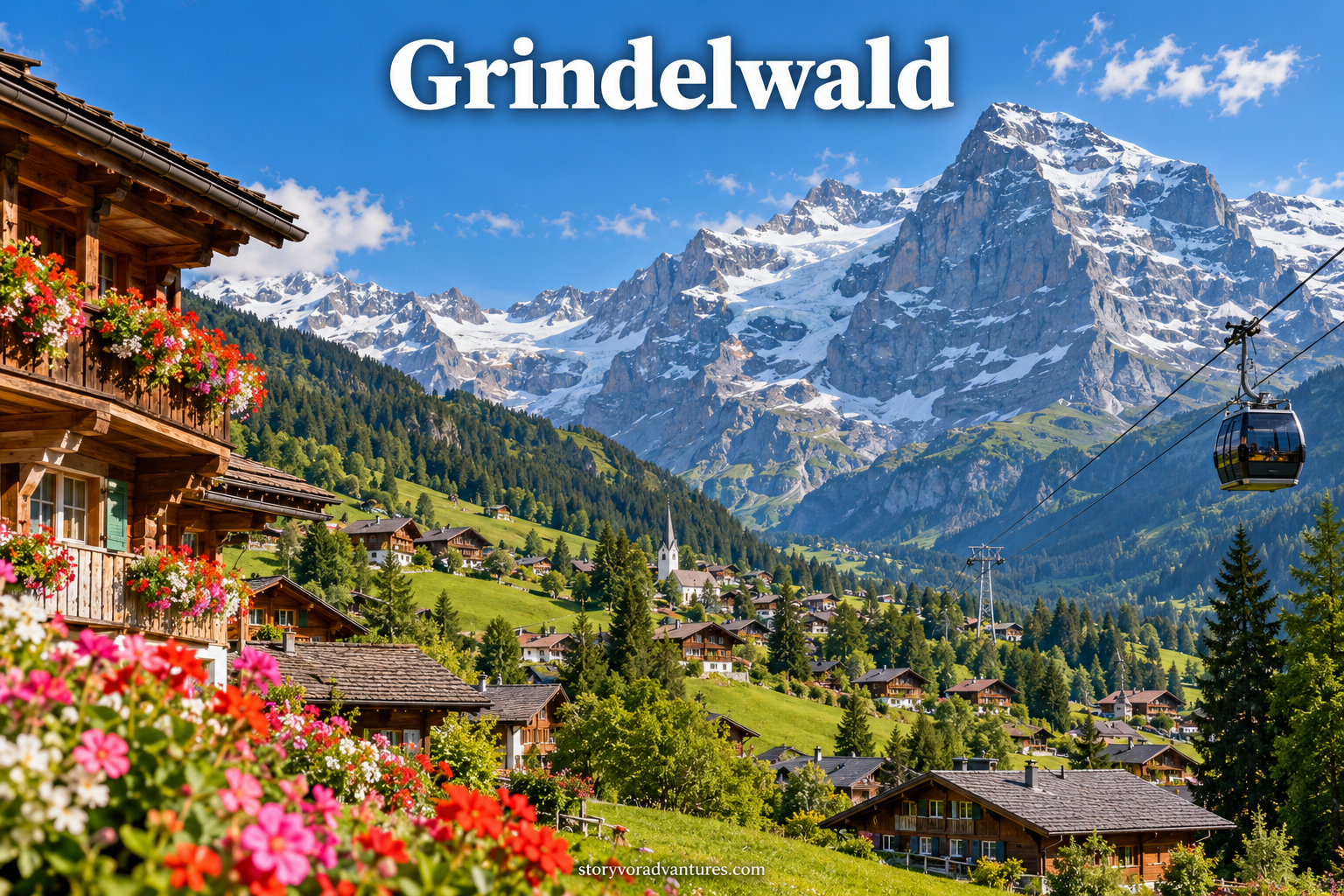
Grindelwald sits beneath the dramatic north face of the Eiger and provides access to hiking paths, mountain viewpoints and cable-car excursions. The village has become popular, yet it still works well as a base for travellers who want to spend more time in the mountains.
Grindelwald First is known for its elevated walking paths and hiking routes. Another popular option is the Eiger Express connection toward Eigergletscher, which can form part of a journey to Jungfraujoch. Travellers should avoid planning several costly mountain excursions for the same day because delays, weather and altitude can make the schedule uncomfortable.
Two nights in Grindelwald allow more flexibility than a rushed day trip. If clouds cover the higher elevations, the day can still be used for lower walks or a visit to nearby Lauterbrunnen. Current lift operations and mountain conditions should be checked through the official Jungfrau website.
7. Jungfraujoch
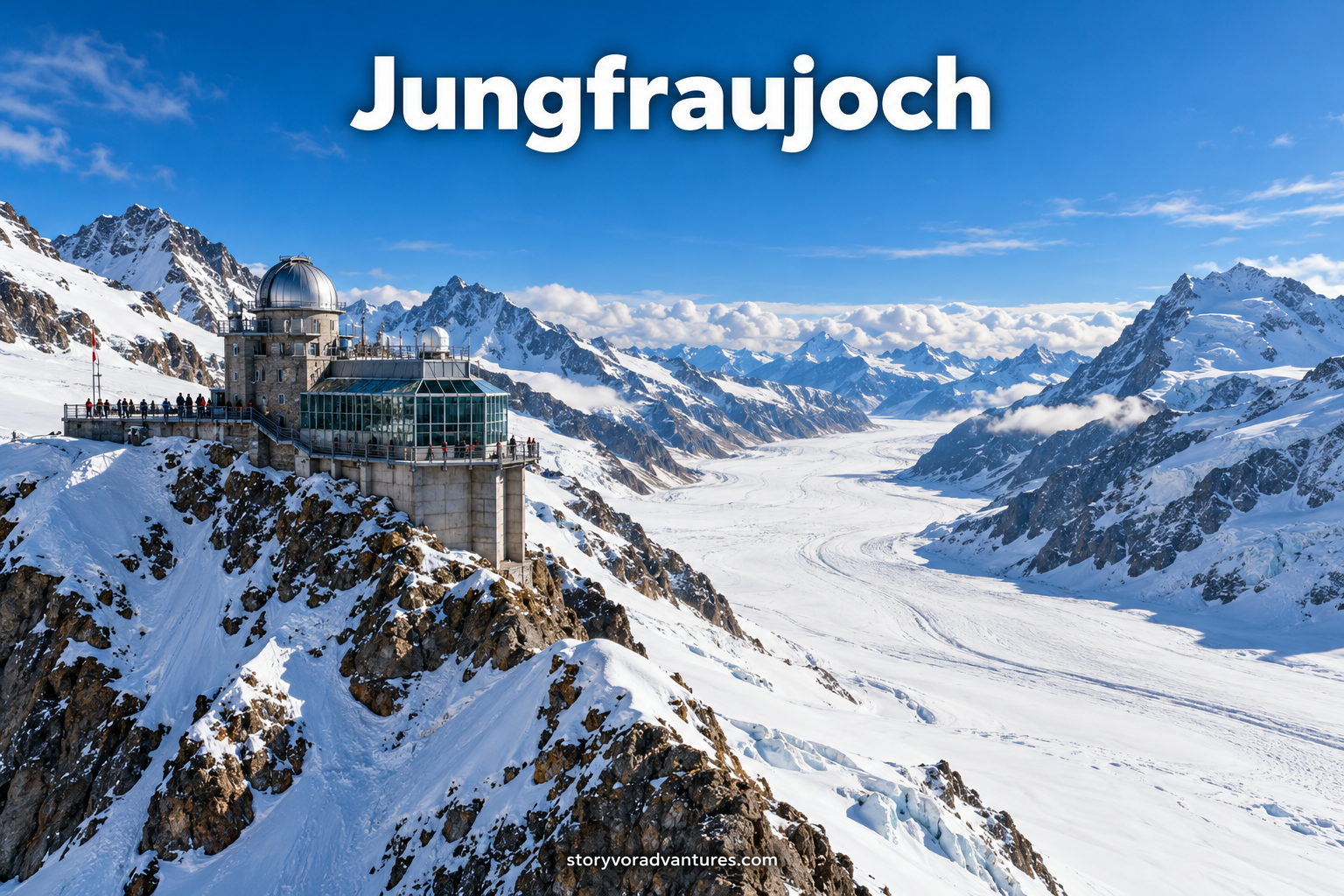
Jungfraujoch, widely promoted as the “Top of Europe,” is one of Switzerland’s most recognised mountain excursions. The journey leads visitors to a high-altitude complex with observation areas, snow, an ice palace and views across the Aletsch Glacier when the sky is clear.
The trip from Interlaken generally involves travelling through Grindelwald or Lauterbrunnen. According to the official regional information, the journey from Interlaken takes a little under two hours in each direction. www.interlaken.swiss
Because Jungfraujoch is located at high altitude, visitors should move slowly, remain hydrated and pay attention to how they feel. Anyone with relevant heart, breathing or medical concerns should seek professional medical advice before booking a high-altitude excursion.
Tickets are expensive, so compare regular fares with available travel-pass discounts. Seat reservations and operating conditions can be checked on the official Jungfraujoch website.
8. Zermatt and the Matterhorn
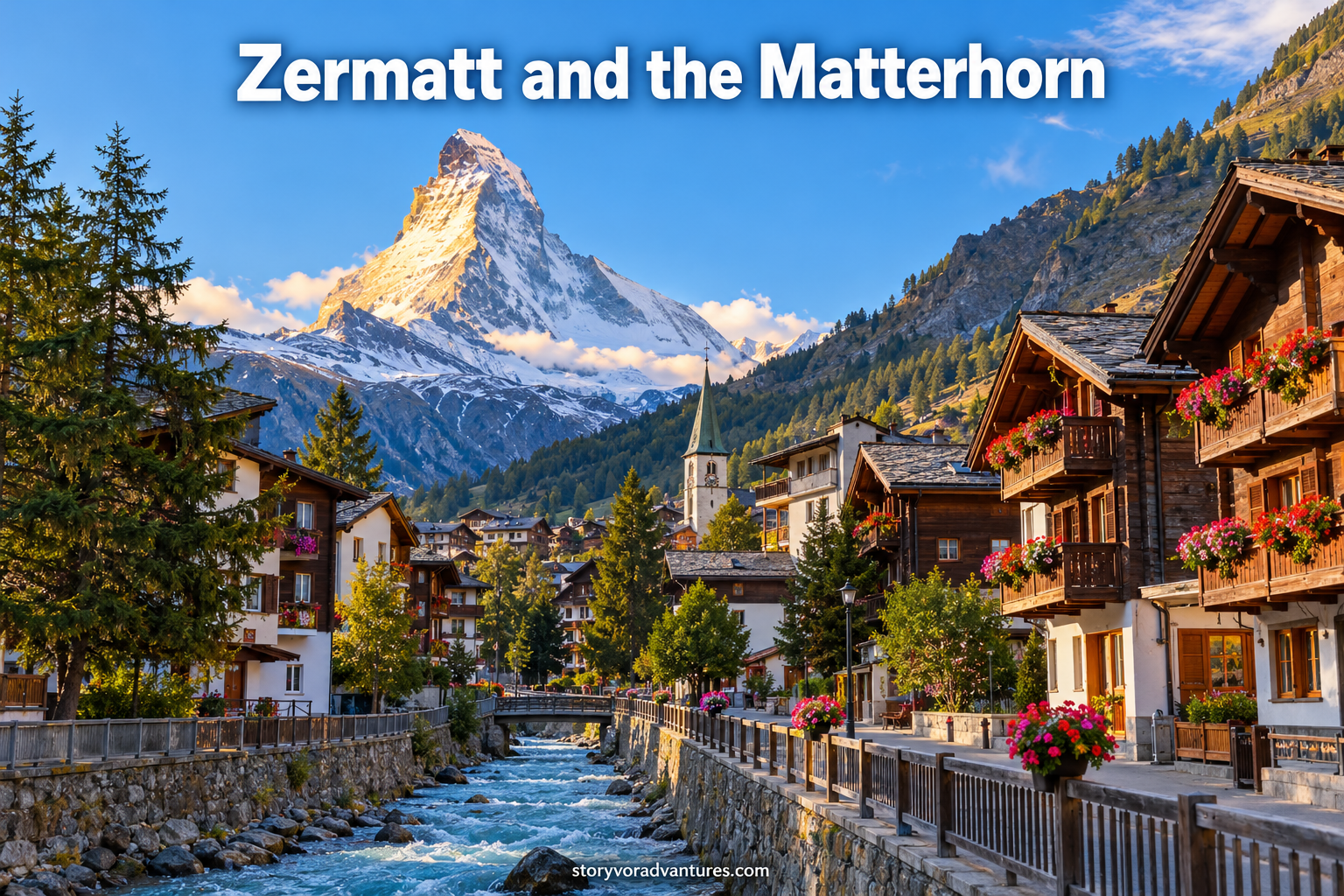
Zermatt is a car-free mountain resort located below the Matterhorn. Most travellers arrive by train through Visp, while drivers leave their vehicles in Täsch and continue by shuttle train.
The village is attractive, but the surrounding excursions create the real experience. Gornergrat offers broad views of the Matterhorn and nearby glaciers, while the Matterhorn Glacier Paradise reaches a much higher elevation. Travellers who prefer hiking can choose from routes of different difficulty levels, although trail access depends on snow and seasonal conditions.
The Matterhorn may disappear behind clouds, even on a day that begins with clear weather. Spending at least two nights in Zermatt creates a better chance of seeing it. Early morning is often quieter around popular viewpoints.
Plan accommodation and mountain excursions through Zermatt Tourism.
9. Bern Old Town
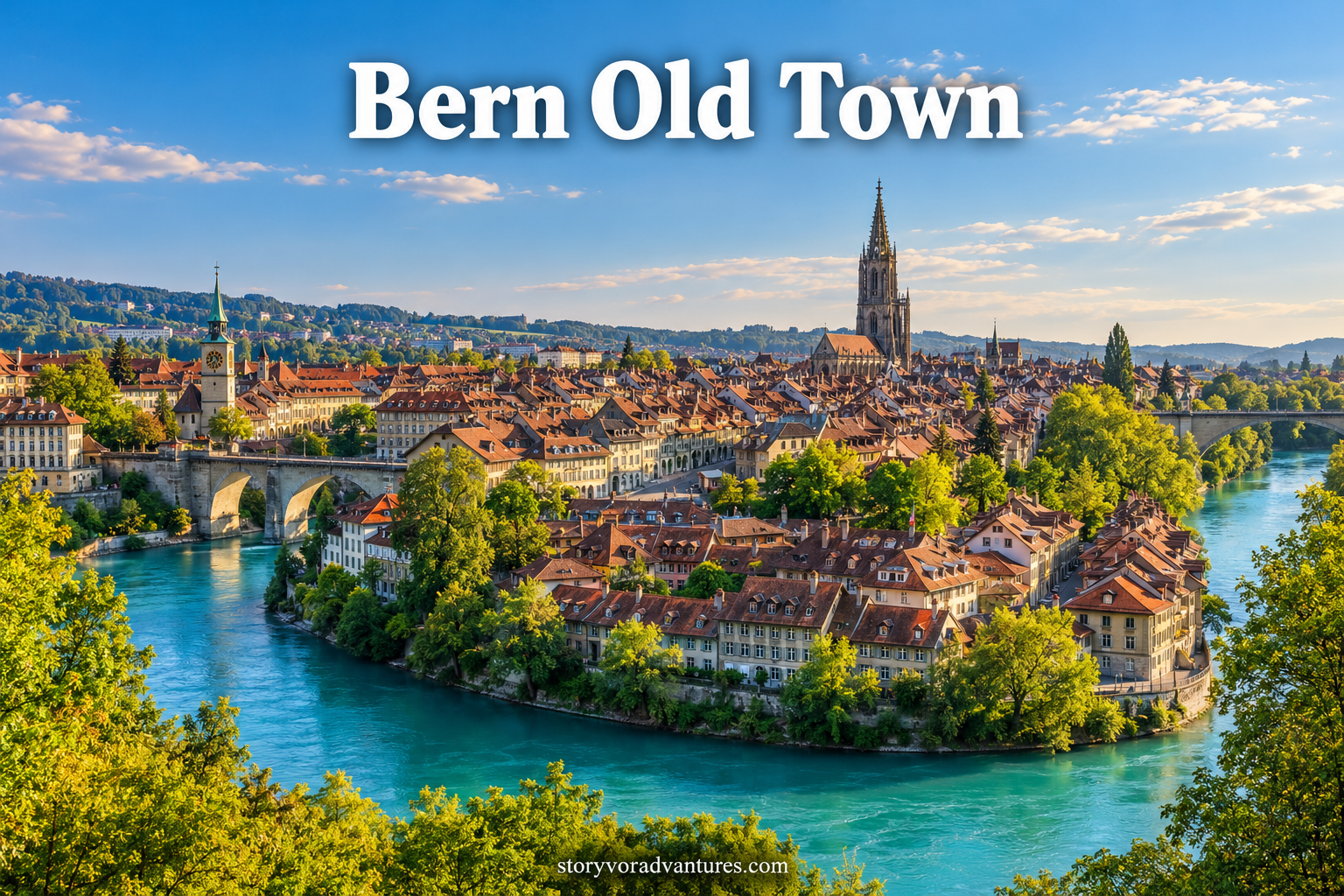
Bern feels calmer than Switzerland’s larger commercial cities. Its UNESCO-listed Old Town is characterised by arcaded streets, fountains, historic buildings and the Aare River curving around the centre. The Zytglogge clock tower is one of the best-known landmarks, but the pleasure of Bern comes from walking without rushing between attractions.
The elevated Rose Garden provides a broad view across the rooftops. Visitors can then return toward the centre, explore the arcades and continue to the Federal Palace area. The Einstein Museum and Bern Historical Museum are useful indoor options when the weather changes.
Bern works as a day trip from Zurich, Lucerne or Interlaken, although one overnight stay provides a more relaxed experience after daytime visitors leave. Information about guided walks, museums and seasonal events is available from Bern Welcome.
10. Montreux and Chillon Castle
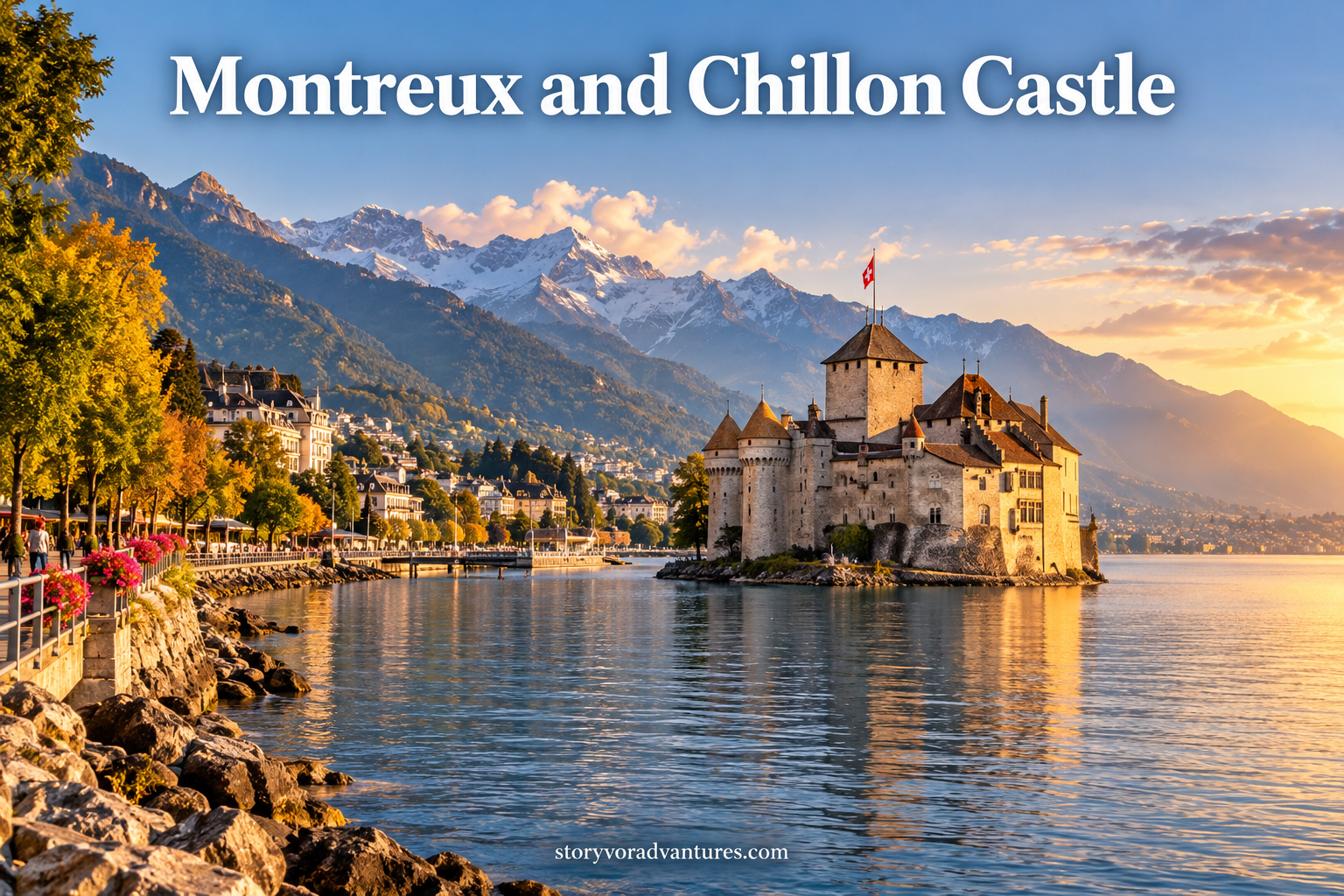
Montreux stretches along the shore of Lake Geneva, with vineyards and mountains surrounding the water. The lakefront promenade is easy to explore on foot and becomes especially pleasant in the late afternoon.
A short journey from Montreux leads to Chillon Castle, which stands directly beside the lake. Instead of viewing it only from outside, visitors can explore its rooms, courtyards and defensive structures. The combination of castle walls, water and mountain scenery makes this one of Switzerland’s most memorable historic settings.
Montreux is also a useful starting point for the Lavaux vineyard terraces and the Rochers-de-Naye mountain railway. Travellers should allow at least one full day for Montreux and Chillon instead of trying to combine them with Geneva and Lausanne in a rushed schedule.
Check admission details on the official Chillon Castle website and local information through Montreux Riviera Tourism.
11. Geneva
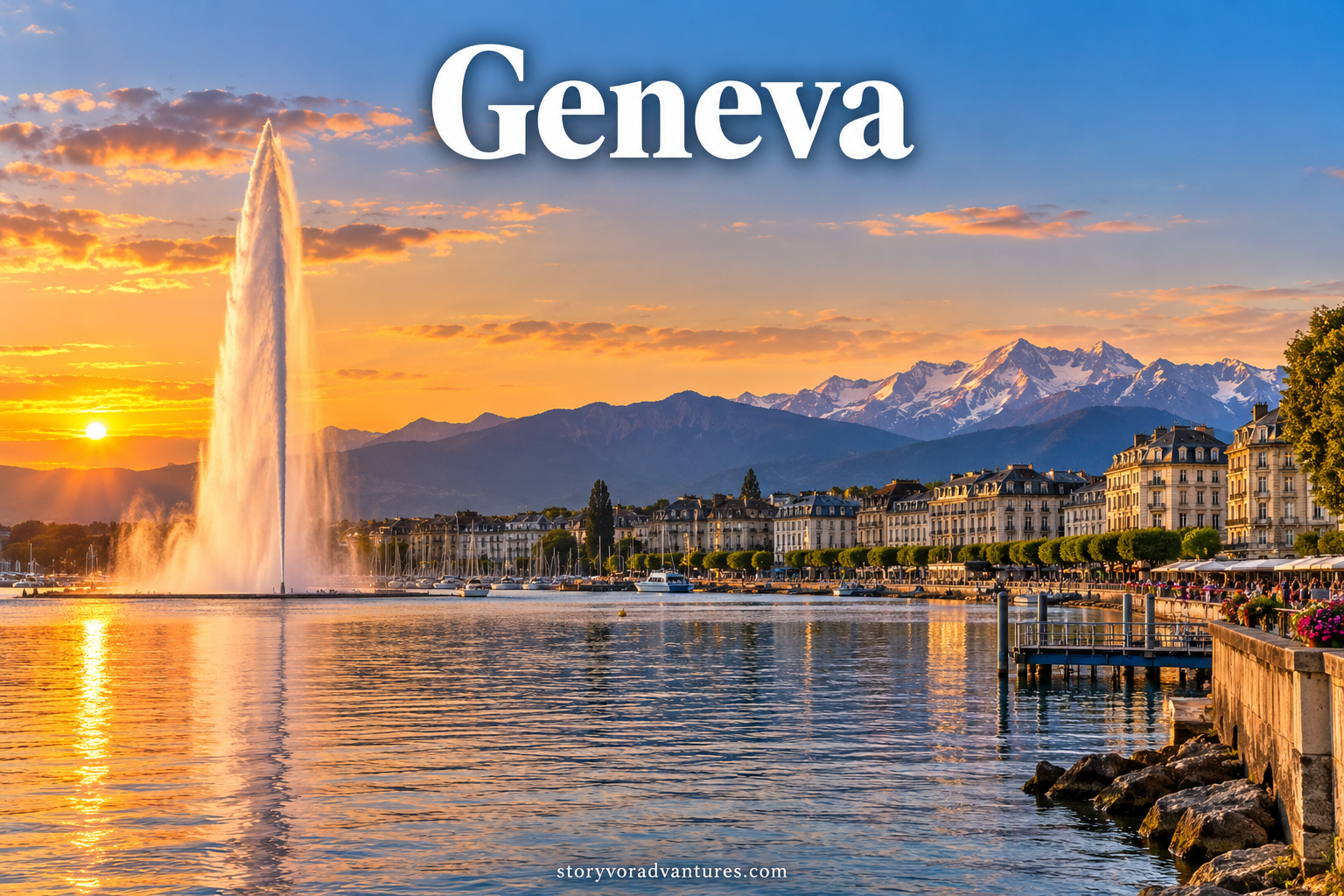
Geneva has a more international character than many Swiss destinations. The city is home to global organisations, extensive lakeside spaces and neighbourhoods that feel different from the alpine resorts.
The Jet d’Eau is its most familiar landmark, but the Old Town, St Pierre Cathedral and Parc des Bastions add historical context. Visitors interested in international institutions can explore the area surrounding the Palace of Nations. Advance reservations may be required for guided visits.
Geneva is particularly convenient for travellers arriving from or continuing into France. Accommodation can be expensive, so compare central hotels with properties connected by tram or train.
Official attraction and event information is available through Geneva Tourism.
12. Lugano
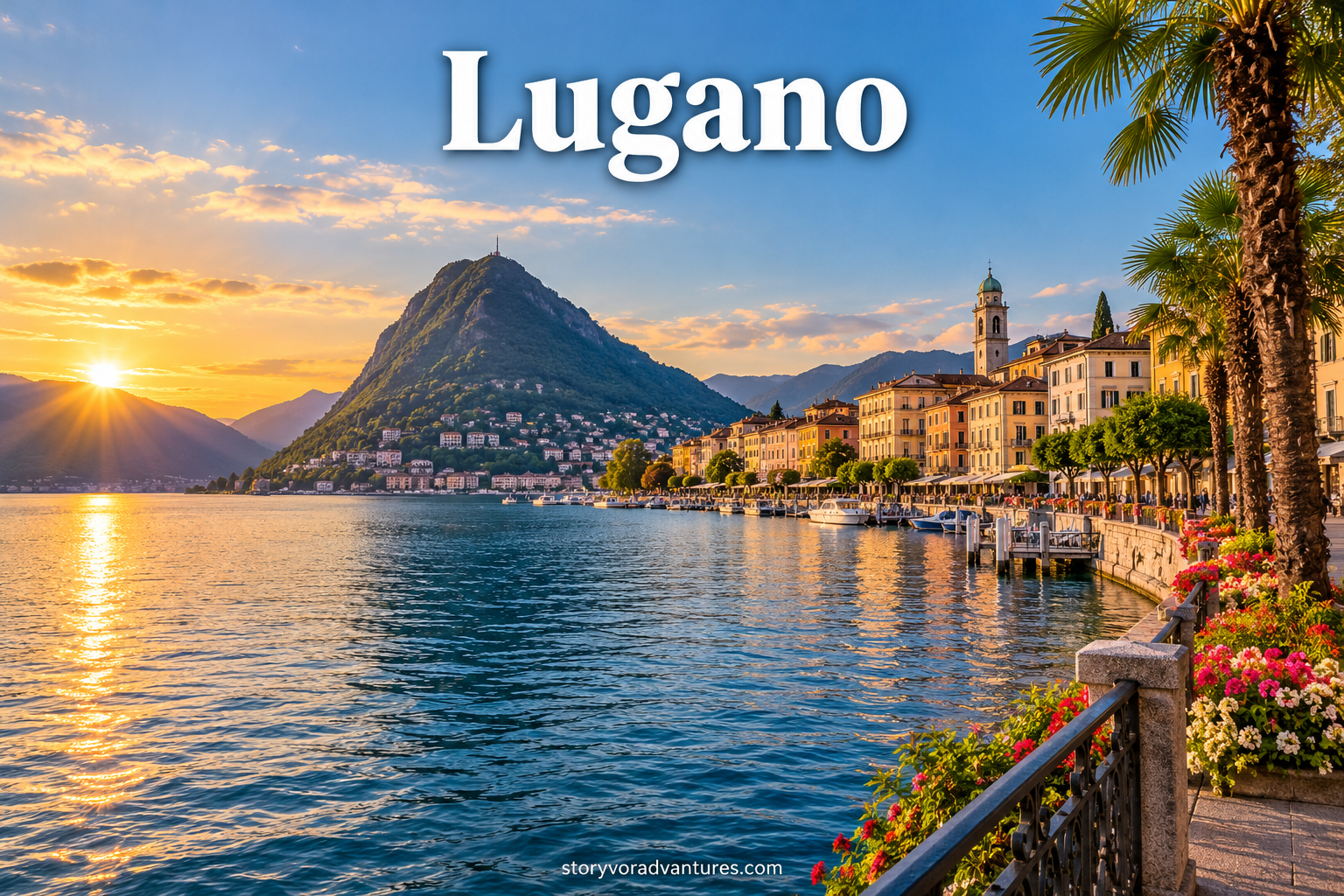
Lugano introduces a noticeably different side of Switzerland. Located in the Italian-speaking canton of Ticino, the city combines Swiss organisation with Mediterranean-style architecture, lakeside promenades and a warmer atmosphere.
The historic centre can be explored on foot before continuing along the lake. Parco Ciani provides an easy green escape, while Monte Brè and Monte San Salvatore offer elevated views. Nearby villages such as Morcote can be reached as part of a longer stay.
Lugano is a considerable journey from some classic central Switzerland routes. It is best included when travellers have at least ten days or when the trip continues toward northern Italy. Avoid forcing it into a short itinerary simply to increase the number of destinations.
Planning information is available from Ticino Tourism.
13. Rhine Falls
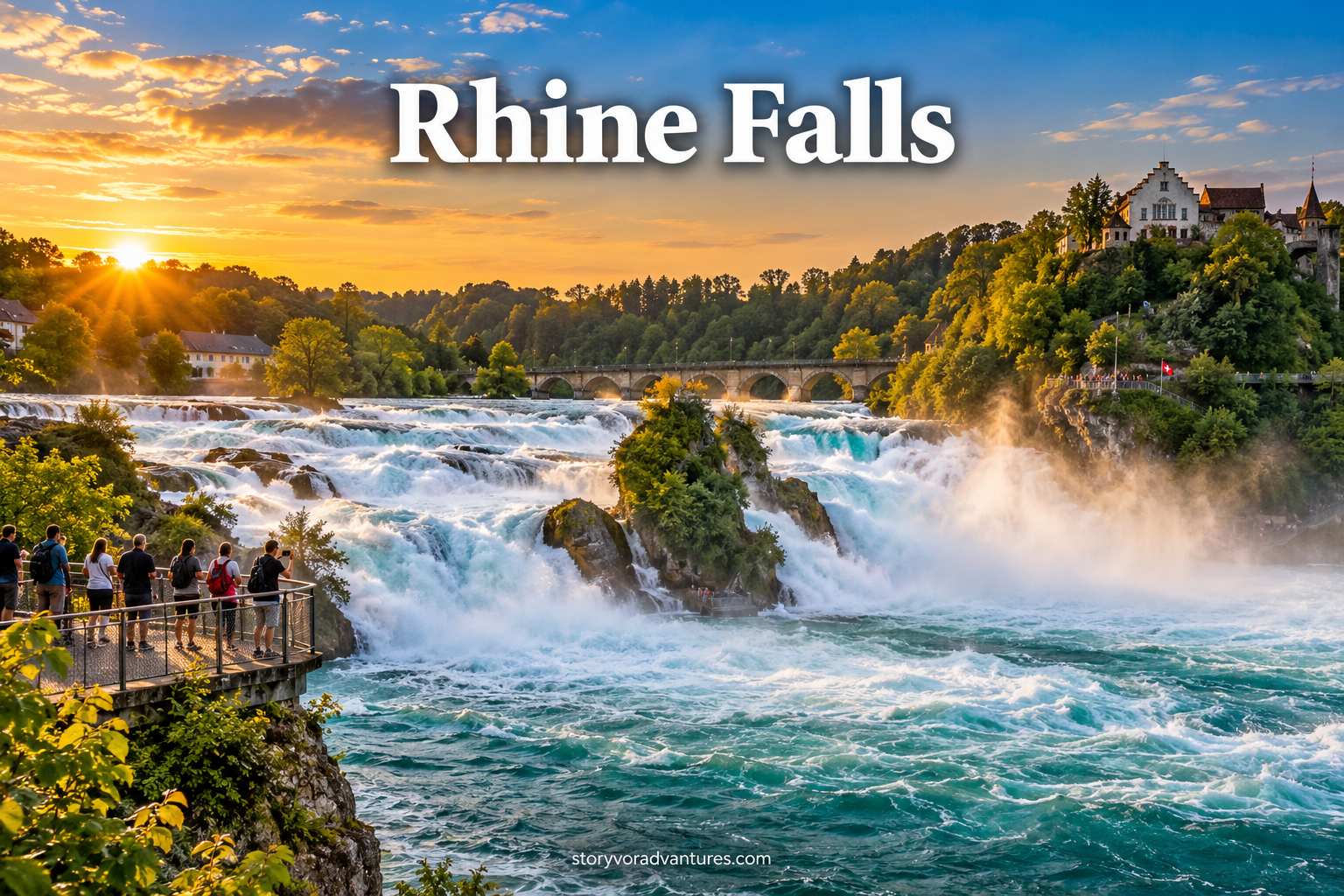
Rhine Falls near Schaffhausen is one of Europe’s most powerful waterfalls and an easy excursion from Zurich. Viewing platforms provide different perspectives, while seasonal boat trips may take visitors closer to the falling water.
The experience changes with water levels and weather. A rain jacket or protective layer is useful near the spray, and footwear with good grip is preferable on wet surfaces. Families should remain attentive around crowded viewing areas and steps.
Allow enough time to walk between viewpoints rather than planning only a brief stop. Depending on the route, visitors may also combine the trip with Schaffhausen’s historic centre.
Current access, boat and ticket information can be checked through the official Rhine Falls website.
14. St. Moritz and the Bernina Express
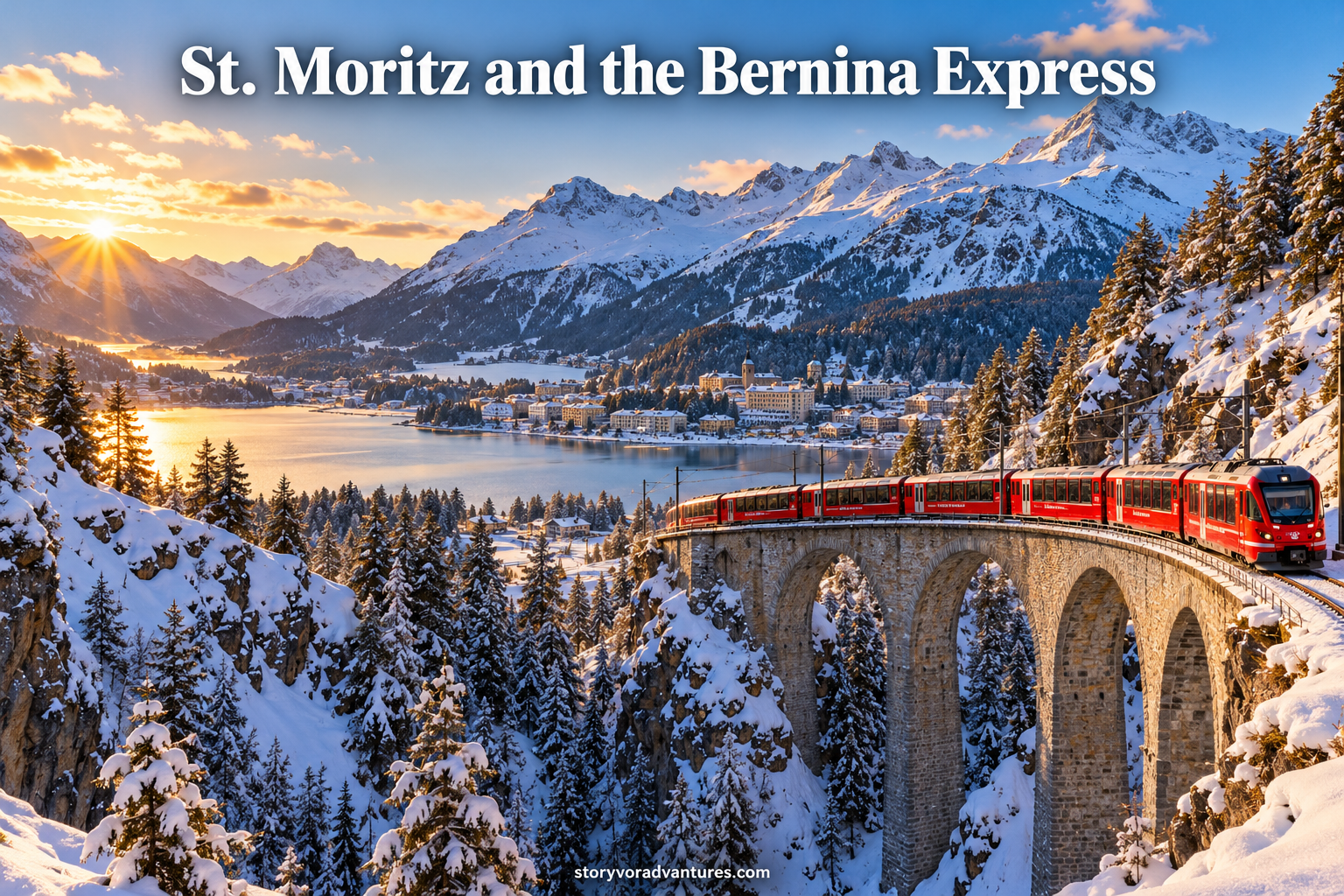
St. Moritz is known for luxury hotels and winter sports, but the wider Engadin region also offers lakes, walking routes and impressive rail connections. It can be visited outside winter, when the surrounding landscape is green and hiking becomes a major attraction.
The Bernina route is one of the most scenic railway journeys in Switzerland. It crosses high alpine landscapes before descending toward Tirano in Italy. Travellers can book the branded panoramic Bernina Express, but regular regional trains travel along much of the same route and may provide greater flexibility.
A reservation may be required for panoramic services, while the rail ticket and seat reservation can be separate purchases. Confirm the current arrangement before travelling. The route is part of Switzerland’s celebrated panoramic rail network, alongside journeys such as the Glacier Express. help.myswitzerland.com
Schedules and reservations are available from the official Rhaetian Railway website.
15. Glacier Express Scenic Journey
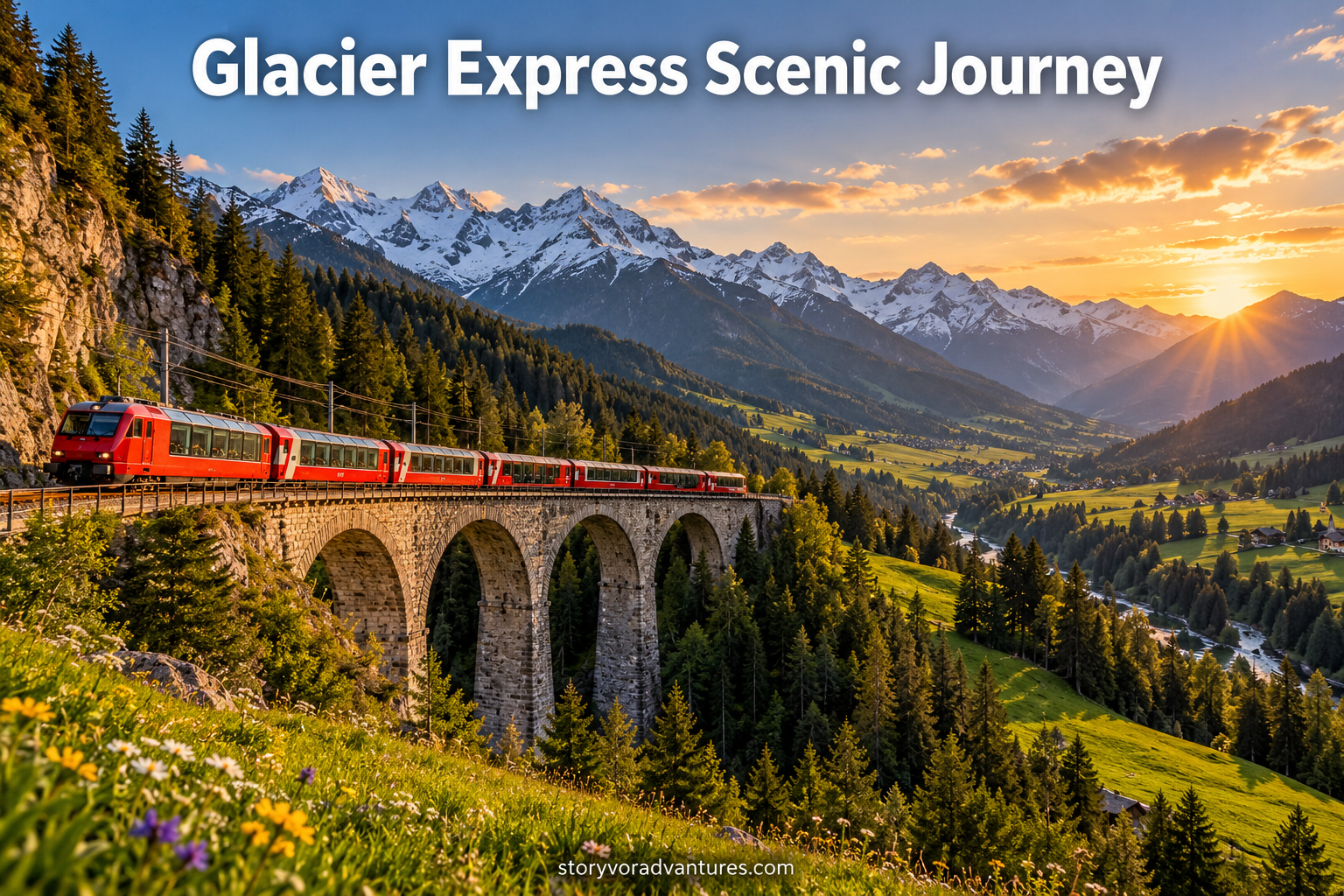
The Glacier Express connects Zermatt and St. Moritz through mountains, valleys, bridges and sections of the Rhine Gorge. Despite its name, it is designed as a slow scenic journey rather than a high-speed service.
Completing the entire route requires most of a day. Travellers with limited time can select only one portion, although the full journey creates a gradual transition between western and eastern Switzerland.
Panoramic windows provide broad views, but they can also create reflections in photographs. Wearing dark clothing and keeping the camera close to the glass may help. A compulsory reservation can apply in addition to the valid transport ticket or pass, so travellers should understand both costs before booking.
Check schedules, seasonal availability and reservation rules through the official Glacier Express website.
Getting Around Switzerland
Switzerland’s public transport network allows many visitors to travel without renting a car. The SBB website and mobile application can be used to check connections between trains, buses, trams and certain boats. Short transfer times may initially look difficult, but Swiss stations are generally organised for connecting journeys.
A car can be useful for remote accommodation or flexible countryside travel, but it creates additional parking and road costs. Several famous destinations, including Zermatt, are car-free. For a first trip focused on Zurich, Lucerne, Interlaken, Lauterbrunnen and Zermatt, travelling by train is usually simpler.
Swiss Travel Pass or Individual Tickets?
The Swiss Travel Pass can provide convenient travel on eligible trains, buses and boats, together with certain museum benefits and reductions on some mountain excursions. However, it is not automatically the cheapest option for every itinerary.
Before buying a pass, list the major journeys in the planned route and compare their individual prices. Travellers staying mainly in one region may benefit from a regional pass, while those making several long-distance journeys may find a national pass more convenient.
Discount coverage differs between mountain railways. Never assume that every cable car or summit excursion is fully included.
Visa and Entry Requirements
Switzerland is part of the Schengen area. Visa requirements depend on nationality, residence status, passport type and the purpose and duration of travel.
Travellers should confirm their individual requirements through the Swiss State Secretariat for Migration or the responsible Swiss embassy. Avoid relying entirely on social-media posts because entry rules and documentation requirements can change.
A passport, visa where required, accommodation information, return or onward travel evidence, travel insurance and proof of sufficient funds may be relevant to an application or border check. The exact requirements must be verified for the traveller’s own circumstances.
Currency and Payments
Switzerland uses the Swiss franc, written as CHF. Cards are widely accepted in cities, railway stations, hotels and larger businesses. Nevertheless, carrying a small amount of cash can be helpful for minor purchases, rural kiosks or unexpected payment problems.
Some places may accept euros, but the exchange rate and returned change may be inconvenient. Paying in Swiss francs is generally clearer. When a card terminal offers conversion into the traveller’s home currency, compare the rate before accepting it.
Notify the bank about international travel when necessary and carry more than one payment method. Avoid storing all cards and cash together.
Accommodation
Zurich, Geneva, Zermatt and the Jungfrau Region can be expensive, particularly during summer and winter peaks. Booking cancellable accommodation early provides more options.
Properties near a railway station may cost slightly more but can save time and local transport effort. In mountain regions, check whether the accommodation involves a steep walk, cable-car connection or limited evening transportation.
Hostels, guesthouses, apartments and hotels outside the most famous centres can reduce costs. However, a cheaper room is not always good value if reaching it requires repeated expensive transfers.
Approximate Switzerland Travel Budget
Prices vary considerably by location and season, so the following amounts should be treated only as broad planning estimates:
- Budget-conscious travel: approximately CHF 120–190 per person per day
- Comfortable mid-range travel: approximately CHF 220–350 per person per day
- Higher-comfort travel: CHF 400 or more per person per day
These figures can include accommodation, food and local transportation but may not cover international flights or expensive mountain excursions. Jungfraujoch, premium panoramic trains and multiple cable-car journeys can increase the total quickly.
Buying groceries, carrying a refillable bottle and limiting restaurant meals can help control costs. Switzerland’s tap water is generally considered safe where no warning indicates otherwise.
Best Time to Visit Switzerland
May and June offer green landscapes, waterfalls and long daylight, although some high-altitude paths may still have snow. July and August provide the warmest conditions and broad access to hiking areas, but they also bring larger crowds and higher accommodation demand.
September is a strong option for travellers who want comfortable walking conditions and slightly quieter destinations. October can be beautiful, but certain mountain services may reduce operations between summer and winter seasons.
December to March suits travellers interested in snow, winter villages and skiing. Non-skiers should still check whether their preferred lifts, walking routes and attractions operate during the selected dates.
Mountain weather can change rapidly in every season. A clear city forecast does not guarantee visibility at a high summit.
A Practical 10-Day Switzerland Itinerary
Day 1: Arrive in Zurich
Settle into the hotel and explore the Old Town, Limmat River and lakefront. Avoid scheduling an expensive excursion immediately after a long international flight.
Day 2: Zurich and Rhine Falls
Visit Rhine Falls in the morning and return for Zurich’s museums, neighbourhoods or an evening walk beside the lake.
Day 3: Zurich to Lucerne
Travel to Lucerne, explore Chapel Bridge and the Old Town, then take a short lake journey if time and weather permit.
Day 4: Mount Pilatus or Mount Rigi
Choose one mountain excursion instead of trying to combine several summits. Check visibility before departure.
Day 5: Lucerne to Interlaken
Travel to Interlaken, leave the luggage and spend the afternoon beside Lake Brienz or exploring the town.
Day 6: Lauterbrunnen and Mürren
Walk through Lauterbrunnen Valley and continue to Mürren if weather and transport schedules allow.
Day 7: Grindelwald or Jungfraujoch
Select Jungfraujoch for the high-altitude experience or spend a more relaxed day around Grindelwald and its walking routes.
Day 8: Interlaken to Zermatt
Travel through the mountains to car-free Zermatt. Explore the village and look for evening views of the Matterhorn.
Day 9: Gornergrat and Zermatt
Take the Gornergrat Railway when conditions are clear. Keep an alternative lower-level plan for cloudy weather.
Day 10: Departure
Continue toward Zurich, Geneva or another European destination. Leave a comfortable connection margin before an international flight.
Responsible Travel in Switzerland
Marked paths, warning signs and seasonal closures should be respected. Alpine landscapes can look accessible even when the terrain is unstable or the weather is changing quickly.
Do not approach livestock, enter private farmland without permission or leave marked routes merely to create a photograph. Carry waste back to the village when disposal facilities are unavailable.
Public transport, longer stays in fewer places and locally operated accommodation can reduce some of the pressure created by rushed tourism. Quiet behaviour is especially important in residential villages where people are living their normal lives.
Final Thoughts
Switzerland rewards travellers who resist the urge to fit every famous mountain and city into a single visit. Zurich, Lucerne, Interlaken and Zermatt can create a strong first itinerary, while Bern, Montreux, Lugano and the panoramic railway routes provide excellent options for a longer journey.
The country may be expensive, but its reliable connections make independent planning relatively straightforward. A realistic route, flexible mountain days and carefully compared transport options can provide a far better experience than simply moving from one photograph location to another. Most importantly, leave room in the itinerary to sit beside a lake, walk through a valley or change the plan when the mountains finally appear from behind the clouds.