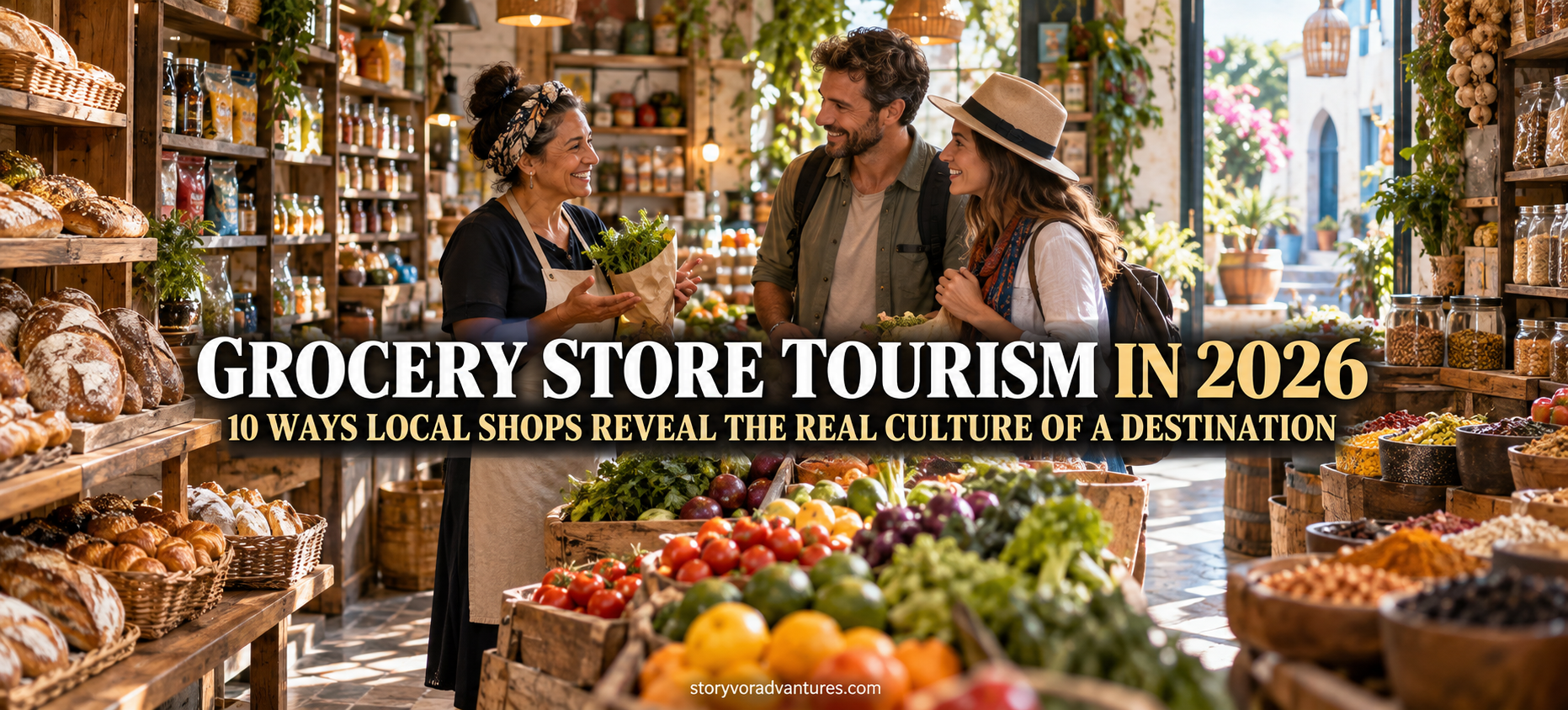
Grocery Store Tourism in 2026: 10 Ways Local Shops Reveal the Real Culture of a Destination
Discover 10 ways grocery stores and neighbourhood food shops reveal local culture, regional flavours and everyday life while travelling in 2026.
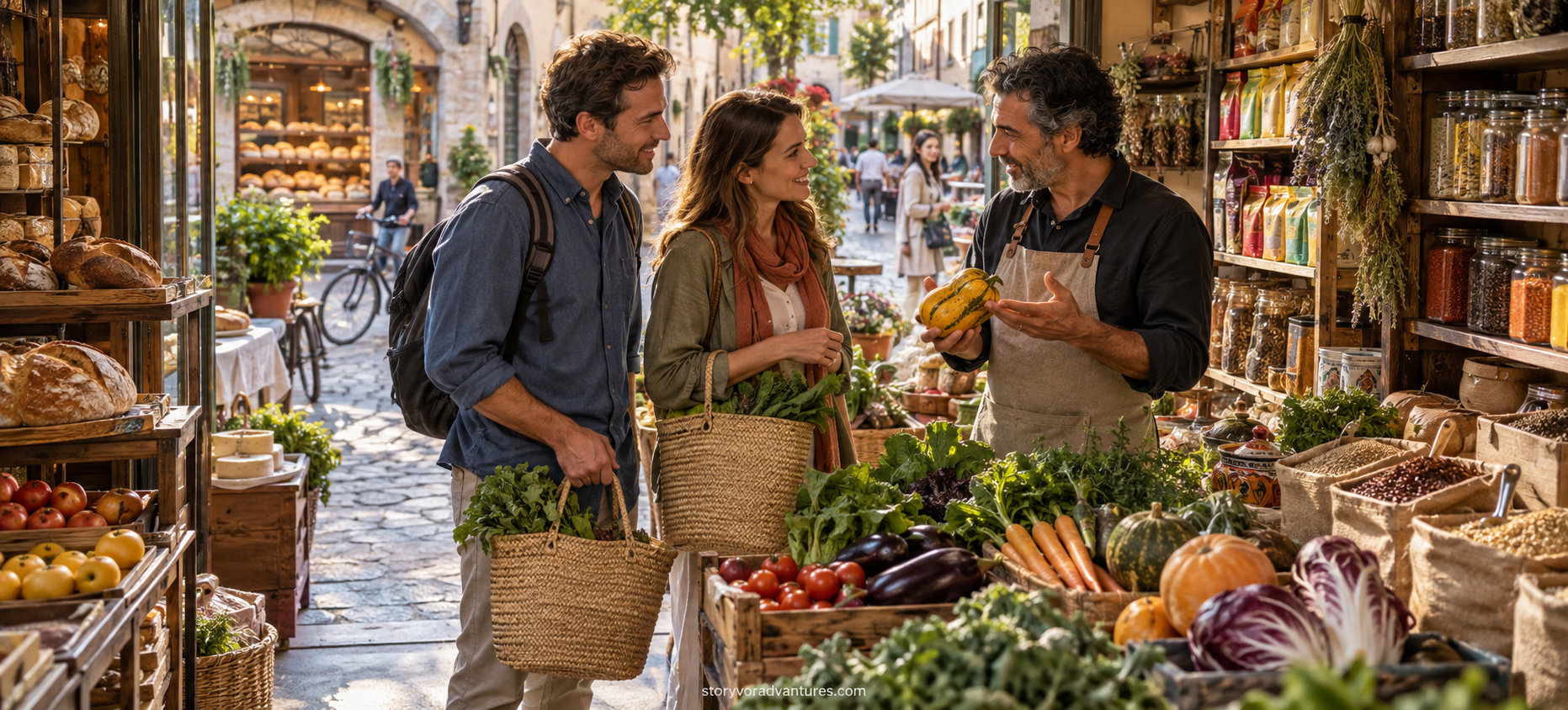
- Travellers usually build their itineraries around monuments, museums, beaches and famous restaurants. However, one of the most revealing places in any destination may be the ordinary grocery store used by local residents every day.
- Grocery store tourism is the practice of visiting supermarkets, neighbourhood food shops, bakeries and produce markets to learn about everyday life through food. Shelves can reveal what people eat for breakfast, which ingredients are in season, how products are packaged and what families commonly purchase. Unlike a restaurant meal prepared specifically for visitors, a grocery store offers a broader view of daily habits.
- This does not mean travellers should abandon traditional attractions. A grocery-store visit works best as a small addition to a balanced itinerary. When approached respectfully, it can provide an affordable and interesting cultural experience without placing additional pressure on overcrowded landmarks.
- Here are ten ways local food shops can reveal the real culture of a destination in 2026.
1. Discover Everyday Local Food
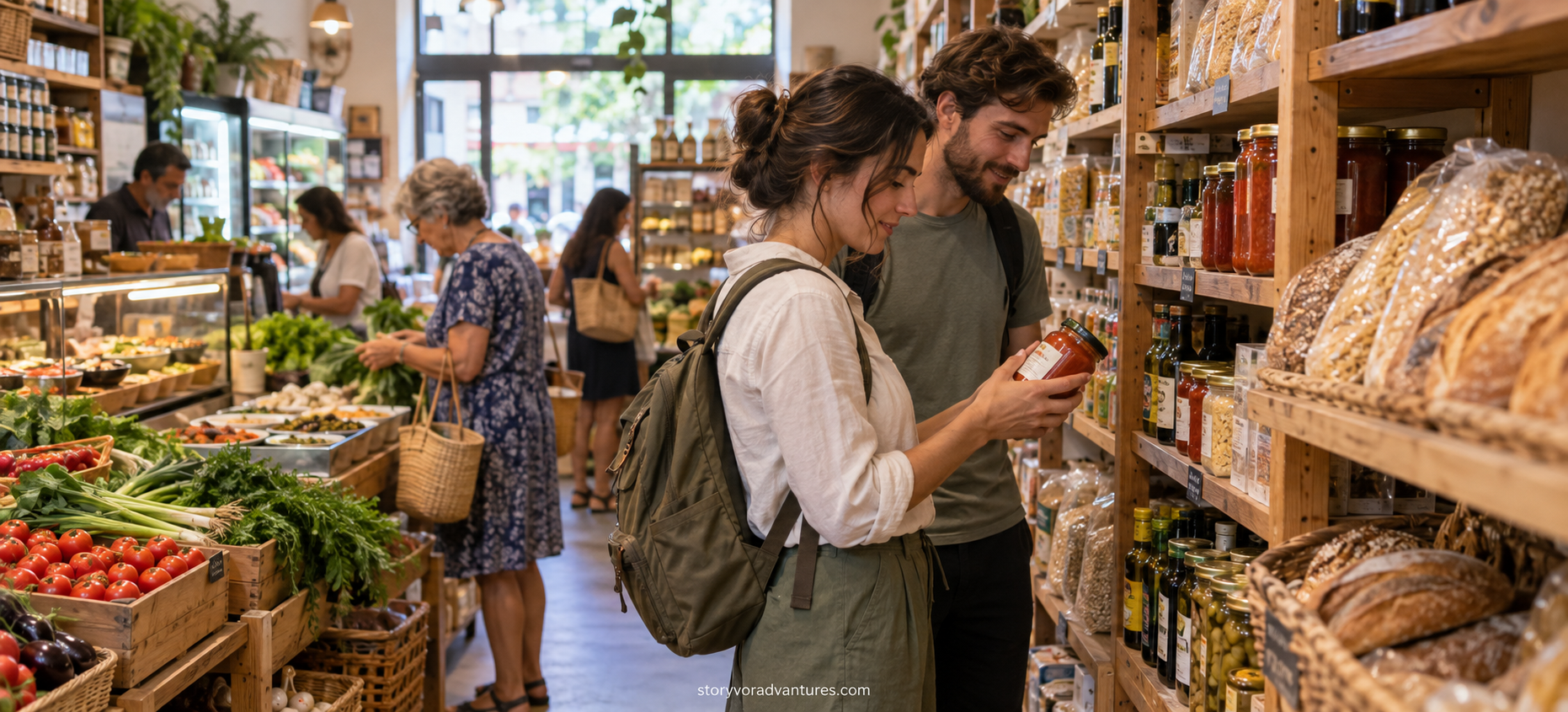
- Restaurant menus often highlight a destination’s most celebrated dishes, but they do not always show what residents eat during an ordinary week. Grocery stores contain practical foods prepared for daily life, including bread, grains, dairy products, sauces, vegetables, preserved ingredients and simple ready-to-eat meals.
- The size and variety of each section can provide useful clues. A large selection of fresh bread may suggest that bakery products are central to everyday meals. Extensive shelves of noodles, rice, beans, spices or fermented foods may reflect regional cooking traditions. Even the refrigerated section can reveal how residents balance fresh ingredients with convenience.
- Travellers should avoid treating unfamiliar food as strange or entertaining. Products usually exist because they have cultural, historical or practical value. Approaching them with curiosity rather than judgement creates a more respectful learning experience.
2. Compare Regional Breakfast Habits
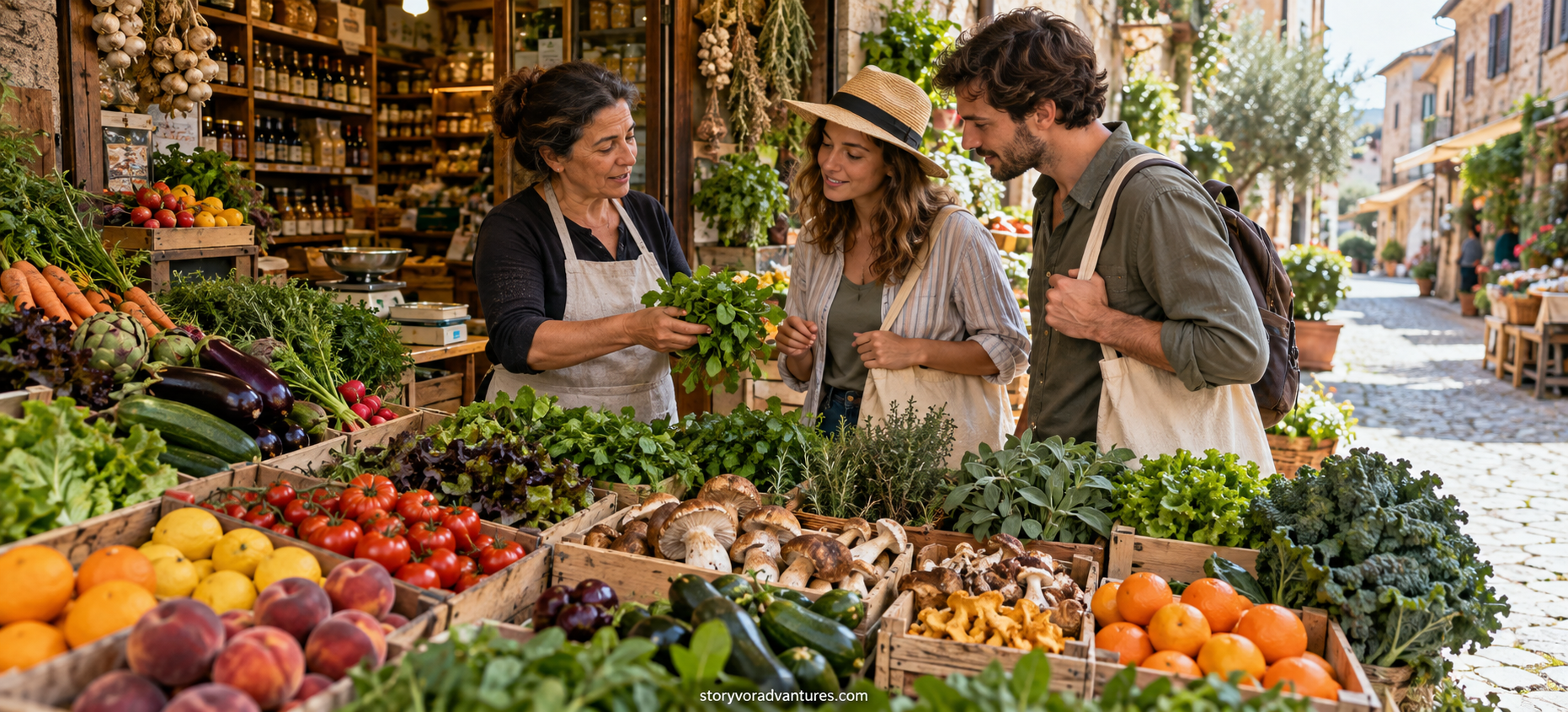
- Hotel breakfast buffets are often designed for international guests. A local supermarket can provide a more realistic picture of what people may actually eat before work or school.
- Depending on the destination, breakfast shelves may contain bread, cheese, yoghurt, cereal, rice dishes, savoury pastries, fruit, soup ingredients or packaged meals. Convenience stores may also offer quick options for commuters who do not prepare breakfast at home.
- These differences can reveal how climate, agriculture, working schedules and family traditions influence the first meal of the day. In some places, breakfast is light and quick. In others, it may be warm, savoury and substantial.
- Travellers staying in accommodation with a kitchen can purchase a few familiar-looking ingredients and prepare a simple local-style breakfast. Always check labels carefully if you have allergies, religious dietary requirements or medical restrictions.
3. Find Affordable Local Snacks
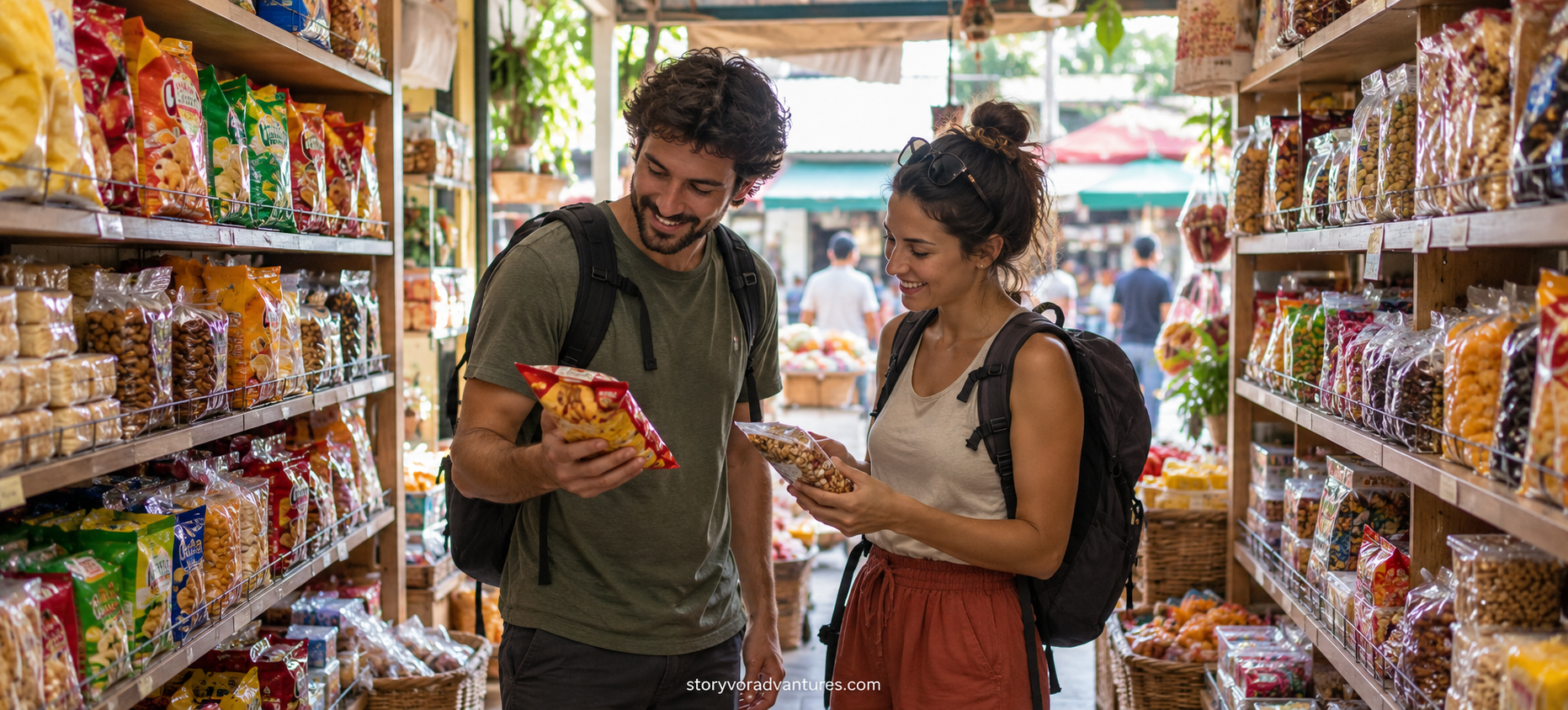
- Local snacks are among the easiest products to explore while travelling. Crisps, biscuits, nuts, dried fruit, chocolate and regional sweets are usually more affordable than elaborate souvenirs. They can also be shared during train journeys, walking tours or relaxed evenings at the accommodation.
- Different flavours often reflect local preferences. A familiar type of snack may be seasoned with regional herbs, seaweed, chilli, cheese, citrus or spices. This combination of familiar format and unfamiliar flavour makes snack shopping accessible even for first-time international travellers.
- Price and popularity can vary between tourist districts and residential neighbourhoods. A product sold as a premium souvenir near a landmark may be an ordinary grocery item elsewhere in the city. Comparing shops can therefore help travellers avoid unnecessary spending.
- Purchase only what you can consume or legally carry home. Buying excessive quantities of a popular product can inconvenience residents, especially when the item is already in limited supply.
4. Understand Seasonal Ingredients
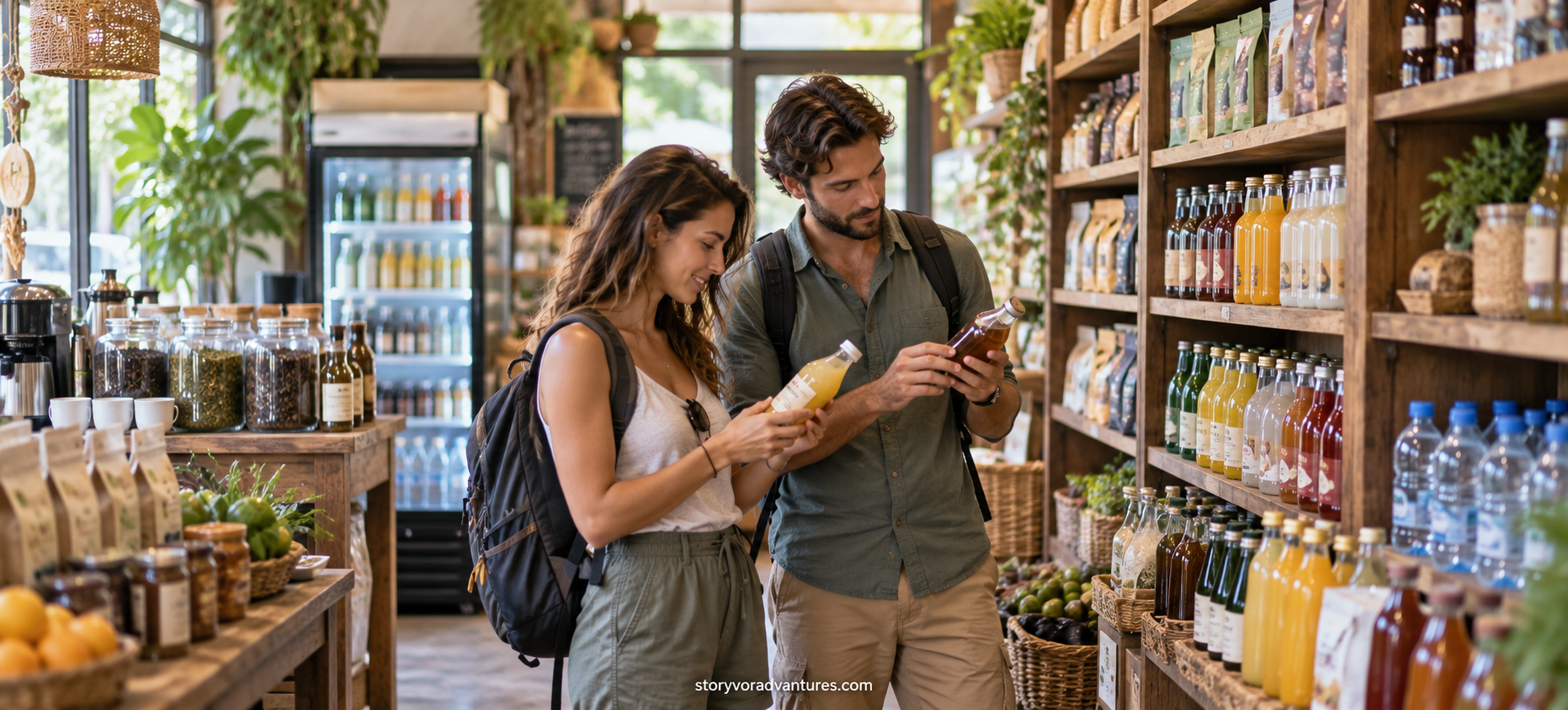
- The fresh-food section can provide a snapshot of the destination’s season. Locally grown fruit, vegetables, herbs and mushrooms often appear in greater quantities when they are naturally available.
- Seasonal ingredients can help travellers understand the connection between climate and cuisine. Coastal regions may display fresh seafood alongside regional herbs, while agricultural areas may offer produce connected to nearby farms. Mountain communities may rely more heavily on preserved foods during colder periods.
- A market visit can be especially useful when combined with a food tour, cooking class or conversation with an authorised local guide. These experiences can explain how ingredients are grown, prepared and used during festivals or family meals.
- Travellers should not assume that every product is locally produced simply because it appears in a neighbourhood store. Check the country or region of origin where possible, and ask staff politely when language and circumstances allow.
5. Explore Regional Drinks Responsibly
- Drink shelves can reveal important regional habits. Tea, coffee, fruit juices, mineral water, yoghurt drinks and herbal beverages often vary greatly between destinations. Their flavours and preparation methods may reflect local agriculture, climate and social traditions.
- Travellers can try a small number of non-alcoholic drinks while paying attention to sugar, caffeine and unfamiliar ingredients. Bottled water labels may also help identify whether the product is still, sparkling or mineral-rich.
- If alcohol is available, local laws and customs must take priority. Minimum purchasing ages, drinking locations and public-behaviour rules vary between countries. Some communities avoid alcohol for religious or cultural reasons, while other regions are known for traditional production.
- Never assume that a familiar-looking bottle contains the expected product. Translate the label when necessary, drink responsibly and avoid carrying liquids through airport security without checking current restrictions.
6. Choose Practical Edible Souvenirs
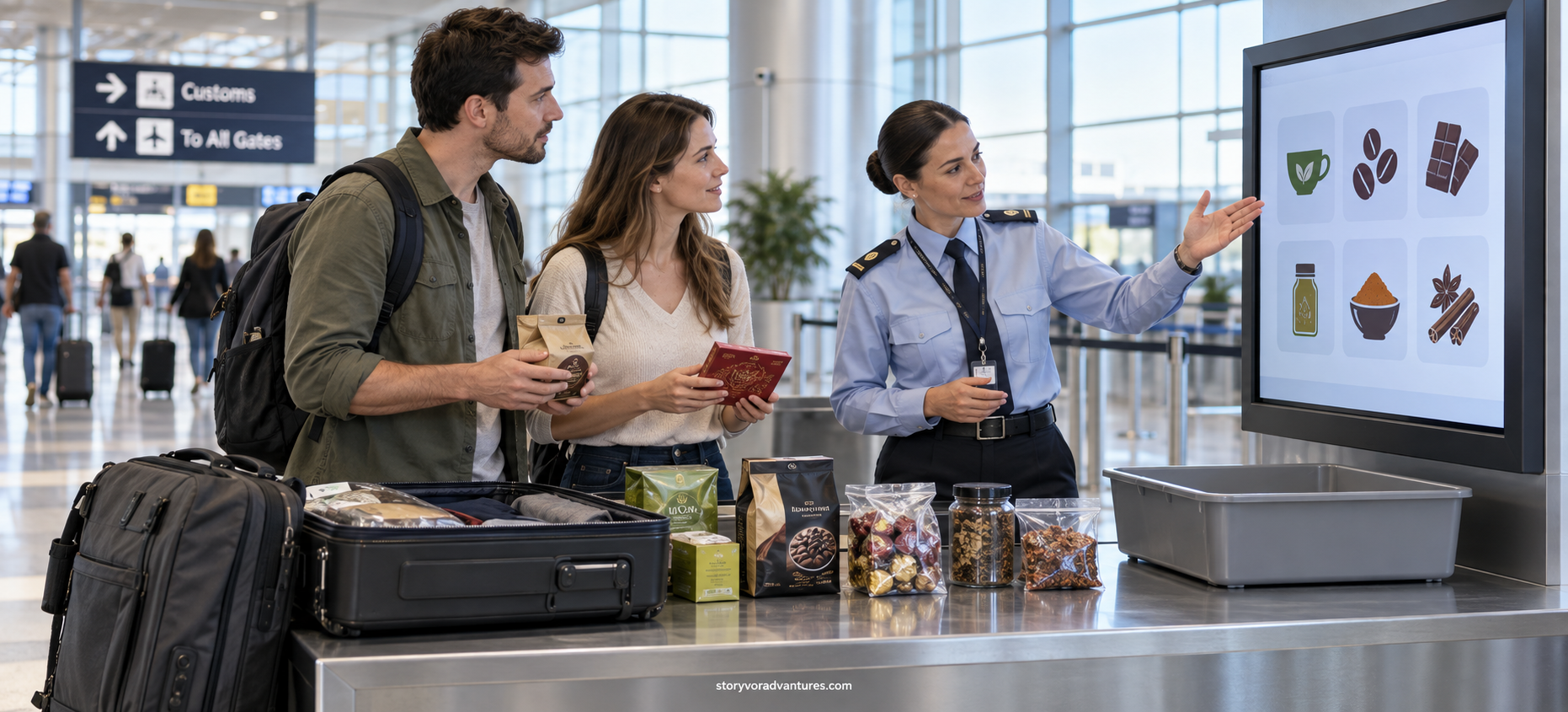
- Food souvenirs can be more meaningful than mass-produced decorative items. Tea, coffee, spices, sweets, sealed sauces and packaged snacks may remind travellers of a destination through flavour and aroma.
- Before purchasing anything, check the expiration date, storage instructions and strength of the packaging. Glass containers can break inside luggage, while products requiring refrigeration may not survive a long journey. Strong-smelling foods may also affect other belongings.
- The most attractive package is not always the most practical choice. Products that are commercially sealed, clearly labelled and easy to transport are generally safer options than homemade or unmarked food. Travellers should retain the original packaging until they reach home.
- Buying from independent neighbourhood stores can support local businesses, but purchases should remain reasonable. A small selection of thoughtfully chosen items is usually more useful than a suitcase filled with products that may be restricted, damaged or wasted.
7. Learn Through Packaging and Labels
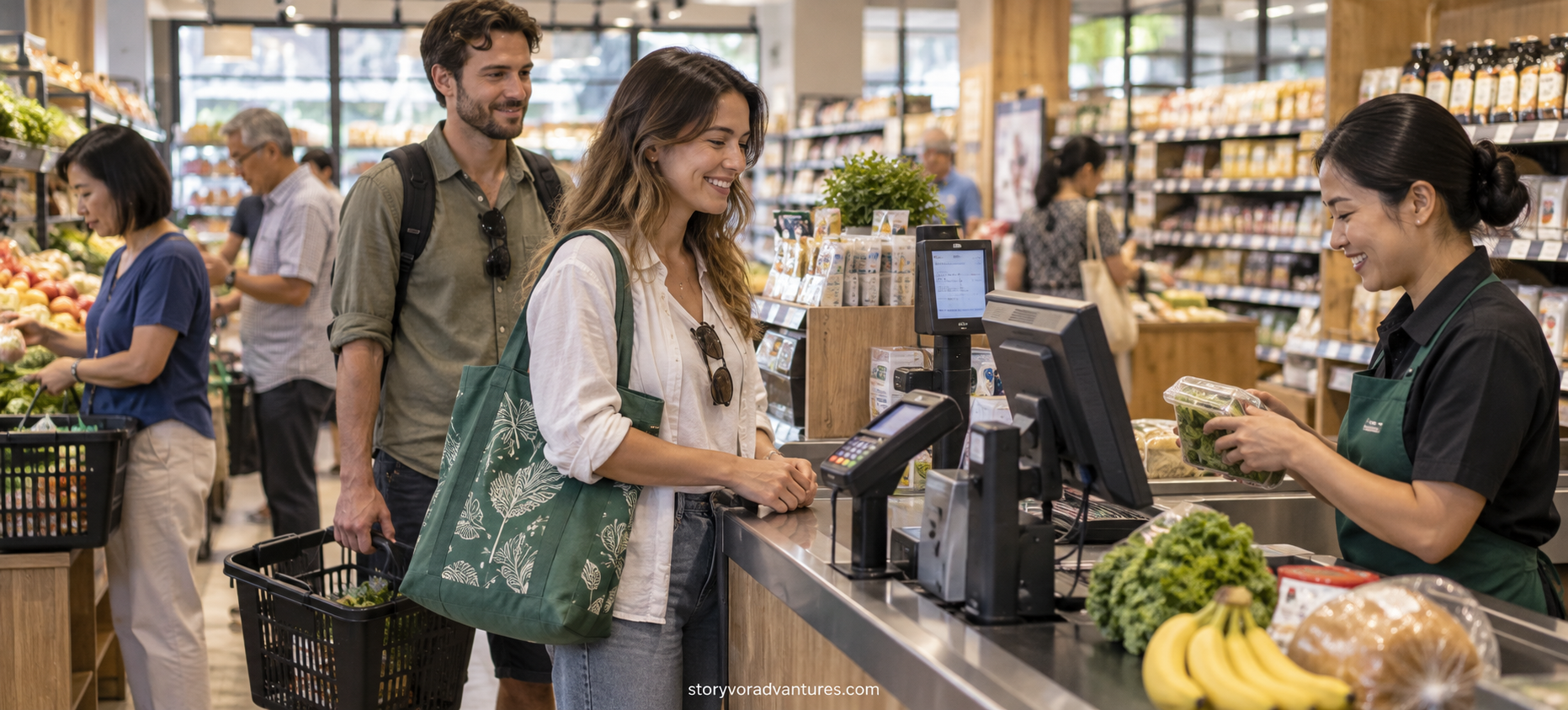
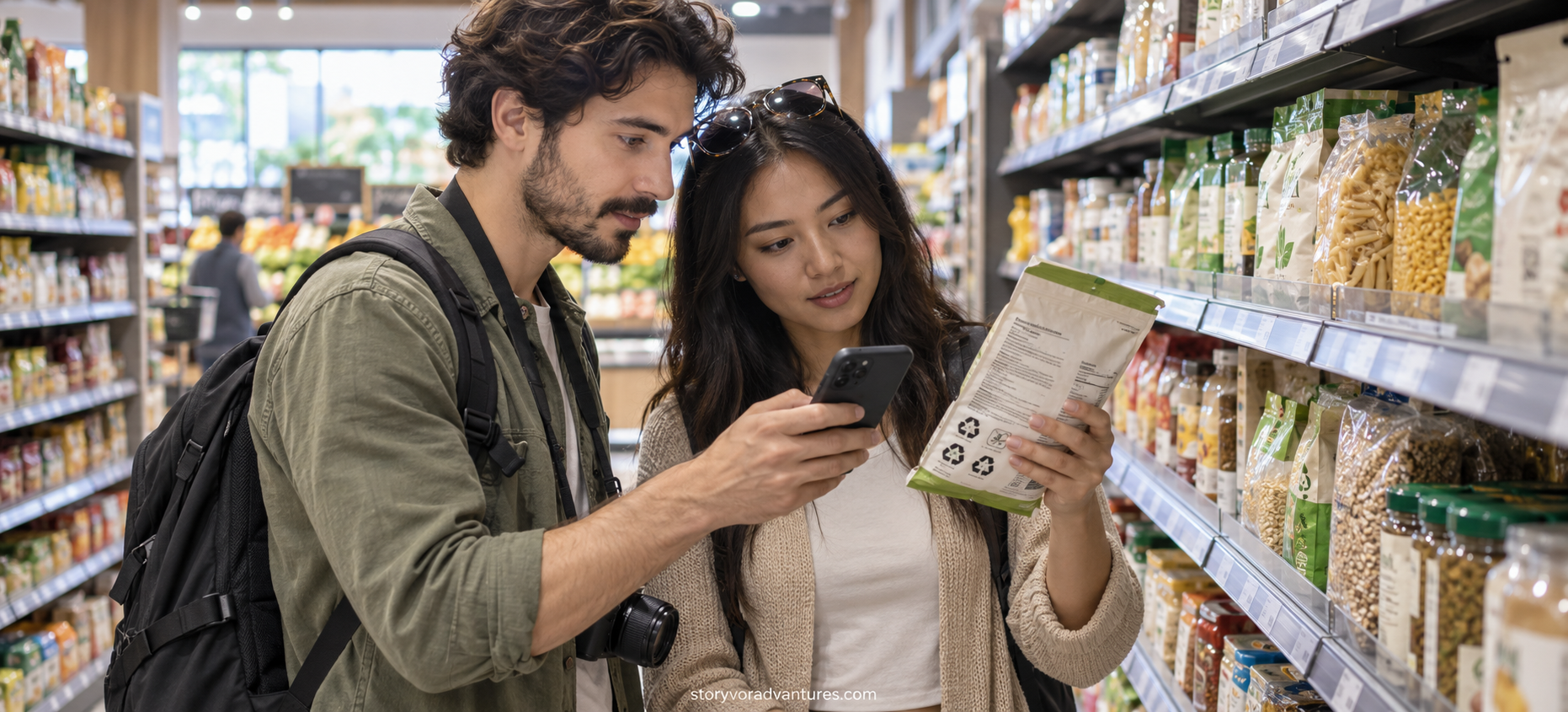
- Packaging communicates much more than a product’s name. Labels may include nutritional information, preparation instructions, recycling symbols, quality marks and regional certifications. Comparing them with products from home can reveal differences in regulations, portion sizes and consumer priorities.
- Translation applications can help travellers understand basic information, but automated translations are not always accurate. Important details concerning allergies, medication interactions or dietary restrictions should never depend entirely on a quick phone translation.
- Colour alone is also unreliable. Similar packaging can represent completely different ingredients, and familiar brand-style designs may not contain the product a traveller expects. Reading the full label is especially important when purchasing items for children or anyone with a serious allergy.
- Photography should be discreet. Some stores do not permit commercial photography, and staff or customers may not want to appear in images. Ask permission before taking detailed photographs, recording videos or creating social-media content inside a shop.
8. Respect Shopping Etiquette and Local Customers
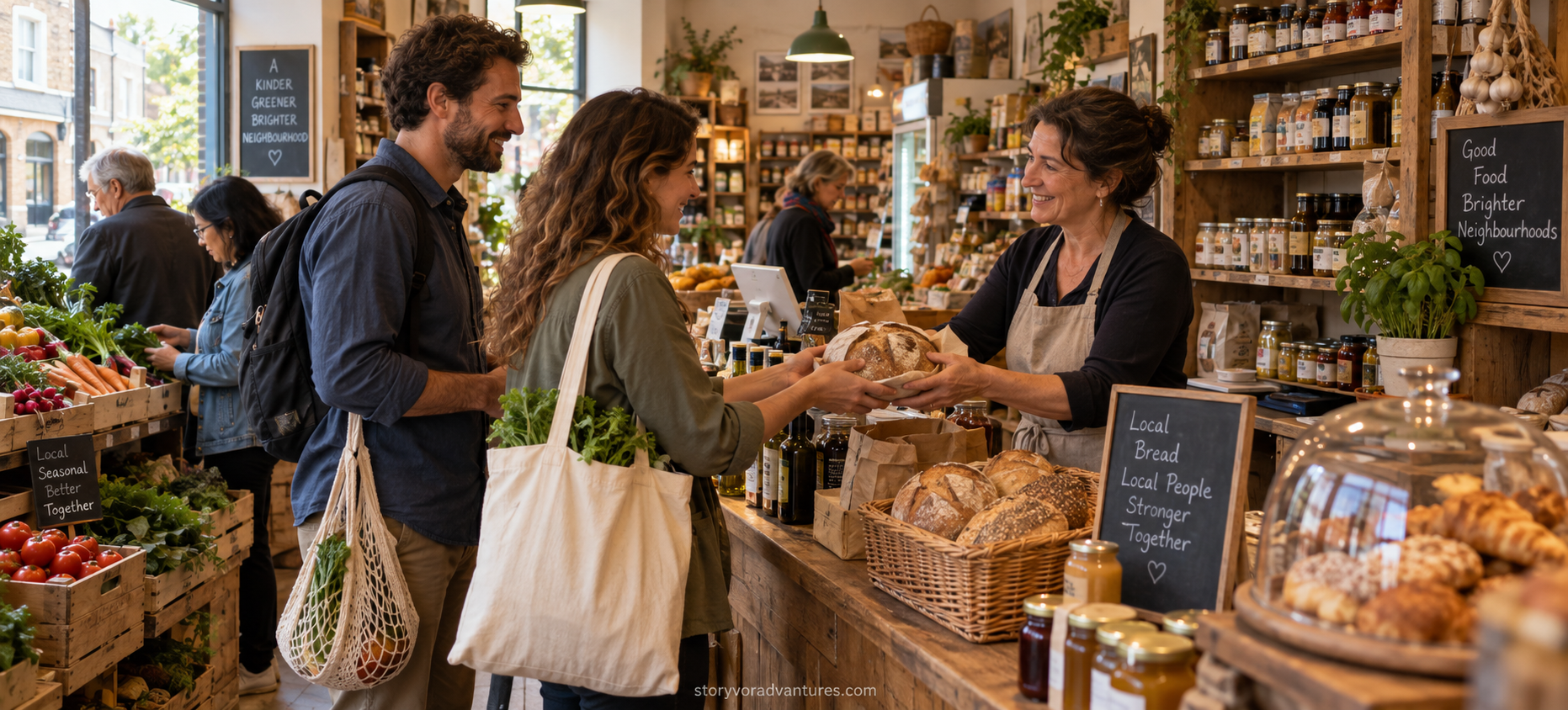
- A grocery store is primarily a working business for residents, not a tourist attraction. Visitors should avoid blocking aisles, rearranging displays or occupying busy checkout areas while filming content.
- Shopping procedures can differ between countries. Customers may be expected to weigh produce before reaching the checkout, bring reusable bags, pack their own groceries or insert a coin to use a trolley. Some shops accept only particular payment methods, while smaller businesses may prefer cash.
- Observing other customers can help, but travellers should ask politely when unsure. Learning a few useful phrases for greeting staff, requesting assistance and saying thank you can make the interaction smoother.
- Visit at a quiet time when possible. Early evening and weekends may be particularly busy as residents shop after work or prepare for the week. A respectful visitor completes purchases efficiently and remembers that local customers should never be treated as part of a travel performance.
9. Check Customs Rules Before Carrying Food Home
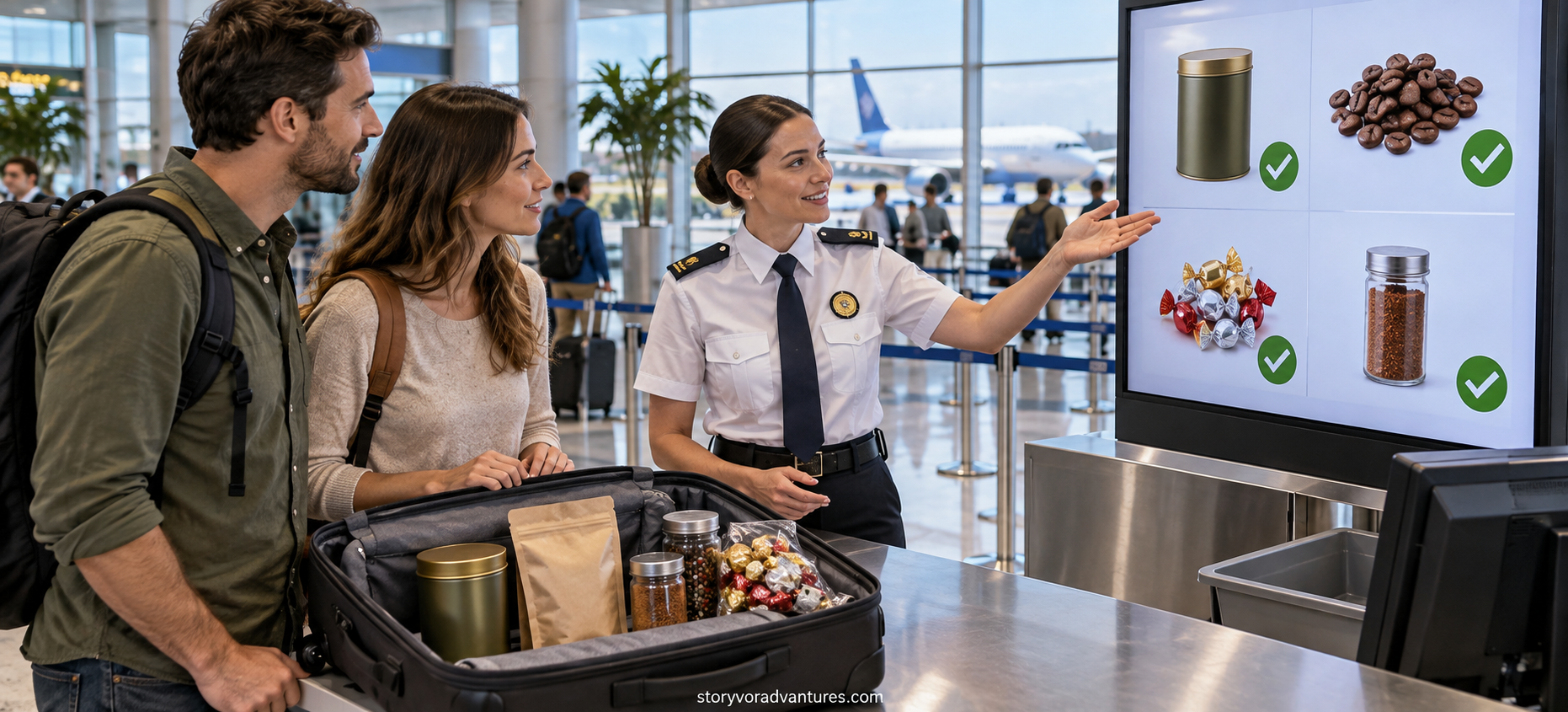
- A product sold legally at the destination is not automatically permitted in another country. Fresh fruit, vegetables, meat, dairy products, seeds, plants and homemade foods are commonly restricted because they can carry pests or diseases.
- Rules depend on the traveller’s destination, transit countries, product ingredients and packaging. Regulations can also change. Advice found in an old article or social-media video may therefore be inaccurate by the time you travel.
- Check official customs and agriculture websites before purchasing food to carry across a border. Declare products whenever required, retain receipts and keep items in their original sealed packaging. If the rules are unclear, consume the product during the trip instead of packing it.
- Trying to hide food can lead to confiscation, fines or additional inspection. Honest declaration is always safer than assuming a small quantity will not matter.
10. Support Independent Neighbourhood Stores
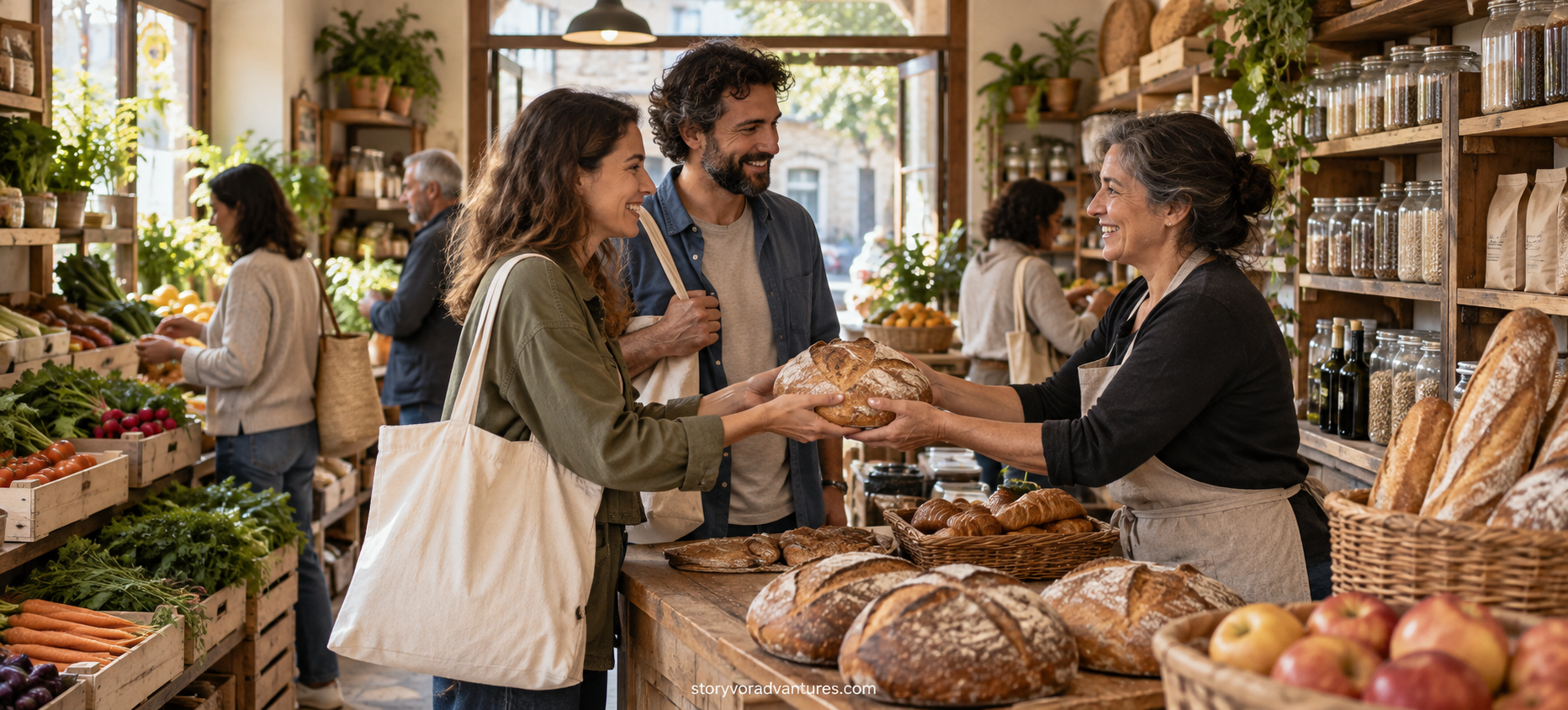
- Large supermarkets can be convenient, but independent food shops may offer a closer connection to the community. Family-run bakeries, produce stores and small grocery businesses often sell regional products that are difficult to find in international chains.
- Supporting these businesses can keep more travel spending within the destination. However, responsible support requires more than making a purchase. Travellers should respect prices, opening hours and the owner’s decision about photography. Aggressive bargaining is inappropriate in fixed-price shops.
- Social-media exposure should also be handled carefully. A positive recommendation can help a small business, but sudden online popularity can create queues, shortages and unwanted attention. Ask before sharing the exact location of a tiny shop, especially when it operates in a residential area.
- The objective is not to discover a business before other travellers do. It is to participate in the local economy without disrupting the people who depend on it.
How to Plan a Respectful Grocery-Store Visit
- Choose a shop that fits naturally into your itinerary rather than travelling across a city only to recreate a viral video. Carry a reusable bag, visit outside peak hours and make a small genuine purchase.
- Translate essential dietary words in advance if you have allergies or restrictions. Keep your phone available for product information, but do not record staff or customers without consent. Pay attention to checkout procedures and avoid opening packages before completing payment.
- Remember that a grocery store cannot represent an entire country. Products and habits vary between regions, income groups, communities and individual households. Treat what you observe as one part of the destination rather than a complete explanation of its culture.
Final Thoughts
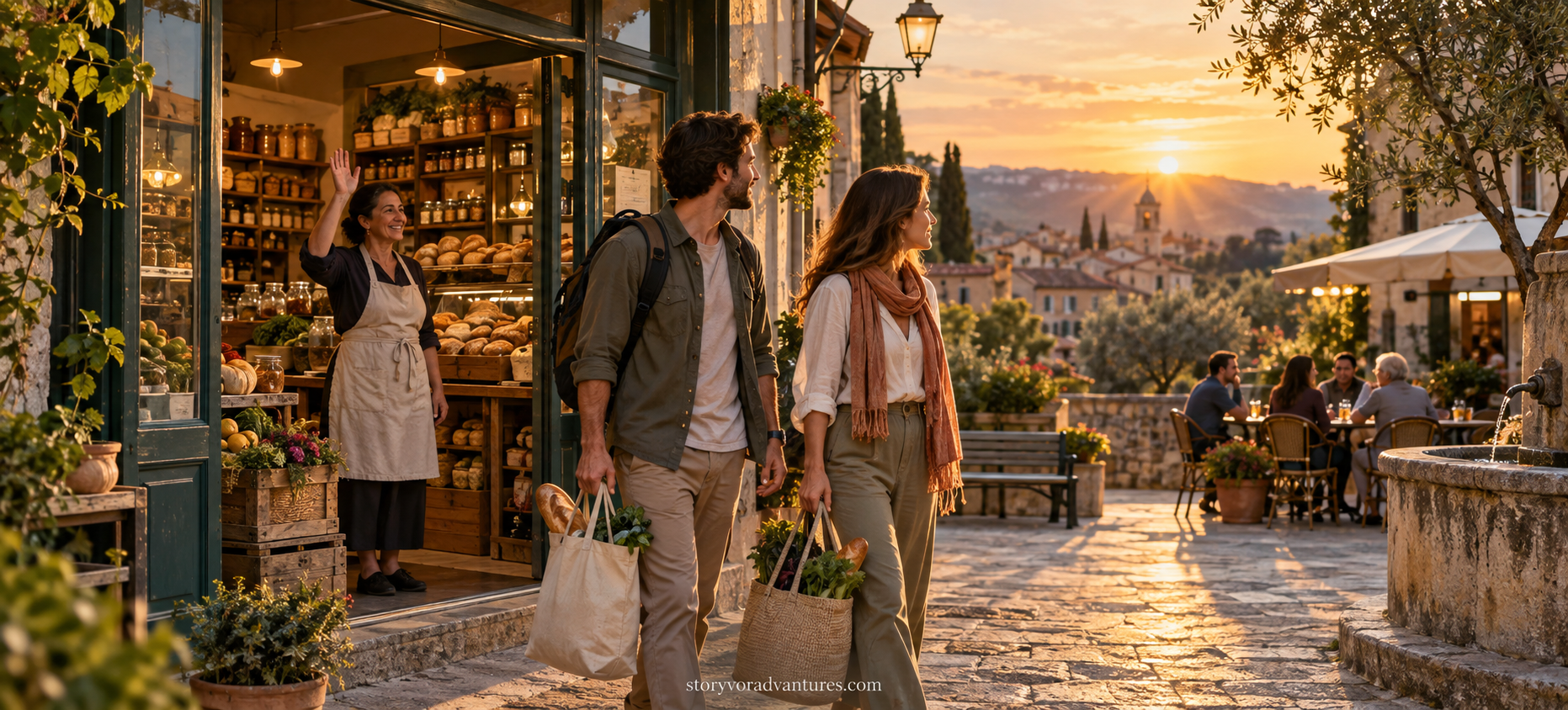
- Grocery store tourism transforms an ordinary shopping trip into an opportunity to observe everyday life. Shelves can introduce travellers to regional flavours, seasonal ingredients, breakfast habits and practical souvenirs that may never appear on a restaurant menu.
- The experience is most valuable when it remains simple and respectful. Visitors do not need to film every aisle or purchase every unfamiliar product. Taking time to read labels, try a few carefully chosen foods and support an appropriate local business is enough.
- A destination’s identity does not exist only inside famous monuments. It also appears in the bread people buy before work, the ingredients families cook at home and the snacks shared during ordinary journeys. By paying attention to these everyday details, travellers can understand a place more deeply without turning local life into another crowded attraction.
Important: Food ingredients, prices, availability, customs regulations and import restrictions can change. Always check product labels and official government guidance, especially when managing allergies or carrying food across international borders.