Belgium Travel Guide 2026: 10 Must-Visit Places and the Ultimate 5-Day Itinerary
Explore Belgium with this complete 2026 travel guide featuring 10 must-visit places, a 5-day itinerary, transport, food, budget and practical tips.
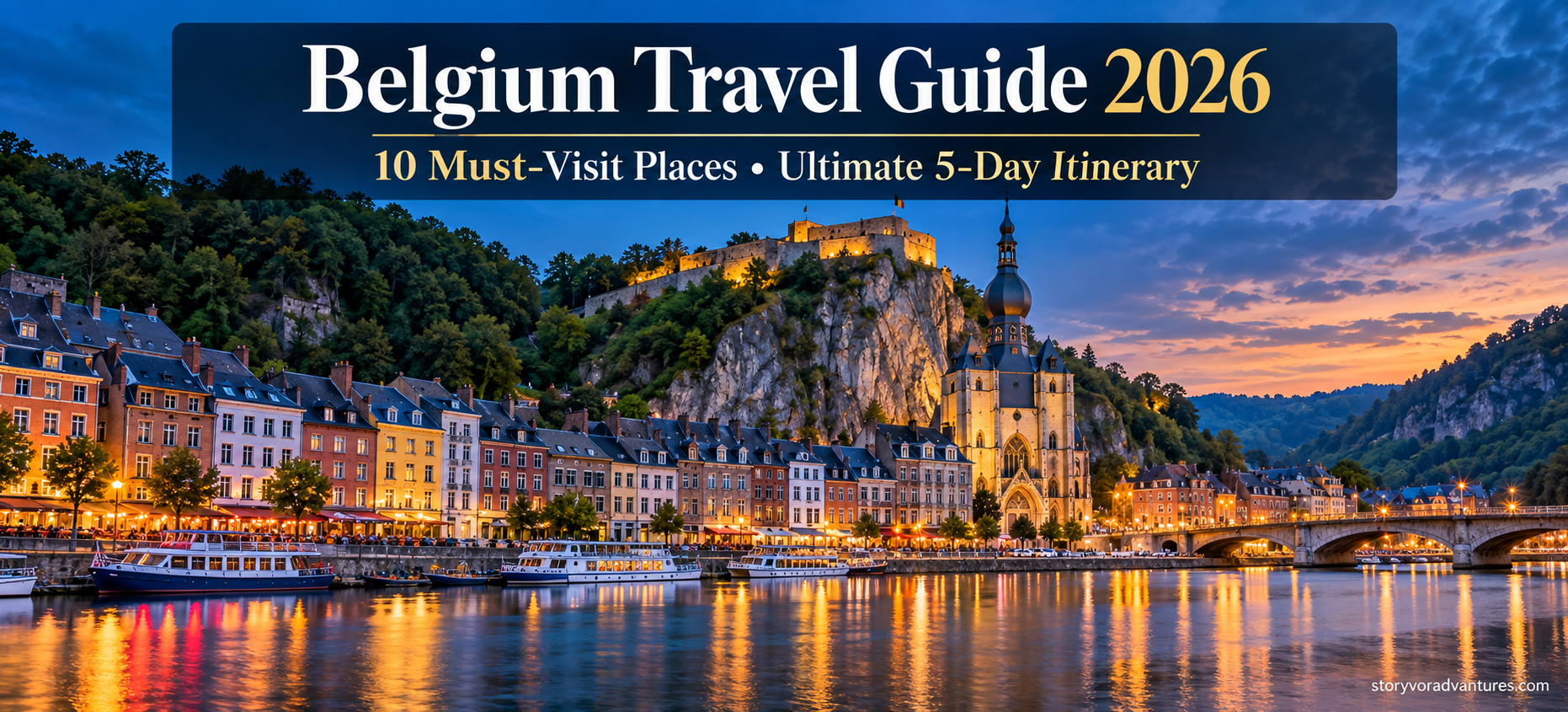
Belgium combines medieval cities, historic squares, museums, regional food and forest landscapes within a compact country. Its railway network makes it possible to use Brussels or another central city as a base while taking day trips to Bruges, Ghent, Antwerp and Leuven. This guide covers ten notable places, a practical five-day itinerary, transport, food, budget and essential planning information.
Belgium Travel Essentials
- Capital & Vibe: Brussels (The perfect mix of grand European politics, stunning historic squares, and quirky comic-book street art).
- Currency & Payments: Euro (€). You rarely need cash anymore; contactless cards (Visa/Mastercard) and mobile wallets are accepted at almost every waffle stand and train station.
- Main Languages: The country is split linguistically. Flanders in the north speaks Dutch (Flemish), Wallonia in the south speaks French, and there is a tiny German-speaking community in the east. Don’t stress—almost everyone in the cities speaks flawless English.
- Main Airport: Brussels Airport (BRU) is the primary international hub, though budget airlines fly into Brussels South Charleroi (which is actually quite far from Brussels, so factor in a 60-minute bus ride).
- Best Transport: The SNCB/NMBS national train system. It is the absolute lifeblood of Belgian travel.
Before travelling, check Visit Flanders for northern destinations and Visit Wallonia for information about southern regions.
10 Must-Visit Places in Belgium
1. Brussels: Beyond the Transit Hub
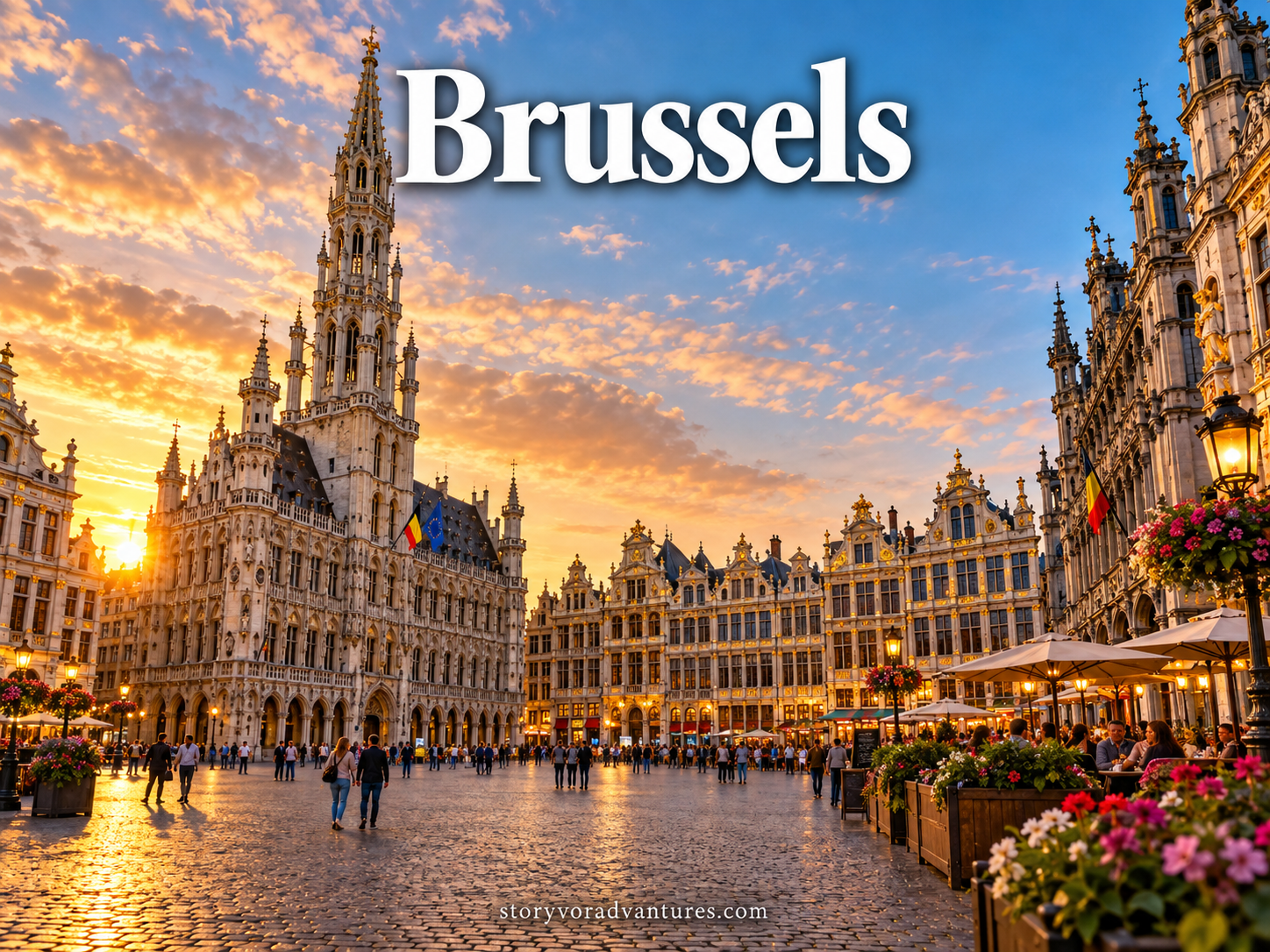
Most people use Brussels just to sleep, but it deserves your time. The absolute heart of the city is the Grand-Place. Surrounded by opulent, gold-trimmed guild houses and the towering Gothic Town Hall, it is easily one of the most magnificent squares in Europe.
- The Deep-Dive Tip: Do not just look at the buildings and leave. Go inside the Maison du Roi (The King’s House) which now hosts the Brussels City Museum. It holds the original Manneken Pis statue and hundreds of his bizarre, customized outfits donated by countries around the world.
- Where to Walk: Leave the square and walk through the Galeries Royales Saint-Hubert—a stunning 19th-century glass-roofed shopping arcade. Skip the overpriced cafes inside, but definitely admire the spectacular chocolate window displays at Neuhaus and Pierre Marcolini. Then, hike up the hill to the Mont des Arts. The perfectly manicured garden here aligns flawlessly with the spire of the Town Hall in the distance, making it the absolute best sunset photo spot in the city.
- Official Resource: Always check Visit.Brussels for sudden closures of the Royal Palace or special events happening at the Atomium.
2. Bruges: The Medieval Time Capsule
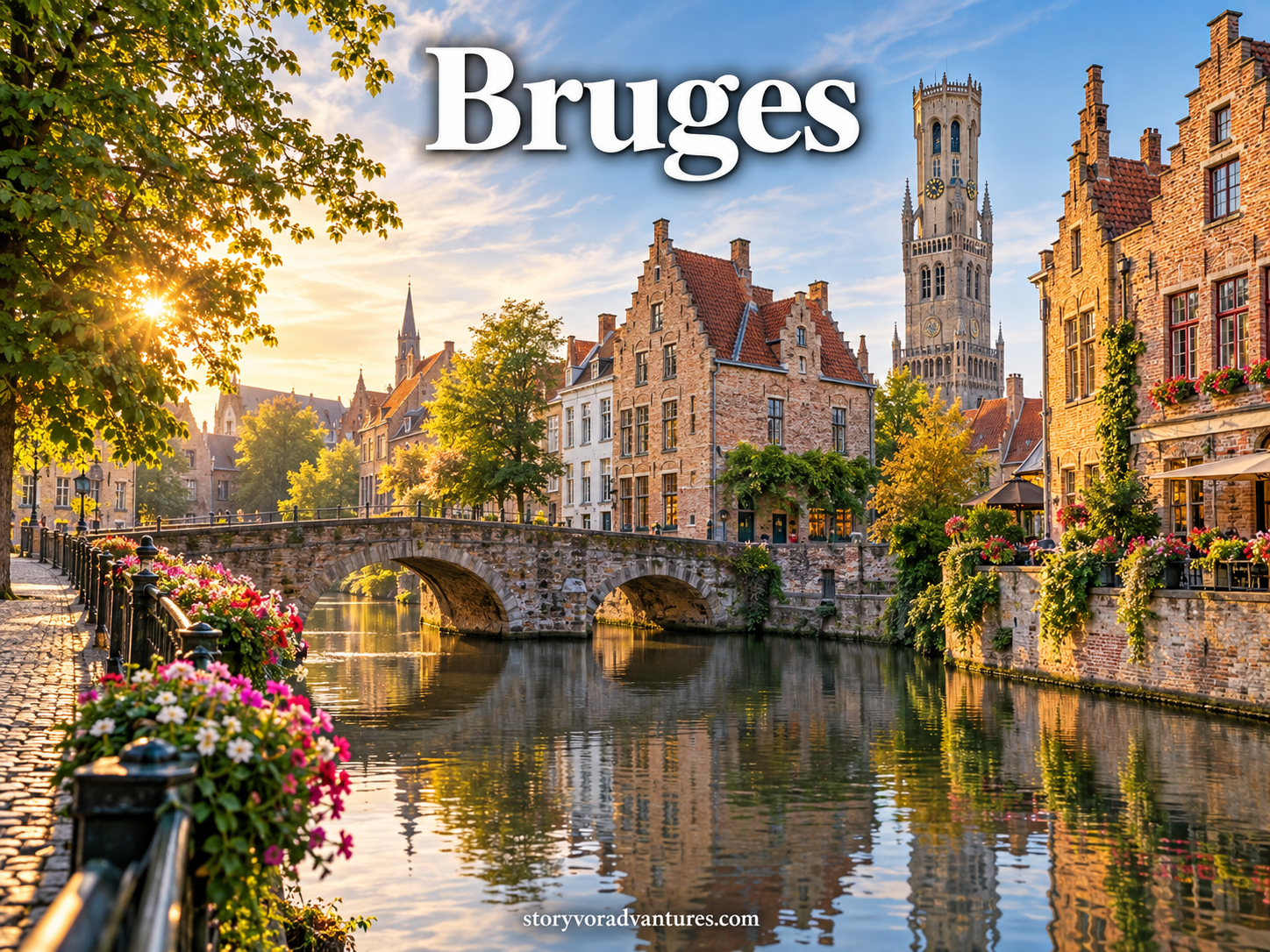
Bruges is famous for a reason. Its cobbled lanes, historic brick houses, and winding canals are so exceptionally preserved that the entire city center is a UNESCO World Heritage Site.
- The Deep-Dive Tip: Because it is stunning, it gets slammed with massive tour groups between 10:00 AM and 4:00 PM. The secret to Bruges is spending the night. When you walk the Rozenhoedkaai (the most photographed canal bend) at 8:00 AM or 10:00 PM, the water is perfectly still, reflecting the medieval brickwork like a mirror. It feels entirely magical and completely empty.
- Hidden Corners: Everyone climbs the Belfry, but art lovers should sneak away to the Groeningemuseum to see mind-blowing Flemish Primitive art. Also, walk away from the center to the Minnewater (Lake of Love) and the adjacent Beguinage. The Beguinage is a walled complex of white-painted houses surrounding a serene courtyard of towering trees, originally built for emancipated women in the 13th century. It demands absolute silence from visitors, offering a profound escape from the tourist crowds.
3. Ghent: The Edgy, Energetic Sibling
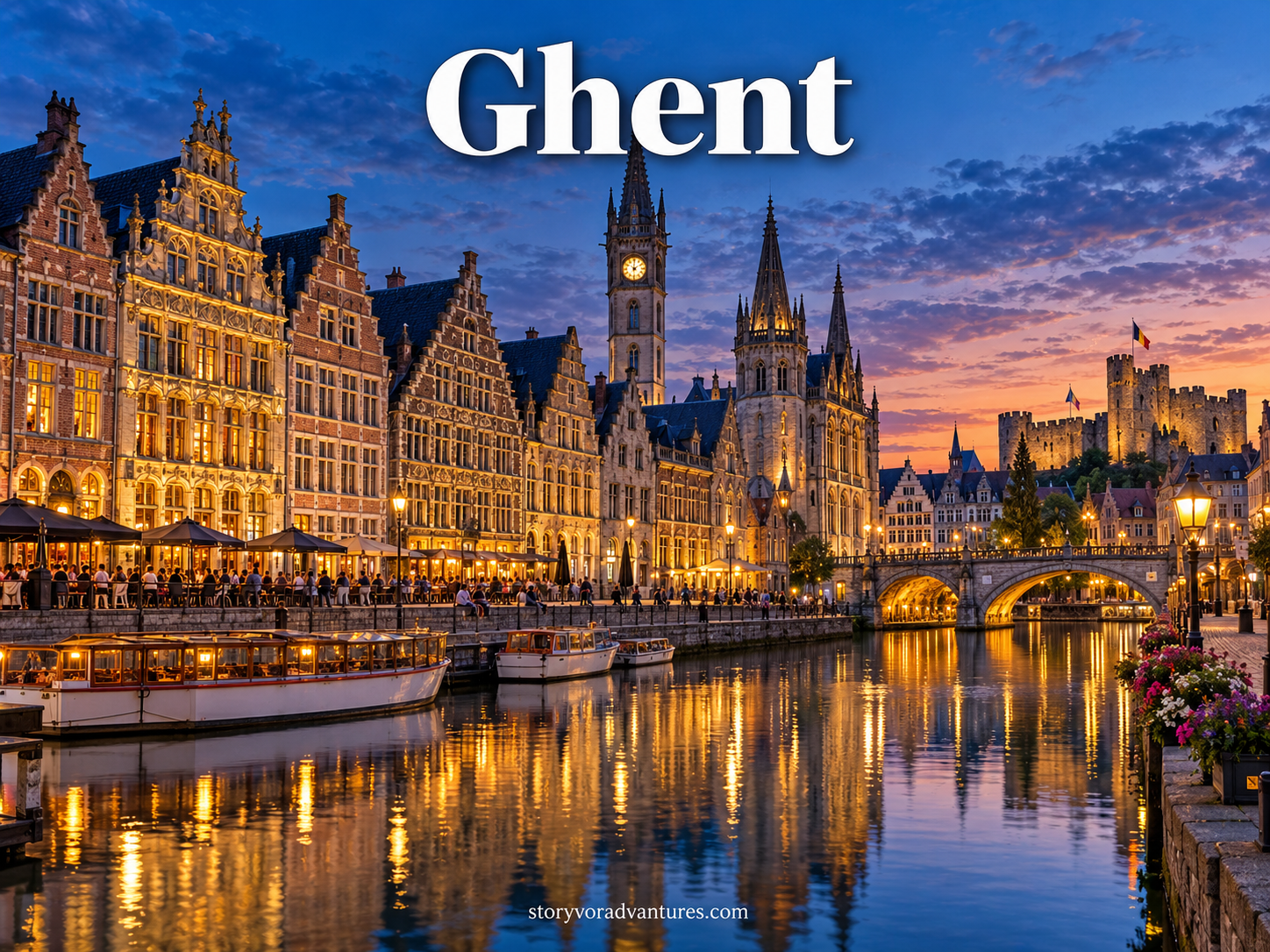
If Bruges is the quiet, romantic sibling, Ghent is the cool, energetic rebel. It balances heavy, imposing medieval history with a vibrant, modern university life. It never feels like a stagnant museum.
- The Deep-Dive Tip: Start at St. Michael’s Bridge. This is the only spot in the city where you can capture all three of Ghent’s iconic medieval towers (St Nicholas’ Church, the Belfry, and St Bavo’s Cathedral) in a single photograph. Once inside St Bavo’s, you must pay the small fee to see the Adoration of the Mystic Lamb (The Ghent Altarpiece). It is one of the most frequently stolen and historically significant paintings in world history.
- Where to Eat & Relax: You must visit Gravensteen, a massive, brooding stone castle sitting right in the middle of a modern city street. After exploring its battlements, head into the Patershol neighborhood. It’s a maze of winding medieval alleys that have been completely taken over by incredible, independent restaurants serving everything from traditional Flemish stew to high-end Japanese fusion.
4. Antwerp: Diamonds, Fashion, and Fine Art
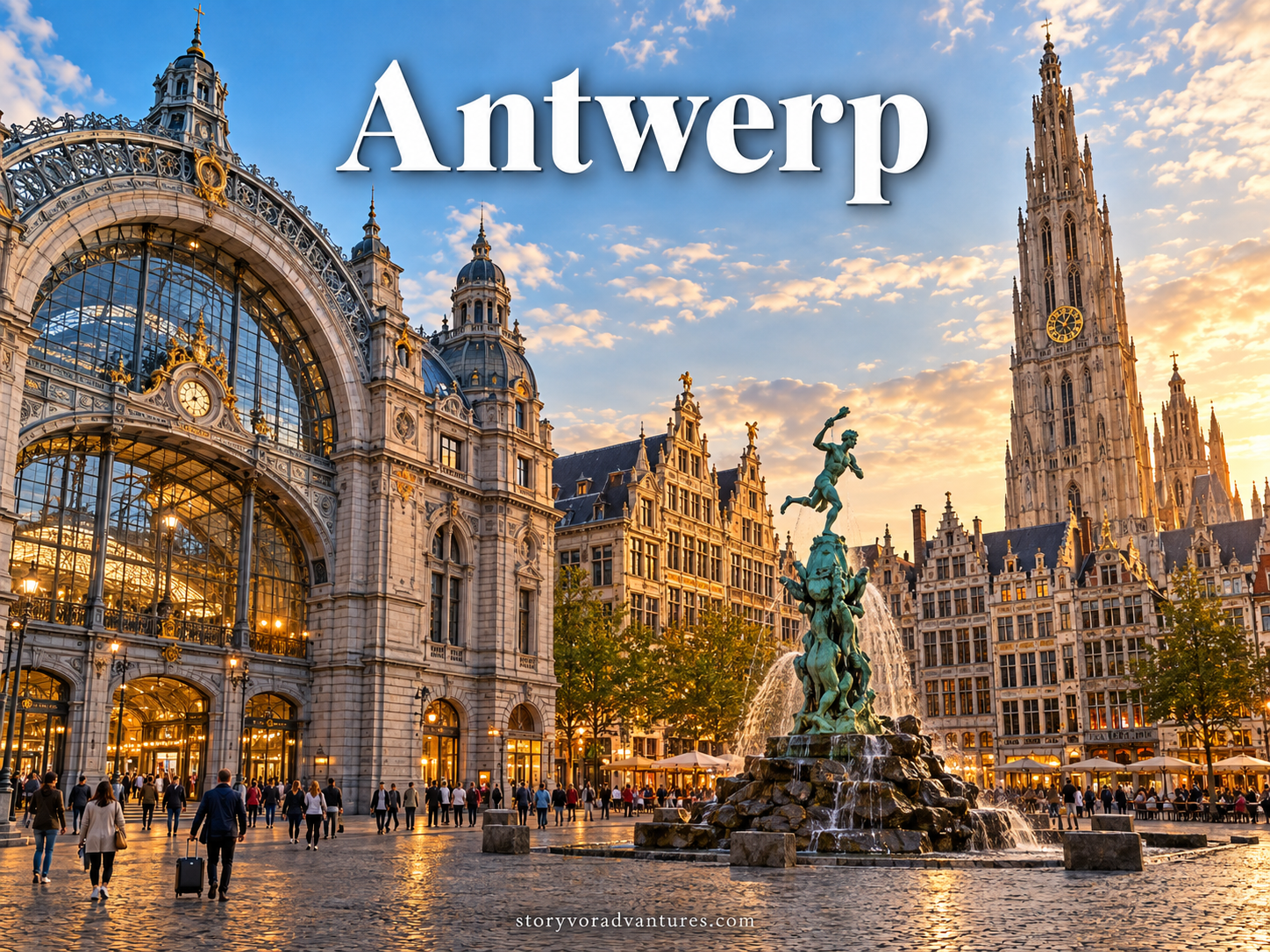
Antwerp is Belgium’s fashion, diamond, and port capital. The moment you step off the train, you are greeted by Antwerpen-Centraal, an architectural masterpiece of stone, glass, and iron that feels more like a cathedral than a transit hub.
- The Deep-Dive Tip: The artistic soul of this city revolves around Peter Paul Rubens. While his former home (Rubenshuis) undergoes renovations, you can still see his massive, dramatic masterpieces hanging in the Cathedral of Our Lady in the Grote Markt.
- The Cultural Shift: Move away from the historic center and head to the Het Eilandje district. This is the old docklands area that has been aggressively modernized. The centerpiece is the MAS (Museum aan de Stroom), a striking tower of red sandstone and glass. You don’t even need a museum ticket to ride the escalators all the way to the open-air rooftop for a sprawling, 360-degree view of the city and the massive shipping port.
5. Leuven: The Ultimate University Town
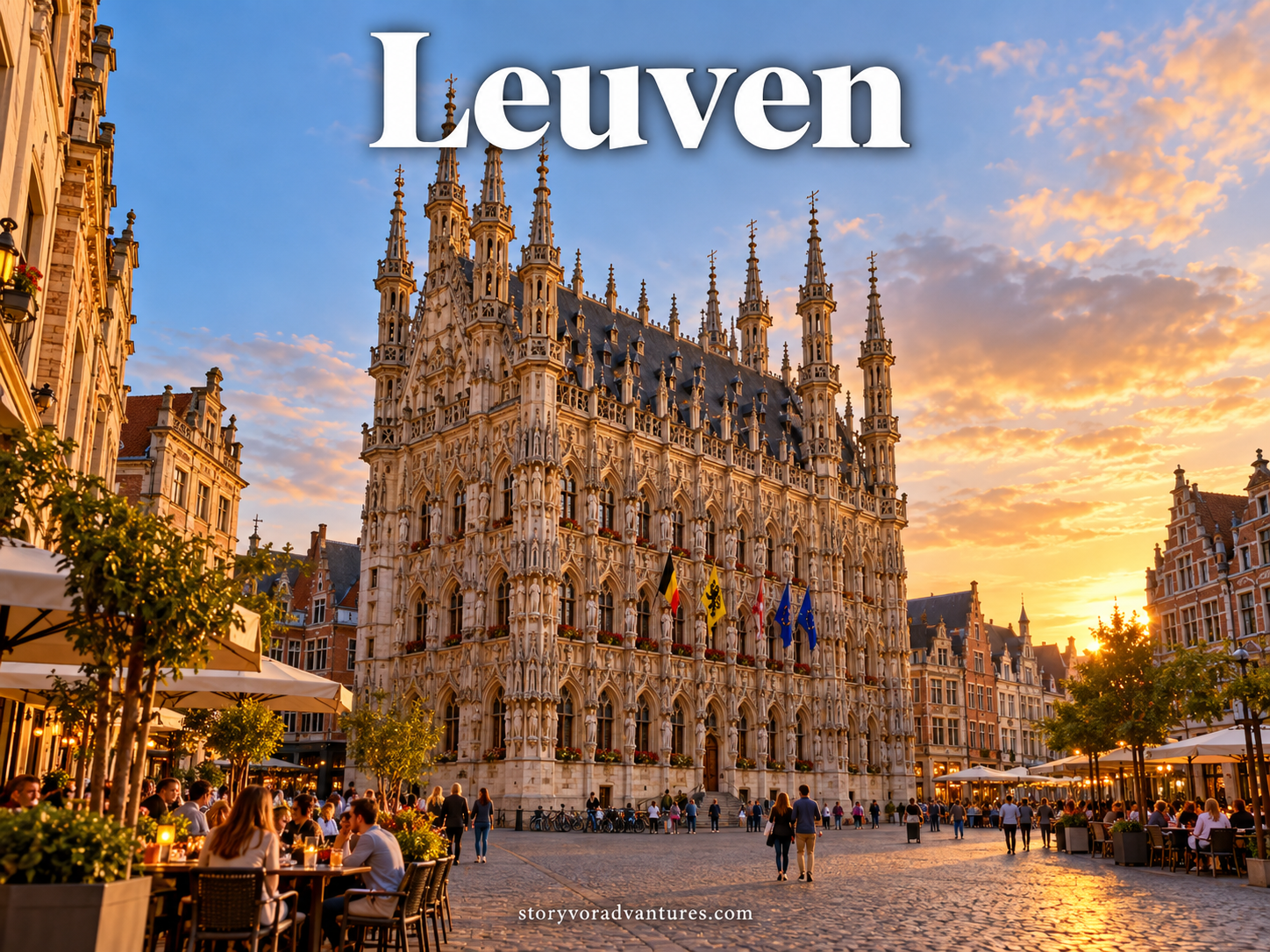
Just a quick 25-minute train ride from Brussels, Leuven is a compact, relaxed university town that holds the oldest Catholic university in the world.
- The Deep-Dive Tip: The Gothic Town Hall here will stop you in your tracks—it looks like a delicate piece of lacework carved out of stone, featuring 236 detailed statues embedded in its facade. Because it’s a student city, the Oude Markt is famously known as the “longest bar in the world.” It is essentially a massive square entirely lined with interconnected pubs and outdoor terraces.
- The Quiet Escape: When the student energy gets too loud, walk 15 minutes to the Groot Begijnhof (Great Beguinage). Unlike the one in Bruges, this is a massive, sprawling medieval neighborhood of red-brick houses, cobblestone paths, and small stone bridges crossing the River Dijle. It is now used as housing for visiting professors, and wandering through it feels like you’ve slipped back to the 16th century.
6. Dinant: The Dramatic River Fortress
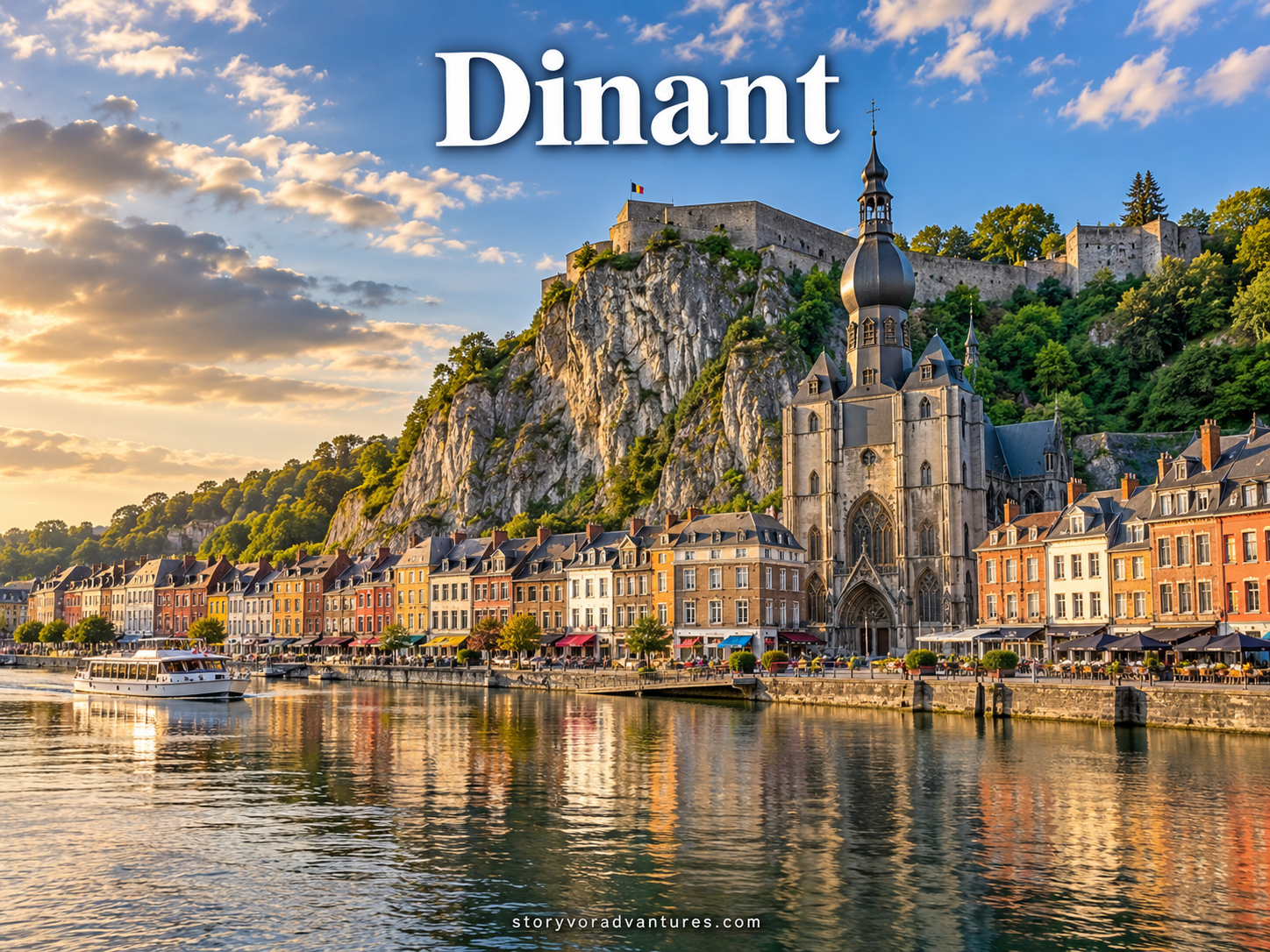
Heading down into the French-speaking Wallonia region, the landscape completely changes. Dinant is visually spectacular, squeezed tightly between the wide Meuse River and a sheer, towering cliff face.
- The Deep-Dive Tip: The Collegiate Church of Our Lady, with its iconic pear-shaped bell tower, sits directly beneath the cliffs. Take the cable car (or endure the 400+ steps) up to the Citadel. Beyond the sweeping views of the river valley, the Citadel features a deeply immersive, slightly disorienting recreation of trench warfare from World War I, as the town saw heavy fighting.
- Musical Heritage: Dinant is the birthplace of Adolphe Sax, the inventor of the saxophone. You will find massive, brightly painted saxophone sculptures lining the Charles de Gaulle bridge. Try a Couque de Dinant while you are here—it’s a local honey biscuit that is notoriously hard (locals warn you to break off a small piece and let it melt in your mouth, otherwise you will literally crack a tooth!).
7. The Belgian Ardennes: Deep Forests and Castles
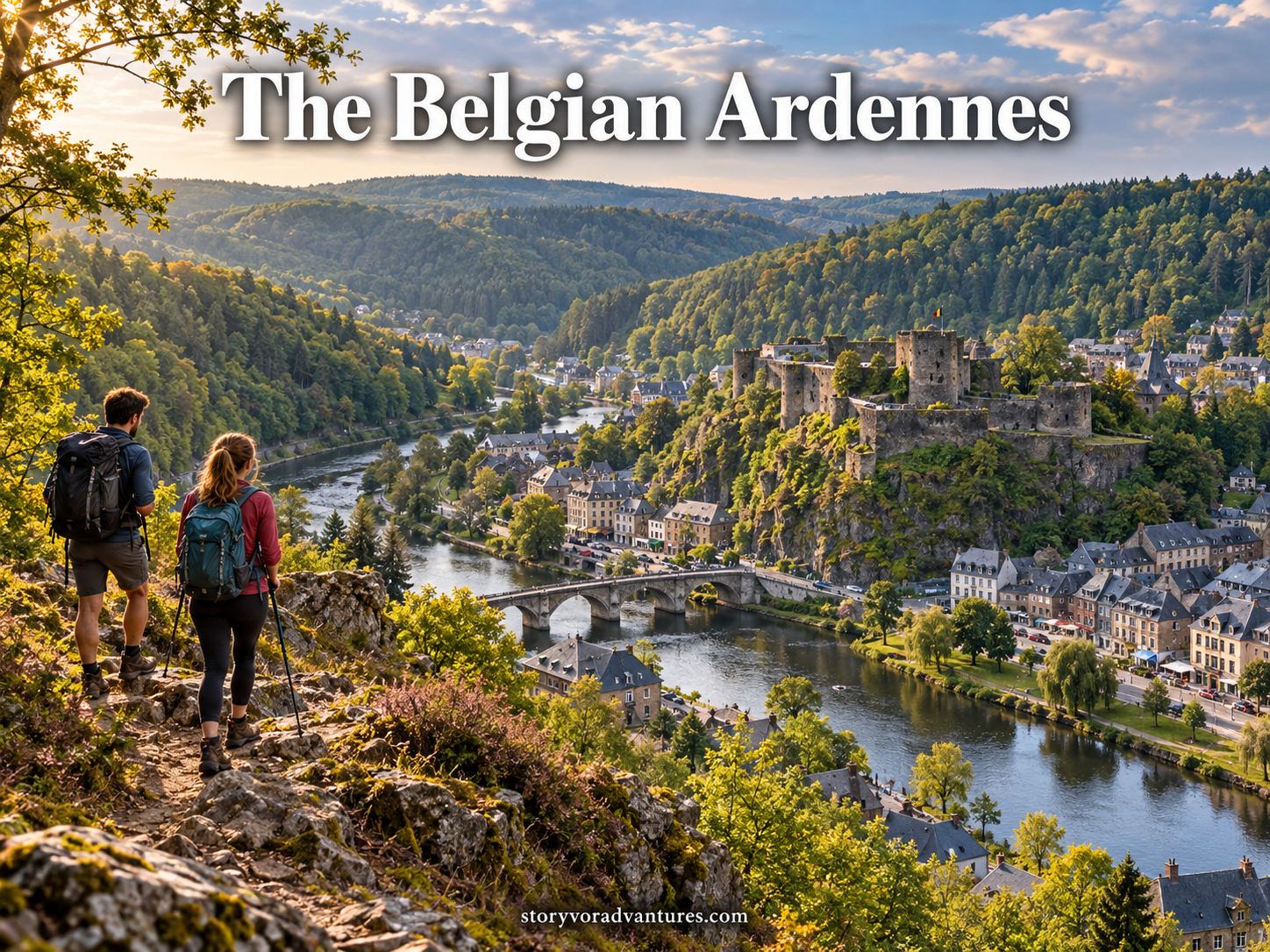
When you are completely burnt out on cobblestones and cathedrals, the Ardennes region is your sanctuary. This is the green lung of Belgium, defined by deep forests, winding rivers, and outdoor adventure.
- The Deep-Dive Tip: Base yourself in a historic town like Bouillon or Durbuy (which claims to be the smallest town in the world). In Bouillon, you can explore the sprawling, labyrinth-like ruins of Godfrey of Bouillon’s medieval castle, which offers falconry shows in the courtyard.
- Outdoor Adventures: The Ardennes is the only place in Belgium where renting a car is highly recommended, as train routes are scarce. Drive out to the Caves of Han for a massive underground geological tour, or rent a kayak to paddle down the Lesse or Ourthe rivers. It is rugged, quiet, and completely different from the bustling north.
8. Mechelen: The Crowd-Free Gem
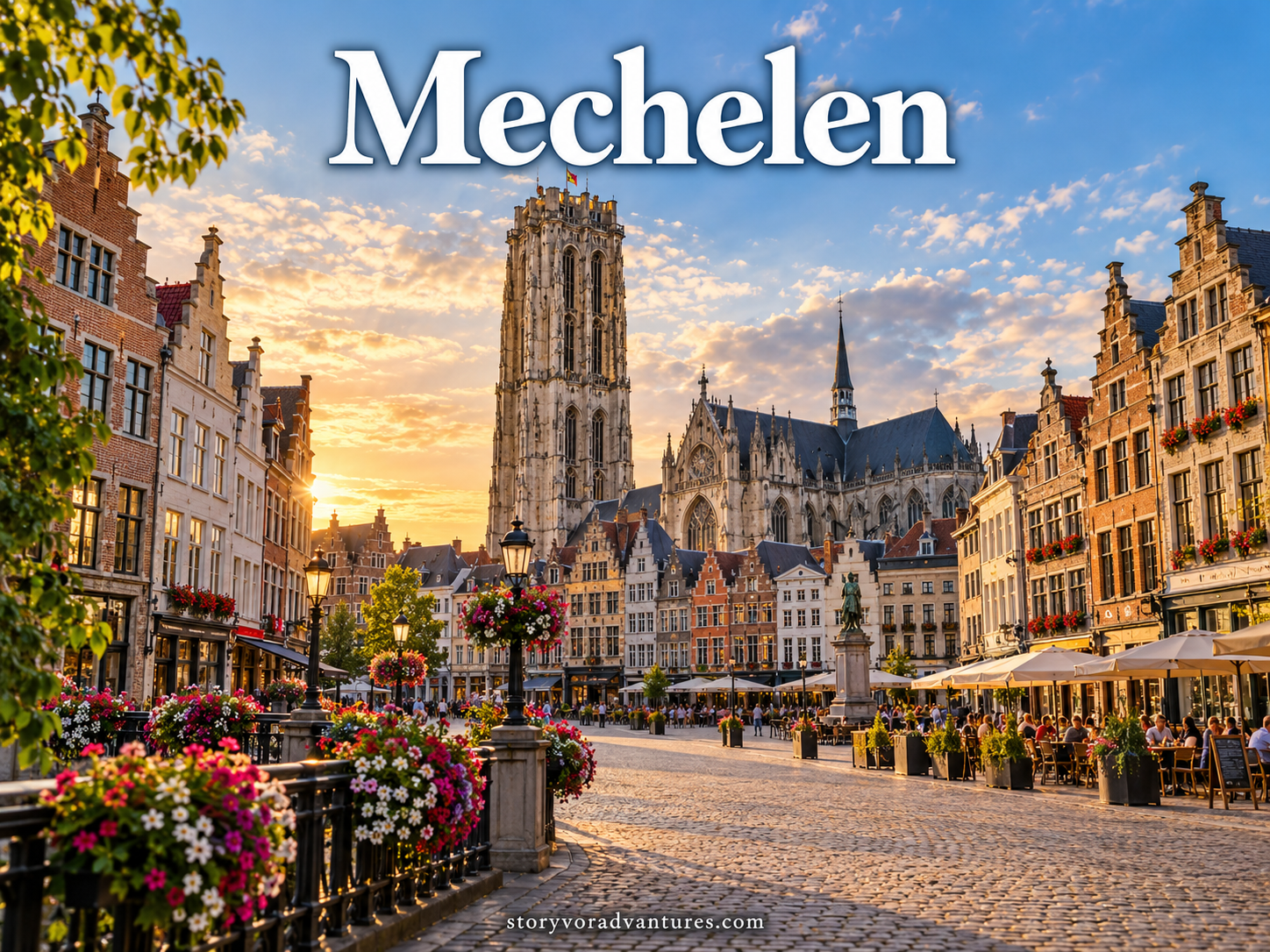
Sitting right on the main train line between Brussels and Antwerp, Mechelen is constantly bypassed by tourists, which makes it an absolute treasure for those who stop.
- The Deep-Dive Tip: The challenge of Mechelen is the St. Rumbold’s Tower. It is a monumental climb of 538 steps. However, unlike most narrow medieval towers, this one has six massive chambers you can stop in along the way, including the working bell-ringer’s room. The glass skywalk at the top offers views all the way to the Atomium in Brussels on a clear day.
- Deep History: Mechelen has a sobering World War II history. The Kazerne Dossin was used as a transit camp during the Holocaust. Today, it is a brilliantly designed, deeply moving memorial and museum about human rights and the Belgian resistance that is highly worth a dedicated afternoon.
9. Namur: The Strategic Capital of Wallonia
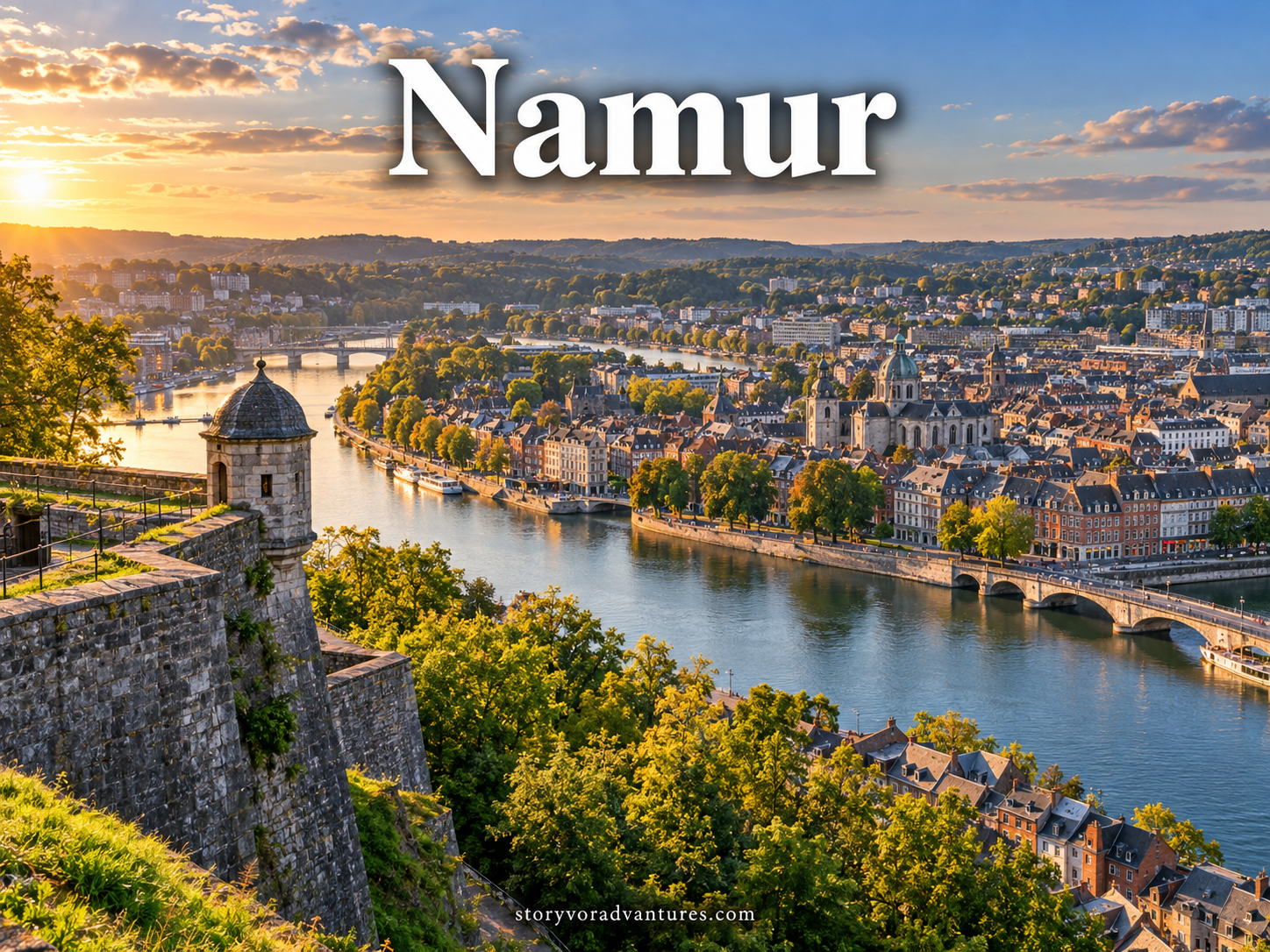
Sitting at the confluence of the Sambre and Meuse rivers, Namur feels grand but moves at a wonderfully slow, relaxed pace.
- The Deep-Dive Tip: The Citadel of Namur is one of the largest fortresses in Europe. Do not just look at the walls from the outside; book a guided tour of the underground tunnel network (the “Termite Mound of Europe”) to see exactly how soldiers lived and defended the city over centuries.
- Hidden Luxury: While exploring the Citadel, track down the Guy Delforge Perfumery. It is a working perfume workshop located deep inside the artillery casemates of the castle. You can take a sensory tour of the vaulted cellars where the perfumes are aged and blended. Down in the city center, the pedestrian streets are lined with boutique shops and relaxed French-style bistros.
10. Waterloo: The Site of Napoleon’s Fall
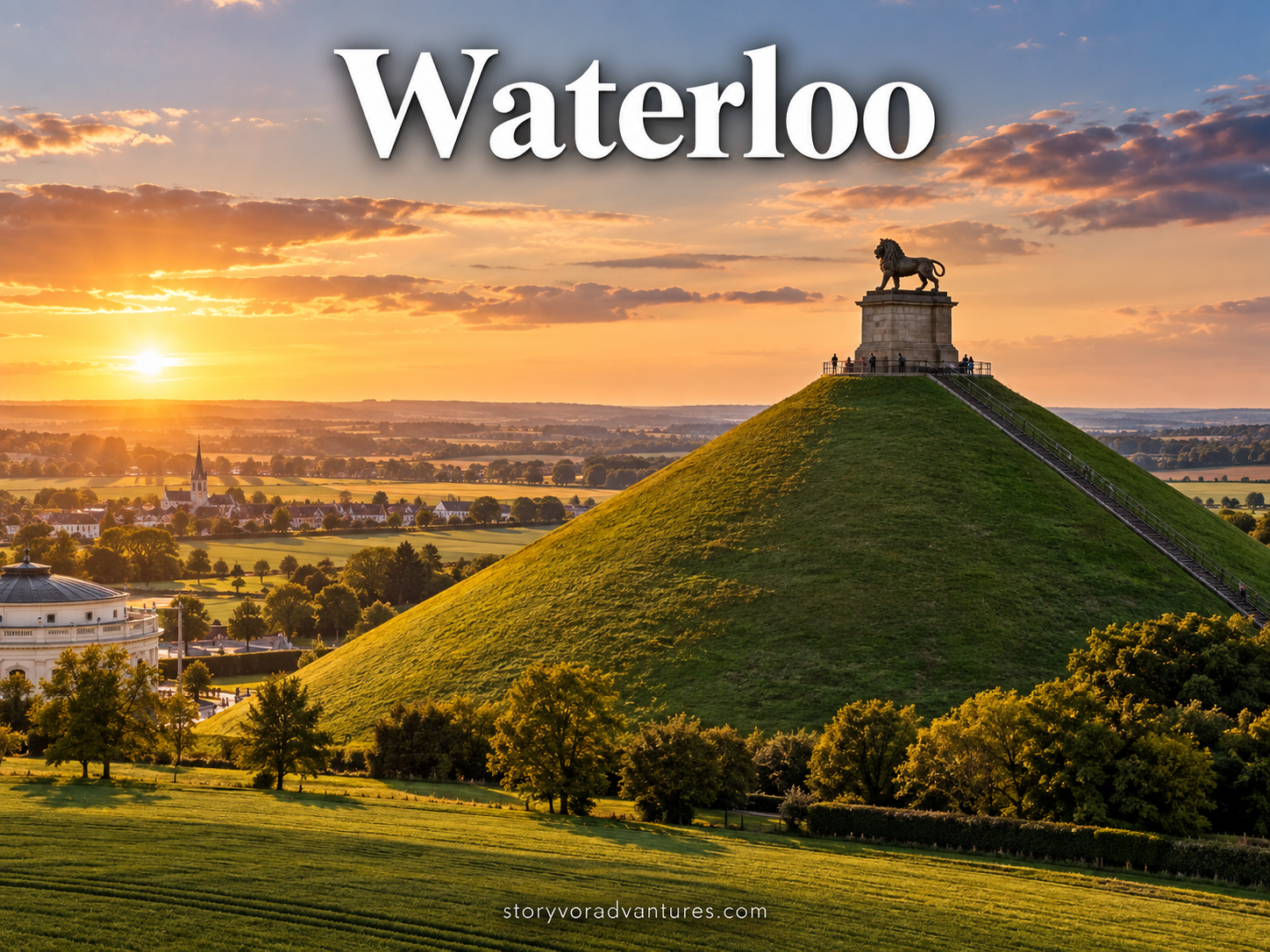
Just 15 kilometers south of Brussels lies the quiet agricultural field that altered the course of European history in 1815.
- The Deep-Dive Tip: The main attraction is the Lion’s Mound, a massive artificial hill built on the battlefield. Climbing the 226 steps gives you a commanding view of where the troop lines clashed.
- Immersive History: The real value is the underground Memorial 1815 museum. It is incredibly modern, featuring a massive 4D panoramic film that puts you right in the middle of a cavalry charge. To really understand the history, take the short walk from the visitor center to the Hougoumont farm. This fortified farmhouse saw some of the most brutal, desperate fighting of the entire battle, and the restored buildings now feature a brilliant multimedia installation detailing the defense.
Practical 5-Day Belgium Itinerary
Day 1: The Grandeur of Brussels
- Morning: Arrive and head straight to the Grand-Place. Grab a coffee and admire the guild houses before the crowds peak. Walk through the Galeries Royales Saint-Hubert and take a stroll up to the Mont des Arts for the classic Brussels view.
- Afternoon: Pick your passion. Art lovers should hit the Royal Museums of Fine Arts (specifically the Magritte Museum). If you prefer quirky history, follow the Comic Book Route murals painted on the sides of buildings across the city, celebrating Tintin and the Smurfs.
- Evening: Have dinner in the Sainte-Catherine neighborhood (famous for its seafood). End the night by tracking down the Delirium Café—it holds the Guinness World Record for the most beers commercially available, offering over 2,000 varieties.
Day 2: The Magic of Bruges
- Morning: Take the 1-hour train from Brussels. Start at the Markt, skip the overpriced cafes, and head to the Burg square to see the Basilica of the Holy Blood (which houses a vial said to contain the blood of Christ).
- Afternoon: Take the classic 30-minute canal boat tour—it is touristy but absolutely essential for seeing the hidden gardens of the city. Walk down to the Halve Maan Brewery for a tour of a working family brewery that actually pipes its beer underground across the city.
- Evening: Have a traditional Flemish dinner (try Carbonnade flamande) and wait for the sun to go down. The illuminated bridges reflecting on the dark water will be the highlight of your trip.
Day 3: Ghent’s Castles and Waterfronts
- Morning: Take the short train ride to Ghent. Spend your first two hours fully exploring Gravensteen Castle. The audio guide is famously narrated by a local comedian and is actually hilarious and engaging, unlike dry historical guides.
- Afternoon: Walk past the towering Belfry and head into St Bavo’s Cathedral to see the Ghent Altarpiece. Grab a cone of Belgian fries from a street vendor and sit along the Graslei waterfront.
- Evening: Ghent’s student population means the nightlife is fantastic. Grab a local craft beer at the Dulle Griet pub (where you have to hand over your shoe as collateral if you order their massive house beer).
Day 4: Antwerp’s Art and Architecture
- Morning: Arrive at Antwerpen-Centraal. Walk down the Meir (the massive pedestrian shopping street) toward the historic center. Visit the Cathedral of Our Lady to see Rubens’ masterpieces.
- Afternoon: Dive into the Plantin-Moretus Museum. It is a 16th-century printing press complex perfectly preserved with its original oak panels, leather-bound books, and oldest printing presses in the world. It’s a UNESCO site and utterly fascinating.
- Evening: Walk up to the Het Eilandje district, watch the boats in the marina, and enjoy a high-end dinner near the MAS museum.
Day 5: The Cliffs of Dinant
- Morning: Take the train south through the rolling hills of Wallonia to Dinant. Cross the Charles de Gaulle bridge and take the cable car up to the Citadel.
- Afternoon: After exploring the fortress, head back down and take a relaxed, scenic boat cruise along the Meuse River to see the dramatic rock formations from the water.
- Evening: Head back to Brussels for a final farewell dinner of moules-frites (mussels and fries) paired with a crisp blonde Belgian beer.
How to Use Belgian Transport
Do not rent a car if you are sticking to the major cities. The cities are designed for pedestrians and trams, and finding parking will ruin your day.
Belgium’s national railway connects its major cities. Travellers can check routes, current fares and ticket conditions through the official SNCB/NMBS app or website. SNCB/NMBS Official Train Website.
- The Weekend Ticket: If you are traveling between Friday evening and Sunday night, the SNCB offers a “Weekend Ticket” which gives you a 50% discount on return journeys anywhere in the country.
- Airport Transfers: From Brussels Airport (BRU), look for the underground train station. Trains run constantly and drop you right into Brussels Central in roughly 20 minutes, or directly to Antwerp in 35 minutes.
The Truth About Belgian Food
Belgian food is heavy, rich, unapologetic, and deeply comforting.
- Fries (Frites): Never call them “French fries” here. Belgian fries are thick-cut, double-fried in beef tallow (traditionally), and served in paper cones. Do not just ask for ketchup. You must try them smothered in Andalouse sauce (a spicy mayo with tomato and peppers) or Samurai sauce (spicy chili mayo).
- Waffles: There are two distinct types, and you need to know the difference. The Brussels waffle is light, perfectly rectangular, and crispy. The Liège waffle is dense, chewy, with uneven edges, and packed with caramelized pearl sugar crystals that crunch when you bite into them. (The Liège waffle is vastly superior for walking around).
- Chocolate: Skip the generic tourist trap shops. Look for local master chocolatiers like Neuhaus (inventors of the praline), Pierre Marcolini, or Mary.
- Beer: Belgium’s brewing culture is UNESCO-recognized. Be very careful—monastic Trappist beers (like Westmalle or Chimay) often sit between 8% and 11% alcohol. If you want something entirely unique, try a Cantillon Lambic, which is sour, tart, and fermented with wild airborne yeast.
Budgeting for the Trip
Belgium is priced similarly to France or Germany.
- The Backpacker: €70–€100 a day. You can survive easily by staying in well-rated hostels, grabbing €6 sandwiches or frites from street kiosks for lunch, and focusing entirely on the stunning free architecture of the city centers.
- The Mid-Range Traveler: €150–€250 a day. This covers a comfortable boutique hotel near a train station, sit-down dinners at local brasseries featuring stews and beers, standard train tickets, and entry to a few premium attractions like Gravensteen or the Belfry.
Visas, Entry, and Safety Protocols
Belgium is firmly embedded in the EU Schengen Area. Depending on your passport, you may need a standard Schengen Visa, or—as the EU rolls out new systems in 2026—an ETIAS digital authorization. Immigration rules pivot constantly, so never gamble your vacation on a blog post. Always verify your exact legal requirements directly through the Official Belgian Foreign Affairs Website months before you book flights.
Safety: Belgium is remarkably safe regarding violent crime, but petty theft requires high vigilance. Pickpockets operate heavily in crowded train stations (especially Brussels Midi/Zuid) and around the Manneken Pis. Keep your phone zipped in a front pocket, never leave a bag resting on the floor at a cafe, and maintain spatial awareness.
Belgium’s historic centres are also active residential and commercial areas. Visitors should respect quieter streets, support responsible local businesses and allow enough time to explore each destination without rushing. Confirm current transport schedules, attraction hours and entry requirements through official sources before travelling.