Reverse Tourism in 2026: 10 Smart Ways to Explore Popular Destinations Without the Crowds
Discover 10 smart ways to explore popular destinations without overwhelming crowds through better timing, quieter alternatives and responsible travel.
- Famous destinations attract visitors for good reasons. Historic streets, celebrated landmarks, beautiful beaches and dramatic viewpoints often deserve their popularity. However, overcrowding can completely change the experience. Long queues, expensive accommodation, congested roads and packed viewing areas can make a dream trip feel stressful rather than memorable.
- Reverse tourism offers a different way to travel. Instead of avoiding popular destinations completely, travellers change when they visit, where they stay and how they explore. A person may visit during a quieter season, choose a lesser-known neighbourhood or replace a crowded day trip with an overnight stay. The objective is not to discover a secret place before everyone else. It is to experience familiar destinations more thoughtfully while reducing unnecessary pressure on local communities.
- This approach is especially relevant in 2026 as travellers search for better value, meaningful experiences and alternatives to overcrowded attractions. The following ten strategies can help you enjoy well-known destinations without spending the entire journey surrounded by large crowds.
1. Travel During the Shoulder Season
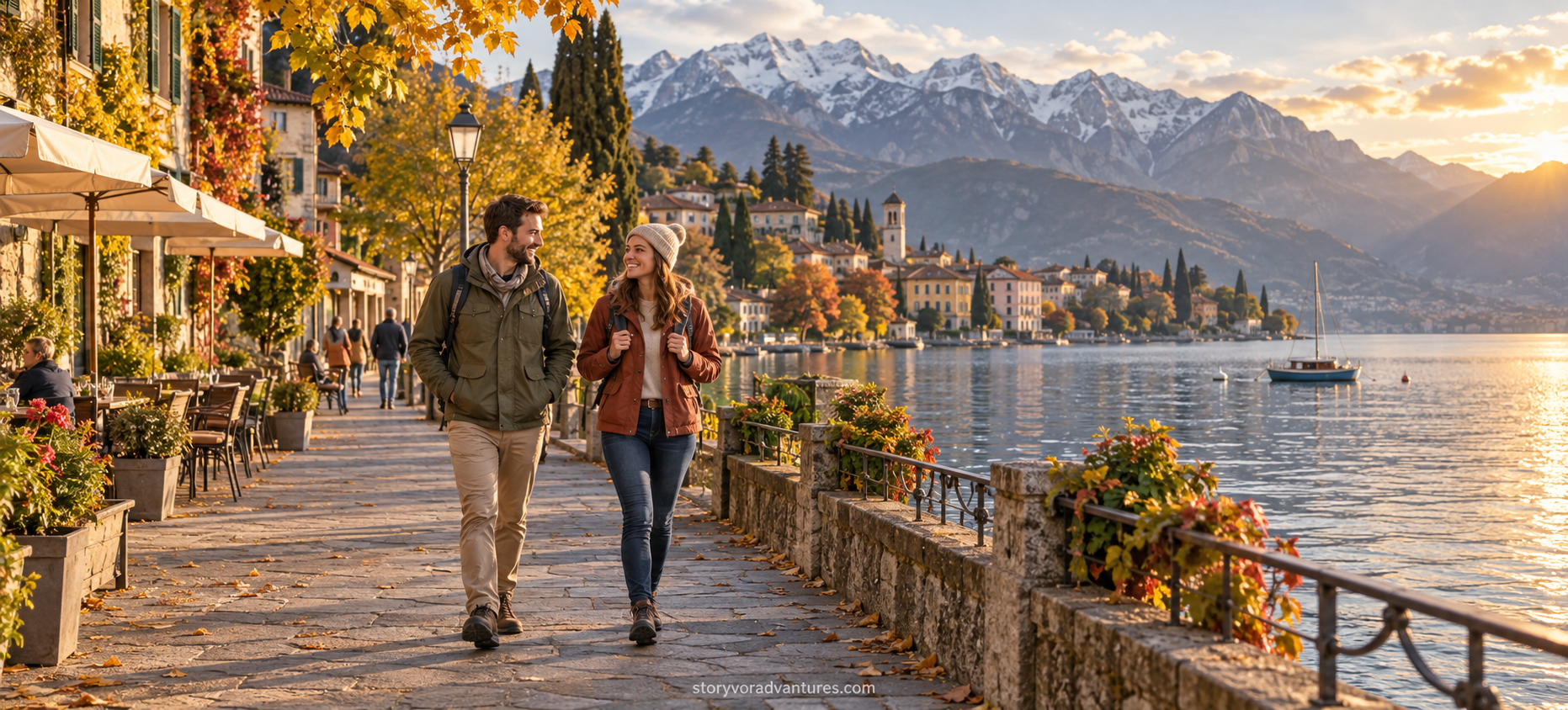
- The shoulder season is the period between a destination’s busiest and quietest travel months. It often provides a useful balance between favourable conditions and manageable visitor numbers. Hotels may have greater availability, restaurants can feel less rushed and popular attractions may be easier to explore.
- The ideal shoulder season varies by location. A Mediterranean destination may become quieter during spring and early autumn, while a mountain region may experience different visitor patterns based on snowfall, hiking conditions and school holidays. Researching the specific destination is therefore more useful than following one universal calendar.
- Quieter months can also create a more natural atmosphere. Local markets serve residents rather than only tourists, public spaces become easier to navigate and conversations with guides may feel less hurried. However, travellers should check seasonal transport, weather conditions and attraction schedules before booking. Some businesses operate for limited months, and changing weather can affect outdoor activities.
2. Visit Popular Attractions Early in the Morning
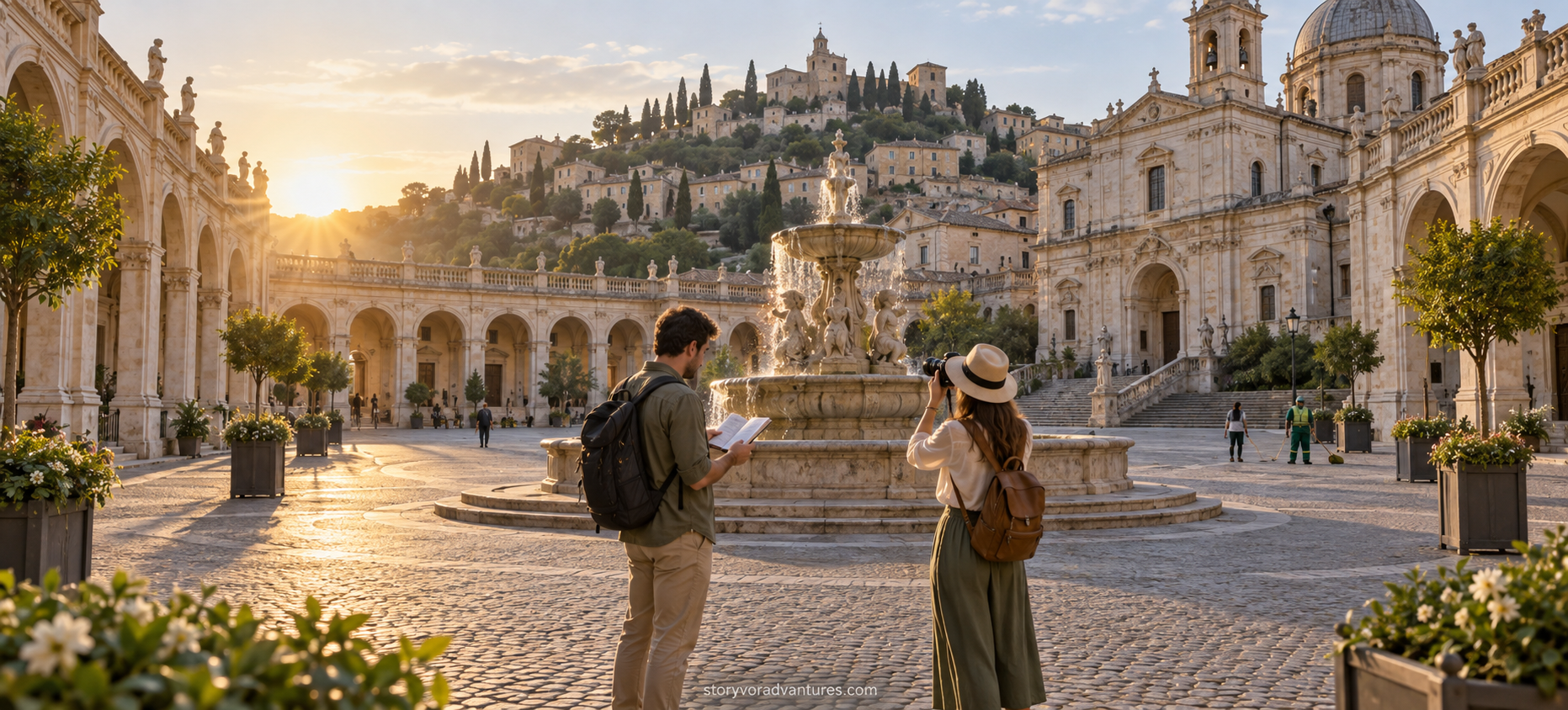
- A famous attraction that feels overwhelming at midday may offer an entirely different experience shortly after opening. Early visits often mean shorter queues, cooler temperatures and more space to observe architectural or natural details. Morning light can also improve photography without requiring travellers to block pathways while waiting for a perfect picture.
- Arriving early requires more than setting an alarm. Check the official opening time, ticket requirements and local transport schedule in advance. If timed admission is available, selecting the first practical entry slot can reduce uncertainty. Staying within walking distance may also make an early visit easier.
- This strategy should remain respectful. Being the first visitor does not provide special access to restricted spaces, and quiet residential areas should not be disturbed before normal waking hours. The goal is to use official visiting times intelligently—not to enter early, trespass or inconvenience local people.
3. Explore Alternative Neighbourhoods
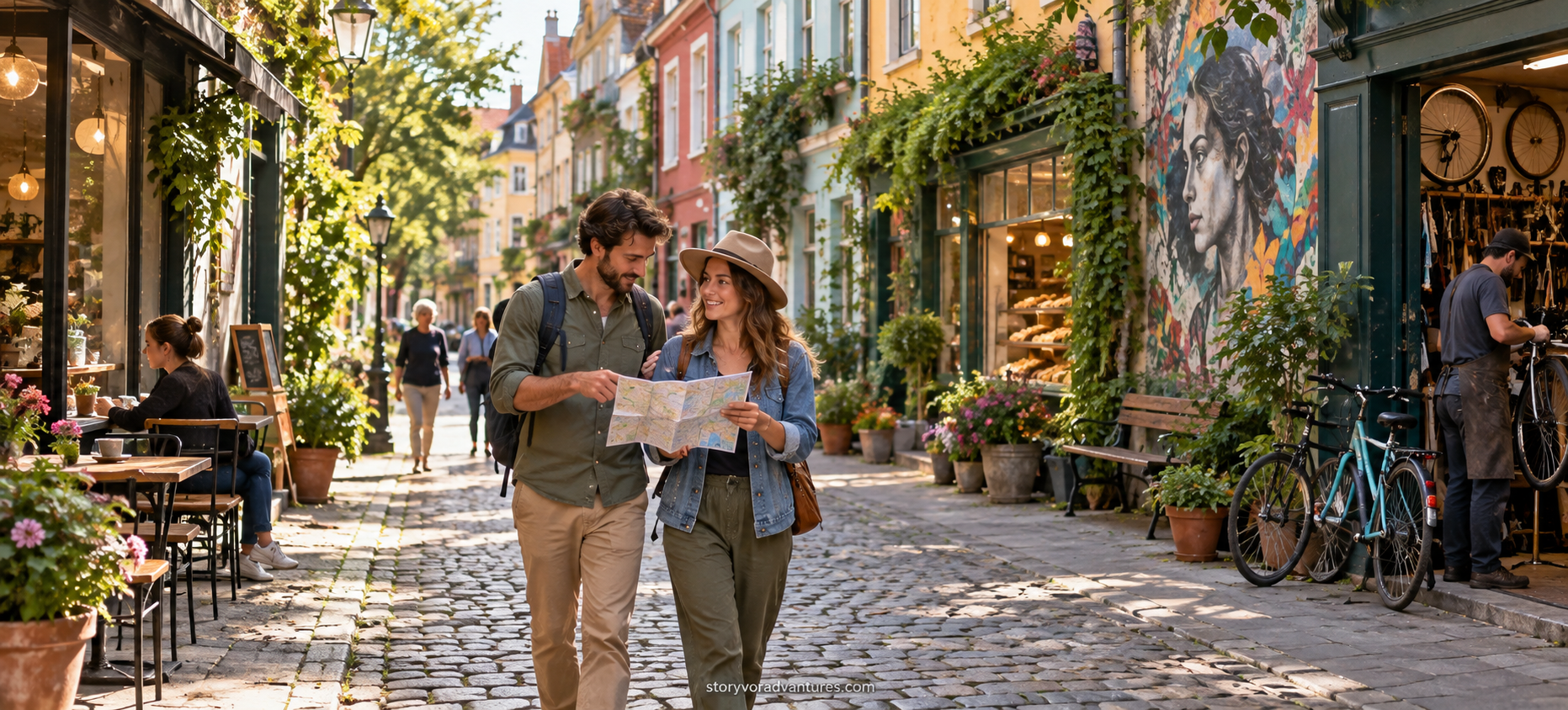
- Many visitors remain concentrated around a small historic centre, waterfront or entertainment district. Meanwhile, other neighbourhoods may contain independent cafés, local parks, workshops, galleries and architecture that receive much less attention.
- Exploring beyond the main tourist area can provide a broader understanding of the destination. Instead of treating a city as a collection of landmarks, travellers begin to notice how residents use public spaces, where different communities gather and how the destination changes away from its most photographed streets.
- Not every residential neighbourhood should become a tourist attraction. Research whether visitors are welcome, follow local rules and avoid photographing private homes or residents without permission. Spending money at locally owned businesses can be valuable, but visitors should not overwhelm small establishments or expect every community to perform its culture for tourists.
4. Choose Weekdays Instead of Weekends
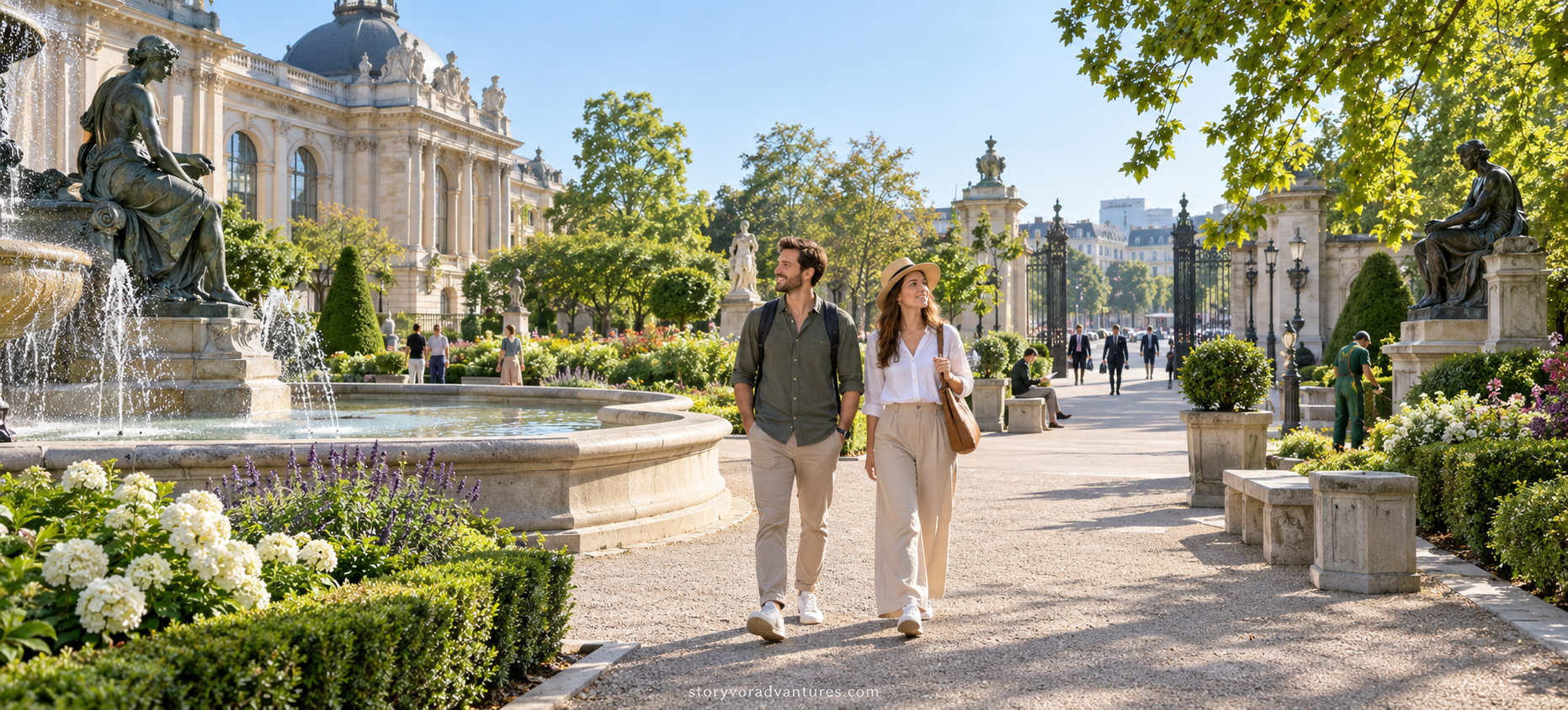
- Weekend crowds often include both international visitors and residents taking short breaks. Beaches, museums, scenic roads and family attractions can therefore become significantly busier on Saturdays, Sundays and public holidays.
- When possible, schedule major attractions for ordinary weekdays and use weekends for slower activities. A Monday museum visit, Tuesday walking tour or Thursday nature excursion may be calmer than the same experience on a Saturday. Flexible travellers can also compare accommodation rates across different days.
- Always check opening schedules before reorganising the itinerary. Some museums, local markets and family-operated businesses close on particular weekdays. The best plan combines lower visitor demand with confirmed operating hours rather than assuming every attraction remains open daily.
5. Replace Famous Viewpoints With Quieter Alternatives
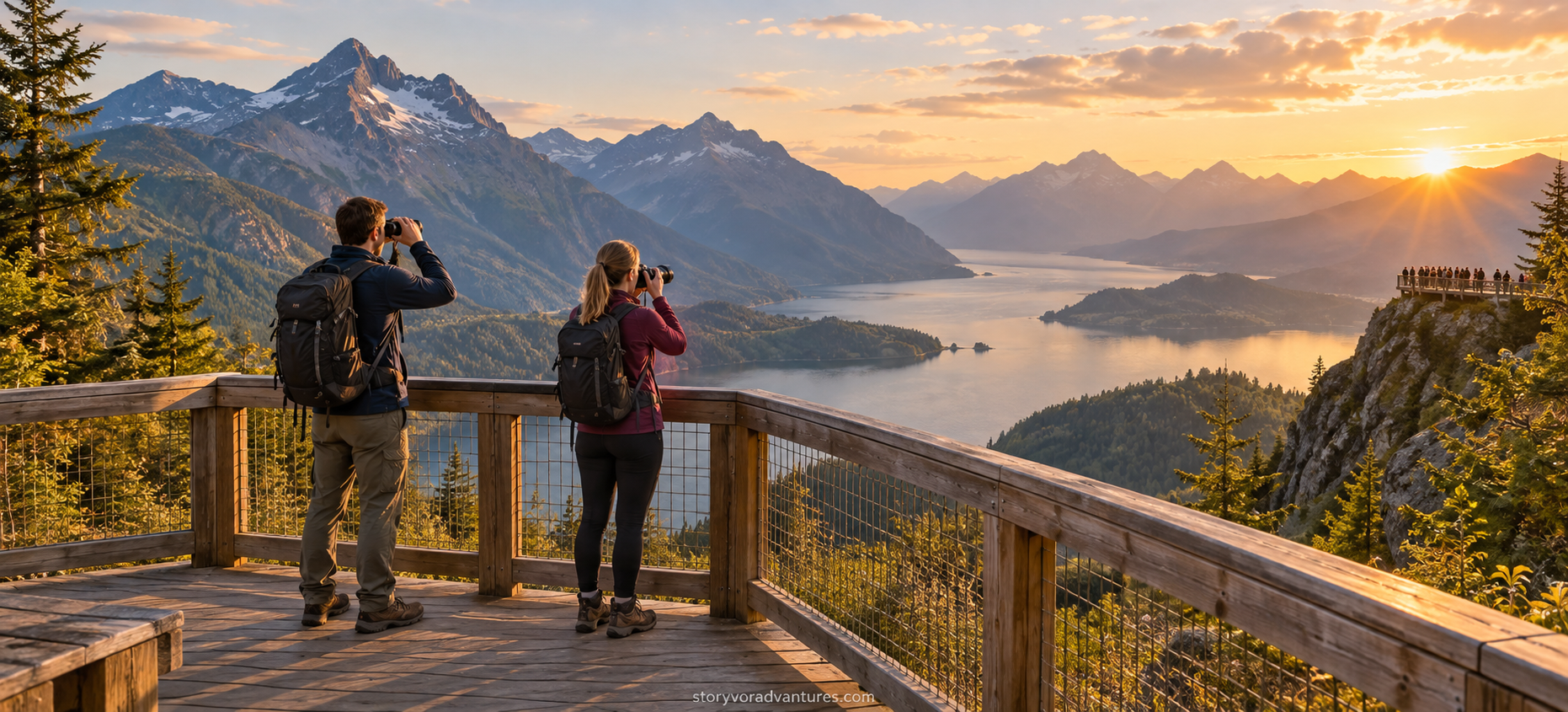
- Social media can direct thousands of people toward the same viewpoint, staircase or narrow street. The surrounding destination may contain several equally impressive perspectives, but most visitors follow the location attached to the most widely shared photograph.
- Tourism offices, licensed guides and park authorities can often recommend alternative viewpoints with suitable access and safety facilities. A quieter observation area may provide a wider landscape, a different angle or a more comfortable place to appreciate the surroundings.
- Safety must remain more important than exclusivity. Travellers should never climb barriers, enter unstable terrain or create unofficial paths to obtain a unique photograph. If an alternative viewpoint requires advanced hiking experience, specialised equipment or a permit, treat those requirements seriously. A responsible photograph taken from an authorised location is more valuable than an image created by damaging the landscape or risking someone’s safety.
6. Stay Overnight Instead of Taking a Day Trip
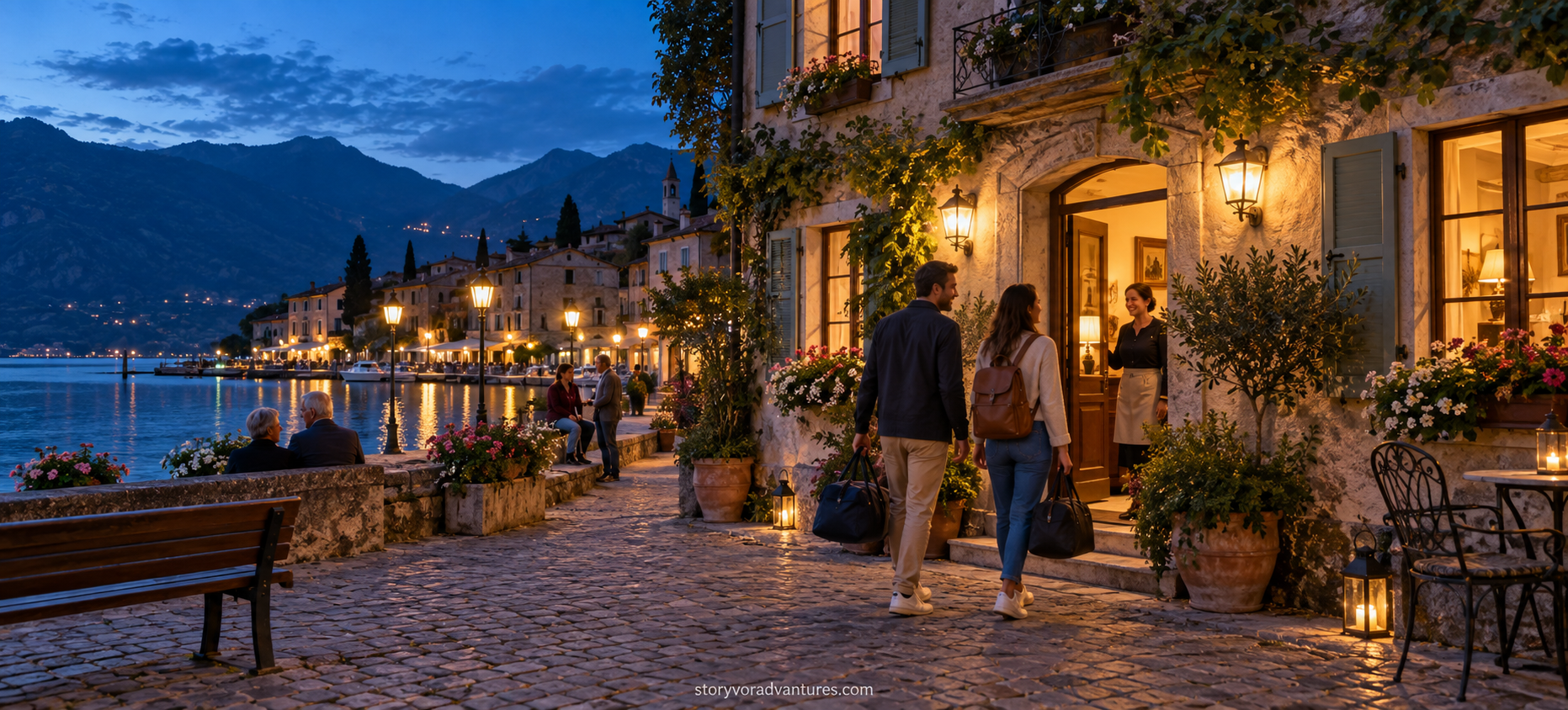
- Some destinations become extremely crowded between the arrival of morning tour groups and their departure in the late afternoon. Visitors who stay overnight may experience a quieter evening and early morning after most day-trippers have left.
- An overnight stay also allows travellers to slow down. Rather than rushing through several attractions, they can eat at a local restaurant, join an evening cultural activity and explore again the following morning. This can distribute tourism spending more directly across accommodation providers, cafés and other local businesses.
- Choose legally registered accommodation that follows local regulations. In destinations facing housing shortages, short-term rentals can create tension when residential properties are removed from the local market. Hotels, guesthouses, homestays and community-run accommodation should be evaluated for legality, location, safety and local impact—not only for price.
7. Use Local Transport and Alternative Routes
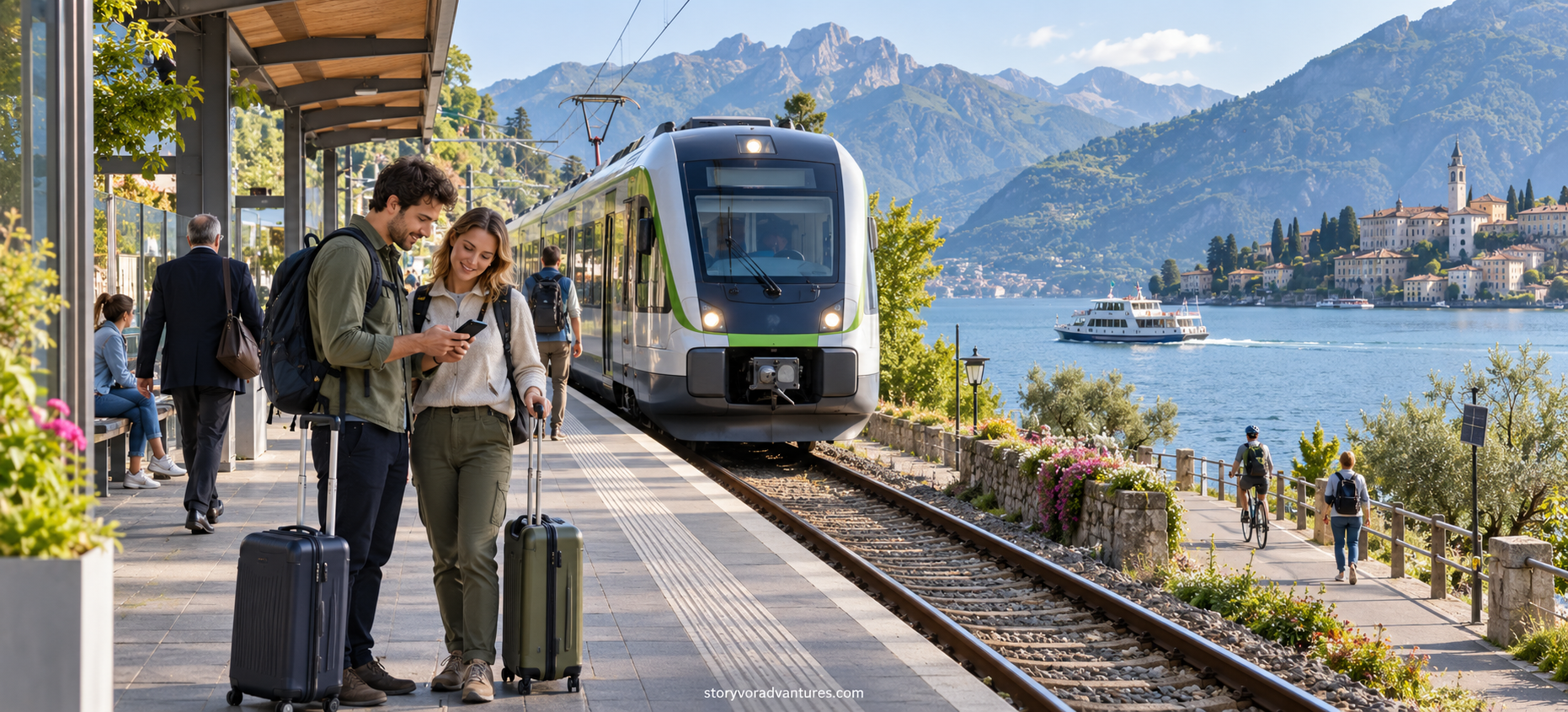
- Heavy tourist traffic can make a popular destination feel more crowded than it actually is. Everyone may be using the same airport transfer, central railway station or scenic driving route. Learning about local trains, buses, ferries and authorised shared transport can reveal more convenient alternatives.
- Public transport may help visitors avoid parking problems and reduce pressure on historic centres. Walking and cycling can also work well where safe routes and appropriate infrastructure are available. These options provide a closer view of everyday life while lowering the need for individual vehicles.
- Travellers should still plan carefully. Confirm the final service of the day, payment method, luggage rules and accessibility requirements. Downloading an offline map and saving the accommodation address can be useful when mobile service is unreliable. Unofficial shortcuts through private property or environmentally sensitive land should always be avoided.
8. Join Small Community-Led Experiences

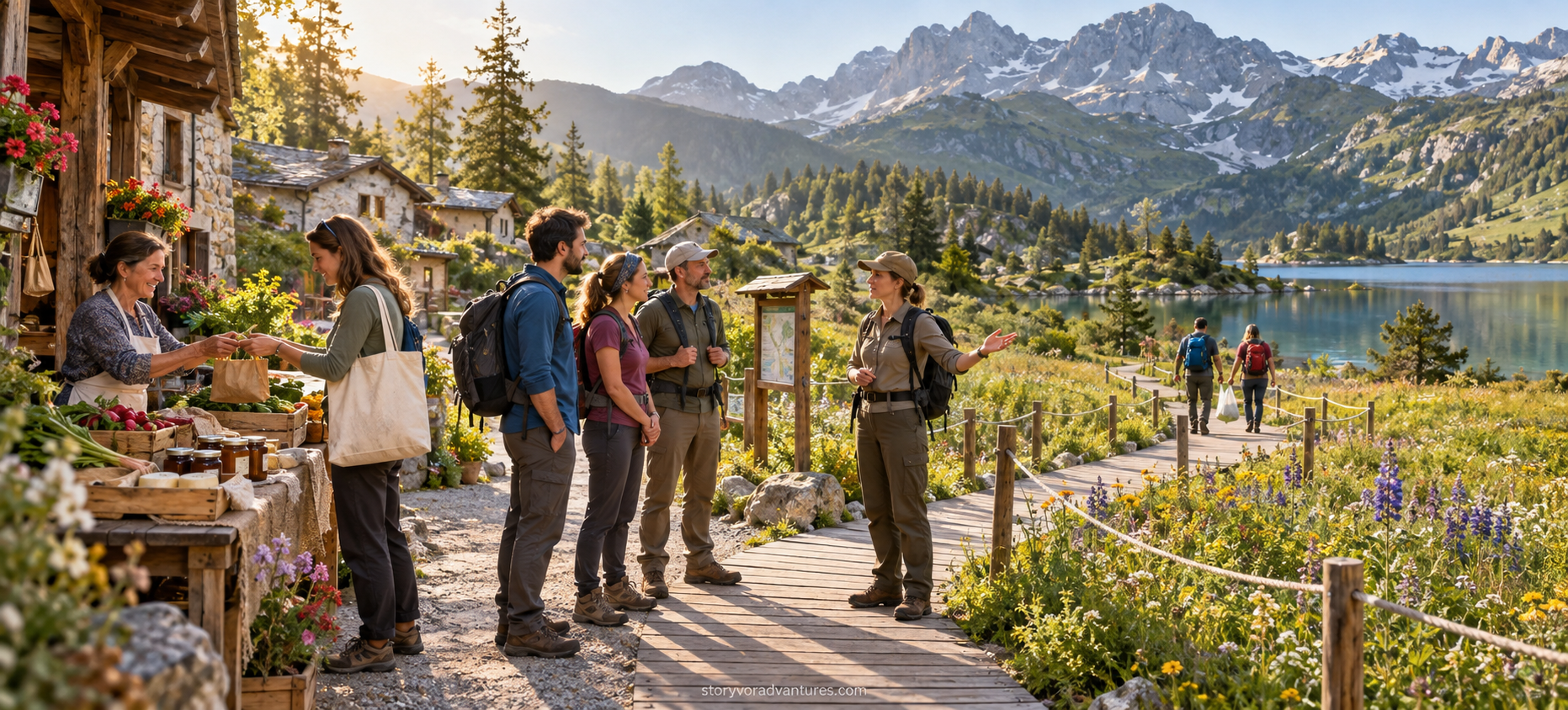
- Large sightseeing groups often arrive and leave on fixed schedules, placing many people in one location simultaneously. Smaller experiences led by local residents can spread visitors across different areas and provide more meaningful information.
- A community-led food walk, craft workshop, conservation activity or heritage tour can introduce travellers to stories that are absent from standard itineraries. A knowledgeable local guide can also explain appropriate behaviour, identify quieter routes and help visitors understand how tourism affects the community.
- Before booking, check who operates the experience and how local people benefit. Look for clear group limits, transparent prices and realistic descriptions. Ethical experiences should respect workers, residents, wildlife and cultural traditions. Activities involving animals, vulnerable communities or sacred locations deserve especially careful evaluation.
9. Spend More Time in Fewer Places
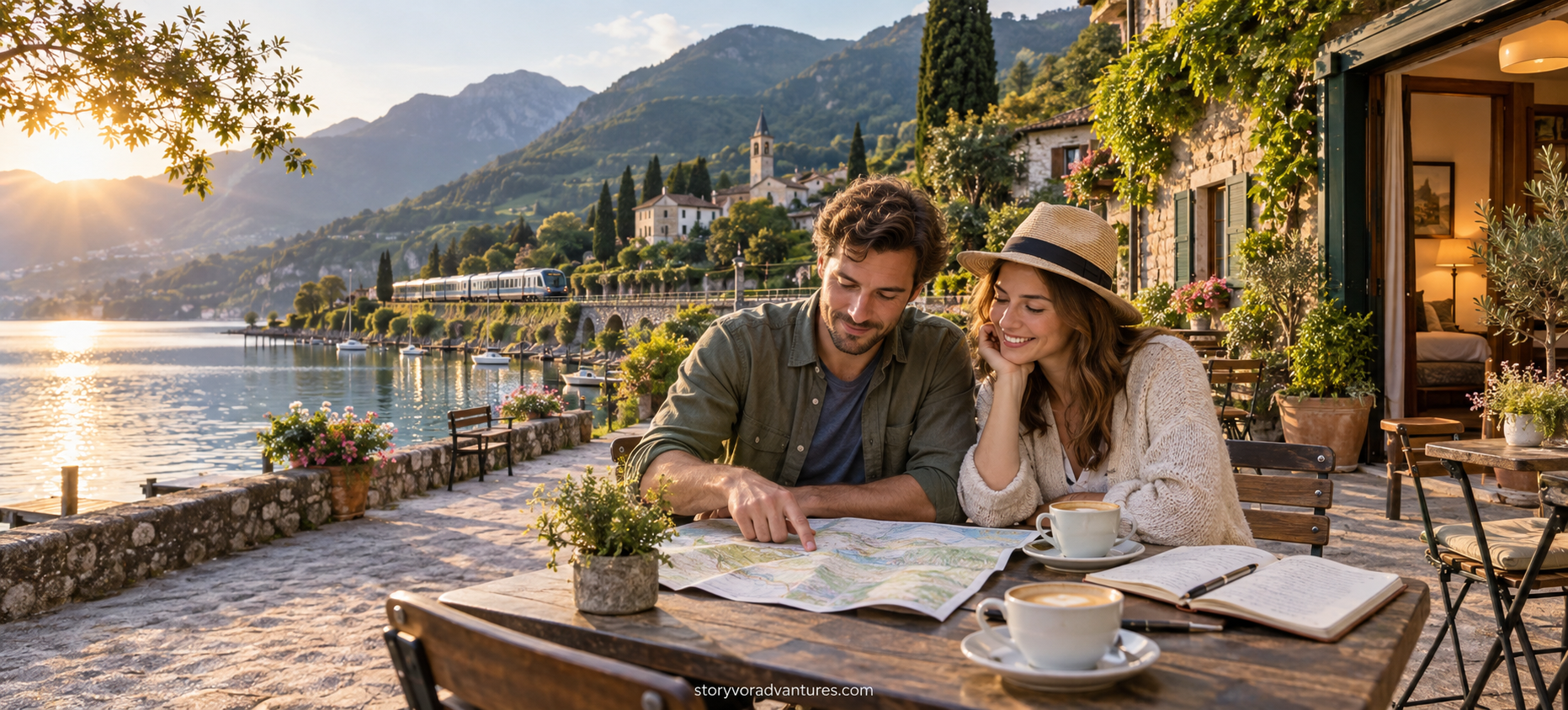
- Trying to visit every famous attraction can create unnecessary pressure. Travellers rush between landmarks, remain dependent on the busiest transport routes and rarely have time to adjust when conditions change. A slower itinerary can offer a more satisfying alternative.
- Spending several nights in one region allows you to select the best time for each activity. If a landmark is crowded or the weather is poor, it can be moved to another day. You can also include quieter experiences such as a neighbourhood walk, local museum, public garden or regional train journey.
- Slow travel does not require a long holiday. Even during a short trip, choosing two meaningful areas instead of six hurried stops can improve the experience. The purpose is to reduce constant movement and give each place enough attention—not to maximise the number of locations recorded on a checklist.
10. Respect Local Communities and Natural Areas
- Reverse tourism should never mean moving overtourism from a famous destination to an unprepared village, beach or nature reserve. A location is not automatically suitable for promotion simply because it is quiet. Some places lack waste systems, parking facilities, rescue services or community support for increasing visitor numbers.
- Follow official trails, capacity limits, photography restrictions and local guidance. Carry reusable essentials where appropriate, dispose of waste correctly and avoid loud behaviour in residential or natural areas. Never reveal the precise location of fragile wildlife, archaeological remains or culturally sensitive sites merely to make social-media content more appealing.
- Responsible travellers also accept that access may change. Authorities may introduce permits, temporary closures or visitor limits to protect a place. These measures should be treated as part of responsible destination management rather than an inconvenience to overcome.
Is Reverse Tourism Suitable for Every Trip?
- Reverse tourism can improve many journeys, but it is not a guarantee of empty attractions or lower prices. Festivals, unexpected weather, transport disruption and local holidays can quickly change visitor patterns. Some famous places remain busy throughout the year, even during periods traditionally considered quiet.
- The approach works best when travellers remain flexible. Check official tourism websites, attraction booking systems, public transport updates and weather forecasts shortly before travelling. Build enough free time into the itinerary to change plans when necessary.
- Travellers with accessibility requirements, children or limited holiday dates may not be able to visit early, travel off-season or use alternative routes. In those situations, timed tickets, advance reservations and realistic scheduling can still make the experience more comfortable.
Final Thoughts
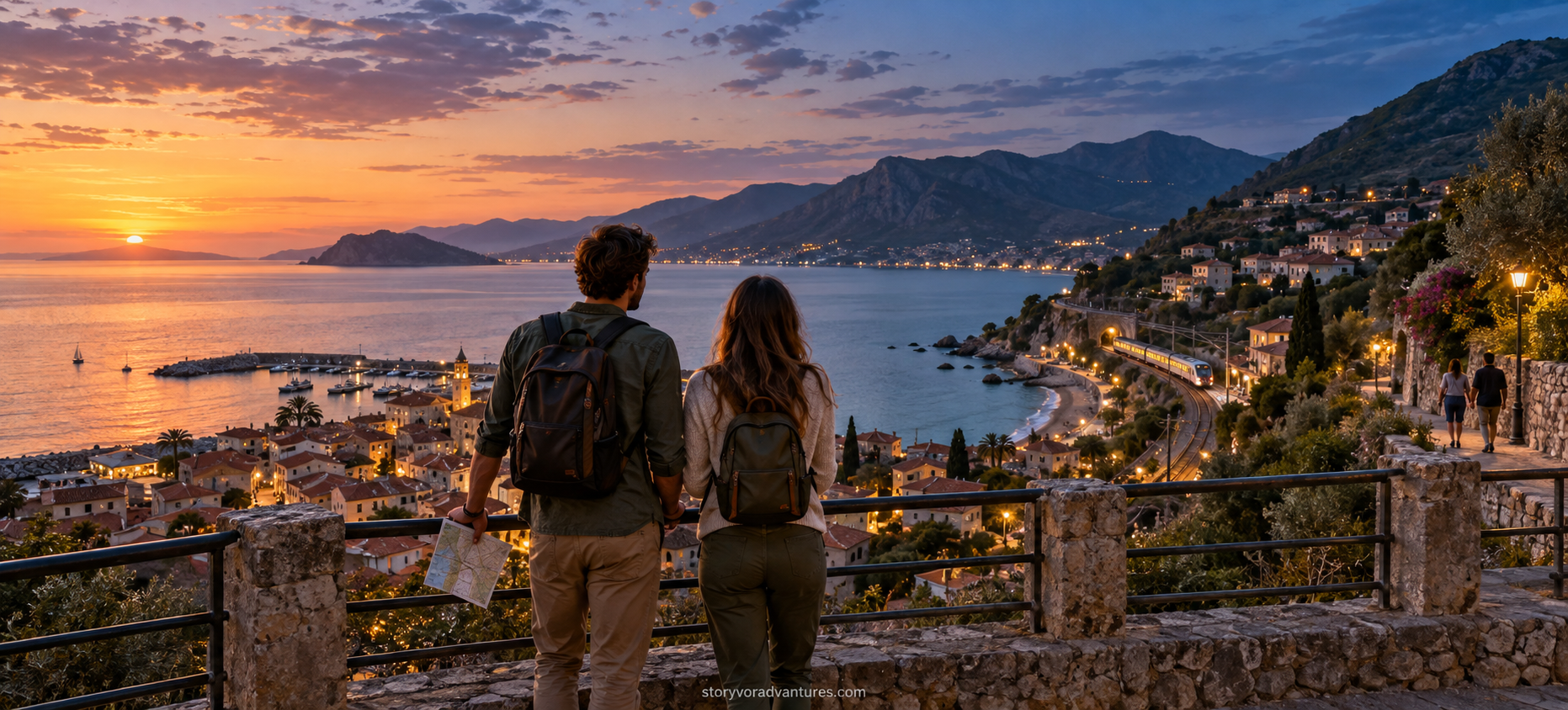
- Popular destinations do not need to be removed from your travel plans. They simply need to be approached with better timing, deeper research and greater consideration for the people who live there.
- Reverse tourism encourages travellers to look beyond the busiest hours and most repeated photographs. Visiting during a quieter season, staying longer, choosing responsible local experiences and respecting capacity limits can produce a more meaningful journey. These choices may also help distribute tourism benefits across more communities and reduce pressure on heavily visited areas.
- The best travel experience is not always found at an unknown destination. Sometimes it appears when you visit a familiar place differently—slowly, responsibly and with enough curiosity to explore beyond the crowd.