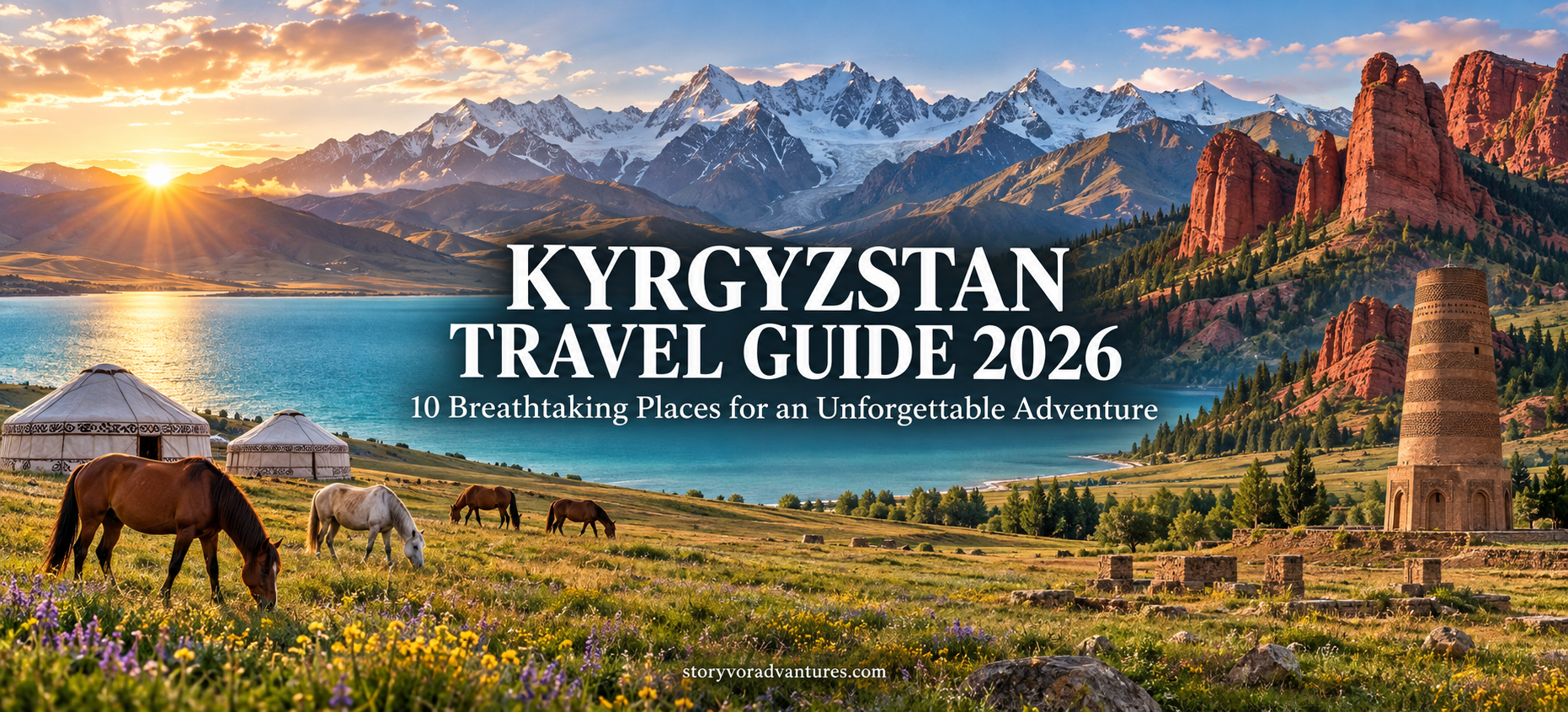
Kyrgyzstan Travel Guide 2026: 10 Breathtaking Places for an Unforgettable Adventure
Discover 10 breathtaking places in Kyrgyzstan, from Issyk-Kul and Song-Kul to Ala-Kul, Karakol and Silk Road heritage sites.
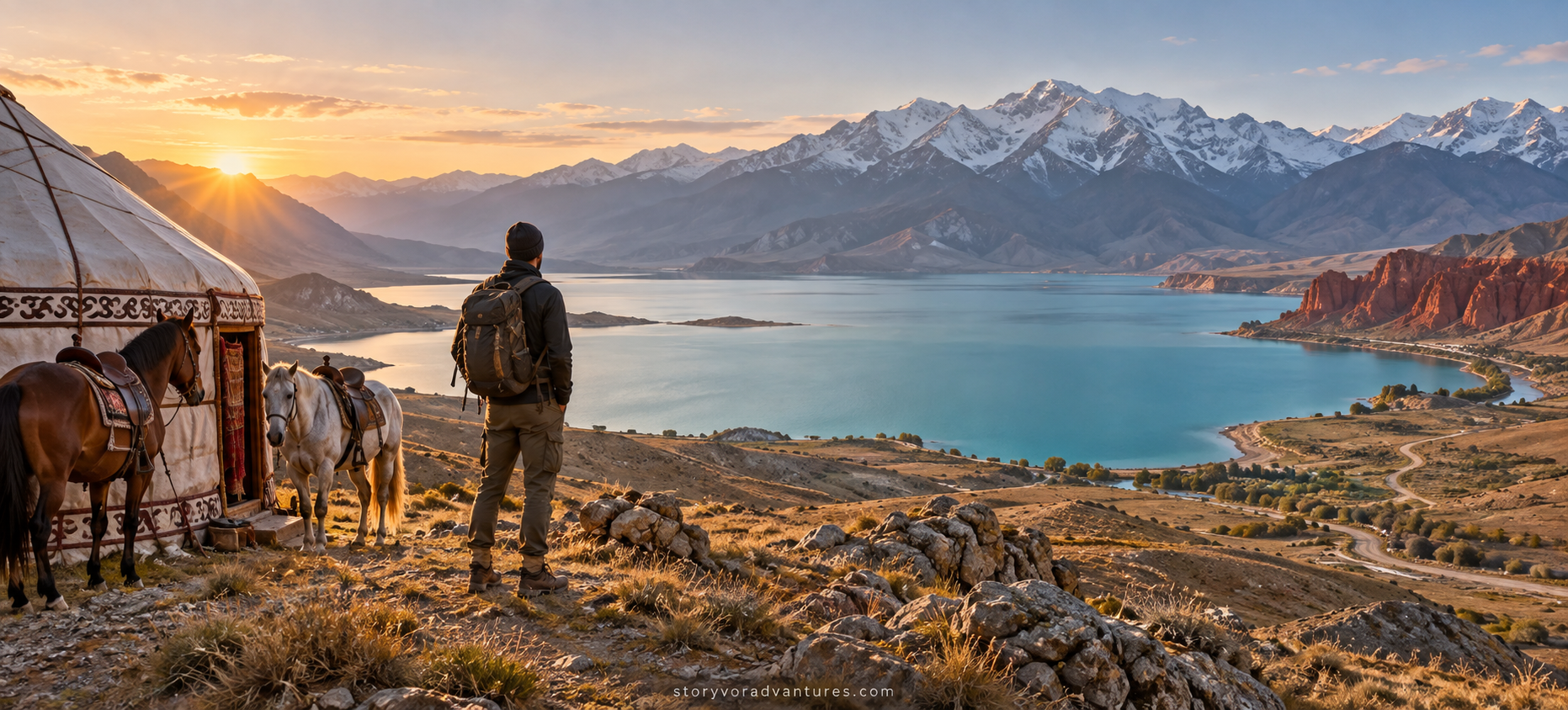
- Kyrgyzstan may not appear on every traveller’s first international itinerary, but that is exactly what makes it so fascinating. Located in Central Asia, the country brings together dramatic mountain ranges, clear alpine lakes, open grasslands, Silk Road heritage and living nomadic traditions.
- A journey through Kyrgyzstan feels very different from a conventional city-based holiday. One day may involve walking beside a peaceful lake, while the next could include sleeping in a yurt, crossing a remote mountain pass or exploring the remains of an ancient trading settlement. The landscape is enormous, but many of its most memorable experiences are found in simple moments: sharing tea with a host, watching horses move across a summer pasture or seeing stars above a quiet valley.
- Kyrgyzstan is especially appealing to travellers who enjoy nature, hiking, road journeys, photography and cultural learning. However, remote travel requires preparation. Mountain weather can change quickly, mobile coverage may be limited and some roads are difficult without a suitable vehicle or experienced driver.
- The following ten places offer a balanced introduction to the country’s natural beauty, history and everyday culture.
1. Issyk-Kul Lake
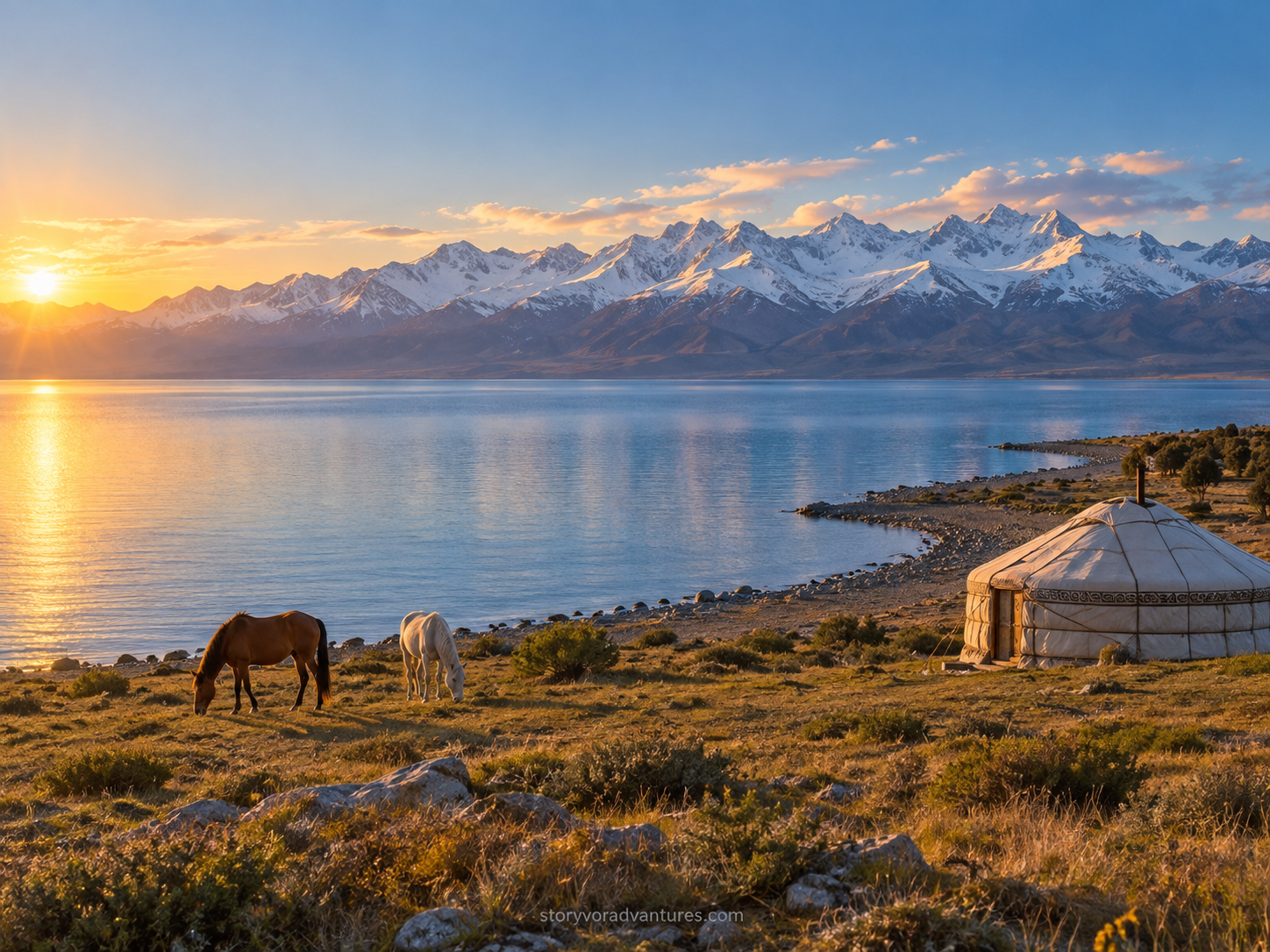
Issyk-Kul is one of Kyrgyzstan’s most recognisable natural attractions. Surrounded by the Tian Shan mountains, the immense lake creates an unusual landscape where beaches, dry valleys and snow-covered peaks can appear within the same view.
The northern shore has more developed visitor facilities and is convenient for travellers seeking established accommodation. The southern shore generally provides a more rural experience, with small communities, open landscapes and access to places such as Skazka Canyon. Choosing between the two sides depends on whether convenience or a slower road journey is more important to you.
Swimming, lakeside walks, boat trips and cultural excursions are among the possible activities, although water and weather conditions should always be checked locally. Travellers should avoid leaving rubbish, using soaps in natural water or entering areas marked as restricted.
Issyk-Kul is large enough to deserve several days. Attempting to circle it too quickly can turn a beautiful journey into a long sequence of car rides. Staying in two different areas allows visitors to appreciate how significantly the scenery and atmosphere change around the lake.
2. Song-Kul Lake
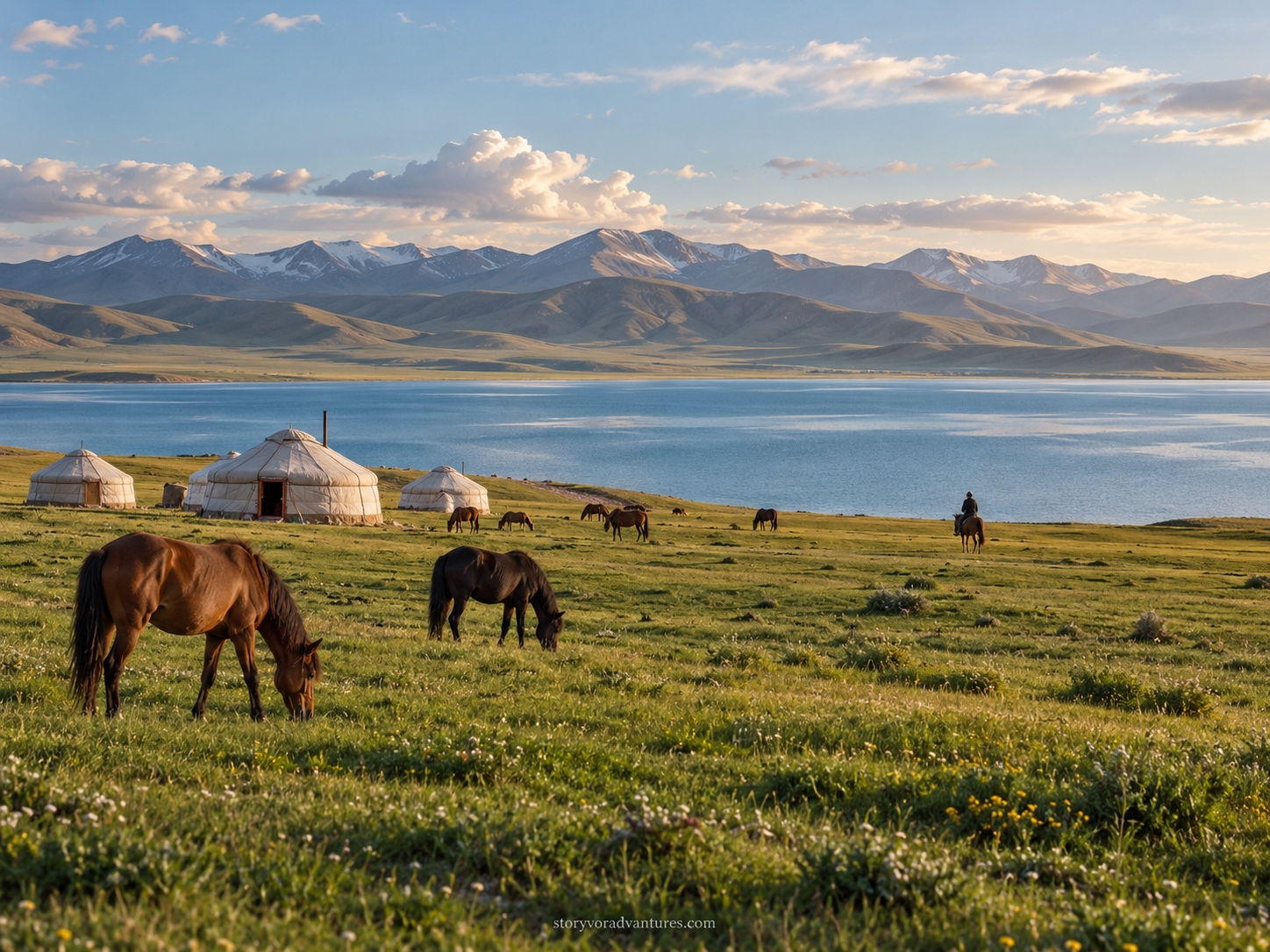
Song-Kul offers one of Kyrgyzstan’s most memorable highland experiences. The lake lies within a broad mountain landscape where open grasslands, grazing animals and scattered yurt camps create a powerful sense of space.
Many visitors come to Song-Kul to stay in a yurt and learn about seasonal life in the high pastures. The experience may include simple home-cooked food, walking, horse riding or quiet evenings beneath a wide sky. Comfort levels vary, and travellers should understand that facilities can be basic compared with a city hotel.
The journey is part of the experience. Road conditions may be rough, and access can depend on weather and season. A reliable local driver or organised community-based arrangement can make the trip safer and easier, particularly for people unfamiliar with mountain roads.
Visitors should remember that the surrounding land is not an empty tourist playground. It is used by herding families and local communities. Ask before photographing people, animals or private spaces, and do not assume that every yurt is a commercial guesthouse.
3. Ala-Kul Lake
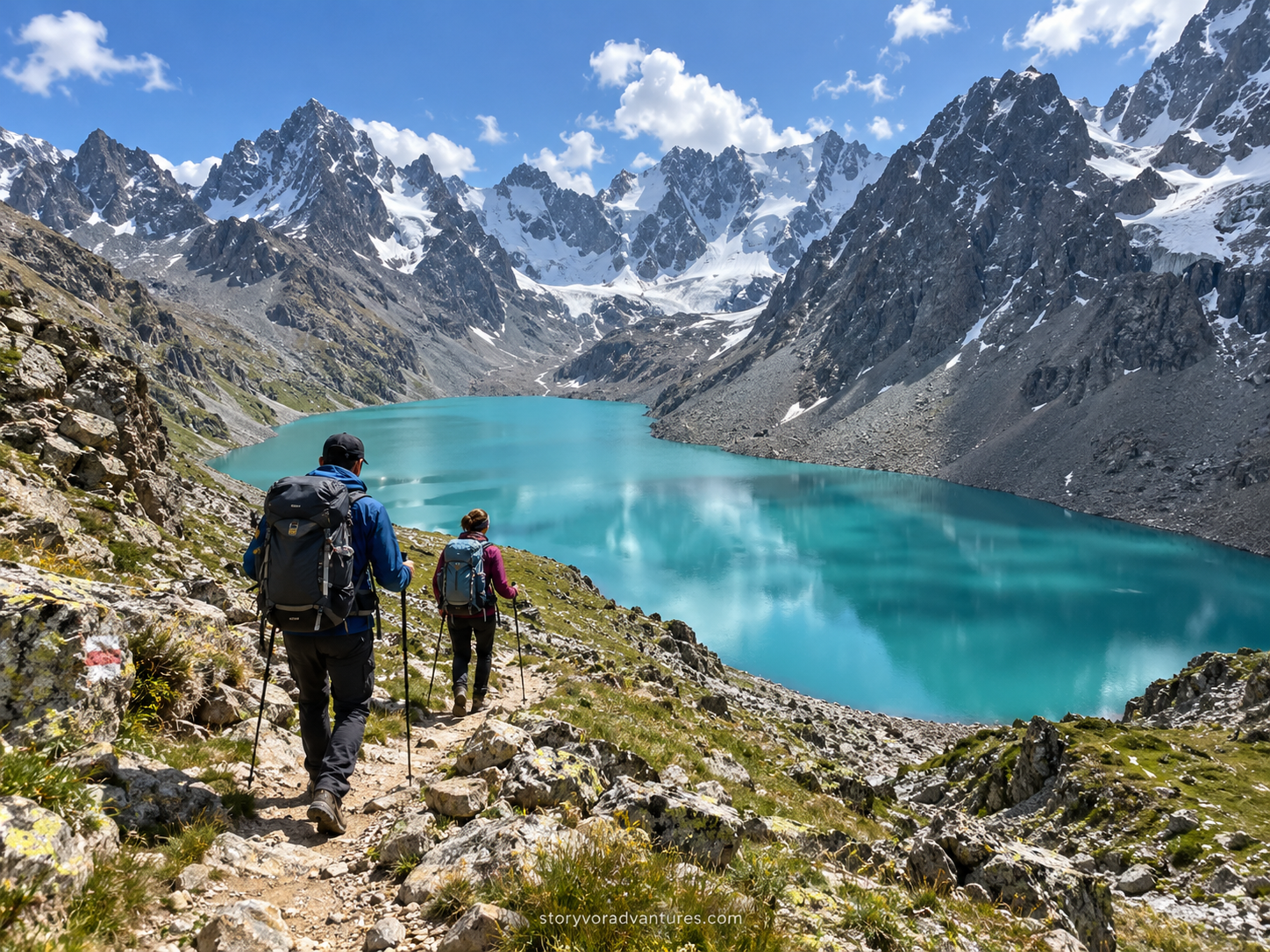
Ala-Kul is an extraordinary alpine lake known for its intense colour and rugged mountain setting. Reaching it usually requires a demanding trek, making it better suited to prepared hikers than casual sightseers.
The route commonly begins near Karakol and passes through forests, river valleys and increasingly exposed terrain. The high-altitude environment can make the journey physically challenging even for travellers who regularly walk at lower elevations. Weather, river conditions and snow can influence whether the route is safe.
Proper footwear, warm layers, rain protection, sufficient food and a realistic understanding of personal fitness are essential. Travellers without mountain experience should strongly consider hiring a qualified local guide. Offline maps can help, but they should not replace local knowledge or safe decision-making.
The value of Ala-Kul lies in the entire journey rather than a single photograph. Rushing to reach the viewpoint, ignoring signs of altitude illness or leaving the established path can place both visitors and rescuers at risk. Turning back when conditions deteriorate is responsible travel, not failure.
4. Karakol
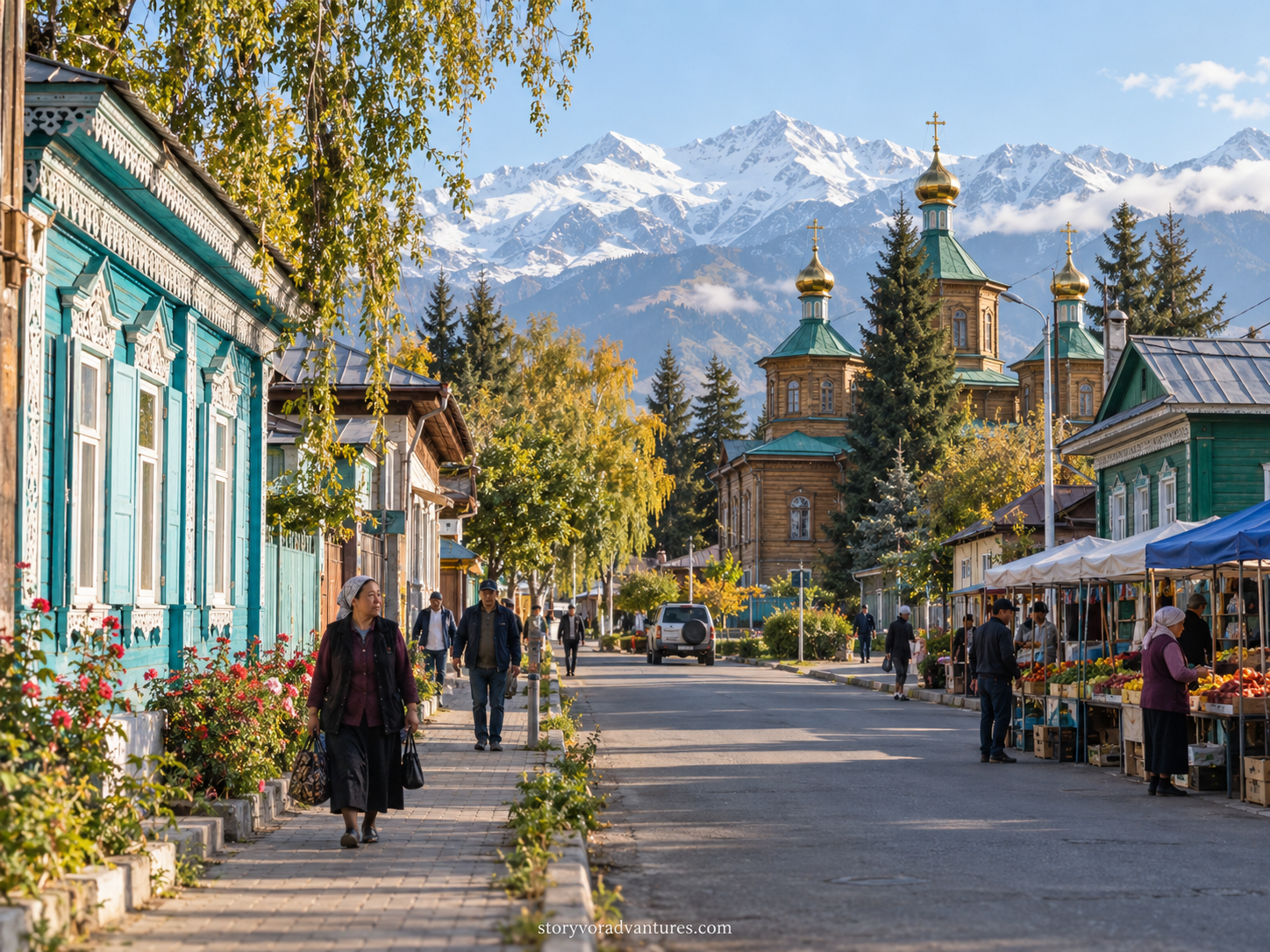
Karakol is an important base for exploring eastern Kyrgyzstan. It provides access to mountain valleys, trekking routes and the eastern side of Issyk-Kul while also offering enough cultural interest to reward travellers who spend time in the town itself.
The city reflects several layers of regional history. Visitors can explore local markets, traditional food and distinctive religious architecture. Rather than treating Karakol only as a place to purchase supplies, spending an additional day in the city can provide useful context before heading into the mountains.
Karakol is also a practical location for arranging guides, transport and equipment. Travellers should compare operators carefully, ask what services are included and avoid selecting a mountain trip based only on the lowest price. Experience, safety procedures and local knowledge are more important than saving a small amount.
The city can act as a comfortable transition between remote landscapes and everyday urban life. It is a suitable place to rest, reorganise luggage and check weather conditions before attempting a longer outdoor journey.
5. Altyn Arashan Valley
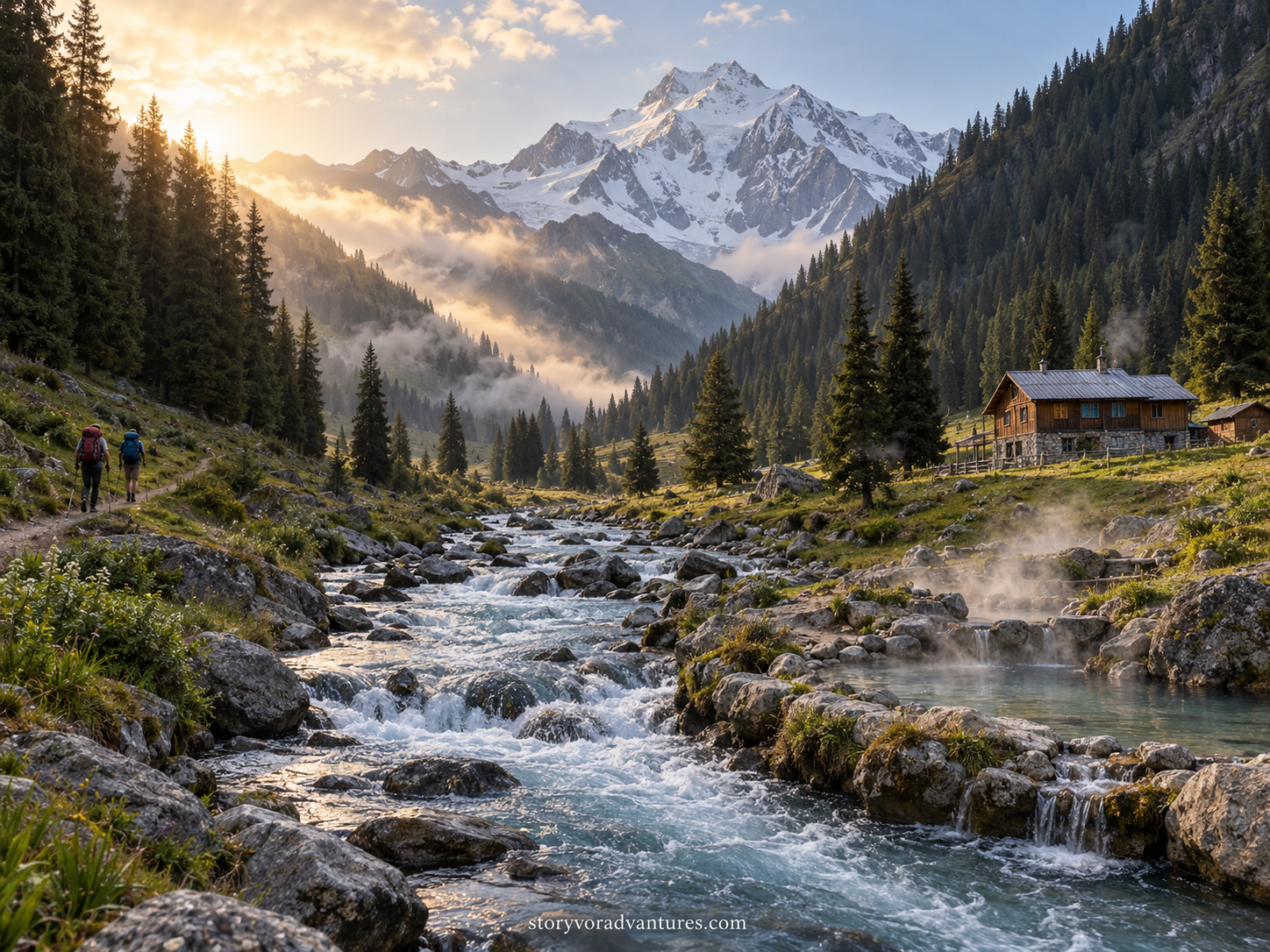
Altyn Arashan is a scenic mountain valley associated with forested slopes, river landscapes and natural hot springs. It can be visited as a separate excursion or included within a longer trekking route involving Ala-Kul.
The road into the valley is known for difficult terrain and should not be treated like an ordinary paved drive. Travellers using vehicles should choose an experienced local driver with appropriate equipment. Hiking provides another approach, but distance, weather and elevation still require preparation.
Accommodation and bathing facilities may be simple. Visitors should confirm what is available rather than expecting a luxury spa experience. The remote surroundings are the main attraction, and a basic stay can be enjoyable when expectations are realistic.
Natural hot springs require responsible use. Follow local instructions, avoid contaminating the water and respect other visitors. The valley’s peace can easily be damaged by loud music, litter or off-road activity in sensitive areas.
6. Skazka Canyon
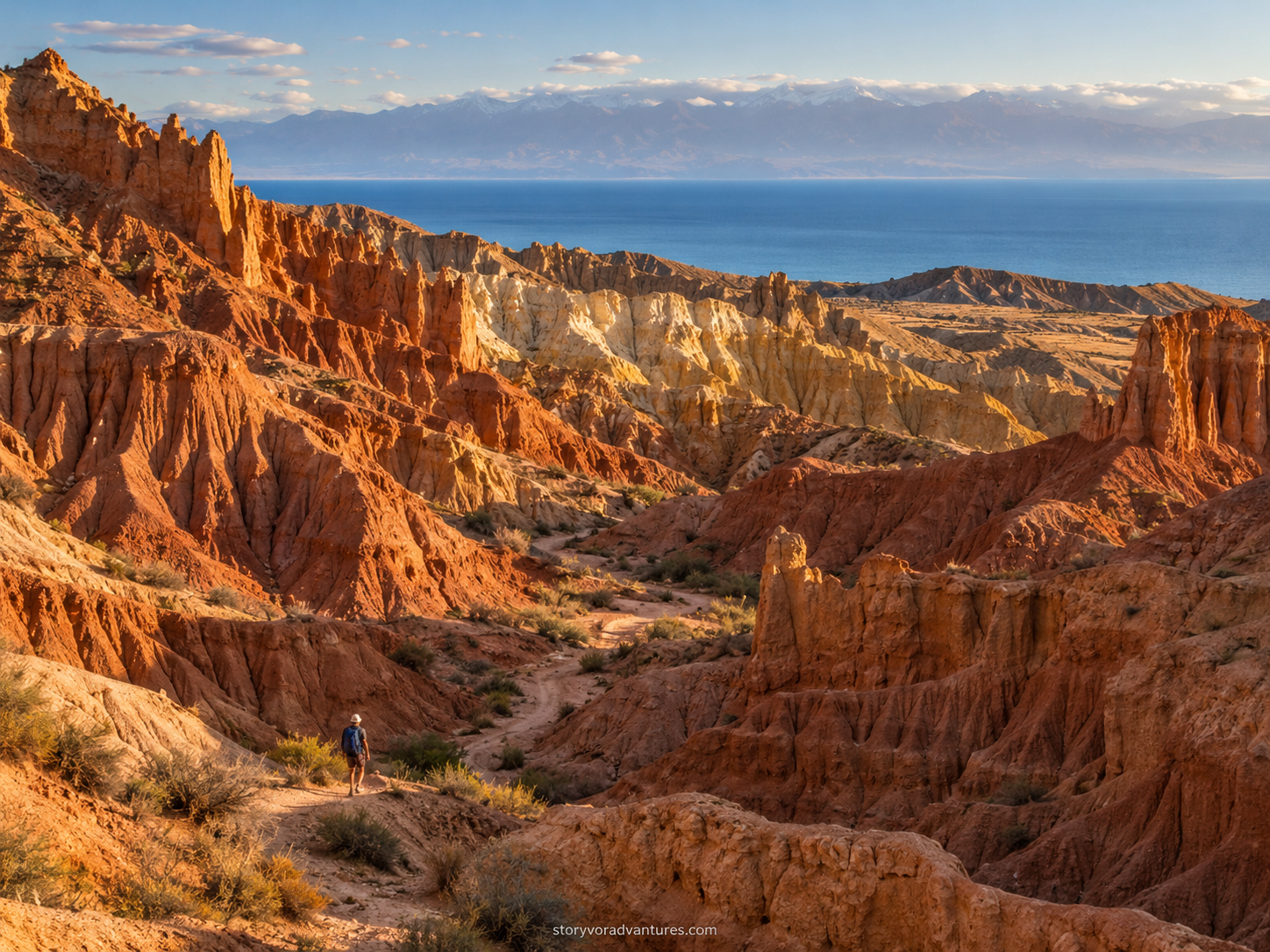
Skazka Canyon, sometimes called Fairy Tale Canyon, is located near the southern shore of Issyk-Kul. Wind and erosion have shaped its colourful rock formations into ridges, towers and narrow passages that can appear different as the light changes.
The canyon is accessible compared with many high-altitude destinations, but visitors should still prepare for exposed conditions. Shade may be limited, surfaces can be loose and summer temperatures may feel intense. Water, sun protection and suitable footwear are important even for a relatively short visit.
Walking slowly reveals more than rushing between photo locations. Different paths provide changing views of the formations and the distant lake. Travellers should avoid climbing unstable structures or creating shortcuts that increase erosion.
Early morning or later afternoon may provide softer light and more comfortable temperatures, although current access hours and local conditions should be checked before travelling. Visitors should carry all rubbish out of the canyon and leave its fragile shapes untouched.
7. Jeti-Ögüz Valley
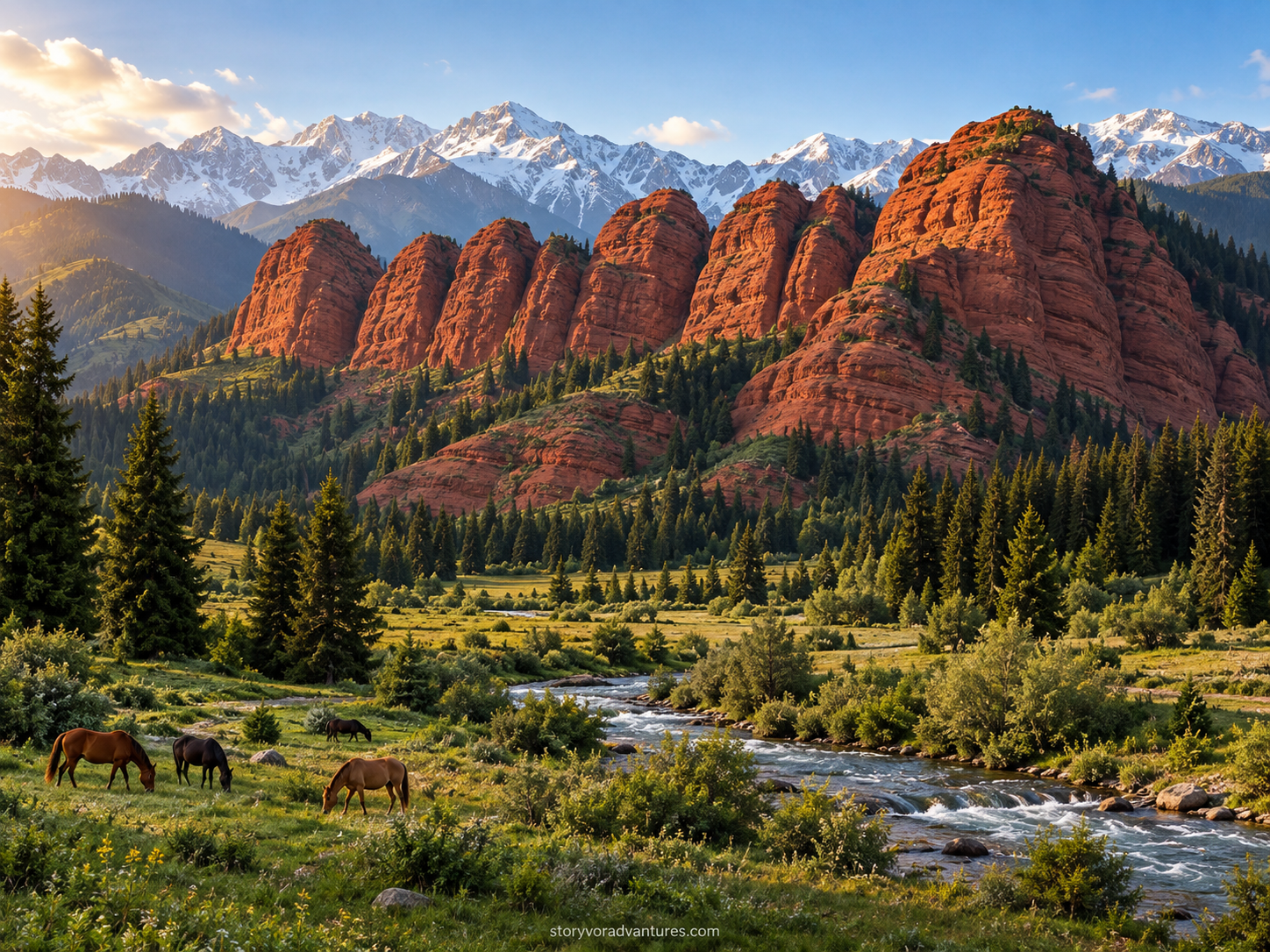
Jeti-Ögüz is known for dramatic red sandstone formations set against green valleys and mountain scenery. Its name is commonly associated with the appearance of seven bulls, while another well-known formation is often described as a broken heart.
The famous rocks are only the beginning of the experience. Continuing into the surrounding valley introduces travellers to forests, rivers, grazing land and possible walking routes. A short visit may be sufficient for photography, but a longer stay provides a clearer sense of the landscape.
Local guesthouses and yurt stays can offer a more personal experience than arriving briefly by car. Visitors should ask permission before entering private land or photographing residents. Buying food or accommodation from local providers can help ensure that tourism supports the community.
Weather conditions should guide any hiking plans. Trails that appear straightforward in photographs may become slippery or difficult after rain. Travellers should obtain current local information before continuing into less developed areas.
8. Burana Tower
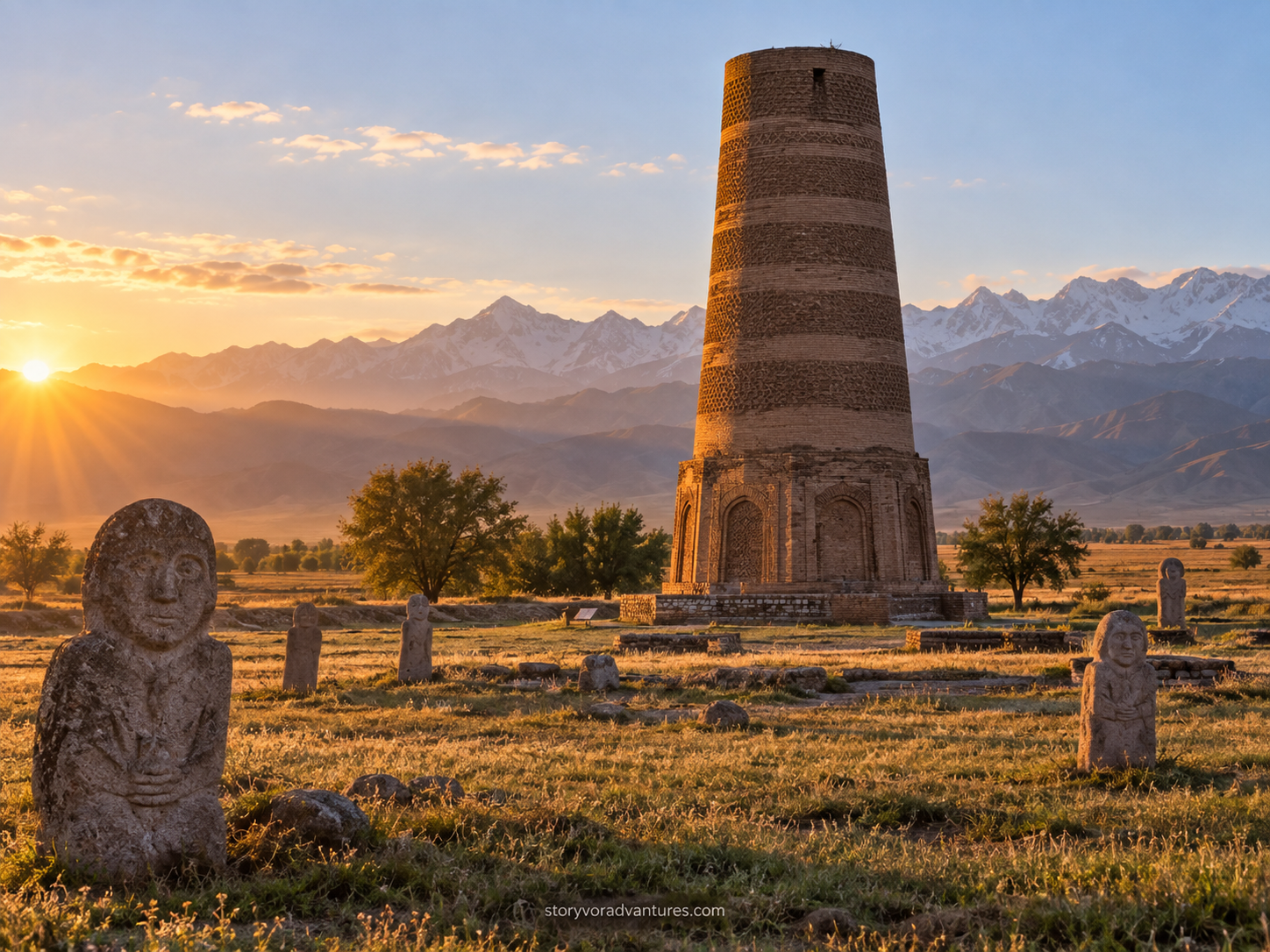
Burana Tower offers a connection to the history of the Silk Roads. Located within reach of Bishkek, the tower stands near the remains of Balasagun, an important medieval settlement that once formed part of a much wider network of trade and cultural exchange.
The site provides more than a single historic structure. Archaeological remains and traditional stone figures in the surrounding area help visitors imagine how people, goods, beliefs and ideas moved through Central Asia centuries ago.
Travellers able to climb the tower should be prepared for narrow and potentially uncomfortable interior steps. Access conditions may change, so visitors should follow instructions at the site rather than assuming every area is open.
Burana works well near the beginning or end of a Kyrgyzstan itinerary because it introduces the historical importance of the region. Hiring a knowledgeable guide can transform the visit from a quick photograph into a meaningful explanation of Silk Road history.
9. Sary-Chelek Biosphere Reserve
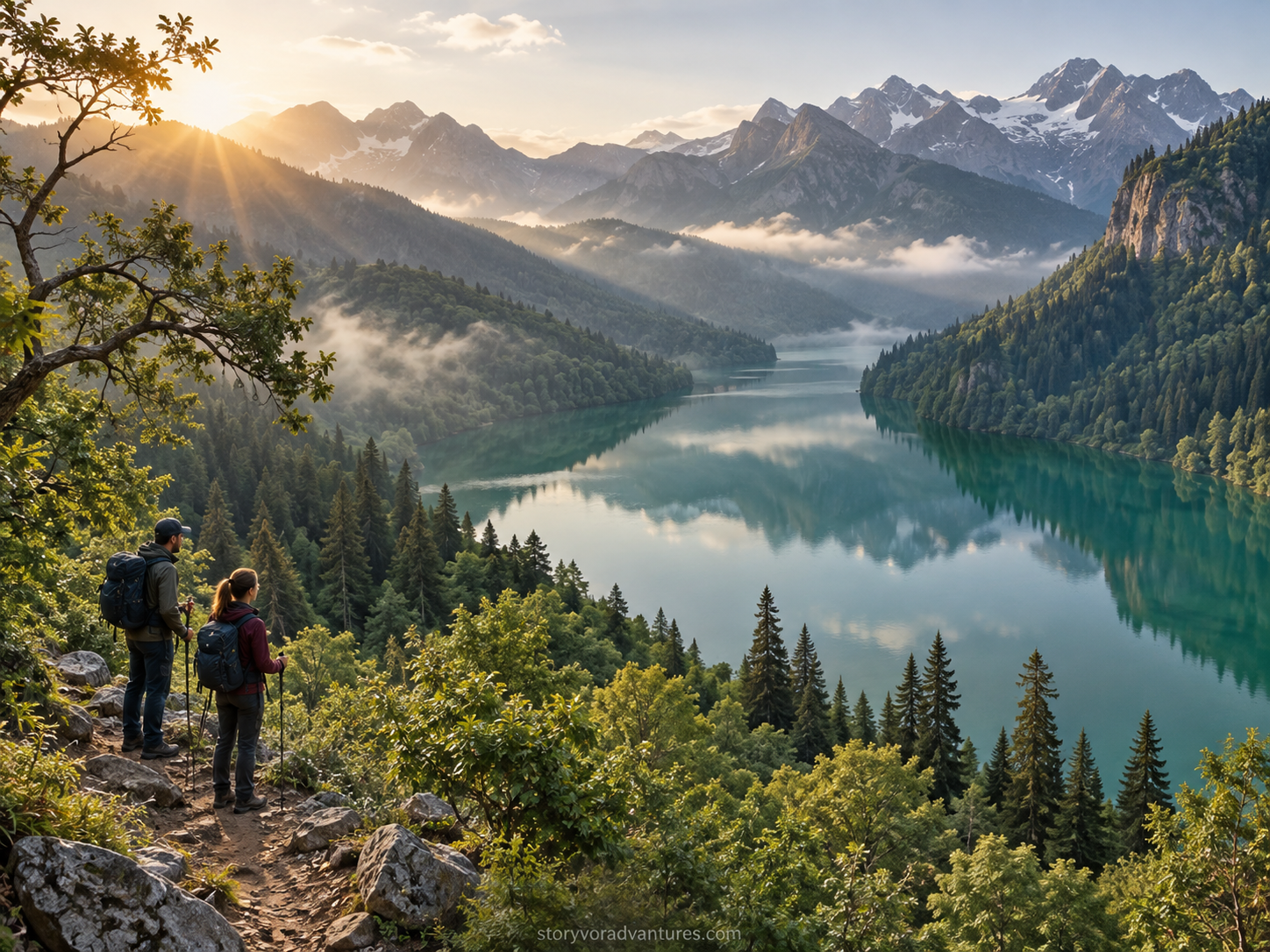
Sary-Chelek offers a greener and more forested landscape than many travellers expect to find in Kyrgyzstan. Its lakes, mountain slopes and protected ecosystems make it particularly appealing to visitors interested in nature and quieter outdoor travel.
Reaching the area requires additional time, but the journey can reward travellers who want to explore beyond the most common route between Bishkek, Issyk-Kul and Karakol. Conditions and access arrangements should be confirmed before departure, especially when travelling outside the main summer season.
Because Sary-Chelek is environmentally sensitive, responsible behaviour is essential. Visitors should remain on approved routes, follow fire restrictions, avoid disturbing wildlife and never leave waste behind. Drones should not be flown without confirming local and protected-area rules.
The reserve is best approached as a place to observe rather than control. Weather may change plans, wildlife may remain unseen and some areas may be inaccessible. Accepting those limits is part of visiting a protected natural environment respectfully.
10. Bishkek
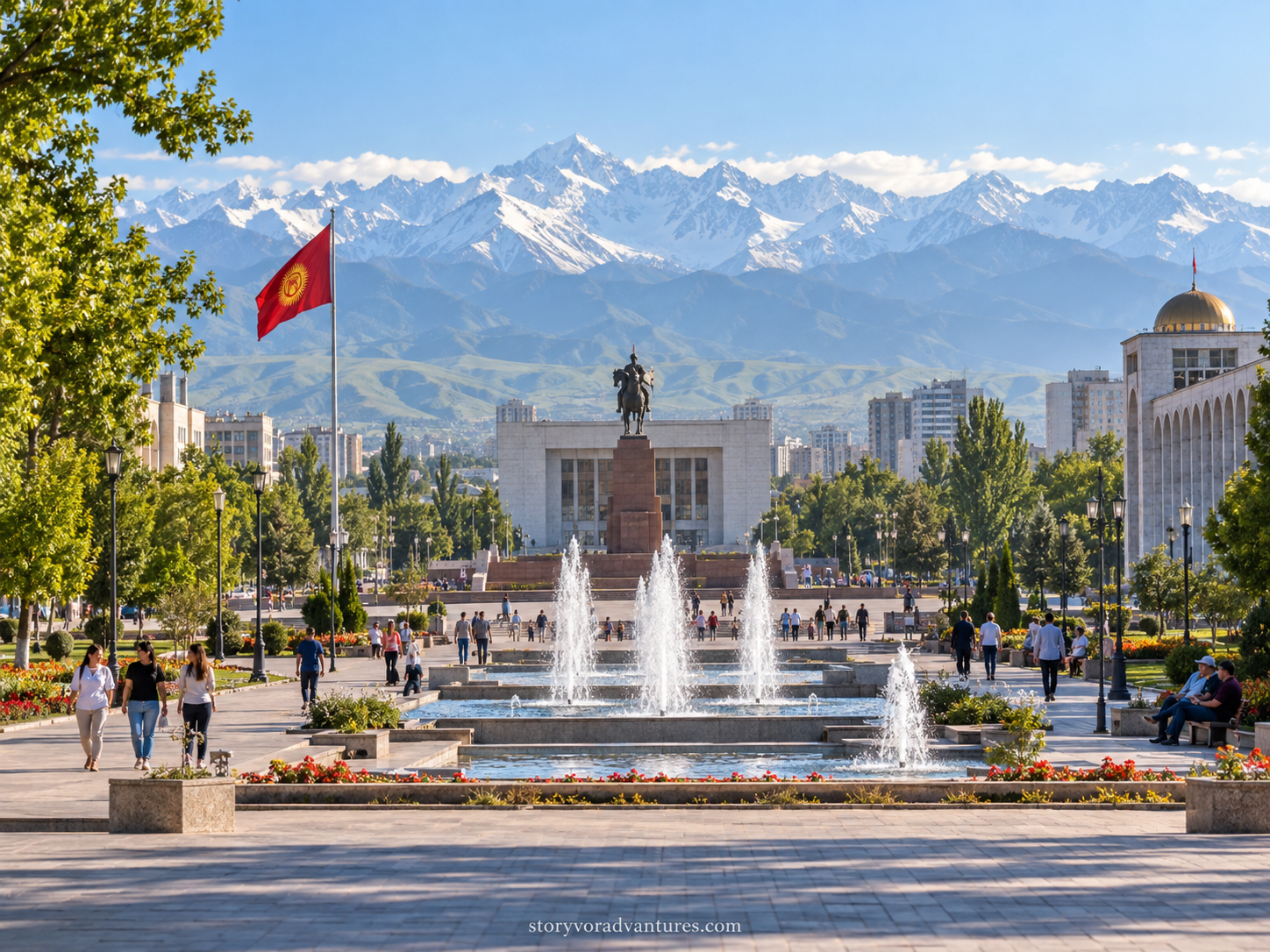
Bishkek is often used only as an arrival and departure point, but the capital deserves time of its own. Its broad streets, public spaces, markets, museums and surrounding mountain views introduce visitors to contemporary life in Kyrgyzstan.
The city is useful for organising transport, purchasing supplies and recovering after a remote journey. It also provides opportunities to try local dishes and learn how Kyrgyz, Russian and broader Central Asian influences meet in everyday urban culture.
Osh Bazaar can be an interesting place to observe daily commerce and shop for food or practical items. As in any busy market, travellers should remain aware of personal belongings and ask before taking close photographs of vendors.
Bishkek also provides access to nearby outdoor areas, allowing travellers to combine a city stay with a day excursion. Instead of leaving immediately after landing, spending one or two nights can make the transition into the country more comfortable and informative.
When Is the Best Time to Visit Kyrgyzstan?
The most suitable period depends on the planned activities. Summer is generally the most practical season for high mountain lakes, yurt stays and longer trekking routes. However, conditions remain variable, and snow or severe weather can affect elevated areas even when lower regions feel warm.
Spring and autumn can be rewarding for city visits, cultural experiences and lower-altitude landscapes. Some high mountain routes and seasonal accommodation may not be available during these periods. Winter appeals to travellers interested in snow-based activities, but it requires specialised planning and appropriate equipment.
There is no single perfect month for the entire country. Confirm road access, accommodation availability and trail conditions for each region shortly before travelling.
Essential Planning Tips
Distances in Kyrgyzstan can be misleading. A route that appears short on a map may take much longer because of mountain roads, surface conditions or weather. Avoid building an itinerary with no spare time between long journeys.
Carry some local currency because card payments may not be available in remote areas. Download maps and essential documents for offline access, while remembering that digital tools cannot replace local guidance in the mountains.
A suitable travel insurance policy should cover the activities you intend to undertake. Standard policies may exclude high-altitude trekking, horse riding or emergency evacuation, so travellers should read the conditions carefully.
Entry requirements depend on nationality and can change. Confirm passport validity, visa rules and border requirements through official government sources before purchasing non-refundable services.
Travelling Responsibly in Kyrgyzstan
Responsible travel begins with recognising that Kyrgyzstan’s valleys, pastures and lakes are working landscapes and community spaces. They are not simply backgrounds created for visitors.
Stay with responsible local providers where possible, follow marked routes and avoid placing unrealistic demands on hosts in remote locations. Use water carefully, carry reusable items and remove every piece of rubbish from natural areas.
Photography should be respectful. Always ask before photographing individuals closely, particularly children or people inside their homes. Paying for a service does not automatically provide permission to record every part of someone’s life.
Cultural curiosity is welcome when accompanied by patience and humility. Learning a few basic local expressions, listening to hosts and accepting unfamiliar routines can make the experience more meaningful for everyone involved.
Final Thoughts
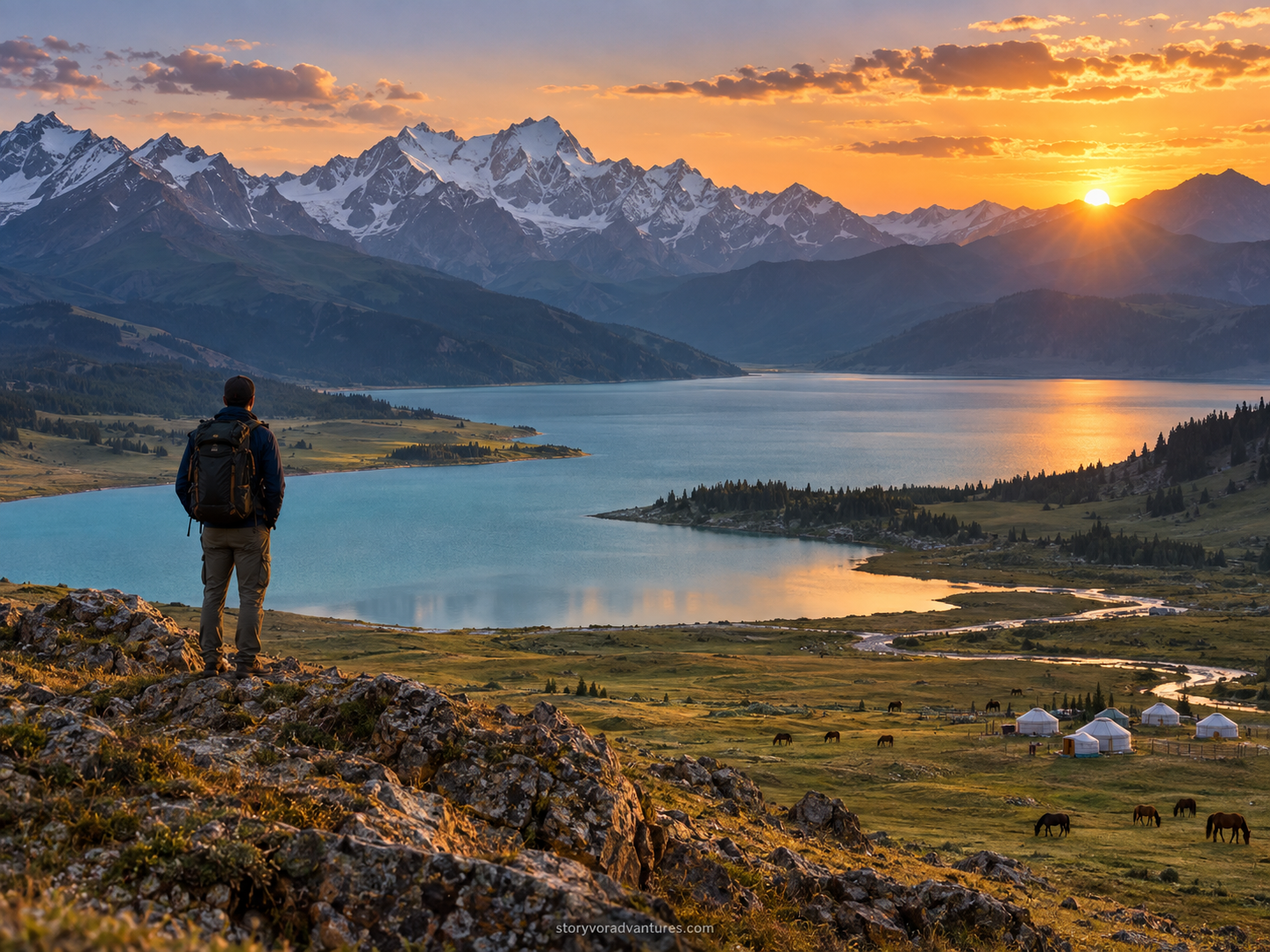
Kyrgyzstan is a destination where the journey often matters as much as the place marked on the map. Roads curve around enormous lakes, trails climb into silent mountain landscapes and historic sites reveal the region’s role in connecting distant cultures.
Issyk-Kul introduces the scale of the country, Song-Kul offers insight into highland life, and Ala-Kul challenges prepared hikers with a demanding alpine journey. Karakol and Bishkek add cultural and practical depth, while Burana Tower connects the present landscape with Silk Road history.
The country should not be promoted as an untouched secret or a guaranteed budget destination. Communities already live throughout these landscapes, and tourism conditions continue to develop. Visiting with realistic expectations, careful preparation and respect for local people creates a better journey.
Kyrgyzstan rewards travellers who slow down, remain flexible and accept that nature controls the schedule. For those willing to prepare properly, it can become one of the most memorable adventure destinations in Central Asia.
Important: This article provides general travel information and inspiration. Entry requirements, road access, weather, prices, permits and safety conditions can change. Check current information from official authorities, accommodation providers and experienced local operators before booking or beginning remote travel.