Costa Rica Travel Guide 2026: 15 Unforgettable Places From Volcanoes to Tropical Beaches
Explore 15 unforgettable places in Costa Rica, with practical advice on volcanoes, beaches, wildlife, transport, costs and a 12-day itinerary.
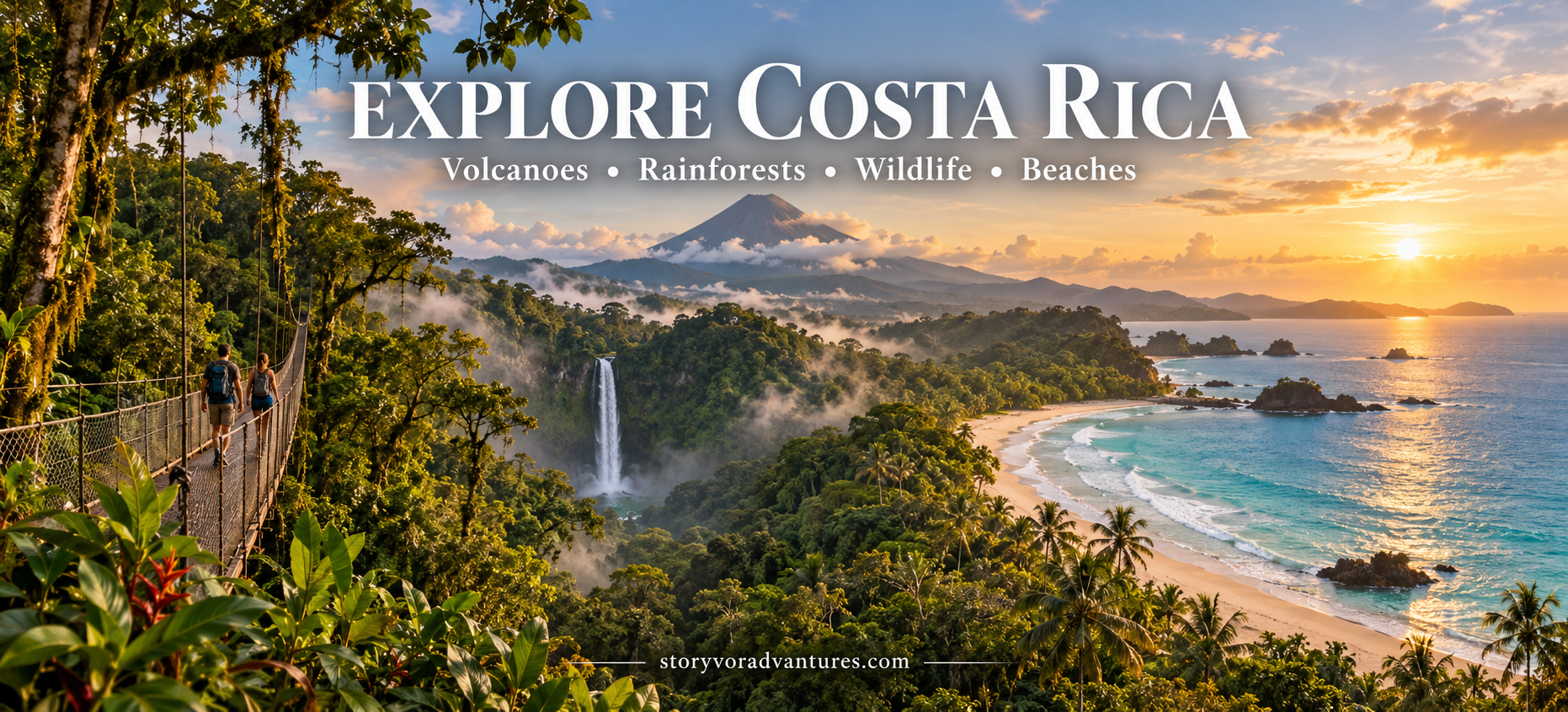
Costa Rica is an excellent destination for travellers who want wildlife, rainforests, volcanoes and beaches within one manageable trip. The country protects more than a quarter of its land for conservation and offers experiences ranging from cloud-forest walks to Caribbean coastal villages. Vacation Guide
This guide covers 15 memorable places, along with transport, currency, accommodation, safety and a practical 12-day itinerary. Prices, park access and entry rules can change, so confirm important details through the official Visit Costa Rica and SINAC National Parks websites before travelling.
Costa Rica Travel Essentials
Costa Rica’s capital is San José, its official language is Spanish and the national currency is the Costa Rican colón. Juan Santamaría International Airport near San José and Guanacaste Airport near Liberia are the two principal international gateways. visitcostarica.com
Although cards are accepted in most tourist areas, carrying some colones is useful for local buses, small restaurants and rural shops. US dollars are also widely accepted, but paying in local currency can make prices easier to understand. visitcostarica.com
A trip of 10 to 14 days provides enough time to combine two or three regions without spending every day in transit.
1. San José
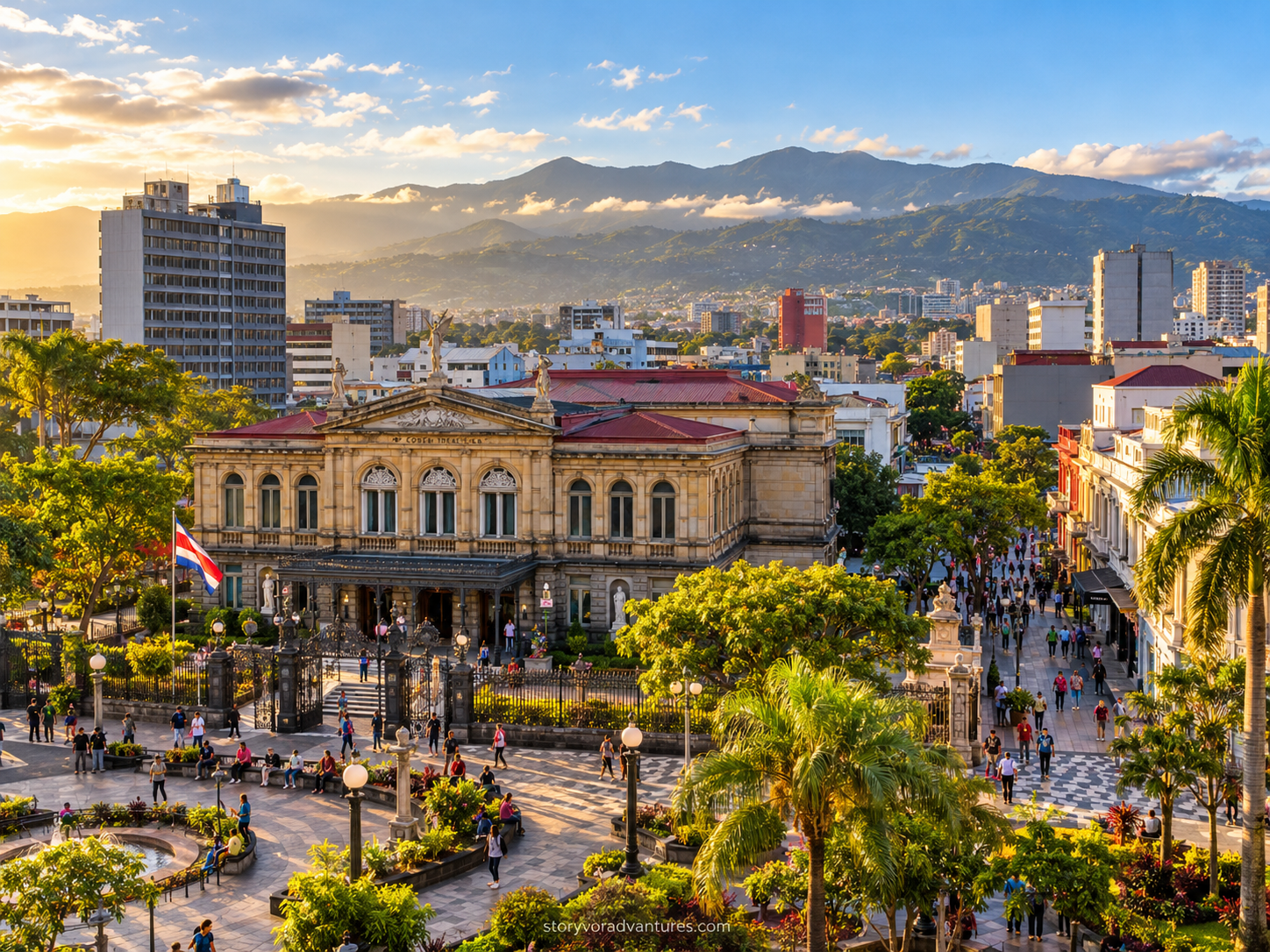
Many travellers treat San José only as an arrival point, but the capital can provide a useful introduction to Costa Rican history and everyday life. The compact central area contains the National Theatre, museums, public squares and the busy Central Market.
The National Museum of Costa Rica is a good place to learn about the country’s Indigenous heritage, colonial period and political development. Afterwards, visitors can explore Barrio Escalante, which is known for cafés and restaurants.
One or two nights are normally sufficient for a first visit. Staying near the city centre is convenient for sightseeing, while accommodation closer to the airport may work better before an early departure.
2. Arenal Volcano and La Fortuna
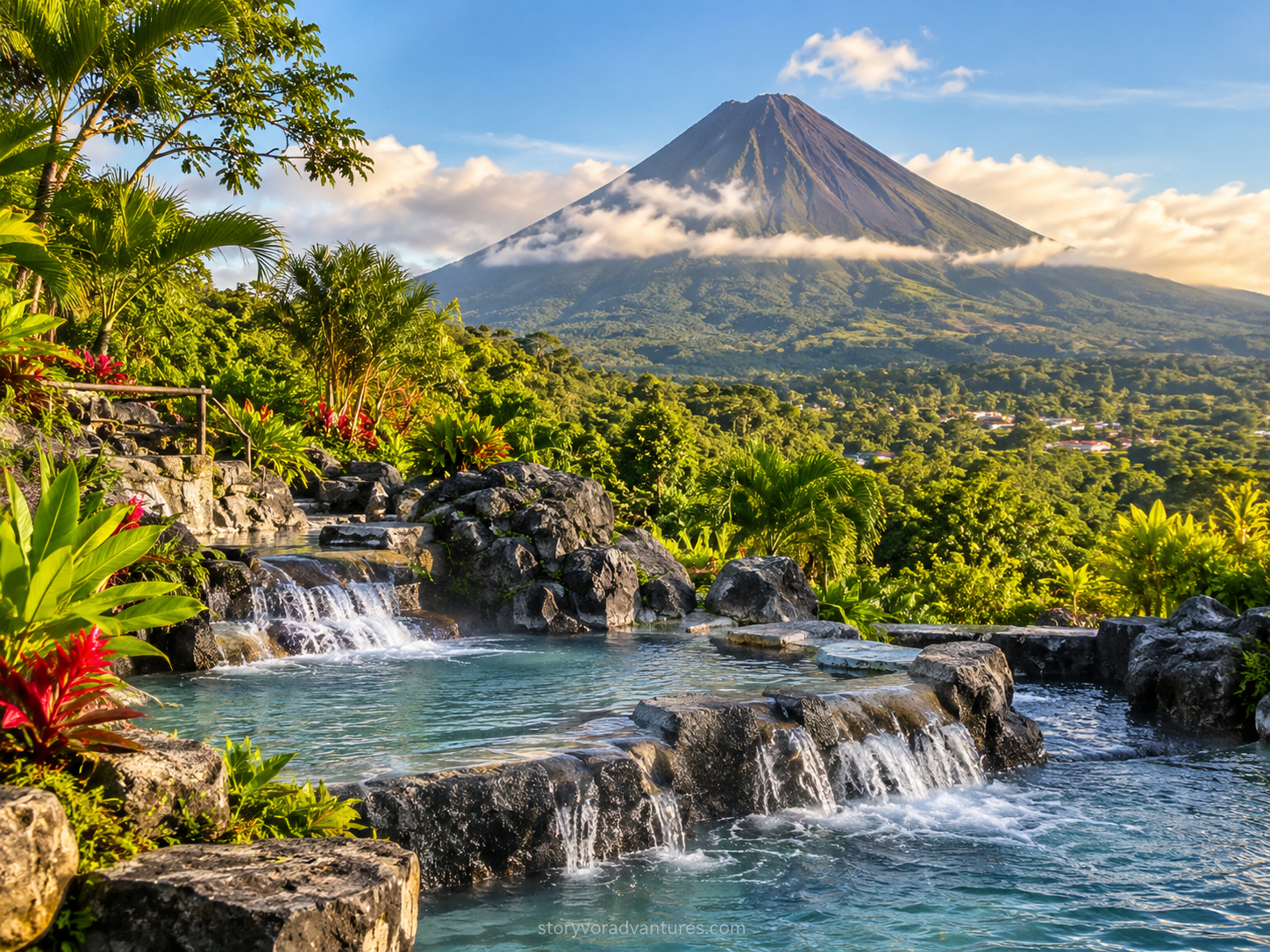
Arenal Volcano rises above rainforest, farmland and the town of La Fortuna. Although access to the volcano itself is restricted, surrounding trails provide views of the mountain and sections of old lava landscape.
La Fortuna is also known for hot springs, hanging bridges, waterfalls and adventure activities. The walk to La Fortuna Waterfall includes numerous steps, so travellers should carry water and wear shoes with reliable grip.
Three nights provide enough time for a national-park walk, a waterfall visit and a relaxed evening at one of the area’s hot-spring properties.
3. Monteverde Cloud Forest
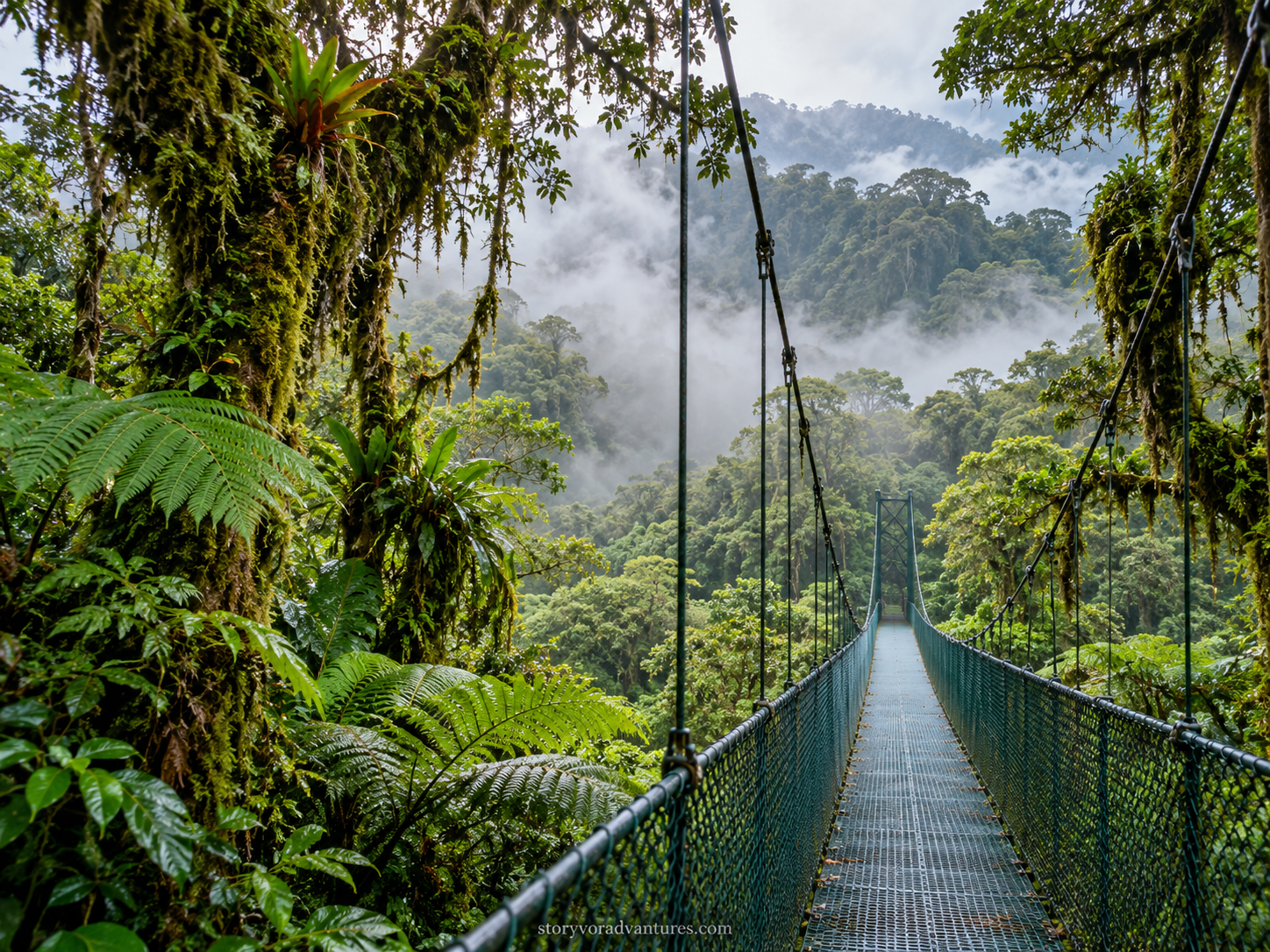
Monteverde feels noticeably different from Costa Rica’s warmer coastal regions. Its elevation creates cooler temperatures, misty forest and an ecosystem filled with mosses, orchids, ferns and birdlife.
Visitors can explore the Monteverde Cloud Forest Biological Reserve or nearby reserves such as Santa Elena. Guided walks can make wildlife easier to identify, while hanging bridges provide a different view of the forest canopy.
Roads approaching Monteverde can be slow and uneven. Travel time is often longer than the distance suggests, so avoid planning another major activity immediately after arrival.
4. Manuel Antonio National Park
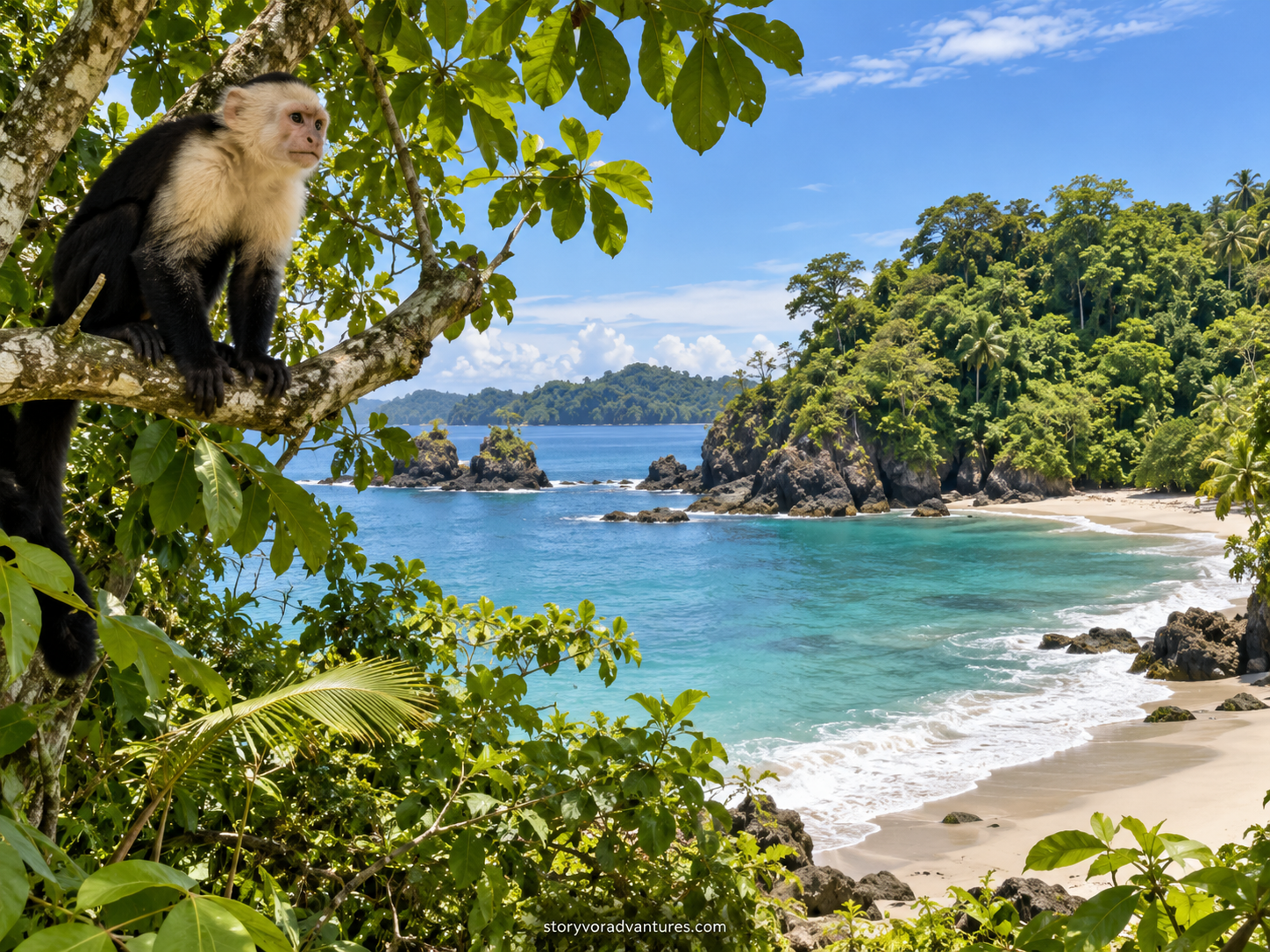
Manuel Antonio combines rainforest trails with Pacific beaches. Monkeys, sloths, iguanas and tropical birds are sometimes seen, but sightings are never guaranteed. A responsible guide with a spotting scope can help visitors observe animals without approaching them.
Entry numbers and visiting arrangements may be controlled, so purchase tickets only through the official SINAC reservation system. Manuel Antonio is among the parks available through Costa Rica’s online booking platform. serviciosenlinea.sinac.go.cr.
The neighbouring town of Quepos provides a wider selection of restaurants and accommodation. Carry minimal food into the park and follow all instructions designed to protect wildlife.
5. Tortuguero National Park
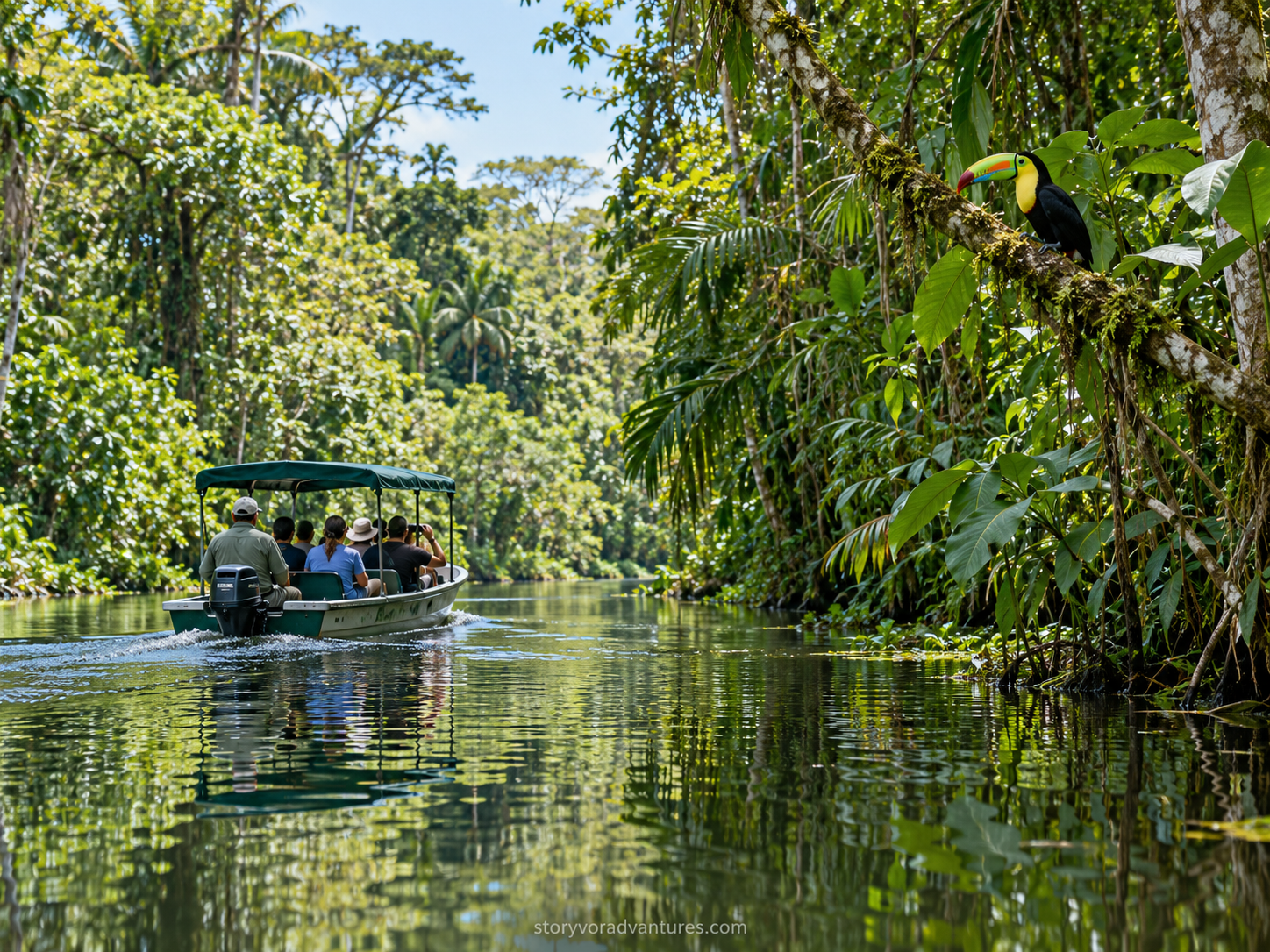
Tortuguero is a network of rainforest, canals, wetlands and Caribbean coastline. Because roads do not reach the central village, visitors generally complete the final part of the journey by boat or domestic flight. visitcostarica.com
Boat tours through the canals may reveal monkeys, caimans, toucans and other wildlife. Sea turtles also nest along the coast during particular seasons, but tours should always follow official access rules and be conducted by authorised guides.
Two or three nights allow time for a canal excursion, a village walk and a forest trail. Bring rain protection regardless of the month because Caribbean weather can change quickly.
6. Corcovado National Park and the Osa Peninsula
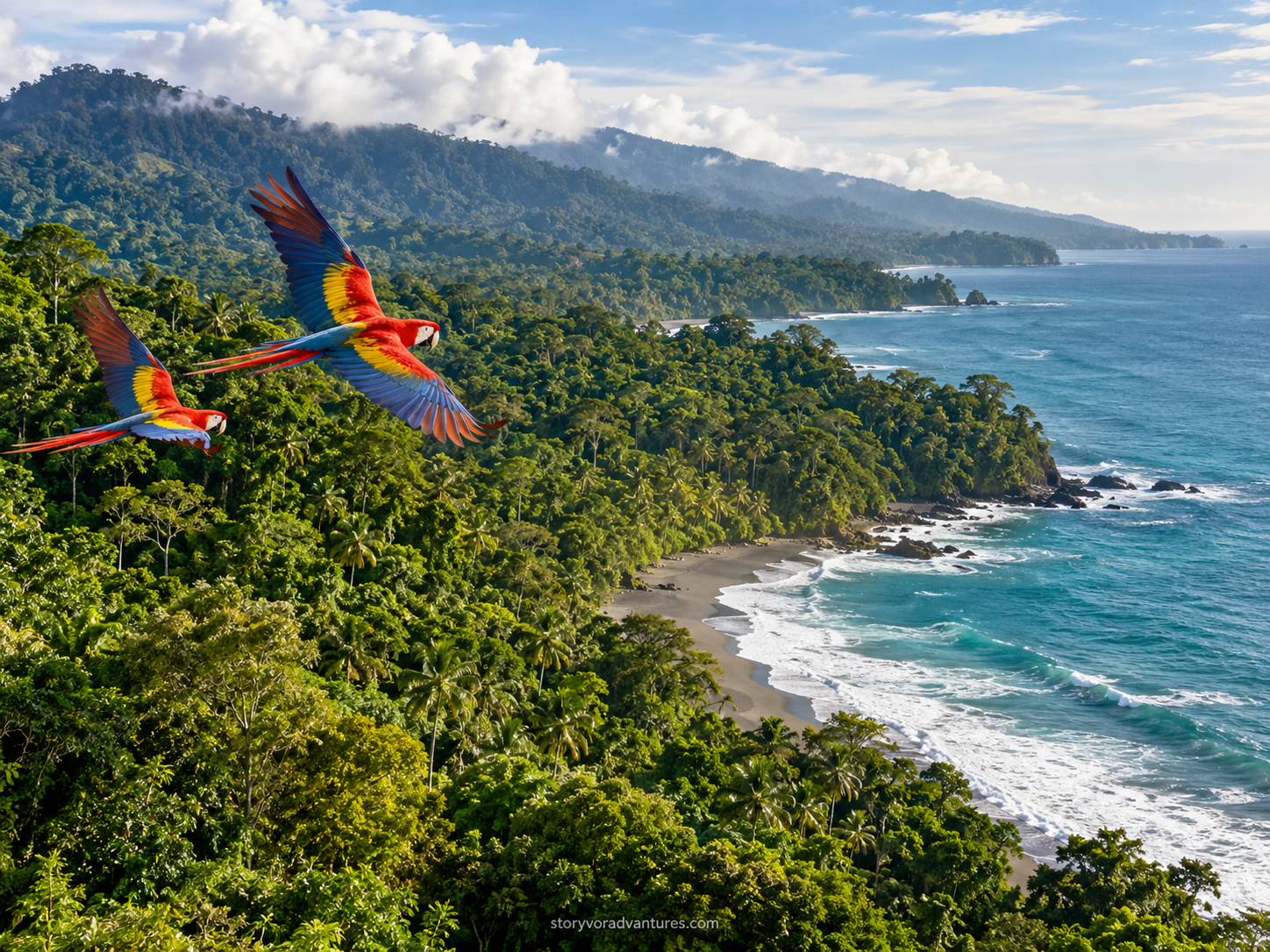
The Osa Peninsula is one of Costa Rica’s most remote and biologically rich regions. Corcovado National Park protects rainforest, rivers and coastline that support scarlet macaws, tapirs, monkeys and many smaller species.
Visiting requires more preparation than a typical beach stop. Access rules, guide requirements, trail conditions and transport arrangements should be checked through SINAC or a properly registered local operator.
Puerto Jiménez and Drake Bay are the main bases. Three or four nights are more practical than a rushed visit, especially because weather can affect boats and road transfers.
7. Poás Volcano National Park
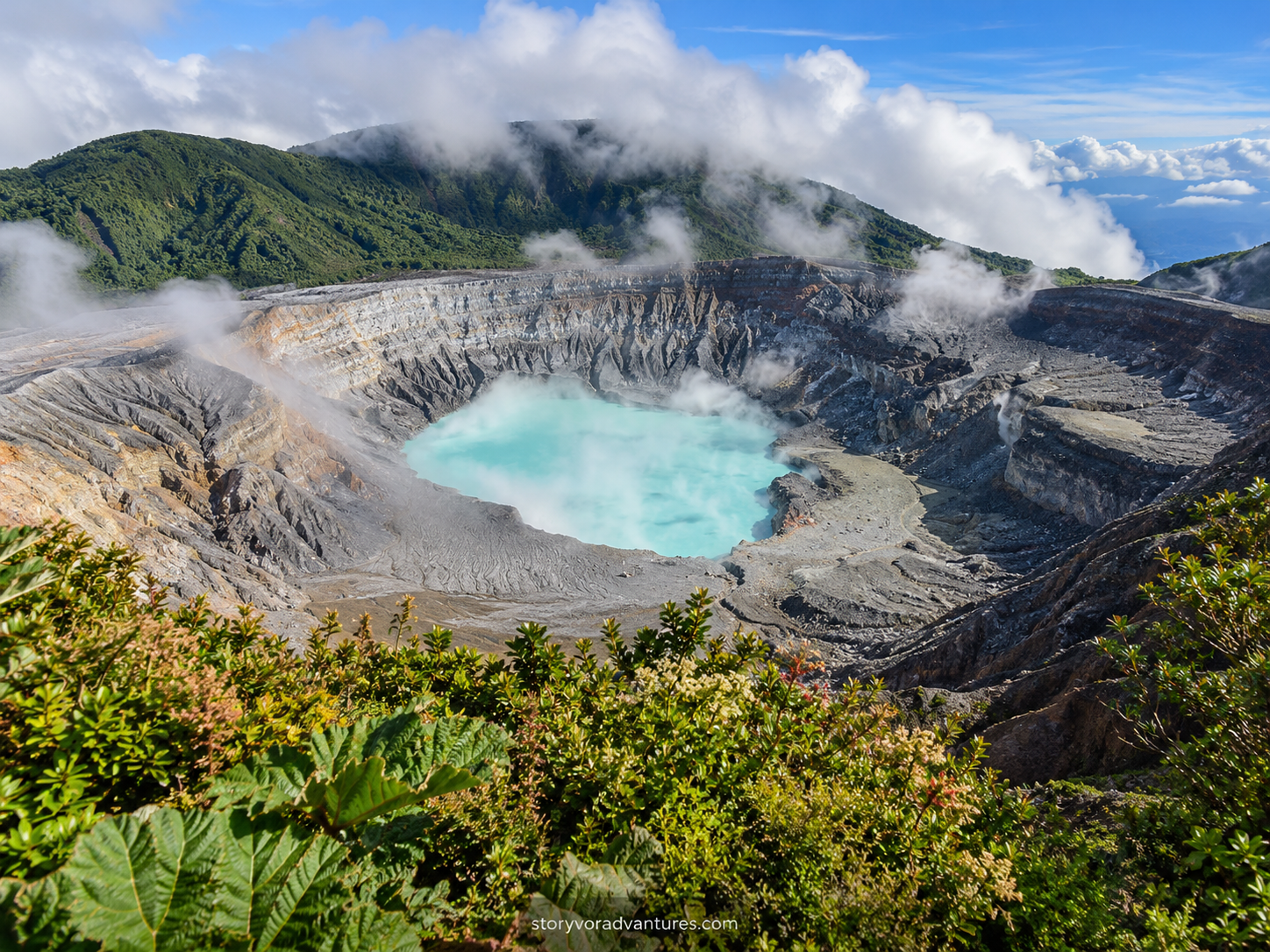
Poás is one of the most accessible volcanic landscapes near the Central Valley. Its main attraction is a viewpoint overlooking an active crater, although cloud, volcanic conditions and safety restrictions can affect access.
Reserve a timed entrance in advance through the official SINAC platform and follow the instructions given at the park. sinac.go.cr
Morning visits may offer better visibility, but clear views can never be guaranteed. The surrounding region is also known for coffee farms, strawberry stalls and mountain scenery.
8. Río Celeste and Tenorio Volcano National Park
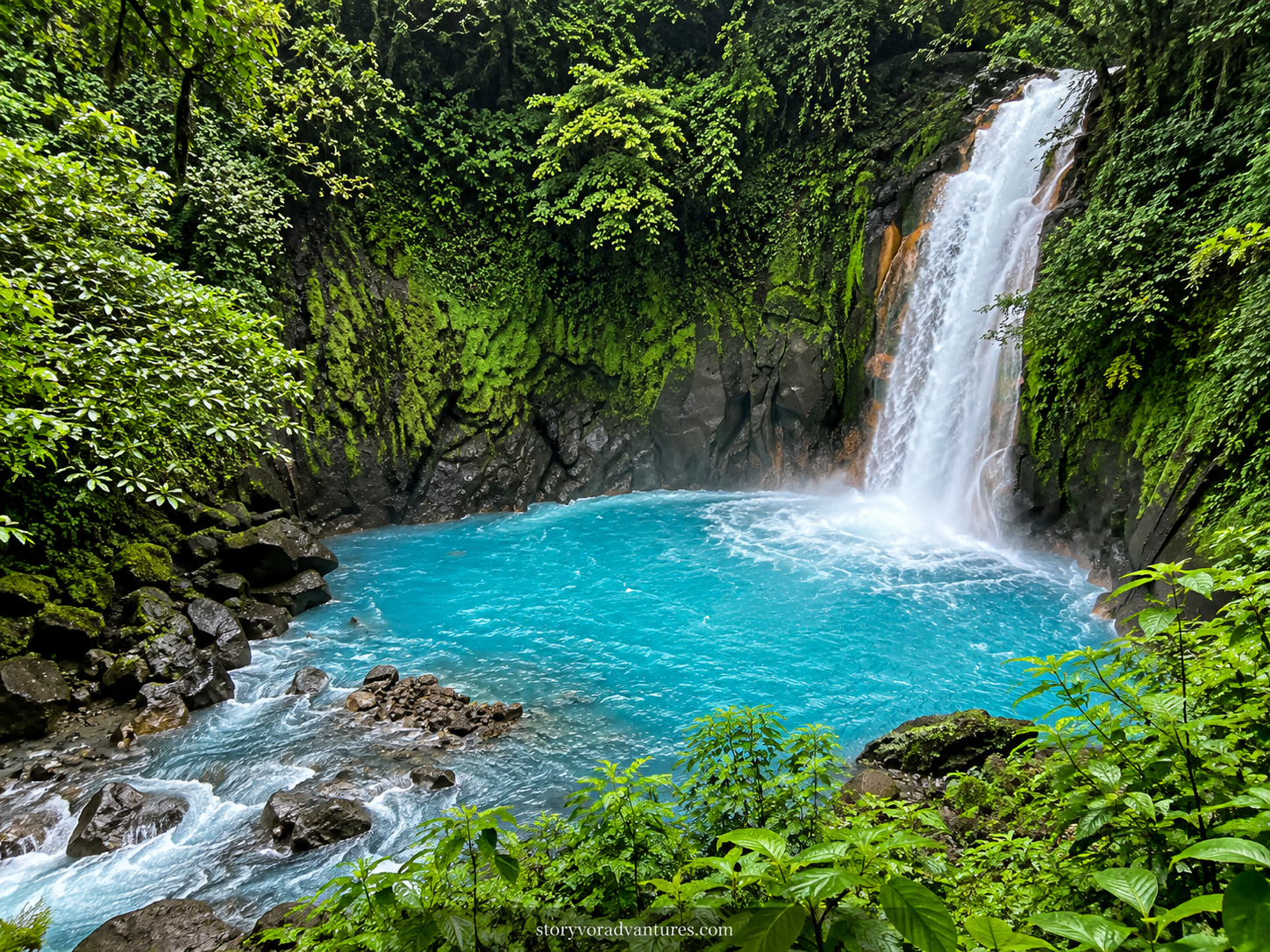
Río Celeste is famous for its striking blue water, created by natural mineral and optical processes. A forest trail leads towards a waterfall viewpoint and other features within Tenorio Volcano National Park.
Rain can make the trail muddy and slippery, so suitable footwear is important. Swimming is not permitted inside the protected park, and visitors should remain on marked paths.
The nearby communities of Bijagua and Katira are convenient bases. Staying overnight makes it easier to enter early and explore without rushing from La Fortuna or Guanacaste.
9. Rincón de la Vieja National Park
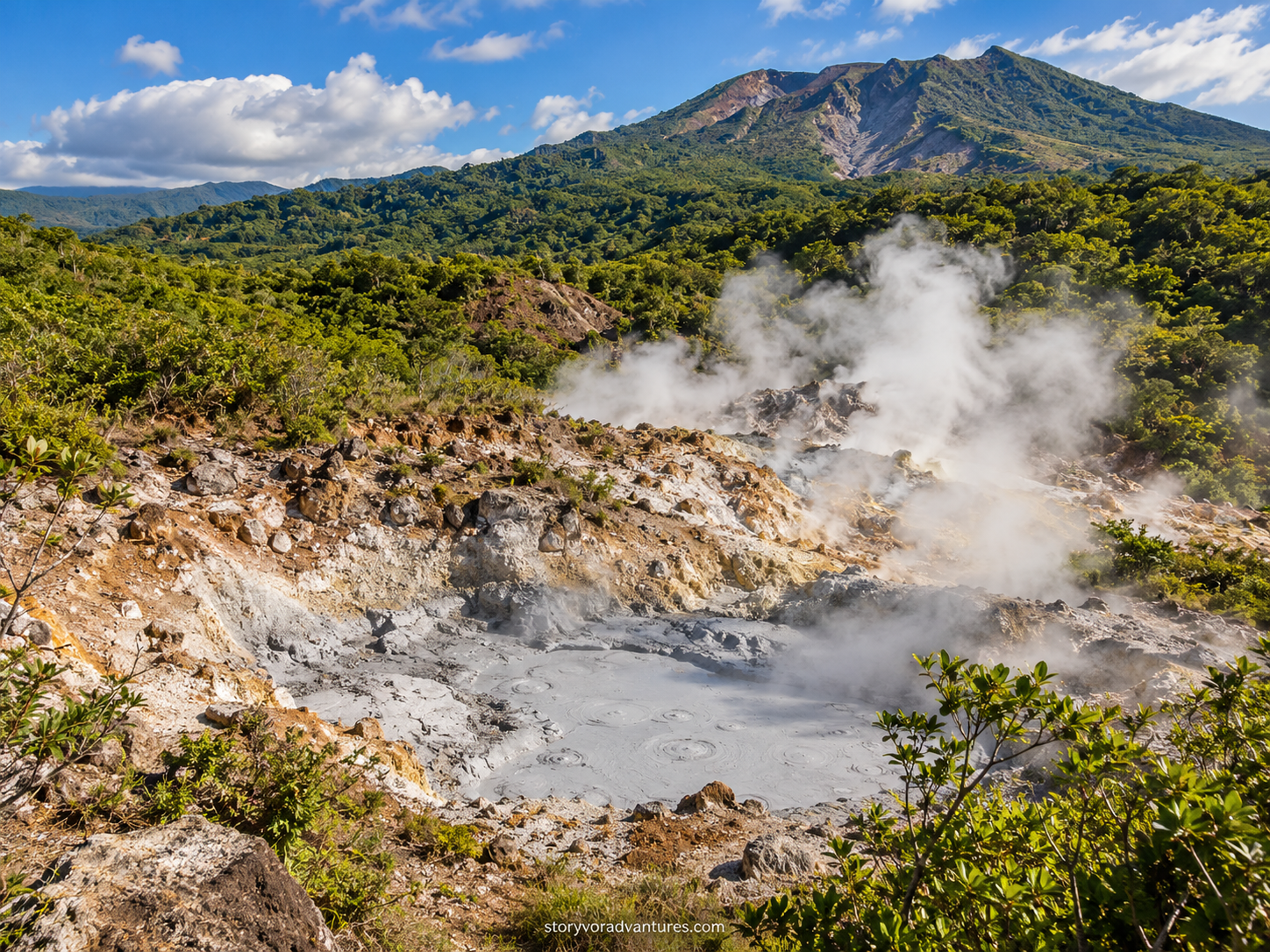
Rincón de la Vieja offers a combination of volcanic activity and tropical dry forest. Depending on current access, visitors may encounter bubbling mud pots, steam vents, waterfalls and forest trails.
The landscape can be hot and exposed, particularly during the drier months. Start early, carry sufficient water and check whether specific trails or volcanic sectors are temporarily closed.
The park works well as a two-night stop from Liberia or as part of a longer Guanacaste itinerary. Nearby lodges frequently offer horse riding, hot springs and river-based activities.
10. Tamarindo
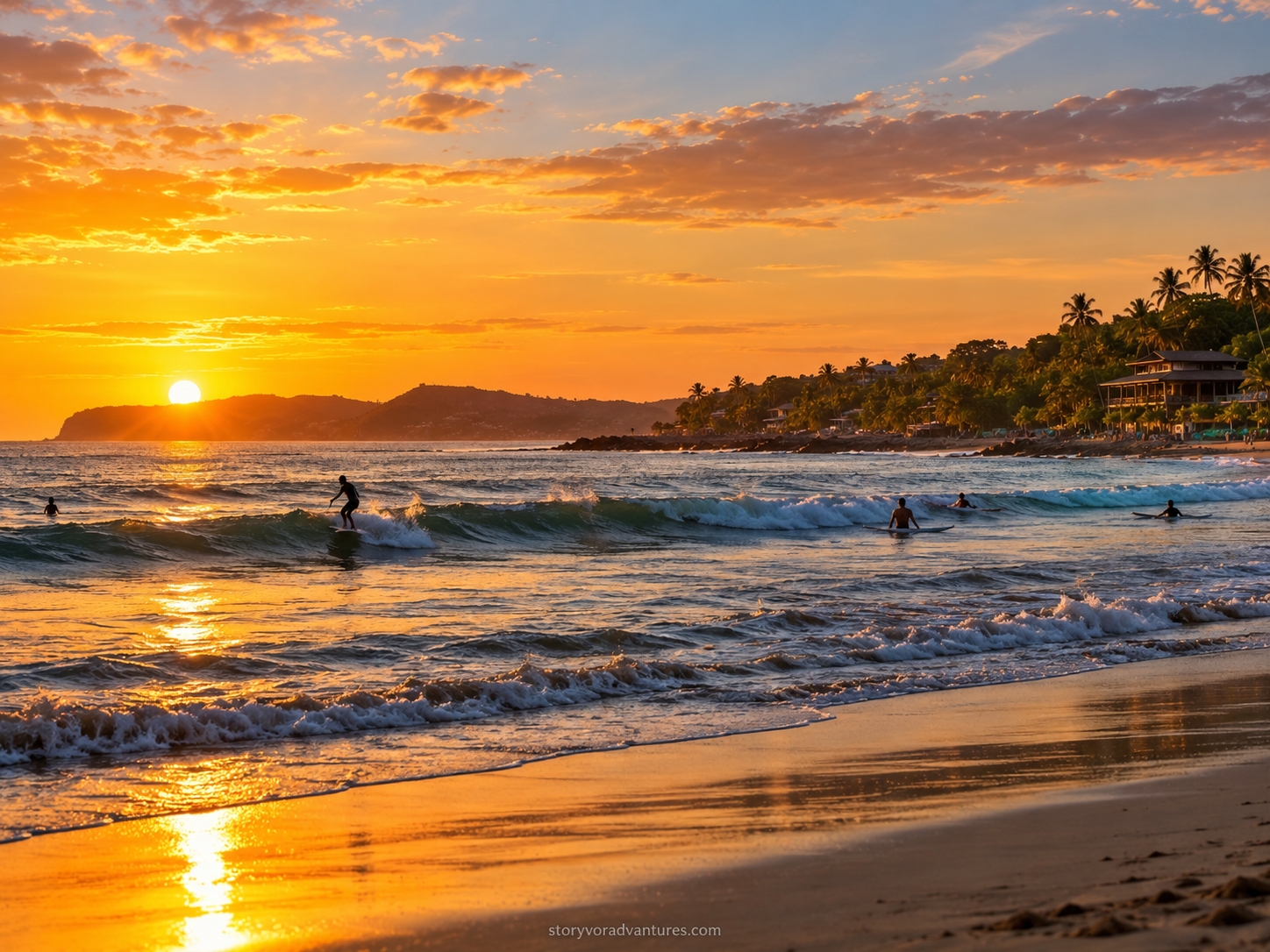
Tamarindo is one of Guanacaste’s best-known beach towns. Its accommodation, restaurants, surf schools and transport connections make it convenient for first-time visitors who want an easy coastal base.
The town can become busy, so travellers seeking a quieter atmosphere may prefer accommodation away from the central beachfront. Surf conditions vary, and beginners should take lessons from a reputable school rather than entering unfamiliar waves alone.
Tamarindo can also serve as a base for nearby beaches, estuary tours and seasonal wildlife experiences.
11. Playa Conchal
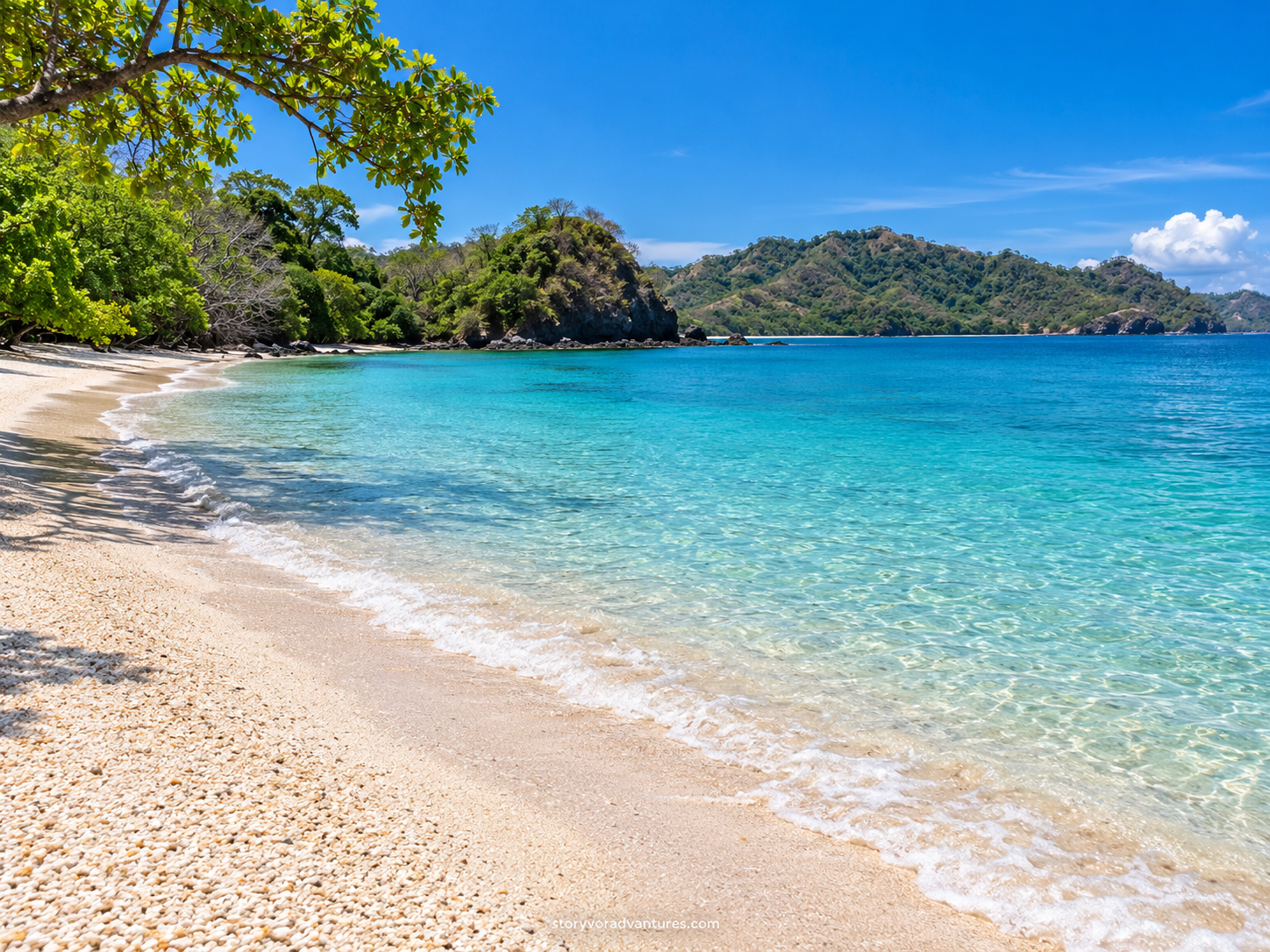
Playa Conchal is known for pale sand mixed with tiny shell fragments and generally clear water. It feels more relaxed than some of Guanacaste’s larger resort areas, although conditions depend on weather and tides.
The public approach may require walking from neighbouring Brasilito, so take only what you can carry comfortably. Shade can be limited, making sun protection and drinking water essential.
Visitors should avoid removing shells or natural materials from the beach. Leaving the coastline unchanged helps preserve it for wildlife and future travellers.
12. Santa Teresa and Mal País
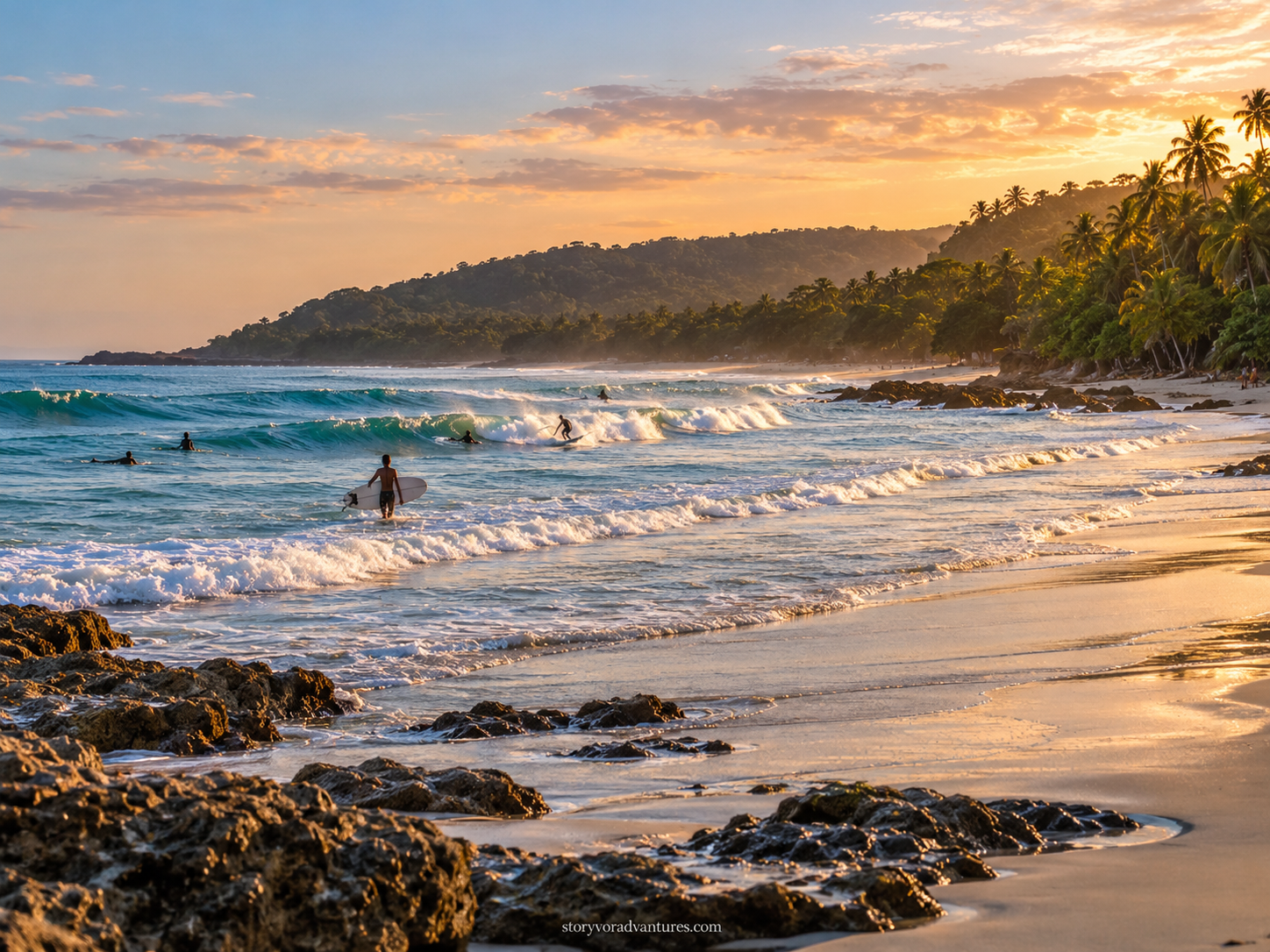
Santa Teresa attracts surfers, independent travellers and visitors interested in wellness retreats. The coastline is beautiful, but the town stretches along a busy road and short distances may take longer than expected.
Road surfaces can become rough during wet weather. Travellers renting an ATV or motorbike should use proper safety equipment and avoid driving without appropriate experience.
Mal País, immediately south of Santa Teresa, has a quieter atmosphere. Allow at least three nights if the long journey is to feel worthwhile.
13. Puerto Viejo de Talamanca
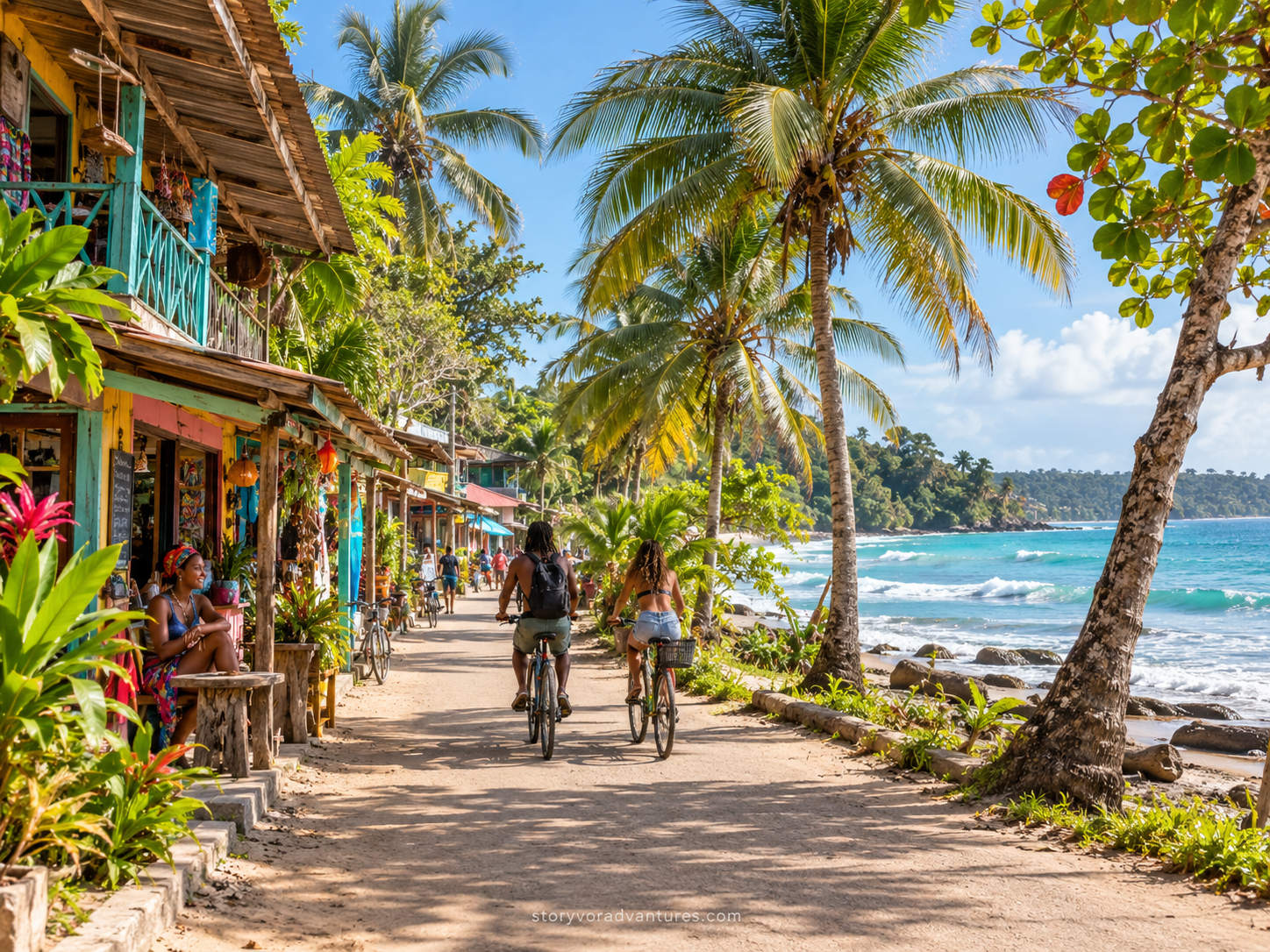
Puerto Viejo offers a different experience from the Pacific coast. Afro-Caribbean culture, tropical forest and beaches shape the area’s atmosphere, while bicycles are commonly used for shorter journeys between coastal communities.
Nearby beaches include Playa Cocles, Punta Uva and Manzanillo. Sea conditions vary considerably, so travellers should take local warnings and rip-current risks seriously.
Local dishes influenced by Caribbean flavours are an important part of the visit. Choose locally owned restaurants and small accommodation businesses when possible.
14. Cahuita National Park
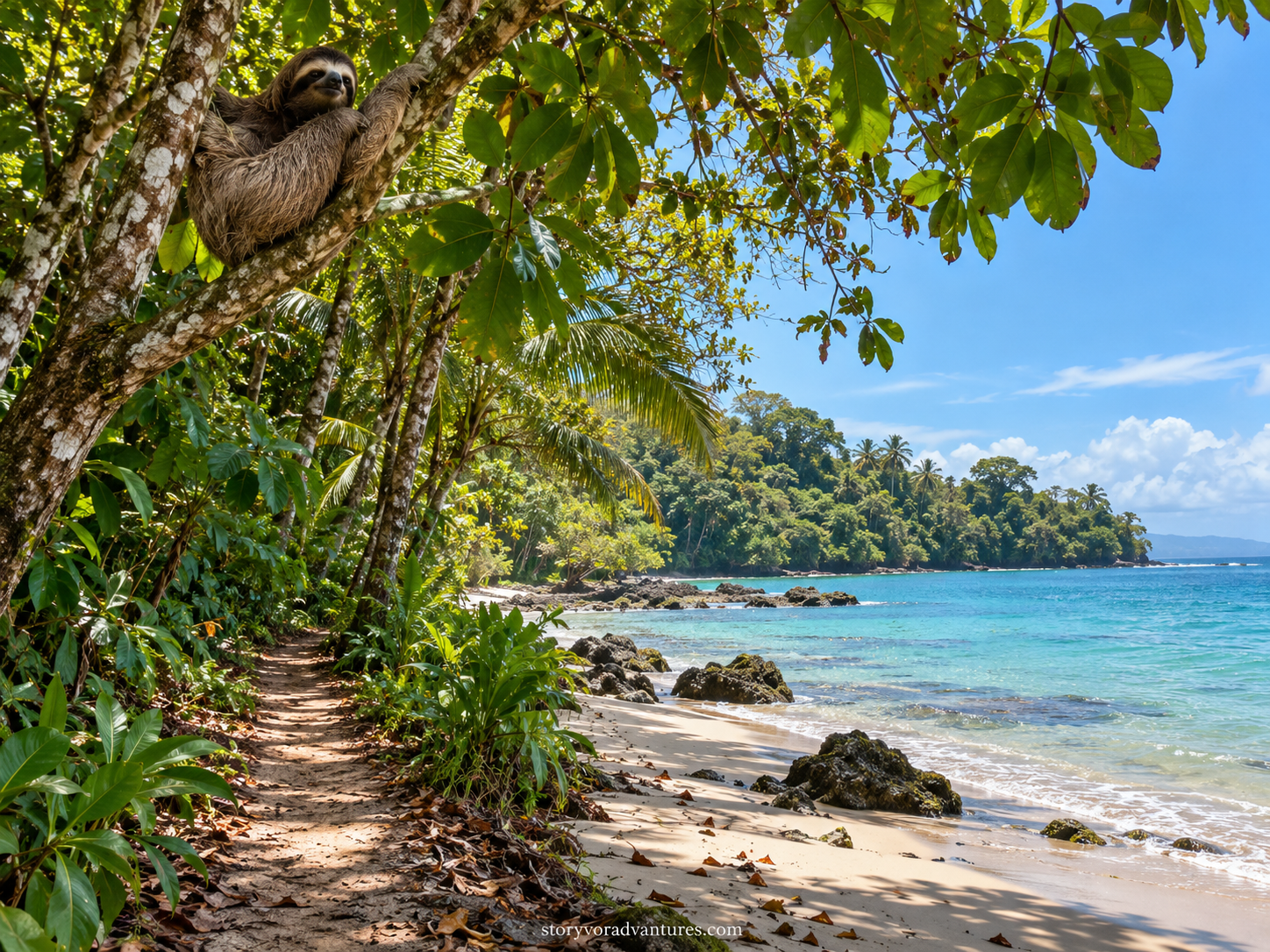
Cahuita National Park protects coastal rainforest, beaches and an important marine environment. Its relatively flat trail makes it accessible to many visitors, although heat and humidity can make the walk tiring.
Monkeys, sloths, raccoons and reptiles may appear along the route. Keep food secured and never feed wildlife, even if an animal approaches.
Snorkelling access depends on weather and marine conditions and may require an authorised guide. Confirm arrangements locally instead of assuming tours operate every day.
15. Uvita and Marino Ballena National Park
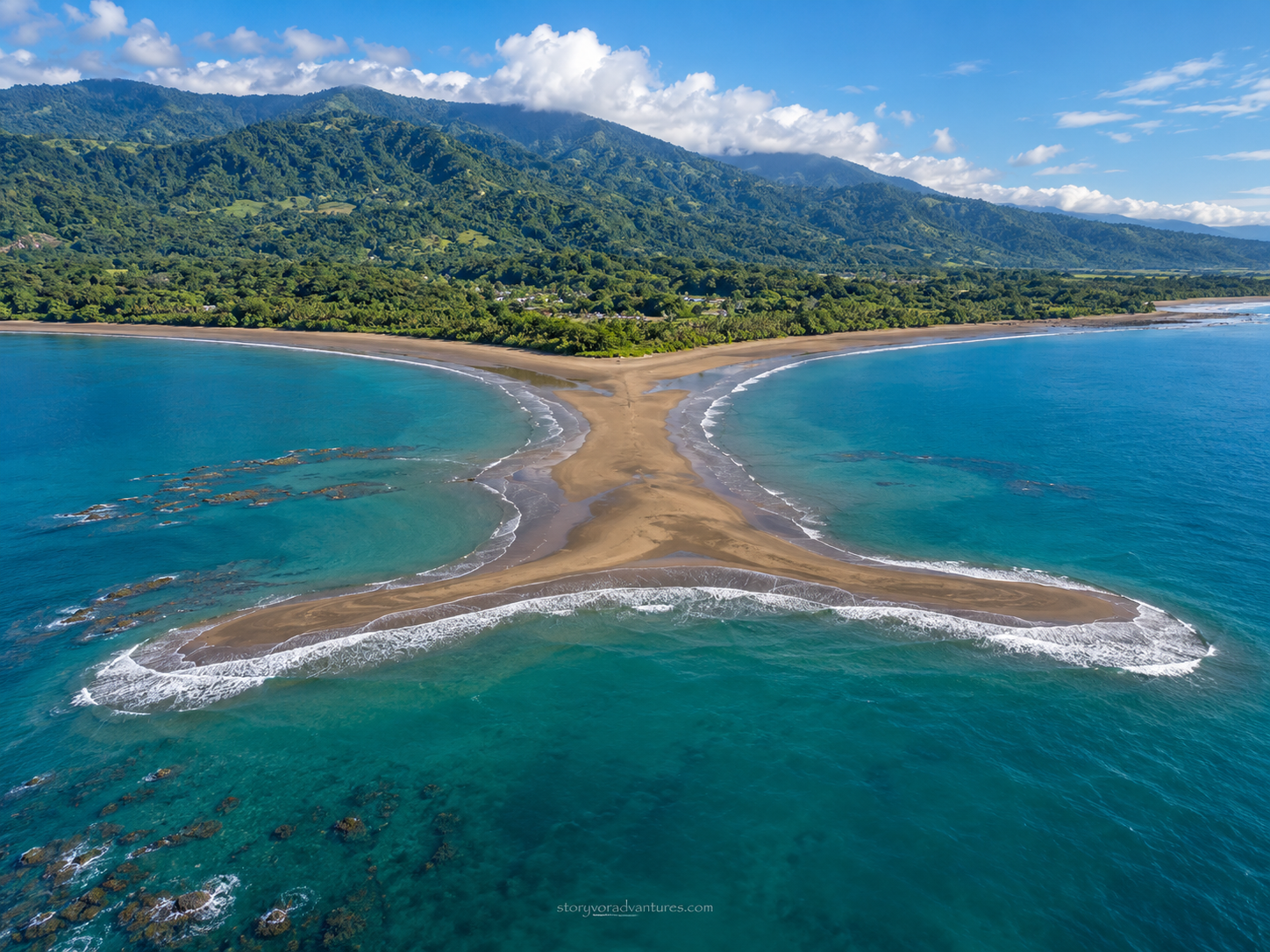
Uvita is a relaxed base on Costa Rica’s southern Pacific coast. Marino Ballena National Park is known for a naturally shaped sandbar that resembles a whale’s tail when viewed from above.
Whale-watching tours operate during seasonal migration periods, but sightings cannot be guaranteed. Select an operator that maintains a respectful distance from animals and follows local marine regulations.
Uvita also works well for waterfalls, beaches and onward travel towards the Osa Peninsula. Two or three nights are suitable for most itineraries.
Best Time to Visit Costa Rica
Costa Rica has multiple microclimates. The dry season generally runs from December to April across much of the country, while the green or rainy season usually lasts from May to November. Caribbean weather patterns can differ from those on the Pacific coast. Costa Rica
The dry season brings popular travel conditions but also higher demand. The green season can offer lush landscapes and fewer visitors, although rain may disrupt roads, boat journeys and outdoor activities.
No month guarantees perfect weather. Check regional forecasts shortly before departure and keep some flexibility in the itinerary.
Getting Around Costa Rica
A rental car provides flexibility, particularly for beaches and rural accommodation. Driving is on the right, but road quality varies and some routes include unpaved sections, river crossings or steep terrain. visitcostarica.com
Ask the rental company whether a four-wheel-drive vehicle is appropriate for your route. Read the complete insurance conditions before paying, inspect the vehicle and avoid driving long rural routes after dark.
Shared shuttles are easier for visitors who do not want to drive. Public buses are cheaper but usually require more time and careful schedule planning. Domestic flights can reduce travel time to remote areas, though luggage restrictions may apply.
Currency and Estimated Travel Budget
The Costa Rican colón is the local currency. A combination of card and cash is most practical, with small-denomination cash especially useful in rural areas. Use bank ATMs or authorised exchange services.
A budget traveller using hostels, buses and local restaurants might spend approximately USD 60–100 per day. A mid-range trip with comfortable hotels, shuttles and several guided activities may cost roughly USD 140–250 per person each day. Rental cars, private guides and wildlife lodges can raise the total significantly.
These are planning estimates rather than fixed prices. Always check taxes, insurance, service charges and cancellation terms before booking.
A Practical 12-Day Costa Rica Itinerary
Days 1–2: San José and Poás Volcano
Explore central San José and use the second day for Poás or a nearby coffee-growing area.
Days 3–5: La Fortuna and Arenal
Visit rainforest trails, a waterfall and hot springs without placing every activity on the same day.
Days 6–7: Monteverde
Walk through the cloud forest and reserve time for a guided nature experience.
Days 8–10: Manuel Antonio
Explore the national park, relax at the beach and spend time in Quepos.
Days 11–12: Uvita
Finish with southern Pacific scenery before returning towards San José.
Travellers with additional time can add Tortuguero, Puerto Viejo or the Osa Peninsula. Trying to include both coasts and every major park in one short trip will create too many transfer days.
Entry Requirements
Entry conditions depend on nationality, passport validity and the intended length of stay. Visitors generally need a valid passport and proof of onward or return travel, while visa and permitted-stay rules vary by country. Costa Rica
Check the latest requirements with Costa Rica’s immigration authority or the appropriate embassy before purchasing non-refundable tickets. Do not rely solely on an old blog post or social-media video for immigration information.
Health, Safety and Responsible Travel
Use insect repellent, sun protection and suitable footwear. A waterproof jacket and dry bag are useful even during periods usually described as dry. Carry personal medication and adequate travel insurance, particularly when planning hiking, surfing or remote excursions.
Never touch or feed wild animals. Maintain distance, stay on marked trails and avoid businesses that allow direct handling of wildlife. At beaches, observe warning signs and ask locally about currents before swimming.
Keep valuables out of sight in vehicles, use registered transport and avoid isolated areas after dark. These ordinary precautions allow travellers to concentrate on Costa Rica’s landscapes without unnecessary risk.
Final Thoughts
Costa Rica is most rewarding when the itinerary leaves room for nature rather than treating the country as a checklist. A cloud-forest walk, an early morning wildlife tour or an unplanned stop at a small roadside restaurant may become more memorable than rushing between famous attractions.
Choose three or four regions, confirm national-park reservations and allow extra travel time between them. With thoughtful planning and respect for local communities and wildlife, Costa Rica can offer a balanced journey through volcanoes, rainforests and two very different coastlines.