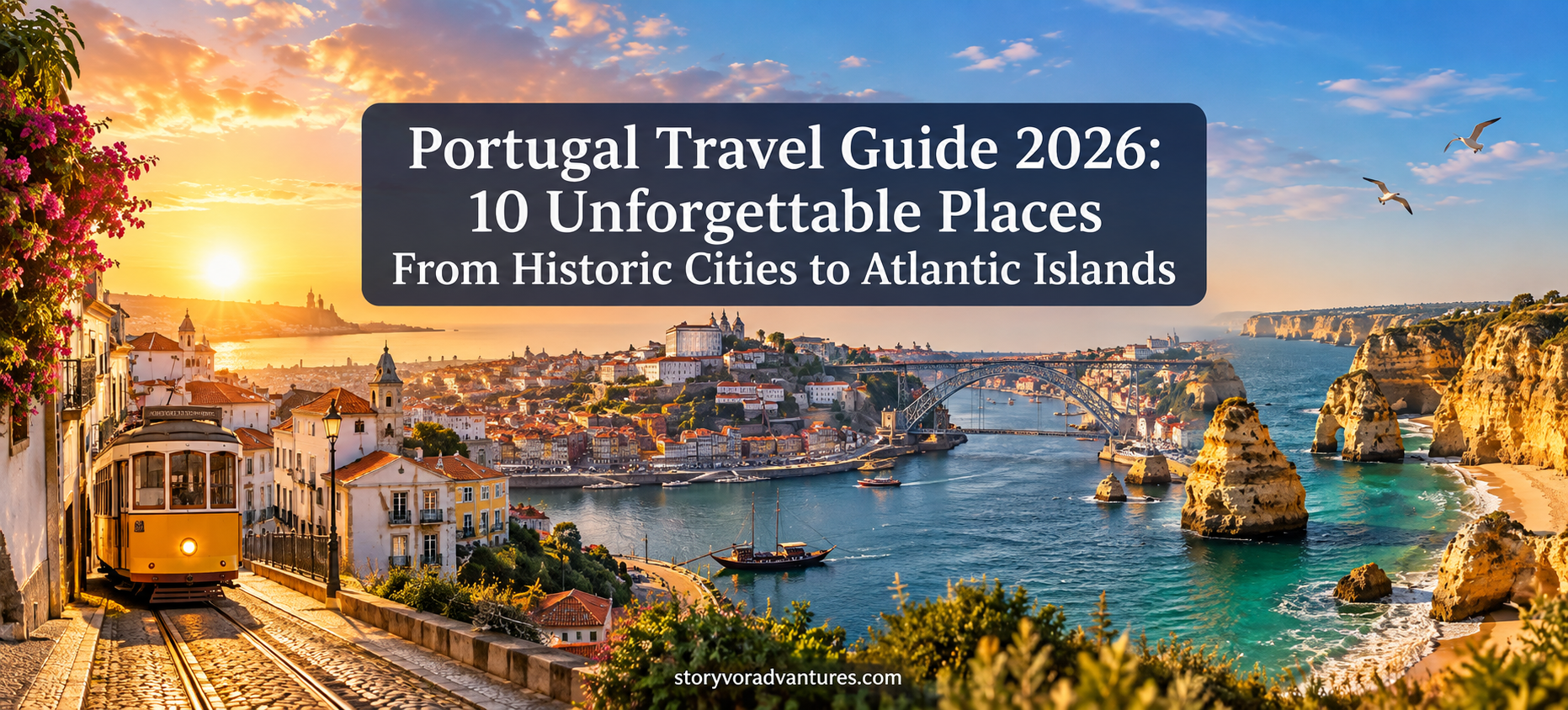
Portugal Travel Guide 2026: 10 Unforgettable Places From Historic Cities to Atlantic Islands
Discover 10 unforgettable places in Portugal, from Lisbon and Porto to Sintra’s palaces, the Algarve coast, mountain villages and Madeira.
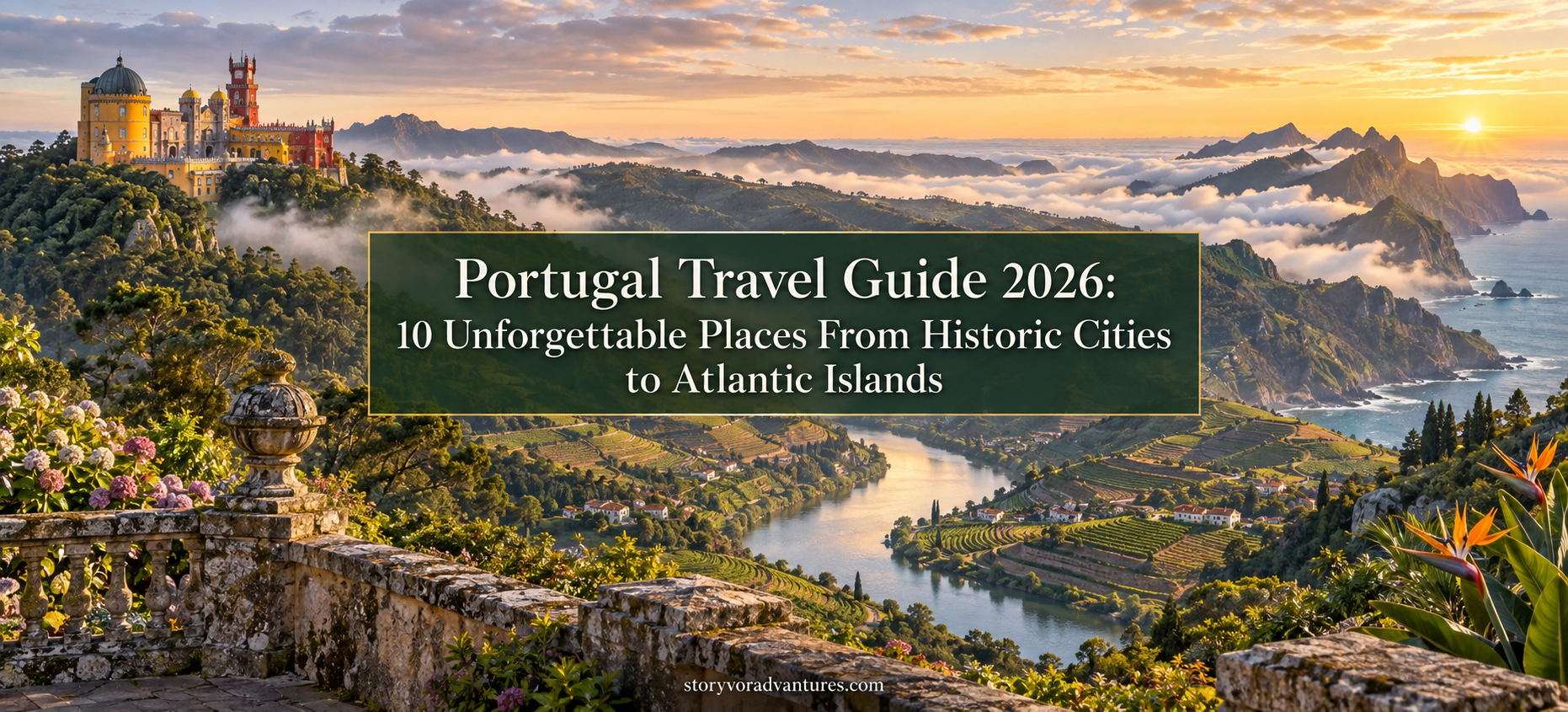
Portugal may appear small on a map, but its landscapes and travel experiences are remarkably varied. Historic neighbourhoods overlook the Tagus and Douro rivers, medieval towns remain enclosed by stone walls, vineyards cover steep valleys and golden cliffs meet the Atlantic Ocean. Beyond the mainland, Madeira adds volcanic mountains, coastal viewpoints and remarkable walking routes.
The country can suit many different travellers. First-time visitors can explore Lisbon and Porto using public transport, history enthusiasts can discover Sintra, Coimbra and Évora, while nature lovers can travel towards the Algarve, Serra da Estrela or Madeira.
Portugal’s popularity also brings challenges. Famous attractions may become crowded, accommodation prices can increase during busy periods and summer heat can make sightseeing or hiking uncomfortable. A thoughtful itinerary should therefore combine celebrated landmarks with slower experiences and sufficient time in each destination.
These ten places provide a balanced introduction to Portugal’s history, culture, landscapes and Atlantic character.
1. Lisbon
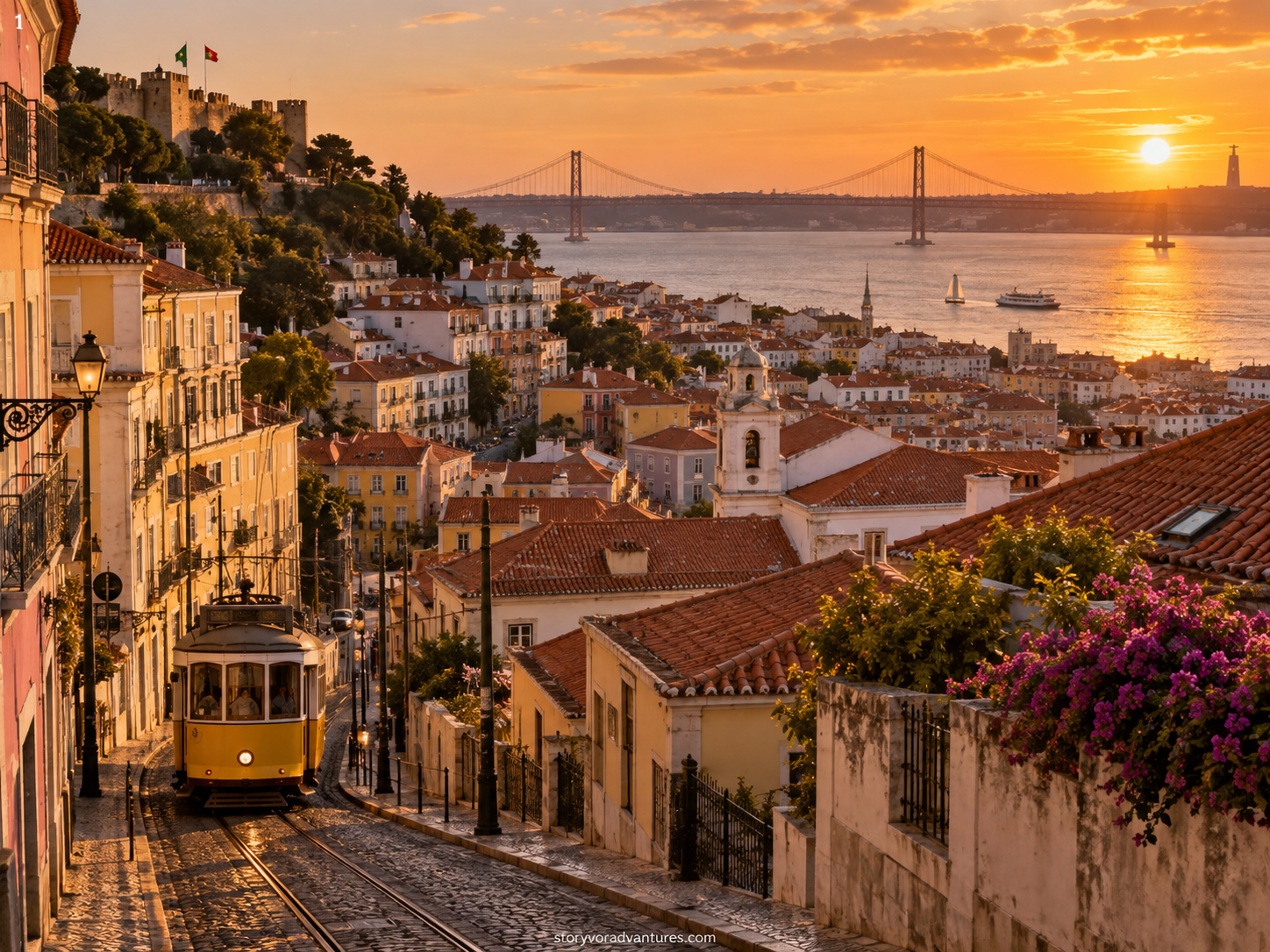
Lisbon is built across a series of hills beside the Tagus River, giving the city a distinctive combination of steep streets, tiled façades and elevated viewpoints. Historic trams pass through older neighbourhoods while modern museums, restaurants and public spaces reflect the city’s contemporary identity.
Alfama is one of Lisbon’s most atmospheric areas. Its narrow lanes, stairways and small squares reward slow exploration, although visitors should remember that it remains a residential neighbourhood. Speaking quietly, avoiding blocked doorways and respecting private homes helps reduce the pressure tourism places on local communities.
Belém contains several major historical attractions, including the Jerónimos Monastery and Belém Tower. Because these sites are popular, booking timed admission where available and arriving earlier in the day can reduce waiting.
Lisbon’s hills can be demanding, especially during warm weather. Comfortable footwear and realistic walking routes are important. Public transport can save energy, but crowded trams and stations also require normal precautions against pickpocketing.
2. Sintra
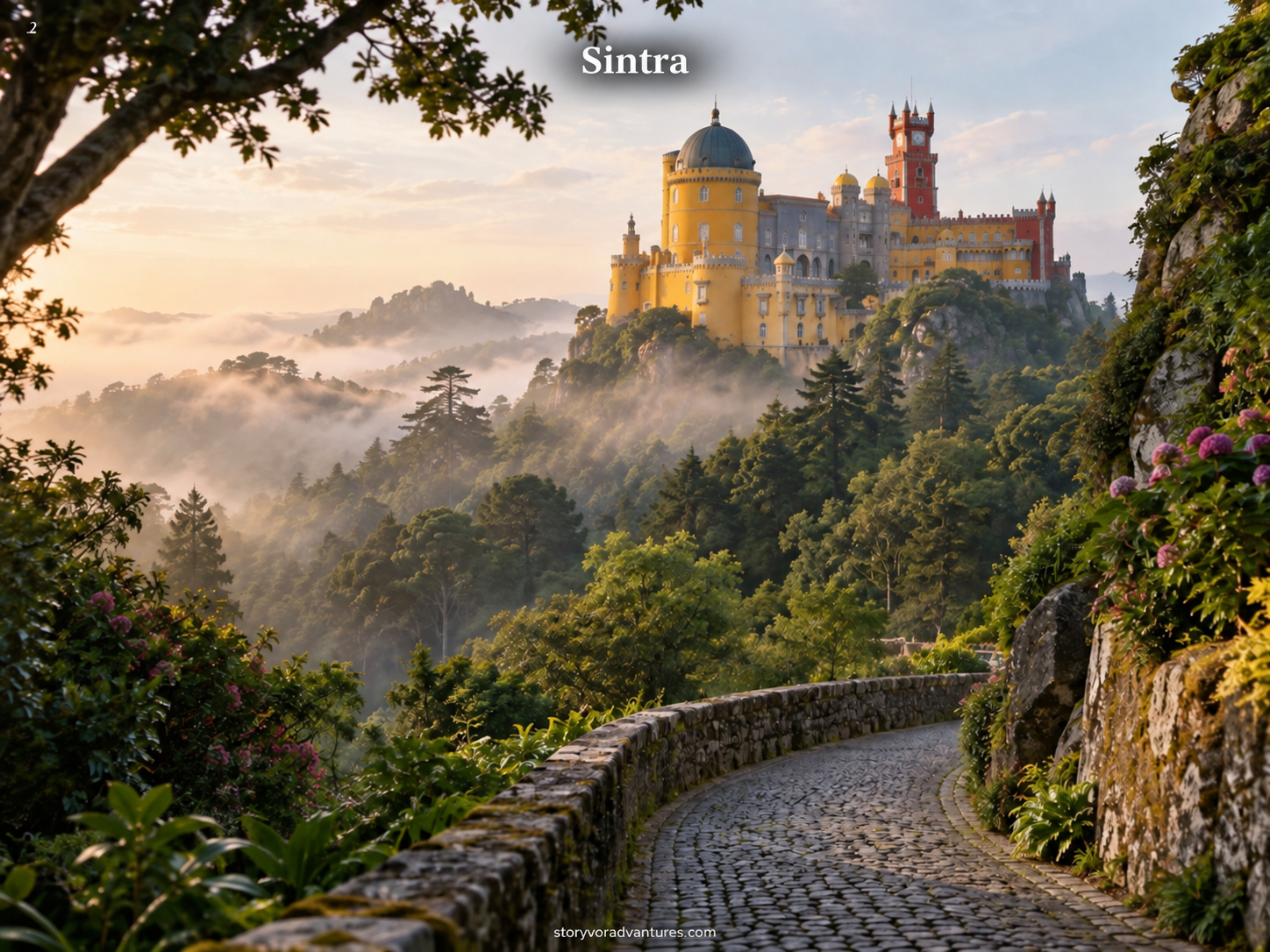
Sintra rises among forested hills northwest of Lisbon and contains palaces, gardens, villas and castle ruins shaped by different periods of Portuguese history. Its combination of architecture and landscape has earned international recognition as a cultural landscape.
Pena Palace is the destination’s most colourful and recognisable attraction, while the Moorish Castle offers dramatic views across the surrounding hills. Quinta da Regaleira provides a different experience through gardens, tunnels, towers and symbolic architectural details.
Trying to visit every major attraction during one rushed day can result in more time spent waiting and travelling than exploring. Selecting two or three places and reserving entry in advance usually creates a better experience.
Traffic and parking can be difficult near popular sites. Using trains and authorised local transport is often more practical than bringing a car into the historic area. Visitors should also follow one-way walking routes and access instructions where crowd-management systems are operating.
3. Porto
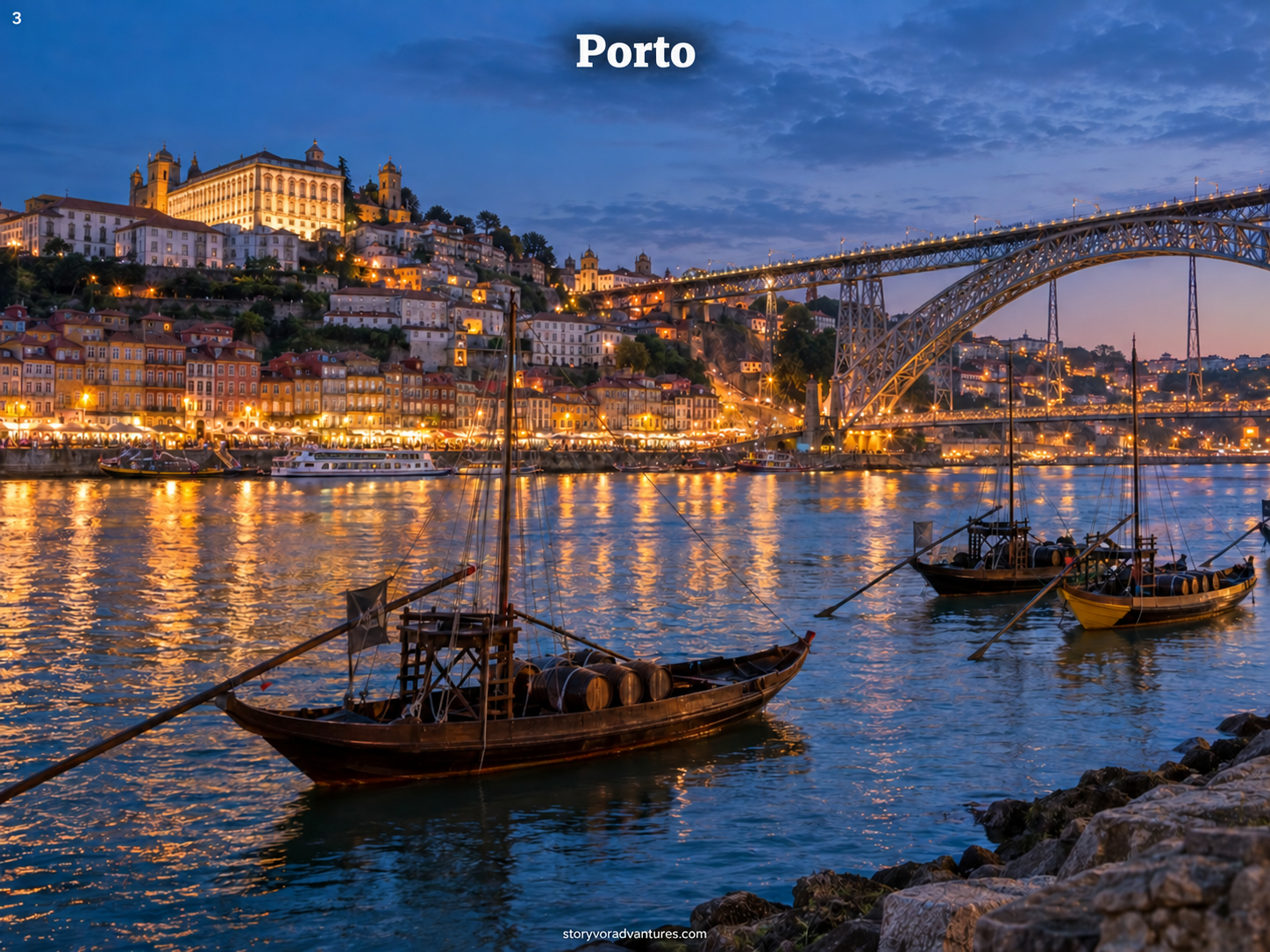
Porto stretches across hills beside the Douro River and is known for tiled buildings, viewpoints, bridges and a historic centre filled with layered streets. The colourful Ribeira waterfront provides the city’s best-known view, particularly when seen from the opposite riverbank in Vila Nova de Gaia.
Walking across the upper level of the Dom Luís I Bridge reveals a wide perspective over the river and city. However, the crossing can feel exposed during strong wind or busy periods, so visitors should remain within pedestrian areas and avoid stopping where they block movement.
Away from the waterfront, Porto offers markets, churches, neighbourhood cafés and streets that feel quieter than its main landmarks. Travellers interested in traditional tilework can find impressive examples across the city, but religious buildings should be visited respectfully.
Porto is steep, and some stone streets can become slippery after rain. A slower schedule allows travellers to enjoy the city without turning every hill into a race between attractions.
4. The Douro Valley
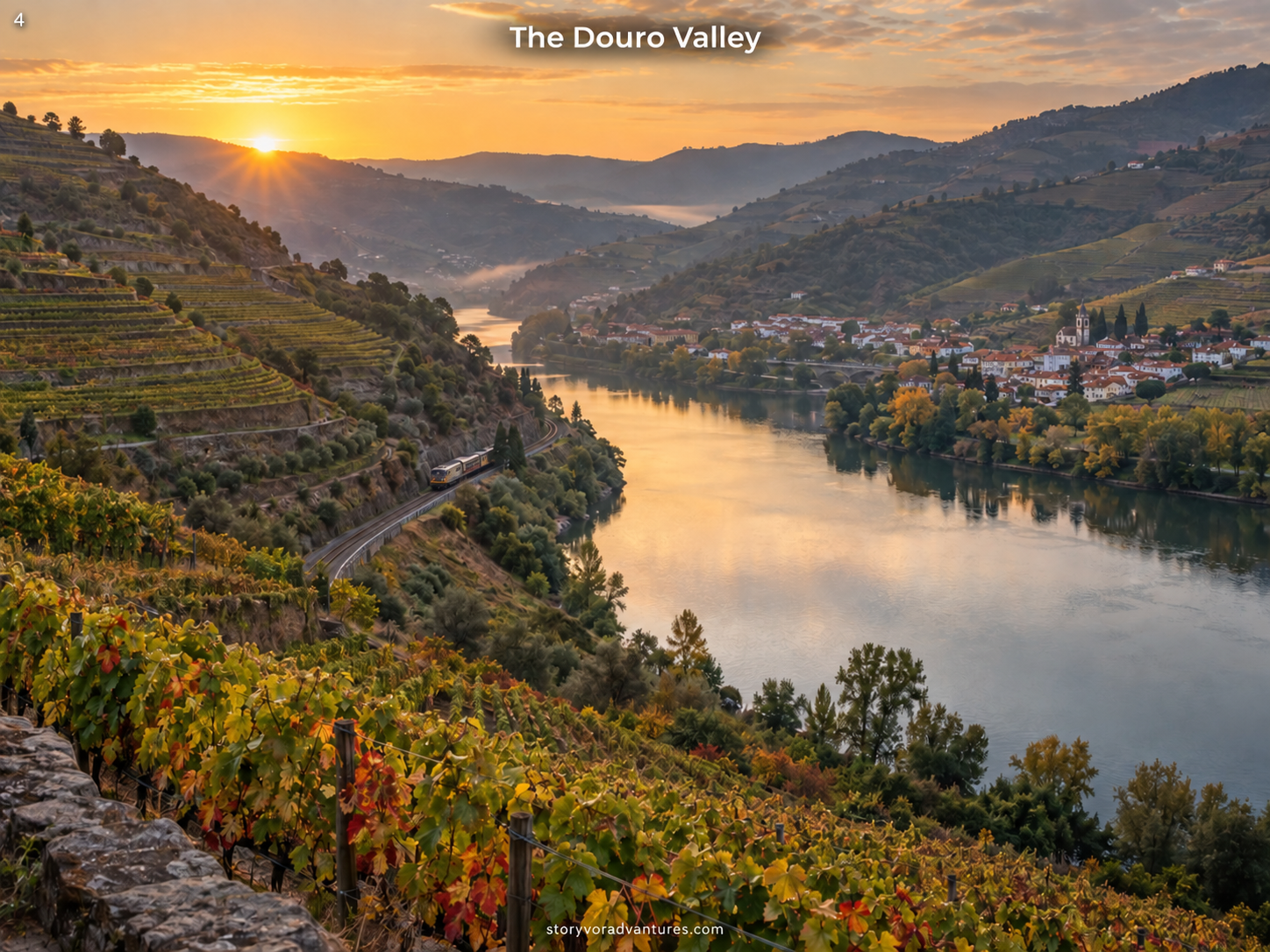
Beyond Porto, the Douro River passes through a spectacular landscape of terraced hills, vineyards and small settlements. Generations of agricultural work transformed the steep slopes, creating a cultural landscape closely connected to wine production.
Pinhão and Peso da Régua are common bases for exploring the valley. Travellers can arrive by train, follow the river by boat or travel along winding roads. Each approach presents a different view, but attempting several transport experiences in one tightly scheduled day may feel rushed.
Visitors do not need to consume alcohol to appreciate the Douro. The valley also offers scenery, river journeys, village walks, railway travel and insight into traditional land management. Travellers who do participate in tastings should arrange safe transport and avoid driving afterwards.
The roads can be narrow and sharply curved. Drivers should remain patient, use designated stopping areas and avoid pulling over at unsafe locations merely to take photographs.
5. Coimbra
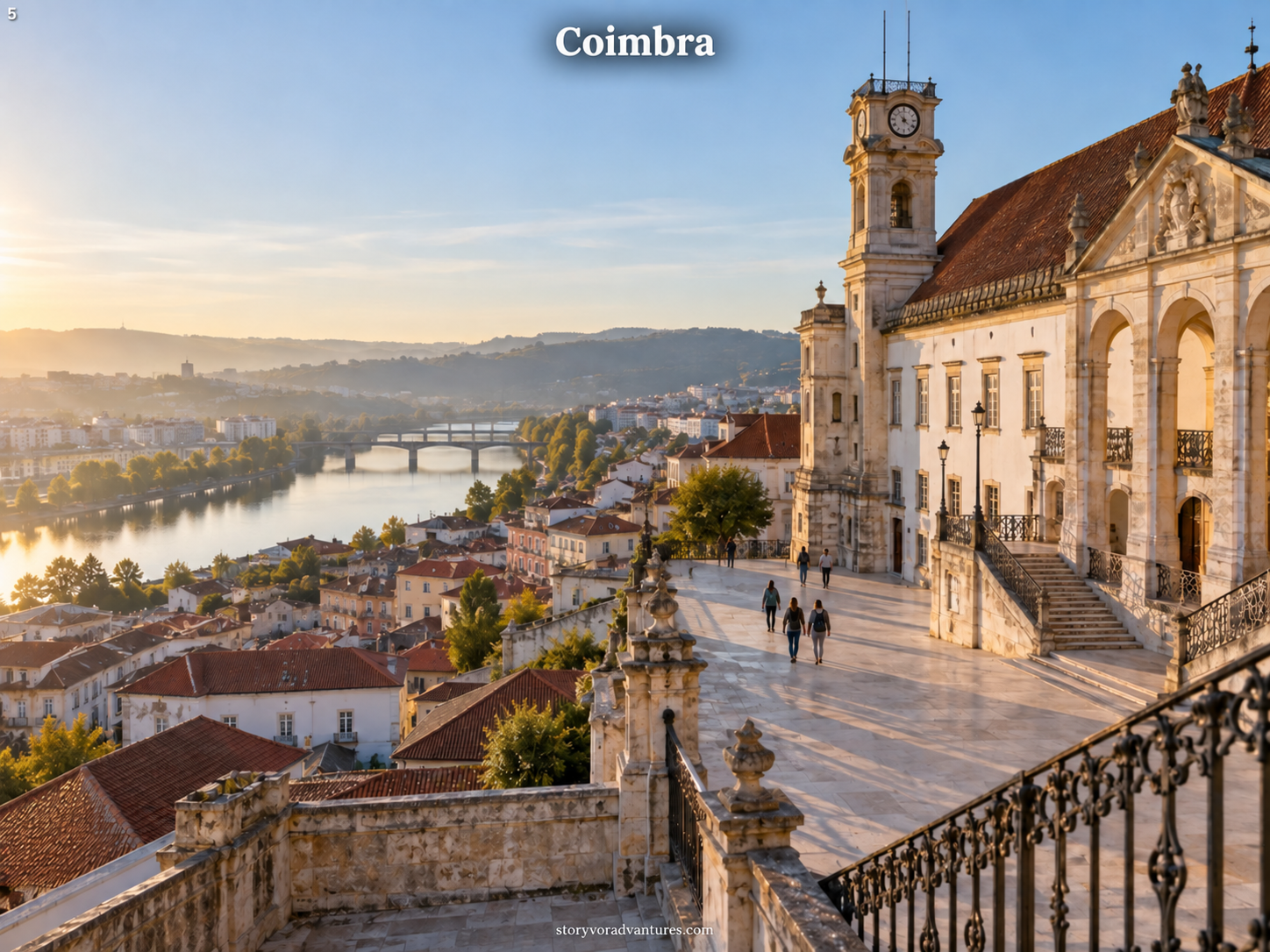
Coimbra is best known for its historic university, but the city’s character extends beyond a single institution. Stone streets rise above the Mondego River, connecting academic buildings, churches, small squares and neighbourhoods shaped by generations of students.
The university occupies a prominent position above the city. Some interior spaces have controlled entry, and tickets or specific visiting times may be required. Travellers should check access arrangements before climbing the hill.
Coimbra rewards unhurried exploration. Rather than moving directly between landmarks, visitors can observe traditional shops, riverside areas and the contrast between the old upper city and the newer streets below.
Students and residents continue to use many historic spaces. Visitors should avoid interrupting ceremonies, lessons or everyday activities and should follow photography restrictions inside libraries, chapels and academic buildings.
6. Évora
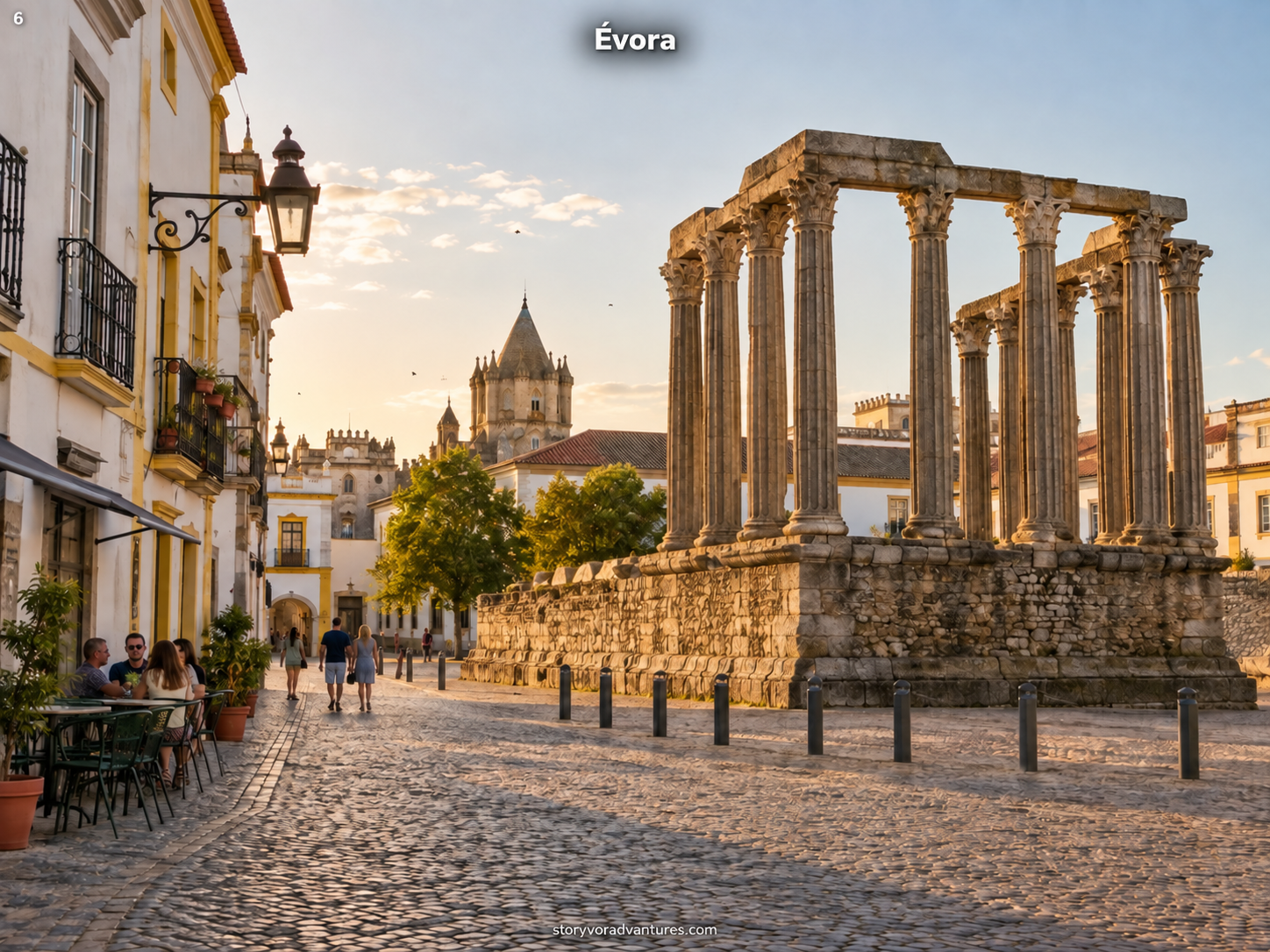
Évora introduces travellers to the landscapes and history of Portugal’s Alentejo region. Its walled centre contains whitewashed buildings, narrow streets, religious architecture and traces of several historical periods.
The Roman Temple is one of the city’s most prominent landmarks, while the cathedral provides another view of Évora’s architectural development. The Chapel of Bones is also widely visited, although it should be approached as a religious and historical site rather than a novelty attraction.
Évora can become extremely warm during summer afternoons. Exploring earlier in the morning, resting during the hottest hours and carrying sufficient water can make the visit safer and more comfortable.
Staying overnight offers a quieter experience after day visitors leave. It also allows travellers to explore local restaurants and streets at a slower pace instead of treating the city as a short stop between Lisbon and another destination.
7. Óbidos
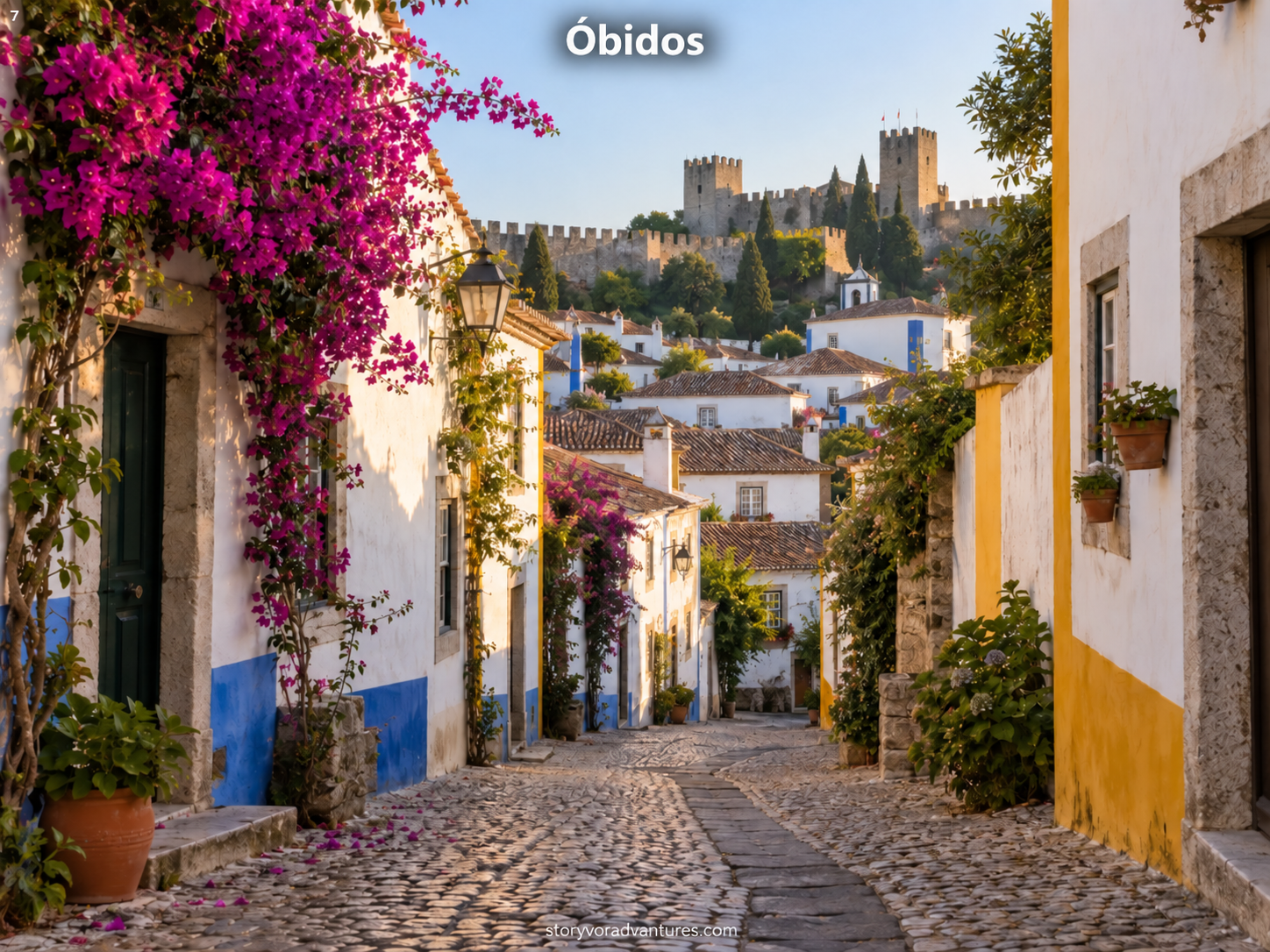
Óbidos is a compact medieval town enclosed by defensive walls. White houses with colourful borders line narrow lanes beneath a hilltop castle, creating one of Portugal’s most recognisable historic settings.
The central street receives most visitors, but quieter lanes reveal small courtyards, stone stairways and residential details. Exploring early in the morning or later in the afternoon can provide a calmer atmosphere.
Sections of the town walls may be narrow, uneven and insufficiently protected for travellers uncomfortable with heights. No photograph is worth taking an unnecessary risk. Visitors should follow current access information and remain especially careful during rain or strong wind.
Óbidos is small enough to explore in a few hours, but travellers who stay overnight can experience the town after tour groups depart. Supporting locally operated accommodation, cafés and craft businesses helps tourism contribute more directly to the community.
8. The Algarve Coast
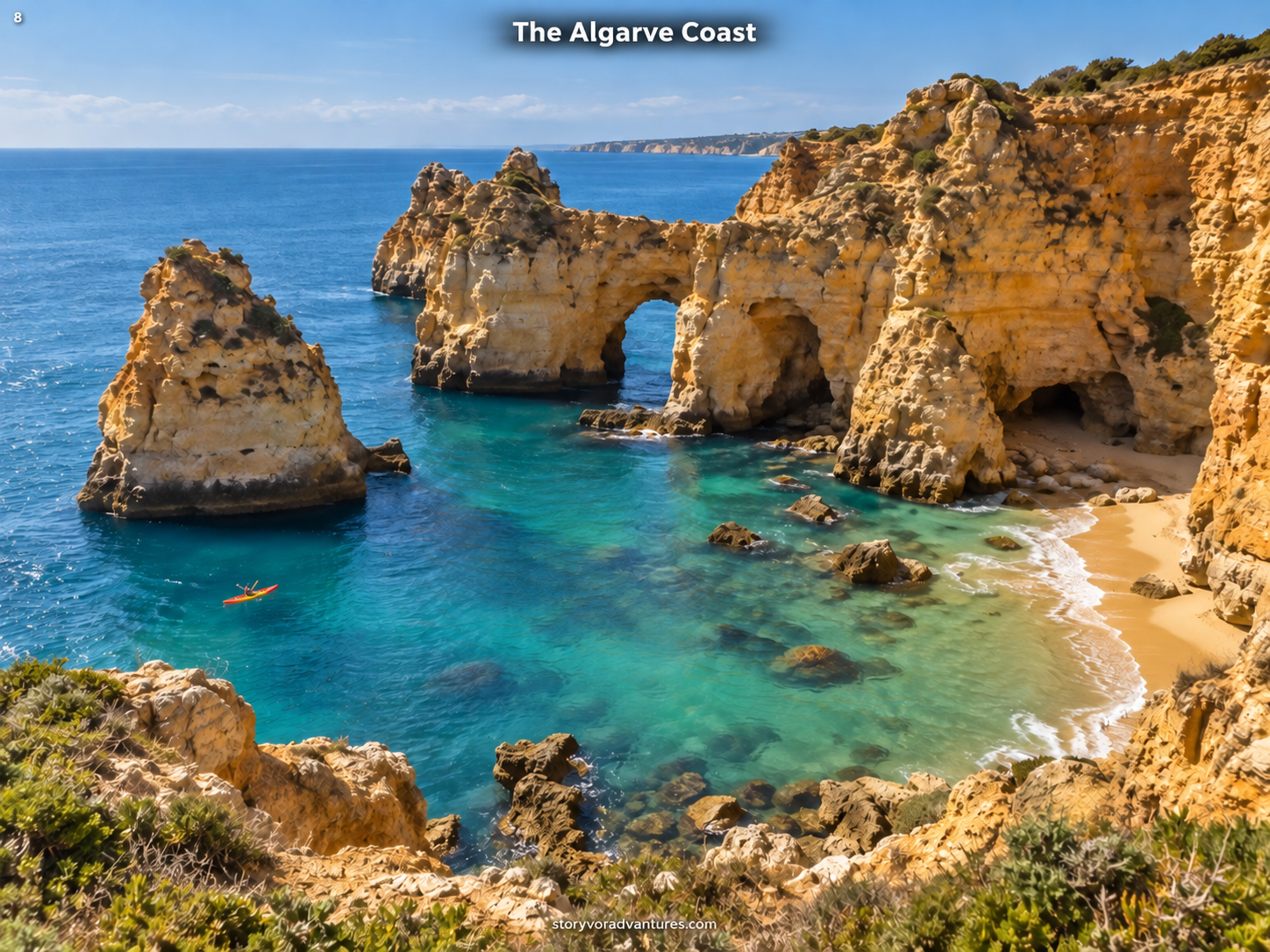
The Algarve is known for beaches, sea caves, limestone cliffs and fishing communities along Portugal’s southern coast. Places such as Lagos, Tavira and the area around Carvoeiro offer different interpretations of the region, ranging from active resort centres to slower historic towns.
Coastal walks can reveal arches, isolated coves and golden rock formations. However, cliffs are constantly affected by erosion, and edges may be unstable even when they appear secure. Visitors should remain behind barriers and never stand beneath visibly fragile rock.
Boat and kayaking trips depend on waves, wind and tides. A responsible operator may cancel an excursion when conditions are unsafe, and travellers should regard such decisions as professional safety measures rather than poor service.
The Algarve is much busier during peak summer. Visiting during the shoulder season may provide milder temperatures and a more relaxed experience, although individual businesses and transport services may operate on reduced schedules.
9. Serra da Estrela
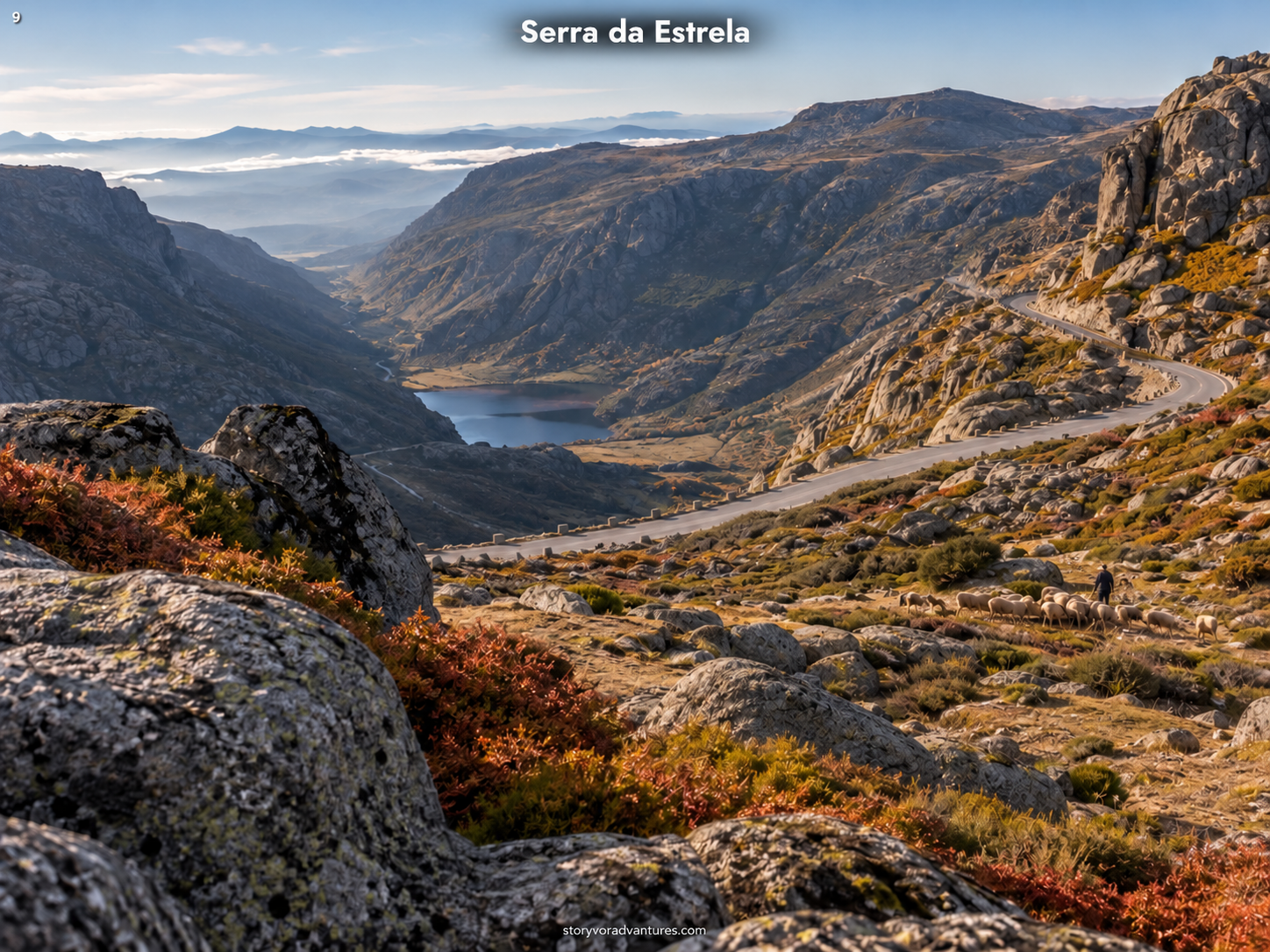
Serra da Estrela presents a less familiar side of Portugal through mountain roads, valleys, granite formations and highland communities. It is the highest mountain range on the Portuguese mainland and provides a strong contrast to the country’s coastal cities.
The region supports walking, scenic drives and visits to traditional villages, but conditions vary greatly between seasons. Winter can bring snow, ice and road closures, while summer heat increases dehydration and wildfire risks.
Travellers should check forecasts, park information and emergency restrictions before entering remote areas. Suitable footwear, water, sun protection and offline navigation are important even for apparently straightforward outings.
Tourism can support highland communities when visitors use local accommodation, restaurants and producers. Respecting grazing animals, private farmland and marked routes also helps protect the relationship between people and landscape.
10. Madeira
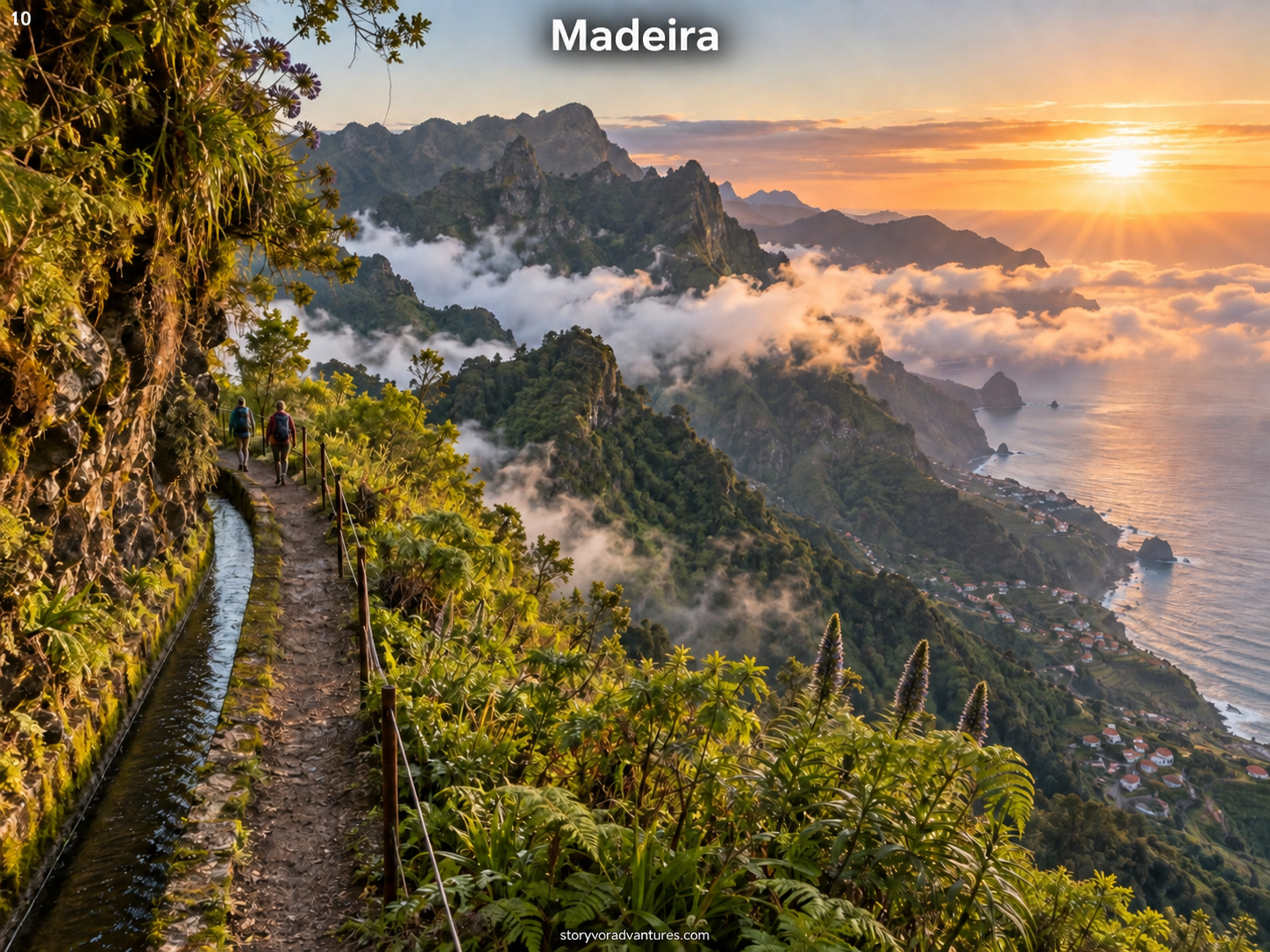
Madeira is a Portuguese Atlantic archipelago known for volcanic peaks, steep coastlines, subtropical vegetation and walking routes that follow traditional irrigation channels known as levadas. Its landscapes can feel dramatically different from mainland Portugal.
Funchal provides the main urban base, while viewpoints, coastal villages and mountain areas can be explored on day trips. Travellers should avoid trying to cover the entire island too quickly because mountain roads and changing weather can make short distances take longer than expected.
Madeira’s famous trails range from comfortable walks to exposed mountain routes. A path that appears easy in photographs may become dangerous during rain, wind, fog or maintenance closures. Current official trail information should always be checked before departure.
Using marked routes, carrying suitable clothing and turning back when conditions deteriorate are signs of responsible travel. Visitors should never cross a closure barrier merely because other people appear to be continuing.
How Many Days Are Needed for Portugal?
A first visit of approximately seven days can focus on Lisbon, Sintra and Porto. This creates enough variety without requiring constant hotel changes.
With ten to fourteen days, travellers can add Coimbra, the Douro Valley, Évora or part of the Algarve. Madeira normally deserves a separate block of several days because reaching and exploring the island involves additional flights and transport planning.
A practical mainland route could begin with three nights in Lisbon, include a day in Sintra, continue to Coimbra and finish with three nights in Porto. Travellers with more time could then add the Douro Valley or continue south towards Évora and the Algarve.
This is only a planning example. The right itinerary depends on personal interests, mobility, weather and transport availability.
Best Time to Visit Portugal
Spring and autumn can offer comfortable temperatures for sightseeing, although weather varies between northern Portugal, Lisbon, the Algarve, mountain areas and Atlantic islands.
Summer brings longer days and reliable conditions in many regions, but it also creates larger crowds, higher accommodation demand and potentially dangerous heat. Interior regions may become considerably hotter than the coast.
Winter can be quieter and less expensive in some cities, but rain, strong Atlantic weather and reduced seasonal services may affect plans. Mountain conditions require particular care.
There is no single perfect month for every part of Portugal. Travellers should research the specific region they intend to visit rather than relying on a national weather summary.
Transport and Accommodation
Portugal’s main cities are connected by rail and long-distance buses. Lisbon and Porto have urban public-transport networks, while smaller villages, mountain areas and some coastal locations may be easier to reach with carefully planned road transport.
Booking accommodation near useful public transport can reduce unnecessary travel. In historic centres, travellers should also check whether the property involves steep streets, stairs or restricted vehicle access.
Rental-car users should understand toll systems, parking regulations and local driving rules before beginning a journey. Narrow historic streets and mountain roads may require more confidence than modern highways.
Responsible Travel in Portugal
Portugal’s landmarks are not simply backgrounds for photographs. Historic centres remain home to residents, vineyards are working agricultural landscapes and coastal cliffs are constantly changing natural formations.
Travellers can reduce their impact by using refillable bottles, following marked routes, avoiding excessive noise in residential areas and supporting independent businesses. Religious buildings, cemeteries and memorial spaces should always be approached respectfully.
During periods of extreme heat or wildfire danger, access to natural areas may be restricted. Visitors should follow official instructions and never light fires or discard cigarettes in vulnerable landscapes.
Final Thoughts
Portugal brings together far more than famous trams, colourful palaces and sunny beaches. Its deeper character emerges through the relationship between historic cities, rural communities, Atlantic weather and landscapes shaped by centuries of human activity.
Lisbon and Porto provide compelling introductions, but places such as Coimbra, Évora, the Douro Valley, Serra da Estrela and Madeira reveal how diverse the country truly is.
The best Portuguese journey does not come from collecting the greatest number of destinations. It comes from allowing enough time to notice individual neighbourhoods, understand local history and experience each landscape responsibly.
Whether travellers are drawn by architecture, food, mountains, beaches or island scenery, Portugal can offer an unforgettable journey when explored with patience, preparation and respect.
Important: Entry requirements, attraction access, transport schedules, trail conditions, prices and weather-related restrictions can change. Always confirm essential information through official government, tourism, transport and attraction websites before travelling.