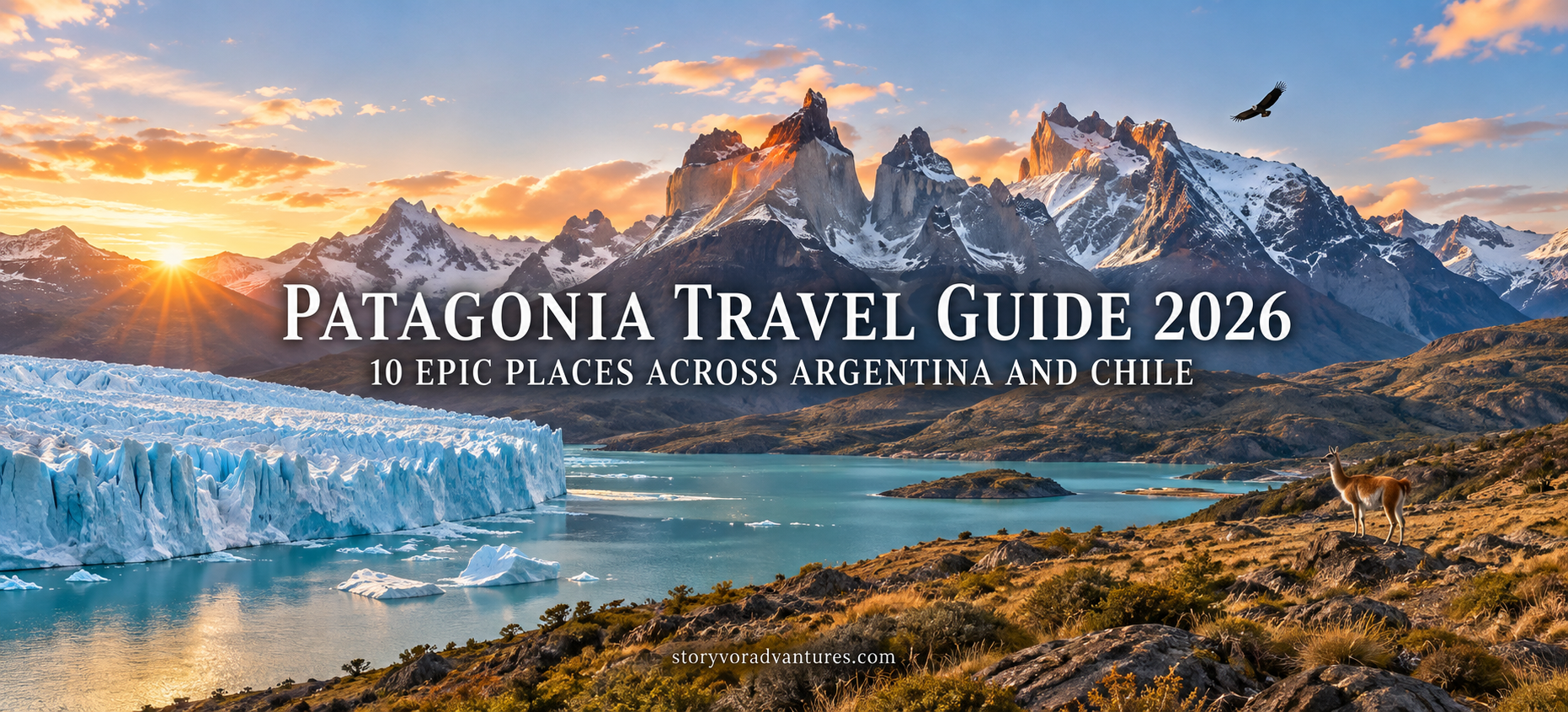
Patagonia Travel Guide 2026: 10 Epic Places Across Argentina and Chile
Explore 10 epic places across Patagonia in 2026, from glaciers and mountain trails to turquoise lakes, scenic roads and unforgettable wildlife.
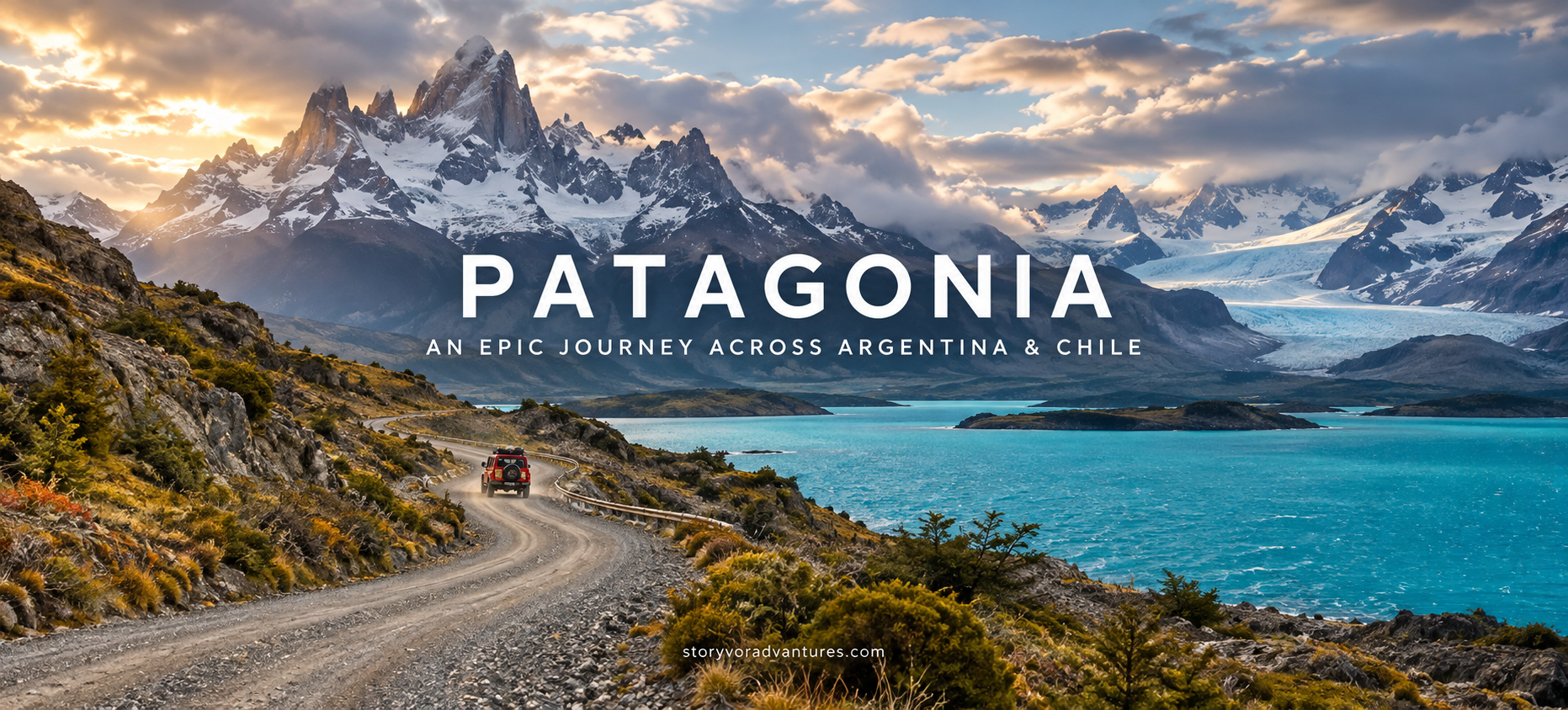
Patagonia is not a single city or national park. It is an enormous region shared by Argentina and Chile, filled with granite mountains, ancient glaciers, turquoise lakes, windswept grasslands, remote roads and wildlife-rich coastlines. Travelling here can feel like reaching the edge of the inhabited world.
The distances between destinations are considerable, and the weather can change quickly. A successful Patagonia journey therefore requires more planning than an ordinary city break. Instead of trying to cover the entire region in one short holiday, travellers should select one or two areas and leave enough time for changing conditions.
From the dramatic peaks of Torres del Paine to the glaciers of southern Argentina and the isolated roads of Chilean Patagonia, these ten destinations reveal the region’s remarkable variety.
1. Torres del Paine National Park
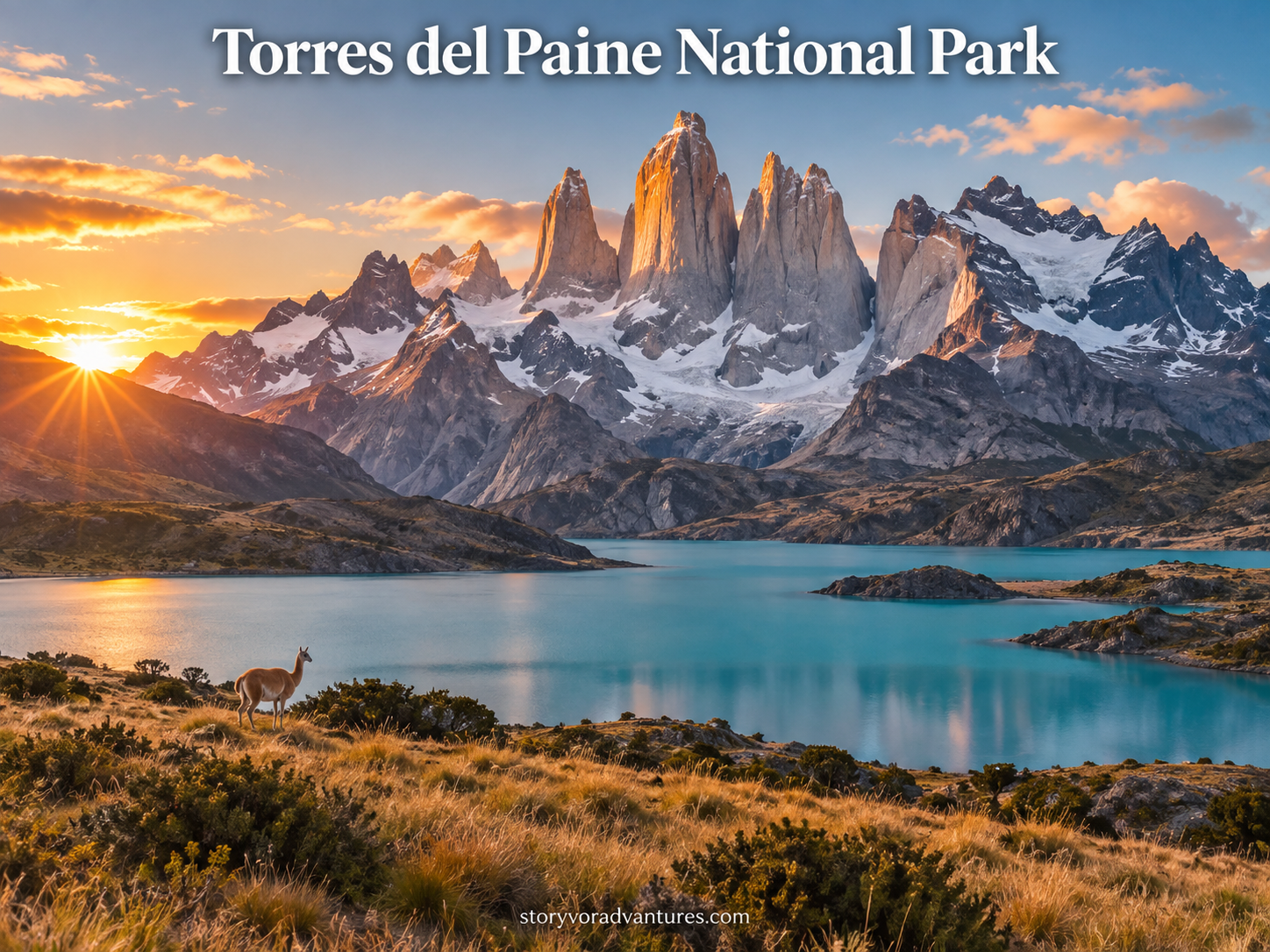
Torres del Paine National Park is one of the most recognisable landscapes in Chilean Patagonia. Its scenery combines sharp granite towers, glacial lakes, open grasslands and distant ice fields. Guanacos can often be seen across the plains, while patient visitors may also spot condors and other native wildlife.
The park attracts serious hikers as well as travellers who prefer shorter walks and scenic viewpoints. The famous W Trek connects several important landscapes, but completing the entire route requires advance planning, suitable equipment and reserved accommodation. Visitors with limited time can explore individual locations through organised excursions or self-drive routes.
Puerto Natales is the usual base for reaching the park. Accommodation and transport can become limited during the popular summer months, so early reservations are sensible. Visitors should remain on authorised trails, carry their rubbish out and prepare for strong wind, rain and sunshine on the same day.
2. Perito Moreno Glacier
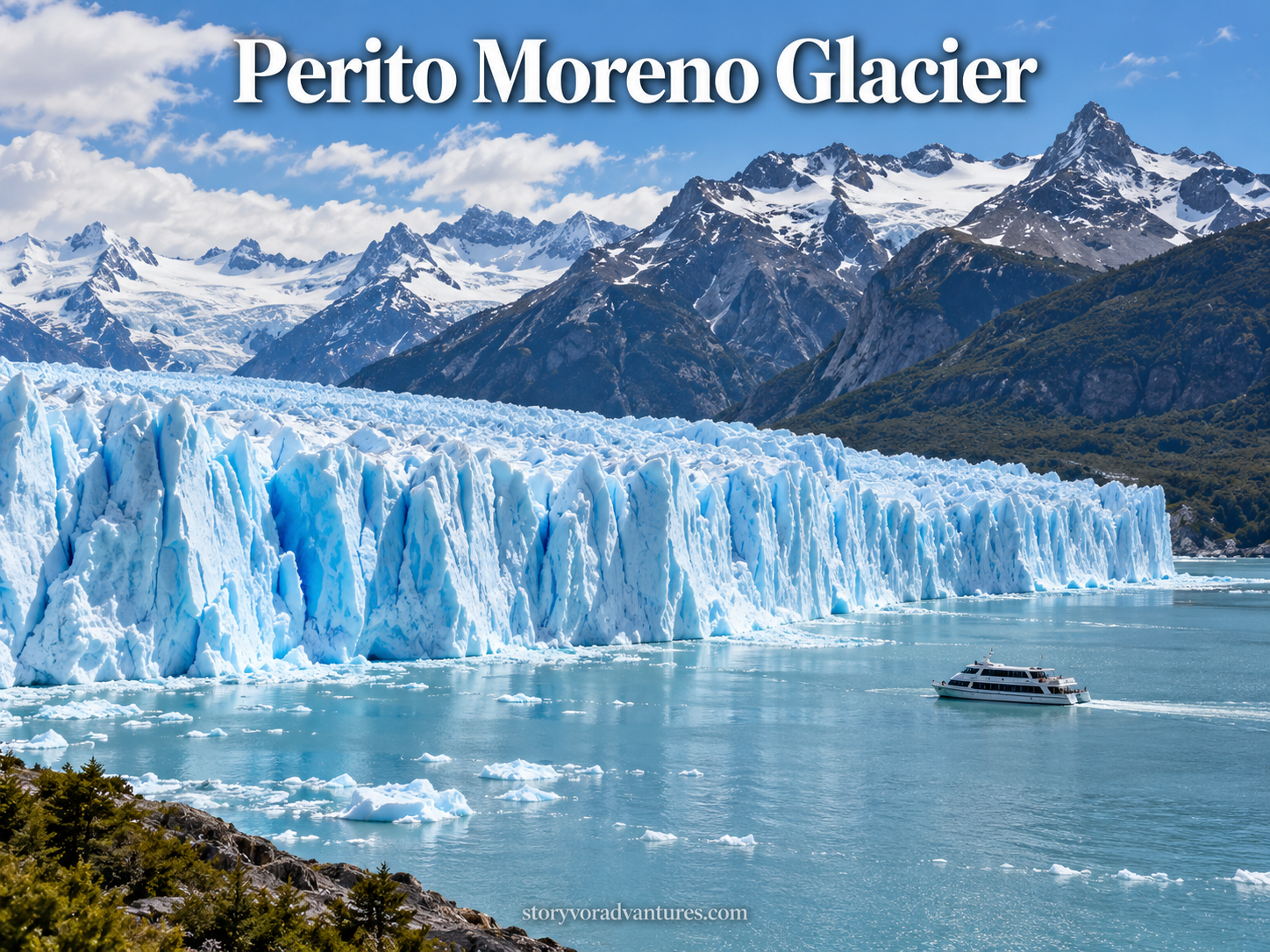
Perito Moreno Glacier is among the most accessible and impressive glaciers in Argentina. Located in Los Glaciares National Park, it rises above the waters of Lago Argentino as a vast wall of blue and white ice.
A network of viewing platforms allows visitors to observe the glacier from several angles without entering a difficult wilderness area. The sound of shifting ice can occasionally be heard across the lake, and pieces may break naturally from the glacier’s front. Boat trips provide another perspective while maintaining a regulated distance from the ice.
El Calafate is the primary gateway to this part of Patagonia. Travellers can reach the glacier by bus, rented vehicle or guided excursion. Walking directly on the ice should only be attempted through an authorised guided experience with the necessary safety equipment. Argentina’s official information confirms that regulated glacier treks use qualified guides and specialised gear.
3. Mount Fitz Roy and El Chaltén
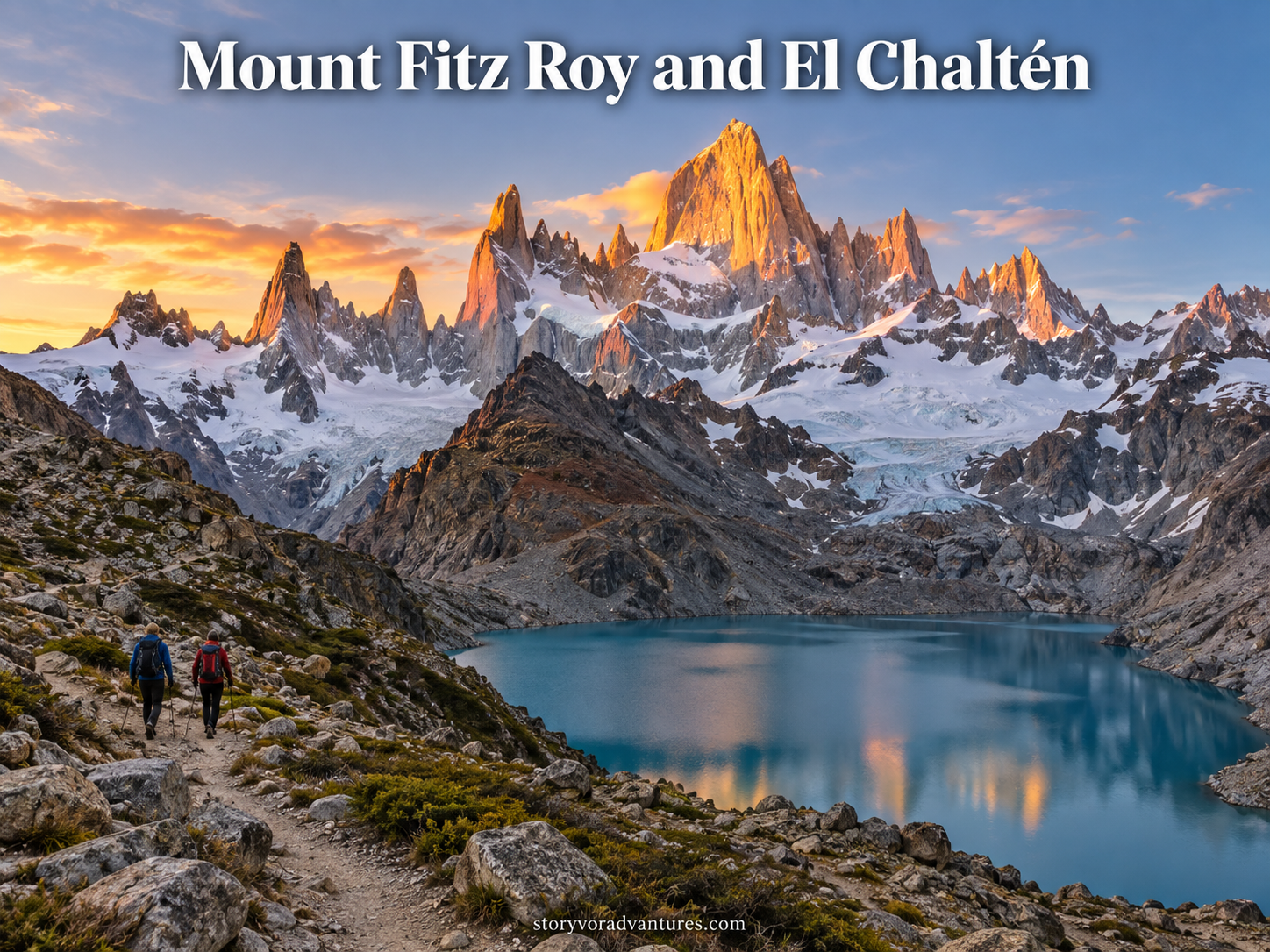
El Chaltén is a small Argentine town surrounded by some of Patagonia’s most dramatic mountain scenery. Its best-known landmark is Mount Fitz Roy, a steep granite formation that often appears above forests, rivers and glacial lakes.
Several walking routes begin close to the town, making El Chaltén convenient for travellers who want to hike without arranging transportation every day. Laguna Capri provides a relatively accessible introduction to the landscape, while the demanding route to Laguna de los Tres rewards prepared hikers with a memorable view of Fitz Roy.
Conditions can change quickly in the mountains, and clouds sometimes hide the peaks for an entire day. Building flexibility into the itinerary provides a better chance of seeing the landscape clearly. Hikers should check current trail information, carry water and weatherproof layers, and avoid routes beyond their experience level.
4. Tierra del Fuego National Park
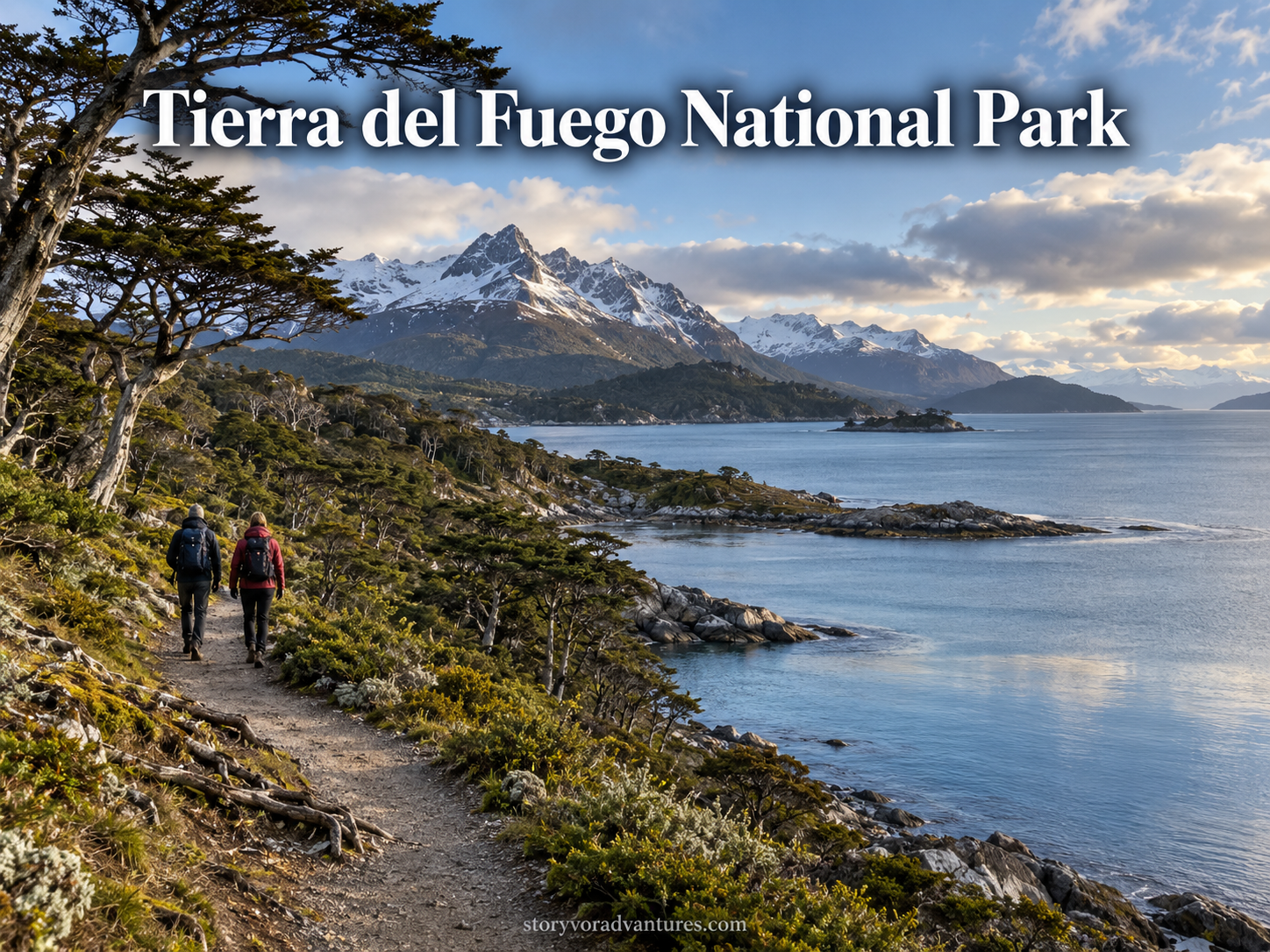
Tierra del Fuego National Park protects a striking meeting point of forests, mountains, peatlands, lakes and coastal environments. It lies near Ushuaia at the southern end of Argentina, where the landscape feels noticeably different from the dry Patagonian steppe farther north.
Visitors can follow trails beside bays and rivers, explore forest paths or stop at viewpoints overlooking the Beagle Channel area. The park supports a variety of birds and other wildlife, although animals should always be observed quietly and from a respectful distance.
The park can be visited through organised tours, private transport and other local services operating from Ushuaia. Travellers should stay on marked routes because peatlands and wet ground can be environmentally sensitive. Warm layers and waterproof clothing are useful even during the region’s relatively mild summer season.
5. Ushuaia
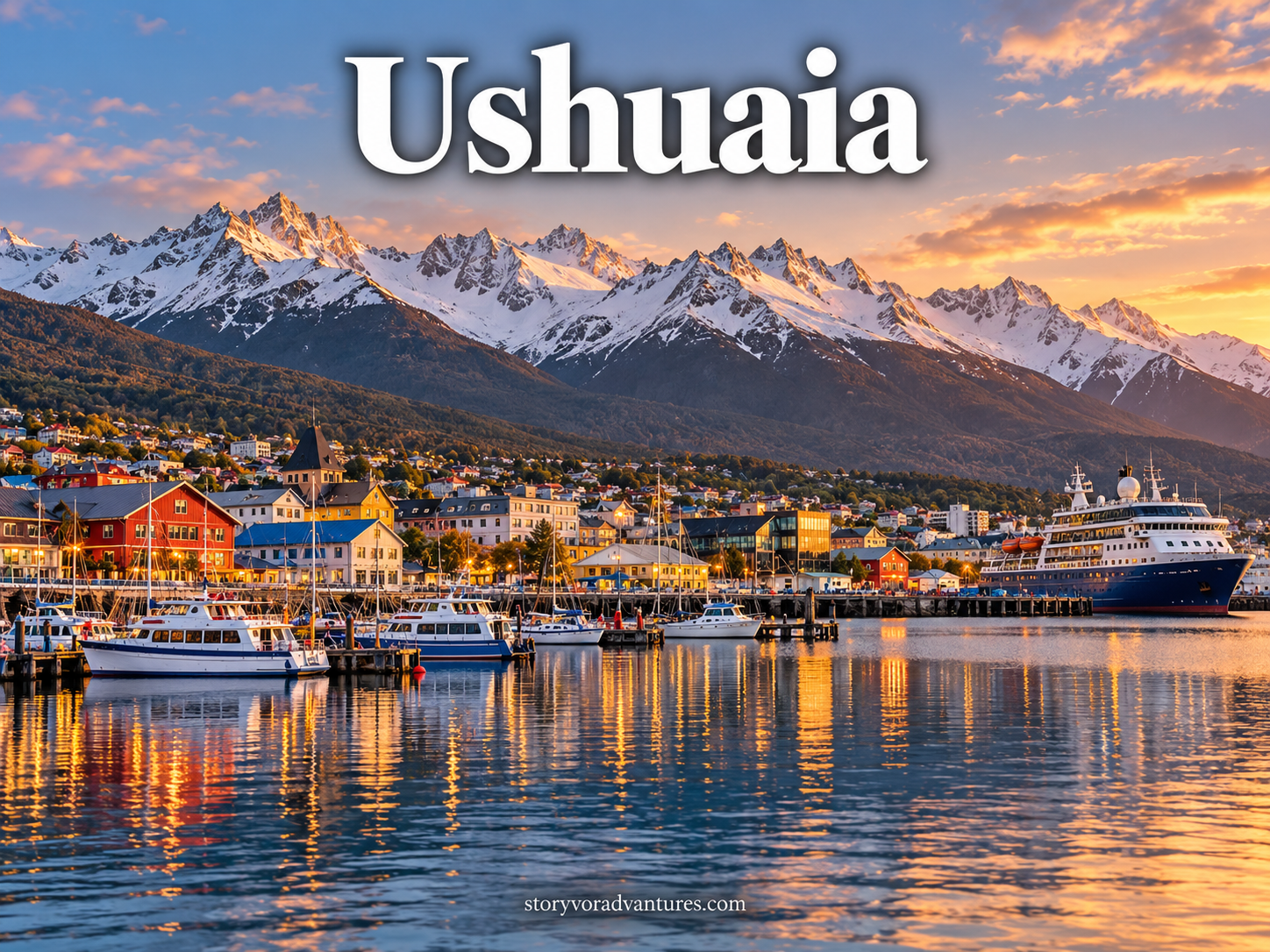
Surrounded by mountains and the Beagle Channel, Ushuaia is widely used as a base for exploring southern Tierra del Fuego. Although its remote location is a major part of its appeal, the city offers accommodation, restaurants, museums and transportation services for different travel styles.
A typical visit may include a Beagle Channel cruise, coastal walks, local museums and excursions into Tierra del Fuego National Park. Boat tours can provide opportunities to see seabirds and marine wildlife, but sightings are never guaranteed and responsible operators should avoid disturbing animals.
Ushuaia also serves as an important departure point for Antarctic expeditions. These voyages require a much larger budget and careful selection of an established operator. Travellers who remain in the city can still experience an extraordinary combination of Patagonian landscapes, maritime history and southern culture. Argentina’s official tourism portal highlights the Beagle Channel, Tierra del Fuego National Park and the city’s historical attractions among its principal experiences.
6. Marble Caves
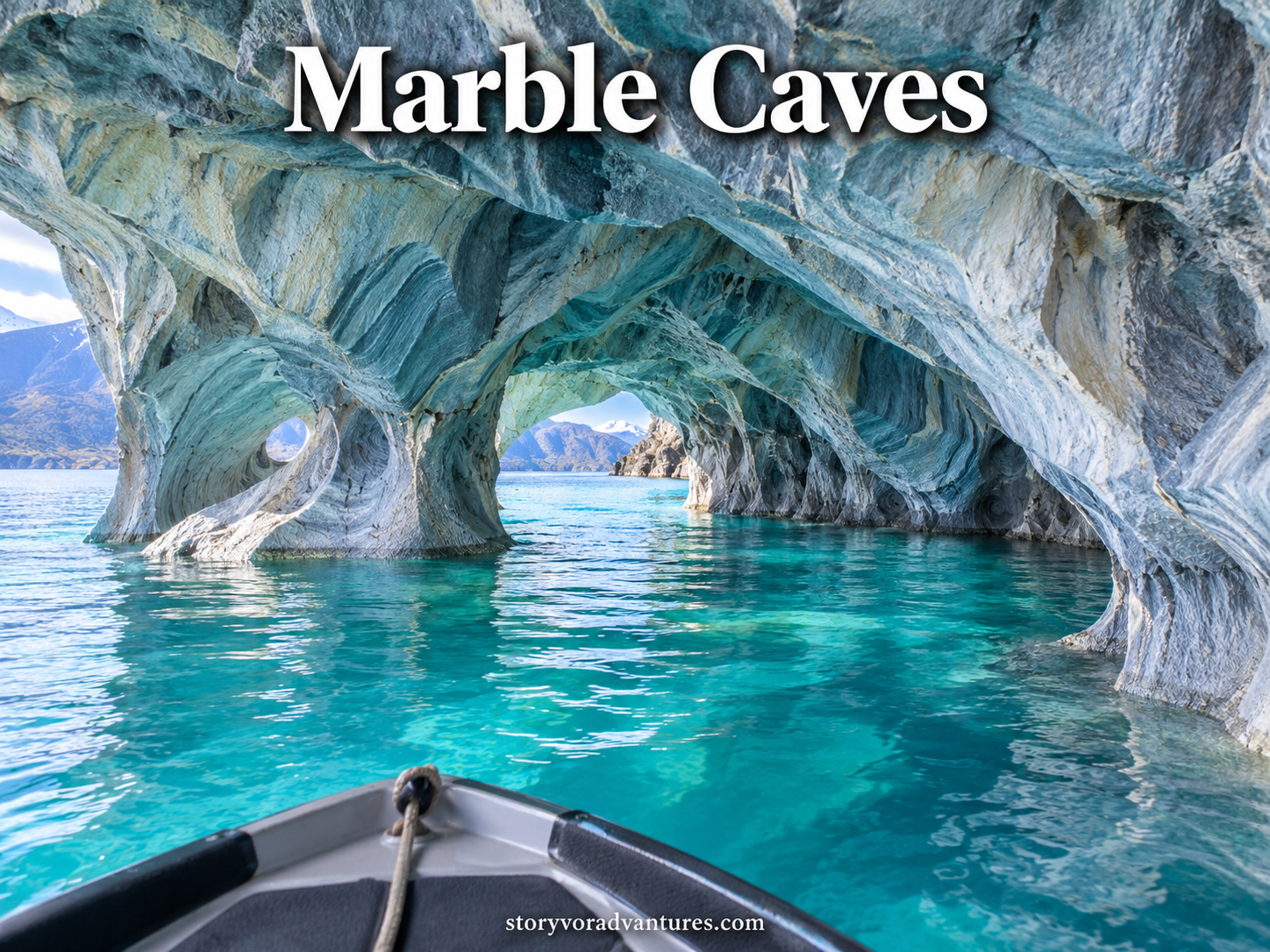
The Marble Caves are natural formations beside the turquoise waters of General Carrera Lake in Chile. Water has shaped the marble over a very long period, creating curved walls, arches and chambers with patterns that appear to change according to the light and lake conditions.
Puerto Río Tranquilo is the most common starting point for visits. Depending on local conditions, travellers may explore the formations by boat or kayak with an experienced operator. Tours can be postponed when wind makes the lake unsafe, so it is wise to include spare time rather than planning a tight same-day connection.
The caves form part of a delicate natural setting. Visitors should avoid touching or damaging the rock, follow the guide’s safety instructions and wear suitable protection against cold wind and water. Chile’s official tourism information identifies Balmaceda near Coyhaique as the closest major air gateway, followed by a lengthy journey overland to Puerto Río Tranquilo.
7. Bariloche and the Lake District
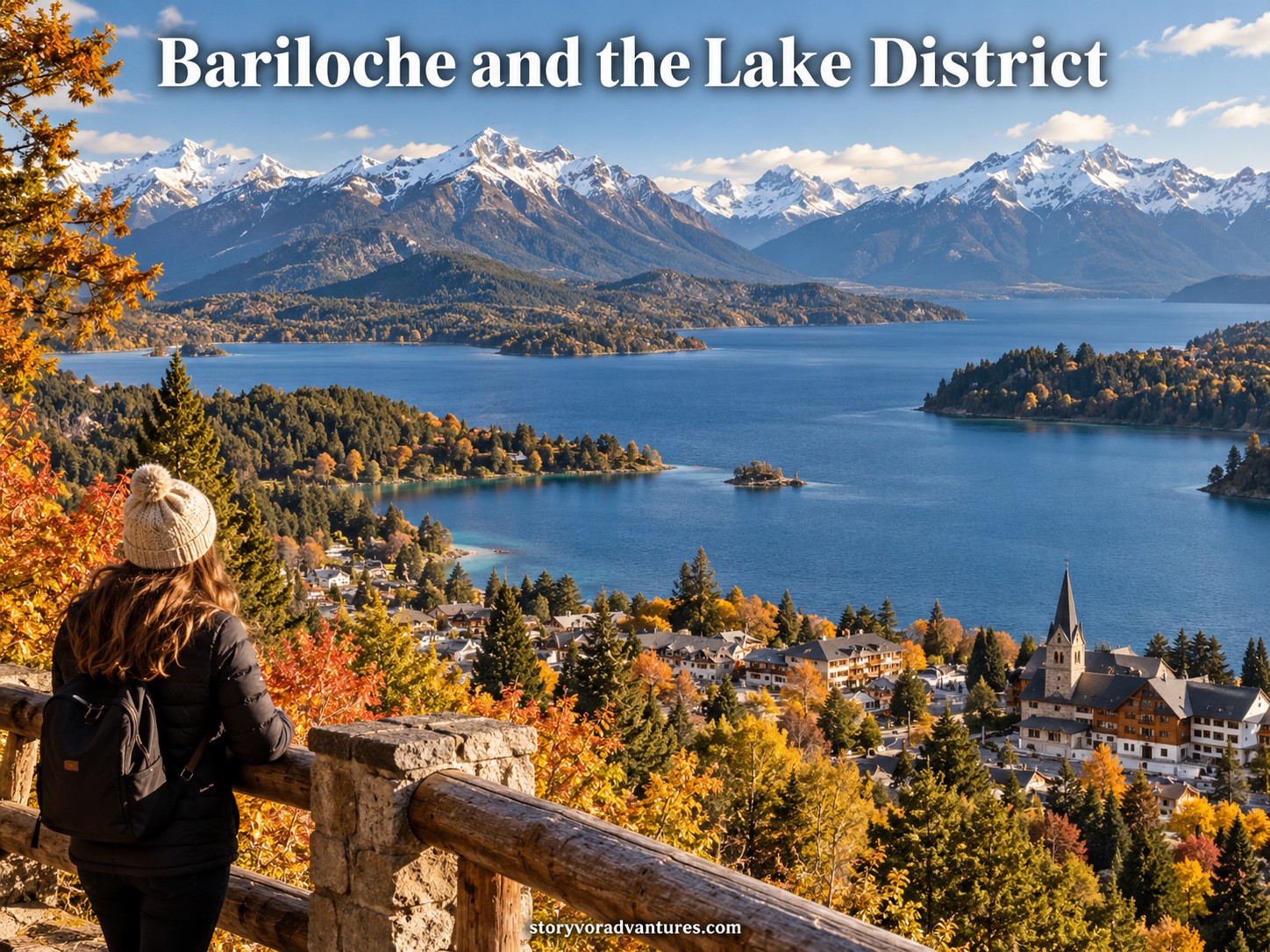
San Carlos de Bariloche introduces visitors to a greener and more accessible side of northern Argentine Patagonia. The city stands beside Nahuel Huapi Lake and is surrounded by forests, mountains and smaller lakes.
Travellers can explore panoramic roads, lakeside viewpoints and nearby walking routes or use the city as a base for longer excursions through the Lake District. The landscape changes significantly with the seasons. Summer supports hiking and water-based activities, while winter attracts visitors interested in snow and mountain sports.
Bariloche is larger and more developed than many southern Patagonian towns, making it a practical choice for first-time visitors. However, popular viewpoints can become busy. Travelling early, visiting outside peak holiday periods and exploring lesser-known routes can create a calmer experience while distributing tourism benefits more widely.
8. Los Glaciares National Park
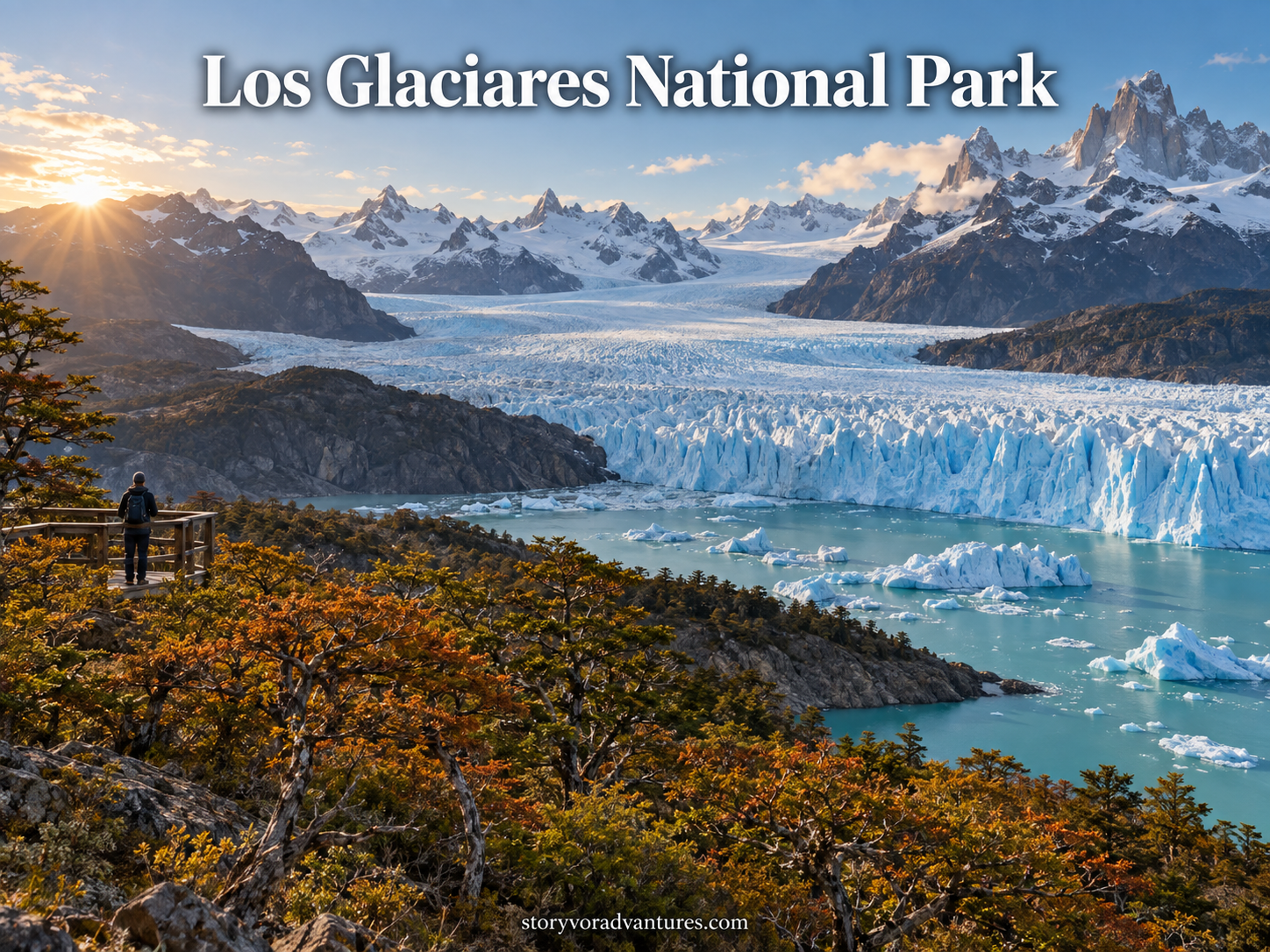
Los Glaciares National Park covers an immense protected landscape in Argentina’s Santa Cruz Province. Perito Moreno is its most famous attraction, but the park also includes distant glaciers, mountain terrain and hiking areas around El Chaltén.
This destination deserves more than a quick visit. El Calafate provides access to the southern glacier sector, while El Chaltén serves as the main base for northern mountain trails. The road journey between these towns takes time, so travellers should treat them as separate bases instead of attempting to see both in a rushed day.
Some excursions involve navigation near large ice formations, while others require long hikes through exposed mountain environments. Travellers should choose activities appropriate to their fitness and follow all instructions issued by park staff and authorised guides. El Calafate is officially recognised as the principal gateway to the glacier landscapes of this protected region.
9. Carretera Austral
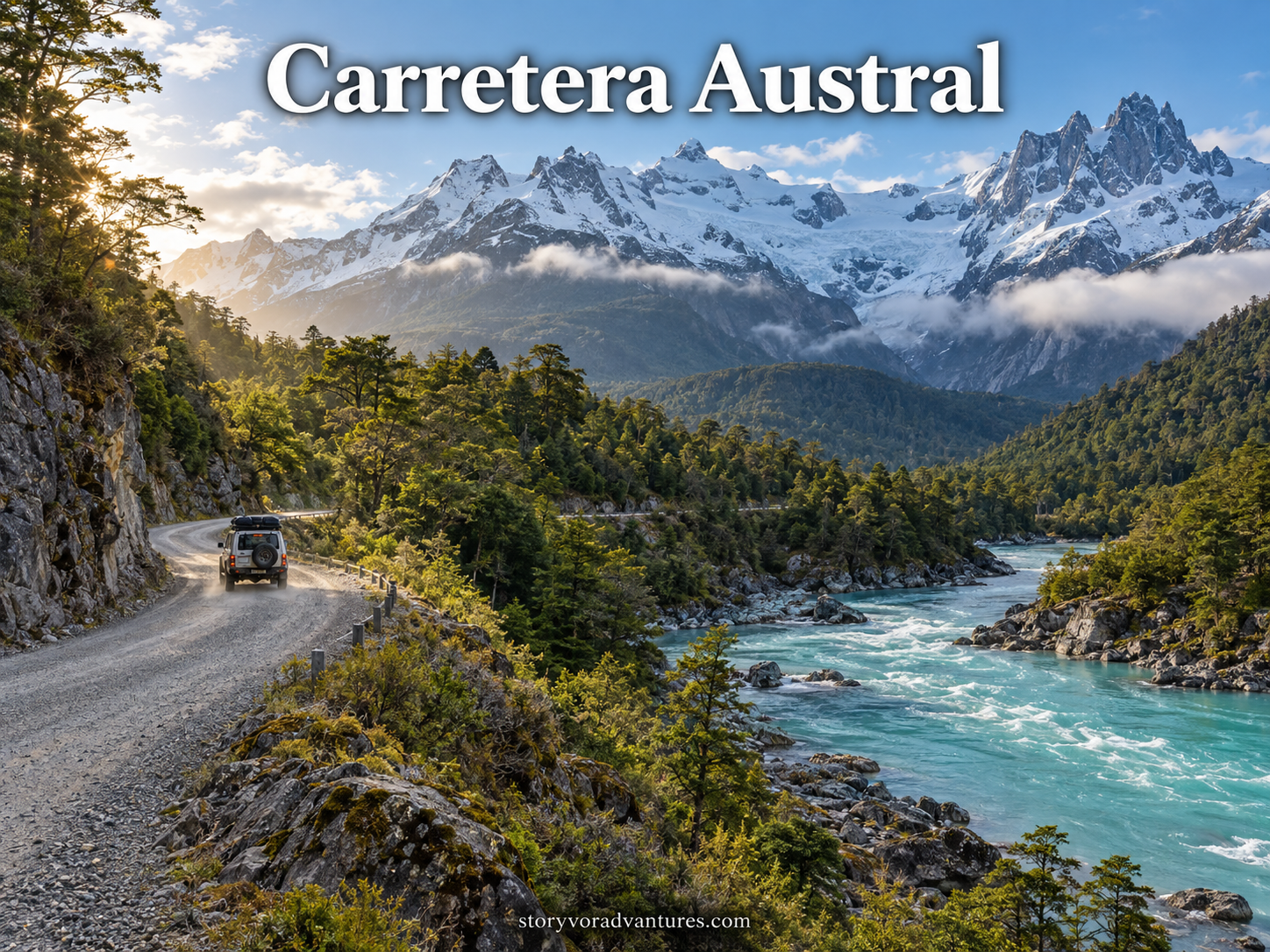
The Carretera Austral is a remote scenic road running through Chilean Patagonia. Rather than being a single attraction, it is a long journey through forests, rivers, mountains, fjords, settlements and protected areas.
Road conditions vary, and certain sections involve ferries or long distances between services. Travellers using a rented vehicle should confirm whether the rental agreement permits travel on the planned roads. Carrying offline maps, food, drinking water and sufficient fuel is particularly important in isolated areas.
Trying to drive too far each day can turn this beautiful route into a tiring race. A slower itinerary creates time for short walks, changing weather and unexpected viewpoints. Chile’s official tourism site describes the Carretera Austral as extending for more than 1,200 kilometres and notes that travellers may encounter ferry sections along the journey.
10. Punta Tombo Penguin Reserve
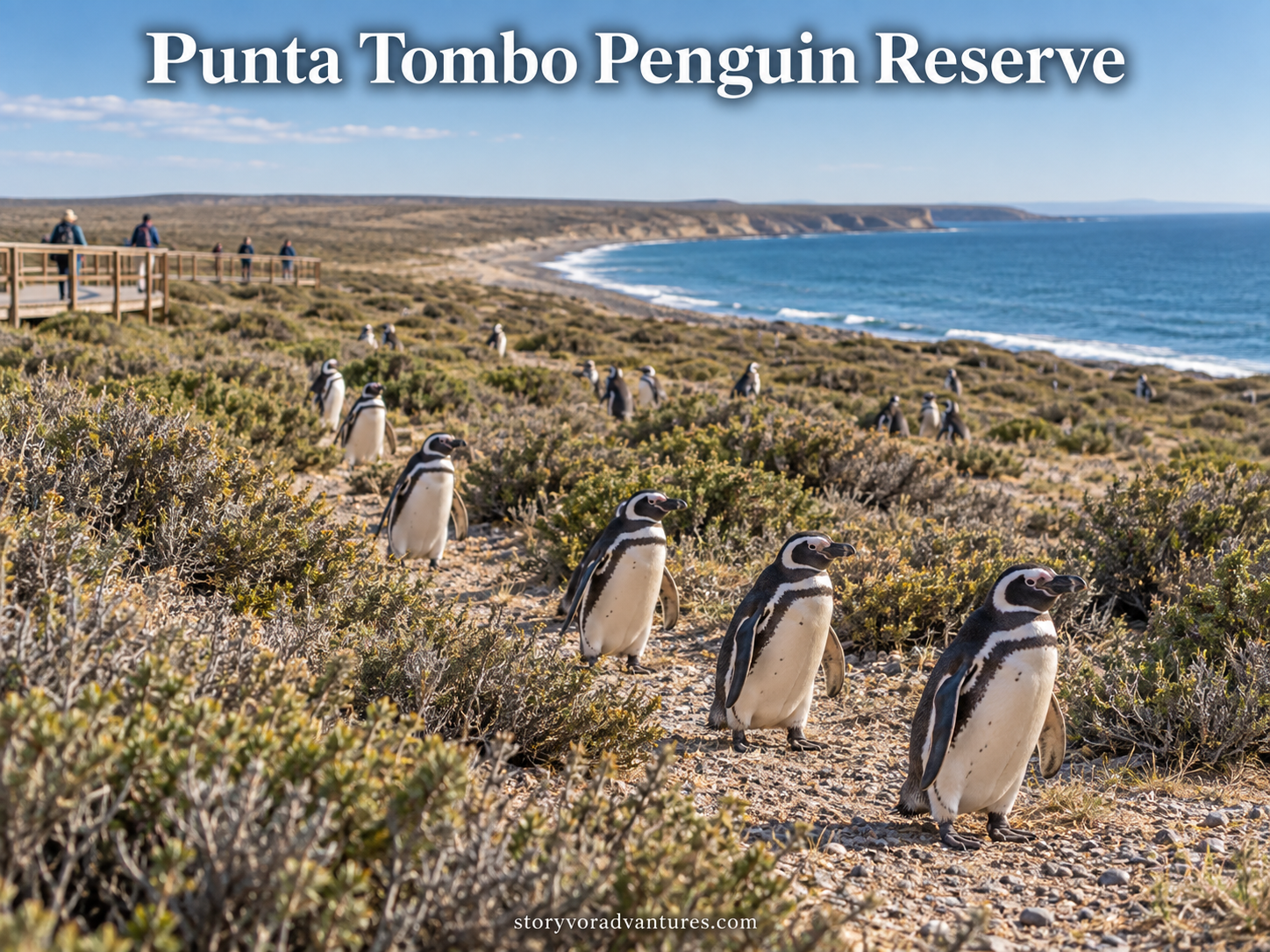
Punta Tombo, on Argentina’s Atlantic coast, is known for its seasonal colony of Magellanic penguins. Seeing these birds moving between their nesting areas and the sea can be one of Patagonia’s most memorable wildlife encounters.
The experience must be approached responsibly. Visitors should remain on designated paths, maintain the required distance and never block an animal’s route. Penguins may appear calm around people, but they remain wild animals whose feeding, nesting and movement should not be interrupted for photographs.
Wildlife presence changes according to the season, and access conditions can also vary. Travellers should check current information before making the long journey. Choosing responsible tours and following reserve rules helps protect the colony while allowing future visitors to experience the same environment.
Best Time to Visit Patagonia
The best season depends on the area and the activities being planned. From roughly November to March, Patagonia generally offers longer daylight hours and better access to many hiking routes. This is also the busiest period, so popular accommodation, park services and transport may require advance reservations.
Spring and autumn can bring fewer visitors and beautiful colours, but the weather may be colder and some services may operate less frequently. Winter is suitable for selected snow experiences, although many remote roads, trails and seasonal businesses may be unavailable.
No season guarantees stable weather. Wind, rain, snow and strong sunshine can occur within a short period, particularly in exposed mountain areas.
How Long Do You Need in Patagonia?
A focused visit to one region can work within seven to ten days. Combining major destinations in both Argentina and Chile usually requires at least two to three weeks, especially when border crossings and long transport days are included.
Travellers should not assume that nearby-looking locations are easily connected. Mountains, lakes, border controls and limited roads can make journeys much longer than expected. Selecting fewer places often produces a more enjoyable trip than collecting destinations without enough time to experience them.
What to Pack for Patagonia
Layered clothing is essential because temperatures can change rapidly. A practical packing list may include a waterproof outer jacket, warm mid-layer, comfortable walking shoes, sun protection, reusable water bottle, personal medication and a small daypack.
Offline maps and copies of important documents can be helpful in areas with unreliable mobile coverage. Travellers planning independent hikes should also carry food, water and basic emergency supplies appropriate to the route. Specialist activities may require additional equipment provided by an authorised operator.
Responsible Travel in Patagonia
Patagonia’s landscapes are beautiful partly because many areas remain remote and environmentally sensitive. Visitors can reduce their impact by remaining on marked trails, carrying out all rubbish, avoiding fires outside permitted areas and never feeding wildlife.
Supporting locally owned accommodation, guides, restaurants and transport services can help tourism benefit regional communities. Water and energy should be used carefully, particularly in smaller settlements with limited infrastructure.
Drones may be restricted in national parks and protected areas, and their noise can disturb animals and other visitors. Always check local rules before flying one.
Final Thoughts
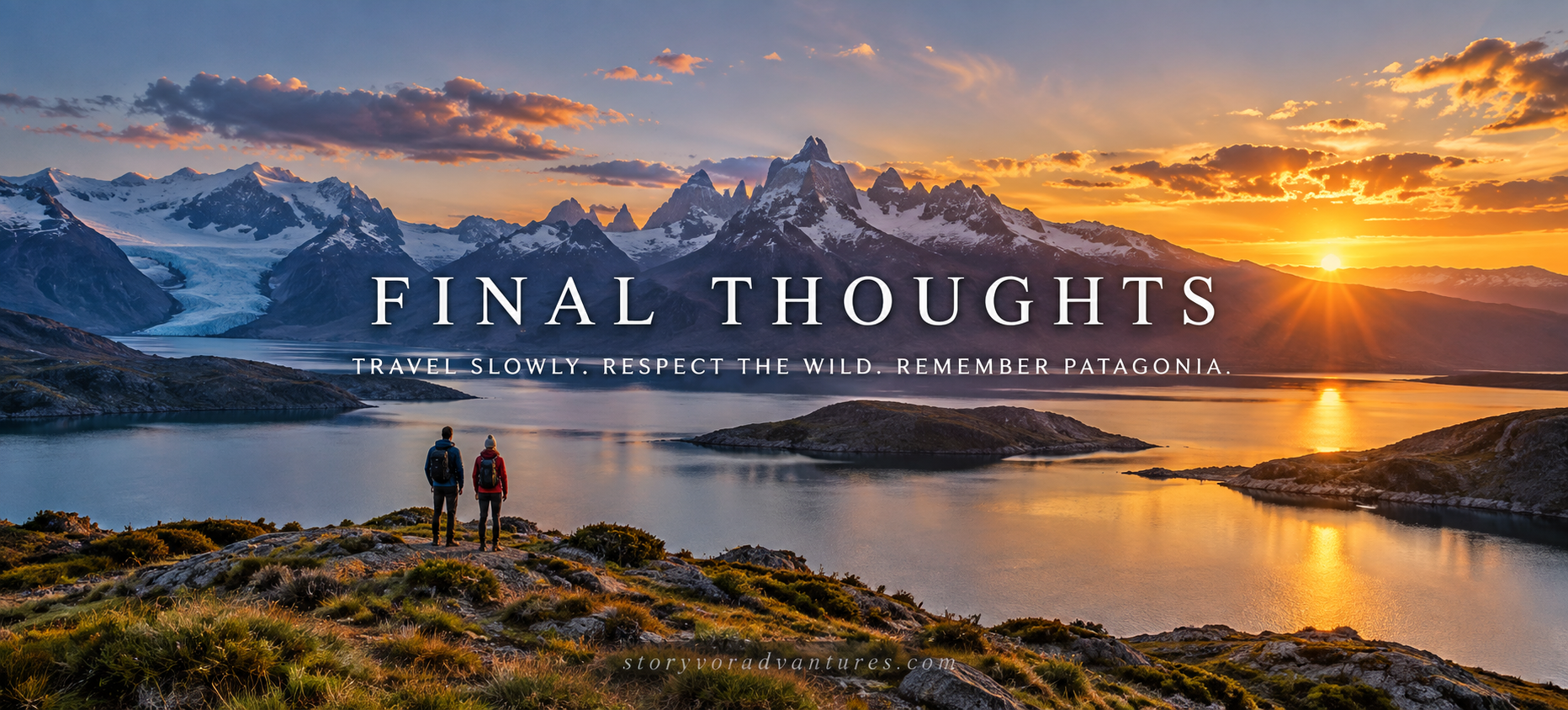
Patagonia rewards travellers who are willing to slow down. Its distances, unpredictable weather and remote landscapes may make the journey challenging, but those same qualities create experiences that are difficult to find elsewhere.
Torres del Paine offers unforgettable mountain scenery, Perito Moreno reveals the scale of Patagonia’s glaciers, El Chaltén provides access to remarkable hiking trails, and the Carretera Austral turns the journey itself into an adventure. Wildlife reserves, southern cities and isolated lakes add even greater variety.
The best Patagonia itinerary is not necessarily the one with the most stops. It is the one that provides enough time to travel safely, respond to changing conditions and appreciate each place without unnecessary pressure.
Important: Weather, road conditions, border procedures, park rules, entrance fees, transport schedules and tour availability can change. Always confirm current details with official tourism authorities, national park services and transportation providers before travelling.