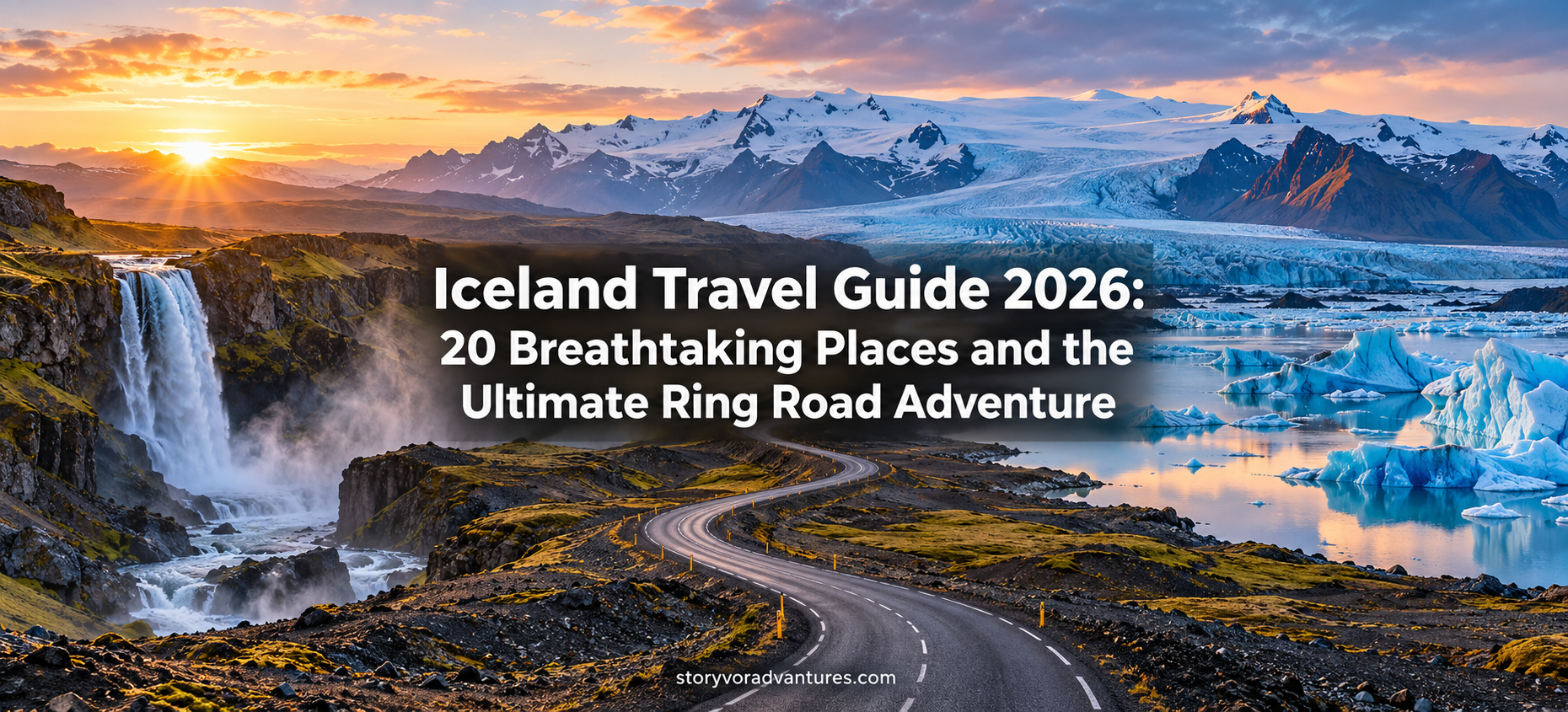
Iceland Travel Guide 2026: 20 Breathtaking Places and the Ultimate Ring Road Adventure
Discover 20 breathtaking places in Iceland with a practical 2026 Ring Road itinerary, transport advice, costs, accommodation and essential safety tips.
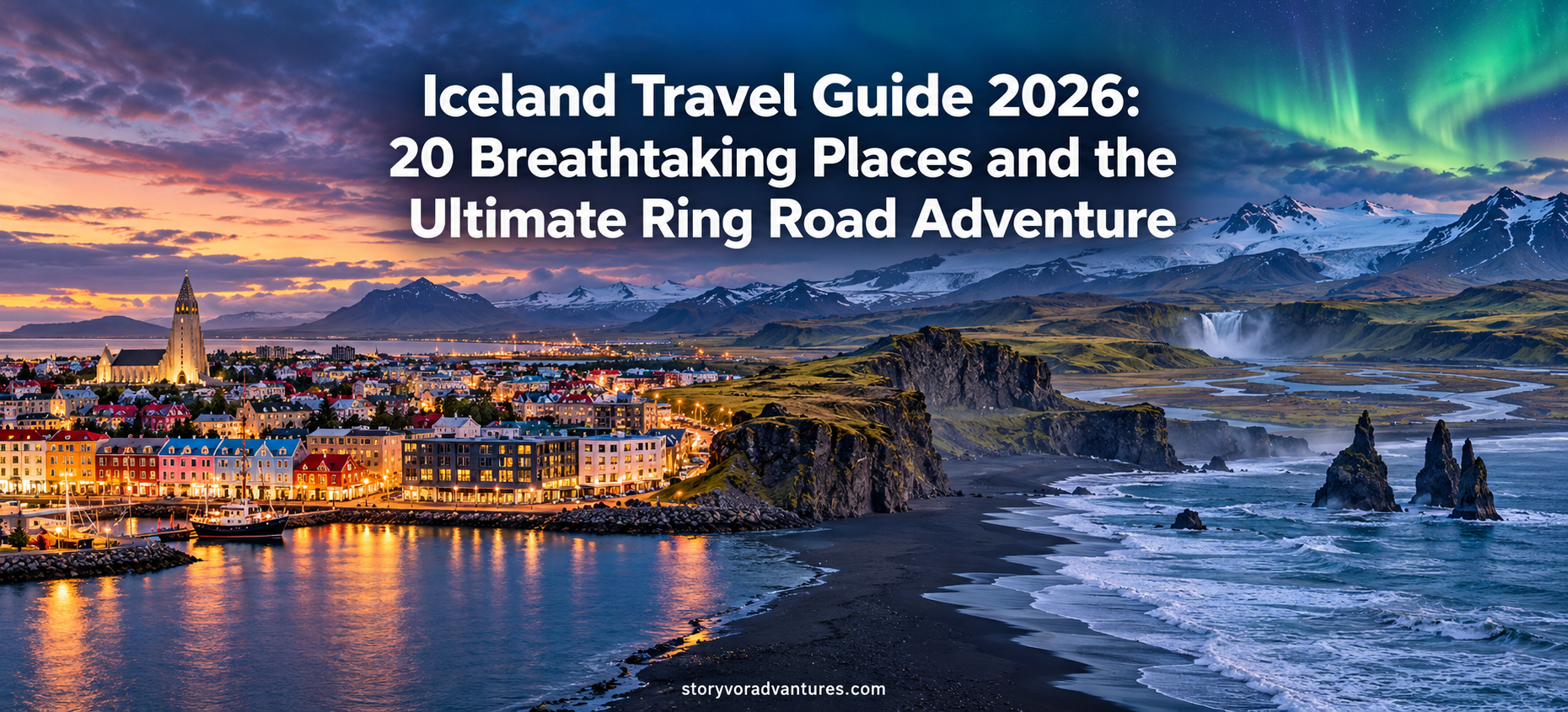
Iceland is a destination where the journey can be just as memorable as the attractions. A single road trip can take travellers past enormous glaciers, volcanic fields, geothermal springs, black-sand beaches, powerful waterfalls and quiet fishing villages. The landscape changes constantly, which means even an ordinary drive can reveal something unexpected.
However, Iceland is not a destination that should be planned in a hurry. Attractions are spread across long distances, rural accommodation can be limited and weather conditions may change within a short time. A flexible itinerary with realistic driving distances is far more enjoyable than trying to visit every famous location in only a few days.
This guide covers 20 remarkable places in Iceland, along with practical information about transport, currency, accommodation, weather, safety and planning an unforgettable Ring Road adventure in 2026.
Iceland Travel Essentials
Capital: Reykjavík
Currency: Icelandic króna (ISK)
Official language: Icelandic
Main international airport: Keflavík International Airport
Recommended trip length: 10–15 days
Driving side: Right
Emergency number: 112
Standard plugs: Type C and Type F
Main road-trip route: Route 1, commonly called the Ring Road
Best period for a road trip: Generally June to September
Best period for darker skies: Autumn and winter
Visa region: Schengen Area
1. Reykjavík
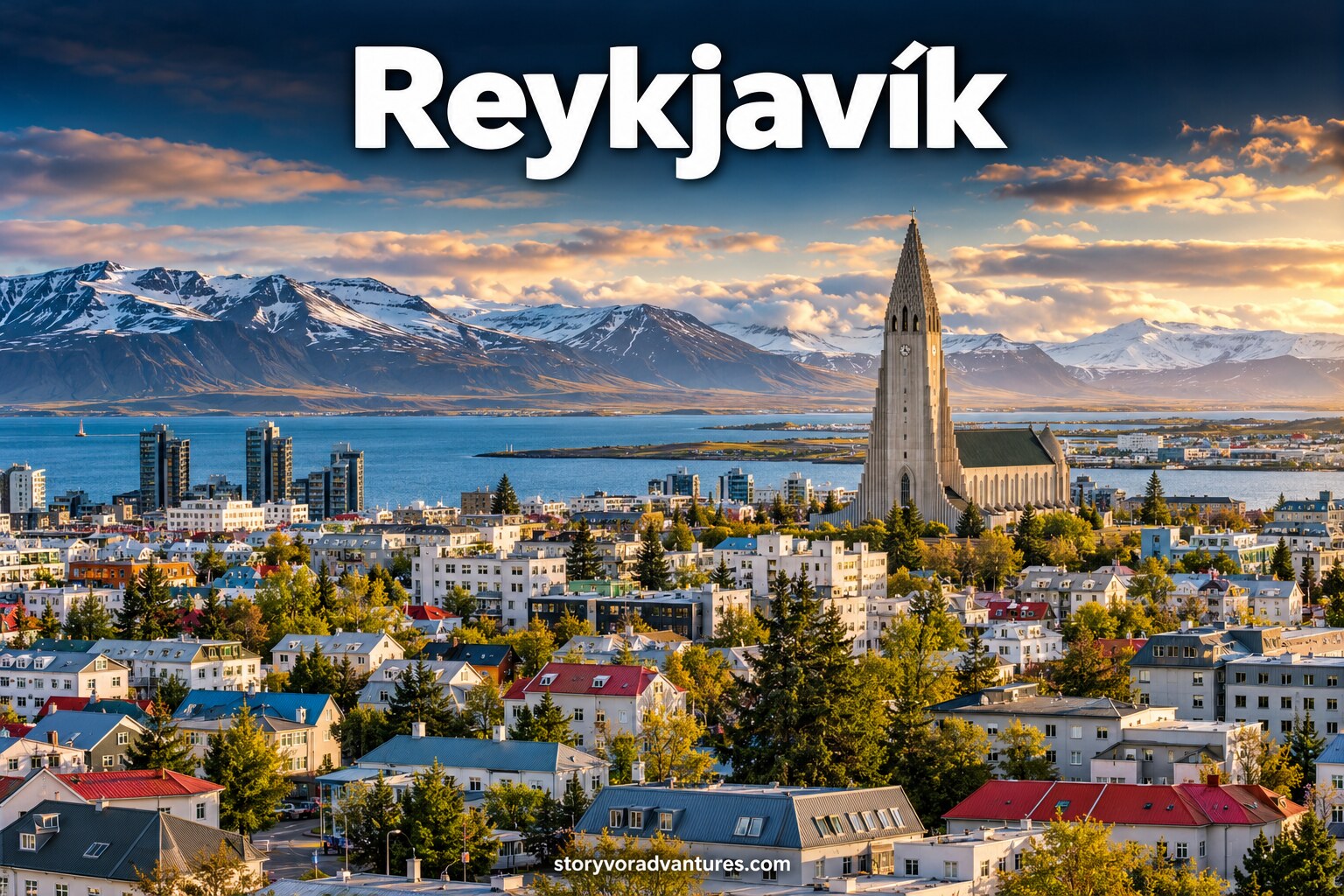
Reykjavík is the natural starting point for most international visitors. Although it is Iceland’s capital and largest city, its central area is compact enough to explore on foot. Colourful buildings, independent cafés, public art, museums and coastal viewpoints are located within a relatively small area.
Hallgrímskirkja is one of the city’s most recognisable landmarks. Visitors can explore the church and, when access is available, travel to the tower for views across Reykjavík. The streets surrounding it contain bakeries, restaurants and small shops that are easy to discover without following a strict route.
The Harpa Concert Hall and Old Harbour reveal Reykjavík’s modern and maritime character. Travellers interested in the country’s history can visit the National Museum of Iceland, while those wanting a more local experience can try one of the city’s public geothermal swimming pools.
Allow one or two full days for Reykjavík. The city also works well as a base for the Golden Circle, whale-watching excursions and trips around the Reykjanes Peninsula. Updated visitor information is available through the official Visit Reykjavík website.
2. The Golden Circle
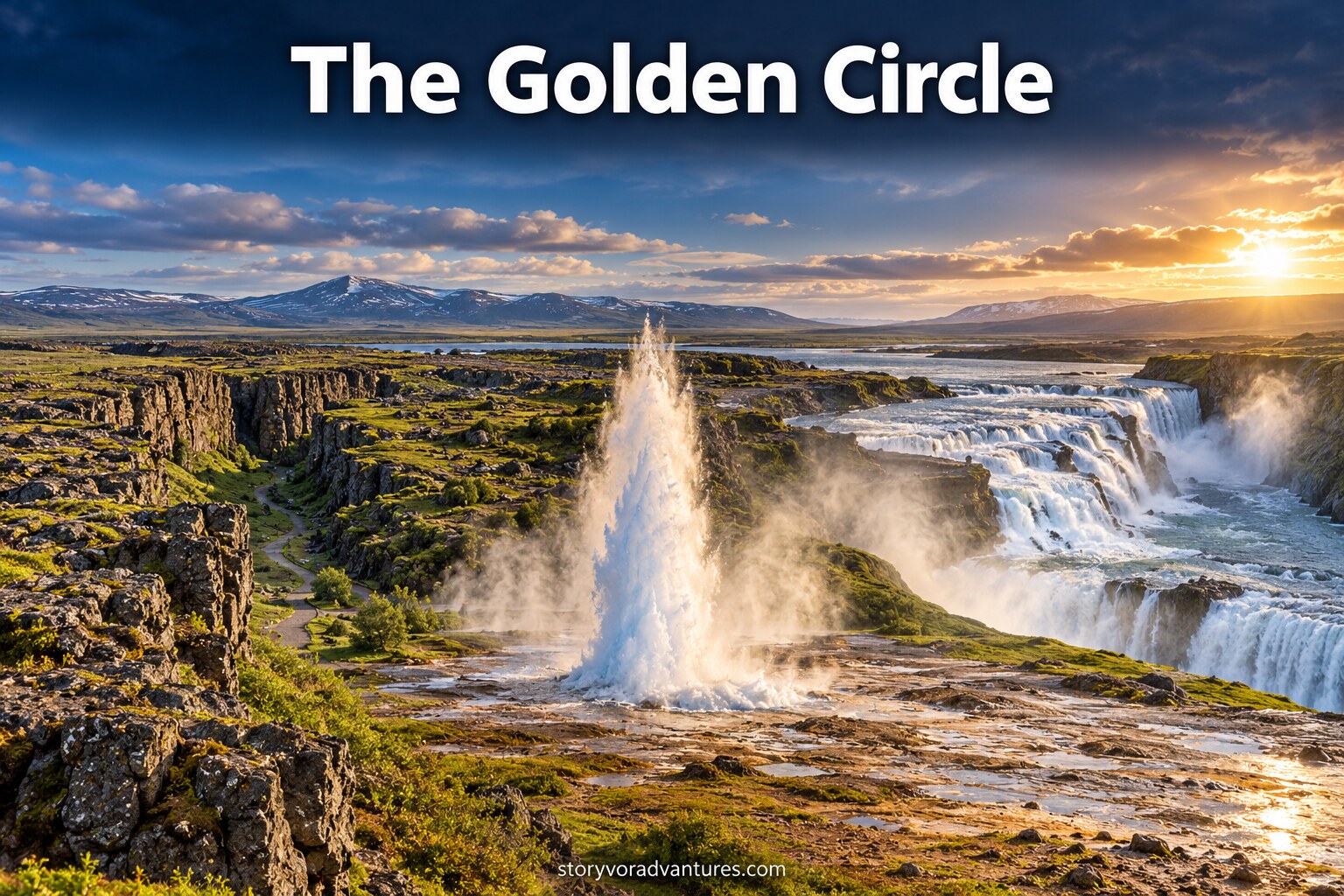
The Golden Circle is Iceland’s most famous sightseeing route and a practical introduction for first-time visitors. Its three principal attractions are Þingvellir National Park, the Geysir geothermal area and Gullfoss waterfall.
Þingvellir is important for its landscapes as well as its connection to Icelandic history. Marked paths pass through dramatic rock formations, while information panels explain the area’s cultural and geological significance.
At the Geysir geothermal area, visitors can see steam rising from the ground, bubbling water and active geothermal features. People must remain behind barriers because water temperatures can be extremely dangerous. Gullfoss completes the classic route with powerful water descending through a rugged canyon.
The Golden Circle can be completed as a day trip from Reykjavík. However, an overnight stay nearby allows time to include places such as Kerið crater, local farms or a geothermal bath without turning the journey into a race.
3. Seljalandsfoss Waterfall
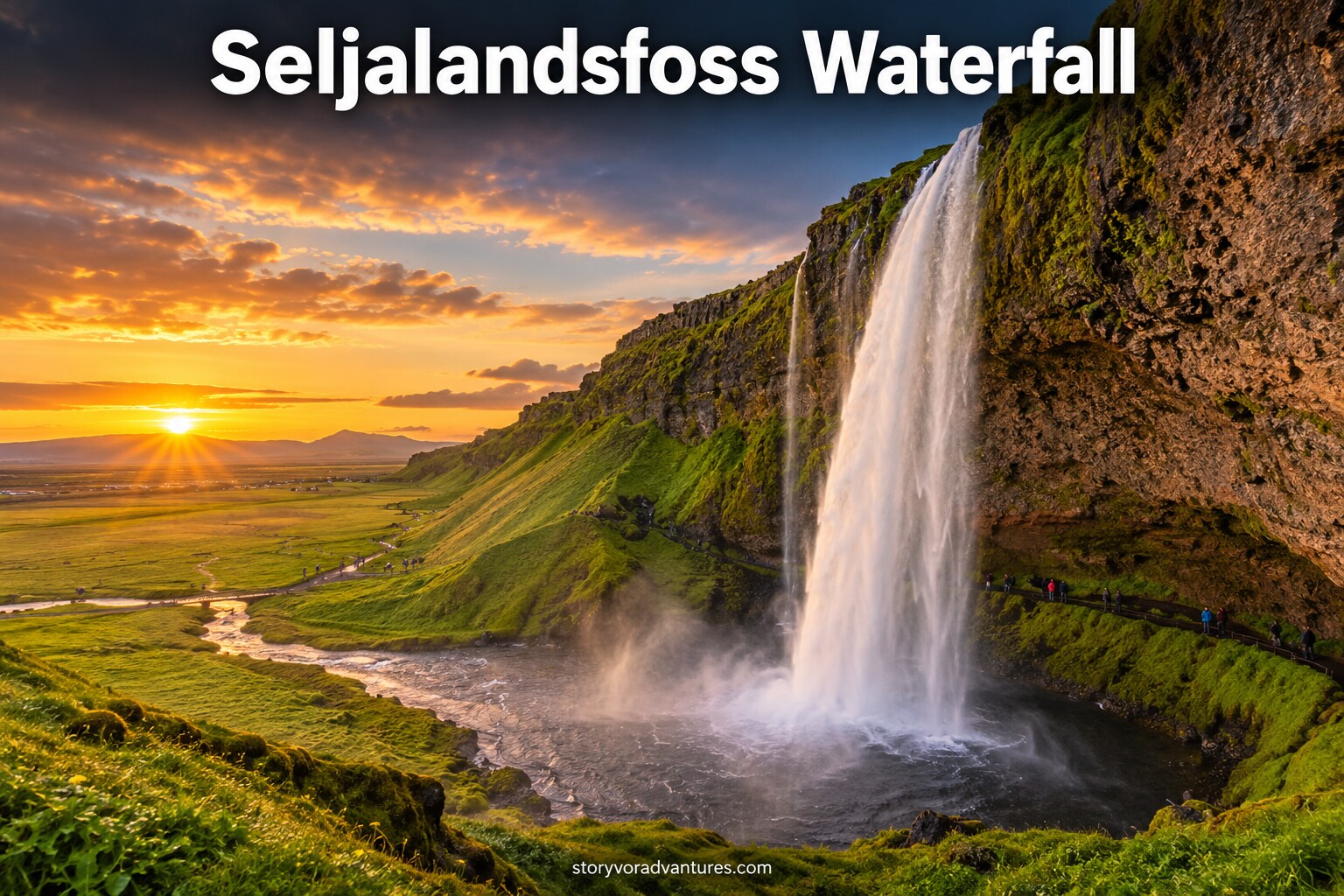
Seljalandsfoss is one of the most recognisable waterfalls on Iceland’s South Coast. Water falls from a tall cliff that once formed part of the country’s coastline. Under suitable conditions, a path allows visitors to walk behind the waterfall.
The path is frequently wet and slippery, so waterproof clothing and shoes with dependable grip are useful. Phones and cameras should be protected from spray. During colder weather, access behind the waterfall may be restricted due to ice or unsafe surfaces.
Gljúfrabúi, a smaller waterfall partly hidden inside a narrow rock opening, is located nearby. Visitors entering the opening should expect wet conditions and avoid continuing if the water level or surface appears unsafe.
4. Skógafoss Waterfall
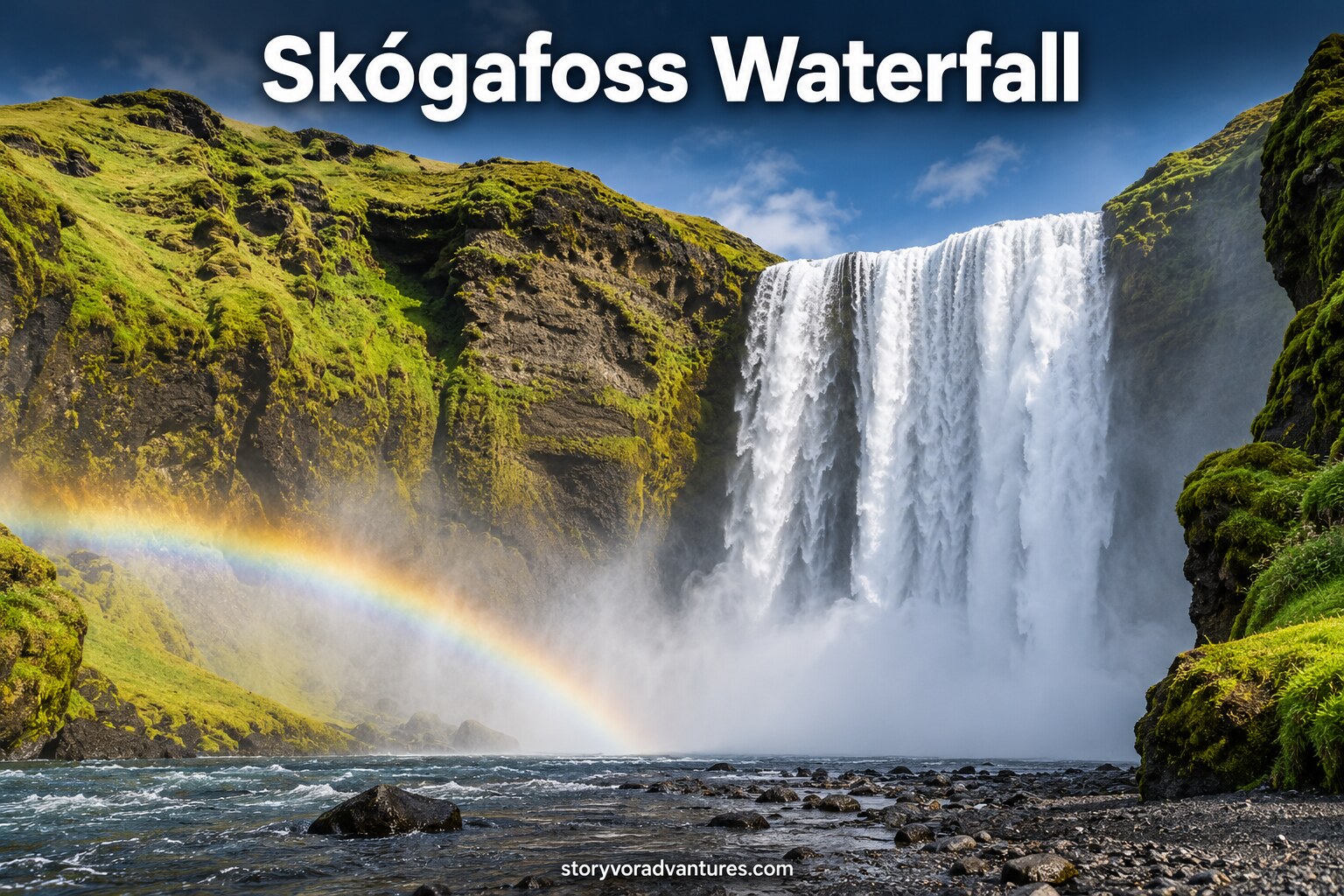
Skógafoss is a wide, powerful waterfall located close to the Ring Road. Visitors can appreciate it from ground level or climb the long staircase beside the falls for a higher view across the surrounding countryside.
Mist commonly fills the area in front of the waterfall and may create a rainbow when sunlight appears. The same mist can quickly soak clothing and photography equipment, so a waterproof layer is helpful even when it is not raining.
A longer hiking trail continues beyond the upper viewing platform and passes additional waterfalls. Casual visitors do not need to complete the entire route. Skógafoss can easily be combined with Seljalandsfoss and Reynisfjara during a South Coast journey.
5. Reynisfjara Black-Sand Beach
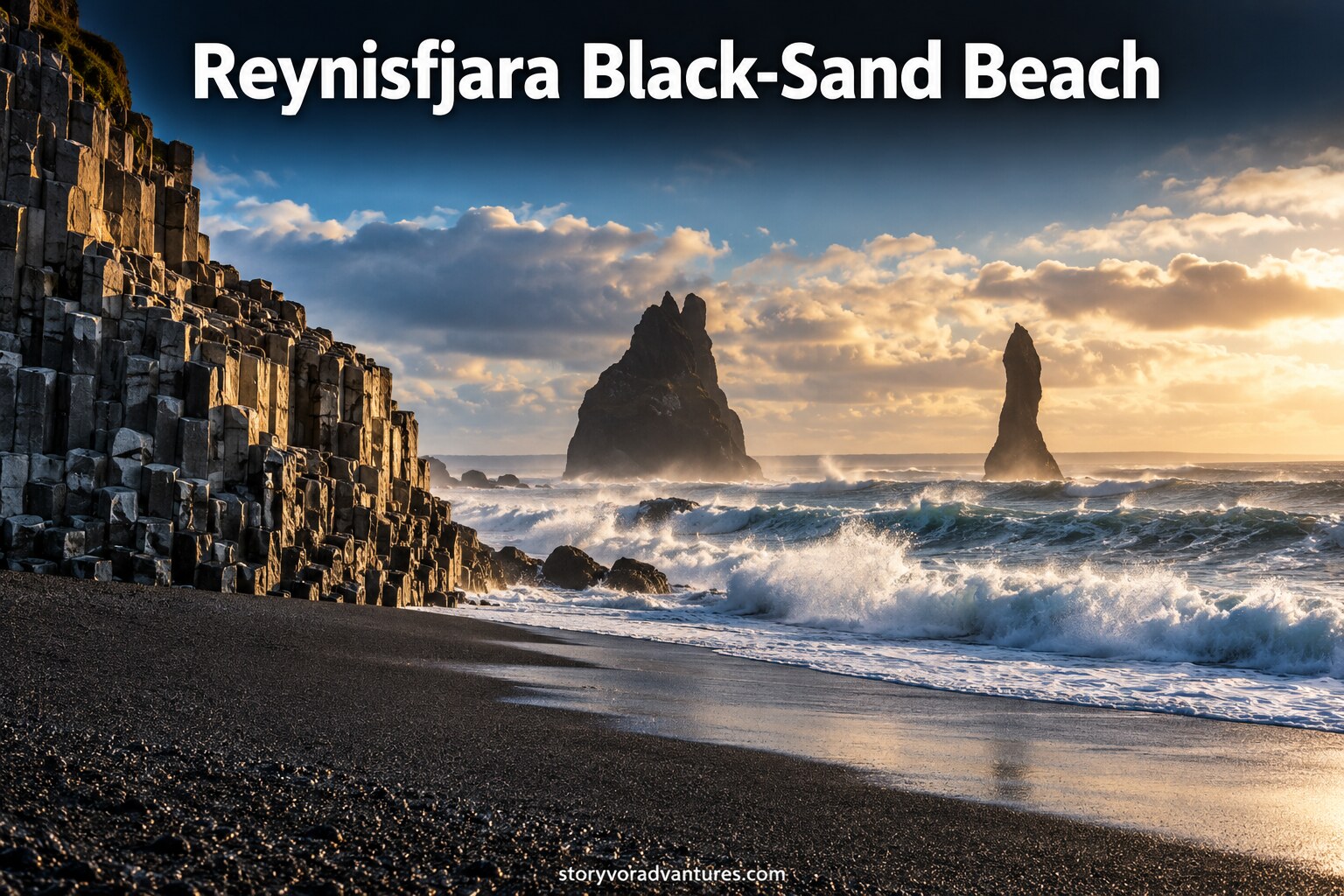
Reynisfjara is known for its volcanic black sand, basalt columns, sea caves and rock formations rising from the Atlantic Ocean. Dark cliffs and rough waves give the beach a dramatic appearance in almost every season.
The ocean at Reynisfjara is extremely dangerous. Sneaker waves can suddenly travel much farther up the beach than visitors expect. Travellers must follow warning lights and signs, remain well away from the water and never turn their backs on the sea.
The beach should be treated as a natural hazard rather than a swimming location. Photographs can be taken safely without approaching the surf. The nearby village of Vík provides restaurants, fuel, accommodation and useful services for travellers continuing along the South Coast.
6. Fjaðrárgljúfur Canyon
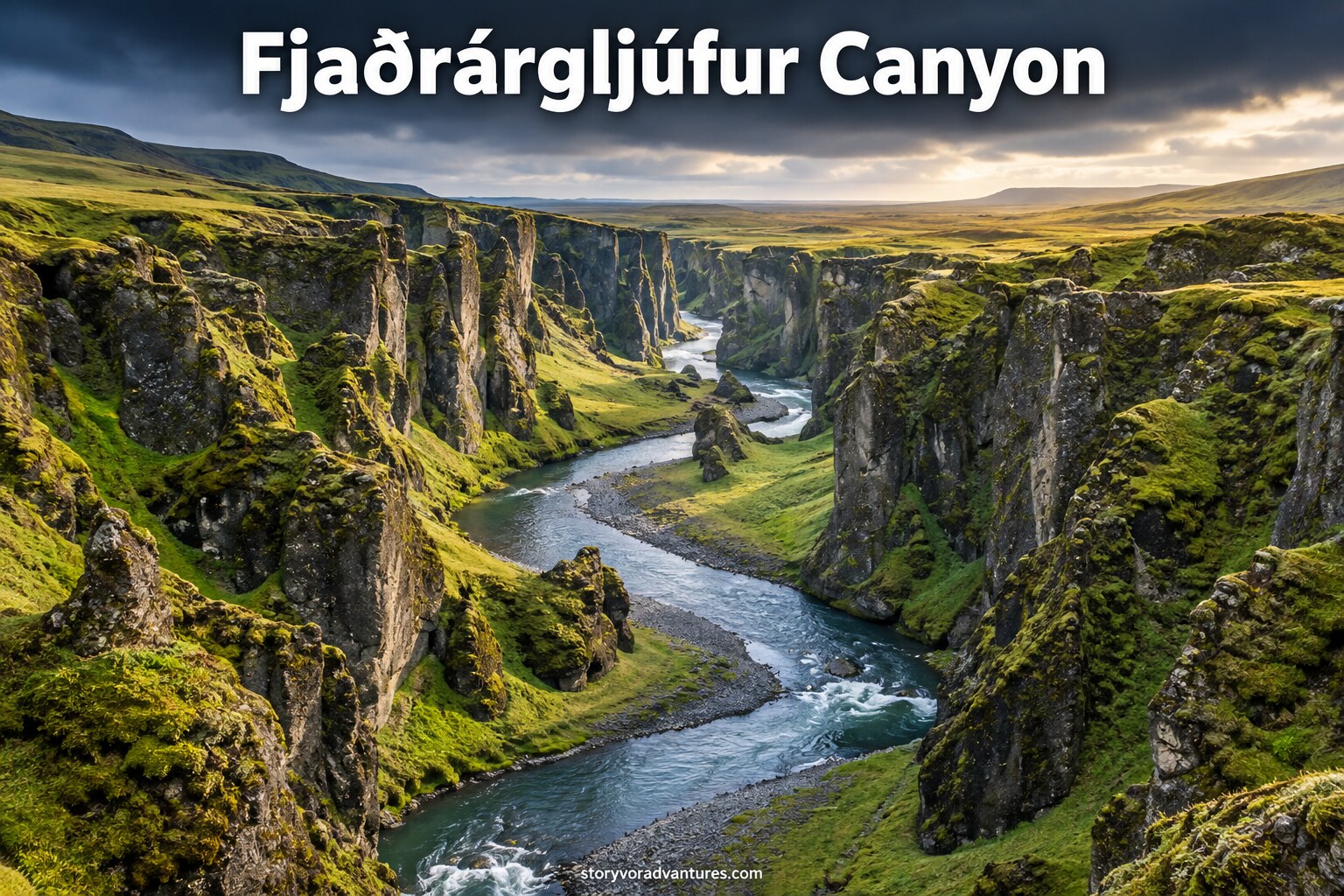
Fjaðrárgljúfur is a winding canyon surrounded by moss-covered rock walls. Several marked viewpoints provide different perspectives over the river and the canyon’s unusual curves.
Although the main walking area is not particularly large, visitors should remain on established paths. Icelandic vegetation can be fragile and may take years to recover after being damaged. Sections of the trail can also be closed when conditions threaten the landscape or visitor safety.
Travellers should follow all signs and barriers, even when a closed section appears easy to cross. Visiting responsibly helps protect the canyon and keeps the remaining paths available.
7. Jökulsárlón Glacier Lagoon
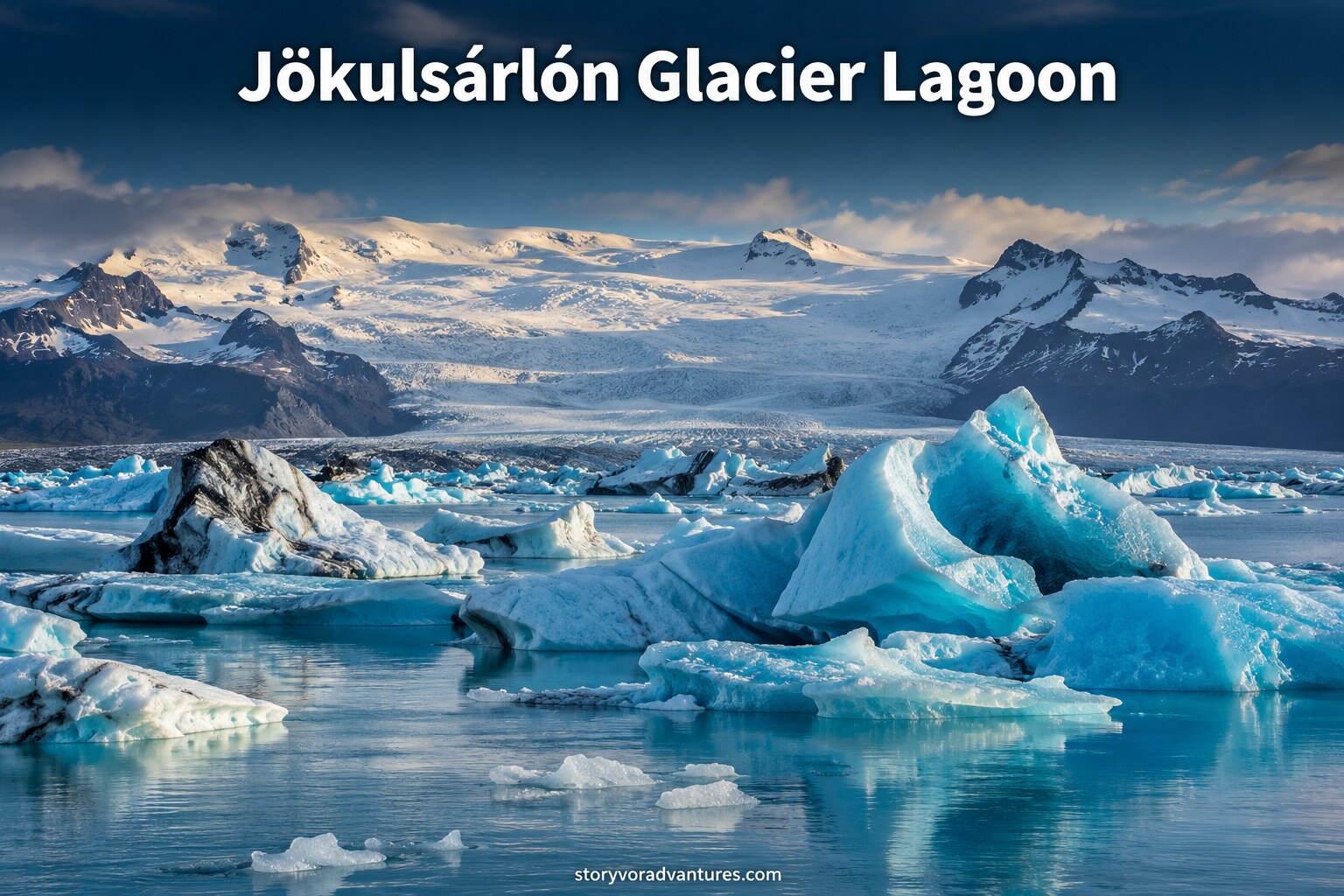
Jökulsárlón is a large glacial lagoon filled with icebergs that have separated from a nearby glacier. The colours, shapes and positions of the ice continually change as the pieces drift through the water and move towards the sea.
Visitors may see seals swimming between the icebergs or resting near the water, although wildlife sightings are never guaranteed. Seasonal boat tours may provide another perspective, but their operation depends on weather, water and ice conditions.
Enough time should be allowed to walk around the main viewing areas instead of treating the lagoon as a quick photography stop. People should remain away from unstable ice and avoid climbing onto floating or stranded pieces.
8. Diamond Beach
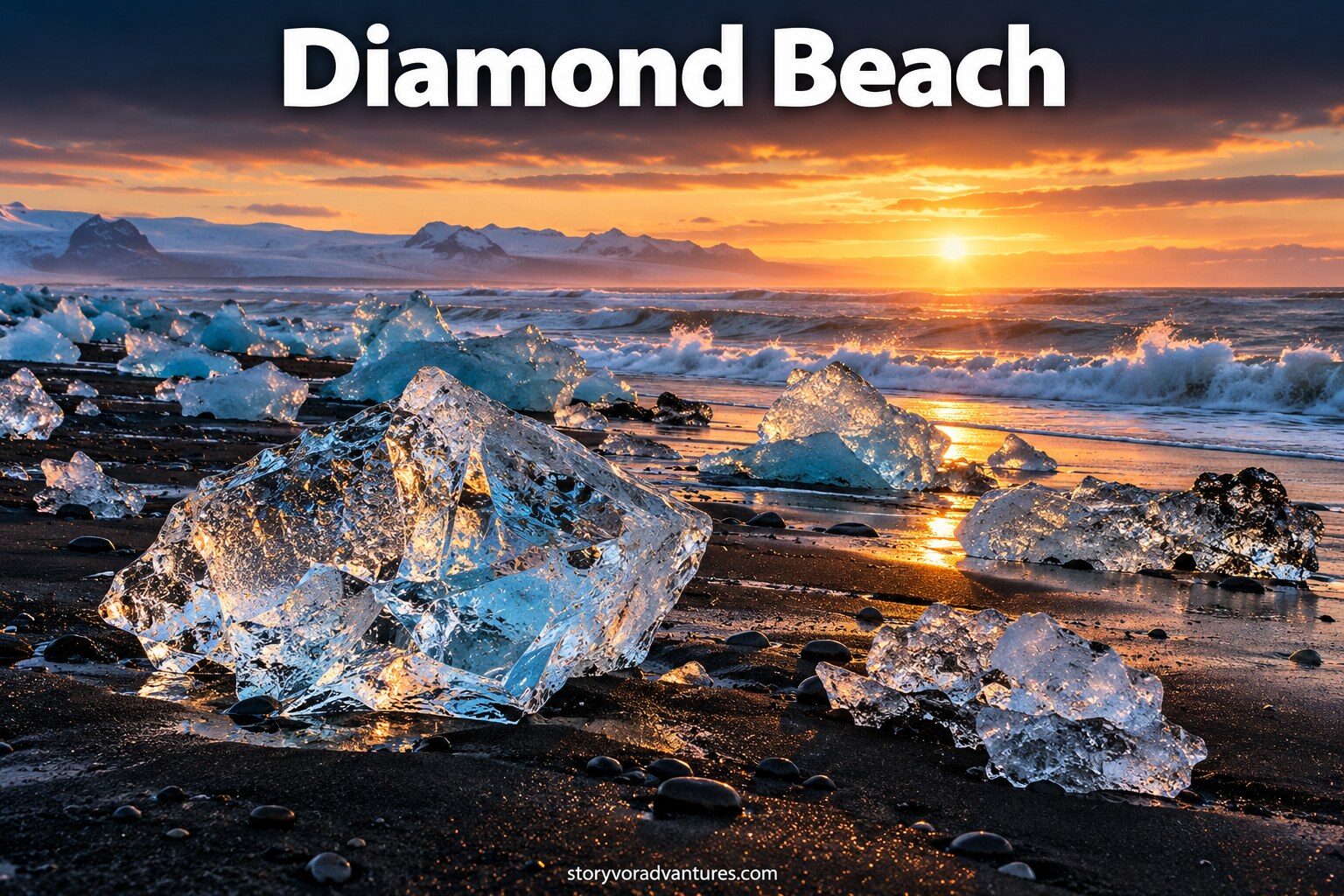
Diamond Beach is located across the road from Jökulsárlón. Pieces of glacial ice sometimes wash onto the black volcanic sand after travelling from the lagoon into the ocean.
The contrast between clear or blue ice and dark sand creates one of Iceland’s most distinctive coastal scenes. Each visit looks different because the amount and arrangement of ice depend on tides, waves and conditions in the lagoon.
Visitors should never stand between large pieces of ice and the sea. Strong waves can move the ice unexpectedly or reach much farther along the beach than anticipated. Keeping a safe distance allows travellers to enjoy the landscape without unnecessary risk.
9. Vatnajökull National Park
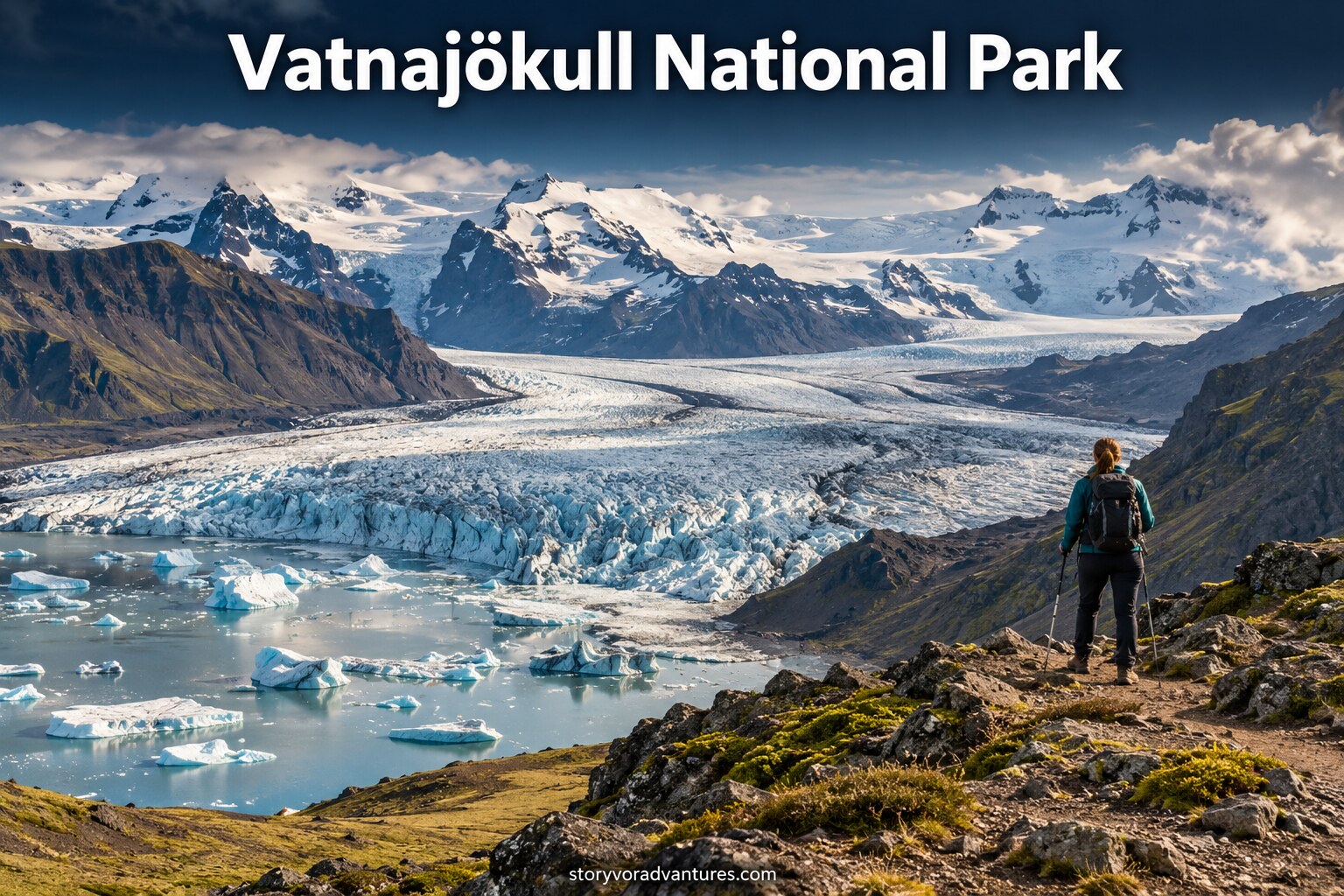
Vatnajökull National Park protects a vast region shaped by glaciers, volcanoes, rivers and mountains. The Skaftafell area is one of its most accessible sections and contains walking routes for different experience levels.
A popular trail leads to Svartifoss, where water falls in front of dark basalt columns. Other routes reveal glacier tongues and wide views across the surrounding landscape. Travellers should select a walk that matches their fitness, available daylight and the current weather.
Glaciers must never be explored independently without suitable knowledge and equipment. Guided glacier walks and ice-cave tours should be booked with qualified operators. Ice caves are seasonal, and access is always dependent on current safety conditions. Official updates are available from Vatnajökull National Park.
10. The Eastfjords
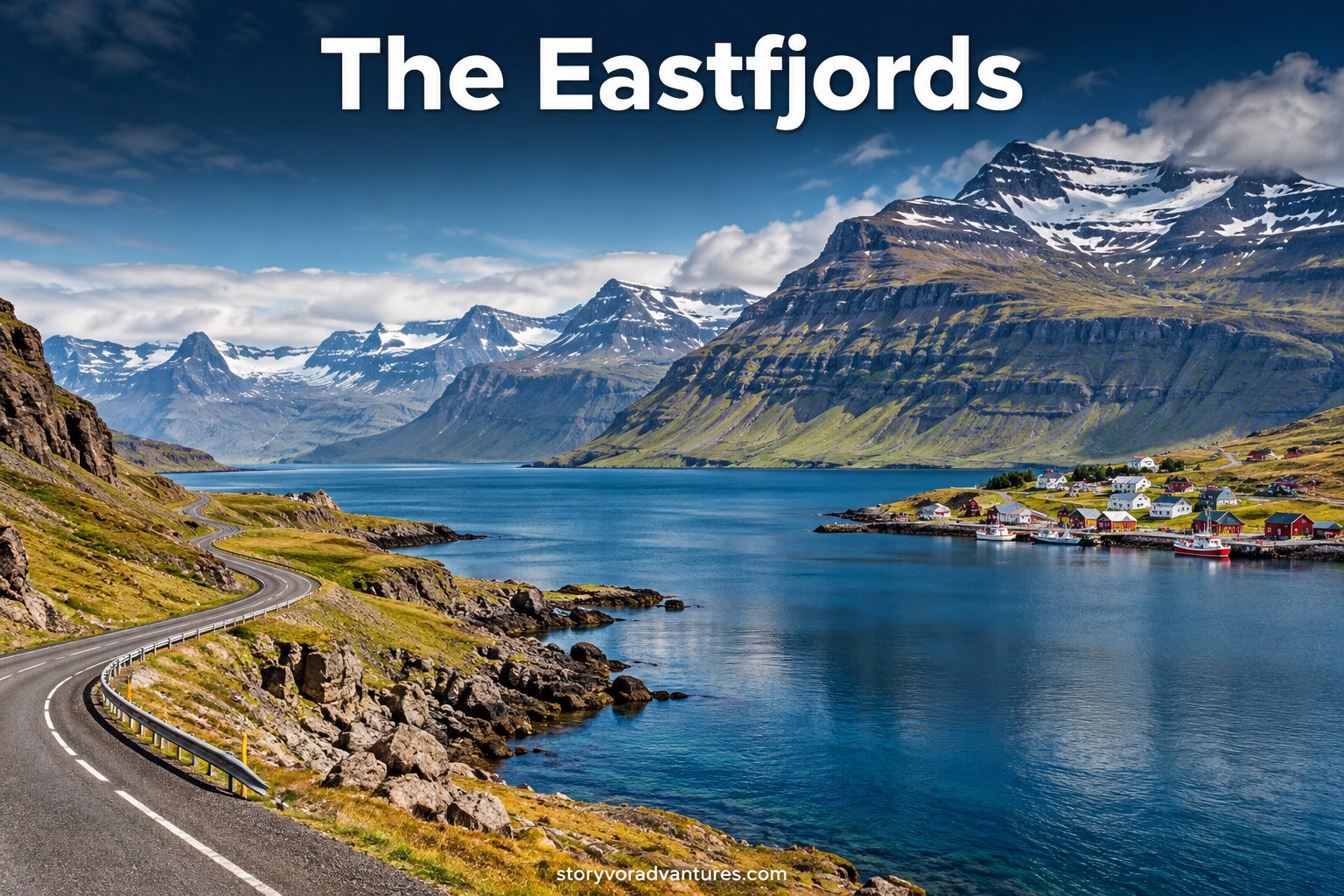
The Eastfjords provide a quieter alternative to the busy South Coast. The road follows mountains, narrow fjords and small fishing communities, making this part of the journey ideal for travellers who prefer slower exploration.
Djúpivogur, Fáskrúðsfjörður and Seyðisfjörður are among the settlements worth considering. Each has its own character, with colourful houses, harbour views and access to the surrounding landscape.
Driving times can be longer than they appear on a map because the road curves around the fjords. Some alternative mountain routes are steep, narrow or unsuitable in poor weather. Inexperienced drivers will usually feel more comfortable remaining on the principal roads and checking conditions before departure.
11. Lake Mývatn
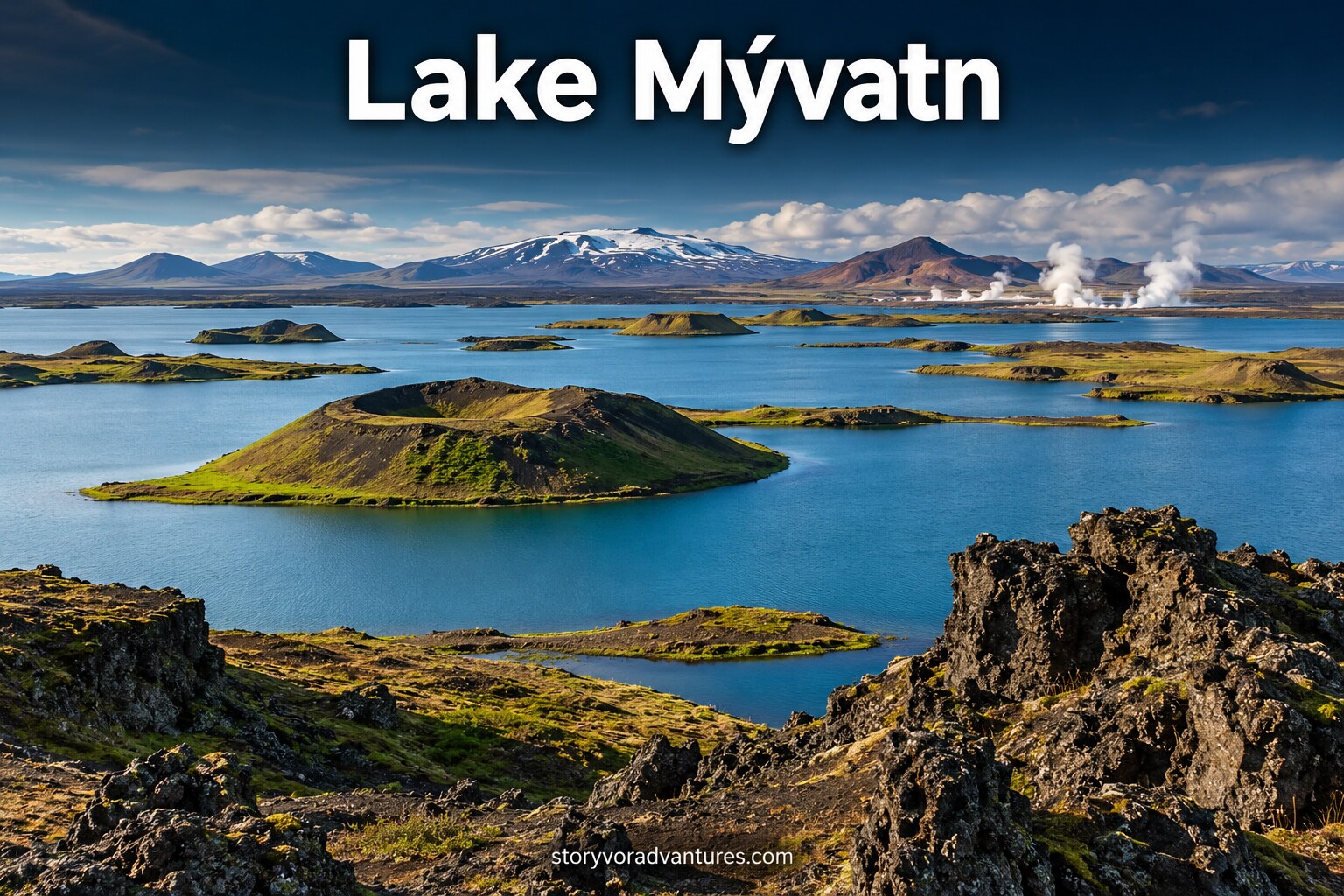
Lake Mývatn is surrounded by volcanic formations, geothermal activity and wetlands. The region looks noticeably different from Iceland’s southern coastline and deserves at least one complete day.
Dimmuborgir contains unusual lava formations connected by marked paths. The pseudocraters at Skútustaðagígar offer gentle walking opportunities, while the Hverir geothermal area contains steaming vents and bubbling mud.
At geothermal sites, travellers must remain on marked paths. The ground outside designated areas can be unstable and dangerously hot. Visitors interested in bathing can research the region’s geothermal facilities and confirm current opening times before arriving.
12. Dettifoss Waterfall
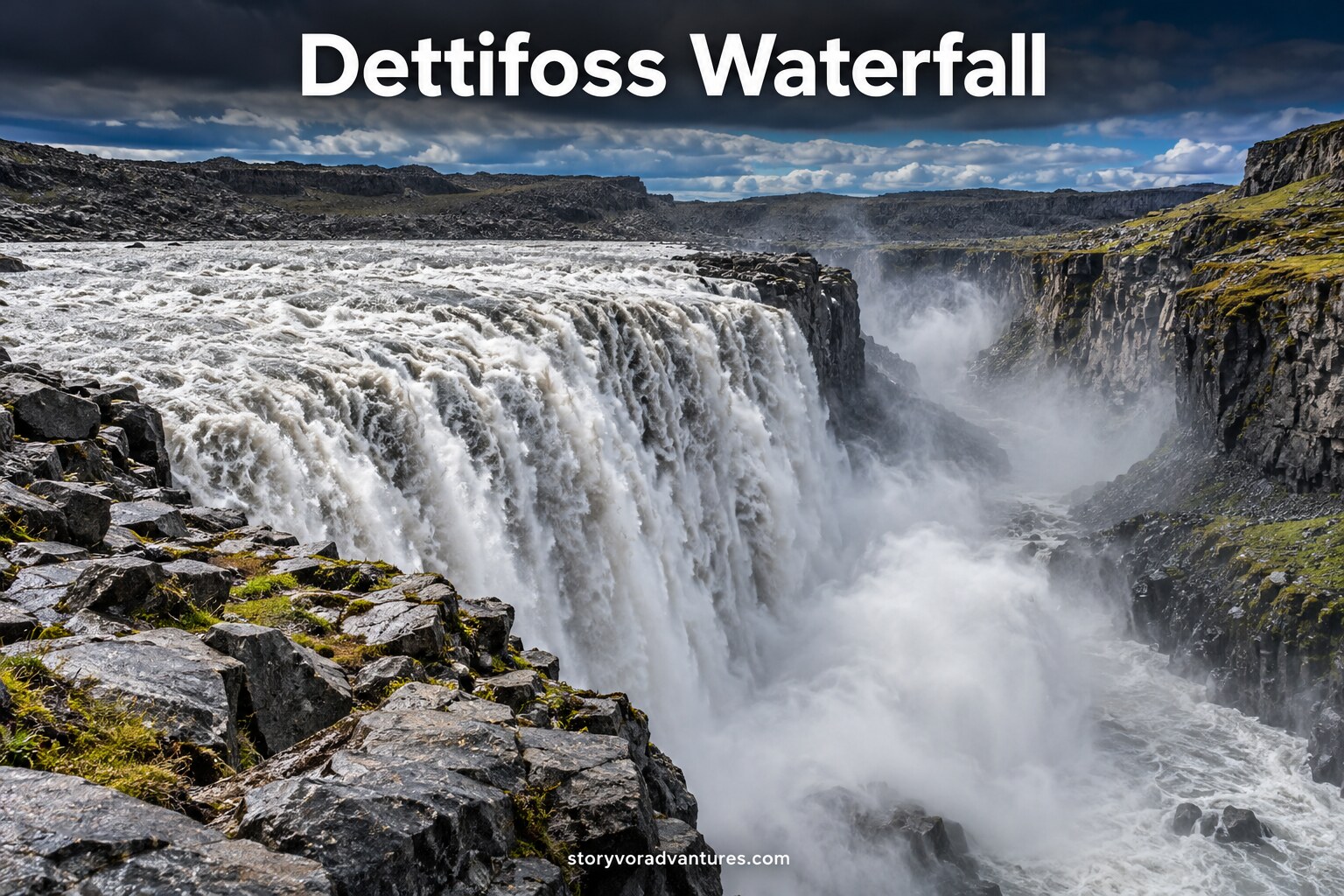
Dettifoss is known for the extraordinary force of its water. The sound, movement and mist help visitors understand its scale better than photographs alone.
The waterfall can be approached from different sides, but the access roads and viewing experiences are not identical. Snow, seasonal closures and surface conditions may determine which route is suitable.
Do not rely only on a navigation application when selecting the approach road. Check Iceland’s official road information service and follow local signs. Footpaths around the waterfall may be rocky, muddy or slippery, making sturdy footwear important.
13. Húsavík
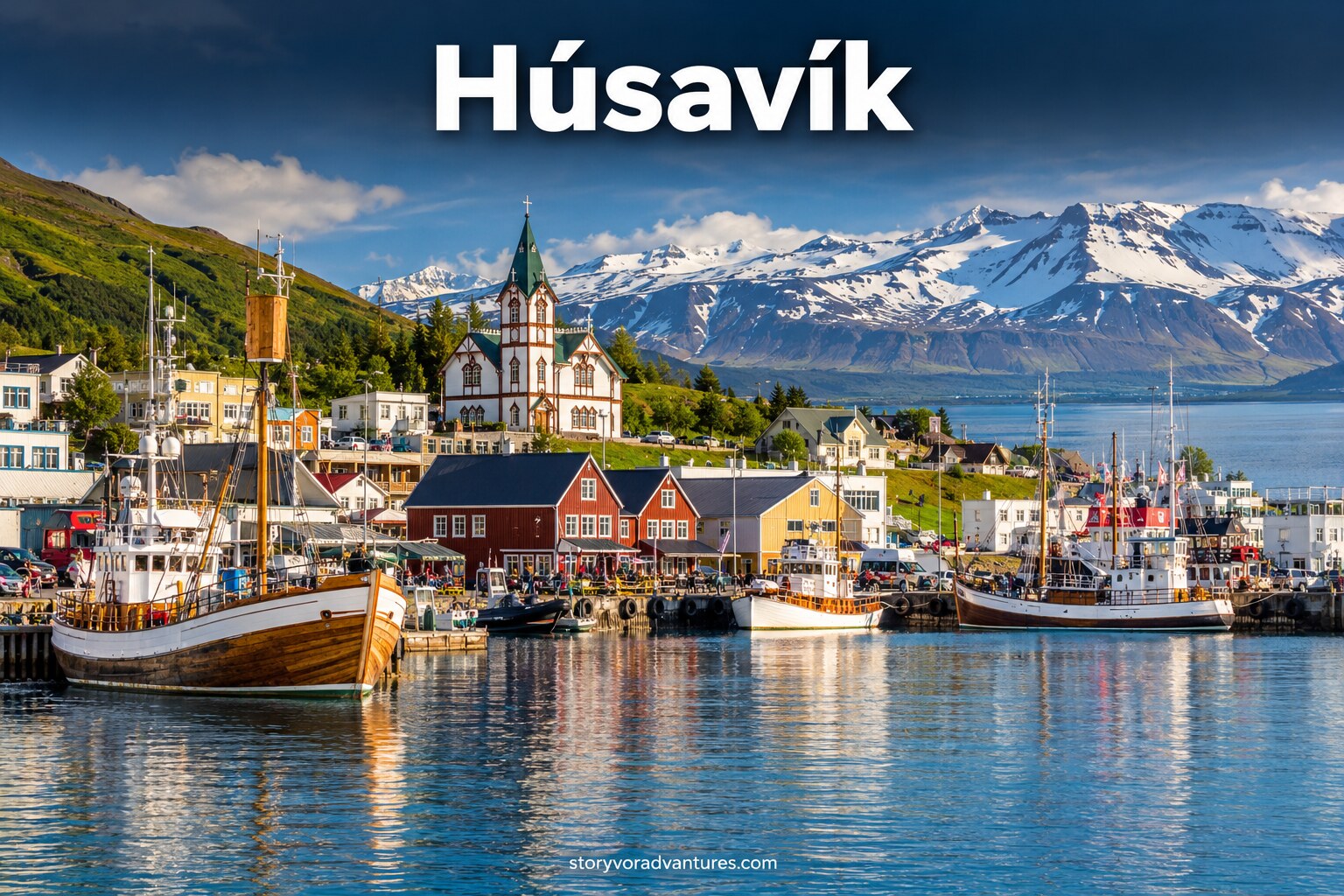
Húsavík is a small harbour town in North Iceland widely associated with whale-watching trips. Mountains surrounding Skjálfandi Bay create an attractive setting even for visitors who do not join a boat excursion.
Several operators offer seasonal whale-watching experiences. Sightings cannot be guaranteed because the animals are wild, but the bay may provide opportunities to see different whale species and seabirds.
Select an operator that follows responsible wildlife-viewing practices and maintains an appropriate distance from animals. Húsavík also has a whale museum, restaurants and geothermal bathing facilities. Staying overnight provides a more relaxed visit than trying to fit everything into a short stop.
14. Goðafoss Waterfall
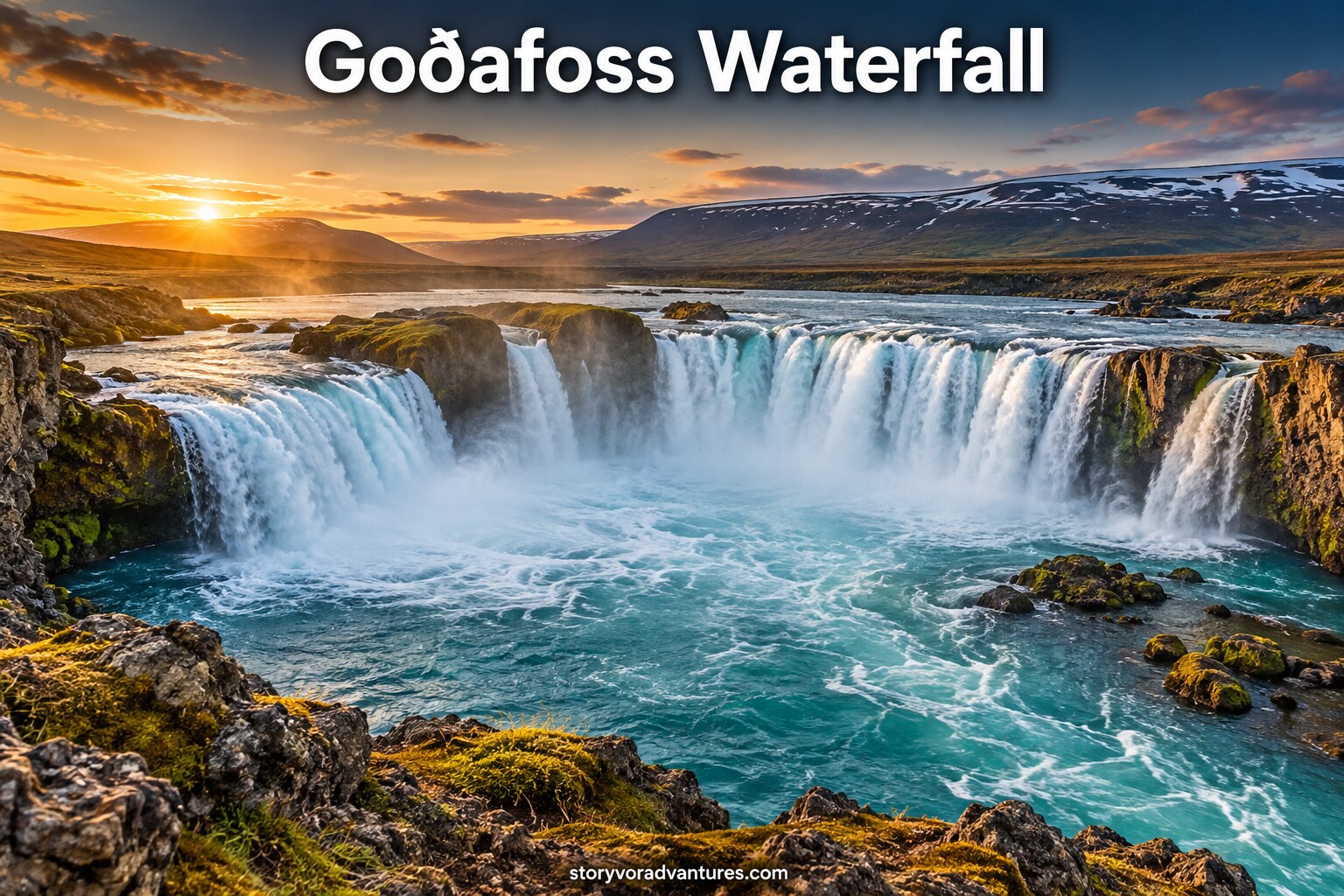
Goðafoss is a broad, curved waterfall situated between the Lake Mývatn region and Akureyri. Its convenient location near the main route makes it one of North Iceland’s easiest natural attractions to include in a road trip.
Walking paths provide viewpoints from both sides of the water. One side offers a wider overall view, while the other can bring visitors closer to the falls. Exploring both is worthwhile when weather and time permit.
Surfaces around the viewpoints may become wet or icy. Visitors should stay behind barriers and avoid standing close to unprotected edges merely to capture a photograph.
15. Akureyri
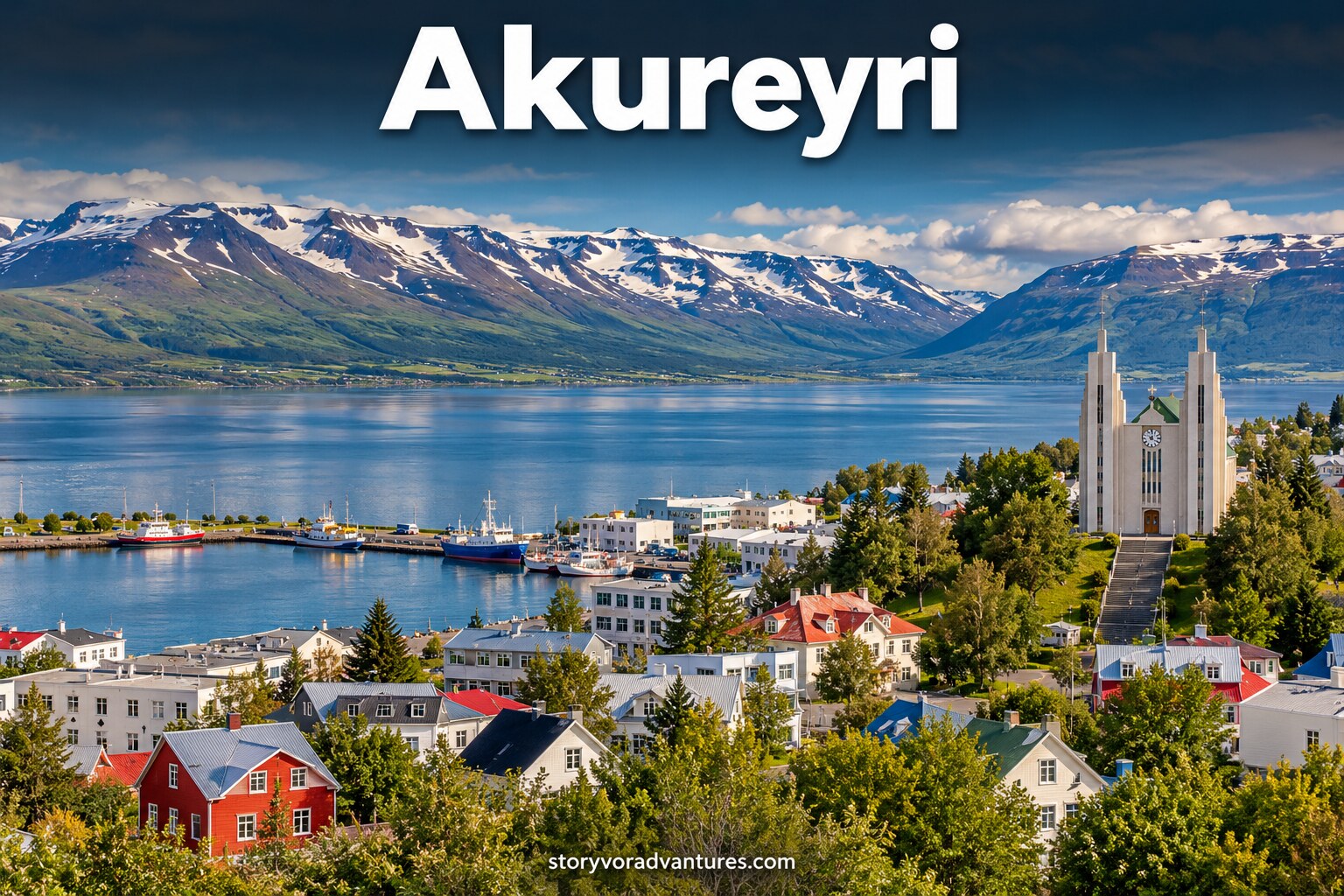
Akureyri is the largest urban centre in North Iceland and provides a welcome break from several days of rural driving. The town has restaurants, cafés, museums, a botanical garden and views across Eyjafjörður.
Its centre can be explored at a comfortable pace, while the surrounding region offers whale watching, hiking and access to several major natural attractions. The town is also a useful location for refuelling, buying groceries and reorganising a longer road trip.
One or two nights in Akureyri allow travellers to rest without losing access to the northern landscape. Outside summer, road conditions across mountain passes should be checked before continuing.
16. Snæfellsnes Peninsula
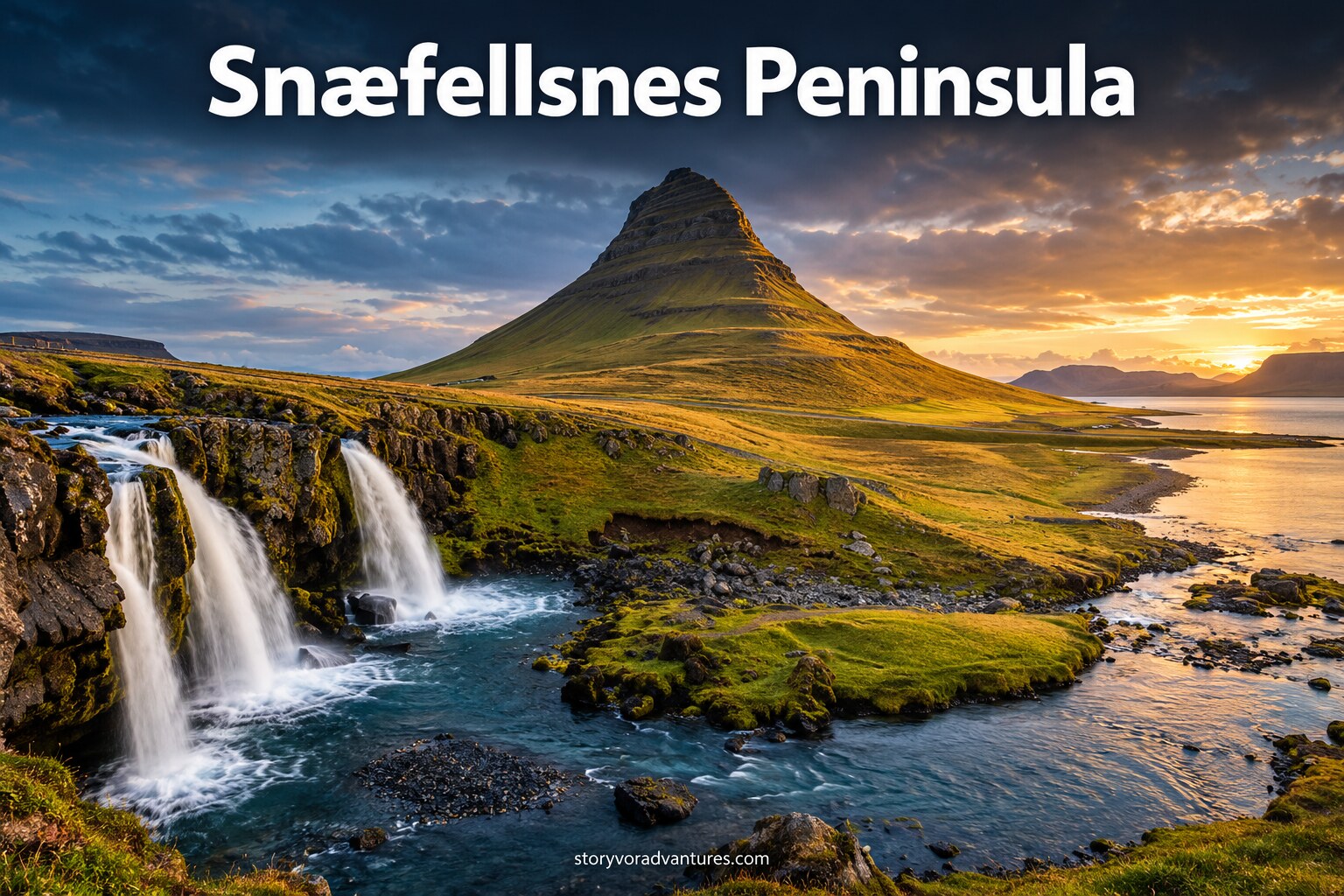
The Snæfellsnes Peninsula brings together mountains, lava fields, beaches, fishing villages and a glacier-capped volcano within a relatively compact region. It is a strong choice for travellers who cannot complete the entire Ring Road.
Kirkjufell is the peninsula’s most photographed mountain, but it should not be the only stop. Arnarstapi and Hellnar contain coastal paths and unusual rock formations, while Djúpalónssandur offers a dark-pebble beach surrounded by volcanic scenery.
Snæfellsjökull National Park occupies the western end of the peninsula. Although a long day trip from Reykjavík is possible, spending at least one night allows travellers to explore without constantly watching the clock.
17. The Westfjords
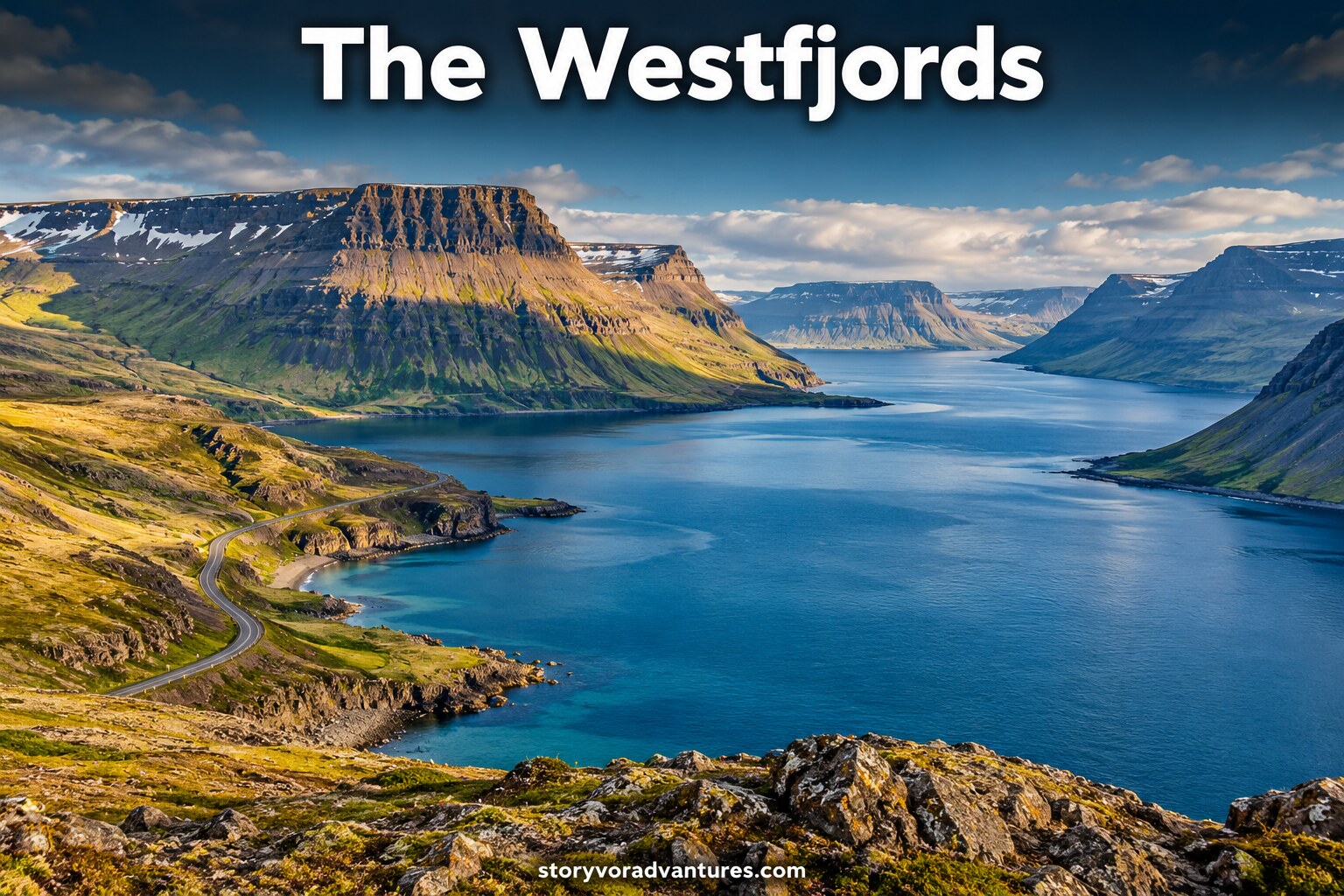
The Westfjords are among Iceland’s most remote and dramatic regions. Roads travel between steep mountains, narrow fjords, isolated beaches and small coastal settlements.
Dynjandi is one of the region’s best-known waterfalls, while Ísafjörður works as a practical base. Látrabjarg cliffs are associated with seasonal birdlife, but visitors must remain away from cliff edges and avoid disturbing nesting areas.
The Westfjords are not part of the standard Ring Road loop. At least three or four additional days should be reserved for the region. Summer generally provides easier access, but road and weather conditions still require daily attention.
18. Hraunfossar and Barnafoss
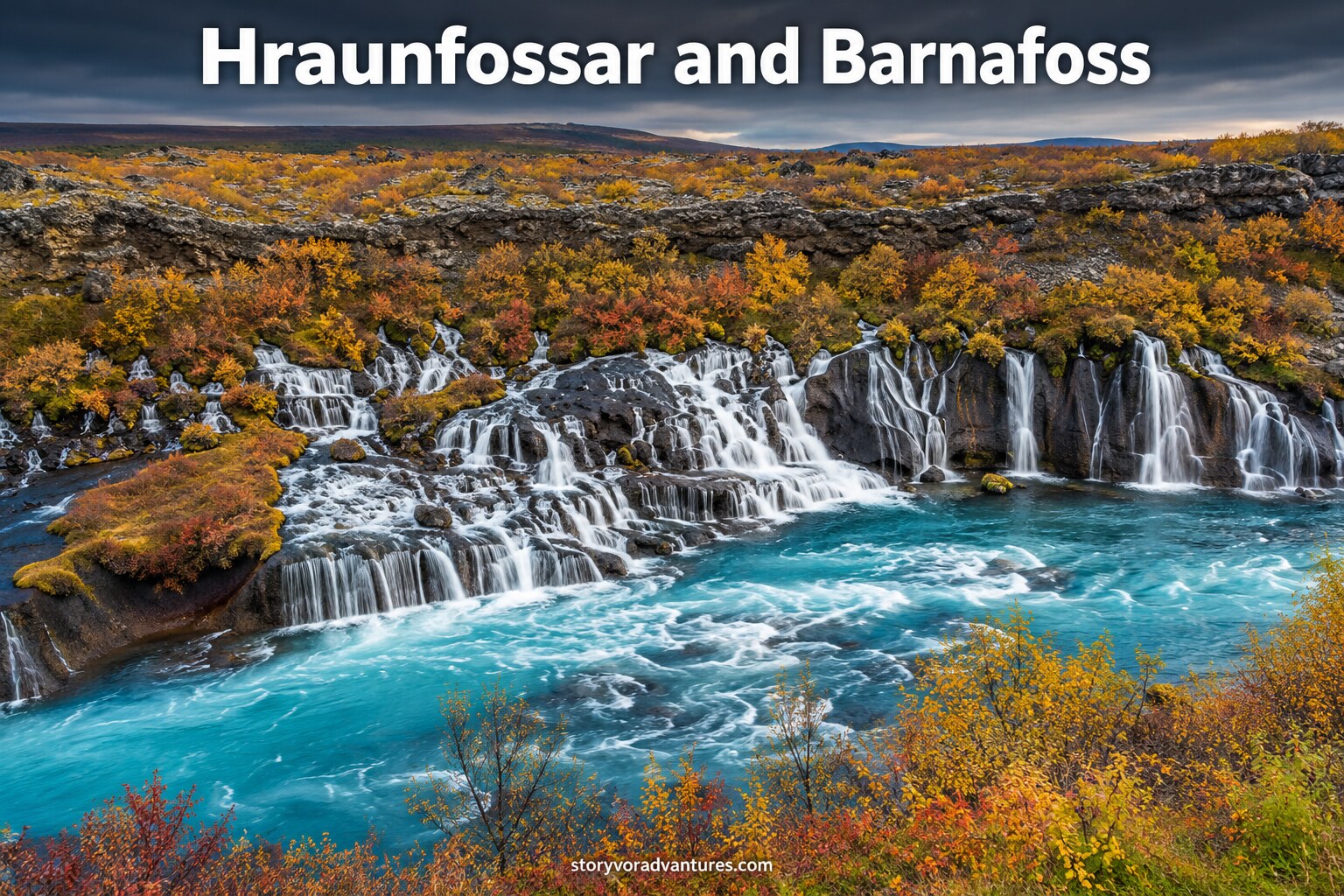
Hraunfossar is a collection of streams that emerge from beneath a lava field and flow into the Hvítá River. Rather than falling from one high cliff, the water appears across a broad section of dark volcanic rock.
A walking path connects Hraunfossar with Barnafoss. Barnafoss has a more turbulent appearance as water travels through a narrow rocky channel. Seeing both locations together creates an interesting contrast between gentle streams and powerful river currents.
The waterfalls can be included in a journey through West Iceland or visited during a long day trip from Reykjavík. Travellers should stay on marked paths and behind barriers because the fast-moving river can be dangerous.
19. Landmannalaugar
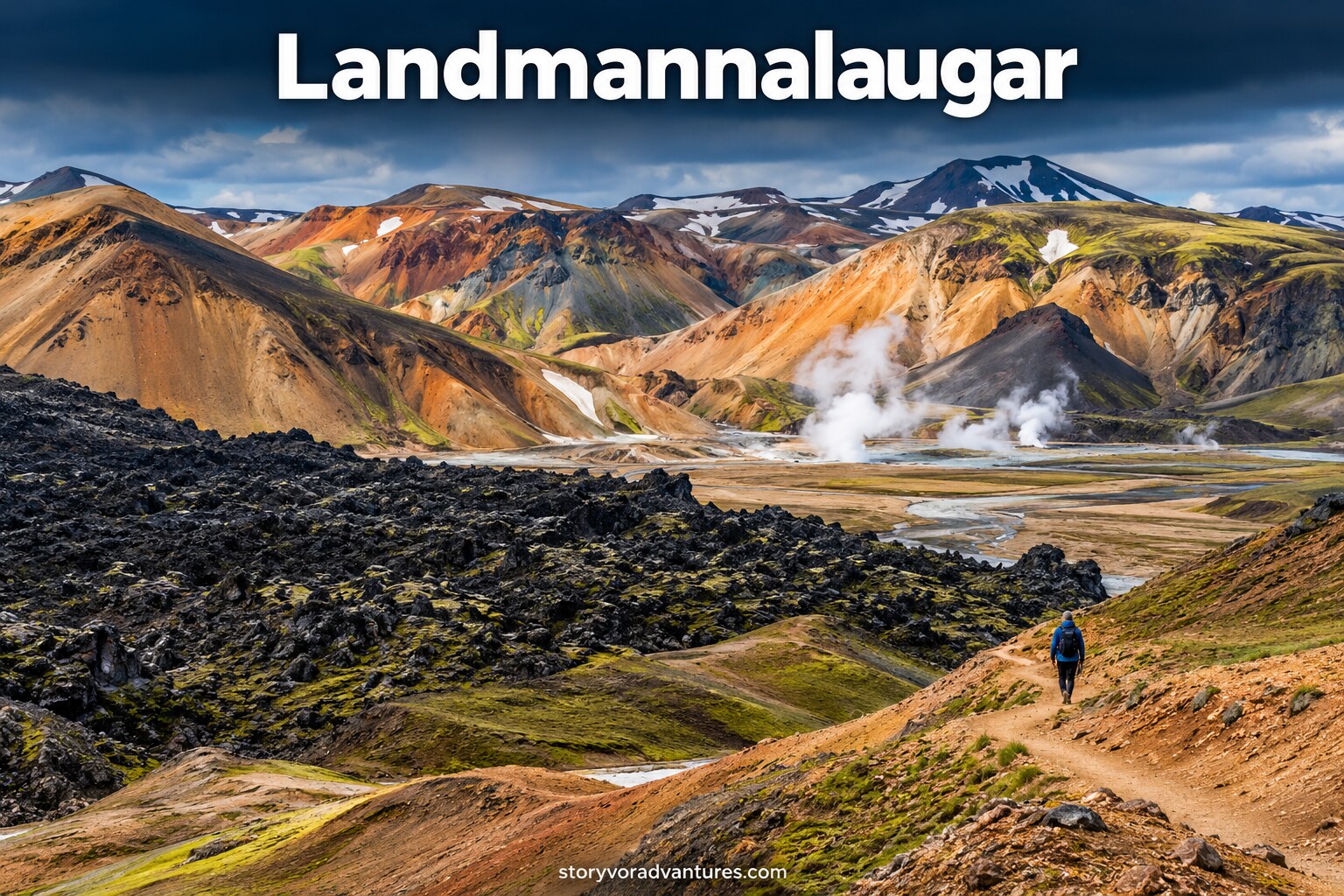
Landmannalaugar is located in the Icelandic Highlands and is known for its colourful rhyolite mountains, lava fields and geothermal surroundings. Shades of red, green, yellow and black create scenery unlike the coastal regions.
The area contains both shorter trails and demanding multi-day hikes. Even a brief visit requires warm layers, waterproof clothing, suitable footwear, food and careful preparation.
Access roads are seasonal and may include F-roads that require an appropriate four-wheel-drive vehicle. Some routes can involve rough surfaces or river crossings. Travellers without Highland driving experience should consider using an authorised bus or guided tour. Current access must always be checked before departure.
20. The Westman Islands
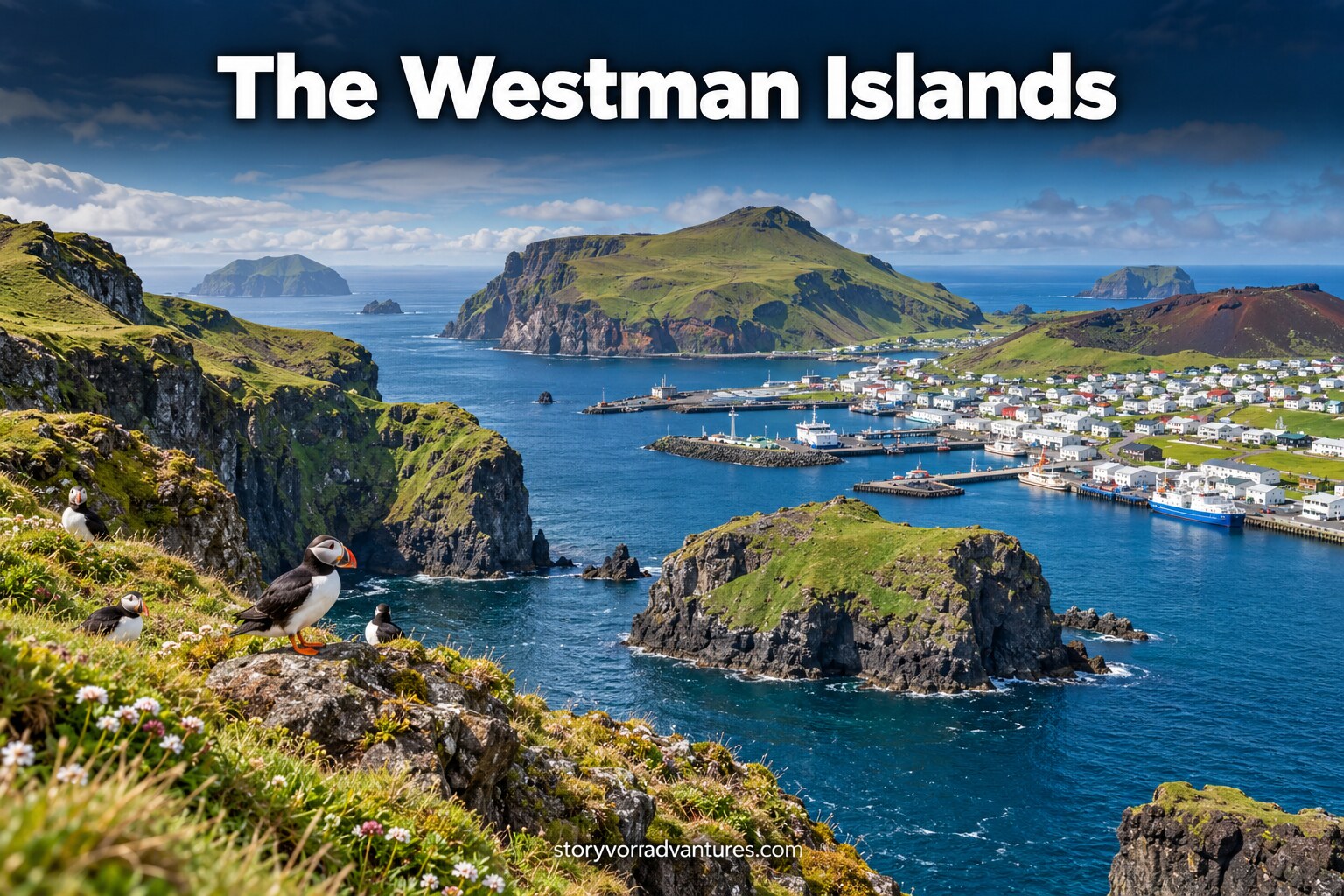
The Westman Islands, known locally as Vestmannaeyjar, form a volcanic archipelago off Iceland’s South Coast. Heimaey is the largest inhabited island and can be reached by ferry or domestic flight, subject to schedules and conditions.
Eldfell volcano is one of the island’s most important landmarks. A marked walking route leads towards the volcanic cone and provides views across the harbour and surrounding landscape. The island’s museums explain its volcanic history and relationship with the sea.
During suitable seasons, the islands are also known for seabirds, including puffins. Wildlife must be observed quietly without approaching nests. Travellers taking a vehicle should reserve the ferry early and confirm the departure harbour before travelling.
Getting Around Iceland
Renting a car gives travellers the greatest flexibility, particularly outside Reykjavík. Iceland’s Ring Road, officially Route 1, is approximately 1,322 kilometres long and connects most major regions. It does not directly include the Westfjords or the entire Snæfellsnes Peninsula.
Although the basic circuit can technically be completed in seven days, 10 to 14 days provides a much more comfortable experience. Adding the Westfjords, Westman Islands or Highlands may require 15 to 18 days.
Iceland does not have an intercity passenger railway. Bus services connect selected communities, but schedules outside populated areas can be limited. Visitors who do not want to drive may find organised tours more practical.
A regular car can be suitable for the Ring Road during favourable conditions. Highland F-roads are different and may require a suitable four-wheel-drive vehicle. Always check the vehicle rental agreement because taking an unsuitable car onto a restricted road may invalidate insurance coverage.
Never stop in a traffic lane to take photographs. Use official parking areas and check SafeTravel Iceland, road conditions and the Icelandic Meteorological Office before beginning a long drive.
Currency and Payments
Iceland uses the Icelandic króna. Cards and contactless payments are widely accepted, including for many small purchases. Carrying a small backup amount of cash can still be useful, but most visitors do not need to exchange a large amount.
Travellers should inform their bank about international travel when required and check foreign transaction charges. Keeping a second payment card separately provides protection if the primary card is lost, damaged or temporarily blocked.
Fuel stations in remote areas may use automated payment machines. A payment card and accessible PIN should be available before leaving the larger towns.
Approximate Iceland Travel Budget
Iceland is generally an expensive destination, but the total cost depends heavily on the season, vehicle, accommodation and paid activities. Prices should always be checked for the actual travel dates.
Budget travellers can reduce expenses by using hostels or simple guesthouses, preparing some meals and focusing on free natural attractions. A mid-range trip becomes more expensive once a private room, rental car, fuel, restaurant meals and guided activities are included.
Car insurance, fuel and safe accommodation should be treated as essential expenses. It is better to remove one paid attraction than reduce important safety coverage or create exhausting driving days.
Accommodation in Iceland
Reykjavík offers the widest selection of hotels, apartments and hostels. Outside the capital, visitors will find guesthouses, cottages, farm stays, campsites and small hotels.
Accommodation along the South Coast and around famous attractions can sell out during peak periods. Book important overnight stops early, especially between Selfoss, Vík, Höfn and the glacier-lagoon region.
Choose accommodation according to realistic driving distances. A cheaper room located far away from the planned route can increase fuel costs and create unnecessary fatigue.
Campervan travellers must use legal overnight facilities. Parking beside a road or on private land does not automatically mean camping is permitted.
Best Time to Visit Iceland
Summer is usually the simplest season for a first Ring Road journey. Long daylight hours create flexibility, more hiking routes become accessible and driving conditions are generally easier. However, summer also attracts larger crowds and higher accommodation demand.
Spring and autumn can offer quieter travel, but weather conditions become less predictable. Some remote roads may remain closed in spring or close again after early snowfall.
Winter provides snowy scenery, ice-cave experiences and long periods of darkness suitable for aurora viewing. It also brings limited daylight, storms, icy roads and possible closures. Visitors without winter-driving experience may feel safer using guided tours.
The Northern Lights are a natural phenomenon and can never be guaranteed. Travellers need darkness, reasonably clear skies and appropriate solar activity. A trip should include other worthwhile experiences so that its success does not depend entirely on seeing the aurora.
A Special Iceland Experience in 2026
A total solar eclipse is expected to cross parts of Iceland on 12 August 2026. Areas within or close to the path include sections of the Westfjords, Snæfellsnes Peninsula and Reykjanes Peninsula.
Travel demand around this date may be unusually high. Flights, accommodation, rental cars and tours should be reserved well in advance. Anyone watching the eclipse must use certified eclipse-viewing glasses and follow official safety guidance.
Cloud cover may prevent visibility even from a suitable location, so travellers should avoid making unrealistic guarantees or paying for unverified viewing claims.
Practical 14-Day Iceland Itinerary
Day 1: Arrival and Reykjavík
Arrive at Keflavík International Airport and travel to Reykjavík. Use the first day for a relaxed walk through the centre, Hallgrímskirkja, Harpa Concert Hall and the Old Harbour.
Day 2: Golden Circle
Visit Þingvellir National Park, the Geysir geothermal area and Gullfoss. Stay near Selfoss or Hella to prepare for the South Coast.
Day 3: South Coast Waterfalls
Explore Seljalandsfoss and Skógafoss before continuing towards Vík. Visit Reynisfjara only after checking the warning system and sea conditions.
Day 4: Westman Islands
Take a planned ferry to Heimaey. Explore the volcanic landscape and harbour before staying on the island or returning to the mainland.
Day 5: Fjaðrárgljúfur and Skaftafell
Travel east towards Fjaðrárgljúfur and Vatnajökull National Park. Select a suitable walking route around Skaftafell.
Day 6: Glacier Lagoon and Diamond Beach
Visit Jökulsárlón and Diamond Beach. Continue towards Höfn without rushing the stops.
Day 7: Eastfjords
Follow the coastline through the Eastfjords and allow time for villages, viewpoints and safe roadside breaks.
Day 8: Dettifoss and Lake Mývatn
Continue towards North Iceland. Visit Dettifoss only if the selected access road is open and safe, then stay near Lake Mývatn.
Day 9: Mývatn and Húsavík
Explore the volcanic attractions around Lake Mývatn before travelling to Húsavík for its harbour, museum or a responsible whale-watching trip.
Day 10: Goðafoss and Akureyri
Stop at Goðafoss and continue to Akureyri. Spend the evening exploring the town and rest before the longer western journey.
Day 11: West Iceland
Drive towards West Iceland with sufficient breaks. Visit Hraunfossar and Barnafoss if the route and daylight allow.
Day 12: Snæfellsnes Peninsula
Explore Kirkjufell, Arnarstapi, coastal landscapes and Snæfellsjökull National Park. Stay on the peninsula.
Day 13: Return to Reykjavík
Return towards Reykjavík and use the remaining time for museums, shopping, local food or a public geothermal pool.
Day 14: Reykjanes and Departure
Travel towards Keflavík Airport. If time and current conditions allow, visit an operating geothermal attraction or an accessible area of the Reykjanes Peninsula.
The Westfjords and Landmannalaugar require additional time. Add three or four days for the Westfjords and at least one separate day for Landmannalaugar.
Visa and Entry Requirements
Iceland is part of the Schengen Area. Whether a traveller needs a visa depends on nationality, passport type and individual circumstances.
Eligible short visits may be visa-free for some nationalities, while others require a Schengen visa. Travellers should use the official Iceland visa checker and confirm passport-validity requirements before purchasing non-refundable tickets.
Visa approval is never guaranteed merely because flights and accommodation have been booked. Applicants should follow the current document instructions provided by the relevant embassy or authorised application centre.
Mobile Data and Navigation
International roaming can be expensive, so visitors should compare a local SIM, eSIM or appropriate roaming package before travelling. Coverage may become weaker in remote valleys, mountains and isolated coastal regions.
Download offline maps before leaving Reykjavík or another major town. However, a navigation application should not replace official road information. A route that appears available on a map may be closed, unsuitable for the vehicle or unsafe in current weather.
Keep a charged power bank in the car and avoid allowing every phone to run out of battery during long drives.
Food to Try in Iceland
Skyr is one of the easiest Icelandic foods to try and is widely available in supermarkets. Visitors can also find lamb dishes, seafood, rye bread, soups and traditional fish-based meals.
Reykjavík offers everything from bakeries and casual food halls to fine-dining restaurants. Rural options can be more limited and may close earlier, particularly outside the main season.
Buying groceries can reduce costs, but travellers should stock up before entering isolated regions. Food should not be left behind at natural attractions, and feeding wildlife is inappropriate.
Essential Safety Advice
Iceland’s natural attractions are accessible, but they should never be underestimated. Strong wind, heavy rain, snow, poor visibility and rapidly changing temperatures can affect even a simple journey.
Check official weather and road information every morning. Do not cross barriers, ignore closures, approach dangerous waves or walk onto a glacier without a qualified guide.
Share longer hiking plans with someone and carry appropriate clothing, water, food and navigation equipment. A flexible itinerary is always safer than attempting to reach accommodation or an attraction during unsafe conditions.
If authorities close a road or issue a warning, change the plan. No hotel booking or photograph is more important than personal safety.
Responsible Travel in Iceland
Remain on marked trails and avoid walking across delicate moss. Icelandic vegetation grows slowly and can remain damaged long after a visitor has left.
Off-road driving is illegal and can cause permanent harm to volcanic landscapes. Always use established roads and designated parking areas.
Use proper campsites and toilet facilities, carry waste away from remote locations and respect private property. Supporting locally owned guesthouses, cafés, guides and shops also helps distribute tourism income beyond the most famous attractions.
Final Thoughts
Iceland is not a destination that needs to be rushed. Its most rewarding moments often appear between the major landmarks: changing light over a glacier, a quiet village beside a fjord, steam rising from the ground or an unexpected waterfall visible from the road.
For a first journey, allow at least 10 to 14 days for the principal Ring Road experience. Travellers who want to include the Westfjords, Westman Islands and Highlands should plan a longer visit.
Realistic driving distances, advance accommodation reservations and daily safety checks can make the journey significantly easier. With thoughtful preparation and respect for the environment, Iceland can offer one of the world’s most memorable road-trip experiences.
Travel regulations, road access, weather conditions, prices and attraction operations may change. Confirm important details through official sources before departure.