Shanghai Travel Guide 2026: Where to Stay, What to See and How to Plan Your Trip
Plan your first Shanghai trip with places to visit, neighbourhoods to stay in, local food, transport tips and a relaxed four-day itinerary.
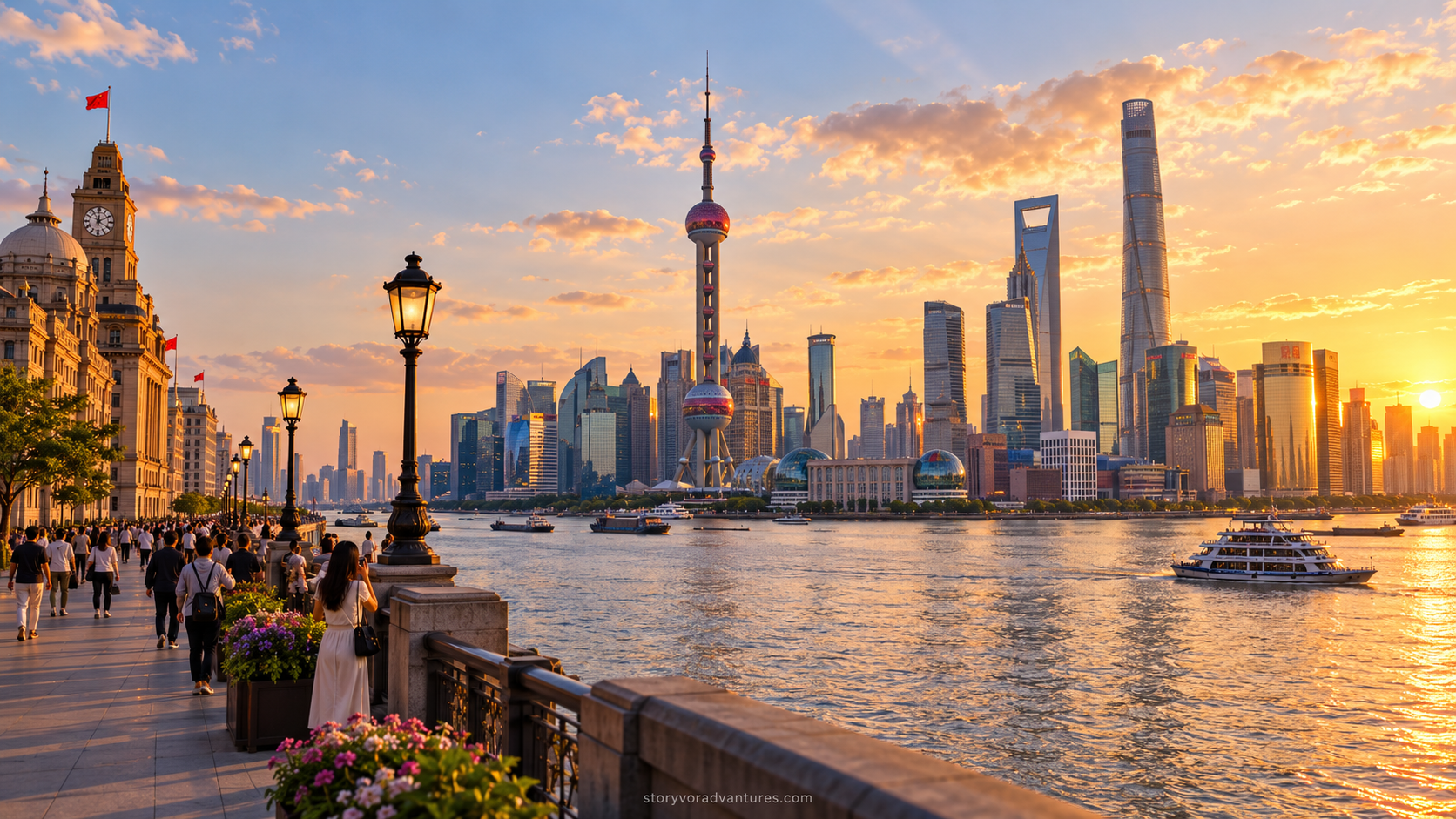
Shanghai can feel like several cities in one. The historic buildings along the Bund face the towers of Pudong across the Huangpu River. A short change of neighbourhood takes you from busy shopping streets to residential roads lined with older buildings. For a first visit, the best plan is to group nearby sights together and leave enough time to experience the places between them.
This guide covers the decisions that matter before and during a Shanghai trip: when to visit, where to stay, what to see, how to get around and what to prepare before arrival.
Shanghai at a Glance
| Travel detail | What to know |
|---|---|
| Currency | Chinese yuan renminbi (CNY/RMB) |
| Time zone | China Standard Time (UTC+8) |
| Main airports | Shanghai Pudong International Airport (PVG) and Shanghai Hongqiao International Airport (SHA) |
| Languages | Mandarin is useful for everyday travel; Shanghainese is also spoken locally |
| Getting around | Metro, taxis and ride-hailing are practical options |
| Entry documents | Check the rules for your passport and exact itinerary before booking |
| Emergency numbers | Police 110; ambulance 120; fire 119 |
Save your hotel’s name and address in Chinese characters. It can make arrival and taxi journeys easier if you need to show your destination to a driver.
When Is the Best Time to Visit Shanghai?
Spring and autumn are good starting points for a trip built around walking. Spring brings milder days and garden visits, while autumn can be more comfortable for long neighbourhood walks. Weather still changes from week to week, so check the forecast before packing. Shanghai’s official seasonal guide also notes that its rainy period can affect outdoor plans. english.shanghai.gov.cn
Summer calls for a slower schedule with indoor breaks. In winter, bring layers for cool, damp days. Whatever season you choose, avoid planning every hour: a museum or café visit gives you somewhere to go if rain interrupts a walk.
The Best Places to Visit in Shanghai
The Bund: Start with the city’s most famous contrast
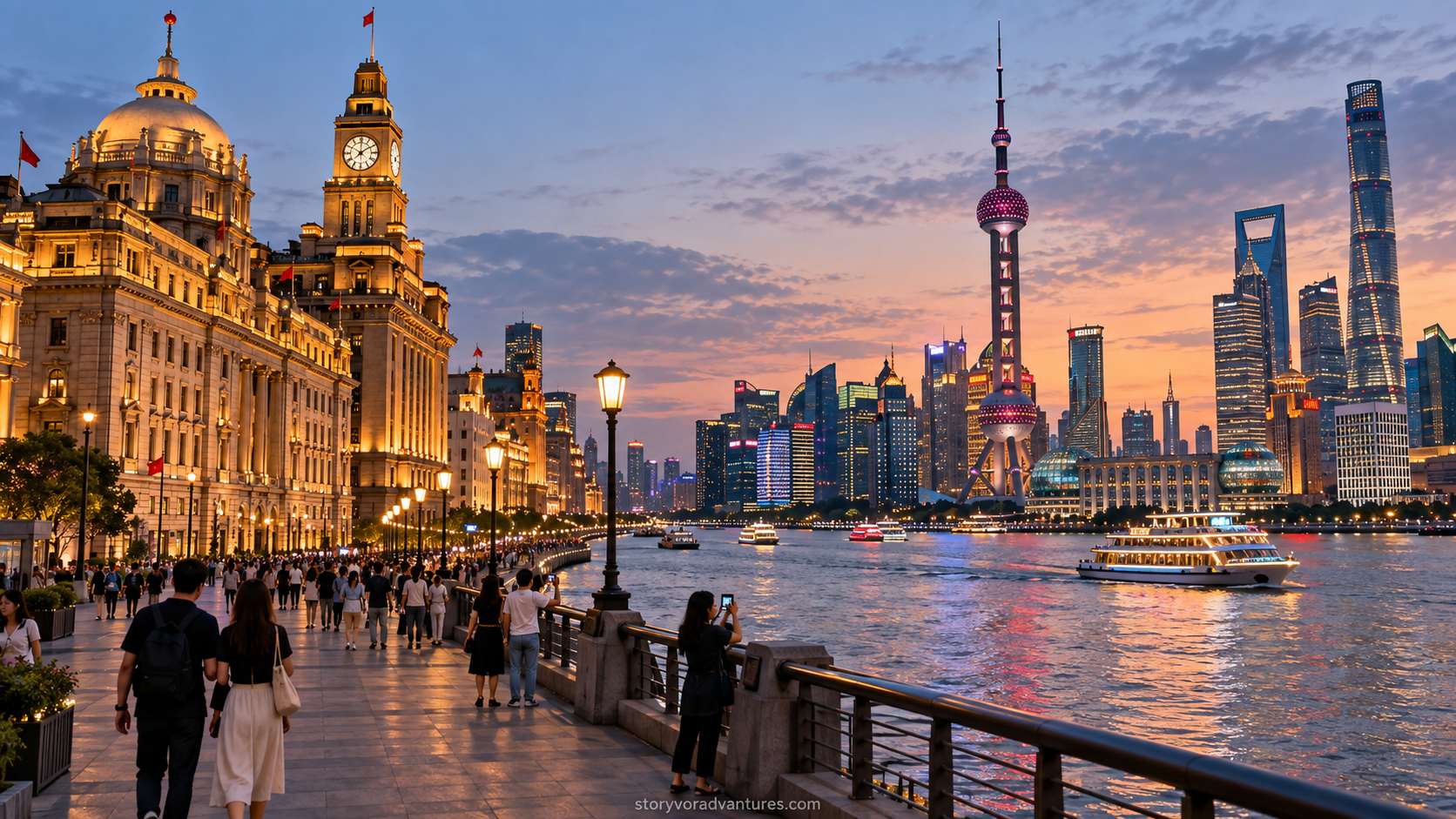
The Bund is an easy introduction to Shanghai. Walk beside the Huangpu River and look at the older waterfront buildings before turning toward Pudong’s skyline. Visit in daylight if you want to notice the architecture, then return after dark if you have time for an evening view.
A short photo stop works, but a longer walk helps you understand why this waterfront is central to the city’s identity. Combine it with East Nanjing Road so your first day has a simple route. Shanghai’s official visitor itinerary places these areas together. english.shanghai.gov.cn
Yuyuan Garden: Give the historic side time
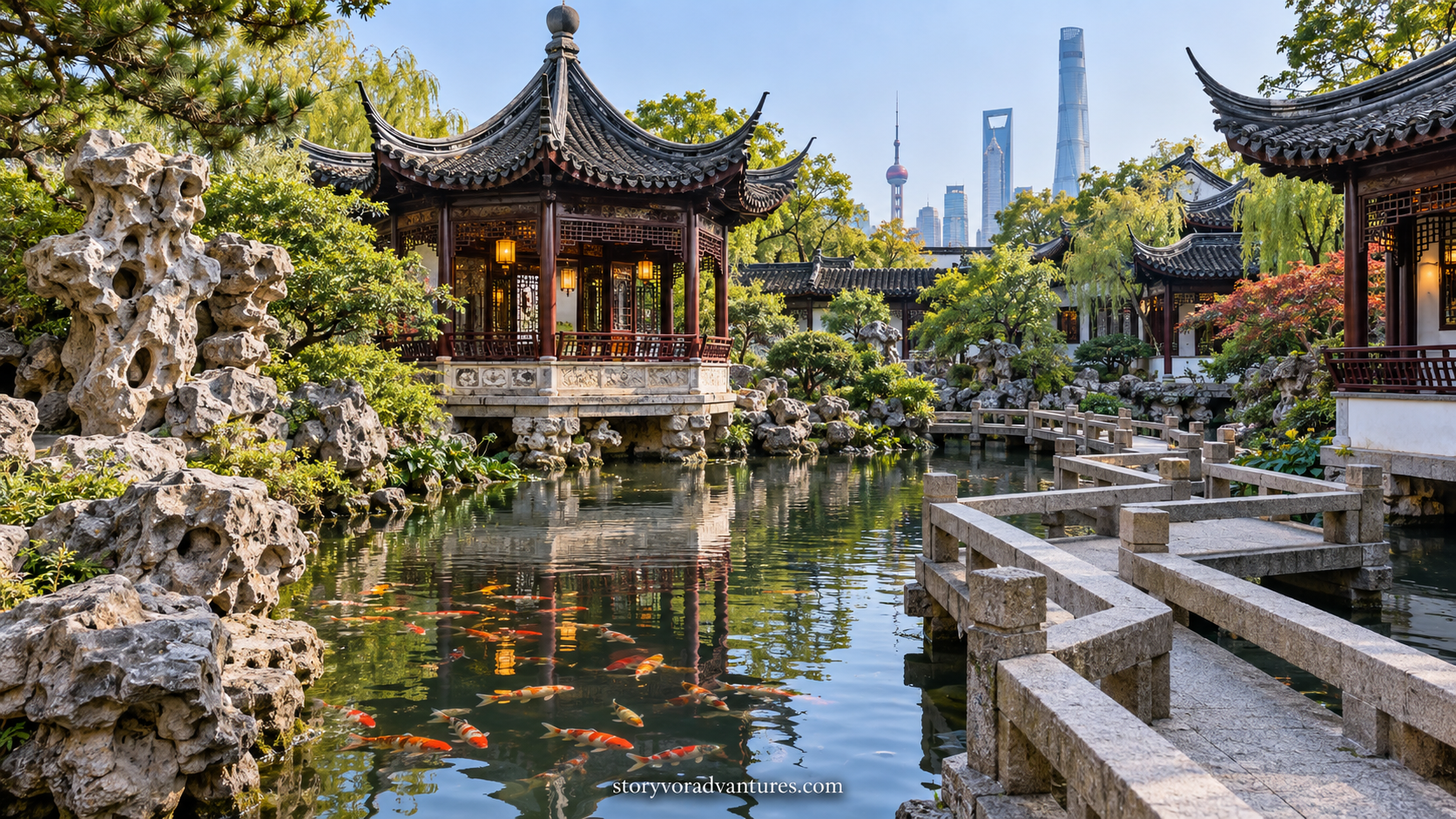
Yuyuan Garden is a place to slow down. Walk through the traditional garden setting, then explore the surrounding Yuyuan area separately. The streets outside can be lively; the garden itself deserves more than a hurried stop between shops.
Check current admission, opening hours and any ticket requirements before going. If you are visiting Shanghai for only a couple of days, Yuyuan fits well on a day that also includes the Bund. The city lists it among Shanghai’s classical gardens. english.shanghai.gov.cn
Lujiazui and Shanghai Tower: See the skyline from the other side
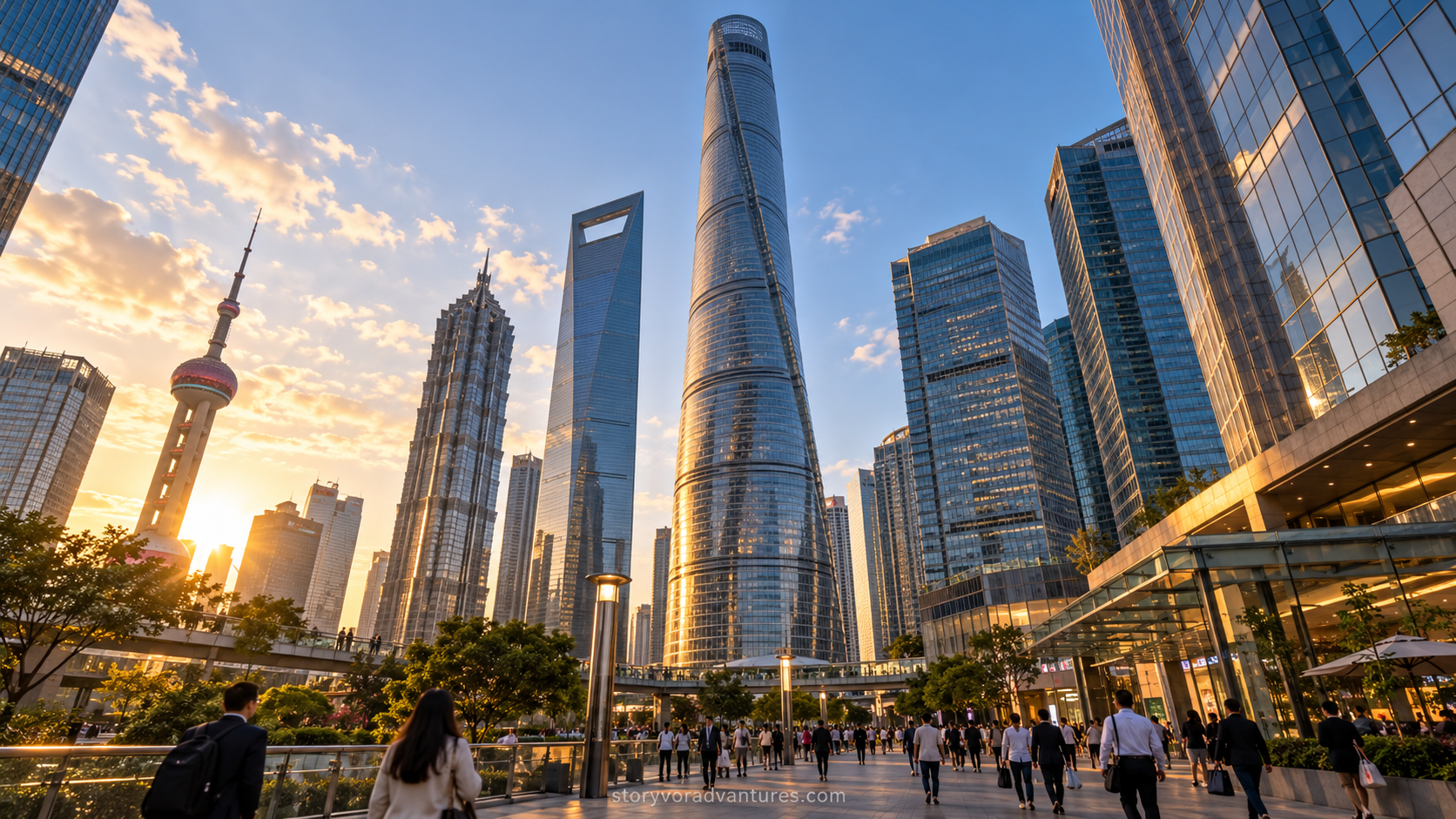
After looking across the river from the Bund, spend time among the towers in Lujiazui. Walking at street level gives you a sense of their scale without buying a ticket. If you want an elevated view, Shanghai Tower’s observatory is one option; official city information places its viewing area on the 118th floor. english.shanghai.gov.cn
Check visibility before committing to a timed observation-deck visit. A cloudy day may change how much you can see, while a clear day can make the expense more worthwhile.
Wukang Road: Explore beyond the headline attractions
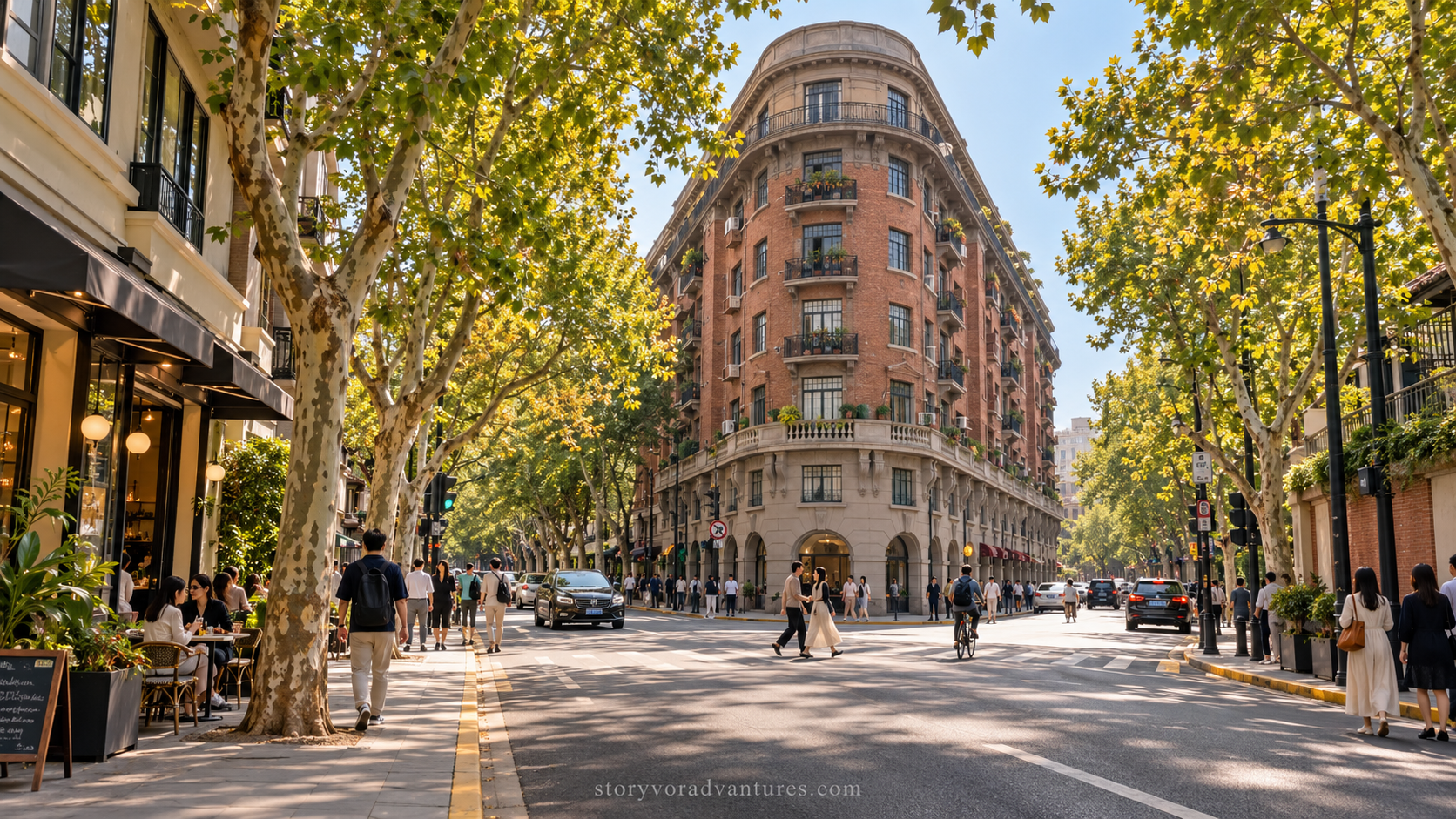
Wukang Road offers a different kind of sightseeing. Older buildings, residential streets and small stops along the way make it suitable for a relaxed walk. Many buildings are homes, so photograph them respectfully and keep entrances clear.
Rather than racing along the road for one famous photograph, explore a few nearby streets and pause when you find somewhere interesting. Shanghai’s official guide highlights the road’s varied architectural styles and historic residences. english.shanghai.gov.cn
Shanghai Museum: Add context to the trip
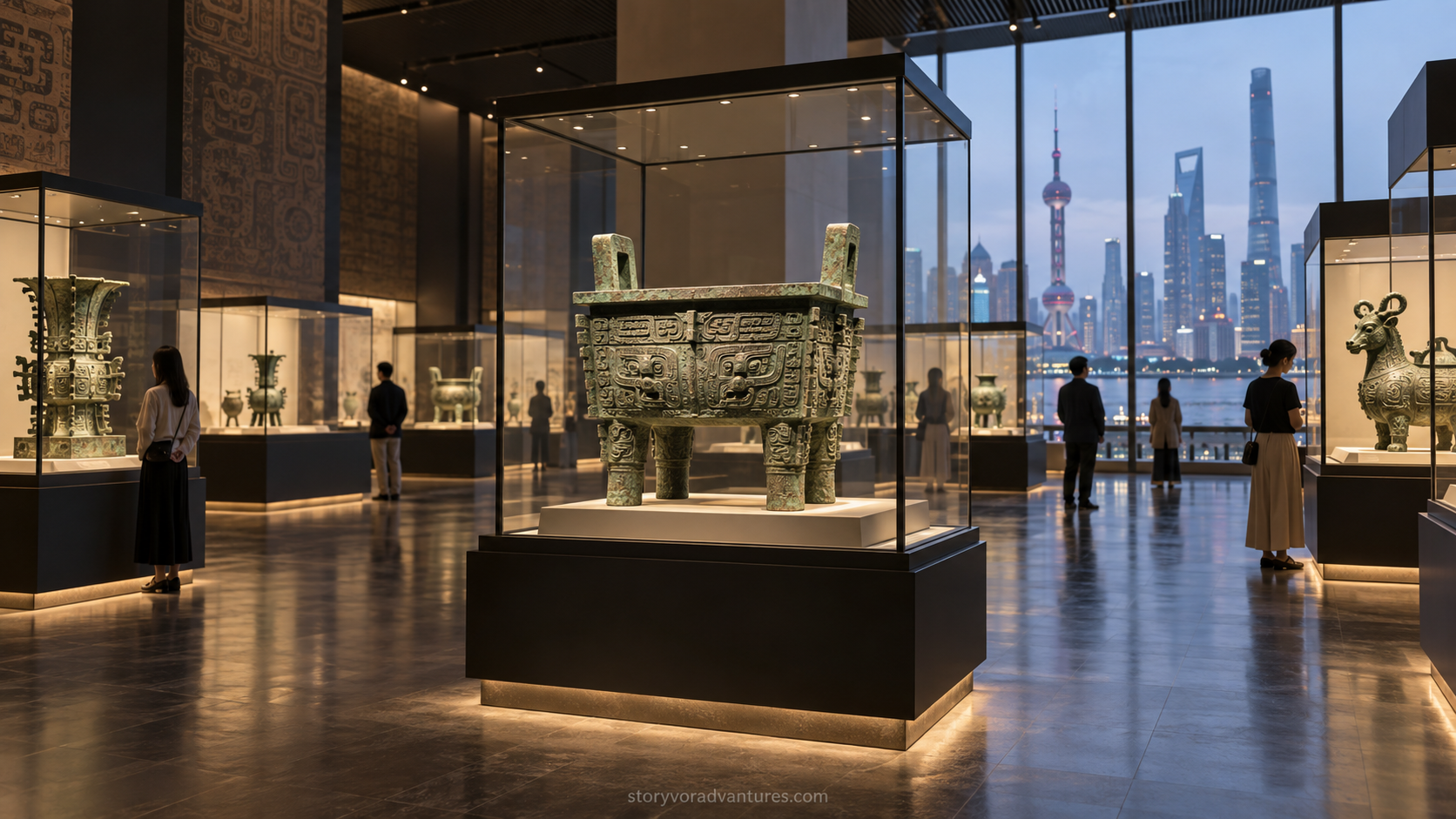
A museum visit can help you connect the city you are walking through with a broader story of Chinese art and history. Shanghai Museum has more than one location, so decide which branch or exhibition interests you before travelling there.
Check the museum’s current official information for opening days, admission and special exhibitions. Do not assume that the arrangements for one branch or exhibition apply to another. english.shanghai.gov.cn
Zhujiajiao: Consider a slower day outside central Shanghai
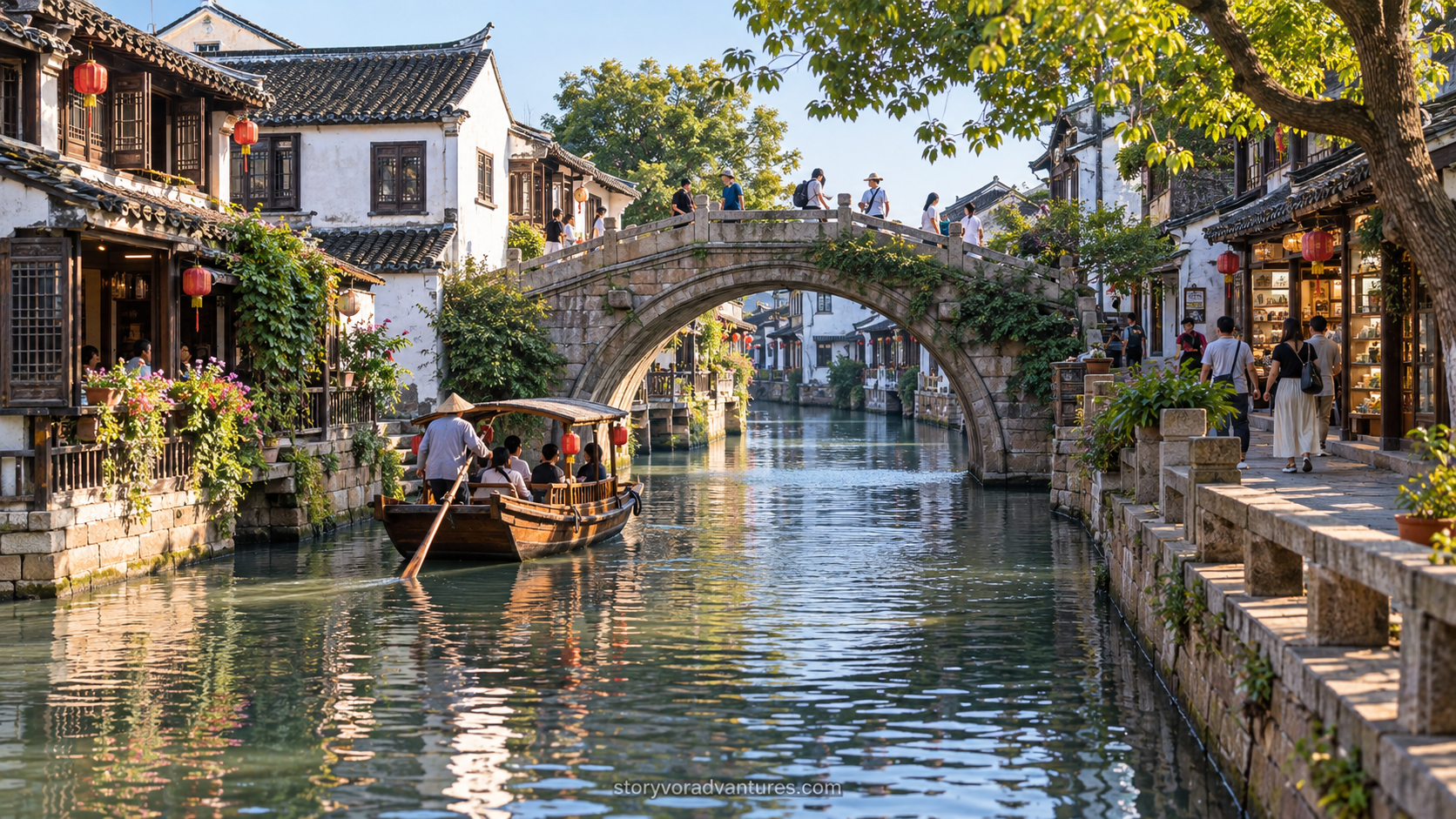
If your trip allows an extra day, Zhujiajiao offers old streets, waterways and bridges away from central Shanghai’s towers. Treat it as a substantial outing rather than squeezing it between city attractions.
The city’s heritage guide places Zhujiajiao about 40 kilometres from central Shanghai, and its visitor information lists Metro Line 17 as a transport option. Check the route from your hotel and allow time for both directions. english.shanghai.gov.cn
Where Should You Stay?
Huangpu suits a first trip focused on the Bund, Yuyuan and central sightseeing. Look at the hotel’s walking distance from a metro station as well as its distance from a landmark; being close on a map does not always make every journey convenient.
Jing’an may suit travellers who want a central base with dining and transport options. Xuhui, around areas such as Wukang Road, is appealing if neighbourhood walks are a priority. Pudong can make sense if much of your trip is planned on that side of the river.
Choose a hotel using your daily route, not just a neighbourhood name. Before booking, confirm the exact property address, nearest station and travel time from the airport shown on your flight ticket.
What Should You Eat in Shanghai?
Try a few local dishes over several meals rather than turning one dinner into a checklist. Xiaolongbao are soup-filled steamed dumplings; take care with the hot filling. Shengjianbao are pan-fried buns with a crisp base. You may also find hong shao rou, a rich braised pork dish, on menus.
Food is part of the neighbourhood experience too. A simple breakfast near your hotel or an unplanned lunch during a walk can be as memorable as a famous restaurant. If you have allergies or dietary restrictions, carry a clear written translation and check ingredients with the restaurant.
How to Get Around Shanghai
The metro is useful for moving between major areas. Before setting out, save your destination and its nearest station so you can plan a direct route. Leave extra time when travelling at busy hours or changing lines with luggage.
If you arrive at Pudong Airport, do not assume the Maglev takes you directly to your hotel. It connects the airport with Longyang Road, where you still need to continue your journey. Shanghai’s official transport guide also covers airport links and other ways to reach the city. Compare the complete route—including transfers and luggage—before choosing. english.shanghai.gov.cn
For a taxi or ride-hailing trip, keep your destination’s Chinese address ready. Confirm the airport and terminal for your return flight before leaving your hotel.
Payments, Internet and Other Practical Checks
Prepare more than one way to pay. Shanghai’s visitor guidance explains how eligible overseas travellers can use mobile payment services with international cards. It also lists foreign-card acceptance at participating merchants and ways to obtain RMB cash. Set up your preferred option before departure, but keep a backup in case a particular payment method does not work at one shop. english.shanghai.gov.cn
Check which mobile and internet services will work for your trip before travelling. Save your hotel address, booking details and essential directions offline. For drinking water, choose bottled, boiled or otherwise purified water rather than drinking untreated water. english.shanghai.gov.cn
Confirm entry rules for your own passport. A tourist visit, a visa-free entry arrangement and a qualifying transit itinerary can have different conditions. China’s 240-hour visa-free transit policy applies only to eligible nationalities and routes with the required onward travel. Check the latest National Immigration Administration guidance and the appropriate embassy or consulate before buying non-refundable tickets. en.nia.gov.cn
A Relaxed Four-Day Shanghai Plan
Day 1: Arrive, settle in and take an easy evening walk around East Nanjing Road and the Bund.
Day 2: Visit Yuyuan Garden and its surrounding area. Return to the Huangpu River later if you want an evening view.
Day 3: Walk around Wukang Road, then visit your chosen Shanghai Museum location or spend the afternoon in Lujiazui.
Day 4: Choose between a Zhujiajiao day trip and a slower day revisiting your favourite Shanghai neighbourhood.
The route is flexible. Check current opening hours, transport and weather before fixing the order of your days.
Final Thoughts
Shanghai is easier to enjoy when you stop trying to see every landmark at once. Put the Bund and Yuyuan together, give a neighbourhood walk its own time, and choose whether a skyline view or a water-town trip matters more to you. With the practical details handled before departure, you will have more room to notice the city itself.