🌍 Top 10 Most Beautiful Places to Visit in Europe (2026)
Discover 10 of Europe’s most beautiful destinations to visit in 2026, featuring breathtaking cities, islands, mountains and unforgettable attractions.
🏔️ Europe’s Most Beautiful Destinations
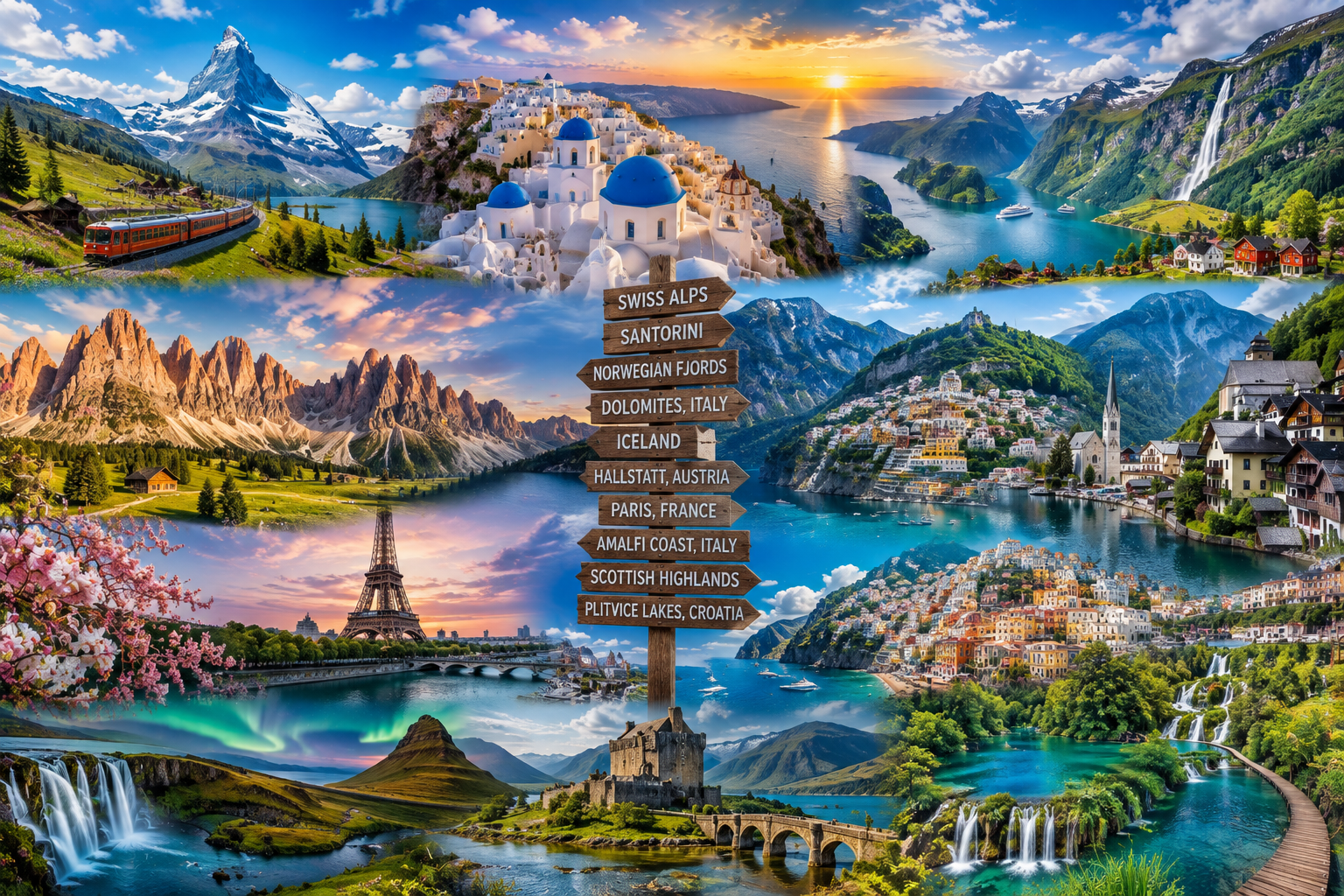
Europe is a dream destination for travelers, offering a perfect blend of breathtaking natural landscapes, historic cities, charming villages, and world-famous landmarks. From the snow-covered Swiss Alps and the colorful cliffs of Santorini to Iceland’s dramatic waterfalls and Italy’s stunning mountain ranges, Europe is filled with unforgettable experiences. Whether you’re looking for adventure, romance, cultural exploration, or scenic road trips, these destinations showcase the very best that Europe has to offer.
1. Swiss Alps, Switzerland
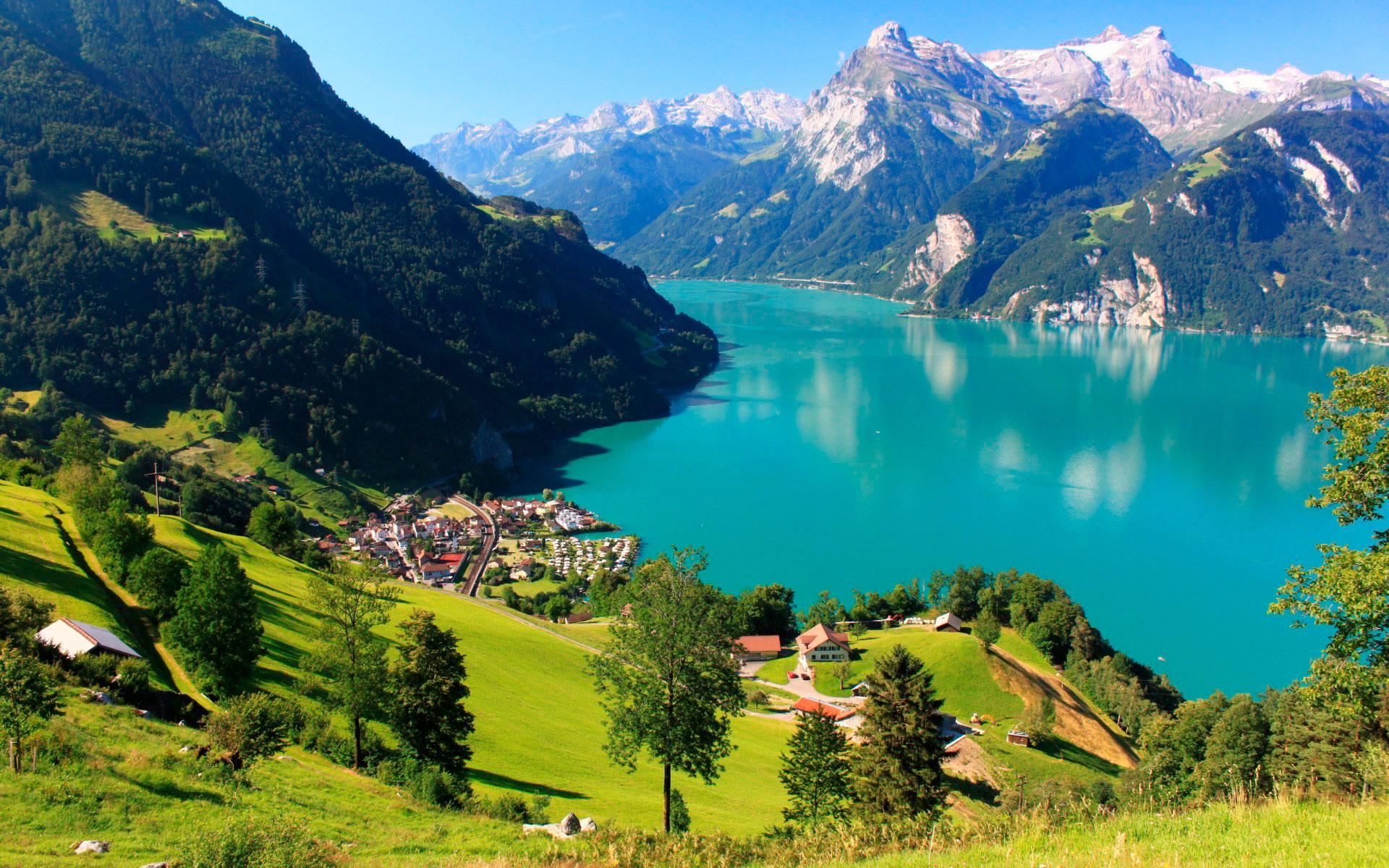
The Swiss Alps are one of the world’s most spectacular mountain destinations, known for their snow-capped peaks, crystal-clear lakes, green valleys, and charming alpine villages. Visitors can enjoy hiking, skiing, cable car rides, scenic train journeys, and breathtaking panoramic views throughout the year.
2. Santorini, Greece
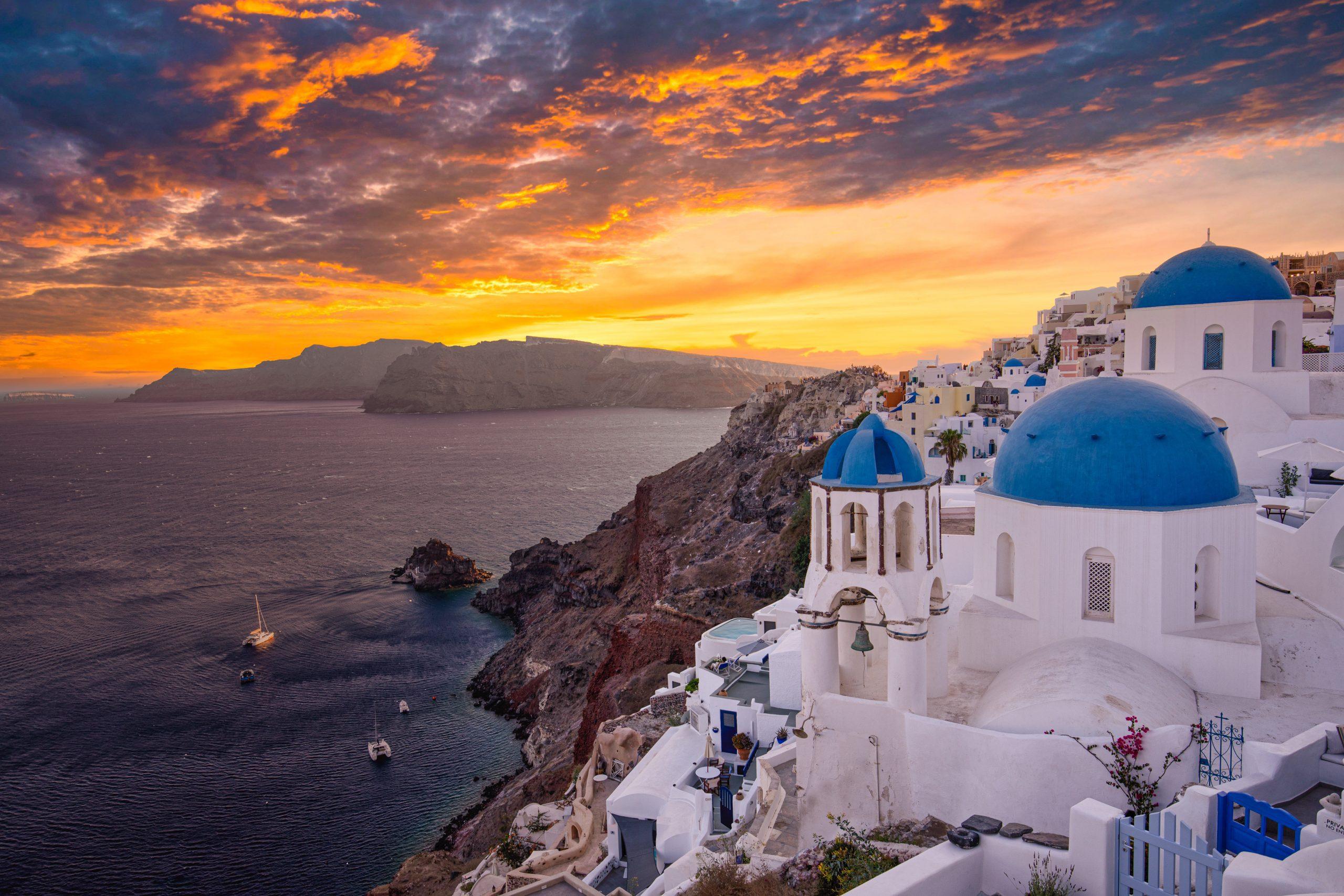
Santorini is famous for its iconic whitewashed buildings with blue domes, dramatic cliffs, and stunning sunsets overlooking the Aegean Sea. Narrow streets, luxurious hotels, volcanic beaches, and traditional Greek cuisine make it one of Europe’s most romantic destinations.
3. Norwegian Fjords, Norway
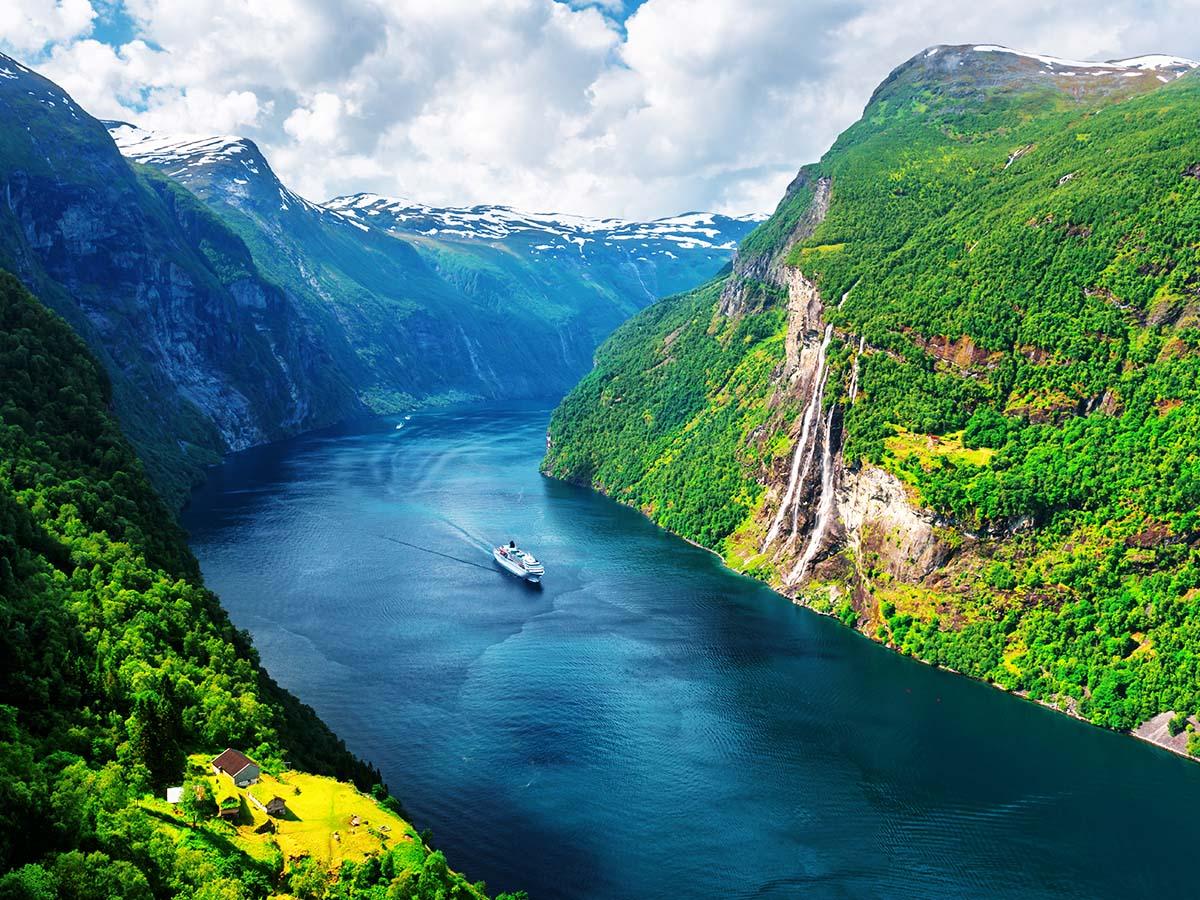
The Norwegian Fjords offer dramatic cliffs, deep blue waters, majestic waterfalls, and picturesque villages surrounded by untouched nature. Visitors can enjoy kayaking, scenic cruises, hiking, and photography while experiencing some of the world’s most breathtaking landscapes.
4. Dolomites, Italy
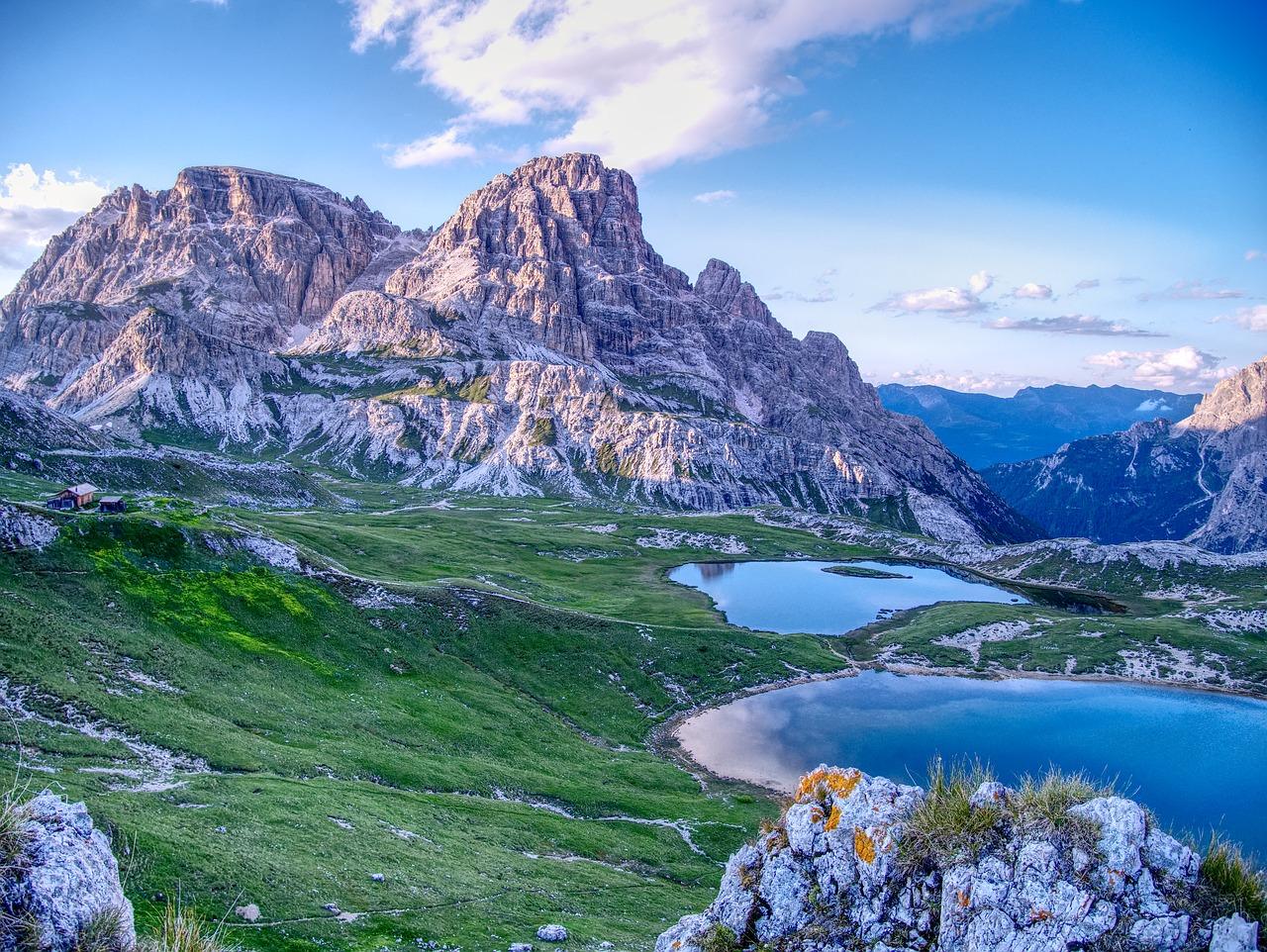
The Dolomites are a UNESCO World Heritage Site famous for their dramatic limestone peaks, alpine meadows, crystal lakes, and scenic hiking trails. Whether you visit during summer for trekking or winter for skiing, the Dolomites offer unforgettable outdoor adventures.
5. Iceland
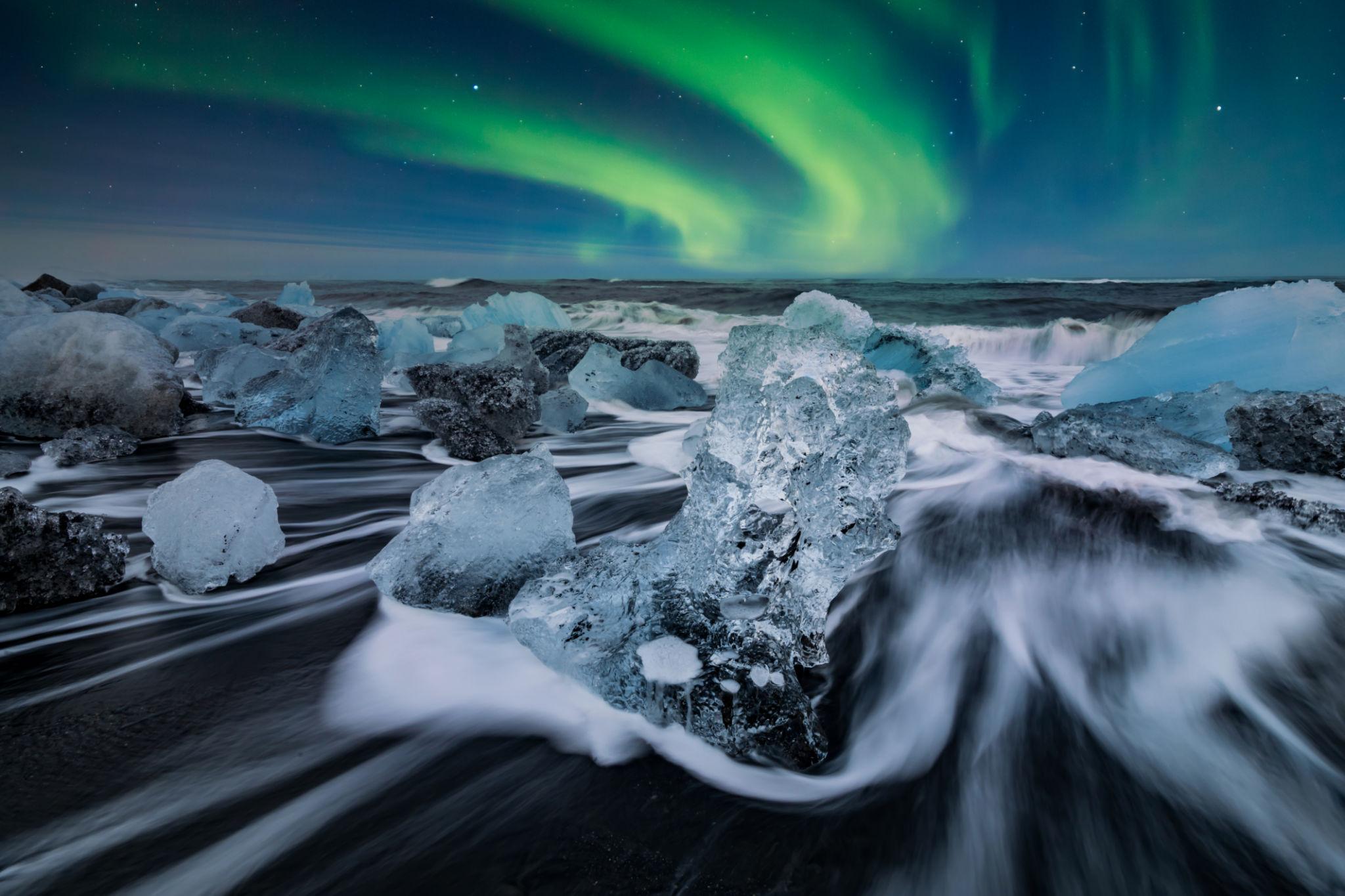
Iceland is often called the Land of Fire and Ice because of its volcanoes, glaciers, waterfalls, black sand beaches, and geothermal hot springs. It is also one of the best places in the world to witness the magical Northern Lights.
6. Hallstatt, Austria
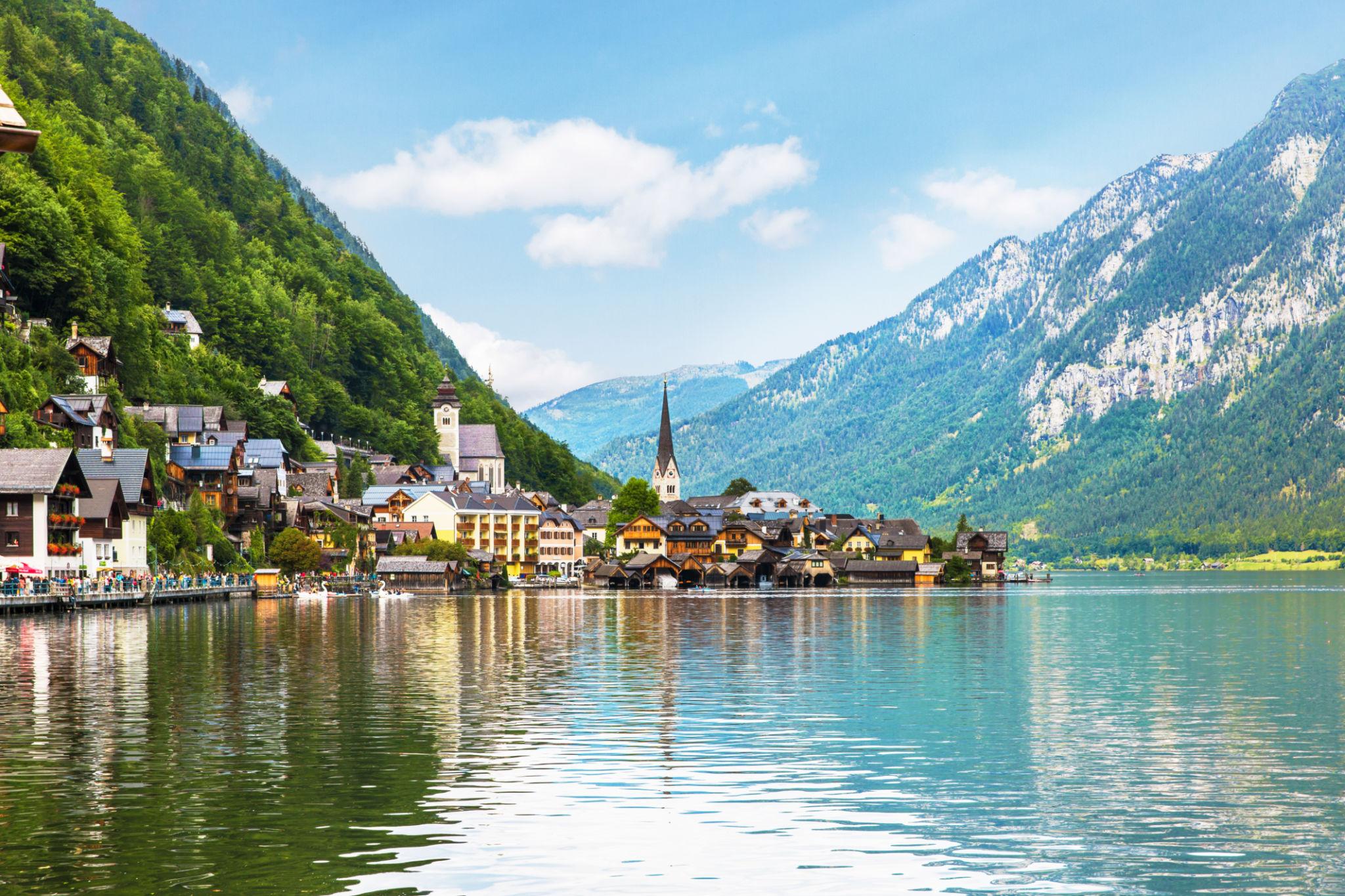
Hallstatt is one of Europe’s most picturesque lakeside villages, surrounded by towering mountains and crystal-clear waters. Its colorful houses, peaceful atmosphere, and breathtaking scenery make it a favorite destination for photographers and travelers alike.
7. Paris, France
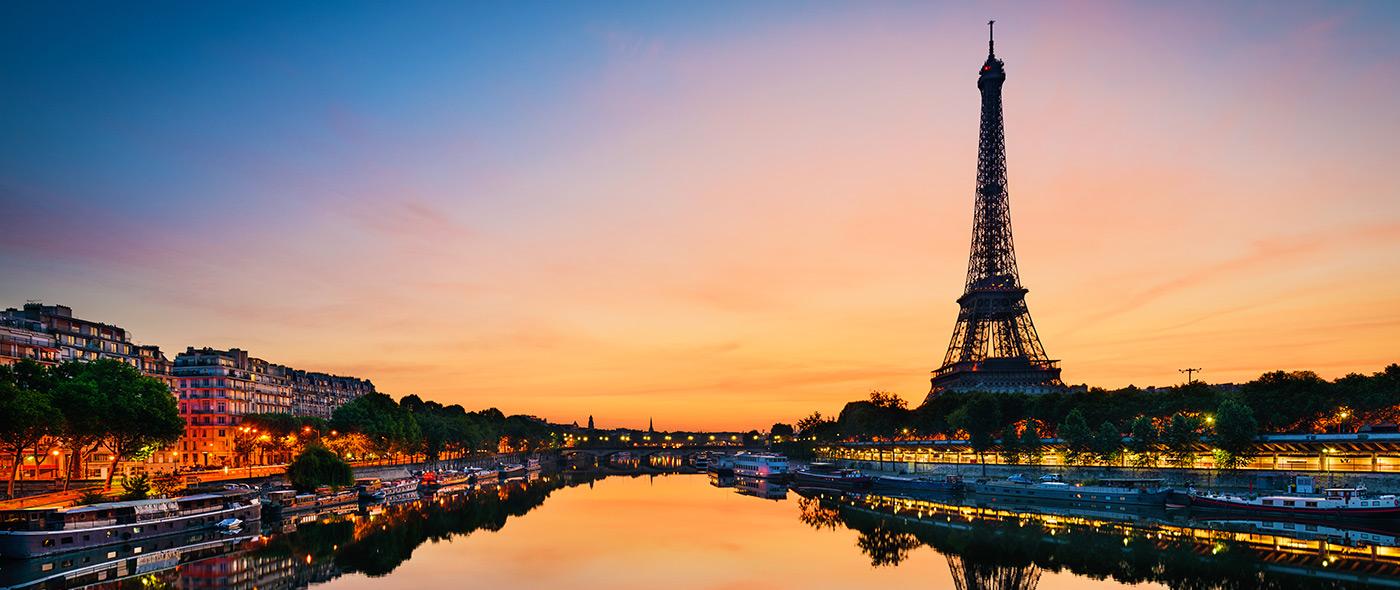
Known as the City of Light, Paris is famous for the Eiffel Tower, world-class museums, beautiful gardens, charming cafés, and elegant architecture. From romantic evening walks along the Seine River to exploring historic landmarks, Paris offers unforgettable cultural experiences.
8. Amalfi Coast, Italy
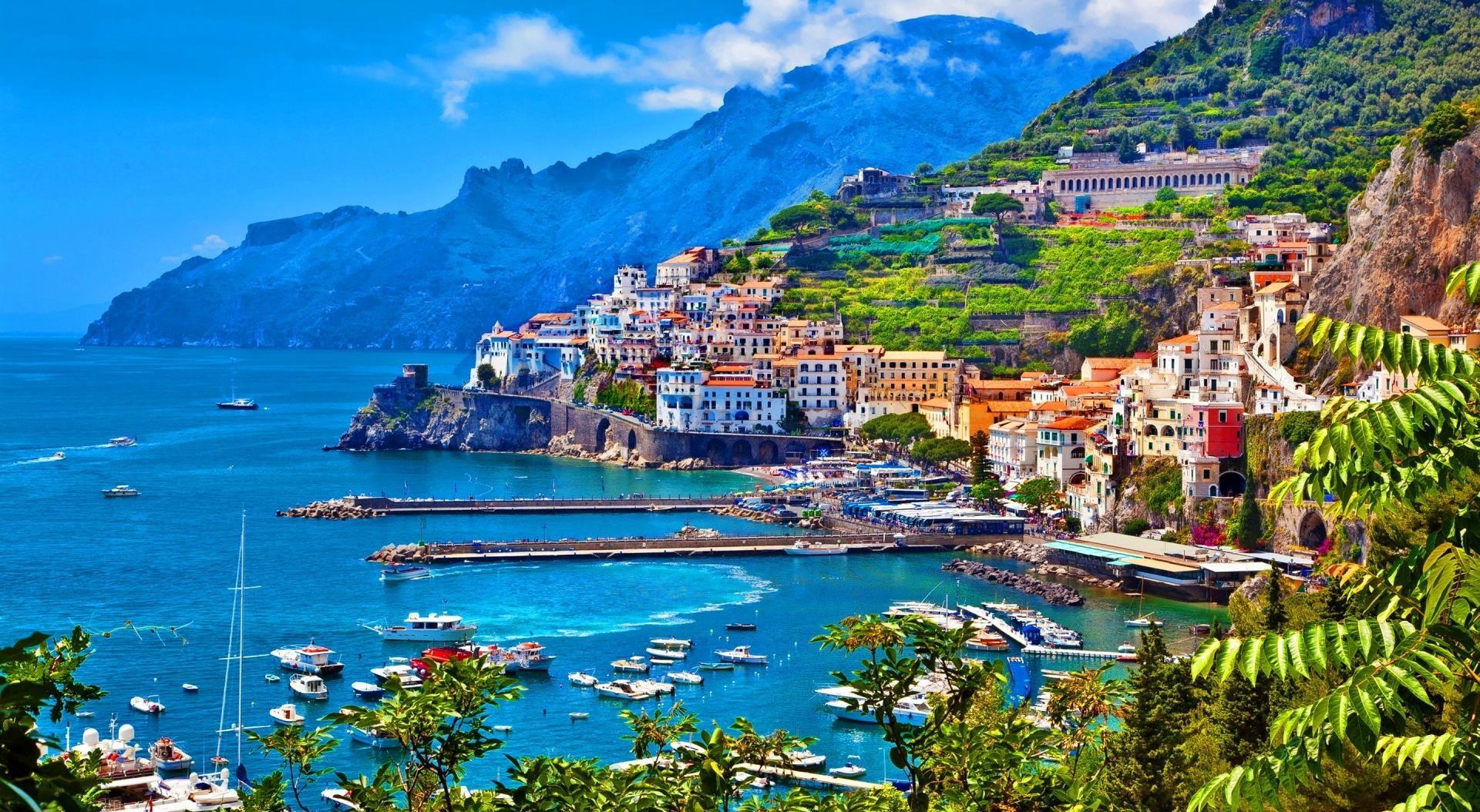
The Amalfi Coast is one of Italy’s most beautiful coastal regions, featuring colorful cliffside villages, turquoise waters, winding roads, lemon groves, and Mediterranean charm. It’s a paradise for scenic drives, beach lovers, and food enthusiasts.
9. Scottish Highlands, Scotland
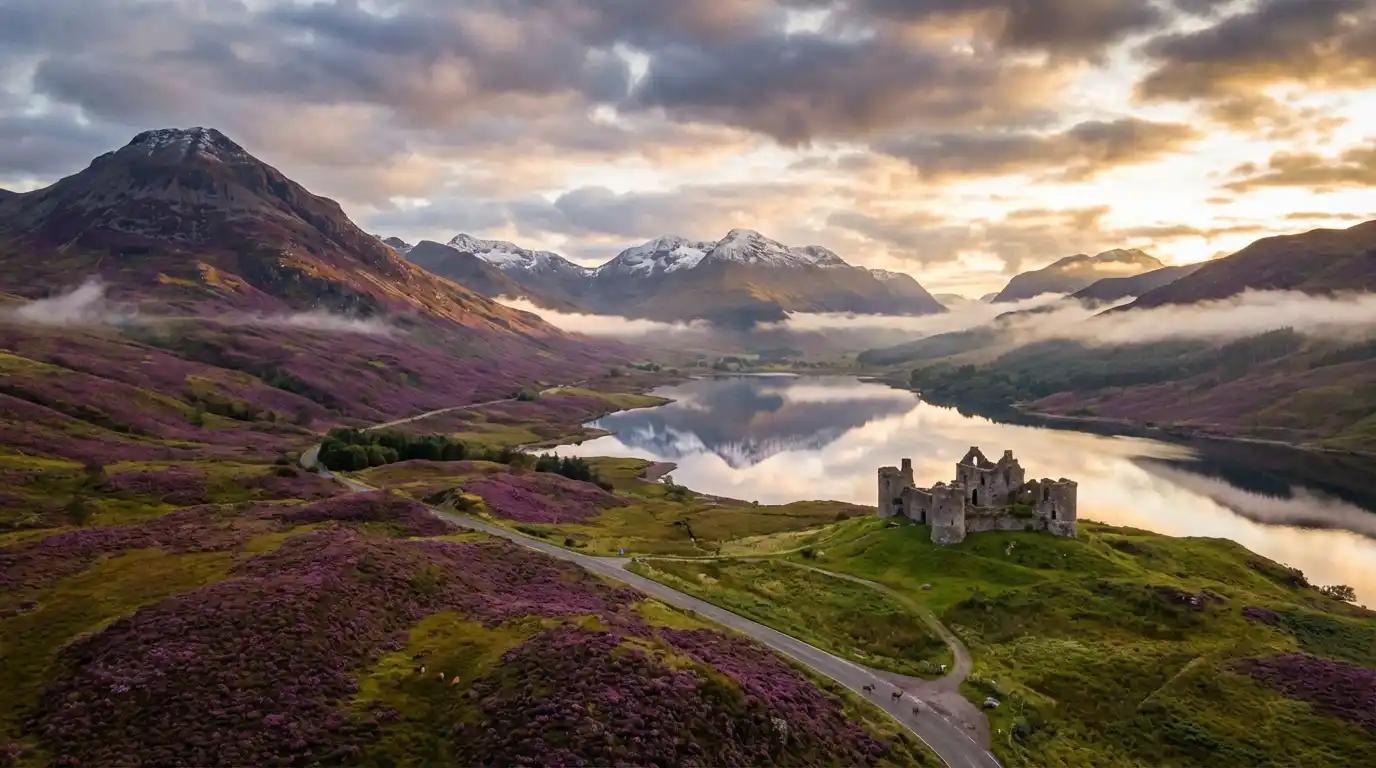
The Scottish Highlands are famous for rolling green hills, mysterious lochs, ancient castles, dramatic valleys, and breathtaking mountain scenery. The region is perfect for hiking, wildlife spotting, and discovering Scotland’s rich history and traditions.
10. Plitvice Lakes National Park, Croatia
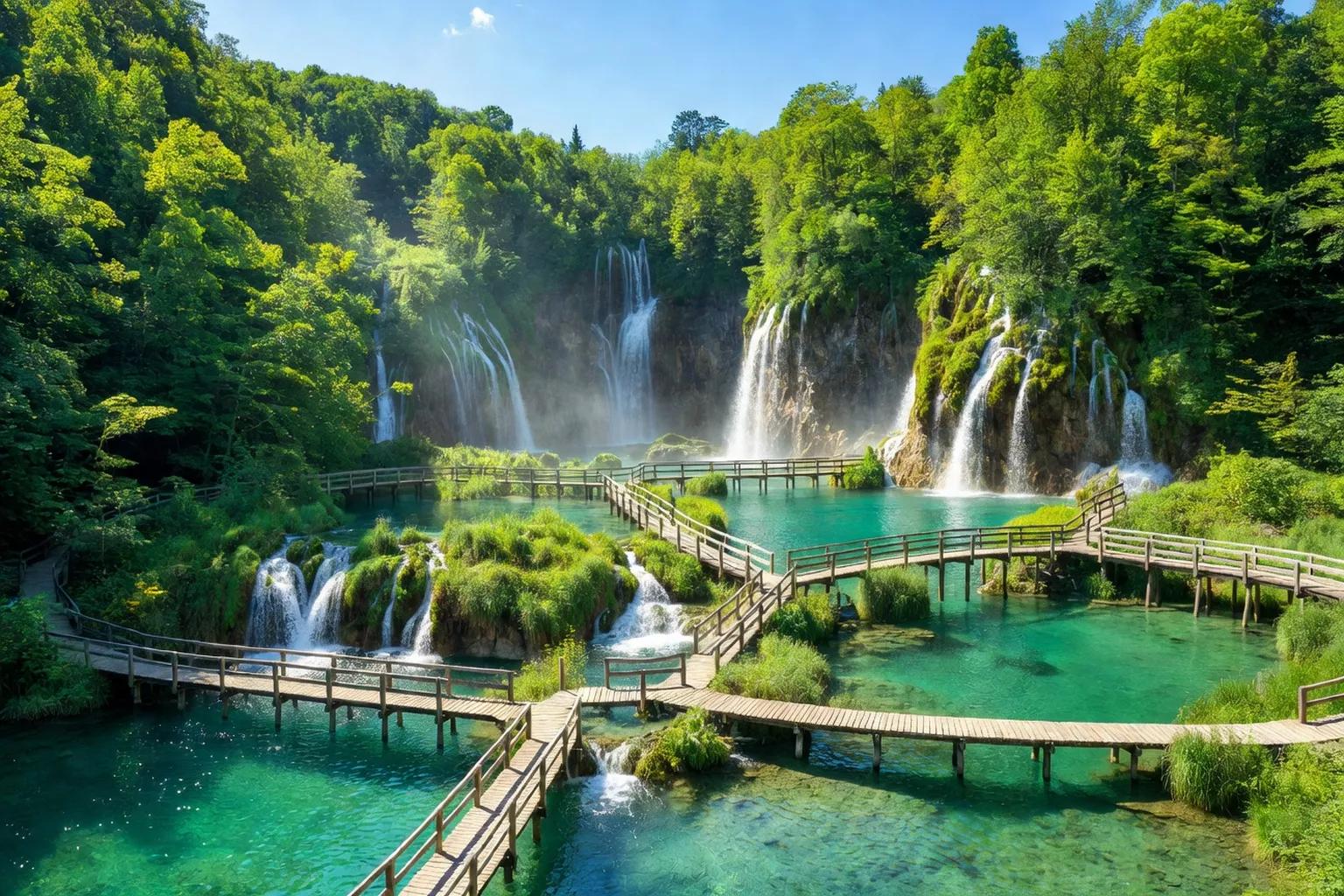
Plitvice Lakes National Park is one of Europe’s greatest natural wonders, featuring turquoise lakes connected by spectacular waterfalls and wooden walking trails through lush forests. Its crystal-clear waters and peaceful surroundings create an unforgettable nature experience.
✨ Why Visit Europe’s Most Beautiful Destinations?
Europe offers an extraordinary mix of majestic mountains, crystal-clear lakes, dramatic coastlines, fairytale villages, and iconic cities. Whether you’re chasing breathtaking natural landscapes, exploring centuries of history, enjoying world-famous cuisine, or relaxing by the sea, these destinations provide unforgettable experiences for every traveler. From the Swiss Alps to the Amalfi Coast, Europe is a place where every journey feels like stepping into a postcard.
How to Plan a Europe Trip
These destinations are spread across different parts of Europe, so trying to cover all ten in one short journey would be expensive and exhausting. Choose one region and build a realistic itinerary around nearby places.
The Swiss Alps, Hallstatt and the Dolomites can suit a mountain-focused journey, although travelling between them still requires careful planning. Santorini and the Amalfi Coast are better for travellers interested in coastal scenery, while Paris offers a city-based cultural experience. Iceland, the Norwegian fjords and the Scottish Highlands are more suitable for nature, road trips and changing weather conditions.
For one country or compact region, plan at least five to seven days. A journey combining several countries may require two weeks or longer. Check seasonal road access, public-transport schedules, attraction reservations, visa requirements and local weather before making non-refundable bookings.
Quick Destination Planning Guide
- Swiss Alps — Plan 4–7 days and select a few nearby towns instead of changing hotels every night.
- Santorini — Allow 3–5 days and consider travelling outside the busiest summer period.
- Norwegian Fjords — Plan 5–7 days because scenic routes, ferries and weather require flexibility.
- Dolomites — Allow 4–6 days and check seasonal road, cable-car and hiking-trail conditions.
- Iceland — Plan at least 7–10 days for a meaningful road trip and prepare for rapidly changing weather.
- Hallstatt — One or two days are sufficient; visit respectfully because it is a small residential community.
- Paris — Allow 4–5 days and reserve major attractions in advance during busy periods.
- Amalfi Coast — Plan 4–6 days and use public transport or ferries where practical instead of driving unfamiliar narrow roads.
- Scottish Highlands — Allow 5–7 days and keep additional time for weather and long driving distances.
- Plitvice Lakes National Park — Plan one full day, arrive early and check current ticket or entry arrangements.
Frequently Asked Questions
What is the best time to visit Europe?
The best season depends on the destination and planned activities. Late spring and early autumn can provide comfortable conditions in many areas, while mountain hiking, winter sports, island trips and Northern Lights travel require different seasons.
How many days are needed for a Europe trip?
Five to seven days are suitable for one city or compact region. If you plan to combine several countries, allow two weeks or longer so the journey does not become a series of airports and train stations.
Is public transport suitable for travelling around Europe?
Many European cities and regions have useful train, bus and ferry connections. However, remote mountains, islands and rural areas may require additional planning. Compare travel time and connections before deciding whether to use public transport or rent a vehicle.
Do attractions need advance reservations?
Popular museums, landmarks, national parks, trains and seasonal activities may require advance booking. Reservation rules can change, so check official websites before travelling.
How can travellers avoid overcrowded destinations?
Travel outside peak periods when practical, visit popular locations early in the day, stay longer instead of rushing and explore responsibly beyond the most photographed viewpoints.
Important Travel Note
Weather, transportation, attraction access, prices, visa requirements and reservation systems can change. Always confirm current details through official government, tourism and attraction websites before making non-refundable bookings.
© 2026 storyvoradvantures