Vancouver Travel Guide 2026: 15 Unforgettable Places and a Practical 5-Day Itinerary
Explore 15 unforgettable places in Vancouver with a practical 5-day itinerary covering famous parks, beaches, markets, cultural attractions and useful travel tips.
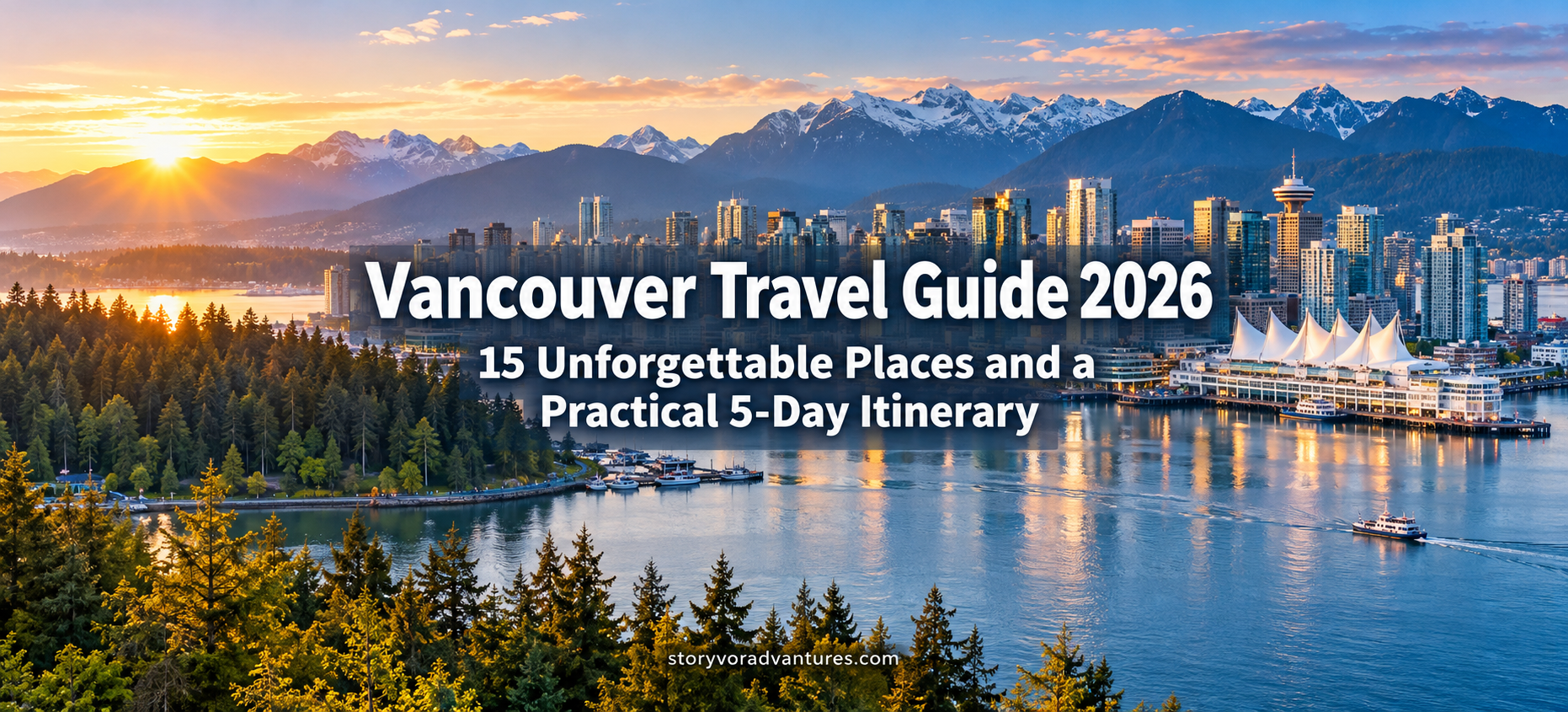
Vancouver is one of those cities where an ordinary sightseeing day can quickly turn into a coastal walk, a forest escape or a mountain adventure. Glass towers rise beside the harbour, beaches sit close to busy neighbourhoods, and the North Shore mountains remain visible from many parts of the city.
The city can still feel confusing on a first visit. Some attractions are within central Vancouver, while places such as Grouse Mountain, Capilano Suspension Bridge and Deep Cove are located across the harbour in North Vancouver. Grouping nearby locations is therefore more practical than travelling repeatedly from one side of the region to another.
This guide covers 15 memorable places, realistic transport advice and a five-day itinerary that leaves enough flexibility for weather changes. Vancouver maintains extensive parks, waterfront routes and public beaches, while the regional transit system connects the airport, downtown and many surrounding districts. vancouver.ca
Important: Opening hours, admission prices, transport schedules and weather conditions can change. Check official websites shortly before travelling.
Vancouver Travel Essentials
Recommended stay: Five to seven days
Main airport: Vancouver International Airport (YVR)
Public transport: SkyTrain, buses and SeaBus
Useful payment option: Contactless payment or a Compass Card
Best accommodation areas: Downtown, West End, Coal Harbour, Yaletown and Mount Pleasant
Weather consideration: Rain is possible throughout the year, so carrying a light waterproof layer is sensible.
The Canada Line connects Vancouver International Airport with central transit stations. Visitors can use buses, SkyTrain and SeaBus for much of the itinerary, although selected North Shore excursions may require additional planning. www.translink.ca
1. Stanley Park
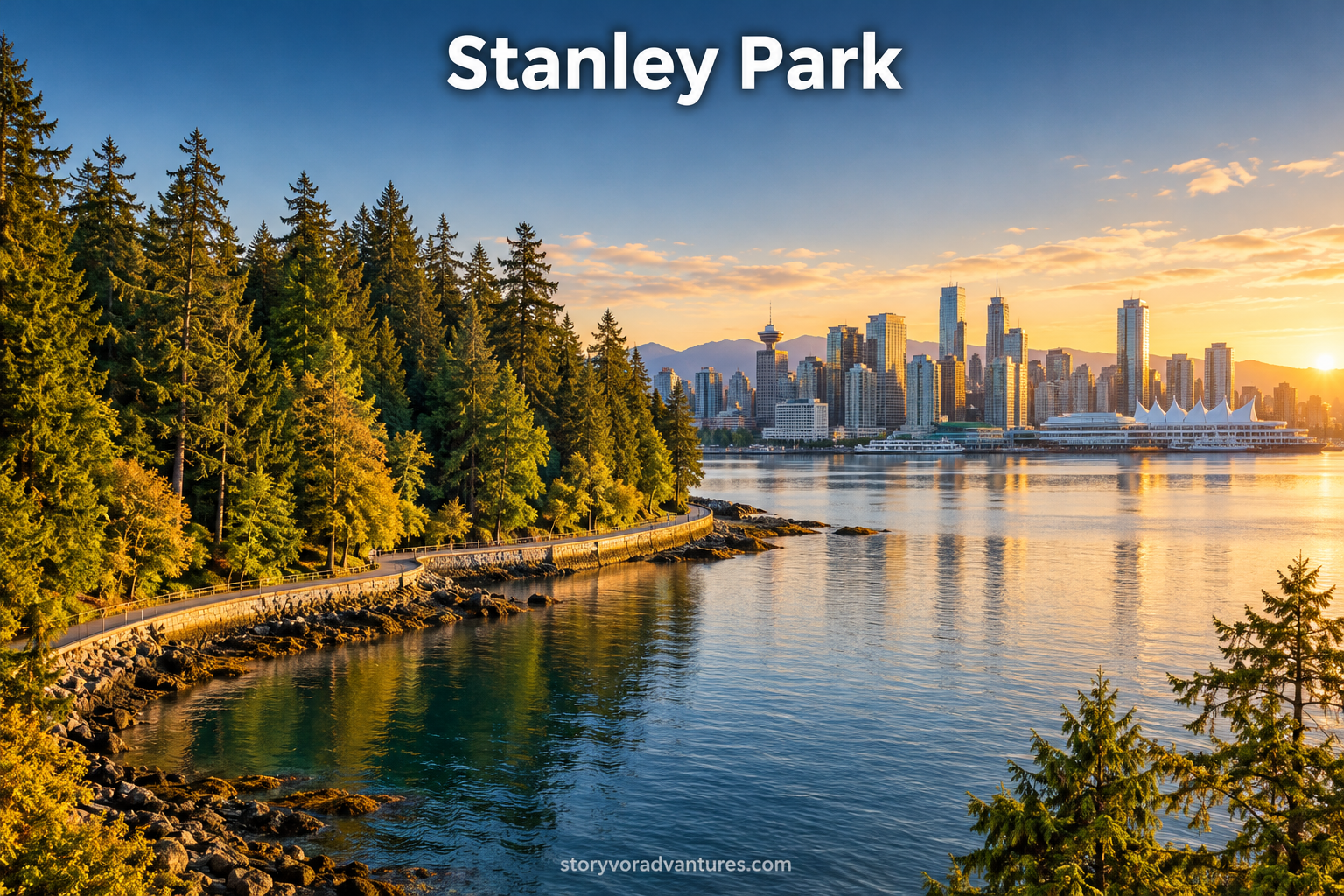
Stanley Park is the most natural starting point for understanding Vancouver. The park occupies a large green peninsula beside downtown, where forest paths, beaches, gardens and waterfront viewpoints exist within a short distance of the city’s high-rise buildings.
Do not treat Stanley Park as a single attraction that can be completed with one photograph. Travellers can walk beneath tall trees, explore coastal viewpoints, see First Nations art and stop at beaches or gardens. The Vancouver Aquarium is also located within the park, although it requires separate admission and additional time.
A relaxed visit can take half a day. If your schedule is limited, concentrate on one forest section and part of the waterfront rather than attempting every trail. Downloading the official park map before arriving will make navigation easier.
The park is close to the West End and Coal Harbour, so it combines naturally with English Bay or the downtown waterfront. Stay on marked paths, protect food from wildlife and avoid entering isolated trails after dark.
2. Stanley Park Seawall
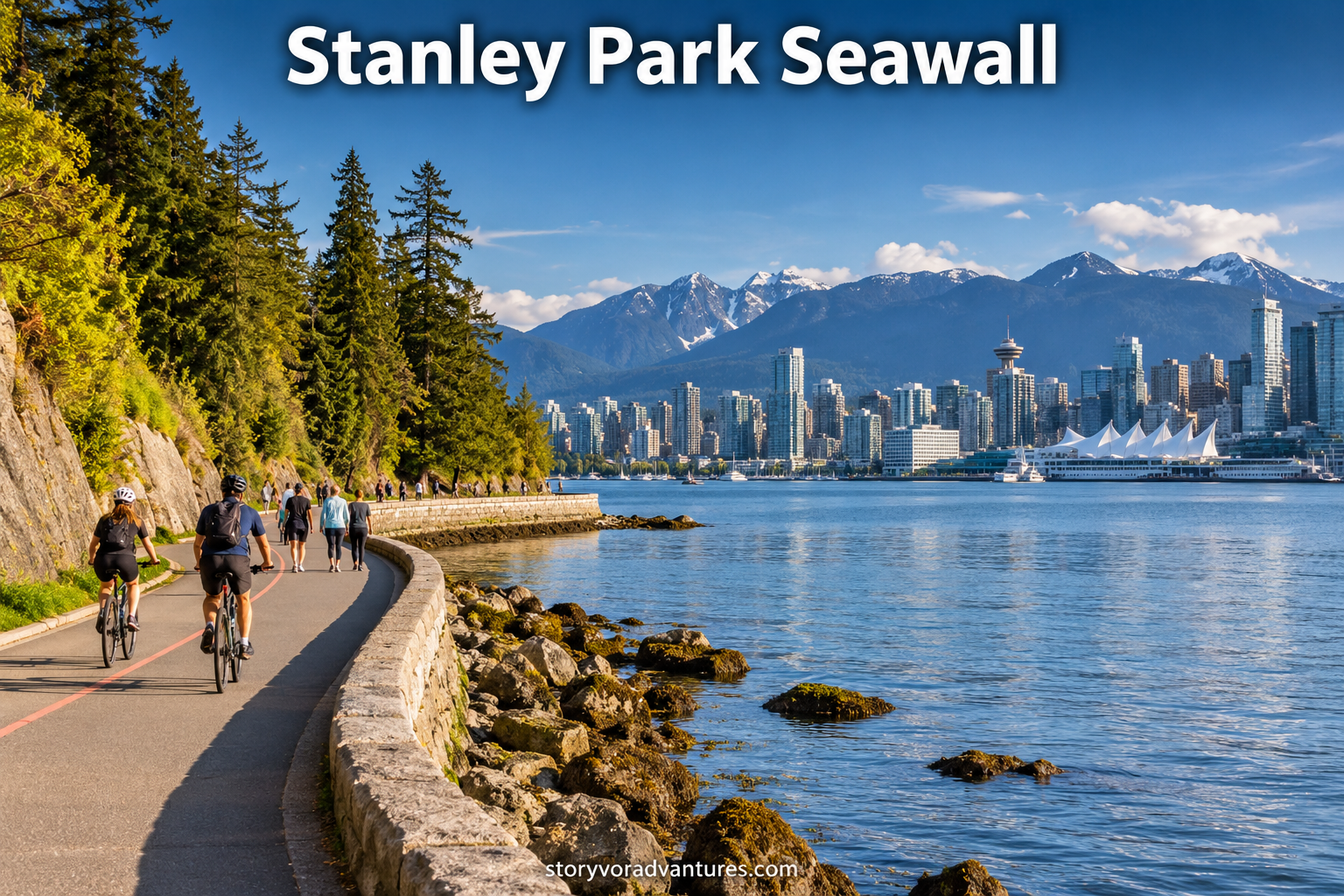
The Vancouver Seawall offers a completely different experience from the interior of Stanley Park. Instead of forest trails, it follows the water past beaches, mountains, city views and coastal landmarks.
The Stanley Park section is approximately nine kilometres long. The City of Vancouver advises allowing around two to three hours to walk it or about one hour to cycle, although photography and rest stops can extend the journey. Pedestrians and cyclists use separately marked portions, so follow the signs carefully. City of Vancouver
Cycling can be a practical choice for travellers who want to complete the entire loop. Before renting a bicycle, check the return time, lock policy and helmet requirements. If you prefer walking, completing only the Coal Harbour or English Bay side can still provide excellent views.
Strong wind, heavy rain or maintenance work can temporarily affect sections of the route. Check current notices rather than assuming that the complete path will always be open.
3. Granville Island
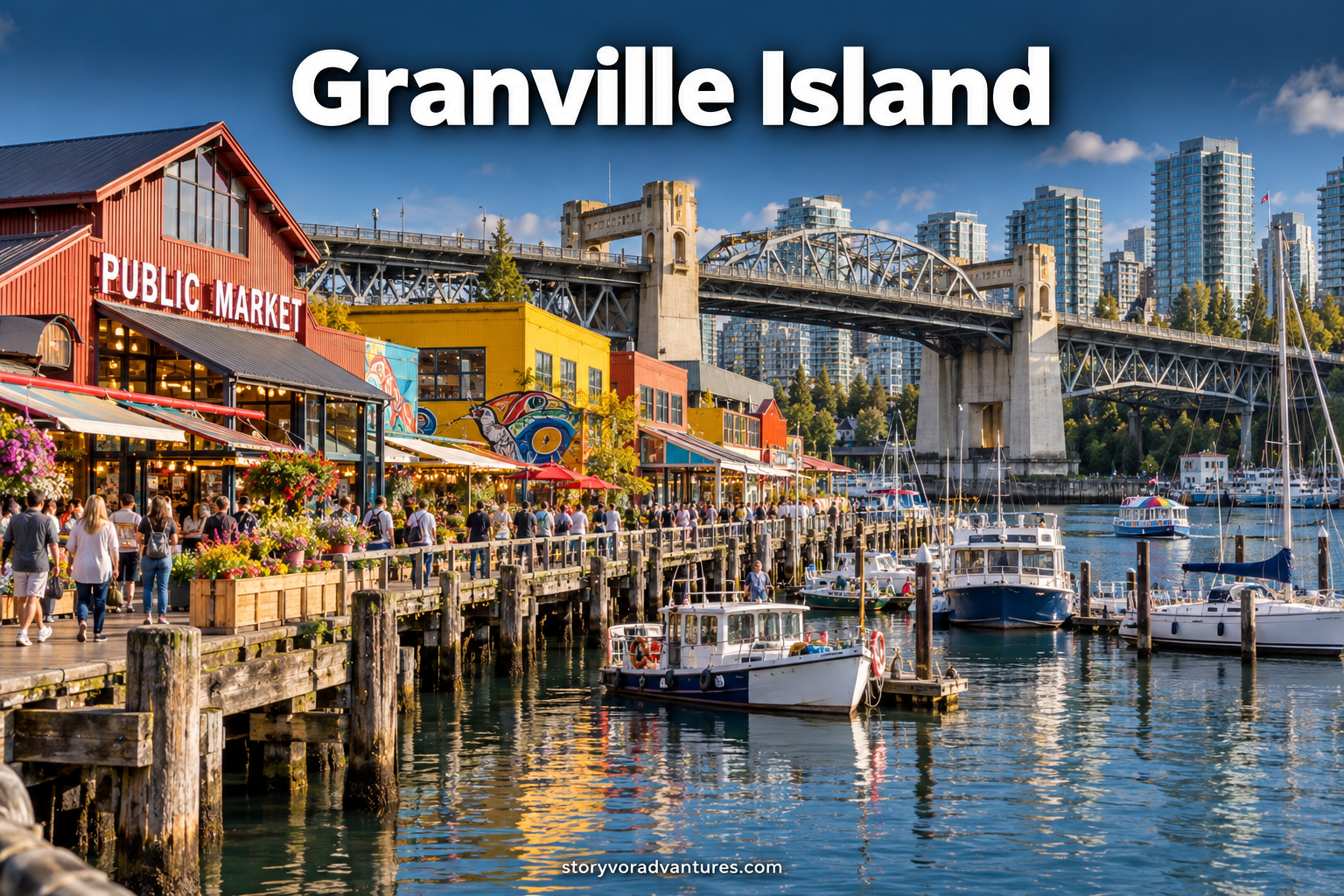
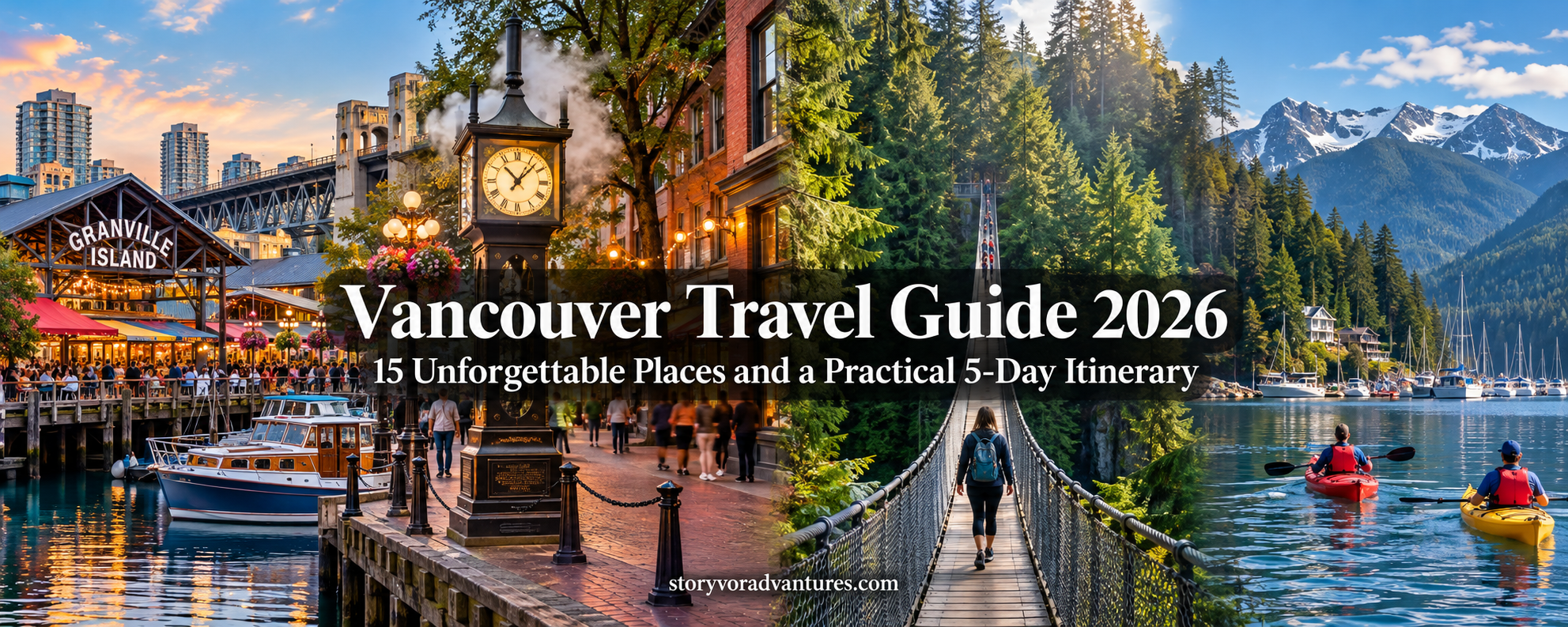
Granville Island is not a traditional island escape. It is an urban cultural district filled with food stalls, studios, theatres, independent shops and waterfront spaces beneath the Granville Street Bridge.
The Public Market is the main attraction, but the area becomes more interesting when visitors look beyond the busiest food counters. Walk through artisan studios, browse locally produced goods and explore the smaller lanes around the market buildings.
Arriving before the busiest lunchtime period usually creates a calmer experience. Instead of buying food from the first stall you see, walk around once, compare the options and then choose what genuinely interests you.
Granville Island can be reached by bus, car, bicycle or small passenger ferry. Parking can become difficult, so public transport or the False Creek ferries may be more convenient. Allow two to four hours depending on whether you plan to eat, shop or attend a performance.
4. Gastown
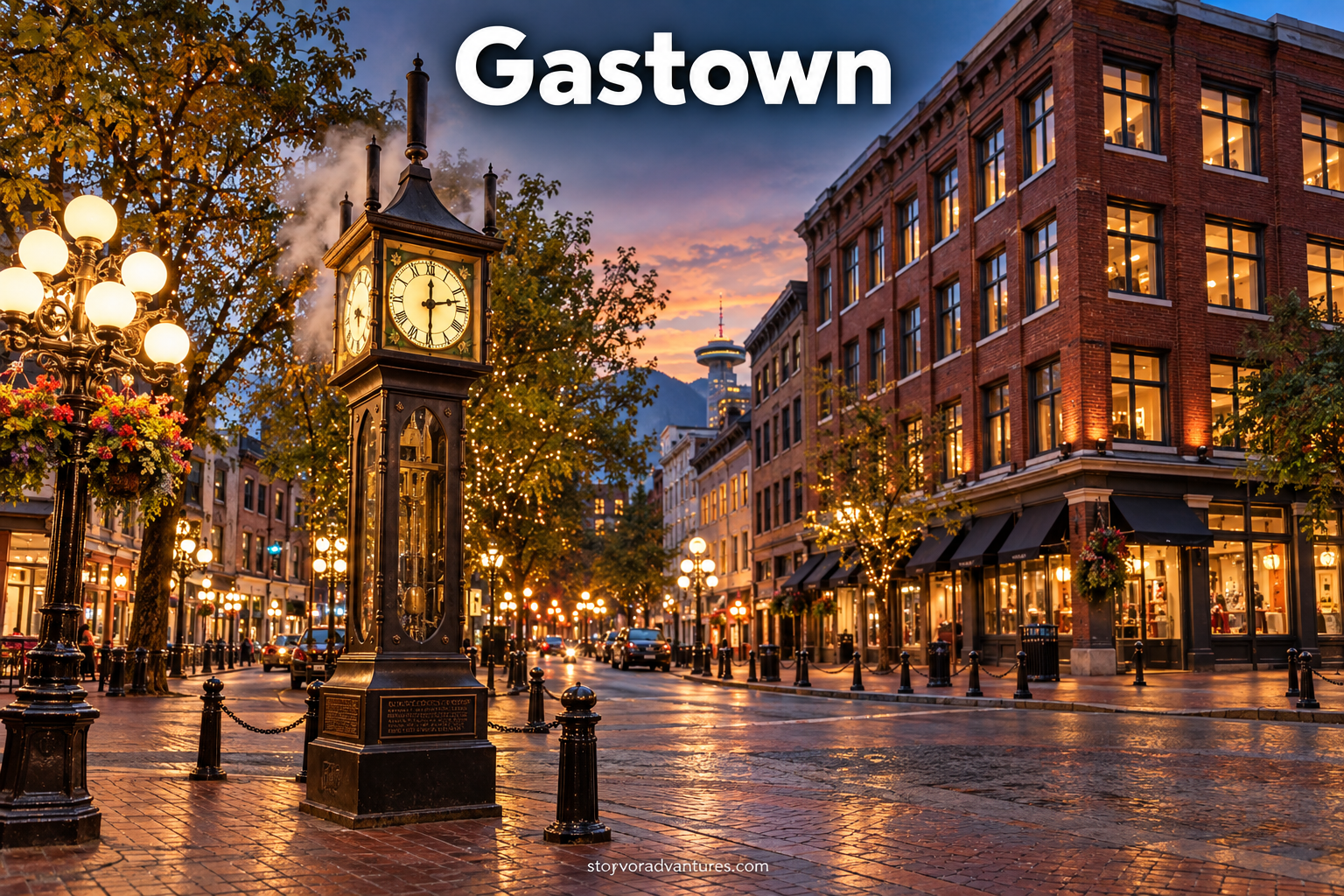
Gastown is known for its older brick buildings, cobbled streets, restaurants and the frequently photographed steam clock. The neighbourhood is compact enough to explore on foot and lies around a ten-minute walk from Canada Place. Destination Vancouver
The clock attracts crowds, but Gastown should not be reduced to one quick photograph. Walk along Water Street, notice the converted warehouses and explore independent businesses away from the busiest corner.
Gastown’s atmosphere changes from street to street. Some surrounding areas can feel uncomfortable to unfamiliar visitors, particularly later in the evening. Keep valuables secure, remain aware of your route and avoid photographing vulnerable people.
Combine Gastown with Canada Place and the waterfront. This creates a practical half-day route without unnecessary transport between attractions.
5. Canada Place and the Vancouver Waterfront
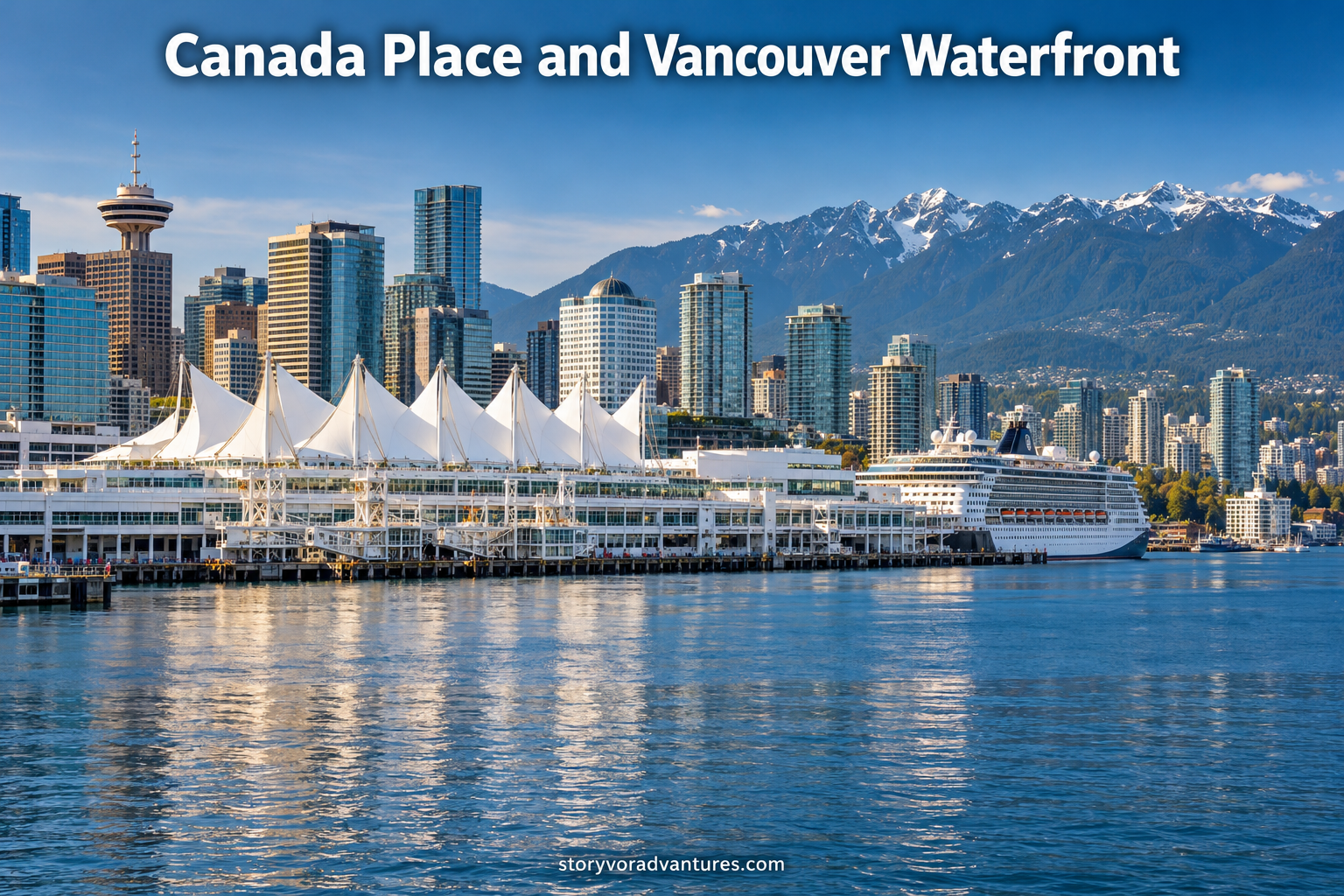
Canada Place is recognised by its white sail-shaped roof and its position beside Vancouver’s cruise terminal. The surrounding promenade provides views across Burrard Inlet towards the North Shore mountains.
The waterfront works particularly well on the first evening because it does not require a complicated schedule. Travellers can walk from Canada Place towards Coal Harbour, watch seaplanes and continue along the water if the weather remains pleasant.
Cruise-ship days can make the immediate area busier, so allow extra time around the terminal. Check whether community events or temporary access restrictions are planned during your visit.
Canada Place also functions as a useful orientation point. Gastown lies nearby, Coal Harbour extends in the opposite direction and Waterfront Station connects several forms of public transport.
6. English Bay Beach
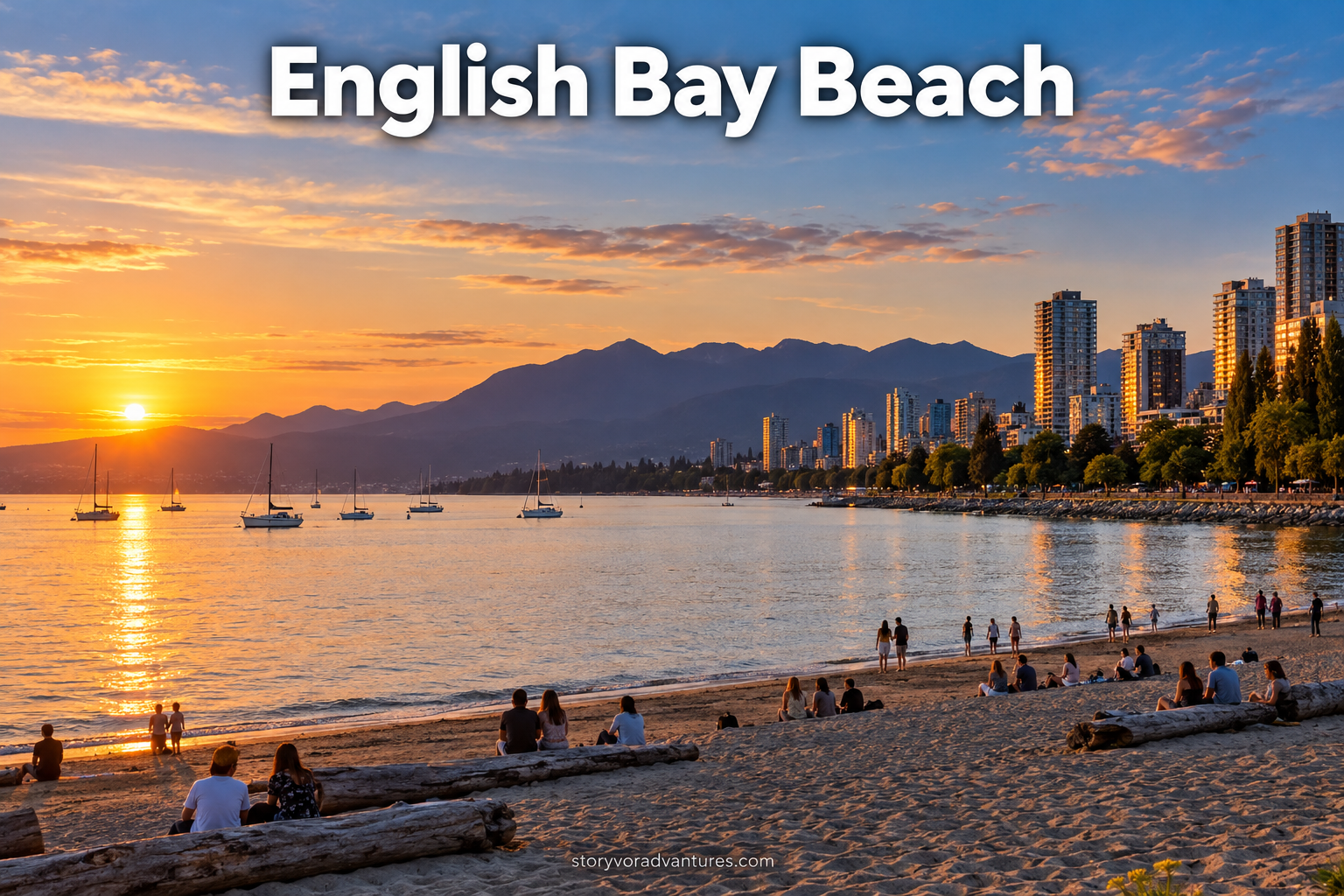
English Bay Beach, also called First Beach, sits beside Vancouver’s West End. It is one of the easiest beaches to reach from downtown and connects directly with the Seawall. City of Vancouver
The beach is popular for sunset, casual walks and waterfront dining. On warm days it becomes crowded, but it can still offer a relaxing break after Stanley Park.
The water may feel cold even during pleasant weather. Swim only when conditions are appropriate and pay attention to seasonal lifeguard information. Public facilities and beach services can vary by season.
English Bay combines naturally with Stanley Park and the West End. A practical plan is to explore the park during the afternoon and finish beside the beach around sunset.
7. Kitsilano Beach
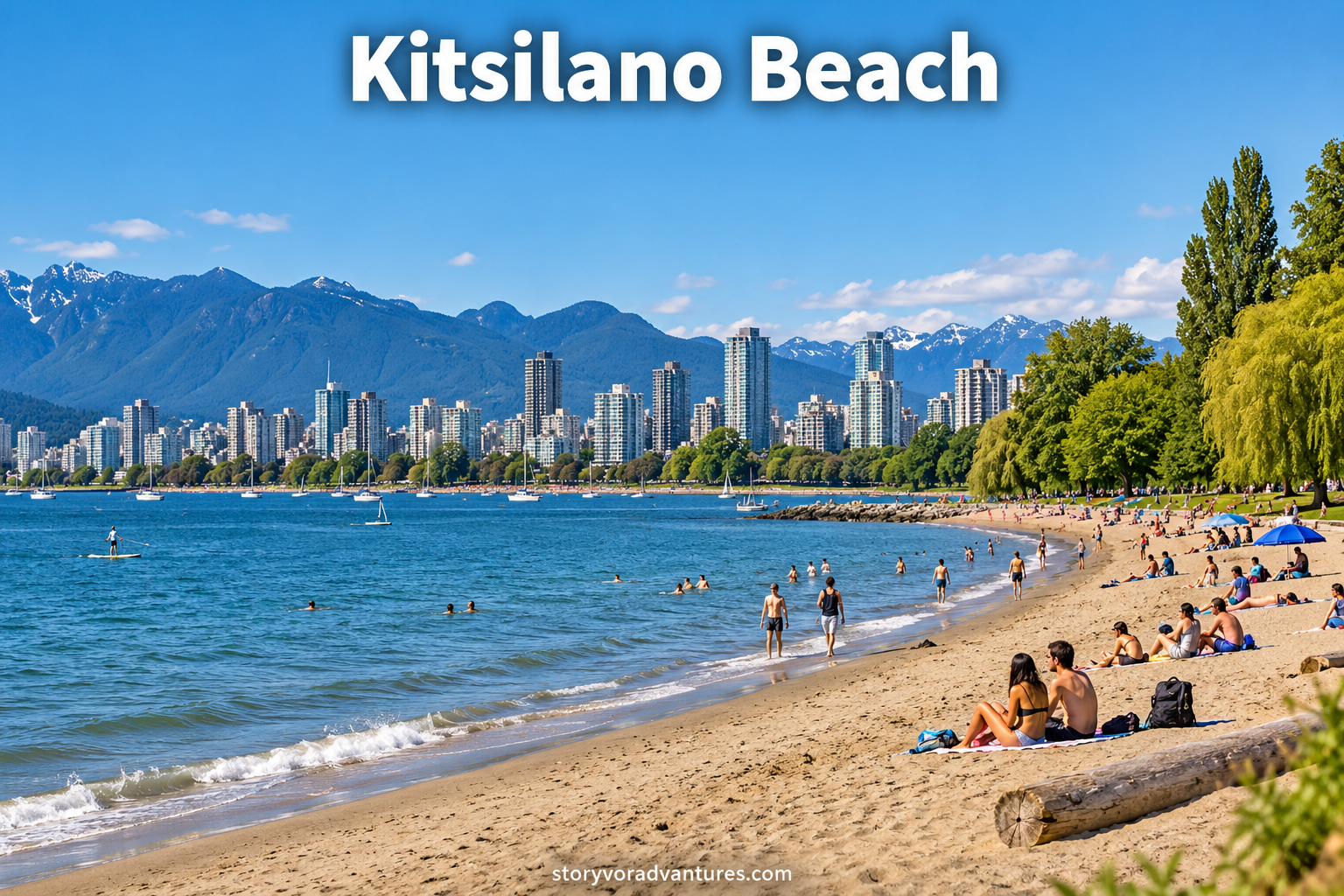
Kitsilano Beach, commonly called Kits Beach, faces English Bay from the southern side of the water. Its wide lawns, sandy shoreline and views towards downtown create a more residential atmosphere than English Bay.
The beach suits travellers who prefer spending time outdoors rather than moving constantly between ticketed attractions. Visitors can walk along the waterfront, relax on the grass or explore the nearby Kitsilano neighbourhood.
Kits Beach can become busy during summer weekends. Arrive earlier in the day and use public transport when possible. Carry sun protection even when the coastal breeze makes the temperature feel cooler.
Granville Island and Kitsilano can be combined on the same day. Visit the market first, then continue towards the beach for a slower afternoon.
8. Queen Elizabeth Park
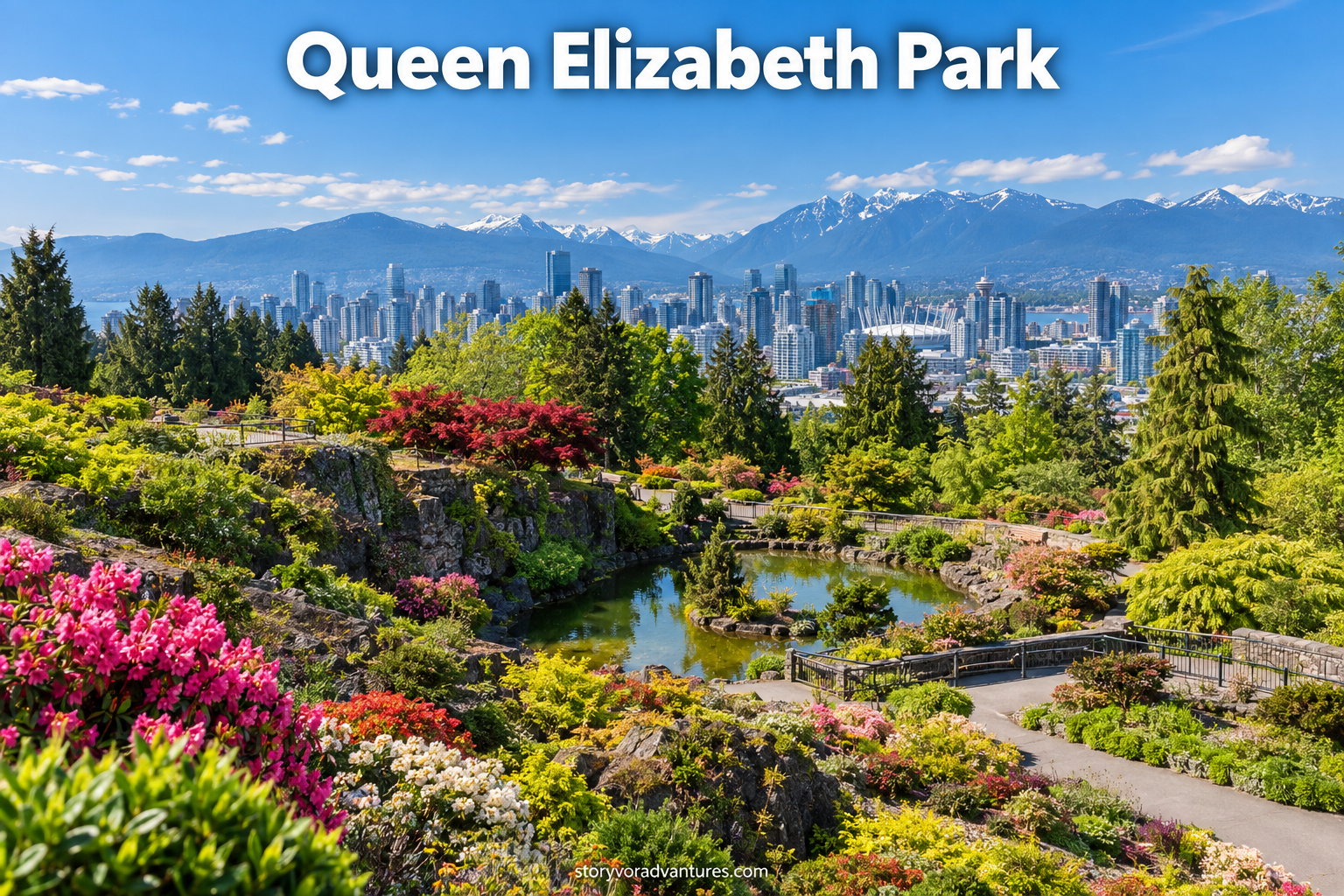
Queen Elizabeth Park sits on Vancouver’s highest point and provides broad views towards the city and North Shore mountains. Landscaped gardens, walking paths and elevated viewpoints make it useful for visitors who want attractive scenery without leaving the city.
The park is more than a quick viewpoint. Its former quarry has been transformed into maintained gardens, and the surrounding paths offer different perspectives throughout the year.
The Bloedel Conservatory is located within the park and provides an indoor tropical environment, which can be valuable on a rainy or cold day. Admission and operating hours should be checked separately.
Combine Queen Elizabeth Park with VanDusen Botanical Garden because the two locations are relatively close. This reduces travel time and creates a garden-focused half day.
9. VanDusen Botanical Garden
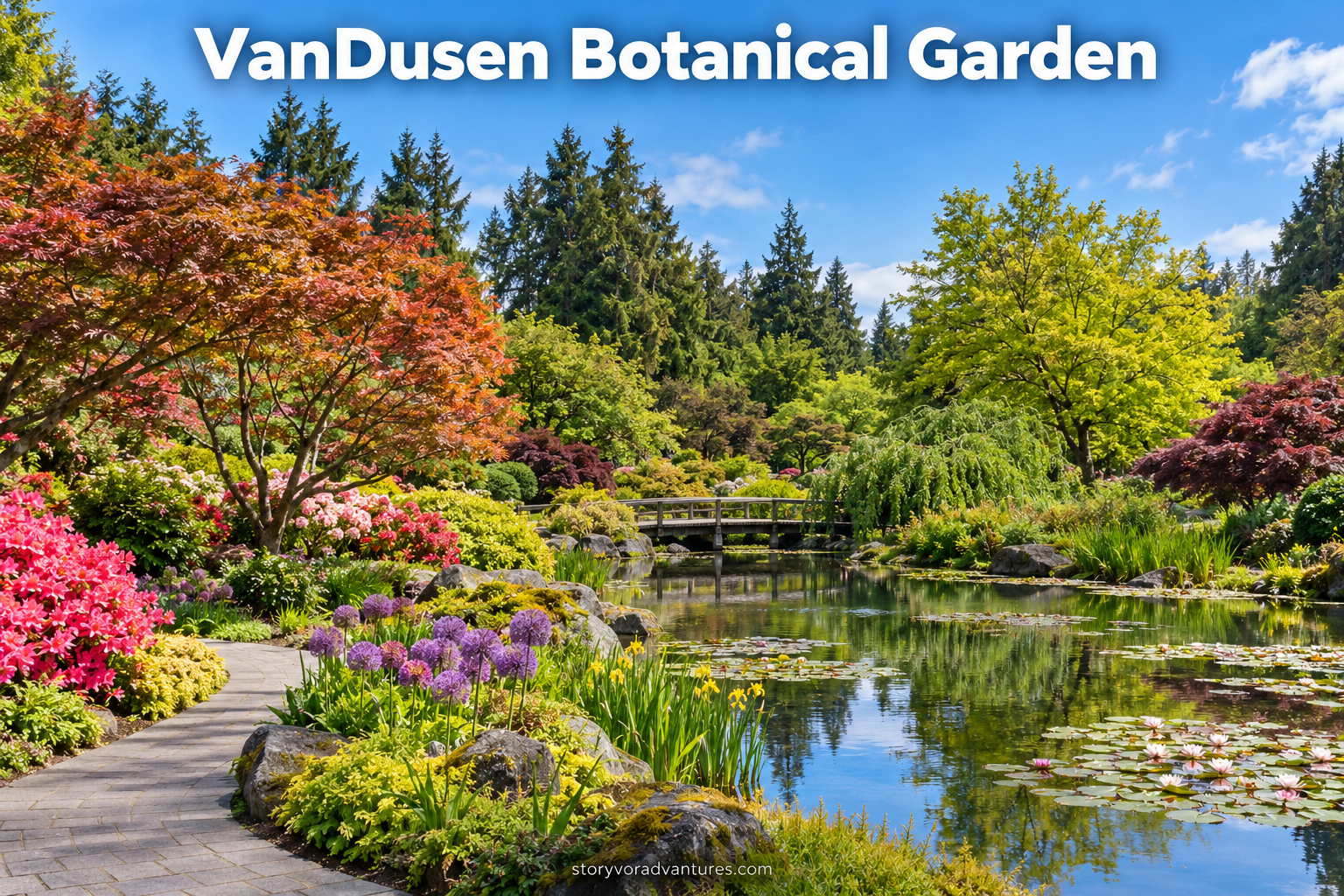
VanDusen Botanical Garden offers a quieter alternative to Vancouver’s waterfront attractions. The garden covers approximately 55 acres and contains thousands of plant species and varieties from around the world. City of Vancouver
The landscape contains winding paths, ponds, seasonal displays and different themed areas. A rushed visit misses the purpose of the garden, so allow at least two hours.
Conditions change considerably between seasons. Spring may bring flowering plants, summer offers greener landscapes, autumn introduces warm colours and winter events may change access or ticket arrangements.
Wear comfortable shoes and download the visitor map. Travellers with limited mobility should check official accessibility information before selecting a route.
10. Dr. Sun Yat-Sen Classical Chinese Garden
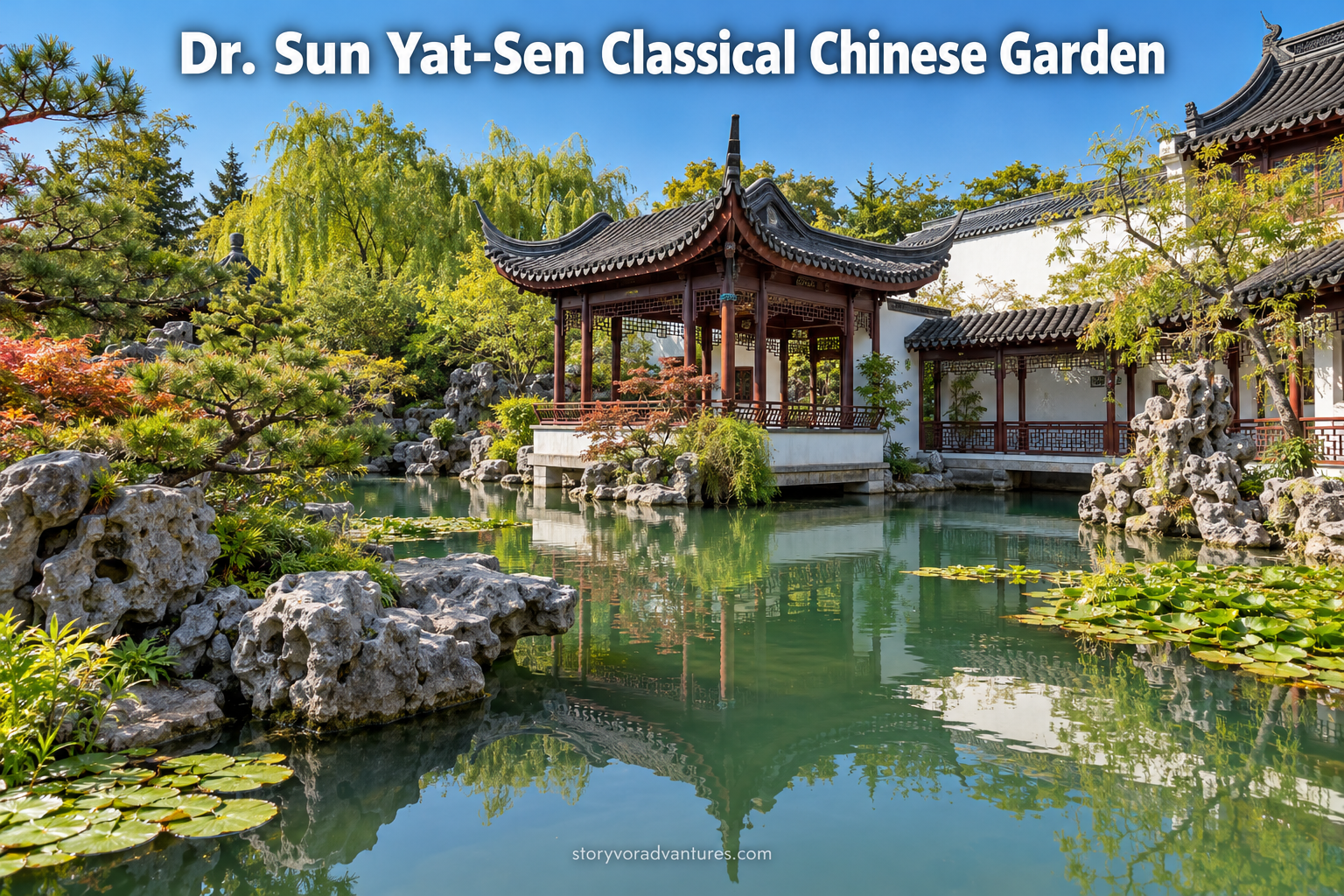
The Dr. Sun Yat-Sen Classical Chinese Garden provides a calm cultural experience within Vancouver’s historic Chinatown. Carefully arranged rocks, water, plants and traditional architectural elements create a space designed for observation rather than hurried sightseeing.
A proper visit involves slowing down and noticing how windows, courtyards and reflections frame different views. Guided tours or interpretive material can provide useful context that is easy to miss when walking through independently.
The garden is a registered museum, and the ticketed classical garden should not be confused with the adjoining public park. Check the official website for admission, current opening times and special programmes. Dr Sun Yat-Sen Classical Chinese Garden
Explore Chinatown respectfully and support local restaurants or businesses where possible. As in any busy urban area, remain aware of your surroundings and belongings.
11. Capilano Suspension Bridge Park
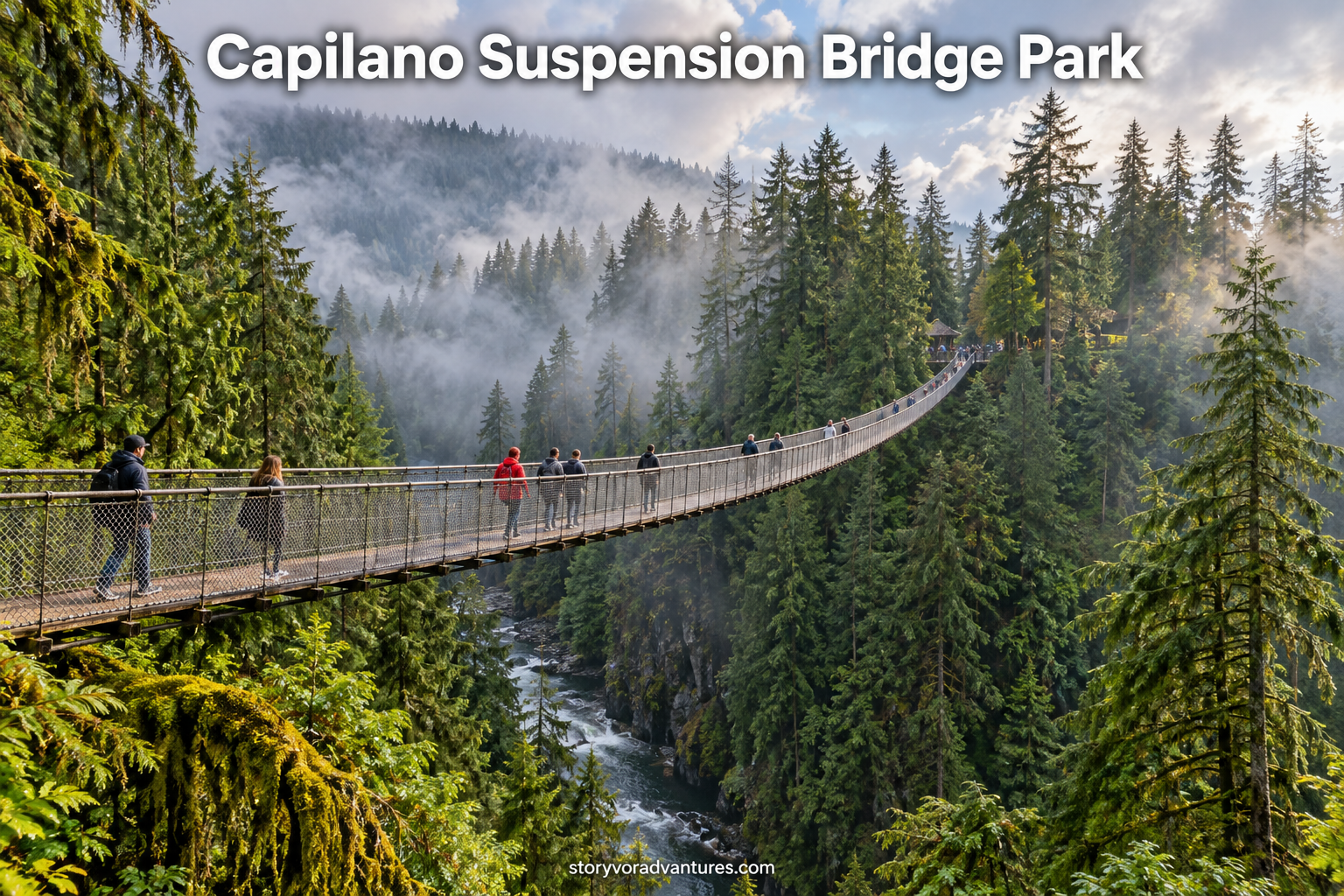
Capilano Suspension Bridge Park combines a famous suspension bridge with forest walkways and cliffside experiences in North Vancouver. The scenery can be impressive, but visitors uncomfortable with heights should understand that elevated paths, stairs and moving bridges form an important part of the experience. Capilano Suspension Bridge Park
Arrive near opening time for a quieter crossing. Crowds increase later, and stopping repeatedly for photographs can slow movement across narrow sections.
Wear shoes with reliable grip and carry a waterproof layer. Rain can add atmosphere to the forest but also makes surfaces wet. Follow staff instructions and keep phones or cameras secured.
Admission can be expensive for budget travellers. Compare the experience with your priorities rather than visiting only because it appears on popular lists. Check the official transport information before leaving.
12. Grouse Mountain
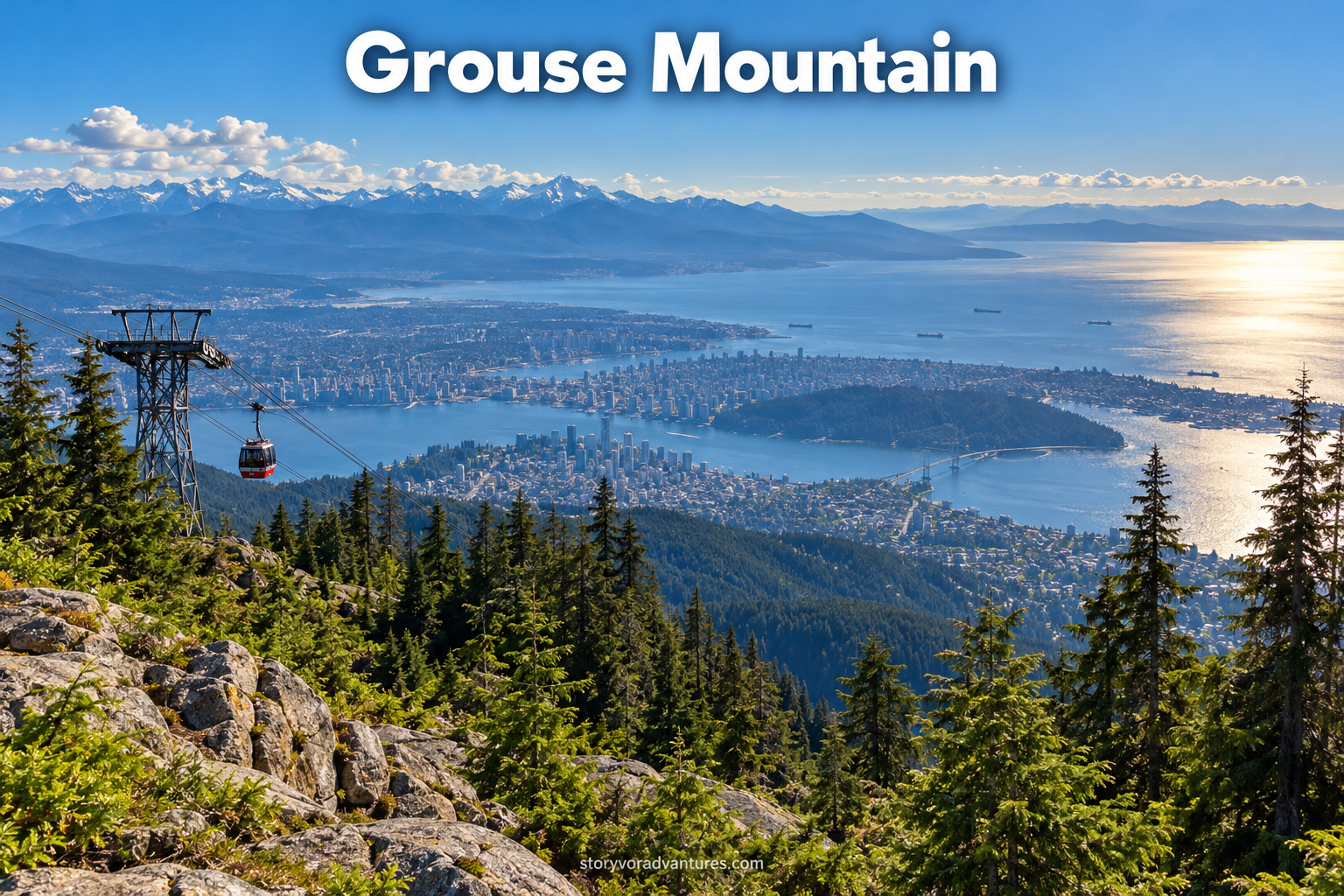
Grouse Mountain provides elevated views and seasonal outdoor activities on Vancouver’s North Shore. The available experience depends heavily on weather, visibility and the time of year.
The mountain can be reached using public transport followed by the appropriate mountain access service. Check the official website on the morning of the visit because cloud or poor visibility may reduce the value of the panoramic viewpoints.
Do not automatically attempt the Grouse Grind unless your fitness, footwear and weather conditions are suitable. The trail is physically demanding and should not be treated as an ordinary city walk.
Capilano Suspension Bridge and Grouse Mountain can fit into the same North Shore day, but visiting both fully can feel rushed. Start early and choose priority activities before arriving.
13. Museum of Anthropology at UBC
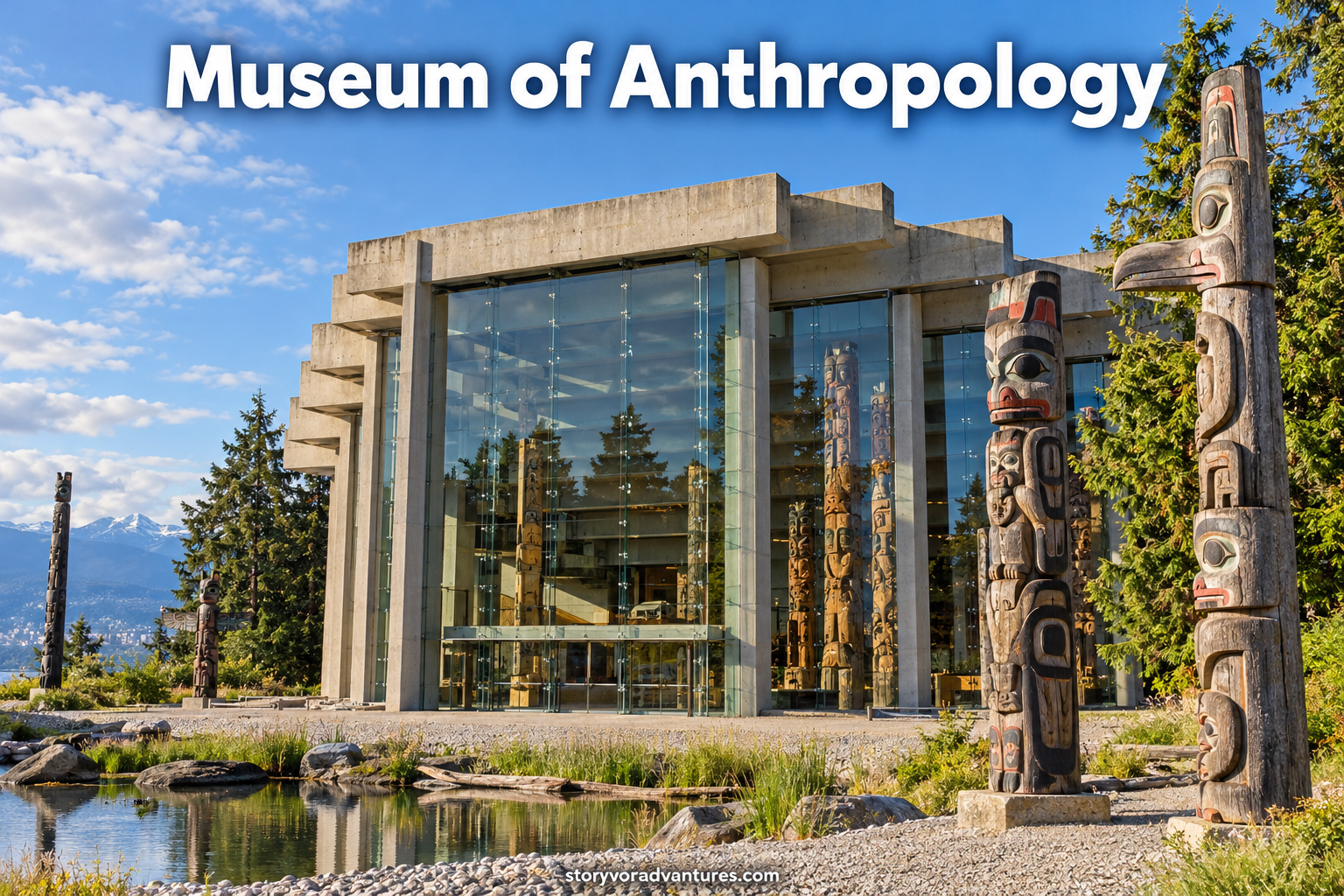
The Museum of Anthropology at UBC is an important place for learning about world cultures, with particular attention to the First Nations peoples and cultural communities of British Columbia. It is located on the University of British Columbia campus, away from downtown Vancouver. Museum of Anthropology at UBC
Approach the collections as cultural knowledge rather than simply decorative objects. Read the interpretation carefully and respect any photography restrictions or community guidance.
The museum reopened in 2024 after major seismic upgrades and renewed presentations in its Great Hall. Current exhibitions, admission and operating hours should still be confirmed before travelling. Museum of Anthropology at UBC
Allow at least two to three hours and include transport time. The UBC campus and nearby Pacific Spirit Regional Park can be explored on the same day if weather and energy allow.
14. Commercial Drive
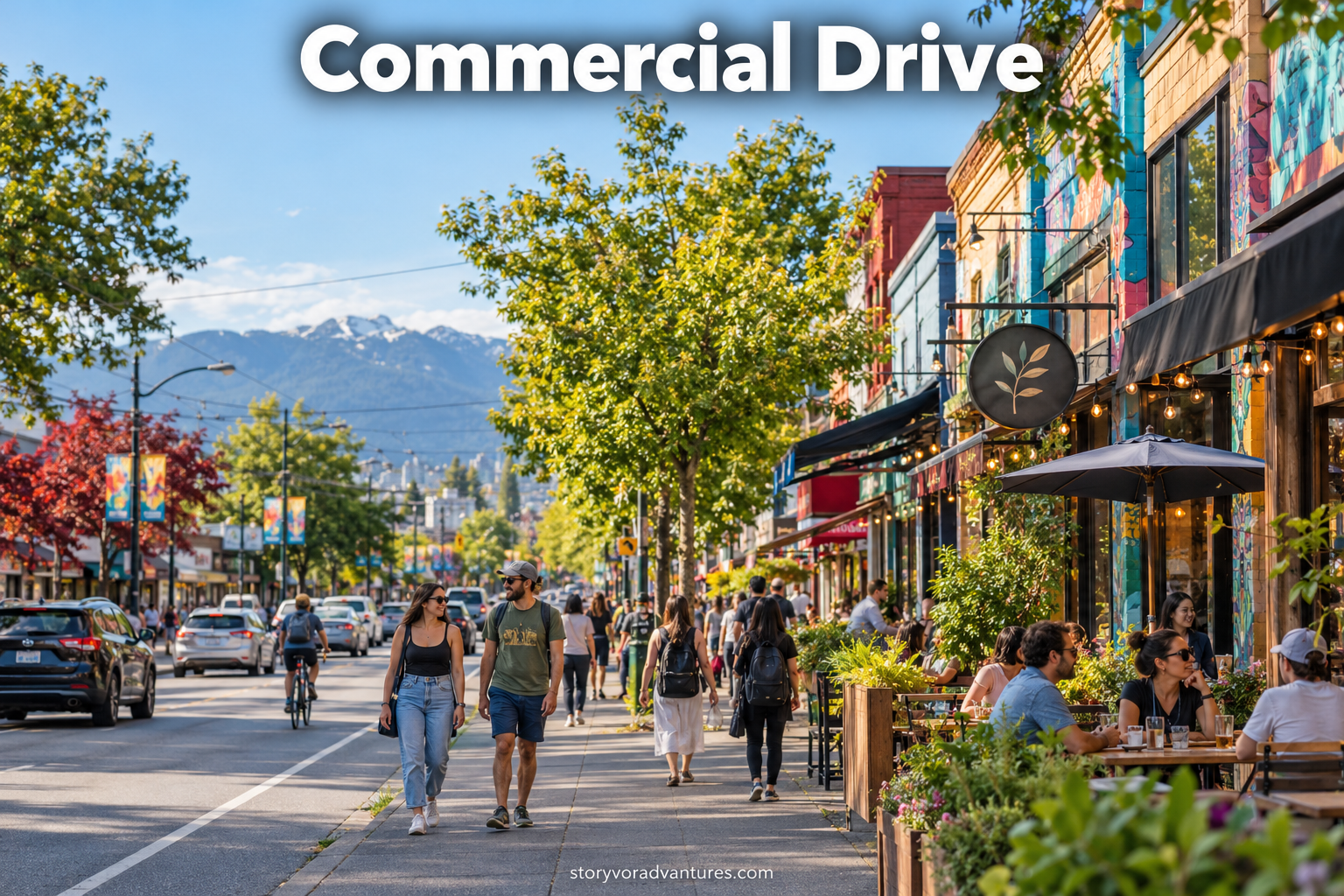
Commercial Drive, locally known as “The Drive,” introduces travellers to a more everyday side of Vancouver. The neighbourhood contains independent cafés, restaurants, shops, performance spaces and influences from many different communities.
The best way to experience Commercial Drive is without an aggressive checklist. Walk several blocks, choose a local meal and notice how the atmosphere differs from the polished downtown waterfront.
The neighbourhood includes Vancouver’s officially designated Little Italy, but its identity now reflects a much broader cultural mix. Destination Vancouver highlights its international food, arts scene and community character. Destination Vancouver
Commercial Drive works well during the evening after a lighter sightseeing day. Use public transport and check the return schedule before staying late.
15. Deep Cove
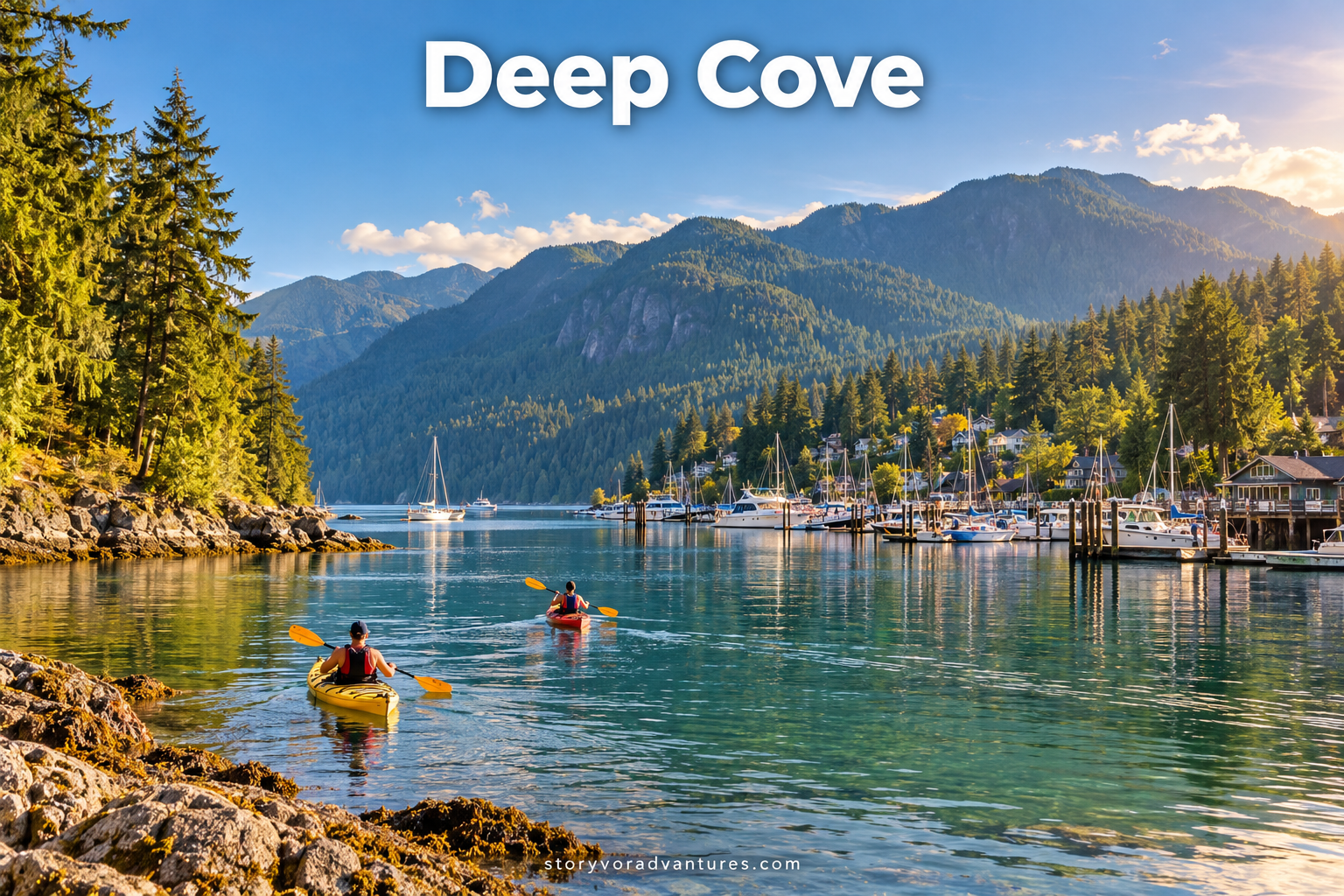
Deep Cove lies in North Vancouver and feels removed from the downtown skyline. The waterfront community is known for calm coastal scenery, paddling opportunities and access to surrounding forest.
The area becomes extremely busy during pleasant weekends. Parking is limited, so check public transport options and avoid assuming that arriving by car will save time.
Kayaking can provide a memorable perspective, but weather, water conditions and personal ability must guide the decision. Use an established operator, wear the required safety equipment and do not underestimate cold water.
Deep Cove is best treated as a slower half-day or full-day excursion. Avoid combining it with several major downtown attractions because travelling across the region can consume more time than expected.
Practical 5-Day Vancouver Itinerary
Day 1: Waterfront, Gastown and English Bay
Begin at Canada Place and walk along the waterfront. Continue into Gastown, then spend the late afternoon exploring the West End before watching sunset at English Bay.
Day 2: Stanley Park and the Seawall
Dedicate the morning to Stanley Park’s forest paths and landmarks. Walk or cycle part of the Seawall and finish at one of the nearby beaches. Avoid adding too many distant attractions to this day.
Day 3: Granville Island, Kitsilano and the Gardens
Visit Granville Island before the lunchtime crowds. Continue to Kitsilano Beach, then choose either Queen Elizabeth Park or VanDusen Botanical Garden. Visiting both gardens is possible but may feel rushed.
Day 4: North Shore
Choose Capilano Suspension Bridge and Grouse Mountain, or spend a slower day in Deep Cove. Attempting all three on one day would involve too much transport and leave limited time at each location.
Day 5: UBC, Chinatown and Commercial Drive
Visit the Museum of Anthropology during the morning. Return towards central Vancouver for the Dr. Sun Yat-Sen Classical Chinese Garden, then finish with dinner around Commercial Drive.
Where to Stay in Vancouver
Downtown is convenient for first-time visitors who want easy transport and quick access to the waterfront.
West End works well for Stanley Park, English Bay and a more residential atmosphere.
Coal Harbour offers attractive waterfront surroundings but accommodation can be expensive.
Yaletown provides restaurants, modern buildings and access to the Seawall.
Mount Pleasant can suit travellers who prefer independent cafés and neighbourhood character outside the primary tourist area.
Check the total price carefully because taxes, parking and other charges can increase accommodation costs.
Getting Around Vancouver
Vancouver’s regional system includes SkyTrain, buses and SeaBus. A reloadable Compass Card can be useful, while contactless payment may suit travellers making fewer journeys. Confirm current fares and zones through TransLink. www.translink.ca
The Canada Line links the airport with the city. SeaBus connects Waterfront Station with North Vancouver, but onward buses may still be required for mountain attractions.
Do not rent a car automatically. Parking can be expensive and inconvenient within central Vancouver. A car becomes more useful when planning destinations outside the main transit network.
Food and Responsible Travel
Vancouver’s food scene reflects its coastal setting and diverse communities. Travellers can explore Asian cuisines, seafood, bakeries, vegetarian food, neighbourhood cafés and Public Market stalls.
Avoid creating a rigid list of supposedly “essential” restaurants. Businesses and operating hours change, and spontaneous local discoveries often provide more value than travelling across the city for one viral dish.
Vancouver stands on the traditional, ancestral and unceded territories of Indigenous peoples, including the Musqueam, Squamish and Tsleil-Waututh Nations. Visitors should approach Indigenous art, places and cultural information respectfully.
Use marked trails, carry reusable water containers, avoid feeding wildlife and dispose of waste properly. Natural scenery remains one of Vancouver’s greatest strengths, but it should not be treated as an unlimited resource.
Final Thoughts
Vancouver works best when travellers stop separating the city from nature. Stanley Park, the Seawall and urban beaches show how closely the two environments connect, while North Shore excursions reveal how quickly the landscape becomes more dramatic.
A successful five-day visit does not require checking every attraction from a list. Select the places that match your interests, group nearby areas and leave space for rain, changing visibility and slower neighbourhood experiences.
The result will feel less like a race through famous locations and more like a genuine introduction to Vancouver’s waterfront, cultural communities and surrounding landscapes.