
How to Plan Your First International Trip: 10 Essential Steps for 2026
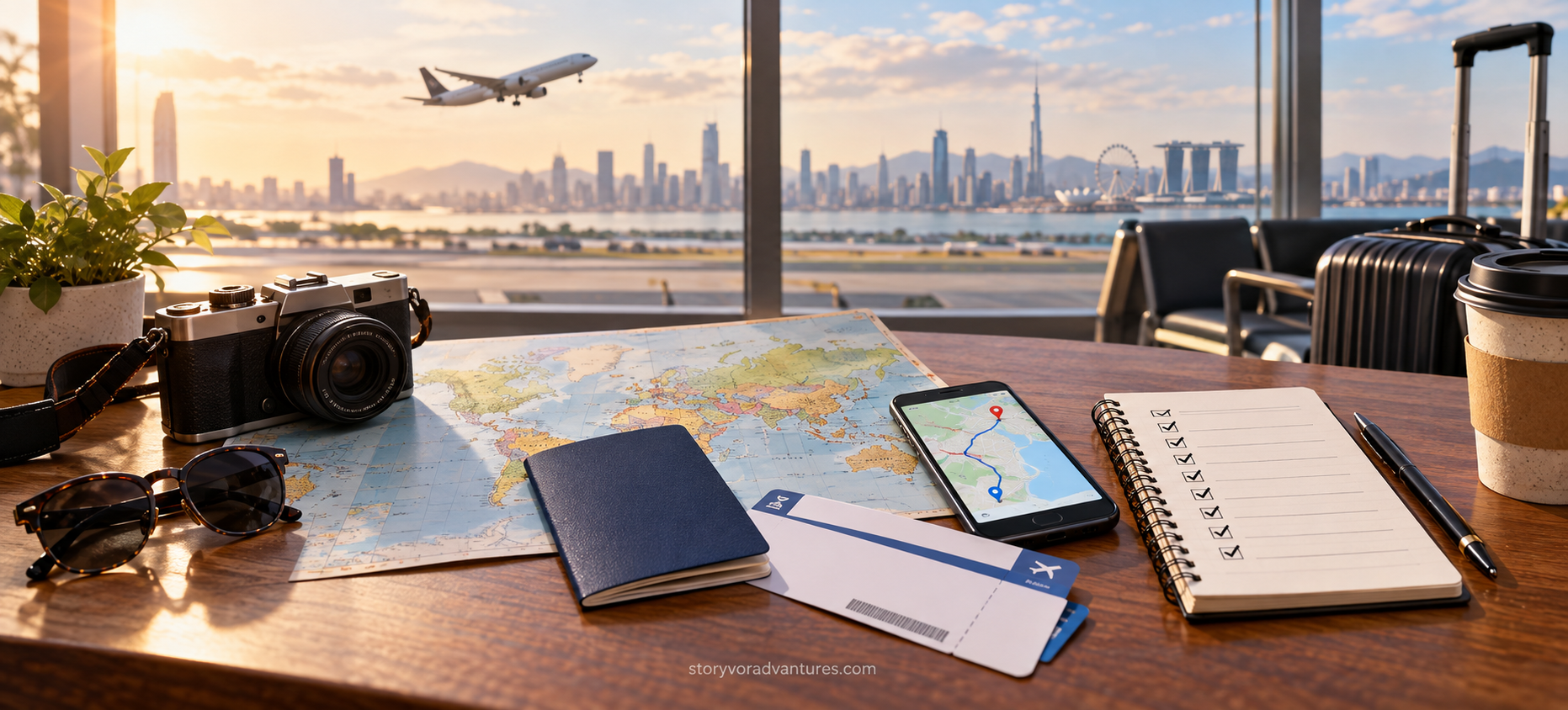
- Planning your first international trip is exciting, but it can also feel confusing. Between passports, visas, flights, accommodation, insurance and airport procedures, there are many details to manage before leaving home.
- The process becomes much easier when you complete each task in the correct order. This guide explains ten essential steps that can help first-time international travellers plan a safer, more organised and enjoyable journey.
- Travel requirements can change, so use this article as a planning framework and confirm important information through official government, immigration, airline and health-authority websites.
1. Choose the Right International Destination

- Begin with a destination that matches your budget, available time, interests and level of travel experience. A country may look beautiful online but still be unsuitable if reaching it requires expensive flights, complicated entry procedures or several difficult connections.
- Think about the experience you want. You may prefer beaches, historic cities, local food, wildlife, mountains or outdoor adventure. Also consider the expected weather, language, transportation system and typical cost of visiting.
- The length of your holiday matters too. If you have only a few days, choosing a destination with convenient flight connections may be better than spending much of the trip travelling between airports.
- Research the destination’s peak, shoulder and low seasons. Peak season may offer popular weather conditions, but it can also bring higher prices and larger crowds. Shoulder season may provide a better balance, although weather and operating schedules must still be checked.
2. Create a Complete and Realistic Budget
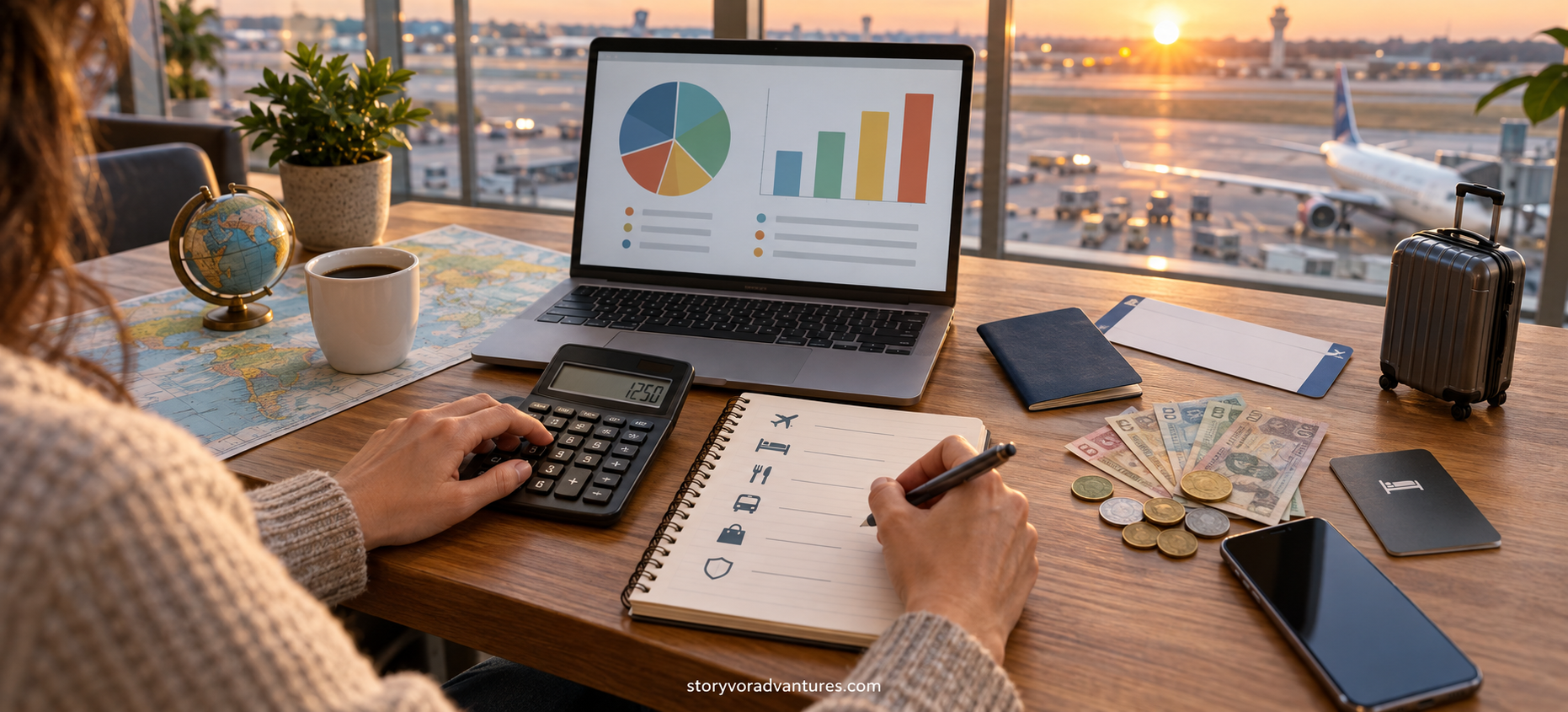
- Your travel budget should include more than flights and hotel rooms. Passport or visa fees, travel insurance, airport transfers, local transportation, meals, attractions, mobile data and banking charges can significantly increase the total cost.
Estimate the following expenses:
- Passport and visa costs
- Return flights and baggage charges
- Accommodation and local taxes
- Airport and local transportation
- Food and drinking water
- Tours and attraction tickets
- Travel insurance
- SIM card, eSIM or roaming
- Currency-conversion fees
- Emergency expenses
- Research prices in the destination’s local currency and use a recent exchange rate. Avoid planning around the lowest price displayed online because taxes, service charges and baggage fees may not be included.
- Keep an emergency reserve separate from your daily spending money. It may help if a flight is disrupted, your bank card stops working or you need unexpected medical care or transportation.
3. Check Your Passport, Visa and Transit Requirements
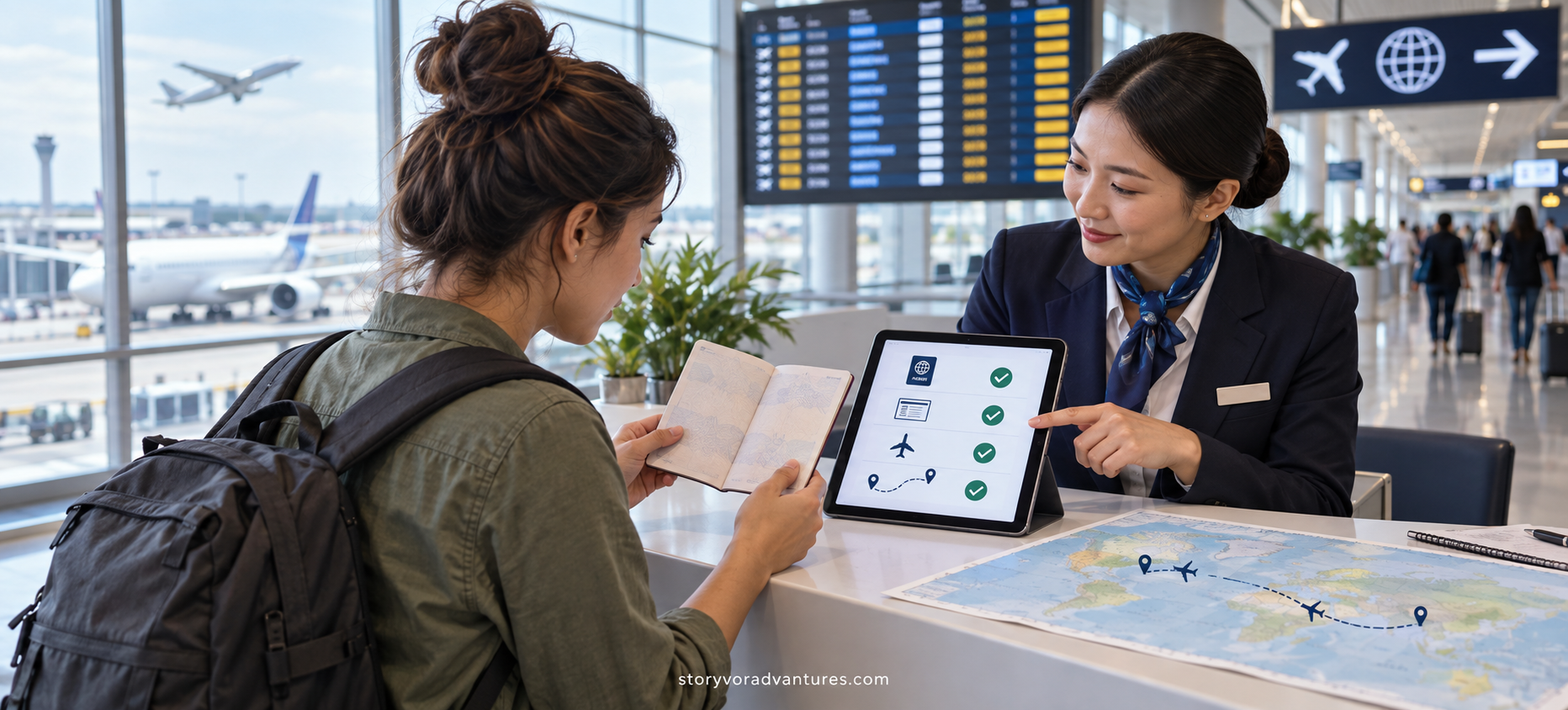
- Confirm that your passport is valid, undamaged and has sufficient blank pages where required. Some destinations require passports to remain valid beyond the traveller’s planned departure date, but the exact rule varies.
- The name on your flight reservation must match your passport. Check the spelling carefully before completing a booking.
- Visa requirements depend on your nationality, destination, purpose of travel and length of stay. You may require a traditional visa, electronic visa, electronic travel authorization or visa on arrival. Some travellers may receive visa-free entry.
A destination may also request:
- A return or onward ticket
- Confirmed accommodation
- Evidence of sufficient funds
- Travel or medical insurance
- Health documentation
- Details about the purpose of the visit
- Check transit rules separately. A connecting country may require a transit visa, particularly if you must collect your baggage, change airports or pass through immigration.
- Use official embassy, consulate or immigration websites. Be careful with unofficial websites that resemble government portals and charge additional service fees. Verify entry requirements again shortly before departure because regulations can change.
4. Compare and Book Flights Carefully
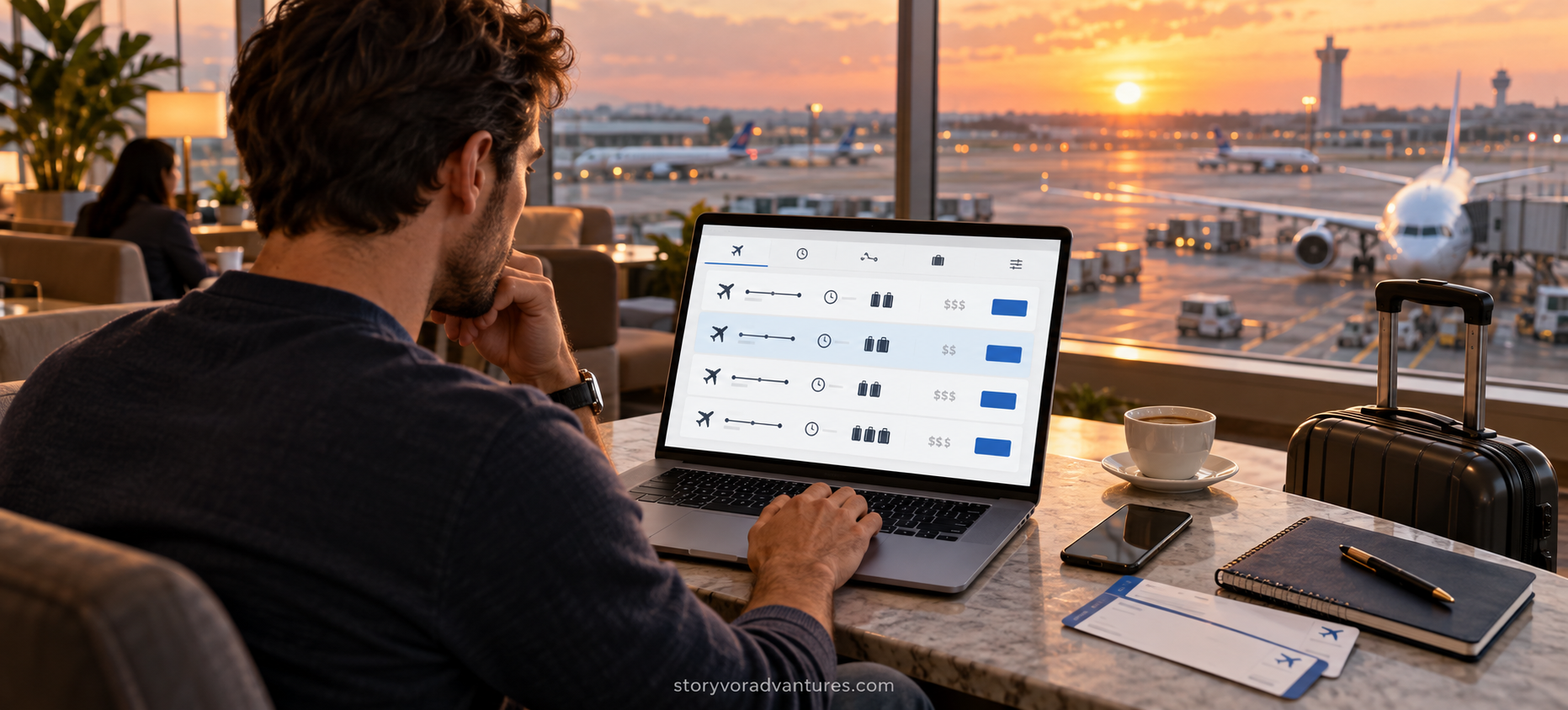
- The cheapest flight is not always the most practical option. Before booking, compare the complete cost, journey duration, airport location and ticket conditions.
- Review the baggage allowance, number of connections, change fees, cancellation rules, seat-selection charges and meal availability. A low-cost ticket may become expensive after adding necessary baggage and other services.
- Pay close attention to self-transfer itineraries. You may need to pass through immigration, collect your luggage and check in again. If separate tickets are involved, the next airline may not be responsible if a delay causes you to miss your connection.
- Allow enough time between flights for immigration, terminal changes and security screening. Beginners may find a direct flight or a simple connection more comfortable than a complicated itinerary.
- Before paying, check the passenger’s name, travel dates, departure city, arrival airport and baggage allowance. Save the booking confirmation and airline reference number after completing the reservation.
5. Select Safe and Convenient Accommodation

- For a first international journey, location can be more important than room size. A well-connected hotel or apartment can reduce transportation costs and make it easier to return safely after sightseeing.
- Check recent guest reviews, neighbourhood information, check-in hours, cancellation conditions and distance from public transportation. Read detailed reviews instead of relying only on the overall rating.
- Confirm whether taxes, breakfast, cleaning charges or local fees are included in the displayed price. If your flight arrives late, contact the property and confirm that late check-in is available.
- Save the complete address and telephone number offline. You may need this information for immigration, airport transportation or asking for local assistance.
6. Create a Flexible Travel Itinerary
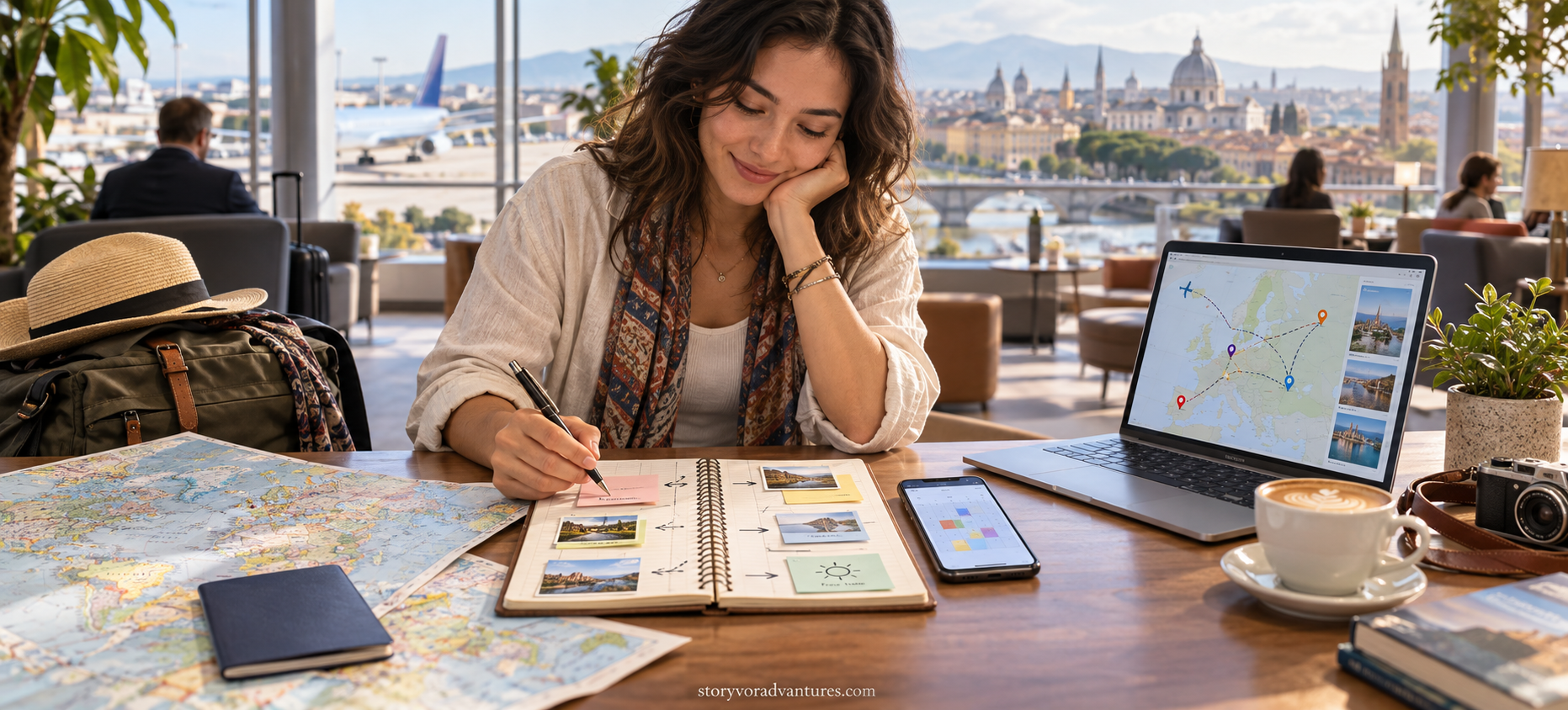
- A good itinerary gives your trip structure without turning every hour into a deadline. Trying to visit too many attractions can create unnecessary stress and leave little time to enjoy the destination.
- Choose one main experience for each day and keep nearby activities optional. Allow time for transportation, meals, rest and unexpected delays.
- Do not schedule an expensive activity immediately after landing. Immigration queues, flight delays, missing baggage or jet lag may affect your arrival day.
- Group attractions by location to avoid repeatedly crossing the city. Keep booking confirmations in one organised folder and download important details for offline access.
- A flexible itinerary also makes it easier to respond to weather changes, local closures or tiredness without feeling that the entire trip has failed.
7. Choose Suitable Travel Insurance

- Travel insurance can provide protection against certain medical emergencies, cancellations, interruptions, delays and baggage problems. However, policies vary considerably, and not every event is automatically covered.
Check the policy’s:
- Emergency medical coverage
- Medical evacuation provision
- Cancellation and interruption cover
- Baggage and valuables limits
- Delay benefits
- Pre-existing medical-condition rules
- Adventure-activity exclusions
- Deductible or excess
- Emergency-assistance process
- Activities such as high-altitude trekking, diving, rafting, skiing or skydiving may require additional coverage. Do not assume that a standard policy includes every activity shown in your itinerary.
- Read the policy wording carefully and save the policy number and emergency contact information offline. If you have questions about coverage, ask the insurer before purchasing the policy.
8. Prepare Money, Mobile Data and Important Documents
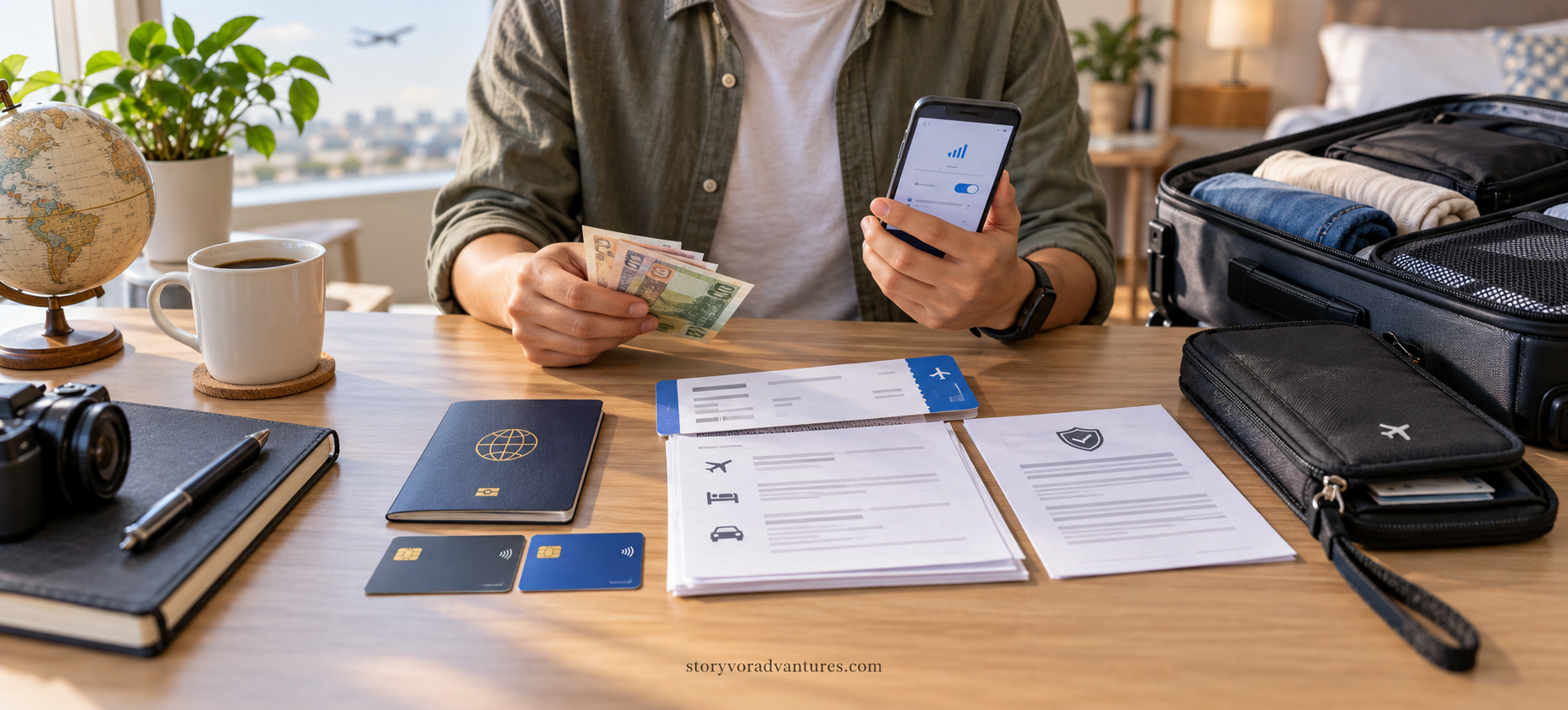
- Carry more than one payment method. A practical arrangement may include a primary card, a backup card and a reasonable amount of local currency.
- Check whether your cards work internationally and review foreign transaction, currency-conversion and ATM charges. Keep backup cards separate from your main wallet.
- Avoid carrying your entire budget at once. Store most of your money securely and take only what you reasonably expect to need during the day.
- For mobile access, compare international roaming, local SIM cards and eSIMs. Confirm that your phone supports your preferred option and is unlocked if necessary.
Download the following before departure:
- Offline maps
- Flight confirmations
- Accommodation details
- Insurance documents
- Emergency contacts
- Translation data
- Copies of important reservations
- Protect passport copies and other personal information from unnecessary sharing. Send your basic itinerary to a trusted person, but avoid publicly posting your accommodation details or complete real-time location.
9. Pack Smart and Understand Airport Procedures
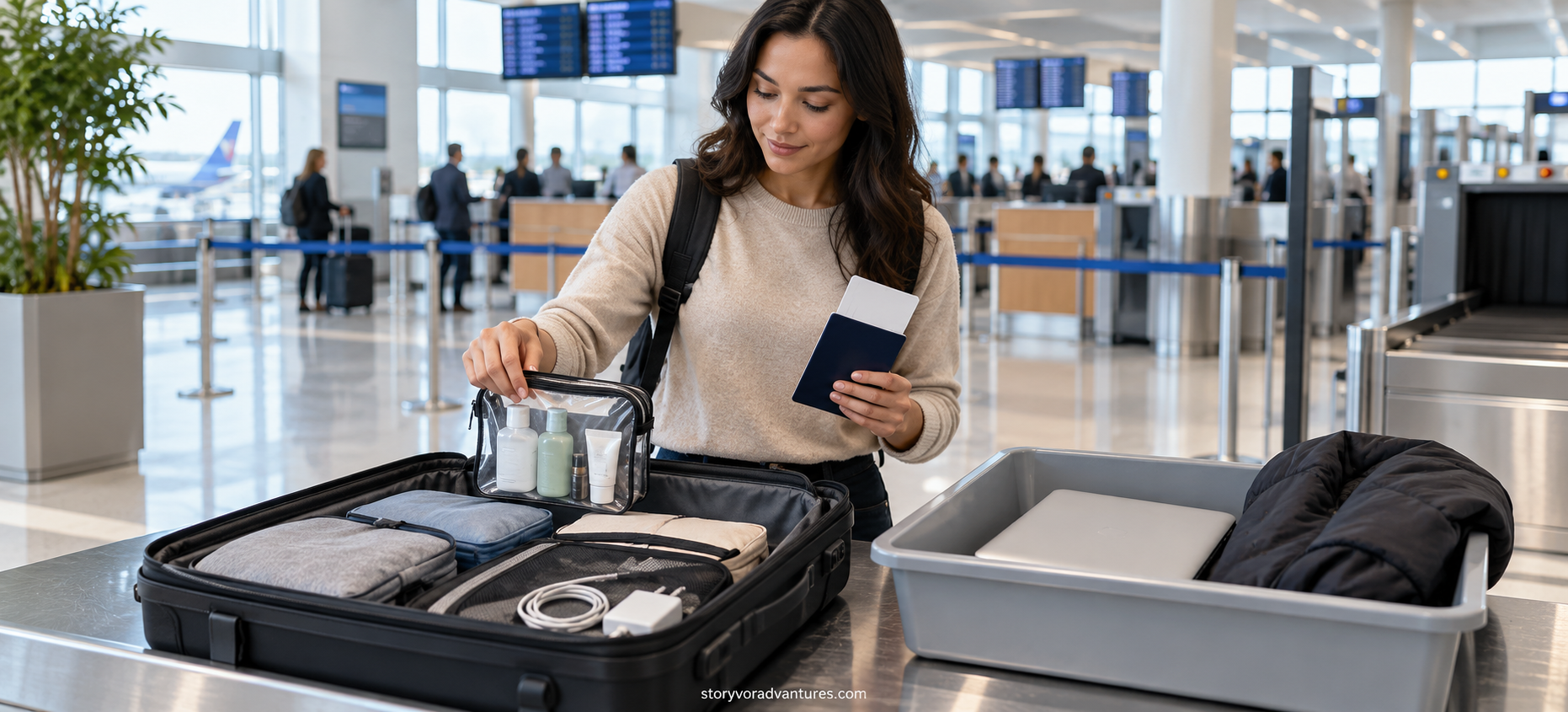
- Pack according to your destination’s climate, activities, cultural expectations and baggage rules. Choose clothes that can be combined easily instead of carrying a different outfit for every day.
- Keep essential medicines, travel documents, valuables and one basic change of clothes in your cabin bag. Irreplaceable documents should never be placed in checked luggage.
- Check current restrictions for liquids, batteries, power banks, sharp objects and controlled items. Airline and airport rules may vary.
- If you take prescription medicine, verify whether it is legal at your destination and whether a prescription or medical letter is required.
International airport procedures commonly include:
- Airline check-in and document inspection
- Baggage drop
- Security screening
- Departure immigration where applicable
- Boarding
- Arrival immigration
- Baggage collection
- Customs
- Follow your airline’s recommended airport arrival time. Keep your passport, boarding pass, accommodation address and return-ticket information accessible.
- At immigration, answer questions clearly and honestly. A visa allows you to travel to a border, but the final entry decision remains with the relevant border authority.
10. Research Local Laws, Health and Safety
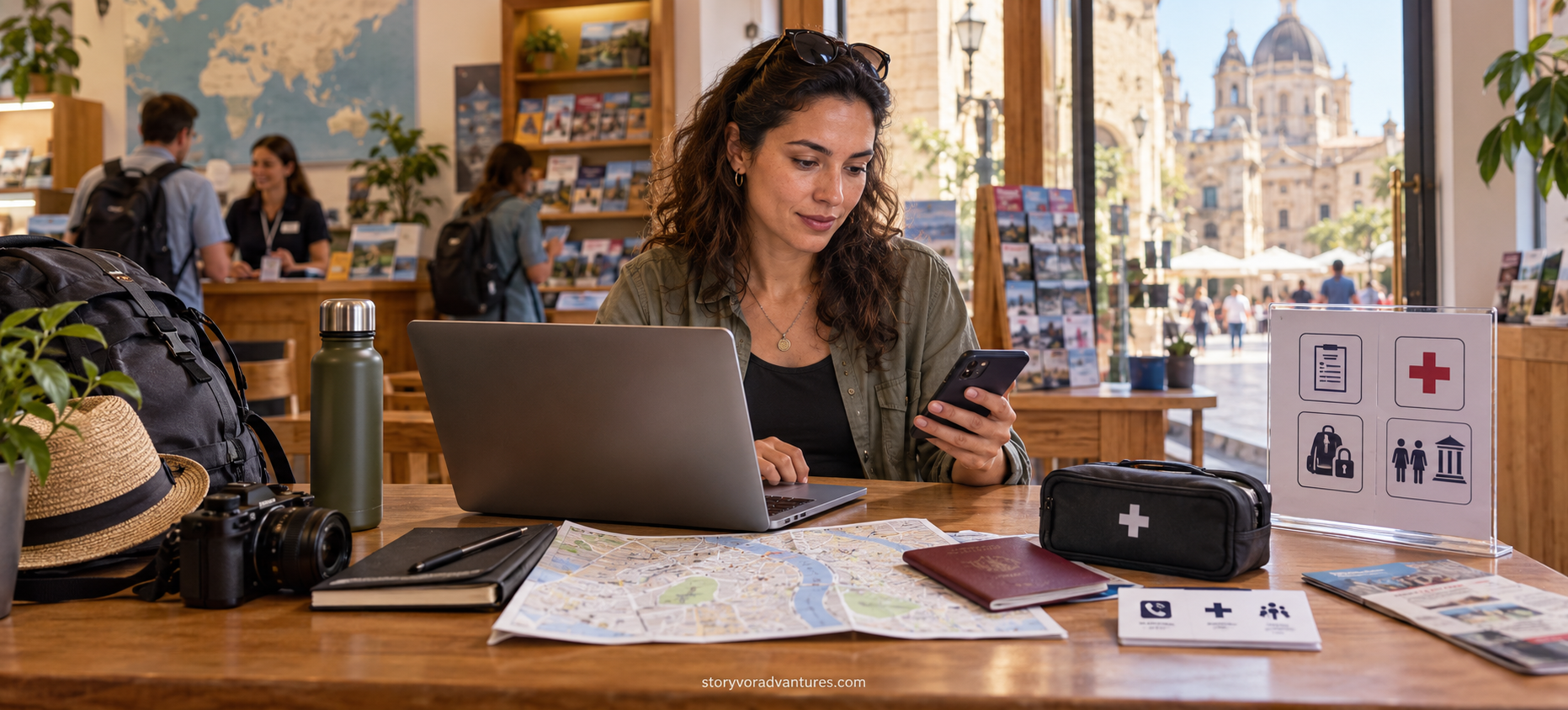
- Learn about the destination’s laws, customs, dress expectations, photography restrictions and emergency services before travelling.
- Rules concerning medicines, drones, religious sites, alcohol, public behaviour and photography can differ significantly between countries. Something considered normal at home may be restricted elsewhere.
- Check destination-specific health guidance early enough to complete any recommended medical preparation. If you have a health condition, discuss your travel plans with a qualified healthcare professional.
- Monitor official travel advisories and local conditions before and during your journey. Do not judge an entire destination as safe or unsafe based only on social-media posts.
- Use authorised transportation, keep valuables discreet and maintain awareness in crowded places. Never enter a closed area or ignore safety instructions for a photograph.
- Respect residents, local communities and natural environments. Ask permission before photographing people closely, avoid damaging landscapes and follow rules at cultural and wildlife sites.
Common First-Time International Travel Mistakes
Many first-time travellers focus on exciting activities and overlook practical details. Common mistakes include booking before checking visa requirements, choosing unrealistic connections, ignoring baggage restrictions and scheduling too many activities.
Other avoidable mistakes include carrying only one payment method, keeping every important document online, buying unsuitable insurance and relying on outdated social-media information.
Good preparation will not prevent every problem, but it can reduce many unnecessary risks and expenses.
Frequently Asked Questions
How far in advance should I plan an international trip?
The ideal timeline depends on passport processing, visa requirements, destination popularity and flight availability. Begin researching several months in advance when possible, especially if a visa is required.
Should I purchase flights before receiving a visa?
Follow the instructions provided by the relevant embassy or immigration authority. Buying a non-refundable ticket before visa approval may create financial risk.
How much money should I carry?
There is no universal amount. Estimate your normal expenses, planned activities and emergency needs. Carry a combination of payment methods rather than keeping the full budget in cash.
Is travel insurance compulsory?
Requirements vary by destination. Even when insurance is optional, suitable coverage may provide valuable protection against covered medical emergencies and travel disruptions.
What documents may immigration officers request?
Travellers may be asked for a passport, visa, return ticket, accommodation address, insurance, evidence of funds or other supporting documents. Requirements depend on nationality and destination.
How can I manage a language barrier?
Download an offline translation tool and learn a few basic local phrases. Save your accommodation address in the local language and remain patient during conversations.
Final Thoughts

- Your first international journey does not need to be perfect. Delays, unfamiliar procedures and small mistakes can happen even to experienced travellers.
- The purpose of planning is not to control every moment. It is to reduce avoidable problems so you can explore a new destination with greater confidence.
- Choose a suitable destination, prepare a realistic budget, verify official entry rules and remain flexible. Travel with curiosity while respecting the laws, communities and environments that welcome you.
- The most memorable part of your journey may not be the attraction you planned months in advance. It could be your first conversation in another language, an unfamiliar breakfast or the moment you realise how much of the world is still waiting to be understood.
- Important Travel Note: Passport rules, visas, entry requirements, health guidance, airline policies, prices and local conditions can change. Always verify current information through official immigration authorities, government travel advisories, airlines and relevant service providers before booking or travelling.
© 2026 storyvoradvantures