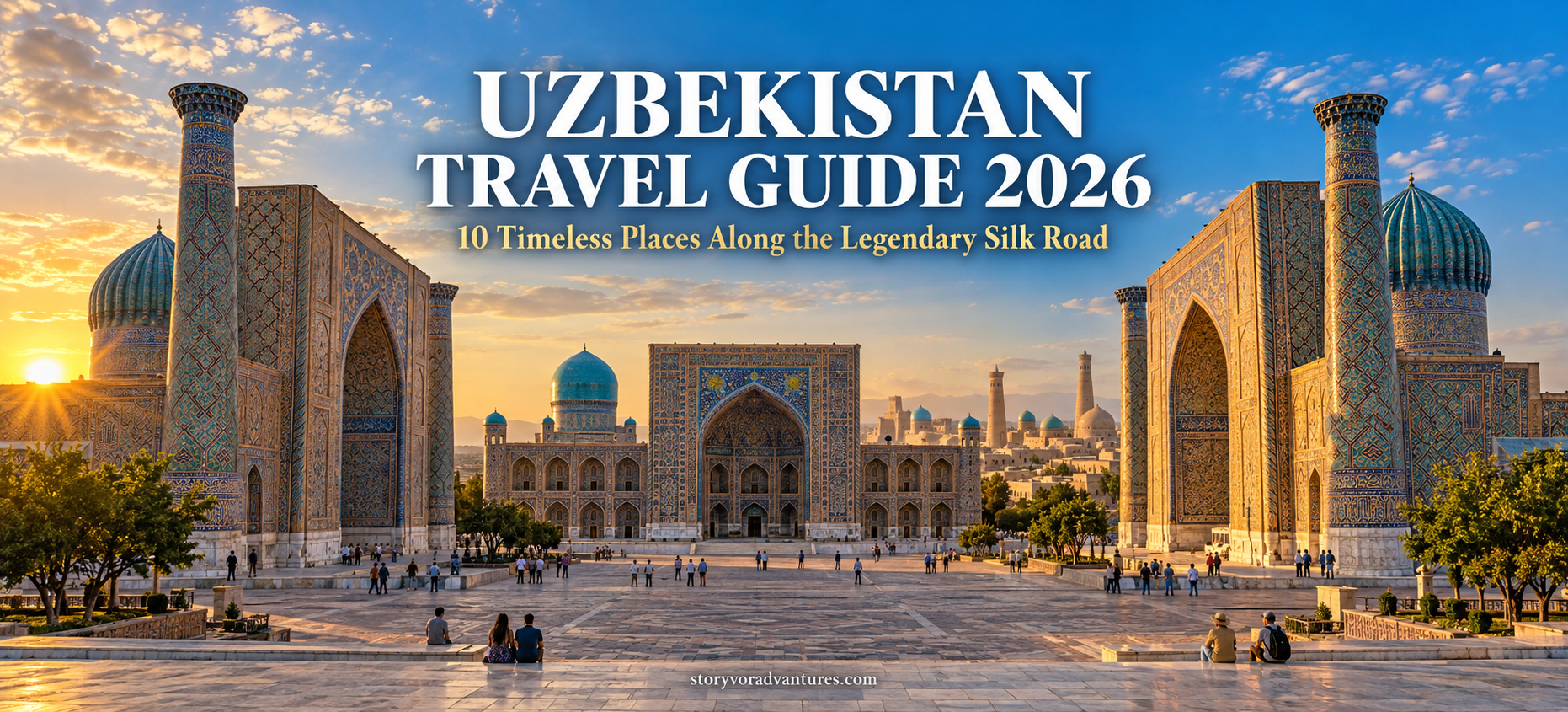
Uzbekistan Travel Guide 2026: 10 Timeless Places Along the Legendary Silk Road
Explore 10 timeless places in Uzbekistan in 2026, from Samarkand and Bukhara to ancient fortresses, deserts, mountains and Silk Road cities.
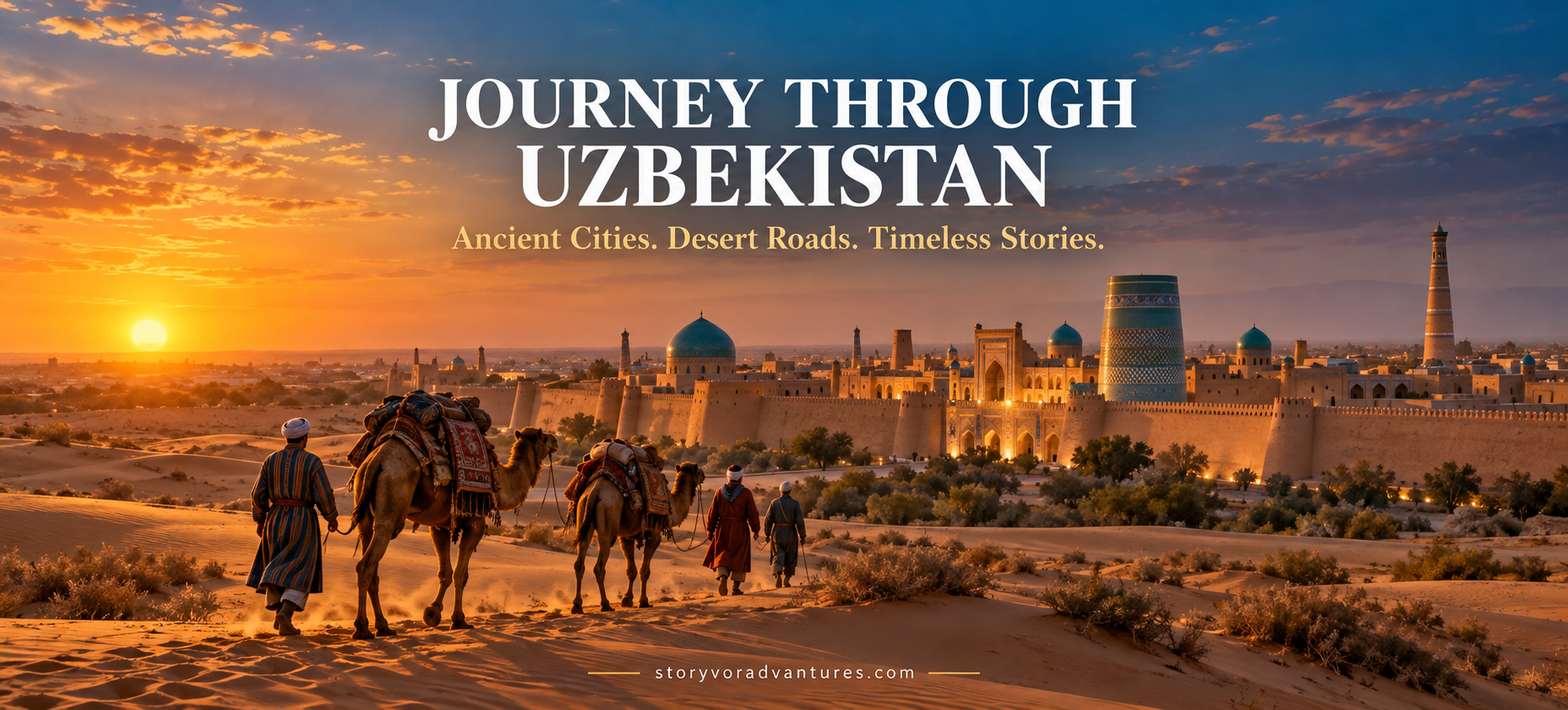
Uzbekistan is one of Central Asia’s most fascinating destinations. Its blue-tiled monuments, ancient trading cities, desert fortresses, mountain landscapes and welcoming neighbourhoods reveal a history shaped by merchants, scholars, artisans and travellers.
For centuries, routes commonly described as the Silk Road connected East Asia, Central Asia, the Middle East and Europe. Cities such as Samarkand, Bukhara and Khiva developed into important centres of trade, learning, architecture and culture. Their monuments remain impressive today, but Uzbekistan is much more than a collection of historic buildings.
Modern Tashkent introduces visitors to the country’s contemporary life, while the Chimgan Mountains and Charvak Reservoir provide a natural contrast to the historic cities. The Kyzylkum Desert, ancient Ayaz-Kala fortresses and fertile Fergana Valley reveal completely different landscapes within the same country.
This Uzbekistan travel guide covers ten unforgettable places and provides practical information for planning a responsible journey in 2026. Entry requirements, railway schedules, ticket prices and local regulations can change, so always confirm essential details through official sources before travelling.
Why Visit Uzbekistan in 2026?
Uzbekistan offers cultural depth without requiring travellers to move between many different countries. A single journey can include Islamic architecture, archaeological sites, Soviet-era urban design, traditional crafts, mountain walks and desert experiences.
Another advantage is the possibility of connecting several major cities by train. Tashkent, Samarkand and Bukhara form a practical route, while Khiva can be reached through additional rail, road or air connections. Popular services can sell out, especially during busy travel periods, so advance planning is useful.
The country also appeals to travellers who enjoy photography. Turquoise domes, geometric mosaics, mud-brick walls, mountain valleys and colourful markets produce very different scenes throughout the trip. Visitors should still remember that religious sites, neighbourhoods and markets are real community spaces rather than photography sets.
Quick Planning Guide for Uzbekistan
Seven to ten days can provide an introduction to Tashkent, Samarkand and Bukhara. Travellers who also want to visit Khiva should consider extending the trip to approximately ten to fourteen days. Mountain, desert or Fergana Valley experiences require additional time.
Spring and autumn are often preferred for extensive sightseeing because walking through open squares and historic cities can be more comfortable than during the strongest summer heat. Winter may bring cold temperatures, especially at night and in mountain areas.
Transport distances should not be underestimated. Uzbekistan is a large country, and some remote attractions involve long road journeys. A realistic itinerary is more enjoyable than attempting to see every region in a single week.
1. Samarkand and Registan Square
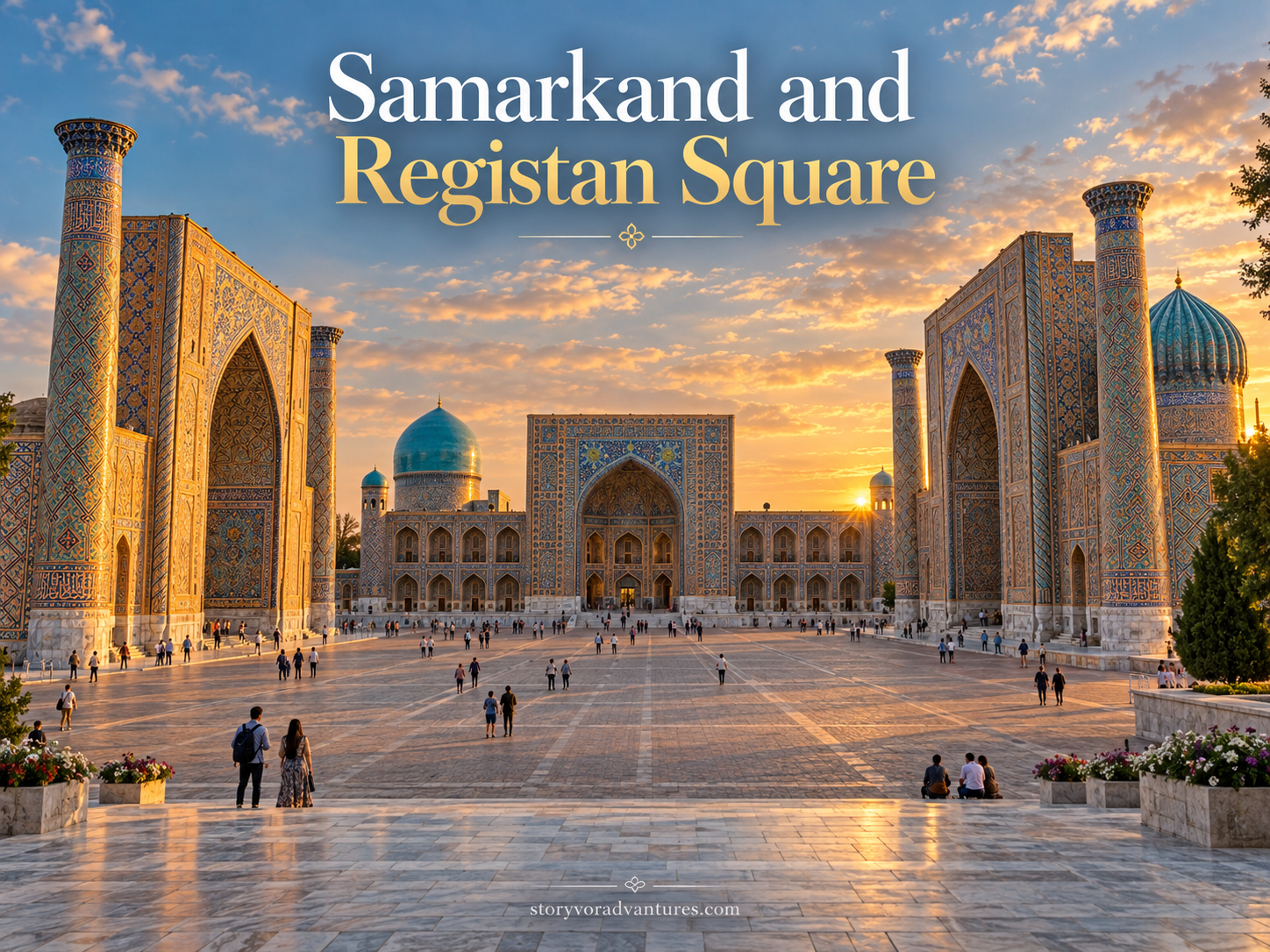
Samarkand is one of the most celebrated cities associated with the Silk Road. Its history stretches across many centuries, and its architecture reflects periods of conquest, scientific achievement, trade and cultural exchange.
Registan Square is the city’s most recognisable location. Three monumental madrasas frame the open square with enormous portals, domes and intricate tilework. The combination of turquoise, deep blue, gold and geometric decoration creates an unforgettable first impression.
The complex is particularly beautiful during the softer light of morning or late afternoon. However, visitors should not focus only on recreating a popular photograph. Looking closely at the patterns, inscriptions and differences between the three buildings reveals the skill of the artisans who worked on the complex.
Registan can become crowded during group-tour hours and special events. Arriving early may provide a calmer experience, but opening schedules can change. Confirm current admission information before travelling.
Samarkand deserves more than one quick stop. Allow at least two full days if possible, giving yourself time to visit Registan, Shah-i-Zinda and other historic areas without rushing.
2. Shah-i-Zinda Necropolis
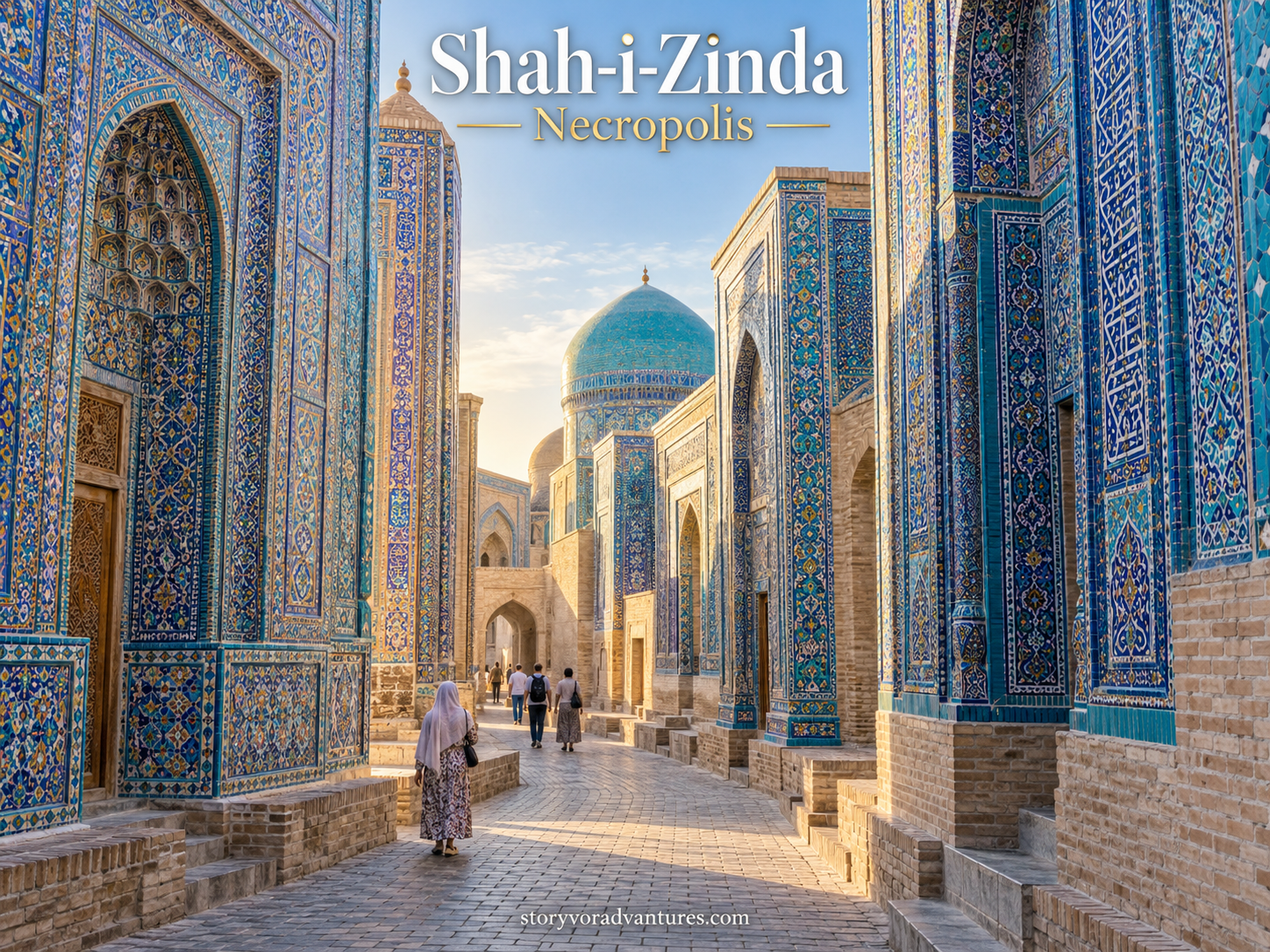
Shah-i-Zinda is one of Samarkand’s most visually remarkable historic complexes. A narrow ceremonial passage leads between mausoleums decorated with detailed blue, turquoise and white tiles.
The structures were created during different periods, which explains variations in their decoration and architectural style. Walking through the complex feels different from standing in the open space of Registan because the passage brings visitors much closer to the surfaces and designs.
Shah-i-Zinda has religious and cultural significance. Visitors should dress respectfully, keep conversations quiet and avoid disturbing anyone who has come to pray or reflect.
Photography may be permitted in many areas, but it should never interfere with worship or conservation. Do not touch fragile tiles, climb on structures or block narrow passages while arranging a picture.
The complex can involve stairs and uneven surfaces. Comfortable footwear is important, and travellers with mobility concerns should check current accessibility information before visiting.
3. Bukhara Old City
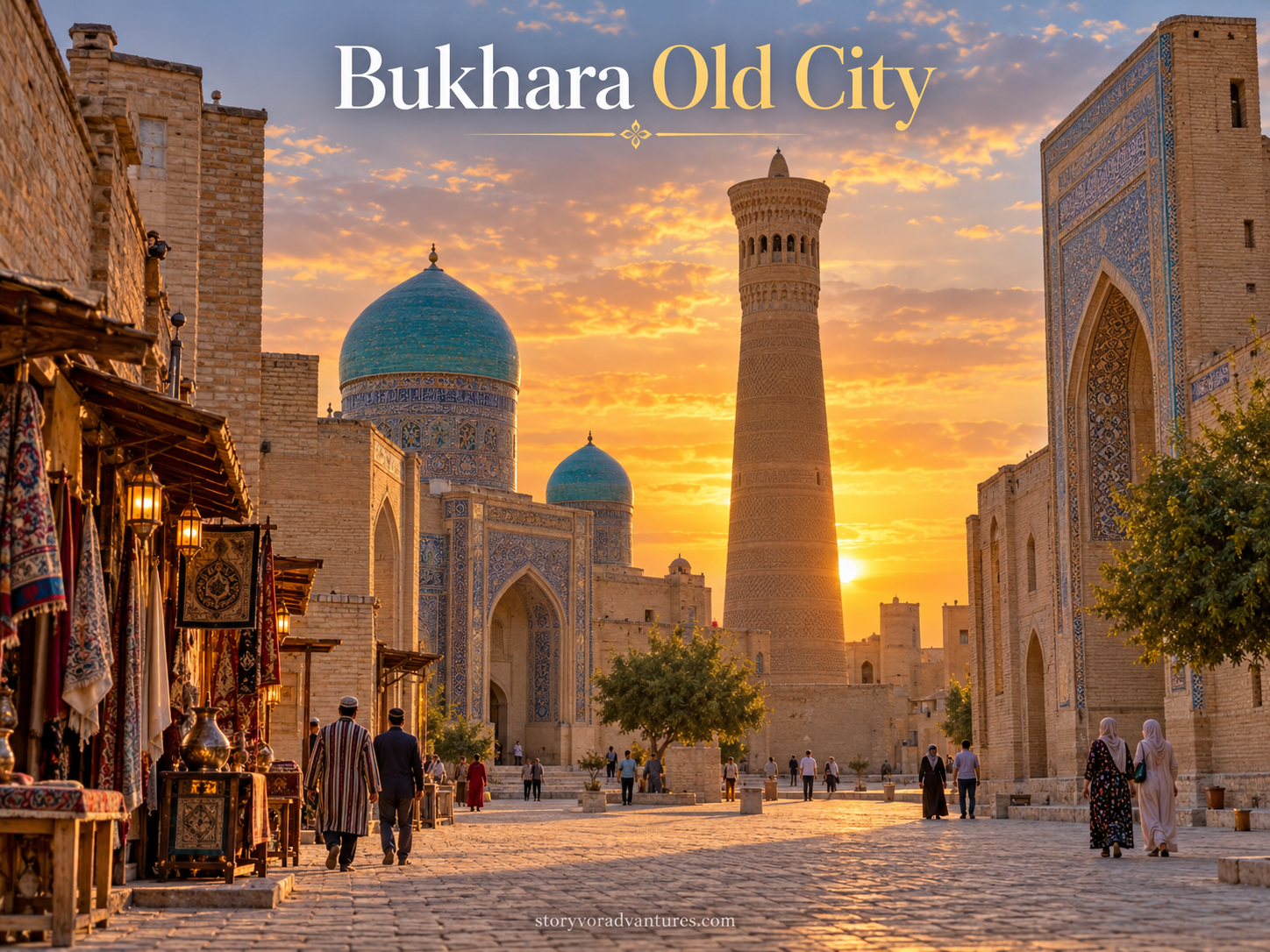
Bukhara was an important centre of trade, religion and scholarship along the Silk Road. Its historic centre preserves madrasas, mosques, minarets, trading domes and traditional buildings within a walkable urban area.
The Poi Kalyan complex is one of the city’s most memorable architectural groups. Its famous minaret rises above the surrounding square, while the mosque and madrasa create a balanced setting that changes dramatically between daylight and evening illumination.
Bukhara is best experienced slowly. Instead of moving only between major monuments, walk through the covered trading areas, pause in quieter courtyards and observe how traditional crafts remain part of the local economy.
Workshops and shops sell textiles, carpets, ceramics, metalwork and other handmade products. Ask sellers where and how an item was produced before purchasing. A product displayed in a historic market is not automatically handmade or locally produced.
Bukhara’s old city is compact, but summer heat and stone surfaces can make walking tiring. Carry water, take regular breaks and avoid scheduling every attraction during the hottest part of the day.
4. Khiva and Itchan Kala
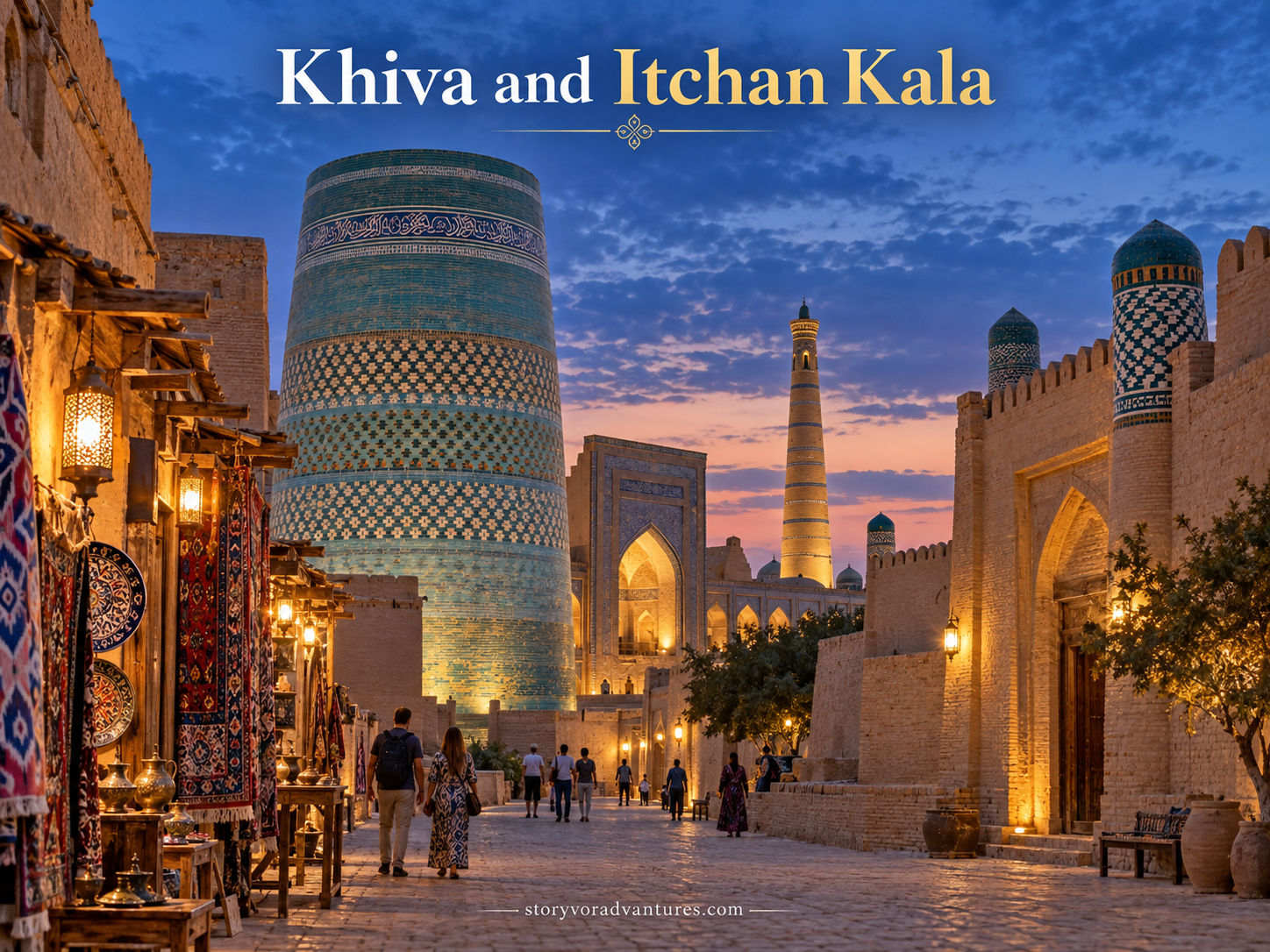
Khiva’s walled inner city, known as Itchan Kala, creates one of Uzbekistan’s most atmospheric travel experiences. Mud-brick walls enclose minarets, mosques, madrasas, courtyards and narrow lanes.
The unfinished Kalta Minor minaret is one of the area’s most recognisable landmarks. Its broad form and turquoise decoration stand out against the warm earth tones of the surrounding buildings.
Itchan Kala can feel particularly peaceful early in the morning, before larger tour groups arrive. Evening light also brings warmth to the walls and creates a different atmosphere after the strongest daytime heat has passed.
Although the inner city can appear like a preserved museum, people continue to live and work in parts of the area. Respect private entrances, avoid making excessive noise and ask permission before photographing residents.
Access arrangements may vary between the general historic area and individual monuments. Check whether the ticket you purchase includes specific towers, museums or religious buildings rather than assuming everything is covered.
5. Tashkent
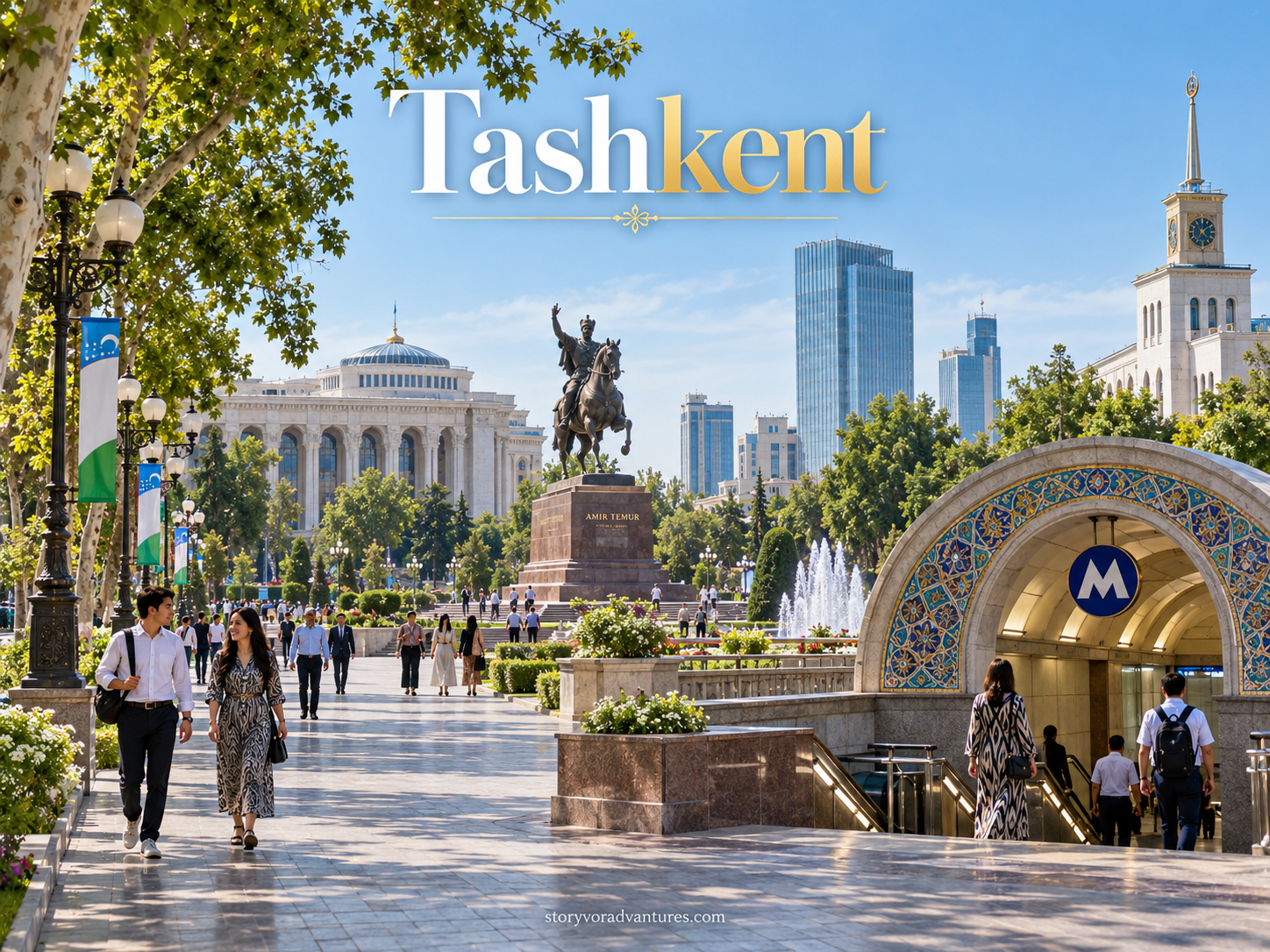
Tashkent is Uzbekistan’s capital and an important arrival point for international travellers. It differs significantly from Samarkand, Bukhara and Khiva, offering wide avenues, green spaces, large public buildings and a mixture of modern and Soviet-era architecture.
The city’s metro is both practical and visually interesting. Several stations feature distinctive lighting, mosaics, stonework and decorative themes. Photography rules can change, so follow current instructions displayed inside the system.
Markets provide another view of everyday life. Chorsu Bazaar is known for its large domed structure and extensive selection of food, spices, bread, produce and household products. Visitors should ask before photographing vendors at close range.
Tashkent also provides museums and cultural sites that can help travellers understand the country before visiting the ancient cities. Spending one or two nights here can make the journey feel more complete than treating the capital only as an airport stop.
Traffic and long distances between districts can affect sightseeing plans. Use the metro when practical and group nearby attractions together rather than repeatedly crossing the city.
6. Chimgan Mountains
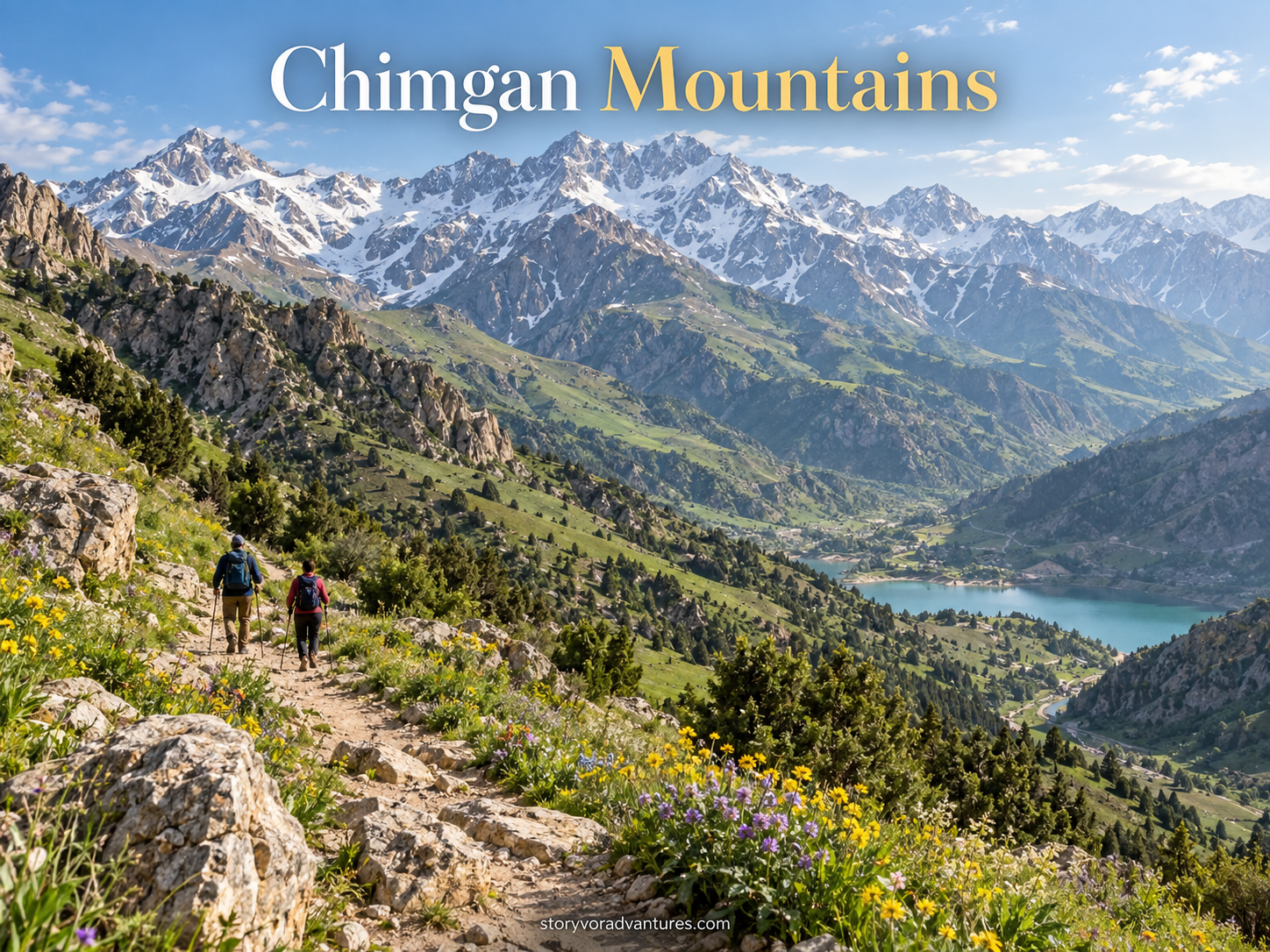
The Chimgan Mountains offer a refreshing change from Uzbekistan’s historic cities. Located within travelling distance of Tashkent, the area forms part of the Western Tien Shan landscape and attracts hikers, climbers and winter-sports visitors.
Mountain conditions can change quickly. A warm morning in Tashkent does not guarantee similar weather at a higher elevation. Travellers should carry suitable layers, sun protection, water and appropriate footwear.
The experience can range from a scenic day trip to a more demanding outdoor adventure. Choose a route suitable for your fitness and experience rather than selecting a trail only because it appears impressive in photographs.
A knowledgeable local guide may be valuable for unfamiliar or challenging routes. Check the guide’s experience, planned route, emergency arrangements and included equipment before confirming an excursion.
Avoid leaving marked paths, collecting plants or disturbing wildlife. Mountain tourism should protect the landscape rather than treating it as an unrestricted recreation area.
7. Charvak Reservoir
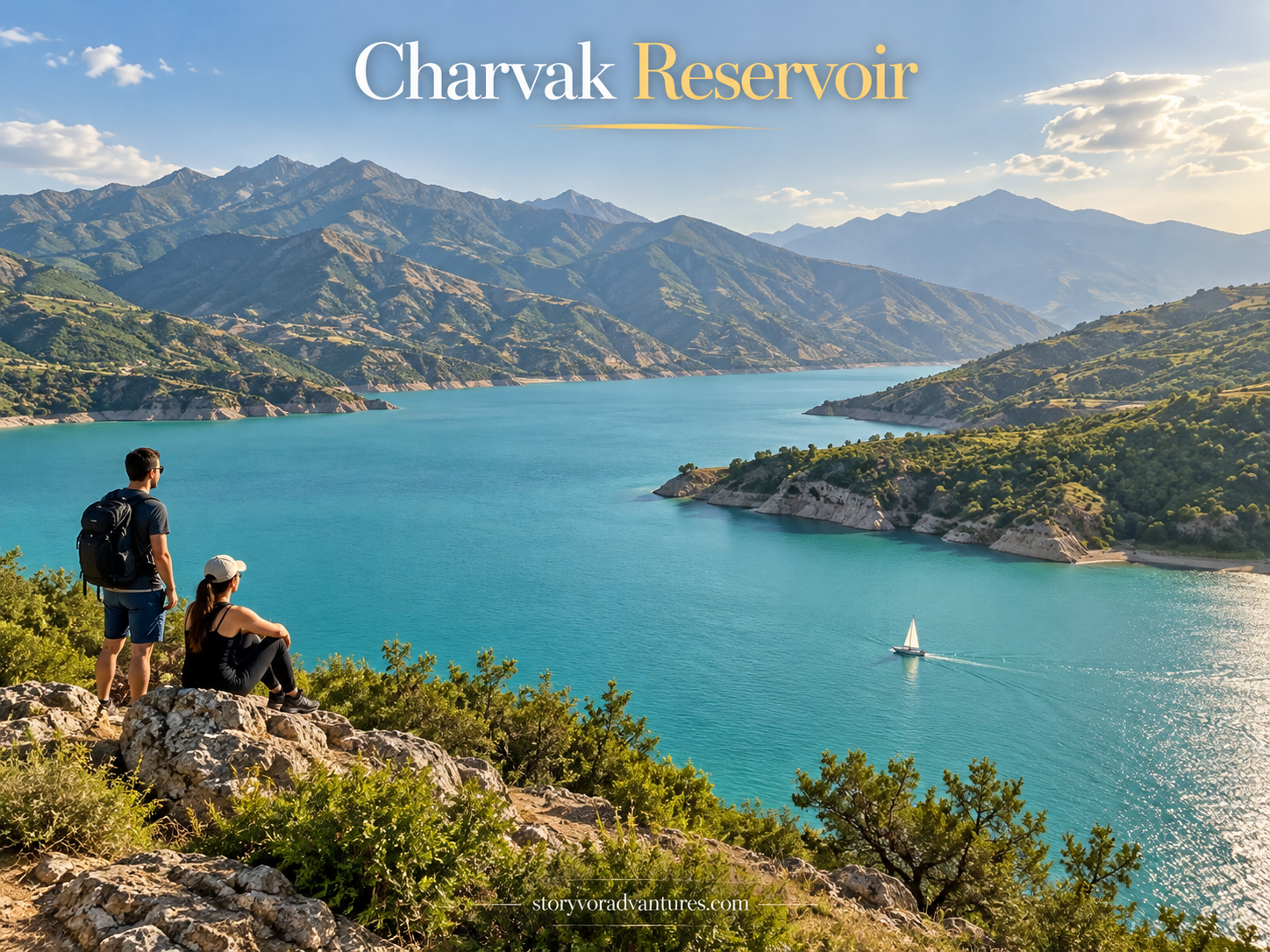
Charvak Reservoir is known for its turquoise water and surrounding mountain scenery. It is a popular recreational destination for residents of Tashkent and can be combined with a wider visit to the Chimgan area.
Viewpoints above the water provide impressive panoramas, but roadside stops should be chosen carefully. Use designated areas and avoid standing close to traffic or unstable edges for photographs.
Recreational facilities and water activities vary by season and location. Check equipment, safety procedures and weather conditions before participating in boating, swimming, paragliding or other activities.
The reservoir can become busy during weekends and holidays. A weekday visit may provide a quieter experience, although this depends on the season.
Visitors should take all rubbish away and avoid using single-use plastic when practical. Lakeside environments can be damaged quickly when large numbers of visitors leave food packaging and other waste behind.
8. Kyzylkum Desert
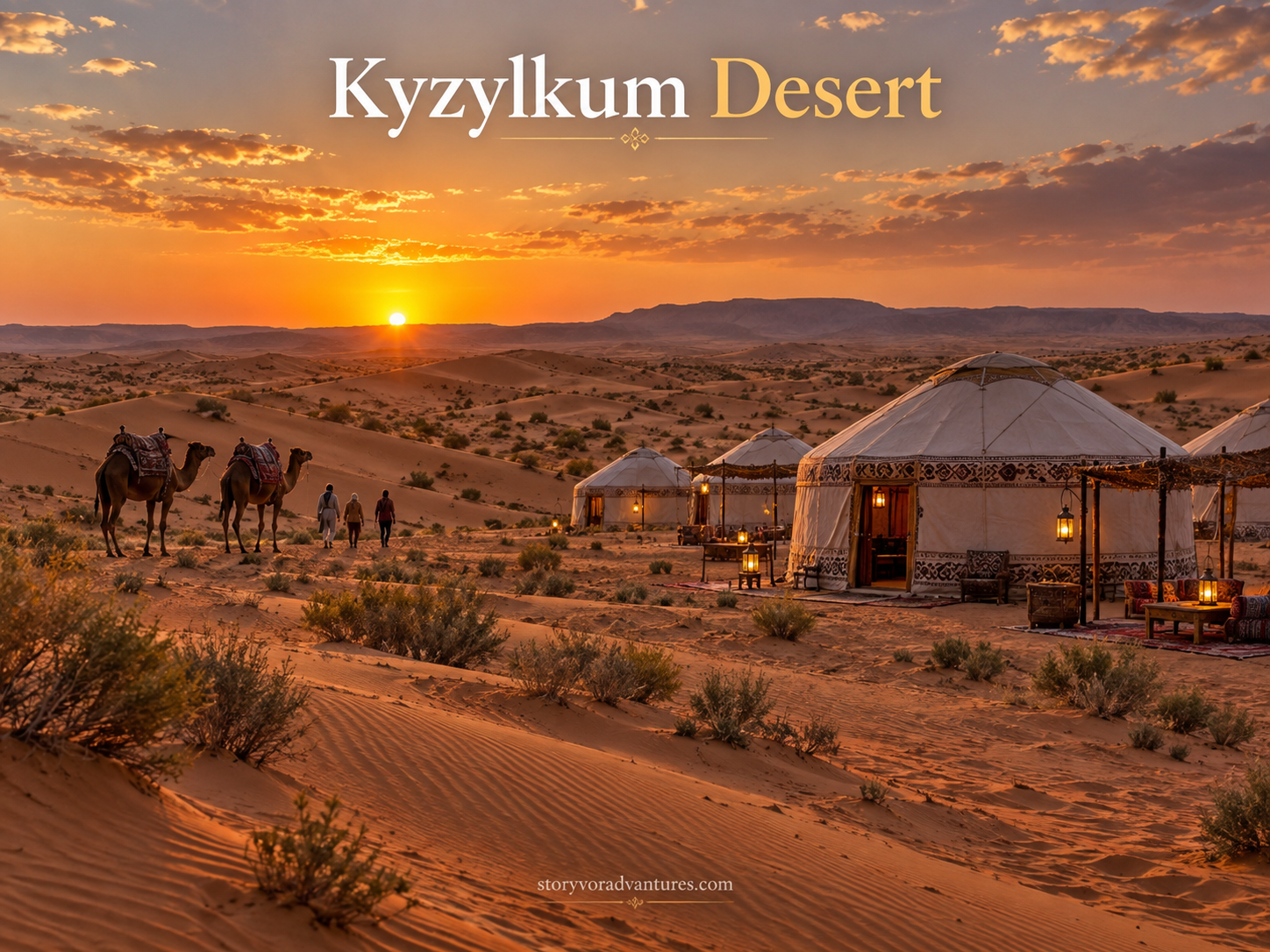
The Kyzylkum Desert stretches across a vast area of Central Asia. Its name is commonly translated as “Red Sand,” reflecting the warm tones found in parts of the landscape.
A desert stay can include a yurt camp, a traditional meal, music, stargazing or a short camel experience. Quality and authenticity vary between operators, so read recent reviews and confirm what is included before booking.
Desert temperatures can change sharply between day and night. Sun protection, water and lightweight clothing are important during the day, while an additional warm layer may be necessary after sunset.
Travellers should avoid activities that mistreat animals. Before accepting a camel ride, observe the animal’s condition and how it is handled. Refuse the experience if equipment appears harmful or the animal seems distressed.
The night sky can be one of the desert’s greatest attractions. Reducing artificial light and noise helps protect the experience for other visitors and limits disturbance to wildlife.
9. Ayaz-Kala Fortresses
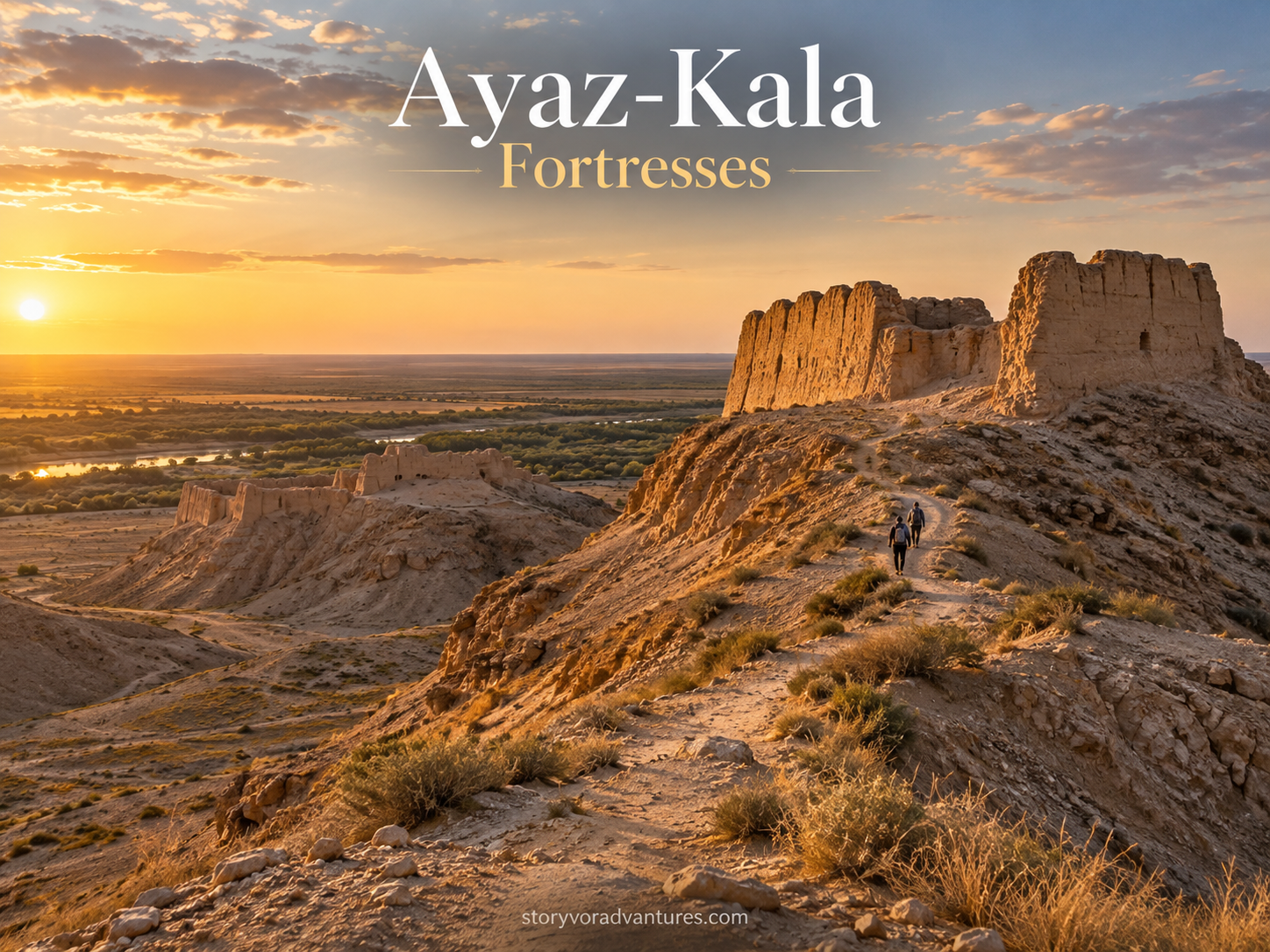
Ayaz-Kala refers to a group of ancient fortress remains in the desert landscape of Karakalpakstan. The weathered mud-brick walls rise above the surrounding plain and provide a powerful sense of the region’s archaeological history.
Reaching Ayaz-Kala usually requires planning because it is far from Uzbekistan’s main tourist route. Travellers may visit from Khiva or combine the site with other fortresses in the region.
Road conditions, heat and limited services should be considered. Carry sufficient water and confirm transport arrangements in advance, especially if travelling outside an organised tour.
These ruins are fragile. Visitors should follow existing paths, avoid climbing unstable walls and never remove pottery fragments, stones or archaeological material.
Sunrise and sunset provide beautiful light, but remote travel after dark can create additional risks. Agree on timing and return arrangements with a reliable driver or guide before beginning the excursion.
10. Fergana Valley
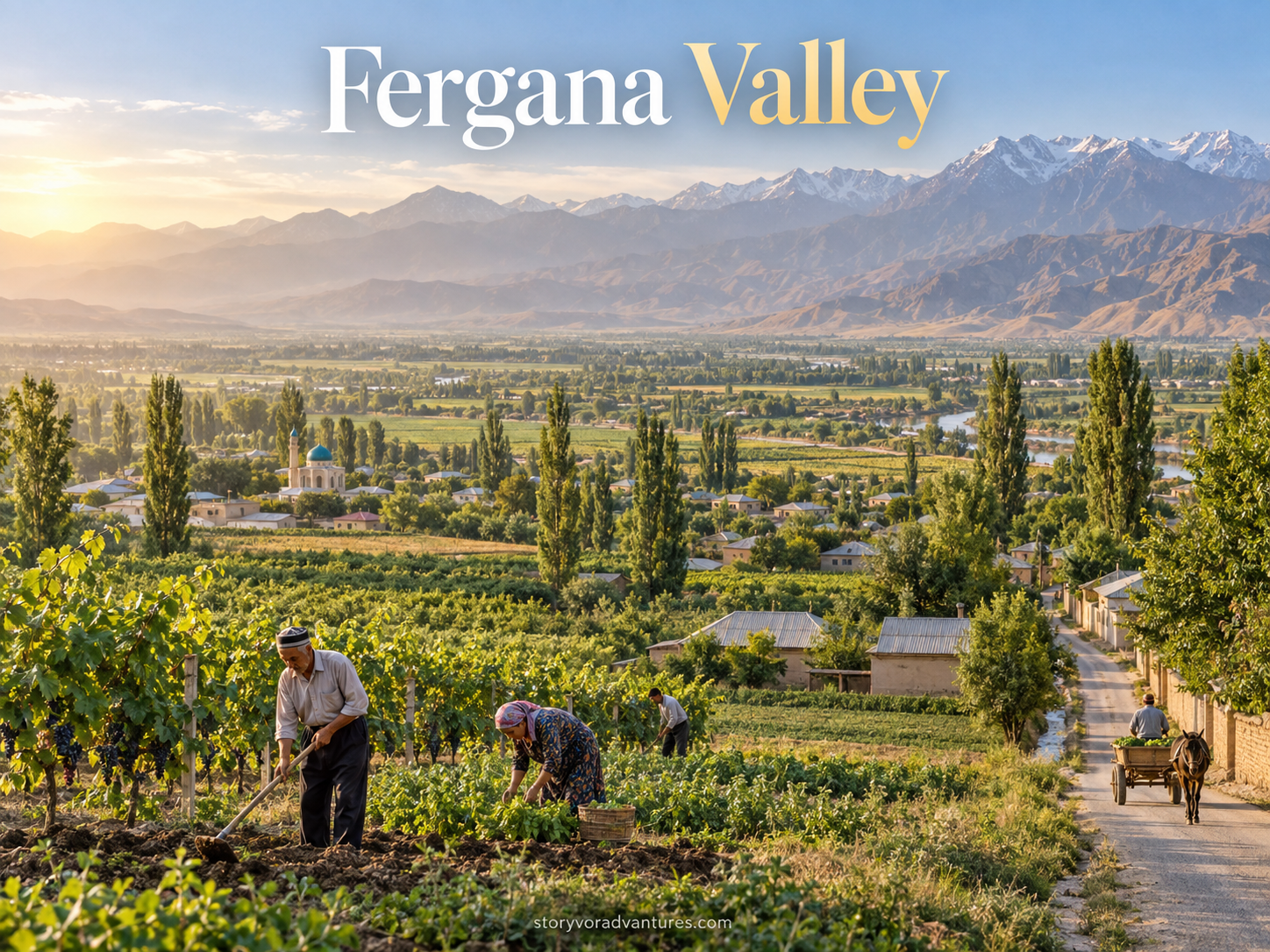
The Fergana Valley offers a greener landscape and a different cultural experience from Uzbekistan’s desert and monumental cities. Orchards, agricultural land, towns and mountain horizons shape the region.
The valley is known for traditional crafts, including ceramics and silk production. Visits to workshops can help travellers understand the time and skill required to create handmade items.
Not every workshop demonstration operates in the same way. Choose businesses that are transparent about materials, production and prices. Avoid assuming that every product marketed as traditional was made locally.
Cities and towns across the valley have distinct identities, so the region should not be treated as one single attraction. Travellers with limited time should choose a specific base and build a realistic route from there.
Border regions and transport arrangements can change. Check current guidance before planning independent road travel, particularly when a route approaches an international boundary.
How Many Days Do You Need in Uzbekistan?
A seven-day trip can cover Tashkent, Samarkand and Bukhara at a relatively fast pace. Ten days provides a more comfortable version of the same route and may allow Khiva to be added.
Two weeks creates enough flexibility for mountain, desert or Fergana Valley experiences. Travellers attempting to include every region should remember that long-distance travel consumes a significant part of the itinerary.
A sensible first journey could begin with two nights in Tashkent, followed by two or three nights in Samarkand, two nights in Bukhara and two nights in Khiva. Additional days can be allocated according to personal interests.
Travelling Around Uzbekistan
Rail travel is convenient between several major cities. High-demand services and preferred departure times may sell out, so advance booking is advisable when your itinerary is fixed.
Check station names carefully because some cities have more than one relevant terminal or a station located outside the historic centre. Allow sufficient time for security and boarding procedures.
Domestic flights can reduce travel time between distant regions, while private drivers or organised tours may be practical for remote fortresses and mountain areas.
Use registered transport services and confirm prices or app-based fares before beginning a journey. Keep your hotel address saved in the local language in case the driver does not understand English.
Accommodation and Registration
Uzbekistan offers hotels, guesthouses, hostels and boutique accommodation inside restored historic buildings. The best choice depends on whether you value modern facilities, location or traditional atmosphere.
Before booking, read recent reviews about cleanliness, heating, air conditioning, stairs and distance from transport. Historic properties may have attractive courtyards but limited accessibility.
Foreign visitors may be subject to accommodation-registration requirements. Hotels often handle the process, but rules can vary according to nationality and travel arrangements. Confirm the current requirements with official authorities and your accommodation.
Keep copies of important documents and registration records when provided. Do not rely solely on screenshots stored on one phone.
Food and Drinking Water
Uzbek cuisine includes plov, soups, grilled meats, bread, dumplings, noodles, vegetables and regional dishes. Recipes vary across the country, so the same dish may taste different in Tashkent, Samarkand or Bukhara.
Choose busy and clean restaurants where food appears freshly prepared. Ask about ingredients if you have allergies, dietary restrictions or religious requirements.
Some meals can be rich and filling. Travellers unfamiliar with the cuisine may prefer smaller portions at first and gradually try different dishes.
Visitors who are uncertain about tap water should use sealed bottled water or safely filtered water. Check that seals are intact and remain hydrated during hot-weather sightseeing.
Cultural Etiquette
Uzbekistan is known for hospitality, but visitors should still respect local customs. Dress modestly when entering mosques, mausoleums and religious complexes.
Remove shoes where instructed, keep conversations quiet and avoid walking in front of people who are praying. Photography may be restricted inside some buildings or around certain objects.
Ask before photographing people at close range. A market vendor, craftsperson or resident should not be treated as part of a tourist display.
Learning simple greetings can create warmer interactions. Even when communication is limited, patience and respectful body language are valuable.
Money and Connectivity
Cards may be accepted at many hotels and larger businesses, but cash can remain useful in markets, small restaurants and remote areas. Payment availability should be checked rather than assumed.
Use official banks or recognised exchange facilities and count money carefully before leaving. Keep emergency funds separate from everyday spending.
A local SIM or eSIM can simplify navigation and communication. Coverage may be weaker in desert and mountain areas, so download offline maps and essential booking information before travelling remotely.
Safety and Common Travel Mistakes
Uzbekistan’s major tourist cities are accustomed to international visitors, but normal precautions remain important. Secure passports, phones and money, particularly in markets and transport hubs.
Do not underestimate the climate. Heat, strong sunlight, cold desert nights and mountain weather can affect travellers who arrive without suitable clothing or enough water.
Trying to include too many distant destinations is another common mistake. Long transfers can turn an exciting itinerary into a sequence of rushed arrivals and departures.
Avoid climbing historic walls or touching fragile tilework for photographs. Damage caused in seconds may affect heritage that has survived for centuries.
Use reliable guides for demanding mountain routes and remote desert journeys. Share your planned route with your accommodation or another trusted contact.
Responsible Travel in Uzbekistan
Historic centres face pressure from tourism, renovation and modern development. Travellers can help by following marked routes, respecting barriers and choosing guides who value conservation.
Support businesses that can explain where their crafts were made. Purchasing directly from artisans can provide a more meaningful souvenir and help preserve traditional skills.
Reduce waste by carrying a reusable bag and refillable bottle when safe water is available. Do not leave rubbish in deserts, mountain areas or around archaeological sites.
Respect residential communities. Not every beautiful courtyard or decorated doorway is open to the public, even when it appears in a travel photograph.
Suggested Ten-Day Uzbekistan Itinerary
Begin with two days in Tashkent to recover from the journey, explore the city and understand modern Uzbekistan. Use the second or third day for a Chimgan and Charvak excursion if mountain scenery is a priority.
Continue to Samarkand for two or three nights. Visit Registan and Shah-i-Zinda at different times rather than compressing both into a few rushed hours.
Travel onward to Bukhara for two nights and explore its historic centre on foot. Leave time for markets, craft workshops and quieter streets beyond the major monuments.
Finish with two nights in Khiva. If transport connections allow, add a carefully organised excursion to Ayaz-Kala before departing through Urgench or returning toward Tashkent.
The Fergana Valley and Kyzylkum Desert are better added by extending the journey instead of squeezing them into an already full ten-day route.
Final Thoughts
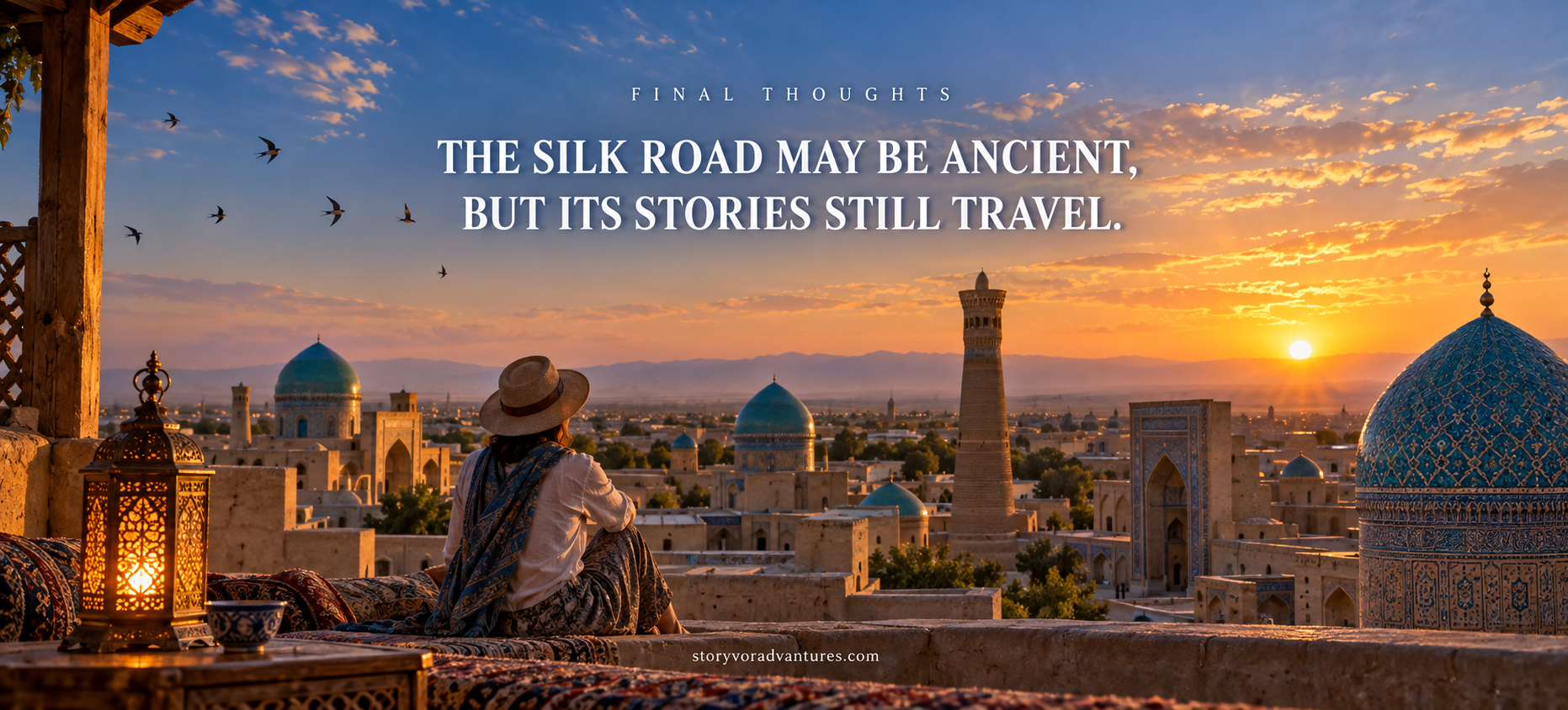
Uzbekistan offers far more than attractive blue domes. Its historic cities reveal the movement of ideas, skills and trade across Central Asia, while its deserts, valleys and mountains show the diversity of the wider landscape.
Samarkand may deliver the grandest first impression, but Bukhara rewards slow exploration and Khiva creates an atmosphere unlike anywhere else on the route. Tashkent, Chimgan, Charvak, Kyzylkum, Ayaz-Kala and the Fergana Valley expand the journey beyond famous Silk Road monuments.
The best visit is not the one that includes the most destinations. It is the one that leaves enough time to understand what makes each place different.
Travel with curiosity, dress respectfully, support local crafts and protect fragile heritage. Uzbekistan can then become more than a collection of beautiful photographs—it can become a meaningful journey through landscapes and histories that continue to shape Central Asia.
Important travel notice: Visa rules, entry requirements, railway schedules, museum tickets, accommodation-registration procedures and local access conditions may change. Always confirm essential information through official authorities and service providers before booking or travelling.