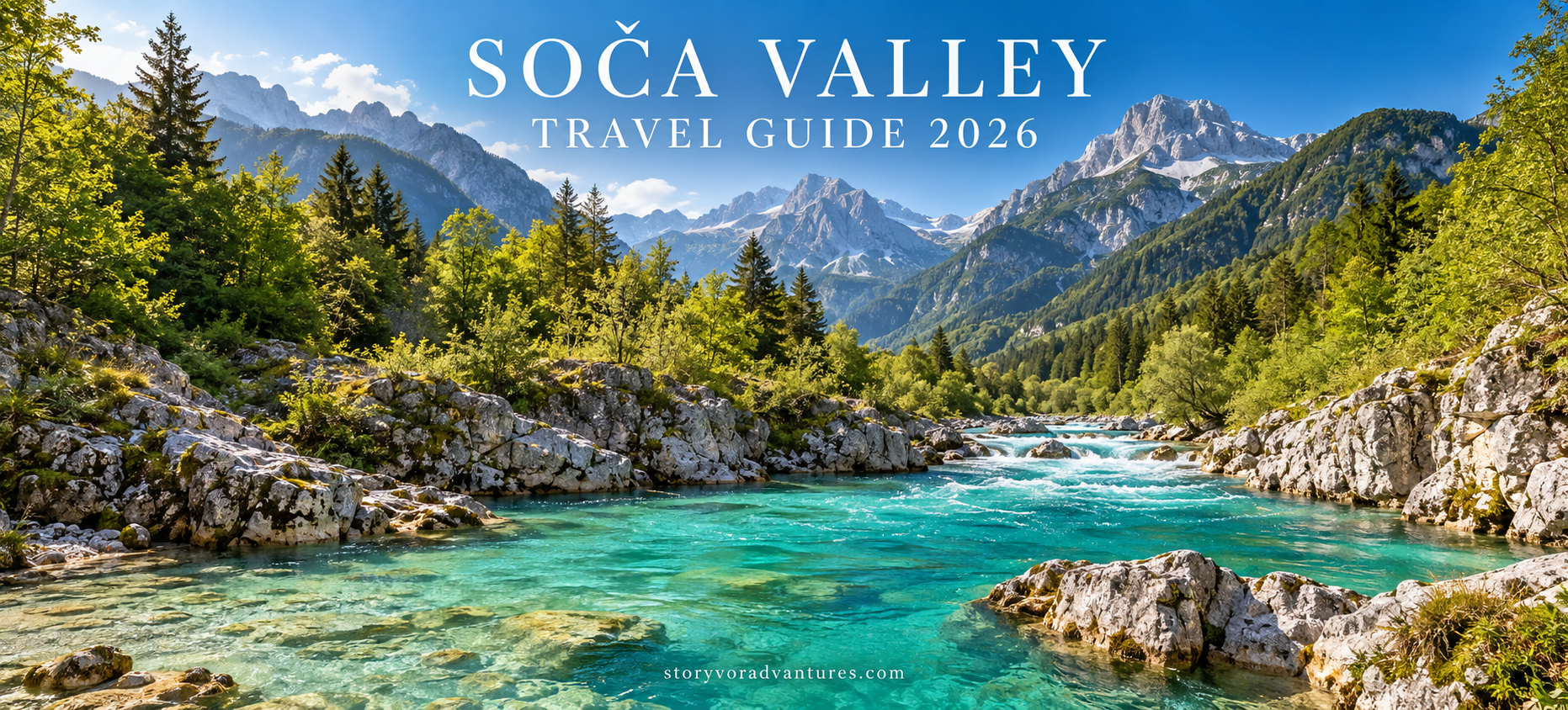
Soča Valley Travel Guide 2026: 10 Unforgettable Places Along Slovenia’s Emerald River
Quick facts
| Where | Northwestern Slovenia, along the Soča River |
| Suggested stay | Three to five days for a relaxed first visit |
| Main bases | Bovec, Kobarid and Tolmin |
| Best time for many outdoor plans | Late spring to early autumn; check each activity’s operating dates |
| Getting around | A car offers flexibility; seasonal shuttles and local buses cover some routes |
A valley worth slowing down for
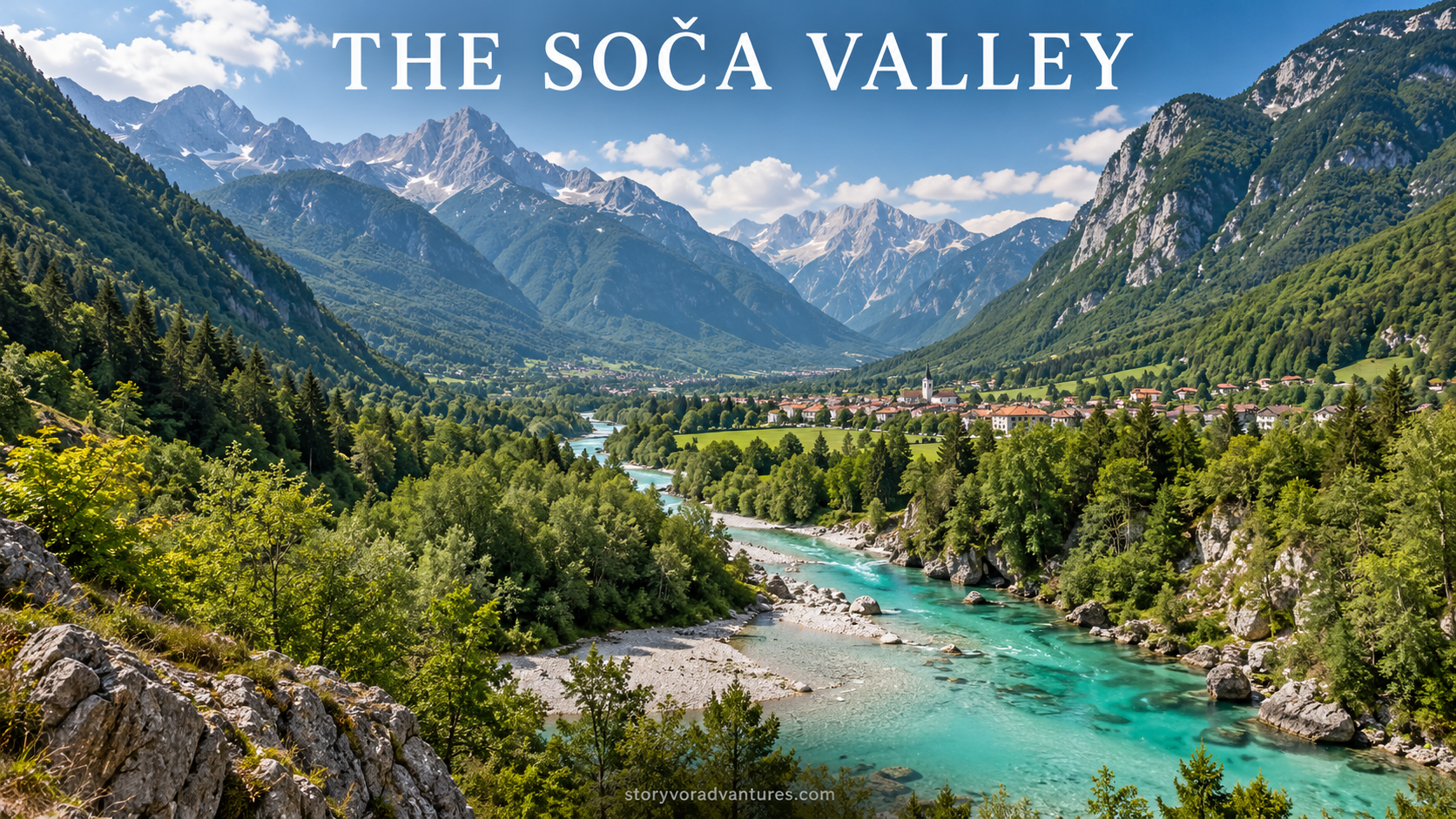
At first glance, the Soča Valley looks like a place built around one extraordinary river. Its clear green water runs beneath footbridges, through narrow limestone gorges and past villages framed by the Julian Alps. But a good trip here is about more than collecting river photographs. Within a few days, you can follow a forest path to a waterfall, learn how the First World War changed this landscape, and walk through mountain settlements where the pace feels very different from Slovenia’s better-known city stops.
Bovec works well for river activities and the upper valley. Kobarid brings together heritage walks and access to Kozjak Waterfall. Tolmin makes a convenient base for the gorges and the Tolminka Valley. Rather than trying to see all ten stops in one day, choose a base that suits your interests and leave room for weather changes, slower walks and unexpected detours.
1. The Great Soča Gorge: see the river up close
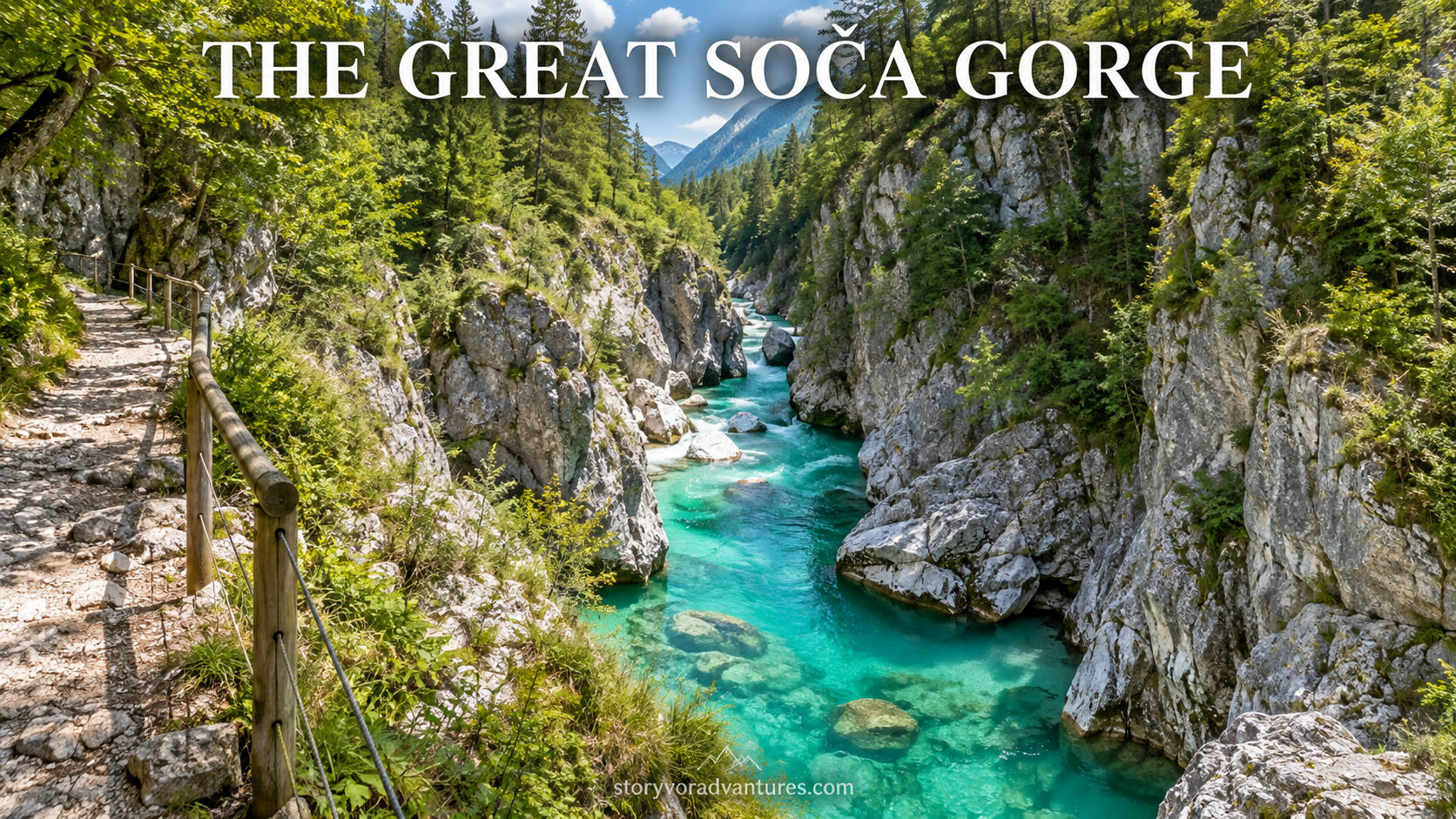
The Great Soča Gorge is where the valley’s famous colour feels most striking. The river has carved a narrow passage through pale rock before opening into deeper green pools. Walk along the designated paths and pause at more than one viewpoint: the bends in the gorge change how the water looks, even over a short distance. It is an excellent first stop for understanding why the Soča itself is the centre of so many trips here.
Treat the gorge as a place to observe, not a casual swimming spot. Depth, cold water and currents are difficult to judge from above. Check local guidance before entering any river section, and keep to marked routes near exposed edges. Explore the Great Soča Gorge on the official valley site.
2. Trenta and the Soča Trail: follow the river’s beginnings
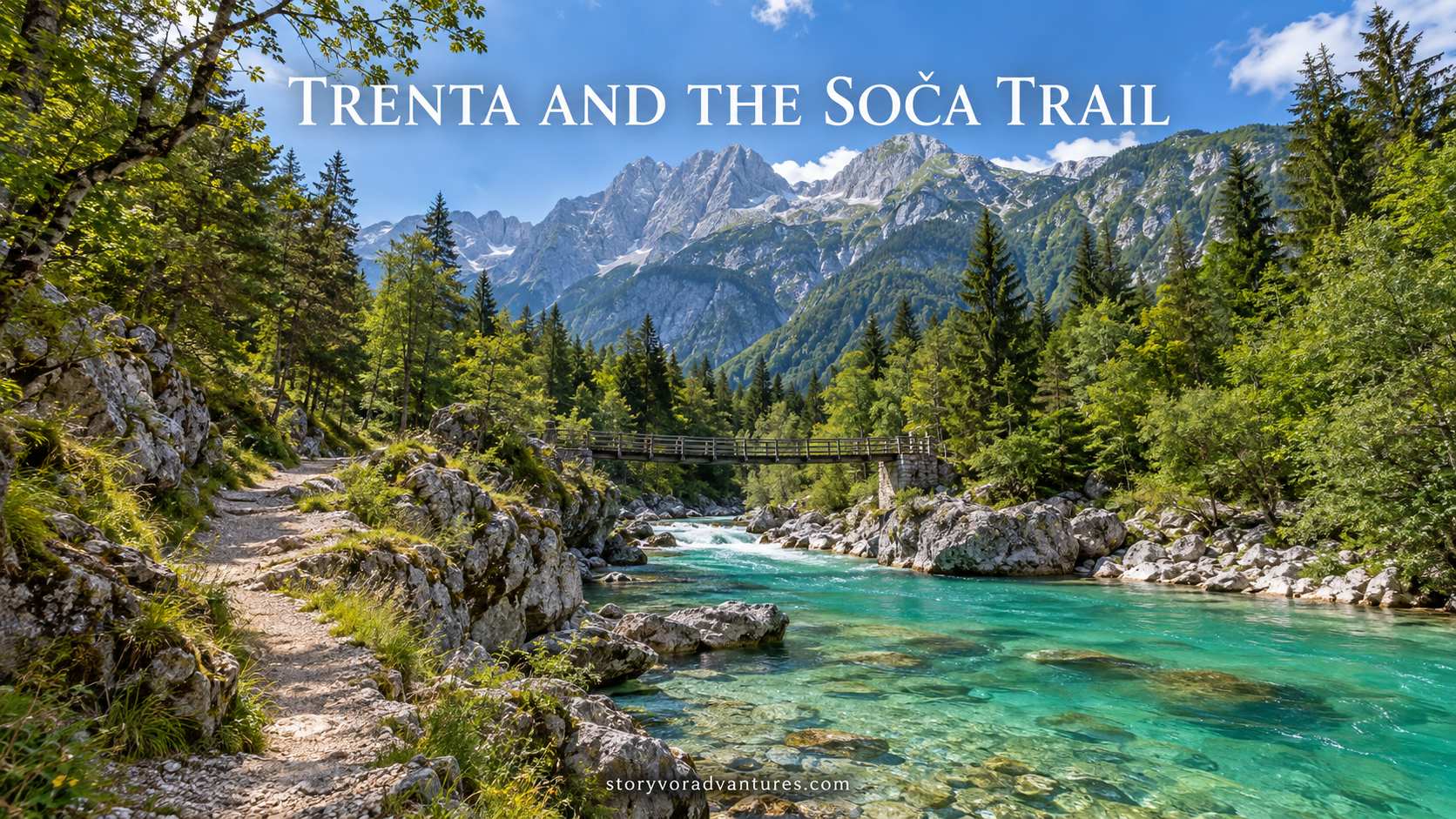
In the Trenta Valley, the Soča is smaller and the surrounding mountains seem closer. The Soča Trail gives walkers a way to experience this upper landscape through river views, footbridges and natural features within Triglav National Park. You do not need to turn the entire route into a demanding hike. Choose a manageable section, check the return connection and allow extra time for stops along the water.
The trail suits travellers who want a quieter counterpoint to Bovec’s adventure activities. Conditions can change after rain, and mountain weather may differ from the forecast in town, so check park information before leaving. See the national park’s Soča Trail information.
3. Boka Waterfall: appreciate its scale from a viewpoint
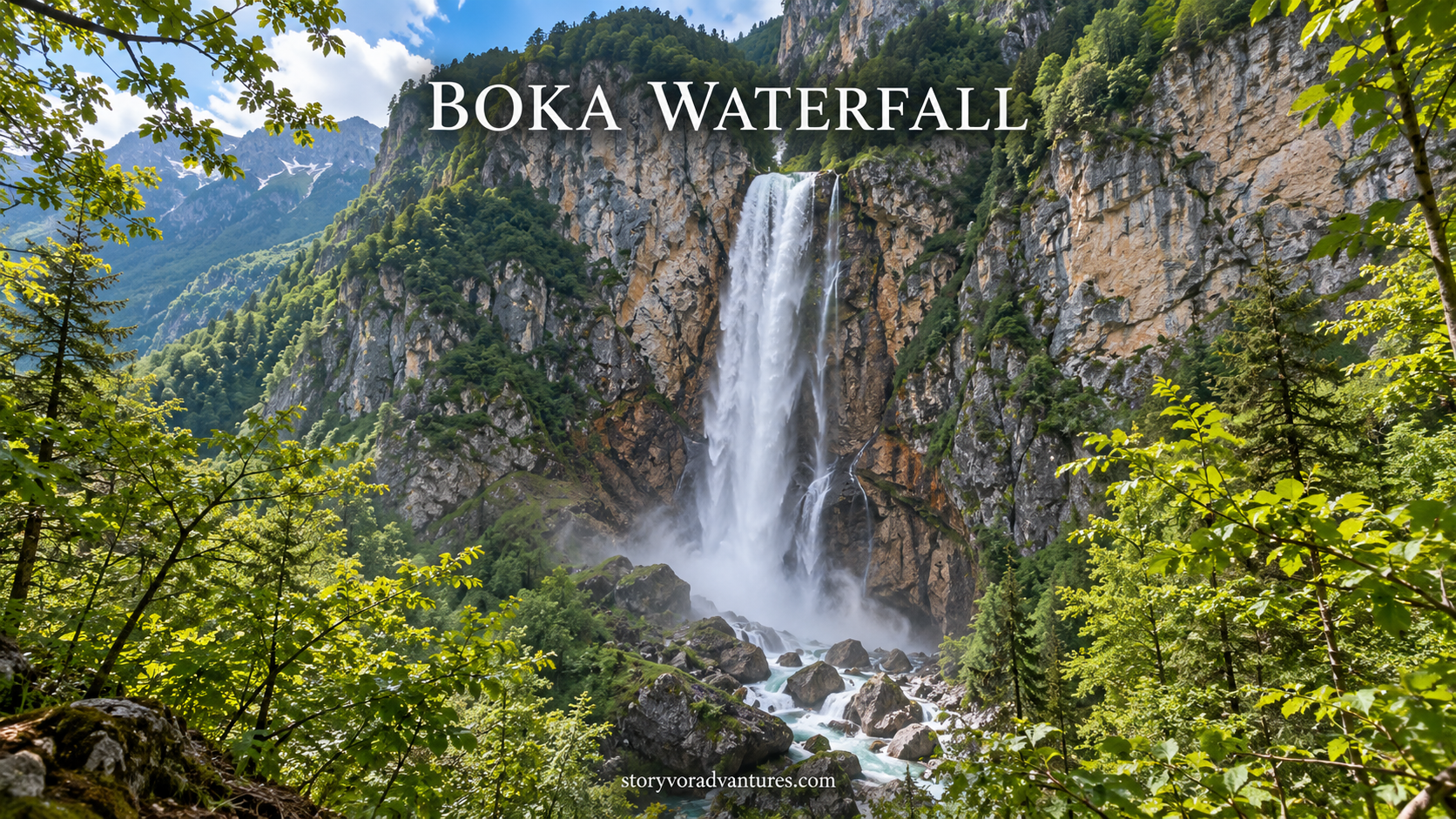
Boka is a dramatic sight because the water emerges high above the valley against a sheer rock face. Its appearance changes with the season and recent rainfall; spring snowmelt and wet periods can make it especially powerful. You can appreciate the waterfall without planning a strenuous mountain climb by using an established viewing route and taking your time with the landscape around it.
A practical approach is to pair Boka with another Bovec-area stop rather than treating it as a full-day outing. Wear shoes with grip if paths are wet, and check the current route before setting out. Read the official Boka Waterfall guide.
4. Virje Waterfall: a gentle stop near Bovec
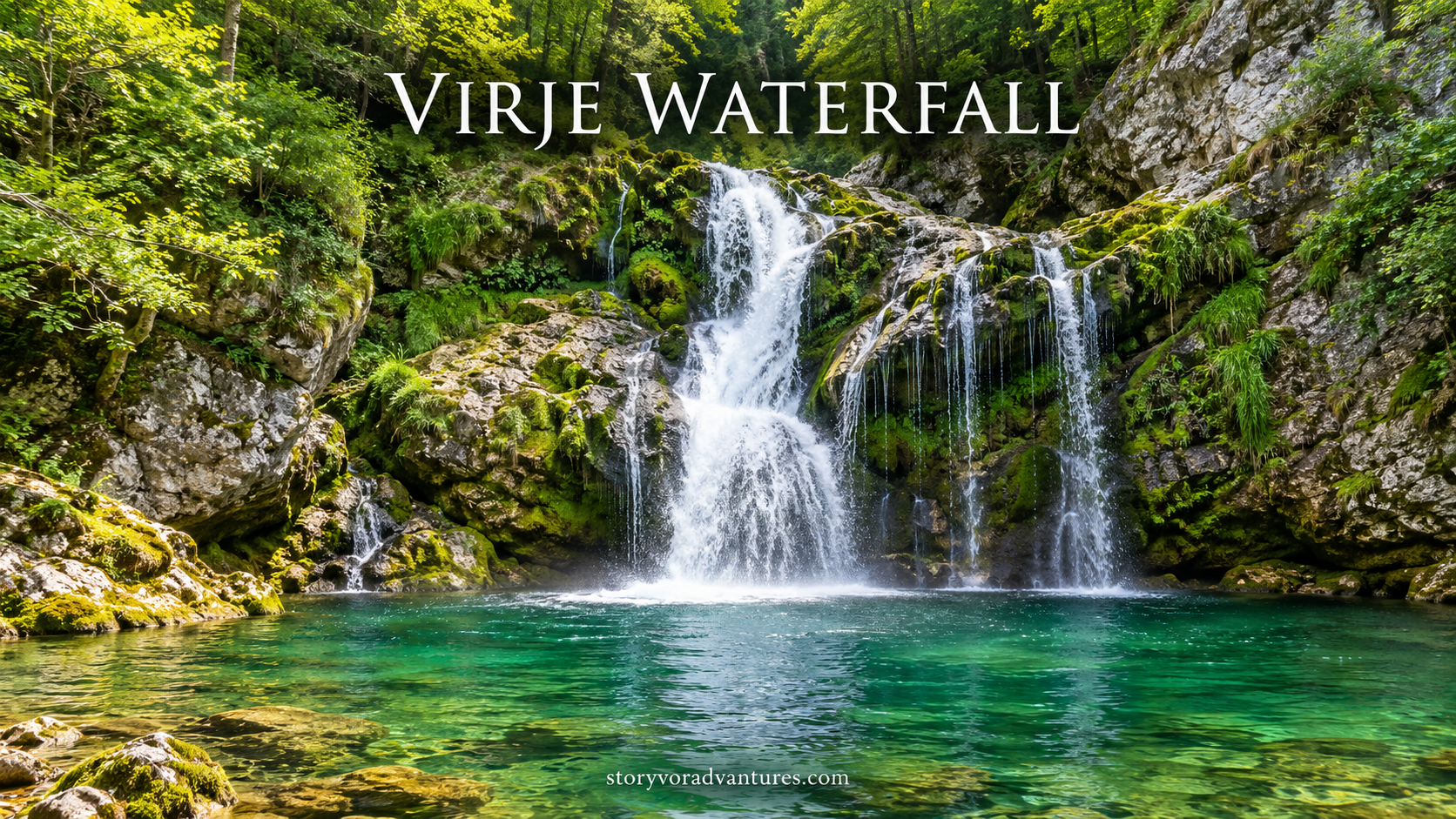
Virje offers a very different waterfall experience. Water spreads over mossy rock into a green pool, making the setting feel intimate rather than monumental. It is a good choice when your group wants a shorter walk or a calmer afternoon after an active morning. The route from the Plužna area also lets you notice how water moves through this karst landscape.
The pool may look inviting, but the local tourism authority says bathing beneath the waterfall is not allowed. Respect the restriction and enjoy the site from the path. Check Virje access and visitor guidance.
5. Kluže Fortress: add context to the mountain scenery
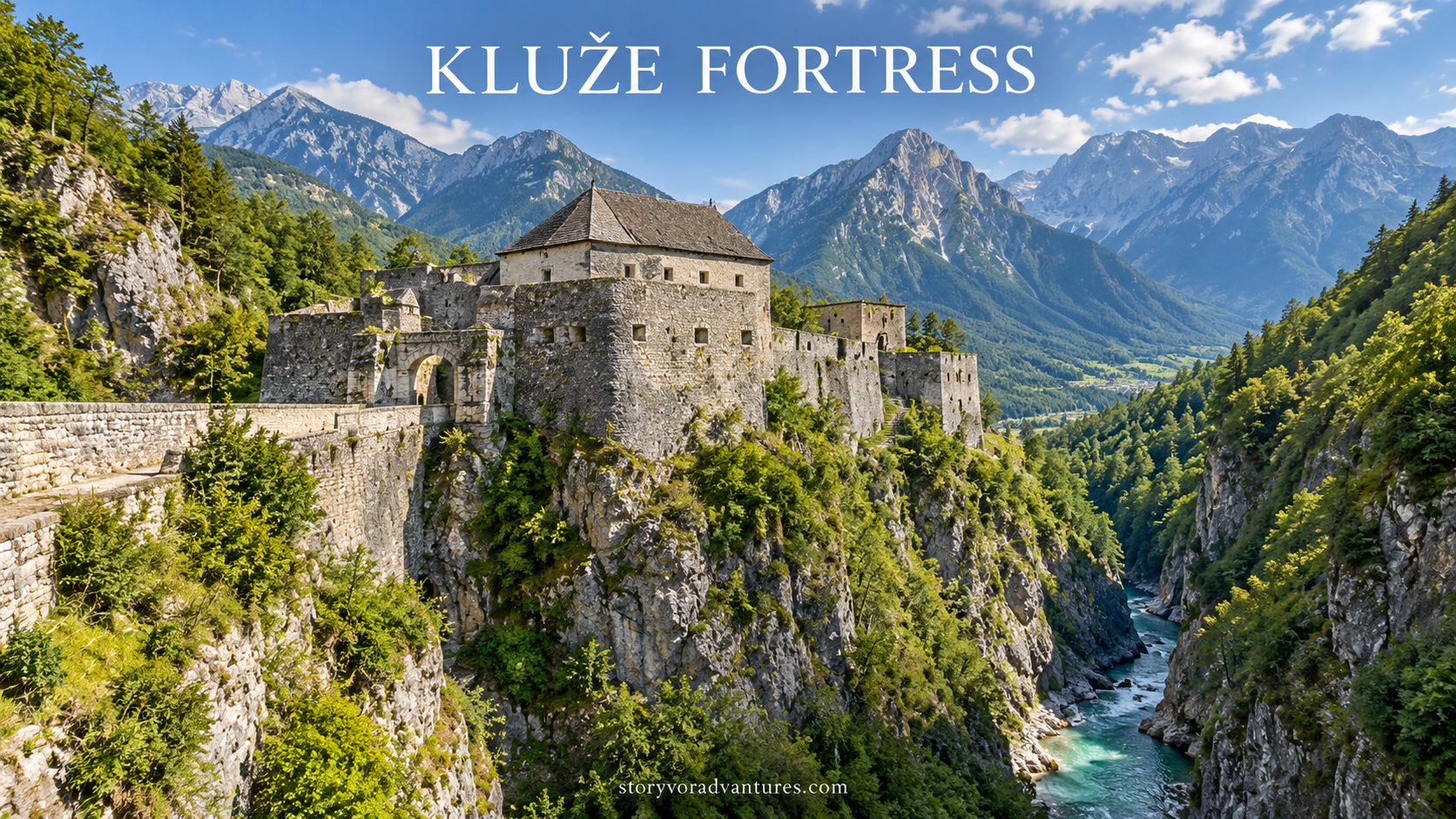
Above the Koritnica gorge, Kluže Fortress shows why this valley has mattered strategically for centuries. Its position makes immediate sense when you see the narrow terrain around it. A visit gives you a break from river stops and introduces a historical layer that many fast-paced itineraries miss.
Pair the fortress with a Bovec day, and check current opening information before travelling specifically for the interior. If you explore nearby paths, use signed routes and do not assume that every old military structure is open or safe to enter. Learn about Kluže and Fort Hermann.
6. Kozjak Waterfall: walk into a natural stone chamber
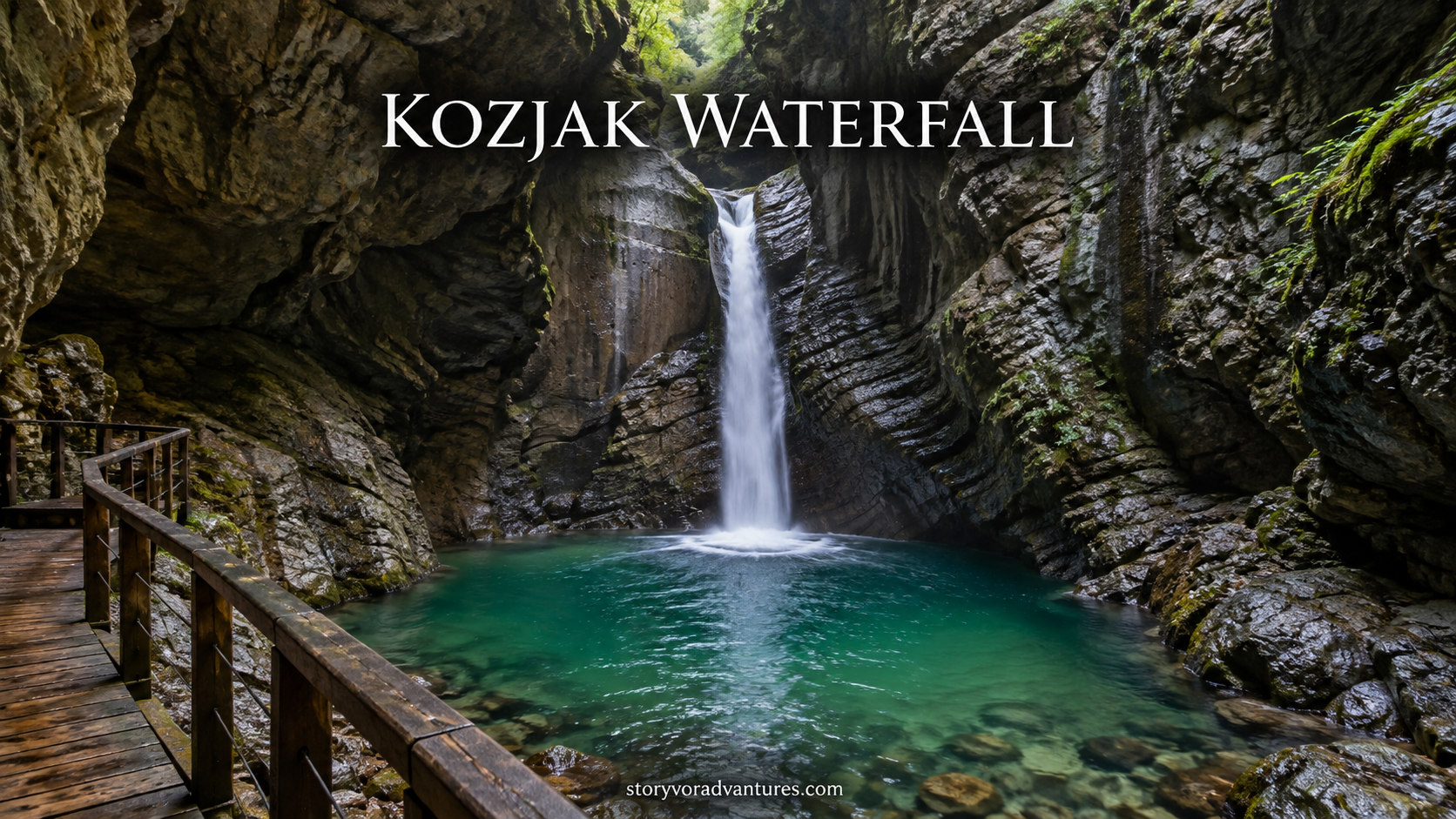
Near Kobarid, the path to Kozjak passes through a leafy gorge before reaching a viewpoint facing a waterfall enclosed by rock. The enclosed setting is the attraction: instead of seeing the falls from far across a valley, you arrive at a small natural amphitheatre. Take your time on the walk and share the narrow viewing space courteously with other visitors.
This stop combines well with Kobarid’s historic walk, so you can make one outing about both nature and memory. Look up the current access arrangements before going and stay on the maintained route. See the official Kozjak Waterfall page.
7. Kobarid: understand the valley’s wartime history
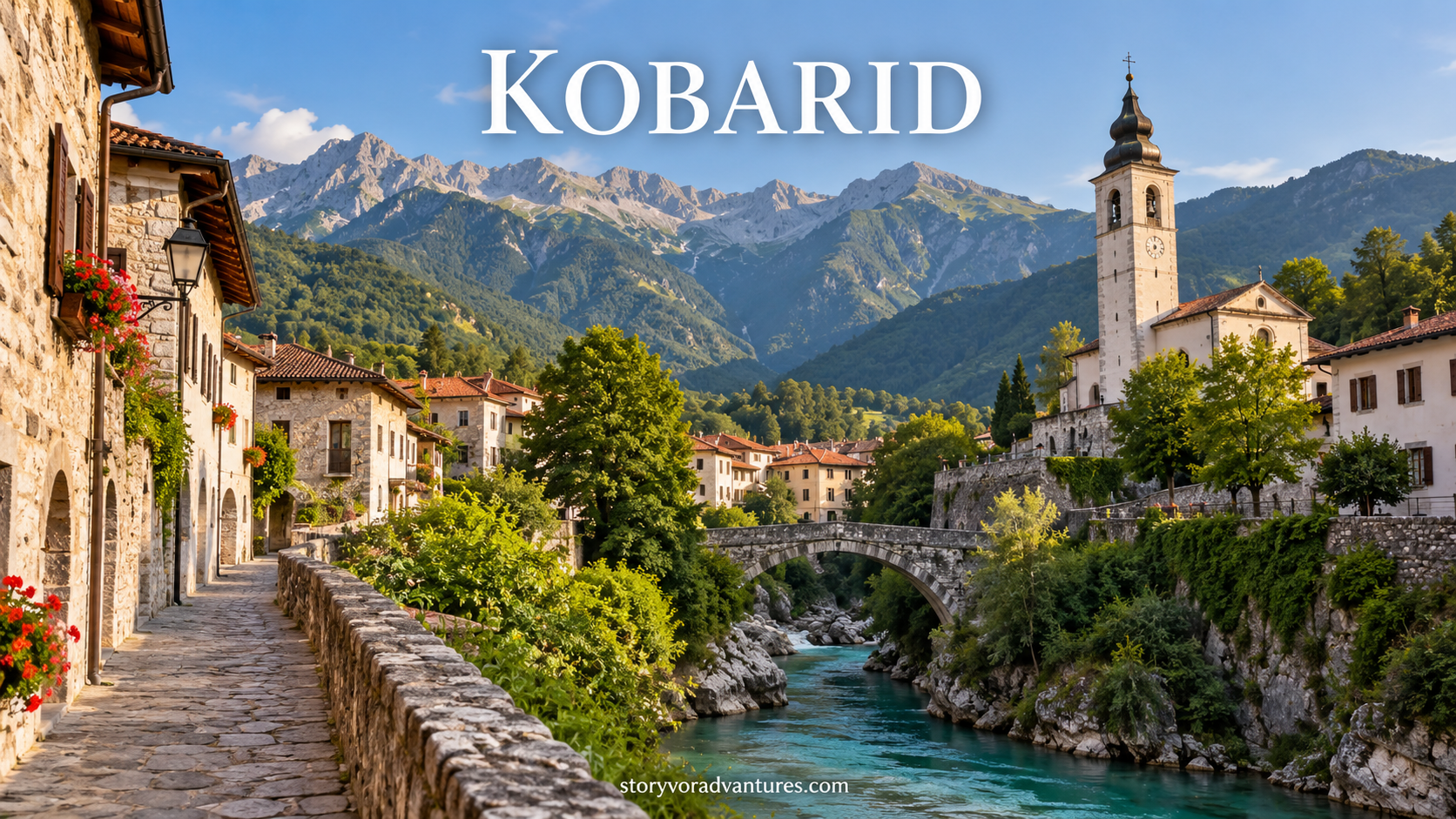
Kobarid rewards a slower visit. Its museum and heritage routes explain how the surrounding mountains became part of the Isonzo Front during the First World War. The history is difficult, and it changes the way you see the peaceful paths and river crossings nearby. Give yourself time to read and reflect instead of treating the town as a quick lunch stop between waterfalls.
A sensible day might include the museum, a walk on the marked historical route and Kozjak Waterfall if you still have energy. Follow current signs for access to memorial sites and remember that these are places of remembrance. Explore the valley’s towns and Kobarid heritage.
8. Tolmin Gorges: walk between two rivers
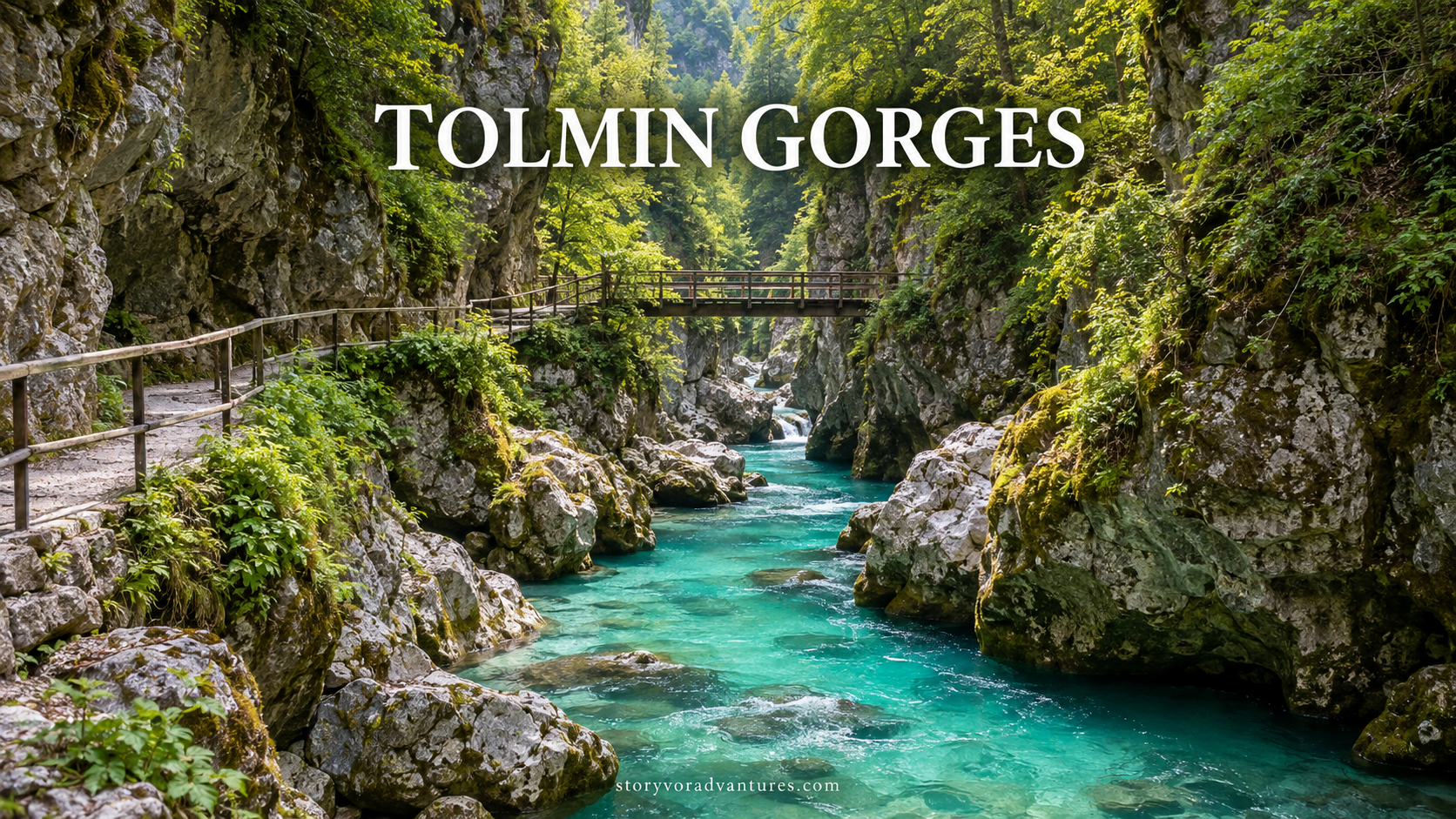
At Tolmin Gorges, the Tolminka and Zadlaščica waterways have shaped a compact but memorable landscape of narrow passages and clear pools. The marked walking route makes it possible to experience the terrain at close range. Because paths and steps can be uneven or slippery, plan the visit around your group’s mobility and the day’s weather rather than assuming it is a flat riverside stroll.
Entry is managed by time slots, so checking availability before arrival is especially useful in busy periods. Opening hours and admission can change during the year. Check tickets and visitor information for Tolmin Gorges.
9. Javorca Memorial Church: make space for a reflective visit
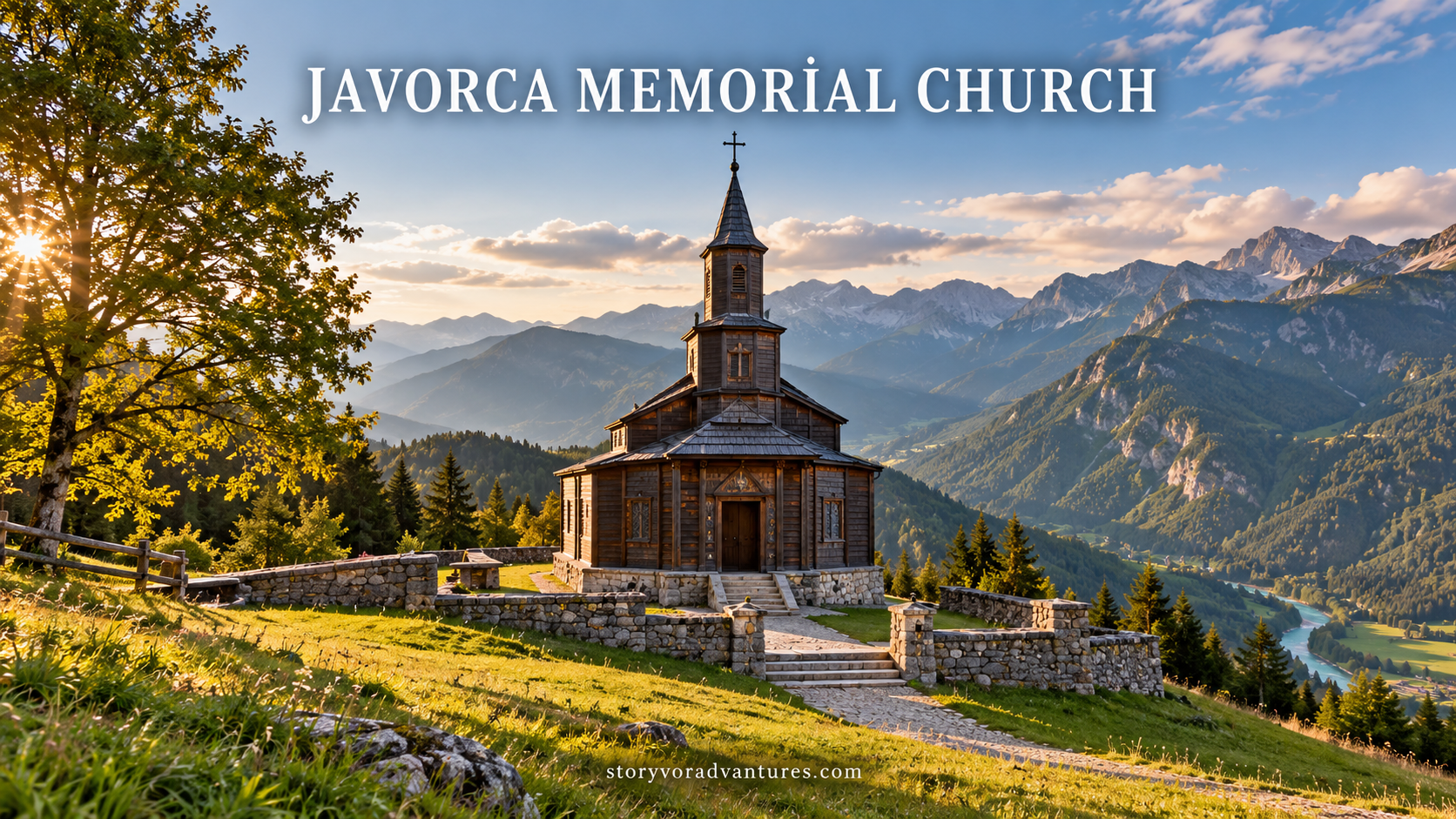
High above the Tolminka Valley stands the Memorial Church of the Holy Spirit in Javorca. It connects architecture, mountain scenery and the memory of those who died during the First World War. The journey up is part of the experience, but it deserves more preparation than a simple roadside stop: access arrangements and transport vary by season.
Before visiting, check the church’s opening hours and the current road or shuttle arrangements. Even when a shuttle brings you near the site, there is still an uphill walk from the drop-off point. See official Javorca information and current access details.
10. Most na Soči: end with a slower waterside stop
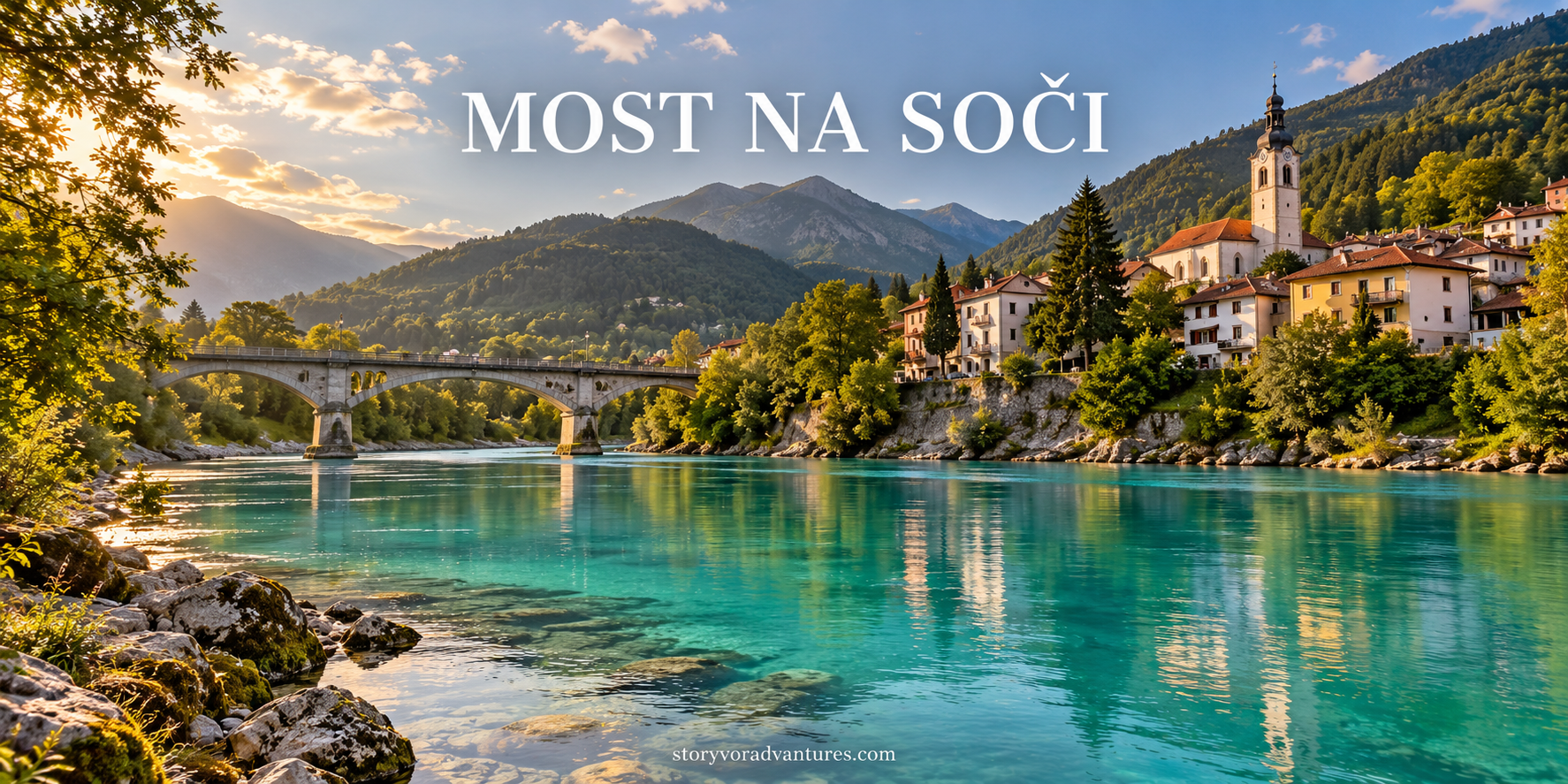
Most na Soči offers a gentler finish after days of narrow gorges and mountain paths. Around the meeting of the Soča and Idrijca waterways, the scenery opens out and invites a more unhurried walk. It is also a useful point for travellers thinking about rail connections in the wider region. Rather than squeezing in another strenuous activity, use this stop to sit by the water and take stock of the valley you have travelled through.
If you are relying on public transport, check the actual station and bus connections before building your departure day around this stop. Consult the valley’s official arrival guidance.
How to plan three to five days
For three days, devote the first to Bovec and the Great Soča Gorge, the second to Kobarid and Kozjak, and the third to Tolmin Gorges. This gives each part of the valley its own space without promising that every attraction will fit. If you have five days, add Trenta and the Soča Trail on one day, then choose between Javorca, Boka, Virje and Kluže according to your interests and the conditions.
A rental car gives the most control over stops outside the main towns. Travelling without one is possible, but some shuttles are seasonal and connections may be limited. Plan around verified timetables rather than a map’s estimated driving time. Review seasonal transport options and how to reach the valley.
Choosing your base
| Base | A good fit if you want | Keep in mind |
|---|---|---|
| Bovec | River activities, upper valley walks and easy access to adventure operators | You will travel farther for Tolmin-area sights. |
| Kobarid | A mix of heritage, food and nature | You may need to arrange transport for specific trailheads. |
| Tolmin | Gorges, the Tolminka Valley and a slower pace | Upper-valley stops require more travel time. |
Responsible travel in the Soča Valley
The colour of the Soča can make every pool look like a swimming invitation. Conditions are different from one section to another, and a photo cannot show the temperature or current. Use locally designated access points, follow signs and seek a qualified operator for rafting or canyoning. In protected areas, stay on established paths, carry out your rubbish and give other visitors room at narrow viewpoints. A thoughtful trip protects the same places that make the valley worth visiting.
Frequently asked questions
Is the Soča Valley worth visiting without rafting?
Yes. The walking routes, waterfalls, wartime heritage and small towns give you several full days of things to see even if you never book a river activity. Choose stops by difficulty and access rather than trying to fit every named attraction into one itinerary.
Can I visit without a car?
Yes, with planning. Main towns have transport links and the area offers some seasonal shuttles, but rural attractions may be harder to combine in a single day. Check the official schedules for your exact dates before reserving accommodation.
When should I visit?
Late spring through early autumn gives many travellers the widest choice of outdoor activities. Weather, water conditions, trail access and individual attraction hours vary, so confirm the details for your intended month rather than relying on one blanket “best season.”
Where should I stay for a first trip?
Choose Bovec if outdoor sports and the upper river are your priority. Choose Kobarid for a balance of history and nature, or Tolmin if your main plans centre on the gorges and lower valley. For a longer visit, splitting your stay between two bases can reduce backtracking.
Final thoughts
The Soča Valley is most rewarding when you let its different stories meet. The river draws you in, the trails invite you to slow down, and places such as Kobarid and Javorca remind you that a beautiful landscape can hold difficult history. Pick a few stops that matter to you, confirm current access before travelling, and give this corner of Slovenia more than a hurried day trip.
Planning note: Opening hours, shuttle routes, road access and activity conditions may change. Check the linked official pages again before travel.