Scotland Travel Guide 2026: 15 Unforgettable Places and the Ultimate 7-Day Road Trip
Discover 15 unforgettable places in Scotland with a practical 7-day road trip covering Edinburgh, Glencoe, Isle of Skye, Loch Ness and the Highlands.
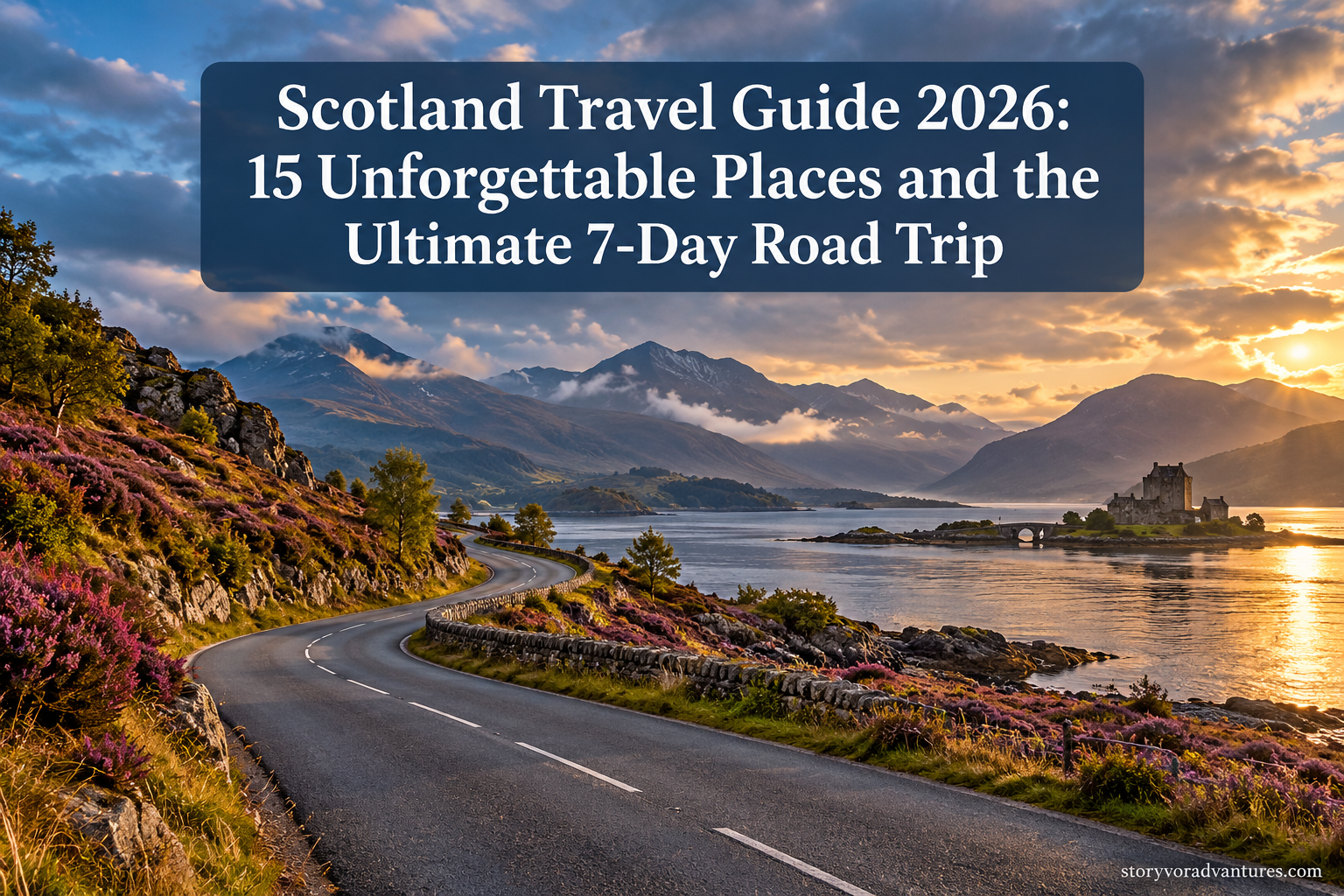
Scotland is the kind of destination that can make an ordinary road trip feel like a journey through several different worlds. One day may begin among Edinburgh’s historic streets and end beside a peaceful loch. The next can lead through mountain valleys, castle ruins, small fishing villages and landscapes where the weather changes faster than the view.
However, Scotland deserves realistic planning. Edinburgh, the Highlands, the Isle of Skye and Orkney cannot all be explored properly within a rushed weekend. Driving distances may appear short on a map, but narrow roads, photography stops, ferry connections and changing weather can make journeys considerably longer.
This guide introduces 15 memorable places across Scotland, followed by a practical seven-day route for travellers who want a balanced first trip without changing accommodation every night.
Scotland Travel Essentials
| Travel detail | Practical information |
|---|---|
| Capital | Edinburgh |
| Currency | Pound sterling |
| Suggested first trip | 7–10 days |
| Main international gateways | Edinburgh and Glasgow |
| Getting around | Trains for major cities; car or guided tours for remote areas |
| Driving side | Left |
| Best bases | Edinburgh, Glasgow, Fort William, Portree and Inverness |
| Weather | Changeable throughout the year |
| Advance booking | Recommended for popular castles, islands and seasonal transport |
ScotRail connects Scotland’s major cities and several Highland towns. A car provides greater flexibility for remote areas, but travellers should check road conditions and calculate realistic driving times.
Before booking flights, use the official UK Government website to check whether you need a UK visa. Depending on nationality, some visitors may also need an Electronic Travel Authorisation.
1. Edinburgh
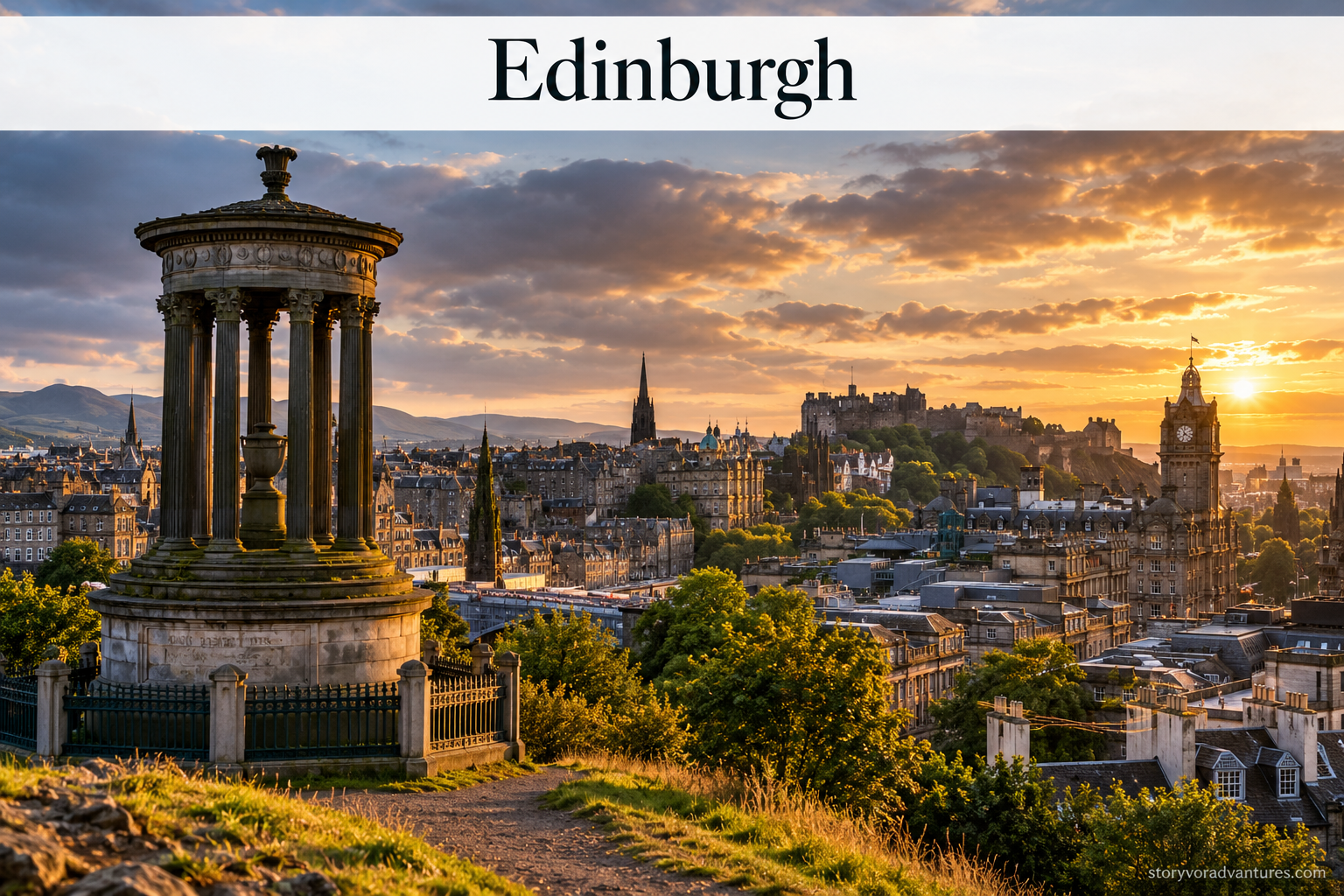
Edinburgh is a natural starting point for a first journey through Scotland. The city combines medieval lanes, Georgian architecture, dramatic viewpoints and museums within an area that is manageable on foot.
The Royal Mile runs through the historic centre between Edinburgh Castle and the Palace of Holyroodhouse. Instead of treating it as a road to finish quickly, allow time to explore its closes, courtyards, churches and smaller museums. Edinburgh Castle stands on an ancient volcanic rock and has played a central role in Scottish history.
For a wider city view, walk up Calton Hill or climb Arthur’s Seat when weather and path conditions are suitable. The National Museum of Scotland is also useful for understanding the country’s history and provides a good alternative during wet weather.
Spend at least two nights in Edinburgh if possible. Accommodation prices can increase during major festivals, so check the city’s event calendar before selecting travel dates.
2. Glasgow
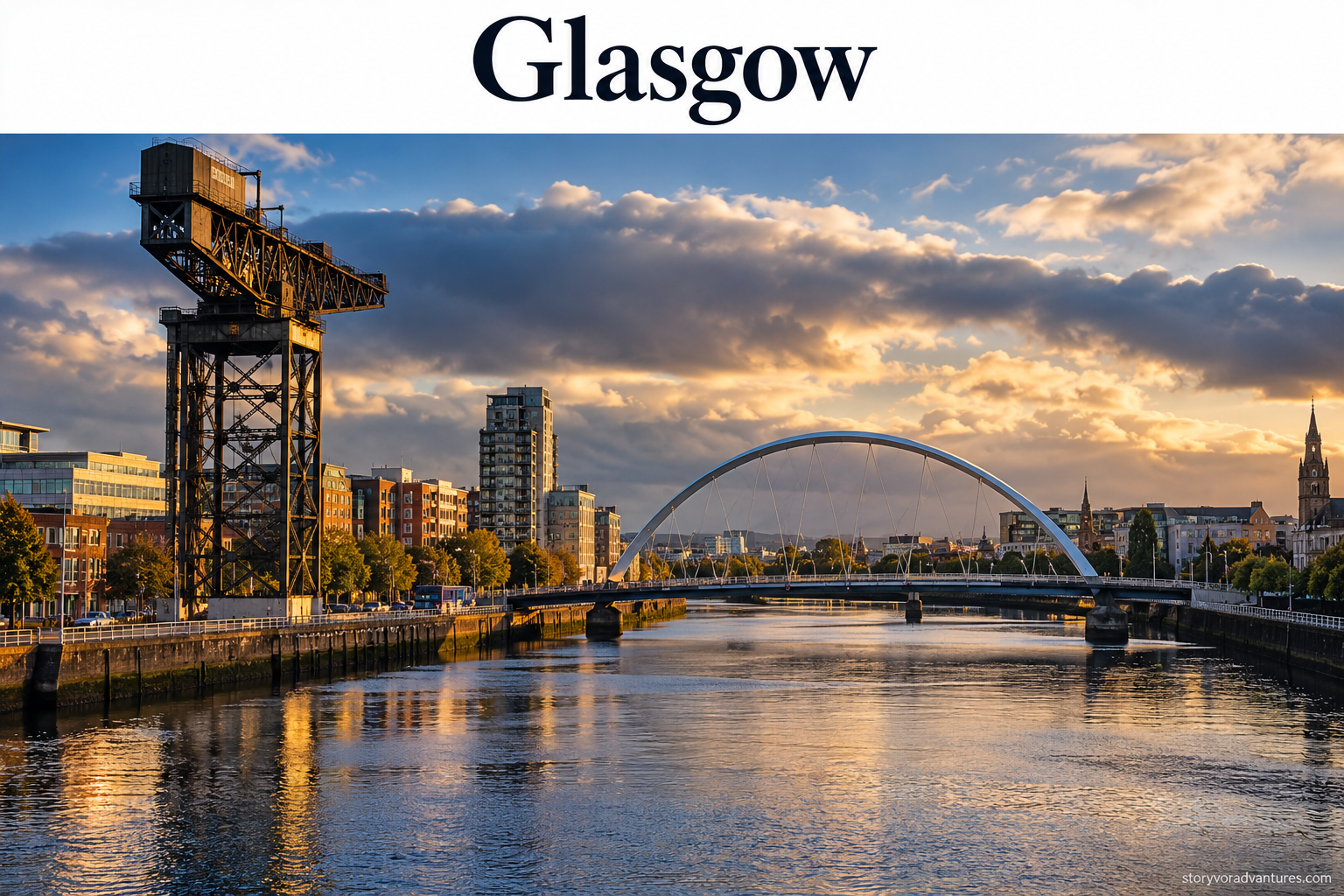
Glasgow feels different from Edinburgh. Its character comes from Victorian buildings, creative neighbourhoods, music venues, museums and an active food scene rather than one concentrated historic district.
Kelvingrove Art Gallery and Museum, Glasgow Cathedral and the Riverside Museum provide three very different introductions to the city. Travellers interested in architecture can explore buildings connected with Charles Rennie Mackintosh, while the West End offers cafés, restaurants and attractive streets around the University of Glasgow.
Glasgow is also a practical western gateway. From here, travellers can continue towards Loch Lomond, Glencoe and the Highlands without returning through Edinburgh. If the itinerary is short, one full day provides a useful introduction, although the city can easily justify a longer stay.
3. Loch Lomond
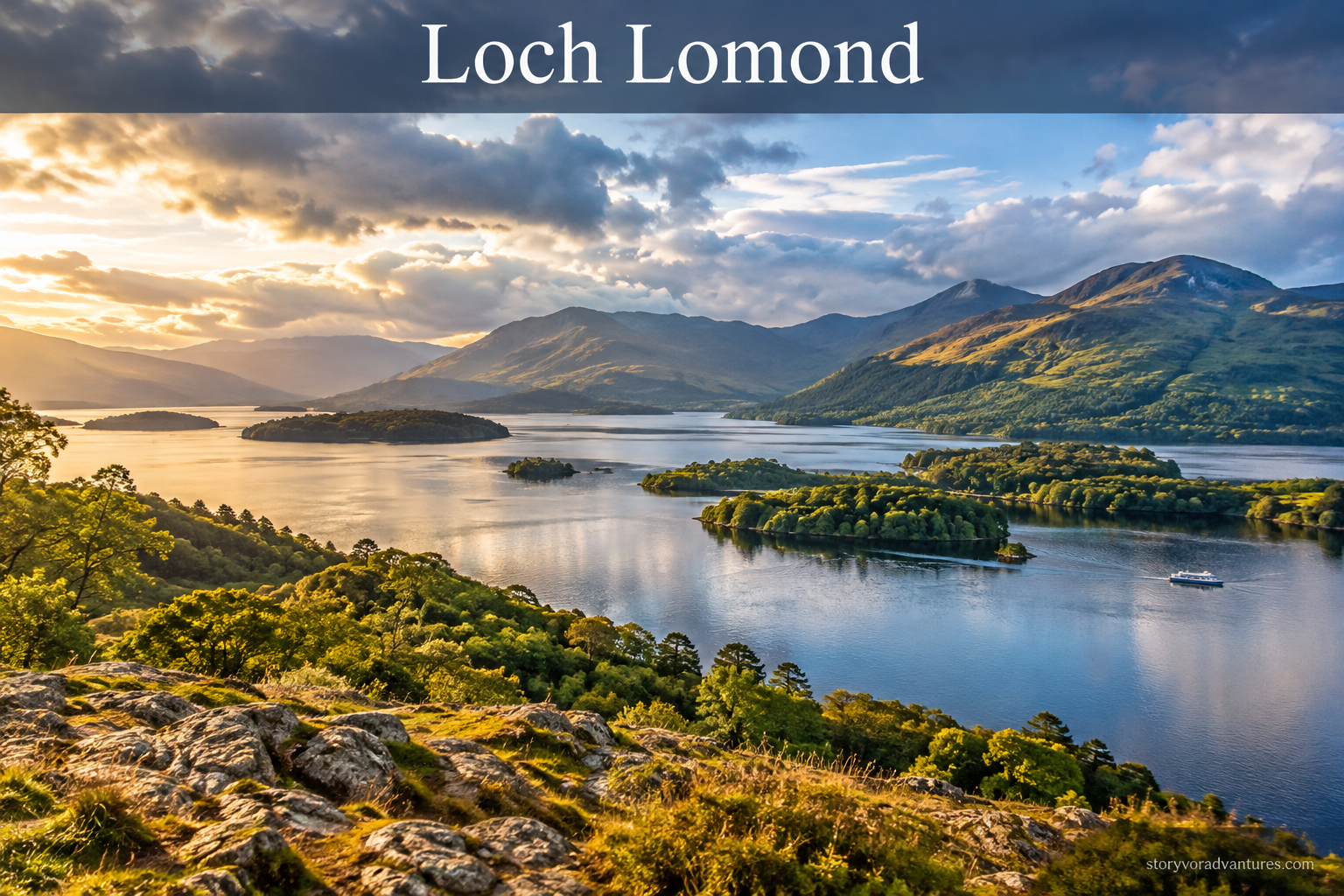
Loch Lomond and The Trossachs National Park introduces visitors to Scotland’s lochs, wooded hills and open landscapes without requiring an immediate journey into the far north.
The village of Luss is one of the easiest places to stop, with traditional cottages and views across the water. Balloch offers transport connections and visitor facilities, while active travellers can explore walking routes around the national park.
The area can become crowded on sunny weekends. An early arrival provides a quieter experience and makes parking easier. Travellers should stay on established paths, carry their rubbish out and avoid blocking narrow local roads.
Loch Lomond works well as a stop between Glasgow and Glencoe, but spending a night nearby creates time for a boat journey or a longer walk.
4. Glencoe
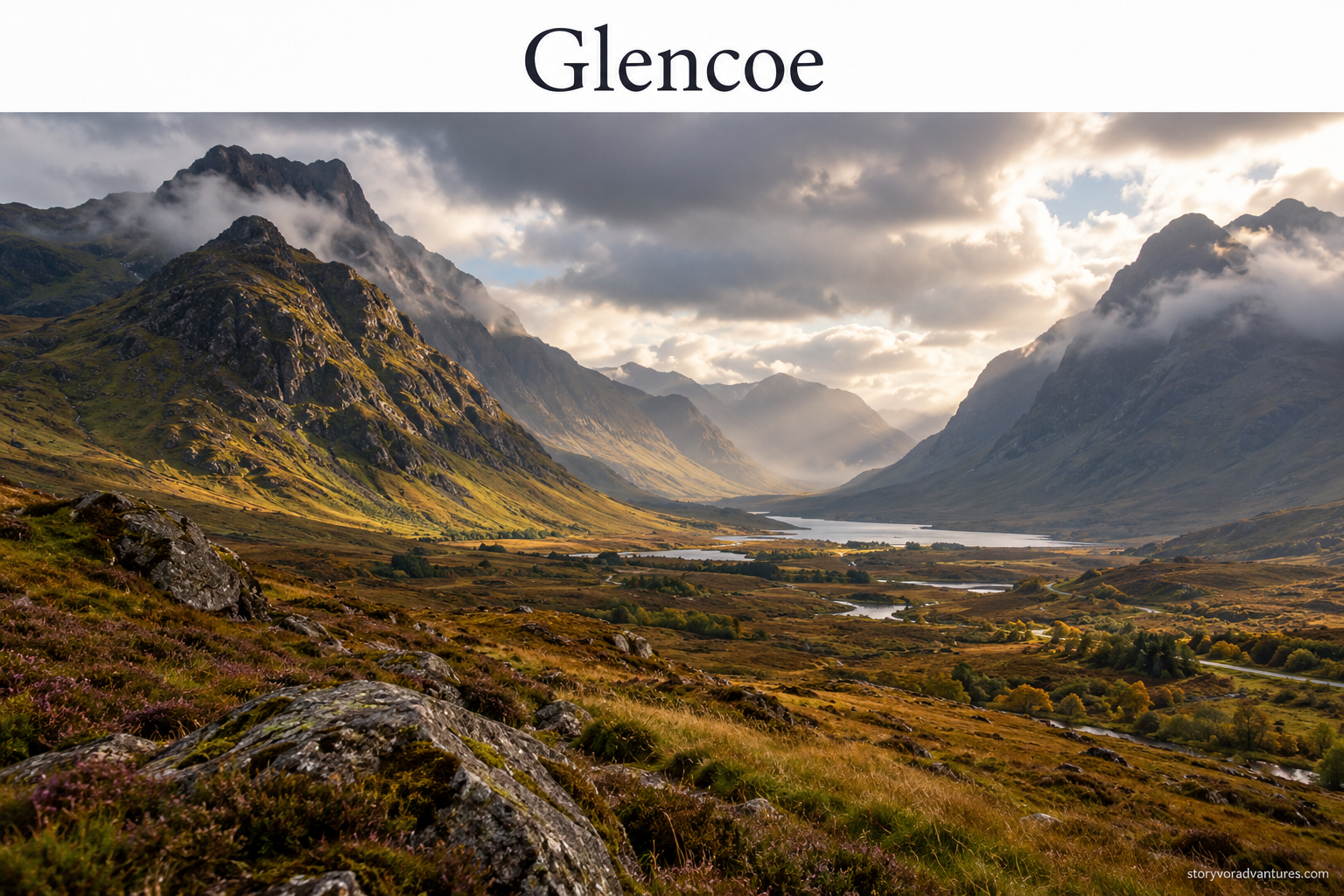
Glencoe is one of the most powerful landscapes in the Scottish Highlands. Mountains rise sharply beside the road, streams descend through the valley and changing clouds continuously alter the appearance of the surrounding slopes.
It is possible to drive through Glencoe quickly, but doing so misses the atmosphere that makes the valley memorable. Stop only in authorised parking areas and select a walk suited to the weather, available daylight and your experience.
The landscape also carries a complex history connected with the Glencoe Massacre of 1692. The visitor centre provides historical context that cannot be understood from photographs alone.
Conditions in the Highlands can change suddenly. Waterproof clothing, suitable footwear and a flexible schedule are more valuable than trying to complete every planned viewpoint.
5. Fort William
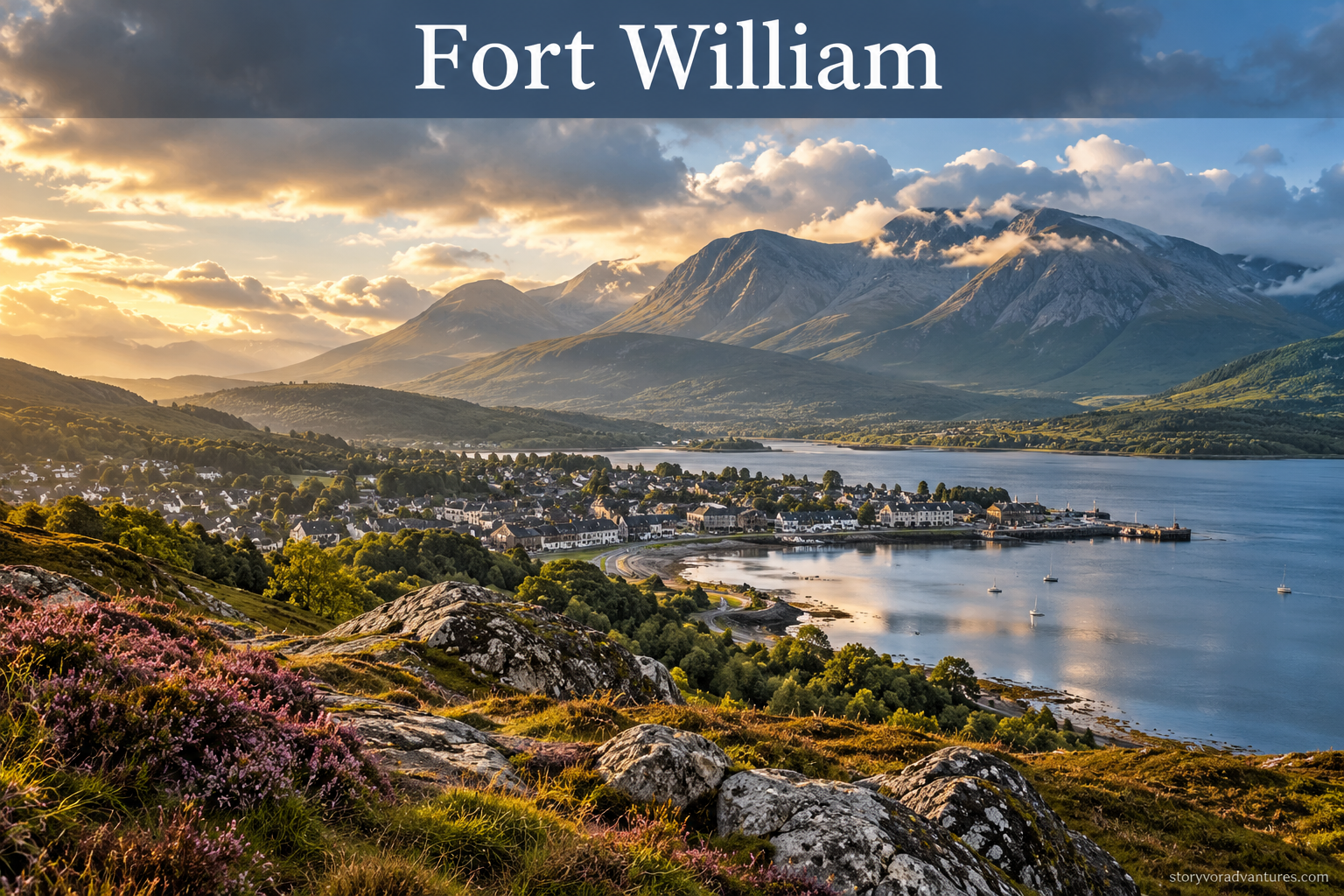
Fort William is useful because of its location. It sits close to Ben Nevis, Glen Nevis, Glencoe and the road towards Glenfinnan and the Isle of Skye.
Experienced walkers may come here to climb Ben Nevis, the highest mountain in the United Kingdom. It should not be treated as a casual sightseeing walk. Travellers need suitable equipment, sufficient daylight, appropriate weather and an honest understanding of their physical ability.
Those who do not want a demanding hike can explore Glen Nevis, walk beside the loch or use Fort William as a comfortable overnight base. The town also connects with one of Scotland’s most scenic railway routes.
6. Glenfinnan Viaduct
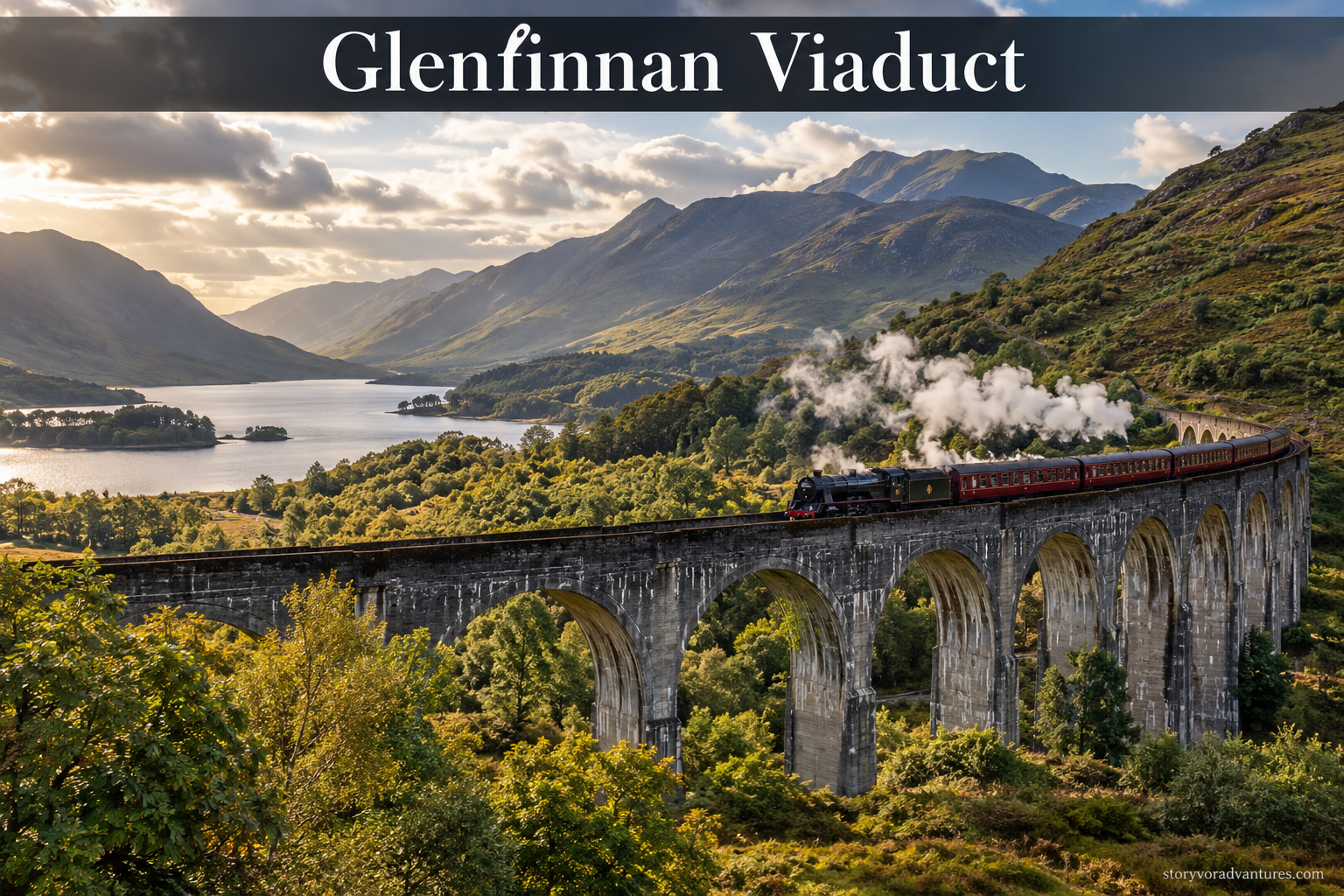
The Glenfinnan Viaduct has become one of Scotland’s most recognisable structures because of its sweeping railway curve and appearance in the Harry Potter films. The wider location, however, is equally important.
The Glenfinnan Monument overlooks Loch Shiel and commemorates the Jacobite rising of 1745. Walking to the viaduct viewpoints reveals a landscape of wooded slopes, water and mountains rather than only a famous railway photograph.
Parking capacity is limited, and roadside parking can create danger and inconvenience. Arrive early, use designated parking and never stand beside or walk onto the railway track.
Steam-train schedules can change, so confirm current operating information instead of planning the entire day around an old online timetable.
7. Isle of Skye
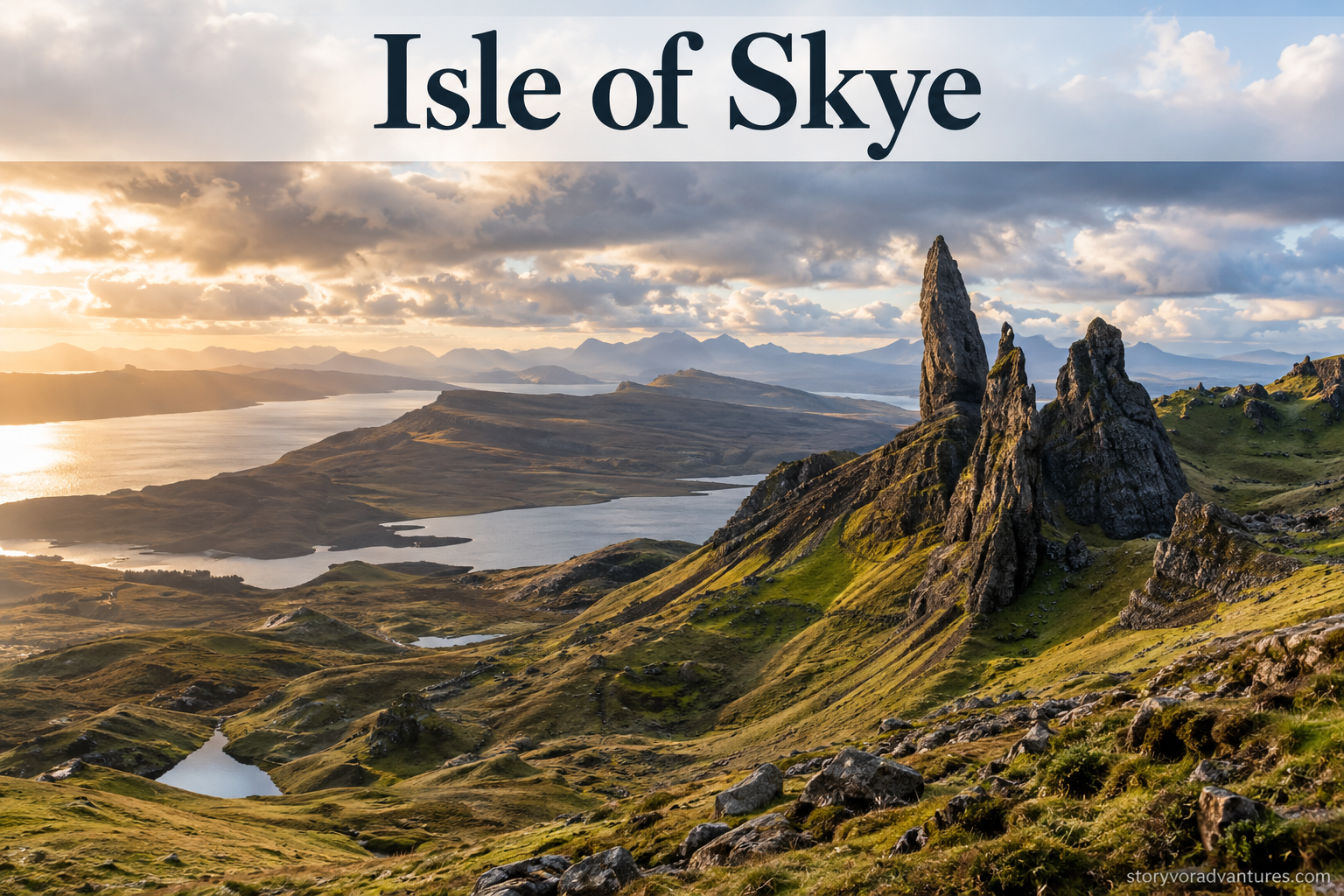
The Isle of Skye contains some of Scotland’s most photographed scenery, including the Old Man of Storr, Quiraing, Fairy Glen, Kilt Rock and the Cuillin mountains. Its popularity also makes careful planning essential.
Portree is the most convenient base for restaurants, accommodation and island routes, but rooms can sell out far in advance. Two nights should be considered a minimum if the island is an important part of the trip.
Avoid attempting every attraction in one day. A better approach is to explore the Trotternish Peninsula on one day and use another for the western or central part of the island. This leaves room for rain, mist, walking and unexpected stops.
The island’s single-track roads require patience. Use passing places correctly, allow local traffic to overtake and do not leave vehicles on fragile roadside ground.
8. Eilean Donan Castle
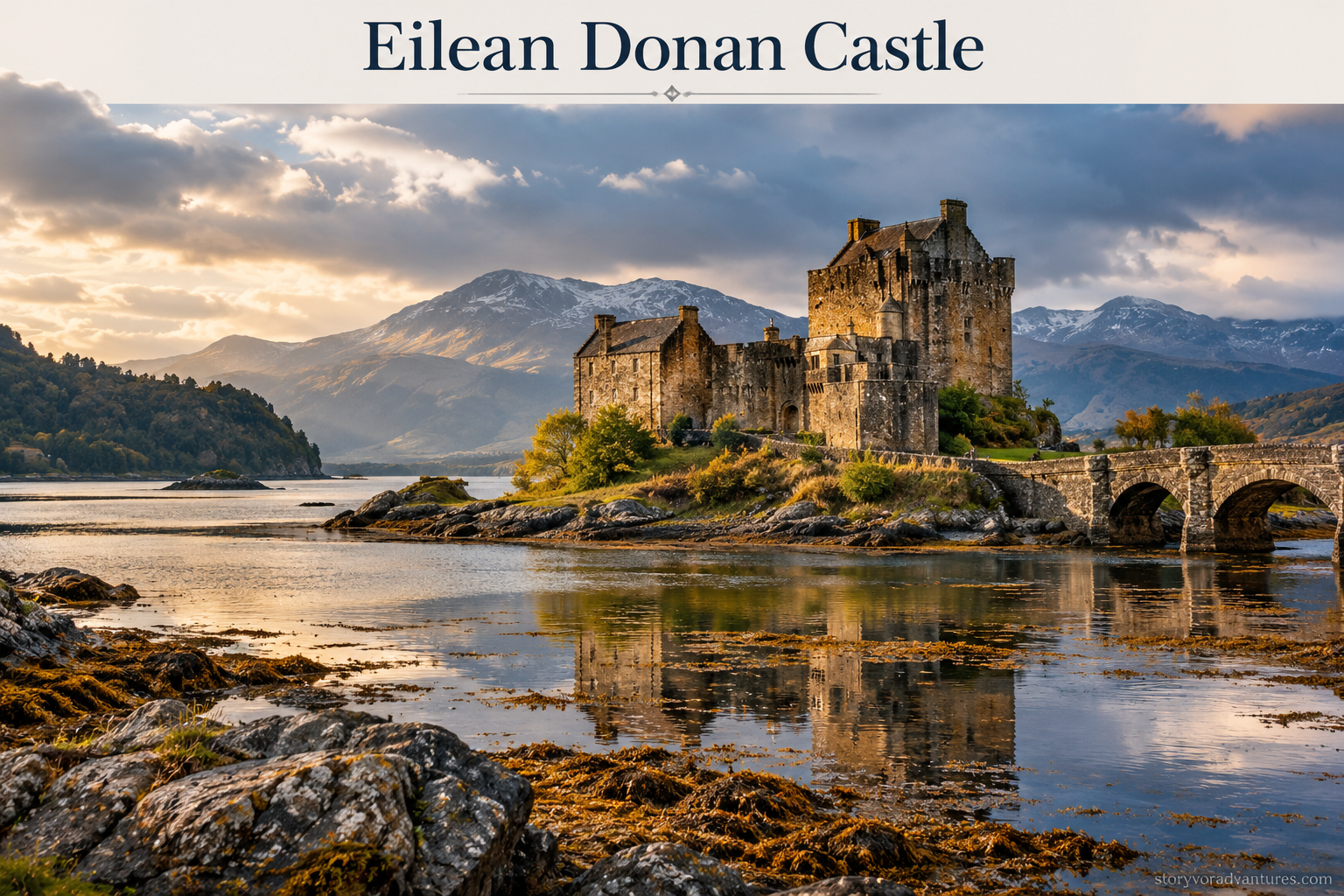
Eilean Donan Castle stands where three sea lochs meet, surrounded by mountains and water. Its setting has made it one of Scotland’s most recognisable castles.
The roadside viewpoint provides an excellent exterior view, but entering the castle gives visitors a better understanding of its reconstruction and connections with Scottish clans. The experience can look completely different during changing tides and weather.
Eilean Donan fits naturally between the Isle of Skye and Loch Ness. Allow enough time to visit without turning it into another hurried photography stop.
9. Loch Ness
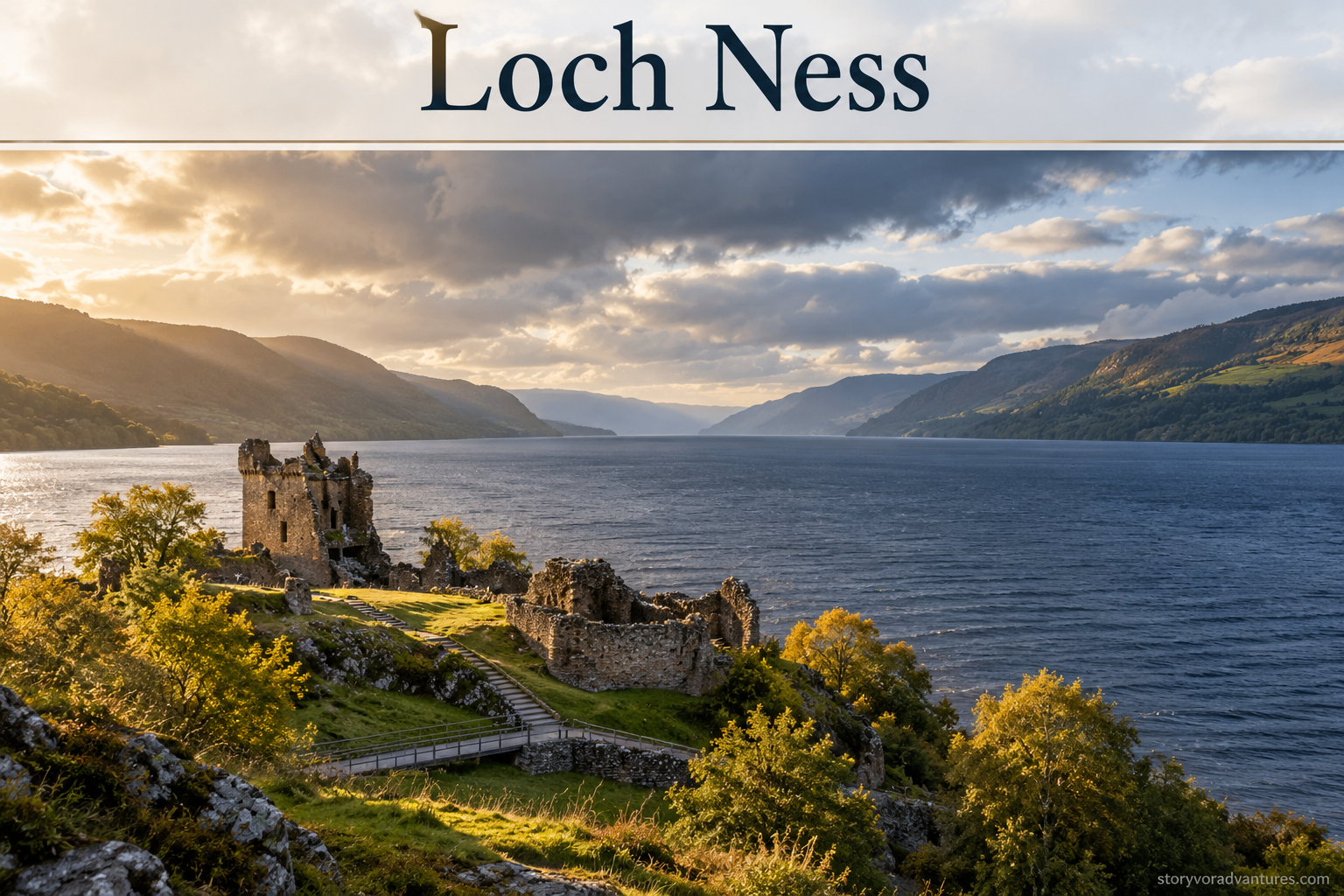
Loch Ness is famous internationally for the legend of its mysterious monster, but the scale and scenery of the loch make it worthwhile even without a mythical sighting.
Urquhart Castle provides one of the most atmospheric views over the water. Its ruins stand on a headland and help visitors connect the landscape with centuries of Scottish history. Boat trips provide another perspective, but schedules and weather conditions should be checked in advance.
Drumnadrochit is a useful stopping point for exhibitions, food and local accommodation. Travellers should avoid building the entire visit around souvenir shops; the quieter shores, castle ruins and surrounding Highland scenery provide the stronger experience.
10. Inverness
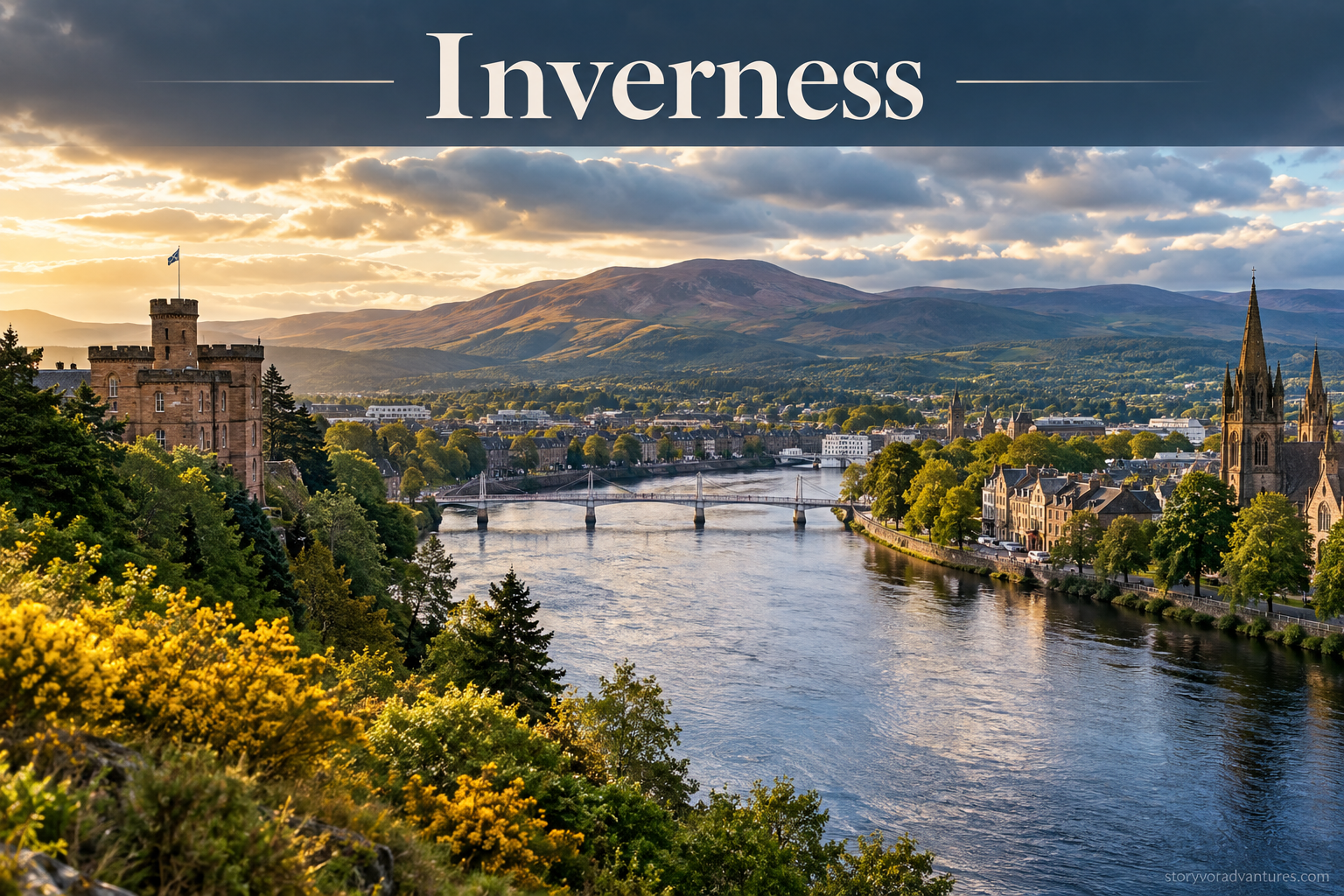
Inverness is a practical Highland base with rail connections, accommodation and access to several important attractions. The River Ness gives the city centre a relaxed atmosphere, while nearby historical locations make it useful for more than an overnight stop.
Culloden Battlefield explains the final confrontation of the Jacobite rising in 1746. Nearby Clava Cairns presents a much older chapter of Scottish history through prehistoric burial monuments.
The city also works well for day trips towards Loch Ness, the Black Isle and the Cairngorms. Travellers who prefer public transport can use Inverness as a base instead of hiring a car for the entire holiday.
11. Cairngorms National Park
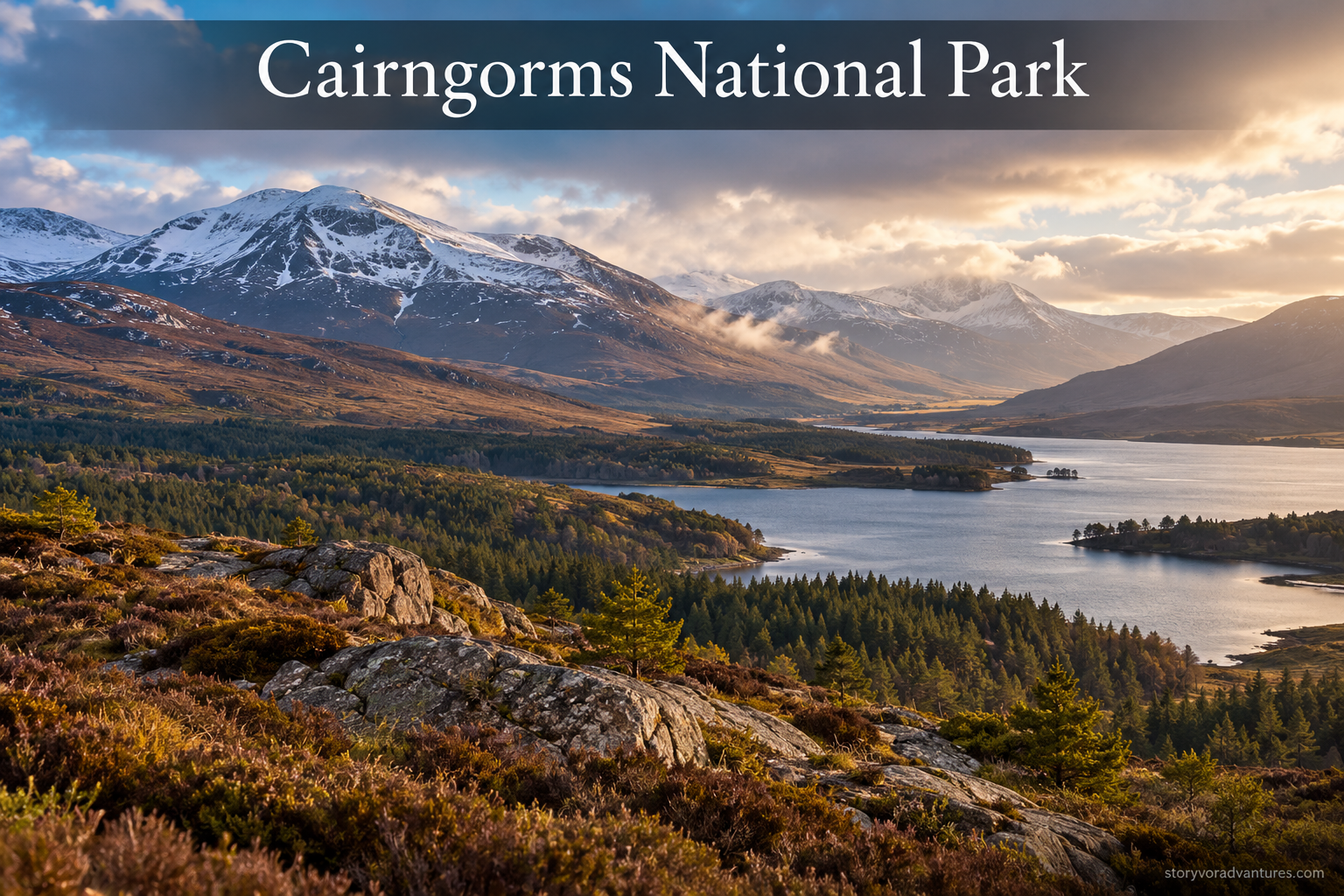
Cairngorms National Park offers mountains, forests, wildlife habitats, walking routes and communities spread across a large Highland landscape.
Aviemore is one of the easiest bases, with railway access and outdoor services. Nearby experiences can include forest walks, lochs and mountain scenery, but conditions at higher elevations require preparation.
Wildlife should be observed quietly and from a safe distance. Never feed animals or leave established paths to chase a photograph. If poor weather makes a mountain plan unsafe, woodland routes and nearby villages provide sensible alternatives.
The Cairngorms can be visited between Inverness and Edinburgh, but one brief stop cannot represent the entire national park. Travellers focused on walking or nature should reserve at least two nights.
12. St Andrews
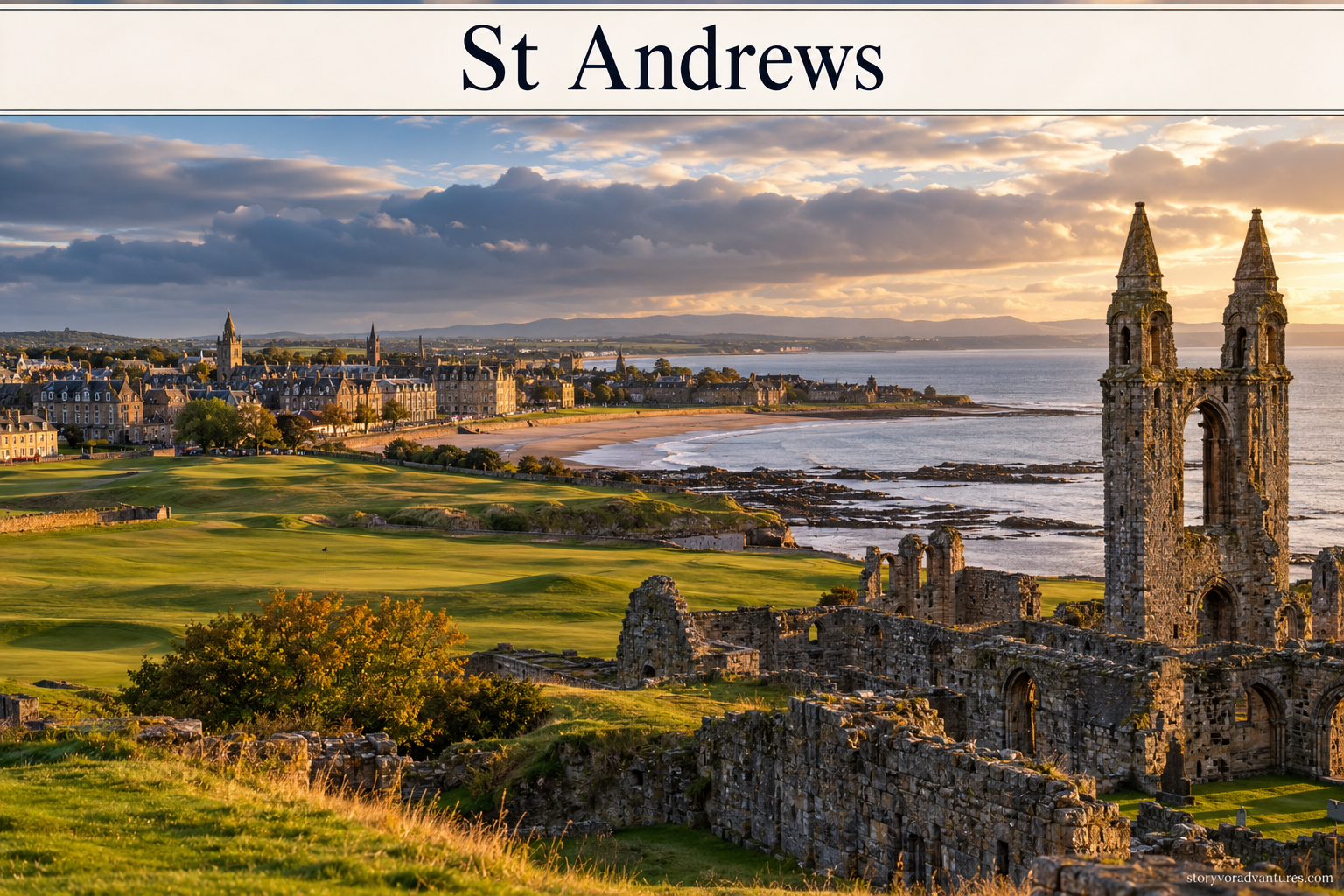
St Andrews is internationally associated with golf, but the town also offers historic university buildings, castle ruins, cathedral remains and a windswept coastline.
The cathedral ruins show the former scale of one of medieval Scotland’s most important religious centres. Nearby St Andrews Castle reveals another layer of history beside the sea. The town centre is compact enough to explore on foot, with cafés and traditional streets connecting the main attractions.
Golf enthusiasts may want to see the Old Course, although playing requires separate planning. Visitors who are not interested in golf can still enjoy the beaches and historic atmosphere.
St Andrews works as a day trip from Edinburgh, but combining it with coastal villages in Fife creates a more complete journey.
13. Dunnottar Castle
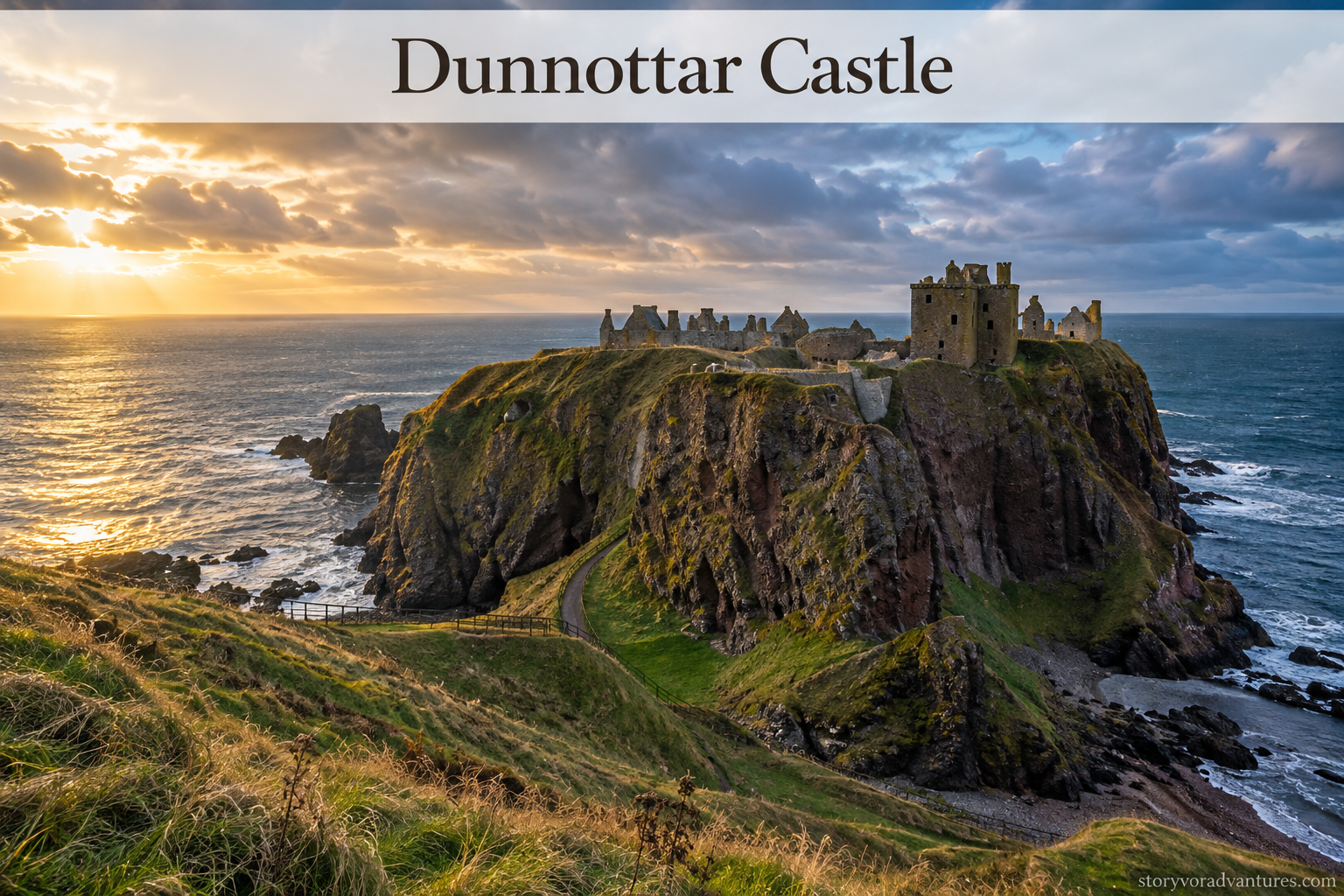
Dunnottar Castle occupies a dramatic headland on Scotland’s northeastern coast. Surrounded by steep cliffs and the North Sea, its location is as impressive as the ruins.
Reaching the castle requires steps and uneven ground, so comfortable footwear is important. Strong wind and rain can affect the experience, and visitors should check current opening information before making a long journey.
Dunnottar can be combined with Stonehaven and Aberdeen. Travellers following a slower east-coast route can include it between Edinburgh and the Highlands rather than forcing it into a western Scotland itinerary.
14. North Coast 500
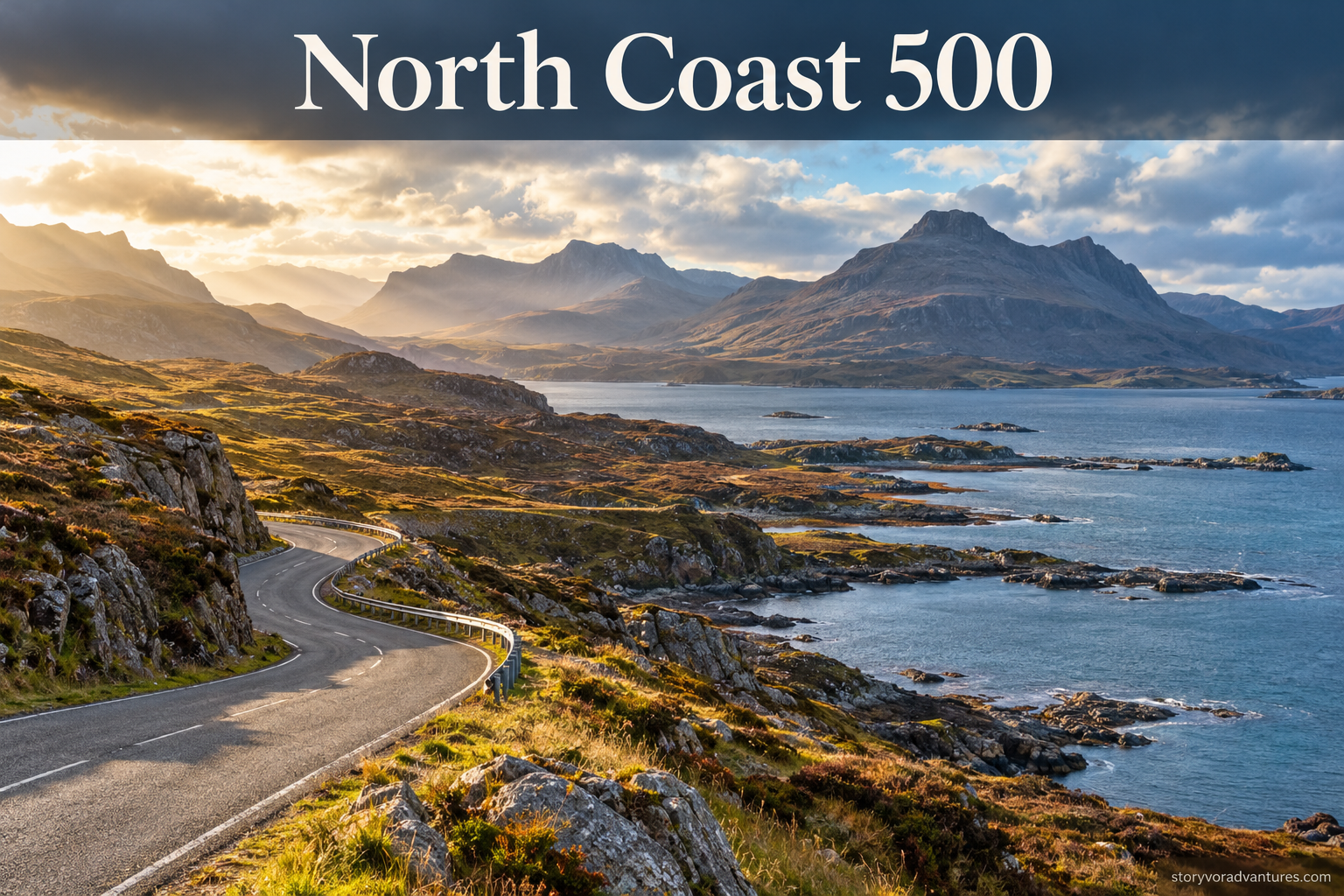
The North Coast 500 is not one attraction but a long touring route through Scotland’s northern Highlands. It passes beaches, mountain scenery, fishing communities, castles and remote coastal roads.
The route should not be treated as a race. Completing it too quickly creates long driving days and leaves little time for walking or supporting local businesses. Five to seven days is more sensible for many travellers, while a longer journey allows detours and rest days.
Some sections use narrow single-track roads. Drivers need to understand passing places, watch for livestock and cyclists, and allow faster local vehicles to pass. Accommodation should be booked in advance during popular months.
The North Coast 500 cannot be added comfortably to the seven-day itinerary below. It is better planned as a separate journey or included within a Scotland trip lasting at least two weeks.
15. Orkney Islands
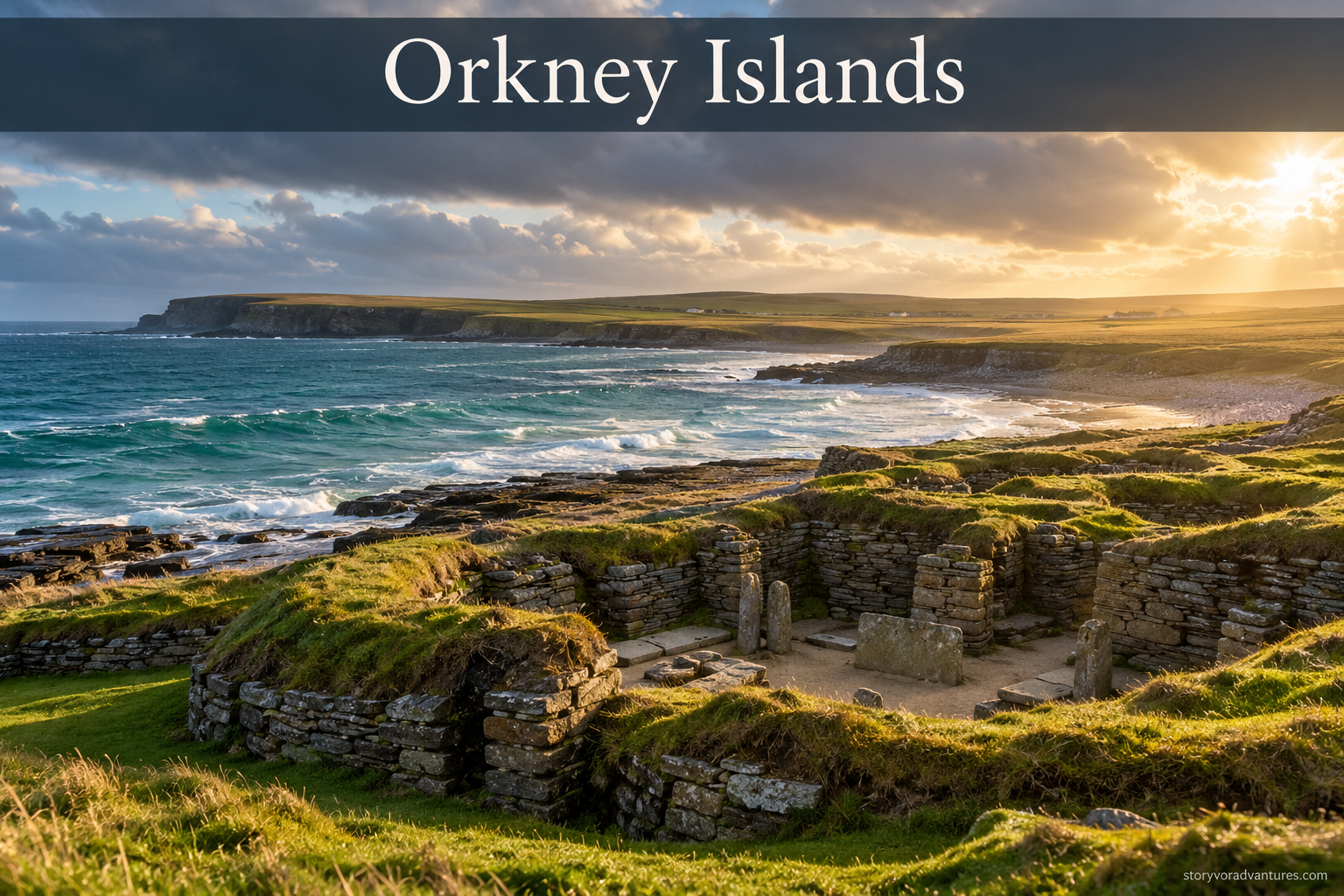
Orkney offers a striking combination of coastal scenery, island communities and prehistoric archaeology. Its most famous locations include Skara Brae, the Ring of Brodgar, the Stones of Stenness and Maeshowe.
Skara Brae forms part of the Heart of Neolithic Orkney World Heritage Site and preserves an exceptional prehistoric settlement. Popular historical attractions may require advance booking, particularly when available entry times are limited.
Kirkwall and Stromness make practical bases for exploring the islands. Reaching Orkney requires a flight or ferry, so it should not be squeezed into a short mainland road trip. A minimum of two or three nights provides a more enjoyable introduction.
A Practical 7-Day Scotland Road Trip
This itinerary focuses on Edinburgh, the western Highlands, the Isle of Skye and Inverness. Glasgow, Orkney, St Andrews, Dunnottar Castle and the North Coast 500 can be added to a longer journey.
Day 1: Explore Edinburgh
Begin with Edinburgh Castle, walk down the Royal Mile and explore the Old Town. Finish at Calton Hill if the weather is clear. Stay overnight in Edinburgh.
Day 2: Edinburgh to Glasgow and Loch Lomond
Travel to Glasgow and spend several hours exploring the city centre or West End. Continue towards Loch Lomond in the afternoon and stay near Balloch, Luss or Glasgow, depending on your transport plan.
Day 3: Loch Lomond, Glencoe and Fort William
Travel through Loch Lomond and The Trossachs National Park towards Glencoe. Allow time for viewpoints, the visitor centre and a suitable short walk. Continue to Fort William for the night.
Day 4: Glenfinnan, Eilean Donan and the Isle of Skye
Visit Glenfinnan early, then continue towards Eilean Donan Castle. Cross to the Isle of Skye and stay in or near Portree. This is already a long travel day, so avoid adding too many roadside stops.
Day 5: Explore the Isle of Skye
Use the full day for the Trotternish Peninsula, including selected locations such as the Old Man of Storr, Kilt Rock, Quiraing and Fairy Glen. Choose fewer stops if walking or poor weather requires additional time. Stay a second night on Skye.
Day 6: Skye to Loch Ness and Inverness
Leave Skye and travel through the Highlands towards Loch Ness. Visit Urquhart Castle or take a boat trip if timings permit. Stay overnight in Inverness.
Day 7: Cairngorms and Return to Edinburgh
Travel south through the Cairngorms, stopping near Aviemore or taking a short forest walk. Continue to Edinburgh. Do not schedule an international flight too close to the expected arrival time because weather and road delays are possible.
Best Time to Visit Scotland
Late spring can offer longer daylight, green landscapes and somewhat lighter crowds than peak summer. Summer provides the longest days but also attracts more visitors, particularly to Edinburgh, Skye and the Highlands.
Early autumn brings changing colours and a quieter atmosphere in some areas, although daylight becomes shorter. Winter can be atmospheric in the cities, but rural attractions, ferries and accommodation may operate on reduced schedules.
There is no completely reliable dry season. Carry a waterproof outer layer and prepare for sun, wind and rain during the same day.
Where to Stay
For this seven-day route, the most practical overnight plan is:
- Edinburgh: two nights
- Loch Lomond or Glasgow: one night
- Fort William: one night
- Isle of Skye: two nights
- Inverness: one night
Skye has limited accommodation compared with its popularity, so book early. Staying outside Portree may reduce costs, but calculate evening driving time before choosing a remote property.
Hostels and bunkhouses can help budget-conscious travellers, while guesthouses and self-catering properties suit longer stays. Some remote accommodation operates seasonally, so confirm opening dates directly.
Car or Public Transport?
A car is most useful for Glencoe, Glenfinnan, Skye and smaller Highland locations. Travellers unfamiliar with left-side driving should avoid collecting a vehicle immediately after an overnight flight.
Edinburgh and Glasgow do not require a car for ordinary sightseeing. Trains connect major cities and towns, while organised tours can reach popular Highland routes. A train-and-tour combination is therefore a sensible option for visitors who do not want to drive on narrow roads.
Use the official ScotRail timetable to check current services. Always examine the final return connection when planning rural day trips.
Responsible Travel in Scotland
Respect local communities by parking only in permitted locations, using passing places correctly and avoiding private land. Carry rubbish until it can be disposed of properly and never light a fire where it may damage vegetation.
Remote landscapes are not empty spaces created only for tourism. People live and work beside the roads that visitors use. Slowing down, supporting local businesses and avoiding dangerous roadside stops improves the journey for everyone.
Use the official VisitScotland website to verify destination information and find recognised accommodation and visitor services.
Frequently Asked Questions
Is seven days enough for Scotland?
Seven days is enough for Edinburgh, part of the western Highlands, Skye and Inverness. It is not enough to explore those areas alongside Orkney and the complete North Coast 500 without rushing.
Do I need a car in Scotland?
A car is useful but not compulsory. Edinburgh, Glasgow, Inverness and several towns are connected by train. Guided Highland tours provide an alternative for visitors who are uncomfortable driving.
How many nights should I spend on the Isle of Skye?
Two nights is a practical minimum. Three nights provide greater flexibility for weather, walking and unexpected delays.
Can I include Orkney in a seven-day road trip?
It is technically possible, but it would make the itinerary rushed. Orkney deserves at least two or three nights and works better within a longer Scotland journey.
Is Scotland expensive?
Costs depend heavily on the season and location. Edinburgh during major events and the Isle of Skye in summer can be particularly expensive. Early accommodation booking, simple local meals and fewer hotel changes can help control the budget.
Is the North Coast 500 suitable for new drivers?
It can be challenging for drivers unfamiliar with left-side driving, single-track roads or larger rental vehicles. Learn the local road rules and avoid planning excessive daily distances.
Final Thoughts
Scotland is not a destination that needs to be completed in one journey. Edinburgh introduces its history, Glasgow reveals its creative energy, Glencoe and Skye provide dramatic landscapes, while Orkney and the far north reward travellers who have more time.
For a first visit, I would choose one connected route and explore it properly instead of collecting photographs from opposite ends of the country. A slower itinerary leaves space for unpredictable weather, quiet walks, local meals and the unplanned viewpoints that often become the strongest memories.
The best Scotland trip is not necessarily the one covering the greatest distance. It is the one that gives each place enough time to feel different from the last.
Important: Entry requirements, attraction hours, ticket prices, ferry schedules, road conditions and public-transport services can change. Always verify current information through official authorities and service providers before travelling.