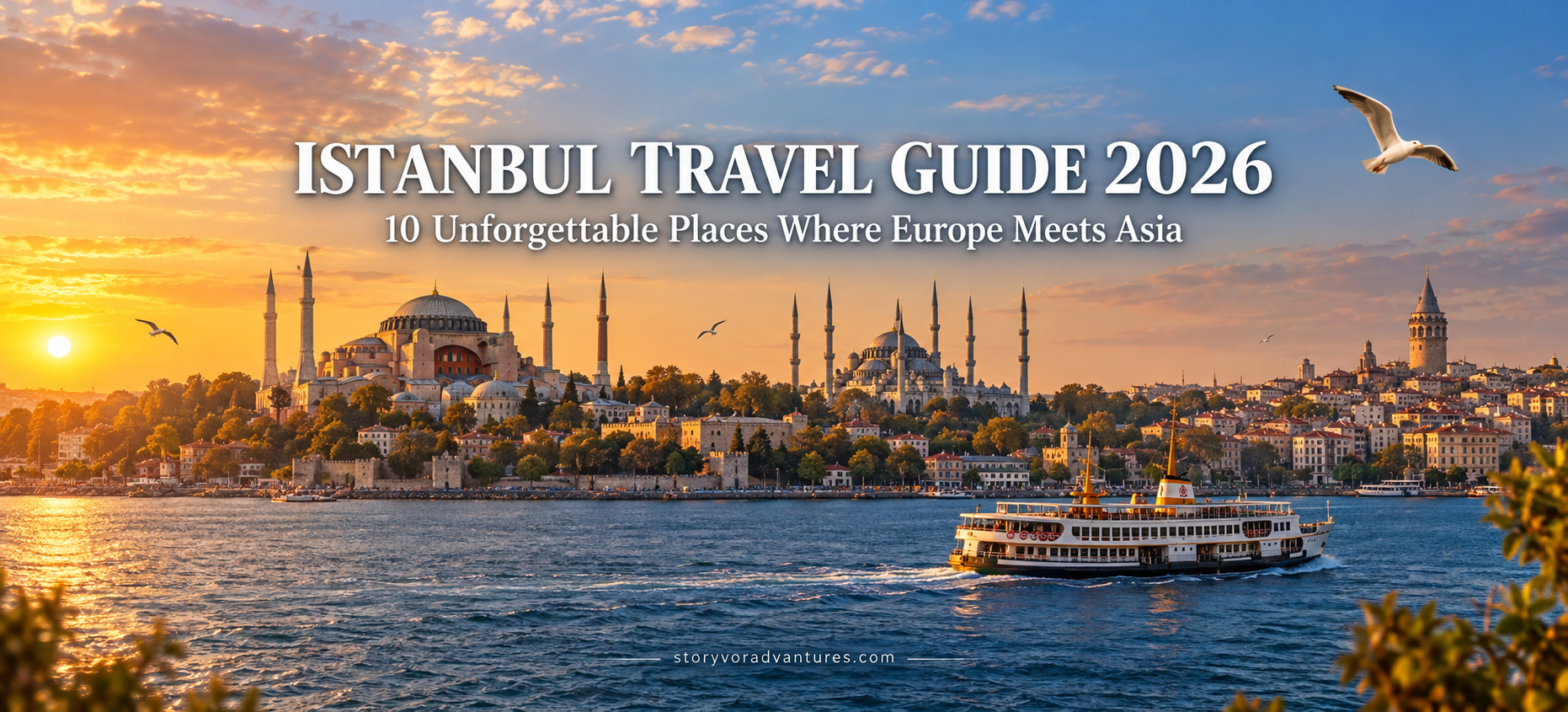
Istanbul Travel Guide 2026: 10 Unforgettable Places Where Europe Meets Asia
Explore 10 unforgettable places in Istanbul in 2026, from Hagia Sophia and the Blue Mosque to the Bosphorus and vibrant Asian side.
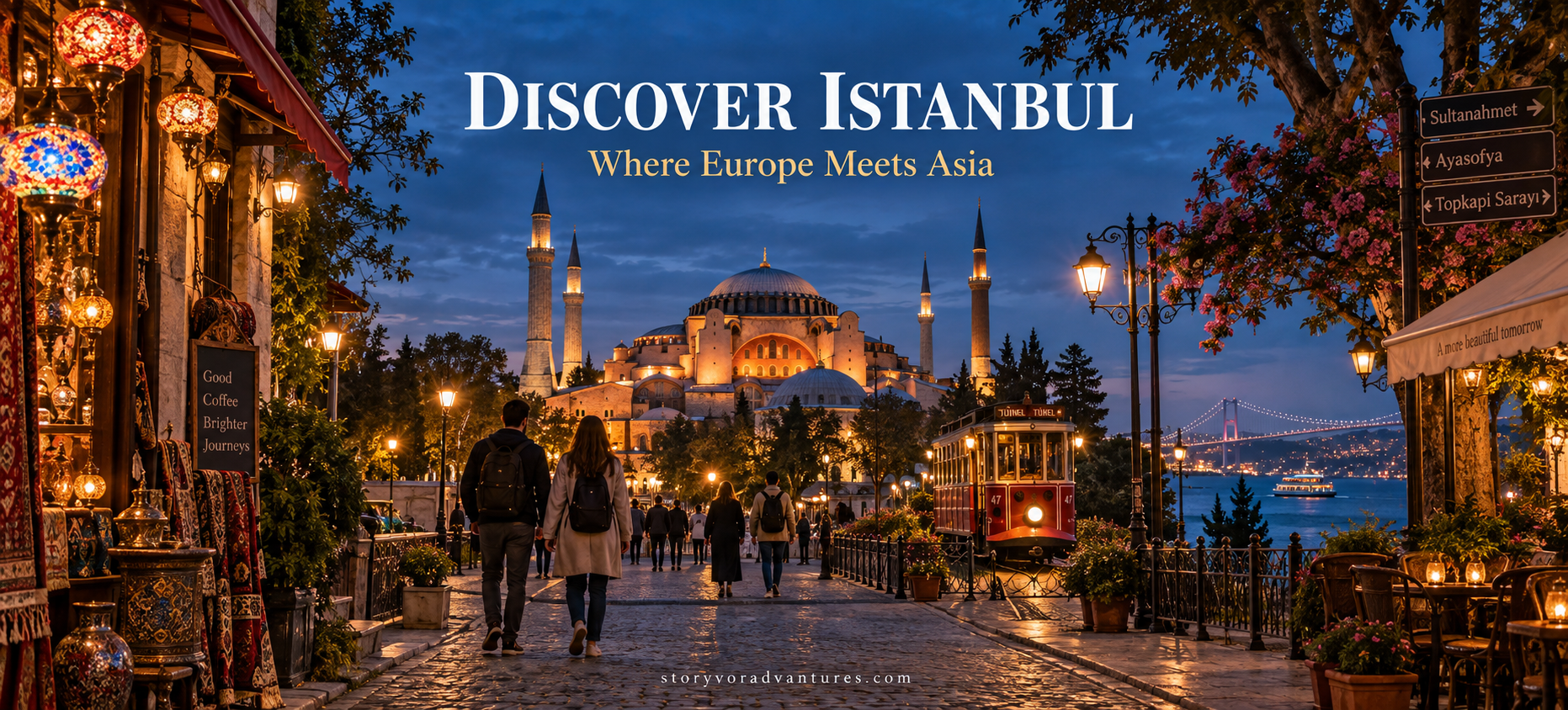
Istanbul is one of the few cities in the world where a traveller can begin the morning in Europe, cross a legendary waterway and reach Asia before lunch. Yet the city’s appeal goes far beyond its location. Former imperial palaces, magnificent mosques, underground structures, energetic markets and waterfront neighbourhoods reveal different chapters of a long and complex history.
The city was shaped by several civilizations and was known at different times as Byzantium and Constantinople. Roman, Byzantine and Ottoman influences remain visible across its skyline, streets and monuments. Several important historic areas of Istanbul are included on the reflecting the city’s outstanding cultural significance.
First-time visitors can easily feel overwhelmed because Istanbul is large, busy and filled with attractions. A successful trip requires more than collecting famous landmarks. Travellers should allow time for ferry journeys, local meals, quieter streets and unexpected discoveries between scheduled visits.
This Istanbul travel guide introduces ten unforgettable places while also explaining how to experience them responsibly and comfortably. Opening times, ticket prices, worship schedules and visitor rules can change, so always verify current information through official sources before travelling.
Quick Planning Guide for Istanbul
Four or five full days provide a comfortable introduction to Istanbul. This allows approximately two days for the historic Sultanahmet area, one day around Galata and Karaköy, and another day for the Bosphorus and the Asian side. Travellers with additional time can explore neighbourhoods at a slower pace or take carefully selected day trips.
Sultanahmet is convenient for travellers who want to stay near major historic landmarks. Karaköy and Galata provide easier access to cafés, restaurants and evening activity, while Kadıköy offers a more residential atmosphere on the Asian side. The best area depends on whether convenience, nightlife, local character or waterfront access matters most to you.
Public transport is usually more practical than relying entirely on cars. Trams, metro services, buses and ferries connect many important areas, while an Istanbulkart can simplify payment on eligible services. Routes, fares and purchase procedures may change, so check the latest transport information after arriving.
1. Hagia Sophia
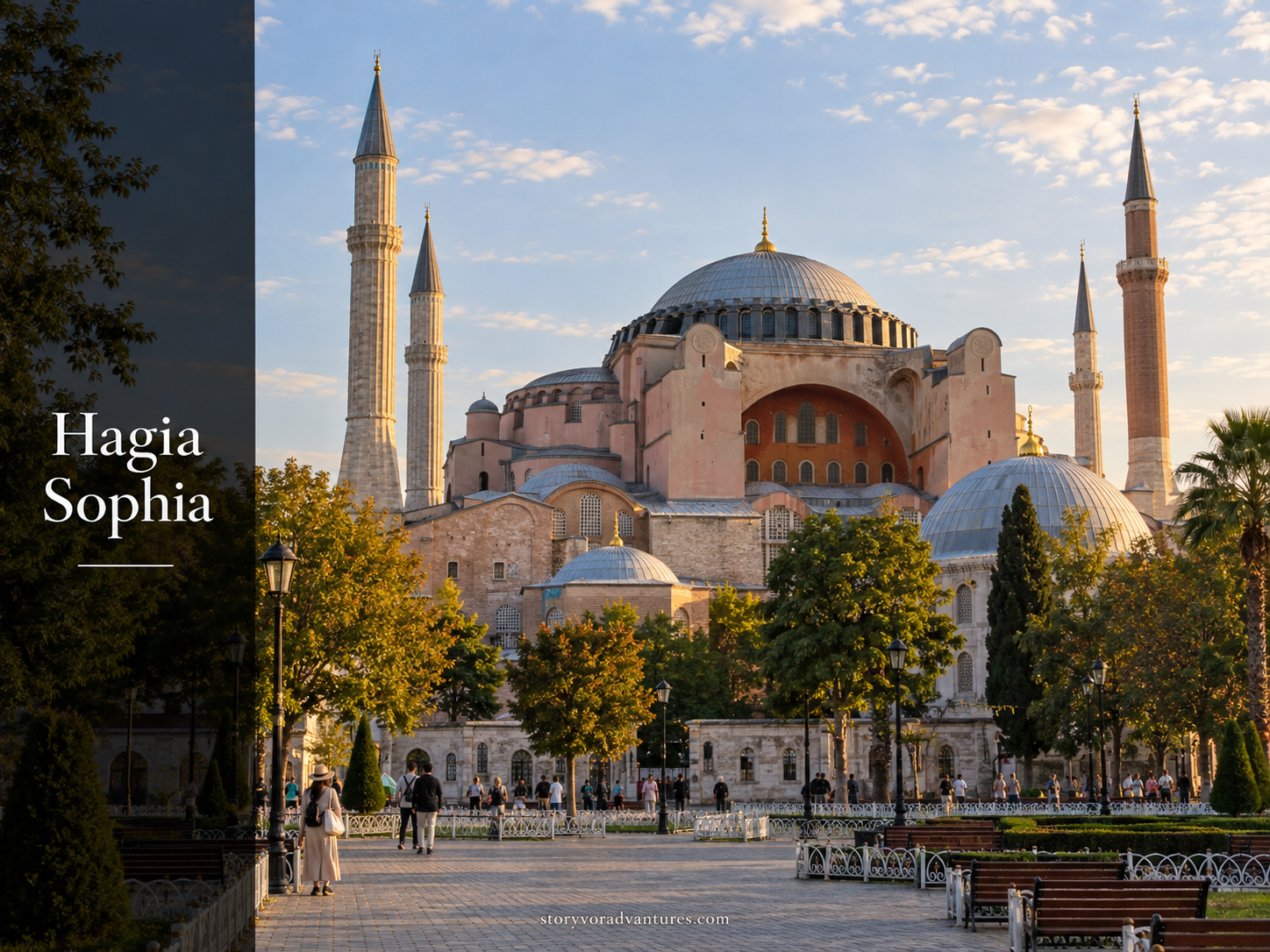
Hagia Sophia is one of Istanbul’s most recognised landmarks and a powerful symbol of the city’s layered history. Originally built as a Byzantine cathedral in the sixth century, it later became an Ottoman mosque, then a museum and subsequently an active mosque again. Its enormous dome, marble surfaces and historic decorative details reflect centuries of architectural and religious change.
The interior feels dramatically different from the busy square outside. Light enters from numerous windows around the dome, creating a sense of height and openness. Visitors can observe how elements from different historical periods coexist within the same structure, although access to particular areas may be restricted.
Because Hagia Sophia functions as a place of worship, visitors should dress respectfully, remain quiet and follow instructions from staff. Shoes may need to be removed in designated areas, and access can be limited during prayer times. Visitor routes, entrance arrangements and fees have changed in recent years, making it especially important to check current official guidance before visiting.
Early mornings may offer a calmer experience, but crowd levels are never guaranteed. Instead of rushing through, spend time studying the building from Sultanahmet Square, where its domes and minarets can be appreciated as part of the wider historic landscape.
2. Blue Mosque
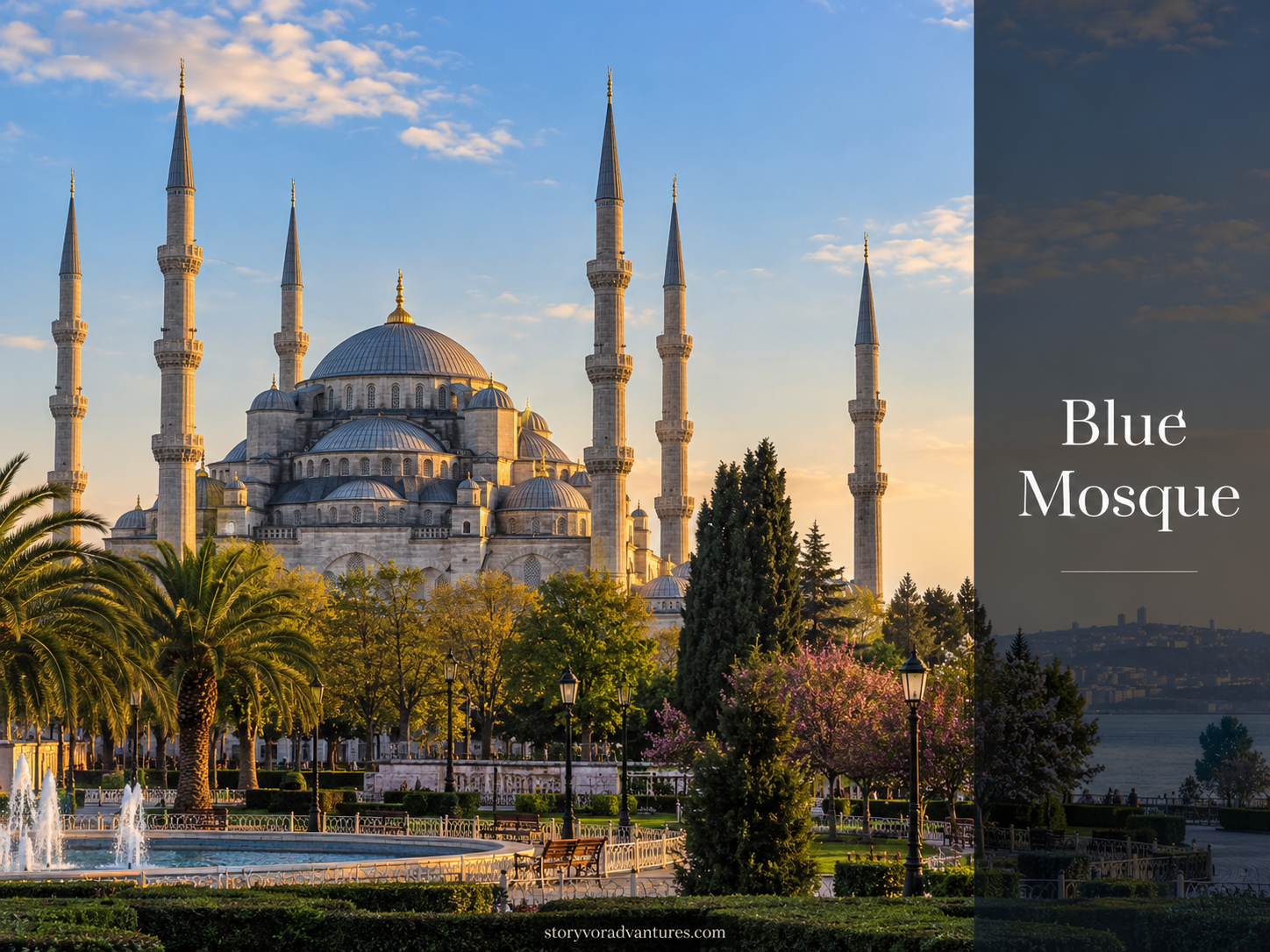
Standing opposite Hagia Sophia, the Blue Mosque is officially known as the Sultan Ahmed Mosque. Completed during the early seventeenth century, it is famous for its balanced domes, six minarets and extensive interior tilework. Its popular name comes from the blue-toned İznik tiles used throughout the prayer hall.
The building remains an active mosque rather than simply a tourist attraction. This gives visitors an opportunity to appreciate both its architecture and its continuing religious importance. The central courtyard also provides impressive views of the domes and surrounding structures.
Non-worshippers should avoid entering during prayer periods and follow all posted instructions. Modest clothing is expected, and head coverings may be required for women inside the prayer area. Visitors should remove their shoes where directed and avoid photographing people without permission.
Hagia Sophia and the Blue Mosque are close together, but visiting both too quickly can make the experience feel repetitive. Allow a break in Sultanahmet Square or nearby gardens so that each monument receives proper attention.
3. Topkapı Palace
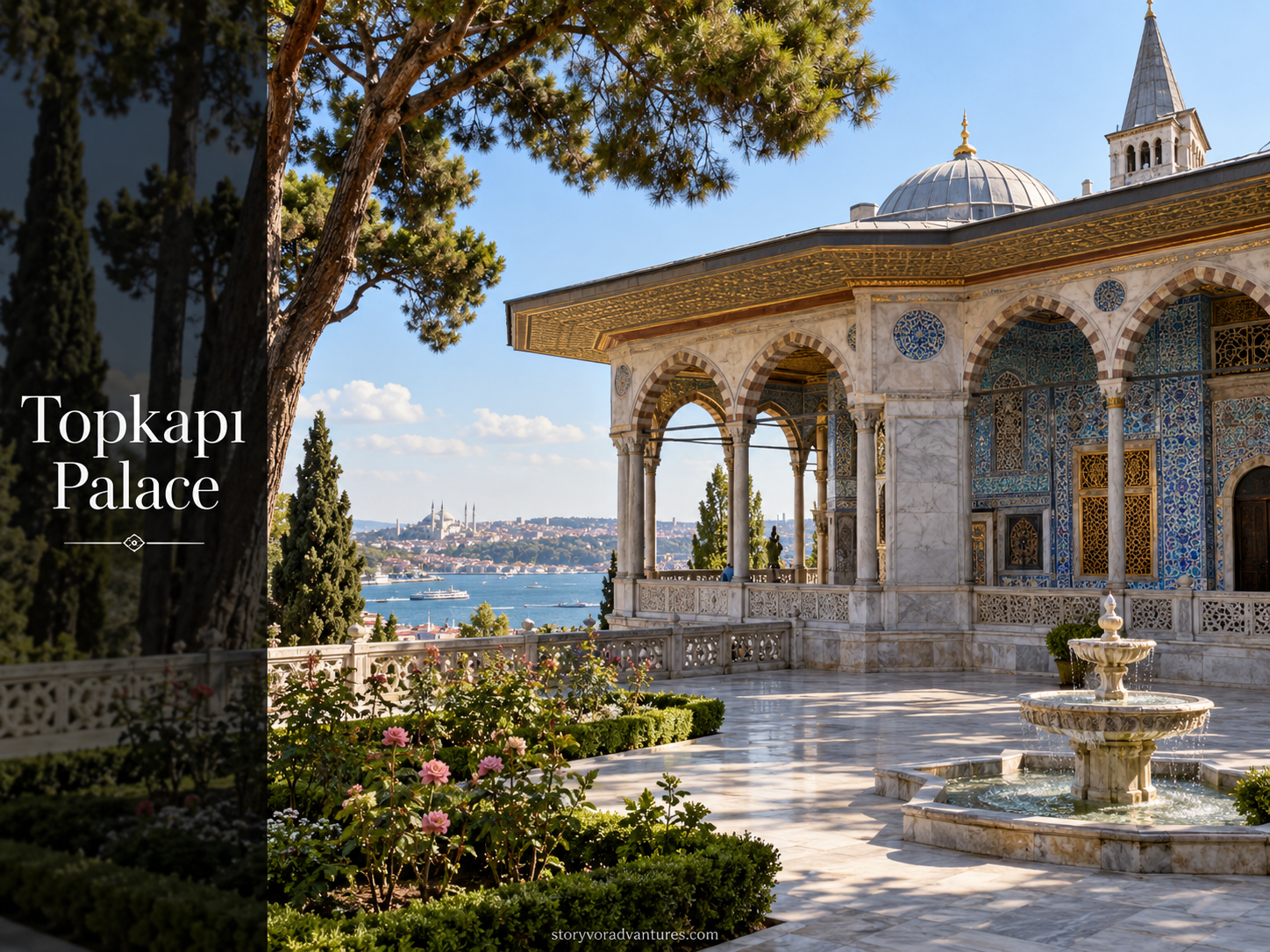
Topkapı Palace served as the administrative and residential centre of the Ottoman court for several centuries. Rather than resembling a single enormous European palace, the complex consists of courtyards, gardens, chambers and pavilions overlooking the Bosphorus and the Golden Horn.
Each section reveals a different aspect of palace life. Decorative tiles, ceremonial halls, historic collections and peaceful courtyards help visitors understand how the Ottoman administration and royal household operated. Views from the palace grounds are also among the most impressive in the historic district.
The Harem is one of the most discussed sections, although it should not be understood through popular myths alone. It was a highly organised residential area occupied by members of the imperial family, attendants and staff. Access to the Harem may require a separate ticket or specific admission arrangement.
Topkapı Palace is extensive, so allow several hours rather than treating it as a quick stop. Wear comfortable shoes and decide beforehand which sections matter most to you. Tickets, closed days and entry conditions can change, so consult the official museum information before visiting.
4. Basilica Cistern
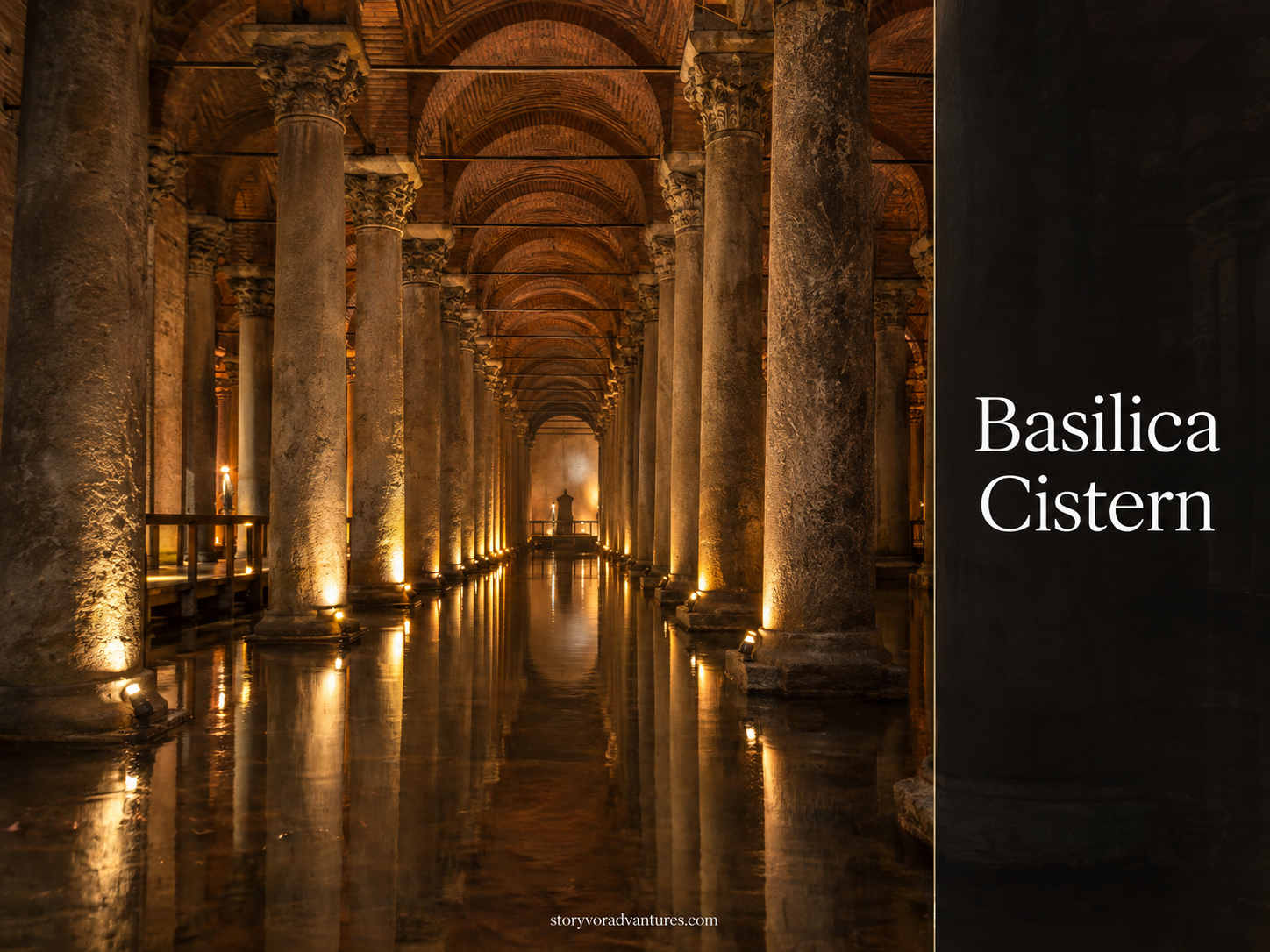
Hidden beneath the streets near Hagia Sophia, the Basilica Cistern offers a completely different view of historic Istanbul. This underground water reservoir was constructed during the Byzantine period and is supported by hundreds of columns rising from shallow water.
Soft lighting, reflections and the scale of the chamber create an atmospheric experience. The two Medusa-head column bases are among its best-known features, although their precise origins and unusual positioning remain subjects of discussion.
The cistern can become crowded because walkways guide visitors through a limited space. Visiting near opening time or during a quieter period may provide a more comfortable experience. People sensitive to enclosed, dim or humid spaces should consider this before entering.
Modern exhibitions and lighting arrangements may change over time. Current admission prices, opening hours and special events should therefore be confirmed through the official attraction website.
5. Grand Bazaar
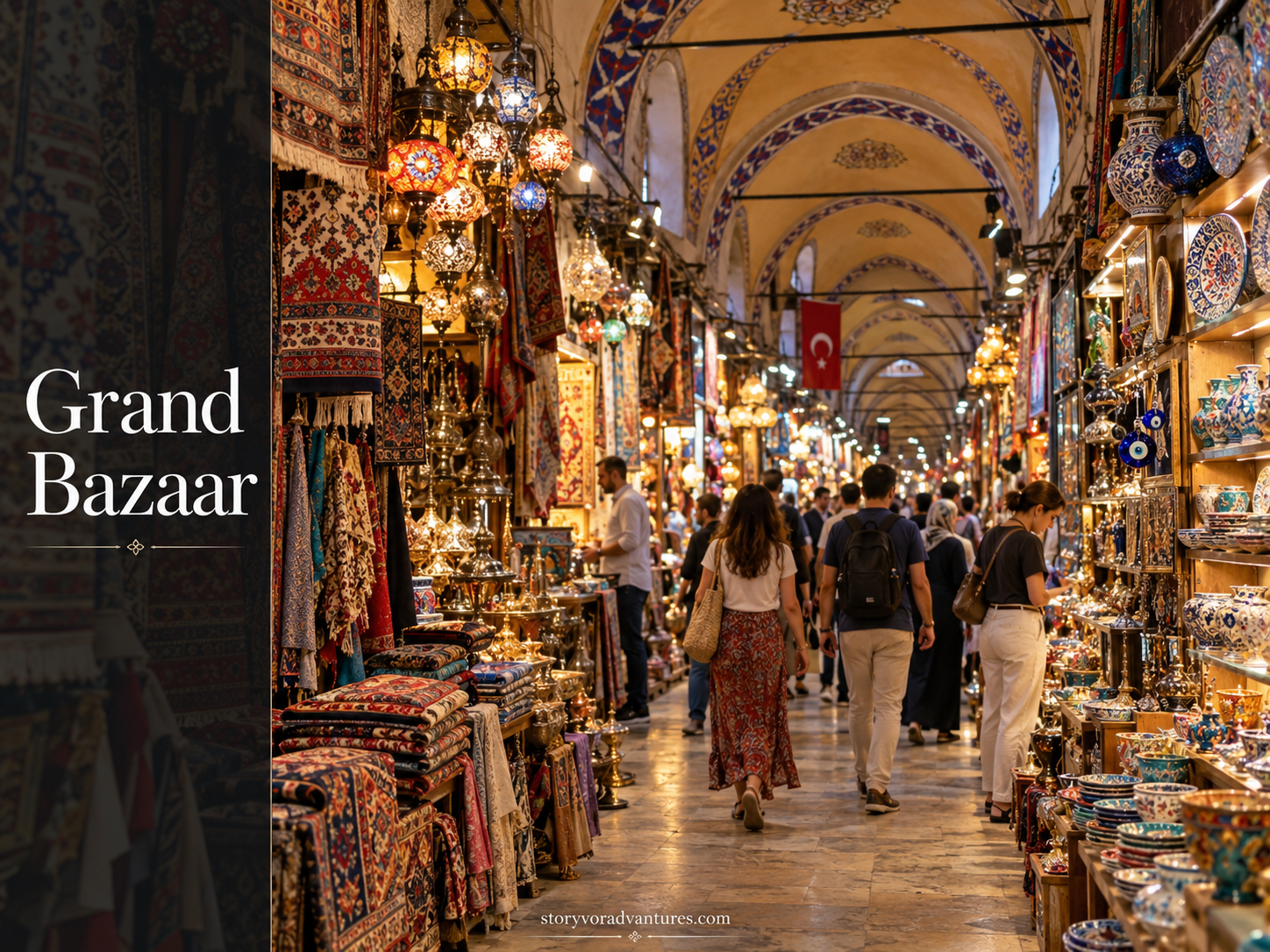
The Grand Bazaar is not simply one large shopping hall. It is an extensive network of covered streets containing shops that sell jewellery, carpets, ceramics, leather goods, textiles, lamps, spices and souvenirs. Its busy passages can initially feel confusing, but wandering is part of the experience.
Travellers are not required to buy anything to appreciate the bazaar. Architectural details, colourful displays and conversations with shopkeepers reveal a trading culture developed over generations. However, the market also serves commercial purposes, so visitors should remain practical when shopping.
Compare quality and prices before making expensive purchases. Ask clear questions about materials, origin, shipping and return arrangements. Friendly negotiation may be acceptable in some shops, but aggressive bargaining or disrespectful behaviour is unnecessary.
Keep valuables secure in crowded passages and avoid following unsolicited guides. The bazaar’s operating schedule can vary around public and religious holidays, so verify opening information instead of relying on an old travel itinerary.
6. Spice Bazaar and Eminönü
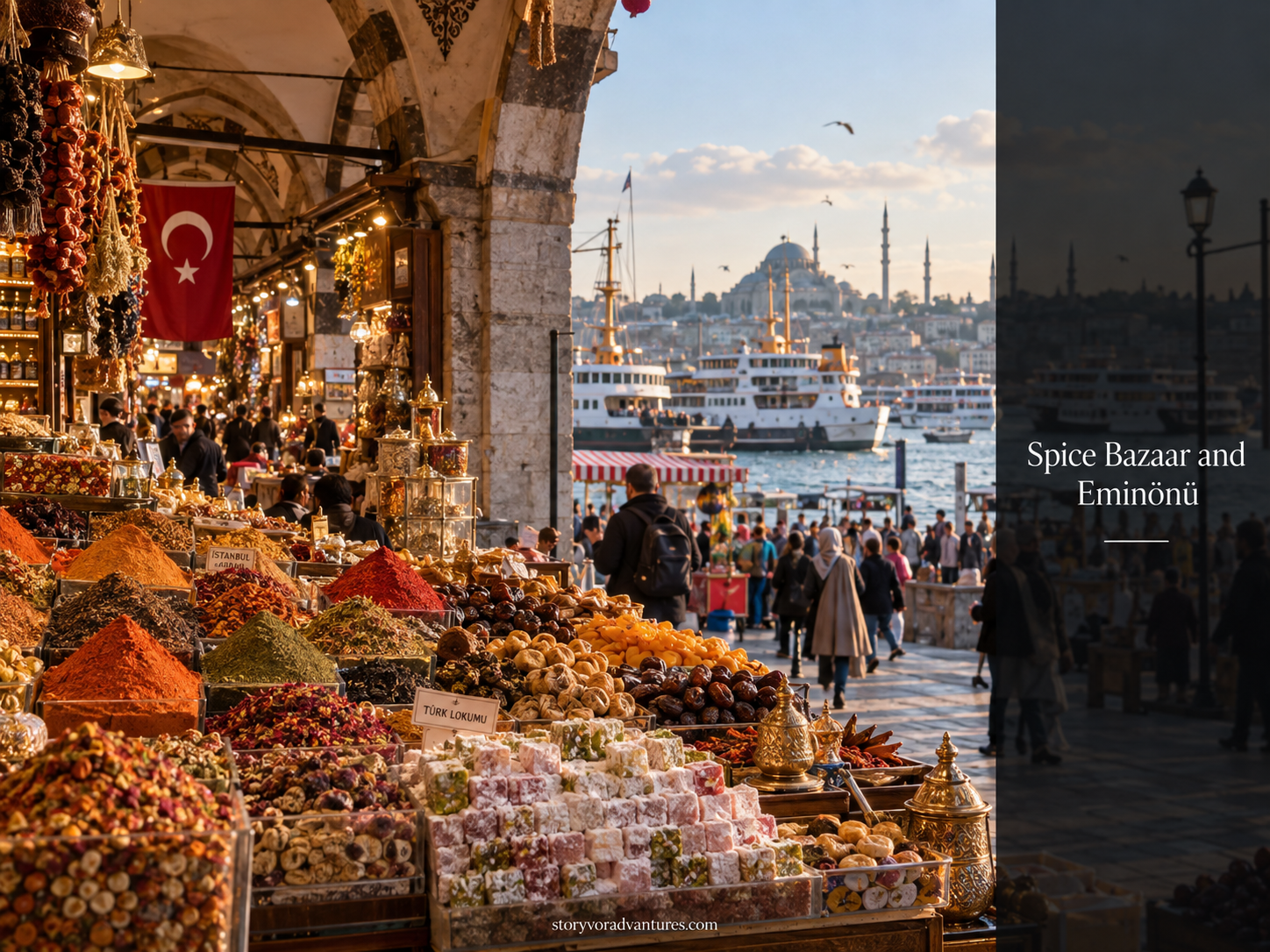
The Spice Bazaar is smaller and easier to navigate than the Grand Bazaar. Its shops display spices, teas, dried fruits, nuts, sweets and traditional products in vivid arrangements. The aromas and colours make it one of the most memorable indoor markets in Istanbul.
Before purchasing packaged food, check the price, weight and condition of the product. Travellers planning to carry food across an international border should also research the customs and agricultural rules of their destination country.
Outside the bazaar, Eminönü is filled with ferry passengers, shoppers, food stalls and commuters. The waterfront provides excellent views across the Golden Horn, while nearby streets reveal historic mosques, commercial buildings and traditional eateries.
Eminönü is frequently crowded, so hold bags securely and pay attention when crossing roads or moving near tram lines. Instead of treating the area as a short photo stop, consider having a simple meal and watching everyday city life unfold around the waterfront.
7. Bosphorus Cruise
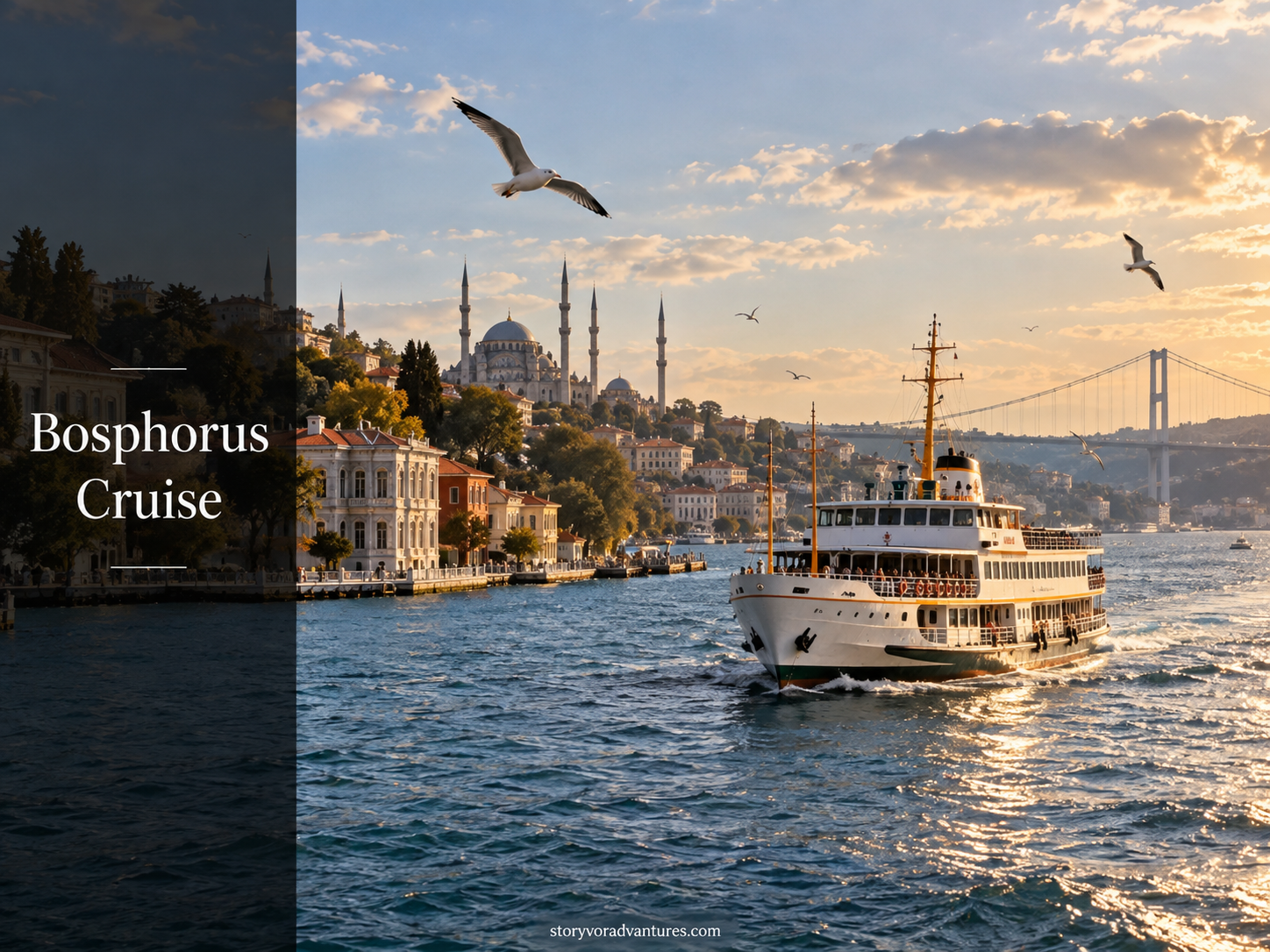
A journey along the Bosphorus helps travellers understand Istanbul’s geography better than almost any viewpoint. The strait divides the European and Asian sides while connecting the Black Sea with the Sea of Marmara. Palaces, neighbourhoods, bridges, mansions and fortifications appear along both shores.
Visitors can choose between public ferries and dedicated sightseeing cruises. Public ferries may offer an affordable and practical local experience, while organised cruises can provide narration or more convenient sightseeing routes. The best option depends on your available time and interest.
Check the route carefully before purchasing a ticket because cruise duration and stopping patterns vary. Weather can also change quickly on the water, so carry an additional layer even when the city centre feels warm.
Sunset journeys can be beautiful but are often popular. Daytime ferries may offer clearer views and easier photography. Never lean over barriers or ignore crew instructions while trying to capture a picture.
8. Galata Tower and Karaköy
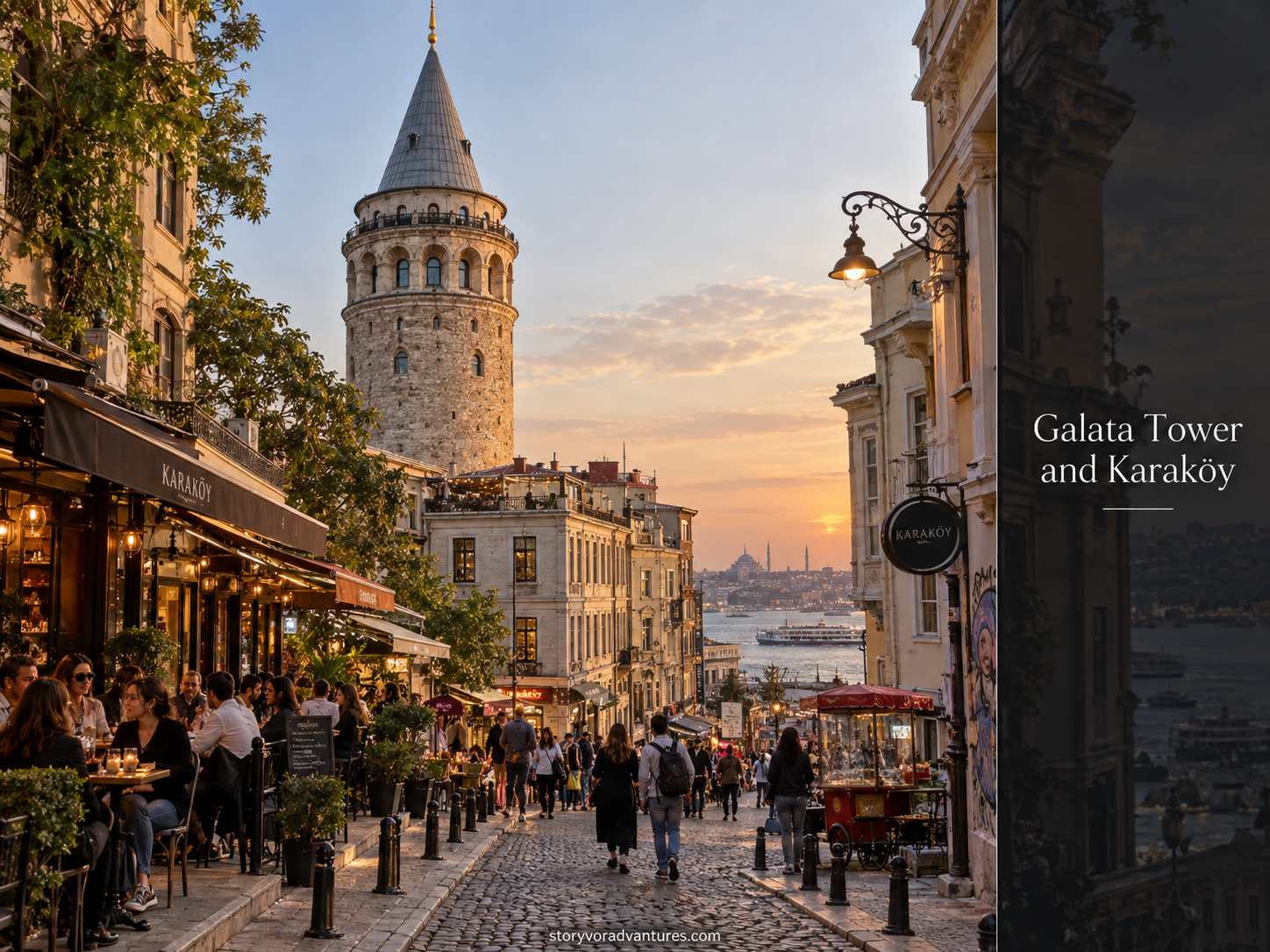
Galata Tower rises above one of Istanbul’s most energetic districts. The medieval stone tower has served different purposes throughout its history and now provides panoramic views across the Golden Horn, Bosphorus and historic peninsula.
Queues can be long during popular hours, and visibility depends on weather conditions. Visiting early may reduce waiting, while an evening visit offers a different perspective as lights appear across the city. Travellers should check current ticketing and access arrangements before arriving.
The surrounding neighbourhood deserves as much attention as the tower. Galata’s sloping streets contain music shops, cafés and historic buildings, while nearby Karaköy has restaurants, bakeries, galleries and waterfront connections.
Some streets are steep and uneven, making supportive footwear useful. Rather than planning only a tower visit, walk gradually between Galata, Karaköy and the waterfront, allowing time to explore side streets without blocking local entrances or businesses.
9. Balat and Fener
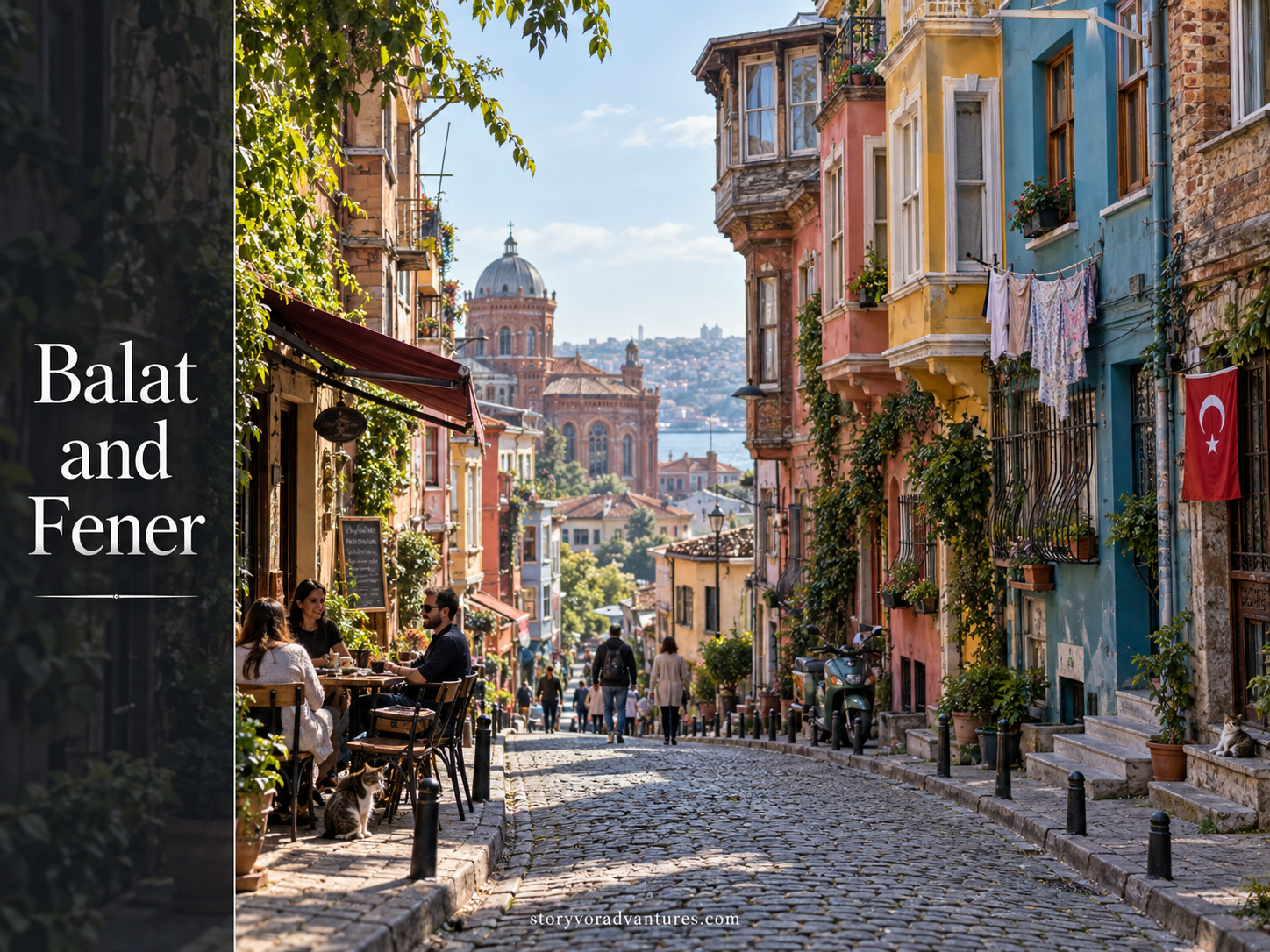
Balat and Fener are known for colourful buildings, steep streets, historic religious sites and a distinctive neighbourhood atmosphere. Their heritage reflects the communities that have lived in this part of Istanbul over many generations.
The area has become popular through social media, but it is important to remember that these are living residential neighbourhoods. Colourful doors, stairways and houses are not photography studios. Visitors should avoid blocking entrances, making excessive noise or photographing residents without permission.
Walking is the best way to explore, although the hills can be tiring. Small cafés and independent businesses offer opportunities to spend locally, but travellers should not expect every street to match highly edited online photographs.
Visit with curiosity rather than a checklist. The most meaningful experience may come from noticing everyday details, architectural contrasts and views between the buildings instead of recreating the same famous image as everyone else.
10. Kadıköy and Istanbul’s Asian Side
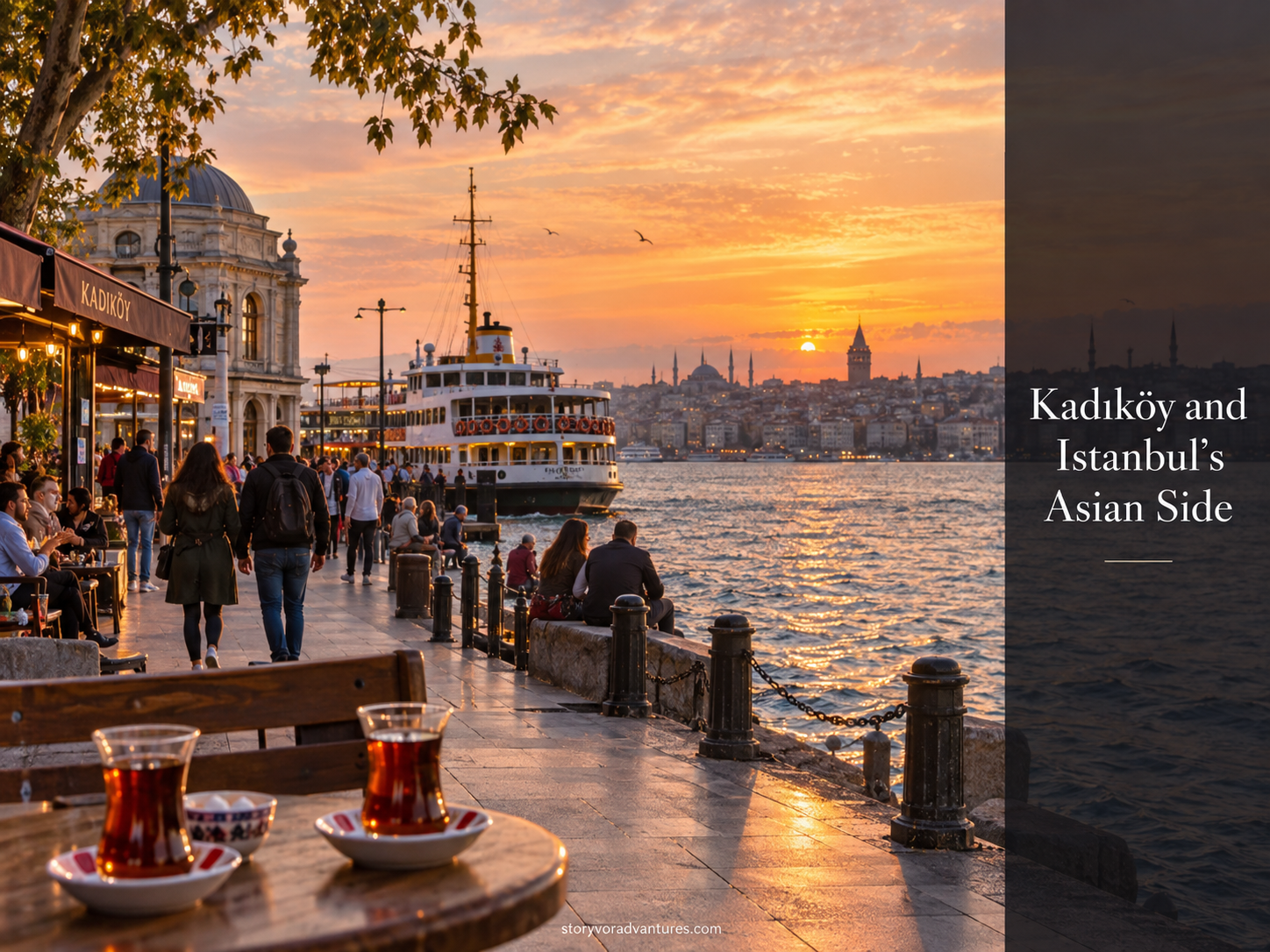
Crossing by ferry to Kadıköy is one of the simplest ways to experience another side of Istanbul. The ferry ride itself provides views of the skyline, busy waterways and seabirds following the boats across the Bosphorus.
Kadıköy has markets, restaurants, bookshops, cafés and lively pedestrian streets. Its atmosphere can feel more residential than Sultanahmet, although it remains a busy and popular district. The food market is an excellent place to observe local ingredients and try regional dishes from reputable businesses.
From Kadıköy, travellers can continue toward Moda for waterfront walks and a slower pace. The area is particularly pleasant when there is enough time to sit near the coast instead of immediately returning to Europe.
Check the final ferry, metro or bus connections before staying late. Return services are generally convenient, but schedules can change by day, season or weather conditions.
Where to Stay in Istanbul
Sultanahmet is suitable for first-time visitors who prioritise historic attractions and want to begin sightseeing early. The area can become quiet in the evening, and restaurants near major landmarks may charge higher prices.
Karaköy and Galata provide a more active base with dining choices and transport connections, but hills and nightlife noise may affect some travellers. Kadıköy is useful for those interested in food, neighbourhood life and the Asian side, although reaching Sultanahmet each morning takes additional time.
Before booking accommodation, read recent reviews about street noise, cleanliness, lift access and distance from public transport. Istanbul’s hills can make a short distance feel much longer when carrying luggage.
Mosque Etiquette for Visitors
Istanbul’s mosques are active religious spaces. Wear clothing that covers shoulders and knees, and carry a lightweight scarf when required. Remove shoes where instructed and keep conversations quiet inside.
Do not walk directly in front of people who are praying or use flash photography in restricted areas. Access for tourists may pause during prayer services, especially on Fridays or religious occasions.
Rules can differ between mosques and may change during special events. Follow the instructions displayed at each entrance rather than assuming that every mosque operates in the same way.
Common Mistakes to Avoid in Istanbul
Trying to see too many distant attractions in one day is a common mistake. Traffic, queues, ferry schedules and steep streets can turn an ambitious itinerary into an exhausting experience. Group nearby places together and include extra travel time.
Confirm prices before accepting optional services, ordering items without a visible menu or entering an unofficial taxi. Use authorised transport services, keep valuable belongings secure and politely refuse unwanted offers.
Another mistake is spending the entire trip in Sultanahmet. The historic district is essential, but Istanbul becomes more understandable when visitors also experience the Bosphorus, Karaköy, local markets and the Asian side.
Responsible Travel in Istanbul
Respect places of worship and avoid treating local residents as part of a tourist display. Ask before taking close photographs of people, support established local businesses and dispose of rubbish responsibly.
Reusable water bottles can reduce unnecessary plastic, although travellers should confirm whether their accommodation provides safe filtered drinking water. Using ferries, trams and metro services can also reduce dependence on private vehicles.
Historic surfaces and monuments should never be touched, climbed or marked for photographs. Responsible behaviour helps protect Istanbul’s cultural heritage and keeps residential neighbourhoods comfortable for the people who live there.
Final Thoughts
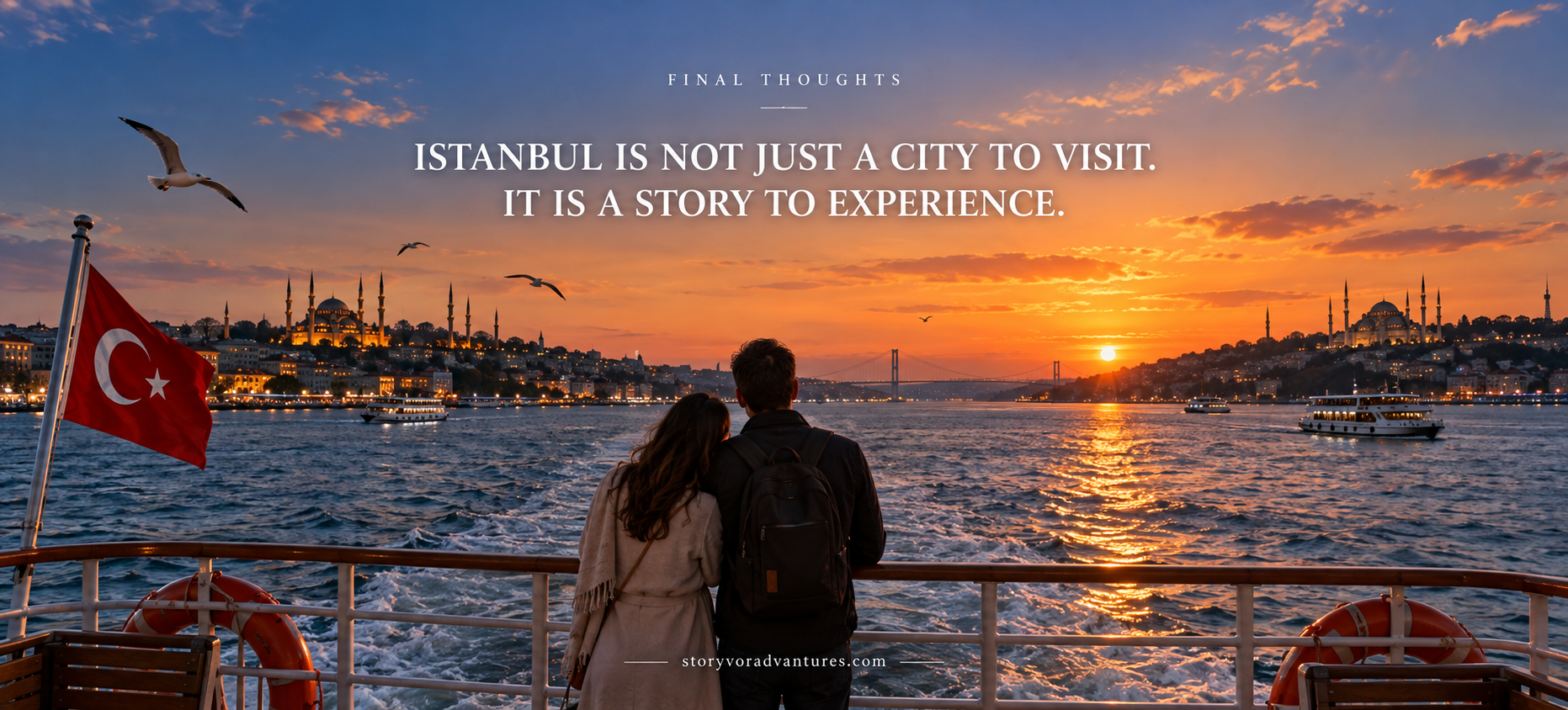
Istanbul is not a destination that can be fully understood through a short list of landmarks. Hagia Sophia, the Blue Mosque and Topkapı Palace reveal its imperial past, while markets, ferries and neighbourhood streets show how the modern city continues to evolve.
The most rewarding itinerary balances major attractions with ordinary experiences. Drink tea near the water, cross the Bosphorus by ferry, explore a neighbourhood without rushing and leave space for unexpected discoveries.
With realistic planning and respect for local culture, Istanbul can offer an unforgettable journey between continents, historical periods and ways of life. It is a city that rewards patience, curiosity and more than one visit.
Important travel notice: Opening hours, admission charges, public transport schedules, visa rules, health guidance and access conditions may change. Always verify essential information through official authorities and service providers before booking or travelling.