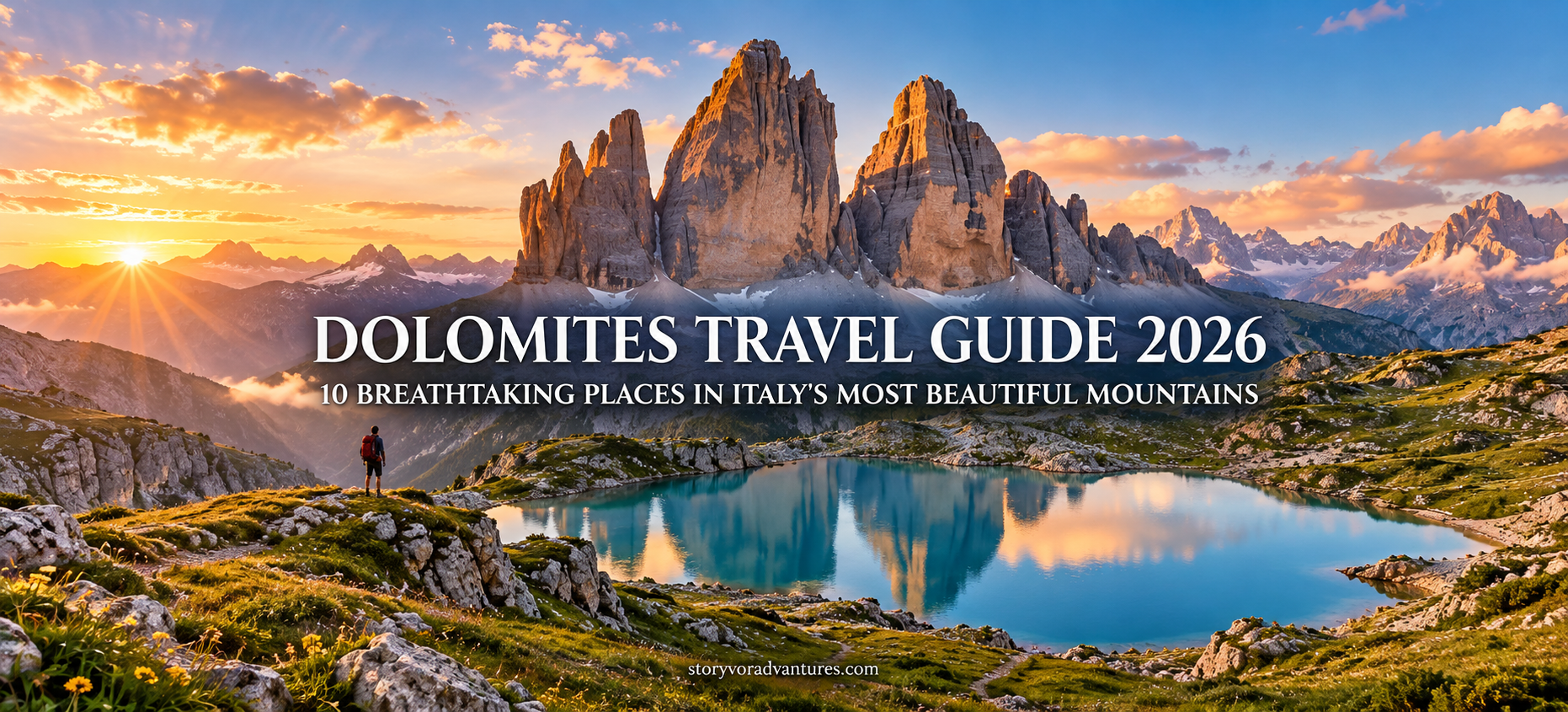
Dolomites Travel Guide 2026: 10 Breathtaking Places in Italy’s Most Beautiful Mountains
Explore 10 breathtaking places in Italy’s Dolomites in 2026, including Tre Cime, Lago di Braies, Seceda, alpine villages and scenic mountain roads.
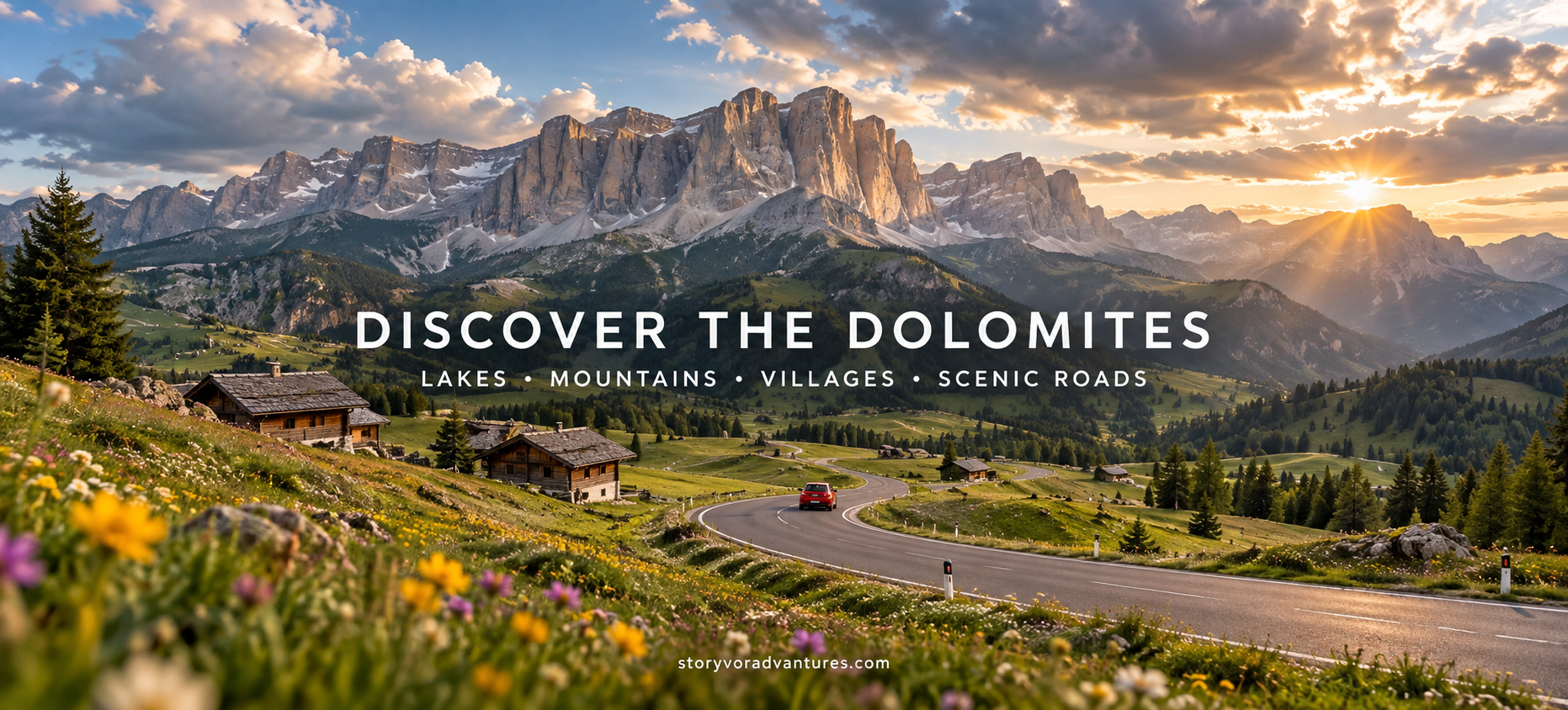
The Dolomites rise dramatically across northeastern Italy, where pale limestone peaks tower above green valleys, alpine lakes, traditional villages and winding mountain roads. The region feels different from Italy’s famous historic cities and Mediterranean coastlines, offering a quieter journey shaped by nature, outdoor activities and distinctive mountain culture.
Recognised as a UNESCO World Heritage Site for their landscape and geological importance, the Dolomites are not one compact attraction. They extend across several provinces and contain numerous valleys, mountain groups and communities. UNESCO officially recognises nine separate mountain systems within the protected Dolomites landscape.
This means travellers should not try to visit every famous location in a few rushed days. A more practical approach is to select one or two accommodation bases and explore nearby places slowly. From the iconic Tre Cime di Lavaredo to the reflective waters of Lago di Braies, these ten destinations demonstrate why the Dolomites remain one of Europe’s most memorable mountain regions.
1. Tre Cime di Lavaredo
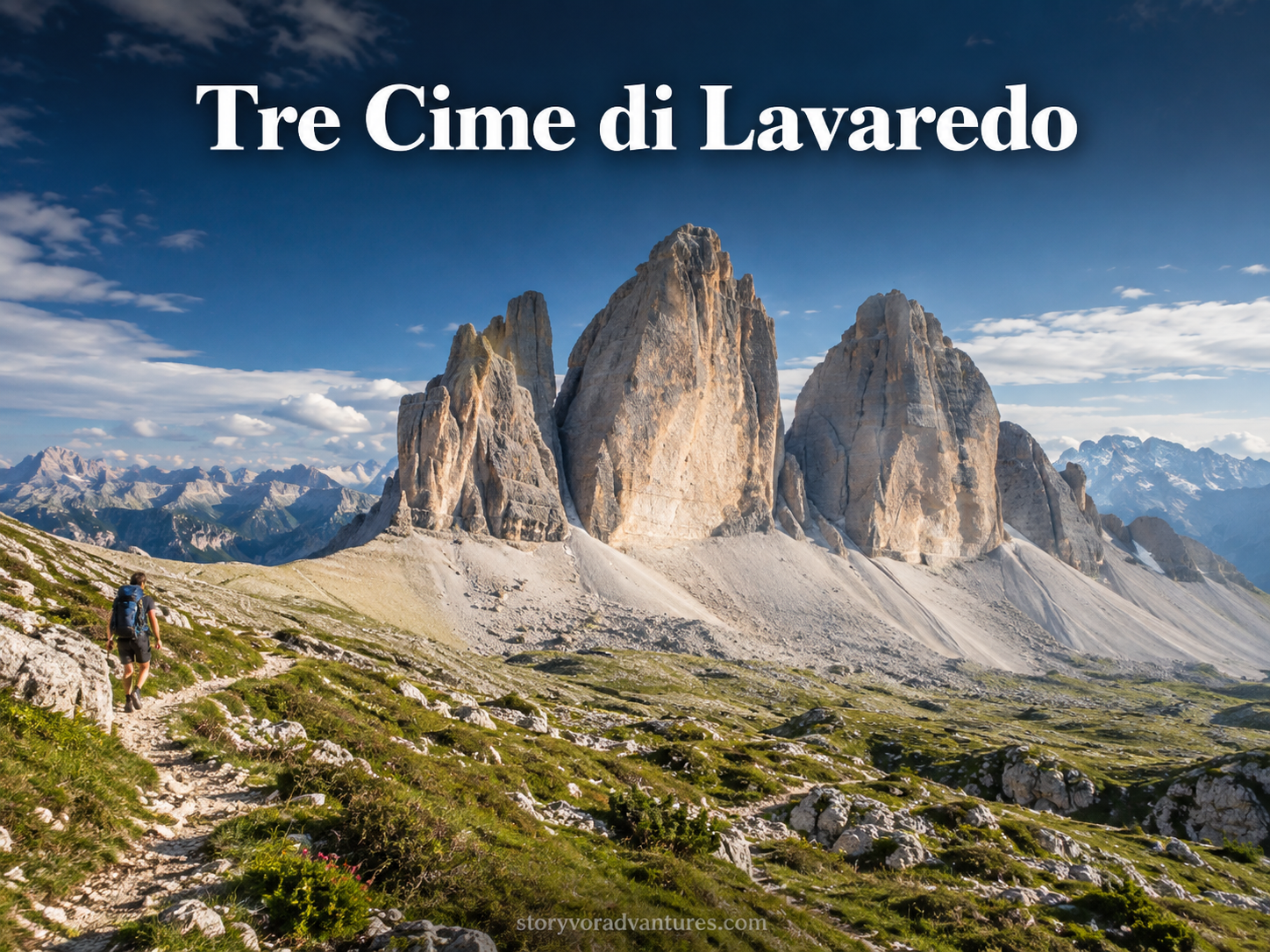
Tre Cime di Lavaredo, also called the Three Peaks, is one of the most recognisable sights in the Dolomites. Three enormous rocky towers rise above a high-altitude landscape of trails, mountain huts and open viewpoints.
The popular circular route provides changing views of the peaks, but visitors should not underestimate the mountain environment. Weather can change quickly, and exposed sections offer limited shelter. Comfortable hiking shoes, warm layers, water and sun protection are useful even when conditions appear favourable at the beginning of the walk.
The area becomes particularly busy during the main summer season. Arriving early, using available public transport and avoiding peak holiday periods can create a calmer experience. Travellers should also check current parking arrangements, road access, shuttle schedules and trail conditions before departure.
If you plan to drive to the Rifugio Auronzo parking area, check the current road access and book parking online before travelling. If you prefer public transport, check the Dobbiaco–Rifugio Auronzo shuttle schedule and reserve a seat where required. Availability and operating dates can change, so confirm both options before finalising your itinerary.
Those who cannot complete a long walk can still appreciate the surrounding landscape from accessible viewpoints. The objective should be to enjoy the mountain responsibly rather than treating the route as a race to collect photographs.
Check the current road-access information on the official Auronzo tourism website before travelling. https://auronzo.info/en/.
Check the Dobbiaco–Rifugio Auronzo shuttle schedule and reserve a seat where required –https://www.drei-zinnen.bz/en/ticket
2. Lago di Braies
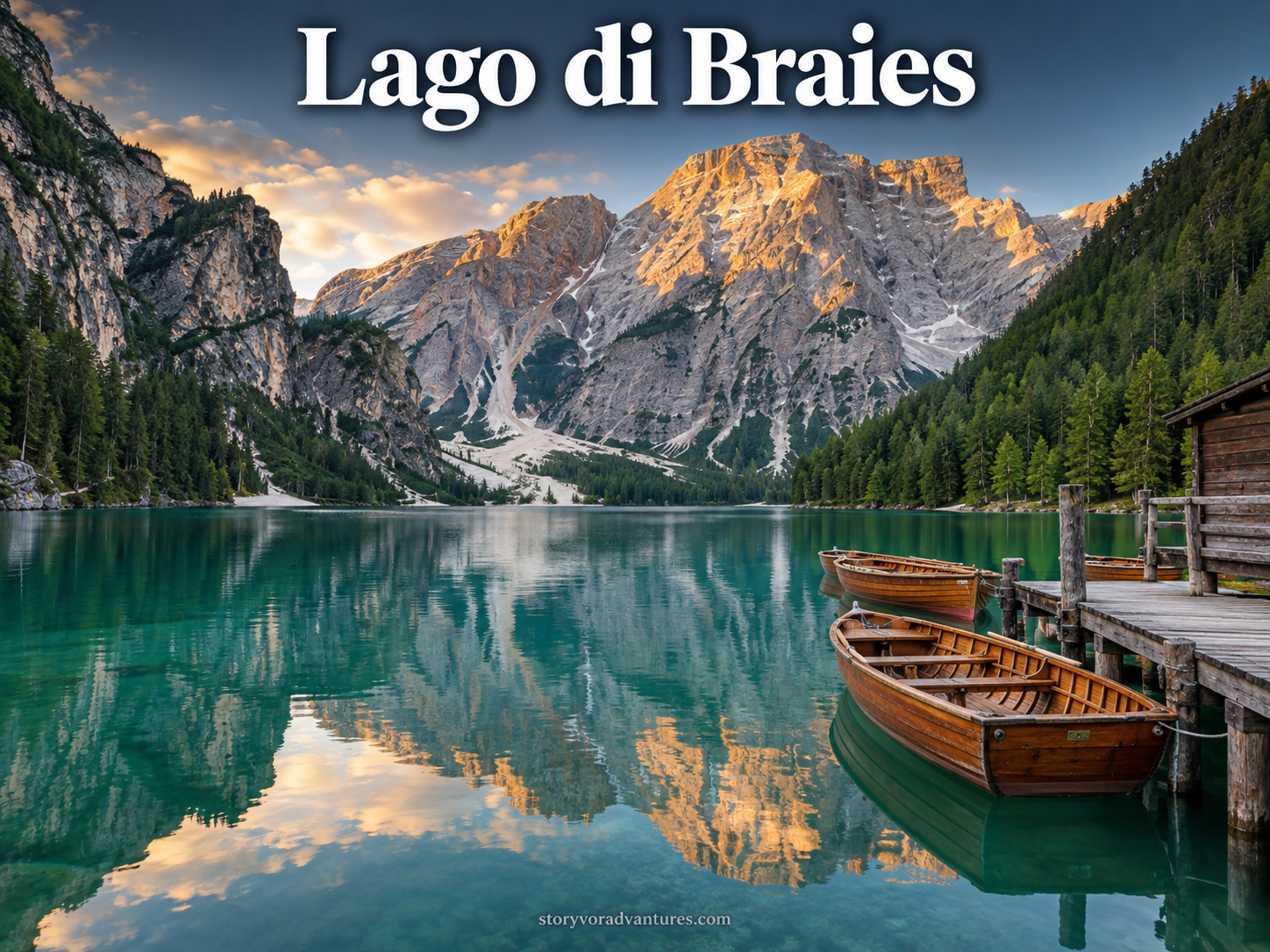
Lago di Braies is an alpine lake surrounded by forest and steep Dolomite peaks. Its emerald and turquoise colours change with the weather, sunlight and season, creating one of the region’s most photographed landscapes.
A walking path circles the lake and provides views from several perspectives. Some sections are simple, while others may be uneven or slippery depending on recent weather. Early morning can offer calmer water and a quieter atmosphere, although mist or clouds may temporarily hide the surrounding mountains.
The lake’s popularity has created transportation and crowd-management challenges. According to current official South Tyrol information, access to the Braies Valley is restricted during specified daytime hours between 1 July and 15 September 2026, with access generally requiring public transport, walking, cycling or an eligible arrangement.Before visiting, travellers should check the latest access and transport rules on the official South Tyrol travel information page. check the latest access rules on the official South Tyrol travel information page.
Visitors should remain on marked paths, avoid entering protected areas and carry all rubbish away. Lago di Braies is beautiful, but protecting the environment is more important than recreating a particular social-media photograph.
3. Seceda
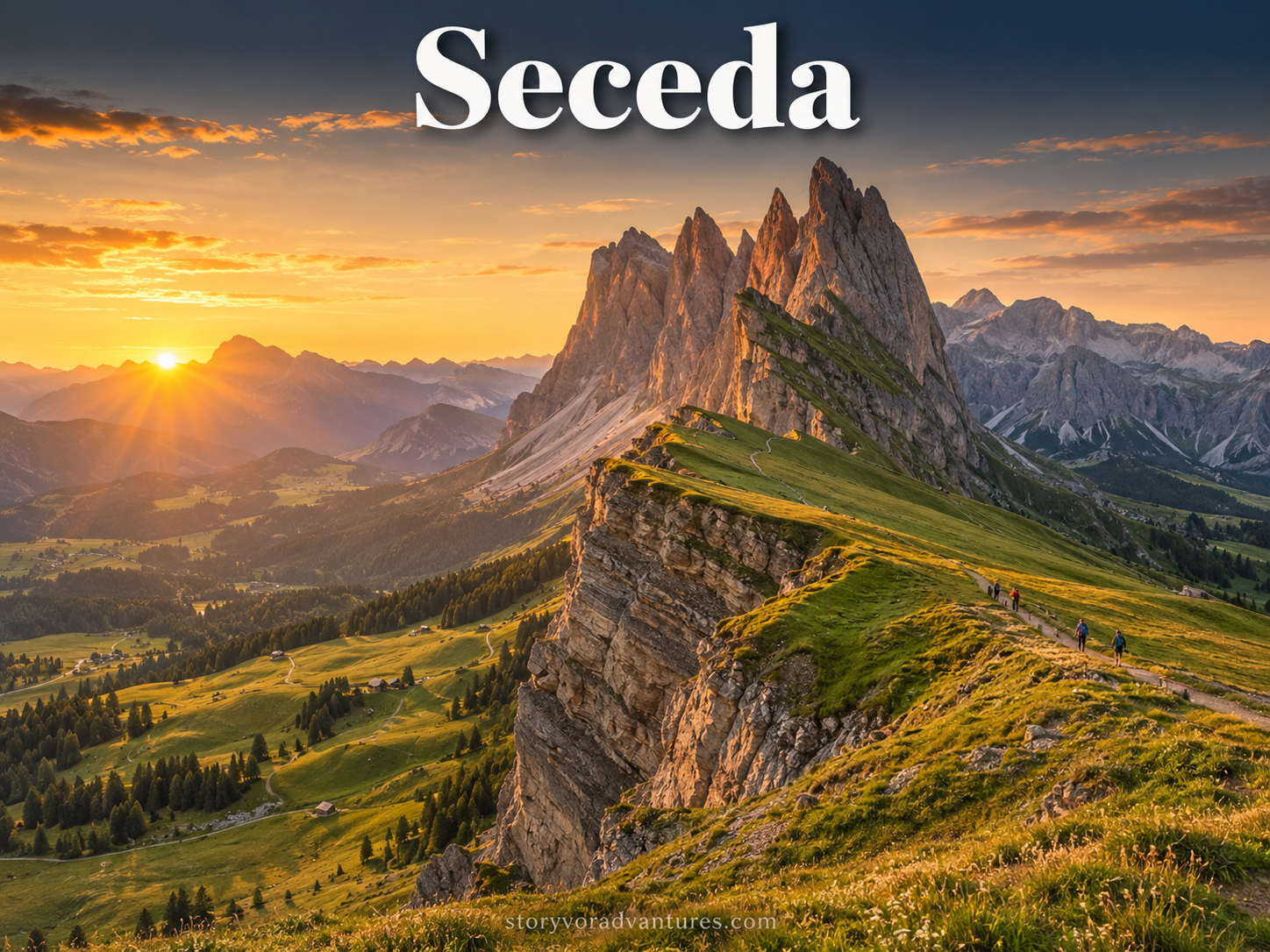
Seceda is known for its sharply angled ridgeline, green alpine slopes and wide views across the surrounding Dolomites. The contrast between peaceful meadows and dramatic rock formations gives the area a distinctive appearance.
Cable-car connections from Ortisei make the higher landscape accessible to many visitors, but schedules and operating periods vary. Travellers should check the final descending service carefully because walking back to the valley may require considerably more time and effort than expected.
Several trails spread across the plateau, allowing visitors to choose between short panoramic walks and longer hiking routes. Staying on authorised paths protects the meadows and reduces erosion. Cattle may graze in certain areas, so travellers should maintain a respectful distance and avoid disturbing them.
Seceda can change completely when clouds move across the ridge. Instead of viewing this as a disappointment, visitors can appreciate how quickly the atmosphere of the Dolomites transforms. Clear views cannot be guaranteed, even during summer.
4. Alpe di Siusi
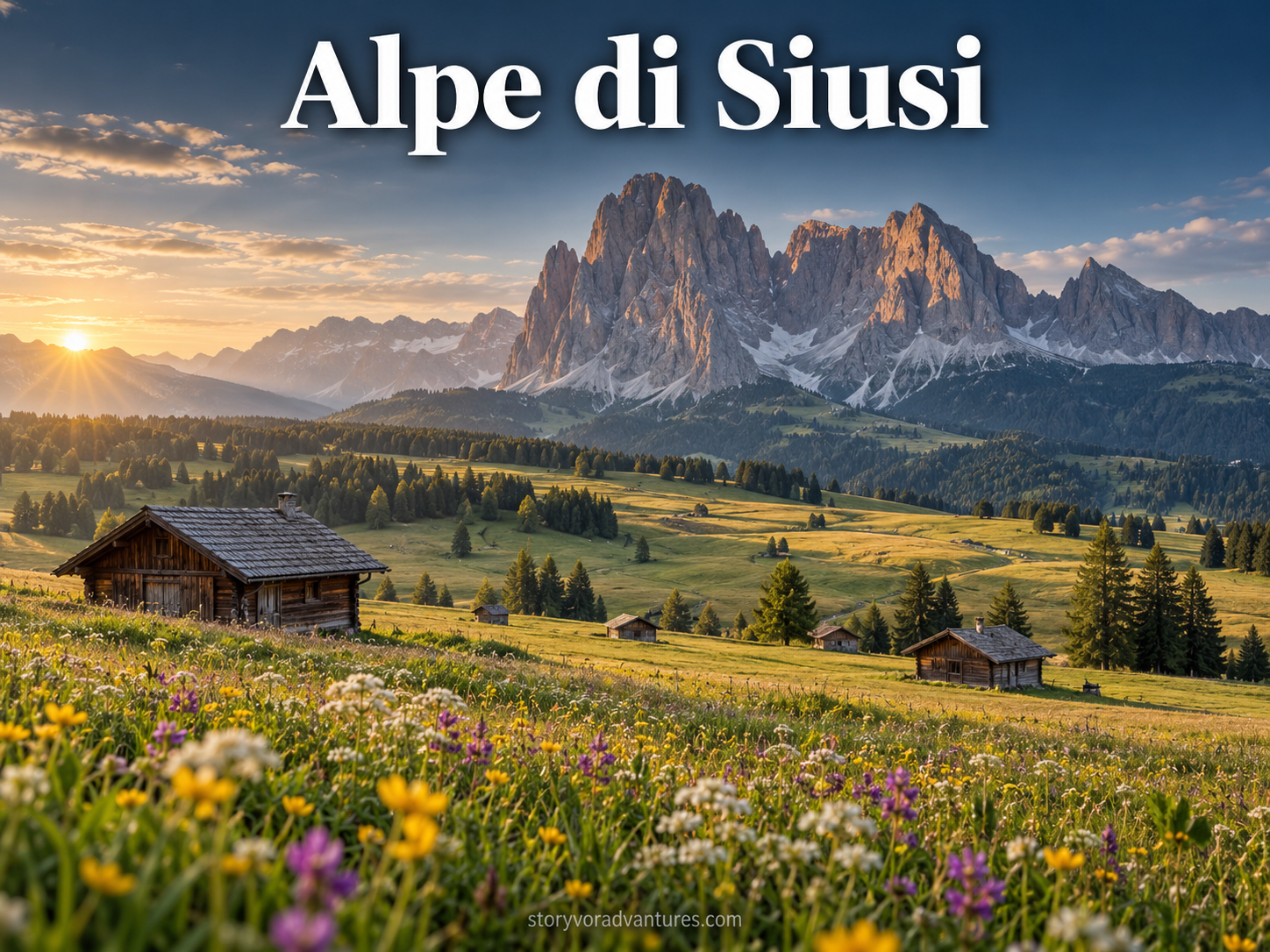
Alpe di Siusi, also known as Seiser Alm, is an expansive high-altitude meadow surrounded by impressive mountain formations. Its open landscape provides a softer contrast to the vertical cliffs found elsewhere in the Dolomites.
During warmer months, visitors can walk or cycle through meadows, pass traditional farm buildings and stop at mountain huts. Winter changes the plateau into a snow-covered destination for skiing and other seasonal activities. Official regional tourism information describes Alpe di Siusi as an exceptionally extensive natural terrace overlooking the Dolomites.
Private vehicle access can be restricted at certain times, making cable cars and buses important parts of the journey. Travellers should confirm current transportation rules instead of assuming they can drive directly to every viewpoint.
The plateau is best experienced slowly. Rather than spending only a few minutes at the most famous photographic locations, visitors can choose a suitable walking route, stop for a local meal and appreciate the changing views throughout the day.
5. Val Gardena
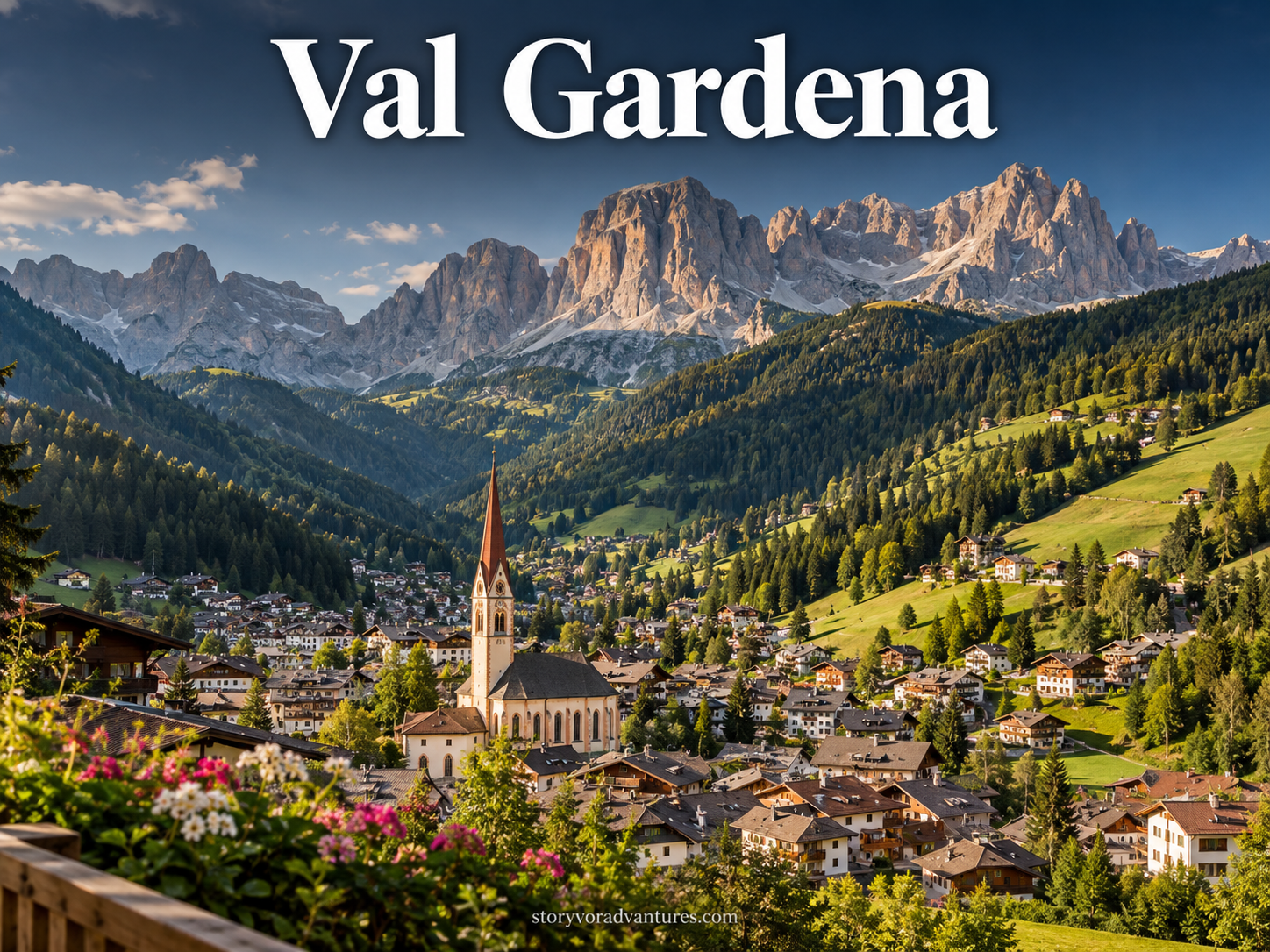
Val Gardena combines mountain scenery with established villages and Ladin cultural traditions. Its three principal communities are Ortisei, Santa Cristina and Selva di Val Gardena.
Ortisei is a convenient base with accommodation, restaurants and cable-car connections. Santa Cristina offers access to additional hiking and winter-sports areas, while Selva lies deeper within the valley and is surrounded by high mountain passes.
Val Gardena works well for first-time visitors because it provides useful infrastructure without separating travellers from the natural landscape. A multi-night stay allows visitors to explore several nearby areas without repeatedly changing hotels.
Local languages, architecture, food and woodcarving traditions form an important part of the valley’s identity. Travellers should remember that Val Gardena is not simply a collection of viewpoints—it is also a living community. Using public transport, supporting local businesses and behaving respectfully in residential areas can make tourism more beneficial to the valley.
6. Cortina d’Ampezzo
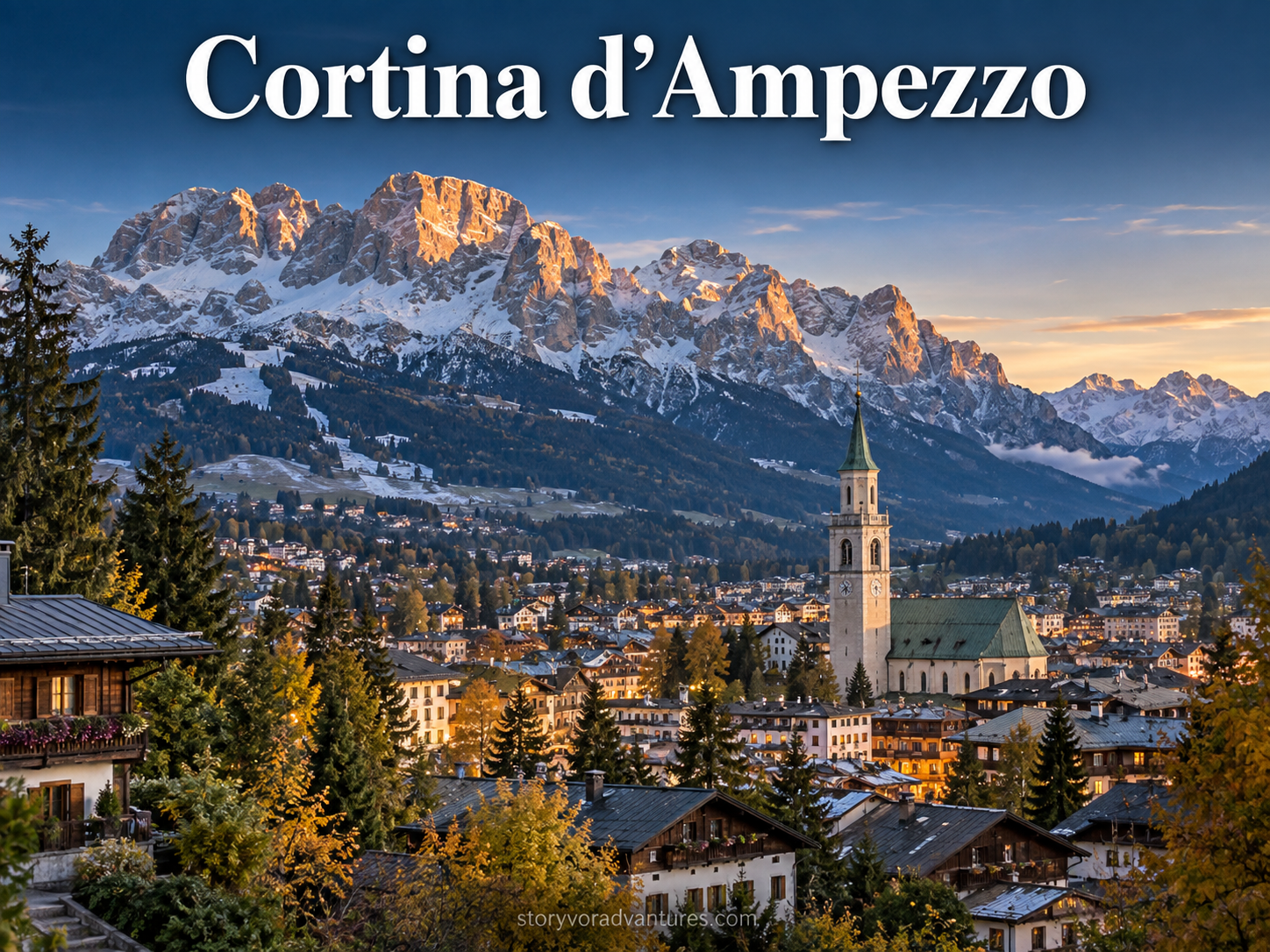
Cortina d’Ampezzo is one of the best-known mountain towns in the Italian Alps. Surrounded by dramatic peaks, it provides access to hiking routes, scenic drives, winter activities and several significant Dolomite landmarks.
The town contains hotels, restaurants, shops and transport services for different budgets, although prices can rise during popular periods. Staying outside the centre may reduce accommodation costs, but travellers should consider transportation time before making a reservation.
Cortina is a practical base for exploring locations such as Cinque Torri, Lago di Sorapis and sections of the Great Dolomites Road. Not every traveller needs to attempt a difficult mountain route. Scenic cable-car journeys, gentle valley walks and organised excursions can provide rewarding alternatives.
Because Cortina attracts substantial attention, advance planning is important during major events and peak seasons. Visitors should check current access arrangements and operating schedules rather than depending on older travel posts.
7. Passo Gardena and the Sella Group
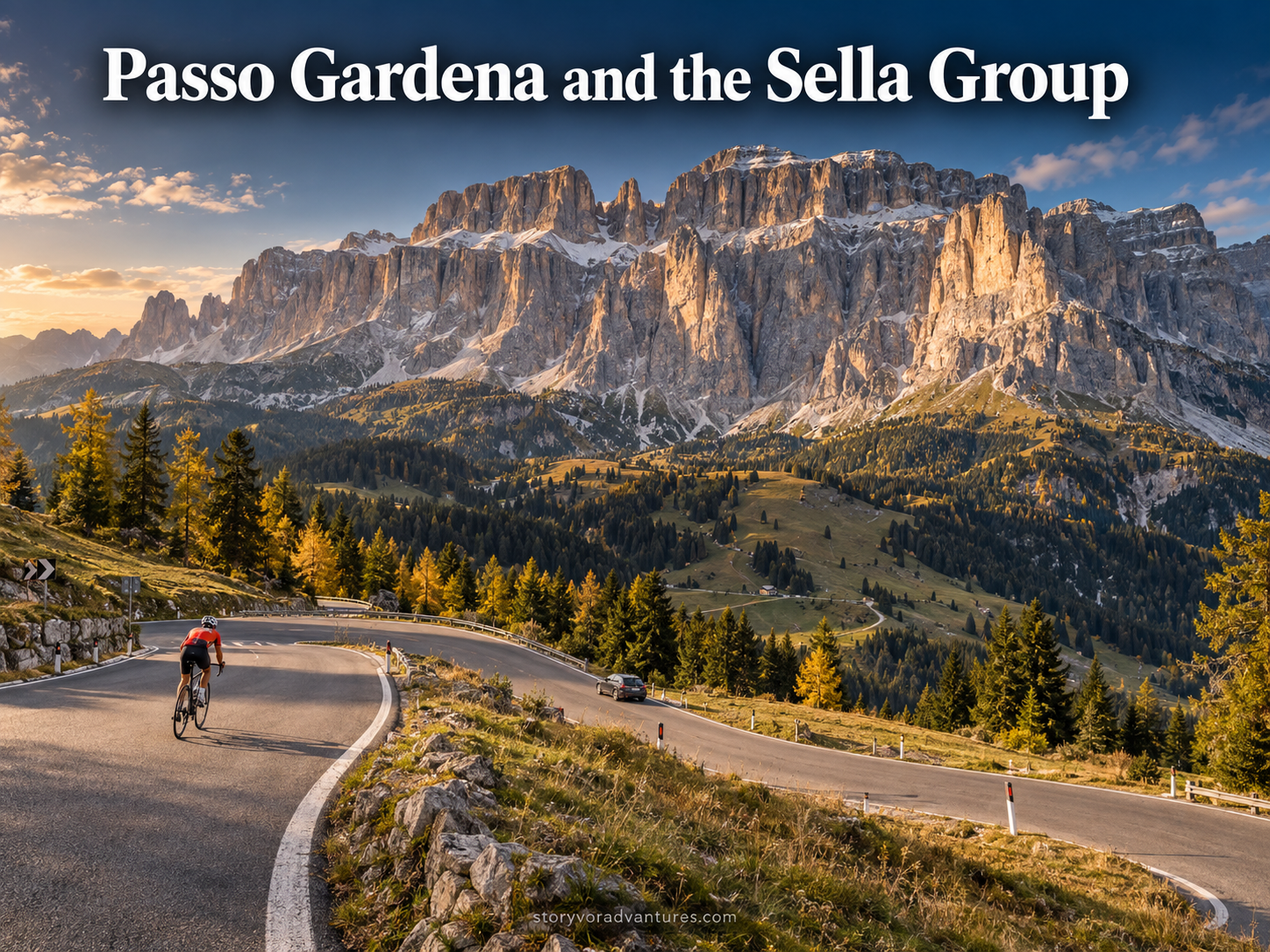
Passo Gardena is a scenic mountain pass connecting Val Gardena with Alta Badia. The road passes beneath towering rock formations and offers numerous views of the Sella Group and surrounding valleys.
Driving can be memorable, but travellers should focus on road safety rather than stopping suddenly for photographs. Parking only in authorised areas helps keep narrow mountain roads safe and protects fragile roadside vegetation.
Cyclists also use these routes, particularly during warmer months. Drivers should maintain adequate distance and remain patient on steep or winding sections. Weather can reduce visibility quickly, and some passes may experience temporary restrictions or seasonal closures.
Travellers without a vehicle can investigate local bus services and guided tours. Public transportation can reduce parking stress and allow visitors to enjoy the scenery without concentrating continuously on the road.
8. Val di Funes
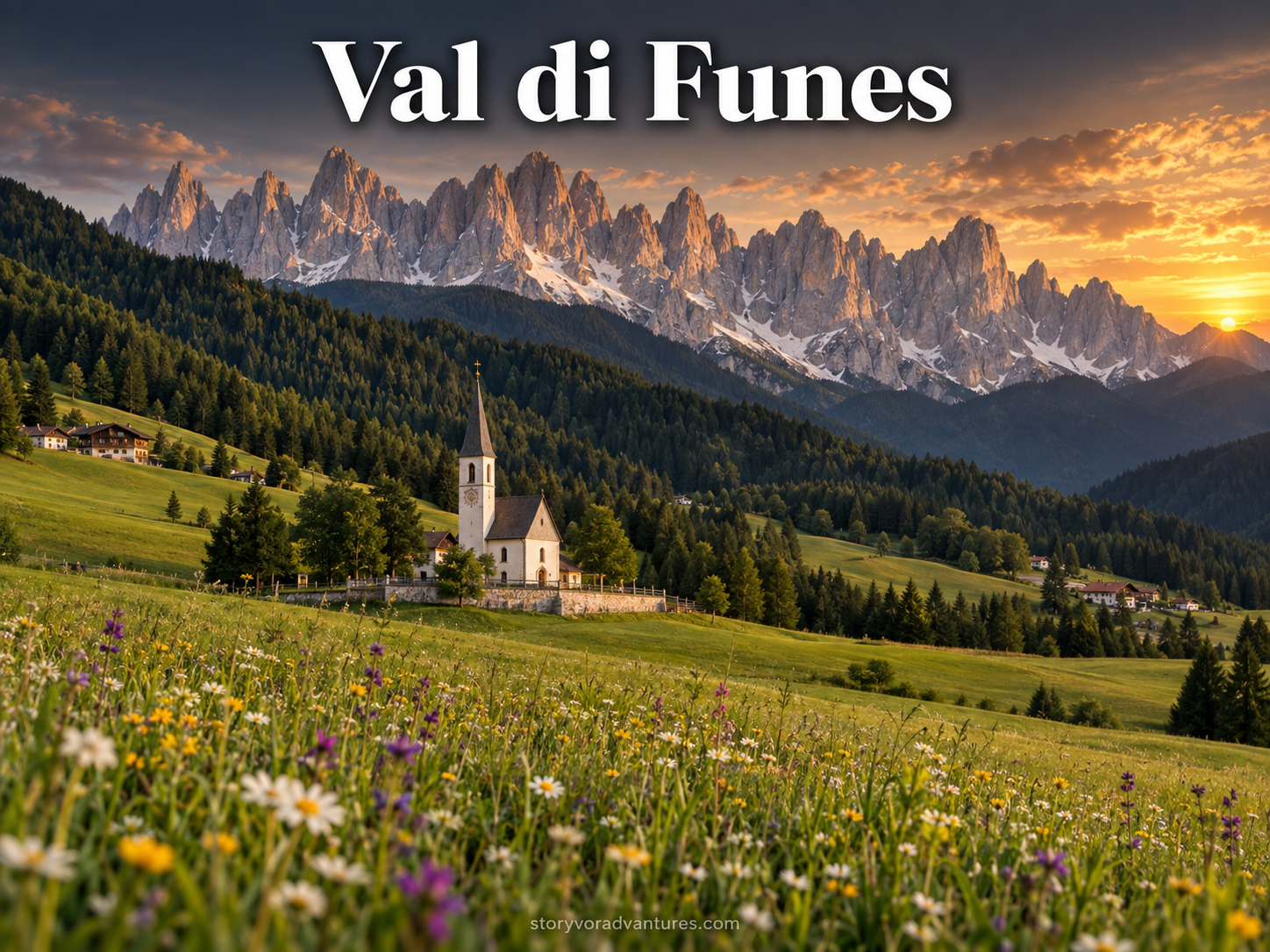
Val di Funes is known for peaceful meadows, traditional villages and views of the Odle mountain group. The small churches of Santa Maddalena and San Giovanni in Ranui appear in many photographs of the valley.
Although the landscape looks rural and quiet, famous viewpoints can still attract concentrated visitor numbers. Travellers should respect private property, avoid blocking driveways and never enter fields simply to reproduce a photograph.
Walking routes provide opportunities to experience the valley beyond its best-known churches. Spending time on designated paths reveals forests, farms, alpine pastures and changing perspectives of the Odle peaks.
Val di Funes is particularly suitable for travellers who prefer a slower atmosphere. Staying overnight rather than arriving for a rushed photo stop supports local accommodation and provides opportunities to experience early morning or evening conditions.
9. Cinque Torri
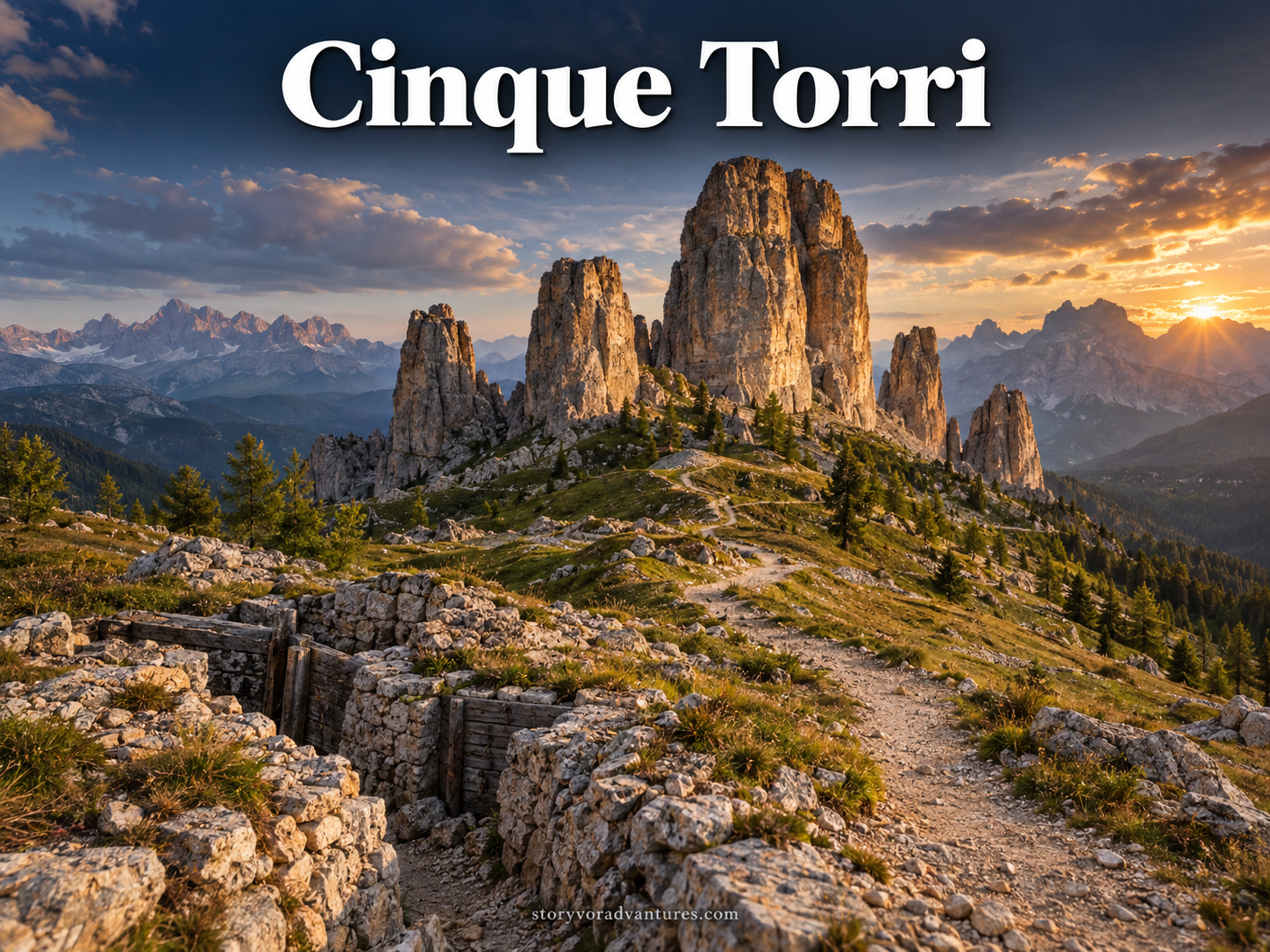
Cinque Torri is a group of unusual rock towers near Cortina d’Ampezzo. The formations attract hikers, photographers and climbers, while the surrounding landscape also preserves evidence connected to the First World War.
Visitors can combine mountain views with an educational exploration of restored trenches and open-air historical areas. The experience provides an important reminder that the beautiful Dolomite landscape also witnessed conflict and human hardship.
Access options vary according to the season and operating status of local lifts. Travellers should confirm current conditions and avoid entering closed or unstable areas. Climbers need appropriate skills and equipment, while inexperienced visitors should remain on recognised walking routes.
Respectful behaviour is essential around historical remains. Objects should never be removed, damaged or treated as decorations for photographs.
10. Lago di Carezza
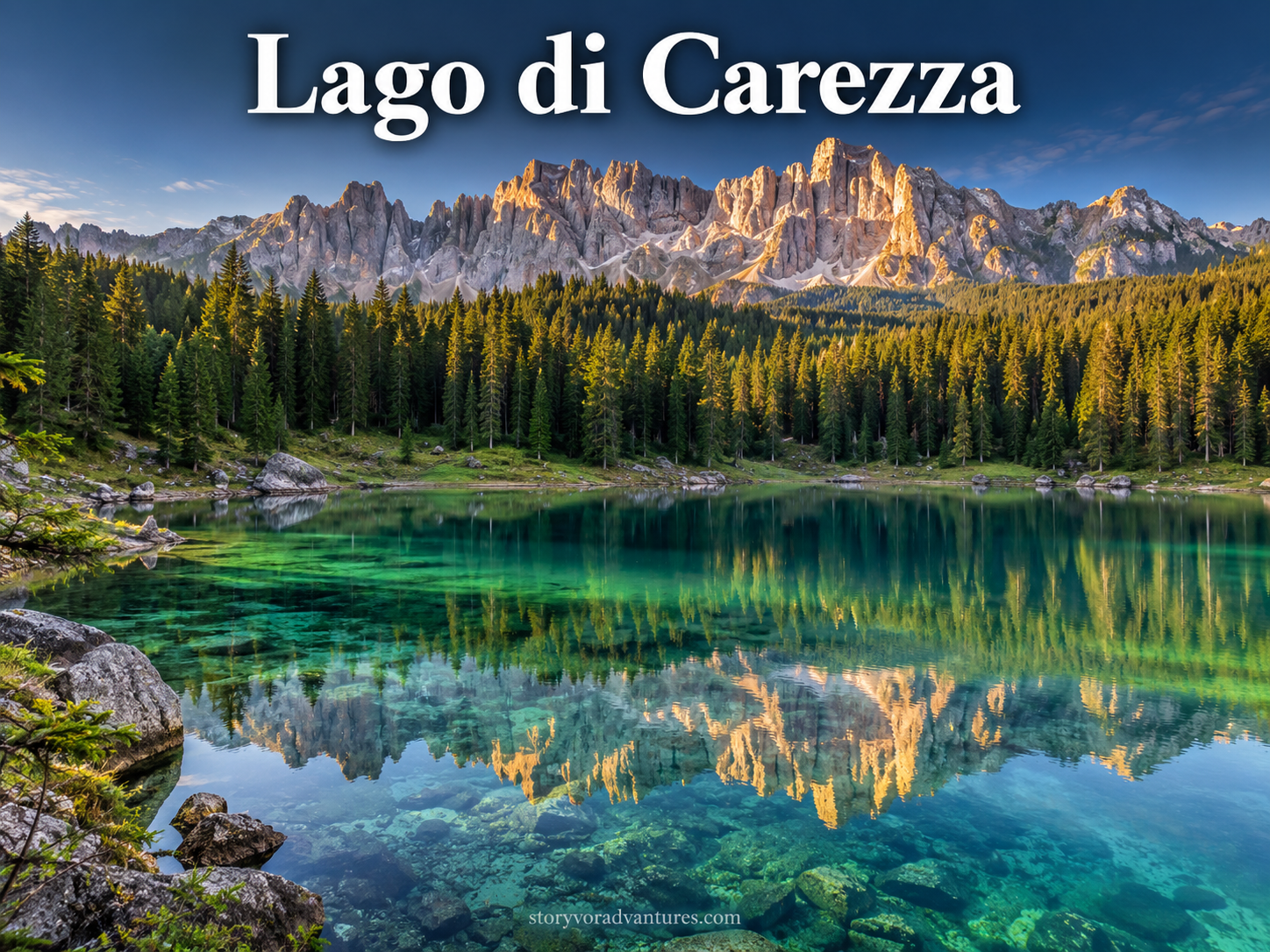
Lago di Carezza, or Karersee, is a small alpine lake known for its colourful reflections. Forest surrounds the water, while the Latemar mountain range rises in the background.
The lake can be explored through designated paths and viewing areas. Its appearance depends strongly on weather, season and water level, so visitors should not expect every trip to match heavily edited online photographs.
Because the ecosystem is sensitive, access to the shoreline may be controlled. Barriers should never be crossed for a closer photograph. Remaining in authorised areas protects vegetation and helps preserve water quality.
The lake is relatively easy to include in a road itinerary, but visitors can improve the experience by arriving outside the busiest hours and combining it with nearby walks. Italy’s official tourism information also identifies Lago di Carezza as Rainbow Lake because sunlight creates changing reflections across its emerald water.
Best Time to Visit the Dolomites
The most suitable season depends on the purpose of the trip. Summer generally supports hiking, mountain transport and scenic drives, although July and August bring larger crowds. Early summer and September can be quieter, but snow, storms or seasonal closures may still affect high routes.
Autumn can offer golden forests and a peaceful atmosphere, but cable cars, mountain huts and restaurants may reduce their operations between the main summer and winter seasons.
Winter attracts skiers and travellers interested in snow-covered scenery. Mountain driving requires appropriate preparation, and some hiking routes become unsuitable without specialist equipment and experience.
The Dolomites should never be treated like a city destination where every attraction operates throughout the year. Always confirm local conditions before travelling.
How Many Days Do You Need?
Five to seven days can provide a satisfying introduction if the itinerary focuses on one or two connected areas. Travellers attempting to cover both the western and eastern Dolomites should consider a longer stay.
Ortisei or another Val Gardena community can serve as a base for Seceda, Alpe di Siusi and nearby passes. Cortina d’Ampezzo or the surrounding area works well for Tre Cime, Cinque Torri and other eastern destinations.
Lago di Braies can be included from several bases, but travel time, traffic restrictions and parking arrangements must be considered carefully.
Changing accommodation every night is rarely necessary. Remaining in one location for several days reduces packing, creates flexibility during poor weather and allows travellers to experience the area more deeply.
Do You Need a Car?
A car provides flexibility, particularly when connecting remote valleys and scenic passes. However, it can also create challenges involving parking, restricted roads and mountain driving.
Public buses, trains and cable cars serve many destinations, although connections vary by location and season. Some participating accommodations provide access to regional guest passes, but inclusions and eligibility should be confirmed directly with the property. The South Tyrol Mobilcard is another option offering public-transport use for specified consecutive periods.
A combination of public transport and occasional organised excursions can be practical for travellers who do not want to rent a vehicle.
A Practical Six-Day Plan Using Two Bases
Spend the first three nights in or near Val Gardena. Use one day for Ortisei and Seceda, another for Alpe di Siusi, and keep the third flexible for a nearby walk or a mountain pass if the weather is suitable. Then move to a second base in or near Cortina d’Ampezzo. From there, plan separate days for Cinque Torri and Tre Cime rather than rushing both into one day. If you also want to see Lago di Braies, allow another day and check its access rules before setting out.
This is a planning example, not a fixed schedule. Lift operations, road access, shuttle seats and mountain weather can change, so choose the order of your days after checking current local information.
Official Dolomites tourism information also groups Val Gardena and Seceda, Alpe di Siusi, Cortina and Tre Cime into different parts of a longer itinerary; this two-base version gives each area more breathing room.
What to Pack
Weatherproof layers are essential because mountain temperatures and conditions can change rapidly. Comfortable footwear with adequate grip, sun protection, a reusable water bottle and a light backpack are useful for most visitors.
Travellers should also download offline maps because mobile coverage may be unreliable in certain valleys and mountain areas. Longer or more remote hikes require additional food, water and emergency preparation.
Specialist climbing routes and via ferrata should never be attempted without the necessary equipment, knowledge or qualified guidance. Choosing a route that matches personal experience is more important than completing a famous challenge.
Responsible Travel in the Dolomites
The popularity of the Dolomites places pressure on trails, roads, lakes and small communities. Visitors can reduce their impact by using public transport where practical, staying on marked paths and avoiding unnecessary noise.
Wildflowers should remain untouched, and wildlife must never be fed. Travellers should carry their rubbish away, respect private farmland and follow regulations concerning drones, camping and fires.
Choosing locally owned accommodation, restaurants and guides supports communities throughout the region. Visiting less crowded areas and travelling outside peak periods can also distribute tourism more responsibly.
The Dolomites received UNESCO recognition because of their exceptional landscape and geological importance, but that status also brings a shared responsibility to protect them.
Final Thoughts
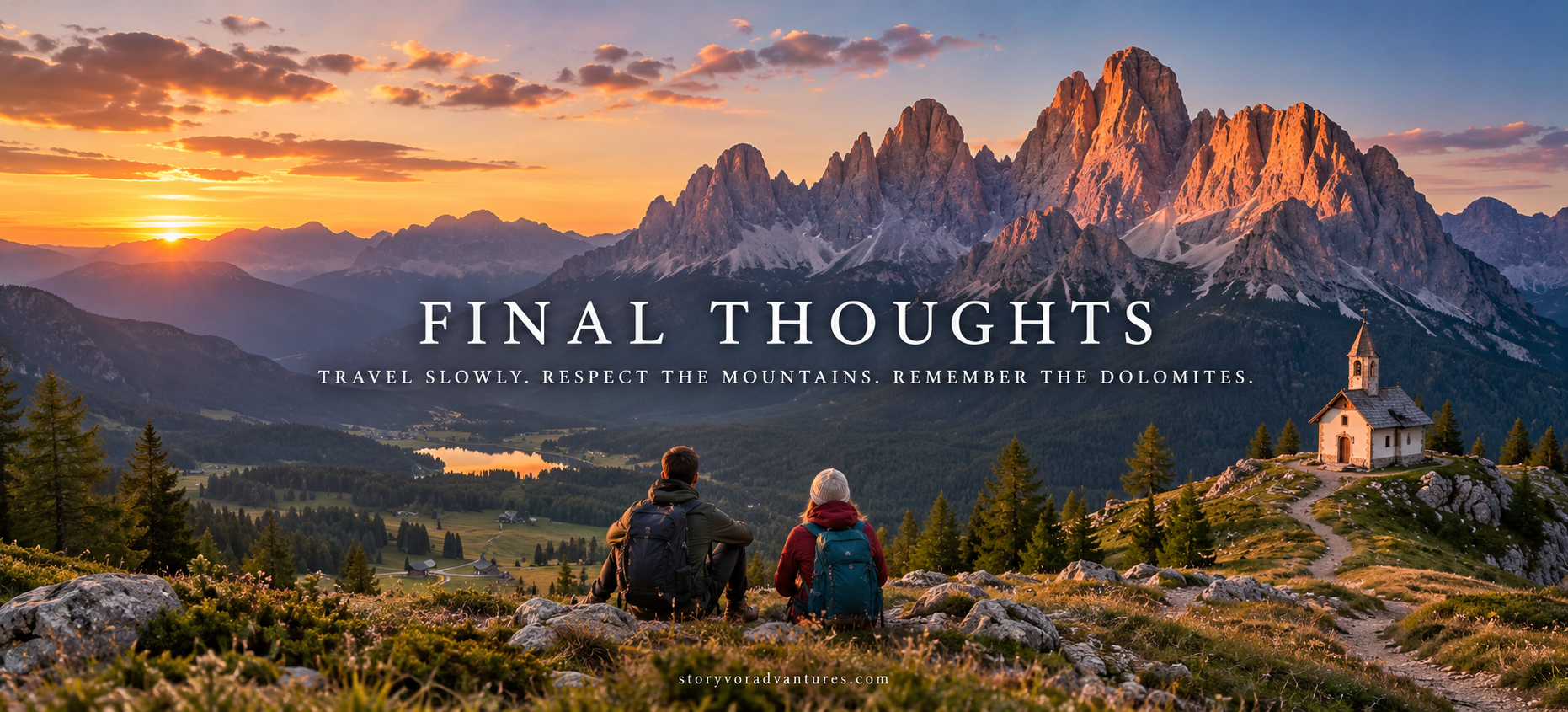
The Dolomites offer more than spectacular mountain photographs. They combine natural beauty, distinctive communities, outdoor experiences and a landscape that changes constantly with light and weather.
Tre Cime di Lavaredo delivers iconic mountain scenery, Lago di Braies reflects the surrounding peaks, Seceda reveals an unforgettable ridgeline and Val Gardena introduces travellers to Ladin culture. Quieter valleys, historic mountain sites and colourful lakes make the region even more varied.
The best journey is not the one that reaches every famous viewpoint. It is the one that allows enough time to walk carefully, respect local communities and experience the mountains without unnecessary pressure.
Important: Weather, trail access, parking regulations, road restrictions, cable-car operations, public transport and accommodation availability can change. Always verify current information through official tourism websites, local authorities and service providers before travelling.