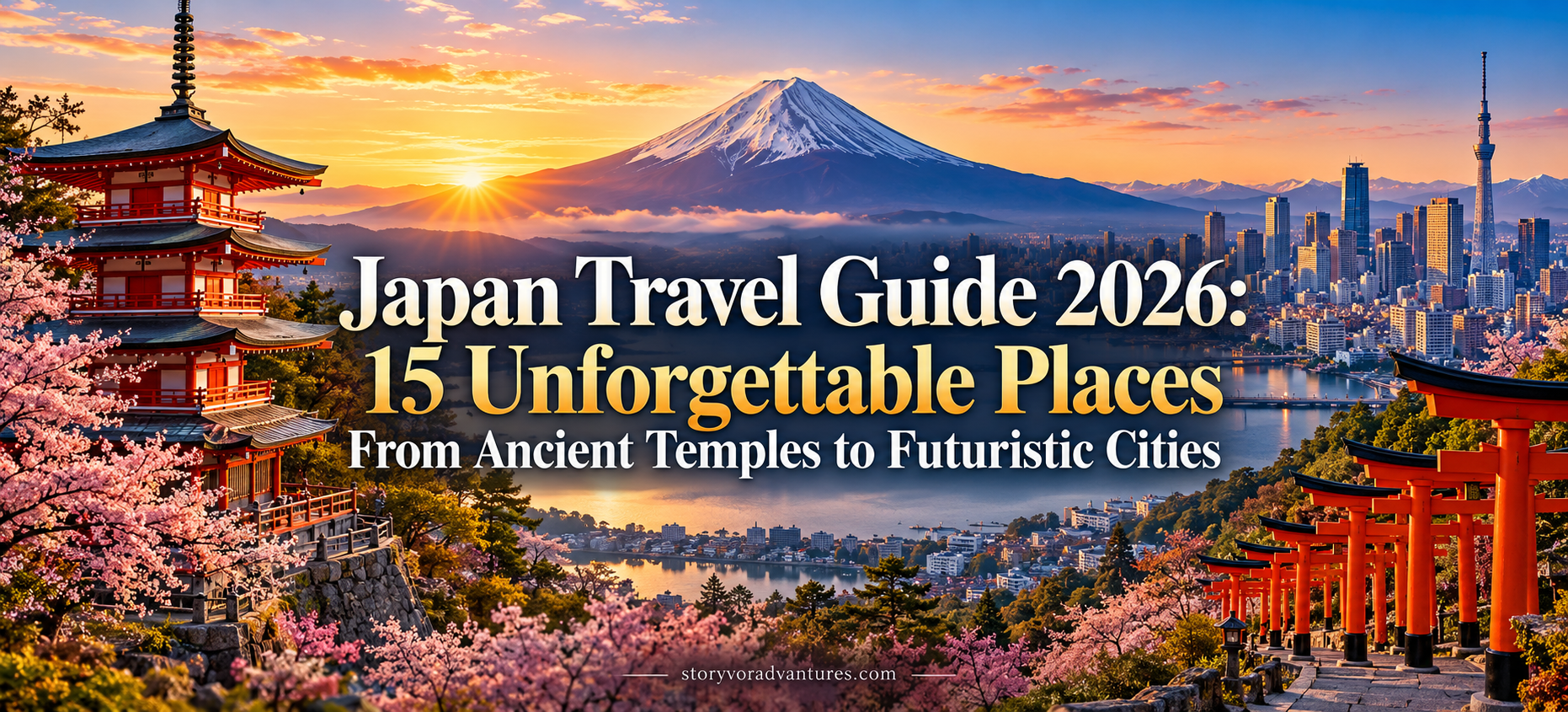
Japan Travel Guide 2026: 15 Unforgettable Places From Ancient Temples to Futuristic Cities
Discover 15 unforgettable places to visit in Japan in 2026, including Tokyo, Kyoto, Mount Fuji, Hiroshima, Hokkaido and Okinawa.
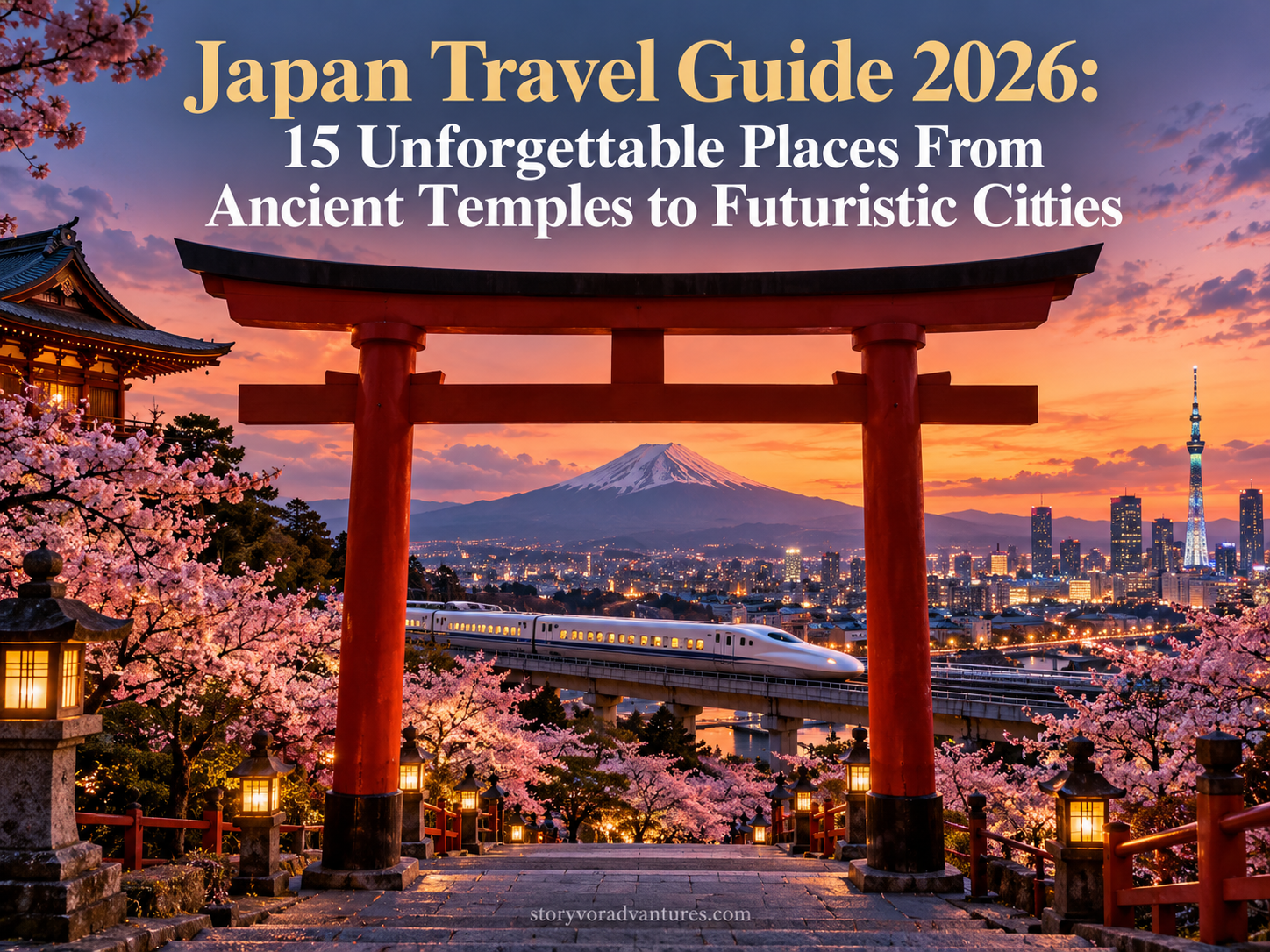
Japan combines ancient temples, modern cities, mountain landscapes, regional food and island cultures. Because the country is larger and more varied than many first-time visitors expect, a successful itinerary requires realistic travel times and careful destination choices. This guide introduces 15 notable places and provides practical information for planning a flexible Japan trip in 2026.
Planning Note: Transport timetables and entry rules change often. Always confirm current information through the officialJapan National Tourism Organization (JNTO)website before you pack your bags!
Quick Japan Trip-Planning Guide
The Best Time to Visit
- Spring (March to May): Pure magic due to mild temperatures and cherry blossoms (Sakura). Book at least 6 months in advance as this is peak season.
- Autumn (October to November): Autumn generally offers cooler weather and colourful foliage, particularly in destinations such as Kyoto and Nikko.
- Summer (June to August): Great for local Matsuri (festivals) and climbing Mount Fuji, but brace yourself for intense heat and humidity.
- Winter (December to February): Your go-to if you want to hit the world-class ski slopes in Hokkaido or soak in an outdoor snowy hot spring (Rotenburo).
How Many Days Do You Need?
- 7 Days: Stick to the “Golden Route” — Tokyo, Kyoto, and a day trip to Nara or Osaka.
- 14 Days: The sweet spot. You can comfortably explore Tokyo, Mount Fuji/Hakone, Kyoto, Osaka, Nara, and Hiroshima.
- 21+ Days: Highly recommended if you want to fly out to the snowy peaks of Hokkaido or the tropical islands of Okinawa.
1. Tokyo — Where Tradition Meets the Future
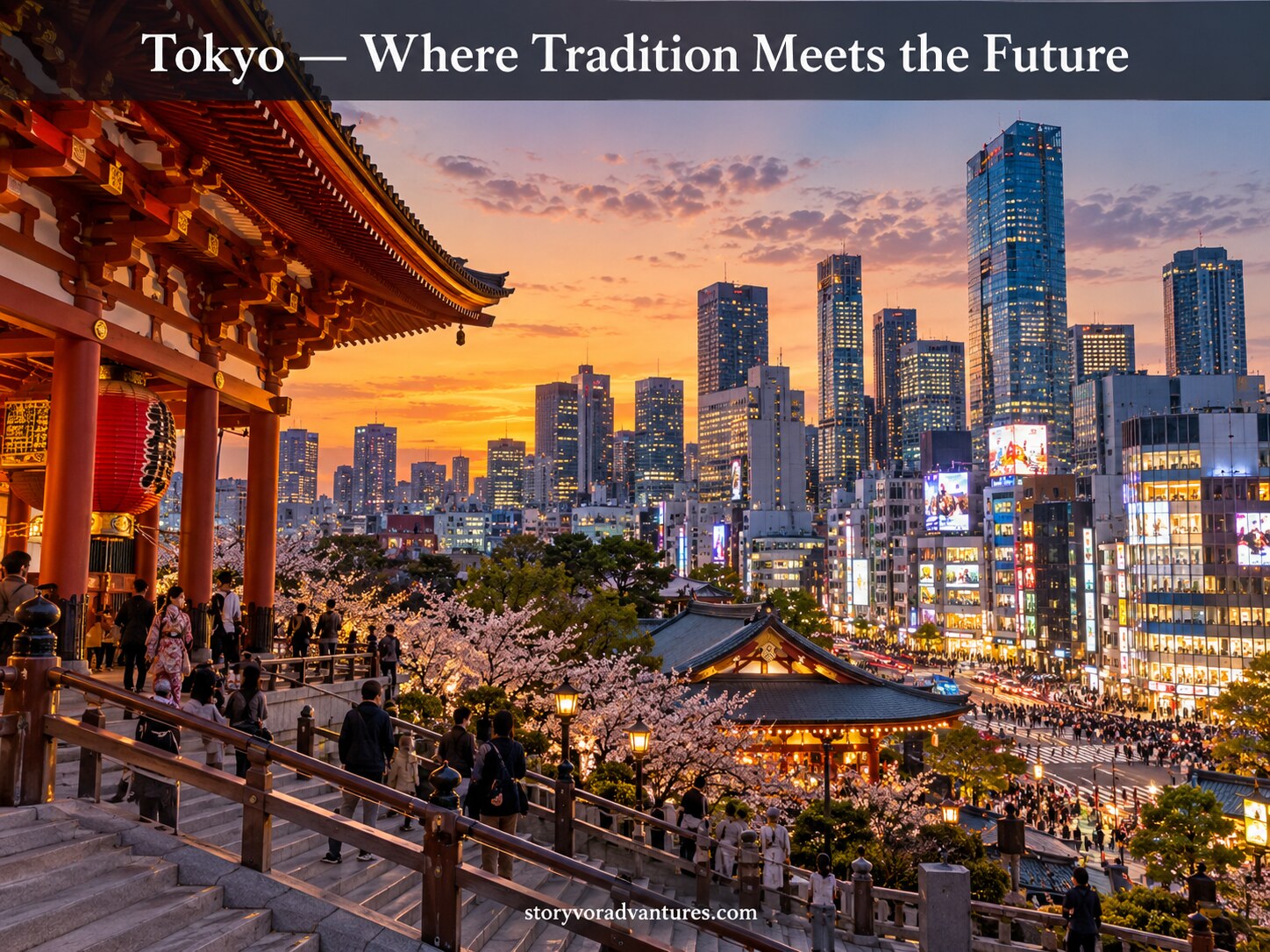
Tokyo is a practical starting point for many first-time visitors. The city contains several distinctive districts connected by an extensive public-transport network. An early visit to Sensoji Temple in Asakusa may provide quieter conditions, while Shibuya, Harajuku and Shinjuku introduce different sides of modern Tokyo.
- How to Get Around: Use a Suica or Pasmo IC card for all subways and trains.
- Must-Try Local Food: Tsukemen (dipping ramen) in Shinjuku and fresh sushi at Tsukiji Outer Market.
- Hidden Gem: Yanaka Ginza, a retro neighborhood that survived WWII, offering a glimpse into old Tokyo.
2. Kyoto — Temples, Gardens and Traditional Streets
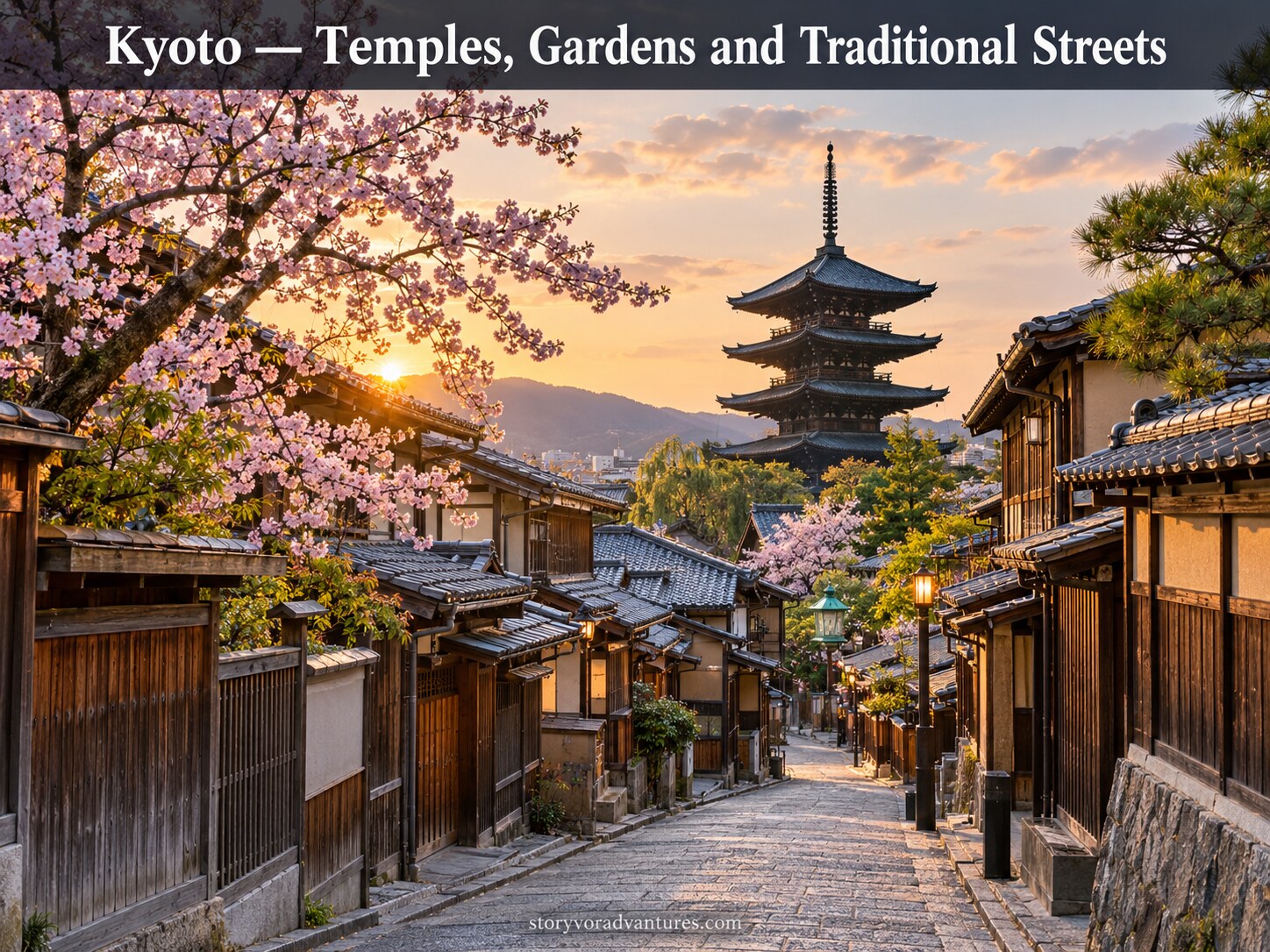
If you want the Japan you’ve seen in classic movies, Kyoto is the place. It was the imperial capital for over a thousand years and boasts 17 UNESCO World Heritage sites.
Fushimi Inari Taisha is known for its long pathways lined with thousands of vermilion torii gates. If you start your hike by 6:30 AM, you avoid 90% of the tourists. Beyond that, the Arashiyama Bamboo Grove and the golden pavilion of Kinkaku-ji are must-visits. When exploring the historic Gion district to spot geiko (geisha), remember it is a residential area—strict rules apply regarding photography and respecting private property.
- How to Get Around: Kyoto relies heavily on buses and walking, though the subway is useful for north-south travel.
- Must-Try Local Food: Kaiseki (traditional multi-course dinner) and Matcha (powdered green tea) sweets.
- Hidden Gem: Otagi Nenbutsu-ji, a whimsical temple featuring 1,200 unique, moss-covered stone statues carved by visitors.
3. Osaka — Food, Nightlife and Urban Energy
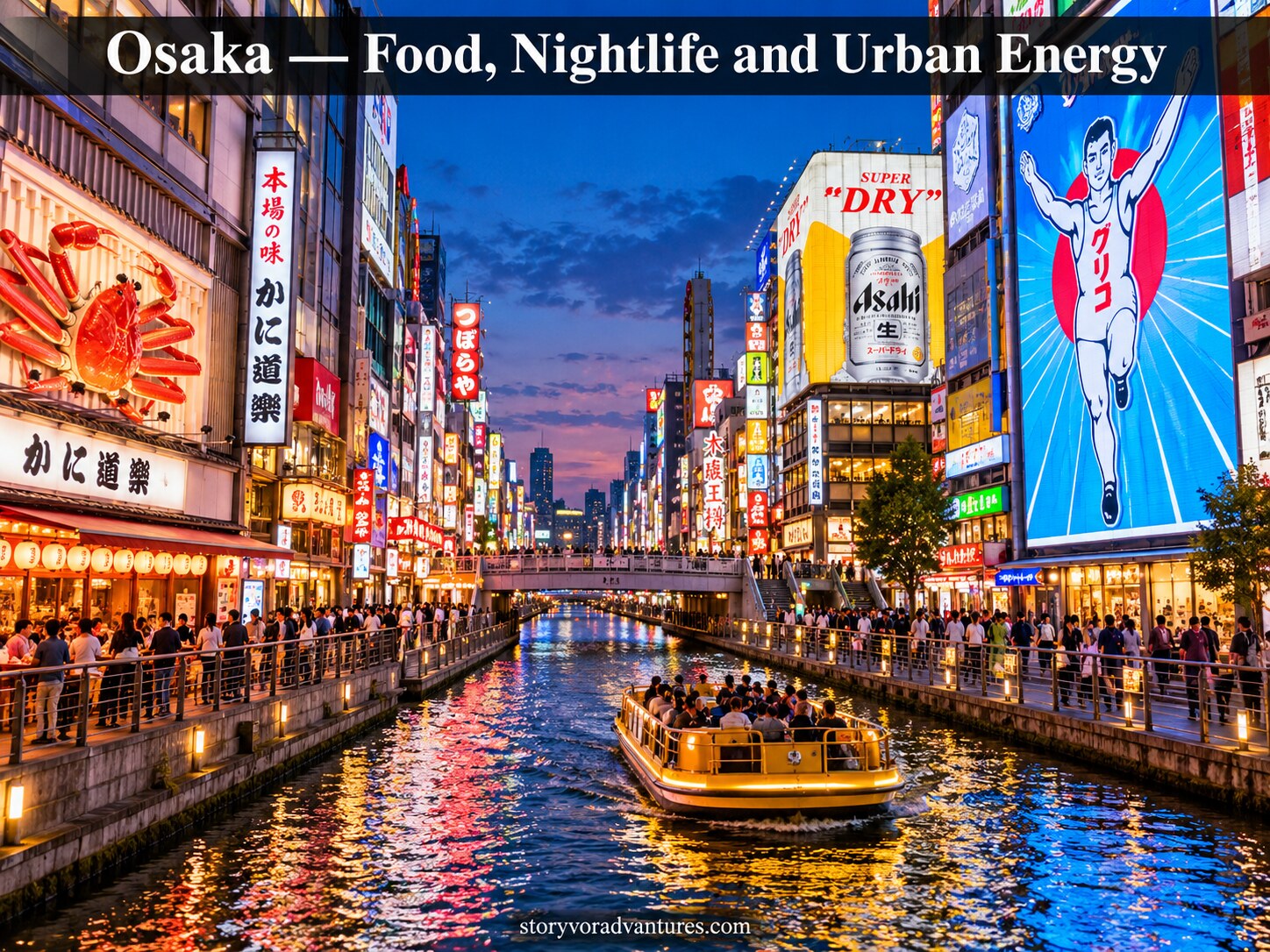
If Kyoto is Japan’s quiet soul, Osaka is its loud, energetic heartbeat. Known as the “kitchen of Japan,” Osaka is especially notable for its street food and casual dining culture.
The Dotonbori canal area at night, lit up by giant neon crabs and the Glico running man, is electrifying. Osaka’s motto is kuidaore (eat until you drop). During the day, spend a few hours walking around the magnificent Osaka Castle and its surrounding park, which is breathtaking during cherry blossom season. Because Osaka is so close to Kyoto (15 mins by Shinkansen), it serves as a fantastic, cheaper home base.
- How to Get Around: The Midosuji subway line connects all major hubs (Umeda, Shinsaibashi, Namba).
- Must-Try Local Food: Takoyaki (octopus balls) and Okonomiyaki (savory cabbage pancakes).
- Hidden Gem: Hozenji Yokocho, a narrow stone-paved alleyway near Dotonbori that feels completely untouched by time.
4. Nara — Ancient Temples and Free-Roaming Deer
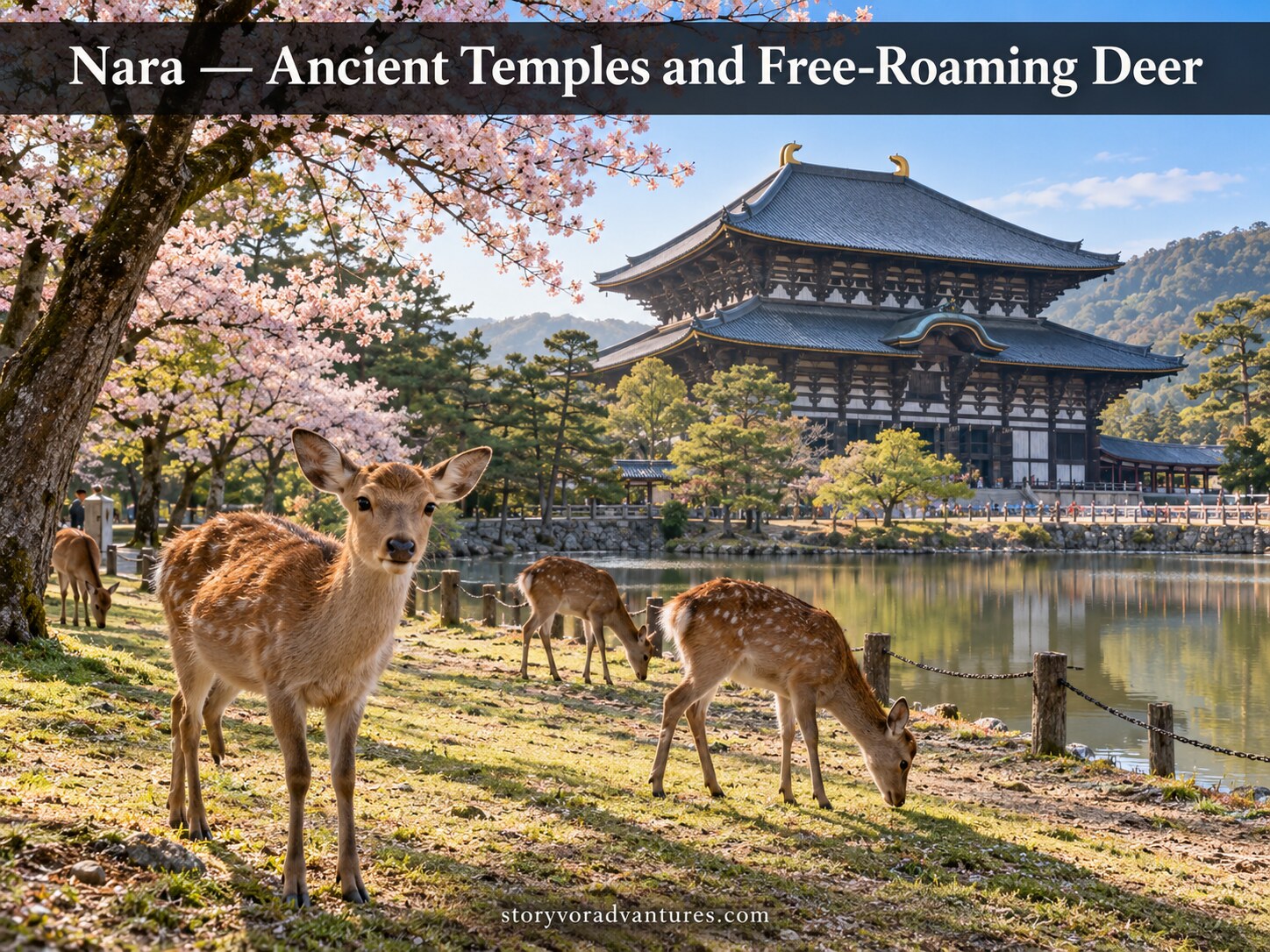
Taking a day trip to Nara is a magical experience. As Japan’s first permanent capital, it holds immense historical weight.
The highlight for most is Nara Park, home to over 1,000 free-roaming, sacred deer. You can buy official crackers (shika senbei) to feed them, and they will literally bow to you for a treat! Right in the middle of the park is Todaiji Temple. Walking into its massive wooden hall—the largest wooden building in the world—and seeing the 15-meter-tall bronze Buddha is awe-inspiring.
- How to Get There: Just 40-50 minutes by train from either Kyoto or Osaka.
- Must-Try Local Food: Kakinoha-zushi (sushi wrapped in persimmon leaves).
- Hidden Gem: Kasuga Taisha Shrine, surrounded by a primeval forest and lined with thousands of stone and bronze lanterns.
5. Mount Fuji and the Fuji Five Lakes
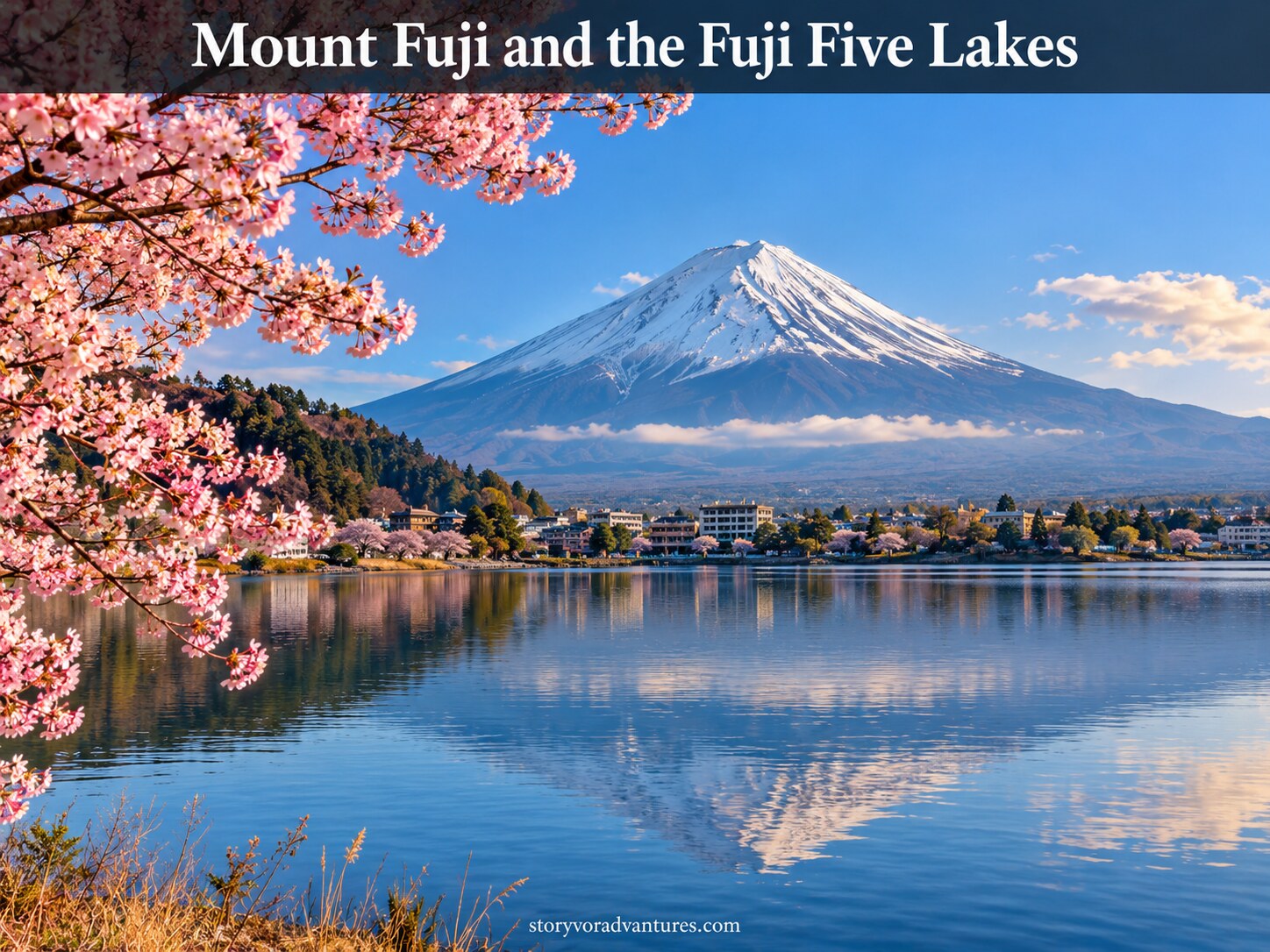
Seeing Mount Fuji in person is a bucket-list moment. While you can sometimes spot it from Tokyo on a very clear winter day, traveling to the Fuji Five Lakes region (specifically Lake Kawaguchiko) offers the best, unobstructed views.
Spring and autumn can provide seasonal scenery around Mount Fuji, including cherry blossoms or colourful foliage. If you want to climb to the summit, you must visit during the official climbing season (early July to early September) and book mountain huts well in advance. Otherwise, renting a bicycle around the lakes is incredibly rewarding.
- How to Get There: The Fuji Excursion limited express train goes directly from Shinjuku to Kawaguchiko.
- Must-Try Local Food: Houtou noodles (a hearty, flat udon noodle soup cooked in a miso broth with pumpkin).
- Hidden Gem: Chureito Pagoda. You have to climb 398 steps, but the view of the pagoda with Mount Fuji in the background is the most iconic photo spot in Japan.
6. Hakone — Hot Springs, Art and Fuji Views
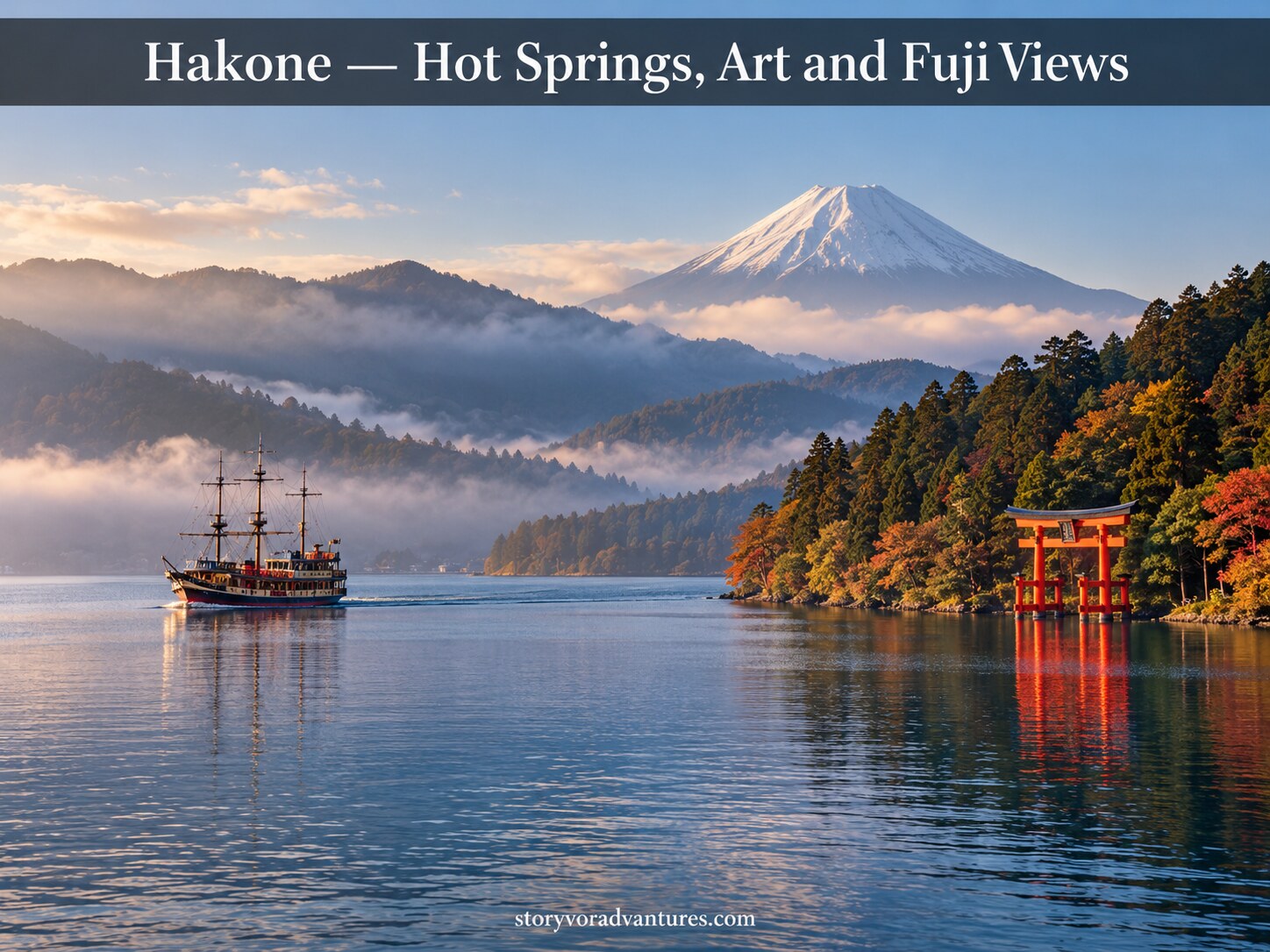
Hakone is a popular mountain destination for travellers seeking traditional ryokan accommodation, hot springs, museums and possible views of Mount Fuji. It can be reached from Tokyo using rail and connecting local transport.
The best way to explore is the “Hakone Round Course,” which uses a switchback mountain train, a cable car, and a ropeway over the steaming, sulfurous volcanic valleys of Owakudani. The route finishes with a ride on a pirate ship across Lake Ashi.
- How to Get Around: Buy the Hakone Free Pass for unlimited rides on all local transport, including the pirate ship and ropeways.
- Must-Try Local Food: Kuro-tamago (black eggs boiled in Owakudani’s sulfur springs; local legend says eating one adds 7 years to your life).
- Hidden Gem: The Hakone Open-Air Museum, featuring incredible outdoor sculptures set against the mountain backdrop, including a massive Picasso pavilion.
7. Hiroshima — History, Resilience and Regional Food
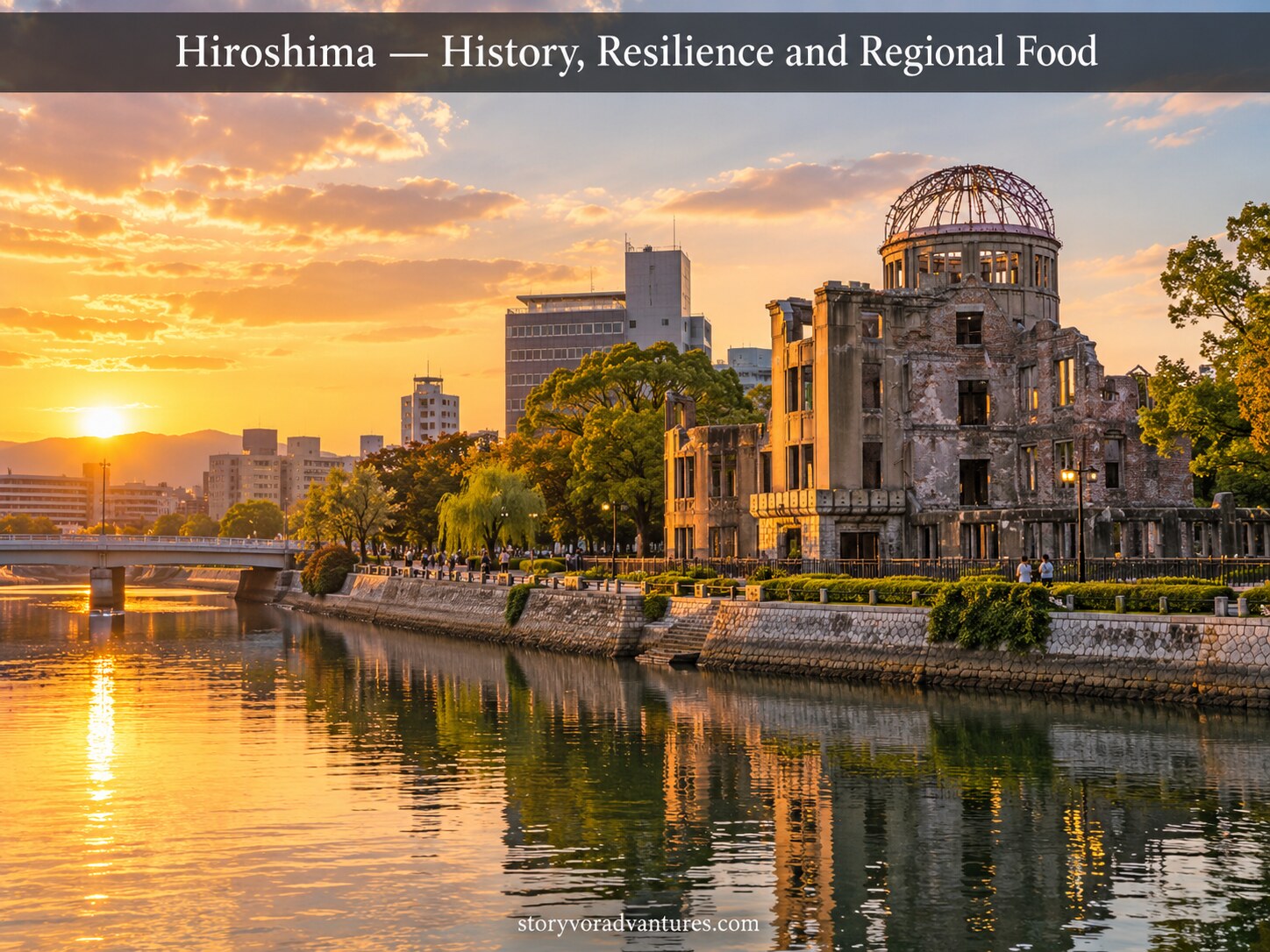
Visiting Hiroshima is a deeply moving experience. Standing in front of the Atomic Bomb Dome and walking through the Peace Memorial Park leaves a lasting impact. The museum requires time and quiet reflection.
However, modern Hiroshima is a vibrant, welcoming city of peace with wide boulevards and a fantastic tram network. After visiting the memorial area, travellers can explore central Hiroshima and its regional food scene.
- How to Get There: About 1.5 hours from Osaka via the Tokaido-Sanyo Shinkansen.
- Must-Try Local Food: Hiroshima-style Okonomiyaki. Unlike Osaka’s mixed version, this is layered with noodles, cabbage, and a fried egg, cooked in front of you.
- Hidden Gem: Shukkeien Garden, a stunning historic landscape garden that survived the bombing and was painstakingly restored.
8. Miyajima — The Famous Floating Shrine Island
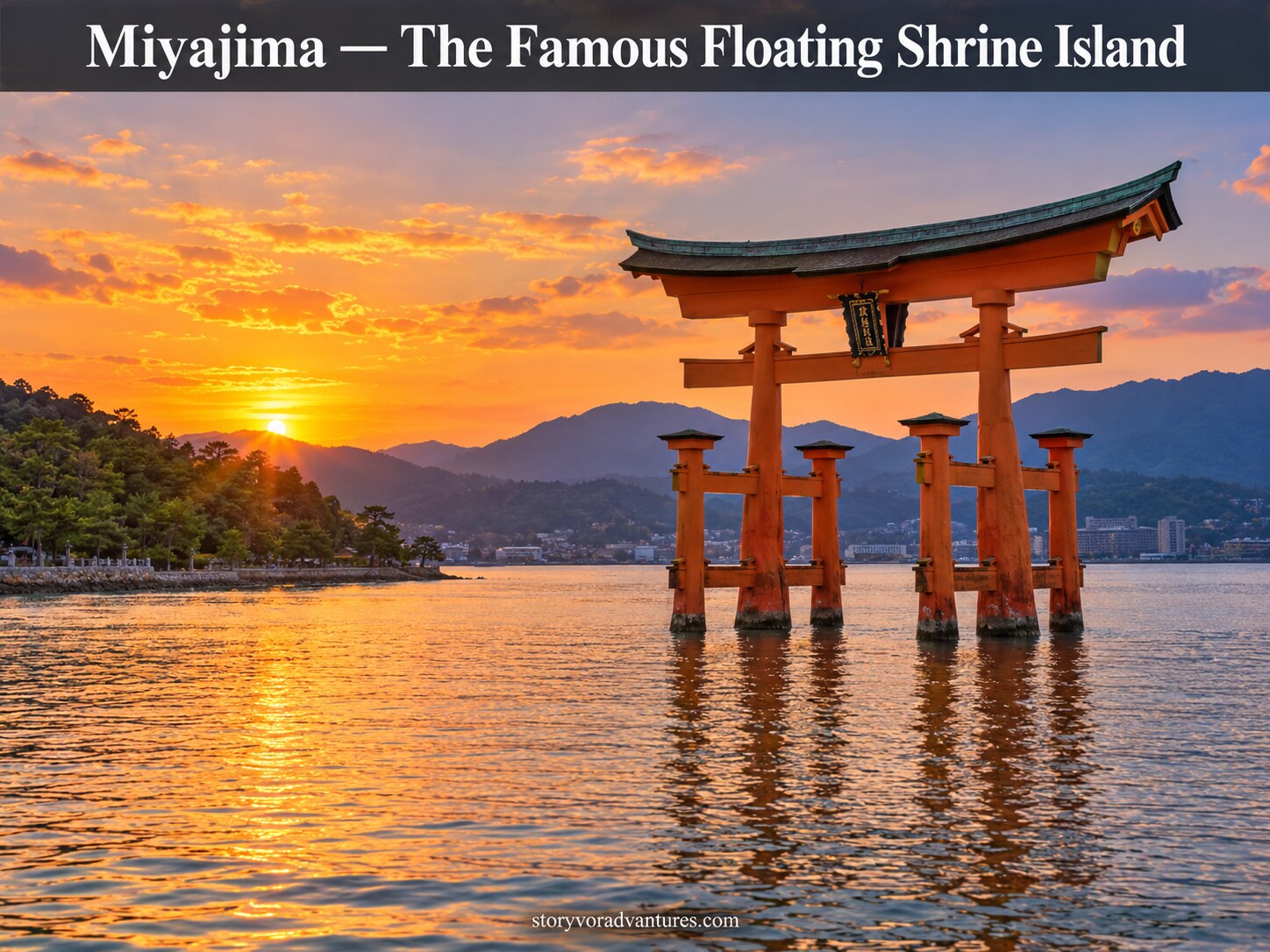
Just a short ferry ride from Hiroshima is Miyajima, officially named Itsukushima. As the ferry approaches, you can see the iconic red torii gate seemingly floating on the water at high tide.
A full day allows time to explore the shrine area and Mount Misen. Visitors can use the ropeway for part of the journey and walk further for views across the Seto Inland Sea. Staying overnight may provide a quieter atmosphere after many day visitors have departed.
- How to Get There: A 10-minute JR ferry ride from Miyajimaguchi Station (covered by the JR Pass).
- Must-Try Local Food: Fresh grilled oysters and Momiji Manju (maple-leaf-shaped cakes filled with sweet red bean paste).
- Hidden Gem: Daisho-in Temple, a beautifully serene Buddhist temple complex tucked into the mountainside, away from the crowds of the main shrine.
9. Kanazawa — Samurai Heritage and One of Japan’s Great Gardens
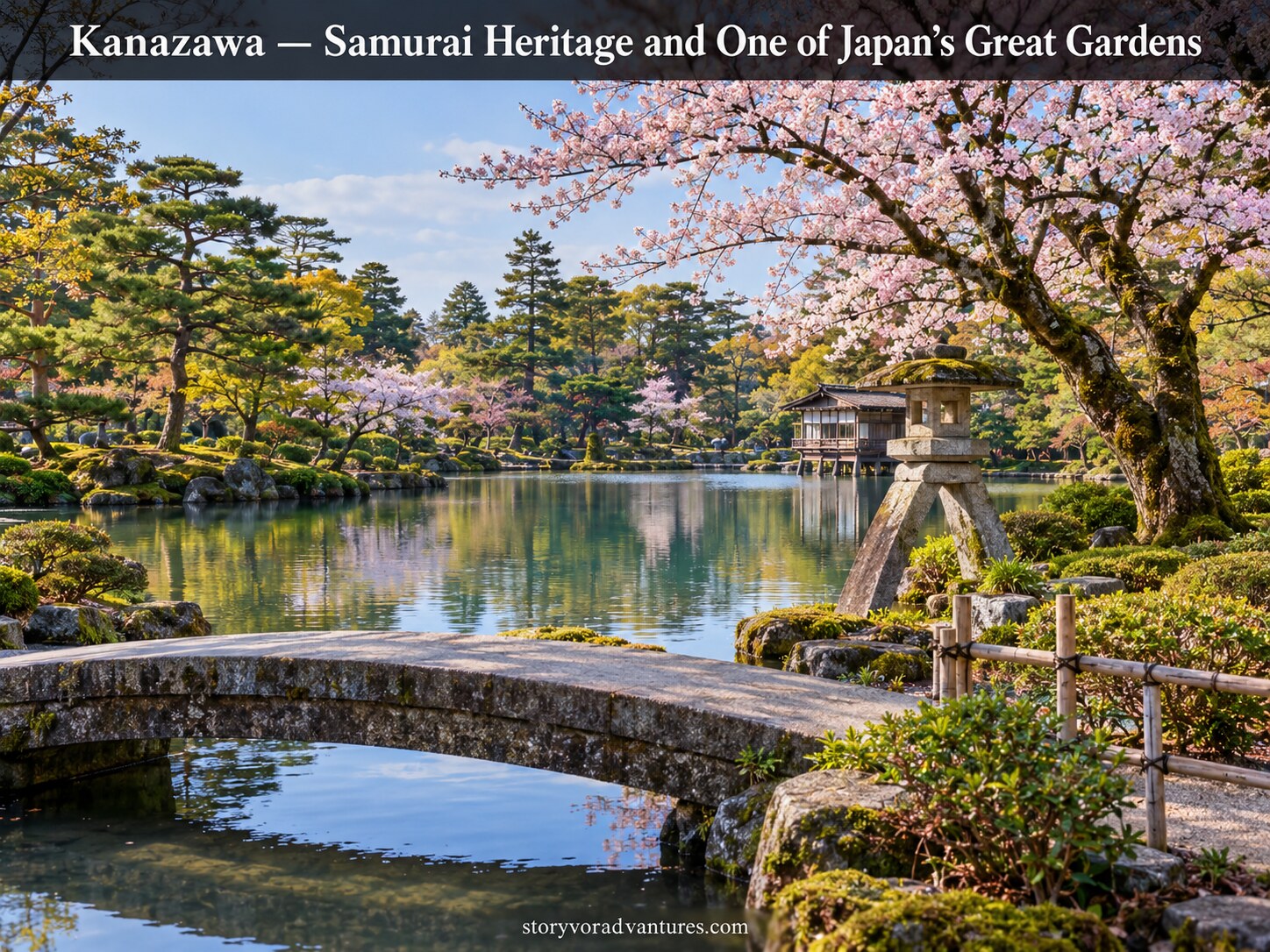
If you want the historical charm of Kyoto without the overwhelming tourist crowds, add Kanazawa to your list. Located on the Sea of Japan coast, it was untouched by WWII air raids.
You can easily spend hours wandering through Kenrokuen, officially ranked as one of Japan’s top three landscape gardens. Afterward, get lost in the Nagamachi district, exploring old samurai houses with their mud walls, and then head to the Higashi Chaya district, where beautifully preserved wooden teahouses line the streets.
- How to Get There: The Hokuriku Shinkansen connects Tokyo directly to Kanazawa in about 2.5 hours.
- Must-Try Local Food: Gold leaf ice cream (Kanazawa produces 99% of Japan’s gold leaf) and incredibly fresh seafood at Omicho Market.
- Hidden Gem: Myoryuji (Ninja Temple), featuring hidden doors, secret passageways, and trap stairs designed to protect the local lord.
10. Takayama — A Traditional Town in the Japanese Alps
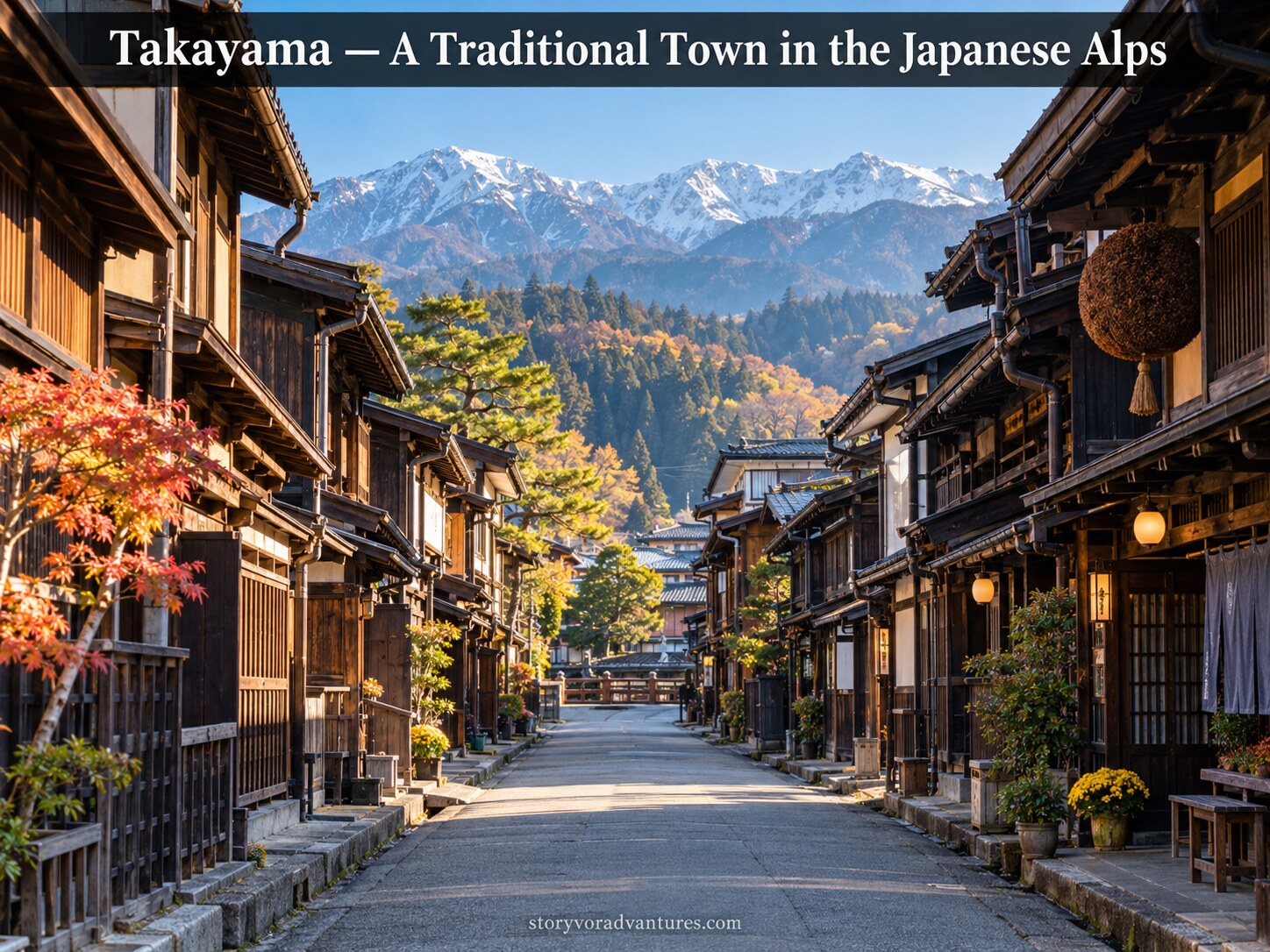
Tucked high up in the Japanese Alps, Hida Takayama feels wonderfully isolated from the modern world. Walking through the Sanmachi Suji historic district in the early morning mist, past dark wooden merchant houses and ancient sake breweries, is a surreal experience.
The Miyagawa Morning Market beside the river features local produce, pickles and handmade crafts.
- How to Get There: Take the Hida Limited Express train from Nagoya, which offers one of the most scenic train rides through river valleys.
- Must-Try Local Food: Hida Beef sushi. Hida beef is a premium wagyu that melts in your mouth and easily rivals Kobe beef.
- Hidden Gem: The Higashiyama Walking Course, a quiet 3.5-kilometer trail winding through a dozen rural temples and shrines in the hills above the town.
11. Shirakawa-go — Historic Farmhouses in a Mountain Valley
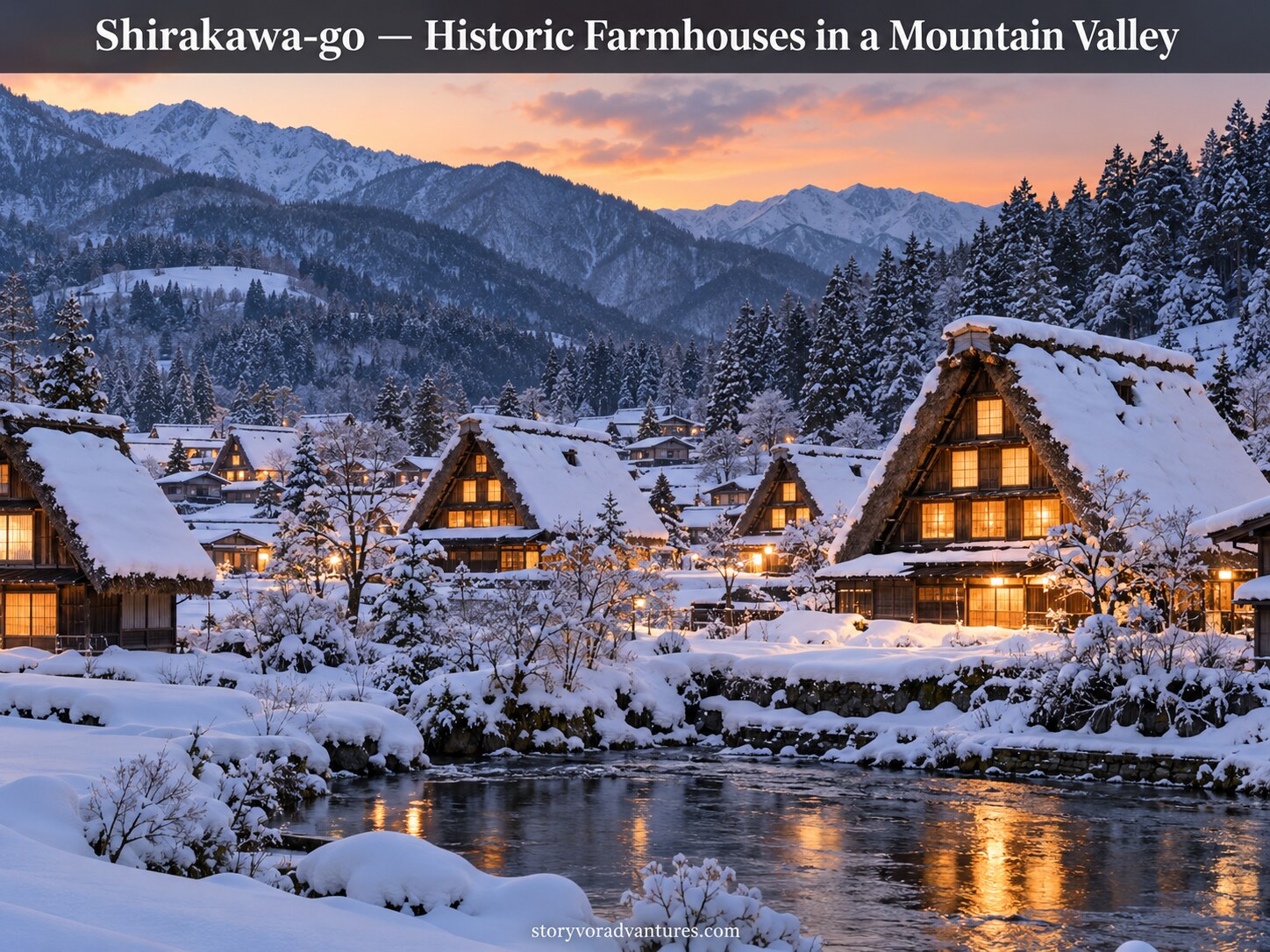
Taking the bus from Takayama to Shirakawa-go is a journey into rural Japanese history. This UNESCO World Heritage village is famous for its gassho-zukuri farmhouses, characterized by steeply pitched thatched roofs designed to withstand massive winter snowfalls.
Hiking up to the Shiroyama viewpoint offers a panoramic view of the village—it looks like a perfect little gingerbread town, especially when blanketed in winter snow. Since people still live in these historic houses, visitors must respect private property boundaries and stick to the paths.
- How to Get There: Accessible only by highway bus from Takayama, Kanazawa, or Toyama (advance reservations are highly recommended).
- Must-Try Local Food: Gohei mochi (skewered rice cakes grilled with a sweet walnut and miso glaze).
- Hidden Gem: Wada House. It is the largest traditional farmhouse in the village and is open to the public, allowing you to climb up into the massive thatched roof attic.
12. Nikko — Sacred Shrines, Forests and Waterfalls
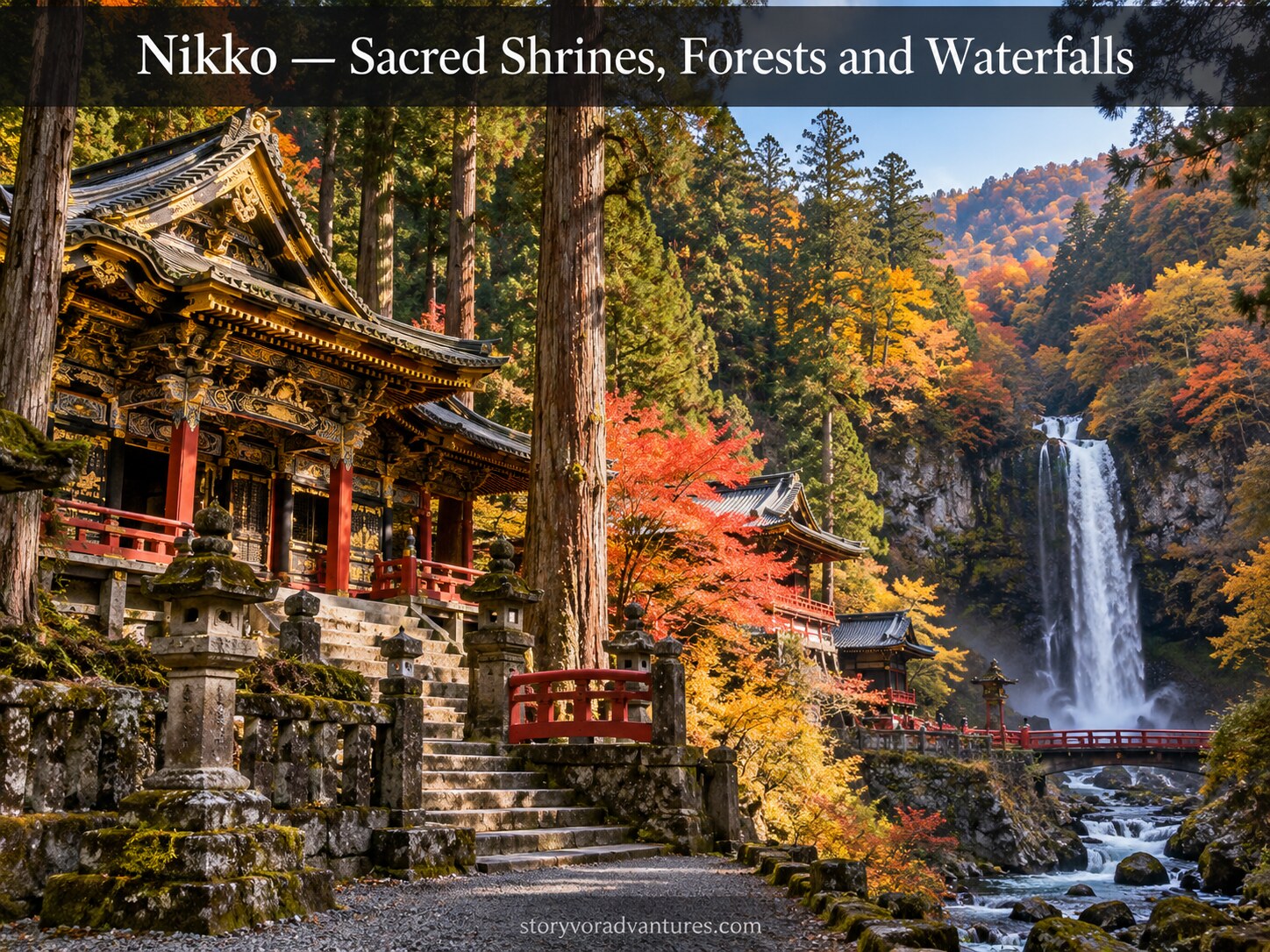
“Never say ‘kekko’ (beautiful) until you’ve seen Nikko.” Nestled in the mountains just two hours north of Tokyo, the immensely ornate Toshogu Shrine (the resting place of shogun Tokugawa Ieyasu) is a masterpiece of gold leaf and intricate wood carvings, surrounded by a forest of towering cedar trees.
Beyond the shrines, the winding Irohazaka road leads towards the Okunikko area, Kegon Falls and Lake Chuzenji.
- How to Get There: Direct limited express trains run from Tokyo’s Asakusa or Shinjuku stations.
- Must-Try Local Food: Yuba (tofu skin). Nikko specializes in yuba served in dozens of ways, from soups to fried snacks.
- Hidden Gem: Kanmangafuchi Abyss, a riverside walking trail lined with about 70 stone Jizo statues. Legend says they change places, so you can never count the exact same number twice.
13. Sapporo and Hokkaido — Snow, Open Landscapes and Fresh Food
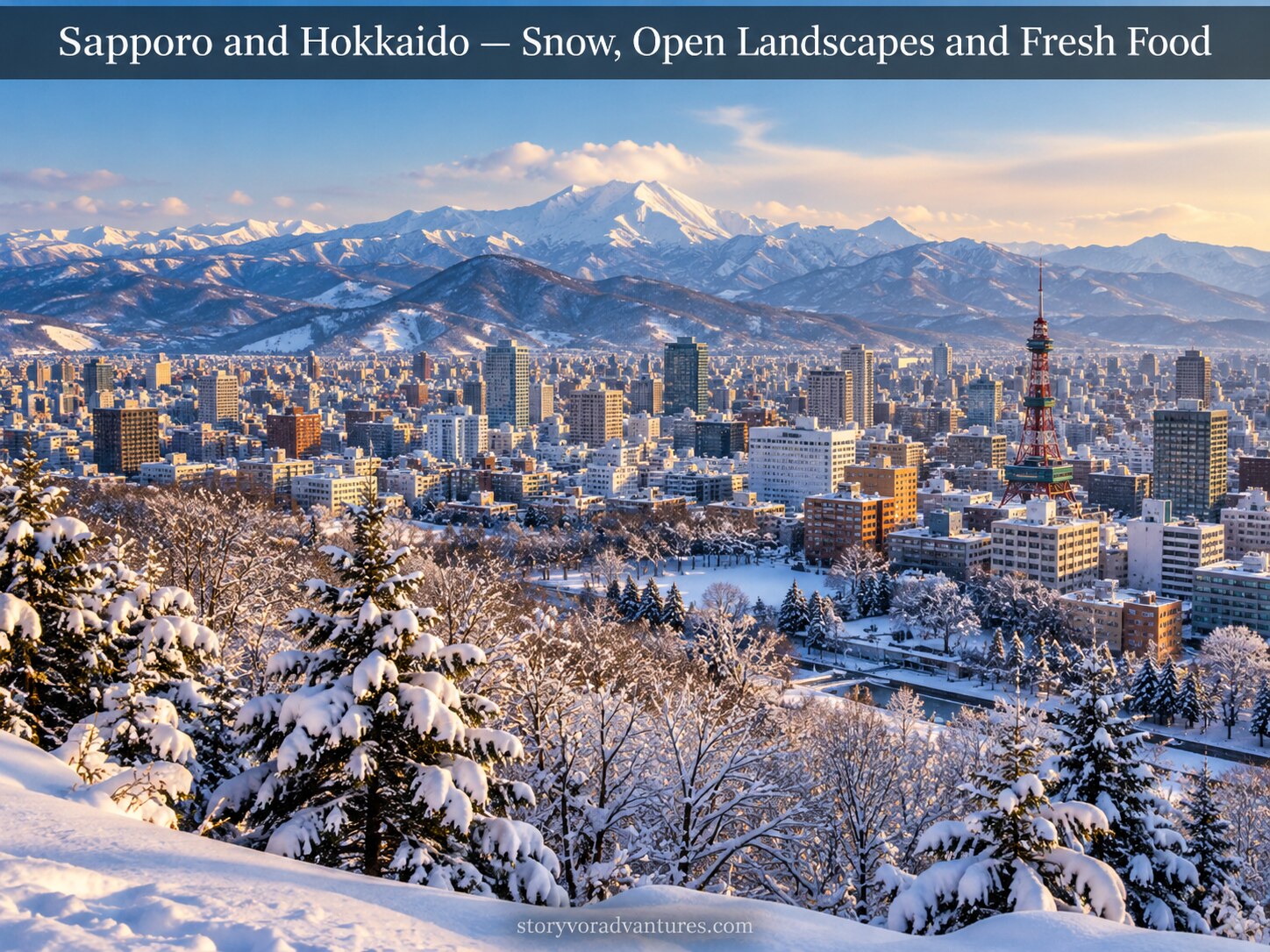
For a completely different vibe, fly up to Hokkaido, Japan’s wild northern island. The capital city, Sapporo, is laid-back and world-famous for its massive February Snow Festival featuring giant ice sculptures.
Hokkaido’s open landscapes, volcanic lakes, and summer lavender fields in Furano feel entirely different from the rest of Japan. It is the ultimate destination for nature lovers, skiers, and serious foodies.
- How to Get There: A 90-minute domestic flight from Tokyo to New Chitose Airport.
- Must-Try Local Food: Rich miso butter corn ramen, Genghis Khan (grilled mutton), and the freshest crab you will ever eat.
- Hidden Gem: Moerenuma Park in Sapporo, a massive, visually stunning art park designed by Japanese-American sculptor Isamu Noguchi.
14. Okinawa — Tropical Islands and Ryukyu Culture
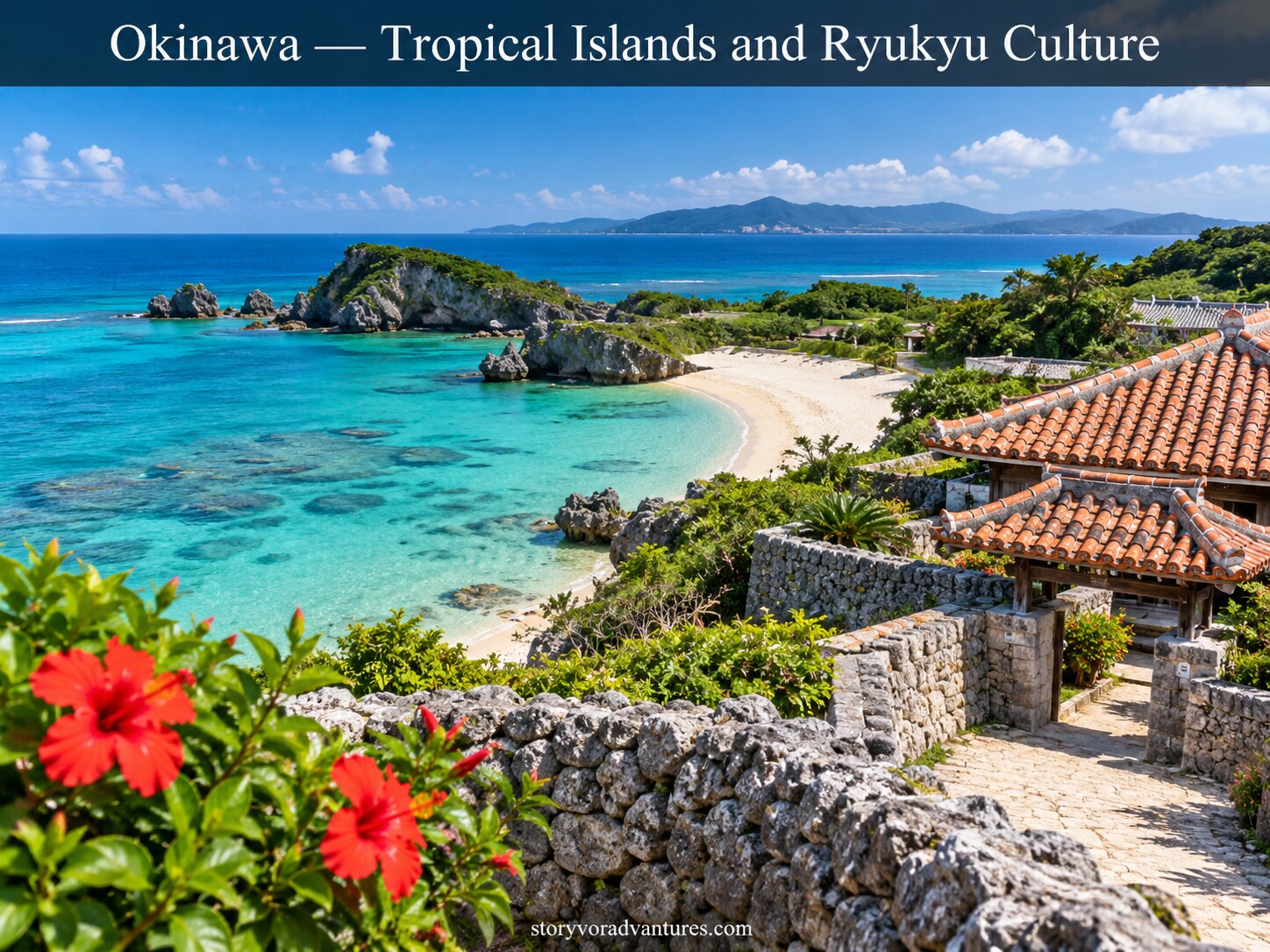
Most people don’t associate Japan with tropical, white-sand beaches, but Okinawa will change your mind. Located far to the south, it has a distinct culture, architecture, and food scene shaped by the ancient Ryukyu Kingdom.
Visitors can explore Okinawa’s coastal environment, visit the Okinawa Churaumi Aquarium and learn about regional history at the Peace Memorial Park. It’s the perfect, relaxing contrast to the fast-paced walking you’ll do in Tokyo and Kyoto.
- How to Get There: A 2.5-hour domestic flight from Tokyo to Naha Airport.
- Must-Try Local Food: Okinawa Soba (thick noodles in a pork broth) and Goya Champuru (stir-fried bitter melon with tofu and pork).
- Hidden Gem: Sefa-Utaki, a sacred natural rock formation in a dense forest that served as the most important religious site of the Ryukyu Kingdom.
15. Kamakura — Coastal Temples Near Tokyo
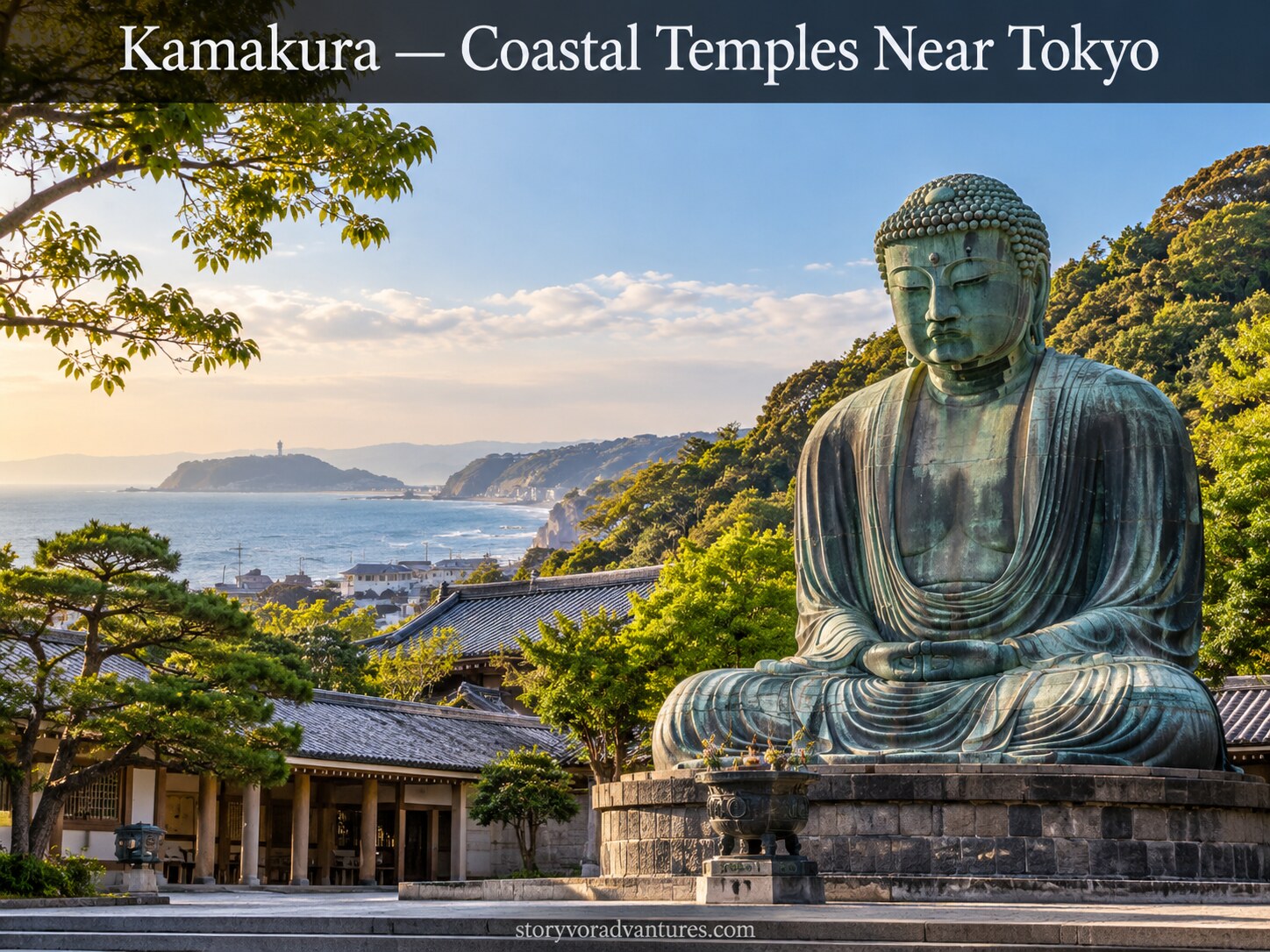
If you want a quick and easy day trip from Tokyo, Kamakura is a convenient day-trip option. Often called the “Kyoto of Eastern Japan,” it was once the political center of the country and is now a laid-back coastal town packed with Zen temples and shrines.
The highlight is undoubtedly the Great Buddha (Daibutsu) at Kotoku-in Temple—a massive outdoor bronze statue that has survived centuries of typhoons and tidal waves. A day can combine temple visits, cycling and time at Yuigahama Beach.
- How to Get There: A direct 50-minute train ride on the JR Yokosuka Line from Tokyo Station.
- Must-Try Local Food: Shirasu-don (a rice bowl topped with tiny, locally caught whitebait fish, served raw or boiled).
- Hidden Gem: Hokokuji Temple, famous for its beautiful, highly photogenic bamboo grove where you can sit and drink matcha tea while listening to the wind in the stalks.
A successful Japan trip does not require visiting every famous destination. Choose places that suit the available time, group nearby attractions together and leave space for meals, rest and unexpected discoveries. Confirm current transport schedules, entry rules and opening hours through official sources before travelling.