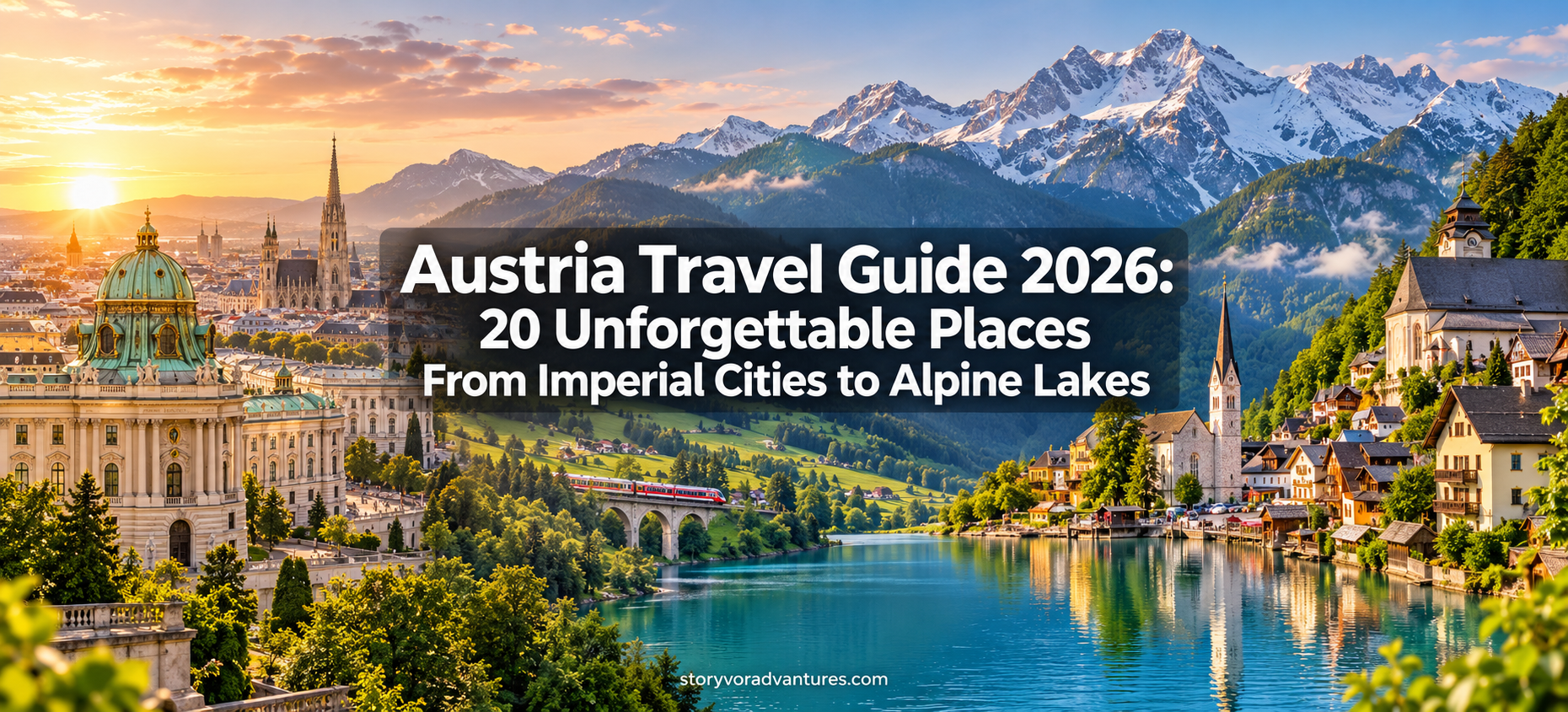
Austria Travel Guide 2026: 20 Unforgettable Places From Imperial Cities to Alpine Lakes
Discover 20 unforgettable places in Austria with a practical 12-day itinerary, transport advice, estimated costs, accommodation and essential travel tips.
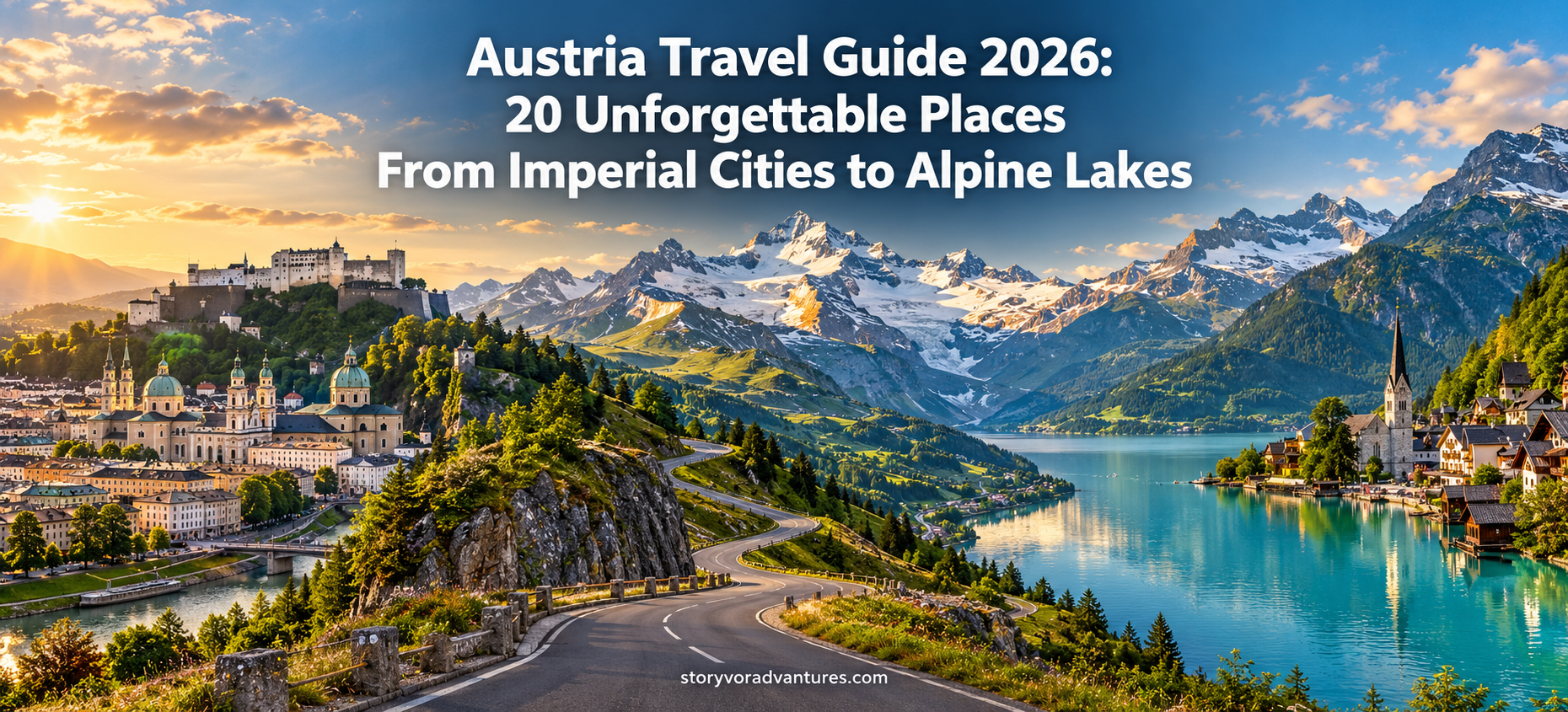
Austria is often associated with classical music, grand palaces and snow-covered mountains, but the country offers much more than a few famous landmarks. A single journey can include elegant cities, medieval towns, turquoise lakes, vineyard-covered valleys, enormous waterfalls and mountain roads surrounded by glaciers.
It is also one of Europe’s most convenient countries for travellers who prefer public transport. Many important destinations are connected by train, while regional buses help visitors reach smaller towns and mountain communities. A car provides more flexibility in rural areas, but it is not essential for a first visit.
This detailed Austria travel guide covers 20 memorable places, transportation, currency, accommodation, entry requirements, estimated costs and a practical 12-day itinerary for 2026.
Austria Travel Essentials
Capital: Vienna
Currency: Euro (€)
Official language: German
Main international airport: Vienna International Airport
Other useful airports: Salzburg, Innsbruck and Graz
Recommended trip length: 8–14 days
Driving side: Right
Emergency number: 112
Standard plugs: Type C and Type F
Best transport option: Trains between cities and buses for regional connections
Best seasons: Spring, summer and early autumn for sightseeing; winter for snow activities
Visa region: Schengen Area
1. Vienna
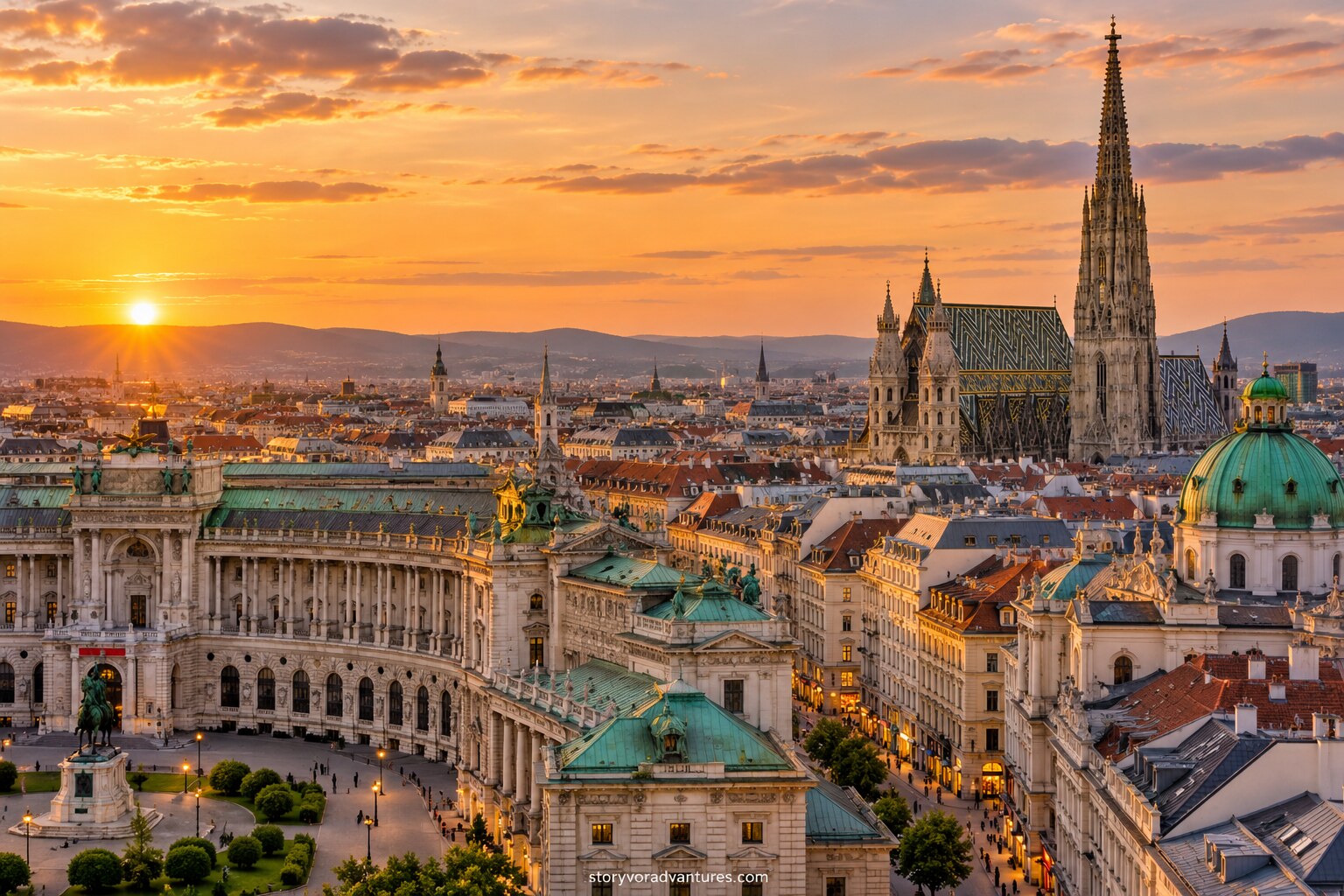
Vienna combines imperial architecture, classical music, museums, coffeehouses and large public parks. The historic centre is compact enough for walking, while the underground, trams and buses make it easy to reach attractions outside the central area.
Schönbrunn Palace is one of the city’s principal attractions. Its palace rooms, landscaped gardens and hilltop viewpoints can occupy several hours. Travellers should reserve timed admission in advance during busy periods instead of arriving without a plan.
The Hofburg complex, St. Stephen’s Cathedral, Vienna State Opera and MuseumsQuartier reveal different parts of the city’s history and cultural identity. Belvedere Palace is another important stop, particularly for visitors interested in Austrian art.
Vienna deserves at least three days. Rather than filling every hour with ticketed attractions, leave time for a traditional coffeehouse, a walk around the Ringstrasse and an evening in one of the city’s residential neighbourhoods. Official information is available from Vienna’s tourism website.
2. Salzburg
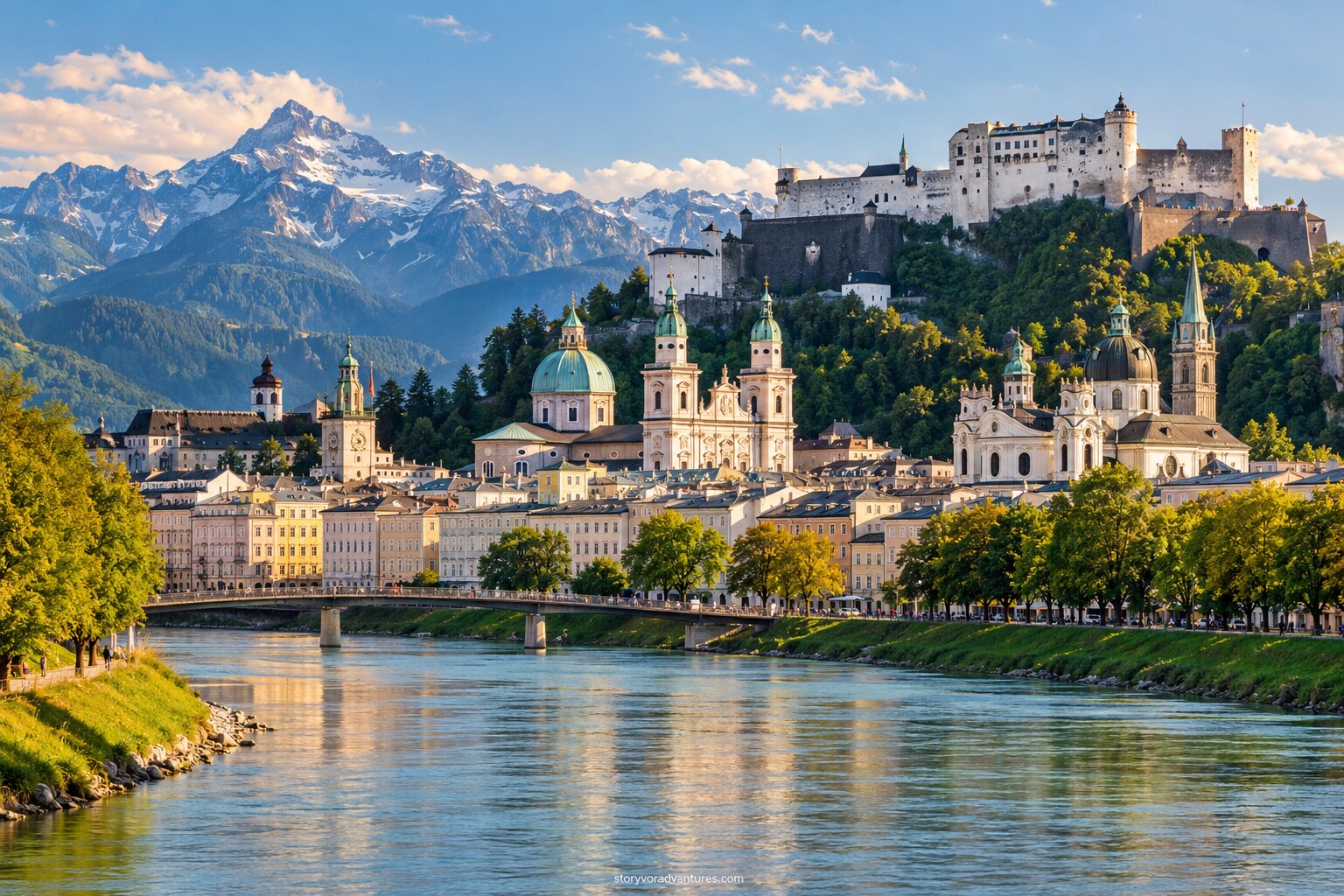
Salzburg is surrounded by mountains and divided by the Salzach River. Its historic centre contains narrow streets, decorative squares, churches and buildings connected with the city’s musical heritage.
Hohensalzburg Fortress stands above the old town and provides wide views over rooftops and the surrounding Alps. Visitors can reach it by funicular or walk uphill when conditions are suitable. Mozart’s Birthplace and the nearby Getreidegasse are popular, but the quieter streets beyond the main shopping area are equally rewarding.
Mirabell Gardens sit on the opposite side of the river and offer a classic view towards the fortress. Salzburg is also known for locations connected with The Sound of Music, although travellers do not need to join a themed tour to appreciate the city.
Allow at least two days for Salzburg. Staying overnight is worthwhile because the old town becomes calmer after many day-trip groups leave.
3. Hallstatt
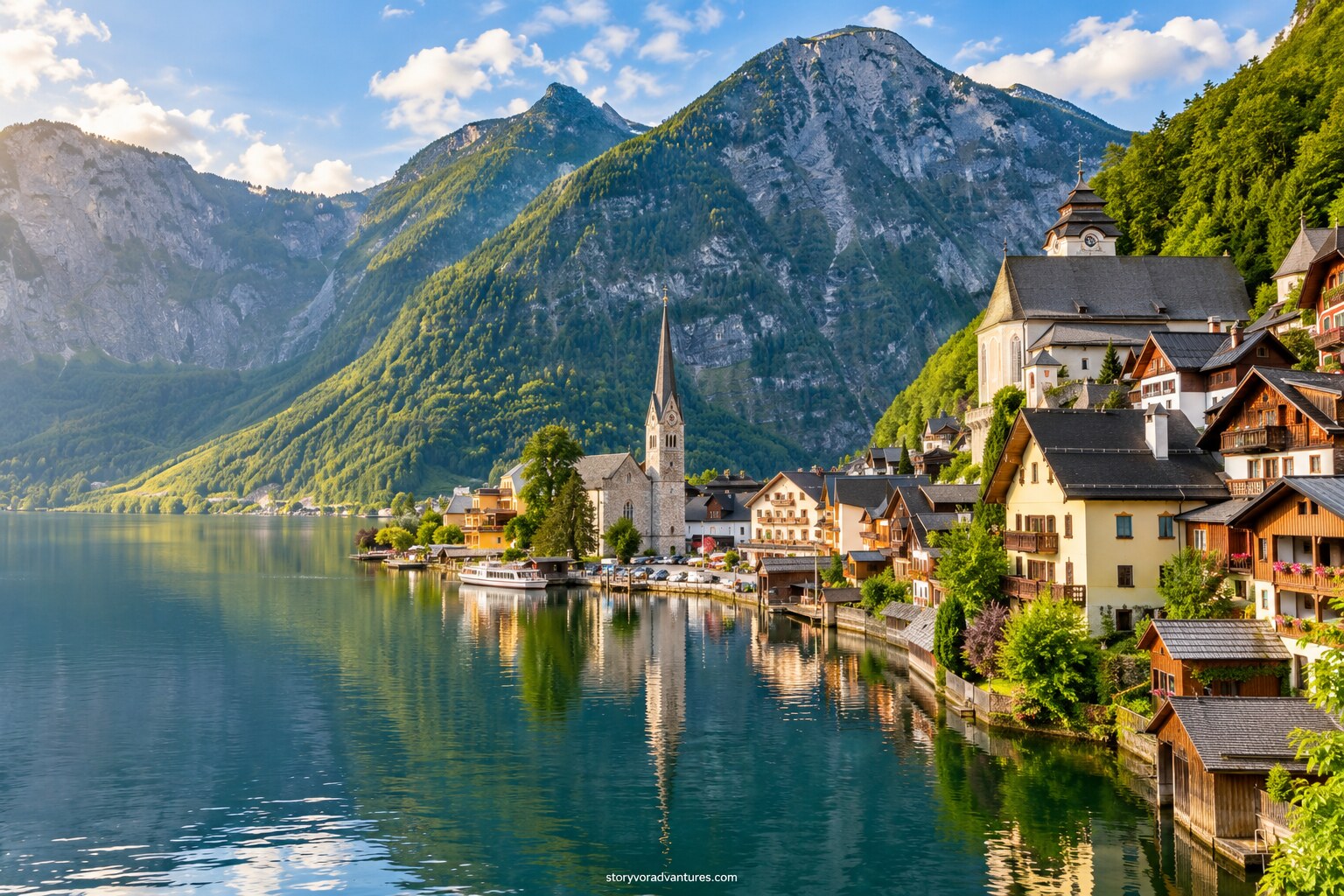
Hallstatt is one of Austria’s most photographed villages, positioned between a mountain and the Hallstätter See. Traditional houses, a small church and the surrounding lake create the scenery that has made it internationally famous.
Its popularity also creates crowding, particularly during the middle of the day. Arriving early, staying overnight or visiting outside peak summer can provide a more comfortable experience. Travellers should remember that Hallstatt is a living community rather than an outdoor photography set.
The village can be reached by road or by combining a train journey with a ferry crossing. Visitors interested in the region’s salt-mining history can research the current status and operating season of the salt mine and viewing facilities before arriving.
Hallstatt can be explored in several hours, but an overnight stay allows time for the lakeside atmosphere after the busiest visitors depart.
4. Innsbruck
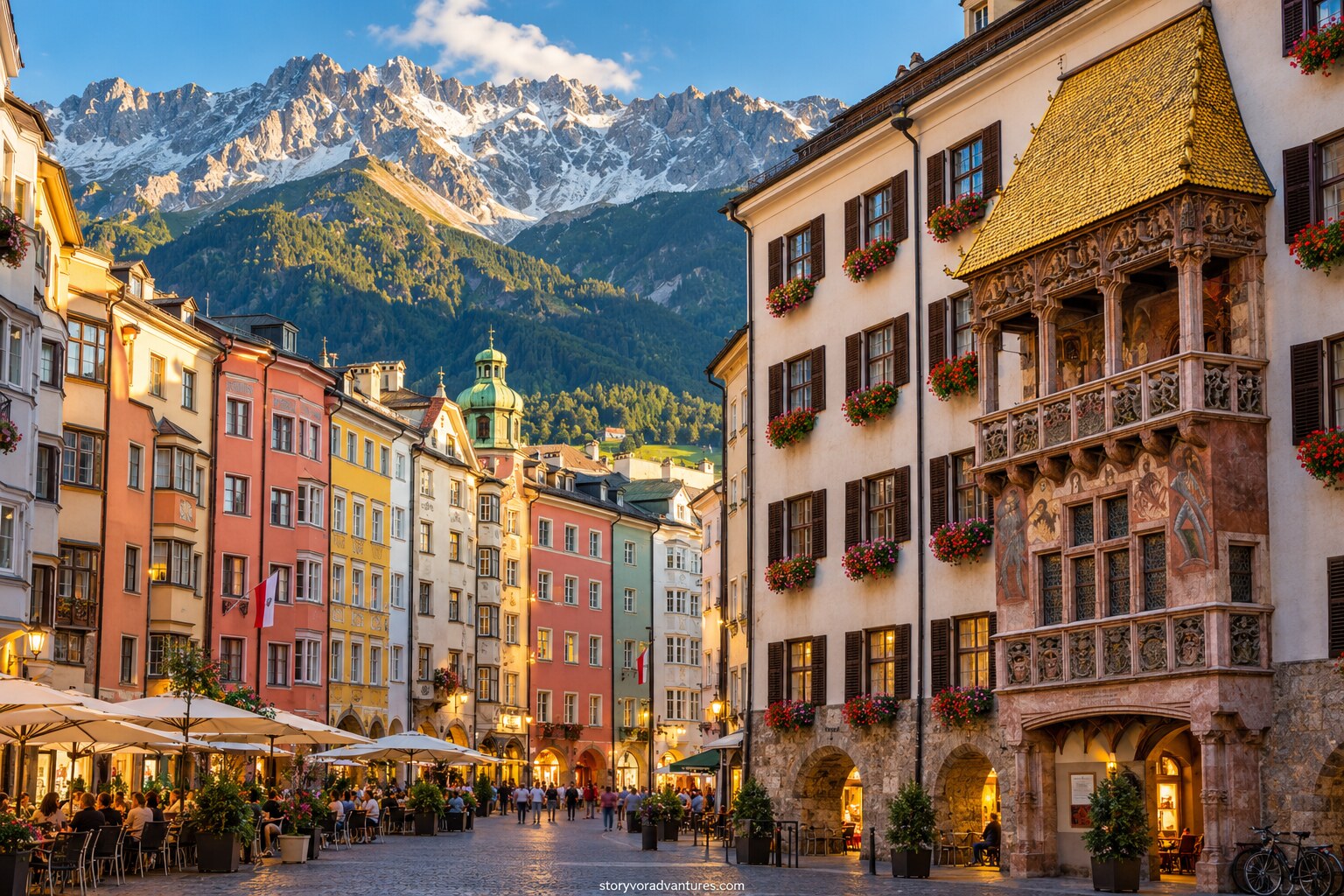
Innsbruck is located in the Inn Valley with high mountains rising close to the city. Its combination of historic streets and convenient mountain access makes it particularly useful for travellers who want urban attractions and outdoor scenery in the same destination.
The Golden Roof is the best-known landmark in the old town. Nearby streets contain colourful buildings, cafés and views towards the Alps. The Imperial Palace and Court Church provide additional historical context.
The Nordkette cable-car system connects the city with elevated viewpoints and hiking areas. Weather at higher altitude may be very different from conditions in the centre, so travellers should check visibility before purchasing mountain tickets.
Two or three days provide time for both the old town and a mountain excursion. Updated information can be found through Innsbruck Tourism.
5. Graz
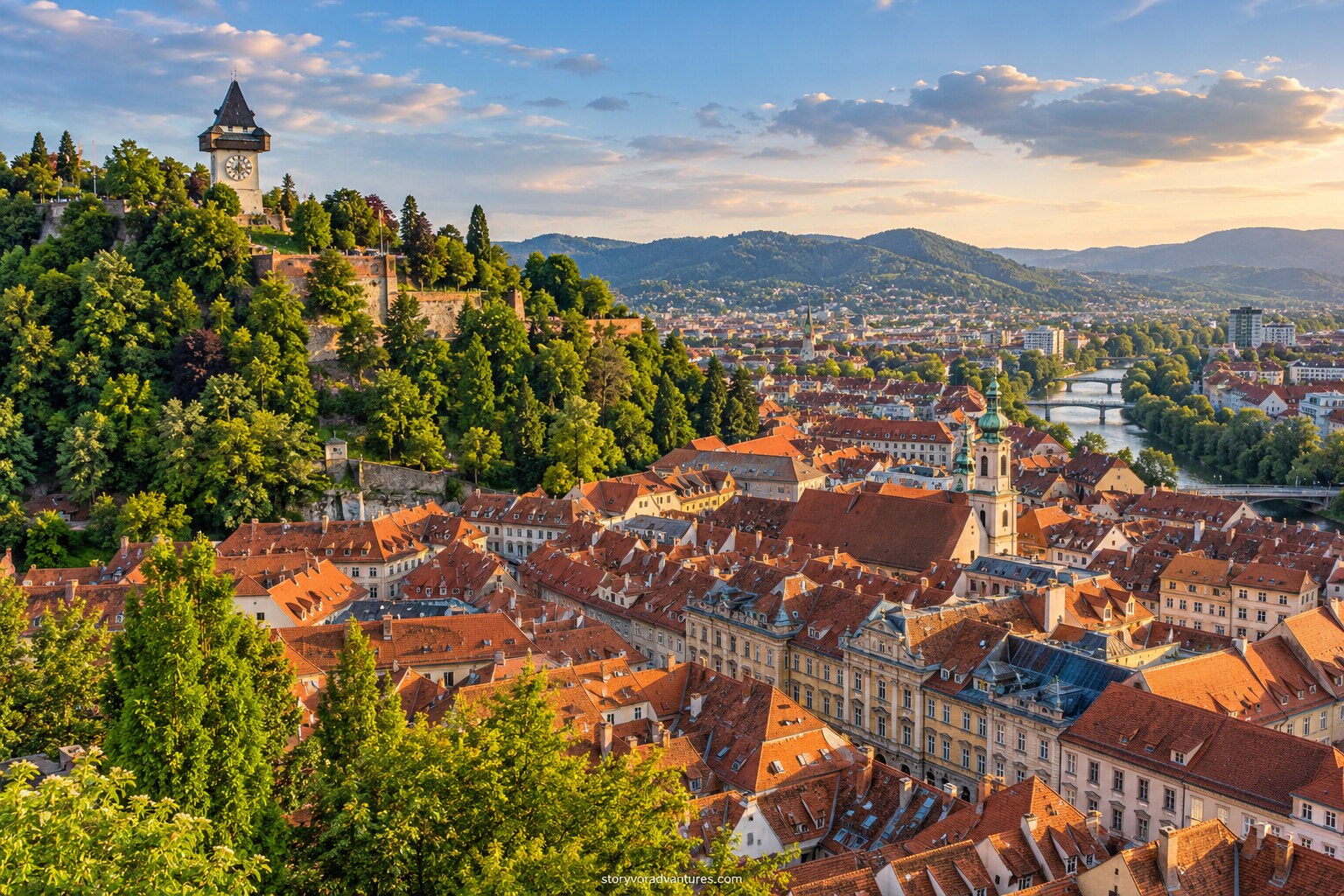
Graz has a lively historic centre, a strong food culture and a mixture of traditional and modern architecture. It receives fewer international visitors than Vienna or Salzburg, making it a useful choice for travellers seeking a more relaxed Austrian city.
The Schlossberg hill rises above the centre and is crowned by the city’s famous clock tower. Visitors can walk, use the funicular or take the lift, depending on their preference and current operation.
At street level, the old town contains courtyards, arcaded buildings and busy markets. The modern Kunsthaus and the Murinsel structure provide a noticeable contrast to the historic surroundings.
Graz can be explored in two days and is well connected to Vienna by train. It is also a useful starting point for discovering the landscapes and small towns of Styria.
6. The Wachau Valley
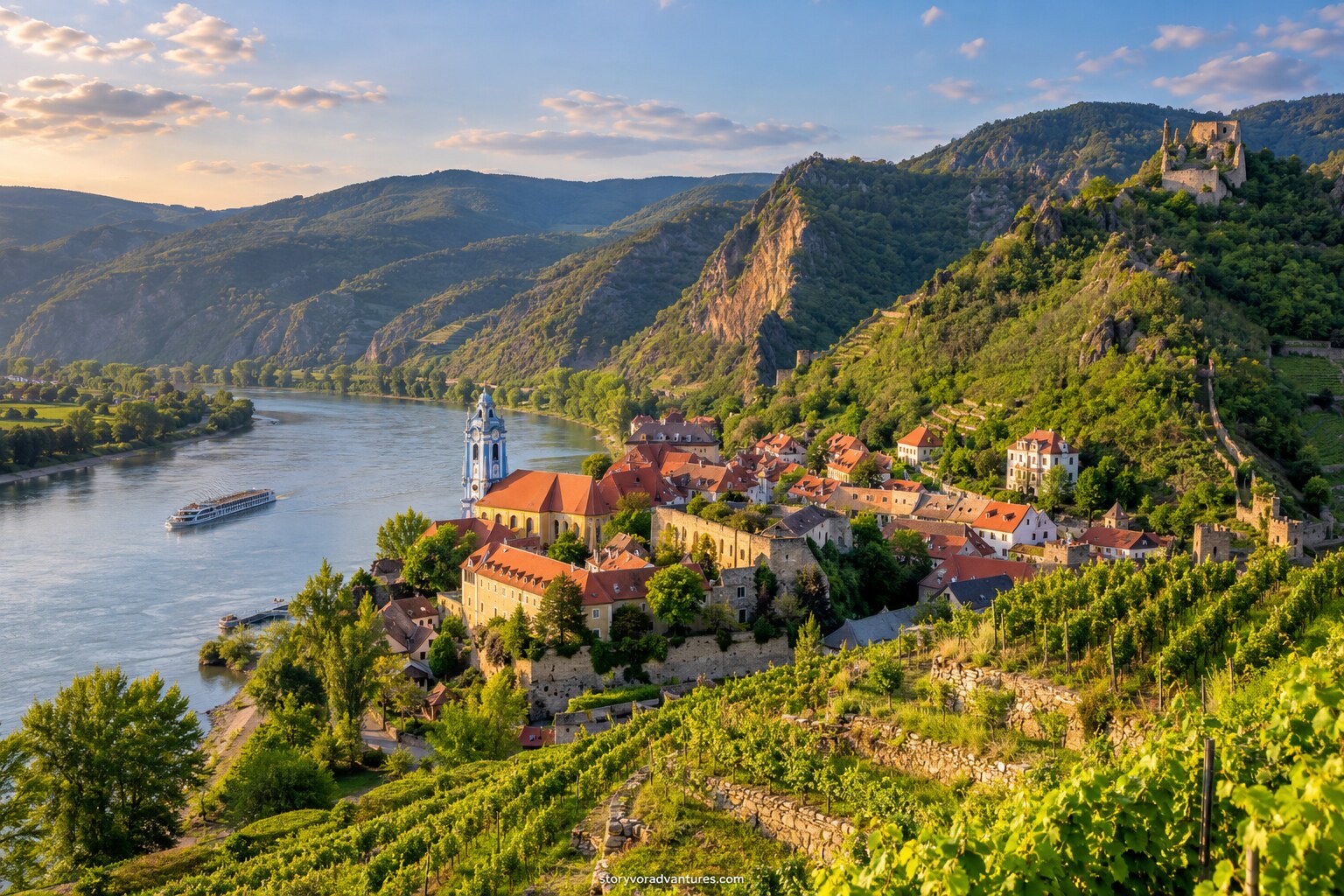
The Wachau Valley follows the Danube between Melk and Krems. Vineyards, small villages, castle ruins and riverside scenery make it one of Austria’s most attractive cultural landscapes.
Dürnstein is among the valley’s best-known villages. Its narrow streets and blue church tower are easy to recognise, while the ruined castle above the village offers elevated views for visitors prepared for the uphill walk.
Travellers can explore the valley by train, bus, bicycle, car or seasonal boat. The best choice depends on weather, available time and the desired pace. Cycling gives travellers more freedom to stop, but the route and bicycle-return arrangements should be confirmed beforehand.
The valley can be visited from Vienna, although one or two nights in Krems, Dürnstein or another riverside community creates a more relaxed experience.
7. Melk Abbey
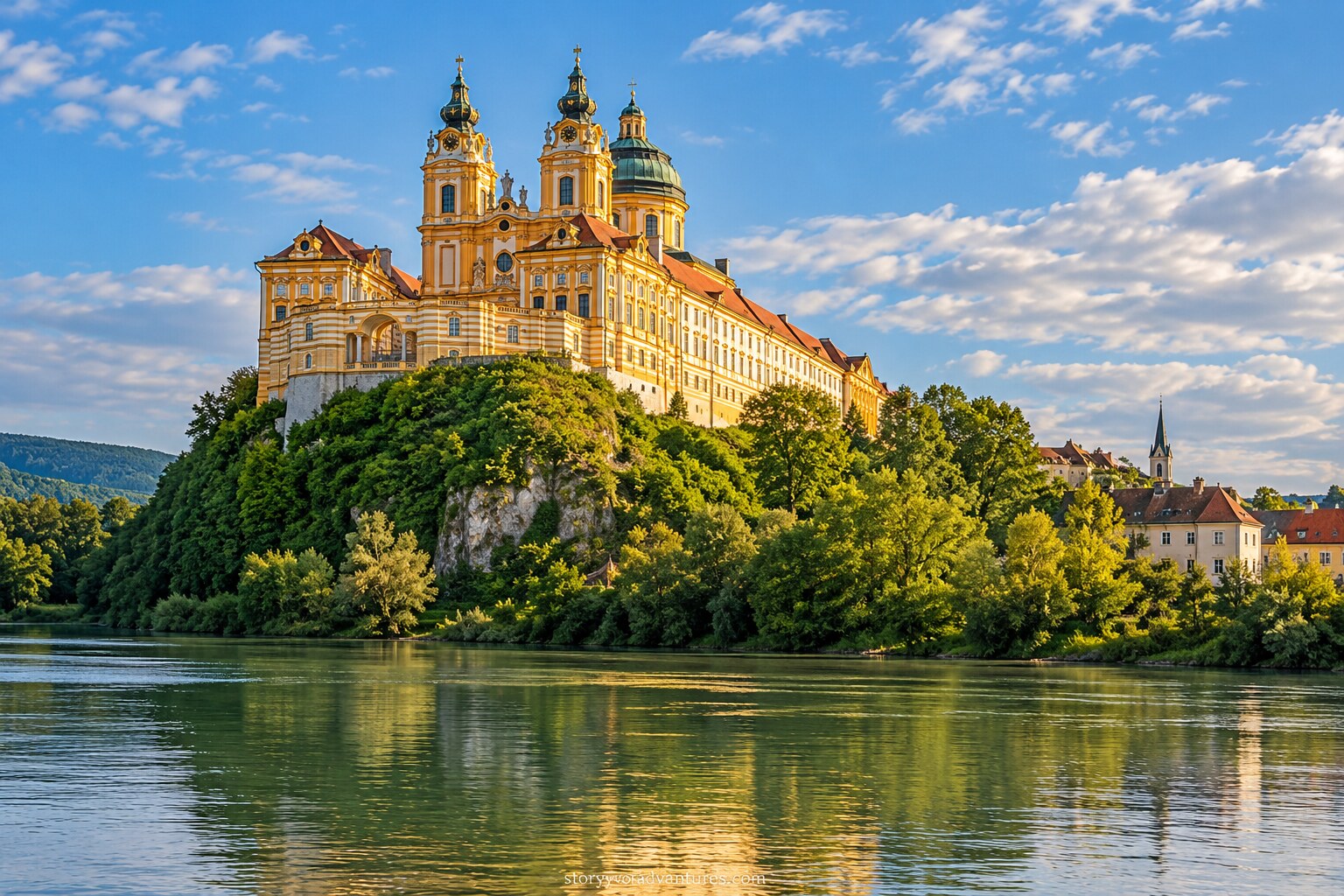
Melk Abbey stands on a hill overlooking the Danube and the town of Melk. Its large Baroque complex includes decorated halls, a historic library, a church and formal gardens.
The abbey can become busy because it is a common stop on Wachau excursions and Danube itineraries. Visiting near opening time or later in the afternoon may provide a calmer experience.
Melk works well as the starting or finishing point for a Wachau Valley journey. It is accessible by train from Vienna, making it possible to visit without hiring a car.
Current opening dates, admission options and guided-tour information should be checked through the official Melk Abbey website.
8. Zell am See and Kaprun
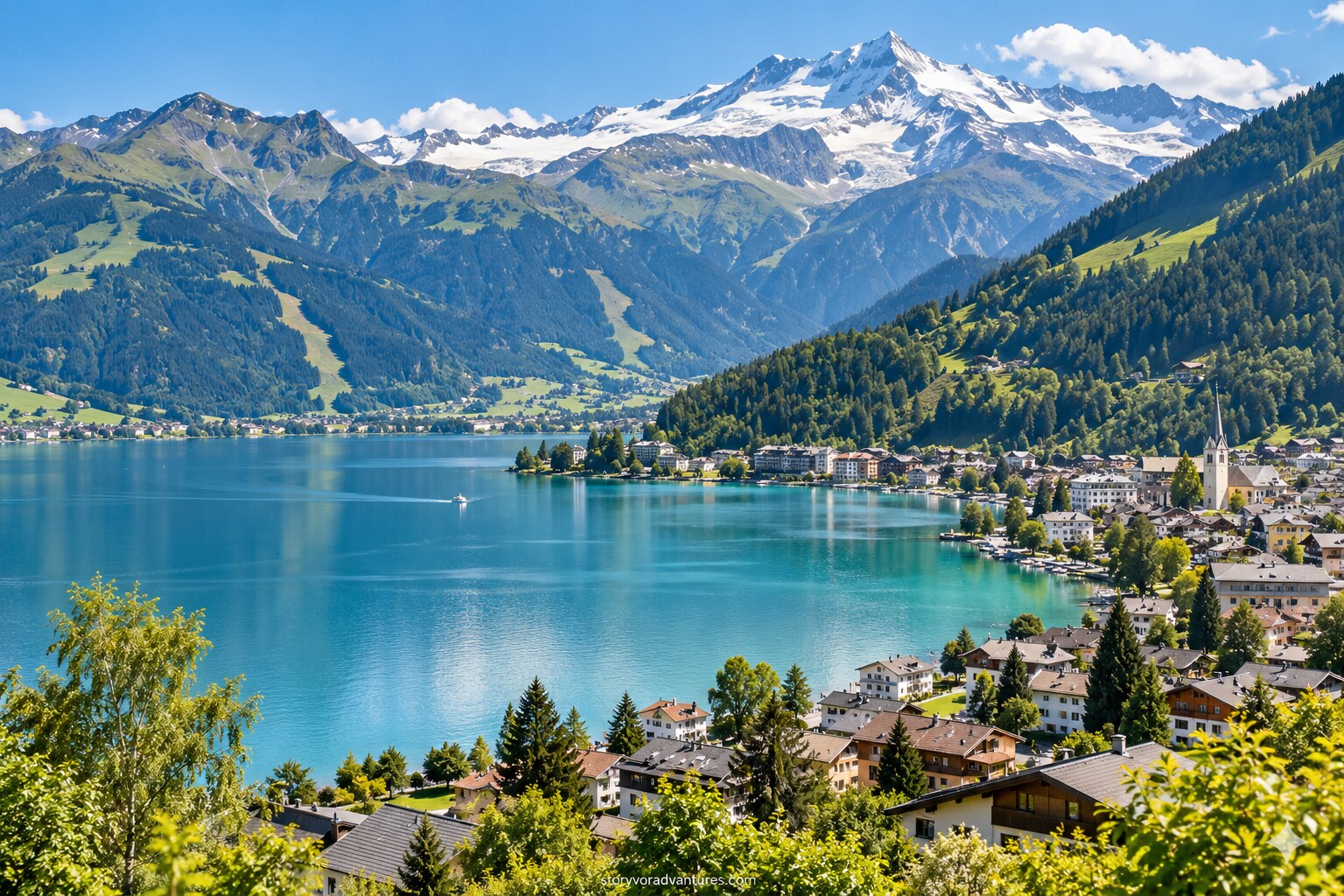
Zell am See is positioned beside the clear waters of Lake Zell and surrounded by mountains. The combination of a compact town, lakeside activities and nearby Alpine attractions makes it suitable for both active travellers and visitors who prefer scenic relaxation.
During warmer months, travellers can walk beside the lake, take a boat trip or use mountain lifts to reach elevated viewpoints. In winter, the region becomes a base for skiing and other snow activities.
Nearby Kaprun provides access to high-mountain scenery and the Kitzsteinhorn glacier area. Cable-car operations depend on weather and maintenance schedules, so checking conditions before travelling is important.
Staying for two or three nights allows time for the lake, mountains and changing weather. Trying to cover everything in a single day can make the visit feel unnecessarily rushed.
9. Grossglockner High Alpine Road
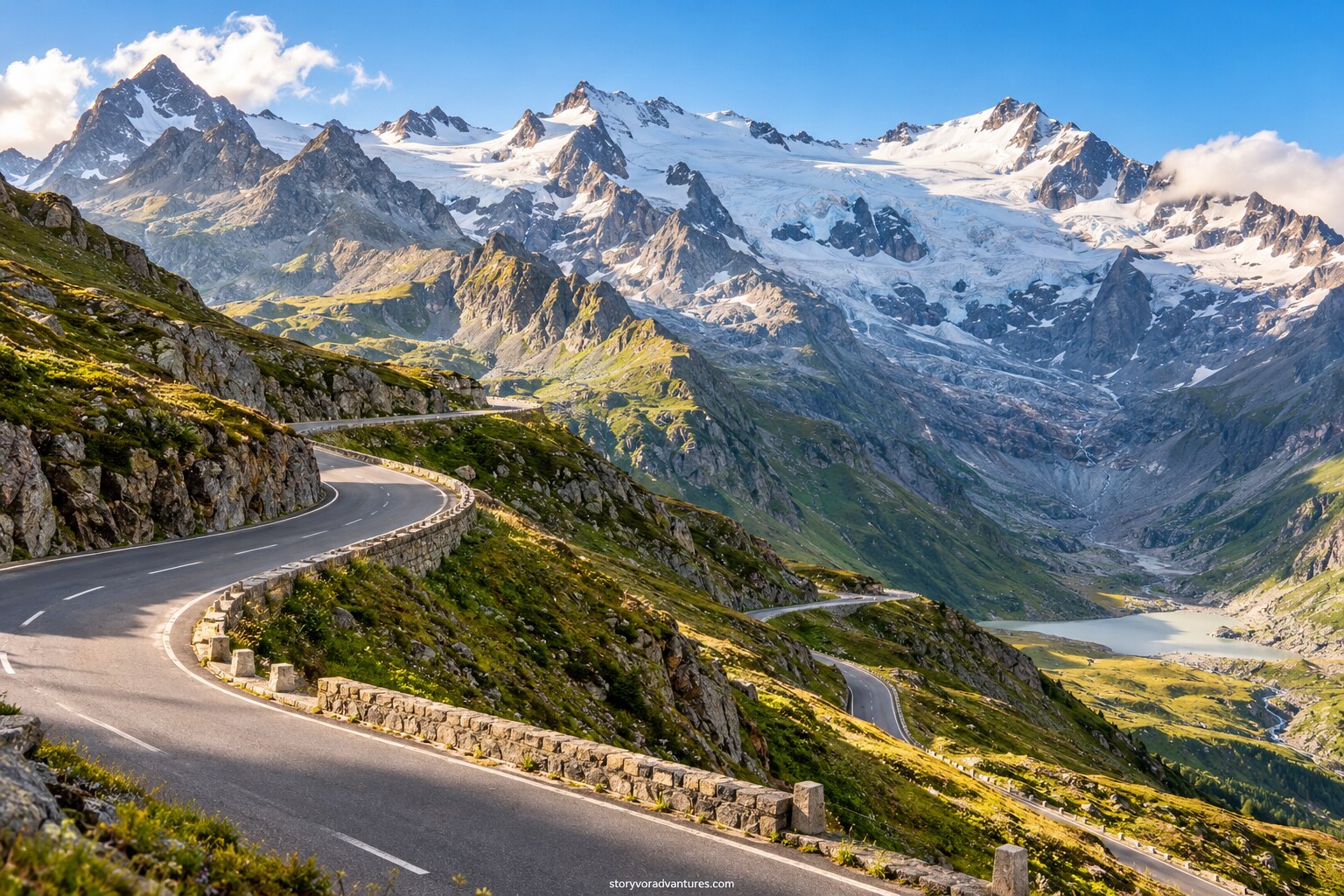
The Grossglockner High Alpine Road is Austria’s most famous scenic driving route. It passes through several vegetation zones and provides access to viewpoints surrounded by high peaks and glacier landscapes.
The road extends for approximately 48 kilometres between the Salzburg and Carinthia sides of the mountains. Austria’s official tourism information describes the wider scenic circuit from Zell am See through the region as a journey suited to two or three days. austria.info
The road is seasonal and may close because of snow or severe weather. Travellers should never assume it will be accessible simply because their visit falls in spring or autumn. Current opening information, weather and tolls must be checked before departure.
Drivers should use designated parking and viewpoint areas instead of stopping along narrow sections. The experience is most enjoyable when enough time is reserved for breaks, short walks and changing mountain conditions.
10. Salzkammergut Lake District
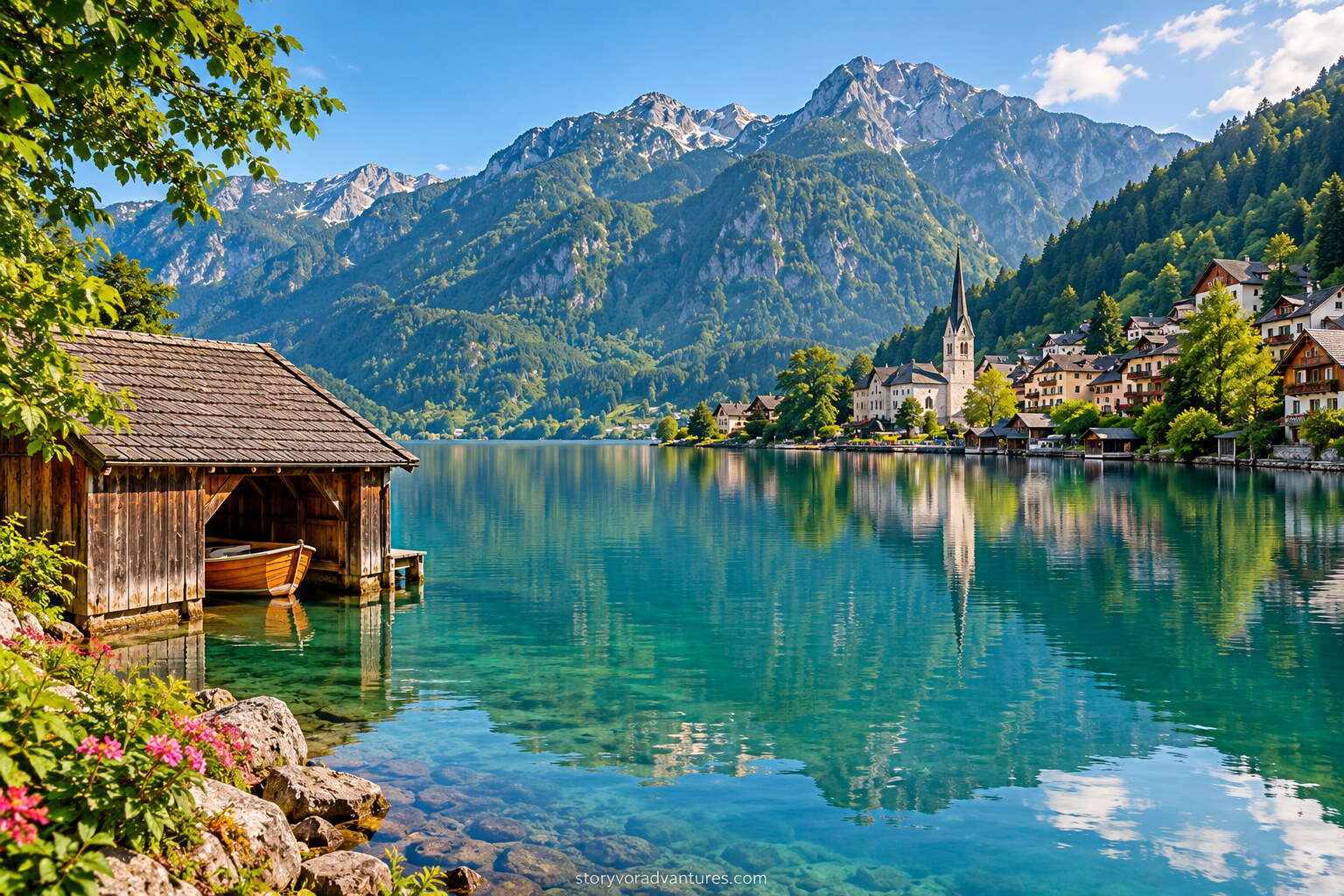
The Salzkammergut region contains lakes, mountains, spa towns and traditional villages. Hallstatt is its most famous location, but concentrating only on one village means missing much of the surrounding landscape.
Wolfgangsee, Mondsee, Attersee and Traunsee each offer a different atmosphere. Visitors may find lakeside walking routes, boat services, swimming areas and mountain excursions, depending on the season.
St. Wolfgang is known for its attractive lakeside setting, while Bad Ischl has a long connection with Austria’s imperial history. The region can be explored from Salzburg, but staying in one of the smaller towns reduces daily travel.
Public transport reaches many important locations, although connections may take longer than travelling by car. A carefully chosen base can make the region much easier to explore.
11. Krimml Waterfalls
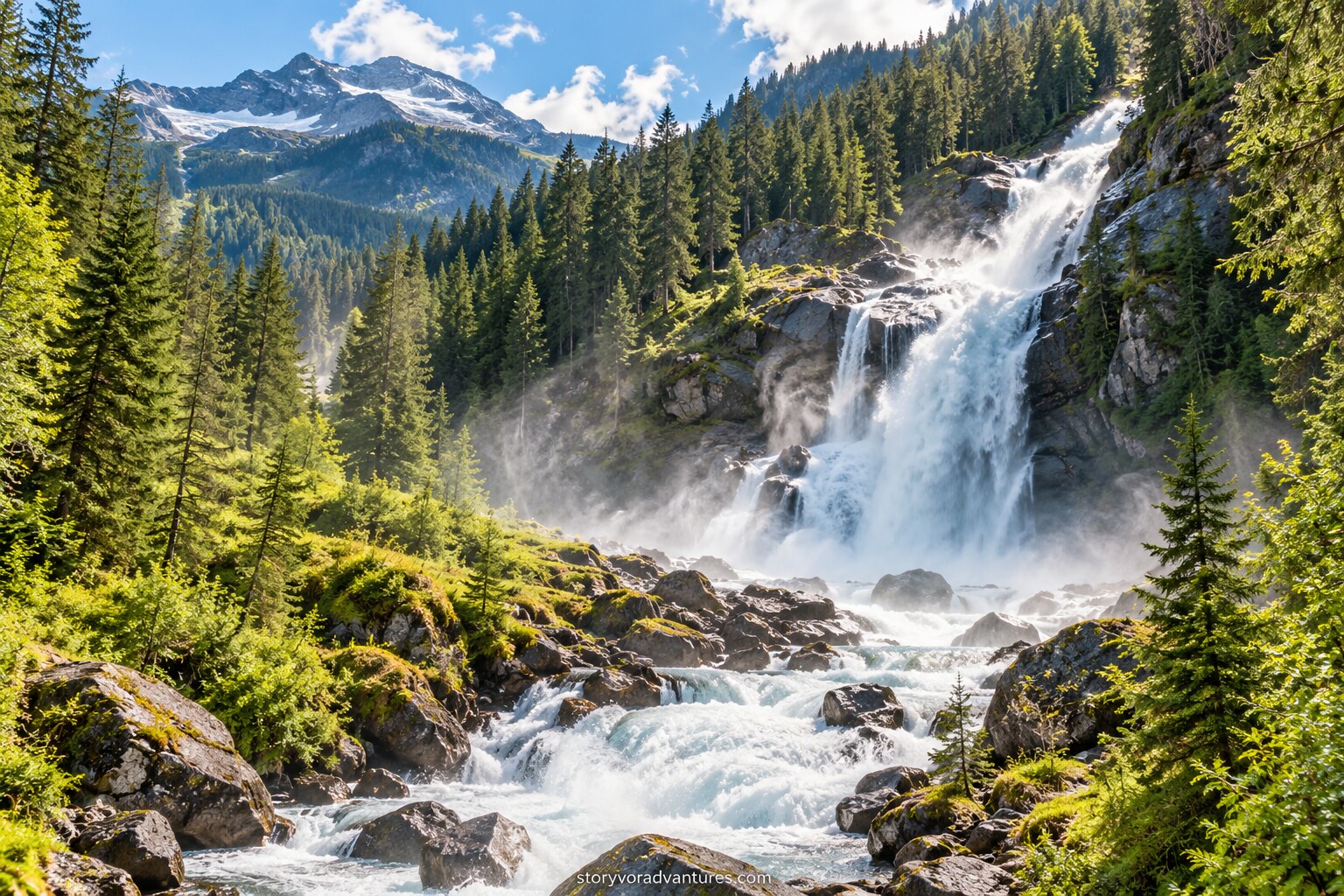
Krimml Waterfalls descend through several stages in the Hohe Tauern region and are among Austria’s most impressive natural attractions. A walking path provides access to a series of viewpoints rather than just one observation area.
The climb becomes progressively steeper, so travellers do not need to reach the highest viewpoint to enjoy the experience. Even the lower sections demonstrate the waterfall’s force and scale.
Water spray can make the path damp, and mountain weather may change quickly. Comfortable walking shoes, a light waterproof layer and drinking water are sensible additions.
Opening arrangements, admission and path conditions vary by season. Travellers should check the Krimml Waterfalls website before making a special journey.
12. Hohe Tauern National Park
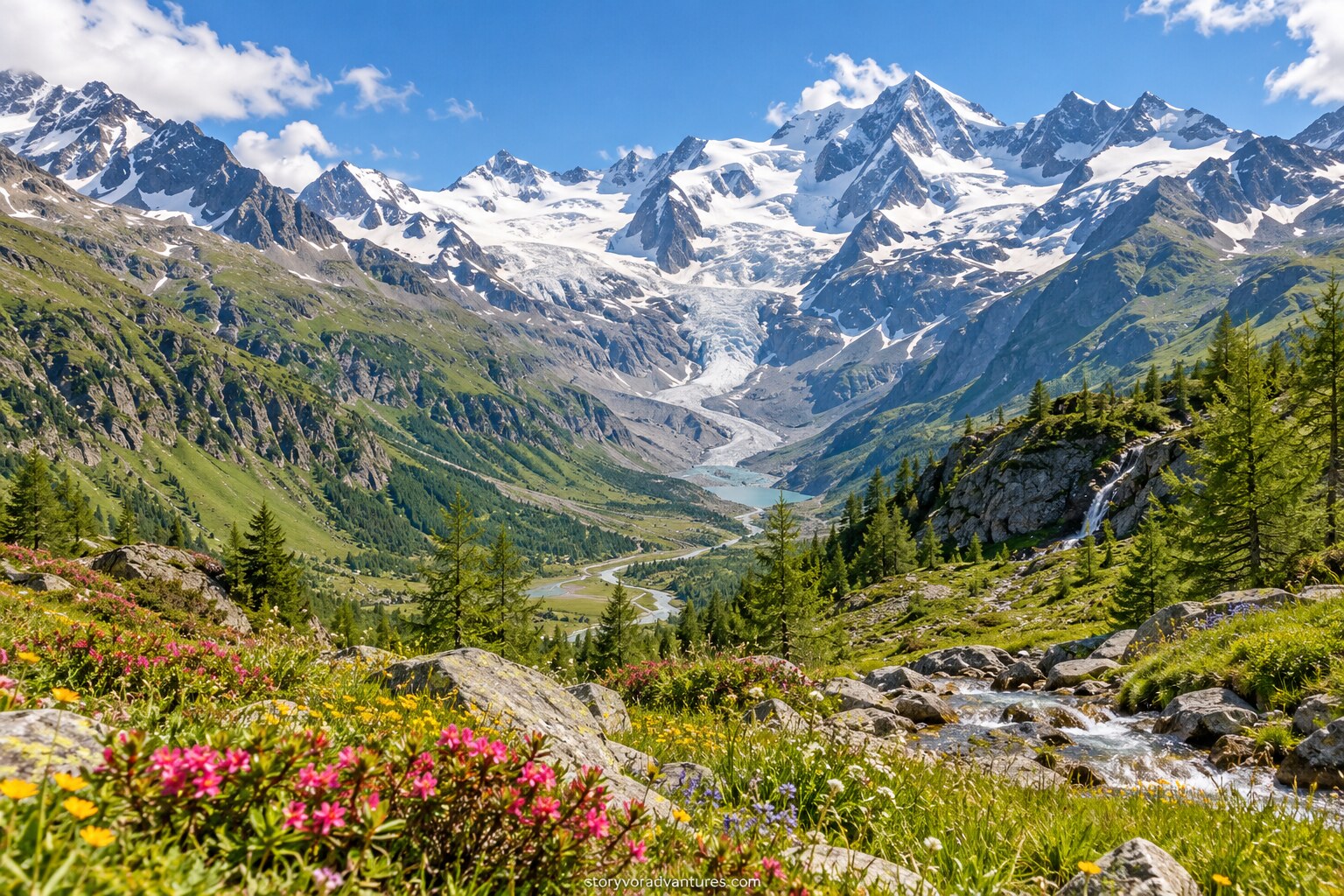
Hohe Tauern is Austria’s largest national park and contains glaciers, valleys, waterfalls and some of the country’s highest mountains. It stretches across parts of Salzburg, Tyrol and Carinthia.
The park is not one single attraction that can be completed in an afternoon. Visitors should select a specific valley, trail or visitor centre based on their accommodation and experience level.
Guided nature walks can be valuable for travellers unfamiliar with Alpine environments. Higher routes may retain snow or become unsafe even when conditions appear pleasant at lower altitude.
The official Hohe Tauern National Park website provides regional information and helps visitors choose experiences appropriate for the season.
13. Eisriesenwelt Ice Cave
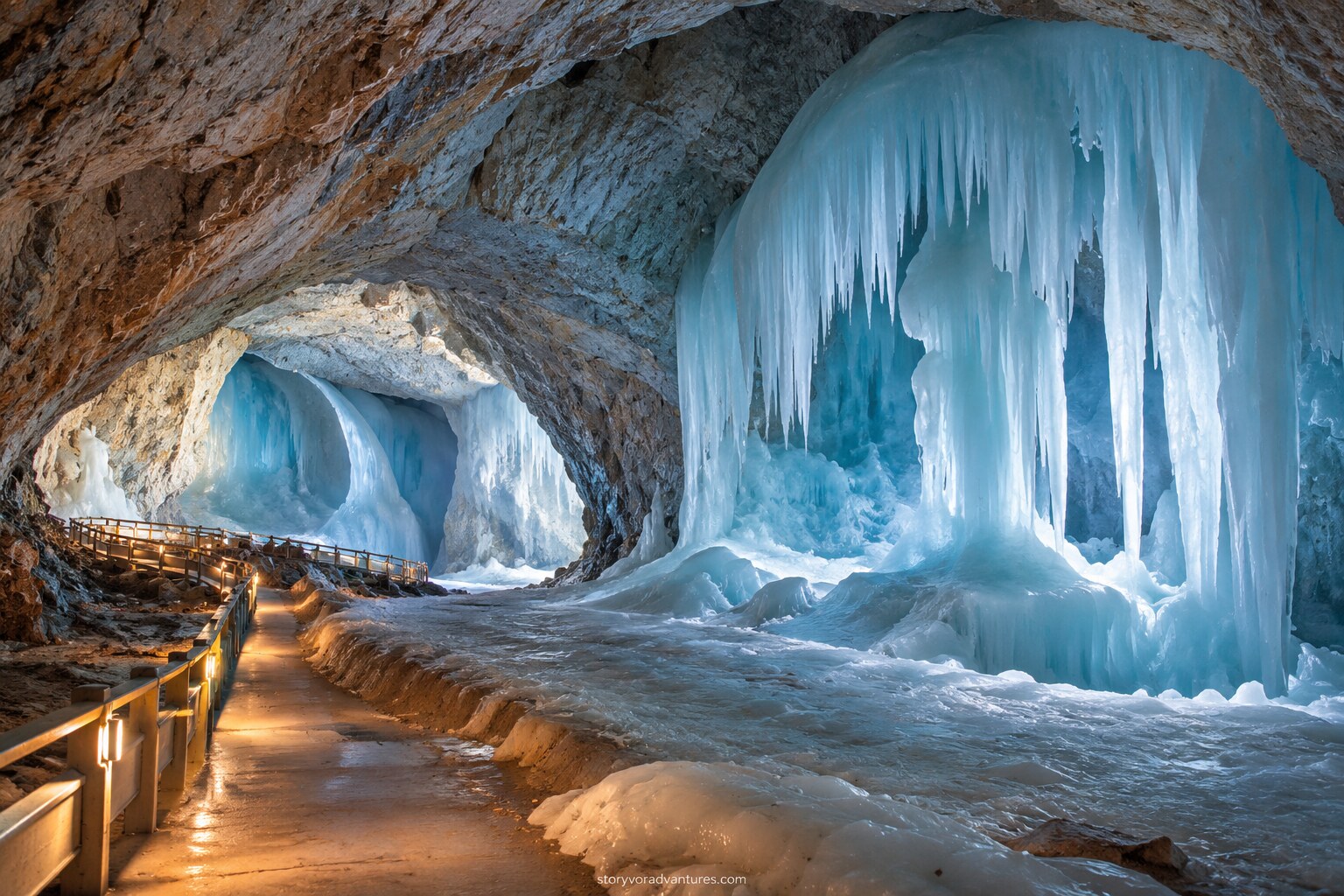
Eisriesenwelt, near Werfen, is known as one of the world’s largest ice-cave systems. Public tours take visitors through an illuminated section filled with natural ice formations.
Reaching the cave involves several stages, which may include driving or bus transport, walking, a cable-car journey and another uphill walk. The visit requires more physical effort than a typical indoor attraction.
The interior remains cold even during summer, and sections of the tour include numerous steps. Warm clothing, sturdy footwear and realistic expectations about fitness are essential.
The cave normally operates seasonally, and weather can interrupt access. Check the official Eisriesenwelt website for current arrangements, ticketing and visitor requirements.
14. Bad Gastein
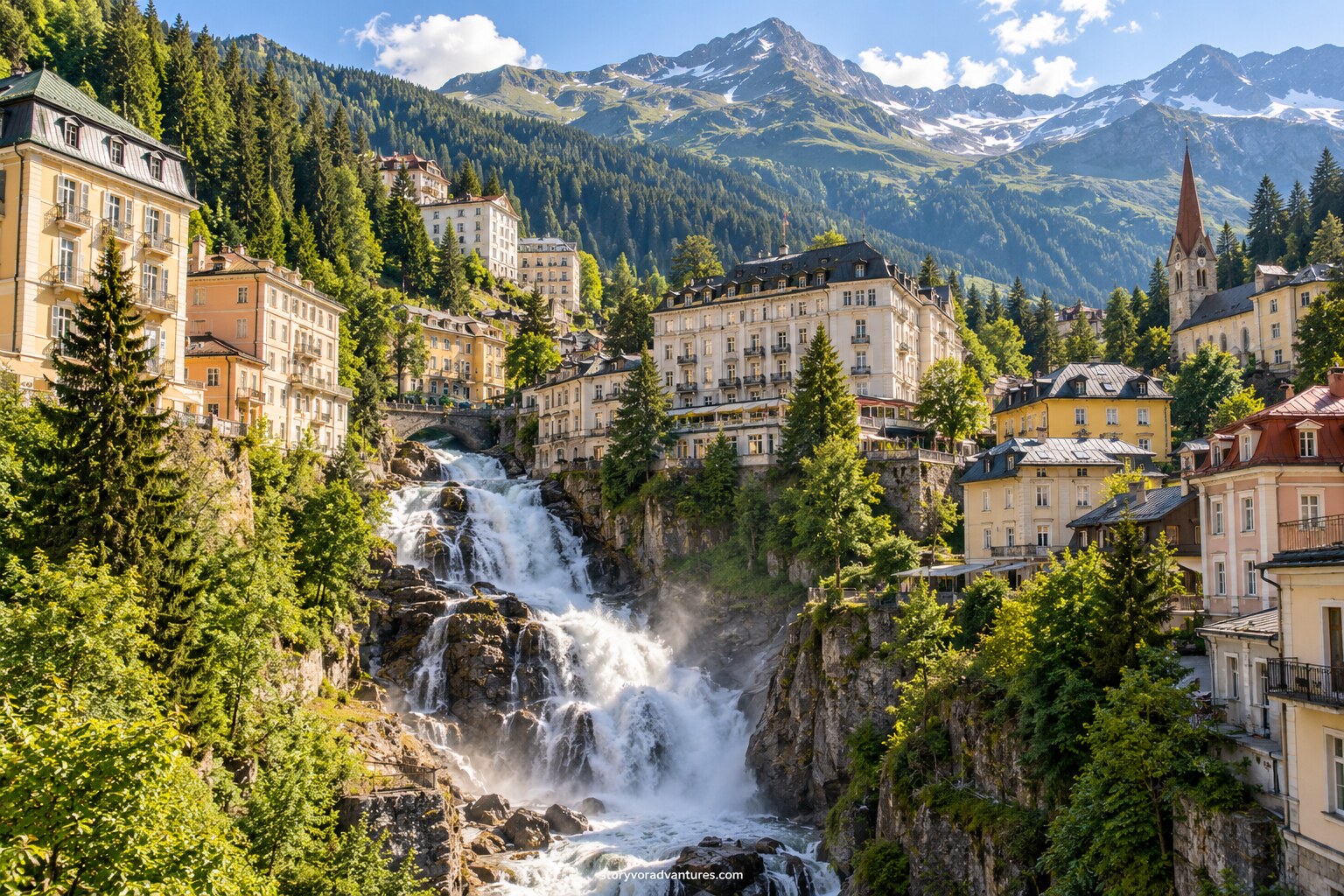
Bad Gastein is built along steep mountain slopes, with grand historic buildings surrounding a waterfall that runs through the centre. Its unusual layout gives the town a very different appearance from Austria’s flatter cities.
The destination developed around thermal water and mountain tourism. Visitors can explore the centre, use operating spa facilities or take lifts towards hiking and snow-sport areas, depending on the season.
Because of the steep streets, selecting accommodation close to the railway station, lift or planned activities can reduce unnecessary walking with luggage.
Bad Gastein works well for travellers wanting to slow down between larger cities. Two nights provide enough time to experience the town and one nearby mountain area without rushing.
15. Kitzbühel
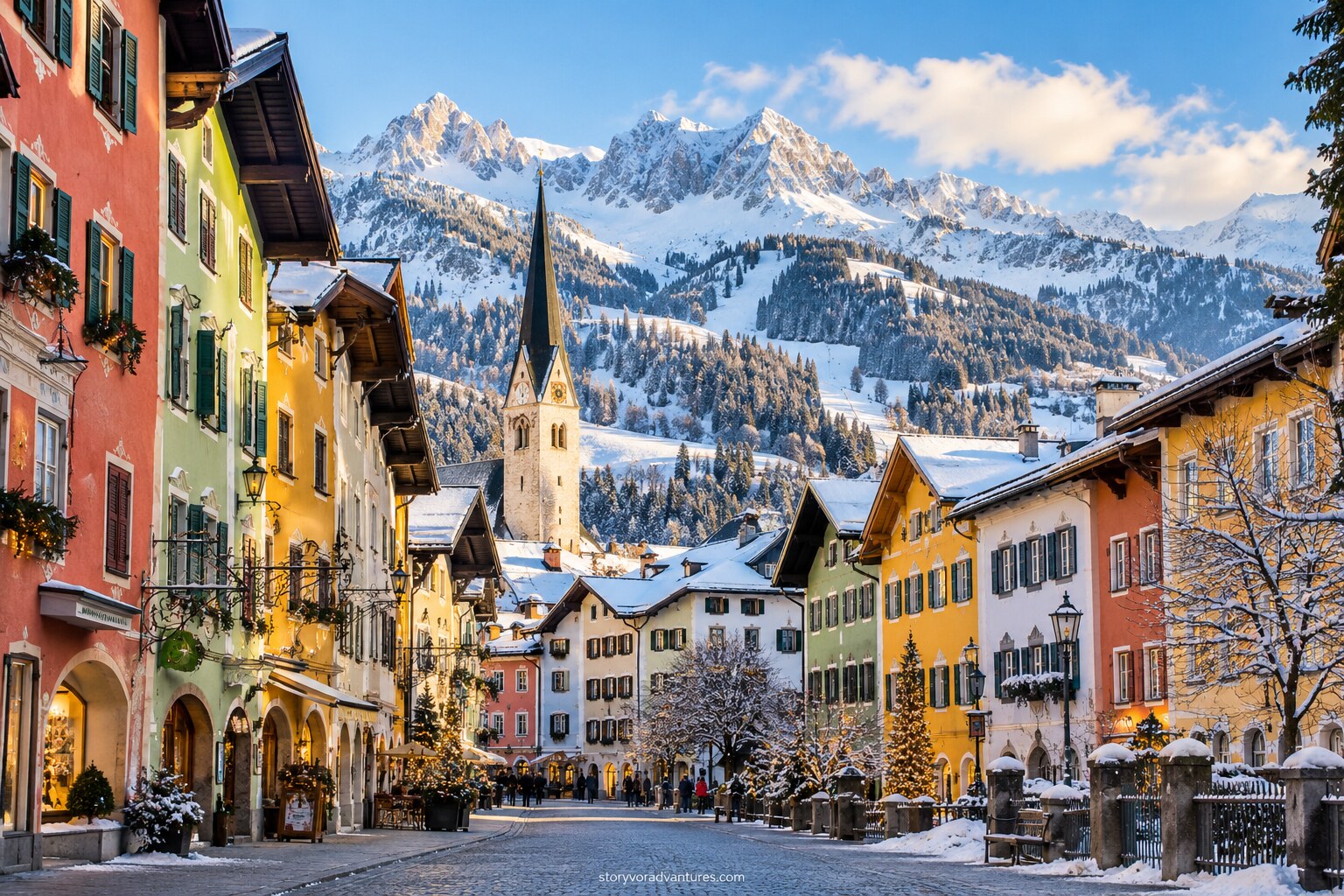
Kitzbühel is widely known as a winter-sports destination, but its colourful historic centre and surrounding mountains also attract visitors during warmer months.
The compact old town contains decorative buildings, shops, cafés and restaurants. Mountain lifts provide seasonal access to viewpoints and walking routes.
Winter accommodation can become expensive during major events and peak ski periods. Travellers who are not visiting specifically for skiing may find spring, summer or autumn more comfortable.
Kitzbühel can be combined with Innsbruck, Salzburg or other Tyrolean destinations, but visitors should compare train connections and travel time before choosing it as a day trip.
16. St. Anton am Arlberg
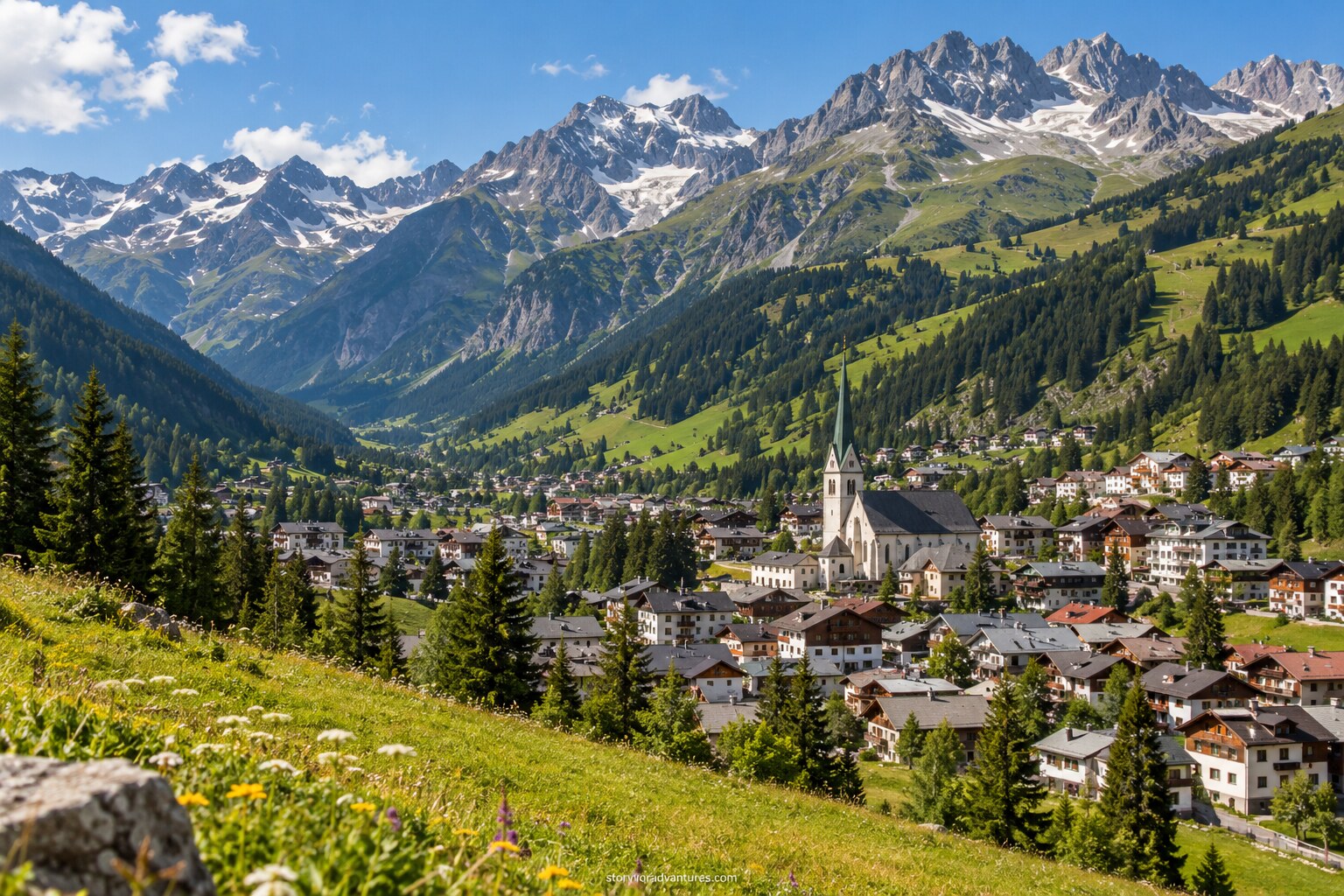
St. Anton am Arlberg is closely associated with Alpine skiing and mountain culture. During winter, it attracts experienced snow-sport visitors, while summer brings hiking and quieter mountain scenery.
The destination is well connected by rail, allowing travellers to arrive without driving through mountain conditions. Accommodation near the station or lifts can make a short stay easier.
Winter visitors should select slopes and activities suited to their ability. Mountain conditions, avalanche information and lift operations must be taken seriously rather than treated as ordinary sightseeing details.
Outside the ski season, travellers must check which lifts, restaurants and services are operating. Mountain resorts may have quieter periods when some businesses temporarily close.
17. Bregenz and Lake Constance
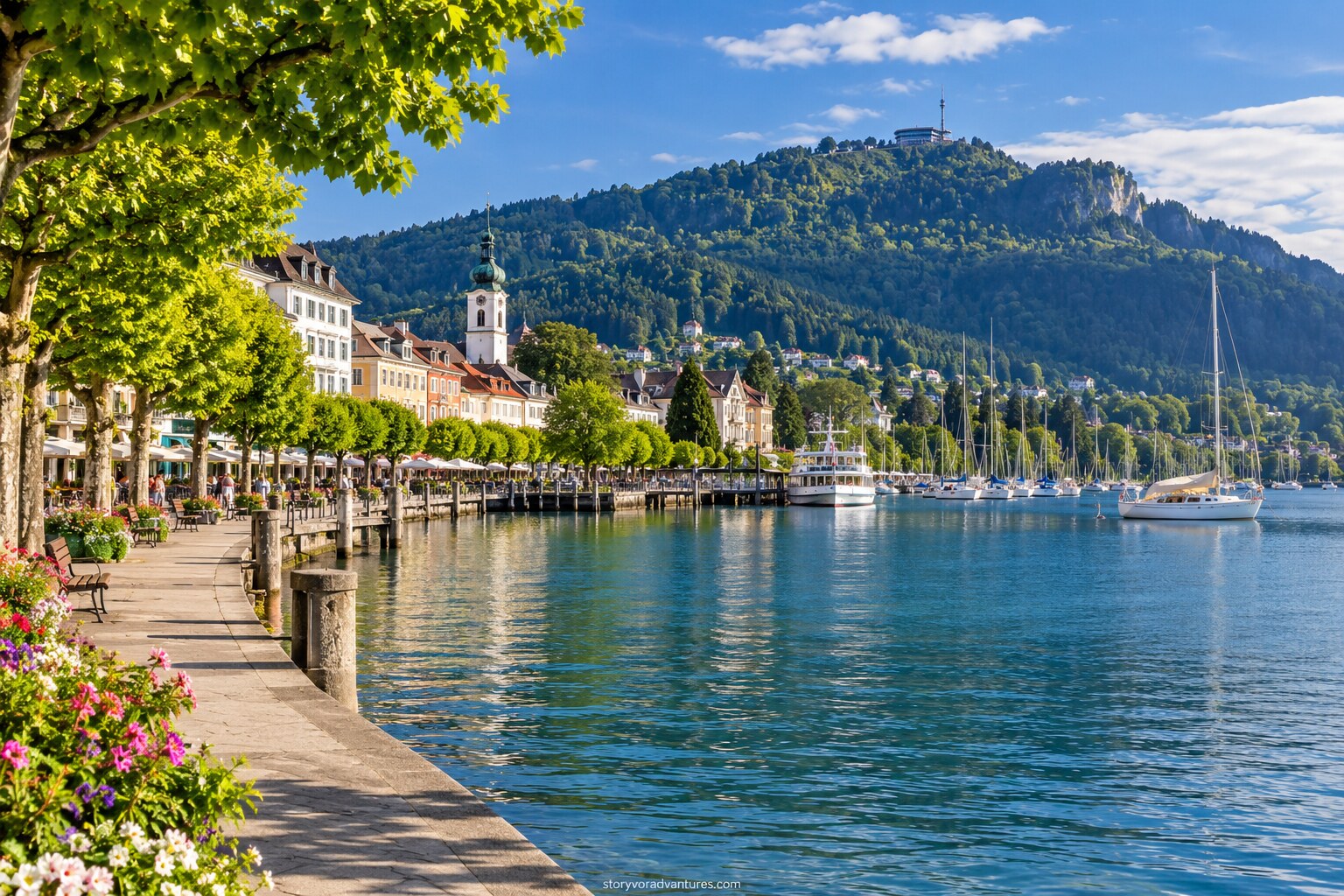
Bregenz sits beside Lake Constance near Austria’s borders with Germany and Switzerland. The city is known for its lakeside setting, cultural events and access to the Pfänder mountain.
A cable car connects the city with elevated views over the lake and surrounding countries. Visibility varies with weather, so travellers should check conditions before paying specifically for the panorama.
The lakeside promenade provides an easy place for walking or cycling. Bregenz is also famous for its summer festival and floating stage, which can increase demand for accommodation.
The city can form part of a wider cross-border journey, but visitors should check whether their train ticket, rental-car agreement or transport pass covers travel outside Austria.
18. Klagenfurt and Wörthersee
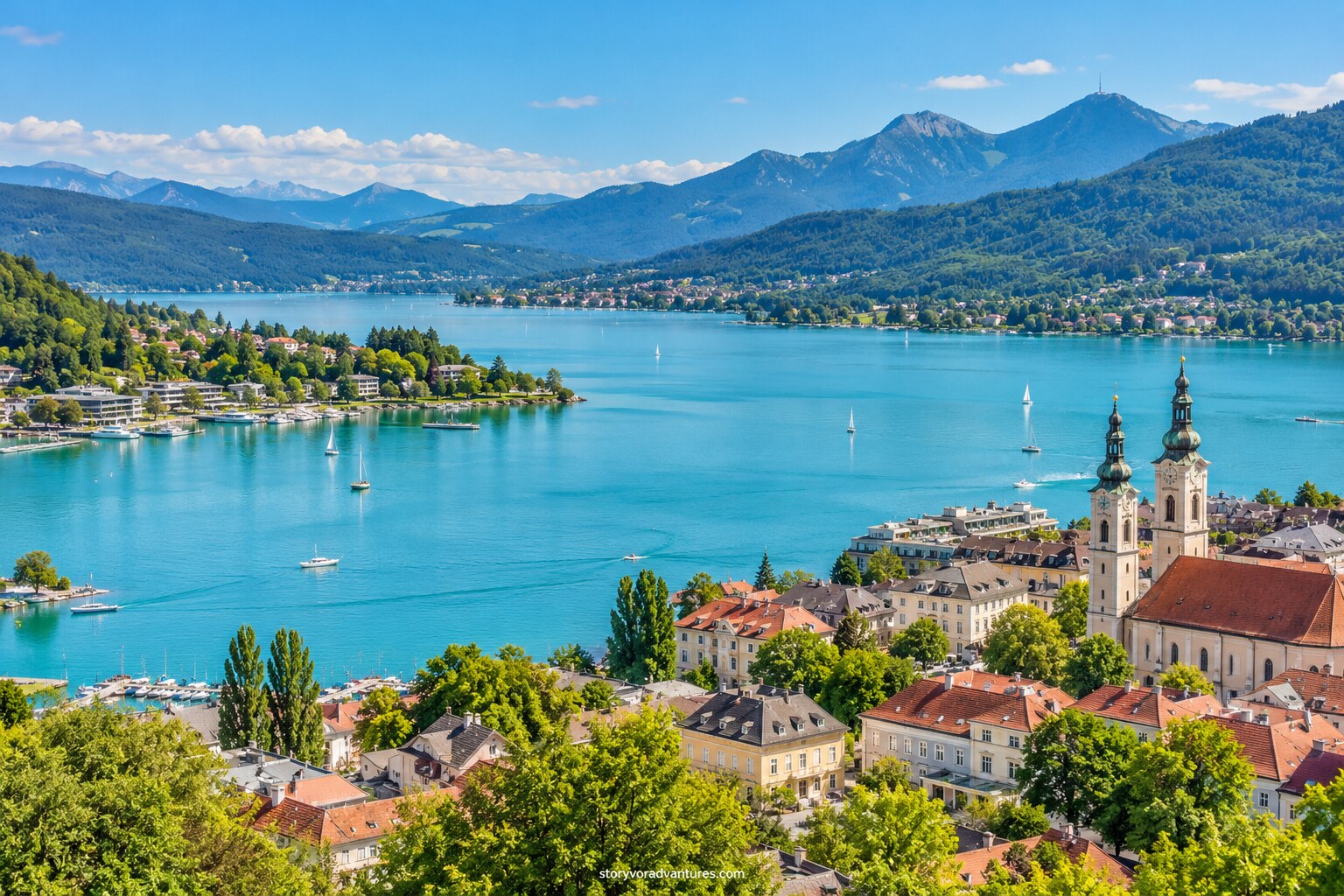
Klagenfurt is the capital of Carinthia and is located close to Wörthersee, one of Austria’s best-known lakes. The city’s centre contains colourful squares and Renaissance-style courtyards.
During summer, the lake becomes the main attraction. Visitors can find bathing areas, boat services and waterside communities such as Velden and Pörtschach.
Klagenfurt offers a practical combination of urban accommodation and lake access. It can also work as a base for travellers continuing towards southern Austria, Slovenia or northern Italy.
Lake services and outdoor activities are seasonal. Travellers visiting outside summer should check schedules rather than expecting the same range of boat and recreation options.
19. Gesäuse National Park
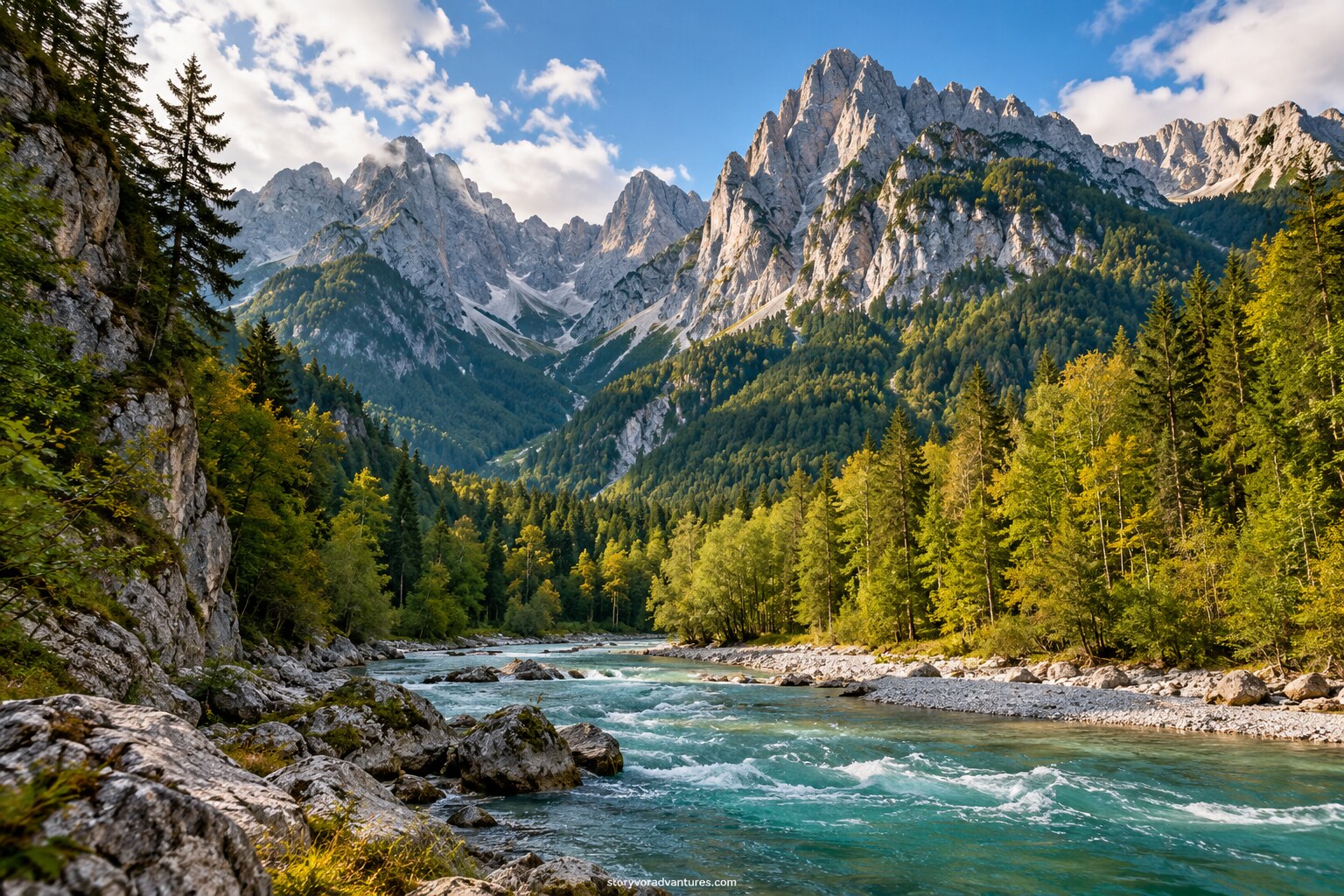
Gesäuse National Park is known for steep limestone mountains, forested valleys and the Enns River. It is less internationally famous than several Austrian Alpine regions, which can make it appealing to travellers seeking quieter scenery.
The park offers walking routes with different difficulty levels, but distances and elevation should be studied carefully. A short trail near a valley is very different from a demanding mountain route.
Weather can change quickly, and mobile reception may be inconsistent in remote areas. Visitors should carry appropriate clothing, water, food and an offline map.
Travellers should use marked trails and avoid disturbing wildlife. The Gesäuse National Park website provides information about visitor centres, routes and current conditions.
20. Linz
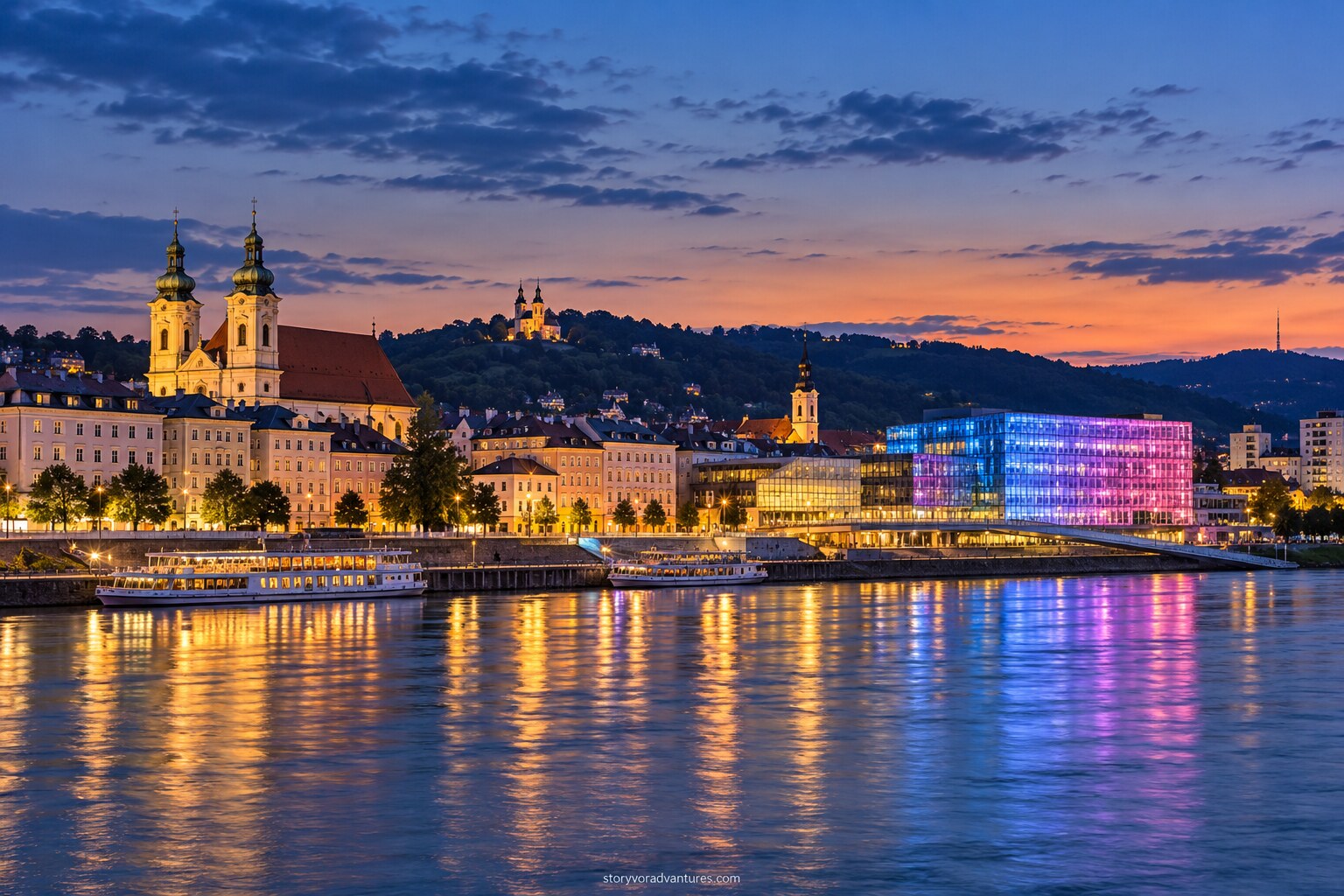
Linz is located on the Danube between Vienna and Salzburg. It combines historic streets with modern art, technology and riverside public spaces.
The main square forms the centre of the old town, while the Ars Electronica Center explores technology, media and science through interactive exhibitions. Across the river, the Lentos Art Museum adds a strong modern architectural element.
The Pöstlingberg area provides elevated city views and can be reached using public transport. Linz also works as a convenient stop for travellers who do not want to complete the Vienna-to-Salzburg journey in one stretch.
One or two days are sufficient for the principal sights. Its location and rail connections make Linz easy to add without requiring a complicated detour.
Getting Around Austria
Austria’s railway system is one of the easiest ways to travel between Vienna, Salzburg, Innsbruck, Graz and Linz. Tickets can be purchased through the official ÖBB website or its mobile application.
Advance-discount tickets may offer lower prices, but they can be tied to a specific train and may have stricter cancellation conditions. Flexible tickets cost more but can be useful when plans may change. ÖBB states that its domestic Sparschiene fares can begin from €9.90, subject to availability and the conditions of the selected service. oebb.at
Seat reservations are separate from some train tickets. They may be worthwhile on busy routes, weekends and holidays. Always confirm whether the selected fare includes a reservation.
Regional buses connect many lakes, villages and mountain areas. Check the final return service before beginning a day trip, as rural evening departures may be limited.
Driving in Austria
Driving is useful for the Salzkammergut, mountain valleys and rural areas, but it is unnecessary for a trip focused on major cities.
A vignette is required on Austria’s motorways and expressways for applicable vehicles up to 3.5 tonnes. Some specific roads and tunnels require additional route tolls. asfinag.at
Digital vignettes are available for different periods through the official ASFINAG toll shop. Certain online purchases may have delayed validity because of consumer-protection rules, while one-day and ten-day products are treated differently. Confirm the start date before driving. asfinag.at
If hiring a car, ask whether the rental already includes a valid Austrian vignette. Travellers entering from another country must not assume that the vehicle is automatically covered.
Winter tyres, snow chains and seasonal equipment may be legally required depending on conditions and dates. Verify the current rules before a winter road trip.
Currency and Payments
Austria uses the euro. Debit cards and credit cards are widely accepted, particularly in hotels, supermarkets and major attractions.
However, some smaller cafés, rural businesses or mountain facilities may prefer cash or impose a minimum card-payment amount. Carrying a moderate amount of euros is therefore sensible.
Travellers should avoid exchanging large amounts at airports without comparing rates. Bank-operated ATMs may provide clearer fees than privately operated tourist-area machines, but card-provider charges still need to be checked.
Estimated Austria Travel Budget
Austria can accommodate different budgets, but costs vary considerably between Vienna, rural guesthouses and famous ski resorts.
A budget traveller using hostels, supermarkets and advance train tickets might spend approximately €80–€120 per person per day. A mid-range traveller using private hotel rooms, restaurants and several paid attractions may need approximately €150–€250 per person per day.
These are planning estimates rather than guaranteed prices. Ski trips, festival periods, mountain cable cars and peak summer dates can raise costs significantly.
Booking accommodation and long-distance trains early can reduce expenses. City passes should be purchased only after comparing their price with the attractions you genuinely plan to visit.
Where to Stay in Austria
For a first trip, Vienna’s Innere Stadt provides maximum convenience but usually at a higher price. Neighbourhoods near a U-Bahn station can offer better value without making sightseeing difficult.
In Salzburg, accommodation within or immediately beside the old town is convenient, while locations near the railway station may work better for travellers making multiple day trips.
In the Alpine regions, choose accommodation according to transport access. A beautiful remote guesthouse may become inconvenient without a car, while a property near a station or bus stop can simplify the entire stay.
Always examine the exact location on a map instead of relying only on the destination name shown by a booking website.
Best Time to Visit Austria
Spring brings mild weather, flowers and fewer visitors than peak summer, although mountain conditions can remain unpredictable.
Summer is suitable for lakes, scenic drives and hiking. It is also a busy period in Salzburg, Hallstatt, Vienna and other popular destinations.
Autumn offers vineyard scenery and comfortable city sightseeing, but daylight becomes shorter and some seasonal mountain facilities begin closing.
Winter is ideal for Christmas markets and snow activities. Travellers should expect cold conditions, shorter daylight and higher prices in famous ski resorts.
There is no single perfect month for every Austrian trip. Choose the season according to the activities that matter most and confirm seasonal closures before finalising the route.
Practical 12-Day Austria Itinerary
Day 1: Arrive in Vienna
Check into your accommodation and begin with a relaxed walk around the historic centre. Visit St. Stephen’s Cathedral and explore the surrounding streets.
Day 2: Imperial Vienna
Visit Schönbrunn Palace in the morning and spend the afternoon around the Hofburg, Ringstrasse or MuseumsQuartier.
Day 3: Vienna and Wachau Preparation
Explore Belvedere Palace, a museum or a residential neighbourhood. Keep the evening free rather than scheduling another major attraction.
Day 4: Wachau Valley and Melk
Travel to Melk Abbey and continue through the Wachau Valley. Depending on seasonal schedules, use trains, buses, bicycles or a boat.
Day 5: Linz
Travel to Linz, explore the old town and visit the Ars Electronica Center or riverside area. Continue to Salzburg in the evening or stay overnight.
Day 6: Salzburg
Explore Hohensalzburg Fortress, Getreidegasse, Mozart-related landmarks and Mirabell Gardens.
Day 7: Salzkammergut
Take a planned day trip into the Salzkammergut. Select Hallstatt, St. Wolfgang or another lake destination instead of trying to cover the entire region in one day.
Day 8: Zell am See and Kaprun
Travel towards Zell am See. Explore the lakeside and choose one mountain excursion according to weather.
Day 9: Grossglockner or Krimml
Use this day for the Grossglockner High Alpine Road if travelling by car and the road is open. Travellers using public transport can consider Krimml Waterfalls or another organised excursion.
Day 10: Innsbruck
Travel to Innsbruck and explore the old town. Use the Nordkette cable car only if visibility and operating conditions are suitable.
Day 11: Innsbruck and Tyrol
Spend another day in the mountains or take a carefully selected regional trip. Avoid combining several distant resorts in one day.
Day 12: Departure
Depart from Innsbruck, Salzburg, Munich or return to Vienna, depending on flight arrangements. Leave generous time for long rail connections.
Travellers wanting to include Graz, Klagenfurt or Bregenz should extend the trip to at least 15–18 days instead of forcing all 20 locations into 12 days.
Visa and Entry Requirements
Austria is part of the Schengen Area. Visa requirements depend on nationality, passport and the nature of the trip.
Travellers who require a Schengen visa may need proof of accommodation, financial means, return arrangements and appropriate travel medical insurance. Austria’s official guidance states that applicable insurance should provide at least €30,000 of coverage throughout the Schengen Area. oesterreich.gv.at
Do not depend on a blog for the final decision. Check current instructions through the Austrian government visa portal and the Austrian representation responsible for your place of residence.
Mobile Data and Useful Applications
Travellers can use international roaming, an eligible European SIM or a travel eSIM. Compare data limits and coverage before purchasing.
The ÖBB application is useful for train schedules and tickets. City transport applications can help in Vienna, Salzburg and other urban areas.
Download offline maps before visiting lakes and mountains. Digital tools are helpful, but they should not replace official trail signs, weather warnings or transport notices.
Austrian Food to Try
Austria’s food varies by region. Wiener Schnitzel is among its best-known dishes, while Tafelspitz, dumplings, soups and regional cheese dishes provide additional options.
Salzburg is associated with Salzburger Nockerl, while Vienna’s coffeehouse culture includes cakes such as Sachertorte and Apfelstrudel. Kaiserschmarrn, a torn pancake-style dessert, is commonly found in mountain regions.
Travellers with dietary restrictions should check ingredients instead of assuming that a vegetable-labelled dish is vegetarian. Broths, sauces and dumplings may contain meat-based ingredients.
Tipping practices can differ from those in other countries. In restaurants, customers generally state the total amount they wish to pay instead of leaving loose change silently on the table.
Responsible and Safe Travel
Mountain conditions can change quickly. Select walks according to experience, available daylight and current weather rather than photographs seen online.
Remain on marked trails, close gates when required and avoid entering private fields. Alpine animals should not be approached or fed.
In Hallstatt and other small communities, keep noise low, respect private homes and avoid blocking narrow streets for photographs.
Use refillable water bottles, public transport and locally owned accommodation when practical. Responsible travel helps reduce pressure on famous destinations while supporting smaller communities.
Final Thoughts
Austria works equally well for a city-focused holiday, a scenic rail journey or a longer Alpine road trip. Vienna and Salzburg provide art, architecture and history, while the Salzkammergut, Tyrol and Hohe Tauern reveal the country’s natural side.
The best itinerary is not the one containing the greatest number of stops. A thoughtful route with longer stays in a few regions usually creates a more enjoyable experience than changing hotels every night.
For a first visit, combine Vienna, the Wachau Valley, Salzburg, the Salzkammergut and Innsbruck. Travellers with additional time can add Graz, Zell am See, Carinthia or western Austria.
With realistic travel times, advance reservations and respect for mountain conditions, Austria can offer one of Europe’s most varied and rewarding journeys.
Opening hours, transport schedules, road access, admission prices and visa requirements can change. Confirm important details through official sources before departure.