Tasmania Travel Guide 2026: 15 Breathtaking Places on Australia’s Wild Island
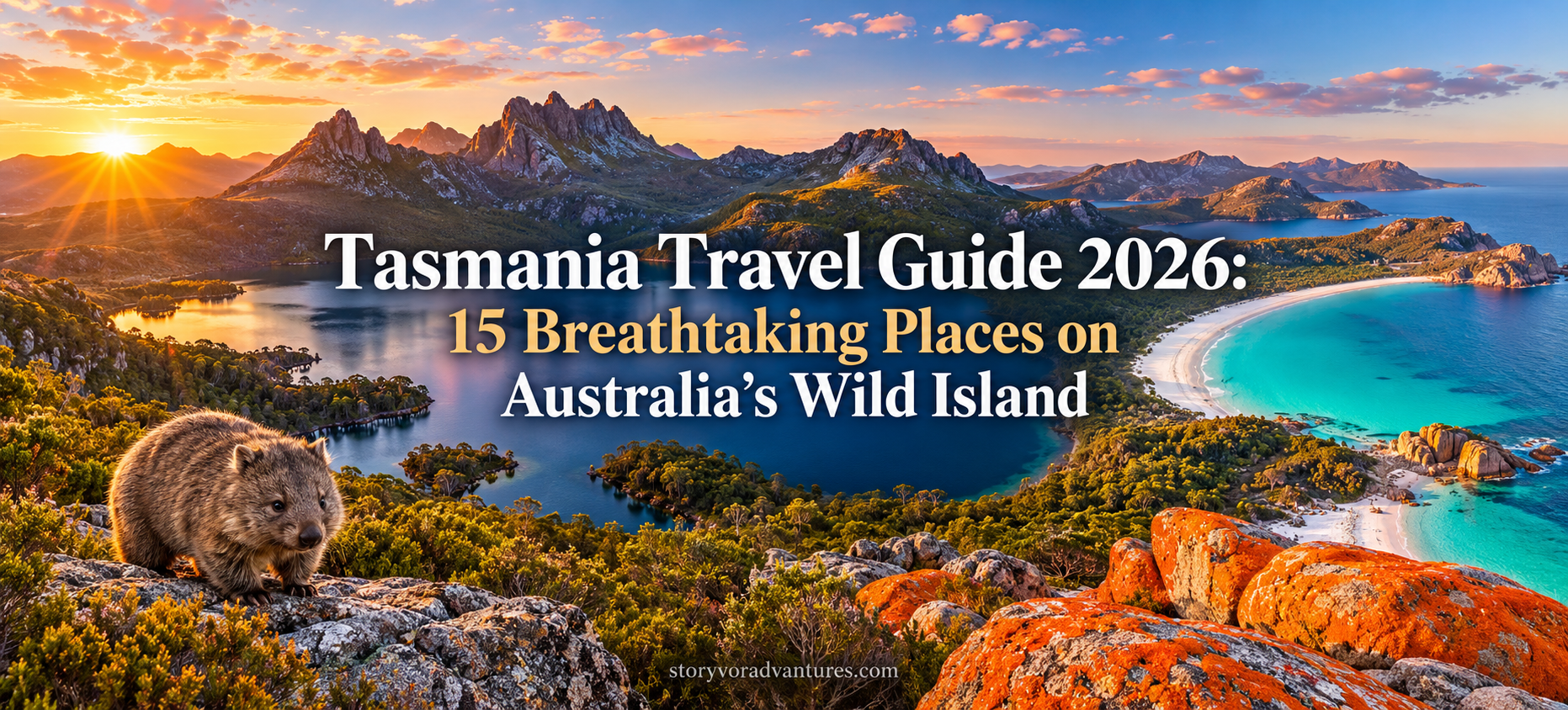
Discover 15 breathtaking places in Tasmania, from Cradle Mountain and Wineglass Bay to wild beaches, rainforests and historic towns.
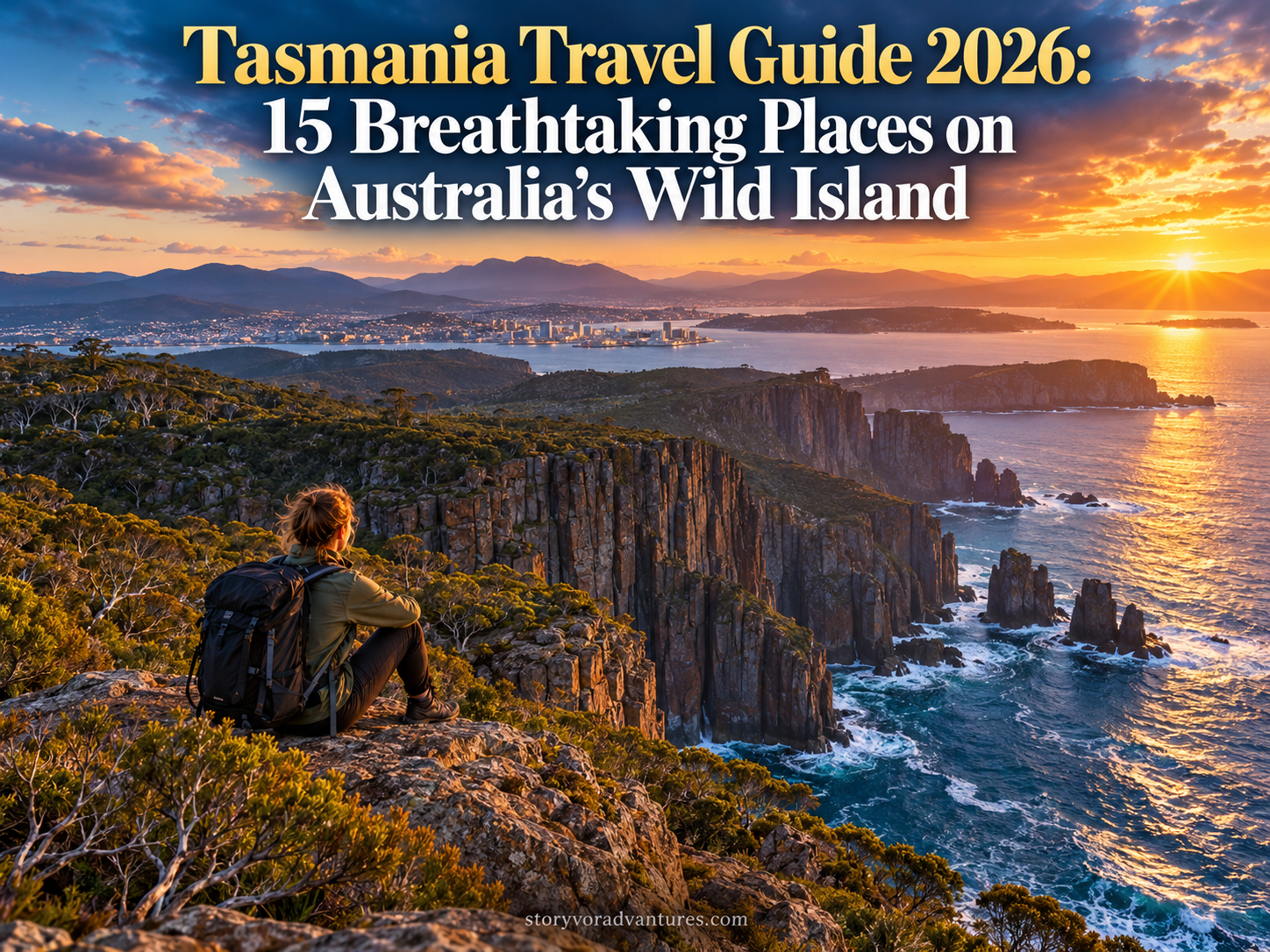
Tasmania offers dramatic mountains, ancient rainforests, white-sand beaches, historic towns and distinctive wildlife. Located south of mainland Australia, the island is well suited to road trips, walking and nature-focused travel. This guide introduces 15 notable places and provides practical information for planning a flexible Tasmania itinerary.
Planning Tip: Weather, park access, and road conditions change rapidly down here. Always confirm the latest information through the officialDiscover Tasmaniawebsite before you hit the road!
Quick Tasmania Trip-Planning Guide
Best Time to Visit
- Summer (December to February):Summer is popular for hiking and visiting beaches because of its longer daylight hours and generally warmer conditions. You get longer daylight hours and warmer conditions. It is peak season, so book your rental car and accommodation months in advance!
- Autumn (March to May): Highly underrated. The landscapes turn incredibly colorful (especially the turning of the fagus leaves), and the hiking trails are much quieter.
- Winter (June to August): Dramatic, snowy, and freezing. Great if you want to sit by a log fire with local whisky, but shorter daylight hours and icy roads require serious preparation.
- Spring (September to November): The island wakes up. It’s the best time for spotting baby wildlife and blooming wildflowers, though the weather can be wildly unpredictable.
The Basics
- Ideal trip duration: 10–14 days (Don’t try to rush it in 5 days; the driving times will exhaust you).
- Main gateways: Fly into Hobart Airport (South) or Launceston Airport (North).
- Best way to explore: Renting a car or campervan is an absolute must.
- Driving side: Left.
1. Cradle Mountain and Dove Lake
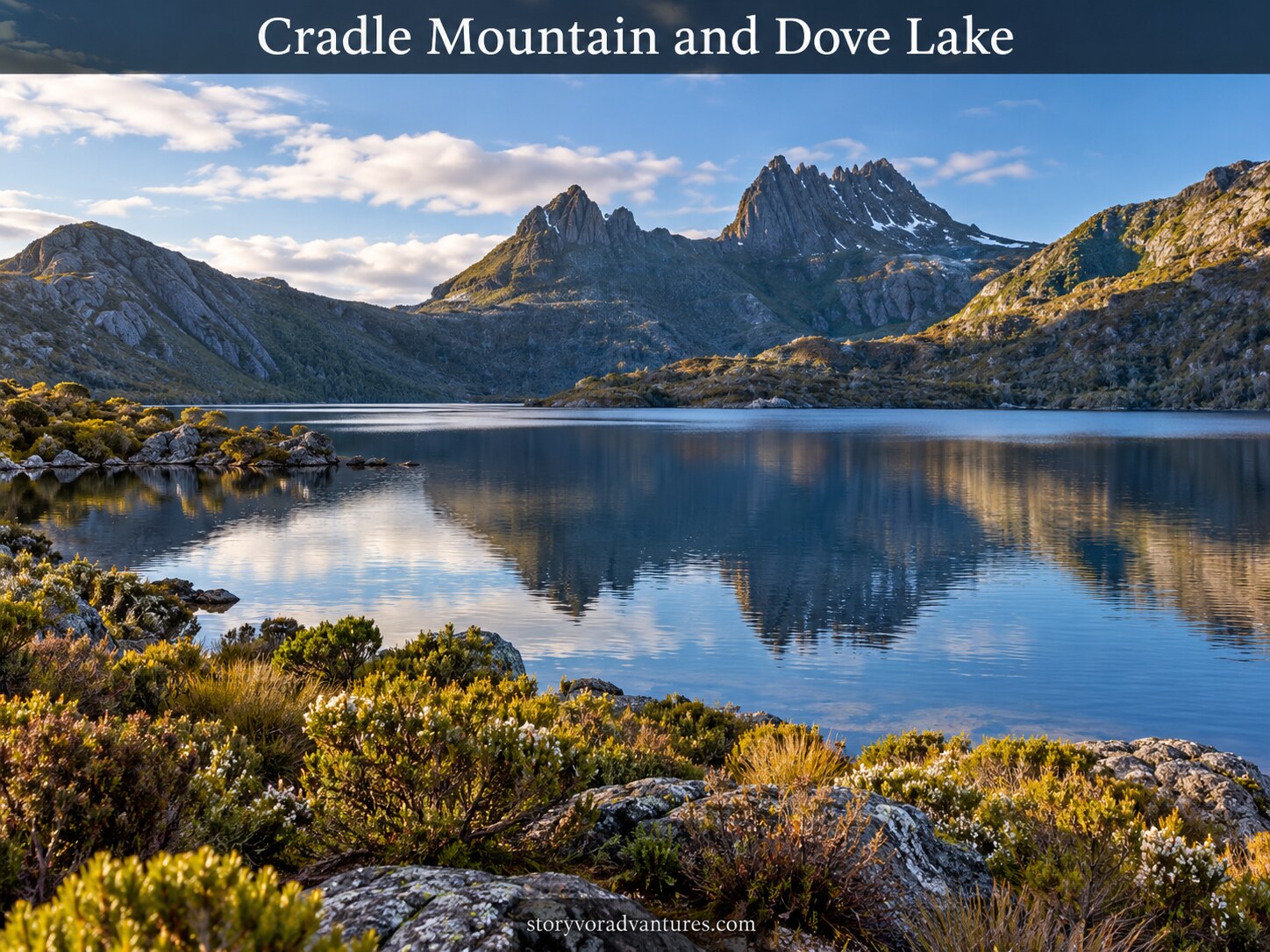
Cradle Mountain–Lake St Clair National Park is one of Tasmania’s best-known natural areas. The jagged mountain peaks above Dove Lake create a striking landscape that can change quickly with sunshine, cloud, rain or fog.
The Dove Lake Circuit is a popular option for exploring the area. Visitors seeking a shorter walk can consider the Enchanted Walk near the visitor centre.
- How to Get There: About a 2-hour drive from Launceston. You must park at the visitor center and take the mandatory shuttle bus into the park.
- Must-Try Local Experience: Booking a post-hike session at the Waldheim Alpine Spa to soak in a hot tub overlooking the pencil pine forest.
- Hidden Gem: The Crater Lake walk. It’s slightly steeper but less crowded than Dove Lake and features stunning, dark alpine waters.
2. Wineglass Bay
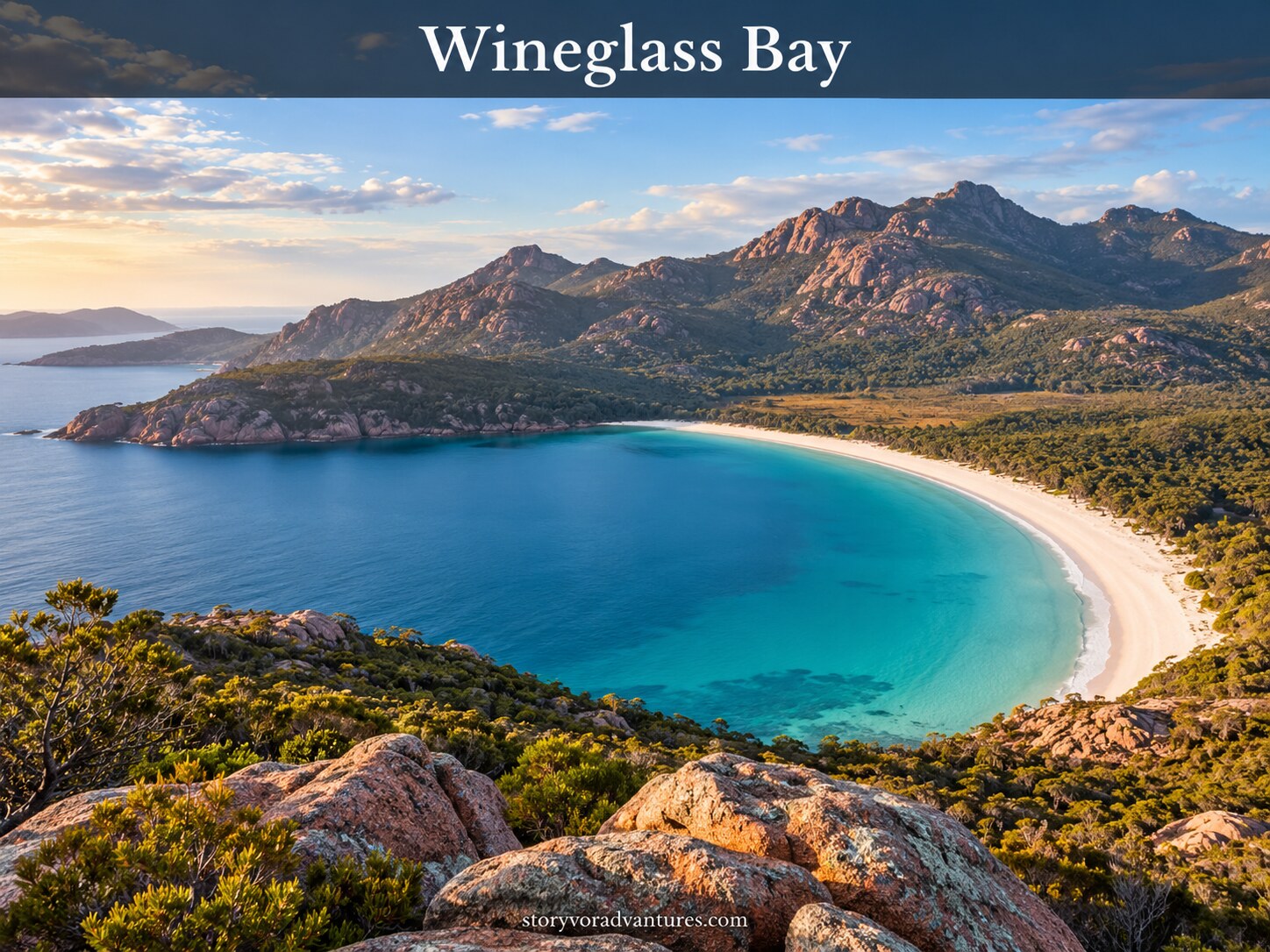
Wineglass Bay is the absolute signature landscape of Freycinet National Park. The lookout reveals the curved white beach, turquoise water and pink-granite Hazards mountain range. I hiked up to the lookout; seeing that perfectly curved white beach against the turquoise water and the pink-granite Hazards mountains was unreal.
The hike to the lookout is steep and has a lot of stairs, but the view is worth every drop of sweat. If you have the energy, hike all the way down to the beach itself. Just remember, what goes down must hike back up!
- How to Get There: A 2.5-hour drive from Hobart or Launceston to the Freycinet visitor car park.
- Must-Try Local Food: Freshly shucked oysters at the Freycinet Marine Farm, located just outside the national park entrance.
- Hidden Gem: Mt Amos. If you are an experienced scrambler and have grippy shoes, hiking Mt Amos offers a much higher, unobstructed, and dramatic view of the bay than the standard tourist lookout.
3. Hobart and Salamanca Market
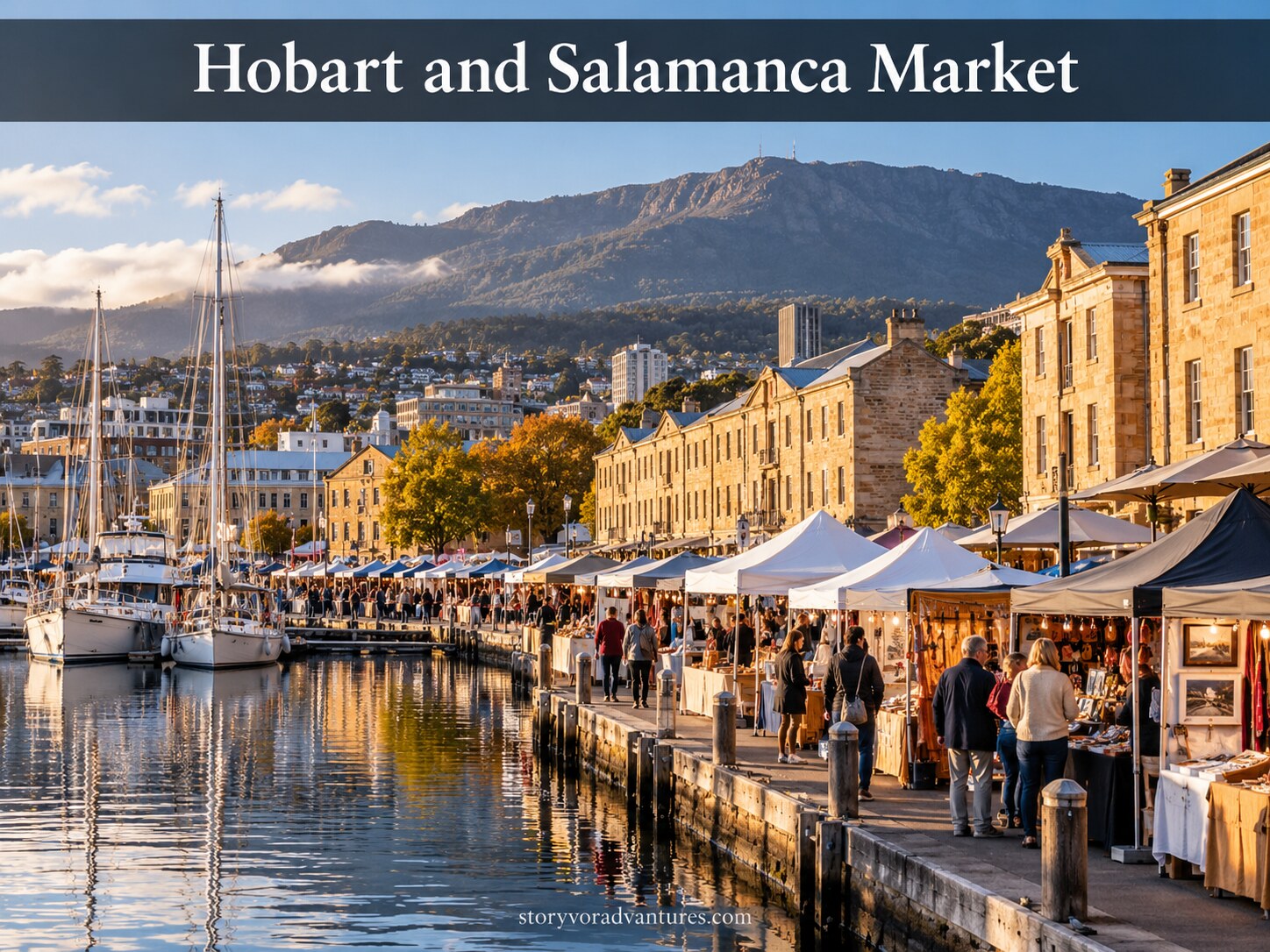
Hobart combines a historic maritime waterfront, a creative food culture and views towards Kunanyi/Mount Wellington. because it doesn’t feel like a sprawling metropolis. It perfectly combines a historic maritime waterfront, an incredibly creative food culture, and the imposing backdrop of Mount Wellington.
If you are here on a Saturday, you absolutely cannot miss the Salamanca Market. The Georgian sandstone warehouses of Salamanca Place provide the perfect backdrop for hundreds of stalls selling local honey, timber crafts, and artisanal gin. In the evening, visitors can walk around Constitution Dock and observe the working waterfront. to watch the fishing boats come in.
- How to Get Around: Hobart is highly walkable, especially around the waterfront and CBD.
- Must-Try Local Food: Scallop pies from any local bakery, and a dram of Tasmanian single malt whisky at a waterfront bar.
- Hidden Gem: Battery Point. Just a short walk up the hill from Salamanca, this neighborhood is filled with beautifully preserved 19th-century cottages and narrow, quiet streets.
4. Port Arthur Historic Site
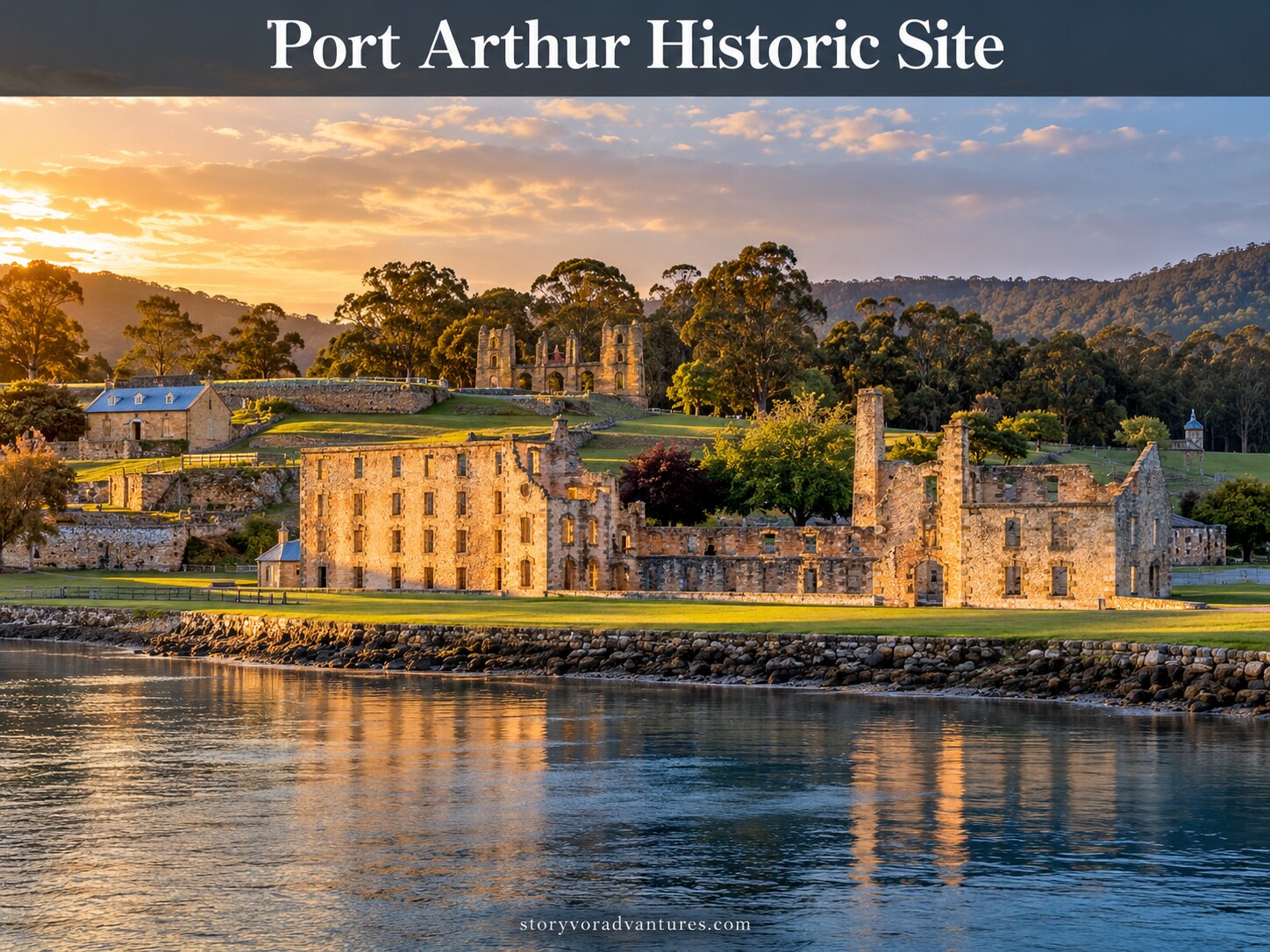
Visiting the Port Arthur Historic Site is an emotionally heavy but essential experience. It preserves a brutal chapter of Australian history when it operated as an inescapable penal colony. The ruins are hauntingly beautiful, sitting right on the edge of a peaceful harbor.
Allowing approximately four to five hours can provide enough time to explore the main areas without rushing. Your entry ticket usually includes a guided walking tour and a short harbor cruise past the Isle of the Dead. Taking the time to read the personal stories of the convicts makes the history come alive.
- How to Get There: A scenic 90-minute drive southeast of Hobart on the Tasman Peninsula.
- Must-Try Local Experience: The Port Arthur Ghost Tour. Conducted at night by lantern light, it explores the darker, supernatural lore of the ruins.
- Hidden Gem: The Separate Prison within the site, which was designed to inflict psychological punishment through complete silence and isolation—it’s a chilling, thought-provoking structure.
5. Bay of Fires
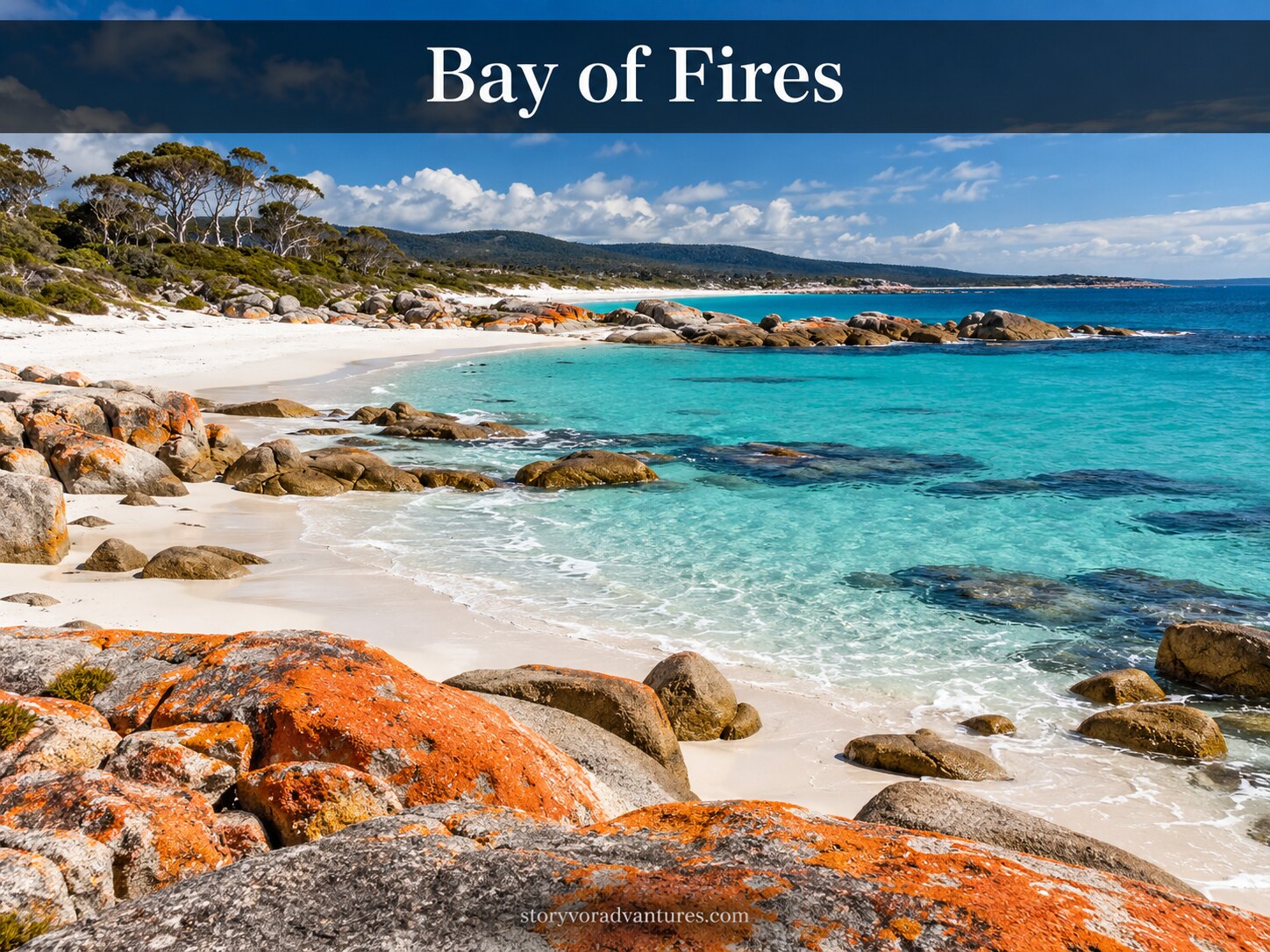
The Bay of Fires is well suited to coastal walks and landscape photography. The coastline stretches for kilometers, famous for its blindingly white sand, crystal-clear water, and massive granite boulders covered in bright, fire-orange lichen.
Binalong Bay is a practical place to begin exploring the coastline. You don’t just stand at one viewpoint here; you drive along the coast, pull over, and boulder-hop for hours. Sunrise here is spectacular when the light hits the orange rocks and makes them glow.
- How to Get There: About a 2.5-hour drive east from Launceston.
- Must-Try Local Experience: Joining an eco-cruise or a guided kayaking tour to see the coastline and local marine life from the water.
- Hidden Gem: Skeleton Bay Reserve. It offers a quieter walking track with incredible rock pools that are perfect for exploring at low tide.
6. Bruny Island
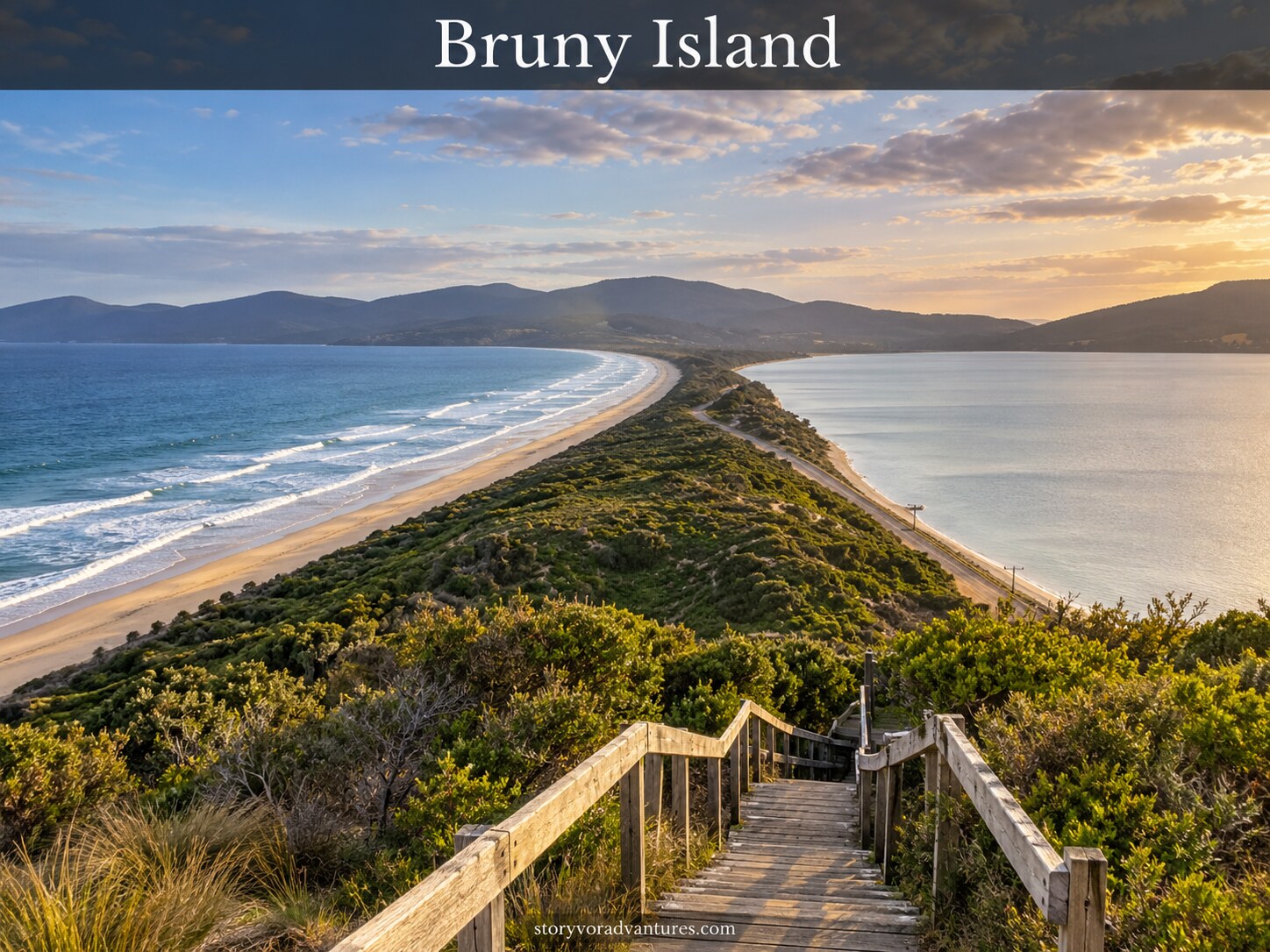
Bruny Island feels like a microcosm of everything great about Tasmania—rugged cliffs, sheltered beaches, rich wildlife, and insane regional food.
The most iconic spot is “The Neck,” a narrow isthmus connecting North and South Bruny. Climbing the wooden timber stairs to the lookout offers a 360-degree view that is especially atmospheric on a moody, cloudy day. Spending one night can provide more time to explore after many day visitors have returned to the mainland. to experience the island after the day-trippers go back to the mainland.
- How to Get There: A 40-minute drive south of Hobart to Kettering, followed by a 20-minute vehicle ferry ride.
- Must-Try Local Food: Bruny Island Cheese Co. (their wood-fired bread and artisan cheeses are legendary) and fresh berries from local farm gates.
- Hidden Gem: Adventure Bay for spotting the extremely rare white wallabies that live almost exclusively on this part of the island.
7. Freycinet National Park (Beyond Wineglass Bay)
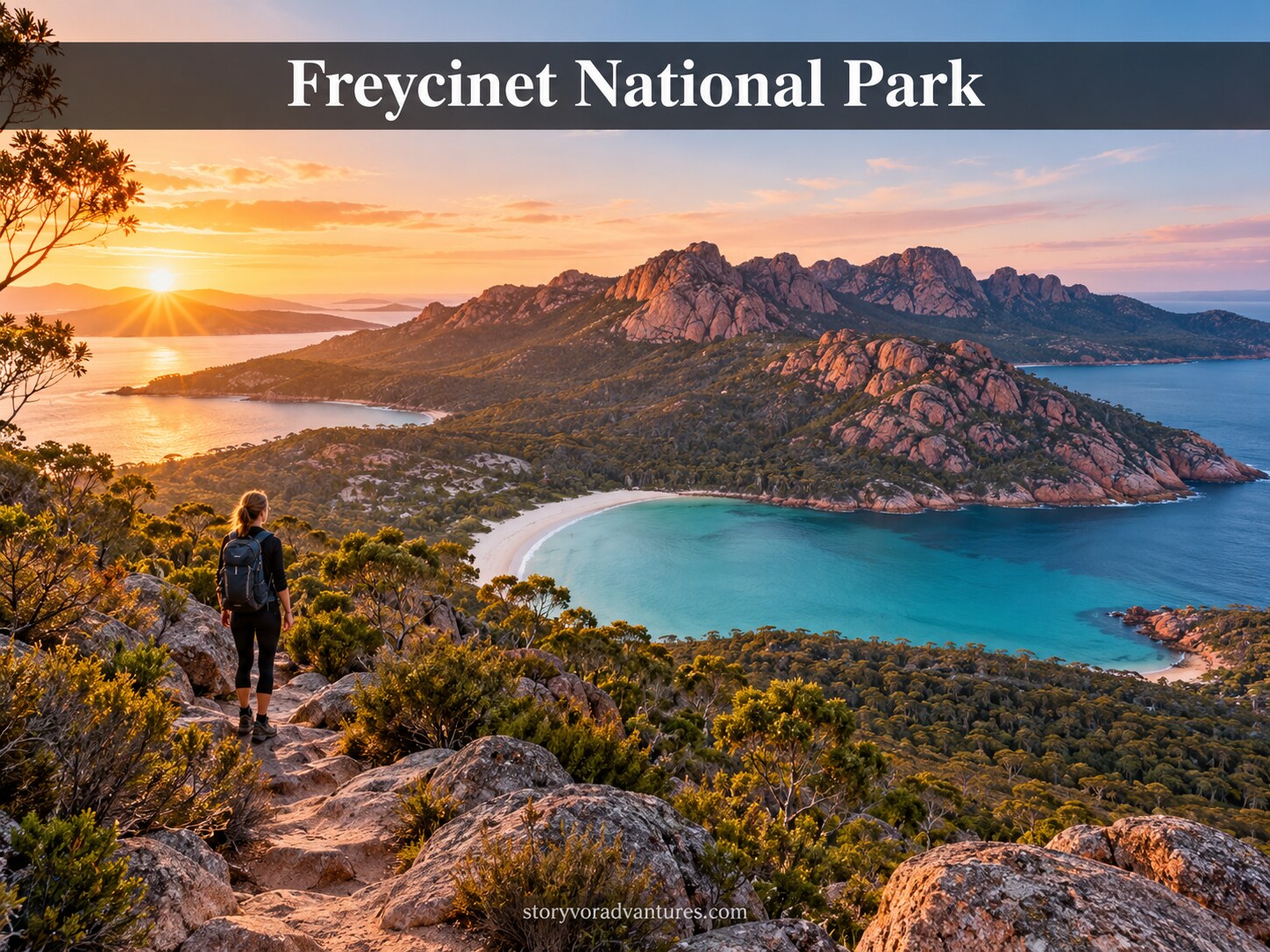
While most people just hike to Wineglass Bay and leave, Travellers with additional time can explore more of Freycinet National Park beyond Wineglass Bay. The peninsula is packed with secluded coves and dramatic coastal heathland.
If you want an accessible but stunning view, take the boardwalk circuit at Cape Tourville. The elevated path gives you sweeping views of the Tasman Sea, and you can often spot whales migrating during the season. For a quiet picnic, Honeymoon Bay can be considered for a quieter picnic beside relatively sheltered water. with its calm, crystal-clear waters.
- How to Get There: Same access as Wineglass Bay, via Coles Bay.
- Must-Try Local Experience: Sea kayaking at dusk in Great Oyster Bay, looking back at the pink Hazards mountains turning purple in the sunset.
- Hidden Gem: Sleepy Bay. It requires a short hike down, but it offers a much more rugged, rocky coastline with far fewer tourists.
8. Mount Field National Park and Russell Falls
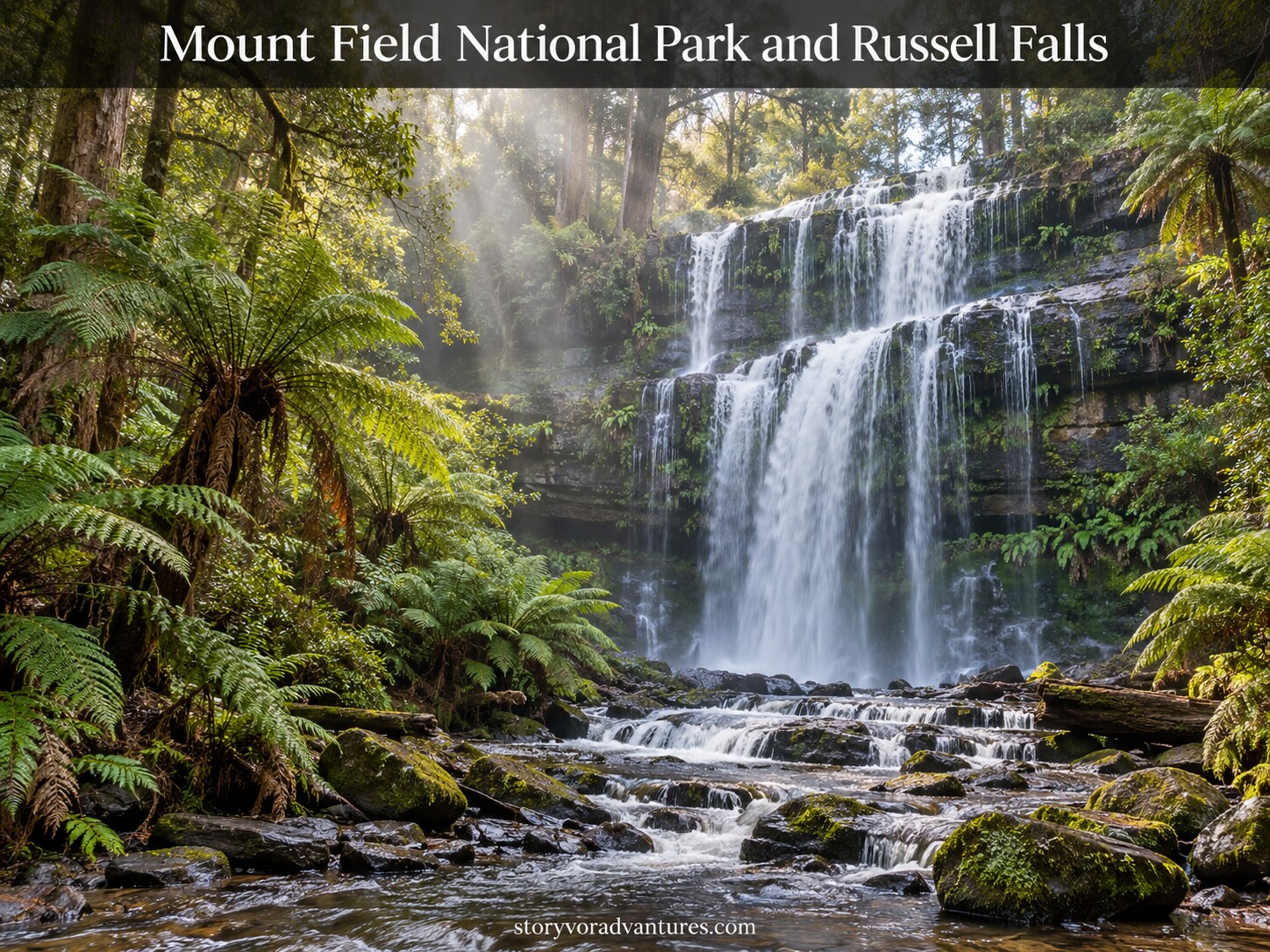
Mount Field National Park is one of Tasmania’s oldest national parks and is a practical day trip from Hobart. It offers a Jurassic Park-style experience with its damp fern forests and towering swamp gum trees.
Russell Falls is the star attraction. The path is flat, paved, and incredibly accessible. The multi-tiered waterfall cascading down into the lush green canopy is mesmerizing. If you have time, continue the loop up to Horseshoe Falls and the Tall Trees Walk to truly appreciate the scale of this ancient forest.
- How to Get There: Just over an hour’s drive northwest from Hobart.
- Must-Try Local Experience: Visiting the park at night (with a red-light torch) to see the glow worms living on the damp mossy banks near Russell Falls.
- Hidden Gem: Lake Dobson. Located at the top of the mountain via a winding, unsealed road, this alpine lake offers a completely different, rugged landscape compared to the lush rainforest below.
9. Launceston and Cataract Gorge
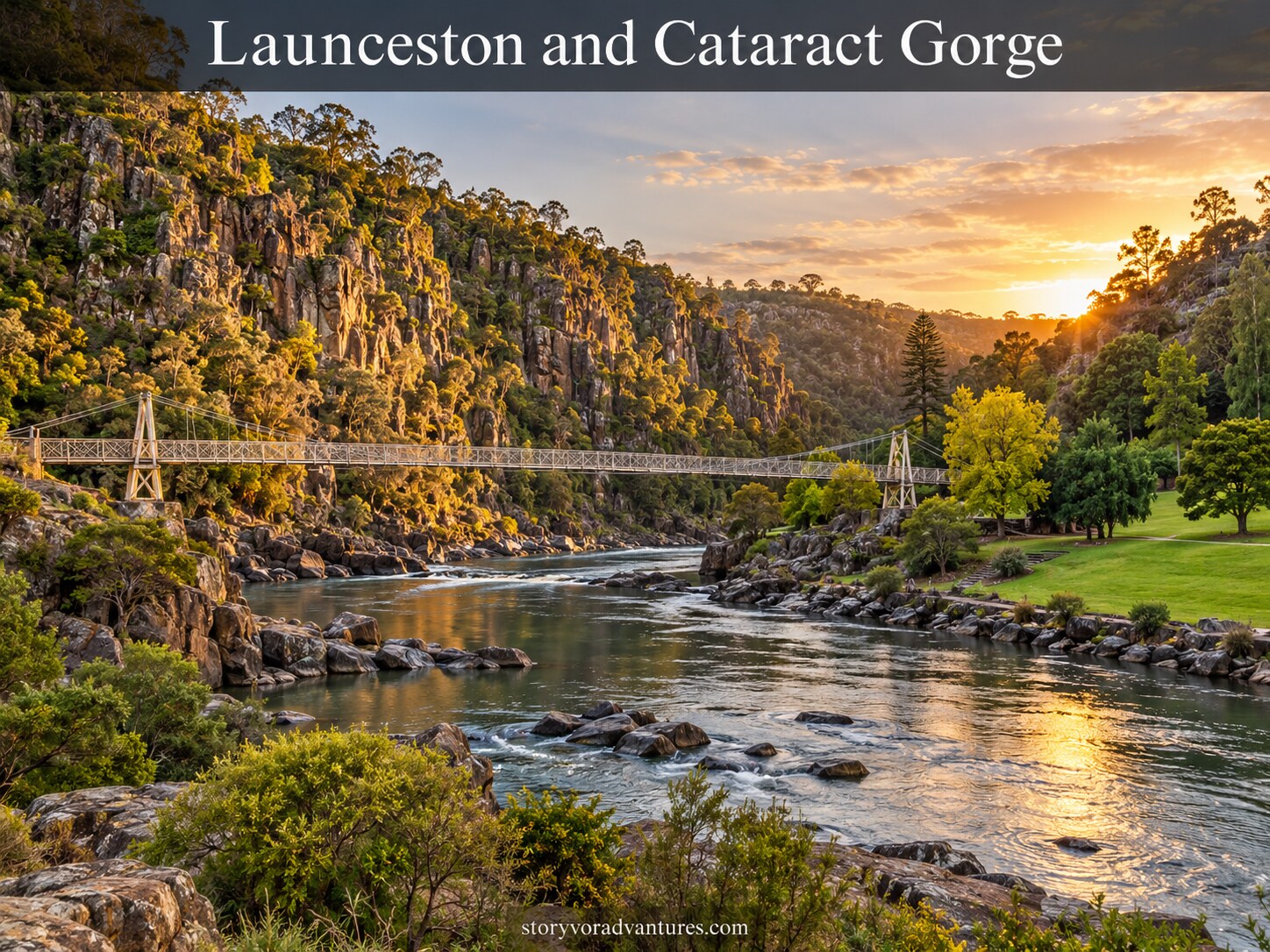
Launceston is Tasmania’s second-largest city and serves as a brilliant gateway to the north. It’s got beautiful Victorian architecture and a fantastic culinary scene, but its biggest draw is right in the city’s backyard.
Cataract Gorge is a spectacular natural canyon located just a 15-minute walk from the CBD. Visitors can follow the path along the cliff face above the South Esk River. above the South Esk River. The area is full of wild peacocks, beautiful public gardens, and a suspension bridge.
- How to Get Around: The city is easily drivable, but Cataract Gorge is best explored on foot.
- Must-Try Local Experience: Riding the Gorge Scenic Chairlift. It’s the longest single-span chairlift in the world and gives you a thrilling view right over the basin.
- Hidden Gem: The Tamar Valley Wine Route just north of the city, renowned for producing some of the best cool-climate Pinot Noir and sparkling wines in the world.
10. Tasman Peninsula and Cape Raoul
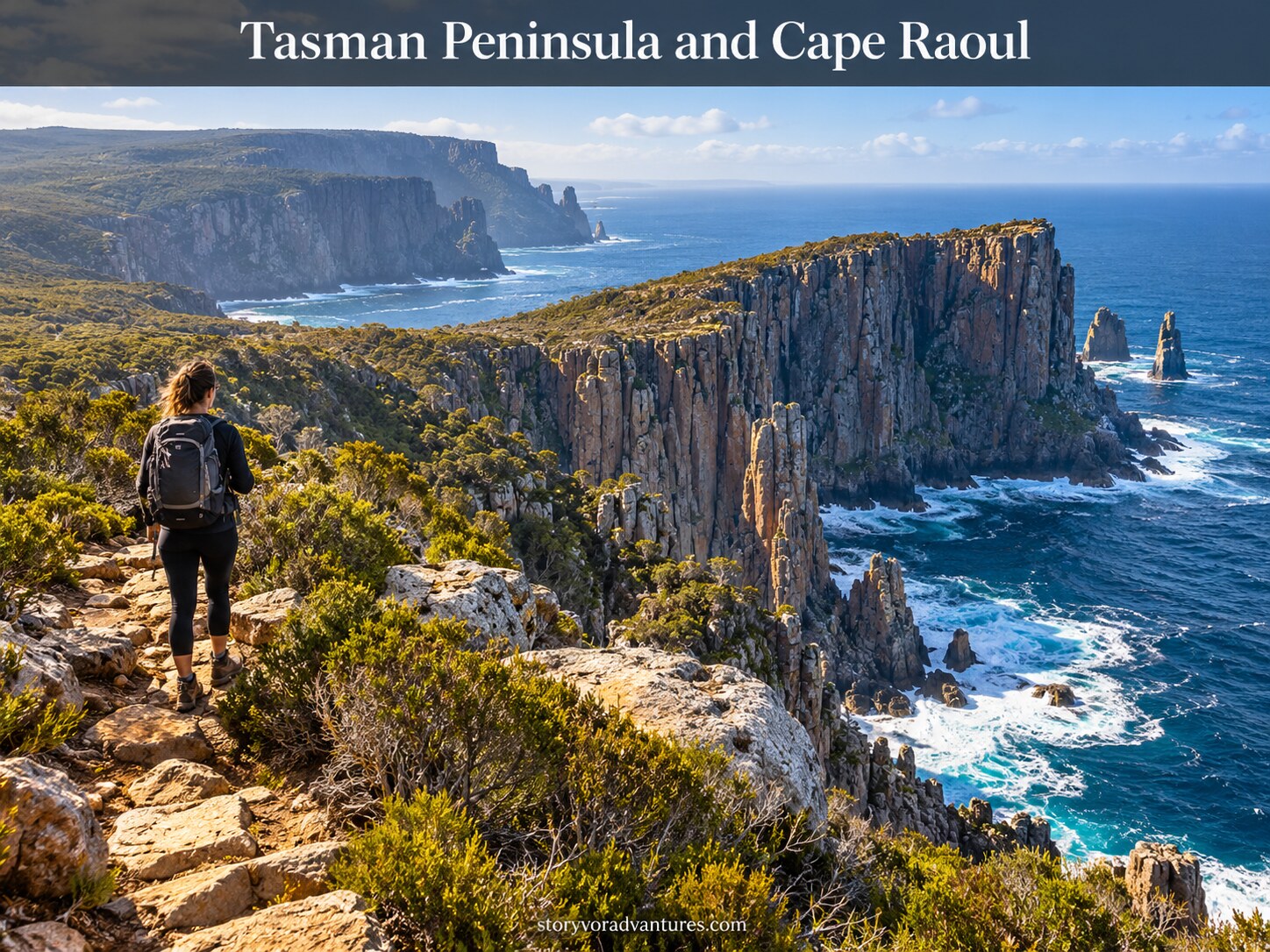
Many travelers visit Port Arthur and immediately drive back, completely missing the staggering natural beauty of the wider Tasman National Park. The peninsula is famous for having some of the highest sea cliffs in the Southern Hemisphere.
You can easily drive to dramatic rock formations like the Tasman Arch and the Devils Kitchen. However, if you are up for a serious hike, the trail to Cape Raoul is phenomenal. Walking through coastal heath to suddenly find yourself standing on massive dolerite pillars looking down into the roaring ocean is exhilarating.
- How to Get There: About 90 minutes southeast of Hobart.
- Must-Try Local Experience: A Tasman Island Cruise, which takes you on a high-speed boat right to the base of the massive sea cliffs and deep into sea caves.
- Hidden Gem: Remarkable Cave. A short walk down steep stairs takes you to a sea cave that, when viewed from the viewing platform, perfectly forms the shape of a map of Tasmania.
11. Lake St Clair
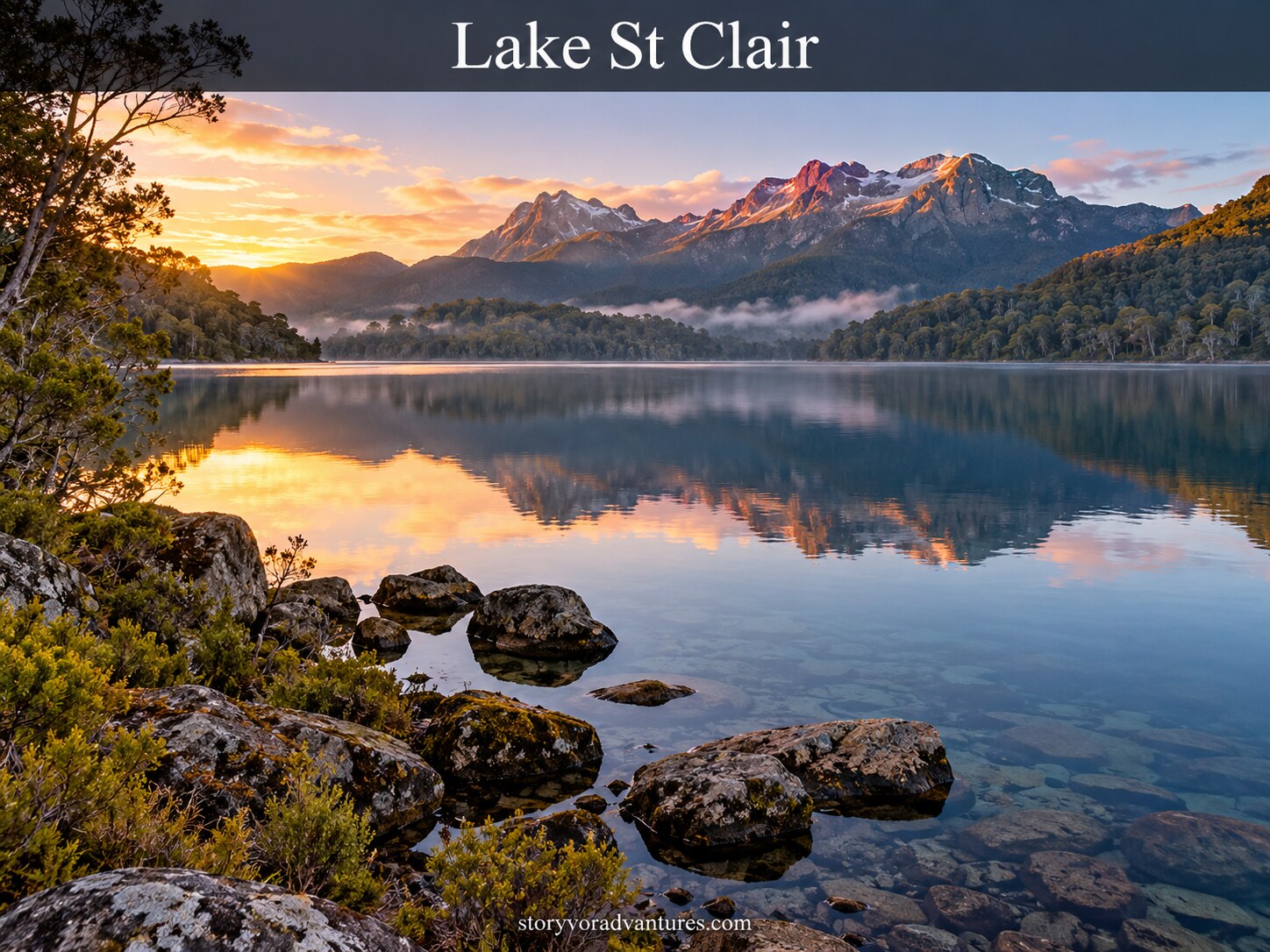
Lake St Clair is the southern anchor of the Cradle Mountain–Lake St Clair National Park. Formed by ancient glaciers, it is Australia’s deepest natural freshwater lake.
While Cradle Mountain to the north gets all the day-trippers, Lake St Clair is much quieter and moodier. It serves as the finish line for hikers completing the famous 6-day Overland Track.Shorter lakeside forest walks provide an accessible way to experience the Lake St Clair landscape. the reflections of the mountains on the completely still, dark water at dawn are flawless.
- How to Get There: About a 2.5-hour drive from Hobart via the Lyell Highway. Note: You cannot drive directly through the park from Cradle Mountain to Lake St Clair.
- Must-Try Local Experience: Taking the Ida Clair ferry across the lake to Echo Point and hiking the scenic trail back through the ancient myrtle-beech forest.
- Hidden Gem: The Pumphouse Point hotel. Even if you aren’t staying there, seeing this boutique hotel situated at the end of a long flume directly over the lake is an architectural marvel.
12. Strahan and the Gordon River
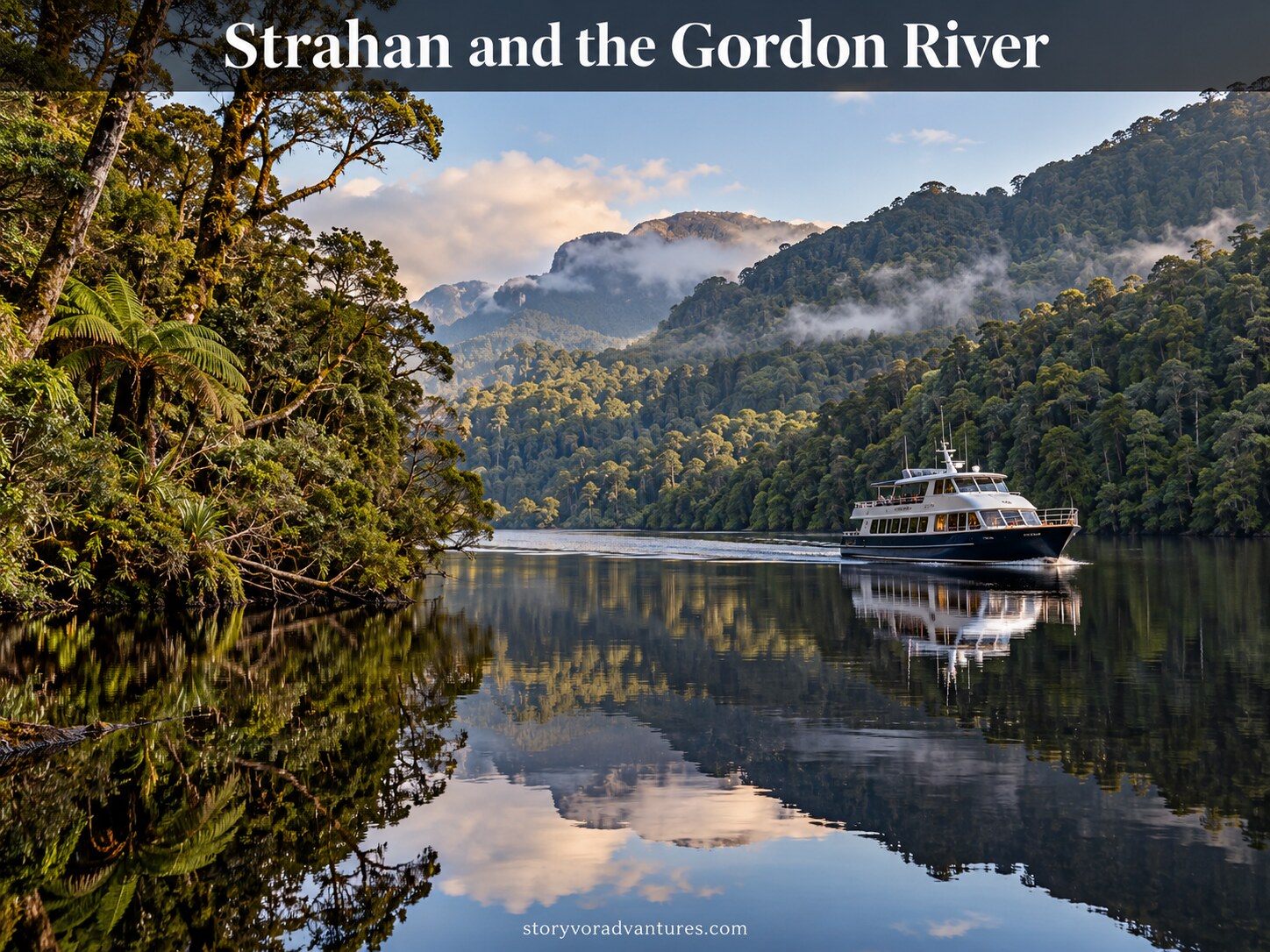
Strahan (pronounced Strawn) is a small, tough harbor town on Tasmania’s wild west coast. Driving out here takes time, but it’s the only way to access the island’s deeply remote southwestern wilderness.
The absolute must-do here is a Gordon River cruise. Cruising slowly into the mirrored waters of the river, surrounded by impenetrable temperate rainforest, feels like going back in time to the age of dinosaurs. The weather out here is wild and wet, which is exactly what keeps the rainforest so incredibly green.
- How to Get There: A winding, highly scenic 4.5-hour drive from Hobart or 3.5 hours from Cradle Mountain.
- Must-Try Local Experience: Riding the West Coast Wilderness Railway, a heritage steam train that cuts through the dense rainforest gorge.
- Hidden Gem: Ocean Beach. Just outside Strahan, it’s Tasmania’s longest beach. Standing there with the roaring roaring forties winds hitting you, knowing there is no land between you and Patagonia, is deeply humbling.
13. Maria Island
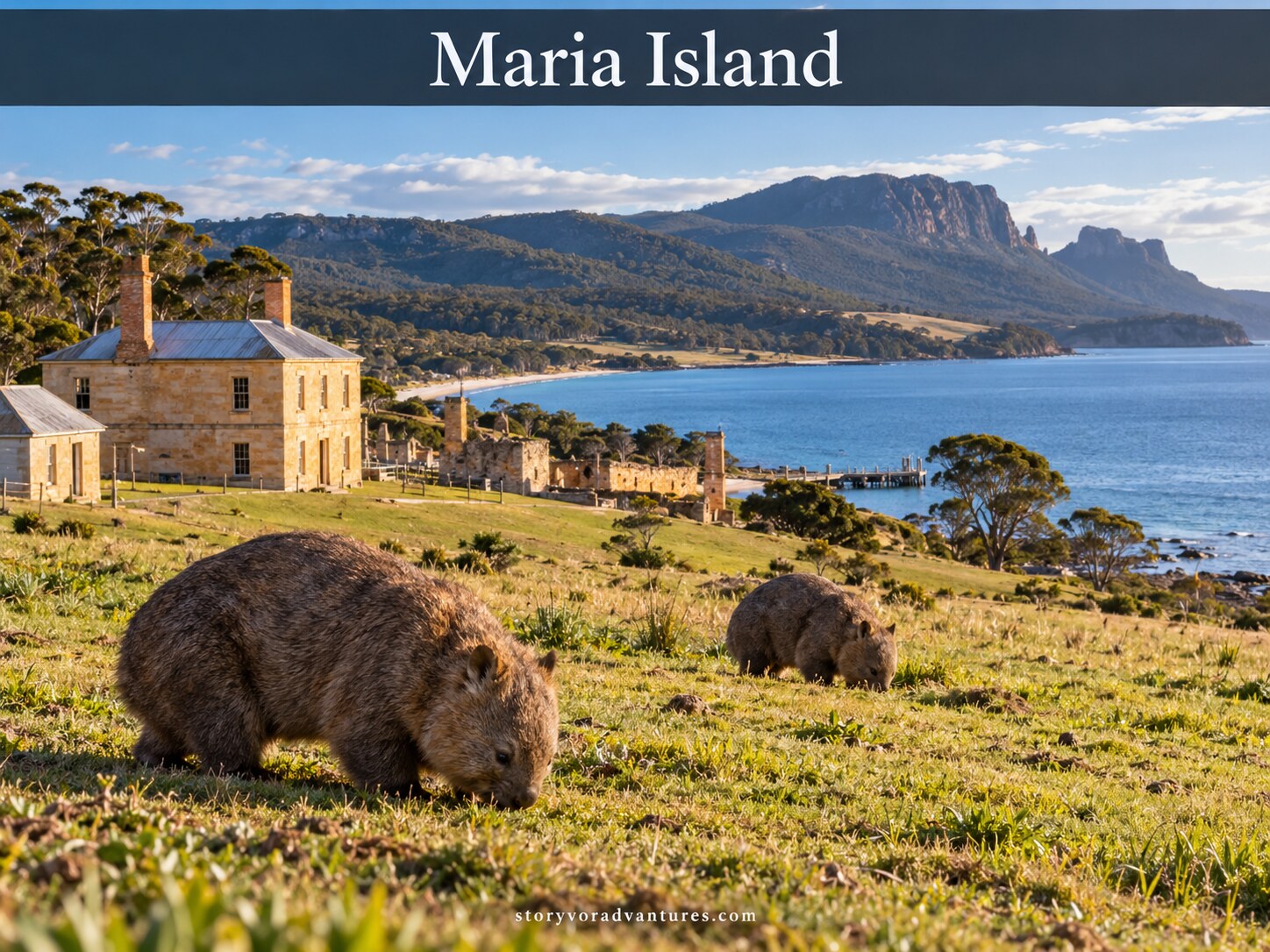
Maria Island National Park offers a quiet experience with no private cars, limited services and extensive walking and cycling opportunities. There are no private cars, no shops, and very limited cell service. You explore purely by walking or riding a rented mountain bike.
The island is a haven for wildlife. Wombats, Cape Barren geese and Forester kangaroos may be seen near the historic Darlington area, but wildlife sightings are never guaranteed. Cape Barren geese, and Forester kangaroos grazing right next to the convict ruins in Darlington. A bike ride down to the Painted Cliffs—where groundwater has stained the sandstone with incredible swirling patterns—is an absolute highlight.
- How to Get There: A 30-minute passenger ferry ride from the town of Triabunna (which is a 75-minute drive northeast of Hobart).
- Must-Try Local Experience: Simply sitting quietly on the grass near Darlington at dusk and watching dozens of wombats emerge to feed.
- Hidden Gem: The Fossil Cliffs. A hike to the island’s edge reveals massive limestone cliffs embedded with millions of 300-million-year-old sea creature fossils.
14. Takayna/Tarkine Rainforest
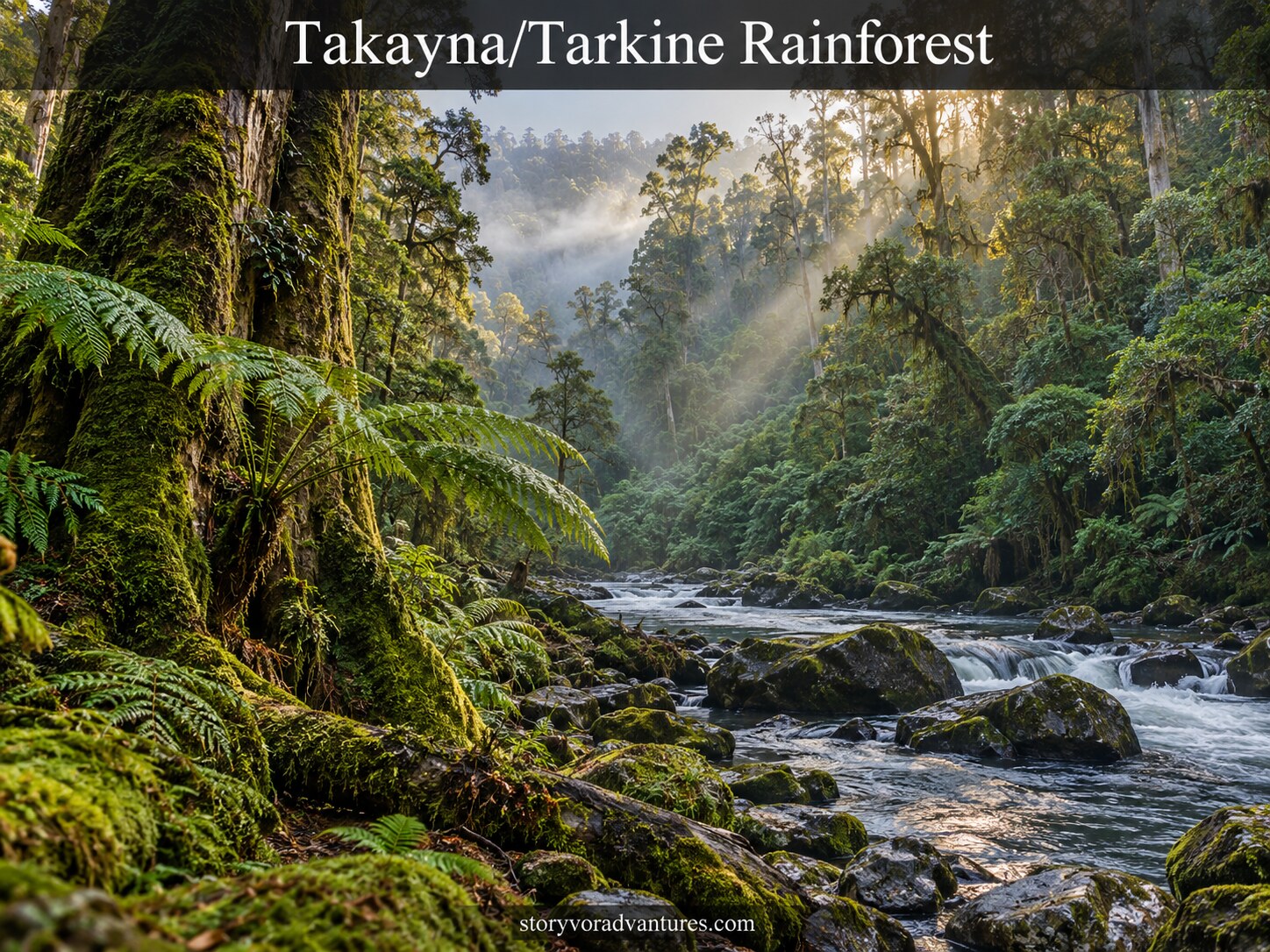
The Takayna/Tarkine region in the remote northwest contains the largest expanse of temperate rainforest in Australia. It’s wild, rugged, and requires thoughtful planning because facilities are few and far between.
This isn’t a single stop, but a vast area of wild rivers, sinkholes, and rugged coastlines with deep Aboriginal cultural importance. Driving the Tarkine Drive loop takes you through towering forests that feel completely untouched by modern civilization.
- How to Get There: Start from the town of Smithton or Stanley in the northwest.
- Must-Try Local Experience: The Edge of the World at Arthur River. It’s a beautifully desolate viewpoint at the mouth of the river where the ocean swells are incredibly fierce.
- Hidden Gem: Trowutta Arch. A short, muddy walk through dense jungle leads to a spectacular natural arch over a vibrant green sinkhole.
15. Kunanyi/Mount Wellington
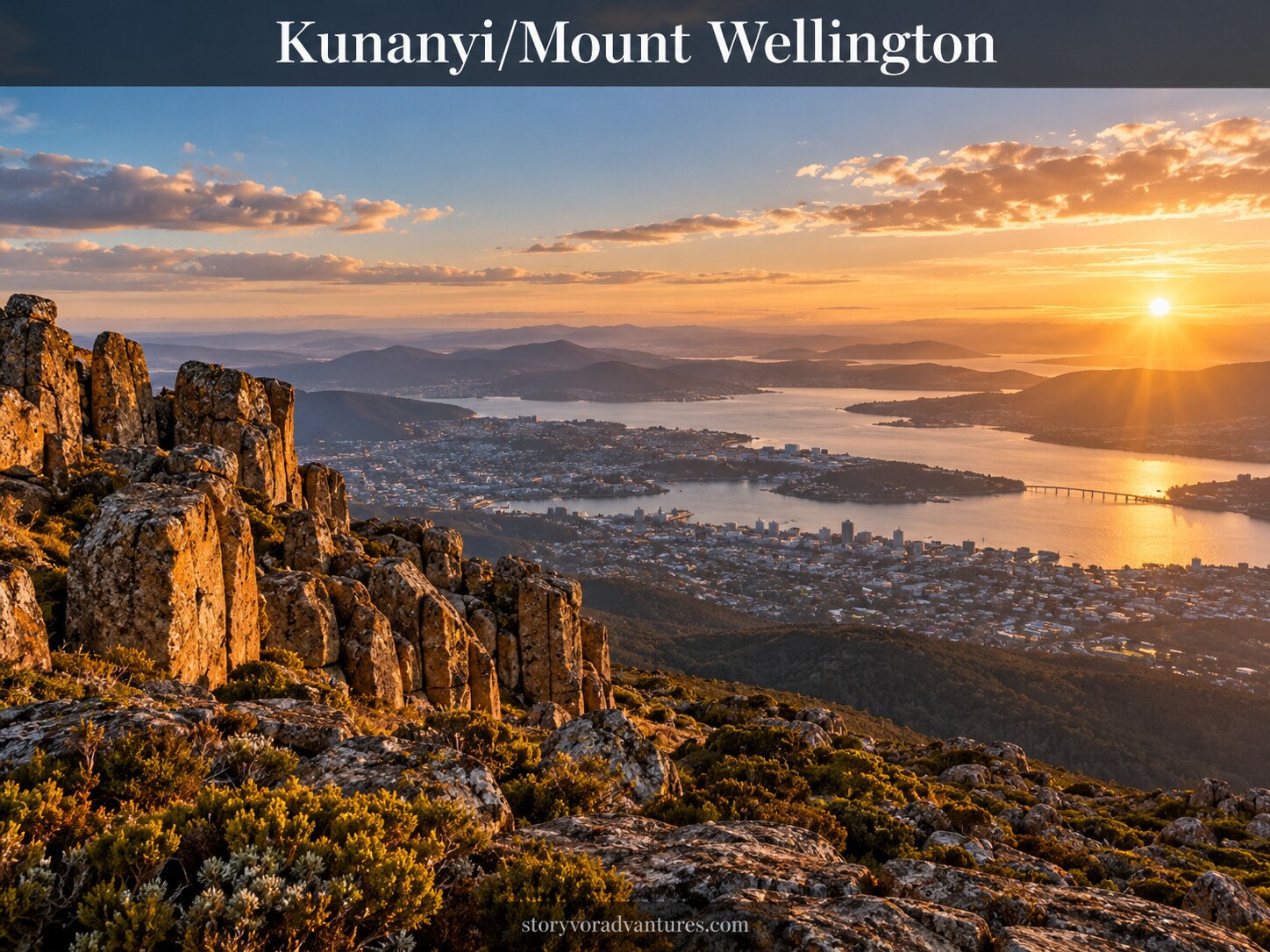
Kunanyi (Mount Wellington) rises 1,271 meters directly behind Hobart. It looms over the city like a protective giant. Driving up the winding Pinnacle Road to the summit is a must-do on a clear day.
The views from the top over the River Derwent and the surrounding island archipelago are staggering. However, be warned: the weather at the summit is notoriously brutal.Conditions at the summit can be much colder and windier than in Hobart, so visitors should carry warm and weather-resistant clothing at the pinnacle into freezing, gale-force winds and sleet!
- How to Get There: A 30-minute drive from Hobart CBD to the summit.
- Must-Try Local Experience: Watching the sunrise from the summit observation deck. It requires an early alarm, but seeing the city light up is unforgettable.
- Hidden Gem: The Organ Pipes walk. Rather than just driving to the top, stop halfway and hike to the base of these massive, vertical dolerite columns favored by local rock climbers.
Suggested 12-Day Tasmania Road-Trip Itinerary
The following route provides one possible way to explore several parts of Tasmania at a manageable pace:
- Days 1–2: Arrive in Hobart, explore Salamanca, and drive up Kunanyi/Mount Wellington.
- Day 3: Day trip (or overnight) to Bruny Island.
- Day 4: Explore Port Arthur and the dramatic Tasman Peninsula.
- Day 5: Ferry over to Maria Island to cycle with wombats.
- Days 6–7: Head up the East Coast to Freycinet National Park and Wineglass Bay.
- Day 8: Coastal hopping along the fiery rocks of the Bay of Fires.
- Day 9: Drive inland to Launceston and walk Cataract Gorge.
- Days 10–11: Journey into the alpine wilderness of Cradle Mountain and Dove Lake.
- Day 12: Return drive to Launceston or Hobart for your flight home.
(Note: If you want to include the remote West Coast like Strahan or the Tarkine, add at least 3-4 days to this itinerary!)
Essential Tasmania Travel Tips
- Do Not Underestimate Driving Times: Tasmania looks small on a map, but the roads are incredibly winding, narrow, and often mountainous. A 100km drive here takes much longer than on the mainland. Take your time.
- Avoid Driving at Dawn and Dusk: This is when the wildlife (wallabies, possums, devils) is most active on the roads. Roadkill is a heartbreakingly common sight, so slow down and avoid night driving if possible.
- Pack for Four Seasons in One Day: Weather can change quickly, particularly in elevated and exposed areas. Always carry a waterproof jacket and layered clothing.
- Buy a National Park Pass: You need a valid pass for almost every destination on this list. Buy a Holiday Pass online via the Tasmania Parks and Wildlife Service—it covers your whole vehicle for up to two months and saves you a ton of money.
- Download Offline Maps: Cell service completely drops out in places like Cradle Mountain, the West Coast, and the Tarkine. Download Google Maps for offline use before you leave your hotel.
Final Thoughts
Tasmania shouldn’t be rushed to just tick off famous spots for social media. Its greatest magic lies in the quiet moments: pulling over on an empty coastal road, breathing in what is officially measured as some of the cleanest air in the world, and realizing you are standing on the edge of the earth. Rent a car, take your time, respect the pristine environment, and let the wild island do the rest!