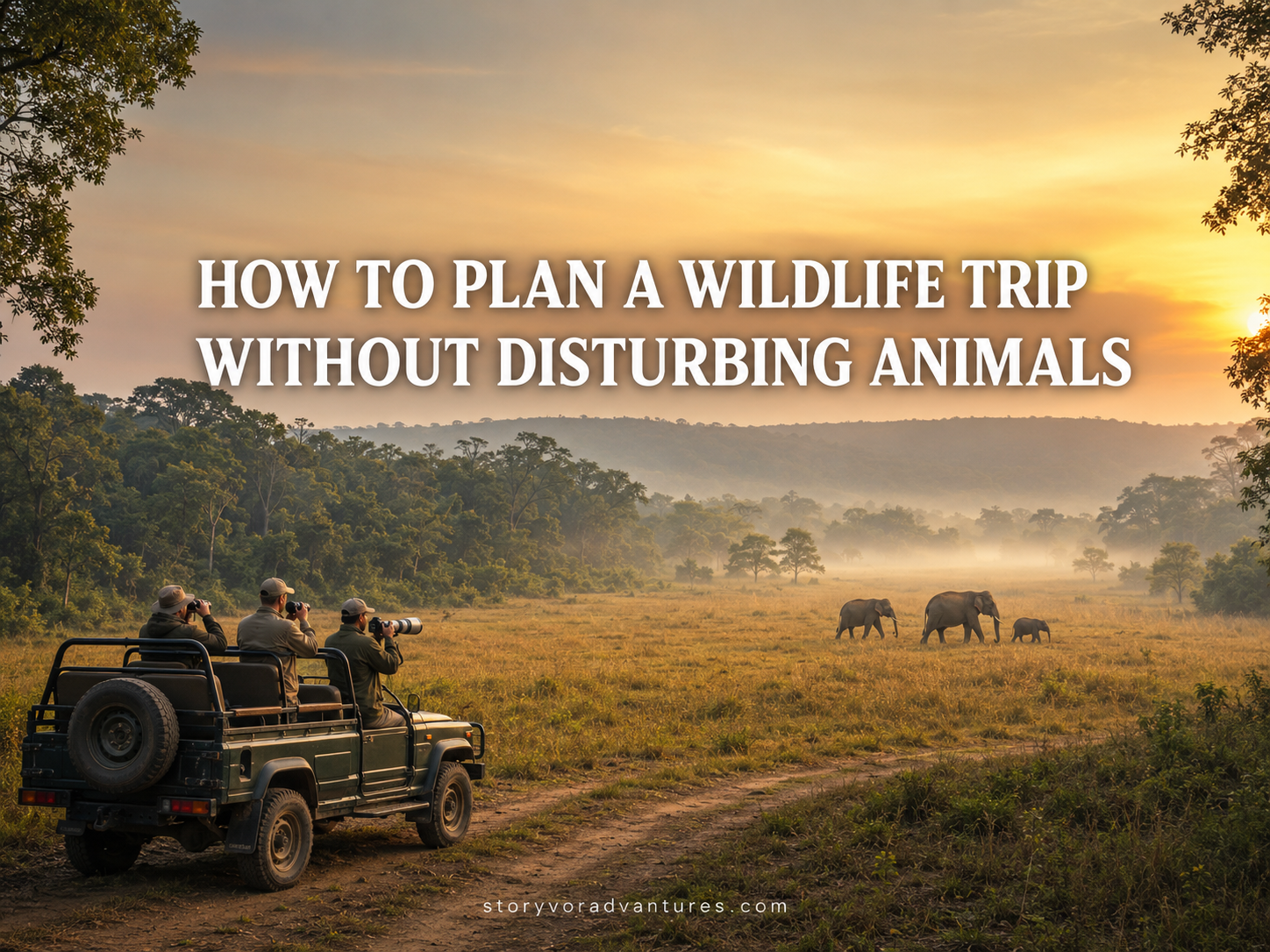
How to Plan a Wildlife Trip Without Disturbing Animals
Learn how to plan a responsible wildlife trip, choose ethical tours, maintain a safe distance and photograph animals without disturbing them.
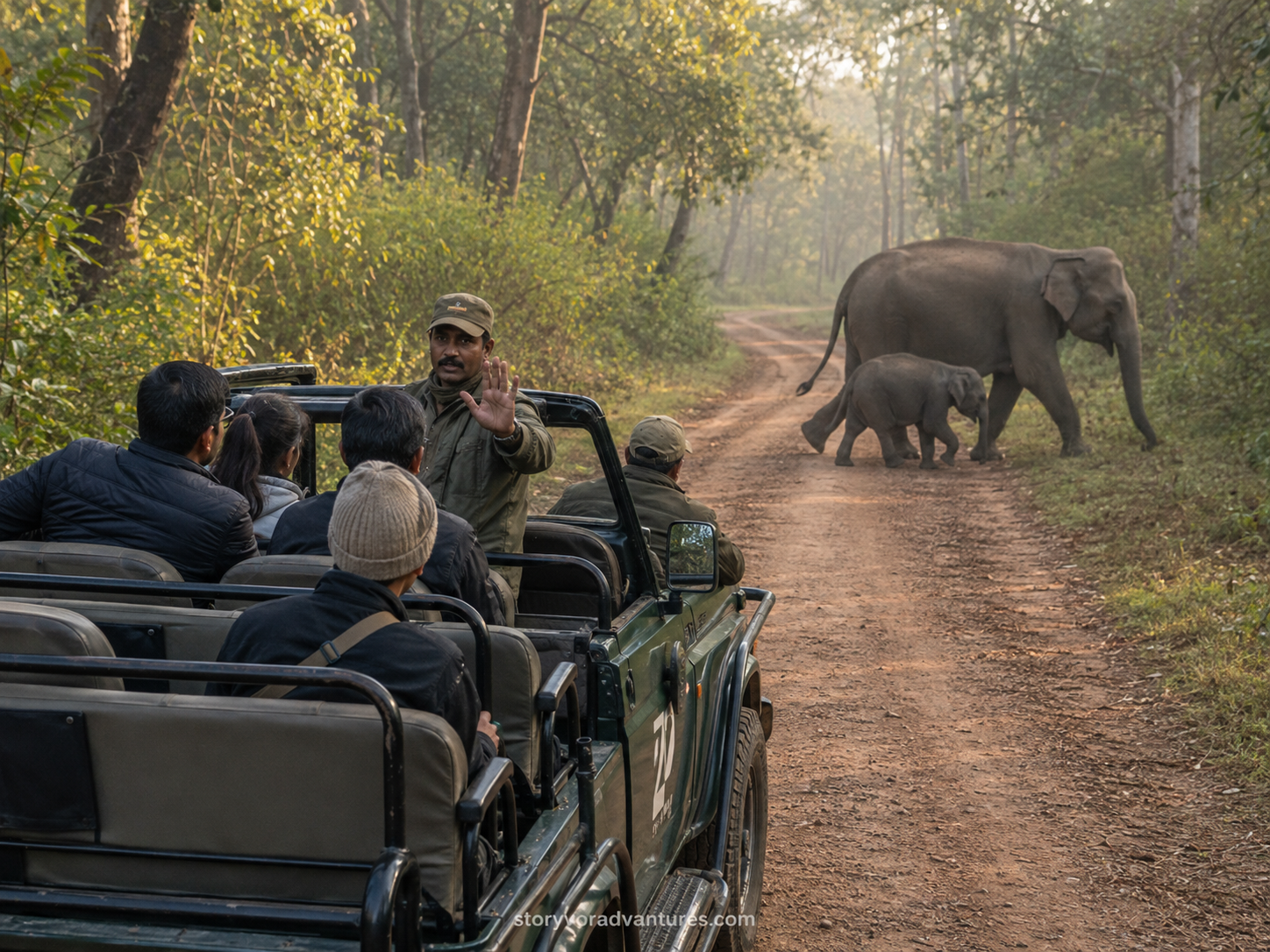
Wildlife tourism can create unforgettable memories. Watching an elephant family cross a forest path, hearing birds before sunrise or seeing a tiger from a safe distance can completely change how we understand nature.
However, a wildlife trip becomes harmful when visitors chase animals, make noise, leave food behind or support attractions that force wild animals to entertain people.
Responsible wildlife travel does not mean avoiding wildlife experiences. It means choosing experiences that protect animals, habitats and local communities.
This practical guide explains how to plan a wildlife trip that remains exciting without disturbing the animals you travelled to see.
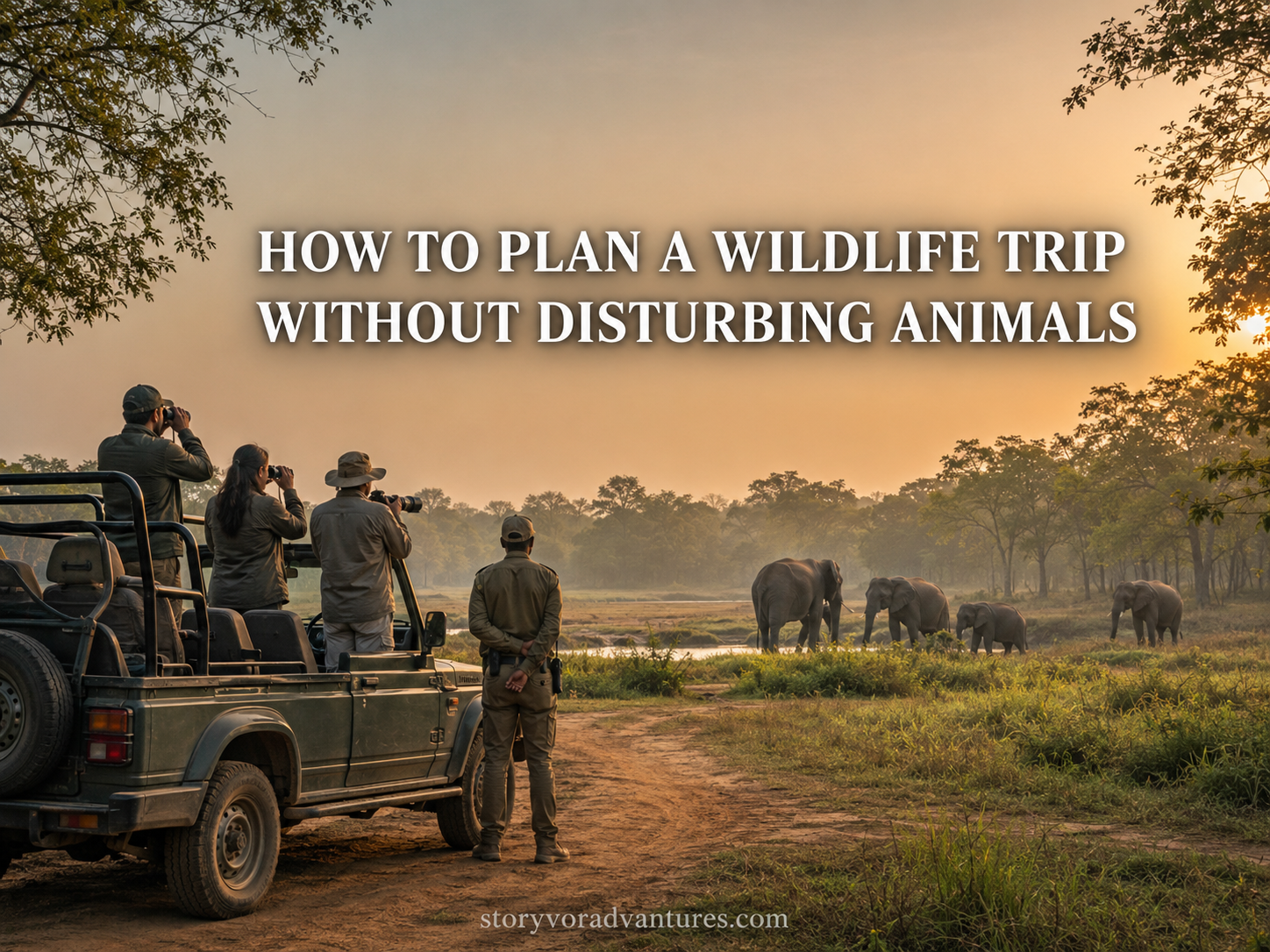
1. Research the Destination Before Booking
Do not choose a wildlife destination only because its photographs look impressive on social media.
Before booking, find out:
- Which animals naturally live in the area?
- Is it a protected national park, reserve or community-managed forest?
- What is the best season for responsible wildlife viewing?
- Are visitor numbers controlled?
- Does the destination have official wildlife-viewing rules?
- Are trained local guides available?
- Does tourism revenue benefit conservation or local communities?
Use the official website of the park, forest department or tourism authority whenever possible. Social-media videos may show exciting encounters, but they rarely explain whether the activity was legal or safe.
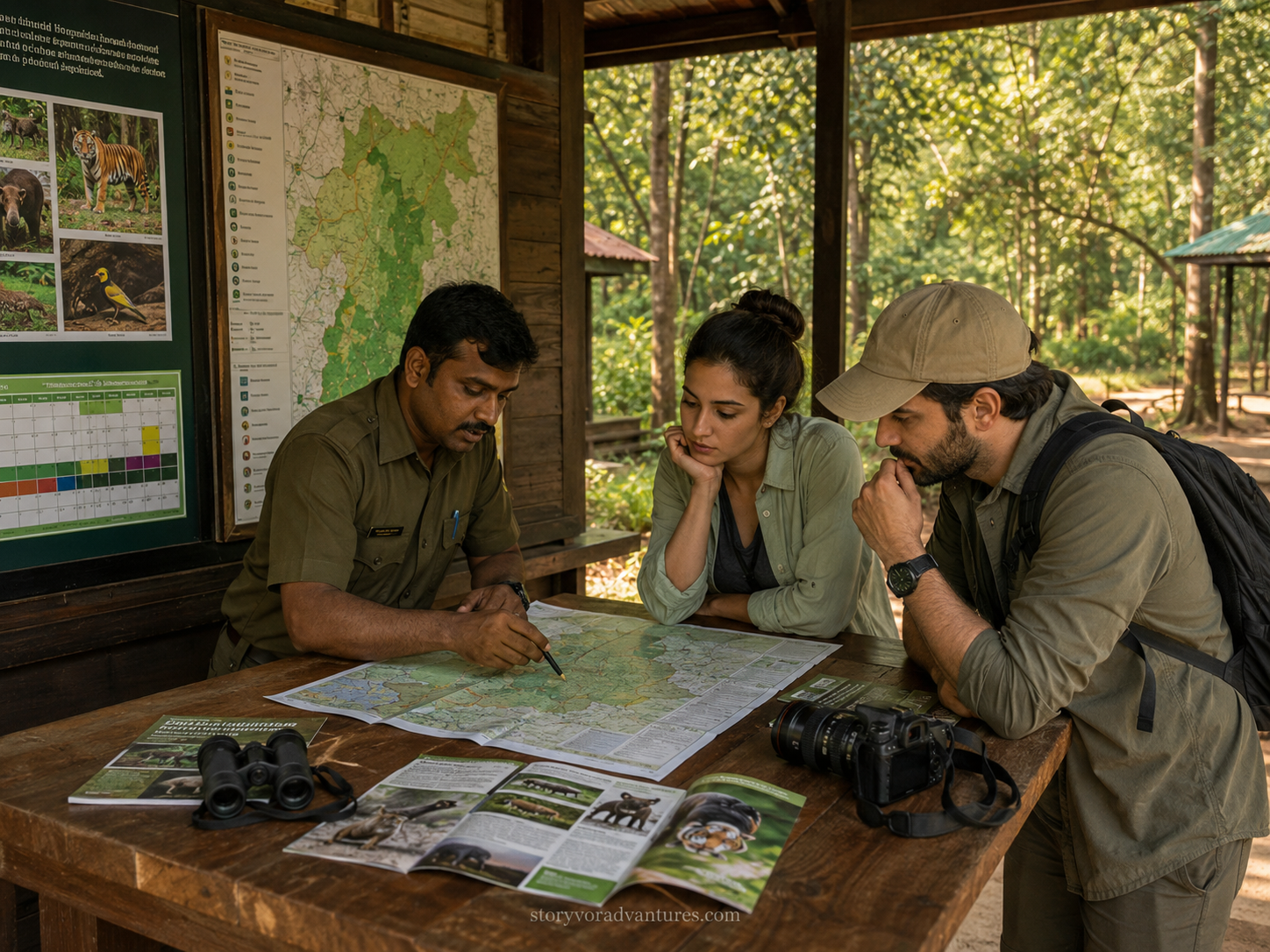
Useful research checklist
| Check before booking | Why it matters |
|---|---|
| Official park rules | Prevents unsafe or prohibited behaviour |
| Seasonal closures | Protect breeding periods and habitats |
| Licensed guides | Improves safety and responsible viewing |
| Visitor limits | Reduces crowding and animal stress |
| Recent reviews | Helps identify unethical practices |
| Conservation policy | Shows whether the operator protects wildlife |
2. Learn to Recognize an Unethical Wildlife Attraction
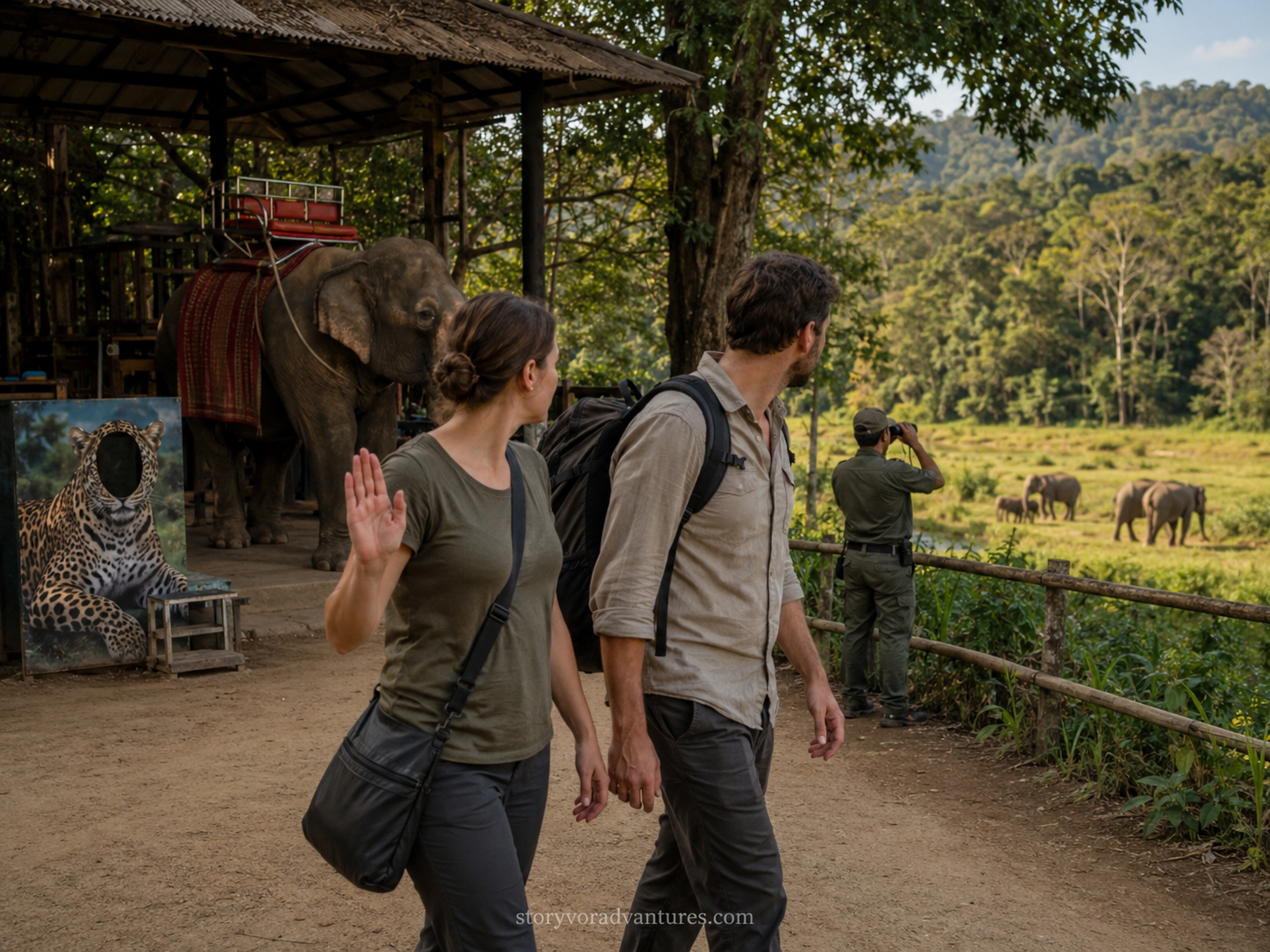
Many attractions use words such as “sanctuary,” “rescue centre” or “eco-park.” These labels alone do not prove that animals are treated responsibly.
Be cautious if an attraction offers:
- Tiger or lion selfies
- Elephant rides
- Dolphin performances
- Animal-petting sessions
- Holding wild animals for photographs
- Bathing elephants as entertainment
- Feeding wild animals by hand
- Animals performing tricks
- Guaranteed close encounters
- Baby animals that are constantly available to visitors
Wild animals normally avoid unnecessary contact with humans. If tourists can repeatedly touch, hold or pose with them, the animals may have been trained, restrained or conditioned for visitor entertainment.
World Animal Protection advises travellers to avoid experiences involving direct contact, performances or captive wildlife entertainment. Instead, choose experiences where animals are observed without being forced to interact with visitors.
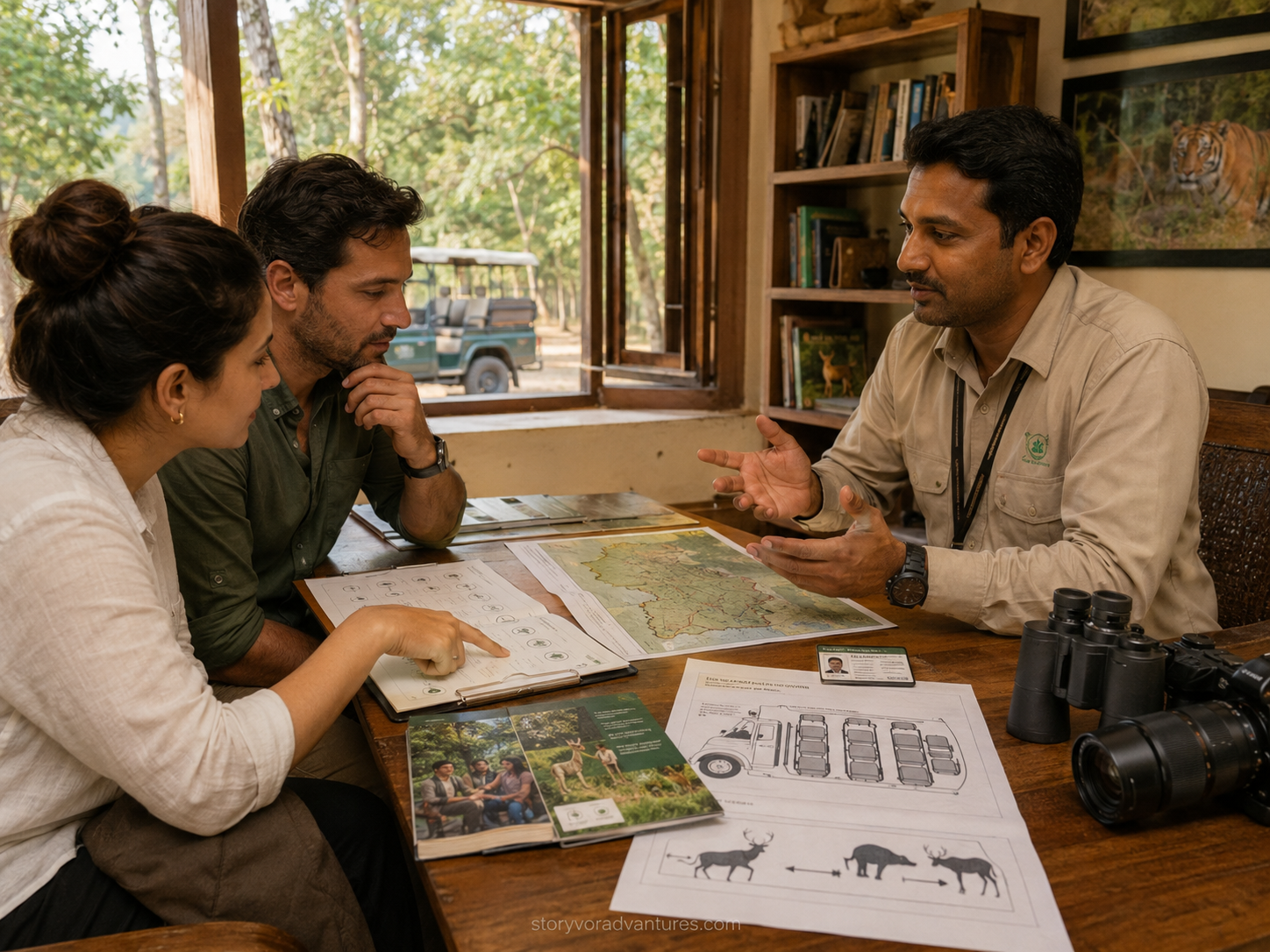
3. Ask the Tour Operator the Right Questions
A responsible operator should be willing to explain how its tours protect wildlife.
Before paying, ask:
- Do you use licensed guides?
- How many visitors are allowed in one vehicle or group?
- What happens if an animal approaches?
- Do guides follow a minimum viewing distance?
- Are visitors allowed to feed or touch animals?
- Do vehicles leave official tracks?
- Is wildlife ever called, baited or surrounded?
- Does the company support local conservation projects?
- What is its cancellation policy if the park closes?
- How does the trip benefit nearby communities?
Avoid operators that promise a guaranteed sighting of a particular wild animal. No ethical guide can control where a truly wild animal will appear.
4. Maintain a Safe Viewing Distance
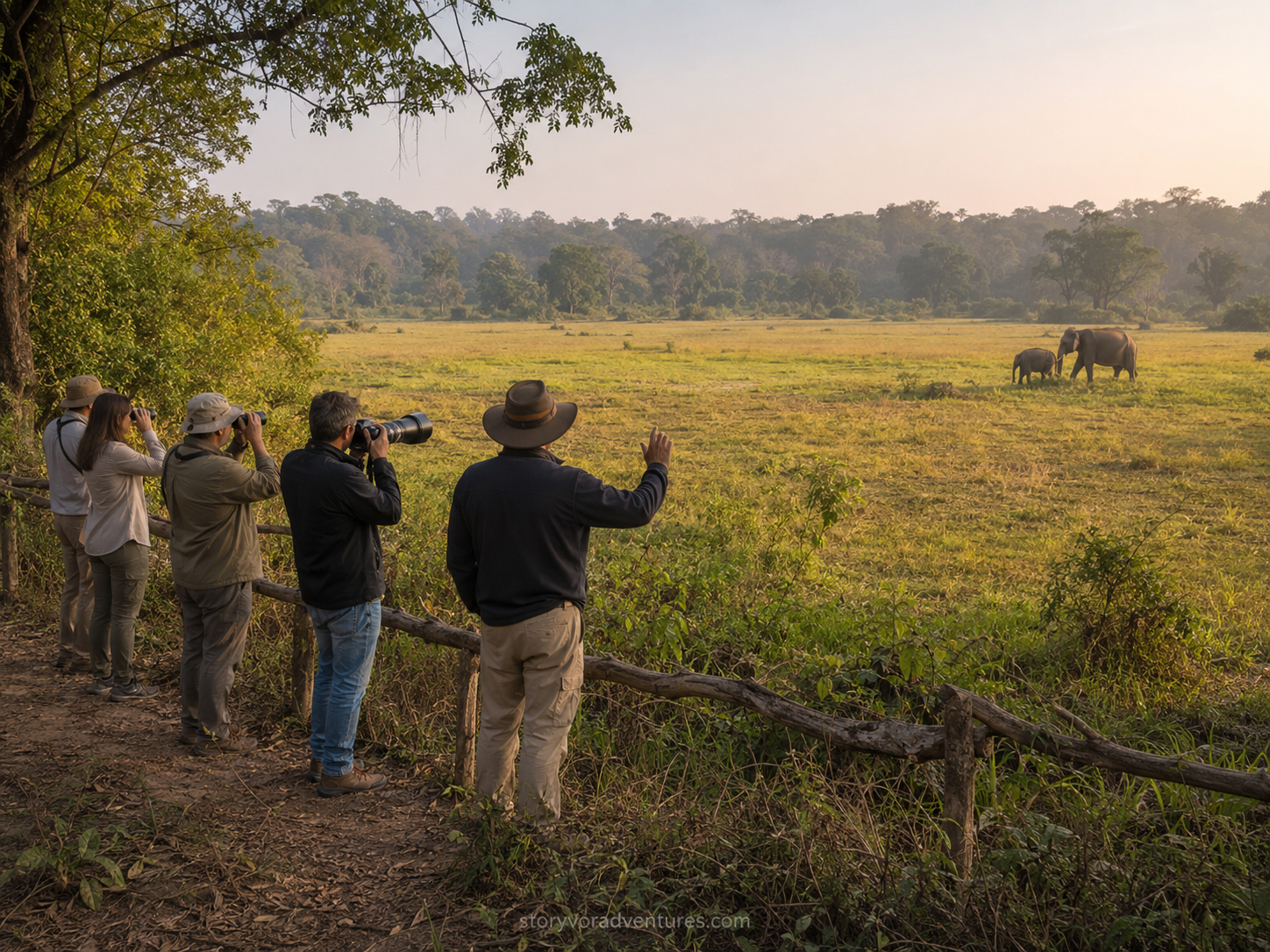
There is no single distance suitable for every animal or destination. Follow the rules of the specific park you are visiting.
The U.S. National Park Service notes that many parks require visitors to remain approximately 25–50 yards from most wildlife and around 100 yards from predators such as bears and wolves. Rules vary by park and species, so local instructions always take priority.
A simple rule is:
If an animal changes its behaviour because of you, you are too close.
Possible signs of disturbance include:
- The animal stops eating
- It begins staring at you
- It moves away repeatedly
- It makes warning sounds
- It hides its young
- It raises its head or becomes unusually alert
- It attempts to charge or defend itself
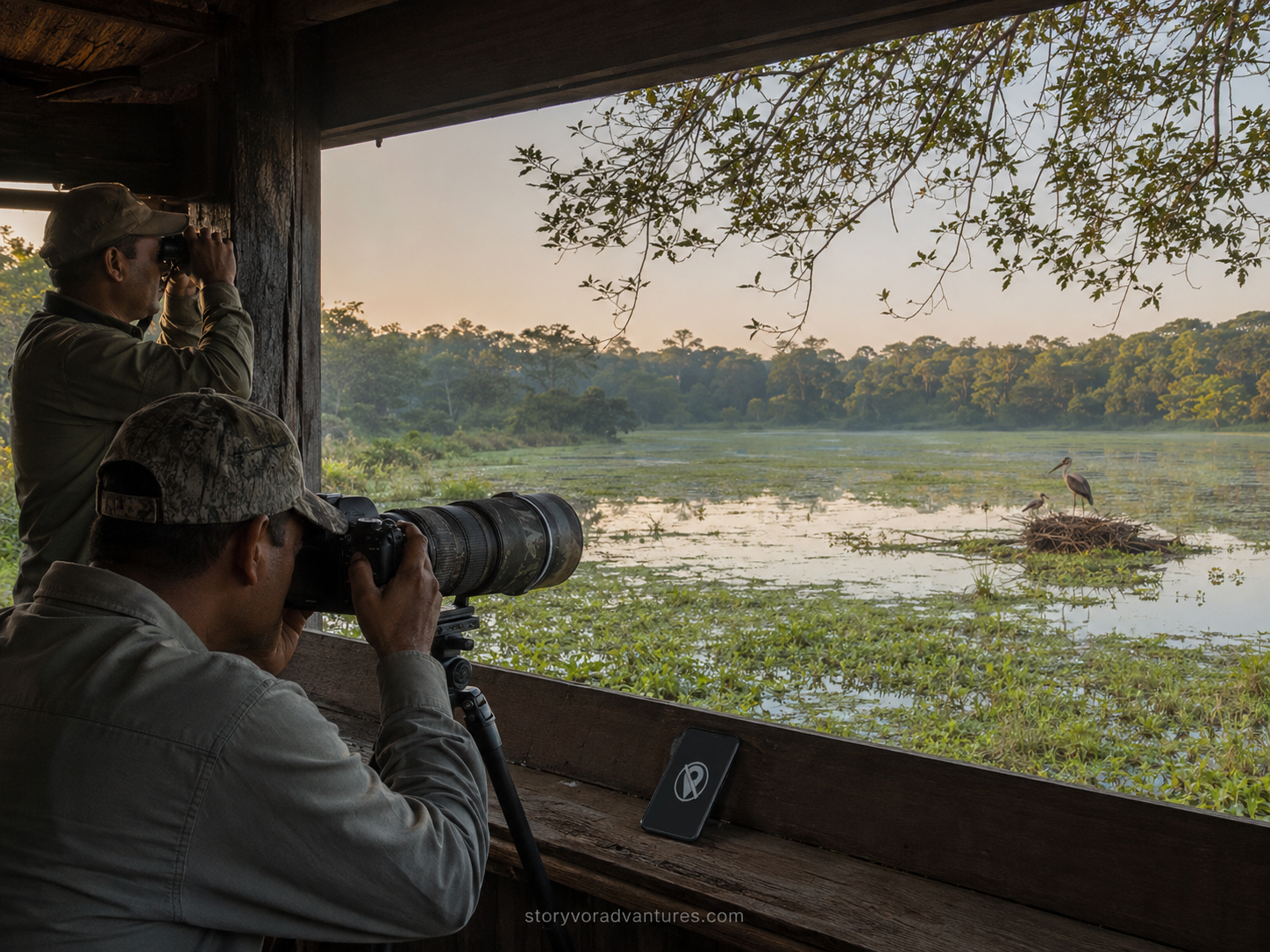
Use binoculars or a telephoto lens instead of moving closer.
If an animal approaches you, do not treat it as permission for a close photograph. Remain calm and slowly create more distance according to your guide’s instructions.
5. Never Feed Wild Animals
Offering food may look harmless, but it can change an animal’s natural behaviour.
Animals that receive food from visitors may:
- Lose their natural fear of people
- Approach roads and vehicles
- Become aggressive
- Depend on human food
- Suffer nutritional problems
- Spread disease
- Raid camps or local homes
- Be injured or killed after becoming a safety risk
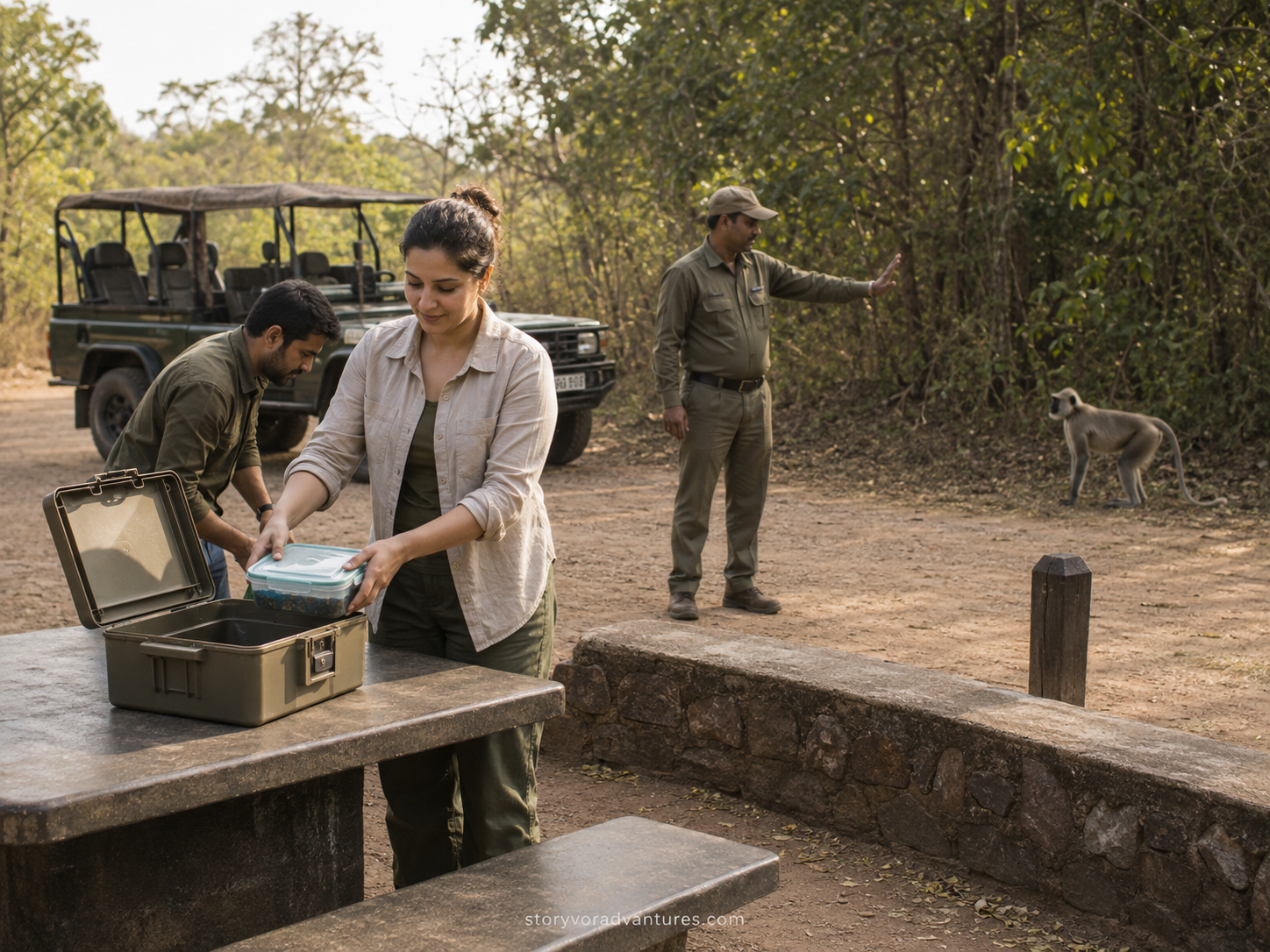
Feeding can also happen accidentally. Uncovered food, crumbs and poorly stored rubbish can attract animals.
The National Park Service recommends storing food securely, keeping campsites clean and never leaving rubbish where wildlife can reach it.
Carry reusable containers and keep every piece of waste with you until it can be disposed of properly.
6. Keep Noise and Movement Under Control
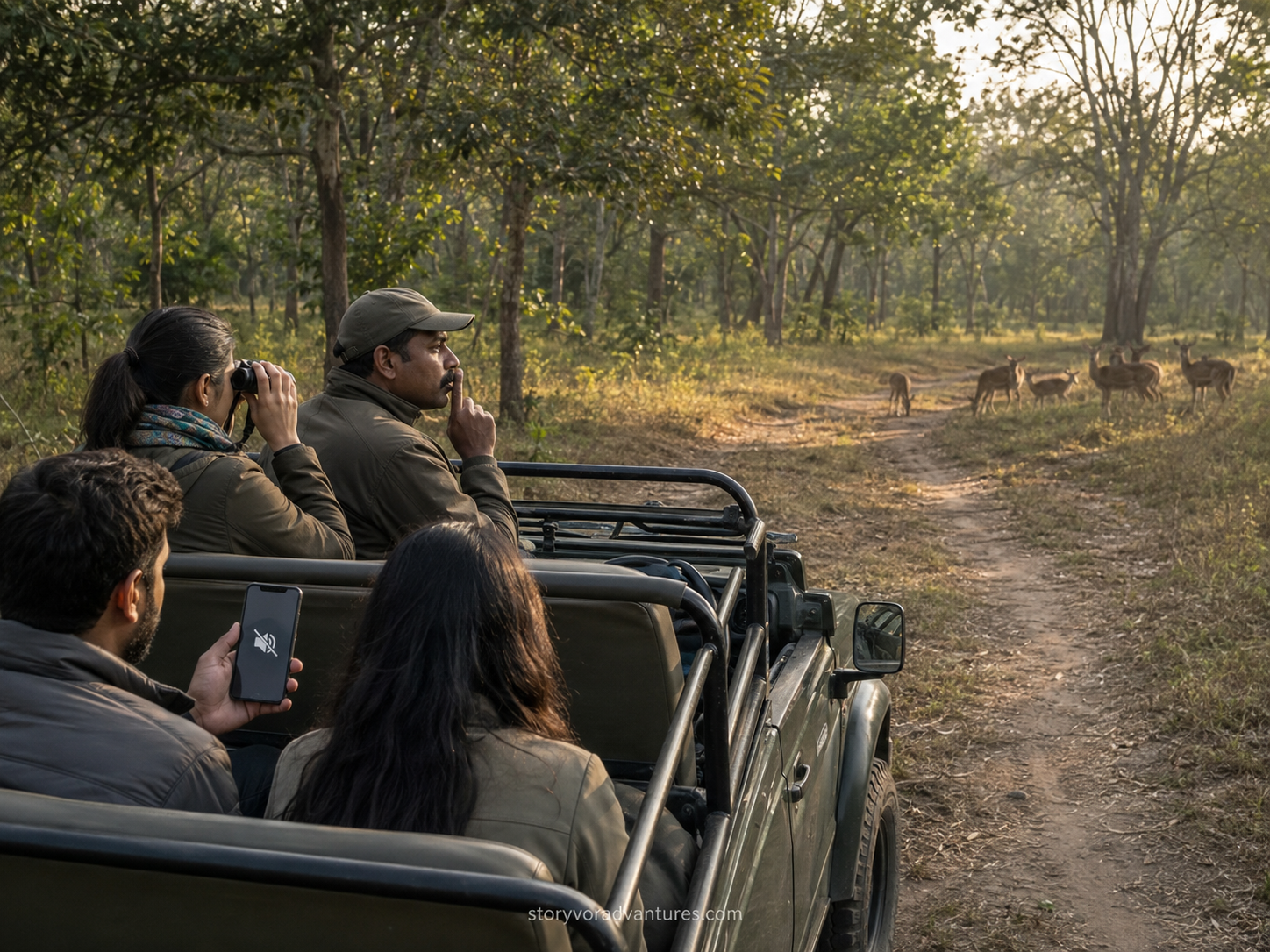
A forest is not a theme park. Shouting, loud music and sudden movements can frighten animals and ruin the experience for other visitors.
During a safari or nature walk:
- Keep conversations quiet
- Put your phone on silent
- Avoid playing music
- Do not clap or call animals
- Do not imitate animal sounds
- Follow the guide’s instructions
- Remain inside the vehicle where required
- Do not block an animal’s escape route
- Never ask the driver to chase an animal
Responsible wildlife viewing often requires patience. A quiet sighting from a distance is more meaningful than a close encounter created by pressure or disturbance.
7. Photograph Wildlife Without Causing Harm
A photograph is never more important than an animal’s safety.
Use a zoom lens and crop the image later instead of approaching the subject. Avoid flash photography where it is prohibited, especially around nocturnal animals and nesting birds.
Never:
- Surround an animal for a photograph
- Separate a mother from her young
- Move eggs, nests or branches
- Touch reptiles or small animals
- Block an animal’s path
- Use food to attract wildlife
- reveal the exact location of a vulnerable species online
Consider disabling location information before sharing photographs of rare animals. Publicly revealing a nesting or den location may attract crowds or even assist illegal wildlife trade.
A better social-media caption
Instead of presenting a close encounter as an achievement, explain:
- Why distance was maintained
- How the photograph was taken responsibly
- What visitors should avoid
- Why the species or habitat needs protection
This turns one photograph into useful conservation awareness.
8. Choose Accommodation Carefully
The environmental impact of a trip does not end when the safari finishes.
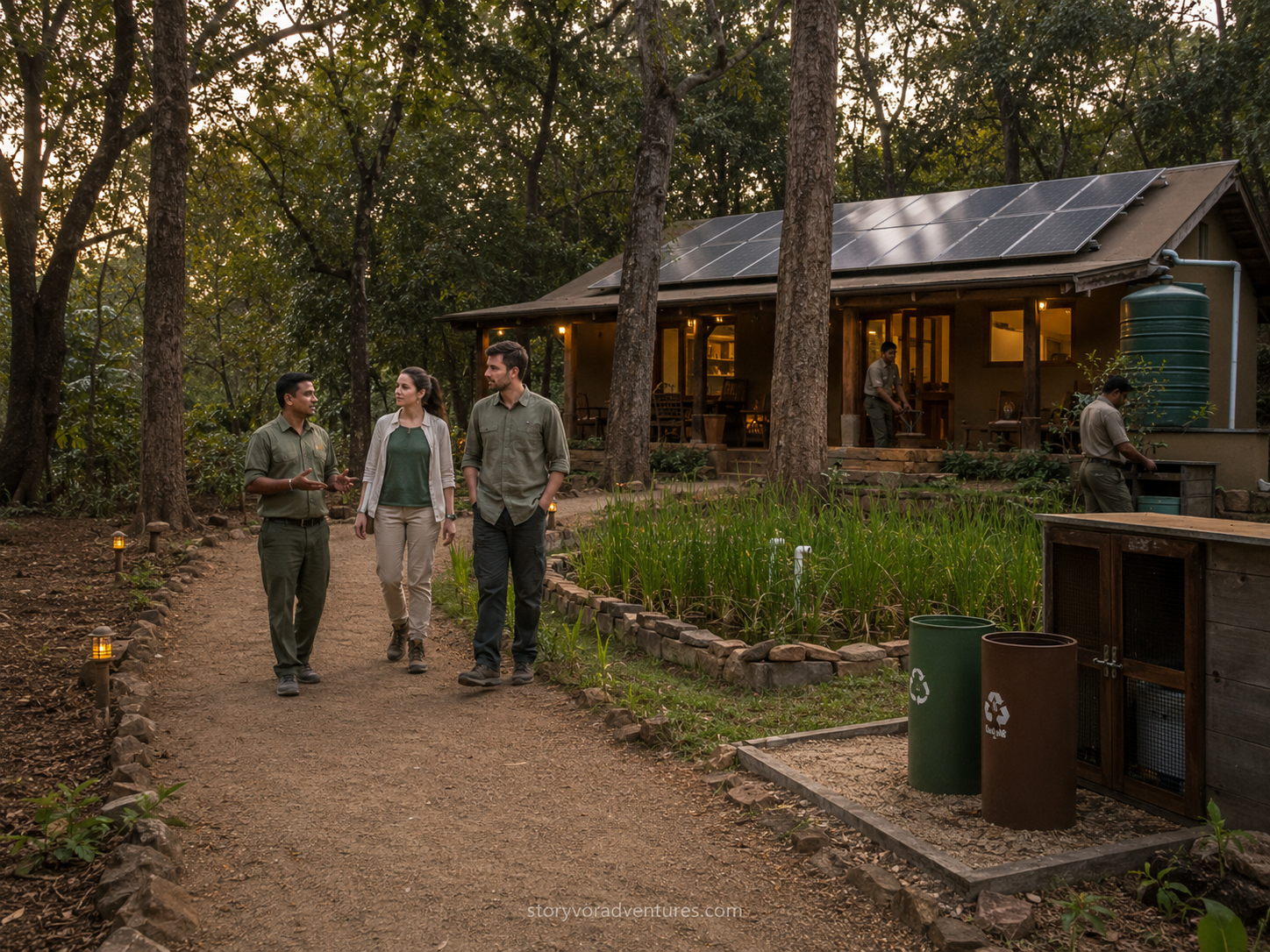
Before choosing a lodge, check whether it:
- Treats wastewater responsibly
- Reduces single-use plastic
- Employs people from nearby communities
- Uses energy and water carefully
- Avoids bright lights near wildlife habitats
- Stores food and rubbish securely
- Does not feed animals for guest entertainment
- Supports genuine local conservation work
A lodge should not clear sensitive habitat simply to provide guests with a better view. “Eco-friendly” should describe measurable practices, not just decoration made from wood and stone.
9. Respect Local Communities
Wildlife tourism takes place near communities that may live with the daily challenges of sharing land with wild animals.
Travellers should not treat villages as visual attractions or photograph people without permission.
Support local communities by:
- Hiring trained local guides
- Buying locally made products
- Using locally owned accommodation
- Asking before photographing residents
- Respecting religious and cultural practices
- Avoiding bargaining that becomes disrespectful
- Learning how conservation affects local livelihoods
Conservation becomes stronger when nearby communities receive fair economic opportunities and have a meaningful role in protecting the landscape.
10. Prepare for the Trip Properly
Responsible preparation improves both safety and comfort.
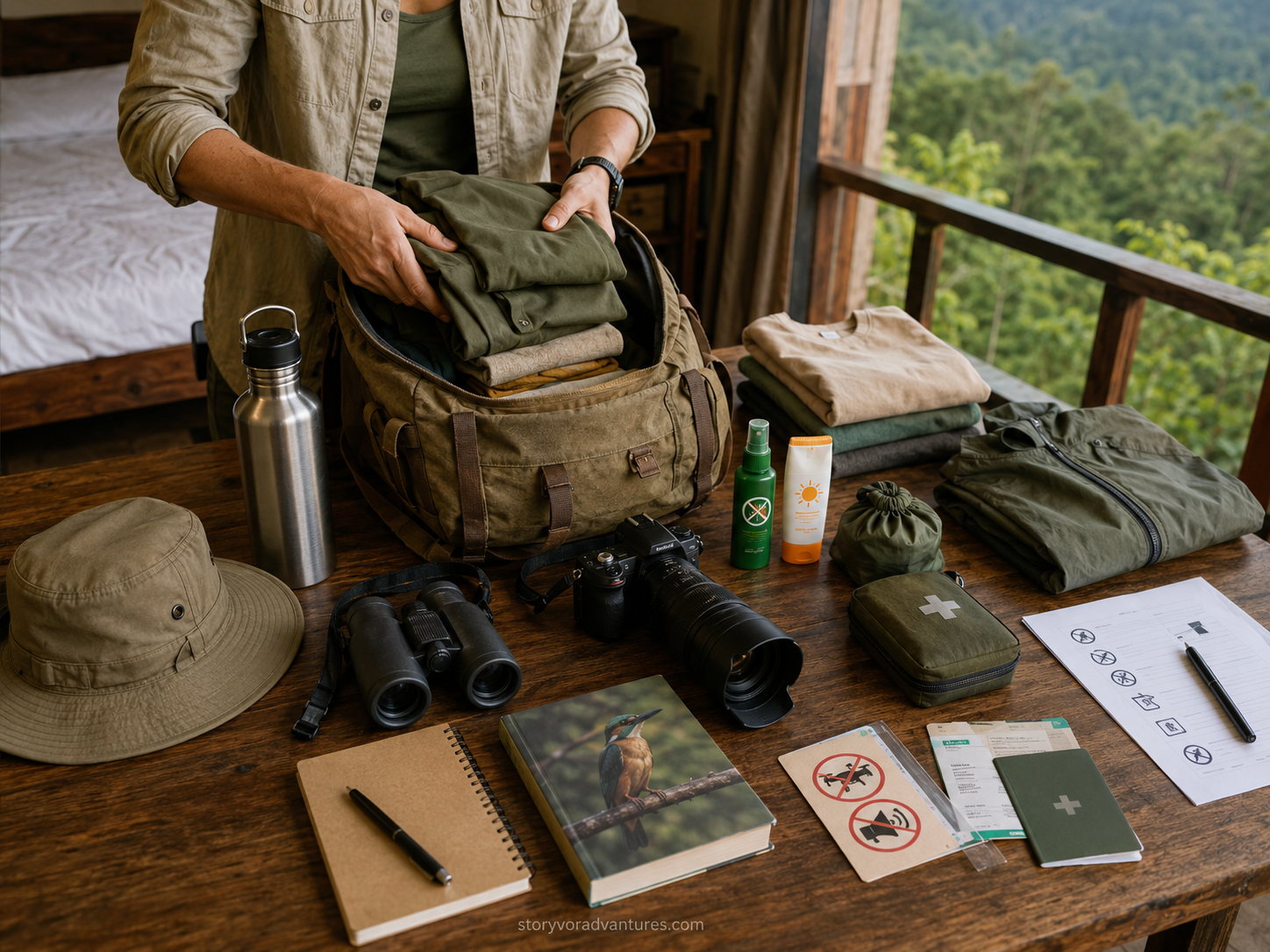
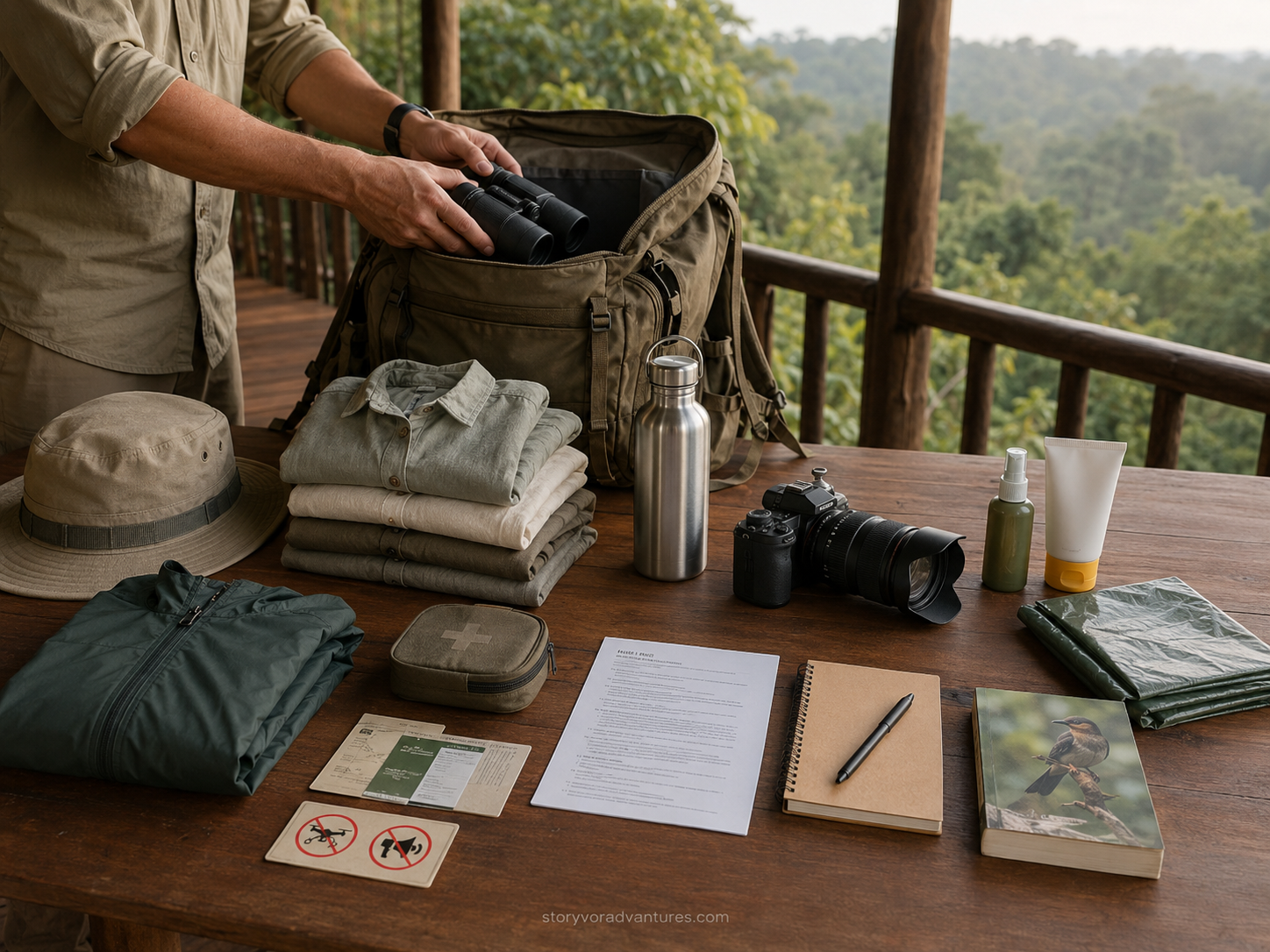
Wildlife-trip packing list
- Neutral-coloured, comfortable clothing
- Refillable water bottle
- Binoculars
- Camera with zoom lens
- Sun protection
- Insect protection suitable for the destination
- Small reusable rubbish bag
- Required medicines
- Weather protection
- Identification and permits
- Offline copy of emergency details
- Notebook or wildlife guidebook
Avoid carrying speakers, drones or equipment prohibited by the park. Drone noise can disturb wildlife, and flying one without permission may be illegal.
11. Know What to Do During an Unsafe Encounter
Wild animals are unpredictable. Instructions vary depending on the species, terrain and local regulations.
General precautions include:
- Never run toward or chase an animal
- Do not stand between a parent and its young
- Give animals a clear escape route
- Stay with your group
- Follow your guide immediately
- Do not leave a vehicle unless permitted
- Report injured or unusually behaving animals to park staff
- Never touch a sick, injured or dead animal
Do not rely on viral videos for safety advice. Learn the official instructions for the animals found at your destination before entering the area.
12. Use This Quick Ethical Wildlife Test
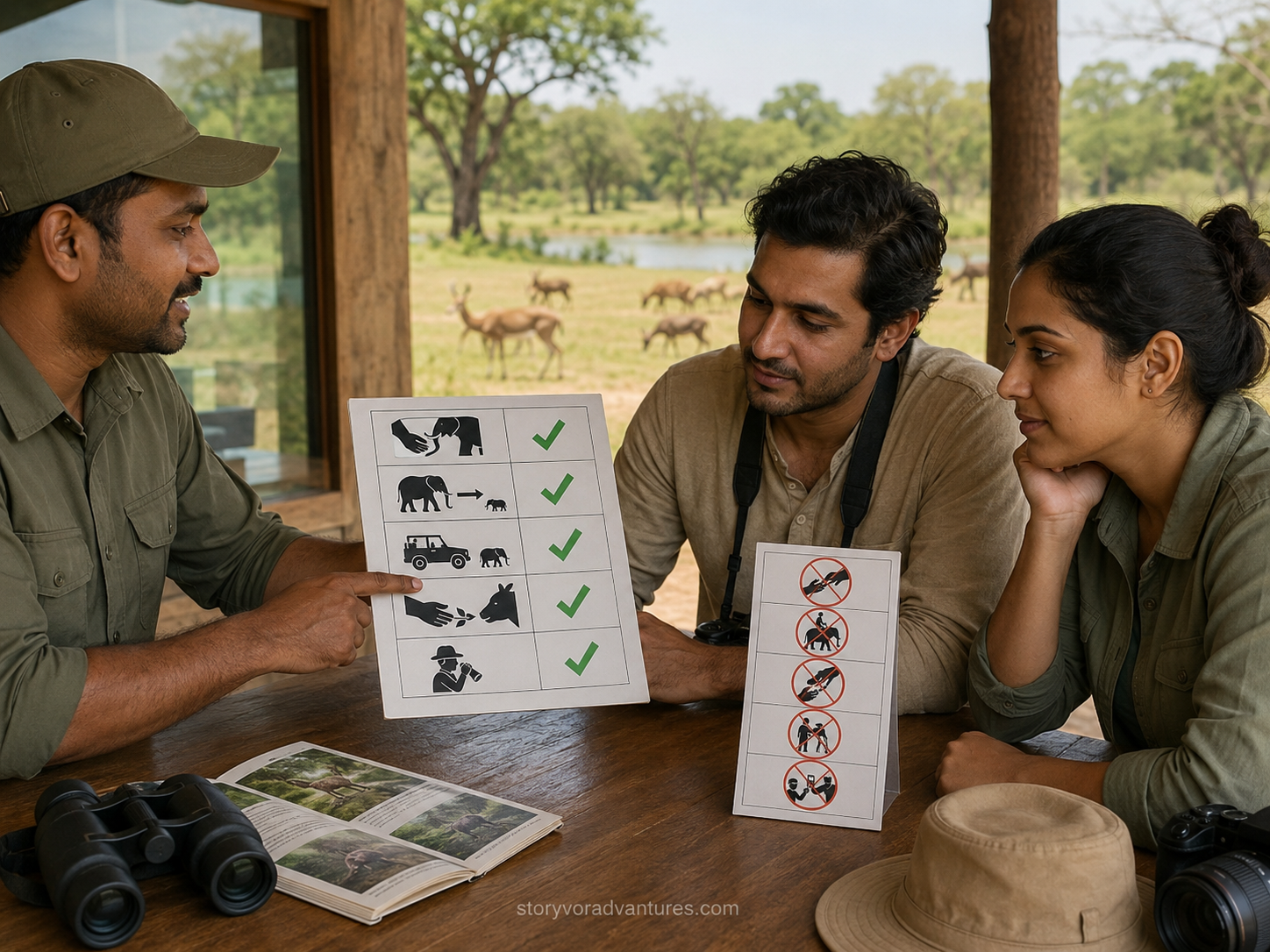
Before booking any wildlife activity, ask these five questions:
| Question | Responsible sign | Warning sign |
|---|---|---|
| Can visitors touch animals? | No direct interaction | Touching, holding or riding |
| Are animals free to move away? | Yes | Restrained or cornered |
| Is a sighting guaranteed? | No | Guaranteed wild-animal encounter |
| Is feeding permitted? | No | Food used to attract animals |
| Is education provided? | Clear rules and trained guides | Entertainment is the main purpose |
If an activity depends on controlling an animal so visitors can take photographs, it is probably not a responsible wildlife experience.
Frequently Asked Questions
Is every wildlife sanctuary ethical?
No. The word “sanctuary” is not enough. Check whether the facility allows touching, breeding, performances, rides or constant human interaction. A responsible rescue facility should place animal welfare above visitor entertainment.
Is it acceptable to take wildlife selfies?
A selfie taken from a safe distance without affecting the animal may be acceptable. However, never approach, touch, feed or restrain a wild animal for a photograph.
What should I do if other tourists feed animals?
Do not confront them aggressively. Inform the guide, ranger or park staff so trained authorities can handle the situation.
Are wildlife safaris harmful?
A well-managed safari can support conservation, education and local employment. It becomes harmful when vehicles crowd animals, leave designated routes, make excessive noise or chase wildlife for sightings.
How can I help wildlife after returning home?
Share responsible information, support credible conservation organisations, avoid promoting harmful attractions and encourage other travellers to observe animals without disturbing them.
Final Thoughts
The best wildlife experience is not always the closest one.
It is the moment when an animal continues walking, feeding or caring for its young because your presence has not changed its behaviour.
Responsible wildlife travel requires patience. You may return without seeing the species you hoped to find. That does not mean the trip failed. It means the animals remained free to choose where they went and when they appeared.
Wildlife does not exist to perform for our cameras.
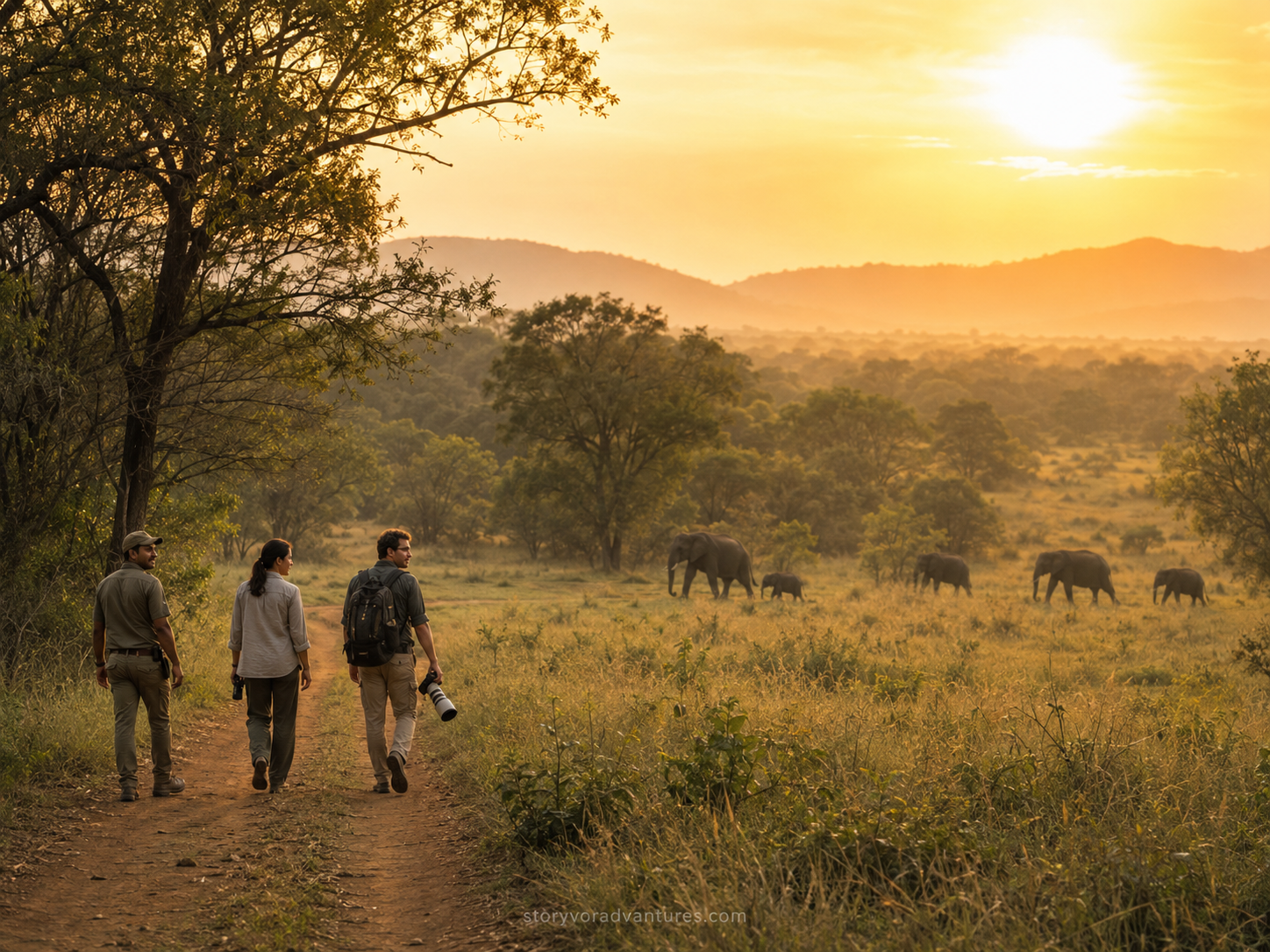
Travel quietly, observe from a distance and leave the habitat exactly as you found it. The most respectful traveller is not the person who gets closest to an animal—it is the person who knows when to step back.
© 2026 storyvoradvantures