Uttarakhand Travel Guide 2026: 15 Breathtaking Places From Sacred Temples to Himalayan Valleys
Explore 15 breathtaking places in Uttarakhand, including Kainchi Dham, Hanuman Garhi, Golu Devta Temple, Kedarnath, Auli and Himalayan valleys.
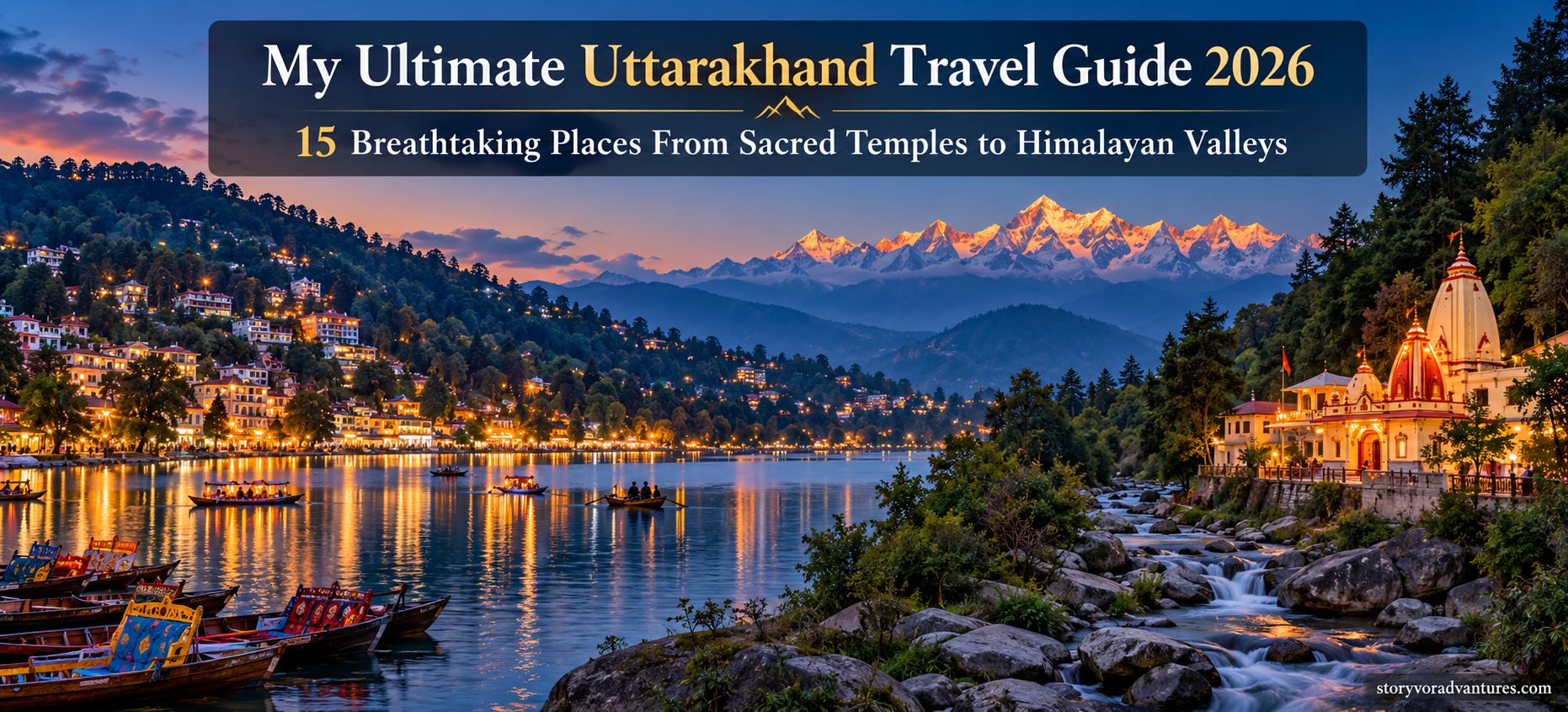
Uttarakhand combines sacred cities, Himalayan temples, forest reserves, alpine meadows and remote mountain valleys across the Garhwal and Kumaon regions. Because distances can require more time than they appear to on a map, travellers should focus on one regional circuit instead of trying to cover the entire state in a single week. This guide introduces 15 notable places, suggested itineraries and practical resources for planning a flexible trip.
Uttarakhand Travel Essentials
- State Capital: Dehradun
- Recommended Duration: 7–14 days (Pick one circuit per trip: Garhwal OR Kumaon).
- Main Airports: Jolly Grant (Dehradun) for Garhwal; Pantnagar for Kumaon.
- Railway Gateways: Haridwar/Rishikesh for Garhwal; Kathgodam/Haldwani for Kumaon.
- Best General Season: March to June (Spring/Summer) and September to November (Autumn).
- Char Dham Registration: Mandatory for pilgrims. Always use the Official Uttarakhand Tourist Care Portal to register before you travel.
15 Breathtaking Places You Must Visit (The Deep Dive)
1. Rishikesh and the Ganga Ghats
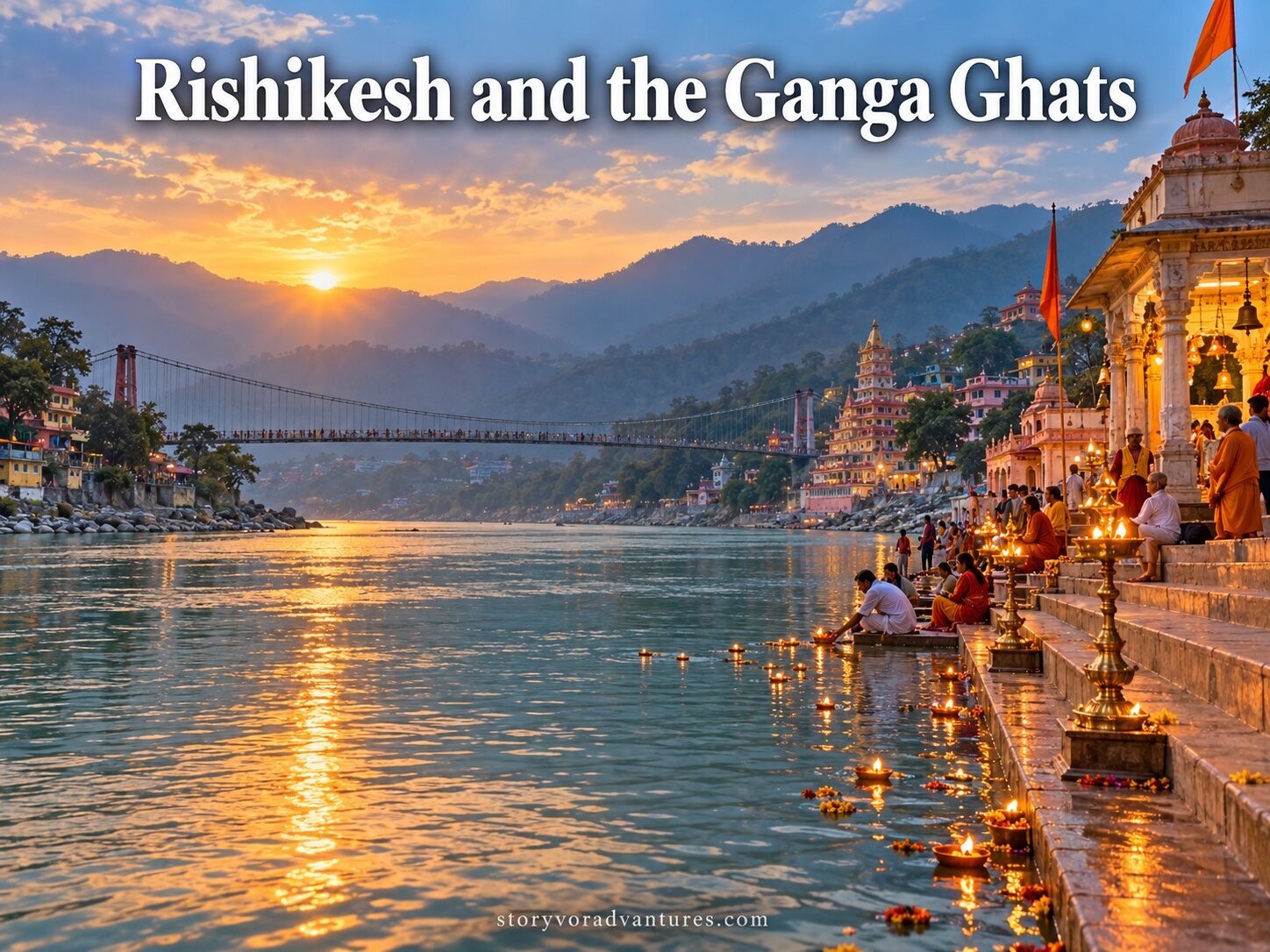
Rishikesh is where the mighty River Ganga finally leaves the steep Himalayas and enters the plains. It has an incredible dual personality: the yoga capital of the world and India’s premier hub for white-water rafting.
- The Vibe: Ashrams, meditation centers, vegan cafes, and suspension bridges (Ram Jhula and Janki Setu).
- Planning Tip: Skip the massive crowds at Parmarth Niketan for the evening Ganga Aarti. Head to Triveni Ghat instead—it feels much more local, deeply spiritual, and less like a tourist spectacle. If you want profound silence, hire a scooter and drive 20 km uphill to Vashishta Gufa, an ancient meditation cave right on the banks of the river.
- Logistics: If you are going rafting, only book through operators certified by Uttarakhand Tourism. Remember that all river activities shut down completely during the monsoon (July-August).
2. Haridwar and Har Ki Pauri
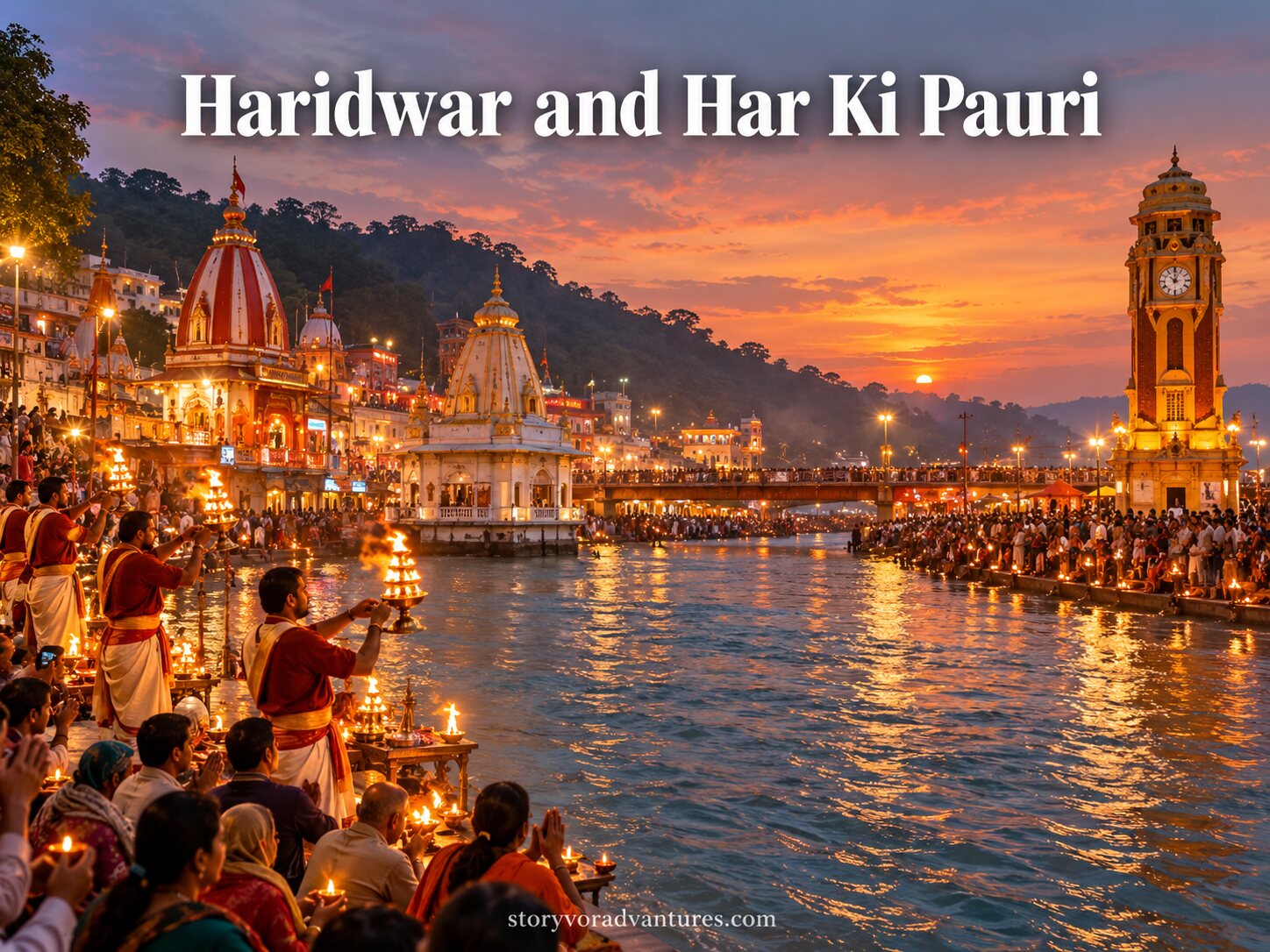
Just an hour downstream from Rishikesh is Haridwar, one of the holiest cities in India. The energy here is intense, chaotic, and beautiful.
- The Vibe: Ancient narrow alleys, ringing temple bells, and the scent of incense and street food.
- Planning Tip: The focal point is Har Ki Pauri for the evening Aarti, but get there by 4:30 PM to secure a spot to sit on the steps. After the Aarti, take a rickshaw to the Kankhal area to see the ancient Daksheswara Mahadev Temple, which has immense mythological significance and fewer tourists.
- Logistics: Take the ropeway (cable car) up to the Mansa Devi and Chandi Devi temples. Buy a combined “Udan Khatola” ticket early in the morning to skip the multi-hour lines.
3. Nainital and Naini Lake
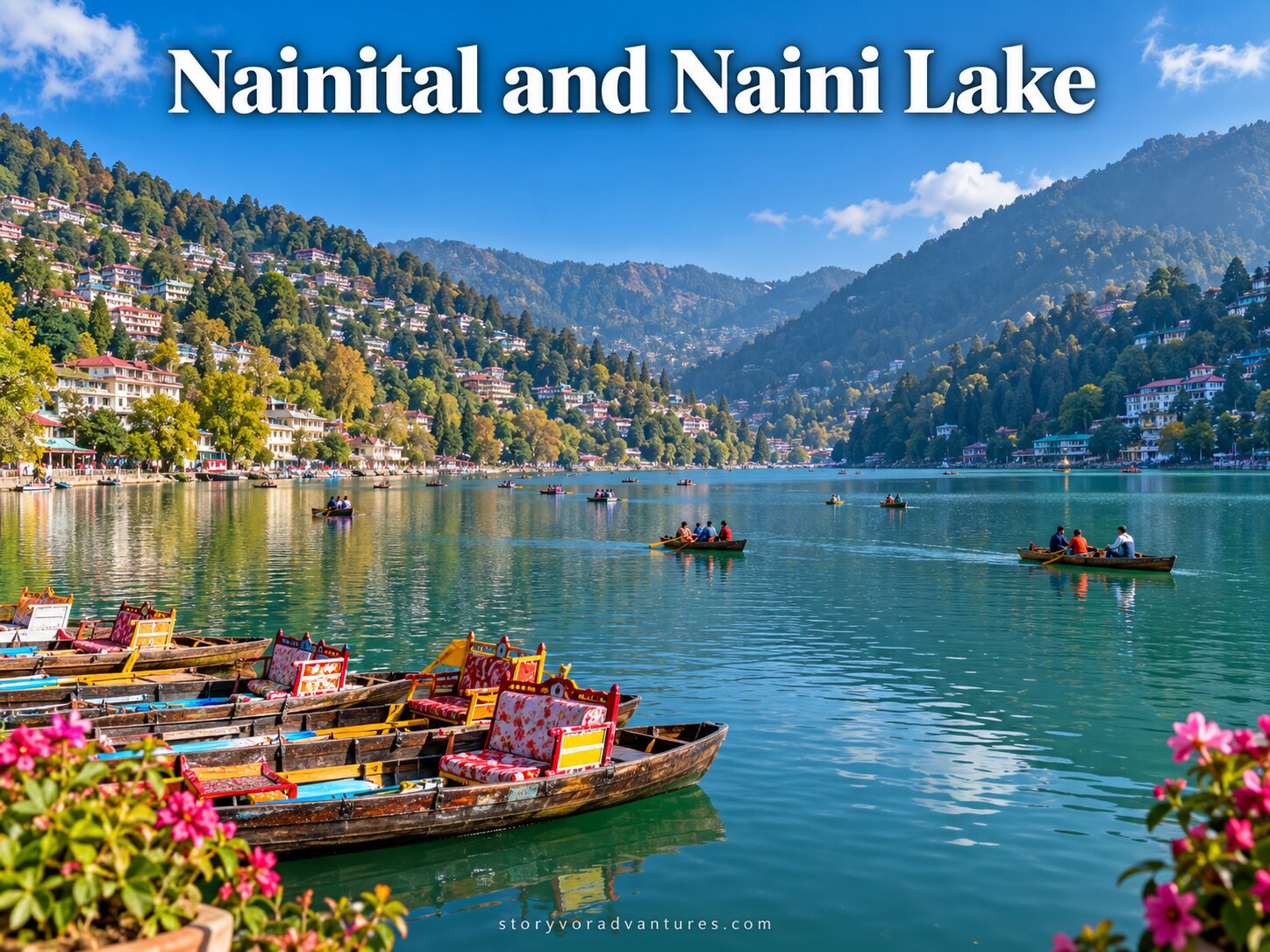
Nainital is the crown jewel of the Kumaon region, built around a stunning, eye-shaped emerald lake.
- The Vibe: A classic British-era hill station with a bustling Mall Road, colonial architecture, and wooden sailboats.
- Planning Tip: Mall Road can become heavily congested. An early-morning walk around the lake may offer quieter conditions. Walking the 3.5 km perimeter of the lake when the morning mist is still rolling off the water—long before the tourist boats start their engines—is pure magic. For bird lovers, drive 15 km out to Pangot, a quiet hamlet surrounded by thick oak forests that hosts hundreds of Himalayan bird species.
- Logistics: Parking is a nightmare here. Ensure your hotel has dedicated private parking before booking.
4. Kainchi Dham (Neem Karoli Baba Ashram)
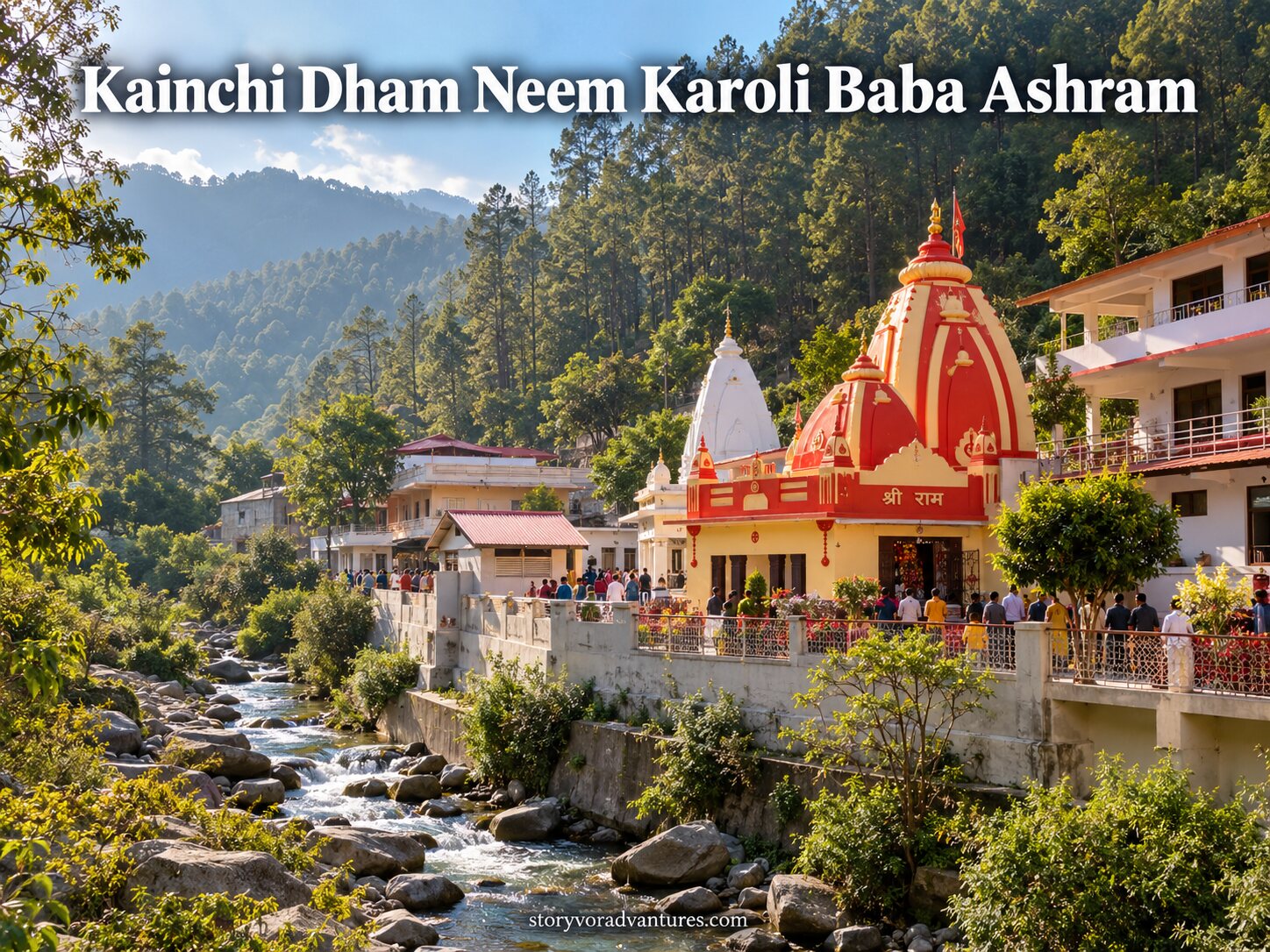
Tucked away in a lush valley about 8 kilometers from Bhowali is Kainchi Dham, established by the legendary Neem Karoli Baba (Maharaj-ji), whose teachings attracted global icons like Steve Jobs.
- The Vibe: Utter devotion, quiet contemplation, and the sound of the Kosi river flowing right through the ashram.
- Planning Tip: This is not a casual sightseeing spot. Dress modestly (shoulders and knees covered). You must try the ashram’s famous malpua prasad. If you want to sit and meditate, arrive as soon as the gates open in the morning before the day-trippers arrive from Nainital.
- Logistics: Traffic gets incredibly backed up on the two-lane highway here. Park your vehicle at the designated Bhowali parking lot and take a shared taxi down to the ashram to save yourself hours of frustration.
5. Hanuman Garhi Temple, Nainital
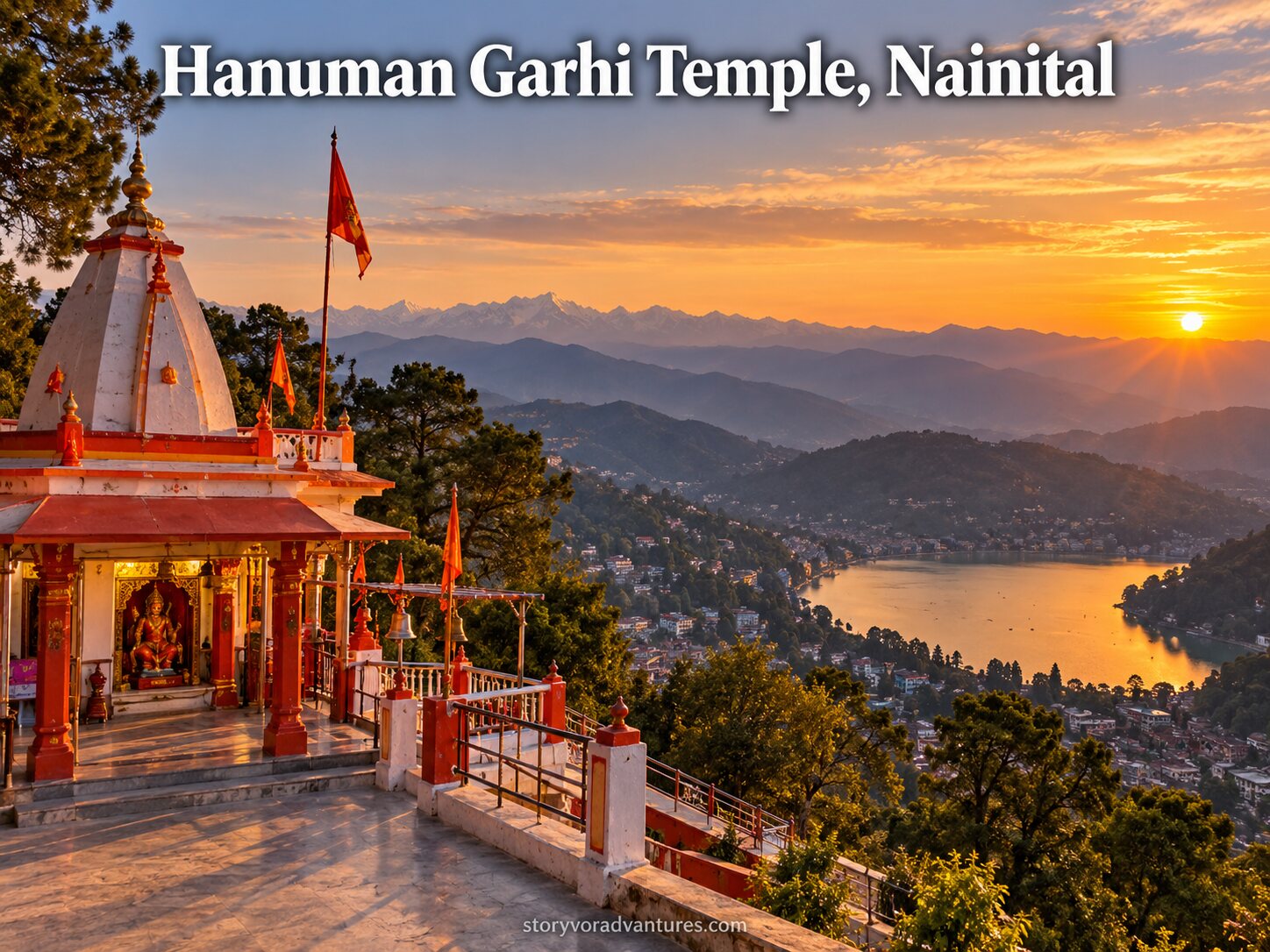
Just a few kilometers from Nainital city center stands Hanuman Garhi, a hilltop temple complex dedicated to Lord Hanuman, sitting at an altitude of about 1,951 meters.
- The Vibe: Spiritual calmness paired with sprawling views of the Tarai plains.
- Planning Tip: Come here strictly for the sunset. The way the sinking sun paints the surrounding Himalayan foothills in shades of orange and purple is breathtaking. There is a specific viewing deck behind the main shrine that offers the best unobstructed angle.
- Logistics: Bring a light jacket. The moment the sun dips below the horizon, the mountain chill sets in instantly, even in the middle of summer.
6. Chitai Golu Devta Temple, Almora
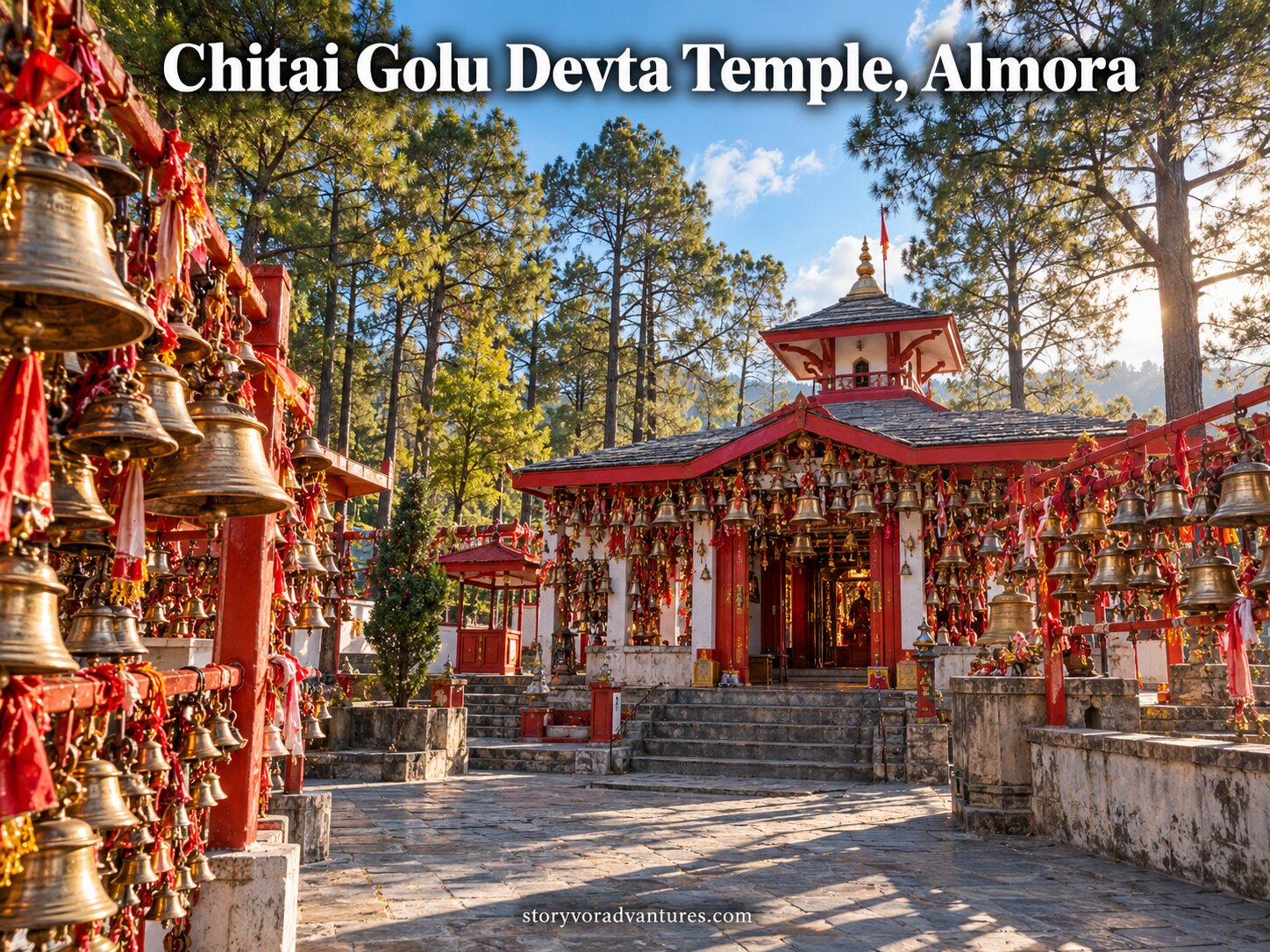
This is easily one of the most unique temples you will ever visit. Located near Almora, it is dedicated to Golu Devta, worshipped across Kumaon as the God of Justice.
- The Vibe: A sensory overload of brass bells clanging in the wind and the scent of pine trees.
- Planning Tip: The temple is draped in thousands of handwritten letters strung up on wires. Devotees write legal and personal petitions on official government stamp paper and tie them here, promising to return and hang a bell when their wishes are granted. Read a few of the letters respectfully—it is a profound look into human hope.
- Logistics: You can buy a brass bell from the vendors outside to tie in the complex. Keep your voice down and do not touch the letters tied by others.
7. Auli
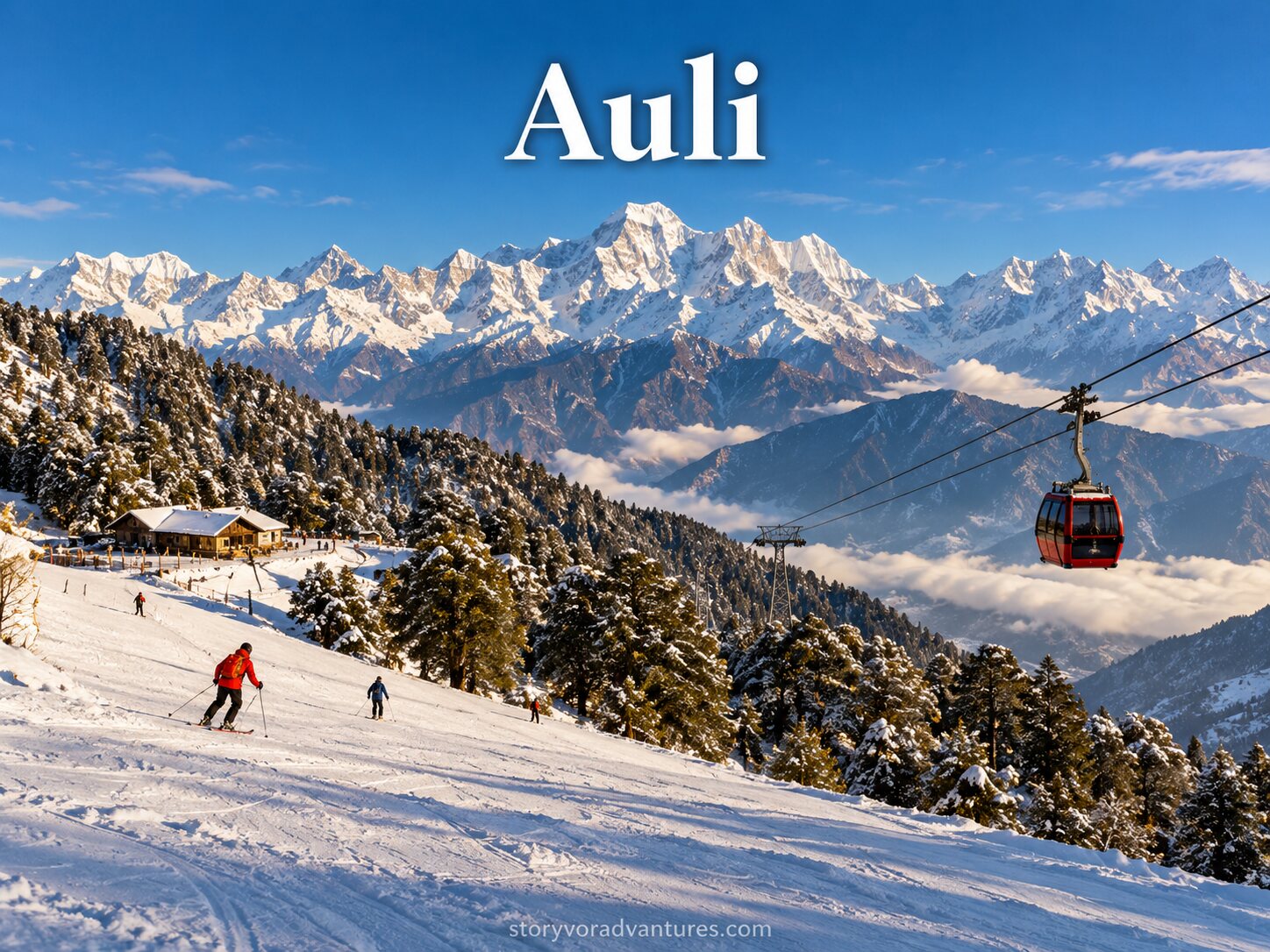
Auli is India’s premier ski destination, sitting at a staggering 2,800 meters. Surrounded by oak and coniferous forests, it offers a jaw-dropping view of Nanda Devi, India’s second-highest peak.
- The Vibe: Pristine white snow in the winter, and lush, rolling green alpine meadows in the summer.
- Planning Tip: Take the 4-kilometer-long cable car ride from Joshimath to Auli (one of the longest in Asia). The view of the changing tree line from the glass cabin is spectacular. Once in Auli, hike up to the artificial lake—it was built to feed the snow guns, but it perfectly reflects the Himalayan peaks on a clear day.
- Logistics: Because of the high altitude, take your first day very slow to let your body acclimatize. Hydrate constantly.
8. Chopta and Tungnath Temple
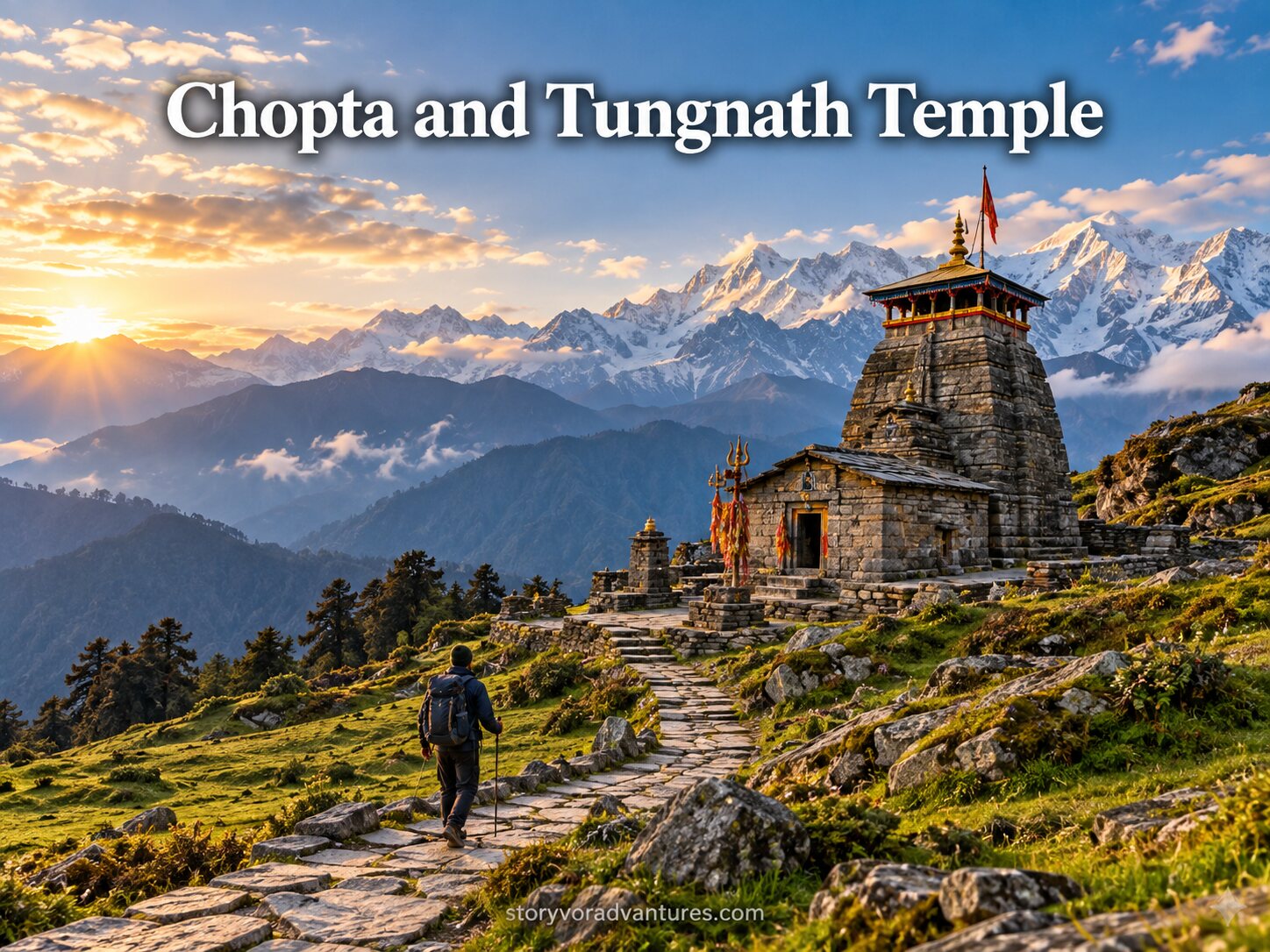
They call Chopta the “Mini Switzerland of India.” It is a stunning expanse of rolling alpine meadows serving as the base camp for the trek to Tungnath, the highest Shiva temple in the world.
- The Vibe: Raw, untouched Himalayan wilderness.
- Planning Tip: If you visit in April or May, the entire trekking trail is ablaze with blooming red and pink rhododendron flowers. The trek to Tungnath is relatively short (about 3.5 km) but steep. Push yourself to hike the extra 1.5 km past the temple to Chandrashila peak.
- Logistics: Start your hike in pitch darkness (around 4:00 AM) with headlamps. If you make it to Chandrashila peak by sunrise, you get a 360-degree panoramic view of the Himalayas that will bring tears to your eyes.
9. Valley of Flowers National Park
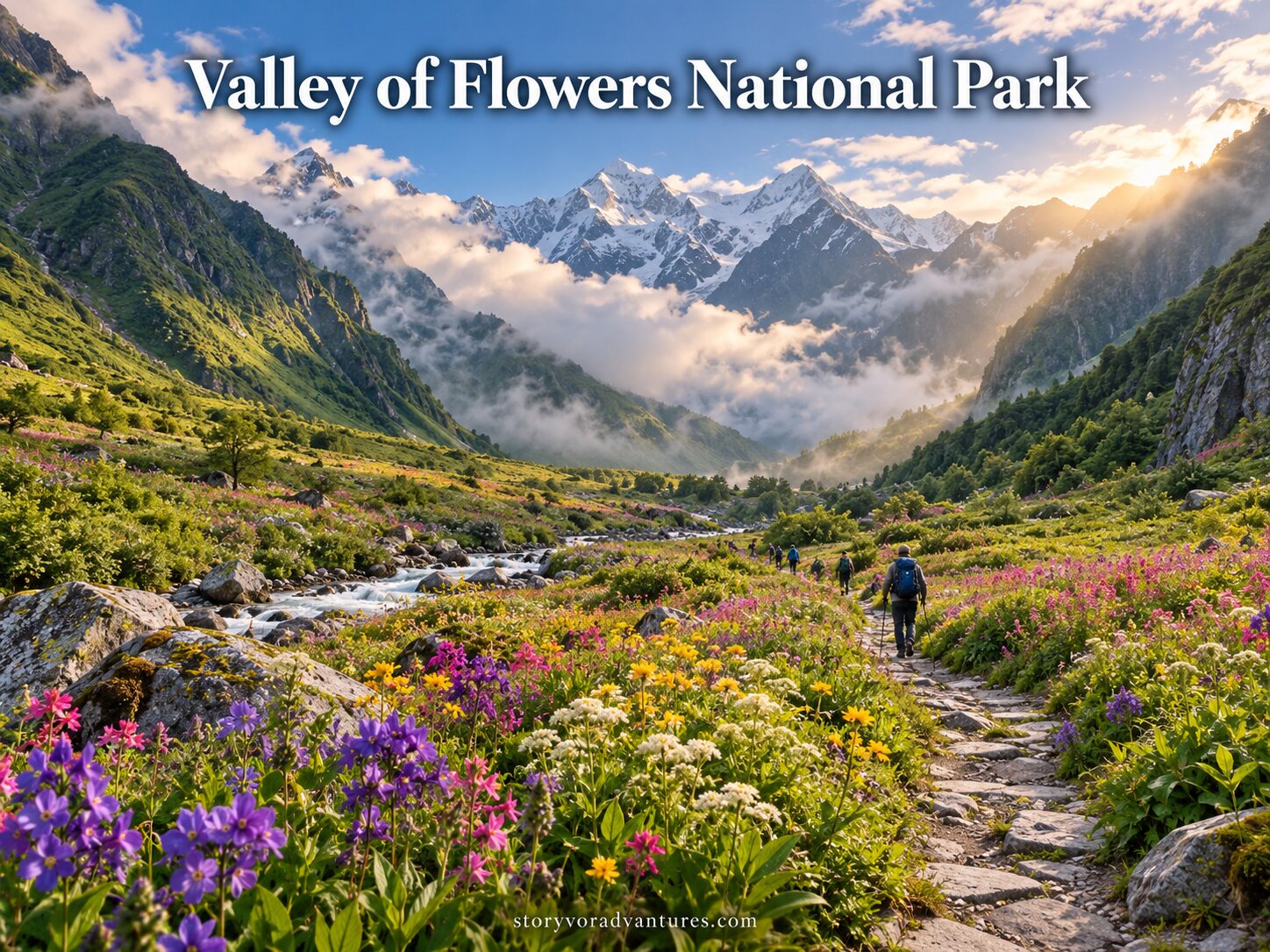
A UNESCO World Heritage Site, this high-altitude national park is only accessible by a multi-day trek starting from Govindghat.
- The Vibe: A mystical, misty valley that erupts into a carpet of millions of endemic alpine flowers (like the rare Blue Poppy and Brahma Kamal) during the monsoon.
- Planning Tip: The flowers change every two weeks! What blooms in late July is completely different from what you see in late August. The Pushpawati river cuts right through the valley, providing incredible photography spots.
- Logistics: This is a serious wilderness trek requiring good physical fitness. You cannot stay inside the park; you must trek 14 km from Govindghat to the base village of Ghangaria, stay the night, and then do the 10 km round-trip into the valley the next day.
10. Kedarnath Temple
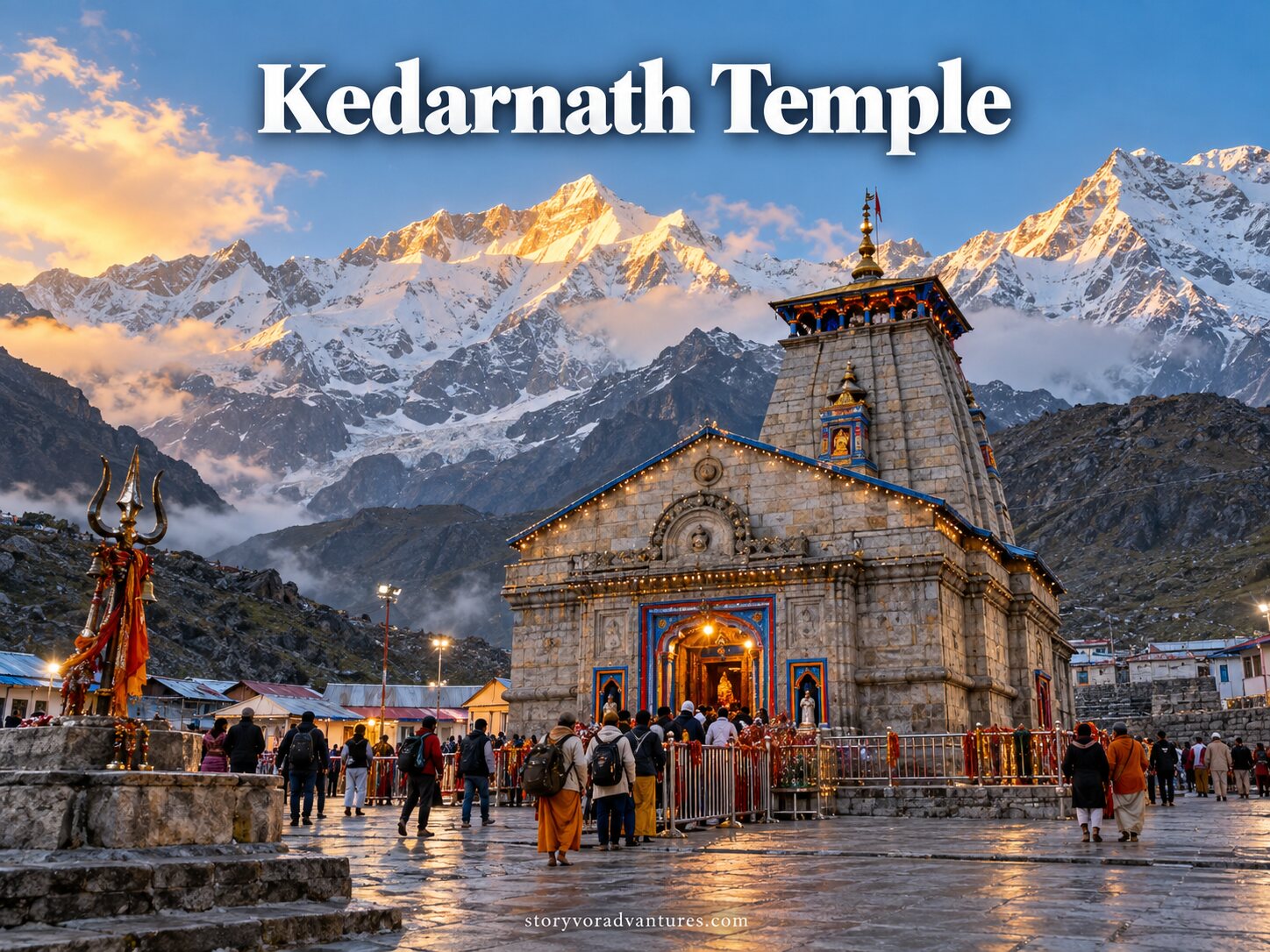
Located in a harsh, dramatic glacial valley at 3,583 meters, Kedarnath is one of the 12 Jyotirlingas and the most demanding of the Char Dham pilgrimage sites.
- The Vibe: Intense devotion, freezing winds, and the majestic snow-clad Kedarnath peak standing like a wall behind the ancient stone temple.
- Planning Tip: After Darshan at the main temple, hike a steep 1 km uphill to the Bhairav Nath temple. The sweeping, bird’s-eye view of the entire Kedarnath valley and the Mandakini river from up there is unparalleled.
- Logistics: The trek from Gaurikund is 16 kilometers long and incredibly steep. You must register in advance on the Official Tourist Care Portal. If you are booking a helicopter, only use the official government IRCTC portal to avoid rampant ticketing scams.
11. Badrinath Temple
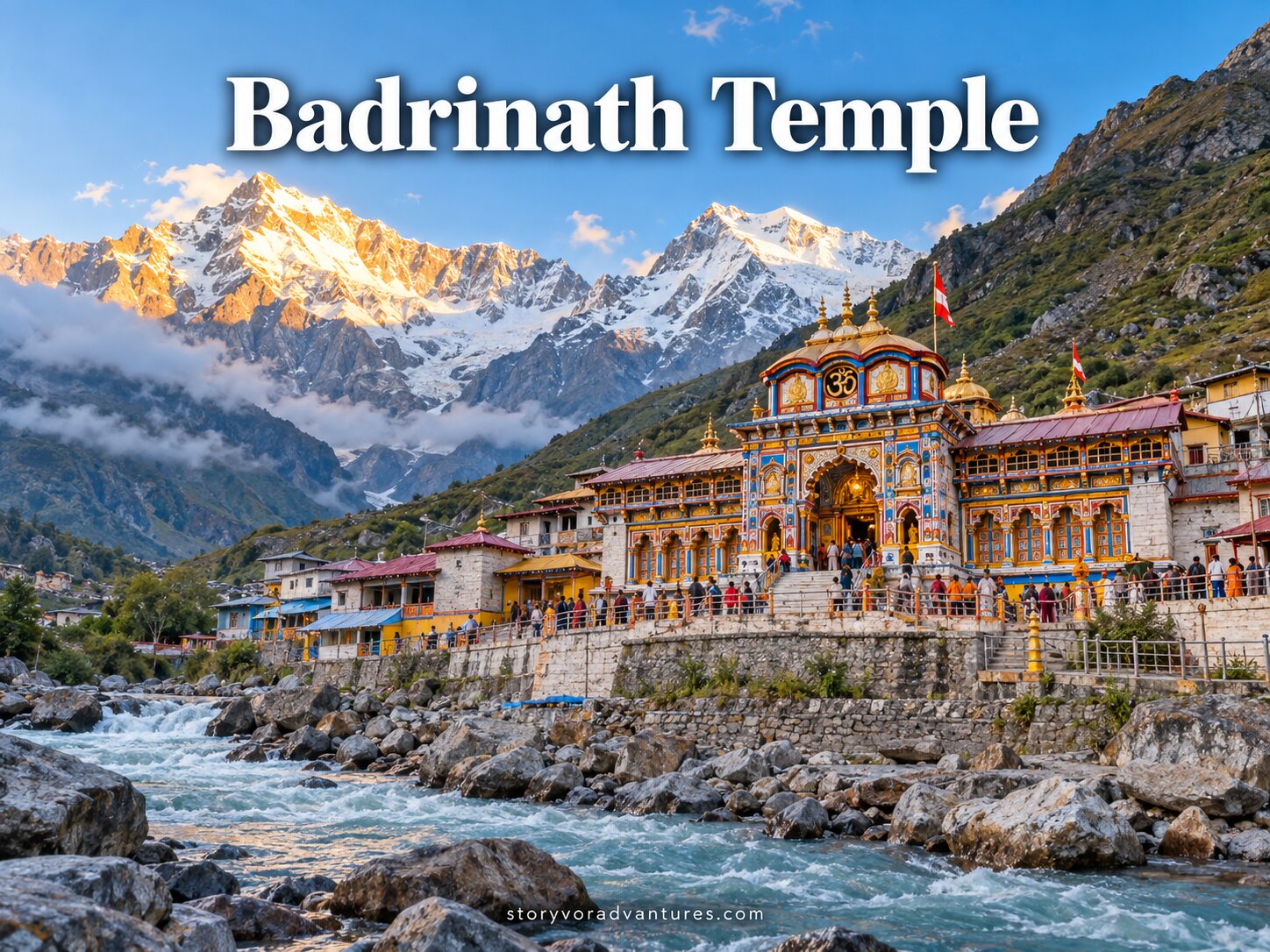
Dedicated to Lord Vishnu, Badrinath sits in a vibrant valley along the banks of the Alaknanda River. It is the most accessible of the Char Dham sites, as you can drive right up to the temple town.
- The Vibe: Bright colors, chanting priests, and the towering Neelkanth peak glowing in the background.
- Planning Tip: Before entering the temple, take a dip in the Tapt Kund. It is a natural geothermal sulphur spring. Stepping into boiling hot water when the outside temperature is near freezing is an incredible experience.
- Logistics: Drive 3 kilometers further to Mana Village (The “First Village of India” near the Tibet border). Drink tea at the famous “Last Tea Shop” and take the short hike up to the stunning Vasudhara Falls.
12. Munsiyari and the Panchachuli Peaks
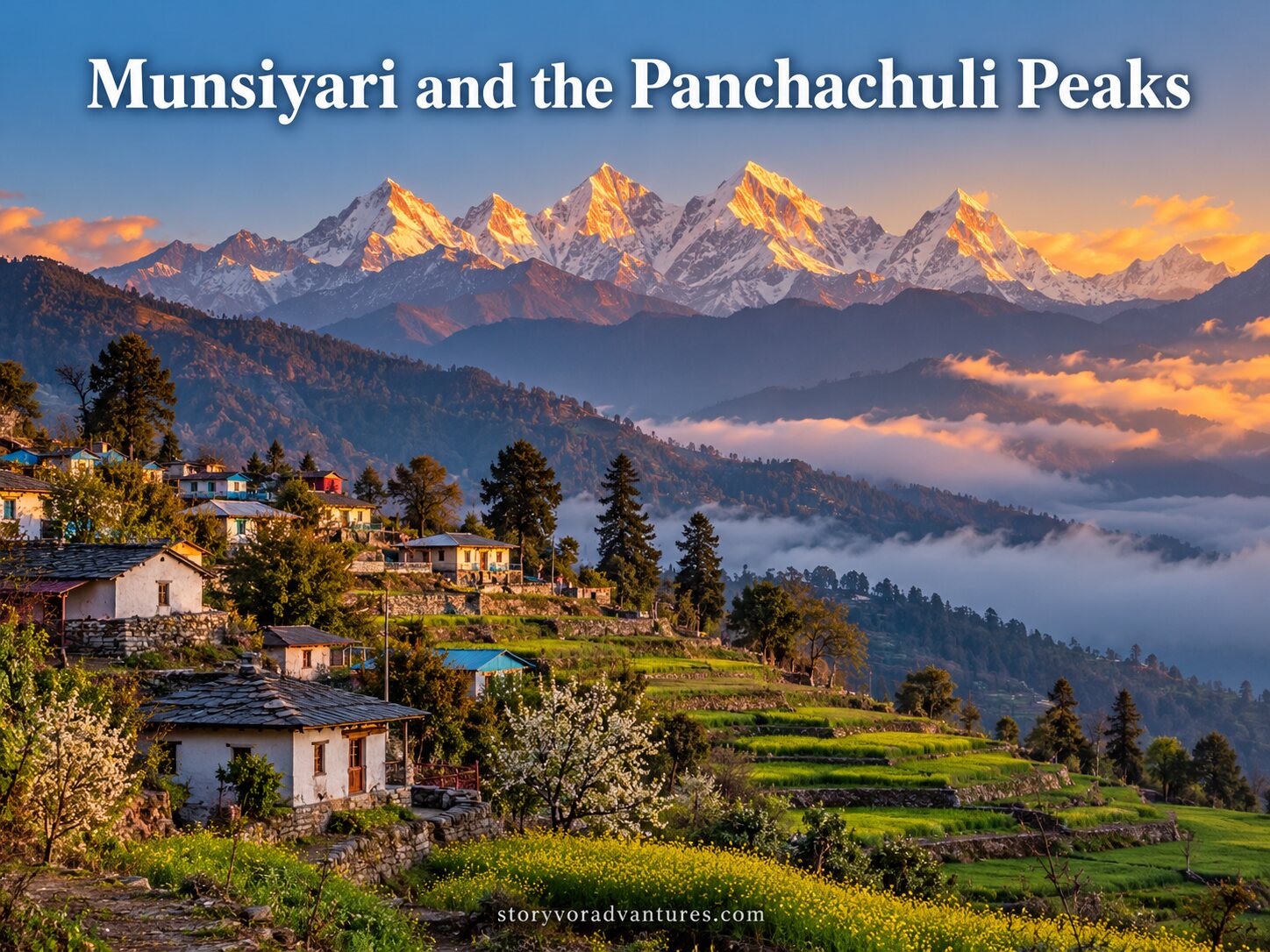
Munsiyari is a remote, raw mountain town in the Pithoragarh district, famous for offering the most spectacular, close-up views of the five snow-capped Panchachuli peaks.
- The Vibe: Off-the-beaten-path, rugged, and deeply rooted in the tribal heritage of the Bhotiya people.
- Planning Tip: Stop at the massive Birthi Falls on your drive up. Once in Munsiyari, buy some authentic, hand-woven sheep wool products from the local women’s cooperatives. If you are fit, the 2-day trek to Khaliya Top offers the best high-altitude meadow views in all of Kumaon.
- Logistics: Getting here is not easy. It’s a long, winding 9-10 hour drive from Nainital or Almora. Do not treat this as a weekend add-on; dedicate at least 3 nights to this area.
13. Binsar Wildlife Sanctuary
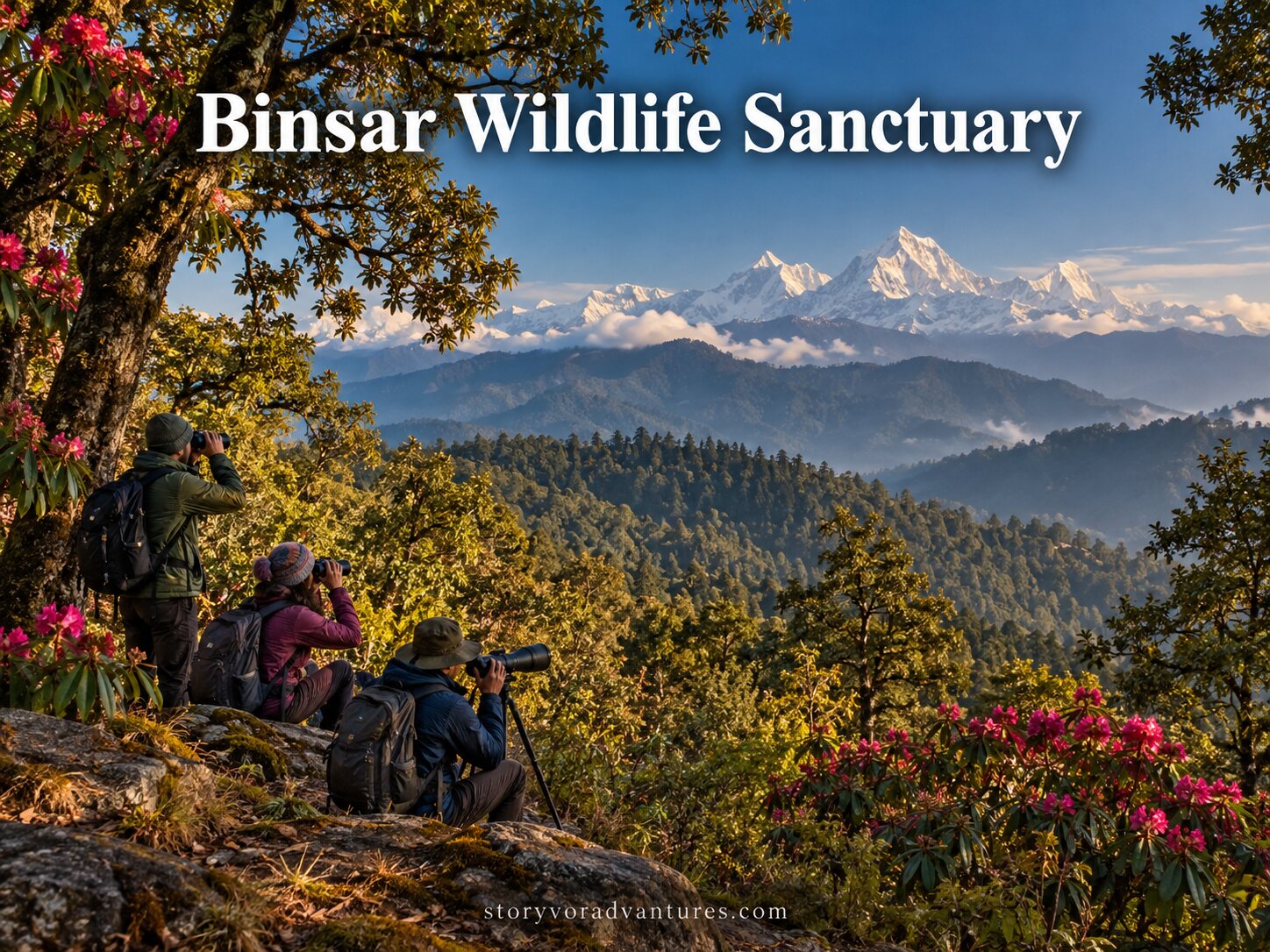
If you want absolute silence, Binsar is your sanctuary. It’s a protected forest reserve known for its dense oak trees, diverse birdlife, and zero commercialization.
- The Vibe: Unplugged, serene, and wild. The core zone has no electricity grid—everything runs on limited solar power.
- Planning Tip: Walk the 2 km trail from the KMVN rest house to “Zero Point.” On a clear autumn morning, you can see a 300-kilometer-long stretch of famous Himalayan peaks, including Nanda Devi, Kedarnath, and Trishul, lined up perfectly against the sky.
- Logistics: Cars are restricted in the core zone. You have to pay an entry fee at the forest gate and drive very slowly up the narrow mountain road to the top.
14. Jim Corbett National Park
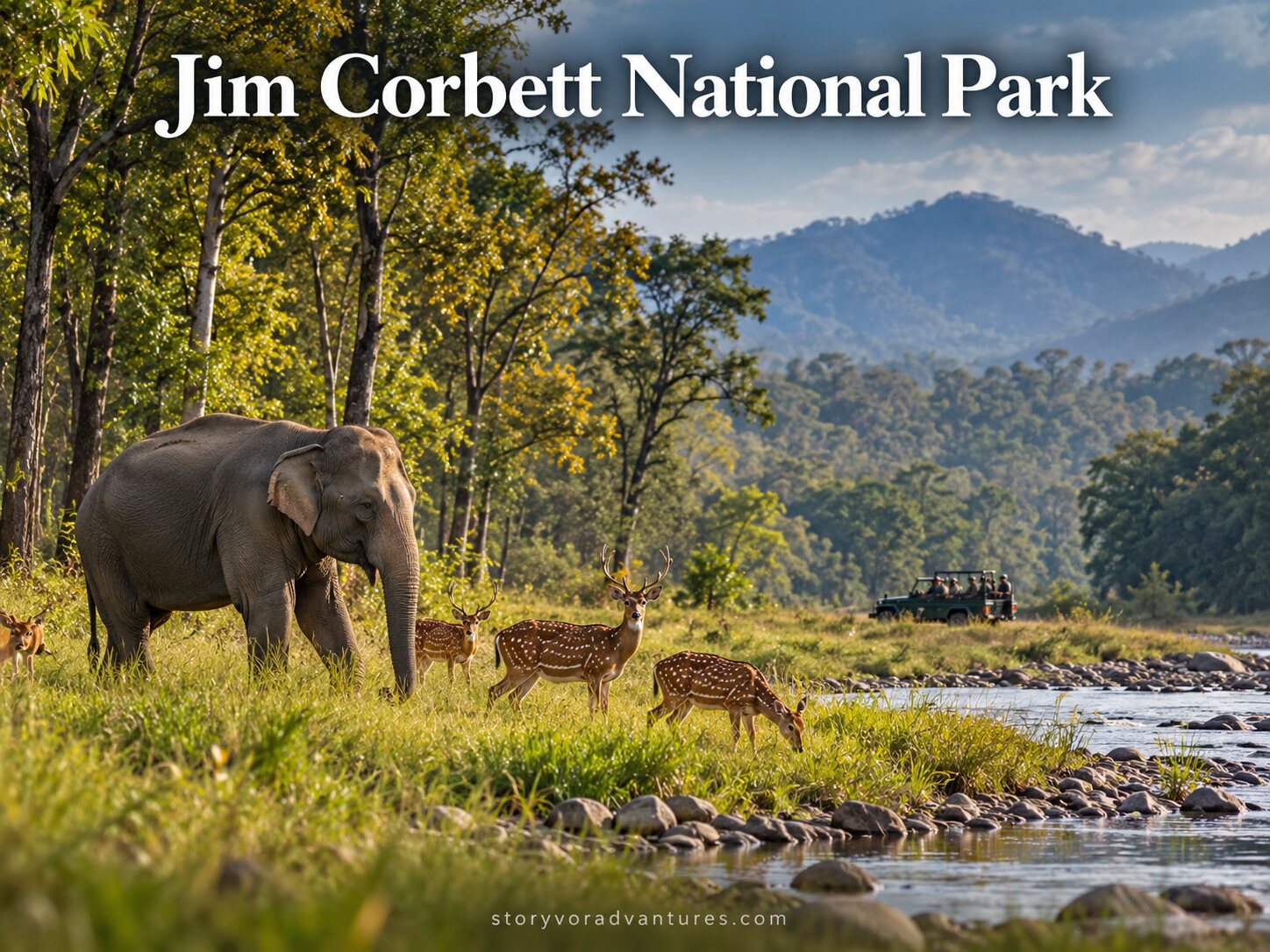
India’s oldest national park is world-famous for its Bengal tiger population, spread across riverine belts, grasslands, and dense sal forests.
- The Vibe: Thrilling jeep safaris, the smell of damp earth, and the calls of wild elephants and spotted deer.
- Planning Tip: A safari is about the whole jungle ecosystem, not just chasing tigers. The Dhikala zone is the most famous, but you have to book a night stay inside the forest to access it. If doing a day trip, the Bijrani and Jhirna zones are fantastic for wildlife viewing.
- Logistics: Always book your safaris and forest rest houses directly through the Official Corbett Tiger Reserve Website. Bookings open exactly 45 days in advance and sell out within minutes, so be prepared.
15. Harsil Valley and Gangotri
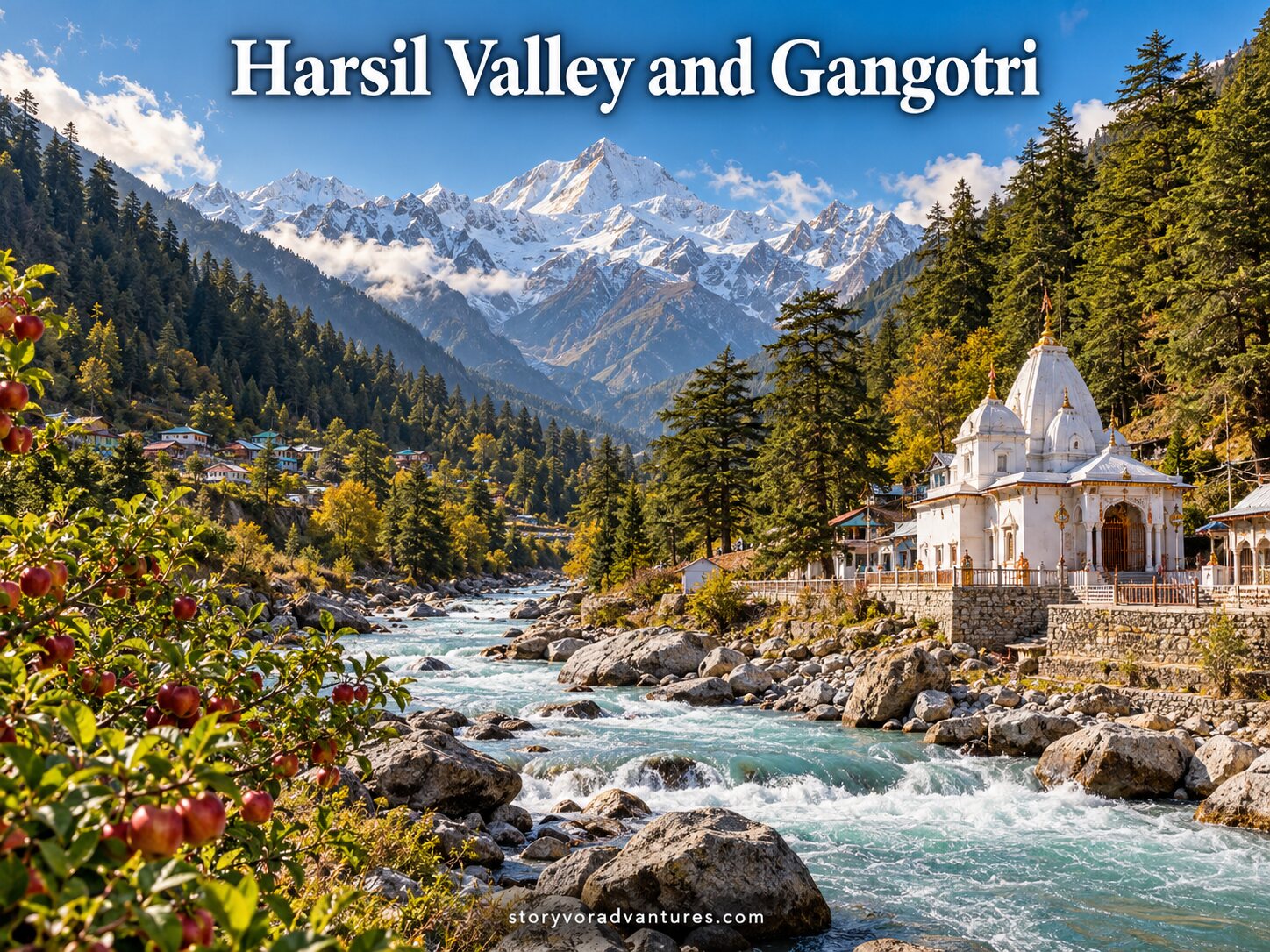
Harsil is a sleepy, picture-perfect valley filled with apple orchards, serving as a peaceful base camp for the Gangotri temple.
- The Vibe: Wooden houses, the roaring crystal-clear Bhagirathi River, and crisp, apple-scented air.
- Planning Tip: Spend a night in Harsil to soak in the peace. Drive 20 km to see the Gartang Gali—an incredible 150-year-old wooden bridge bolted to a sheer cliff face, originally used by merchants traveling to Tibet. Then, drive up to Gangotri for the deeply moving evening Aarti on the riverbanks.
- Logistics: If you are an experienced trekker, you can arrange forest permits to trek 18 km from Gangotri up to Gaumukh, the actual physical glacier where the river begins.
How to Route Your Uttarakhand Trip
Trying to do Garhwal and Kumaon together is a recipe for exhaustion. The mountain roads are beautiful but slow (expect to cover only 30-40 km in an hour).
The Kumaon Nature & Temple Circuit (7–9 Days)
| Day | Destination / Activity | Overnight Stay |
|---|---|---|
| Day 1 | Arrive at Kathgodam railway station or Pantnagar airport. Drive up to Nainital. | Nainital |
| Day 2 | Explore Naini Lake, the Mall Road, and hike to Hanuman Garhi for sunset. | Nainital |
| Day 3 | Drive to Kainchi Dham for morning peace, then continue to Almora. | Almora |
| Day 4 | Visit the Chitai Golu Devta Temple and explore Almora’s cobbled markets. | Almora |
| Day 5 | Head into the deep, unplugged forests of Binsar Wildlife Sanctuary. | Binsar |
| Day 6 | Hike to Zero Point in Binsar, or take a day trip to the ancient Jageshwar temples. | Binsar |
| Day 7 | Drive back down the mountains to Kathgodam for your departure. | – |
| (Note: If you have 3 extra days, you can add the long 9-hour drive to Munsiyari from Almora). |
The Garhwal Spiritual & Mountain Circuit (8–10 Days)
| Day | Destination / Activity | Overnight Stay |
|---|---|---|
| Day 1 | Arrive in Haridwar. Experience the mesmerizing evening Ganga Aarti at Har Ki Pauri. | Haridwar |
| Day 2 | Move to Rishikesh. Explore the ashrams, cafes, and suspension bridges. | Rishikesh |
| Day 3 | Take the long, highly scenic drive up the winding mountain roads to Chopta. | Chopta |
| Day 4 | Early morning trek (4 AM) to Tungnath Temple and Chandrashila Peak. | Chopta |
| Day 5 | Drive down and across to Joshimath, the gateway to the high Himalayas. | Joshimath |
| Day 6 | Take the ropeway up to Auli for skiing (winter) or alpine meadow walks (summer). | Auli/Joshimath |
| Day 7 | Drive to Badrinath. Bathe in Tapt Kund and visit Mana Village. | Badrinath |
| Day 8 | Buffer day (crucial for unexpected mountain weather, road works, or landslides). | Badrinath/Joshimath |
| Day 9 | Begin the long journey back down towards Rishikesh/Dehradun. | Rishikesh |
| Day 10 | Depart from Dehradun airport or Rishikesh railway station. | – |
What to Eat in Uttarakhand
The local food here is earthy, highly nutritious, and specifically designed for the harsh mountain climate.
- The Must-Tries: Skip the standard paneer dishes and ask local dhabas for Kafuli (a thick spinach and fenugreek gravy), Aloo ke Gutke (spiced roasted potatoes garnished with coriander), and Bhatt ki Churkani (a rich black bean dal unique to Kumaon).
- The Ultimate Comfort Food: Always pair your meals with Mandua ki Roti (finger millet flatbread). It is incredibly dense, earthy, and keeps your body warm from the inside out. Finish your meal with Bal Mithai, a roasted fudge-like sweet coated in white sugar balls, famous in the Almora region.
Essential Mountain Safety & Responsible Travel
- Never Drive at Night: Mountain roads have no streetlights, sharp hairpin bends, and occasional wildlife crossings. Always plan your transit so you reach your hotel before sunset.
- Respect the Faith: When visiting ashrams, shrines, and temples, dress modestly (cover your knees and shoulders). Do not treat ongoing prayers, bathing ghats, or local rituals as a photoshoot opportunity.
- Leave No Trace: The Himalayas are a fragile ecosystem. Carry a reusable water bottle. Do not leave plastic wrappers, empty bottles, or religious offerings wrapped in plastic beside trekking trails or near the pristine rivers.
A well-planned Uttarakhand trip should include realistic travel times, flexible days and regular weather checks. Focusing on one region at a time can reduce exhausting road journeys and provide more time to appreciate the state’s temples, forests, rivers and mountain communities.