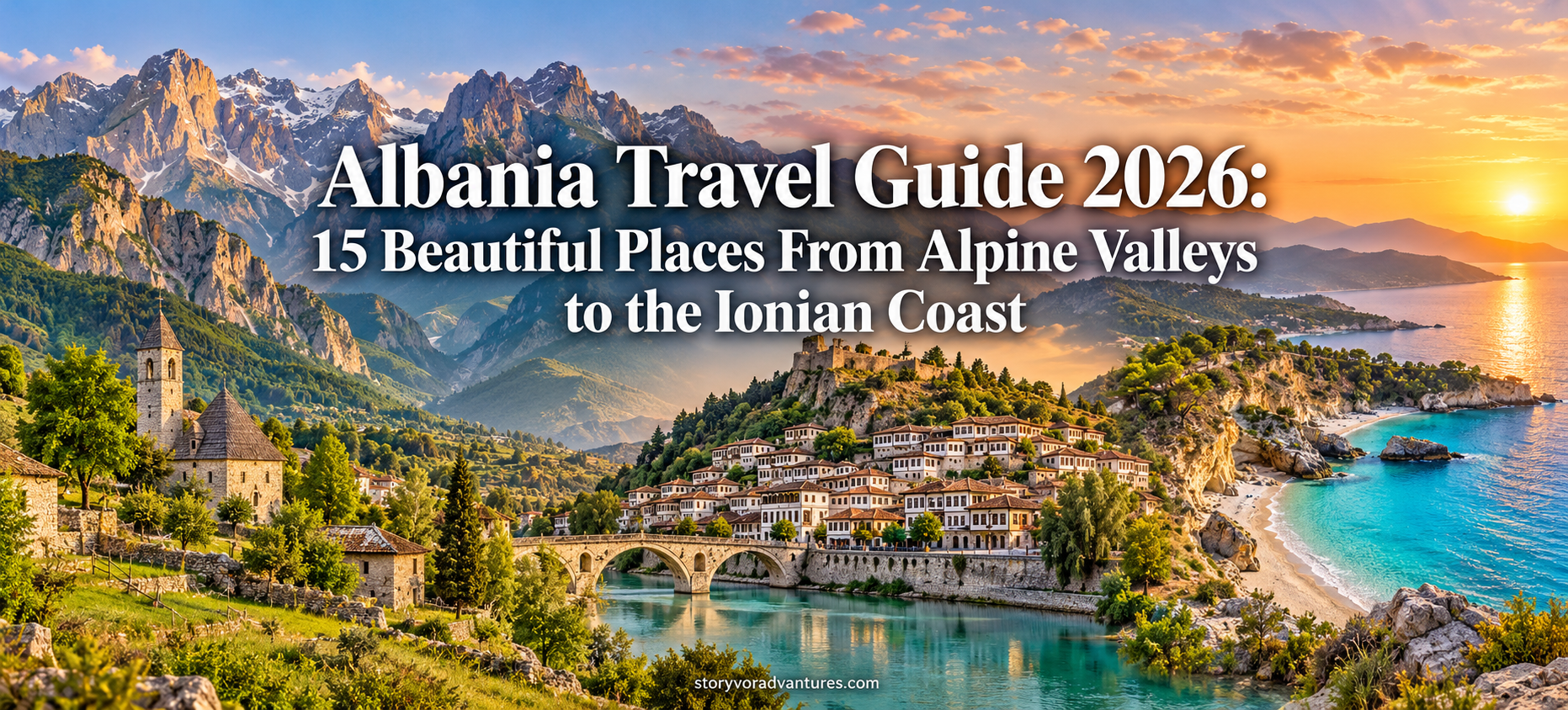
Albania Travel Guide 2026: 15 Beautiful Places From Alpine Valleys to the Ionian Coast
Explore 15 beautiful places in Albania, from alpine valleys and historic towns to the Ionian Coast, with transport, costs and practical travel tips.
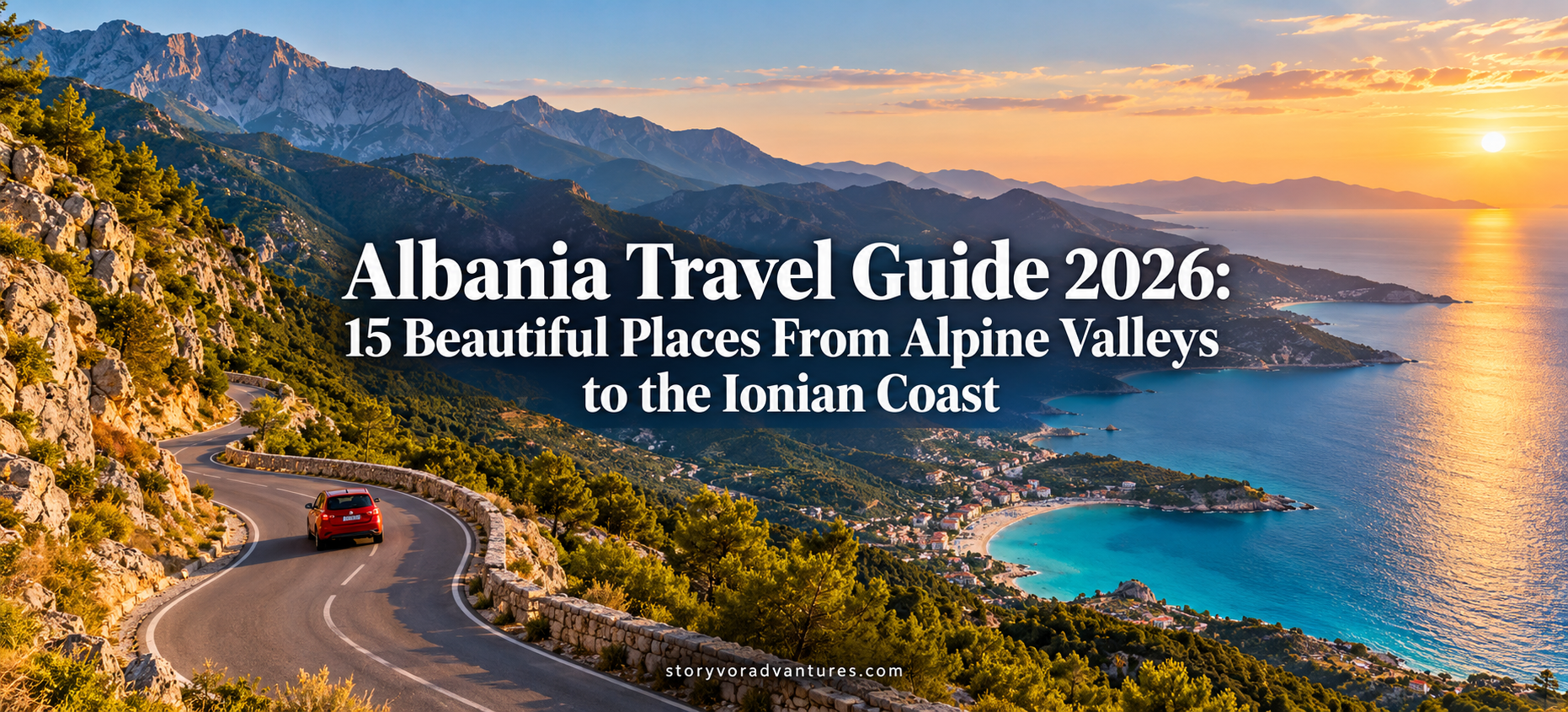
Albania is one of the few European destinations where travellers can move from a lively capital to high mountain villages, Ottoman-era towns, archaeological ruins and turquoise beaches within a relatively short journey. Its compact size makes it attractive for a road trip, although the winding roads and limited railway network mean that travel times are often longer than they appear on a map.
The country is becoming more popular, particularly along the Albanian Riviera. Places such as Ksamil can become extremely busy during summer, but quieter experiences are still possible by travelling in May, June, September or early October and spending time beyond the most photographed beaches.
This guide covers 15 worthwhile places, a practical ten-day itinerary, local currency, visas, buses, driving, accommodation, mobile data and approximate travel costs. It is designed for first-time visitors who want to experience Albania without changing hotels every night.
Albania Travel Essentials
Capital: Tirana
Official currency: Albanian lek
Currency code: ALL
Official language: Albanian
Main international airport: Tirana International Airport
Suggested first-trip duration: 8–12 days
Best transport for a complete circuit: Rental car or a combination of buses and shared vans
Official tourism website: Albania National Tourism Agency
Official visa information: Albanian Ministry for Europe and Foreign Affairs
Electronic visa portal: Albania E-Visa
Visa and Entry Requirements
Entry requirements depend on the traveller’s nationality, passport, residence status and the length of the planned visit. Some nationalities can enter Albania without a visa, while others need to receive an electronic visa before travelling.
A short-stay Type C visa can permit an eligible visitor to remain for up to 90 days within a 180-day period, but this does not mean every passport holder automatically qualifies for the same conditions.
Travellers should check their nationality through the official Albanian Ministry for Europe and Foreign Affairs. Anyone requiring a visa should use the official electronic visa application system rather than an unofficial agency imitating the government website.
The passport information, travel dates and supporting documents must match the application. Carry copies of accommodation bookings, travel insurance, return or onward travel and the approved visa when applicable.
1. Tirana
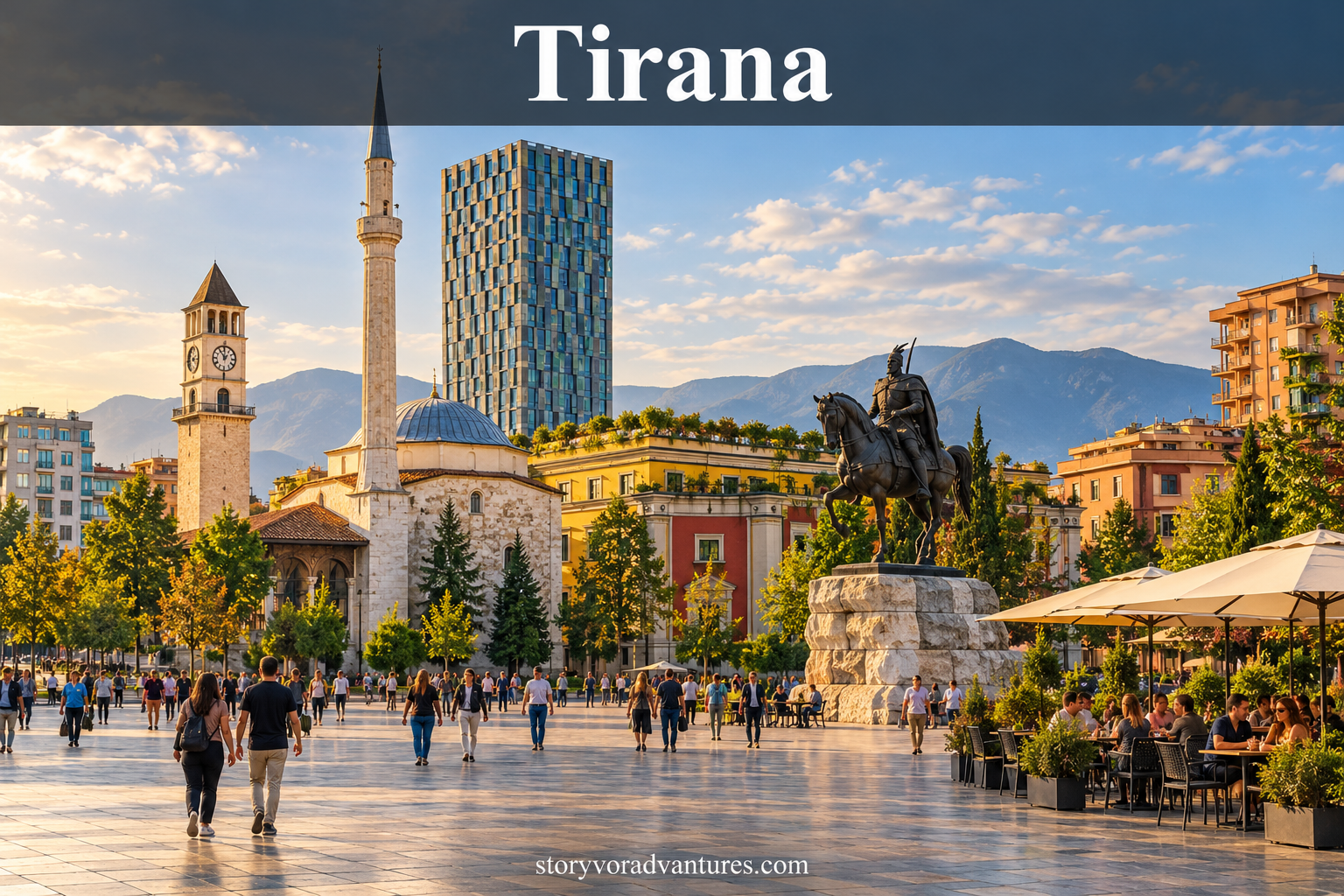
Tirana is often treated as a place to collect a rental car before leaving for the coast, but Albania’s capital deserves at least one complete day. Its centre combines colourful modern buildings, public squares, cafés, museums and reminders of the country’s communist period.
Skanderbeg Square is a useful starting point. The National Historical Museum building, Et’hem Bey Mosque and Clock Tower sit around or close to the square, although travellers should verify which sites are open during their visit.
Bunk’Art 1 and Bunk’Art 2 use former bunkers to present aspects of Albania’s twentieth-century history. Visitors should allow time to read the displays instead of treating the underground spaces only as unusual photography locations.
The Blloku neighbourhood was once restricted to Albania’s political elite but is now filled with cafés and restaurants. The area around the New Bazaar provides another place to observe everyday city life and try local food.
The Dajti Ekspres cable car can provide elevated views over Tirana when weather conditions are clear. Confirm its operating schedule before travelling to the lower station.
2. Kruja
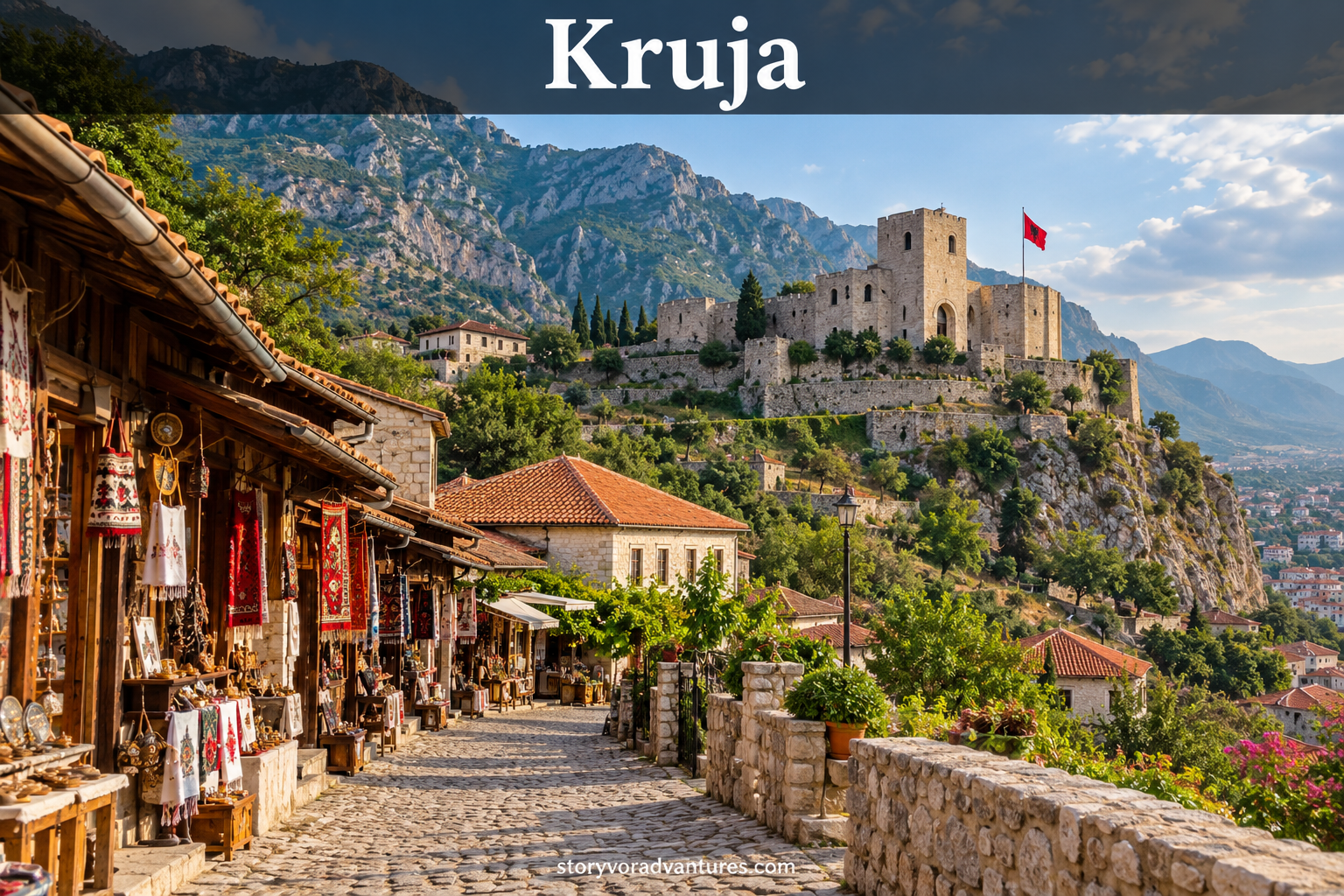
Kruja is closely associated with Albania’s national hero, Skanderbeg. Its hilltop setting, castle area and traditional bazaar make it a convenient cultural stop north of Tirana.
Kruja Castle contains museums and viewpoints over the surrounding landscape. The Skanderbeg Museum introduces the historical figure’s role in Albanian identity, while the Ethnographic Museum can provide insight into traditional domestic life when open.
The old bazaar sells carpets, handmade goods, antiques and souvenirs. Not every product is locally produced, so travellers interested in authentic crafts should ask where and how an item was made.
Kruja can be visited as a day trip from Tirana or included while travelling towards Shkoder. The road can become busy, so journey times should not be estimated using distance alone.
3. Shkoder and Lake Shkoder
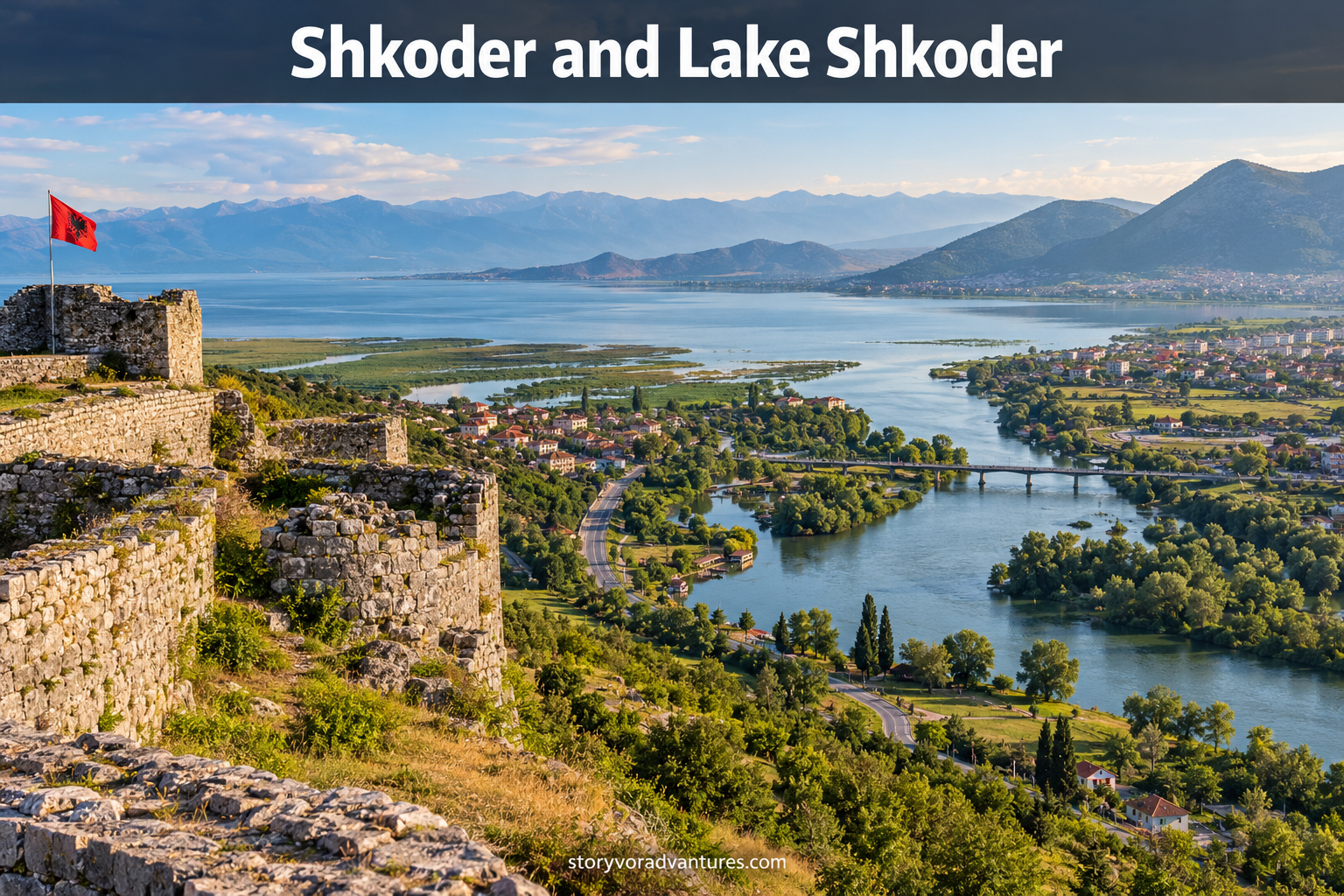
Shkoder is one of Albania’s oldest cities and the main gateway to the northern mountains. Its walkable centre, cafés and cycling culture create a relaxed introduction before travelling towards Theth or Lake Koman.
Rozafa Castle stands on a hill overlooking rivers, fields and Lake Shkoder. The climb is exposed in hot weather, making morning or late afternoon a better time to visit. Some surfaces inside the castle are uneven and require suitable footwear.
The pedestrian streets around central Shkoder are pleasant in the evening. Travellers can also cycle towards Shiroka on the shore of Lake Shkoder, where restaurants and open views provide a quieter contrast to the city.
Stay for at least one night before continuing to Theth. Mountain transport often leaves in the morning, and arriving in Shkoder the previous evening reduces the chance of missing a connection.
4. Theth
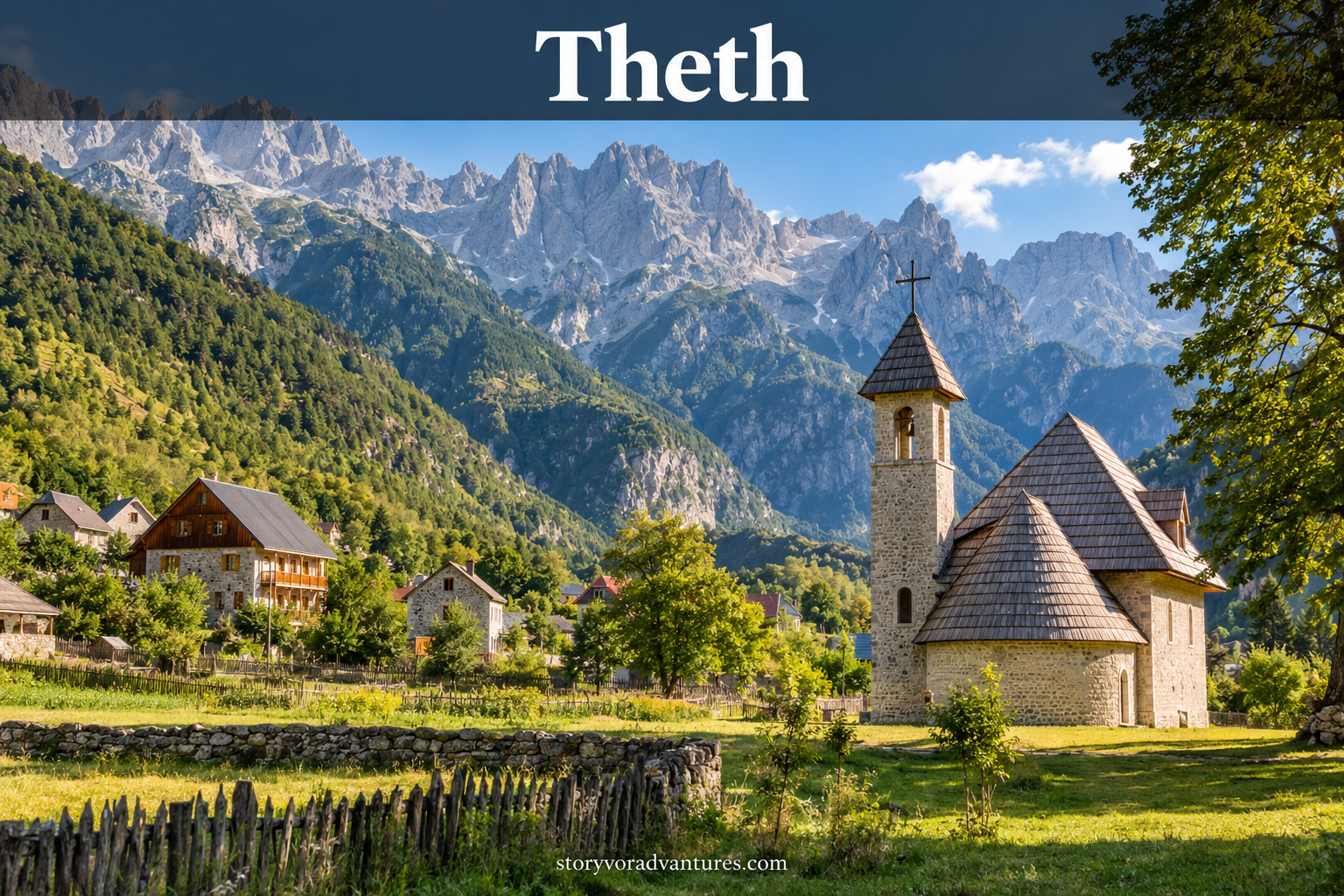
Theth is a mountain village surrounded by the Albanian Alps. Improved road access has made it easier to reach, but its trails, waterfalls and dramatic peaks still require sensible preparation.
The village church and traditional stone buildings create the familiar view seen in many photographs. The walk to Grunas Waterfall is one of the more accessible local activities, while the Blue Eye of Theth involves a longer route and should not be confused with the Blue Eye spring near Saranda.
Conditions in the mountains can change quickly. Travellers need proper footwear, drinking water, sun protection, rain protection and an offline map. A clear morning in the village does not guarantee that conditions will remain stable at higher elevations.
Local guesthouses provide accommodation and home-style meals. Electricity, mobile coverage and payment facilities may be more limited than in cities, so carry some cash and download essential information beforehand.
Theth deserves at least two nights, particularly for travellers planning more than a short village walk.
5. Valbona Valley
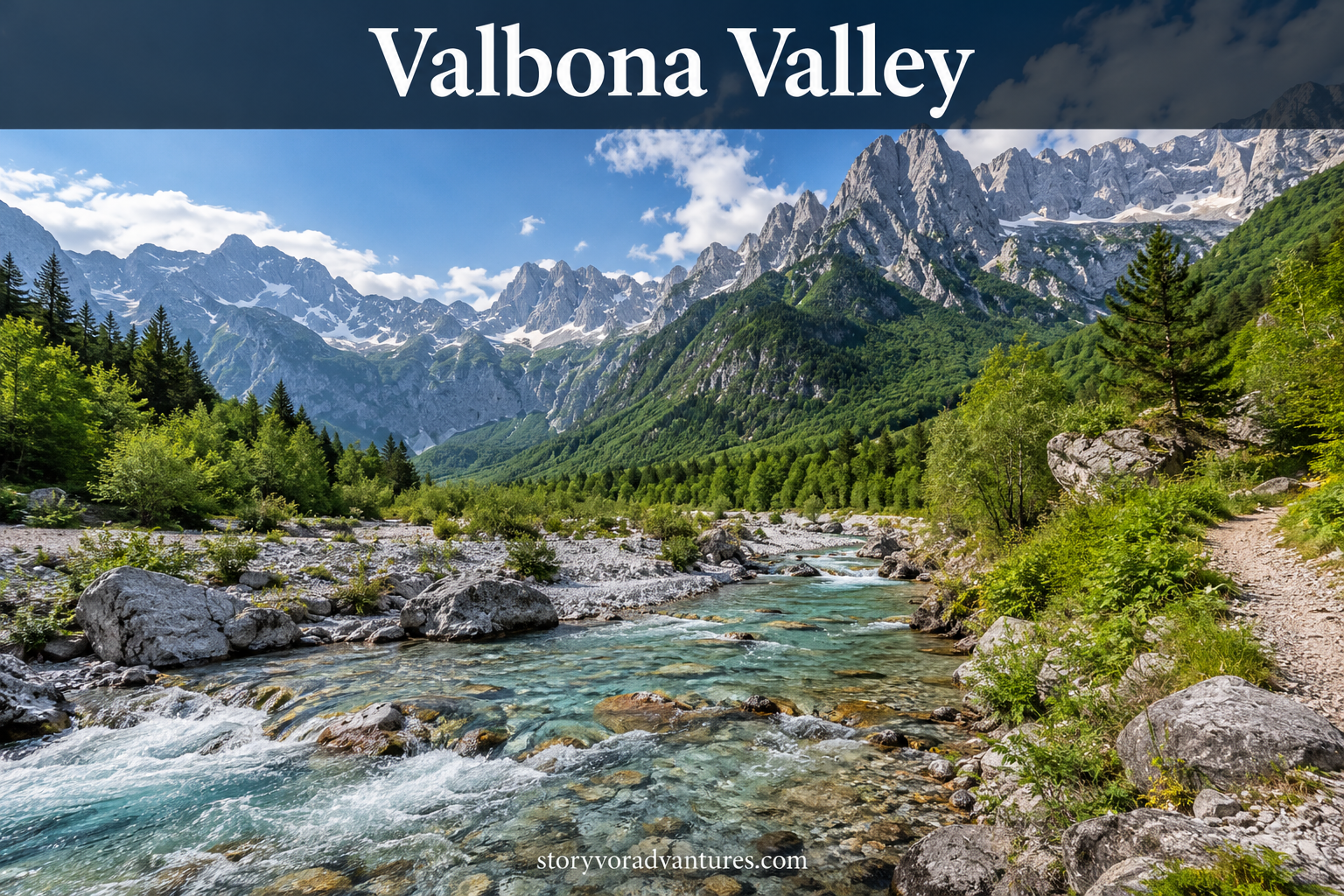
Valbona Valley is another major destination in the Albanian Alps. High peaks, forested slopes and a wide river valley make it suitable for walking and a slower mountain stay.
The well-known Theth-to-Valbona trail crosses a mountain pass between the two valleys. It is a serious full-day hike rather than a casual walk. Distance, elevation, heat, snow, luggage and personal fitness must all be considered.
Travellers who do not want to complete the crossing can reach Valbona through the Lake Koman route and enjoy shorter walks from the valley. The ferry journey between Koman and Fierza passes through steep mountains and narrow stretches of water.
Ferry and connecting transport schedules should be confirmed directly because seasonal services and departure arrangements can change. Mountain weather may also affect hiking conditions.
Large luggage can be transferred separately through certain accommodation providers, but the arrangement and price should be confirmed before beginning the hike.
6. Berat
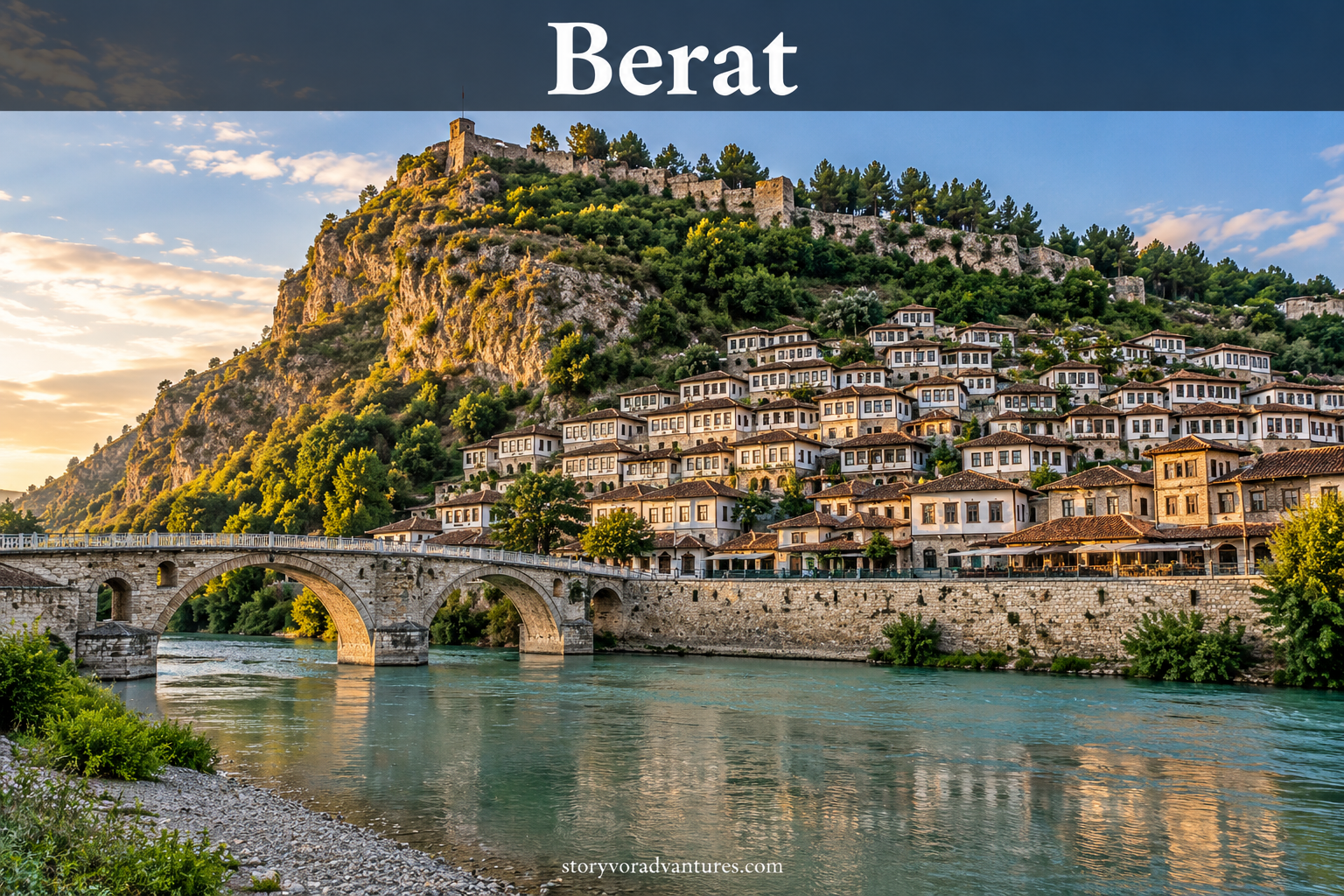
Berat is known for white Ottoman-era houses built across the hillside above the Osum River. The historic areas of Mangalem and Gorica give the city its distinctive appearance.
Berat Castle is not simply an isolated monument. People continue to live within the fortified area, and its lanes contain homes, churches, ruins and viewpoints. The climb is steep, especially in summer, so water and comfortable shoes are essential.
Crossing the Gorica Bridge provides a good perspective of the hillside neighbourhoods. The old streets are best explored slowly because their stone surfaces can be polished and slippery.
Berat is surrounded by countryside associated with vineyards and agriculture. Travellers considering a winery visit should arrange safe transportation and consume alcohol responsibly.
Two nights provide enough time for the castle, old neighbourhoods and a relaxed evening beside the river.
7. Gjirokaster
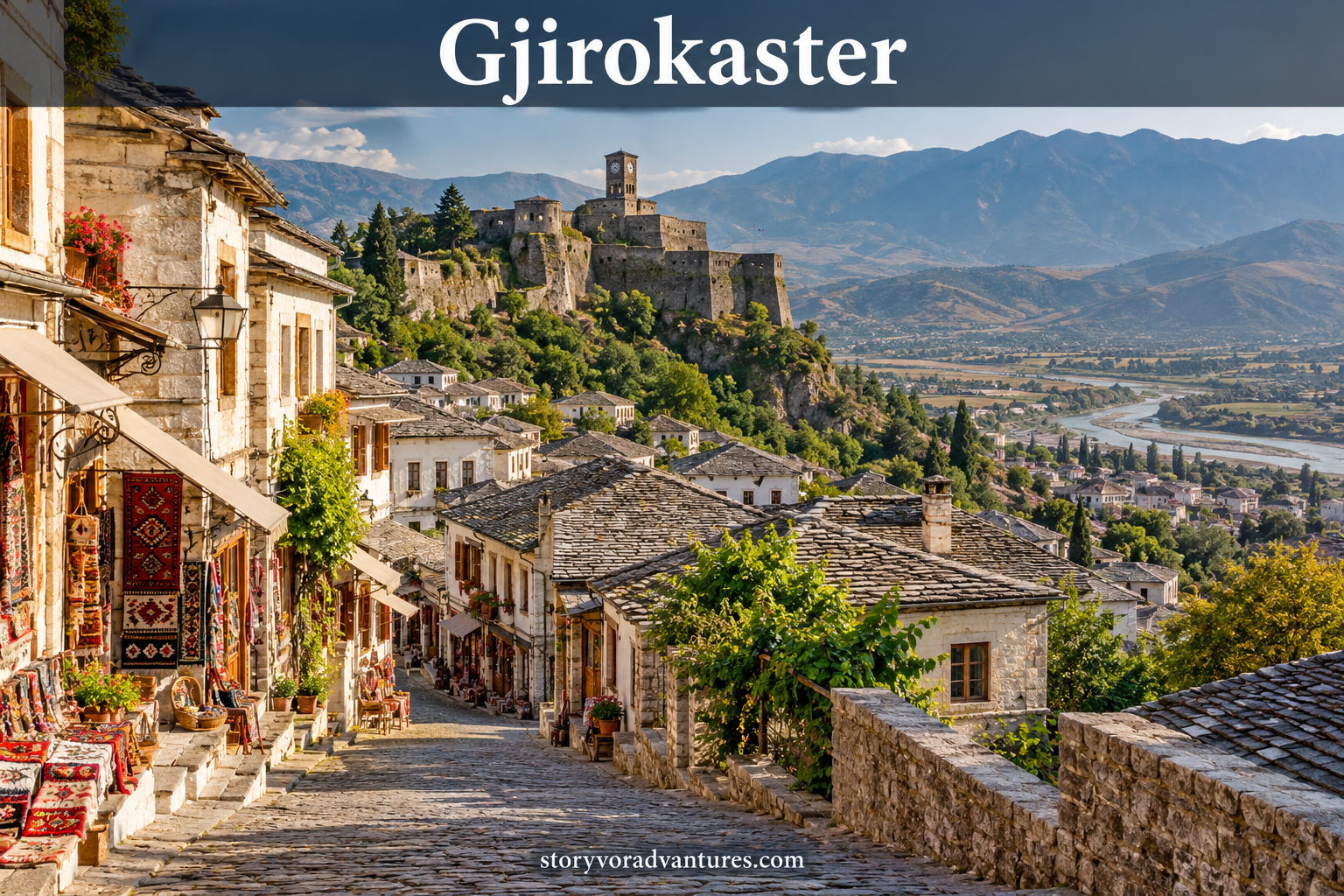
Gjirokaster is a steeply built historic city known for stone houses, slate roofs, cobbled streets and a large hilltop castle. Its architecture differs noticeably from Berat, so visiting both does not feel repetitive.
Gjirokaster Castle offers broad views across the Drino Valley. The site contains exhibitions and structures from different periods, and visitors should allow more time than a quick viewpoint stop.
Traditional houses such as Zekate House help explain how wealthier families once organised their living spaces. Opening arrangements may vary, so check locally before walking uphill.
The bazaar area contains restaurants, accommodation and souvenir shops. Streets are steep and polished, making shoes with good grip more useful than sandals.
Gjirokaster works well as an overnight stop between Berat and southern Albania. Two nights allow for a less hurried experience and provide time for a nearby excursion.
8. The Blue Eye
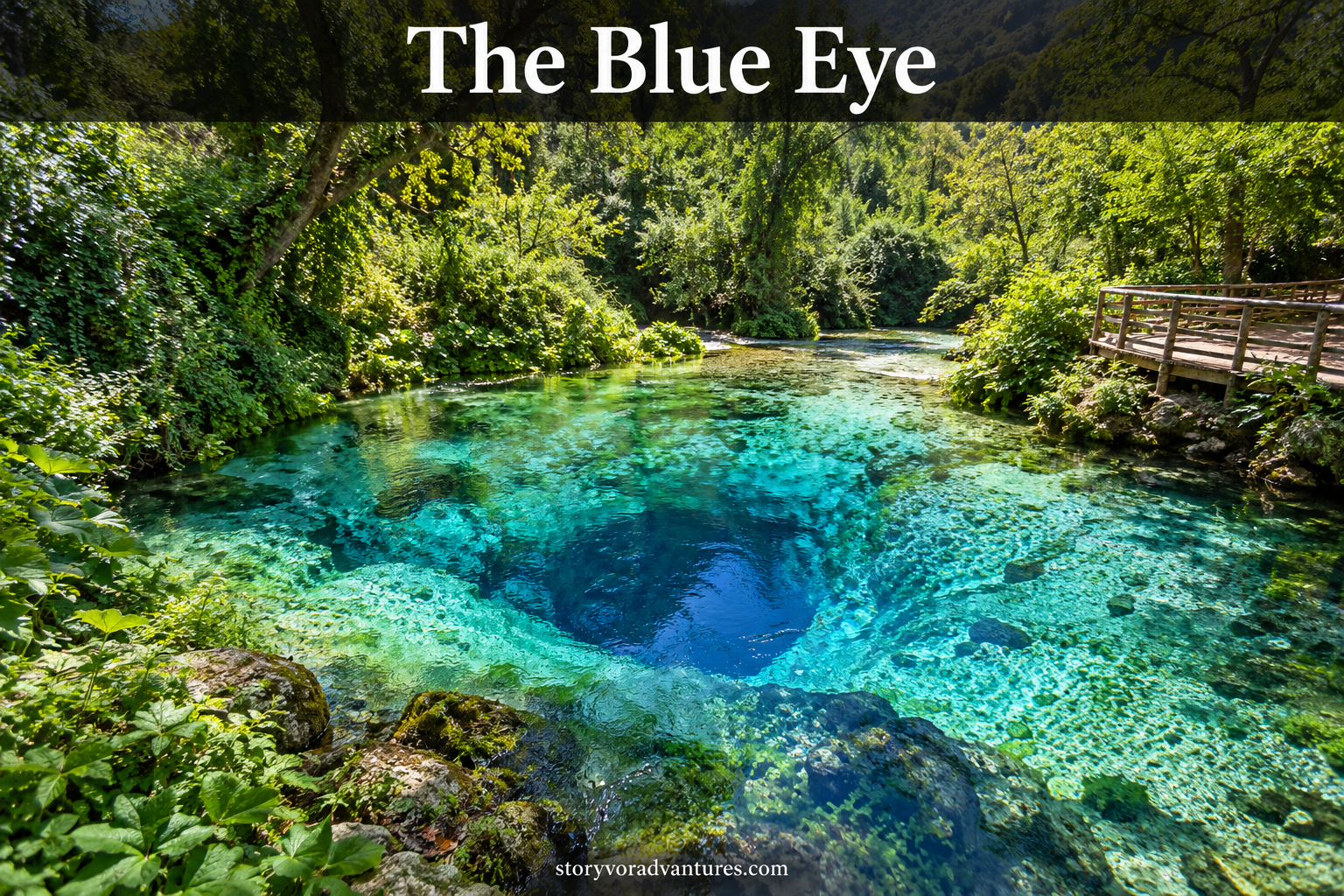
The Blue Eye, known locally as Syri i Kaltër, is a powerful natural spring surrounded by forest between Gjirokaster and Saranda. Its clear water appears deep blue at the centre before changing into lighter shades near the edges.
The colour is most impressive when sunlight reaches the water clearly. The area can become crowded during peak hours, so arriving earlier in the day may provide a calmer experience.
Visitors should follow local restrictions regarding swimming and protected areas. Jumping into the spring, standing in restricted places or disturbing the water for photographs can damage the environment and create unnecessary risk.
The Blue Eye works best as a stop while travelling between Gjirokaster and Saranda rather than as a separate full-day destination.
9. Butrint National Park
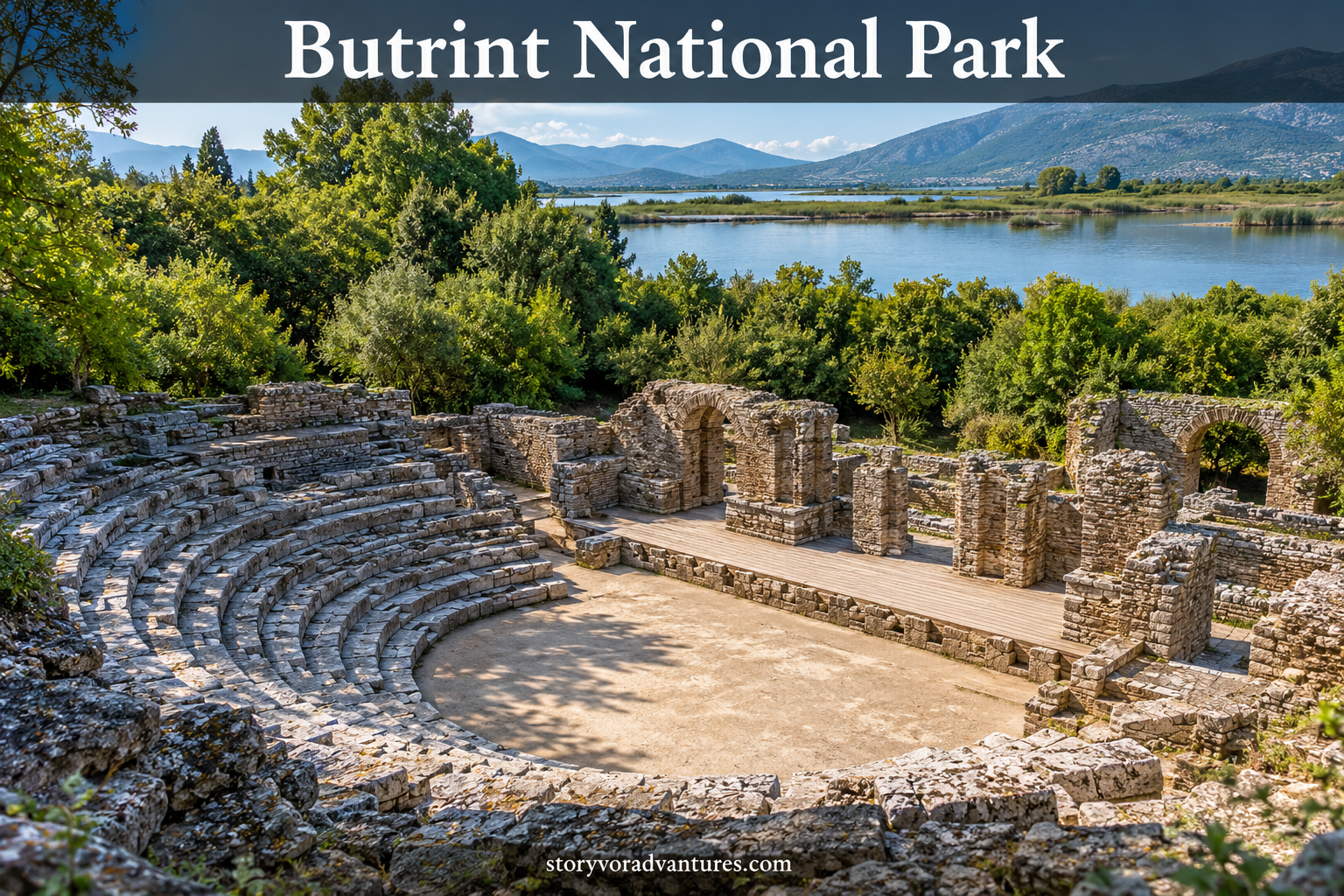
Butrint is one of Albania’s most important archaeological sites. The remains reflect Greek, Roman, Byzantine and Venetian periods within a green landscape surrounded by water and wetlands.
Visitors can walk through the ancient theatre, defensive walls, religious structures and later fortifications. Reading the information boards or joining a knowledgeable tour makes the site much more meaningful than simply photographing the ruins.
The paths include uneven stone and exposed sections, so carry water and use sun protection. Mosquito repellent can also be useful during warmer months.
Butrint is easily combined with a stay in Ksamil or Saranda. Allow at least two or three hours rather than trying to fit the site into a short gap between beach visits.
Information about protected areas and destinations can be checked through the official Albania tourism website.
10. Saranda
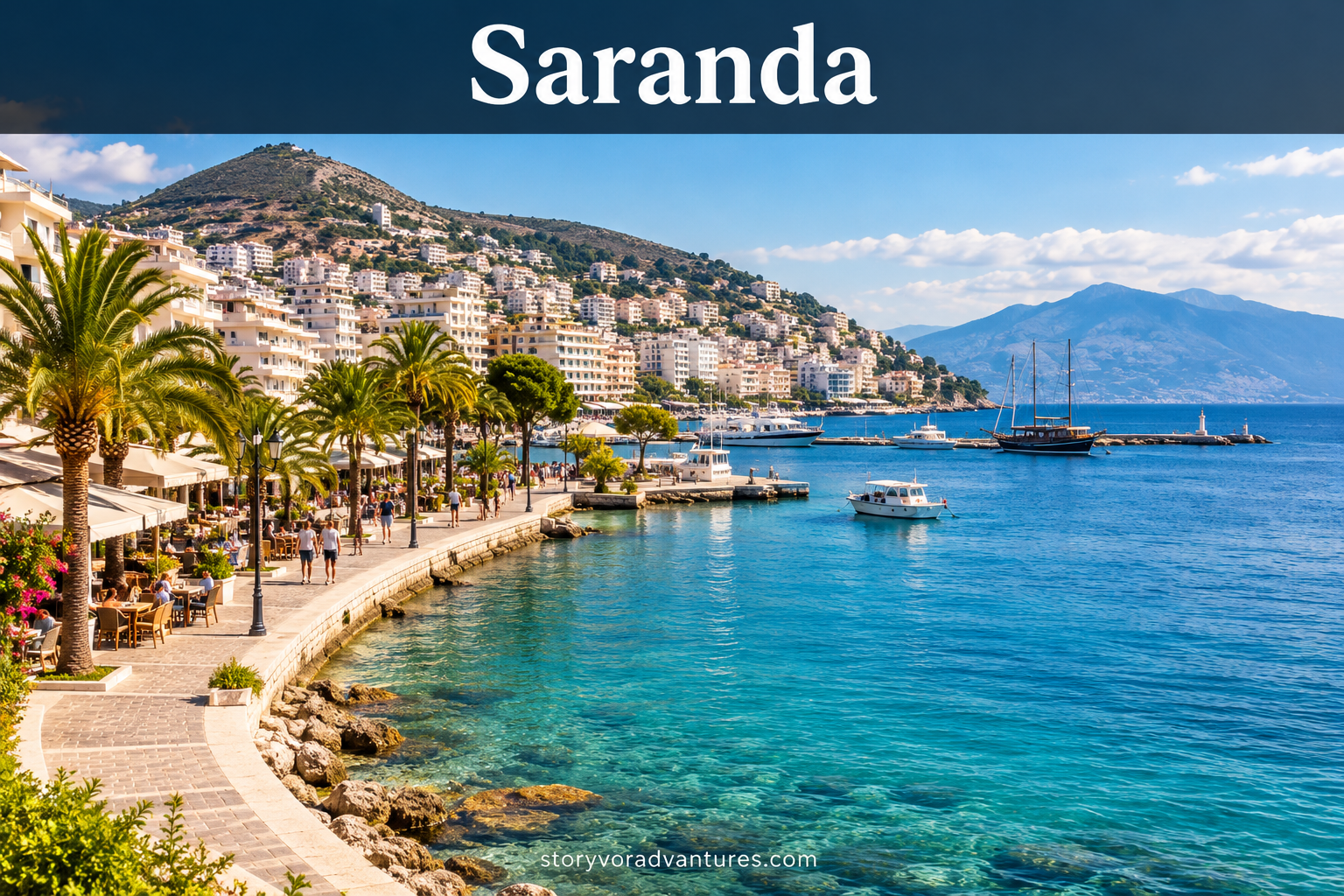
Saranda is a coastal city overlooking the Ionian Sea and the Greek island of Corfu. It provides the widest range of accommodation, restaurants and transport connections in southern Albania.
The waterfront promenade becomes busy in the evening, while beaches within the city are more urban than secluded. Saranda’s main advantage is convenience rather than complete tranquillity.
The city works well as a base for Butrint, Ksamil, the Blue Eye and other southern destinations. Travellers without a rental car may find it easier to arrange day trips and onward transport from Saranda.
Accommodation should be checked carefully on a map. A property described as being close to the centre may sit on a steep hillside, creating a difficult walk in hot weather.
Ferries connect Saranda with Corfu, but international passengers must consider immigration procedures and arrive with sufficient time.
11. Ksamil
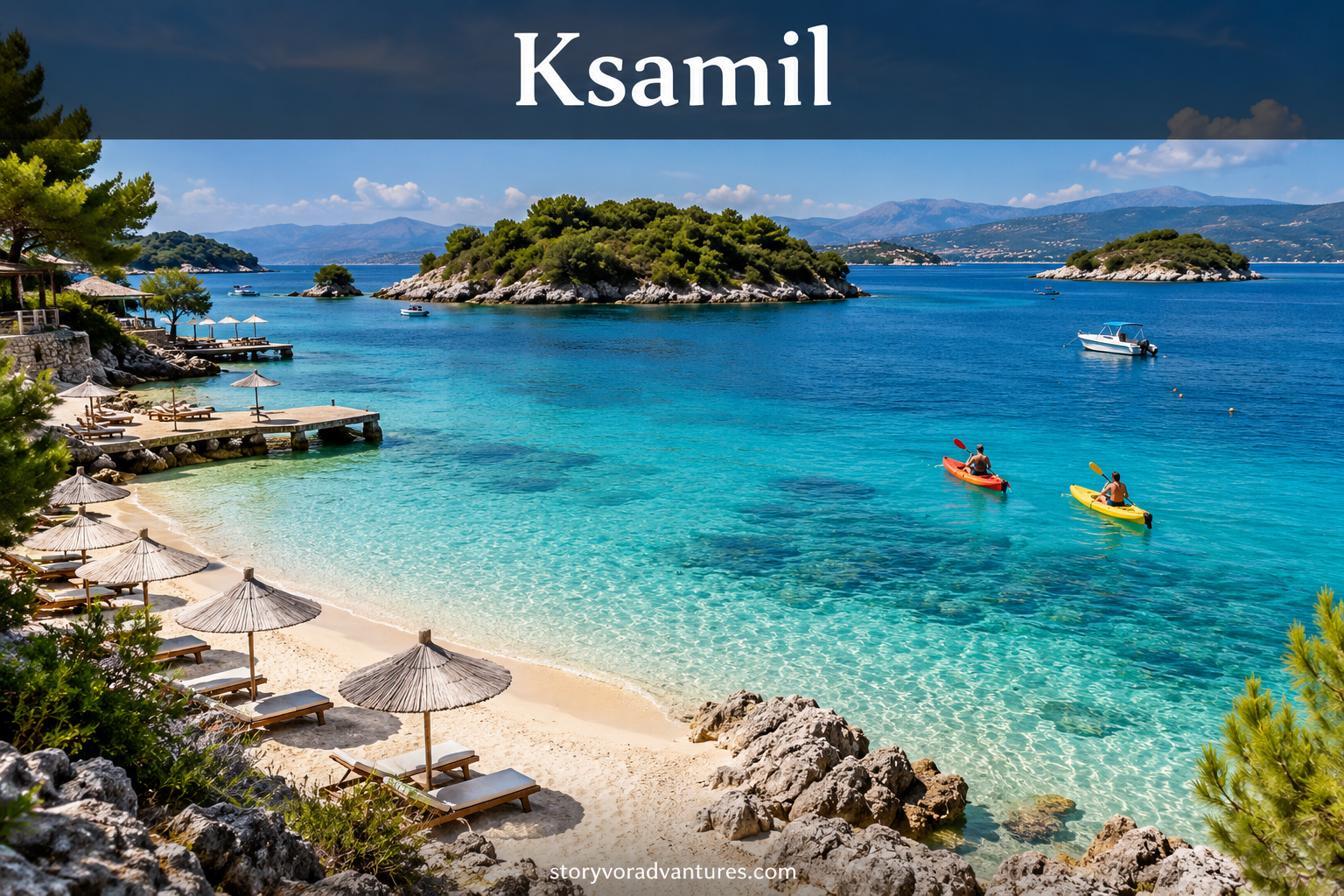
Ksamil is known for pale beaches, clear water and small offshore islands. Its appearance has made it one of Albania’s most popular coastal destinations.
The reality changes with the season. July and August can bring crowded beaches, closely arranged sunbeds, busy roads and higher accommodation prices. Travelling in late spring or early autumn can provide a more relaxed experience, although services may be reduced outside the main season.
Many beach areas are managed by restaurants or beach clubs that charge for sunbeds. Ask the full price and conditions before settling down instead of assuming access is free.
Kayaks and small boats can be used to explore the nearby water, but weather and swimming conditions should be respected. Avoid leaving rubbish or approaching wildlife for photographs.
Ksamil is convenient for a beach stay and for visiting Butrint, but travellers seeking a quieter atmosphere may prefer Himare or a smaller Riviera village.
12. Himare and the Albanian Riviera
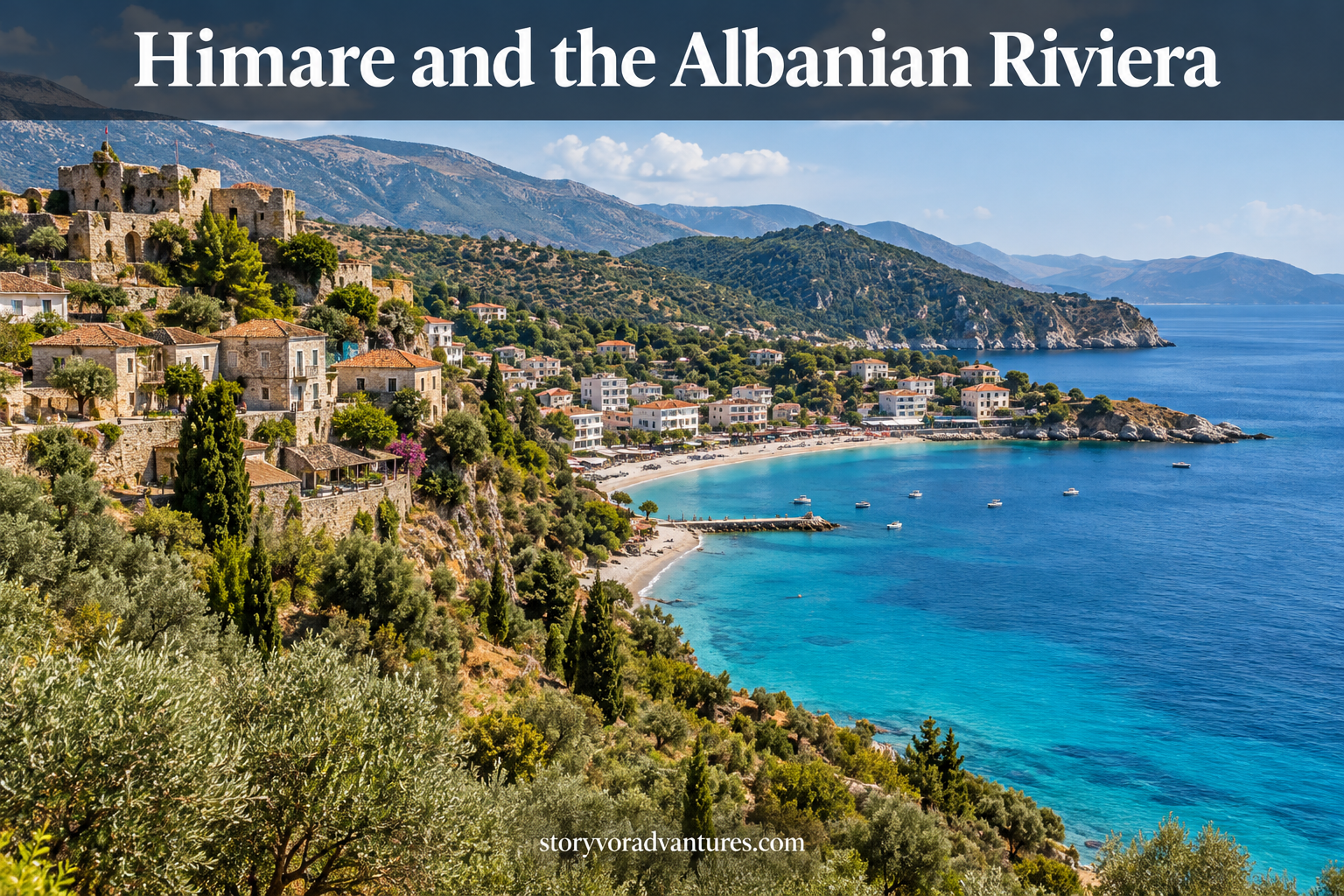
Himare offers a more relaxed base along the Albanian Riviera. Beaches, old villages, small restaurants and surrounding bays make it suitable for travellers who want to balance swimming with local exploration.
The modern waterfront is convenient for accommodation and evening meals. Himare Old Town sits higher above the coast and provides views across the landscape.
Nearby beaches vary in access and development. Some can be reached by road, while others require a boat or walk. Confirm the return arrangement before visiting an isolated beach late in the day.
The coastal road between Vlore, Llogara and Himare is scenic but includes bends and steep sections. Drivers should focus on the road and use designated viewpoints rather than stopping unexpectedly.
Three nights in Himare allow time for the town, nearby beaches and a boat journey without turning every day into another hotel transfer.
13. Gjipe Beach and Canyon
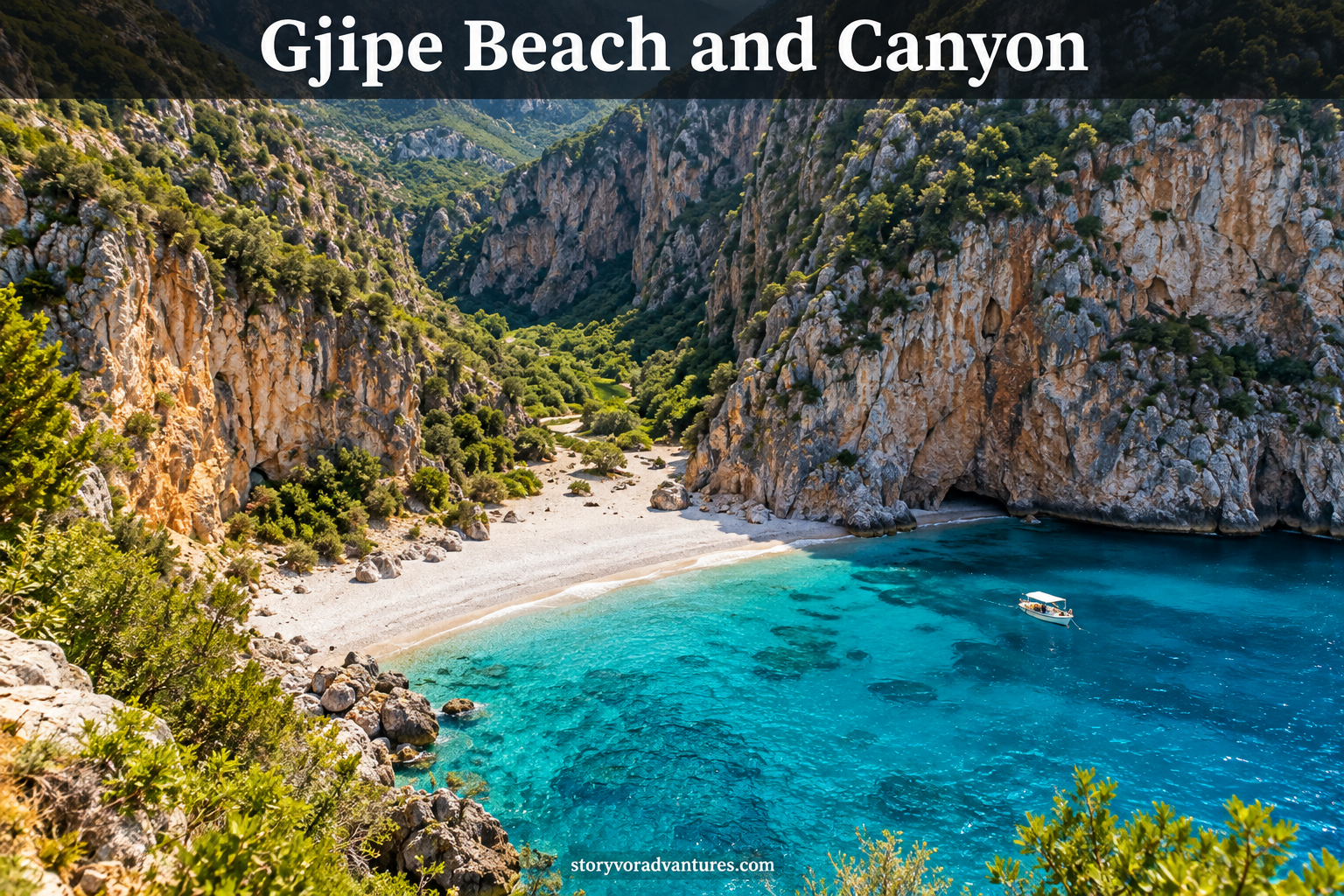
Gjipe Beach lies between high cliffs along the Riviera and is reached by sea or through a walk from the nearest road access. Its location makes it feel more secluded than beaches beside the main highway.
The walking route can be hot, exposed and uneven. Carry sufficient water, wear suitable footwear and avoid beginning the return journey after dark.
Boat transport may be available from nearby coastal towns, but sea conditions and schedules can change. Confirm whether the quoted price includes the return journey.
The canyon behind the beach creates a dramatic setting, but visitors should not enter unsafe areas or climb unstable rocks. Carry all rubbish out, particularly outside periods when services are operating.
14. Llogara Pass and National Park
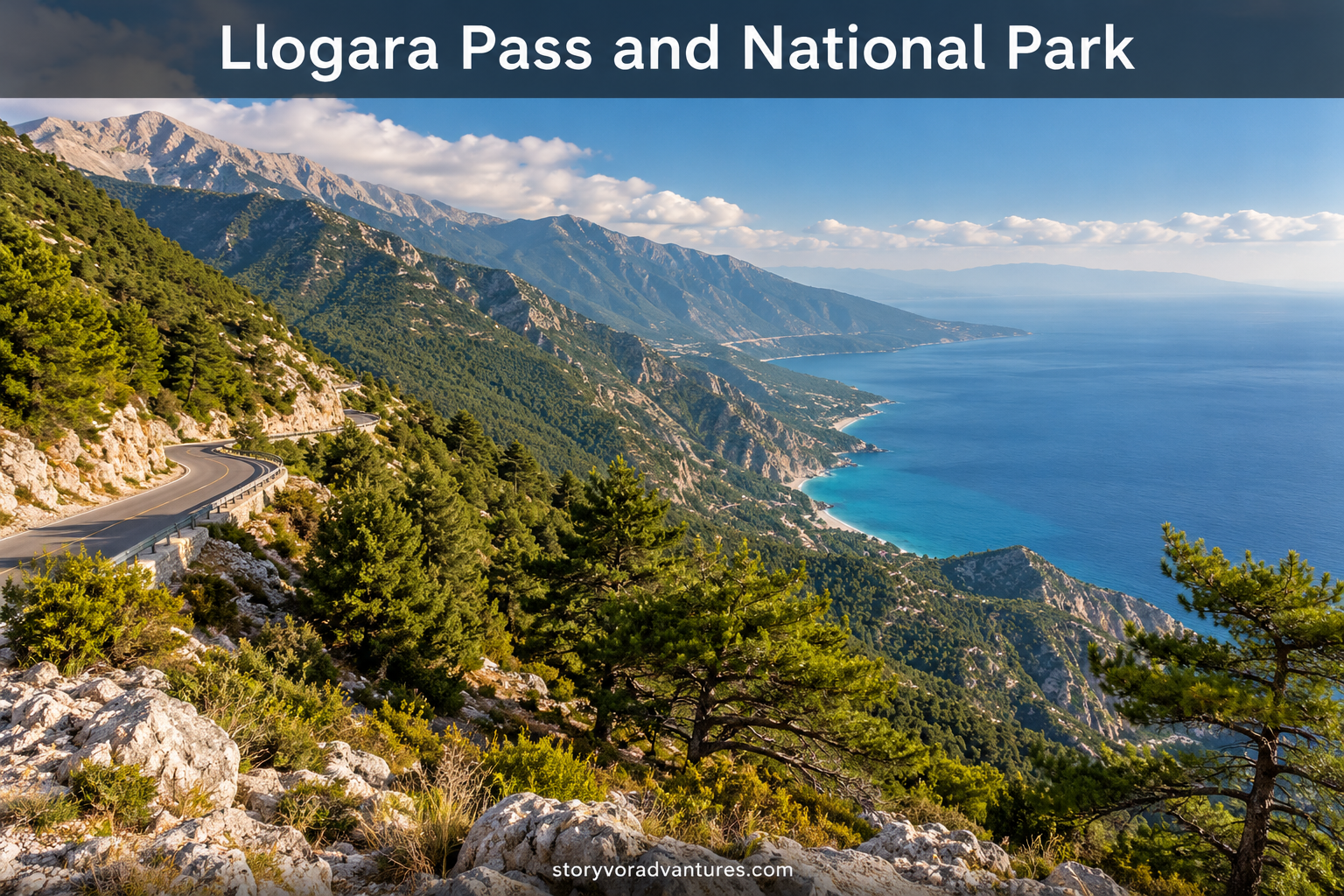
Llogara Pass marks the point where the mountains meet the Ionian coast. Viewpoints along the road reveal steep slopes, forest and a wide expanse of sea.
Weather at the pass can differ from conditions on the beach below. Fog, wind and cooler temperatures may appear quickly, reducing visibility.
Llogara National Park offers forest walks and accommodation away from the coast. Travellers should follow marked routes and ask locally about current trail conditions.
The pass should be treated as part of the journey rather than a place to rush through. Drivers must use safe parking areas and avoid standing on the road for photographs.
15. Korca and Lake Ohrid
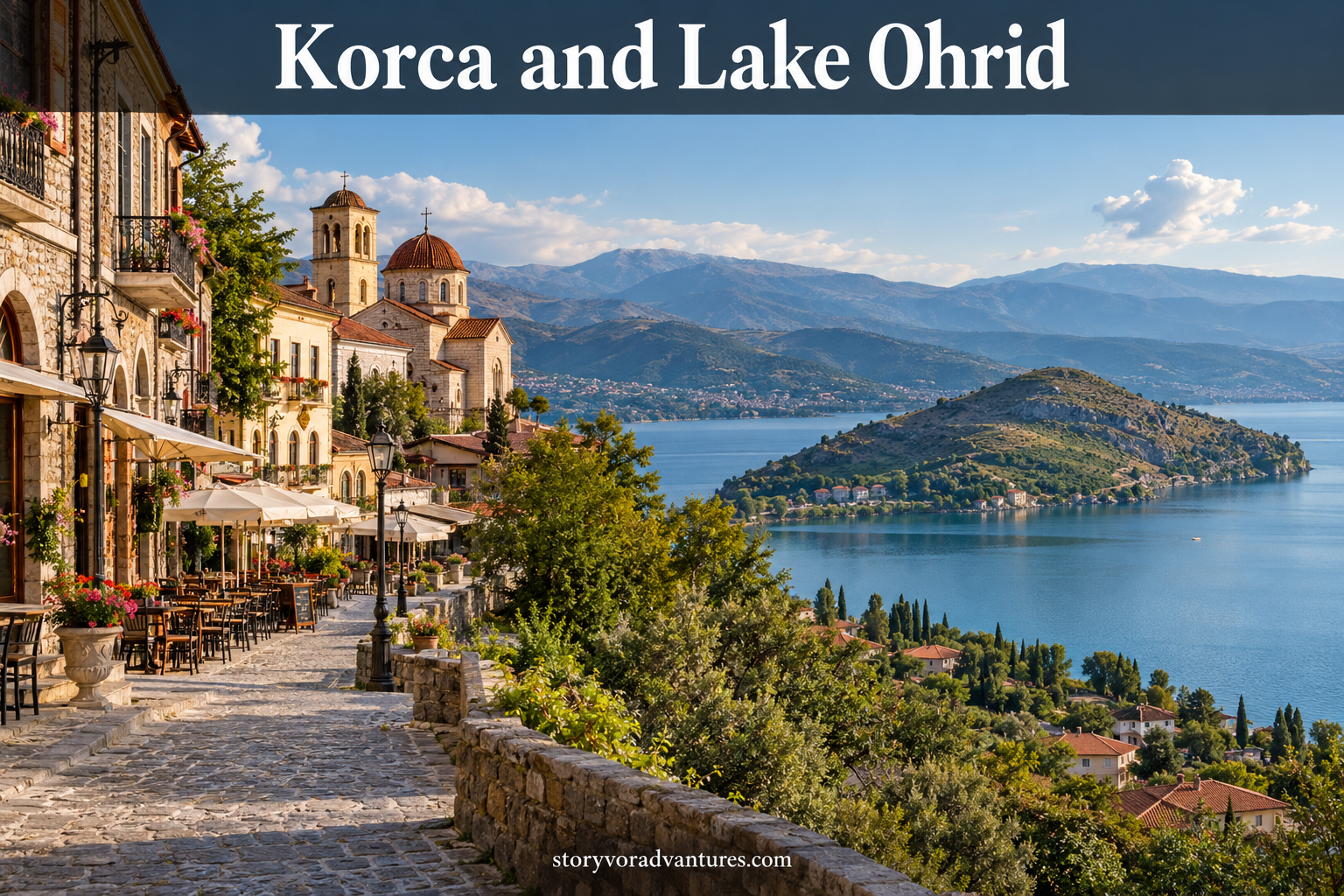
Eastern Albania provides a different experience from the Riviera. Korca is known for its organised centre, cultural buildings, food and cooler climate.
The Old Bazaar has been restored as a dining and social area. Museums and religious buildings can add cultural depth to the visit, but operating days should be checked in advance.
From Korca, travellers can continue towards Pogradec and the Albanian shore of Lake Ohrid. The village of Lin sits on a peninsula and provides a quieter lakeside atmosphere than larger resort areas.
This region is suitable for travellers with additional time or those entering Albania from North Macedonia. It cannot be added comfortably to a fast coastal itinerary without increasing the amount of driving.
A Practical 10-Day Albania Itinerary
This itinerary concentrates on northern mountains, historic towns and the southern coast. Attempting to add every destination would make a ten-day trip too rushed.
Day 1: Tirana
Arrive in Tirana and explore Skanderbeg Square, the New Bazaar and Blloku. Select one museum rather than trying to visit every attraction after a flight.
Day 2: Kruja and Shkoder
Travel to Kruja in the morning for the castle and bazaar. Continue to Shkoder and spend the evening in the pedestrian centre.
Days 3–4: Theth
Leave Shkoder early for Theth. Use the first afternoon for the village and save the next day for a suitable trail or waterfall.
Day 5: Berat
Return from the north and continue towards Berat. This is a long travel day, so travellers using public transport may need to spend an additional night in Tirana.
Day 6: Berat and Gjirokaster
Visit Berat Castle early, then continue to Gjirokaster. Explore the bazaar after checking into the accommodation.
Day 7: Gjirokaster and the Blue Eye
Visit Gjirokaster Castle and a traditional house before travelling towards Saranda. Stop at the Blue Eye if time and daylight allow.
Day 8: Butrint and Ksamil
Visit Butrint in the morning before the strongest heat. Spend the later part of the day near the coast in Ksamil.
Day 9: Himare and the Riviera
Travel along the coastal route to Himare. Stop only at safe viewpoints and keep enough time for a relaxed evening beside the sea.
Day 10: Llogara Pass and Tirana
Continue through Llogara Pass towards Tirana or the airport. Do not schedule an important international flight too close to the estimated driving time.
Travellers with twelve to fourteen days can add Valbona Valley, Lake Koman, Gjipe Beach, Korca or Lake Ohrid.
Currency and Payments in Albania
Albania’s official currency is the Albanian lek, with the international code ALL. Prices may be written as “lek” or “ALL.”
Exchange rates fluctuate, so travellers should check the Bank of Albania’s official exchange-rate page before departure.
Cash remains important, particularly for guesthouses, buses, cafés, parking, markets and businesses outside major cities. Hotels and larger establishments may accept international cards, but travellers should not depend entirely on card payments.
Some tourism businesses quote prices in euros. Confirm which currency is expected and check the conversion before paying. Receiving change in a different currency can make it difficult to understand the actual price.
ATMs are available in cities and popular destinations, but withdrawal and foreign-transaction fees vary. Using an ATM connected to a recognised bank is generally preferable to an independent machine offering unclear exchange rates.
Carry cash and at least two separate payment cards. Keep part of the money in a secure location instead of carrying the entire travel budget in one wallet.
Buses and Shared Vans
Buses and minibuses, commonly called furgons, are the main form of public transport between Albanian cities. They connect Tirana with destinations such as Shkoder, Berat, Gjirokaster, Saranda and Vlore.
Some services operate according to a timetable, while others may leave after filling enough seats. Departure locations can also change or sit outside the city centre.
Ask accommodation staff to confirm the correct terminal and current departure time. Arrive early and carry cash in lek because card payment cannot be assumed.
Approximate road times under normal conditions include:
- Tirana to Shkoder: about 2–2.5 hours
- Tirana to Berat: about 2–3 hours
- Tirana to Gjirokaster: approximately 3.5–4.5 hours
- Tirana to Saranda: approximately 4.5–6 hours
- Saranda to Gjirokaster: about 1–1.5 hours
- Saranda to Ksamil: approximately 30–45 minutes
- Vlore to Himare: approximately 2–3 hours
Traffic, roadworks, pickups and weather can extend these journeys. Travellers should not schedule a bus arrival immediately before an international flight.
Train Travel in Albania
Albania has railway infrastructure, but trains should not currently be treated as the main transport option for a tourism itinerary. Passenger operations have historically been limited, and major parts of the network have undergone rehabilitation or planning.
Do not build an itinerary around an online railway schedule unless the service has been confirmed locally for the exact travel date.
For most visitors, intercity buses, shared vans, private transfers and rental cars remain more practical than trains.
Renting a Car and Driving
A rental car provides greater access to beaches, villages and viewpoints, but driving in Albania requires patience and concentration.
Before accepting the vehicle, photograph its exterior, wheels, windscreen and interior. Confirm the fuel policy, deposit, insurance excess, roadside assistance and whether travel into neighbouring countries is permitted.
Road quality varies. Main highways can be good, while mountain and rural roads may be narrow, rough or poorly lit. Livestock, pedestrians and unexpected overtaking require defensive driving.
Avoid driving remote routes after dark. Download offline maps and do not rely on estimated arrival times without adding a reasonable margin.
International visitors must confirm whether their home driving licence is accepted or whether an International Driving Permit is also required. The rental company’s willingness to provide a car does not automatically prove that the traveller meets legal and insurance requirements.
Airport and Arrival Transport
Most international visitors arrive through Tirana International Airport.
Airport buses and taxis connect the terminal with Tirana and selected destinations. Travellers should check current routes and operating times through the airport’s official website.
Use an official taxi service or a clearly confirmed transfer. Agree on the fare or confirm the meter before leaving the airport area.
If arriving late at night, booking the first night in Tirana may be more comfortable than beginning a long drive immediately after a flight.
Mobile Data and Internet
Mobile data is useful for maps, accommodation messages and transport arrangements. Main network providers include Vodafone Albania and One Albania.
Tourist SIM packages may be available at the airport and authorised city stores. Compare validity, data allowance, calls and hotspot use before purchasing.
Passport identification may be required. Ask the employee to activate the SIM and test the data connection before leaving the shop.
Download offline maps before entering the Albanian Alps, remote beaches or rural roads. Mobile coverage can become weaker in valleys and isolated coastal areas.
Accommodation Advice
Albania offers hotels, apartments, mountain guesthouses and coastal resorts. During July and August, well-located coastal accommodation can become expensive or sell out.
Read recent reviews carefully. Look for comments about parking, road access, construction noise, air conditioning, water pressure and steep approaches.
In mountain areas, confirm whether dinner and breakfast are included because alternative restaurants may be limited. Ask whether payment must be made in cash.
A short distance on a map can involve a steep climb. This is particularly important in Saranda, Gjirokaster and hillside coastal villages.
Approximate Daily Travel Budget
Actual spending depends on the season, route and travel style.
A budget traveller using guesthouses, buses and local restaurants may spend approximately €35–60 per day, excluding international flights.
A mid-range traveller using private rooms, a rental car or transfers and paid attractions may spend approximately €70–140 per day.
Peak-season beach accommodation, boat trips, private transfers and premium restaurants can raise the daily cost considerably.
Fuel prices, exchange rates and accommodation prices change, so these figures should be treated as planning ranges rather than guarantees.
Food and Drinking Water
Albanian food reflects Mediterranean, Balkan and regional traditions. Common dishes include byrek, tavë kosi, grilled meat, vegetable dishes, fresh seafood and local cheeses.
Coastal restaurants may price seafood by weight. Ask for the total expected price before ordering, particularly when the menu does not show a clear portion cost.
Tap-water conditions can differ between locations and buildings. Travellers should ask accommodation staff whether the local supply is considered suitable for drinking or use sealed or properly filtered water.
People with food allergies should carry a translated explanation listing the exact ingredients that must be avoided.
Best Time to Visit Albania
May, June, September and early October can provide comfortable conditions for a mixed city, mountain and coastal trip.
July and August are the busiest and hottest months along the Riviera. Beaches become crowded and prices may rise substantially.
Mountain hiking has a shorter safe season than city travel. Snow, storms and trail damage can affect routes even when the coast is warm.
Spring and autumn weather can change quickly. Check forecasts for each region rather than using one nationwide prediction.
Responsible Travel
Respect dress requirements and photography rules at mosques, churches, memorials and museums.
Mountain villages and historic neighbourhoods are real communities. Do not enter private courtyards or photograph residents without permission.
Carry waste out of remote beaches and hiking areas. Avoid damaging plants, disturbing wildlife or stacking stones for photographs.
Select locally operated accommodation, guides and restaurants where practical. Responsible spending helps tourism support the communities maintaining the places visitors come to experience.
Useful Albania Travel Links
- Official Albania Tourism Website
- Official Visa Requirements
- Official Albania E-Visa Application
- Tirana International Airport
- Bank of Albania Exchange Rates
- Visit Tirana
- Dajti Ekspres Cable Car
Transport times, prices, entry rules and attraction schedules can change. Important arrangements should be reconfirmed directly before departure.
Final Thoughts
Albania’s strongest appeal is the variety found within a relatively small country. A traveller can begin among cafés and museums in Tirana, walk through mountain valleys in the north, explore stone-built historic towns and finish beside the Ionian Sea.
The country is no longer an unknown destination, and its most famous beaches can feel busy during summer. Travelling outside peak season, staying longer in fewer places and including mountain or inland destinations creates a more balanced journey.
With realistic driving times, enough cash, flexible transport plans and respect for local communities, Albania can provide a memorable European trip that combines culture, landscapes, outdoor adventure and coastal relaxation.