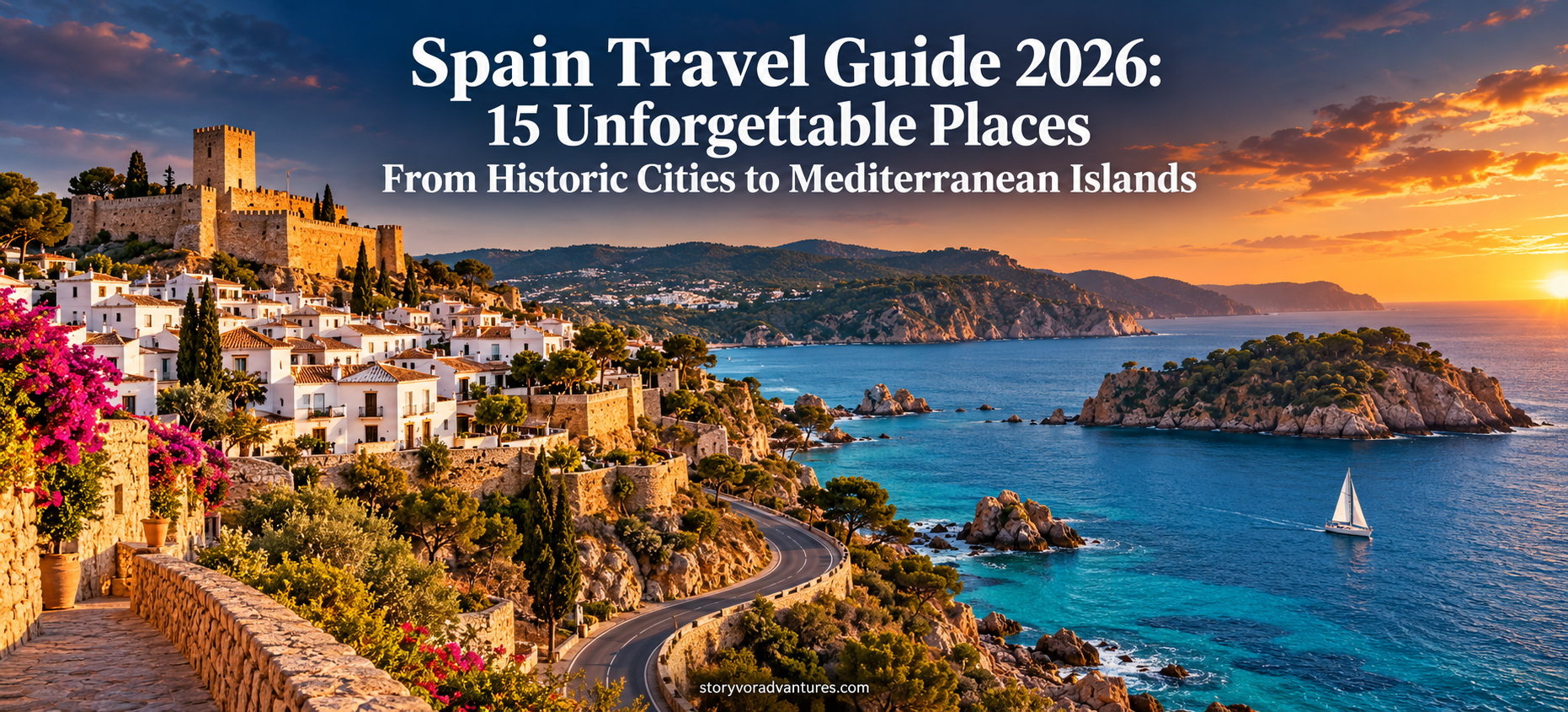
Spain Travel Guide 2026: 15 Unforgettable Places From Historic Cities to Mediterranean Islands
Explore 15 unforgettable places in Spain, from historic cities and Mediterranean beaches to beautiful islands, with transport, costs and itinerary tips.
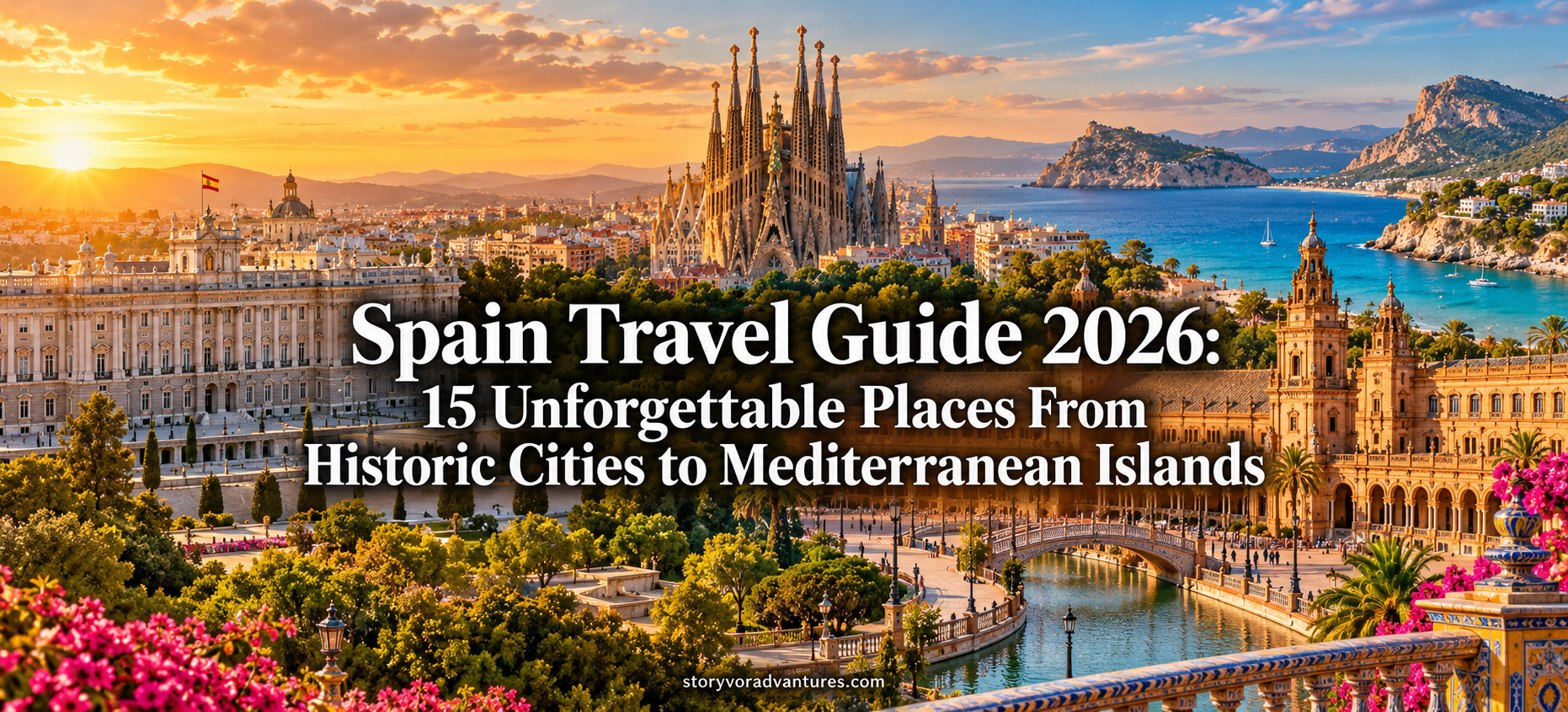
Spain is often described through a few familiar images—Barcelona’s architecture, Madrid’s museums, Andalusian palaces and Mediterranean beaches. Those places deserve attention, but they represent only part of the country. A well-planned journey can include Roman ruins, medieval towns, Atlantic coastlines, mountain villages, modern food markets and islands formed by volcanic landscapes.
Spain is also relatively convenient for independent travellers. High-speed trains connect several major cities, urban metro systems are straightforward, and domestic flights and ferries make the islands accessible. The greatest planning mistake is trying to visit too many distant regions during one short holiday. Spain looks compact on a map, but travelling between Barcelona, Andalusia, northern Spain and the islands requires time.
This guide covers 15 memorable destinations, transportation, currency, accommodation, approximate costs, food, entry requirements and a practical 12-day itinerary. Opening times, fares and entry rules can change, so verify important information through the official links before travelling.
Spain Travel Essentials
| Travel detail | Useful information |
|---|---|
| Capital | Madrid |
| Currency | Euro (€) |
| Main language | Spanish, with regional languages also spoken |
| Major airports | Madrid, Barcelona, Málaga, Palma and Alicante |
| Best trip duration | 10–14 days |
| Popular travel periods | April–June and September–October |
| Main intercity transport | High-speed trains, regional trains, buses and flights |
| Emergency number | 112 |
| Electricity | Type C and Type F plugs |
| Driving side | Right |
1. Madrid
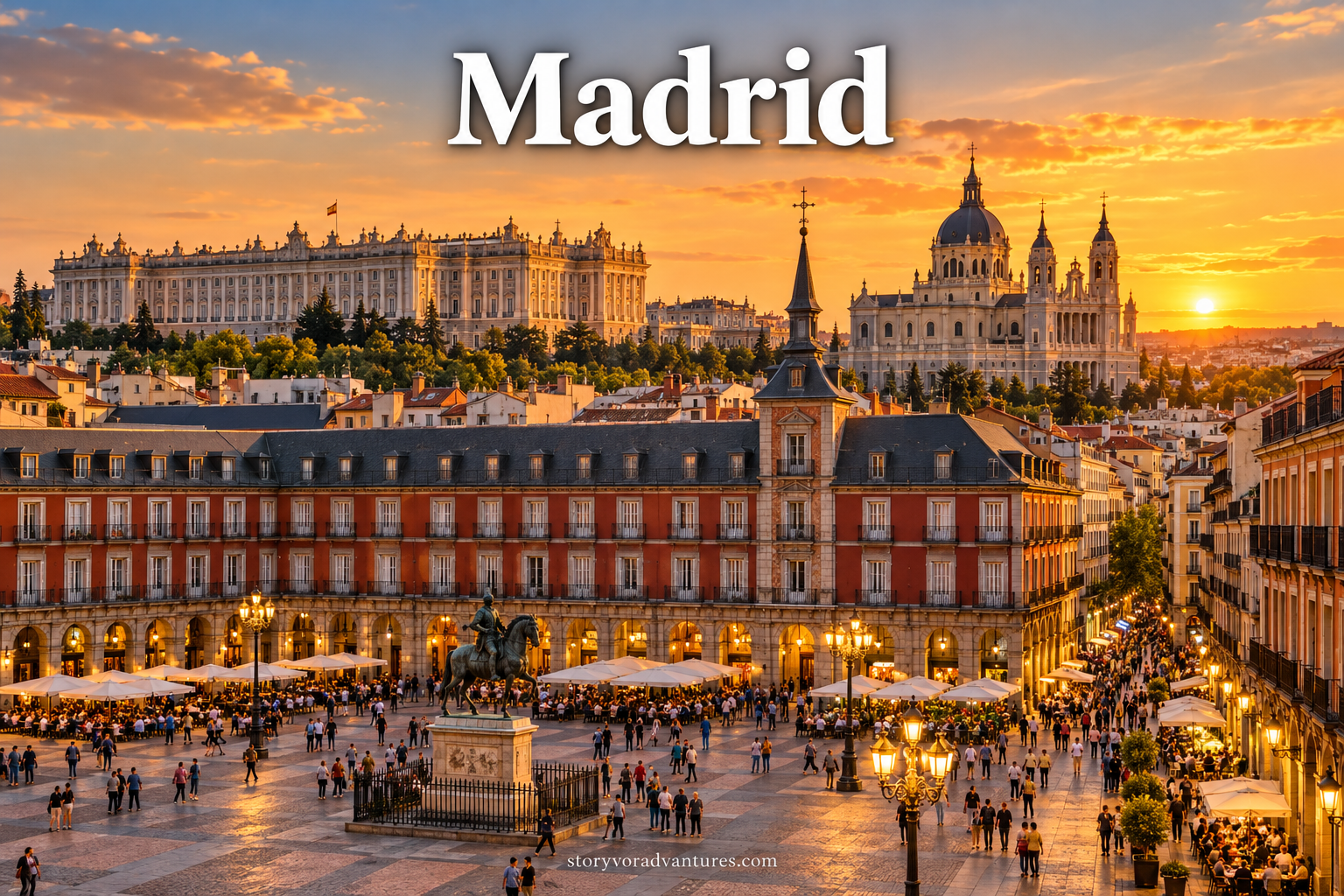
Madrid is not simply a transport hub between other Spanish destinations. The capital combines monumental buildings, major art collections, large public parks and neighbourhoods that become livelier after sunset.
The central area around Puerta del Sol and Plaza Mayor is a useful starting point. From there, travellers can walk toward the Royal Palace, Almudena Cathedral and the historic streets of La Latina. The Mercado de San Miguel is nearby, although it is more visitor-focused than an everyday neighbourhood market.
Madrid’s three major art institutions—the Prado Museum, Reina Sofía and Thyssen-Bornemisza—form what is commonly called the Golden Triangle of Art. Trying to visit all three in a single day can become exhausting. Selecting one museum and leaving time for Retiro Park creates a more comfortable schedule.
The neighbourhood where you stay can change the experience considerably. Centro is convenient for first-time visitors, Malasaña offers cafés and nightlife, while Chamberí feels more residential. Madrid has an extensive metro network, so accommodation does not need to be beside Puerta del Sol.
Use the official Madrid tourism website for current museum, neighbourhood and event information.
2. Barcelona
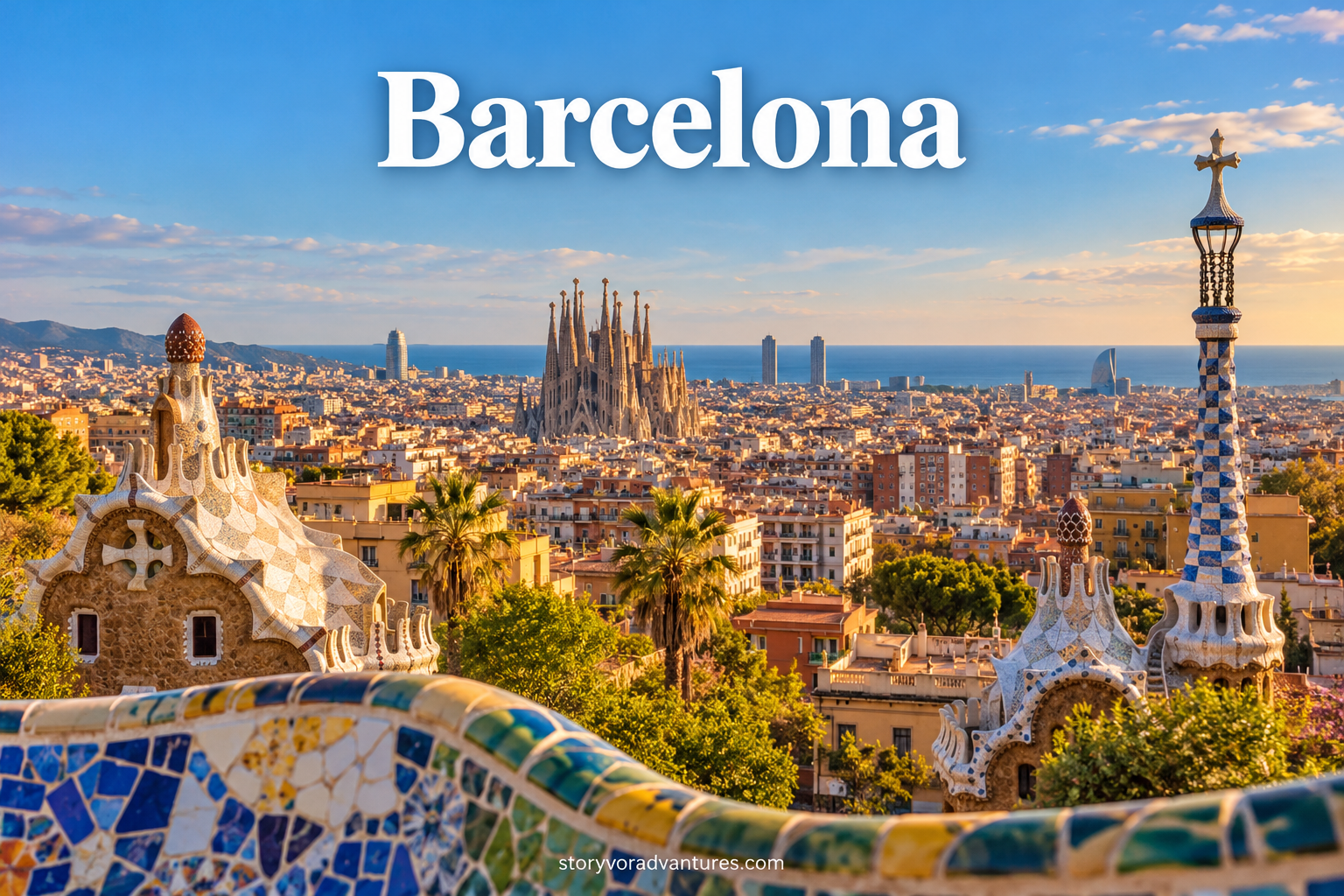
Barcelona brings together Gothic streets, beaches, food markets and the distinctive architecture of Antoni Gaudí. The city is extremely popular, so advance planning matters more here than in many other Spanish destinations.
The Sagrada Família is the city’s most recognisable attraction. Entry is controlled through timed tickets, and popular slots can sell out. Booking through the official Sagrada Família website is safer than purchasing unclear third-party tickets.
Park Güell, Casa Batlló and La Pedrera provide different views of Gaudí’s work, but visiting every property is expensive. First-time visitors can choose one major house, combine it with the Sagrada Família and spend the remaining time exploring public areas.
The Gothic Quarter is atmospheric, but it should not be treated as the entire city. El Born, Gràcia, Eixample and Poblenou offer noticeably different environments. An evening walk along the waterfront or Montjuïc can provide a break from the busiest central streets.
Keep bags secure in crowded transport, markets and tourist areas. Use the official Barcelona tourism website for current attraction and local transport information.
3. Seville
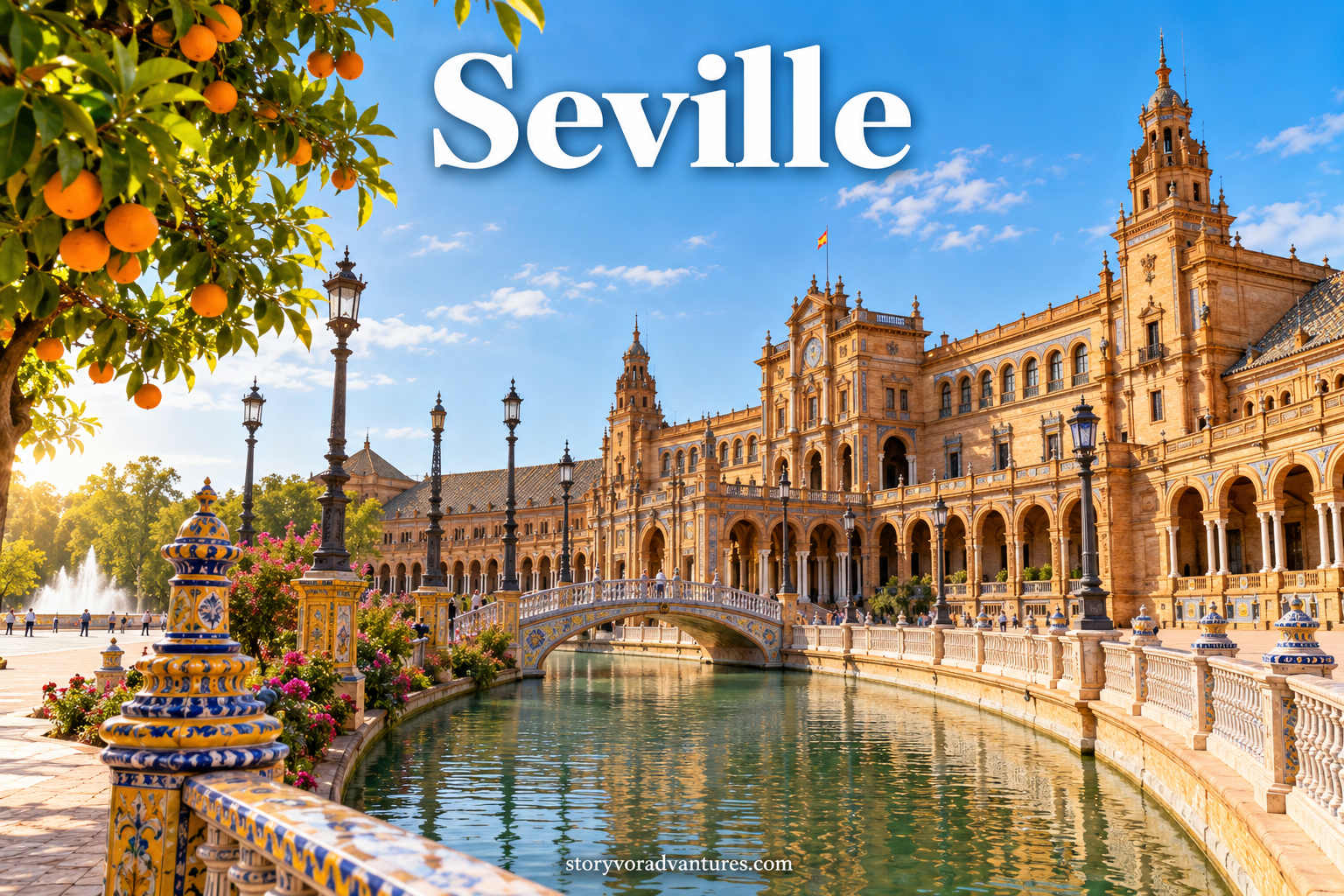
Seville feels different from Madrid and Barcelona almost immediately. Orange trees, tiled courtyards, flamenco traditions and warm evening streets give the Andalusian capital its own identity.
The Real Alcázar is one of the city’s essential historic attractions. Its palace interiors, decorated halls and gardens require more time than a quick visit. Seville Cathedral and the Giralda tower stand nearby, making it possible to explore both areas without repeatedly crossing the city.
Plaza de España is impressive but does not require a paid ticket. It can be combined with María Luisa Park and a riverside walk. Across the Guadalquivir River, Triana is known for ceramics, local food and flamenco associations.
The official Spanish tourism portal highlights the Cathedral, Giralda, Real Alcázar, Plaza de España, María Luisa Park and Triana among Seville’s important experiences. spain.info
Summer afternoons can be extremely hot. In warmer months, begin sightseeing early, rest during the hottest period and return outside in the evening. Visit Seville’s official tourism website for updated information.
4. Granada
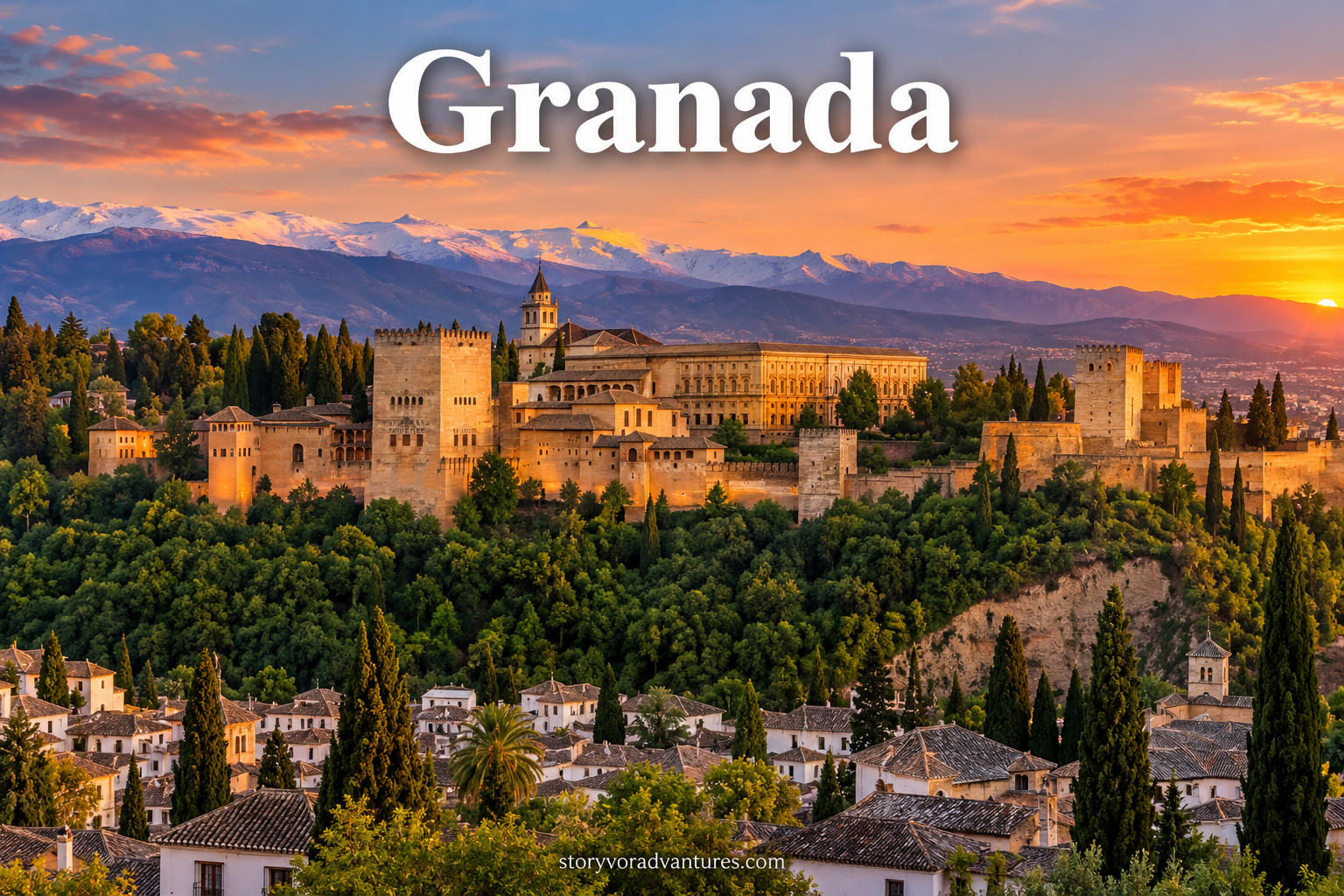
Granada’s identity is closely connected to the Alhambra, but the city should not be treated as a single-attraction stop. Its hillside neighbourhoods, viewpoints, tea houses and historic centre deserve at least two nights.
The Alhambra complex includes palaces, gardens and defensive structures. Nasrid Palaces admission normally follows a specific timed entry, so visitors should use the official Alhambra ticket website and arrive with enough time to locate the correct entrance.
The Albaicín neighbourhood contains sloping lanes and white houses overlooking the Alhambra. Mirador de San Nicolás is the best-known viewpoint, although surrounding streets provide quieter perspectives.
Sacromonte is associated with cave homes and flamenco performances. Select shows carefully rather than choosing entirely by price. Granada is hilly, and comfortable footwear is more useful than formal shoes.
Two full days allow time for the Alhambra, Albaicín and central Granada without turning the visit into a race.
5. Córdoba
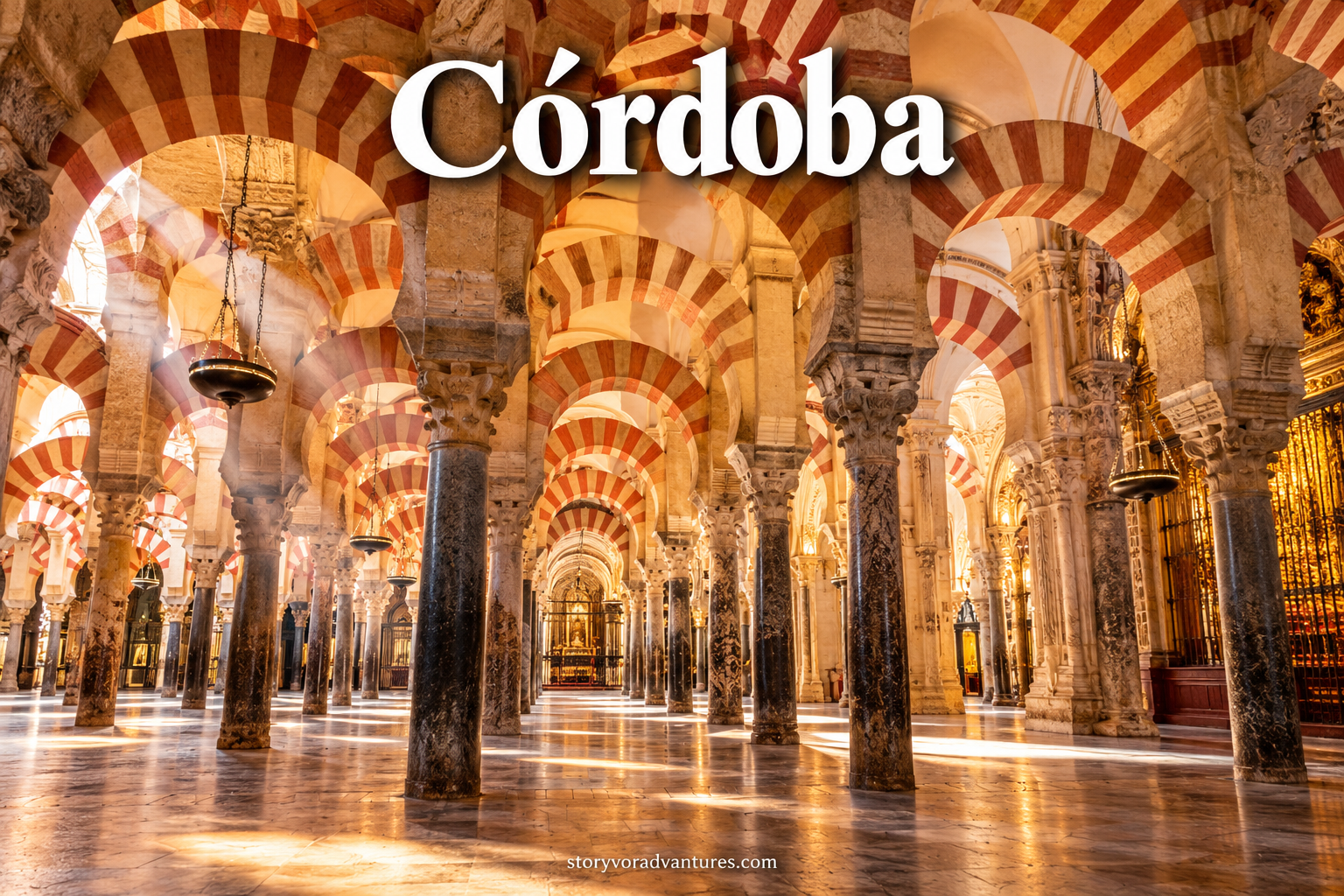
Córdoba can be visited as a day trip from Seville or Madrid, but staying overnight reveals a calmer city after many organised tours leave.
The Mosque-Cathedral is the central attraction. Its arches, prayer hall and later Christian additions reflect several layers of history within one building. The surrounding Jewish Quarter contains whitewashed lanes, flower-filled courtyards and small historic sites.
The Roman Bridge is particularly atmospheric in the evening. Walking across it provides a broad view back toward the old city and the Mosque-Cathedral.
Córdoba becomes intensely hot during summer. Spring is popular because of the patio season, but demand can also increase. If visiting during a major event, reserve accommodation well in advance.
Official attraction and cultural information is available through Córdoba Tourism.
6. Valencia
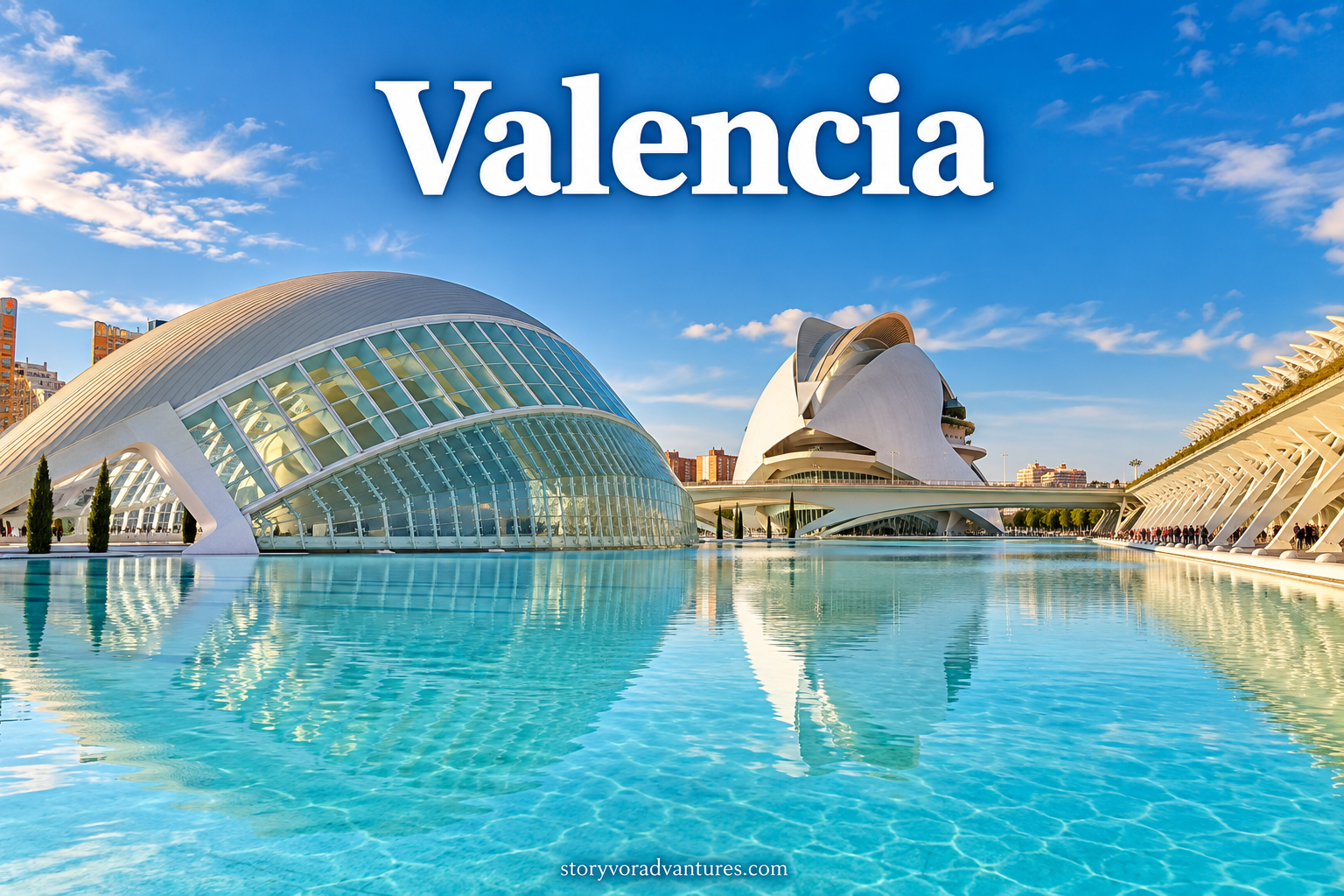
Valencia combines a historic centre, modern architecture, gardens and Mediterranean beaches without always feeling as pressured as Barcelona.
The City of Arts and Sciences is its most recognisable modern landmark. The complex contains several attractions, so check individual tickets rather than assuming everything is included in one entry.
The historic centre includes Valencia Cathedral, the Central Market and La Lonja de la Seda. The Central Market is most active earlier in the day and provides a more natural experience than arriving near closing time.
Turia Garden was created along a former riverbed and now forms a long green route through the city. Walking or cycling through it is one of the easiest ways to connect central Valencia with the City of Arts and Sciences.
Valencia is also associated with paella. Traditional Valencian paella is different from the seafood versions commonly served in heavily visited areas. Look for restaurants where rice dishes are prepared to order and allow enough time for the meal.
Plan the visit through the official Visit Valencia website.
7. Toledo
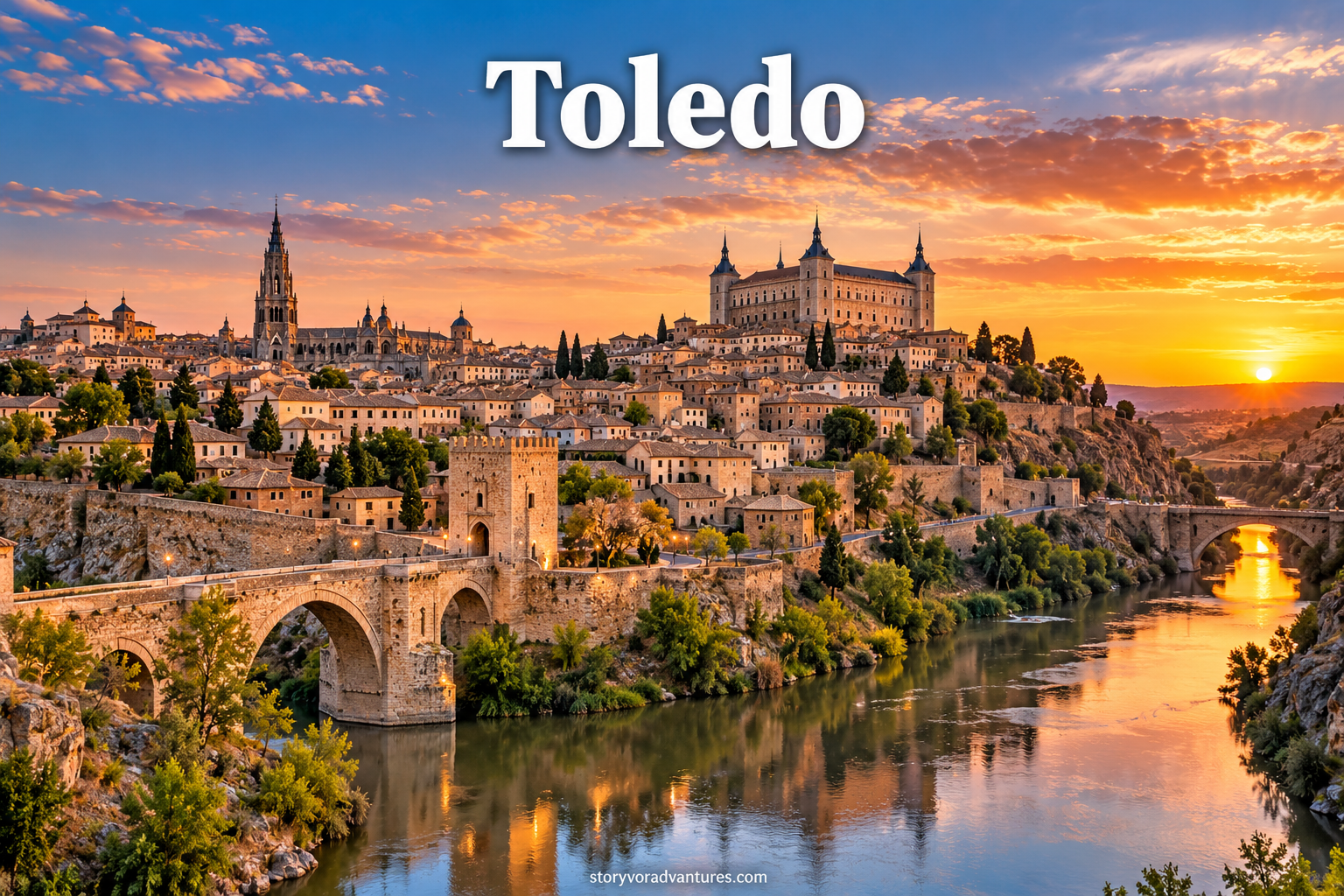
Toledo rises above the Tagus River and contains Christian, Jewish and Islamic heritage within a compact historic centre. Its proximity to Madrid makes it one of Spain’s most popular day trips.
The cathedral is a major attraction, but the city’s atmosphere comes from walking through its steep streets and discovering smaller buildings. The Monastery of San Juan de los Reyes, historic synagogues and the former mosque of Cristo de la Luz help explain Toledo’s layered history.
For the classic panoramic view, travel to Mirador del Valle outside the old centre. The viewpoint can be reached by taxi, tourist transport or a longer walk.
Day visitors often arrive and leave at similar times. Staying for one night provides quieter streets in the evening and avoids rushing back to Madrid.
Luggage with small wheels can be difficult on steep stone streets, so store large bags near the station when visiting only for the day. See Toledo’s official tourism website for updated information.
8. San Sebastián
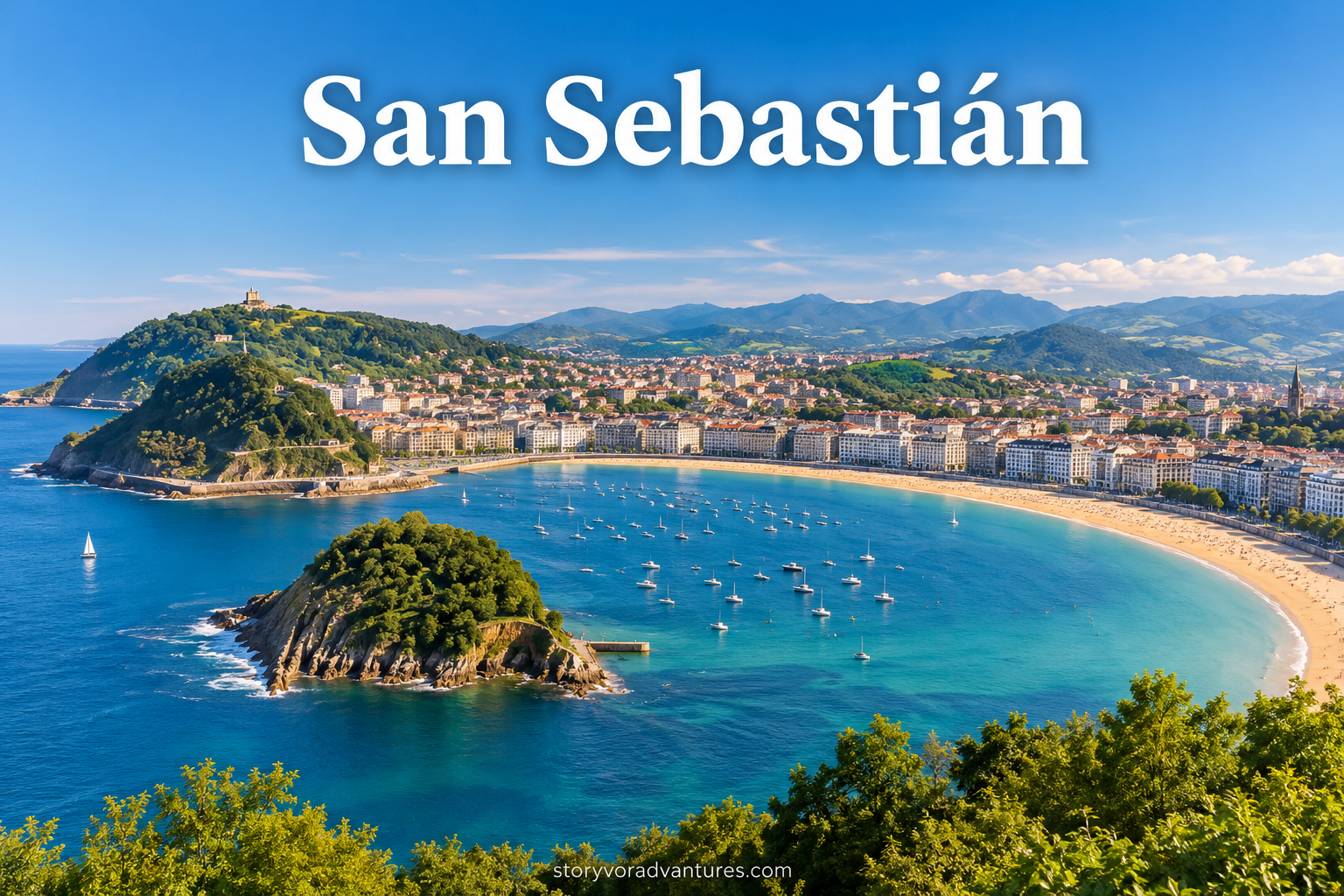
San Sebastián sits on Spain’s northern coast and is known for La Concha Bay, elegant streets and a strong food culture. It works particularly well for travellers who want a slower coastal stay after visiting larger cities.
Walking along La Concha provides an easy introduction to the city. Monte Igueldo and Monte Urgull offer elevated viewpoints, while the Old Town contains a dense concentration of pintxos bars.
Pintxos are small portions commonly displayed or ordered at bars. Instead of eating everything in one location, visitors often order one or two items before moving to another establishment. Observe local ordering practices and avoid blocking busy counters.
The weather in northern Spain can be less predictable than on the Mediterranean coast. Carry a light waterproof layer even when the forecast appears comfortable.
San Sebastián can be combined with Bilbao, but the two cities deserve separate time. Practical information is available from San Sebastián Tourism.
9. Bilbao
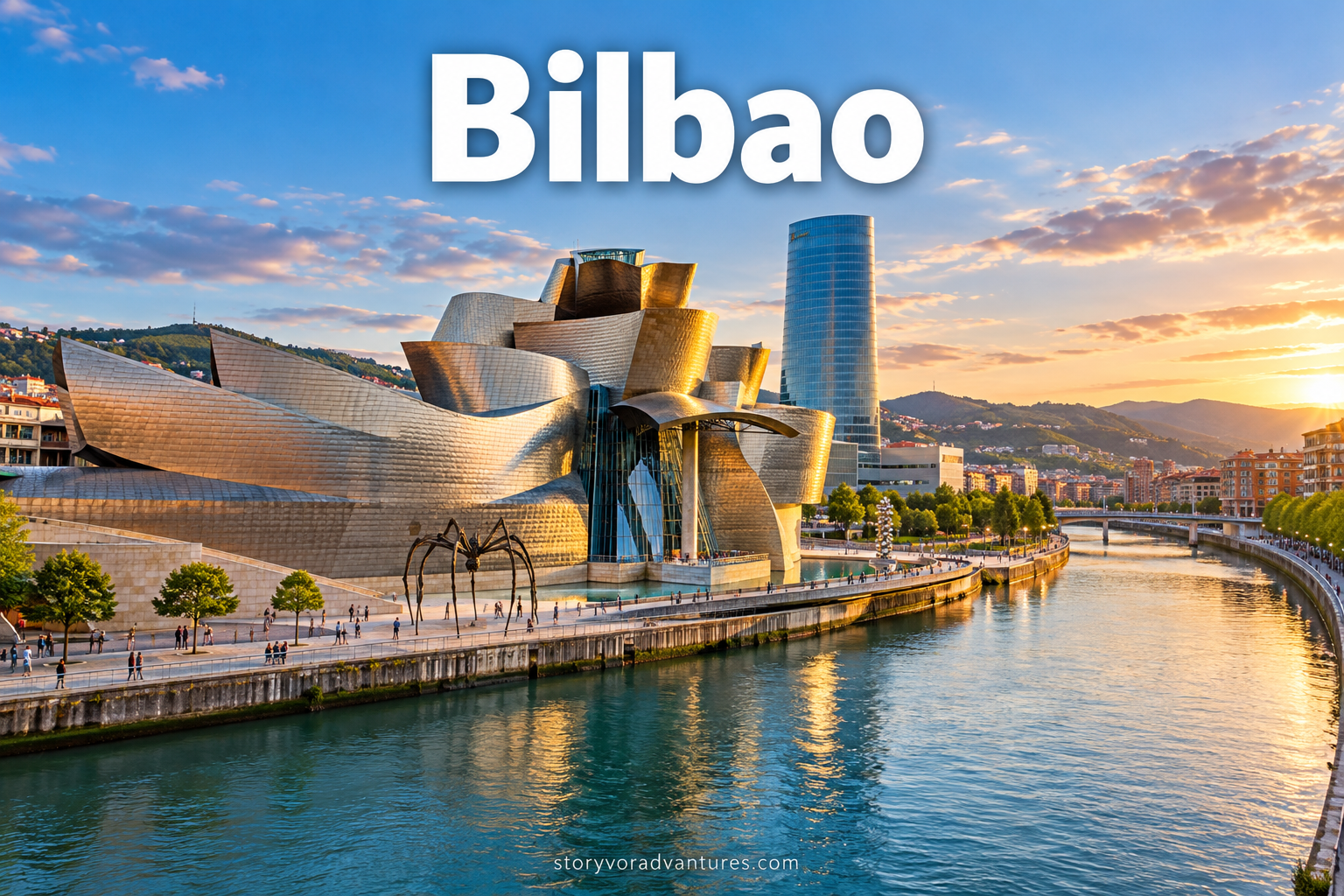
Bilbao is a strong example of how an industrial city can reinvent itself through architecture, public spaces and cultural investment.
The Guggenheim Museum is the best-known attraction, but the riverside walk and surrounding urban design are also important parts of the experience. Casco Viejo provides a contrast through traditional streets, local shops and pintxos bars.
The city’s metro can also help travellers reach coastal communities outside central Bilbao. If the itinerary allows, consider a separate excursion toward Getxo or the dramatic islet of San Juan de Gaztelugatxe. Access arrangements for popular natural sites may change, so verify reservations before travelling.
Bilbao and San Sebastián can form a useful three- or four-night northern Spain section. Visit Bilbao Turismo for current museum and transport information.
10. Santiago de Compostela
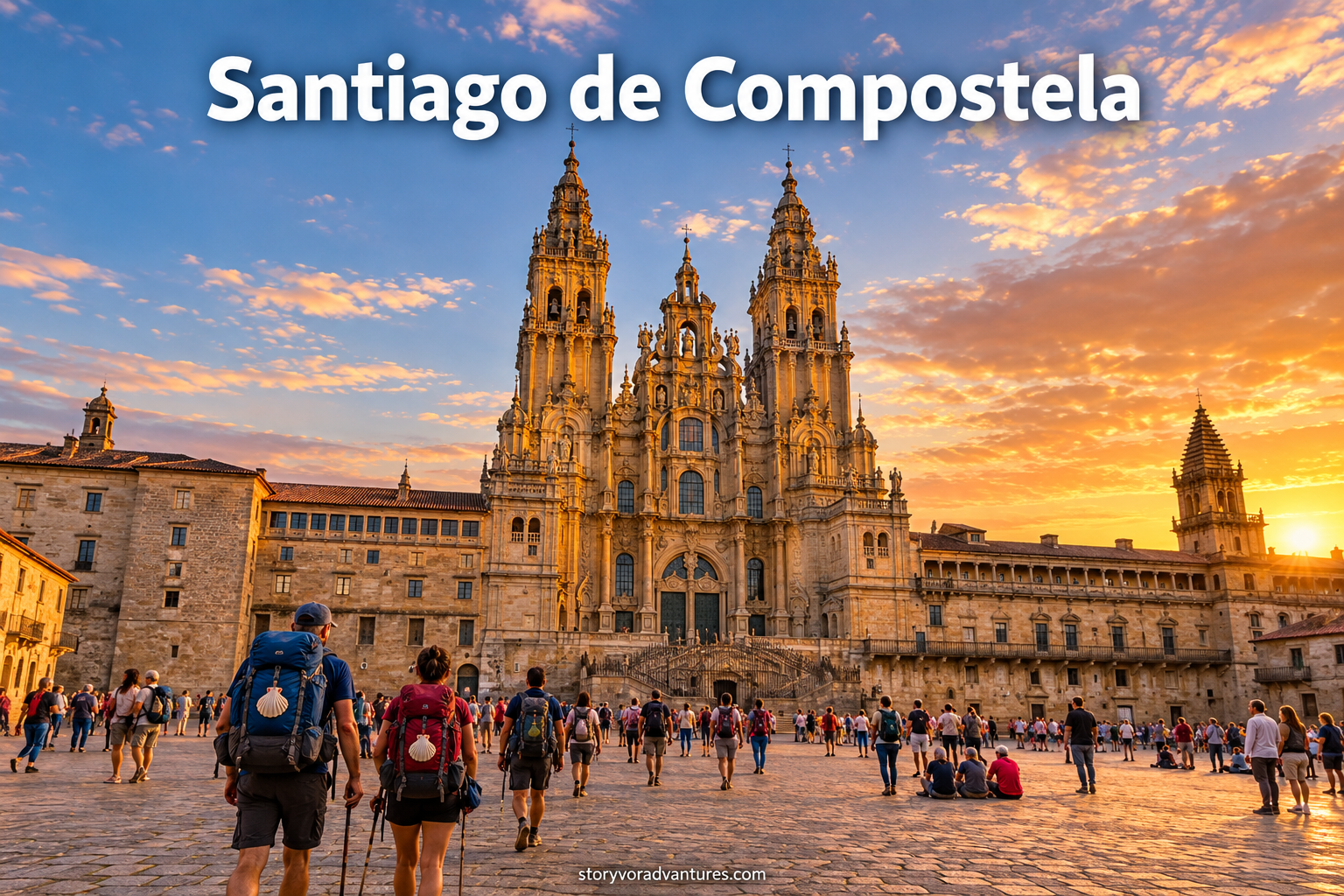
Santiago de Compostela is internationally associated with the Camino de Santiago pilgrimage routes. Even travellers who have not completed the Camino can appreciate the city’s historic streets and emotional atmosphere around the cathedral.
The main square in front of the cathedral becomes a meeting point for arriving pilgrims, local residents and visitors. The cathedral interior, rooftop options and museum sections may have different schedules or ticket arrangements.
The old city is compact and best explored on foot. Covered arcades are especially useful in Galicia’s frequent rain. Local food is another reason to stay, with seafood, empanadas and regional dishes widely available.
Santiago can be included as part of a longer northern Spain itinerary or reached by train and domestic flight. More information is available through Santiago de Compostela Tourism.
11. Mallorca
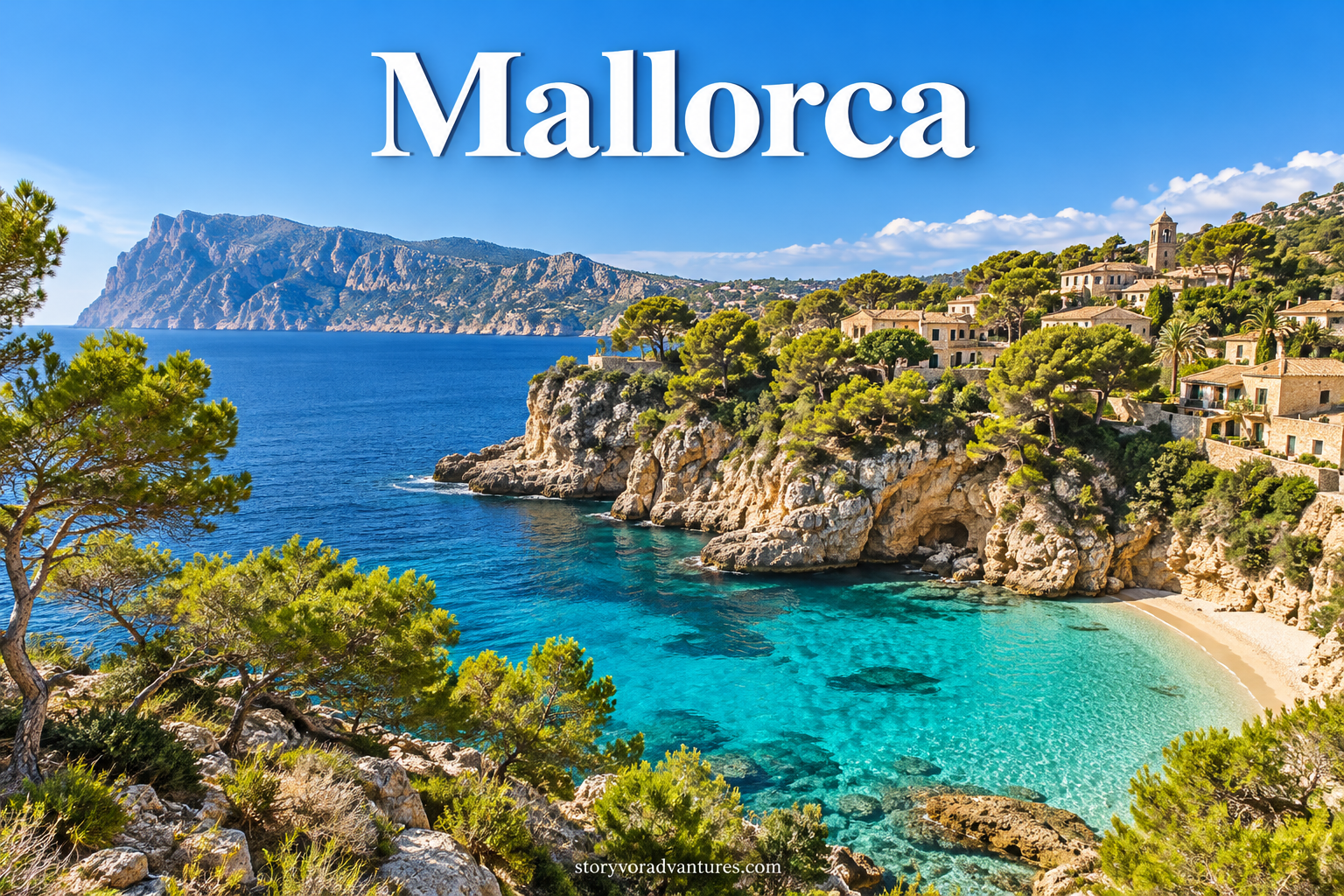
Mallorca is often advertised mainly as a beach destination, but the island also contains mountain roads, stone villages, walking routes and a historic capital.
Palma offers a large waterfront cathedral, an attractive old quarter and useful transport connections. Beyond the city, the Serra de Tramuntana contains villages such as Valldemossa, Deià and Sóller.
The historic train between Palma and Sóller offers a scenic journey, while coastal areas provide beaches of very different character. Some coves are small and become crowded quickly during summer.
Renting a car provides flexibility, but parking can be difficult in popular villages and beach areas. Mountain roads may be narrow and winding. Travellers uncomfortable with this type of driving can use buses, organised excursions or remain near Palma.
Four or five days allow a better experience than treating Mallorca as a one-day extension. Use the official Mallorca tourism website for island information.
12. Tenerife

Tenerife, in the Canary Islands, combines beaches, volcanic scenery, forests and traditional towns. Its landscape differs greatly from mainland Spain.
Teide National Park contains Spain’s highest peak and one of the island’s defining environments. Cable-car operation depends on weather, and reaching certain summit areas can require separate permission. Check current conditions and access through the official Teide website.
Northern Tenerife tends to feel greener, while southern resort areas generally receive more beach-oriented tourism. La Laguna provides historic streets, and the Anaga Rural Park offers dramatic mountain roads and walking routes.
The island is larger than many first-time visitors expect. Staying entirely in one resort and attempting to drive across the island every day can become tiring. Dividing the stay between two bases may work better for a longer visit.
13. Ronda
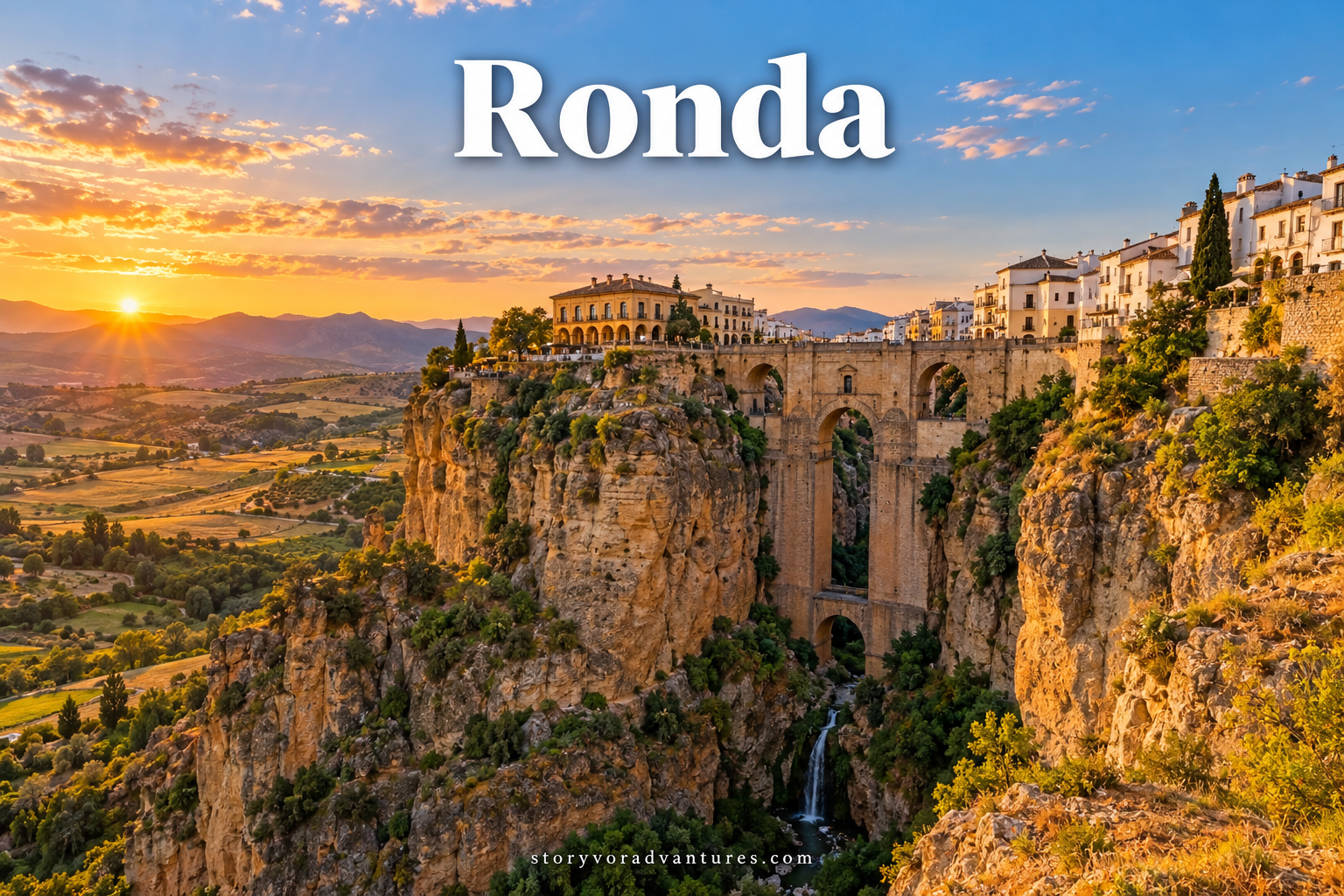
Ronda is built above a dramatic gorge in Andalusia. Puente Nuevo connects sections of the town and forms its most recognisable view.
The bridge can be viewed from several levels, and the lower paths provide a better understanding of its scale. Conditions on these paths can change, so respect closures and wear suitable footwear.
Ronda’s old streets, viewpoints and surrounding countryside justify more than a quick photograph. However, the central area can become busy when tour buses arrive. An overnight stay makes it easier to explore early in the morning and after sunset.
Ronda can be reached from Málaga, Seville or the Costa del Sol, but public-transport schedules may not always fit a spontaneous day trip. Check connections before booking accommodation.
See the official Ronda tourism website for local information.
14. Costa Brava
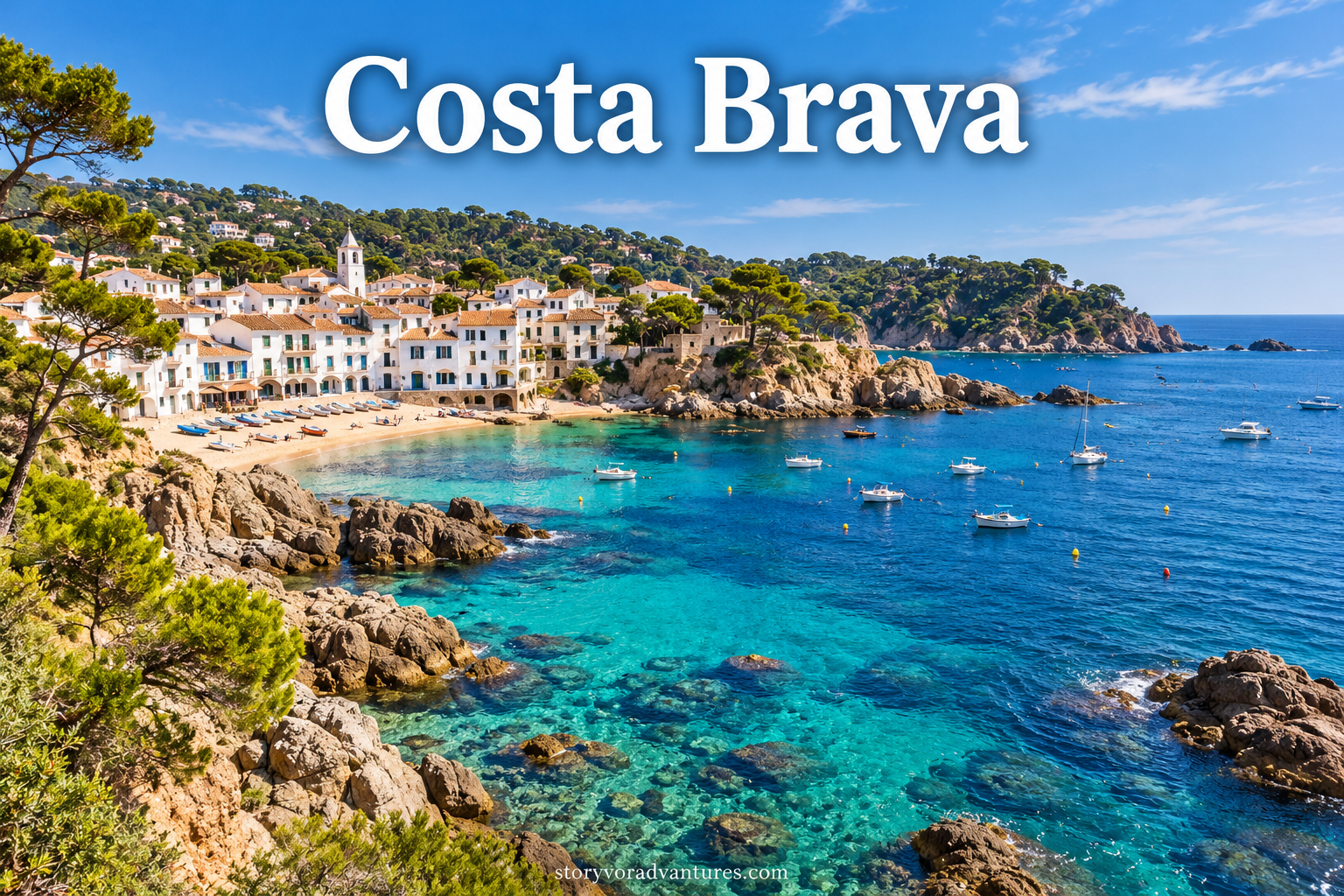
Costa Brava extends along Catalonia’s northeastern Mediterranean coast. It includes rocky coves, fishing villages, walking paths and larger resort towns.
Cadaqués is one of the most recognisable coastal settlements, while nearby Portlligat is associated with Salvador Dalí. Farther south, towns such as Begur and Calella de Palafrugell provide attractive coastal scenery.
The Camí de Ronda walking routes connect several coastal sections. These paths vary in difficulty and condition, so travellers should not assume every section is a casual paved promenade.
A car helps reach smaller beaches and villages, but summer parking can be limited. Travellers relying on public transport should choose a well-connected base rather than changing towns every night.
The coast works well as a three-day extension from Barcelona. Regional planning information is available through Costa Brava tourism.
15. Segovia
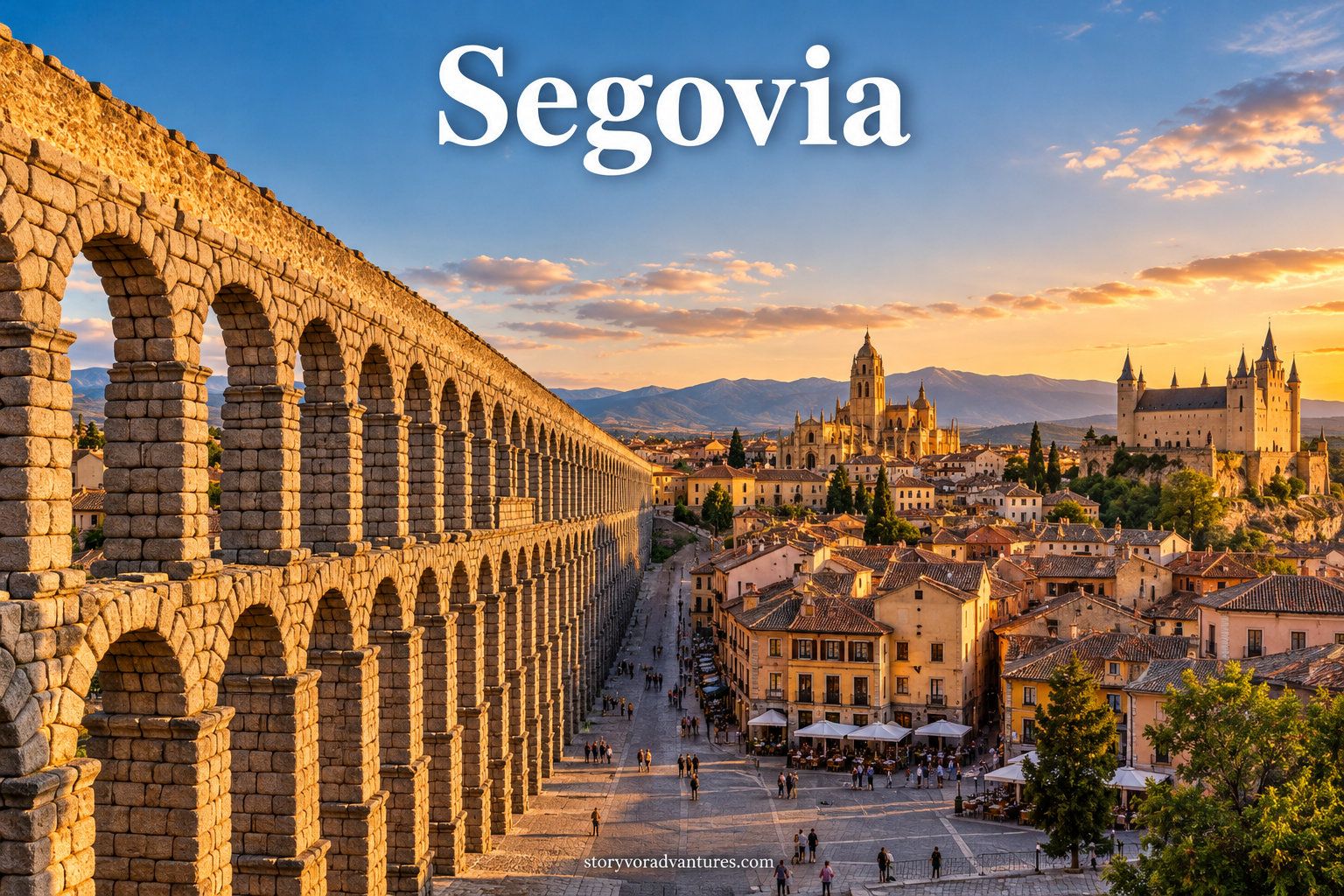
Segovia is known for its remarkably preserved Roman aqueduct, but its cathedral, old streets and Alcázar make it a complete historic destination.
The aqueduct stands beside the modern city without requiring an admission ticket. From there, visitors can walk uphill through the historic centre toward the cathedral and Alcázar.
The Alcázar’s towers and position above the surrounding landscape create one of Spain’s most distinctive castle settings. Separate ticket options may apply to different areas, so check access before arrival.
Segovia is possible as a day trip from Madrid. Pay attention to which station the train uses because some high-speed services arrive outside the historic centre and require an additional bus or taxi.
Local details are available from Segovia Tourism.
Getting Around Spain
Spain’s high-speed railway network makes it possible to travel between several major cities without domestic flights. Madrid connects particularly well with Barcelona, Valencia, Seville, Córdoba and Málaga.
Train prices can increase as travel dates approach. Compare schedules and book important routes through Renfe’s official website. Other authorised rail operators may also serve certain routes, but luggage rules and ticket conditions can differ.
Long-distance buses are useful for routes not served efficiently by rail. A rental car becomes more valuable in areas such as Costa Brava, Mallorca’s mountain villages and rural Andalusia.
Avoid renting a car merely to drive between Madrid, Barcelona and Seville. Parking, city restrictions and tolls can make it less convenient than rail. When driving, confirm whether the hotel is inside a restricted traffic zone.
Visa and Entry Requirements
Spain is part of the Schengen area. Entry requirements depend on nationality, residence status, passport and length of stay.
Travellers should check their individual situation through the Spanish Ministry of Foreign Affairs and the relevant Spanish embassy or consulate.
Depending on the traveller’s circumstances, authorities may request a valid passport, visa where required, accommodation details, return or onward travel, insurance and evidence of sufficient funds. Requirements can change, so avoid using an old blog post as the only source.
Currency and Payments
Spain uses the euro. Cards are accepted widely in cities, hotels and established restaurants, but small amounts of cash remain useful for local markets, village businesses and minor purchases.
Carry at least two payment methods and store them separately. When an ATM or card terminal offers to charge in your home currency, compare the conversion before accepting it. Paying in euros often gives the card provider control of the conversion instead of the terminal operator.
Tipping is appreciated for good service but is generally less structured than in countries where a large percentage is expected automatically.
Accommodation
In Madrid, accommodation near a metro station can be more important than staying directly beside Puerta del Sol. In Barcelona, Gràcia, Eixample and Poblenou can offer alternatives to the busiest Gothic Quarter streets.
Seville, Granada and Córdoba have atmospheric old-town properties, but historic buildings may have stairs, limited vehicle access or smaller rooms. Confirm accessibility and luggage arrangements before booking.
On islands, check whether accommodation is close to public transport or requires a rental car. A low-priced remote hotel may become expensive once transfers are included.
Reserve early for major festivals, Easter events, summer island travel and school-holiday periods.
Approximate Spain Travel Budget
Actual costs depend on season, destination and travel style. These estimates are broad planning figures per person:
- Budget-conscious travel: approximately €70–120 per day
- Comfortable mid-range travel: approximately €140–230 per day
- Higher-comfort travel: €300 or more per day
Madrid and Barcelona generally cost more than smaller mainland cities. Mallorca, Ibiza and popular coastal resorts can also become expensive during summer.
Museum admissions, high-speed trains and frequent paid monuments can increase the total quickly. Booking long-distance transport early and alternating paid attractions with parks, neighbourhood walks and viewpoints can keep the budget under control.
Food to Try in Spain
Spain’s food differs considerably by region. Paella is associated with Valencia, pintxos are central to the Basque Country, while Andalusia offers dishes suited to its warmer climate. Galicia is known for seafood and Madrid has its own traditional stews and sandwiches.
Do not expect every region to follow the same dining schedule or menu. Lunch can be the main meal, while dinner often begins later than in some other countries.
Busy restaurants beside major landmarks may prioritise convenience over quality. Walking a few streets away and checking whether local residents are eating there can lead to a better experience.
Travellers with dietary restrictions should learn a few relevant Spanish phrases and confirm ingredients instead of relying only on menu symbols.
Best Time to Visit Spain
April to June and September to October generally offer comfortable conditions for a multi-city journey. Spring is especially attractive in Andalusia, although festivals can increase prices and crowds.
July and August are suitable for beaches and island trips, but central and southern cities can become extremely hot. Sightseeing in Seville, Córdoba or Granada during the middle of an August day can be uncomfortable.
Northern Spain is usually milder but can receive rain throughout the year. The Canary Islands remain attractive during cooler months, although weather varies by elevation and island.
Always check a current forecast shortly before travelling rather than packing for Spain as if the entire country has one climate.
Practical 12-Day Spain Itinerary
Day 1: Arrive in Madrid
Check into the hotel and take an easy walk through Puerta del Sol, Plaza Mayor and the surrounding central streets.
Day 2: Madrid Museums and Retiro Park
Choose one major museum, explore Retiro Park and spend the evening in a neighbourhood such as La Latina or Malasaña.
Day 3: Toledo Day Trip
Travel to Toledo, explore the historic centre and visit Mirador del Valle before returning to Madrid.
Day 4: Madrid to Seville
Take a morning high-speed train. Explore Plaza de España, María Luisa Park and the riverside in the afternoon.
Day 5: Historic Seville
Visit the Real Alcázar, Cathedral and Giralda. Spend the evening in Triana.
Day 6: Córdoba Day Trip
Travel to Córdoba for the Mosque-Cathedral, Jewish Quarter and Roman Bridge, then return to Seville.
Day 7: Seville to Granada
Travel to Granada, explore the historic centre and watch the sunset from an Albaicín viewpoint.
Day 8: The Alhambra
Reserve most of the day for the Alhambra and Generalife, followed by a relaxed evening.
Day 9: Granada to Valencia
Travel to Valencia. Because some connections may require additional time or a transfer, check the schedule before finalising the itinerary.
Day 10: Valencia
Visit the historic centre, Central Market, Turia Garden and City of Arts and Sciences.
Day 11: Valencia to Barcelona
Take the train to Barcelona and explore the Gothic Quarter, El Born and the waterfront.
Day 12: Barcelona Highlights
Visit the Sagrada Família and one additional Gaudí attraction. Extend the trip by two or three days if you want a slower Barcelona experience.
Responsible Travel in Spain
Spain’s most famous cities receive heavy visitor numbers. Travellers can reduce pressure by visiting popular attractions at reserved times, staying longer in fewer places and exploring neighbourhoods outside the same crowded streets.
Residential buildings should not be treated as photography sets. Keep noise low at night, avoid blocking entrances and follow local rules for beaches, parks and protected landscapes.
Purchase attraction tickets through official websites when possible. This helps avoid unclear resale prices and makes it easier to understand the actual entry conditions.
In dry natural areas, follow fire restrictions and never discard cigarettes or glass. Carry reusable water bottles where refilling is practical and use established paths along cliffs and coastal routes.
Final Thoughts
Spain works best when the itinerary combines famous landmarks with enough unplanned time to experience ordinary streets, meals and neighbourhoods. Madrid, Seville, Granada, Valencia and Barcelona create a strong first route, while Mallorca, Tenerife, the Basque Country and Galicia can become separate journeys rather than rushed additions.
A realistic plan is more useful than a long checklist. Choose connected destinations, reserve high-demand attractions, allow for local dining hours and avoid changing hotels every day. Spain’s most memorable moments may come from a celebrated palace or cathedral, but they can just as easily appear during an evening walk, a quiet coastal journey or an unplanned meal away from the busiest square.