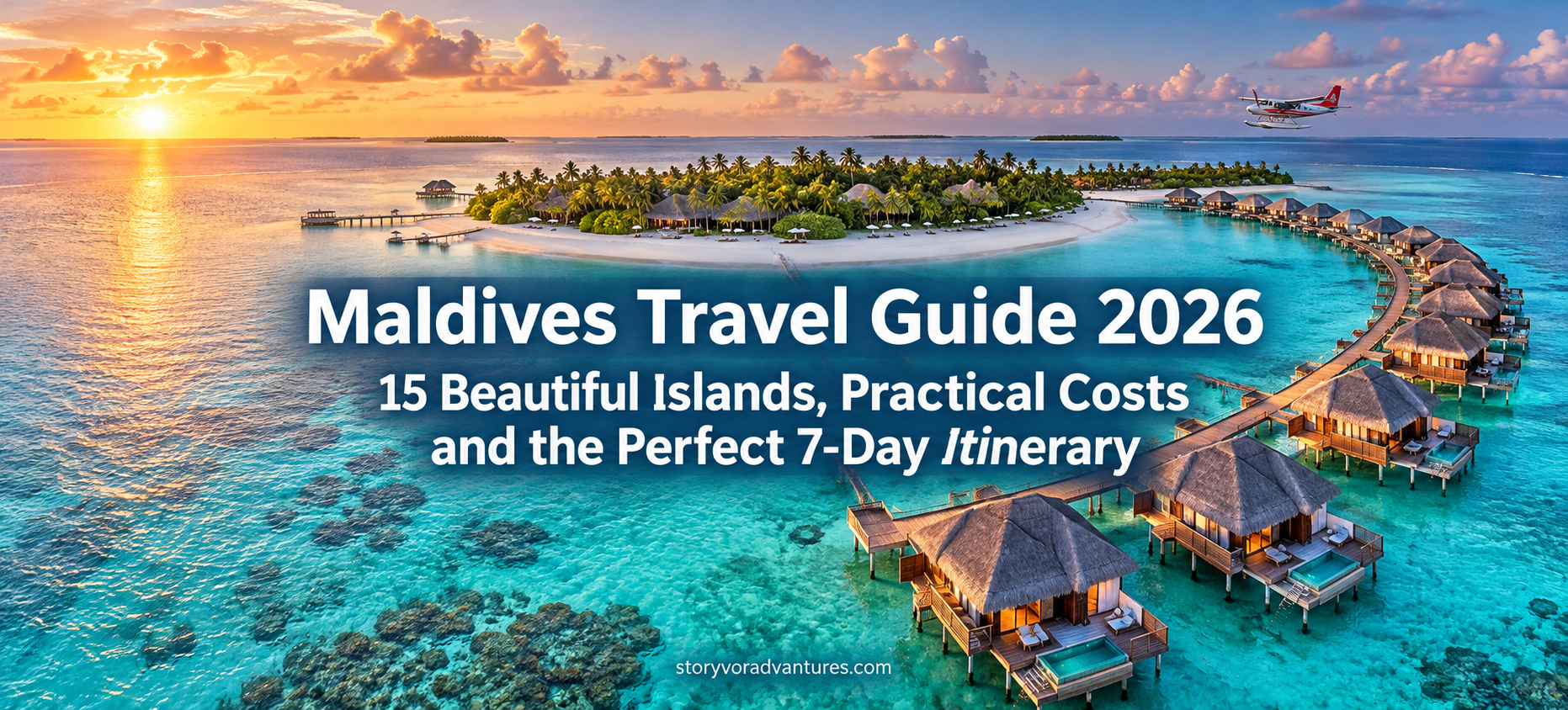
Maldives Travel Guide 2026: 15 Beautiful Islands, Practical Costs and the Perfect 7-Day Itinerary
Plan your Maldives trip with 15 beautiful islands, realistic budgeting advice, transport options, local travel tips and a practical 7-day itinerary.
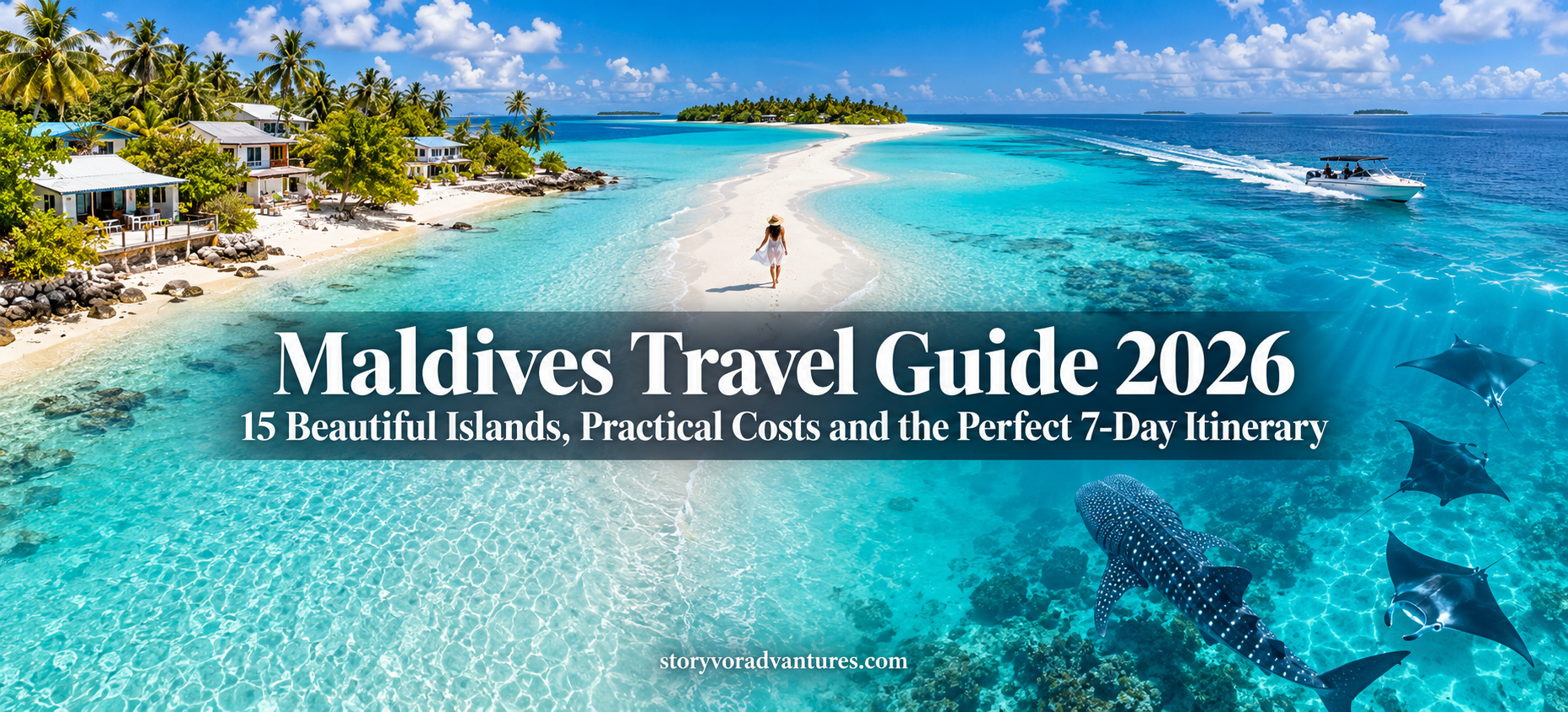
The Maldives is often presented as a destination made only for luxury honeymoons, private villas and expensive resorts. That version of the country exists, but it is not the complete picture. Travellers can also stay in locally owned guesthouses, use scheduled speedboats, eat in neighbourhood cafés and experience daily island life without booking an overwater villa.
Planning a Maldives trip is different from organising a holiday in a normal city. The country contains 1,192 islands spread across 26 natural atolls, so choosing the correct island is more important than creating a long sightseeing list. Your accommodation, airport transfer, beach access, snorkelling conditions and excursion options depend heavily on that choice. Discover Maldives > Geography
This detailed guide explains 15 worthwhile Maldivian destinations, the difference between resorts and local islands, transportation, budgeting, entry requirements and a practical seven-day itinerary.
Maldives Travel Essentials
Country: Republic of Maldives
Capital: Malé
Currency: Maldivian Rufiyaa, although US dollars are commonly accepted in tourist facilities
Main airport: Velana International Airport
Main language: Dhivehi
Recommended trip duration: Five to ten days
Best for: Beaches, snorkelling, diving, marine wildlife, honeymoons and relaxed island holidays
Official tourism website: Visit Maldives
Official immigration portal: Maldives Immigration
The Maldives stretches for hundreds of kilometres through the Indian Ocean. Because the islands are widely separated, travellers should select one main atoll or combine no more than two areas during a short holiday. Trying to move between several distant islands can consume both time and money.
1. Malé City
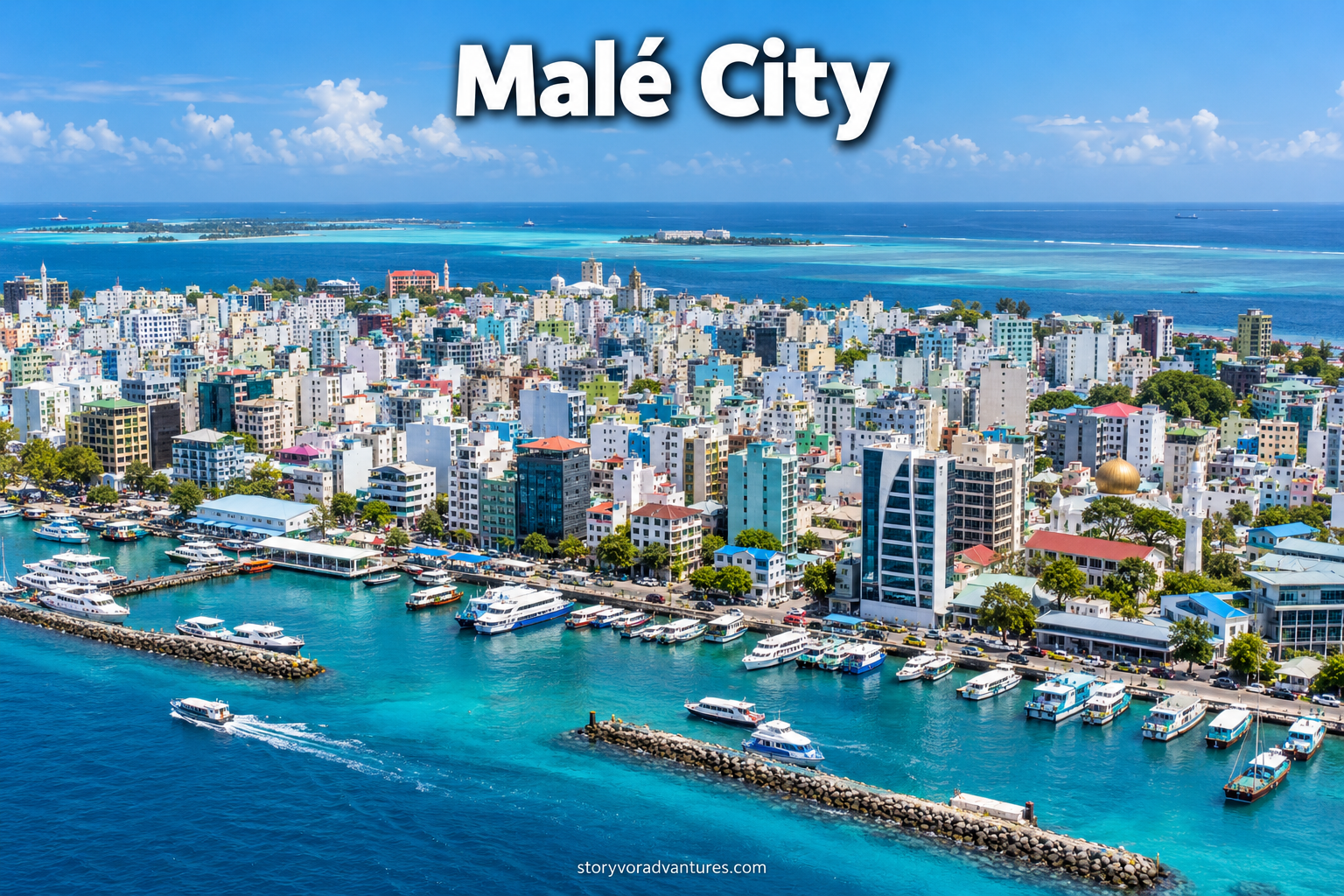
Malé is the compact capital and the administrative centre of the Maldives. It does not provide the quiet beach experience most visitors imagine, but it offers an introduction to Maldivian history, food and everyday city life. Markets, mosques, government buildings and a busy waterfront are packed into a small urban area.
One important historical site is Hukuru Miskiy, also known as the Old Friday Mosque. Built from interlocking coral stone, the mosque demonstrates traditional Maldivian craftsmanship through carved coral, woodwork and decorated interiors. It remains an active religious site, so visitors should dress respectfully and confirm whether entry is permitted at the time of arrival. visitmaldives.com
Malé works best as a short stop rather than the main base for a beach holiday. A few hours may be enough to explore the waterfront, markets and historic quarter before travelling to another island.
2. Hulhumalé
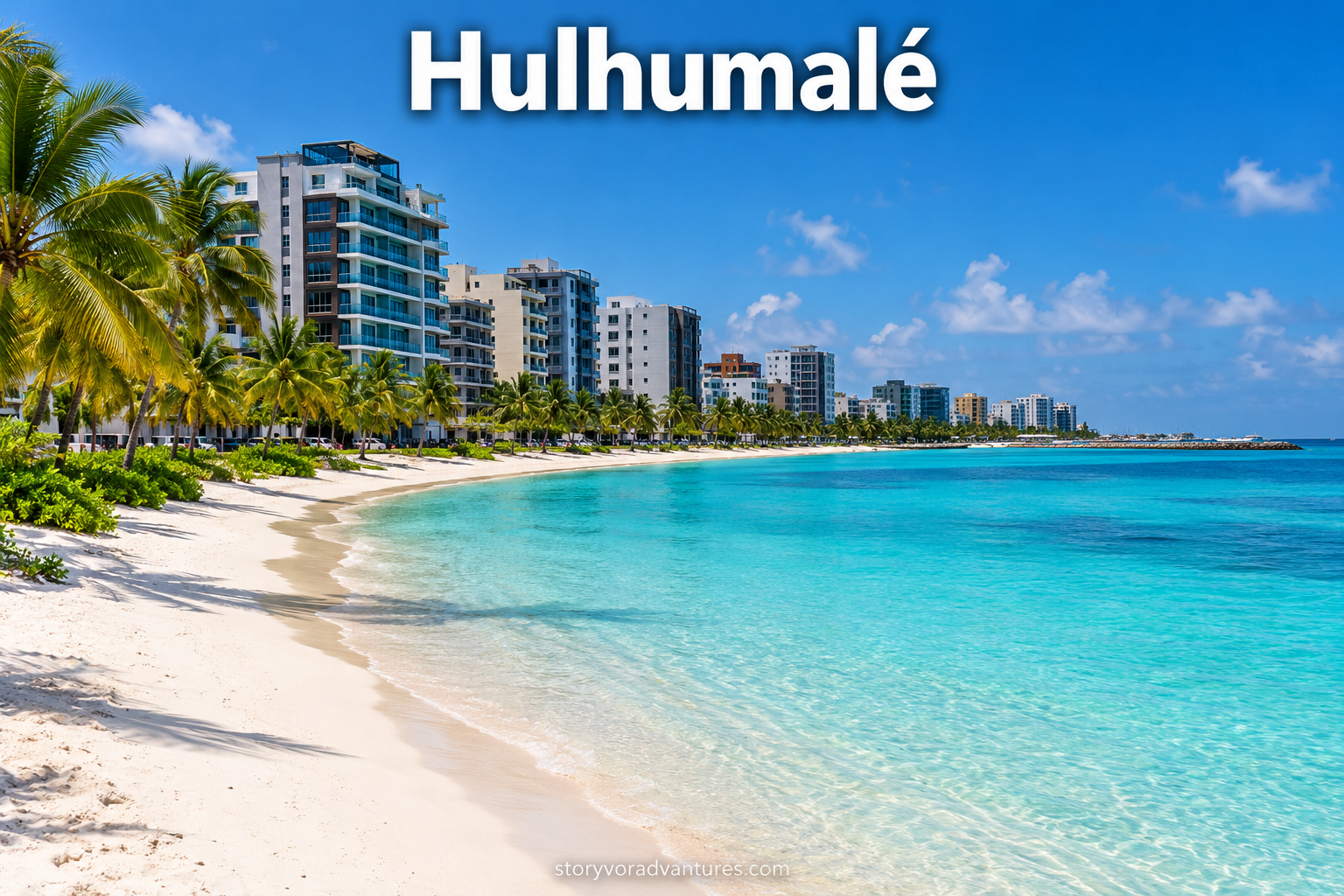
Hulhumalé is a reclaimed island connected conveniently with the airport area. Its hotels, cafés and beach make it useful for the first or final night of a trip, particularly when an international flight does not connect comfortably with an island transfer.
The island feels more urban than a remote resort, but the wide roads and waterfront provide a less crowded alternative to central Malé. Visitors can walk along the beach, find reasonably priced food and rest before taking a speedboat or domestic flight the following day.
When booking accommodation, check whether an airport transfer is included. Do not assume that every property provides complimentary transport, even when it appears close to the terminal on a map.
3. Maafushi
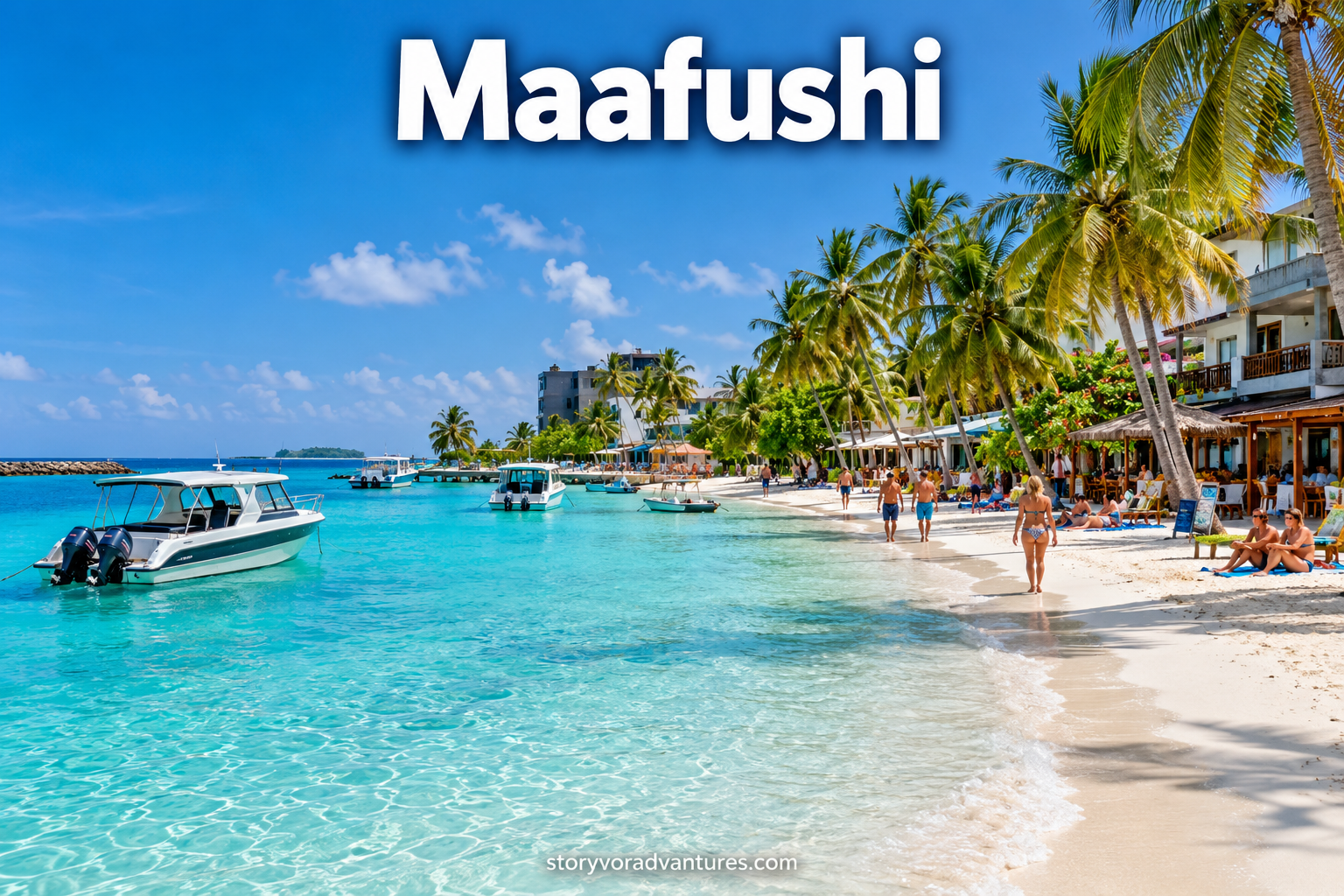
Maafushi is one of the best-known local islands for travellers seeking a more affordable Maldives experience. It contains numerous guesthouses, restaurants and excursion operators offering snorkelling, diving, sandbank visits, dolphin cruises and water sports.
The island is convenient and social, but it is also developed and can feel busier than smaller local islands. Travellers expecting complete isolation may prefer Gulhi, Fulidhoo or Dhigurah. Maafushi suits first-time visitors who want plenty of activities and simpler connections from the airport.
Swimming in standard beachwear is generally limited to the designated bikini beach. In other public areas, visitors should follow local dress expectations and behave respectfully.
4. Gulhi
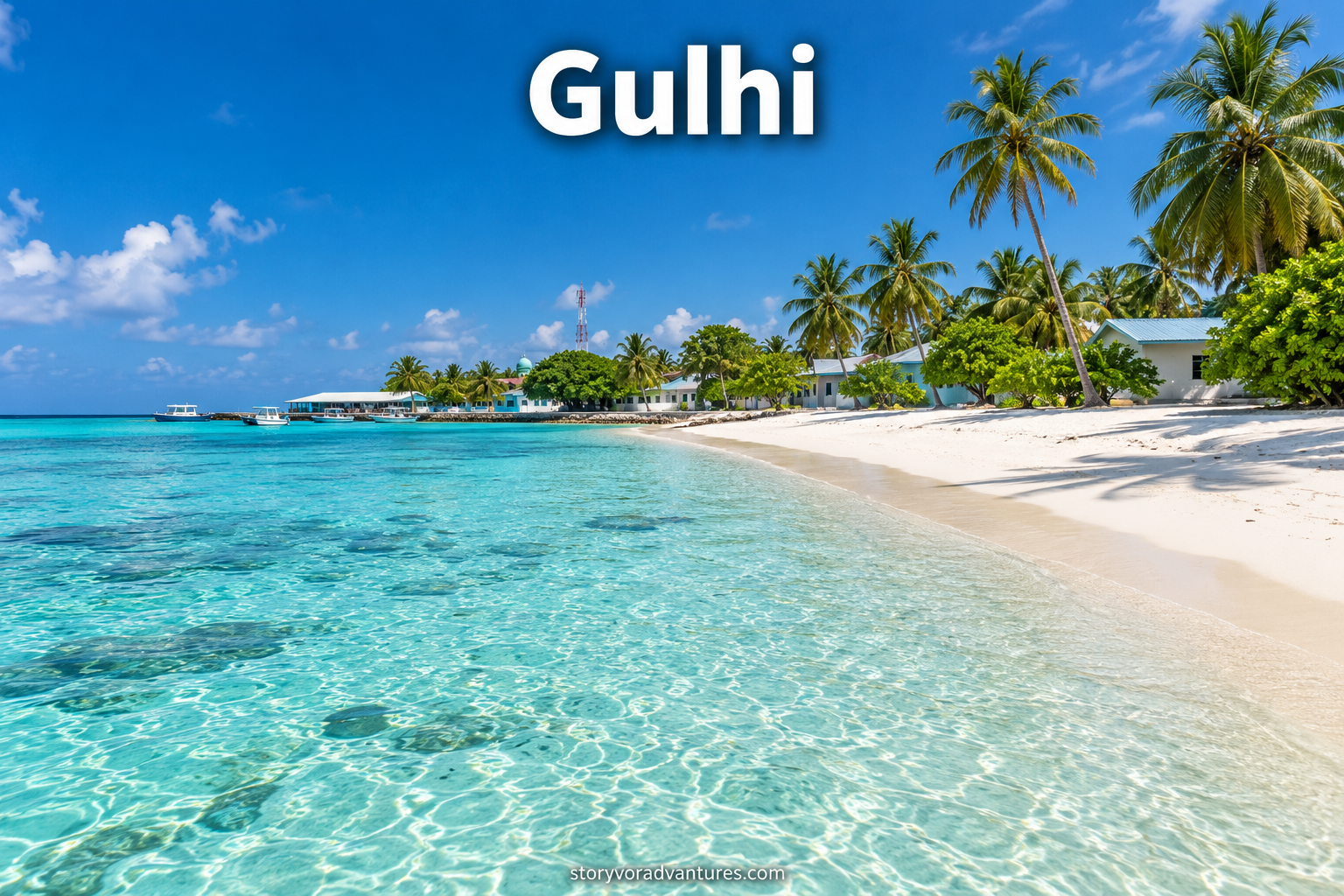
Gulhi provides a quieter alternative to Maafushi while remaining within the same broader region. The island is small enough to explore on foot and offers guesthouses, a designated tourist beach and access to snorkelling and boat excursions.
The atmosphere is more relaxed, making Gulhi suitable for couples and travellers who prefer peaceful evenings. However, the smaller number of hotels and restaurants means that visitors should confirm meal options and transfer schedules before booking.
A combined stay involving Maafushi and Gulhi is possible, but changing islands for only one night rarely adds enough value. Spending at least two or three nights allows enough time for the beach and a weather-dependent excursion.
5. Fulidhoo
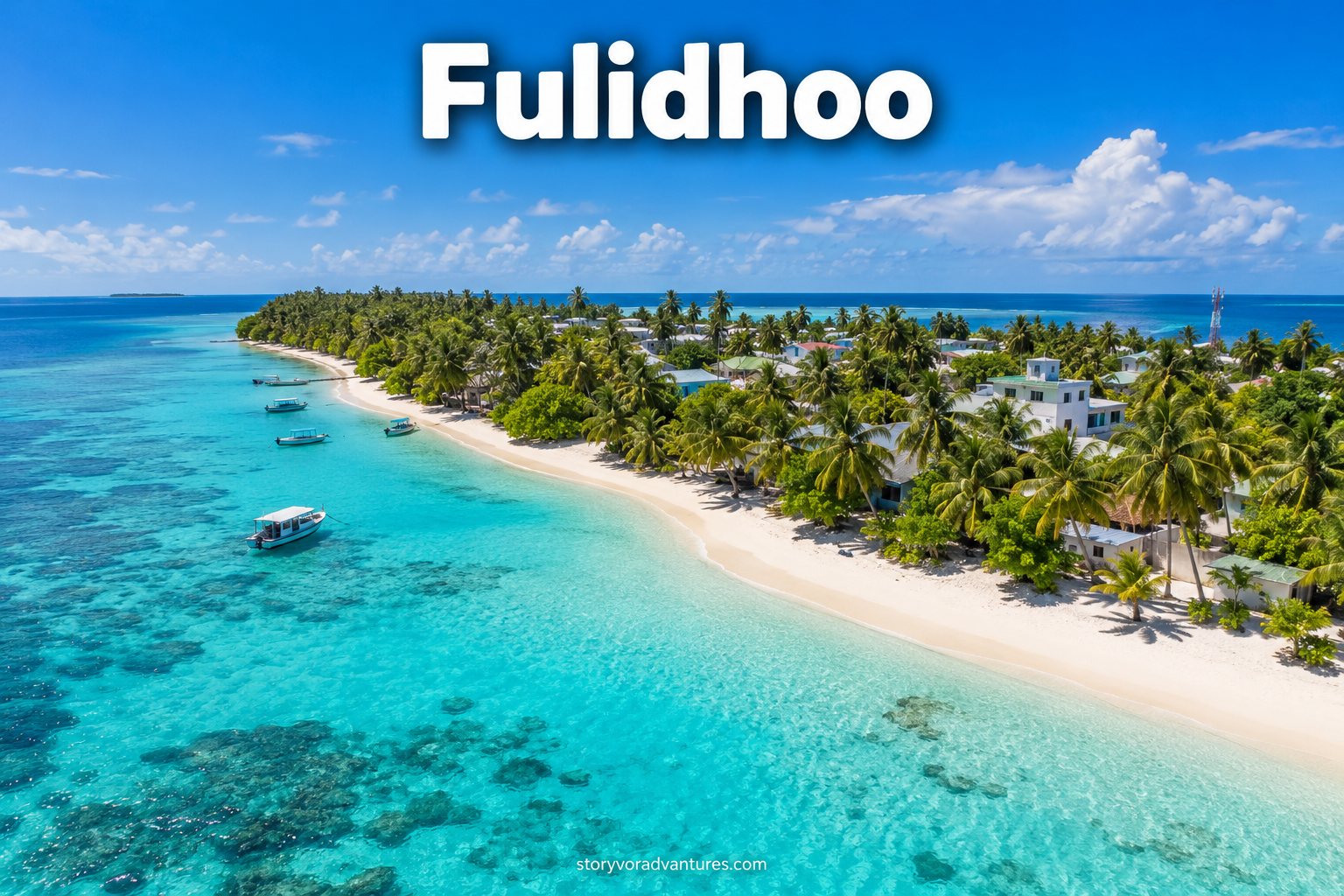
Fulidhoo is a narrow local island in Vaavu Atoll, known for its quiet village atmosphere, lagoon and access to marine excursions. It appeals to travellers looking for a slower experience with fewer crowds than the most popular islands near Malé.
Guesthouses can arrange snorkelling, diving, fishing and sandbank trips, but activities depend on weather and minimum participant numbers. Confirm what is operating before arrival instead of relying on a fixed online itinerary.
Fulidhoo is also a place where cultural respect matters. Visitors share the island with a permanent local community, so modest clothing is appropriate away from the designated tourist beach.
6. Dhigurah
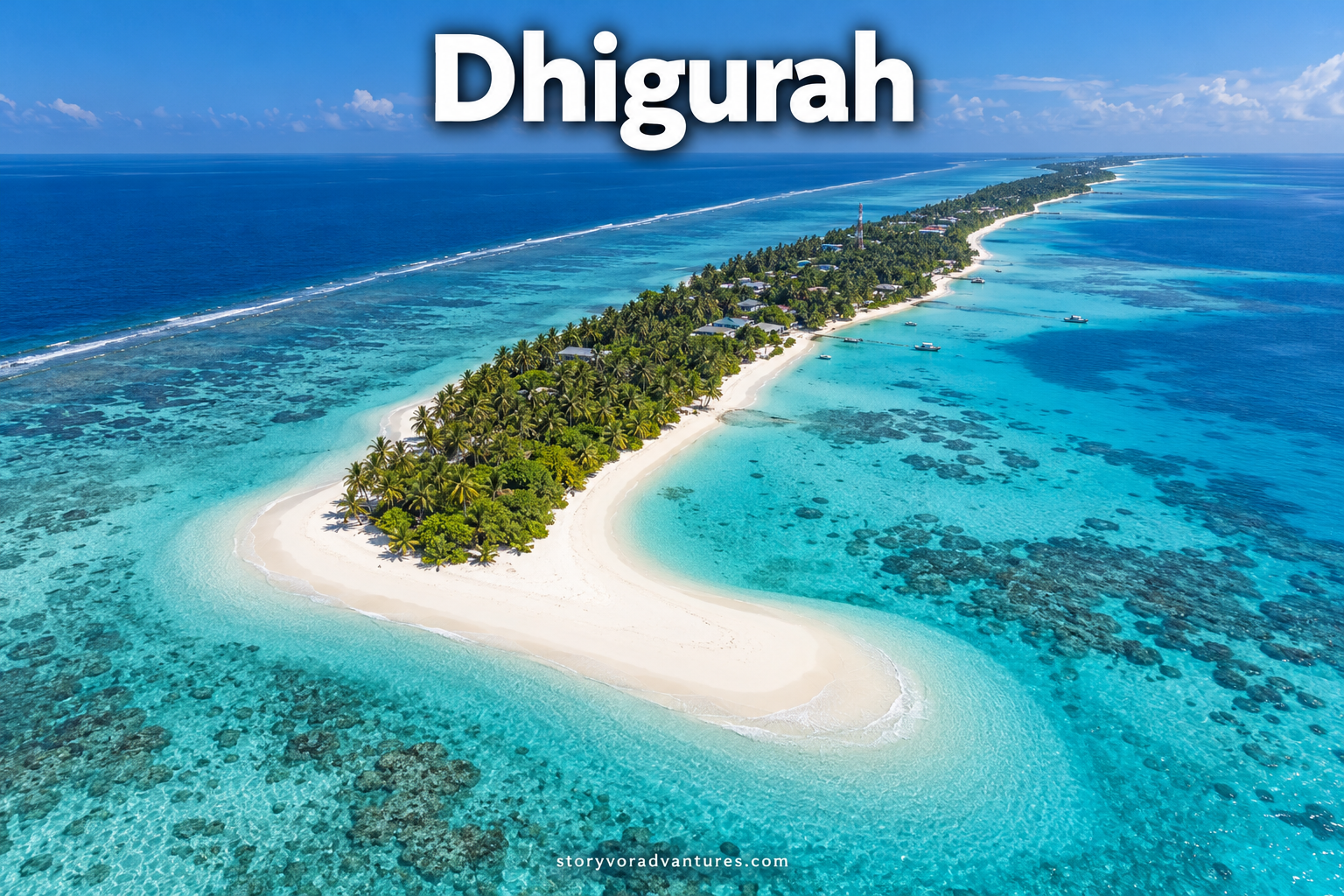
Dhigurah is a long island in South Ari Atoll with a broad beach and a sandbank extending from its southern end. Its shape creates space for extended shoreline walks, while the surrounding waters are known for whale shark excursions.
The island is a strong option for travellers who want marine activities and a local-island stay in the same trip. The official tourism website identifies Dhigurah as one of the useful bases for snorkelling or diving excursions in South Ari Atoll. Wildlife sightings remain natural and cannot be guaranteed. visitmaldives.com
Choose an operator that follows responsible whale shark practices. Visitors should avoid touching or chasing animals, blocking their movement or crowding them for photographs.
7. South Ari Atoll
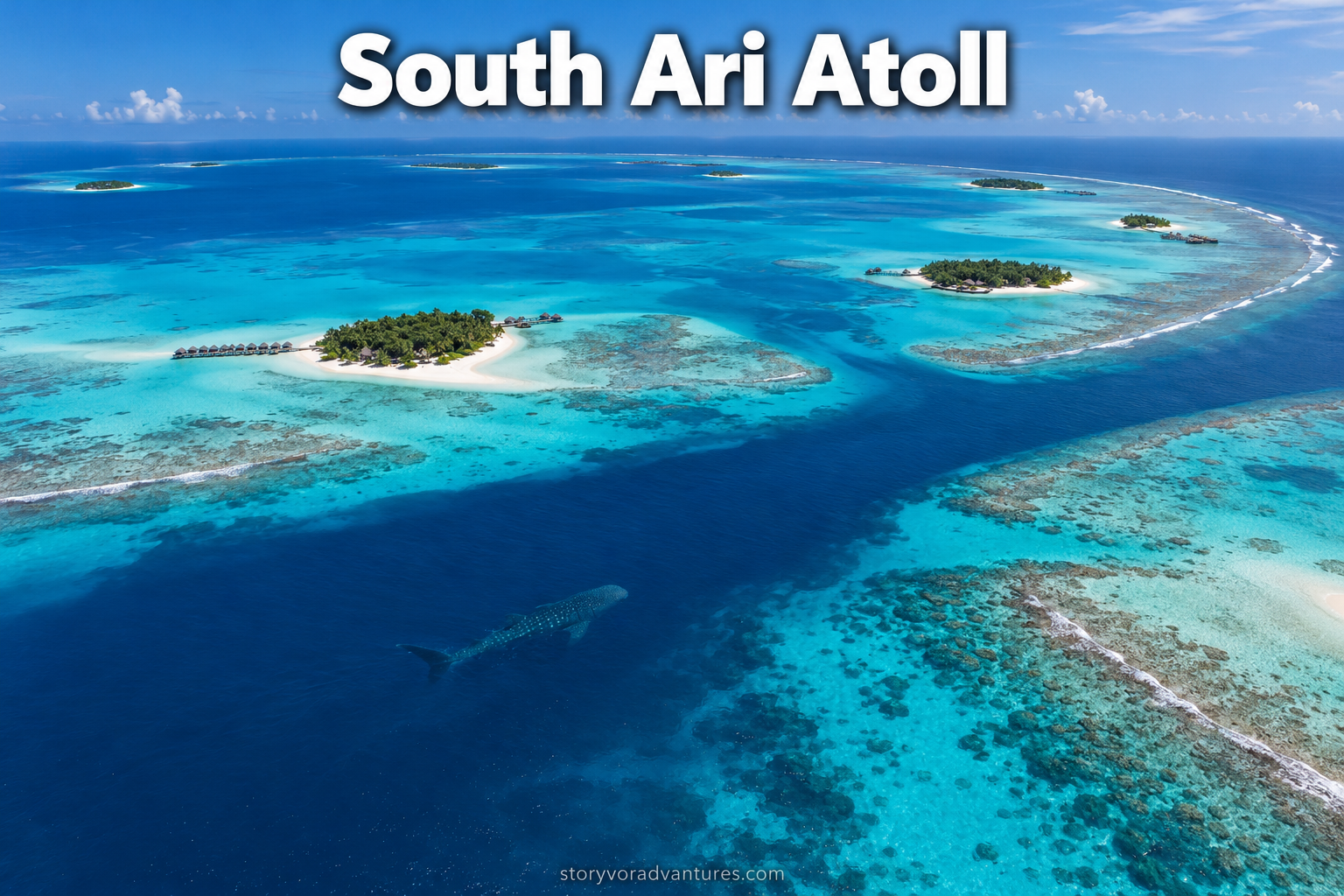
South Ari Atoll is one of the Maldives’ most recognised areas for whale shark encounters. These animals may be seen in the region throughout the year, although ocean conditions and sightings change daily. visitmaldives.com
Visitors can reach the region through local islands such as Dhigurah or through private resorts. A guesthouse stay may reduce accommodation expenses, while a resort may provide a private beach, additional facilities and easier access to an in-house dive centre.
Swimming with a whale shark should never be treated like a guaranteed attraction. Select a responsible operator, listen carefully to the guide and remain calm if an animal appears.
8. Ukulhas
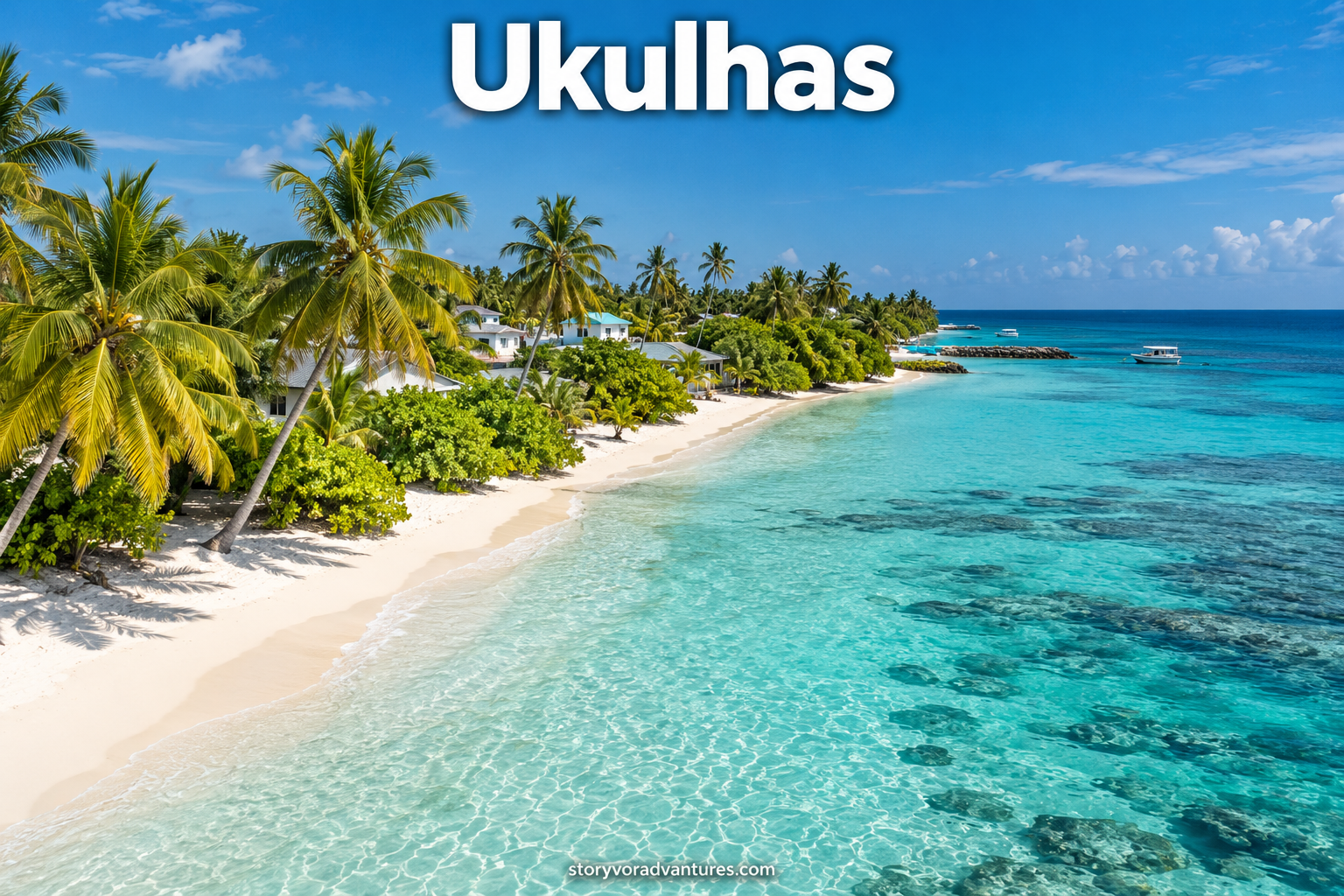
Ukulhas is a local island in North Ari Atoll known for its beach, guesthouses and community-focused approach to keeping the island clean. It provides a balance between an accessible local stay and a quieter atmosphere.
The house reef and organised snorkelling excursions can introduce visitors to reef fish, turtles and other marine life, depending on conditions. Travellers should ask their guesthouse which part of the reef is suitable for their swimming ability because currents can change.
Ukulhas suits visitors who want a beach-focused holiday without the larger tourism scene found on Maafushi. Restaurant variety is more limited, so half-board accommodation can sometimes be practical.
9. Rasdhoo
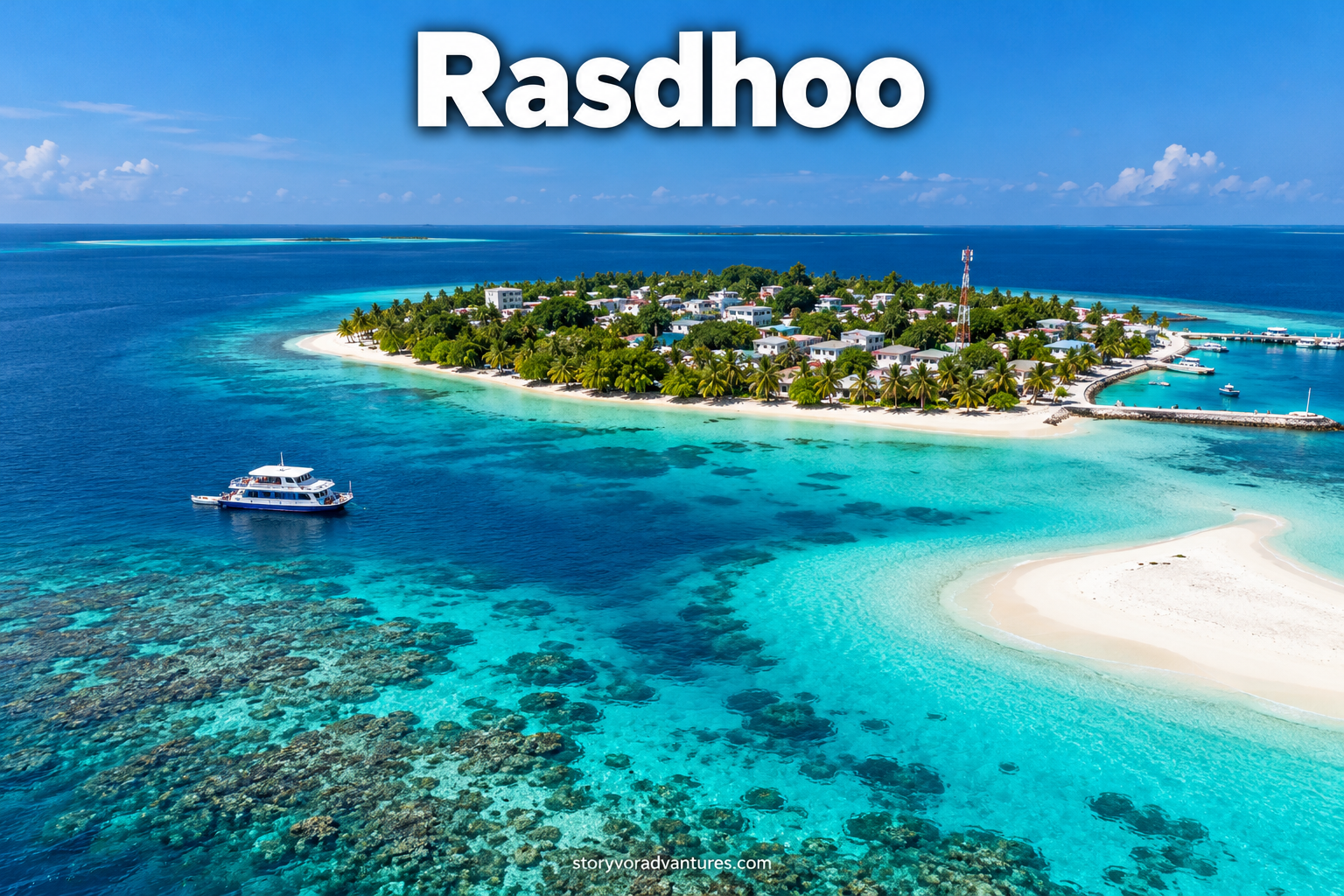
Rasdhoo is a compact island with a recognised diving community and access to reefs, channels and nearby sandbanks. It is a suitable base for certified divers, but non-divers can still enjoy snorkelling, beach time and boat excursions.
Dive sites around the atoll may involve currents and varying depths. Travellers should provide an honest description of their experience and allow the dive centre to select an appropriate site. Beginners can ask about introductory programmes or certification courses instead of joining an unsuitable advanced dive.
The island is reachable through scheduled speedboat services, but timetables can change. Always coordinate the transfer directly with the accommodation before purchasing flights.
10. Thoddoo
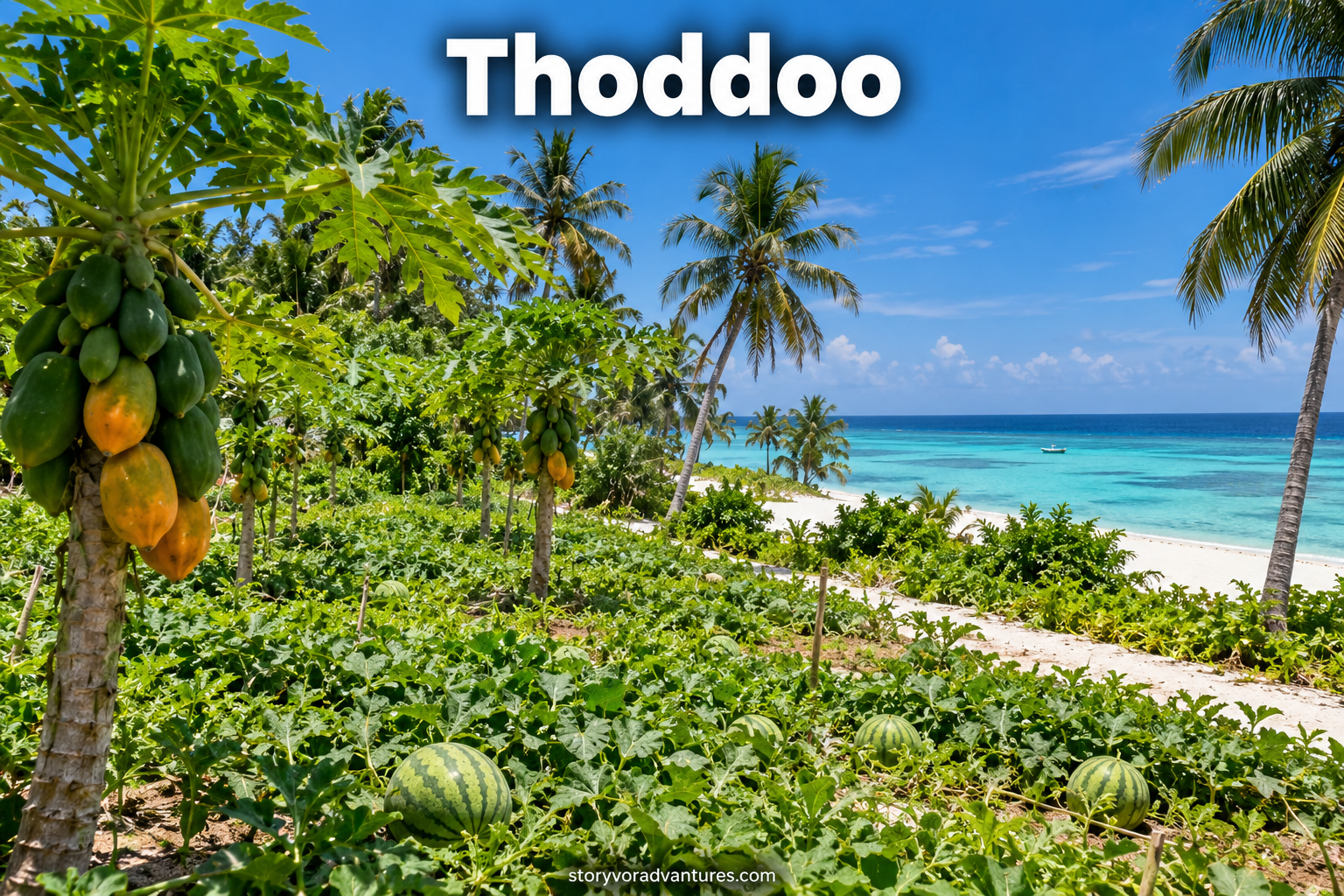
Thoddoo differs from many Maldivian tourist islands because agriculture remains an important part of its identity. Visitors may see plantations producing fruit such as watermelons and papayas alongside the beaches and guesthouses.
The island has designated tourist beach areas and offers snorkelling, cycling and boat excursions. Its larger size makes renting a bicycle useful, particularly when travelling between accommodation, plantations and beaches.
Thoddoo works well for travellers who want to see more than resort facilities. However, visitors should respect agricultural land, avoid entering plantations without permission and dress appropriately within the village.
11. Thulusdhoo
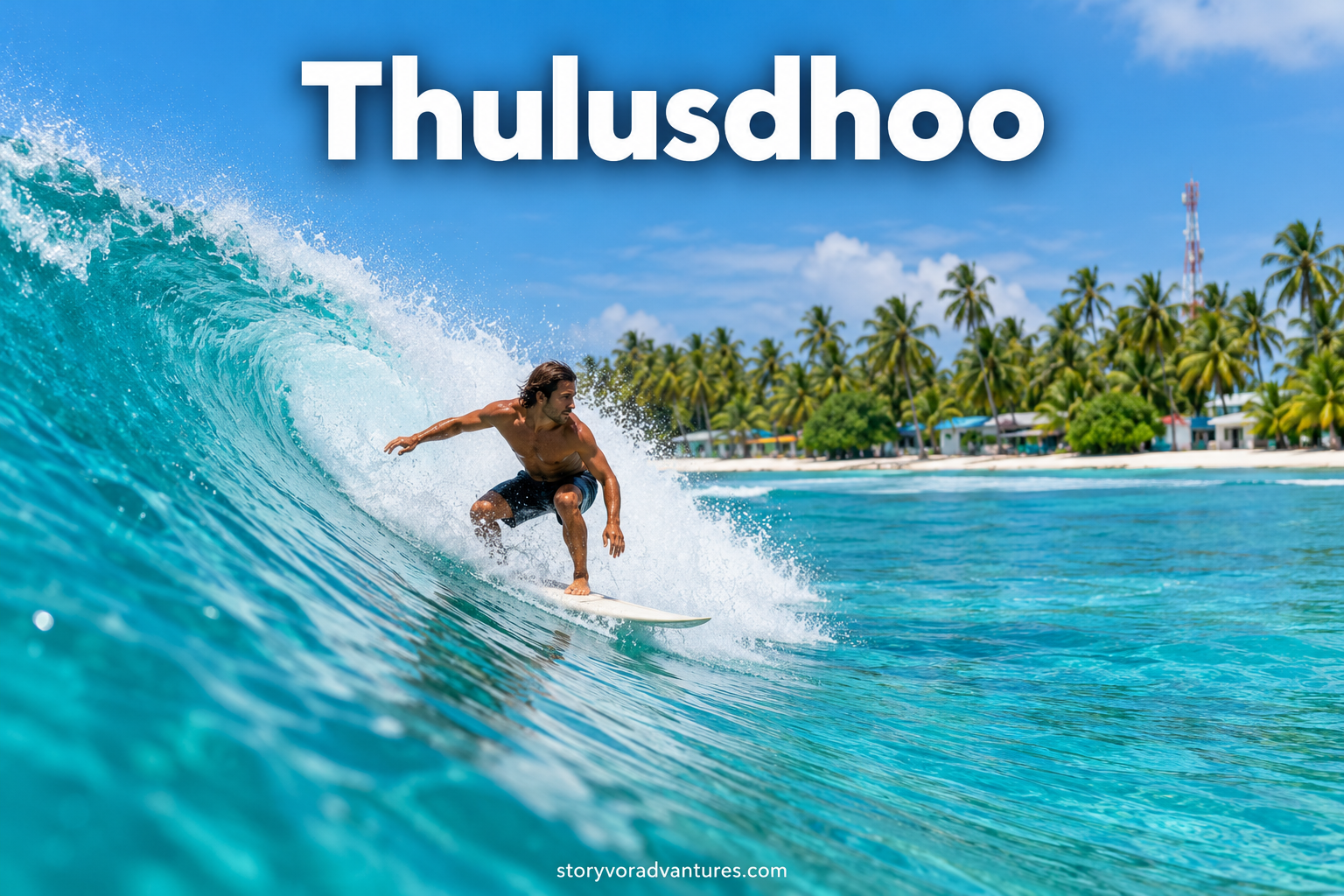
Thulusdhoo is a popular local island for surfing and active travel. Its surrounding breaks attract surfers, while guesthouses also organise snorkelling, diving and sandbank excursions.
The island has a more energetic character than many quiet honeymoon destinations. It is a practical choice for travellers who want cafés, water activities and a social atmosphere without choosing a large resort. Visit Maldives also lists Thulusdhoo among the northern local-island options accessible from the Malé region. visitmaldives.com
Surf conditions vary by season and ability level. Beginners should book instruction rather than paddling into an unfamiliar reef break independently.
12. Baa Atoll and Hanifaru Bay
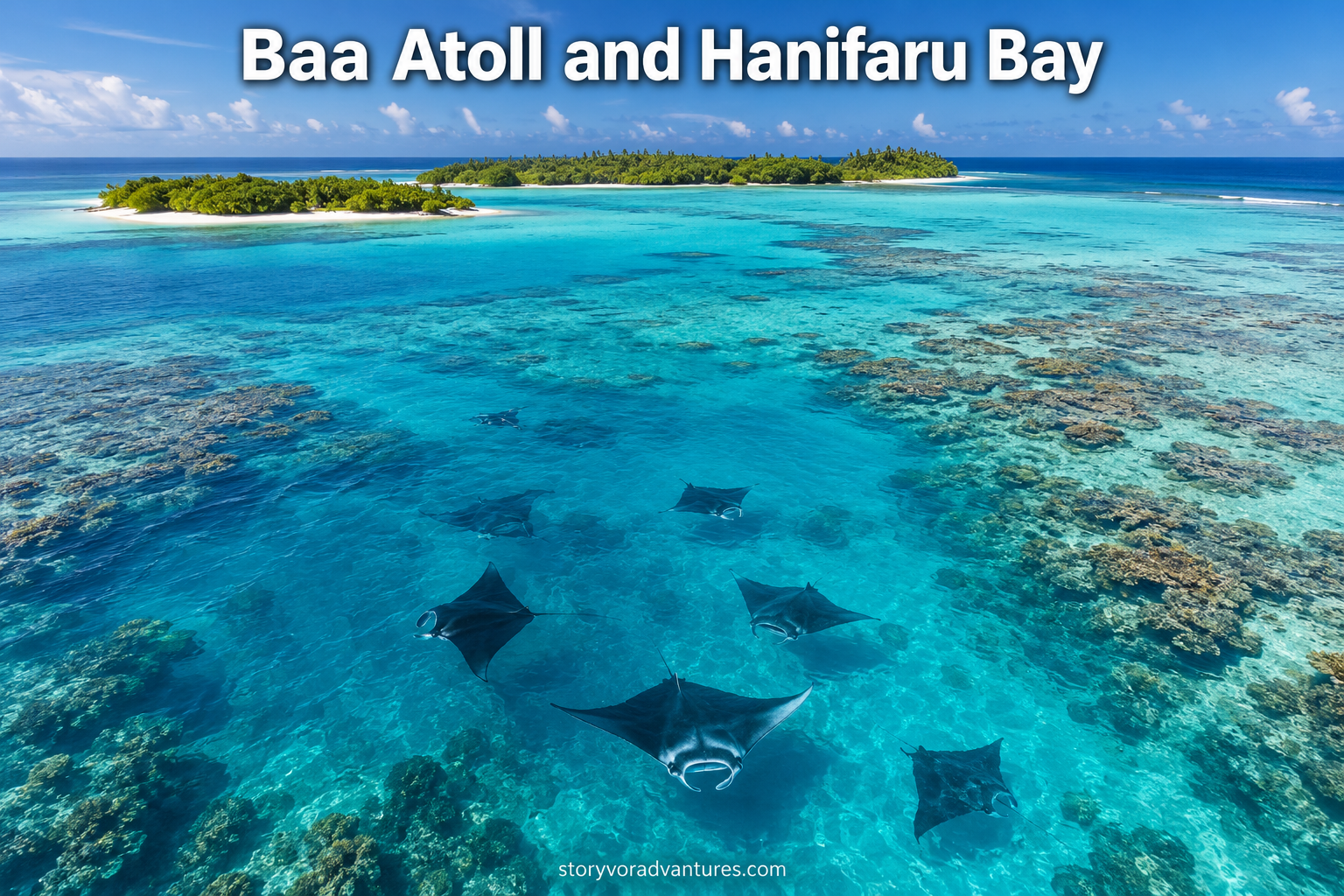
Baa Atoll is internationally important for marine biodiversity. Hanifaru Bay is its best-known location, attracting manta rays during suitable plankton conditions. Places > Baa Atoll Biosphere Reserve
The main season is commonly associated with the southwest monsoon, but manta gatherings depend on tides, plankton and natural conditions. Hanifaru Bay is managed carefully, and the experience is primarily organised as snorkelling rather than conventional scuba diving. visitmaldives.com
Dharavandhoo is a useful local base because it has a domestic airport and provides access to approved excursions. Travellers should use authorised operators and follow every instruction provided by guides or reserve staff.
13. Fuvahmulah
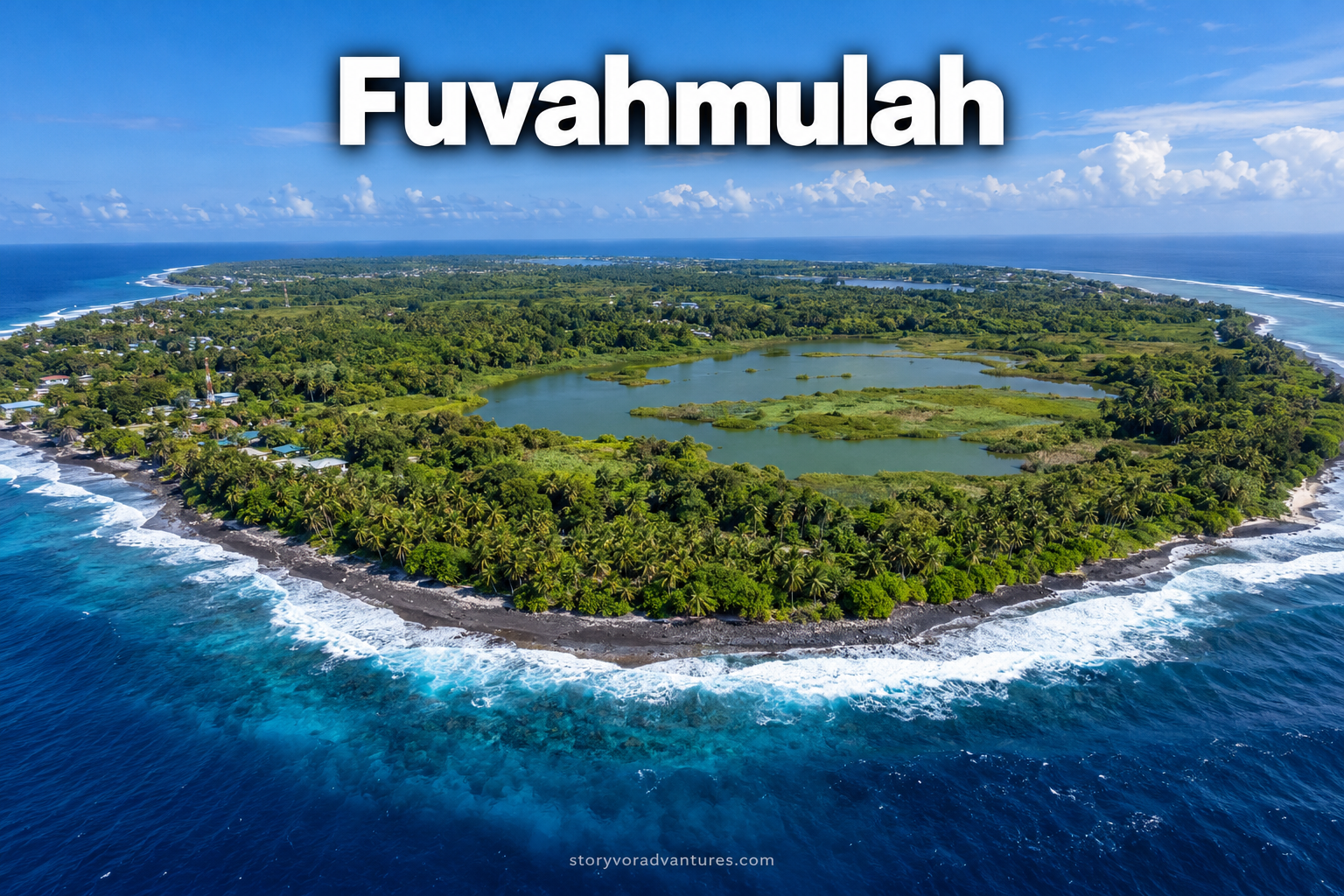
Fuvahmulah is a single-island atoll in the south of the country. Its wetlands, vegetation and inland landscapes make it visually different from the small, flat resort islands usually associated with the Maldives.
The surrounding waters are especially popular with experienced divers seeking encounters with large marine animals. Some dives can involve deep water, powerful currents and sharks, making proper certification and experience essential.
Non-divers can explore the island’s lakes, beaches and local neighbourhoods. Because Fuvahmulah requires a domestic flight from the Malé area, it is better suited to a longer itinerary than a short four-day holiday.
14. Addu Atoll
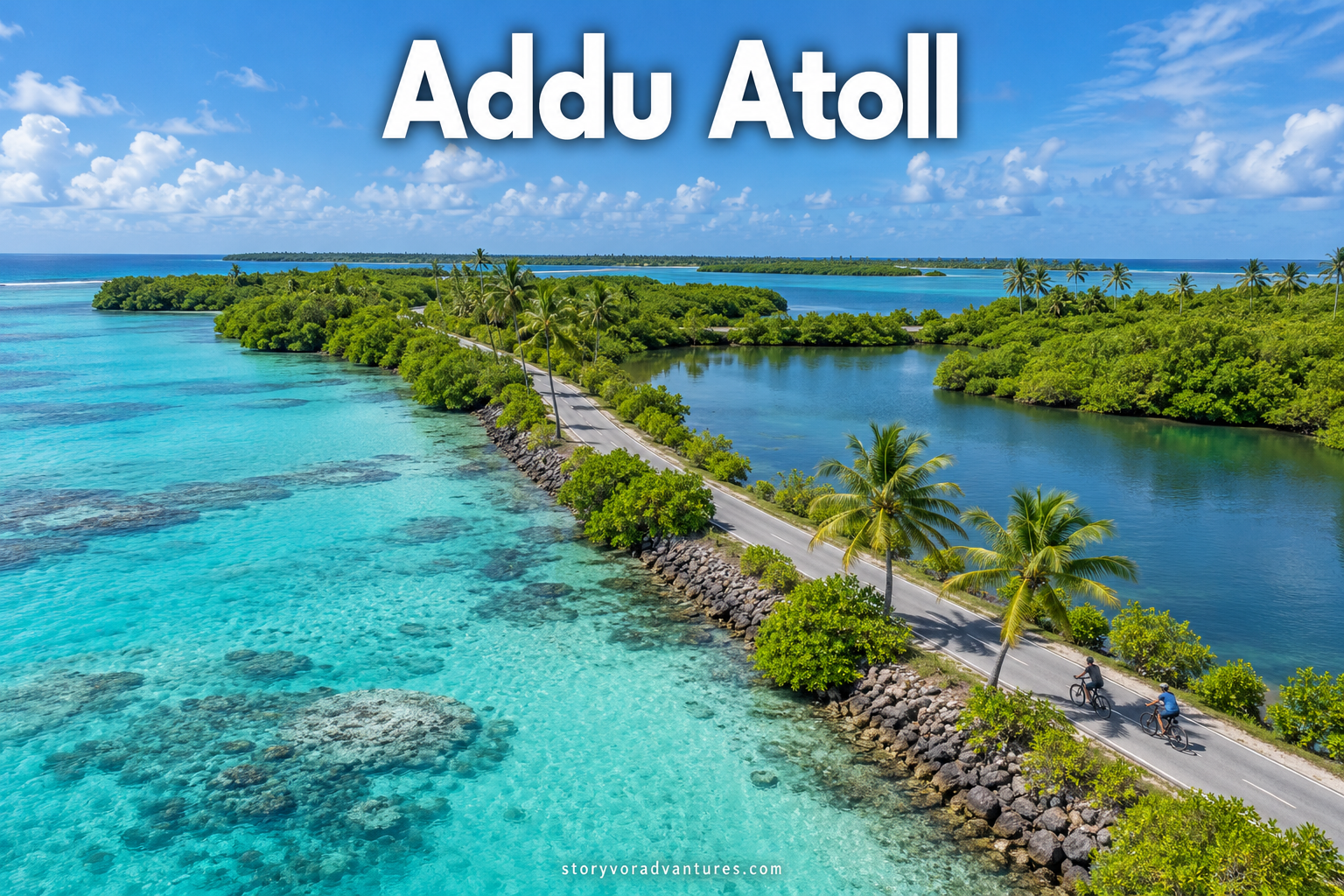
Addu Atoll lies in the far south and provides a combination of history, local communities, diving and natural scenery. Several islands are connected by roads, allowing visitors to explore more extensively by bicycle or vehicle than on a typical small Maldivian island. Atolls
Addu Nature Park protects mangroves and wetlands. Guided canoeing can provide opportunities to observe the landscape and marine nursery areas without needing an ocean excursion. Places > Addu Nature Park
Reaching Addu usually requires a domestic flight, so visitors should allow enough time between domestic and international connections. An overnight buffer near the airport may be sensible when schedules are tight.
15. A Private Resort Island
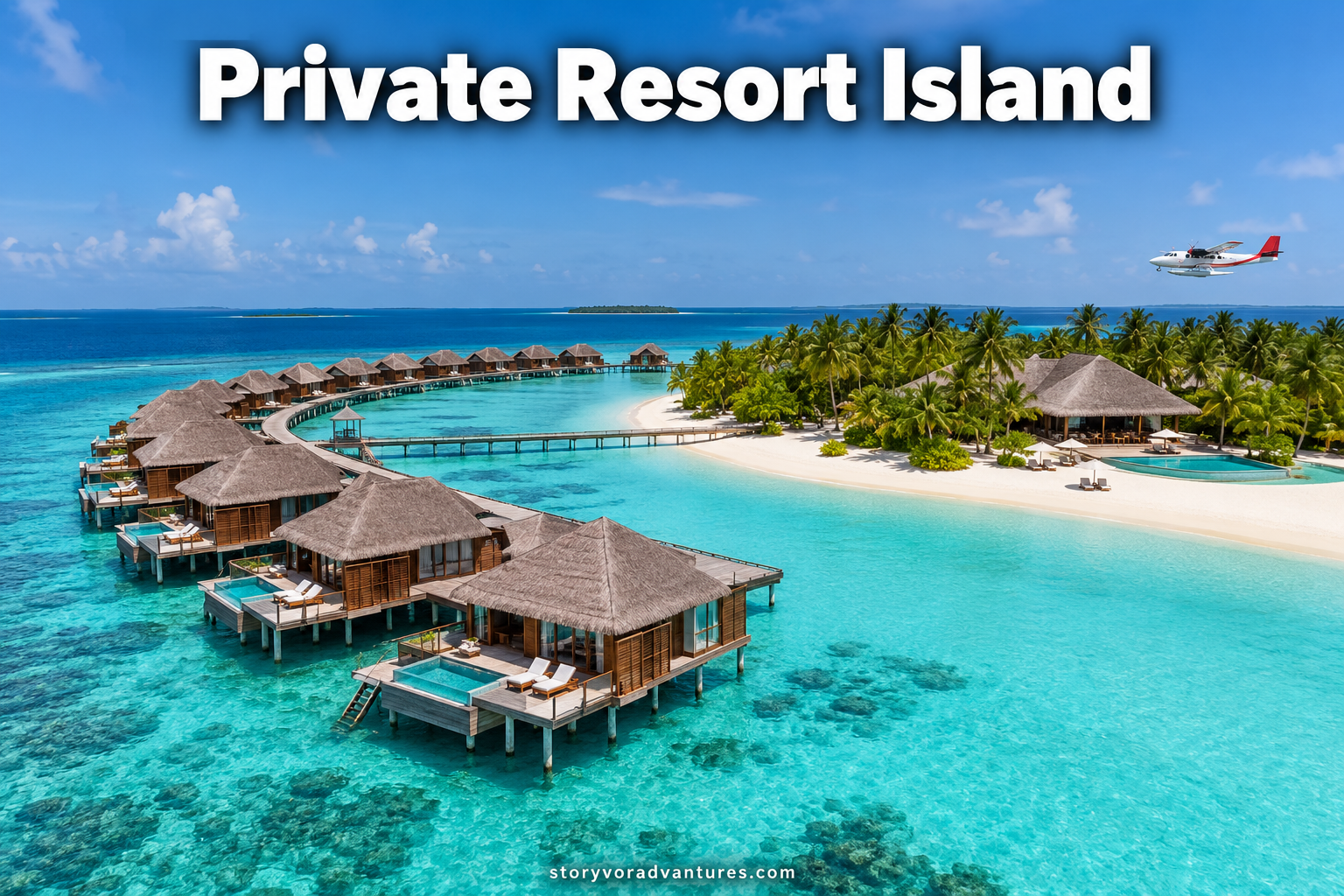
A private resort island remains a distinctive Maldives experience. Unlike a local island, the entire island is designed around tourism, with private beach areas, restaurants, water sports, spas and often overwater villas.
Resorts range from simpler full-board properties to extremely expensive luxury retreats. The room rate alone does not show the complete cost. Before booking, check airport transfers, meals, taxes, service charges, drinking water and activity prices.
Travellers with a limited budget can combine several nights on a local island with one or two nights at a resort. However, moving between properties may require returning towards Malé, so the transfer route must be confirmed before finalising the plan.
Resort Island or Local Island: Which Is Better?
A resort is suitable for travellers who want privacy, unrestricted beachwear, organised facilities and a self-contained holiday. Meals and activities are easy to arrange, but total costs can rise considerably once transfers, taxes and extras are included.
A local island offers guesthouses, local cafés and a closer look at everyday Maldivian life. Accommodation is often more affordable, although public behaviour and clothing must respect local customs. Alcohol is not available on inhabited local islands, and swimwear should be limited to designated tourist beaches.
Neither option is automatically better. The correct choice depends on budget, preferred atmosphere and the type of experience you expect.
How to Reach Your Island
Public Ferry
Public ferries are normally the least expensive option, but they can be slow and may not operate every day. They are more suitable for flexible travellers staying on accessible local islands.
Do not build a tight international-flight connection around an unconfirmed ferry. Ask your guesthouse for the current schedule before booking.
Scheduled Speedboat
Speedboats are commonly used for islands within practical distance of Malé. They are faster than ferries but cost more and can feel uncomfortable when the sea is rough.
Confirm the departure jetty, luggage allowance and waiting arrangements with the property. Different operators may use different terminals.
Domestic Flight
Distant atolls such as Addu, Fuvahmulah and parts of Baa or Ari may require a domestic flight followed by a boat transfer. Leave sufficient time between flight connections.
Seaplane
Seaplanes provide spectacular aerial views and connect many private resorts. They generally operate during daylight and may involve waiting for other guests travelling in the same direction.
Always ask whether the quoted accommodation price includes the seaplane. At some resorts, the transfer is a substantial additional cost.
Entry Requirements for the Maldives
Tourists should hold a valid passport, confirmed accommodation and evidence of onward or return travel. Requirements can change according to nationality and current regulations, so travellers should verify them through Maldives Immigration before departure.
The official portal states that the Traveller Declaration is completed within 96 hours of arrival or departure. Use only the official government portal and avoid websites that charge unnecessary fees for the declaration. Maldives Immigration
Airline rules can differ from immigration rules, so confirm passport validity requirements directly with both official immigration information and your airline.
Best Time to Visit the Maldives
The period from approximately December to April is generally associated with drier and sunnier conditions, making it popular for beach holidays. This popularity can also bring higher accommodation prices.
The wetter monsoon period can provide better value and is important for certain marine experiences, including seasonal manta activity in areas such as Baa Atoll. Rain does not necessarily continue all day, but storms, wind and rough seas can affect boat transfers and excursions.
No month guarantees perfect weather. Build some flexibility into the itinerary instead of reserving every water activity for a single day.
A Practical 7-Day Maldives Itinerary
Day 1: Arrive and Transfer to a Local Island
After arriving at Velana International Airport, take a pre-arranged speedboat to an accessible island such as Maafushi, Gulhi or Thulusdhoo. Keep the first day simple because immigration, baggage collection and transfer waiting can take time.
Check in, walk around the island and confirm excursion times directly with the guesthouse.
Day 2: Beach and House-Reef Snorkelling
Spend the morning at the designated tourist beach. In the afternoon, join a guided snorkelling trip or explore the house reef only if local staff confirm conditions are safe.
Use reef-safe habits: do not stand on coral, chase turtles or collect shells and marine life.
Day 3: Sandbank and Dolphin Excursion
Book a combined boat excursion that may include a sandbank, snorkelling and dolphin watching. Sightings are never guaranteed, and responsible operators should not aggressively chase dolphins.
Carry sun protection, drinking water and a dry bag for electronics.
Day 4: Travel to a Second Island or Resort
Move to a second island only if the transfer route is straightforward. A quieter local island can balance a busy first base, while a private resort can add a different experience.
Avoid changing islands simply for one night unless the transfer is short and inexpensive.
Day 5: Diving or Marine-Wildlife Experience
Certified divers can join a suitable guided dive. Non-divers can select snorkelling, a lagoon activity or a conservation-focused excursion.
Choose activities according to your swimming ability rather than selecting the most dramatic option advertised online.
Day 6: Slow Island Day
Leave one day without a demanding schedule. Walk around the community, try Maldivian food, relax on the beach and watch the sunset.
This flexible day can also replace an excursion cancelled earlier due to weather.
Day 7: Return Near the Airport and Depart
Take an early transfer towards the airport. If the international flight leaves in the morning, staying the previous night in Hulhumalé can reduce the risk caused by weather or boat delays.
Never plan to arrive from a distant atoll immediately before international check-in closes.
Planning a Realistic Maldives Budget
Your total cost will depend more on the chosen island and transfer than on the flight alone. Calculate the following separately:
- International flights
- Accommodation
- Airport-to-island transfer
- Taxes and service charges
- Meals and drinking water
- Snorkelling, diving and excursions
- Domestic flights or seaplanes
- Travel insurance
- Emergency spending allowance
A guesthouse room may appear inexpensive, but daily excursions can increase the total quickly. Similarly, a resort package may seem costly but could represent better value if meals and selected activities are genuinely included.
Ask every property for the complete payable amount before booking.
Food to Try in the Maldives
Maldivian cooking relies heavily on tuna, coconut, rice, flatbreads and spices. Mas huni, a mixture commonly made with tuna and coconut, is often served with roshi for breakfast. Garudhiya is a clear fish broth generally eaten with rice, lime and chilli.
Local cafés provide a more everyday food experience than international resort restaurants. Visitors with allergies or dietary restrictions should explain requirements clearly because ingredients and cooking methods can vary.
Important Cultural Rules
The Maldives is a Muslim country. On inhabited islands, visitors should wear clothing that covers shoulders and thighs when walking through community areas. Bikinis and revealing swimwear belong on designated tourist beaches or private resort islands.
Alcohol should not be brought into the country and is not served on ordinary inhabited islands. Private resorts and authorised tourist vessels operate under different arrangements.
Public behaviour should remain respectful, especially near mosques and during Ramadan. Ask permission before photographing residents.
Health and Safety
The tropical sun can cause dehydration and sunburn quickly, even on cloudy days. Drink enough water, use suitable sun protection and avoid spending the entire first day in direct sunlight.
Purchase travel insurance that covers water sports, diving and emergency evacuation if those activities are planned. A basic policy may exclude scuba diving or treatment related to certain adventure activities.
Currents can be powerful beyond protected lagoons. Do not swim alone in unfamiliar water, and follow warnings from local staff.
Responsible Travel in the Maldives
Coral reefs protect the islands and support the country’s marine life and tourism economy. The official tourism authority advises visitors not to stand on, touch or remove coral while swimming or diving. It also recommends reducing non-biodegradable waste. Discover Maldives > The Environment
Use a refillable bottle when safe refill stations are available, avoid single-use plastics and choose operators that maintain distance from wildlife. Do not feed fish or take shells, coral and sand home as souvenirs.
Final Thoughts
A successful Maldives holiday does not depend on booking the most expensive villa. It depends on selecting the right island, understanding the transfer and matching the experience to your travel style.
Maafushi and Thulusdhoo work well for active travellers, while Gulhi and Fulidhoo offer a quieter pace. Dhigurah provides access to South Ari’s whale shark region, Baa Atoll is associated with seasonal manta activity, and Fuvahmulah or Addu suit longer, more adventurous trips.
Plan fewer island changes, keep one flexible day for weather and verify every transfer before paying. With thoughtful planning, the Maldives can work for couples, families, solo travellers and moderate budgets—not only luxury honeymooners.