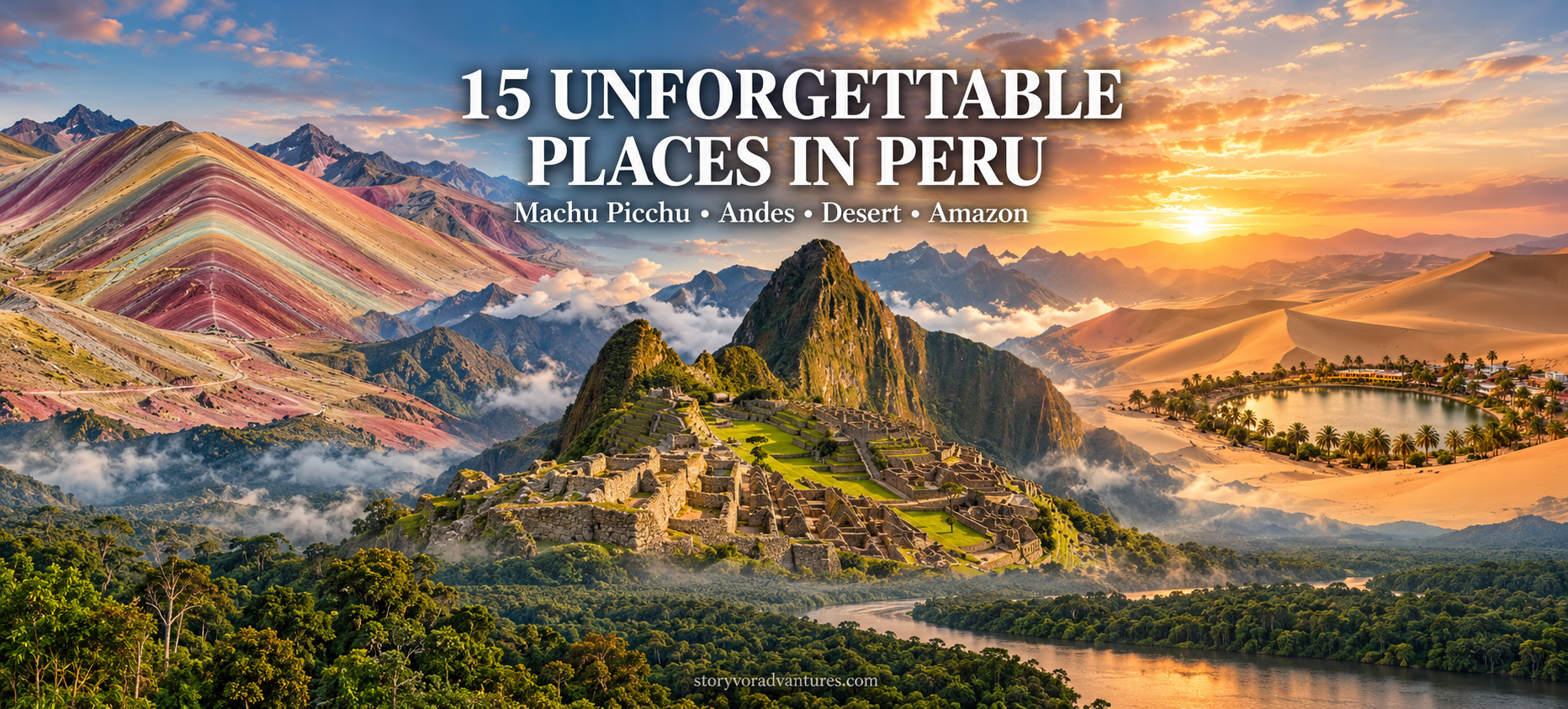
Peru Travel Guide 2026: 15 Unforgettable Places From Machu Picchu to the Amazon Rainforest
Explore 15 unforgettable places in Peru, including Machu Picchu, Cusco, Lake Titicaca, desert oases, mountain landscapes and the Amazon rainforest.
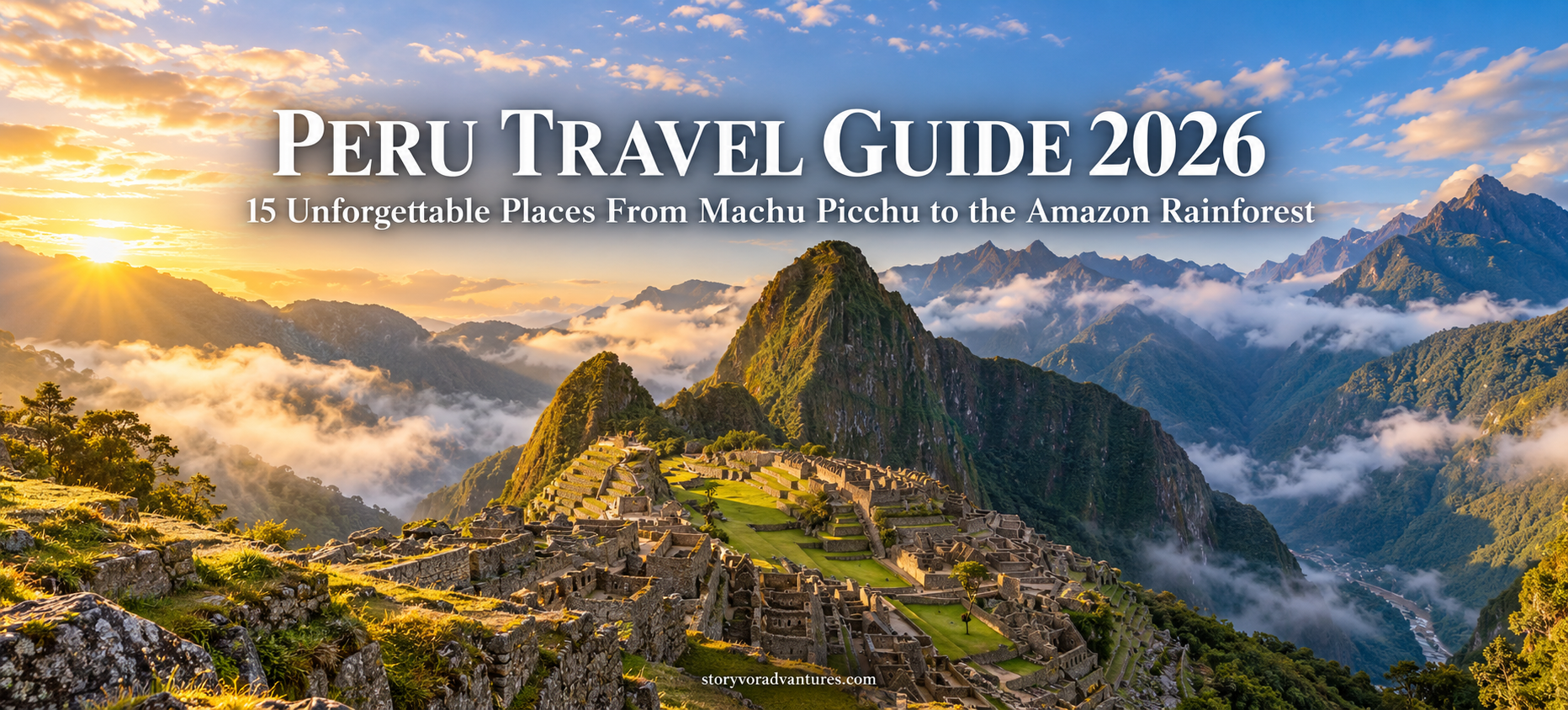
Peru is much more than Machu Picchu. The country stretches from the Pacific coast across the Andes and into the Amazon Basin, creating remarkable differences in landscape, climate, food and culture. A single journey can include coastal cities, archaeological sites, snow-covered mountains, desert dunes, high-altitude lakes and tropical rainforest.
This variety also means that a successful Peru trip needs realistic planning. Distances can be considerable, mountain roads take time and destinations such as Cusco, Lake Titicaca and Rainbow Mountain require travellers to consider altitude. Instead of trying to see the entire country in one rushed visit, first-time visitors should choose a practical route and leave room for rest.
This detailed guide covers 15 memorable places, transportation, currency, accommodation, estimated costs, altitude preparation and a practical 14-day itinerary.
Peru Travel Essentials
Capital: Lima
Currency: Peruvian sol (PEN or S/)
Official languages: Spanish, Quechua and Aymara in areas where they are widely spoken
Main international airport: Jorge Chávez International Airport, Lima
Driving side: Right
Emergency police number: 105
Tourist police: 0800-22221
Recommended trip length: 10–16 days
Power sockets: Types A and C are commonly found
Time zone: Peru Time, UTC−5
Best transport: Domestic flights, reliable intercity buses, trains and organised transfers
The sol is Peru’s official currency. Cards are accepted at many hotels, restaurants and established businesses, but local cash remains useful for markets, small shops, rural transport and minor purchases. Exchange money only through banks or authorised businesses rather than informal street traders. peru.travel
1. Lima
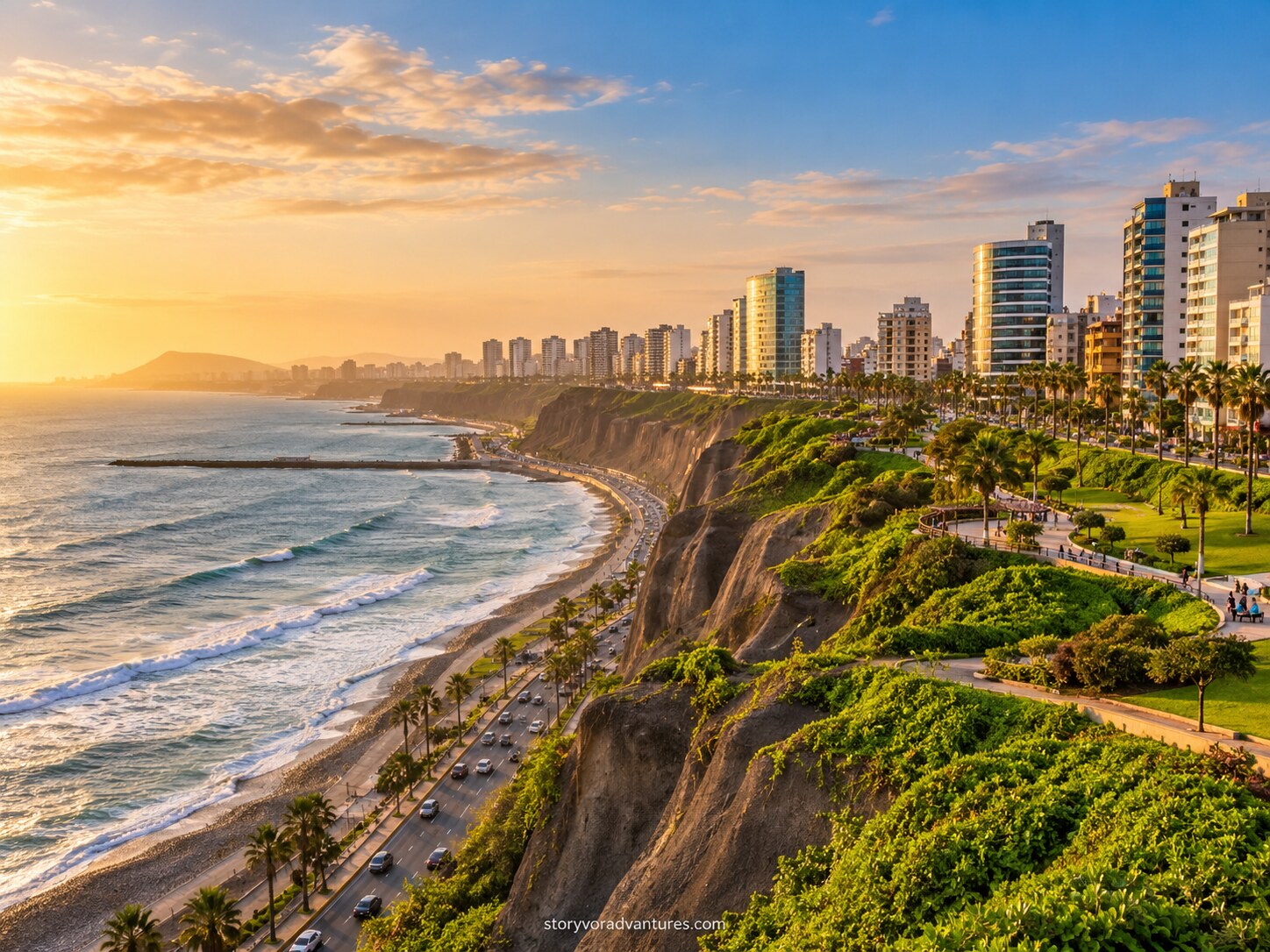
Lima is often treated only as an entry point, but the capital deserves at least two days. The city combines colonial architecture, coastal neighbourhoods, museums, archaeological sites and one of South America’s most interesting food cultures.
Begin in Lima’s historic centre, where the Plaza Mayor is surrounded by significant civic and religious buildings. The nearby Monastery of San Francisco is known for its historic library, architecture and underground catacombs. As in every busy city, remain aware of personal belongings and use authorised transportation.
Miraflores offers accommodation, restaurants, coastal parks and access to the clifftop Malecón. Walking through Parque del Amor towards Larcomar provides broad views across the Pacific Ocean. Barranco has a more artistic atmosphere, with colourful buildings, independent galleries and the well-known Bridge of Sighs.
The Museo Larco provides an excellent introduction to Peru’s pre-Columbian societies. Visiting it before travelling to Cusco or northern Peru helps place later archaeological sites within a much wider historical context.
Allow two or three nights in Lima rather than scheduling a domestic flight immediately after an international arrival.
2. Cusco
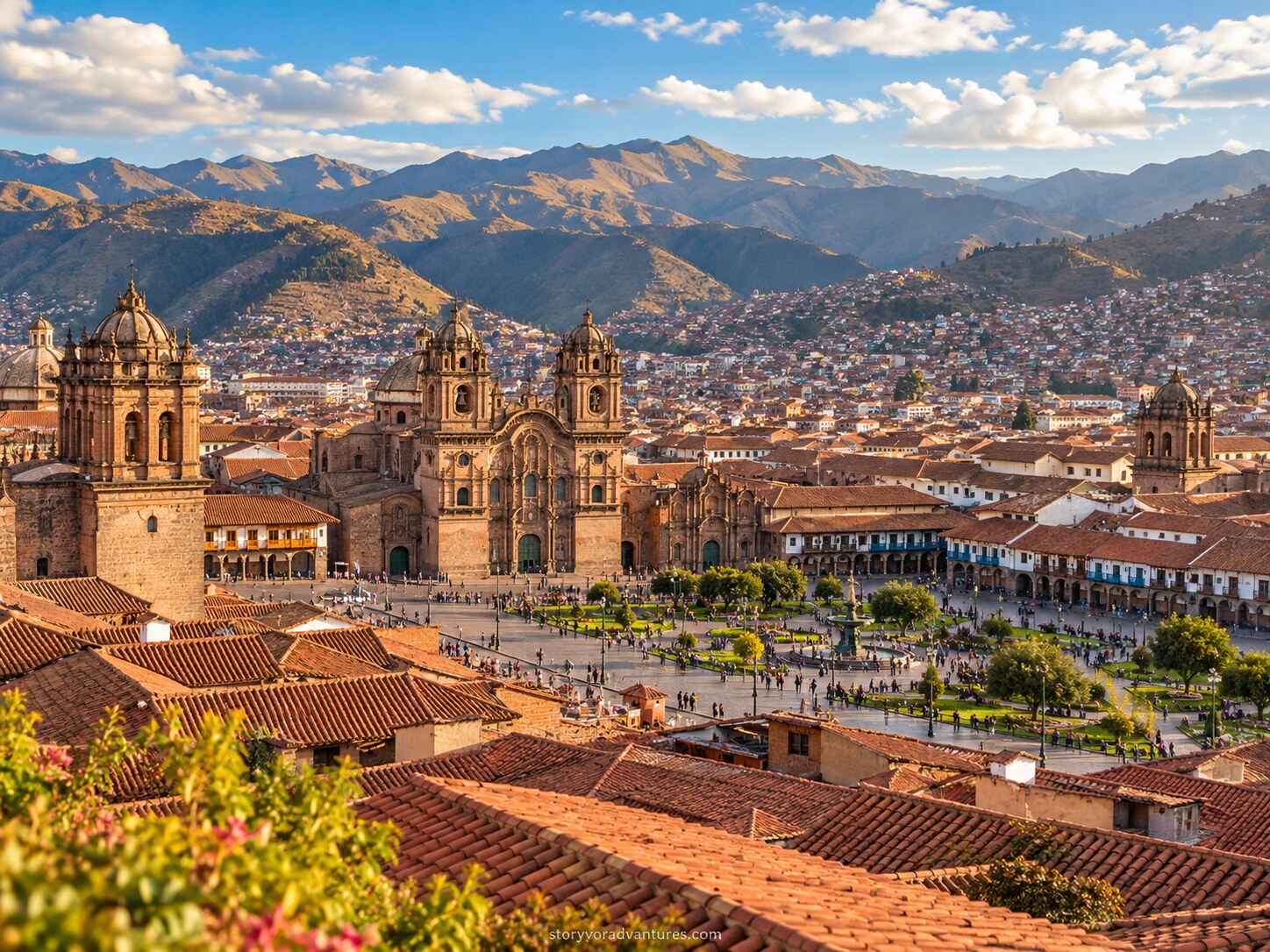
Cusco was an important centre of the Inca Empire and remains the main gateway to the Sacred Valley and Machu Picchu. Its historic streets reveal layers of Inca stonework, Spanish colonial architecture and modern local life.
The Plaza de Armas is a useful starting point, but the city becomes more interesting when visitors explore beyond the central square. San Blas has steep streets, workshops and viewpoints, while San Pedro Market introduces local produce, prepared food and everyday commerce.
Qorikancha demonstrates how colonial structures were built above earlier Inca foundations. Above the city, the enormous stones of Sacsayhuamán reveal the scale and precision of Inca construction.
Cusco sits at approximately 3,400 metres above sea level. Spend the first day walking slowly, drinking sufficient water and avoiding strenuous activity. Peru’s official tourism guidance also recommends using the initial day for acclimatisation. peru.travel
Three nights in Cusco are suitable for the city itself, but additional nights are needed when using it as a base for surrounding excursions.
3. Machu Picchu
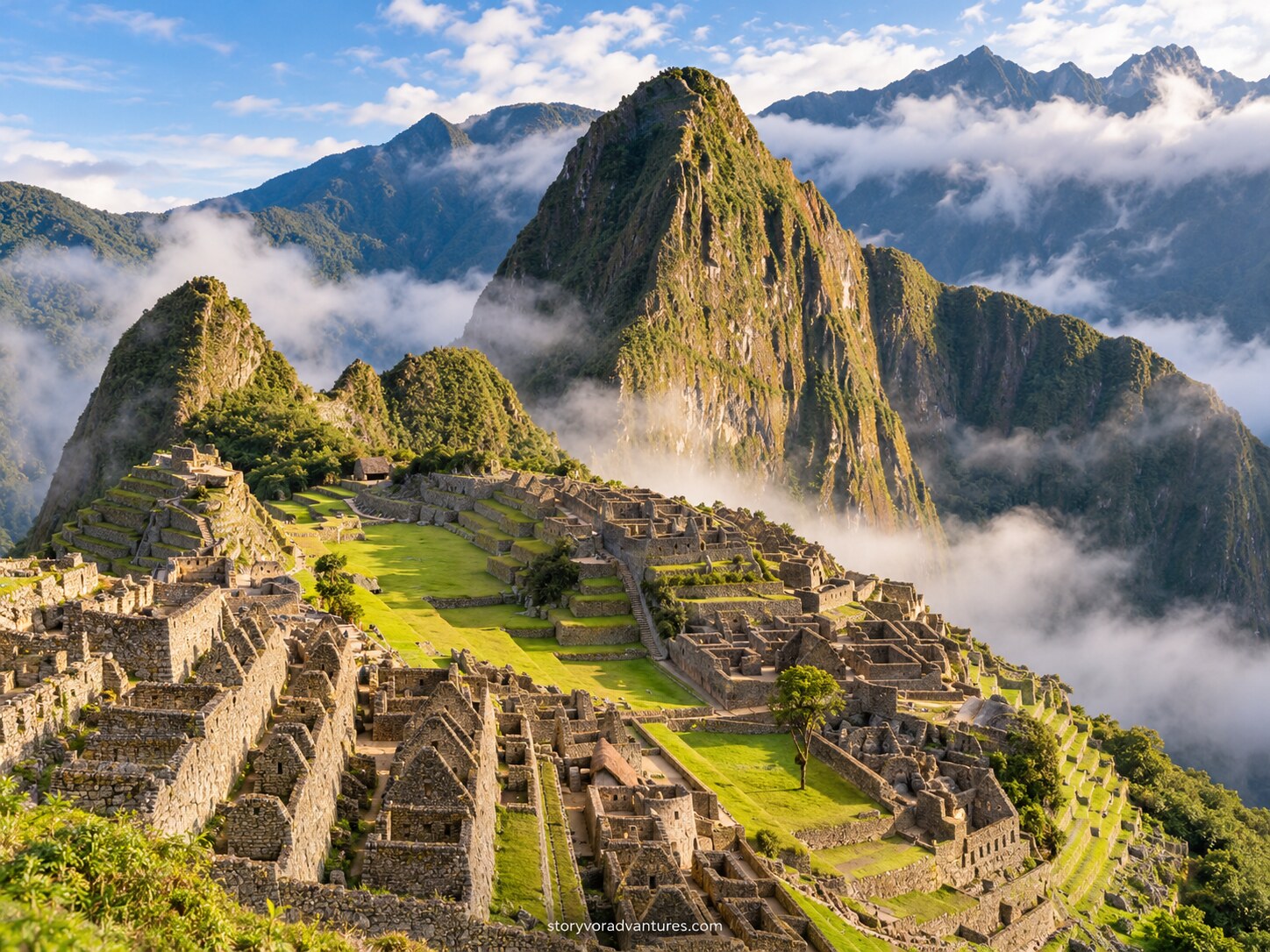
Machu Picchu is Peru’s most recognised archaeological destination, but visiting it requires more organisation than simply arriving in Cusco. Entrance tickets apply to specific circuits, routes and time slots, and popular dates can sell out.
The Peruvian Ministry of Culture currently organises access through three principal circuits containing multiple routes. Travellers should study the available routes before purchasing because each one provides a different experience and not every ticket enters every section. Machupicchu
Purchase admission only through the official Machu Picchu ticket platform or an authorised provider. Do not depend on the limited number of tickets sold locally in Machu Picchu Pueblo. Official information states that in-person tickets are limited and normally provide access on the following day. Machupicchu
Most visitors travel by train from Ollantaytambo to Machu Picchu Pueblo and then take a bus to the archaeological site. Another option is a regulated multi-day trek, which must be planned through an authorised operator where required.
Follow the assigned circuit, carry only permitted items and respect staff instructions. Machu Picchu is a protected historical site rather than a setting for unrestricted exploration.
4. The Sacred Valley
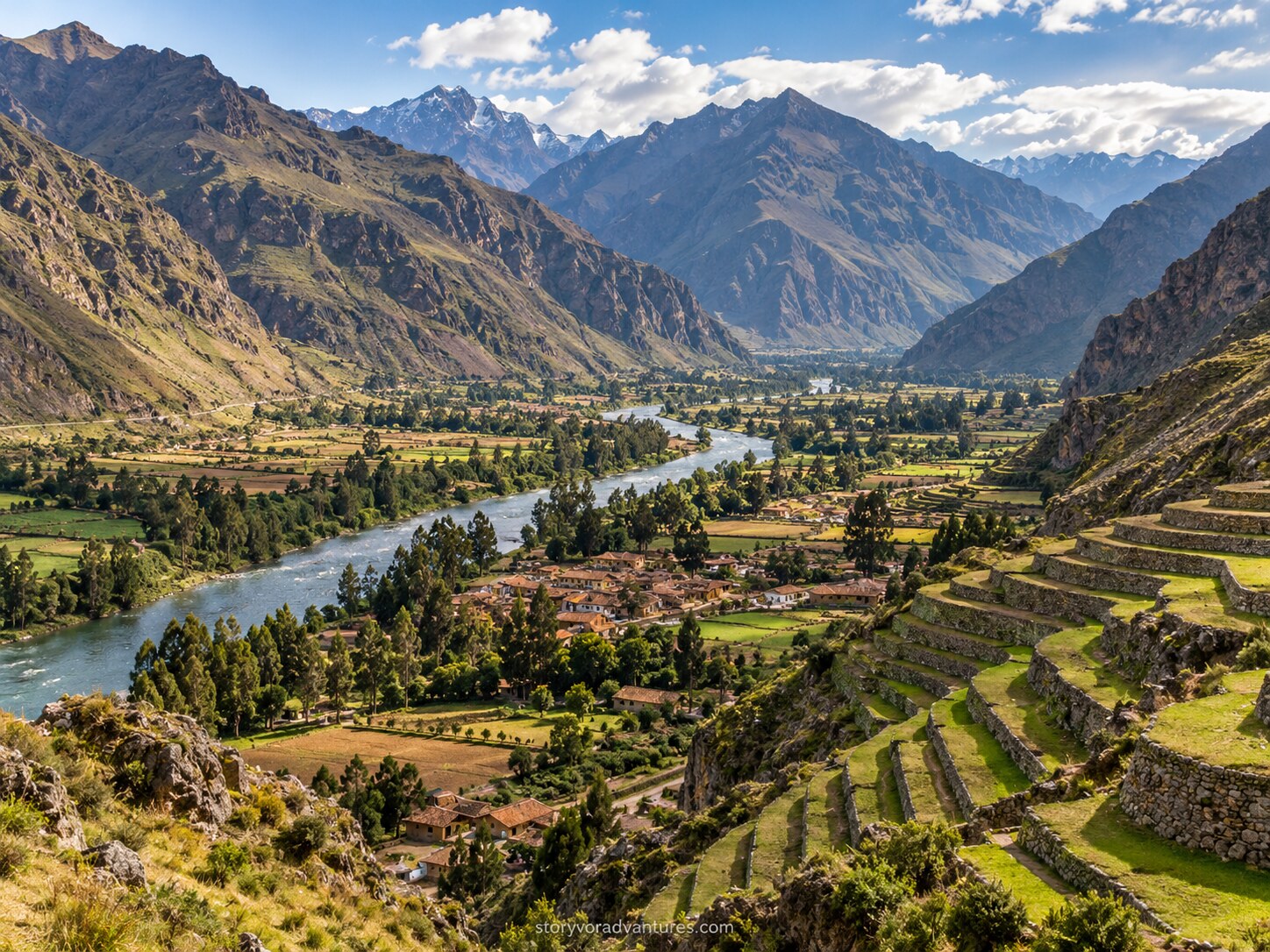
The Sacred Valley follows the Urubamba River through fertile land, mountains and communities with strong historical connections to the Inca world. Because it sits lower than Cusco, some travellers stay here first to support gradual altitude adjustment.
Pisac is known for hillside ruins and a market town below. Ollantaytambo contains terraces, stone structures and one of the most atmospheric historic settlements in the region. It is also an important departure point for trains to Machu Picchu.
Moray consists of circular agricultural terraces that create a visually distinctive archaeological landscape. Nearby Maras is associated with thousands of salt pools arranged along a mountainside. Access conditions and local community rules should be checked before travelling.
Spend at least two nights in the valley. Treating Pisac, Moray, Maras and Ollantaytambo as a rushed day trip leaves little time to understand the landscape or visit local communities respectfully.
5. Rainbow Mountain
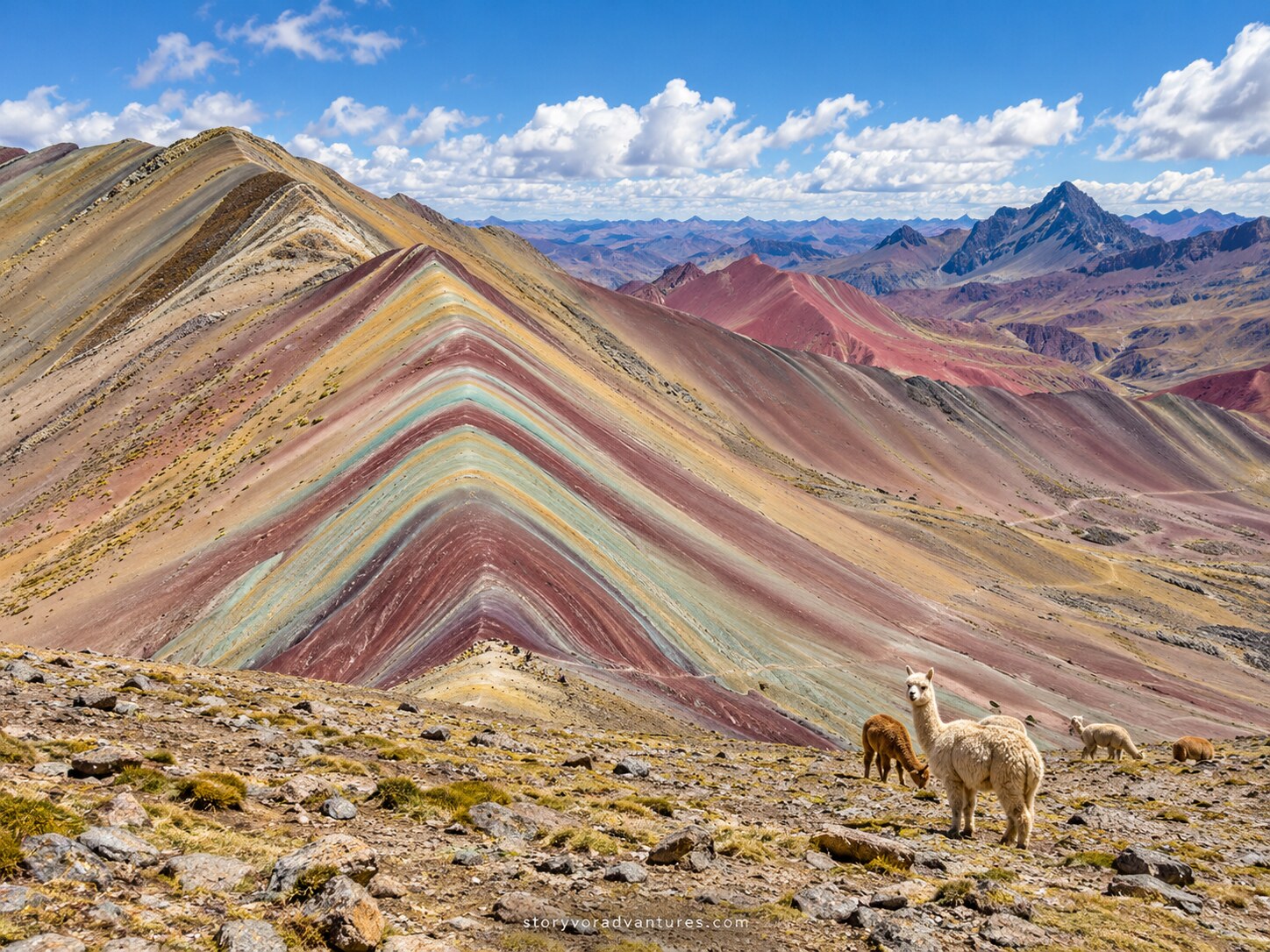
Vinicunca, commonly called Rainbow Mountain, is recognised for its naturally coloured mineral slopes. The surrounding high-Andean landscape can be as memorable as the mountain itself, with broad valleys, distant peaks and herds of alpacas.
The principal challenge is altitude. The viewpoint rises above 5,000 metres, much higher than Cusco. Travellers should not attempt it immediately after arriving in the region. Allow several days for acclimatisation and avoid the excursion if experiencing persistent headache, nausea, confusion, breathing difficulty or unusual weakness.
Tours often leave Cusco very early and involve a long drive followed by an uphill walk. Weather may change rapidly, so carry warm layers, rain protection, sun protection and water. Peru’s official tourism advice emphasises dressing in layers because Andean conditions can change suddenly. peru.travel
The colours depend on light and weather and may not resemble heavily edited social-media photographs. Visit with realistic expectations and avoid leaving the trail to create a particular picture.
6. Arequipa
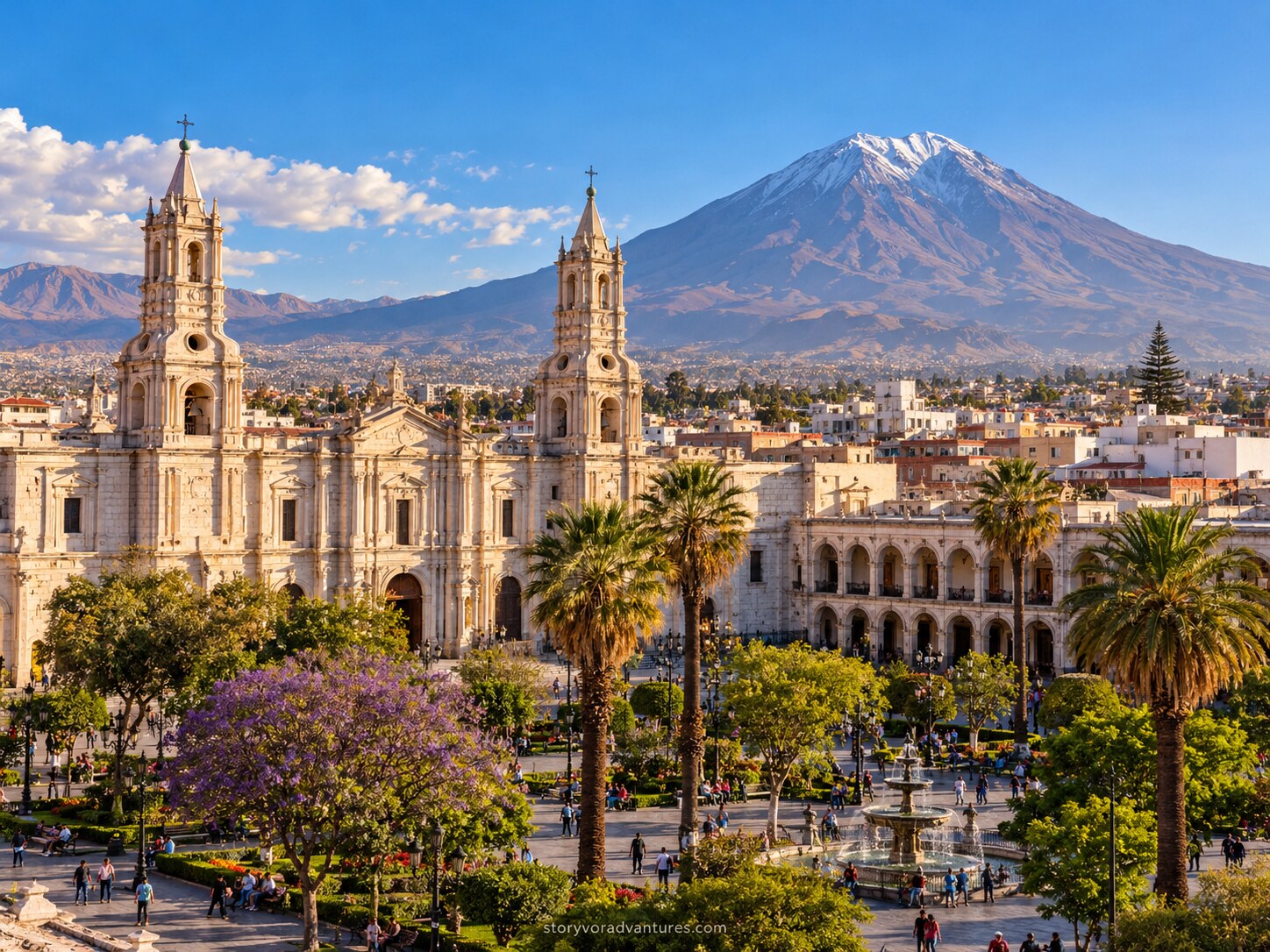
Arequipa is called the White City because many historic buildings were constructed using pale volcanic stone known as sillar. The city is surrounded by dramatic mountains, including the recognisable Misti volcano.
The Plaza de Armas forms the centre of the historic district. Nearby streets contain colonial buildings, courtyards and restaurants, while the Santa Catalina Monastery resembles a small city within the city. Its narrow lanes, courtyards and brightly painted walls reward an unhurried visit.
Arequipa is also an important food destination. Traditional picanterías serve regional dishes such as rocoto relleno, adobo and chupe de camarones. Choose established restaurants and ask about ingredients if you have allergies or dietary requirements.
At approximately 2,300 metres, Arequipa can also act as an intermediate altitude stop before travelling towards the higher elevations of Colca or Lake Titicaca.
7. Colca Canyon
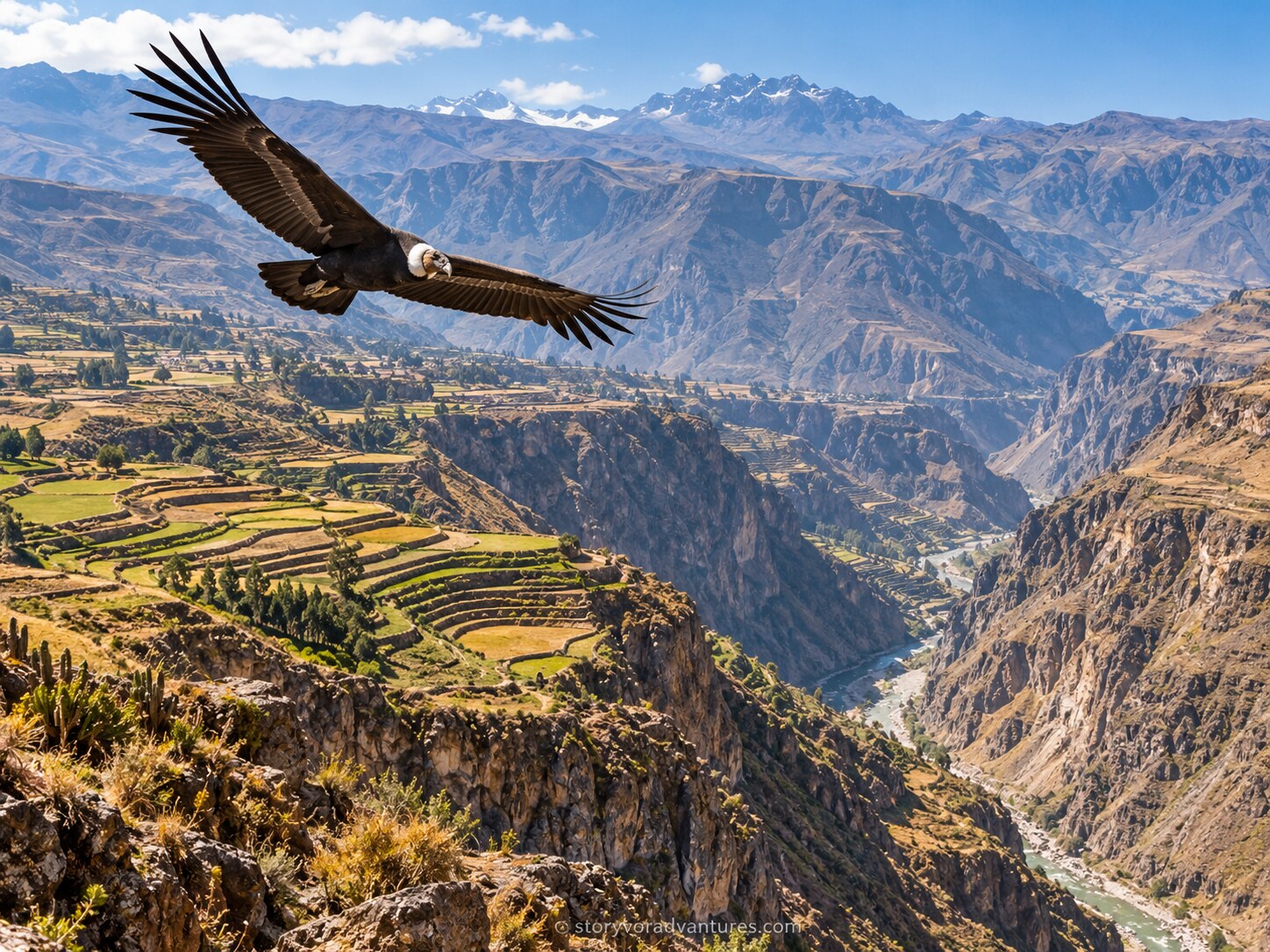
Colca Canyon combines deep valleys, agricultural terraces, Andean communities and high mountain scenery. Many visitors travel here hoping to observe Andean condors using rising air currents above the canyon.
Cruz del Cóndor is a popular viewing point, but wildlife sightings cannot be guaranteed. Arrive early, remain within authorised viewing areas and avoid loud behaviour that disturbs other visitors or wildlife.
Chivay is the principal transport base, while smaller communities such as Yanque, Cabanaconde, Coporaque and Sibayo provide different accommodation and cultural experiences. Peru’s tourism board highlights activities including trekking, cycling, hot springs and community-based visits in the valley. peru.travel
The canyon is not well suited to a rushed same-day return from Arequipa. A two-day trip is more comfortable, while serious hikers may need additional time and appropriate preparation.
8. Lake Titicaca and Puno
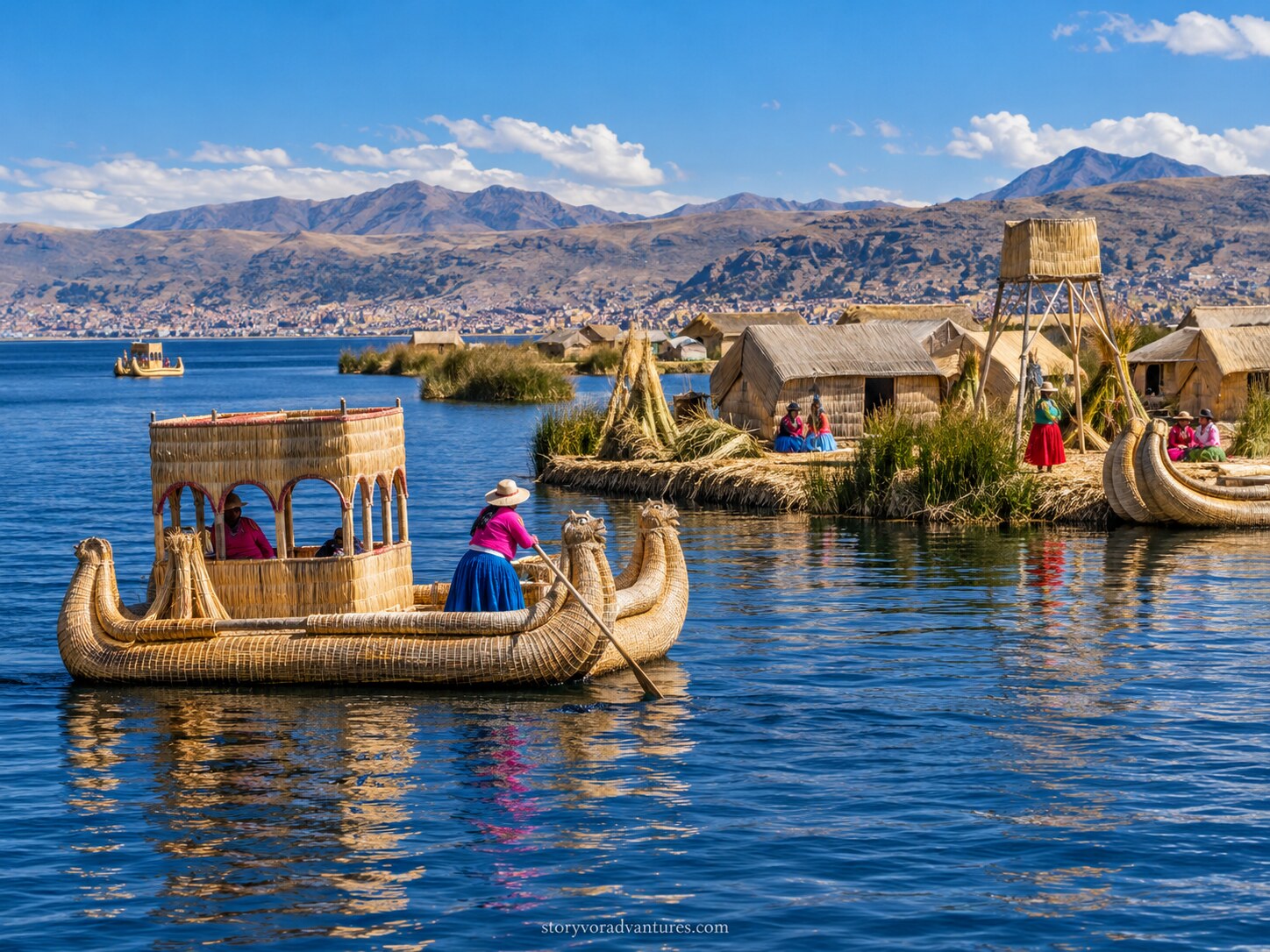
Lake Titicaca lies high in the Andes along the border between Peru and Bolivia. Puno is the main Peruvian base for exploring the lake and its island communities.
Tours commonly include the floating islands of the Uros, which are constructed using layers of totora reeds. Longer journeys may include Taquile or Amantaní, where visitors can learn about local weaving, farming and community life.
Community experiences should be approached respectfully. Ask before photographing individuals, purchase crafts directly when appropriate and avoid treating residents as part of a staged attraction.
Puno sits at approximately 3,800 metres above sea level. Arrive only after spending time at lower elevations, move slowly and keep the first day light. Nights can become extremely cold even when daytime sunshine feels strong.
9. Paracas National Reserve
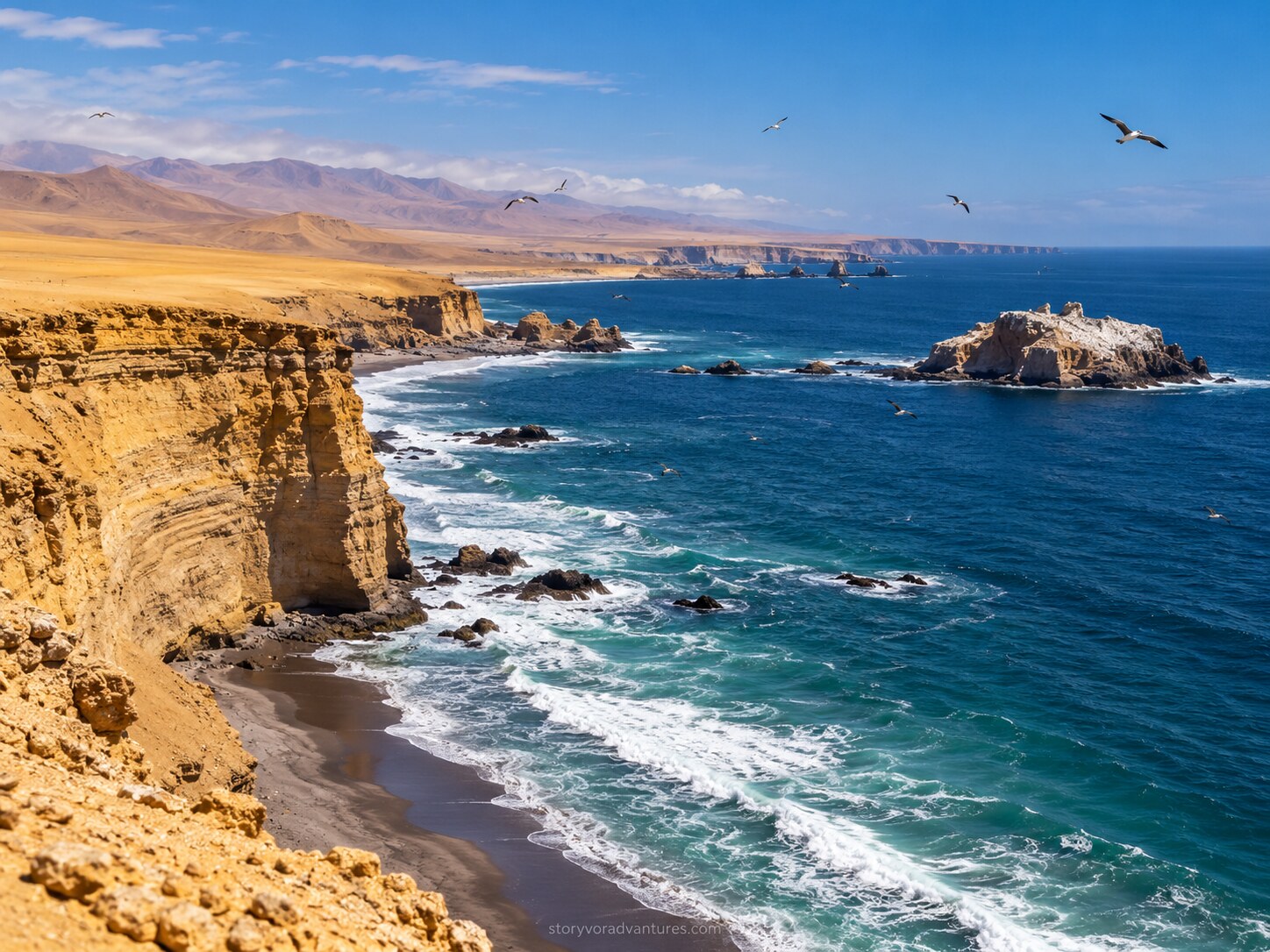
Paracas brings together coastal desert, cliffs, beaches and marine ecosystems. Its landscapes look completely different from Peru’s Andes and Amazon regions.
Visitors can explore designated viewpoints within Paracas National Reserve or take a boat excursion towards the Ballestas Islands. Sea lions, seabirds and Humboldt penguins may be observed, although sightings depend on natural conditions.
Boat tours can be cold and windy even when the mainland feels warm. Carry a wind-resistant layer, sun protection and secure camera equipment. Choose an operator that maintains a safe distance from wildlife.
The reserve’s beaches and desert areas are environmentally sensitive. Remain on permitted routes and take all rubbish away.
10. Huacachina
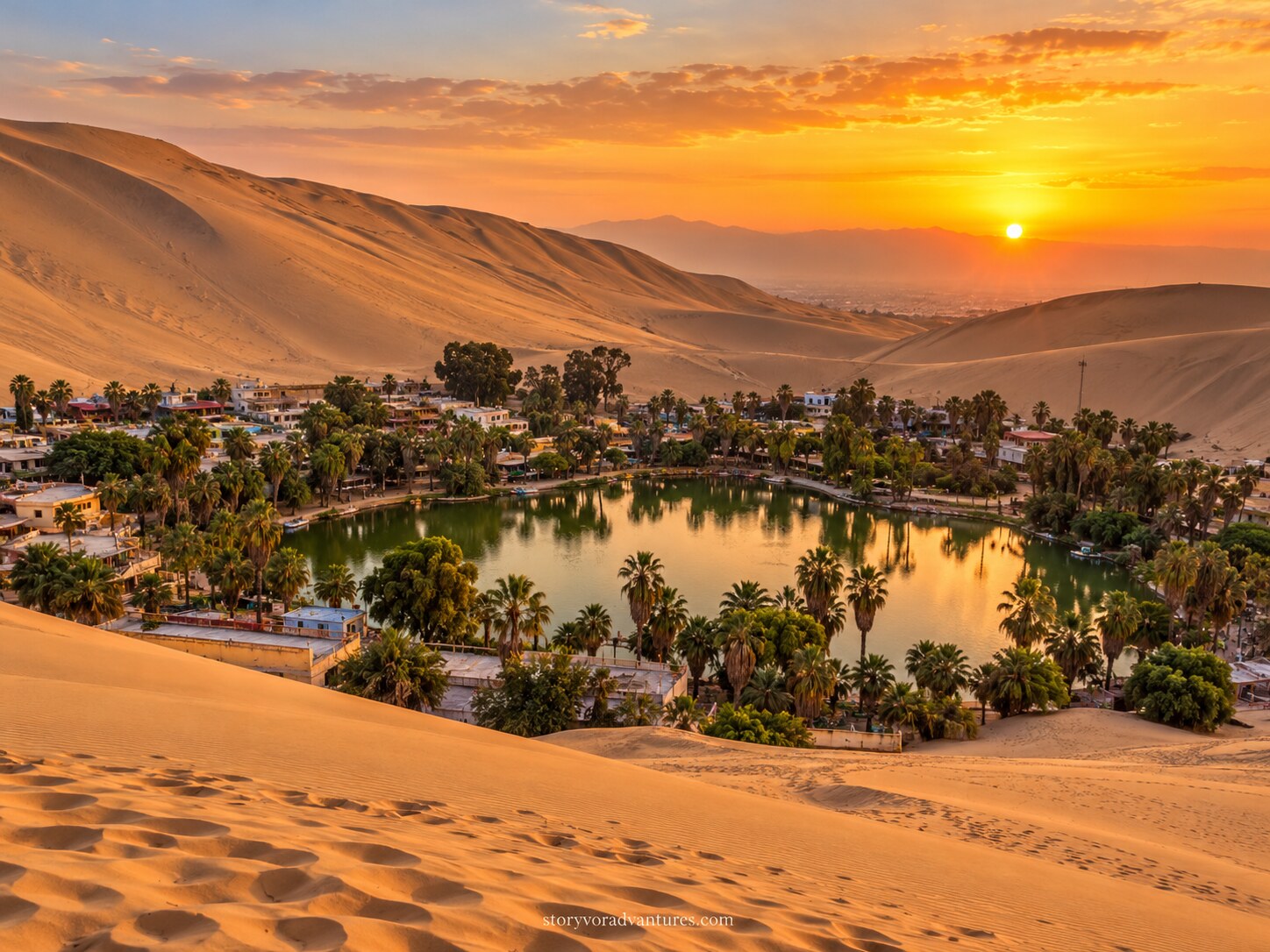
Huacachina is a small oasis surrounded by enormous desert dunes near the city of Ica. Its landscape provides a striking contrast to the green valleys and mountain scenery found elsewhere in Peru.
Popular activities include dune-buggy excursions and sandboarding. These are adventure activities with genuine risks, so choose a well-reviewed operator that provides maintained equipment and clear safety instructions.
The dunes become especially beautiful near sunset, but temperatures can fall after dark. Take water, sun protection and a light layer rather than arriving only with a camera.
Huacachina can be crowded and commercial. Staying one night allows visitors to experience the oasis after many day tours have departed.
11. The Nazca Lines
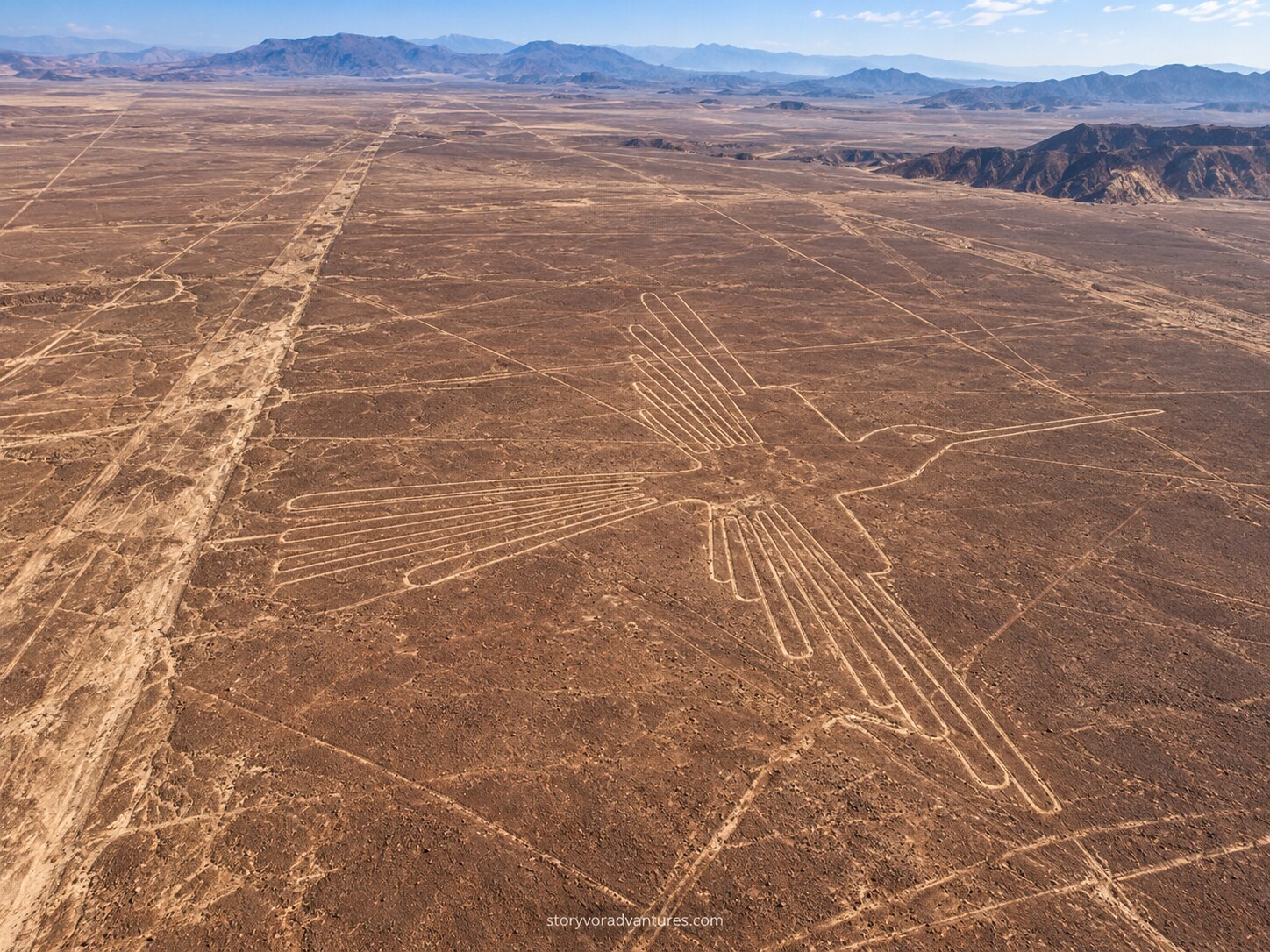
The Nazca Lines are enormous geoglyphs created in the desert by ancient societies. Designs include animals, plants and geometric forms that are difficult to appreciate fully from ground level.
Scenic flights offer the broadest view, but they are not suitable for everyone. Small aircraft movements can cause motion sickness, and schedules depend on weather and visibility. Use a certified operator and follow all aviation instructions.
Travellers who prefer not to fly can visit roadside observation towers that provide views of selected figures. The nearby Antonini Archaeological Museum adds historical context.
Avoid tours or viewpoints that encourage entering protected desert surfaces. Even a single vehicle or footprint can cause lasting damage.
12. Huaraz and Huascarán National Park
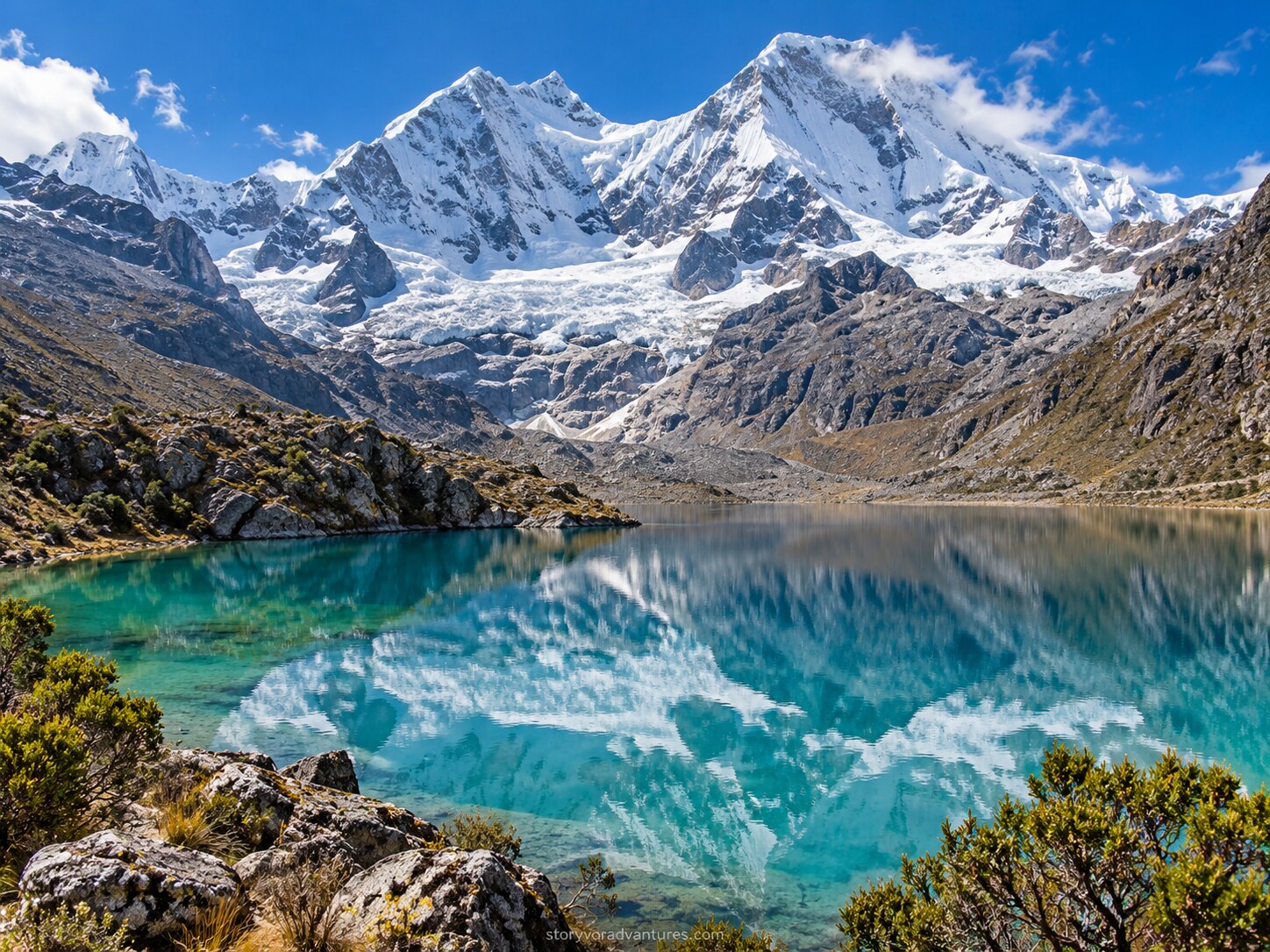
Huaraz is the main base for exploring the Cordillera Blanca, a dramatic mountain range containing snow-covered peaks, turquoise lakes and high-altitude trekking routes.
Popular excursions include Laguna 69, Pastoruri Glacier and lakes within the Llanganuco Valley. These experiences differ considerably in difficulty. Laguna 69 is a demanding high-altitude hike rather than a casual walk, despite its popularity online.
Huascarán National Park protects the Cordillera Blanca’s ecosystems, mountain landscapes and cultural heritage. Sernanp Visitors should check access and ticket information through the official SERNANP protected-area portal.
Spend several days adjusting to Huaraz’s elevation before attempting a major hike. Use a qualified guide for technical or unfamiliar routes and turn back if weather or health conditions deteriorate.
13. Trujillo and Chan Chan
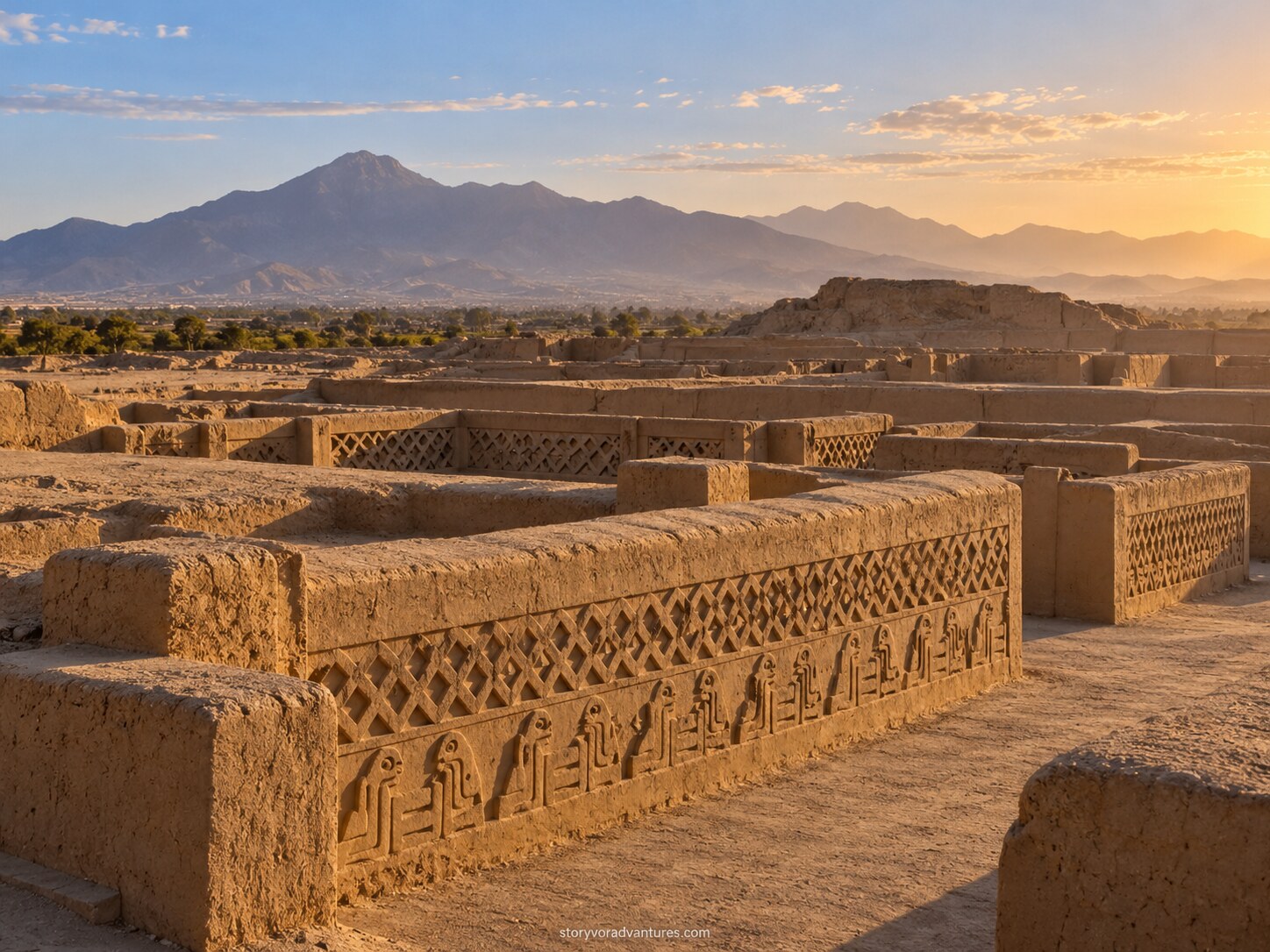
Trujillo provides access to important archaeological sites connected with Peru’s pre-Inca cultures. The city’s historic centre contains colourful façades, colonial buildings and a lively central square.
Chan Chan, built by the Chimú civilisation, was an enormous adobe city. Its scale and desert location make it fundamentally different from stone sites in the Andes.
The Huacas del Sol y de la Luna are associated with the earlier Moche civilisation. Preserved wall paintings and archaeological interpretation help explain the region’s complex history.
Nearby Huanchaco is known for traditional reed boats called caballitos de totora. Visit working communities respectfully and remember that these boats form part of a continuing coastal tradition rather than existing only for tourist photographs.
14. Tambopata National Reserve
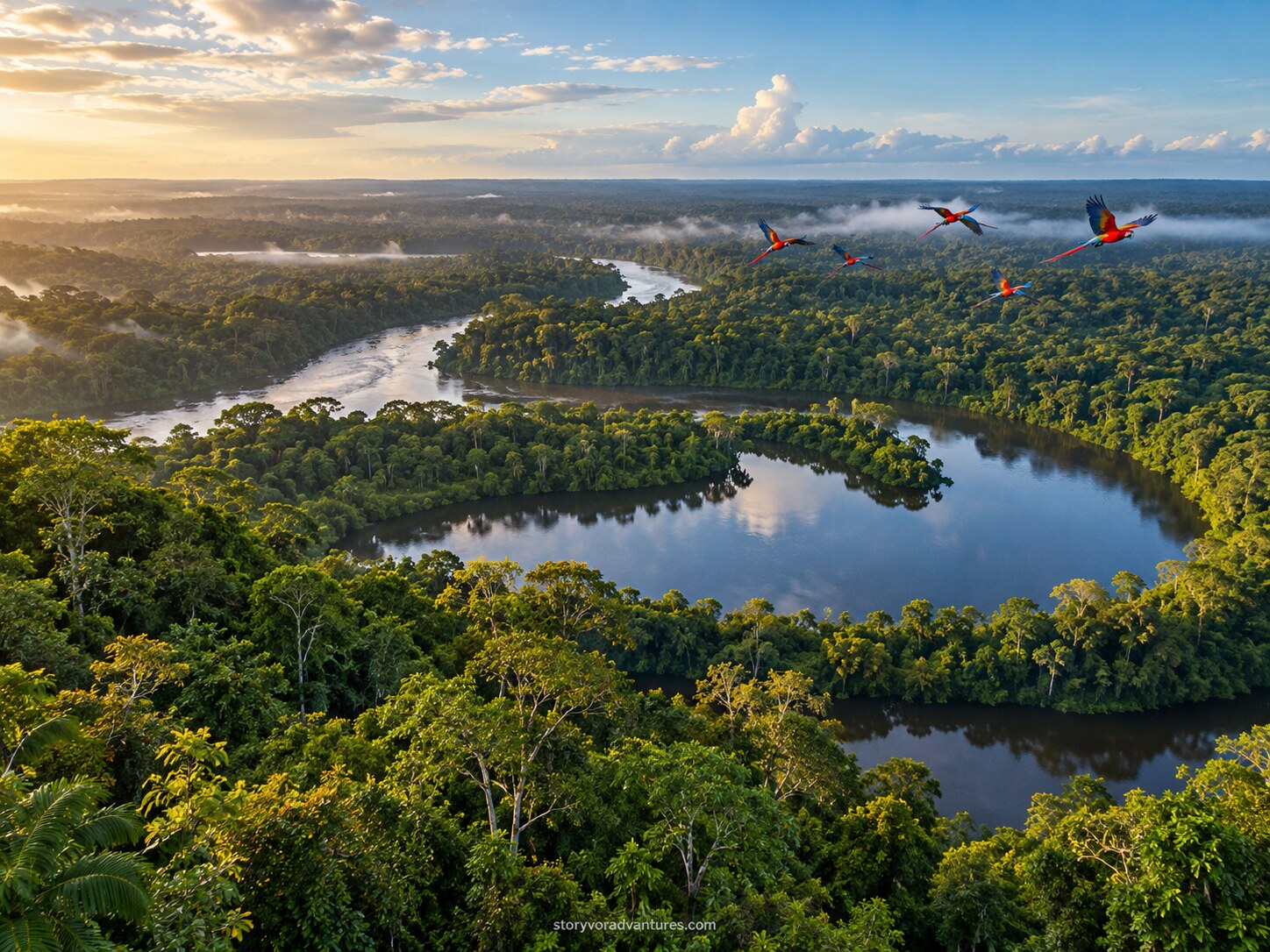
Tambopata in the Madre de Dios region offers access to lowland Amazon rainforest. Puerto Maldonado is the main gateway, followed by road and boat transfers to jungle lodges.
Activities may include guided forest walks, oxbow-lake excursions, canopy observation and visits to clay licks where macaws and other birds gather under suitable conditions. Peru’s official tourism information describes Tambopata as an important destination for experiencing Amazonian biodiversity. peru.travel
Choose an established lodge employing knowledgeable local guides. Avoid operators that feed animals, permit touching wildlife or stage photographs with captive creatures.
Rainforest sightings cannot be guaranteed. A responsible guide focuses on the ecosystem, animal behaviour and conservation rather than promising a checklist of species.
Allow at least three nights because reaching the lodge takes time and wildlife observation improves when several morning and evening activities are available.
15. Iquitos and the Amazon River
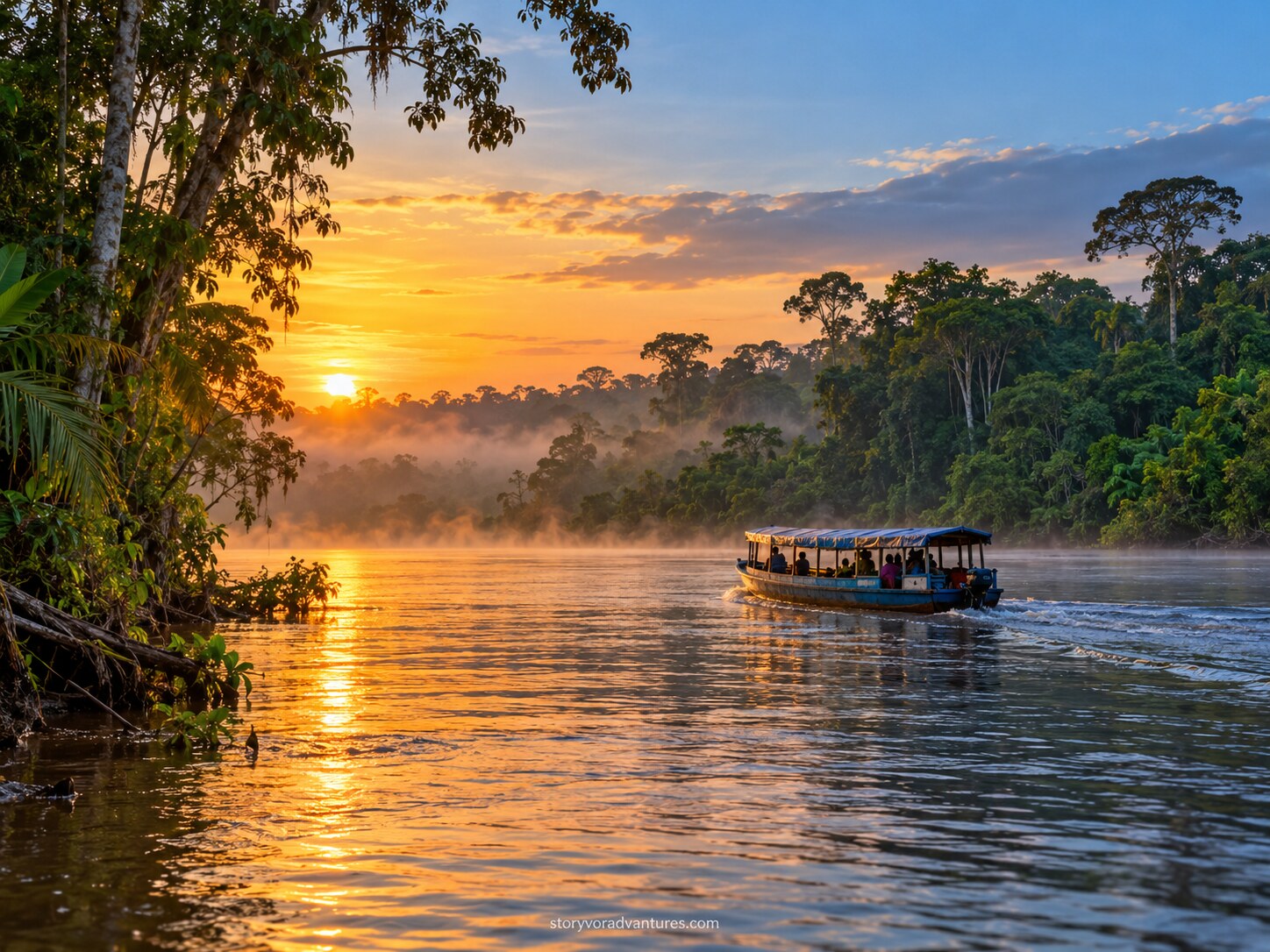
Iquitos is one of the world’s largest cities without a conventional road connection to the national road network. Most visitors arrive by air and continue by boat towards lodges, communities or protected areas.
The city’s markets, riverfront and architecture provide an introduction, but the surrounding rivers and rainforest are the principal attraction. Multi-day lodge stays and river cruises can include canoe excursions, forest walks and wildlife observation.
Pacaya Samiria National Reserve is one of the region’s best-known protected environments. Visits should be arranged through authorised, conservation-minded operators who understand river conditions and community protocols.
Do not assume every advertised animal encounter is ethical. Avoid experiences involving direct contact with sloths, monkeys, dolphins or other wildlife. The most responsible sightings occur at an appropriate distance within natural habitat.
Best Time to Visit Peru
Peru does not have one weather pattern. The Andes, coast and Amazon have different seasonal conditions.
For Cusco, Machu Picchu and highland trekking, May through September generally brings drier conditions and clearer days, but nights can be cold and popular sites become busy. The wetter period usually extends from approximately November through March.
Lima is often cloudy and cooler from June to September, while the warmer coastal months generally fall between December and March.
The Amazon is warm and humid throughout the year. Rain can occur during any month, although river levels and rainfall patterns influence activities and transport.
Because the Andes create enormous climatic variation, check conditions for each region rather than packing according to a single national forecast. peru.travel
Getting Around Peru
Domestic Flights
Flying is the most practical way to connect distant regions such as Lima, Cusco, Arequipa, Iquitos and Puerto Maldonado. Lima’s international airport also functions as the main hub for domestic connections to Peru’s principal tourist regions. peru.travel
Leave sufficient connection time, especially when transferring from an international flight. Weather can affect flights into highland and Amazon destinations.
Long-Distance Buses
Reliable intercity bus companies connect many destinations and can offer reclining seats on overnight routes. Select established operators, use official terminals and keep passports, money and electronics with you rather than inside checked luggage.
Trains
Tourist trains connect the Cusco region with Machu Picchu Pueblo. Separate rail services also connect parts of southern Peru. Train tickets should be reserved early during busy travel periods.
Taxis and Urban Transport
Use authorised airport transport, a reputable application or transport arranged through the accommodation. Agree on the price where meters are unavailable and avoid entering unofficial vehicles offered by persistent strangers.
Renting a Car
A rental car can work for selected coastal routes, but it is not essential for most first-time itineraries. Mountain driving involves winding roads, altitude, weather and unfamiliar traffic conditions. Domestic flights, buses, trains and transfers are usually simpler.
A Practical 14-Day Peru Itinerary
Days 1–2: Lima
Explore the historic centre, Miraflores, Barranco and Museo Larco. Use the first day to recover from the international journey.
Days 3–4: Arequipa
Fly to Arequipa and explore the historic centre, Santa Catalina Monastery and traditional restaurants.
Days 5–6: Colca Canyon
Travel through the high-altitude landscape towards Chivay. Visit canyon viewpoints and return to Arequipa or continue towards Puno according to the selected transport.
Days 7–8: Lake Titicaca
Use Puno as a base for a responsible island or community visit. Keep the first day relatively light because of altitude.
Days 9–10: Cusco
Fly or travel overland to Cusco. Spend the first day acclimatising, followed by a gradual city tour.
Day 11: Sacred Valley
Visit Pisac, Moray, Maras or Ollantaytambo without trying to fit every site into a few hours. Stay overnight in Ollantaytambo or Urubamba.
Day 12: Machu Picchu
Take the reserved train and enter using the ticketed circuit. Stay in Machu Picchu Pueblo or return towards the Sacred Valley.
Day 13: Return to Cusco
Use the day for Cusco museums, San Blas or additional Sacred Valley stops. Do not automatically schedule Rainbow Mountain immediately after an exhausting Machu Picchu journey.
Day 14: Departure
Fly from Cusco to Lima with a generous connection before the international flight. Where possible, spend the final night in Lima to reduce the risk created by separate tickets or weather delays.
Tambopata or Iquitos requires at least three additional nights. Add the Amazon only when the trip can be extended to approximately 17–18 days.
Estimated Peru Travel Budget
Peru can suit different budgets, but Machu Picchu trains, entrance tickets, domestic flights and guided excursions increase the total.
A budget traveller using hostels, public transport and inexpensive local meals might spend approximately S/150–250 per day, excluding expensive excursions and flights.
A mid-range traveller using private rooms, comfortable buses, selected flights and guided activities may spend around S/350–650 per day.
A comfortable journey using higher-category hotels, premium trains, private guides and Amazon lodges can exceed S/800 per day.
These figures are planning estimates, not fixed prices. Confirm what each tour includes, especially entrance tickets, transport, meals, guide services and hotel pickup.
Altitude and Health
Cusco, Lake Titicaca, Colca Canyon, Huaraz and Rainbow Mountain involve significant altitude. People respond differently regardless of age or fitness.
Rise gradually where possible, keep the first day light, drink water and avoid excessive alcohol. Do not ignore worsening symptoms or continue climbing simply because an excursion has already been paid for.
Travel insurance should cover planned activities, altitude-related treatment and evacuation where applicable. Peru’s official tourism guidance recommends adequate travel insurance even though major cities have hospitals and clinics. peru.travel
For Amazon travel, consult a qualified healthcare professional in advance about vaccinations, mosquito-bite prevention and personal medical needs. Health advice must be personalised according to itinerary and medical history.
Food to Try in Peru
Peruvian cuisine reflects Indigenous ingredients alongside Spanish, African, Chinese, Japanese and Italian influences. peru.travel
Ceviche is associated with the coast and should be eaten at a reputable restaurant with proper food handling. Lomo saltado combines Peruvian ingredients with Chinese-influenced cooking methods, while ají de gallina is a rich chicken dish.
In the Andes, travellers may encounter quinoa soups, potatoes, corn and dishes prepared using local herbs. Arequipa’s picanterías offer distinctive regional cooking, while the Amazon has its own fish, fruits and plant-based ingredients.
Drink bottled or properly treated water where appropriate, wash hands regularly and choose busy, hygienic food establishments.
Entry Requirements
Visa requirements depend on nationality. Peru’s immigration authority advises travellers to confirm whether a visa is required and to travel with a passport valid for at least six months. Plataforma del Estado Peruano
Check current requirements through the official Peruvian immigration website or the appropriate Peruvian consulate before purchasing non-refundable flights.
Carry evidence of accommodation, onward travel and sufficient funds if required. Immigration officials determine the authorised period of stay, so confirm the entry record and do not assume every traveller receives the same duration.
Safety and Responsible Travel
Use registered transportation, keep valuables out of sight and avoid carrying unnecessary cash. Store the original passport securely when appropriate and carry a copy for ordinary sightseeing. Peru’s official tourism guidance recommends keeping identity-document copies separately from valuables. peru.travel
Ask permission before photographing people, especially within Indigenous and rural communities. Do not block streets, private entrances or religious ceremonies for pictures.
Use authorised guides at archaeological sites and protected areas. Never remove stones, plants, pottery fragments or other material.
In the Amazon, never touch or feed wildlife. In the Andes, remain on established trails to reduce erosion and prevent damage to agricultural land.
Final Thoughts
Peru’s greatest strength is its variety. Machu Picchu may inspire the journey, but the country becomes more meaningful when travellers also experience Lima’s coastal culture, Arequipa’s volcanic architecture, Lake Titicaca’s communities, the Cordillera Blanca and the Amazon rainforest.
The most practical first journey combines a small number of regions rather than trying to collect every famous location. Move gradually through high-altitude areas, reserve Machu Picchu correctly and give important destinations more than a few rushed hours.
With careful planning and respect for local communities, archaeological heritage and natural environments, Peru can provide a journey that feels different at every stage—from the Pacific coast to the high Andes and deep into the Amazon.