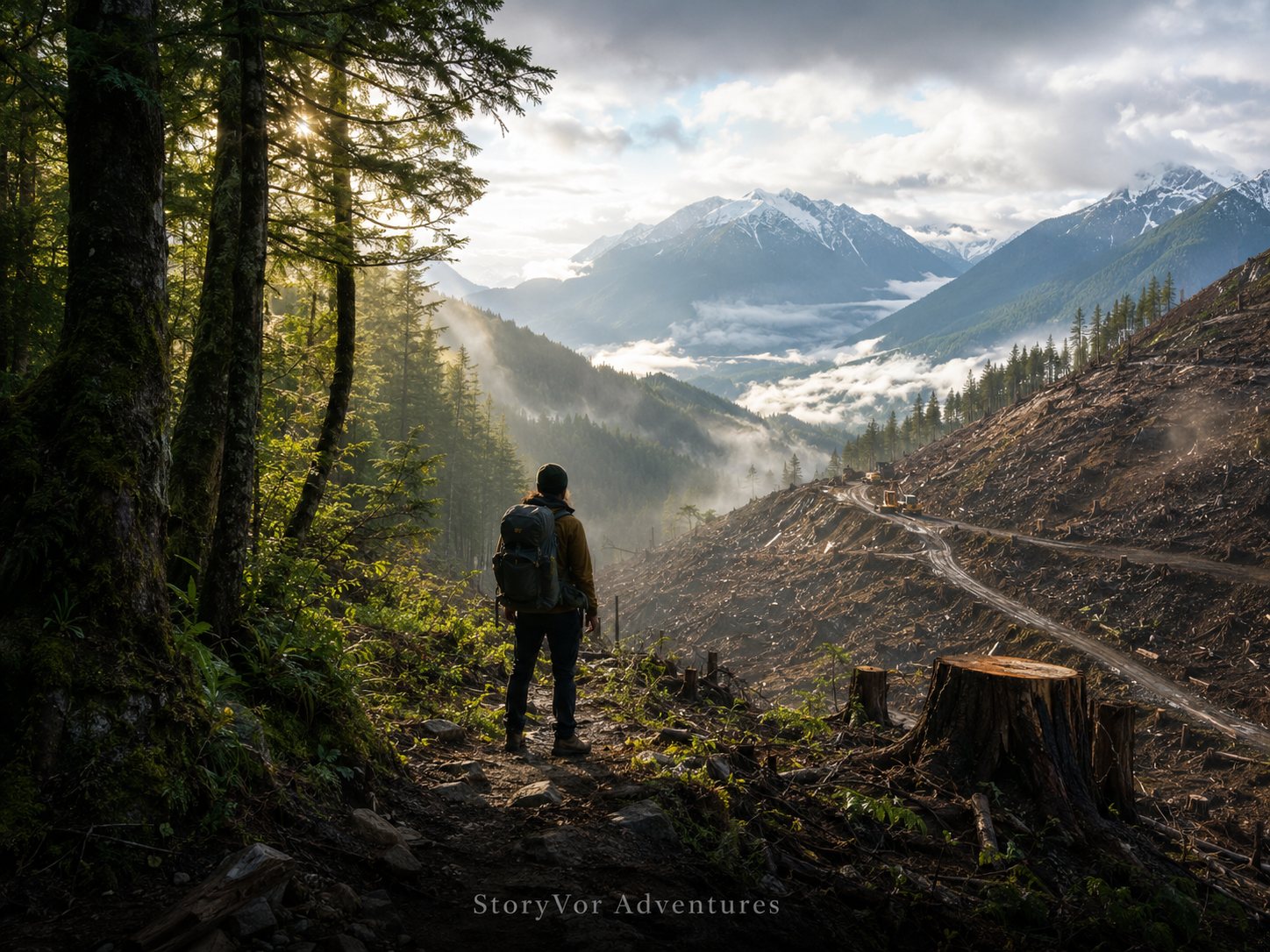
🌳 When the Forest Disappears, Will Adventure Still Feel Like Adventure?
Discover how deforestation threatens wildlife, ecosystems and travel—and learn simple ways to explore responsibly and protect nature.
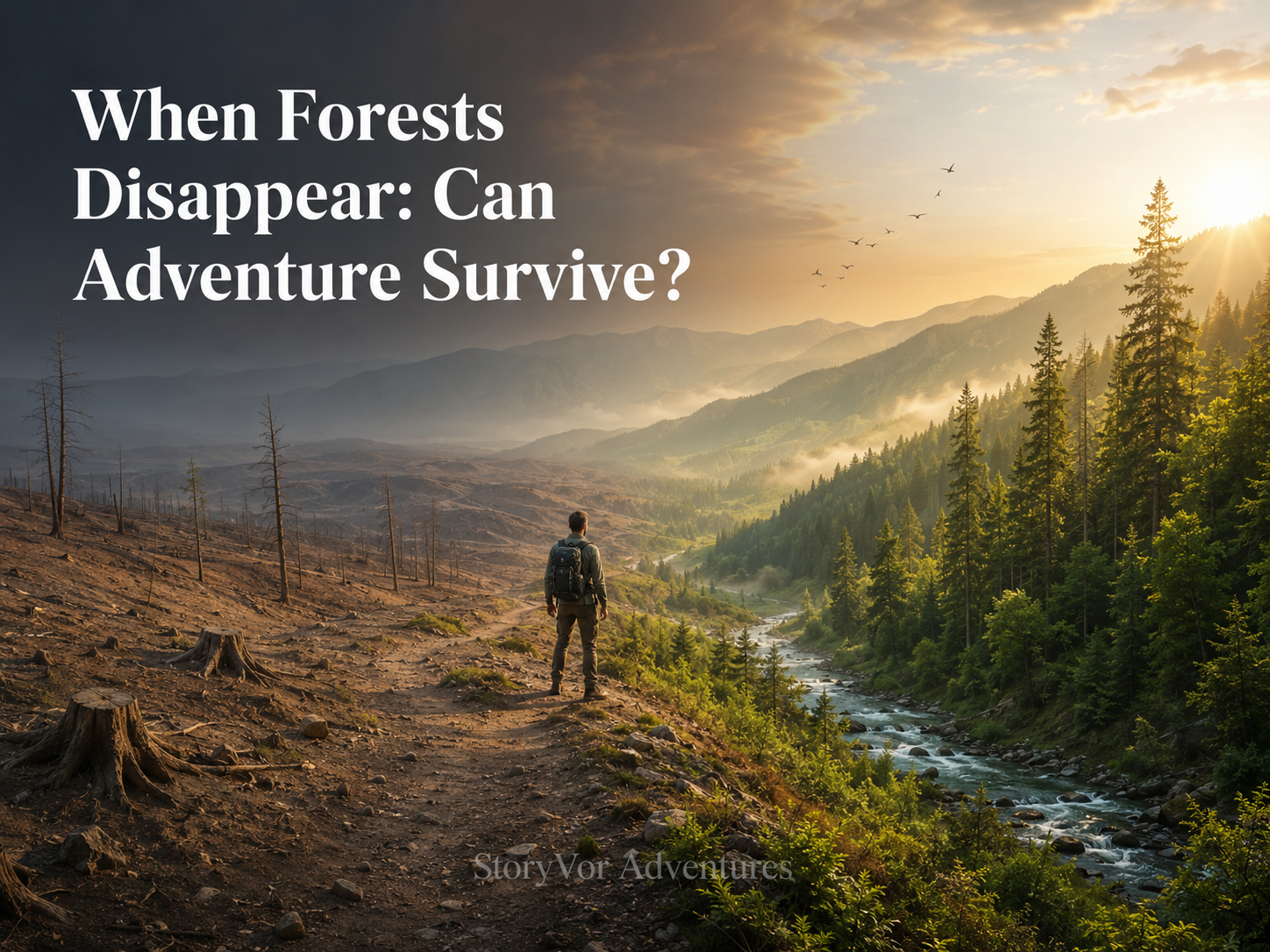
We travel to escape crowded streets, concrete buildings and noisy routines.
We search for places where birds replace traffic, leaves move with the wind and rivers follow their natural paths. We climb mountains to see untouched horizons and enter forests hoping to experience something wild, peaceful and real.
But what happens when the forest surrounding that adventure slowly disappears?
A mountain may still stand without its trees. A road may still reach the viewpoint. A resort may still offer comfortable rooms.
Yet something essential will be missing.
Adventure is not created only by reaching a destination. It comes from the living world that surrounds the journey.
If that world disappears, will travel still feel like discovery—or will it become another carefully decorated experience built over what once made the place special?
Travellers often treat forests as beautiful scenery for photographs. But a forest is not simply a green background.
The Forest Is More Than a Background
It is a living network.
Trees provide shelter. Roots hold soil together. Plants support insects. Insects feed birds. Rivers carry life through the landscape. Animals create paths, spread seeds and maintain relationships that may have developed over generations.
Remove one part of this network and the effects can travel much further than expected.
The cool air, natural sounds and feeling of mystery that visitors enjoy are all connected to this living system.
A forest does not decorate an adventure. It makes the adventure possible.
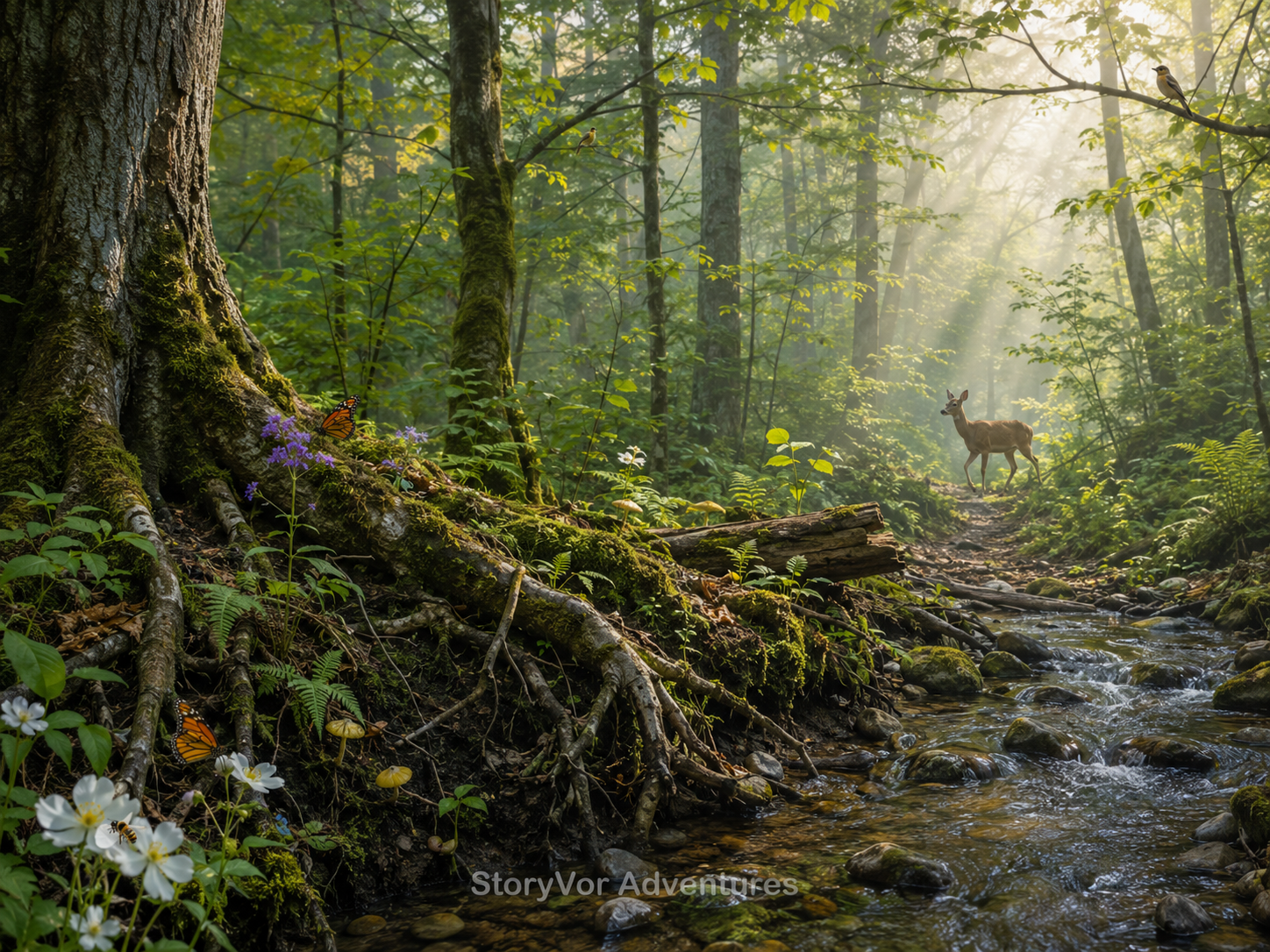
What Are We Really Searching for When We Travel?
People travel for different reasons, but many are searching for a feeling they cannot find in everyday life.
They may want:
- Silence without isolation
- Freedom without schedules
- Beauty without decoration
- Challenge without competition
- Connection without technology
- Surprise without planning every detail
Nature offers these experiences naturally.
A winding forest trail does not tell you exactly what appears around the next corner. A bird call cannot be scheduled. Mist moving between trees does not perform for an audience.
These moments feel valuable because they are real.
When forests are replaced by parking areas, concrete viewpoints and crowded attractions, the location may become easier to visit—but the sense of discovery can become weaker.
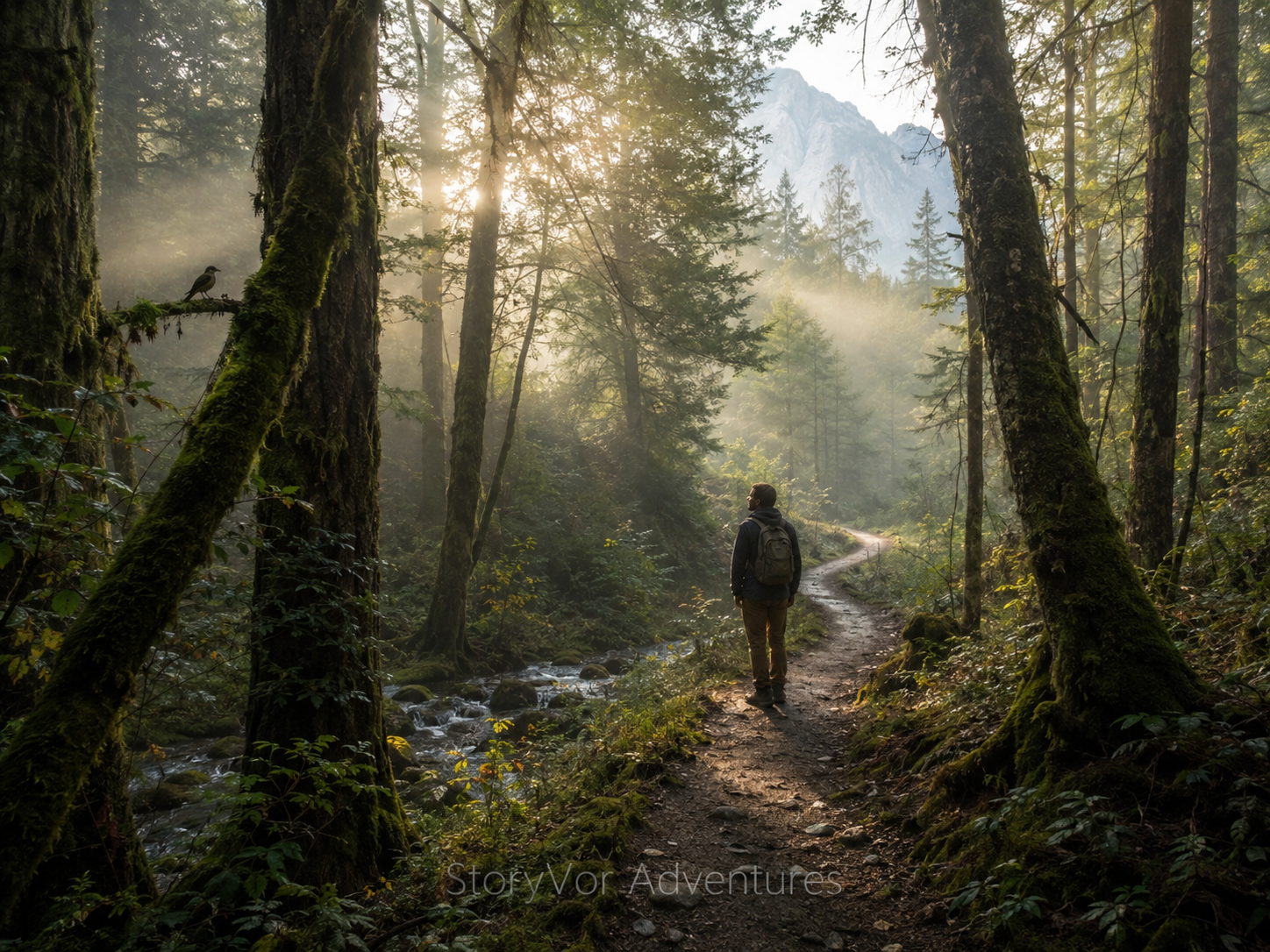
Development Can Quietly Change a Destination
Development is often presented as a simple choice between progress and preservation. In reality, the situation is more complicated.
Communities need safe roads, schools, healthcare, employment and reliable infrastructure. Tourism can create income and opportunities.
The problem begins when development ignores the limits of a place.
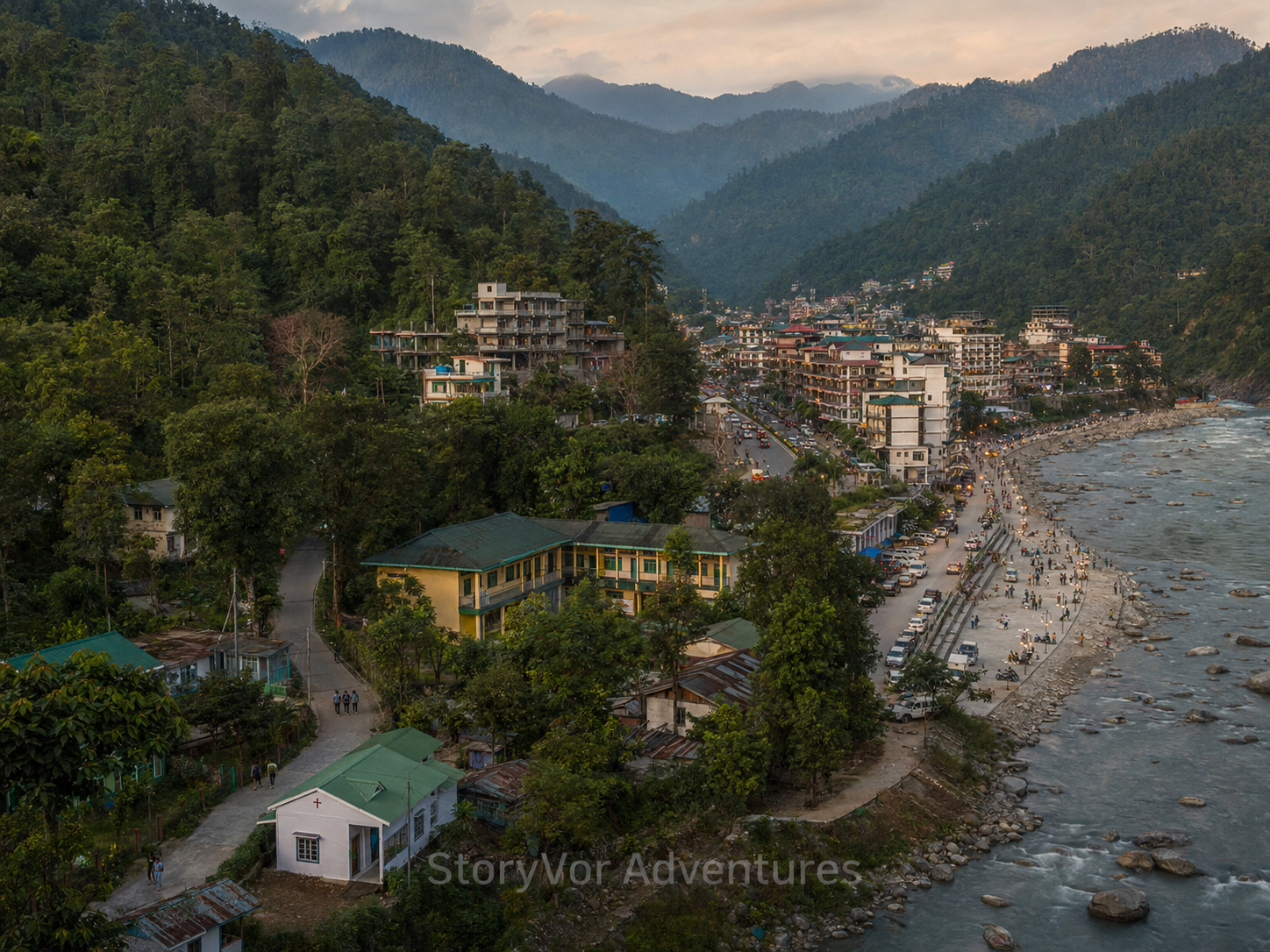
A small road becomes a wide highway. A few guesthouses become a dense line of resorts. Trees are removed for better views. Natural riverbanks become entertainment zones. More vehicles arrive, followed by more waste, noise and construction.
Each individual change may appear manageable.
Together, they can transform the identity of the destination.
Visitors may continue arriving because the place is still famous. But they may be visiting the name of the destination rather than the natural experience that originally made it famous.
The Hidden Cost of a Perfect View
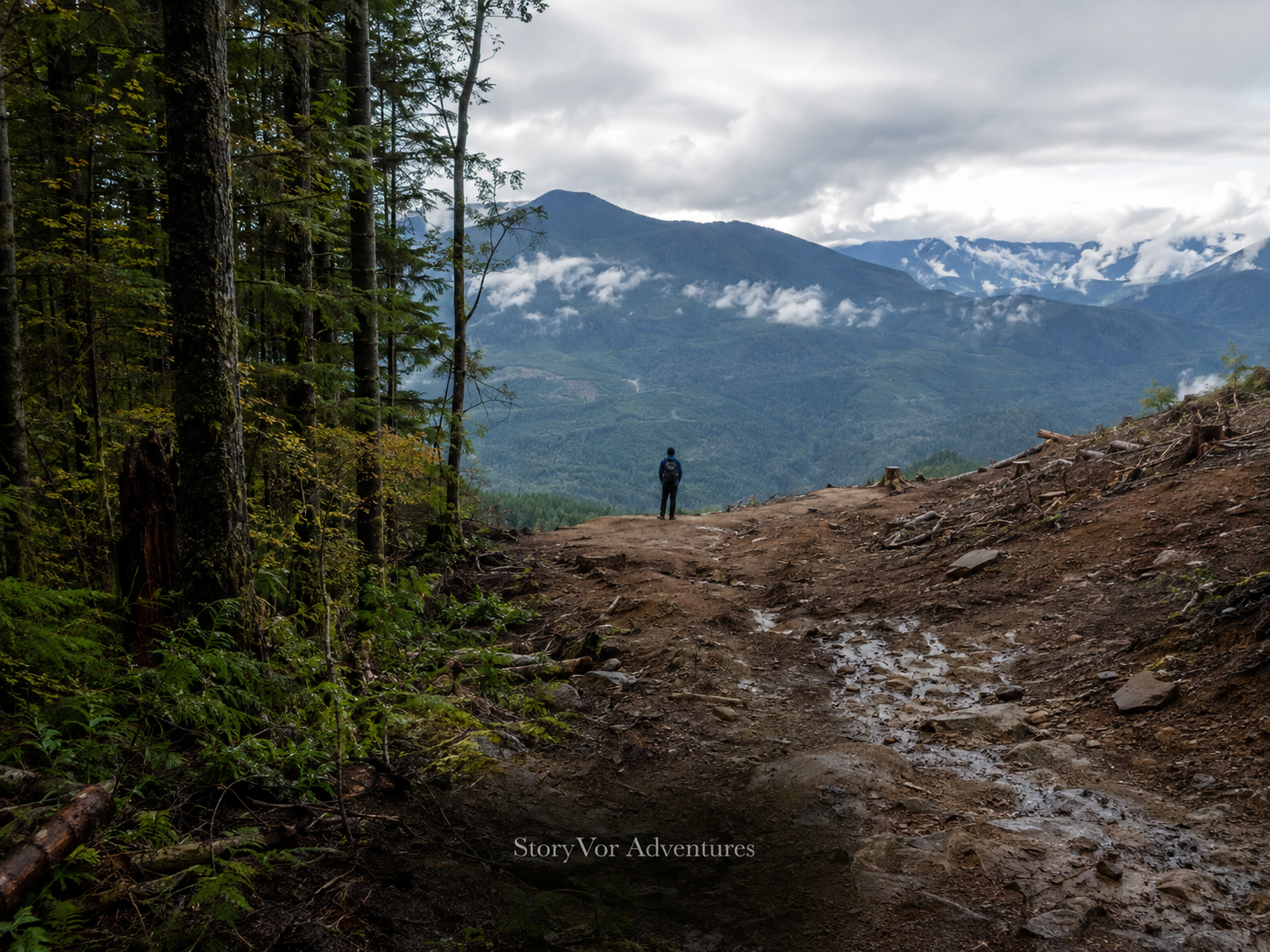
Travellers love open mountain views, but a view created by removing trees carries a hidden cost.
Forested slopes help protect soil. When vegetation is cleared carelessly, rain can wash loose earth downhill. Trails may erode, water may become muddy and the landscape can become more vulnerable.
A newly cleared area may look impressive in a photograph. However, the photograph does not show the lost shade, displaced wildlife or long-term changes to the soil.
Not every open space is harmful, and not every building requires major destruction. The important question is whether the landscape was understood before it was changed.
A beautiful view should not require destroying the beauty that surrounds it.
When Wildlife Leaves, the Forest Feels Different
A forest can remain visually green while becoming quieter and less alive.
Wildlife may move away when construction, vehicles, artificial lights and human noise increase. Some animals can adapt, while others require greater distance from human activity.
Visitors may notice fewer birds, fewer tracks and fewer natural sounds without understanding why.
The disappearance may happen gradually. There is rarely one dramatic moment when a forest suddenly feels empty.
Instead, each visit feels slightly different.
The trail becomes busier. The nights become brighter. The silence becomes harder to find. The animals remain deeper inside whatever habitat is left.
Eventually, travellers may enter a forest that still has trees but has lost much of its wild character.
Adventure Without Nature Becomes an Activity
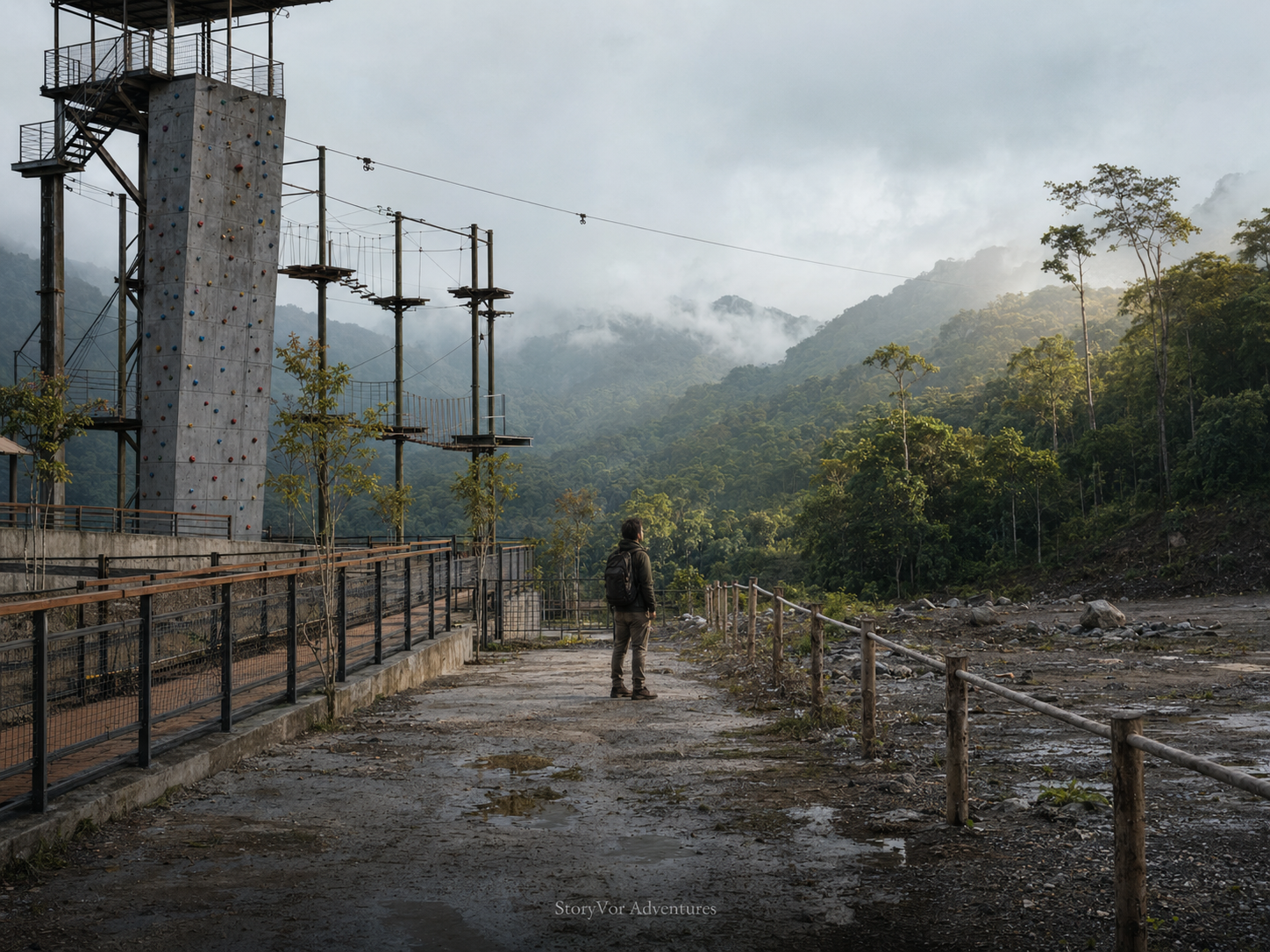
There is a difference between an adventure and an activity.
An activity can be manufactured almost anywhere. A platform can create a viewpoint. A machine can create artificial waves. A decorated path can simulate the appearance of wilderness.
But genuine adventure depends on uncertainty, respect and connection with a place.
The weather may change. The trail may become difficult. Wildlife may remain unseen. The sunrise may hide behind clouds.
Nature does not guarantee a perfect experience.
That unpredictability is part of what makes the journey meaningful.
When everything is controlled, packaged and arranged for convenience, travel may remain enjoyable—but it becomes less connected to the living landscape.
Local Communities Should Not Be Pushed Aside
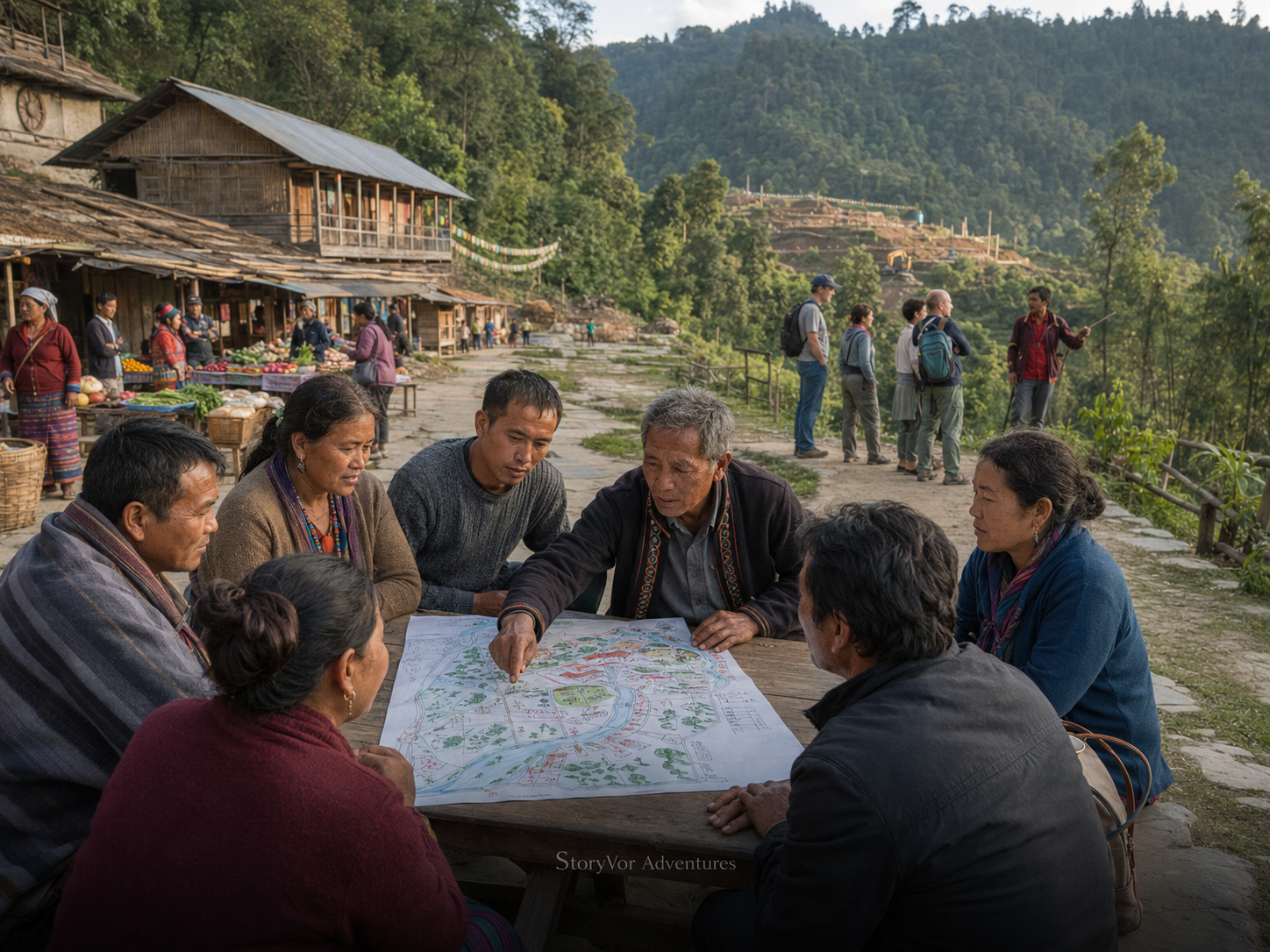
Forest conservation cannot succeed by ignoring the people who live near forests.
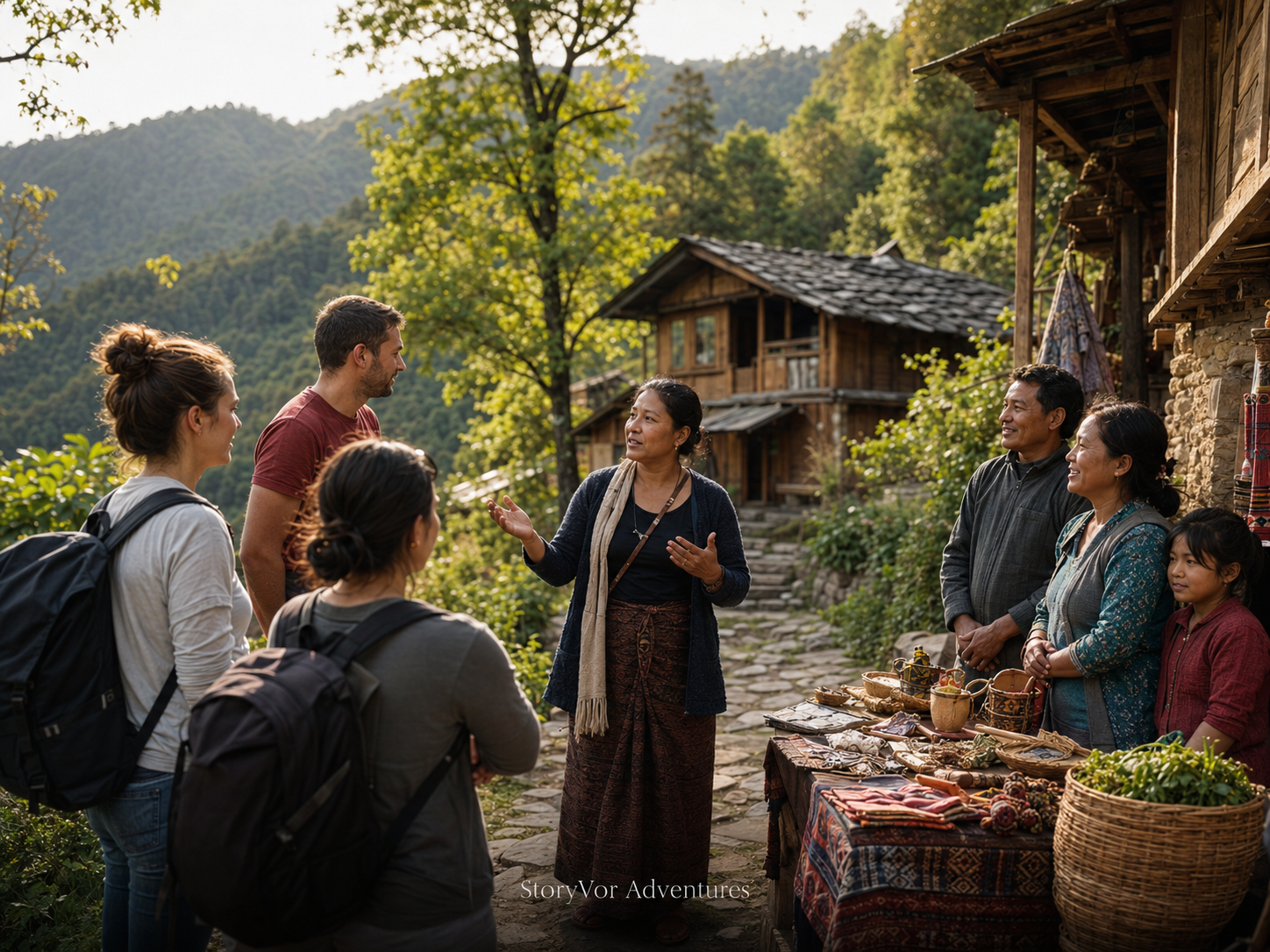
Local and Indigenous communities may carry generations of knowledge about seasons, water, wildlife, plants and safe routes. Their relationship with the landscape can be practical, cultural and deeply personal.
Tourism becomes unfair when outside businesses earn money from a destination while local communities carry the environmental costs.
Responsible development should involve local voices from the beginning. Communities should have meaningful opportunities to guide tourism, protect culturally important places and benefit from visitors.
Protecting forests should not mean removing people from decisions. It should mean respecting those who understand the land most closely.
The Social-Media Effect
A single beautiful photograph can introduce thousands of people to a destination.
This attention can support local businesses and encourage appreciation for nature. It can also create sudden pressure that a fragile location is not prepared to manage.
Visitors may travel to recreate the same image. Informal trails appear. Vehicles gather near small viewpoints. People enter restricted areas or disturb vegetation while searching for the perfect angle.
The image celebrates nature, but the behaviour surrounding it may damage the place being celebrated.
Sharing a destination carries responsibility.
Before posting a precise location, consider whether the area can safely handle more visitors. Avoid encouraging people to enter closed or sensitive spaces. Most importantly, never damage plants, cliffs or habitats for content.
A photograph should preserve a memory—not leave destruction behind.
Responsible Travel Is More Than Carrying Your Waste
Taking rubbish home is important, but responsible travel goes further.
It also means thinking about how your entire visit affects the destination.
Before travelling, consider:
- Is the accommodation built and operated responsibly?
- Does the business employ or support local people?
- Are wildlife experiences respectful and non-invasive?
- Is public or shared transport available?
- Are trails officially permitted?
- Does the destination face crowding during certain seasons?
- Are water and other local resources under pressure?
- Can you visit for longer instead of making repeated short trips?
- Can you support conservation or community-led tourism?
No trip has zero impact. The goal is to make thoughtful choices and avoid unnecessary harm.
Small Actions Travellers Can Take
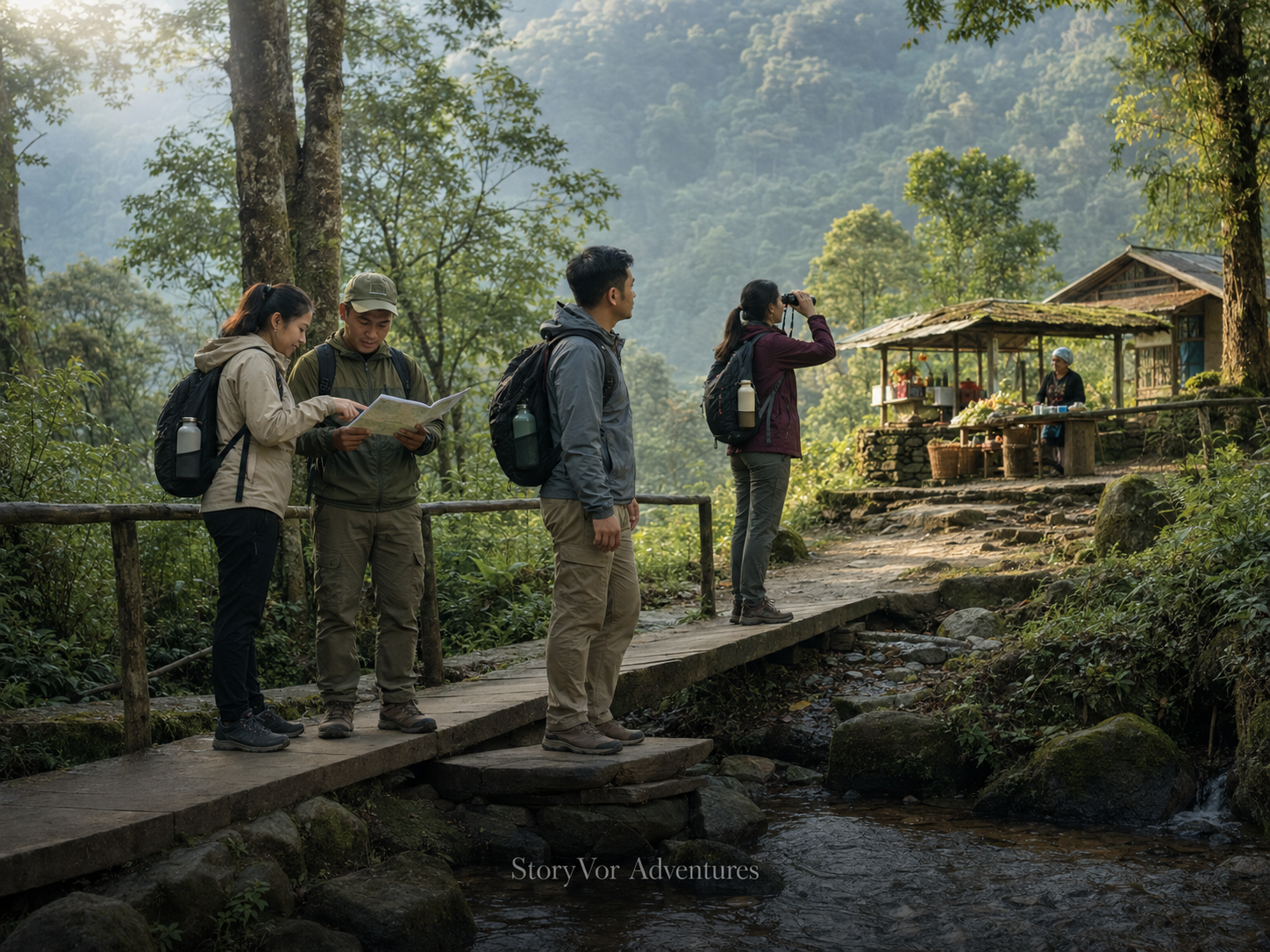
Protecting forests can feel like a responsibility belonging only to governments and large organisations. Travellers also influence what tourism becomes.
You can help by:
Staying on Marked Trails
Shortcuts can damage plants and increase erosion. Established trails concentrate foot traffic in areas designed to handle it.
Avoiding Wildlife Disturbance
Keep a respectful distance. Do not feed animals, chase them for photographs or use loud sounds to attract their attention.
Choosing Reusable Essentials
Carry a refillable water bottle, reusable bag and suitable food container where local rules and water safety allow.
Supporting Local Guides
A knowledgeable local guide can improve safety, explain the landscape and keep tourism income within the community.
Travelling Outside Peak Periods
When appropriate and safe, travelling during quieter periods can reduce pressure and create a more peaceful experience.
Respecting Closures
A closed trail may be recovering from damage, protecting breeding wildlife or responding to dangerous conditions. A barrier is not an invitation to find another route.
Buying Less, Experiencing More
Travel does not need to produce bags of souvenirs. Spend on local experiences, food and services that create meaningful benefits.
What Should Sustainable Adventure Look Like?
Sustainable adventure does not mean making every forest comfortable and convenient.
It means allowing people to experience nature without overwhelming it.
A thoughtful destination might include:
- Limited construction in sensitive areas
- Safe public or shared transportation
- Clearly maintained trails
- Visitor limits where necessary
- Waste and wastewater management
- Dark-sky practices that reduce unnecessary lighting
- Local guides and community-owned businesses
- Protected wildlife corridors
- Honest environmental education
- Regular monitoring of tourism’s impact
The goal is not to prevent people from enjoying forests. It is to make sure the forest remains alive after they leave.
The Most Valuable Places May Be the Ones We Do Not Enter
Travel culture often encourages us to go everywhere and experience everything.
But respect sometimes means accepting limits.
Certain habitats need complete protection. Some places may be too fragile for large visitor numbers. Others may need seasonal closures or access only with trained guides.
Not entering a place does not make it less valuable.
A forest does not need to become a tourist attraction to justify its existence. Its value is not measured only by tickets, views, photographs or visitor numbers.
Sometimes the most responsible adventure is choosing not to leave a footprint.
What Will Future Travellers Inherit?
The decisions made today will shape the journeys available tomorrow.
Future travellers may inherit healthy forests filled with natural sound, flowing water and wildlife.
Or they may inherit destinations where signs describe the animals that once lived there, decorative trees replace natural habitats and virtual experiences show what the landscape used to look like.
The difference will not be created by one decision.
It will be shaped by thousands of choices—where roads are built, how resorts operate, what travellers demand and whether protection is treated as essential or optional.
Adventure has a future only if nature has one too.
Final Thoughts
When a forest disappears, we lose more than trees.
We lose shade, silence, habitat, stories, natural pathways and the feeling of entering a world that does not exist only for human convenience.
Travel can connect people with nature, support communities and inspire conservation. But it can do this only when travellers and businesses understand that a destination is not an unlimited product.
The forest does not need us to make it adventurous.
We need the forest to remind us what adventure truly means.
So before planning the next journey, we should ask one simple question:
Are we travelling only to see the world—or are we helping ensure that there will still be a world worth seeing?
© 2026 storyvoradvantures