The Ultimate 5-Day Tokyo Itinerary for First-Time Visitors (2026 Guide)
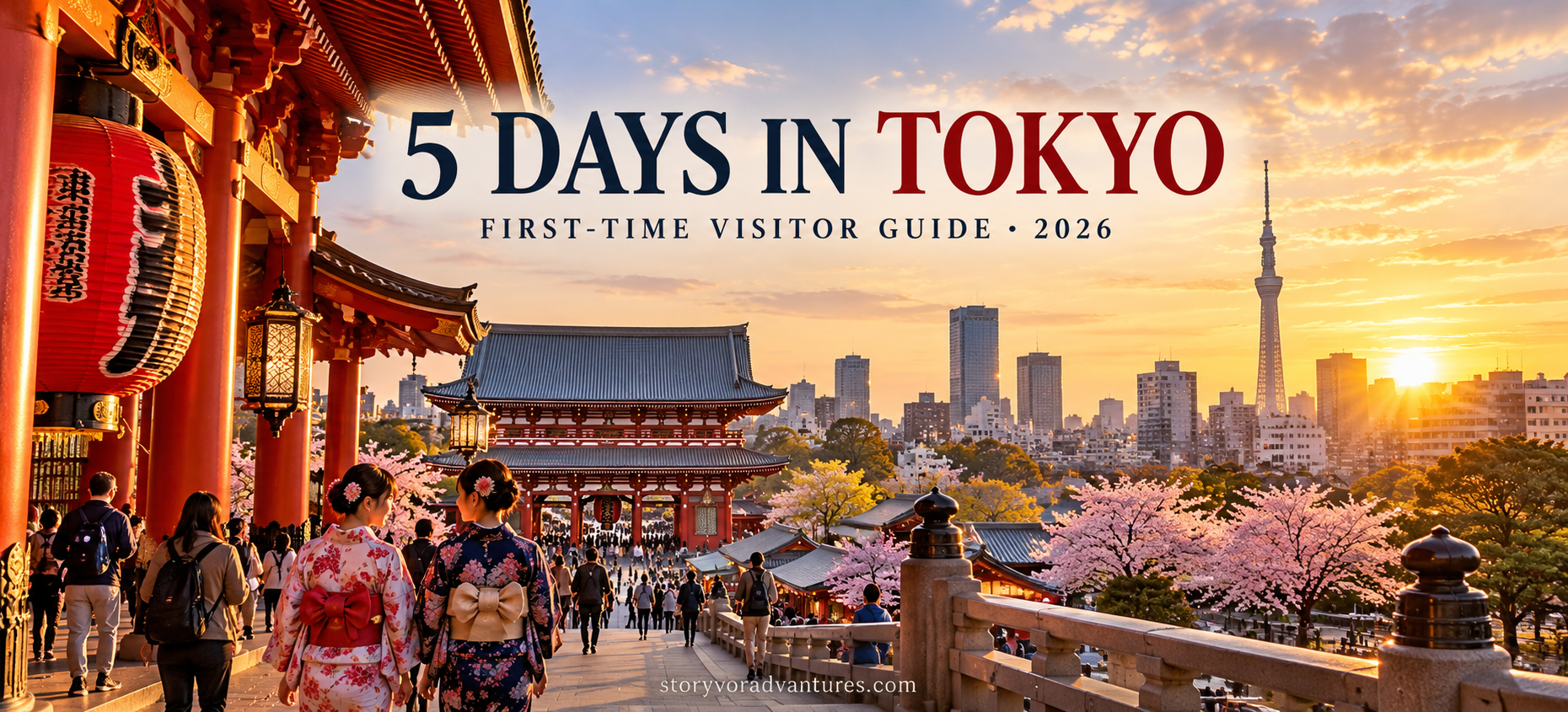
Tokyo combines historic temples, modern shopping districts, museums, public gardens and an extensive railway network. First-time visitors can make the city easier to explore by grouping nearby neighbourhoods together. This five-day itinerary covers major areas, local food, cultural etiquette and practical transport information while leaving enough time for rest and flexible plans.
When is the Best Time to Visit Tokyo?
Timing your trip right can completely change your experience. Every season in Japan offers something unique:
- Spring (March to April): This is the most popular time to visit, thanks to the world-famous cherry blossoms (sakura). The weather is mild, but expect larger crowds and higher hotel prices.
- Autumn (October to November): Perfect for outdoor walks, offering cool weather and stunning red and gold fall foliage. It is arguably the most comfortable season for sightseeing.
- Winter (December to February): A great budget-friendly option. While it gets cold, there are fewer tourists, the air is crisp (offering the best views of Mount Fuji), and the city is covered in beautiful holiday illuminations.
- Summer (June to August): It can be quite hot and humid, but the energy is unmatched with lively street festivals (matsuri) and spectacular fireworks displays.
The Perfect 5-Day Tokyo Itinerary
Day 1: Step Back in Time in Asakusa & Ueno
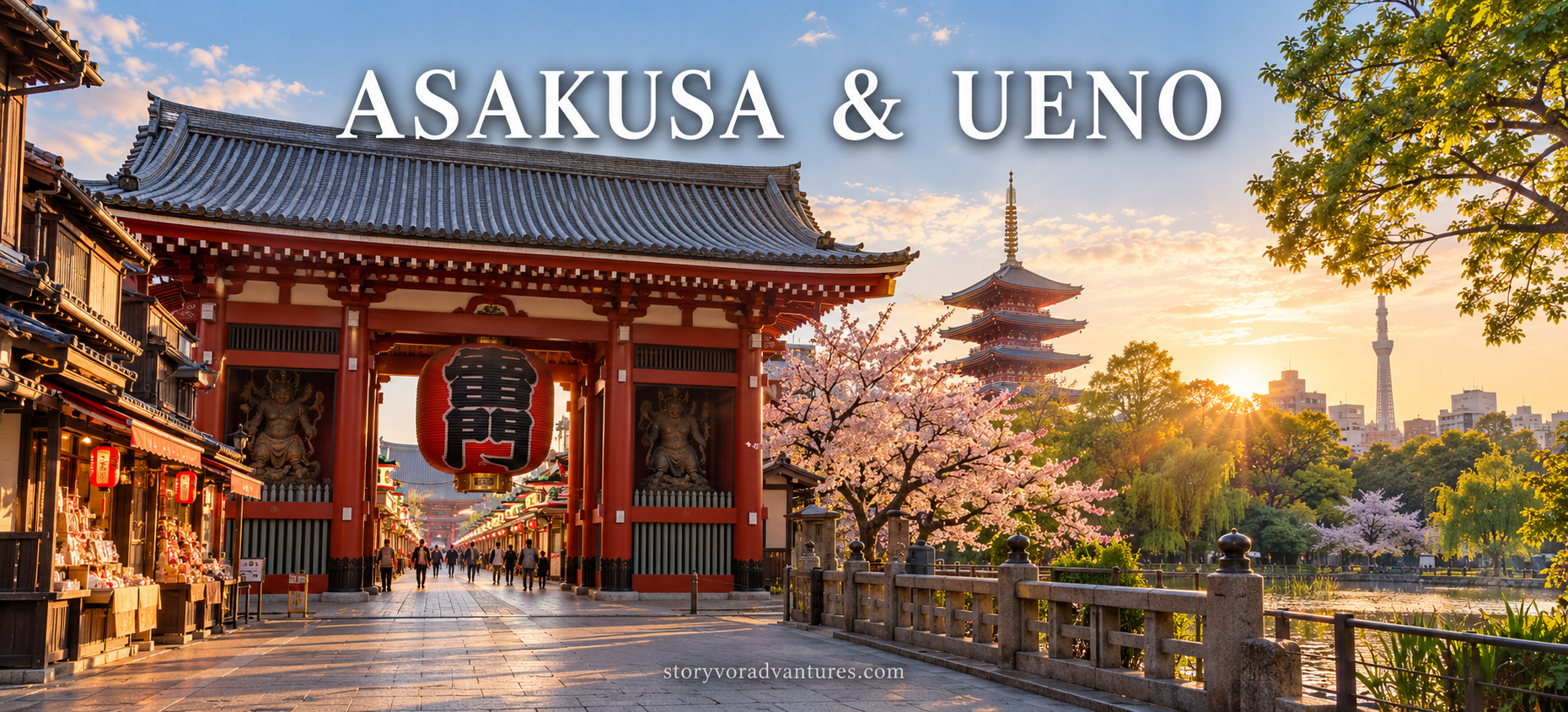
Start your Tokyo adventure by exploring its historical roots in the eastern part of the city.
- Morning: Head to Asakusa to visit Senso-ji, Tokyo’s oldest and most famous Buddhist temple. Walk through the iconic Kaminarimon (Thunder Gate) and stroll down Nakamise-dori, a bustling shopping street lined with traditional snacks like melon pan and matcha ice cream.
- Afternoon: Take a short train ride to Ueno Park. This massive green space is a cultural hub home to several museums, a zoo, and beautiful walking paths. If you love history, the Tokyo National Museum is a must-visit.
- Evening: Wander through Ameyoko, a vibrant, busy open-air market located right next to Ueno Station. It is the perfect place to grab cheap, delicious street food and hunt for bargain souvenirs.
Day 2: The Modern Heartbeat – Harajuku, Shibuya & Shinjuku
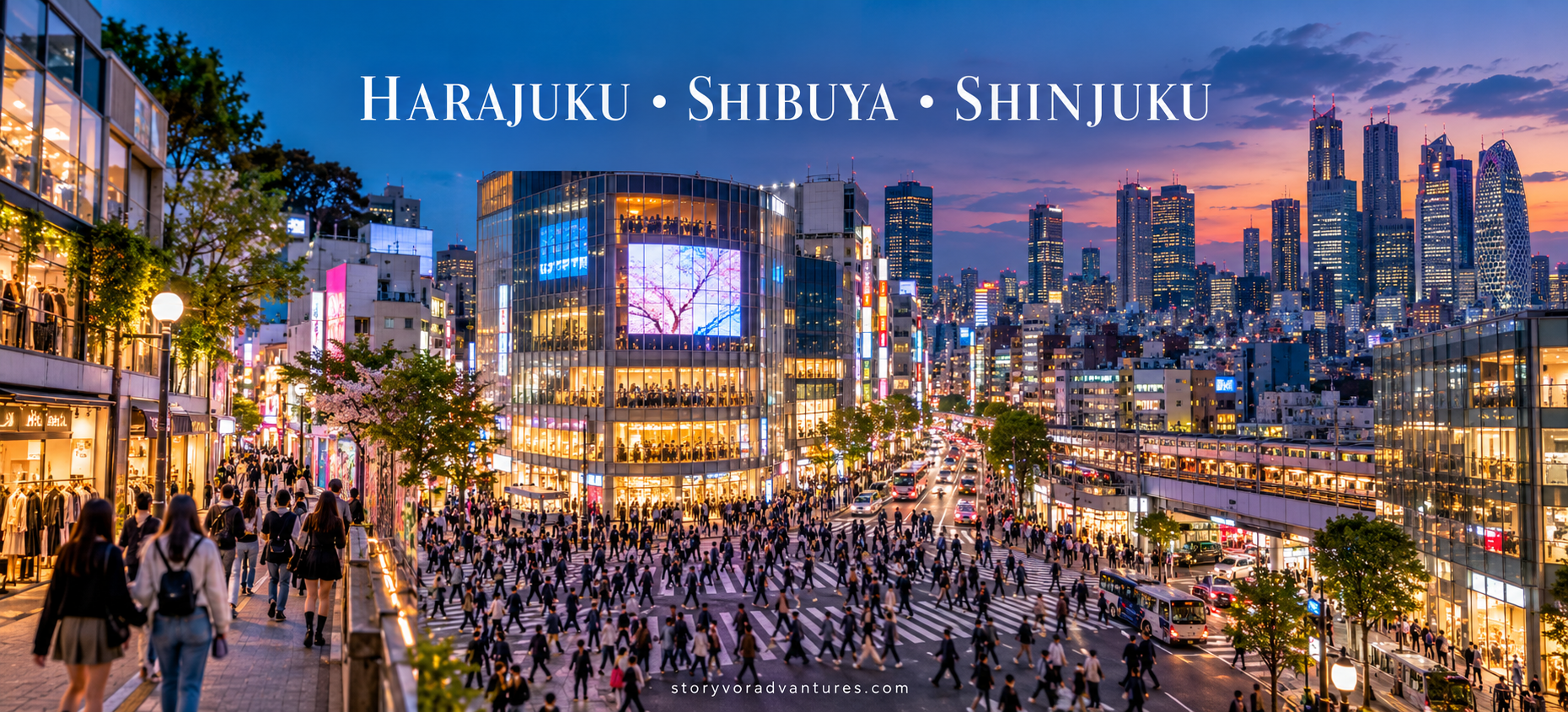
Today is all about Tokyo’s fast-paced, youth-driven culture and iconic cityscapes.
- Morning: Begin with a peaceful walk through the densely forested grounds of Meiji Jingu Shrine. Just a few minutes away, the vibe completely flips at Harajuku’s Takeshita Street, the epicenter of quirky Japanese street fashion, colorful cotton candy, and trendy boutiques.
- Afternoon: Head down to Shibuya to experience the famous Shibuya Crossing—the busiest pedestrian intersection in the world. Grab a coffee at the nearby Starbucks for a bird’s-eye view, and don’t forget to snap a photo with the loyal Hachiko statue.
- Evening: End your day in Shinjuku, Tokyo’s entertainment capital. You can get a free panoramic view of the city from the Tokyo Metropolitan Government Building. Afterward, explore the narrow, lantern-lit alleys of Omoide Yokocho (Memory Lane) for some late-night yakitori (grilled chicken skewers) and a cold drink.
Day 3: Geek Culture & Upscale Elegance – Akihabara & Ginza
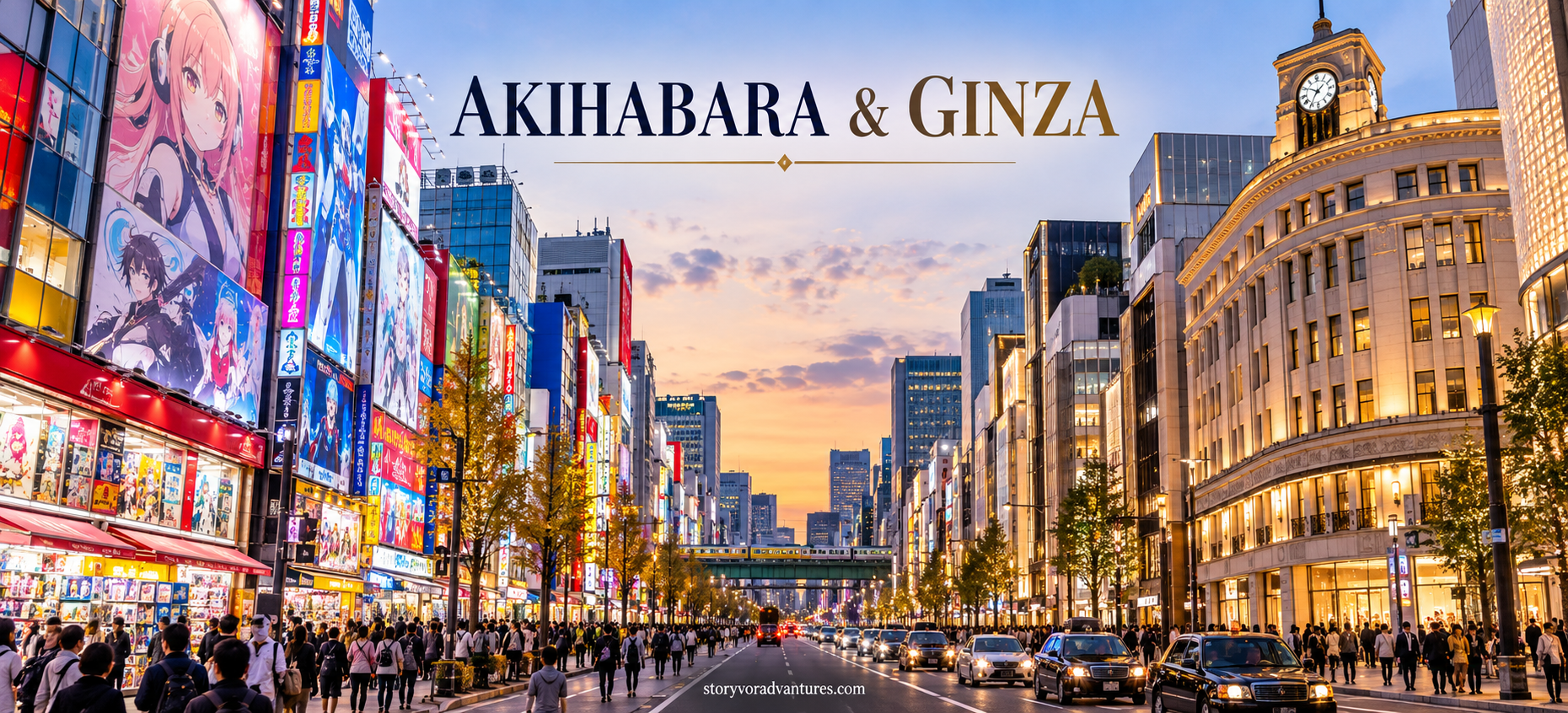
- Morning to Afternoon: Dive deep into Japan’s pop culture in Akihabara, affectionately known as “Electric Town.” Whether you are an anime fan, a gamer, or just curious, the multi-story arcades, unique maid cafes, and massive electronics stores (like Yodobashi Camera) are fascinating to explore.
- Late Afternoon & Evening: Shift gears and head to Ginza, Tokyo’s premier luxury shopping and dining district. The architecture is stunning, featuring flagship stores of global designer brands. On weekends, the main street is closed to cars (a practice called Hokoten), making it a wonderful place to stroll, people-watch, and enjoy a high-end sushi dinner.
Day 4: Seafood & Futuristic Art – Tsukiji & Odaiba
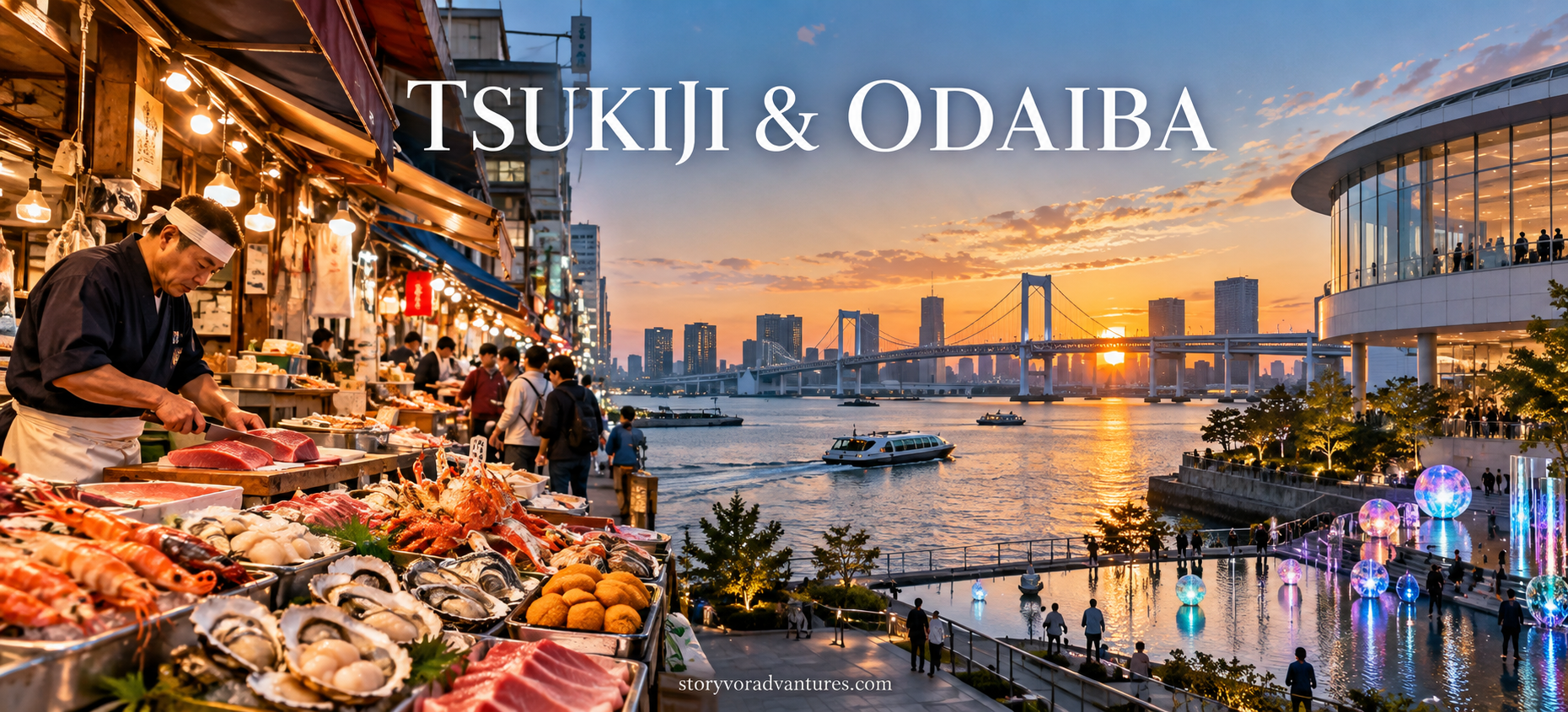
- Morning: Wake up early and head to the Tsukiji Outer Market. While the inner wholesale market has moved to Toyosu, the outer streets are still packed with vendors selling the absolute freshest sushi, tamagoyaki (sweet rolled omelet), and premium wagyu beef skewers.
- Afternoon: Cross the water via the automated Yurikamome train to the man-made island of Odaiba. Here, you can visit the mind-bending digital art museum, teamLab Planets, take a picture with the giant, life-sized Gundam statue, or shop at Aqua City.
- Evening: Enjoy a relaxing dinner by the Odaiba waterfront, which offers breathtaking views of the illuminated Rainbow Bridge and the glittering Tokyo skyline across the bay.
Day 5: Choose Your Own Adventure
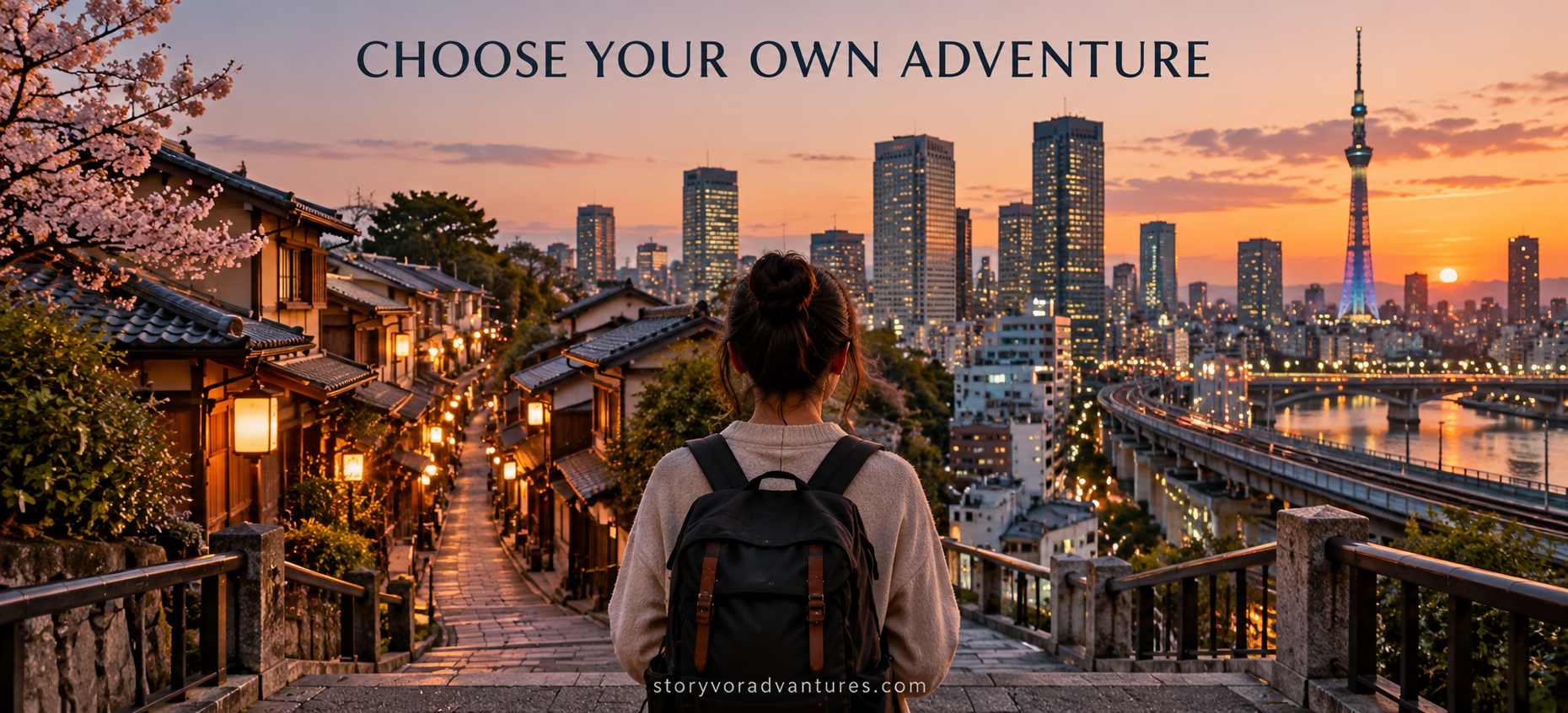
For your final day, you have a few incredible options depending on your travel style:
- Option A (Theme Parks): Spend a magical day at Tokyo Disneyland or the ocean-themed Tokyo DisneySea, which is entirely unique to Japan.
- Option B (Nature Escape): Take a day trip out of the city. Head to Hakone or Lake Kawaguchi for breathtaking views of Mount Fuji, relaxing hot springs (onsen), and traditional ryokan stays.
- Option C (Anime & Film): If you are a huge Studio Ghibli fan, secure tickets well in advance for the whimsical Ghibli Museum in Mitaka.
What to Eat in Tokyo: A First-Timer’s Guide
Tokyo has more Michelin stars than any other city in the world, but its cheap eats are just as phenomenal. Don’t leave without trying:
- Ramen: Every region in Japan has its own style. Try rich, creamy Tonkotsu ramen in spots like Ichiran or Ippudo.
- Sushi and Sashimi: Conveyor belt sushi (Kaiten-sushi) is fun and budget-friendly, while high-end omakase offers a masterclass in culinary art.
- Street Food: Try Takoyaki (octopus balls), Taiyaki (fish-shaped pastries filled with custard or red bean), and Karaage (Japanese fried chicken).
- Convenience Store (Konbini) Snacks: Don’t underestimate 7-Eleven, Lawson, and FamilyMart. Their egg sandwiches (tamago sando), onigiri (rice balls), and bento boxes are fresh, cheap, and delicious.
Essential Cultural Etiquette
To make the best impression and respect local customs, keep these simple rules in mind:
- No Tipping: Tipping is not practiced in Japan and can actually cause confusion. Excellent service is simply included in the price.
- Train Manners: Keep your phone on silent, refrain from talking loudly, and do not eat meals on local commuter trains (though eating on long-distance Shinkansen trains is perfectly fine).
- Taking out Trash: Public trash cans are incredibly rare in Tokyo. Always carry a small plastic bag in your backpack to hold your wrappers and bottles until you find a bin (usually located next to vending machines or inside convenience stores).
- Bowing: A slight nod or bow when saying thank you (“Arigatou gozaimasu”) goes a long way.
Getting Around: Transportation Tips
Navigating Tokyo’s train system looks intimidating on a map, but it is incredibly efficient.
- Get an IC Card: Rechargeable transport cards such as Suica and PASMO can make eligible train, subway and small purchases more convenient. Availability and mobile-wallet compatibility can vary, so check the latest official information before arrival.
- Avoid Rush Hour: Try not to travel with heavy luggage between 7:30 AM and 9:00 AM on weekdays, as the commuter trains get incredibly packed.
- Use a Navigation App: A reliable navigation app can help compare routes, platforms, transfers and estimated fares. Check station signs as well, because routes and service conditions can change.
Final Thoughts
Five days can provide a useful introduction to Tokyo without covering every district. Planning one or two nearby areas each day can reduce unnecessary travel and create more time for temples, museums, meals and neighbourhood walks. Keep part of the itinerary flexible, check current opening hours and transport information, and adjust outdoor plans according to the weather.