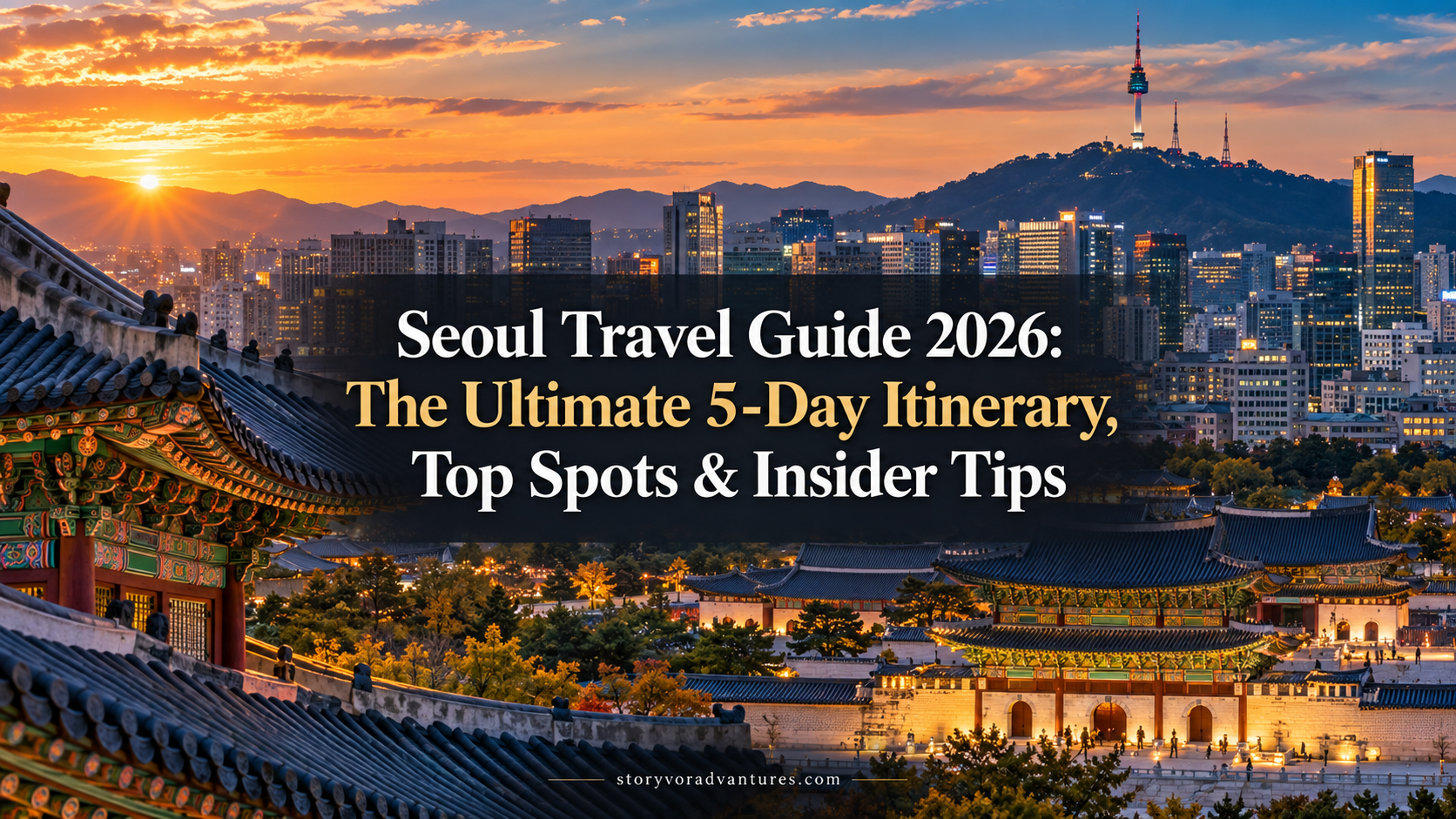
Seoul Travel Guide 2026: The Ultimate 5-Day Itinerary, Top Spots & Insider Tips
Plan your first Seoul trip with 10 places to visit, where to stay, airport and subway tips, entry checks and a practical five-day itinerary.
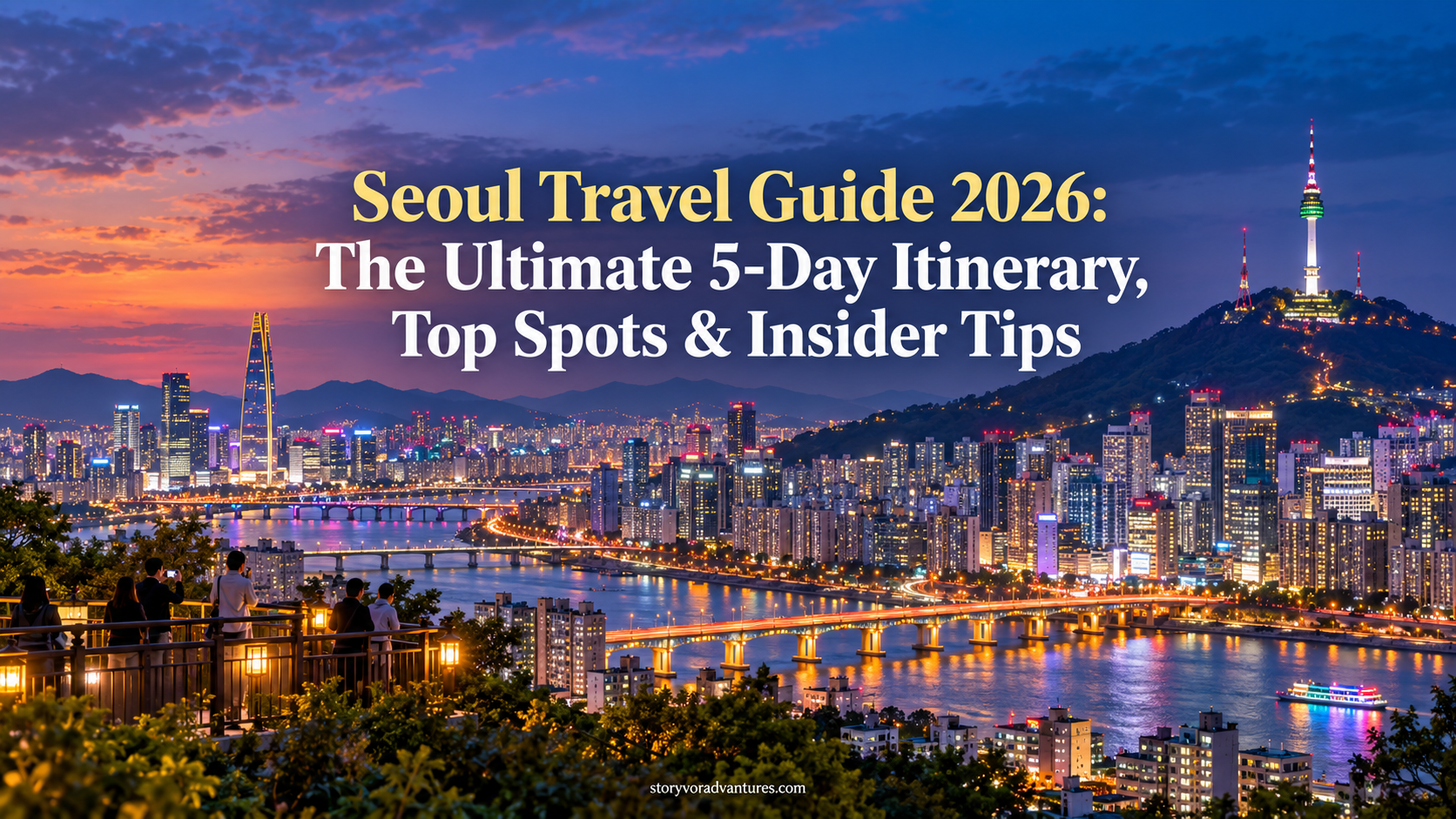
Seoul brings together historic palaces, traditional neighbourhoods, modern shopping districts, creative cafés and extensive public parks. First-time visitors can make the trip easier by grouping nearby attractions instead of travelling repeatedly across the city. This guide covers ten notable places, local food, transport information, accommodation areas and a practical five-day itinerary.
Before You Go: Practical Travel Essentials
- Currency: South Korean Won (KRW). While cards are widely accepted, always carry some cash for street food and small markets.
- Airports: Incheon International (the massive main hub) or Gimpo (closer to the city, mostly for domestic or regional flights).
- Getting Around: Seoul’s subway network connects most major attractions. Visitors can purchase a Tmoney card from a convenience store, add credit and use it on eligible public transport.
- Must-Have Apps: Naver Map and KakaoMap are commonly used for navigation in South Korea, while Papago can assist with translation. Downloading useful maps and information before travelling can help when mobile data is unavailable.
When to Visit
Spring and autumn are popular times to visit Seoul because temperatures are generally comfortable for sightseeing. Summer can be hot, humid and rainy, while winter is often cold and requires warm clothing. Weather conditions vary, so travellers should check an updated forecast before departure.
Summer (July and August) gets incredibly hot, humid, and wet—the rainy monsoon season usually hits around mid-June to July. Winter is beautiful but freezing, with temperatures dropping well below zero, so pack serious layers if you visit then. Don’t stress too much about finding the “perfect” month; just build your daily plans around the weather!
10 Notable Places to Visit in Seoul
1. Gyeongbokgung Palace
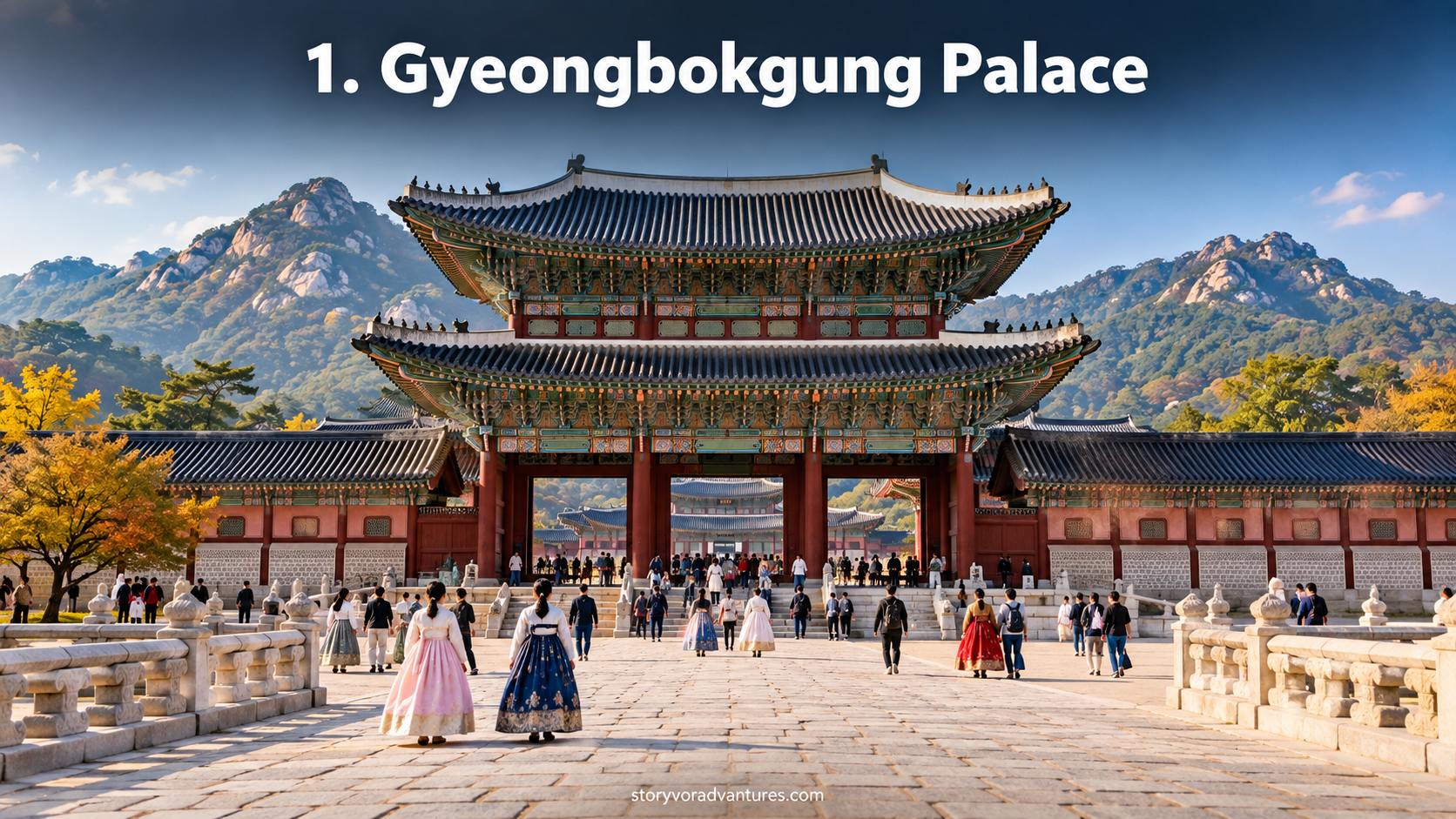
This is the perfect starting point to understand Seoul’s grand royal history. Don’t just treat it as a backdrop for a quick selfie—take your time walking through the massive gates, pavilions, and courtyards.
- Planning Tip: If you rent and wear a traditional Hanbok (you’ll find dozens of rental shops just outside the palace walls), your entrance ticket is completely free! It’s a super popular thing to do and makes for amazing memories.
2. Bukchon Hanok Village
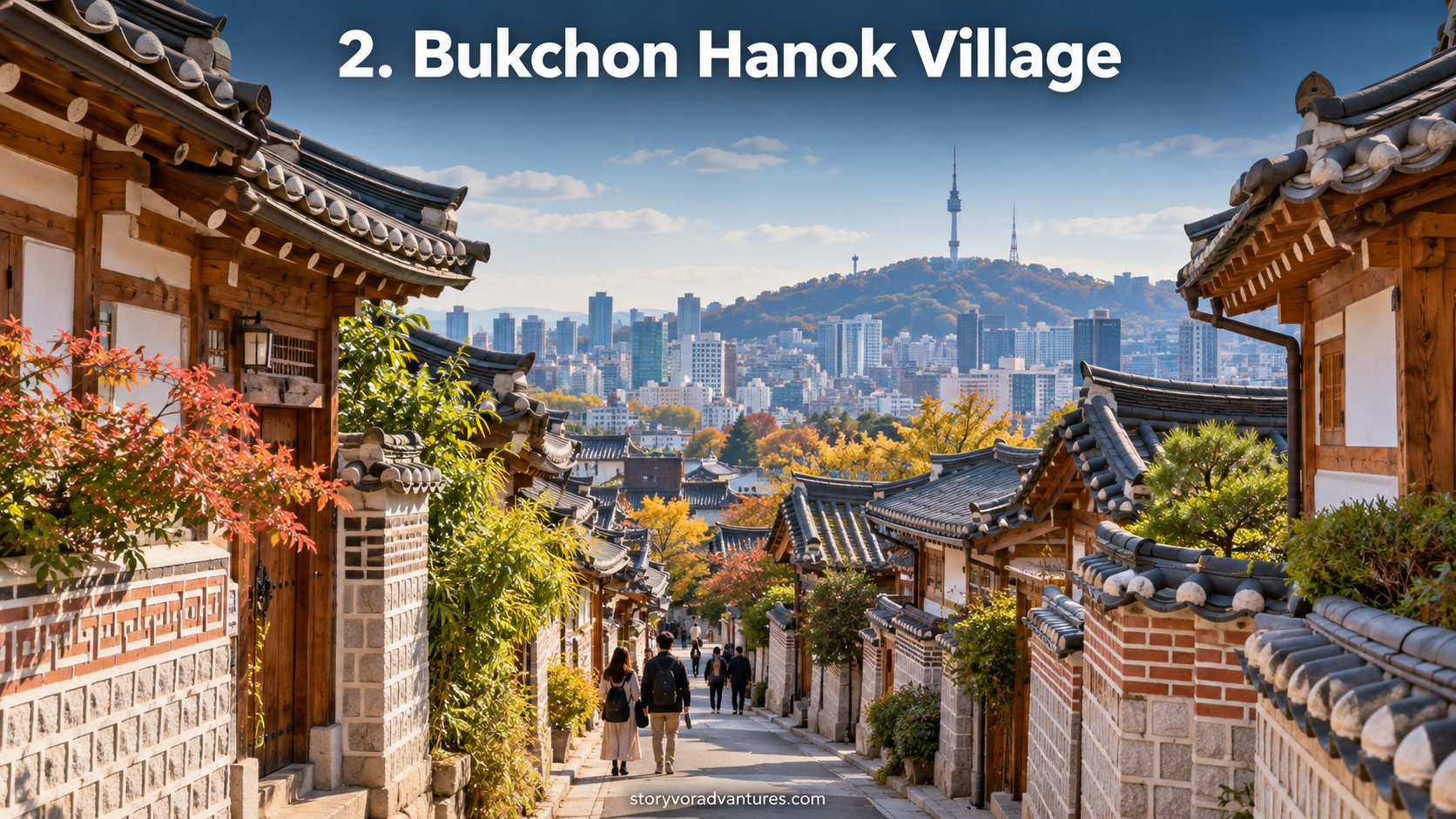
Wandering through these narrow alleys lined with traditional Korean houses (hanoks) feels like stepping back 600 years. But remember, this isn’t an open-air museum—real people actually live inside these beautiful homes! Keep your voices down and stick to the permitted walking areas.
- Planning Tip: The village has strict visiting hours for tourists to give residents a break (usually 10:00 AM to 5:00 PM). Go during these times, and try to find a hidden hanok tea house to relax in.
3. Insadong
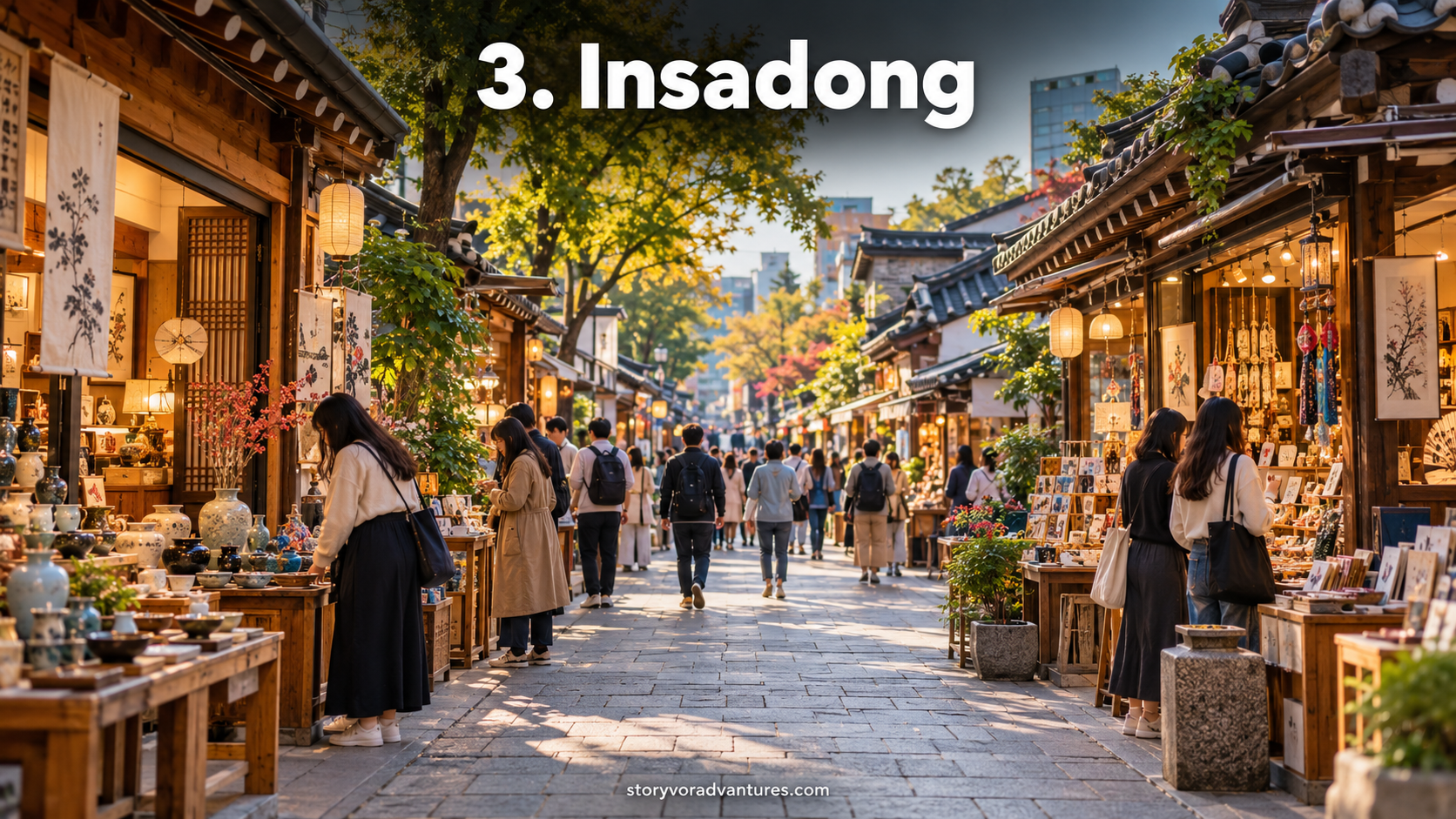
When you need a break between the palaces, head over to Insadong. It’s a bustling cultural street packed with local handicrafts, calligraphy shops, art galleries, and some beautifully serene tea houses hidden down narrow side alleys.
- Planning Tip: Don’t miss Ssamziegil, a unique open-air shopping complex in the middle of Insadong that spirals upward. It’s packed with independent designers and quirky souvenirs.
4. Changdeokgung Palace & The Secret Garden
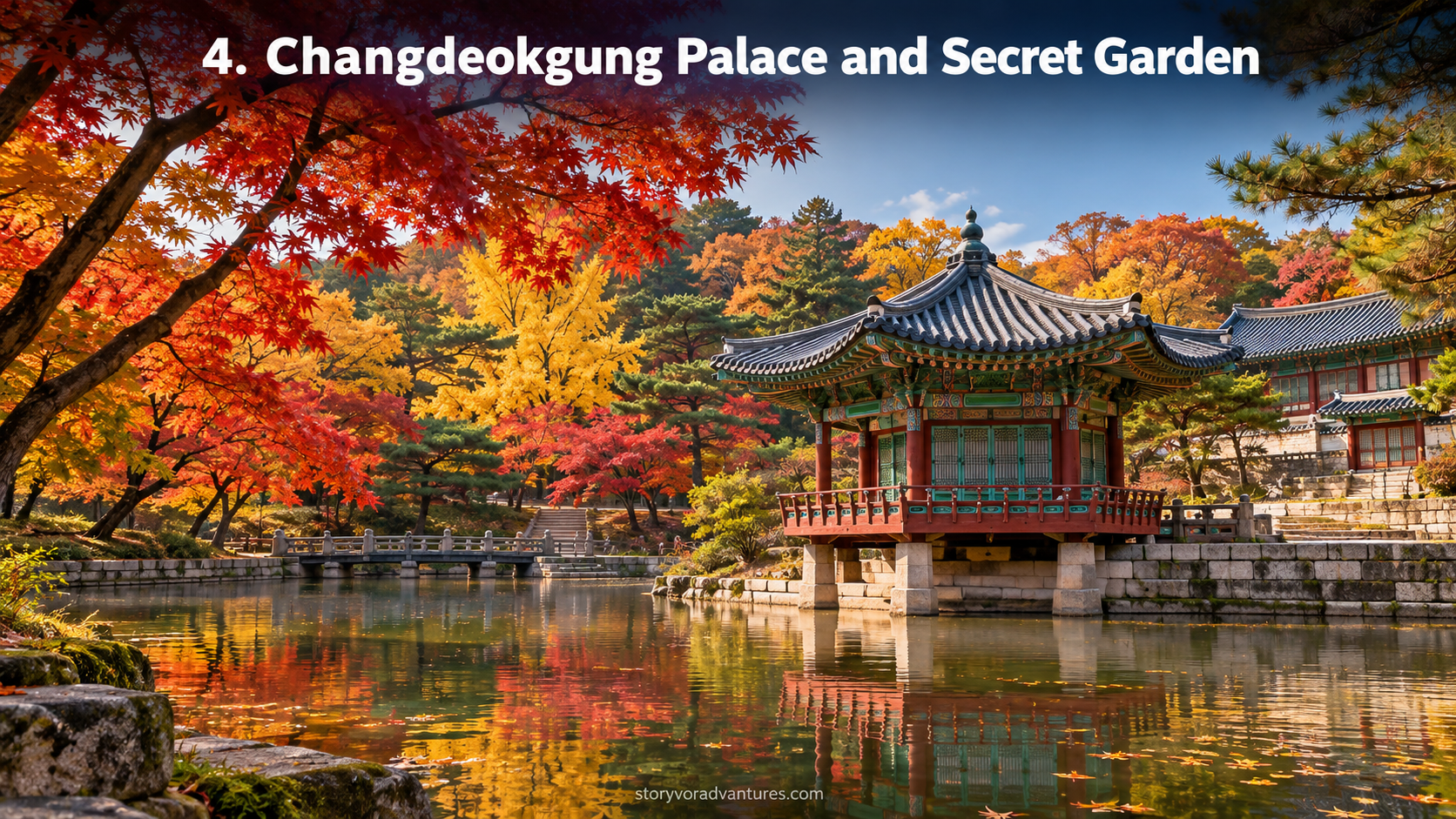
If you’re a fan of architecture and nature blending together, this is the palace to choose. It is a UNESCO World Heritage site, and its “Secret Garden” (Huwon) is absolutely stunning, featuring lotus ponds and ancient pavilions.
- Planning Tip: You cannot just walk into the Secret Garden; it requires a guided tour and tickets sell out weeks in advance online. Book this well before you board your flight!
5. Gwangjang Market
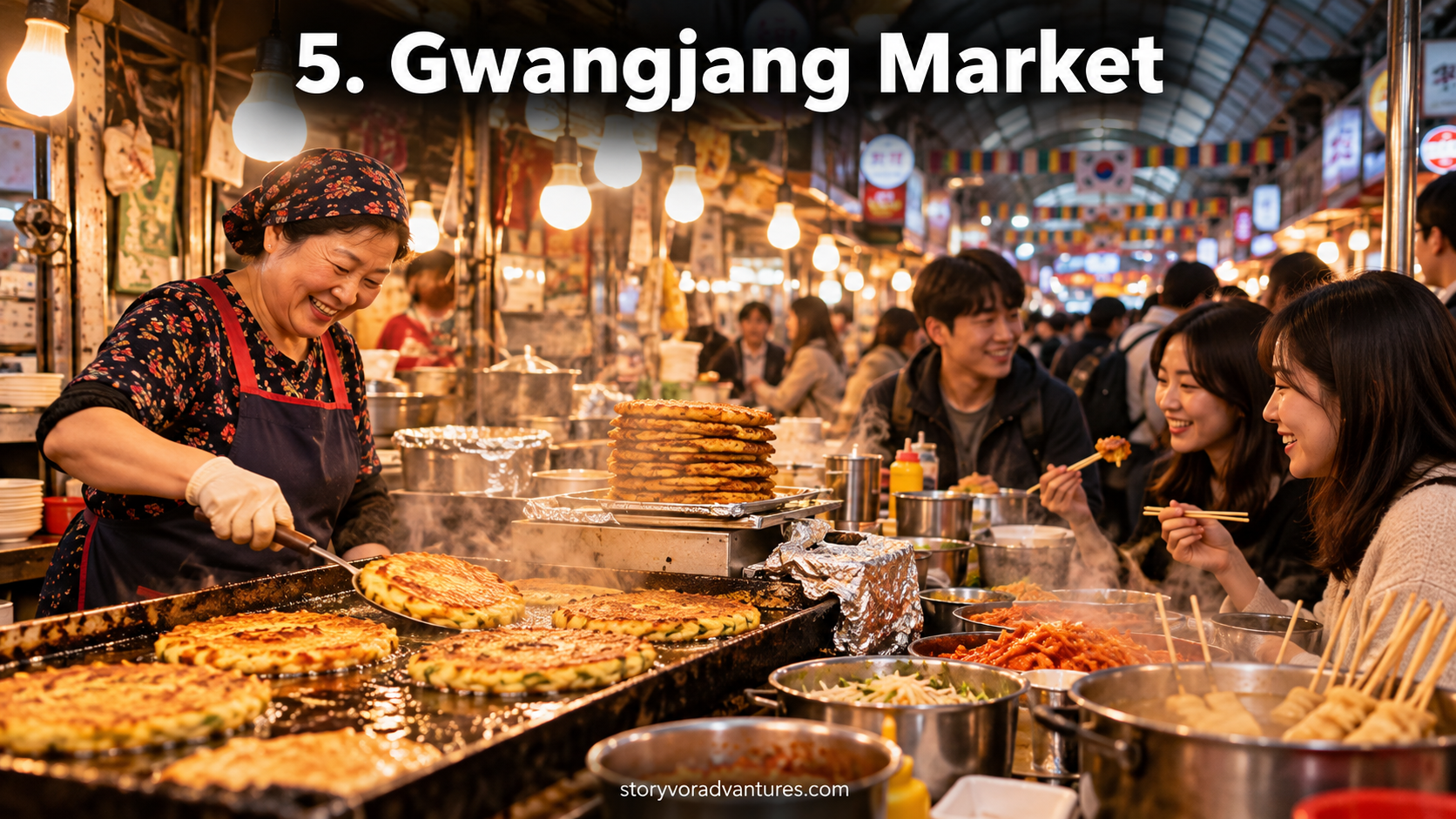
You simply cannot understand Seoul without eating your way through it, and Gwangjang Market is the ultimate food destination. Keep your plans flexible, walk around, and follow your nose. The energy here is chaotic and wonderful.
- Planning Tip: You have to try Bindaetteok (crispy mung bean pancakes), Mayak Gimbap (addictive mini rice rolls), and handmade Kalguksu (knife-cut noodles). Netflix’s Street Food series featured a famous noodle stall here—look for the friendly lady in the pink shirt!
6. Namsan & N Seoul Tower
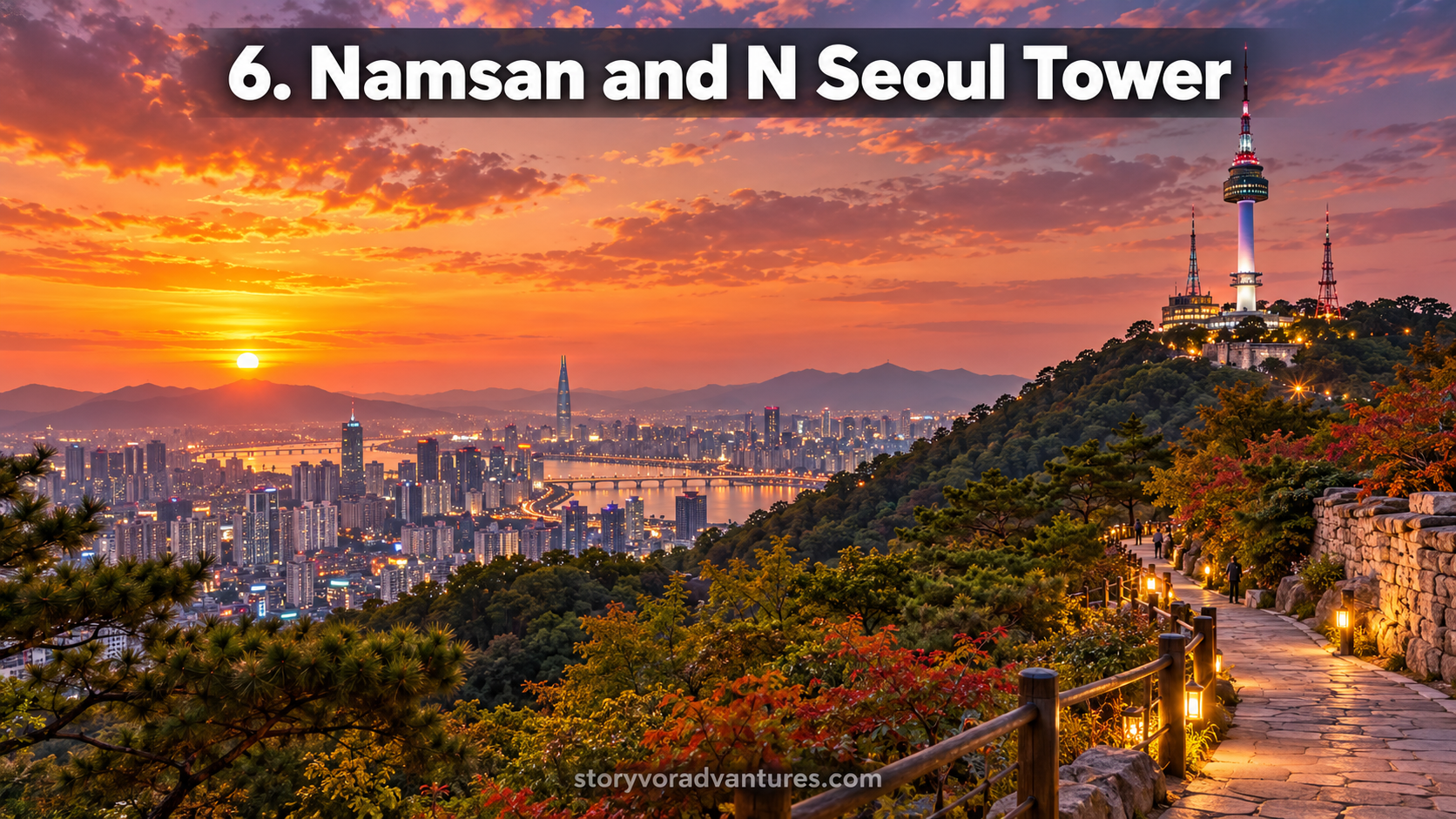
Whenever you need a break from the busy streets, head up Namsan mountain. The elevated views of the sprawling city are incredible. Going up just before sunset so you can watch the city transition from day to a sea of neon lights is magical.
- Planning Tip: You don’t have to hike up. Take the Namsan Cable Car for a scenic ride to the top. Also, don’t forget to check out the thousands of “love locks” left by couples on the fences!
7. Hongdae
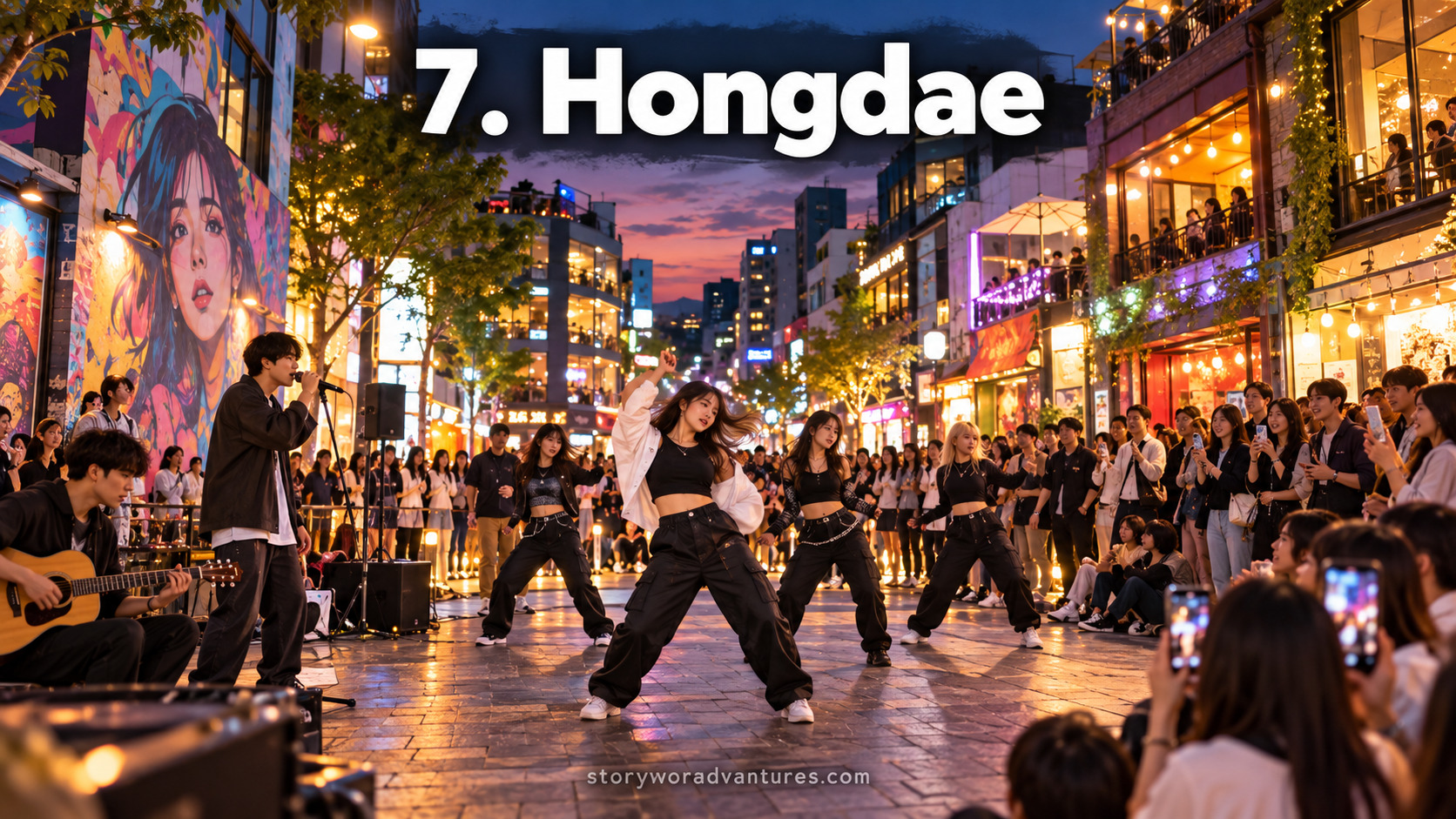
Centered around Hongik University, this neighborhood has a completely different pulse. It’s buzzing with youth culture, indie music, street performers (buskers), vintage clothing stores, and quirky themed cafes.
- Planning Tip: Hongdae really comes alive at night. It’s the perfect spot to grab dinner, watch some incredible street dancers, and experience Seoul’s legendary nightlife and Noraebang (karaoke) culture.
8. Myeongdong
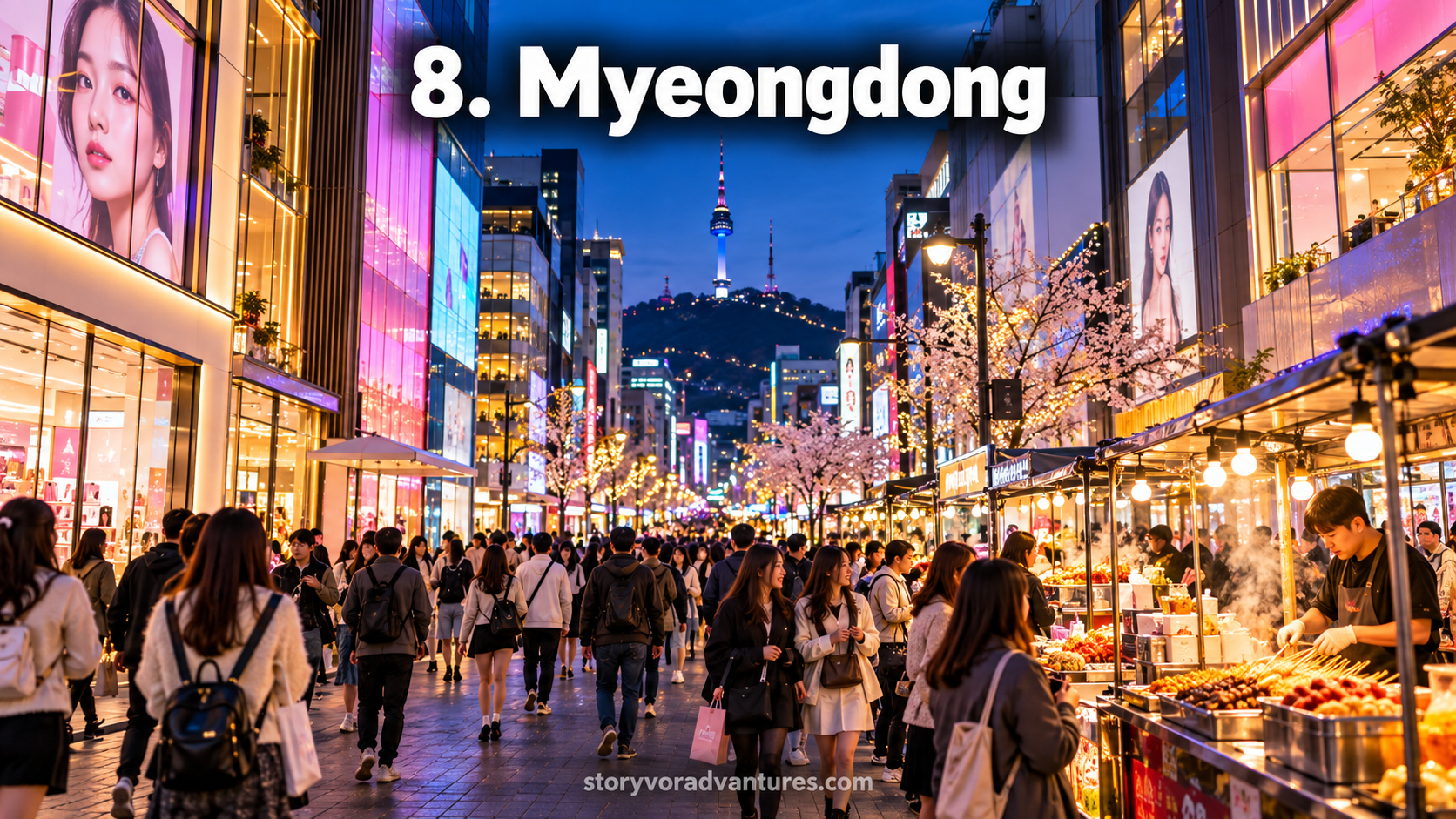
If it’s your first night in Seoul, Myeongdong is the easiest place to start. It’s loud, bright, packed with endless street food carts, and is the absolute epicenter of Korean skincare and beauty shopping.
- Planning Tip: The street food here is a bit pricier than traditional markets, but the variety is insane. Try the torched lobster tails, cheese-baked scallops, and hotteok (sweet stuffed pancakes).
9. Seongsu & Seoul Forest
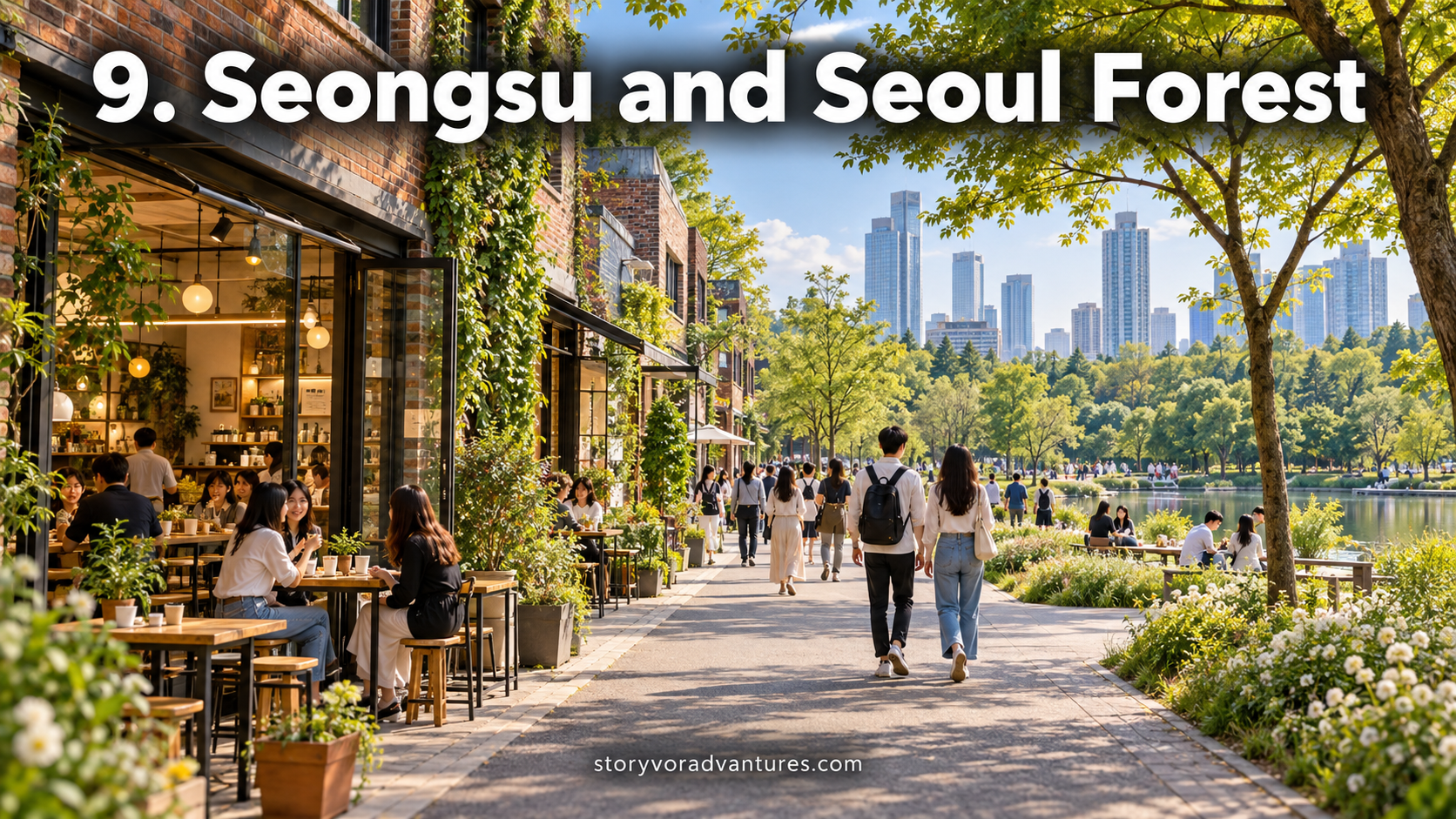
Often called the “Brooklyn of Seoul,” Seongsu is an old industrial district that has been taken over by hip cafes, art spaces, and trendy shops built into converted shoe factories and warehouses. Right next to it is Seoul Forest, a massive, beautiful park.
- Planning Tip: Cafe culture in Seoul is next-level, and Seongsu is the heart of it. Check out Cafe Onion (built in a ruined industrial building) or the stunning Dior Seongsu pop-up store for some serious aesthetic vibes.
10. The Hangang (Han) River
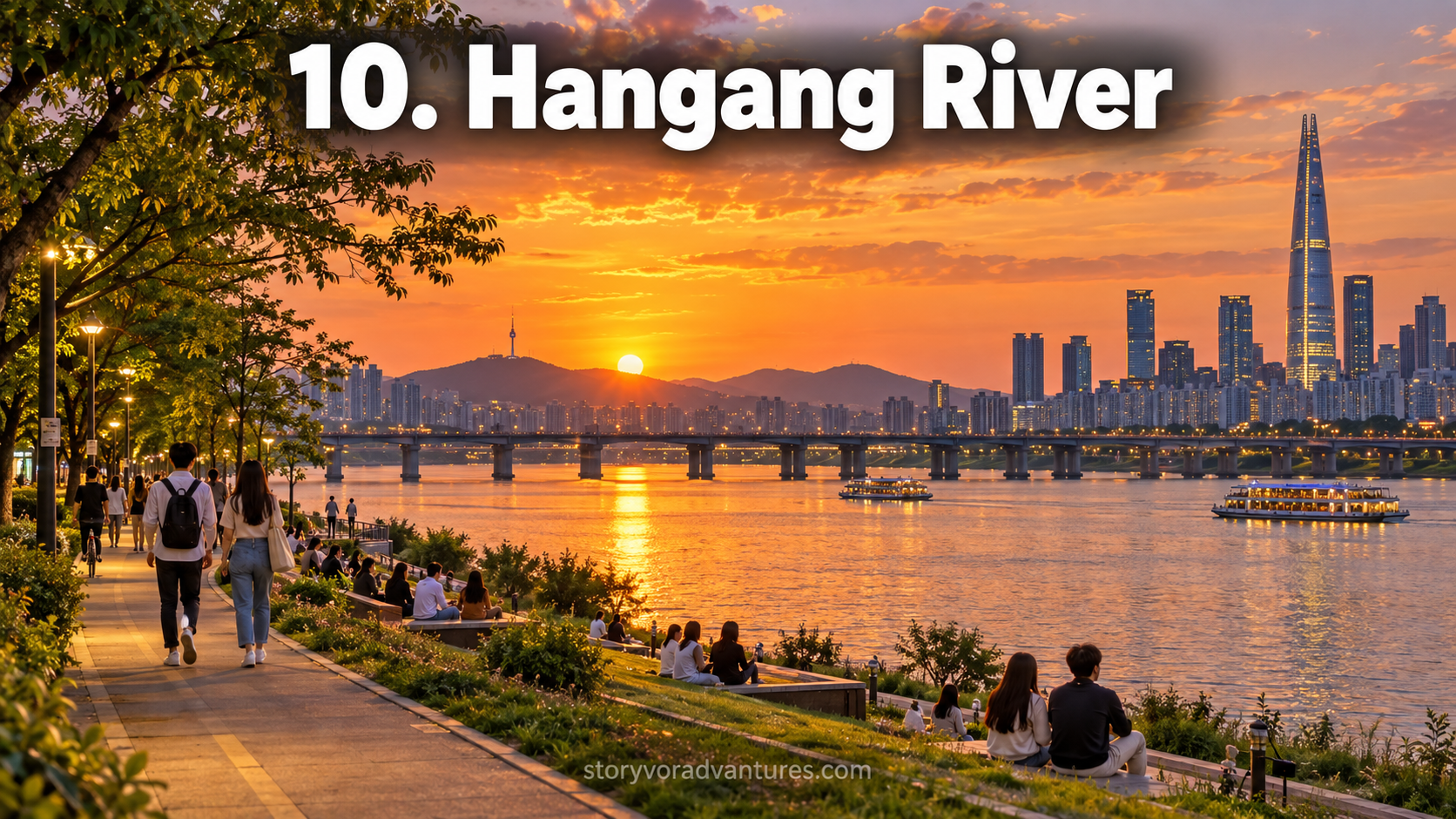
Ending your day by the Han River is a classic local experience. The river splits the city in half and is surrounded by beautiful parks.
- Planning Tip: Do as the locals do: order Chimaek (fried chicken and beer) to be delivered right to your picnic blanket in the park, or grab instant ramen from a riverside convenience store and cook it in the special outdoor boiling machines.
What to Eat in Seoul (Beyond the Market)
Aside from street food, make sure you sit down for these iconic meals:
- Korean BBQ (Gogi-gui): Pork belly (Samgyeopsal) grilled right at your table, wrapped in lettuce with garlic and spicy paste (ssamjang).
- Bibimbap: A comforting, hot bowl of rice topped with colorful sautéed vegetables, beef, a fried egg, and spicy gochujang sauce.
- Chimaek: Korean fried chicken is shatteringly crisp and often coated in sticky, sweet, and spicy sauces. Paired with a cold beer, it’s the ultimate late-night meal.
Where to Base Yourself
- First-timers & Shoppers: Myeongdong is highly central, packed with food, and right on major subway lines. You can walk out of your hotel and instantly be in the action.
- Culture Lovers: Jongno or Insadong keeps you right next to the historic palaces, quiet tea houses, and traditional streets.
- Night Owls & Solo Travelers: Hongdae is your best bet for late-night food, affordable guesthouses, and endless, youthful energy.
Getting from the Airport
Getting from Incheon Airport is a breeze. The Airport Railroad Express (AREX) is the fastest way into the city. The Express Train goes non-stop to Seoul Station in about 43 minutes. Alternatively, the All-Stop train takes a bit longer but is cheaper. Airport Limousine buses are also fantastic if they drop off directly at your hotel, saving you from dragging luggage through subway stairs.
A Quick Note on Visas
Entry rules can be tricky. South Korea has extended a temporary K-ETA exemption through December 31, 2026, for certain eligible nationalities (like the US, UK, Australia, etc.), but it’s not a global free pass. Always check the official Korea Visa Portal and K-ETA website based on your specific passport before booking those non-refundable flights!
Practical 5-Day Seoul Itinerary
| Day | Morning | Afternoon | Evening |
|---|---|---|---|
| Day 1: Arrival & Lights | Land, check into your hotel, and grab a Tmoney card. | Rest and freshen up. | Head to Myeongdong to eat street food, buy some sheet masks, and soak in the neon lights. |
| Day 2: Royal History | Rent a Hanbok and explore Gyeongbokgung Palace. | Walk through Bukchon Hanok Village and have traditional tea in Insadong. | Enjoy a sit-down Korean BBQ dinner in the Jongno area. |
| Day 3: Gardens & Markets | Tour the Secret Garden at Changdeokgung Palace. | Dive into the culinary chaos of Gwangjang Market for lunch. | Head up the cable car to Namsan & N Seoul Tower for sunset city views. |
| Day 4: Modern Vibes | Grab coffee and pastry in the trendy industrial cafes of Seongsu. | Rent a bike or take a long walk through Seoul Forest. | Hit up Hongdae for indie music buskers, vintage shopping, and late-night drinks. |
| Day 5: Flexible Wrap-Up | Pick up any last-minute souvenirs or skincare products. | Visit a unique museum (like the National Museum) or explore the futuristic Dongdaemun Design Plaza (DDP). | Grab instant ramen and fried chicken for a picnic along the Hangang River. |
Final Thoughts
A rewarding Seoul itinerary does not need to include every attraction. Combining a royal palace, traditional neighbourhood, local market, modern district and riverside park can provide a balanced introduction to the city. Leave some free time for meals, rest and unexpected discoveries, and confirm current opening hours, admission rules and transport information through official sources before visiting.